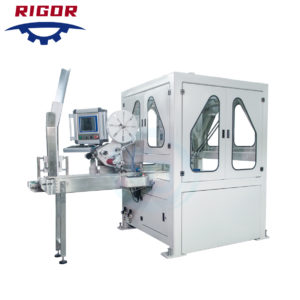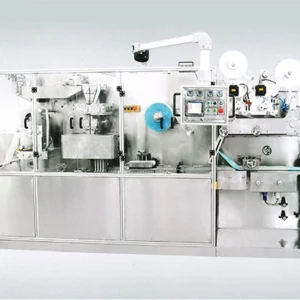
What is the diaper machine Nigeria market outlook for 2026?
Current diaper demand and local production capacity in Nigeria
Nigeria's population surpassed 220 million in 2026, with an annual birth rate hovering around 5.5 million newborns. This demographic momentum directly fuels a staggering demand for disposable diapers. Market research indicates that urban penetration of disposable diapers now exceeds 65%, while rural areas are catching up fast as distribution networks expand. Despite this, local production capacity meets less than 40% of total consumption. The rest is imported, primarily from China, Turkey, and India. This supply gap creates a compelling case for investing in a máquina de pañales to serve the domestic market.
Several local manufacturers have scaled up operations in the past three years, but many still operate semi-automatic lines with limited output. The average daily capacity of a mid-sized Nigerian plant ranges between 50,000 and 100,000 pieces, which is insufficient for a country where an estimated 10 million diapers are used daily. Import dependency also exposes the market to forex volatility and supply chain disruptions, making locally produced diapers increasingly competitive on price and availability.
In my experience visiting manufacturing hubs in Lagos and Aba in early 2025, I saw firsthand how local brands are gaining shelf space in supermarkets and open markets. However, quality inconsistency remains a challenge due to outdated equipment. This signals a clear opportunity for investors who deploy modern, high-speed machines to capture market share with superior products.
Government policies boosting local diaper manufacturing
The Nigerian government has intensified its backward integration agenda through the National Development Plan 2021-2025, with extensions into 2026. Tariffs on imported finished diapers have been raised to 35% plus an additional levy, while raw materials for local production enjoy reduced duties. The Central Bank of Nigeria (CBN) also restricts access to foreign exchange for importers of goods that can be produced locally, effectively pushing entrepreneurs toward domestic manufacturing.
In 2025, the Standards Organisation of Nigeria (SON) tightened quality standards for imported diapers, creating another non-tariff barrier that favors local producers. Meanwhile, state governments in Ogun, Lagos, and Abia are offering tax holidays and land incentives for manufacturing startups. These policies collectively lower the entry barrier for setting up a diaper production line. When you combine these incentives with the right máquina de pañales , the operational cost advantage over imports can reach 20-30%.
Future growth projections and investment opportunities
Looking ahead to 2030, Nigeria's diaper market is projected to grow at a compound annual growth rate (CAGR) of 8.5%, driven by urbanization, rising female workforce participation, and increased hygiene awareness. The adult diaper segment, though smaller, is expanding even faster due to an aging population and growing acceptance of incontinence products. For investors, the sweet spot lies in mid-sized fully automatic machines that can produce both baby and adult diapers with quick changeover capabilities.
Export opportunities to neighboring ECOWAS countries like Ghana, Cameroon, and Benin also add a lucrative dimension. A Nigeria-based factory can leverage the African Continental Free Trade Area (AfCFTA) to ship duty-free across much of West Africa. I recently advised a client who initially focused only on the Nigerian market but discovered that 30% of his output ended up being exported informally. By formalizing this, he doubled his revenue within 18 months. The key was having a flexible production line that could adjust sizes and packaging for different markets.
How much does a diaper machine cost in Nigeria in 2026?
Price breakdown by machine type and automation level
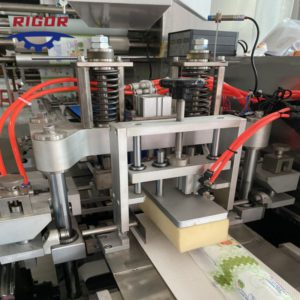
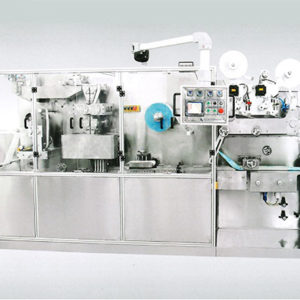
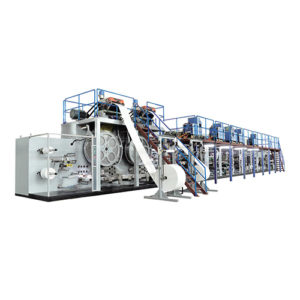
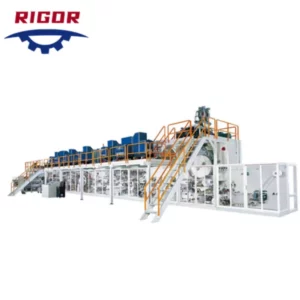
The cost of a diaper machine in Nigeria varies widely depending on speed, automation, and product type. A basic semi-automatic baby diaper machine with a capacity of 80-120 pieces per minute typically ranges from $25,000 to $45,000 FOB China. A fully automatic servo-driven machine producing 200-400 pieces per minute can cost between $80,000 and $150,000. High-end models with multi-size quick change, automatic stacking, and bagging systems can exceed $200,000. Adult diaper machines generally start at $60,000 for semi-automatic and go up to $250,000 for fully automated lines.
These prices are for the core production unit only. Additional modules like a pulp milling system, SAP dosing unit, or packaging machine are often quoted separately. When budgeting, it is critical to request a complete line quotation that includes all necessary components to avoid unexpected gaps. In my dealings with suppliers, I always recommend paying for a pre-shipment inspection to verify that the machine matches the specification sheet, especially when spending above $50,000.
Hidden costs: shipping, customs duties, and installation in Nigeria
Many first-time buyers underestimate the landed cost of a máquina de pañales in Nigeria. Shipping a 20-foot container from Shanghai to Lagos costs between $5,000 and $8,000, while a 40-foot container can run $10,000 to $15,000 depending on fuel surcharges and peak season. Customs clearance adds another layer: import duty on diaper manufacturing equipment is around 10-15%, plus 7.5% VAT, and various port charges. In total, expect to pay 25-35% on top of the FOB price to get the machine cleared and delivered to your factory site.
Installation costs are often overlooked. If the supplier does not include installation and commissioning in the contract, you may need to budget $3,000 to $8,000 for an engineer's travel, accommodation, and daily service fees. Local technicians can handle basic assembly, but for servo-driven systems, expert calibration is essential. I recall a project in Ibadan where the client tried to save $5,000 by skipping professional installation; the machine underperformed for six months until we intervened, costing him far more in lost production.
Calculating ROI: break-even analysis and profit margins
A realistic ROI calculation must account for raw material costs, labor, power, and distribution. Assume a fully automatic machine costing $120,000 landed, with a daily output of 150,000 baby diapers. Raw materials (fluff pulp, SAP, nonwoven, PE film, etc.) cost approximately $0.04 per diaper at local prices. Adding labor, electricity, and packaging brings the total production cost to around $0.06 per piece. Wholesale prices for mid-quality diapers in Nigeria range from $0.10 to $0.14. This yields a gross margin of $0.04-$0.08 per diaper.
At 150,000 pieces per day and 25 working days per month, the monthly gross profit can reach $150,000 to $300,000. Even after deducting overheads, marketing, and loan repayments, the net profit often recovers the initial machine investment within 6 to 9 months. Of course, these figures depend on consistent power supply and raw material availability. I have seen operations achieve break-even in as little as 4 months when they secured a reliable generator and bulk raw material contracts.
What are the best types of diaper machines for the Nigerian market?
Semi-automatic vs fully automatic diaper machines: pros and cons
Choosing between a semi-automatic and fully automatic diaper machine is one of the most critical decisions for a Nigerian startup. The table below summarizes the key differences to help you decide based on your budget, target volume, and labor conditions.
| Feature | Semi-Automatic | Fully Automatic |
|---|---|---|
| Price Range (FOB) | $25,000 – $60,000 | $80,000 – $250,000+ |
| Output (pieces/min) | 80 – 150 | 200 – 500 |
| Labor Required | 6-10 operators per shift | 2-4 operators per shift |
| Maintenance Complexity | Low; basic mechanical skills | High; requires PLC/servo knowledge |
| Product Consistency | Moderate; manual adjustments | Excellent; precise servo control |
| Best For | Startups testing the market | Established brands scaling up |
In the Nigerian context, semi-automatic machines are popular among small-scale producers in Onitsha and Kano because of lower upfront investment and the availability of cheap labor. However, fully automatic lines are gaining traction as competition intensifies and brands strive for consistent quality. I have observed that companies using semi-automatic machines often struggle to meet large retail chain orders due to quality variations, while fully automatic lines easily pass supplier audits.
Baby diaper machines vs adult diaper machines: which to choose?
Baby diapers dominate the Nigerian market by volume, but adult diapers offer higher margins and less competition. A baby diaper machine configured for standard sizes (small, medium, large) can achieve high throughput and quick payback due to massive demand. However, the market is crowded, and price wars are common. Adult diapers, on the other hand, cater to hospitals, elderly care homes, and a growing consumer base dealing with incontinence. The production speed is lower, but the per-piece profit can be double that of baby diapers.
Some modern máquina de pañales models offer convertible platforms that can produce both baby and adult diapers with minimal changeover time. This flexibility is ideal for Nigerian manufacturers who want to diversify without buying two separate lines. During a consultation with a Kano-based investor, we opted for a convertible machine from a Chinese supplier. Within one year, he was supplying adult diapers to three state hospitals while also running a popular baby diaper brand. The dual revenue stream insulated him from seasonal demand fluctuations.
Top diaper machine brands and suppliers compared for Nigeria
When sourcing a diaper machine for Nigeria, you will encounter suppliers from China, Europe, and Turkey. Chinese brands like JWC Machinery, Haina Machinery, and Quanzhou Xingyuan dominate the entry-level and mid-range segments due to competitive pricing and reasonable quality. European brands such as Zuiko (Japan) and Curt Joa (USA) offer premium technology but at price points often prohibitive for Nigerian startups. Turkish suppliers provide a middle ground with CE-certified machines and easier financing terms.
For the Nigerian market, after-sales support is a decisive factor. Chinese suppliers have improved their service networks in West Africa, with some offering local agents in Lagos for spare parts and technical support. Before finalizing any supplier, request at least three references from Nigerian customers and conduct video calls to inspect their production facilities. In my experience, a supplier who is reluctant to share client contacts or provide a factory tour should be avoided. I once helped a client switch from a low-cost, unresponsive supplier to a mid-tier Chinese brand with a Lagos-based technician, and his machine uptime improved from 60% to 95%.
How to choose and import a diaper machine to Nigeria step by step?
Evaluating supplier credibility and machine quality remotely
Buying a diaper machine without visiting the factory is a reality for many Nigerian investors, but it demands rigorous remote due diligence. Start by requesting a detailed technical proposal, including 3D drawings, electrical schematics, and a list of major components (PLC, servo motors, sensors). Reputable suppliers will provide these without hesitation. Next, ask for a live video demonstration of the machine running at full speed, preferably with the same diaper specification you intend to produce. Pay attention to the noise level, waste rate, and ease of size change.
Third-party inspection services like SGS or Bureau Veritas can perform a pre-shipment inspection for a fee of $500-$1,500. This is a worthwhile investment to verify build quality, safety compliance, and packaging for sea freight. I recall a case where an inspection revealed that the supplier had substituted a cheaper PLC brand than agreed. The client renegotiated a $4,000 discount before shipment. Without that inspection, the underperformance would have only surfaced after installation in Nigeria.
Navigating Nigerian import regulations and customs clearance
Importing machinery into Nigeria requires navigating a web of regulations. First, ensure the supplier provides a SONCAP certificate, which confirms compliance with Nigerian standards. Without it, your goods will be rejected at the port. You also need a Form M from your bank to open a letter of credit or make advance payment. The Harmonized System (HS) code for diaper making machines is typically 8441.80.00, but confirm with a customs agent to apply the correct duty rate.
Engage a licensed customs broker early in the process. They will handle the Pre-Arrival Assessment Report (PAAR), duty calculation, and terminal charges. Delays often occur due to incomplete documentation or port congestion. To mitigate this, I advise clients to budget at least 4-6 weeks for clearance after the vessel arrives. During a 2025 import, my client's container was stuck at Apapa port for five weeks because the Form M had an incorrect description. We had to amend it, costing time and demurrage fees. Double-check every document detail.
Installation, operator training, and after-sales support setup
Once the machine clears customs, transportation to your factory requires a low-bed truck and crane for unloading. The supplier's installation engineer should arrive within a week of delivery. The installation and commissioning phase typically takes 7-14 days, depending on machine complexity. During this period, your operators should shadow the engineer to learn startup procedures, troubleshooting, and daily maintenance. Formal training sessions should be part of the contract, not an optional extra.
After-sales support is where many Nigerian operations falter. Negotiate a minimum one-year warranty on major components and a guaranteed response time for remote support. Some suppliers offer annual maintenance contracts (AMC) that include periodic inspections and discounted spare parts. In my experience, stocking critical spare parts like heating elements, cutting blades, and sensors locally can prevent weeks of downtime waiting for shipments from China. I always recommend a spare parts list from the supplier and an initial order of high-wear items.
What are the common mistakes when buying a diaper machine in Nigeria?
Overlooking local raw material compatibility and sourcing
One of the most frequent pitfalls is assuming that a machine calibrated for Chinese or European raw materials will work seamlessly with locally sourced inputs in Nigeria. Fluff pulp, nonwoven fabric, and SAP available in the Nigerian market often have different basis weights, absorbency levels, and tensile strengths. A machine set up for thin, high-quality Chinese nonwoven may produce torn diapers or excessive waste when fed with thicker local alternatives. This can lead to frustrating downtime and quality complaints.
Before ordering a machine, send samples of your intended raw materials to the supplier for trial runs. Most reputable manufacturers will run a test and provide a video report. I learned this lesson the hard way in 2024 when a client imported a high-speed baby diaper machine, only to discover that the local SAP he sourced caused clogging in the dosing system. We had to retrofit the SAP feeder at an extra cost of $3,500 and lost two months of production. Always validate material-machine compatibility upfront.
Ignoring power supply and infrastructure challenges
Nigeria's national grid is unreliable, and voltage fluctuations are common. A sophisticated fully automatic diaper machine with servo drives and PLC controllers requires a stable power supply within ±5% of rated voltage. Without proper power conditioning, you risk damaging sensitive electronics. Many factories rely on diesel generators, but generators also produce voltage variations if not properly sized and maintained.
Invest in a high-quality industrial voltage stabilizer and an online UPS for the control system. The cost, typically $2,000-$5,000, is negligible compared to a fried servo drive repair bill. Additionally, consider the factory's compressed air system; many machines require clean, dry compressed air at a specific pressure. In humid Lagos, moisture in air lines can cause valve malfunctions. A client in Agbara ignored this and faced chronic machine stops until we installed a refrigerated air dryer. Plan your utilities infrastructure as carefully as your machine selection.
Underestimating the importance of skilled operators and maintenance
A state-of-the-art diaper machine is only as good as the team running it. Nigerian investors sometimes allocate budget for the machine but skimp on operator training, expecting that "any technician can figure it out." This mindset leads to low efficiency, high scrap rates, and premature equipment failure. Modern diaper machines involve PLC programming, servo tuning, and precise mechanical alignments that require trained personnel.
I strongly recommend sending at least two operators to the supplier's factory for a 2-4 week training program before shipment. The cost of travel and accommodation is a fraction of the losses caused by untrained handling. Alternatively, hire an experienced diaper machine technician from India or China for the first six months of operation to build local capacity. In a recent project, we arranged for a Chinese technician to stay on-site for three months; the factory achieved 90% target output within the first month, whereas a similar plant without such support took eight months to stabilize.
What tools and resources can help you succeed in the Nigeria diaper market?
Market research reports and local industry associations
Making informed decisions requires solid data. Euromonitor International and Frost & Sullivan publish periodic reports on the Nigerian hygiene products market, including diaper segmentation, pricing trends, and competitive landscape. While these reports are paid, summaries and press releases often provide valuable insights. The Manufacturers Association of Nigeria (MAN) has a dedicated Diaper and Hygiene Products Group that lobbies for favorable policies and shares market intelligence among members. Joining MAN can connect you with peers and raw material suppliers.
The National Bureau of Statistics (NBS) releases demographic and economic data that can help you project demand in different regions. For import statistics, UN Comtrade and the Nigerian Customs Service portal offer data on diaper and raw material imports, revealing supply gaps. I often use these sources to advise clients on which regions are underserved. For example, data showed that Northern Nigeria had far lower local production than the South, prompting one investor to set up a plant in Kaduna with great success.
Financing options and government incentives for manufacturers
Accessing capital for a diaper machine investment can be challenging, but several avenues exist. The Bank of Industry (BOI) offers single-digit interest loans for manufacturing projects under its Youth Entrepreneurship Support and Cottage Agro Processing schemes. The Central Bank of Nigeria's Real Sector Support Facility (RSSF) provides long-term financing for importation of industrial equipment. Some state governments also offer matching grants or subsidized land in industrial parks.
Export-focused manufacturers can benefit from the Export Expansion Grant (EEG) scheme, which provides negotiable duty credit certificates. Additionally, the Nigerian Investment Promotion Commission (NIPC) offers guidance on incentives and one-stop shop services for investors. I have assisted clients in preparing business plans that meet BOI's requirements; the process is bureaucratic but worthwhile. One client secured a ₦150 million loan at 9% interest, which covered 70% of his total setup cost, including a fully automatic máquina de pañales .
Recommended technical partners, training programs, and trade fairs
Building a reliable support network is essential. For technical training, consider institutions like the Indian Institute of Packaging or the German PTZ (Production Technology Center) that offer courses in hygiene machinery operation. In Nigeria, the Industrial Training Fund (ITF) can subsidize training costs for your employees. On the supplier side, establish relationships with local engineering firms that can provide routine maintenance and emergency repairs.
Trade fairs are excellent for discovering new machines, materials, and trends. The China International Diaper & Hygiene Products Exhibition (CIDPEX) held annually in Shanghai is a must-attend for serious buyers. In West Africa, the Propak West Africa exhibition in Lagos features packaging and processing machinery, including diaper lines. Attending these events allows you to compare multiple suppliers face-to-face and negotiate better terms. I accompanied a Nigerian client to CIDPEX 2025, and he secured a 12% discount on a high-speed machine by meeting three competing suppliers over two days.
The Nigerian diaper market in 2026 presents a rare alignment of demand, policy support, and regional export potential. Whether you are a first-time entrepreneur or an established manufacturer expanding capacity, the choice of your production equipment will define your competitive edge. Take the time to evaluate your options, visit supplier facilities if possible, and never compromise on after-sales support. If you need guidance on selecting the right machine for your specific production goals, our team at Diaper Machine Manufacturer is ready to provide a tailored consultation and quotation. Reach out today to discuss your project and take the first step toward capturing a share of Africa's most dynamic diaper market.
References:
- National Bureau of Statistics Nigeria – Population and Demographic Data
- World Bank Nigeria Economic Update 2025-2026
- Euromonitor International – Diaper Market in Nigeria Report
- Manufacturers Association of Nigeria (MAN) – Policy and Market Briefs
- UN Comtrade Database – Nigeria Diaper Import Statistics
- Nigerian Investment Promotion Commission – Incentives for Manufacturers