In situations where sanitary pads are unavailable, some people consider using toilet paper as a makeshift pad. While this may seem like a quick fix, it raises serious concerns about hygiene, comfort, and safety—especially during overnight use.
The Risks of Using Toilet Paper as a Pad
Toilet paper is not designed to absorb menstrual flow or protect against leaks over an extended period. When used as a substitute for a sanitary pad, several risks emerge:
Poor Absorption – Toilet paper quickly becomes saturated, leading to leaks and staining.
Hygiene Concerns – It may not be sterile and can harbor bacteria, increasing the risk of infections.
Discomfort – Toilet paper can shift, tear, or cause skin irritation due to friction.
Sleep Disruption – Frequent changes may be needed, interrupting rest.
These issues make it an unreliable and unsafe choice, particularly for overnight wear.
Why Sanitary Pads Are Designed Differently
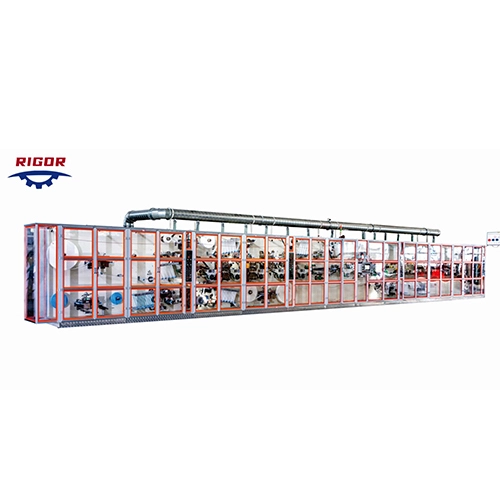
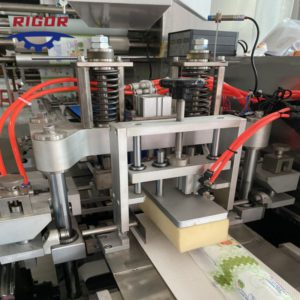
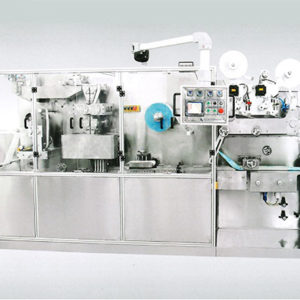
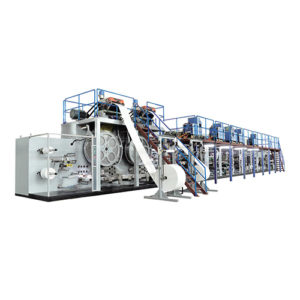
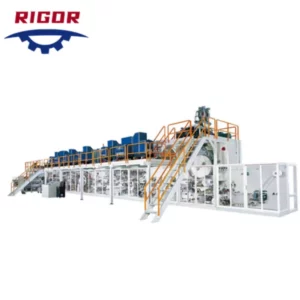
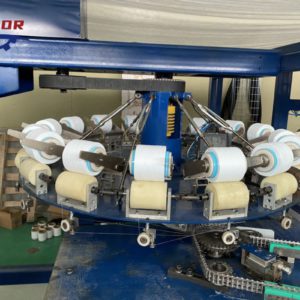
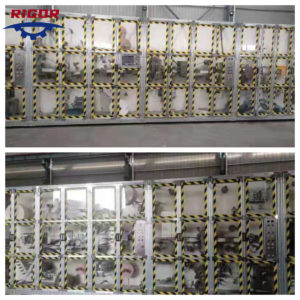
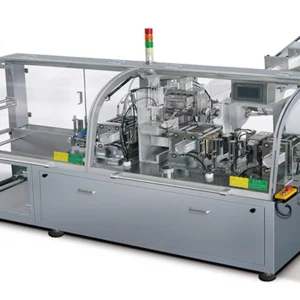
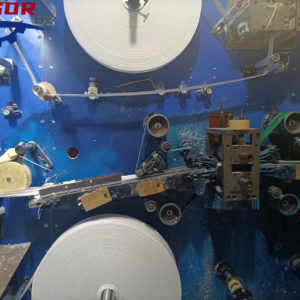
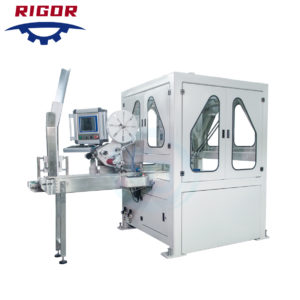
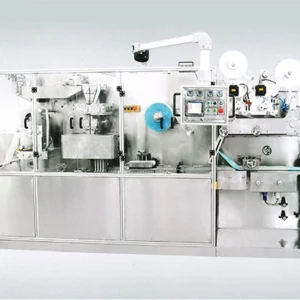
Unlike toilet paper, sanitary pads are engineered through a dedicated proceso de fabricación de compresas to ensure consistent absorbency, leak protection, and comfort. Manufacturers like Rigor use advanced sanitary napkin manufacturing machine technology to produce pads with:
Multi-layer absorbent cores.
Leak-proof backing.
Soft, skin-friendly top sheets.
Secure adhesive strips to prevent shifting.
These design features are critical for overnight protection, allowing users to rest without fear of leakage or discomfort.
The Importance of Manufacturing Technology
Modern menstrual products are the result of precise engineering. Rigor’s sanitary napkin manufacturing machine range enables the production of pads tailored to different absorbency levels and body shapes.
By optimizing the sanitary napkin making process, Rigor ensures that each product meets high hygiene standards while remaining affordable for a wide range of consumers.
Feature
Toilet Paper
Sanitary Pad (Rigor Technology)
Absorbencia
Low
High, designed for overnight use
Higiene
Unverified
Produced under strict sanitary controls
Comfort
Low
Ergonomic, skin-friendly design
Leak Protection
None
Multi-layer barrier system
Overnight Safety and Comfort
Overnight pads are specifically made to handle heavier flow while lying down. This is achieved through extended length, wider back coverage, and highly absorbent cores. Toilet paper simply cannot provide this level of performance, which is why relying on professionally made pads is essential for both health and comfort.
When Pads Are Not Available
In emergencies where pads are unavailable, temporary measures should be as hygienic as possible—such as using clean, folded cloth that can be washed and reused. However, these should only be short-term solutions until proper menstrual products are accessible.
The Role of the Manufacturing Industry
Companies like Rigor are committed to making quality menstrual products more widely available. Drawing on experience in la fábrica de pañales sector, Rigor applies similar absorbent material technology and sealing methods to produce pads that perform reliably, even in resource-limited areas.
Through innovation in the sanitary napkin making process and expansion of sanitary napkin manufacturing machine capacity, Rigor supports increased availability of safe, effective menstrual hygiene products globally.
Why Rigor Leads in Menstrual Product Innovation
Rigor’s production solutions prioritize:
Higiene – Stringent manufacturing controls to eliminate contamination.
Eficiencia – High-speed machines for large-scale production.
Personalización – Ability to create pads for different markets and preferences.
Their expertise from the diaper factory environment ensures that every product is built for maximum absorbency, comfort, and safety.
Choose Safety, Choose Comfort – Choose Rigor
Don’t compromise your health with unsafe alternatives. With Rigor’s advanced sanitary napkin manufacturing technology, you can rely on products designed for hygiene, comfort, and protection—day or night. Contact us today to learn more about our manufacturing solutions.
In many rural communities, the safe disposal of sanitary pads is still a challenge. Limited waste management systems, lack of awareness, and cultural taboos can lead to unsafe practices that affect both public health and the environment. Addressing this issue requires a combination of education, proper disposal methods, and support from the sanitary product manufacturing industry.
Why Safe Disposal Matters
Used sanitary pads can harbor harmful bacteria and viruses. Improper disposal—such as throwing pads in open fields or water bodies—can contaminate water sources, spread disease, and attract animals. In addition, pads made with non-biodegradable materials can remain in the environment for hundreds of years, contributing to long-term pollution.
By promoting hygienic disposal methods, communities can reduce health risks while protecting the environment.
Common Disposal Challenges in Villages
In rural areas, the main issues include:
Lack of Disposal Facilities – Few or no dedicated bins for sanitary waste.
Absence of Awareness – Limited knowledge about safe handling and environmental impact.
Stigma and Taboos – Cultural beliefs discouraging open discussion of menstrual hygiene.
These challenges highlight the need for practical and accessible solutions tailored to the local context.
Hygienic Disposal Methods
Safe disposal begins with proper handling:
Wrap the Used Pad – Use newspaper, paper bags, or biodegradable wrappers to contain odors and germs.
Dedicated Sanitary Bins – Install bins in schools, community centers, and public toilets.
Incinerators – Small-scale, low-emission incinerators can be set up in village health centers to dispose of pads hygienically.
Biodegradable Pads – Encourage the use of eco-friendly pads that break down faster in the environment.
The Role of Manufacturing in Safer Disposal
Improving disposal practices is not just about awareness—it’s also about designing products that are safer for the environment. Rigor supports this through its advanced sanitary napkin manufacturing machine technology, enabling the production of pads with biodegradable materials and improved absorbency.
By refining the sanitary napkin making process, Rigor helps manufacturers create products that are more hygienic to handle after use and easier to dispose of safely.
Factor
Conventional Pads
Pads Made via Advanced Manufacturing
Disposal Safety
Lower
Higher due to eco-friendly materials
Decomposition Time
Years
Months (biodegradable)
User Hygiene
Standard
Enhanced due to improved design
Education and Awareness
Manufacturing advancements need to be paired with community education. This includes teaching girls and women about safe disposal practices, engaging local leaders, and addressing cultural stigma.
Partnerships between manufacturers like Rigor and grassroots organizations can ensure that the sanitary napkin manufacturing machine output reaches rural markets with affordable, safe, and sustainable products.
Sustainable Solutions for the Future
The diaper and sanitary product industry can play a key role in reducing environmental impact. Rigor, with its expertise in the diaper factory operations, applies similar principles to menstrual product manufacturing—focusing on automation, material efficiency, and quality control.
By integrating eco-conscious practices into the proceso de fabricación de compresas, Rigor ensures that rural communities can access products designed for both comfort and sustainability.
Why Rigor Leads in Hygienic Manufacturing
Rigor’s manufacturing solutions empower local producers to scale up production without compromising on hygiene or quality. The company’s sanitary napkin manufacturing machine range supports high-speed, precision production, while the optimized sanitary napkin making process reduces waste and improves product consistency.
Its experience in la fábrica de pañales sector brings additional advantages—such as advanced sealing technology and material innovations—that can be adapted for sanitary napkin production.
Build Hygiene, Protect the Environment – Choose Rigor
From advanced sanitary napkin manufacturing machines to sustainable production processes, Rigor delivers the technology that rural communities need for better menstrual hygiene and safer disposal. Partner with us to make a lasting impact on health and the environment.
Despite growing awareness around menstrual hygiene, selling sanitary napkins remains a challenge in many markets—particularly where taboos, affordability, and accessibility persist. For manufacturers and distributors, success depends not only on product quality but also on the right go-to-market strategy. Backed by advanced maquinaria para compresasand efficient sanitary pad-making machines, companies like Rigor are transforming how menstrual hygiene products reach end users.
Understanding the Market: One Product, Many Segments
A one-size-fits-all approach rarely works in the sanitary napkin market. Consumers differ in age, income, location, and even cultural norms. To reach them effectively, businesses must:
Segment audiences by urban vs rural needs
Offer tiered product lines from basic to premium
Educate consumers on hygiene and product use
Address environmental concerns with sustainable variants
By aligning the sanitary napkin-making process with targeted marketing and social outreach, brands can build deeper trust and long-term loyalty.
Top Strategies to Drive Sanitary Napkin Sales
Below are key marketing and distribution tactics that have proven effective for menstrual hygiene products:
Affordable Packaging: Small packs of 2 or 3 pads help reach lower-income consumers
School Campaigns: Offering free samples in schools improves early adoption and brand recall
Healthcare Partnerships: Collaborating with clinics enhances credibility and reach
Retail Visibility: Ensuring availability at both pharmacies and convenience stores is crucial
Digital Awareness: Using social media influencers to reduce stigma and explain product benefits
When these strategies are backed by modern sanitary pad making machines, brands can scale up production quickly without sacrificing quality.
Behind every successful sanitary napkin campaign is a reliable production line. The flexibility to switch between pad types, adjust sizes, and control material costs can make or break a brand’s ability to respond to market needs.
Feature
Marketing Advantage
Rigor’s Contribution
Modular Sanitary Napkin Machinery
Enables multiple product variants for different markets
Offers flexible configurations for quick changeovers
High-Speed Pad Making Machine
Supports large-volume promotions and launches
Automated systems with minimal downtime
Quality Control Integration
Enhances customer trust and reduces return rates
Real-time monitoring and defect detection
Rigor’s cutting-edge solutions streamline the sanitary napkin-making process to ensure consistency, speed, and adaptability.
Creating Demand Through Education and Empathy
In many regions, the lack of awareness is a bigger obstacle than supply. Brands that succeed often do so by combining sales with education. Workshops, NGO partnerships, and community programs are powerful tools to:
Normalize menstruation as a health topic
Teach proper use and disposal
Encourage trial and feedback
Companies that invest in both product development and social outreach often see greater market penetration and customer loyalty.
Rigor: Supporting Growth with Scalable Hygiene Solutions
As a trusted manufacturer of sanitary pad-making machines and complete sanitary napkin machinery, Rigor empowers both established brands and emerging startups. Whether the goal is to enter a new market or expand existing product lines, Rigor provides the manufacturing backbone to turn strategy into action.
From flexible batch sizes to customized packaging features, Rigor’s systems are designed for brands that aim to grow while making a real social impact.
Turn Market Needs into Market Wins
The future of menstrual hygiene depends on innovation—not just in product, but in outreach, education, and accessibility. With the right strategies and a manufacturing partner like Rigor, brands can lead the change while growing profitably. Now is the time to rethink how you sell sanitary napkins—because every product sold is a step toward dignity, health, and empowerment.
Menstrual hygiene is not only a matter of personal care—it’s a public health and environmental concern. While great strides have been made in improving access to sanitary pads through innovations in the sanitary napkin-making process, the disposal of used napkins remains a critical issue. This is where sanitary napkin incinerators come into play. Designed to offer safe, hygienic, and eco-friendly disposal, these machines are becoming essential in schools, offices, hospitals, and public spaces. For manufacturers like Rigor, providing end-to-end menstrual hygiene solutions—from sanitary napkin machinery to disposal systems—ensures a cleaner and more dignified experience for women.
The Problem with Improper Disposal
Used sanitary pads contain blood and body fluids, making them a potential carrier of harmful bacteria if left exposed. In the absence of proper disposal methods, these pads are often flushed, buried, or thrown in open garbage, leading to:
Blocked drainage systems
Soil and water contamination
Health risks to waste handlers
Unpleasant odors and sights in public restrooms
Despite advances in sanitary pad-making machine technologies, disposal often lags in priority—undermining hygiene efforts.
Why Incineration is a Safer Option
Incineration is one of the most effective ways to manage sanitary waste. A well-designed sanitary napkin incinerator:
Destroys pathogens through high-temperature combustion
Reduces pad volume to sterile ash, minimizing landfill burden
By integrating incinerators into menstrual hygiene infrastructure, institutions can close the loop on the sanitary napkin making process—from production to safe disposal.
How It Works: From Pad to Ash
Here’s a breakdown of how sanitary napkin incineration fits into the full product lifecycle:
Process Stage
Descripción
Rigor’s Contribution
Máquina fabricadora de toallas sanitarias
Includes raw material handling, embossing, and sealing
Efficient, customizable automation by Rigor
Sanitary Napkin Machinery
Includes raw material handling, embossing, sealing
Integrated systems for quality and consistency
Incineration Unit
Burns used pads at 800°C–1000°C
Compact, energy-efficient incinerators with auto shutoff
Combinando maquinaria para compresas with safe disposal units, Rigor helps institutions maintain hygiene standards from start to finish.
Where Are Incinerators Most Needed?
The demand for sanitary napkin incinerators is especially high in:
Girls’ schools and colleges: Reducing absenteeism due to poor disposal conditions
Rural health centers: Ensuring women have safe menstrual hygiene even in low-resource settings
Corporate offices and malls: Supporting workplace wellness and public health
Factories using sanitary pad-making machines: Integrating disposal as part of the production line
In each case, installing incinerators promotes dignity, privacy, and environmental responsibility.
Rigor: Building the Future of Menstrual Hygiene
At Rigor, innovation doesn’t stop at making sanitary pads. As a leading manufacturer of sanitary pad-making machines and complete sanitary napkin machinery, Rigor understands the importance of responsible disposal. Their incinerators are built for durability, low emissions, and user safety—supporting large-scale implementation in public and private settings.
By combining quality manufacturing with modern disposal solutions, Rigor is redefining menstrual hygiene as a holistic ecosystem—not just a product.
Close the Loop on Hygiene
Producing sanitary pads is only half the story—what happens after use matters just as much. Whether you’re upgrading a production facility or equipping a school, consider adding Rigor’s incineration solutions to your hygiene strategy. Give women the clean, safe, and dignified experience they deserve.