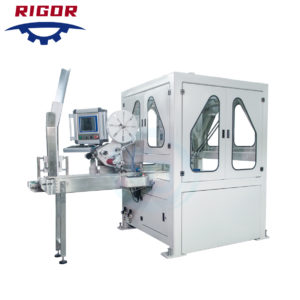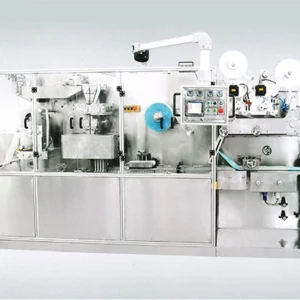
What is the Cost of a Diaper Machine in South Africa in 2026?
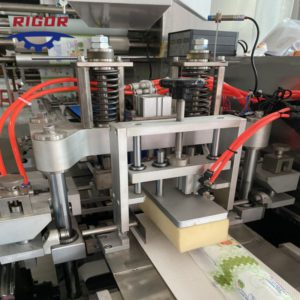
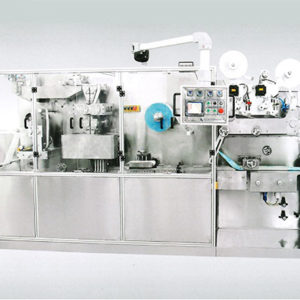
If you're planning to enter the South African hygiene product market in 2026, understanding the cost of a maquinaria para pañales is your first major step. Prices vary widely depending on the type, capacity, and origin of the equipment. A semi-automatic machine suitable for small-scale production can start from around $35,000, while a fully automatic, high-speed line can exceed $500,000. These figures are just the beginning—shipping, import duties, and installation can add another 20–35% to your total investment.
Price Ranges for Different Types of Diaper Machines (Semi-Automatic vs Full-Automatic)
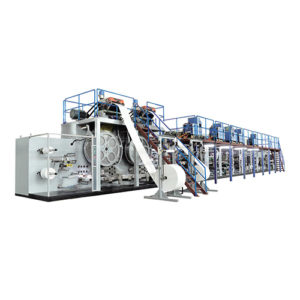
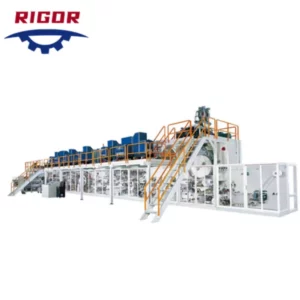
Semi-automatic machines typically require more manual labor for tasks like stacking, packaging, and material feeding. They are priced between $30,000 and $80,000, making them attractive for startups targeting niche markets or regional distribution. In contrast, full-automatic machines integrate unwinding, core forming, elastic application, and packaging into one continuous process. These machines range from $120,000 for basic models to over $600,000 for high-speed units producing 400–600 pieces per minute. For the South African market, where labor costs are moderate but reliability is crucial, many mid-sized manufacturers opt for full-automatic machines in the $150,000–$250,000 bracket.
Factors Affecting Diaper Machine Prices: Capacity, Speed, and Brand
Production speed is the single biggest price driver. A machine running at 200 ppm (pieces per minute) might cost $100,000, while a 500 ppm model can reach $350,000. Capacity also depends on product size—adult diaper machines are generally more expensive due to larger dimensions and higher material usage. Brand reputation plays a significant role: established European brands like Fameccanica or GDM command premium prices, often 40–60% higher than equivalent Chinese machines. However, Chinese manufacturers such as Quanzhou or Peixin have improved their quality significantly, offering competitive maquinaria para pañales with CE certifications at more accessible price points.
Hidden Costs: Shipping, Duties, and Installation in South Africa
Don't let the ex-factory price fool you. Shipping a 20-foot container from Shanghai to Durban costs roughly $3,500–$5,500 in 2026, while a 40-foot container can reach $7,000. Import duties on diaper machinery in South Africa are typically around 15% of the CIF value, but you should confirm the exact HS code with a customs broker. VAT (currently 15%) applies on the total landed cost. Then there's installation and commissioning: hiring a technician from the supplier for two weeks can cost $5,000–$10,000, plus travel expenses. I recall a client in Johannesburg who budgeted $200,000 for a machine but ended up spending nearly $260,000 after all hidden costs—a lesson in thorough planning.
Financing Options and ROI Calculation for the South African Market
Several South African banks offer asset finance for manufacturing equipment, with interest rates around 11–14% in 2026. Government programs like the Industrial Development Corporation (IDC) provide loans or equity for local manufacturing projects. To calculate ROI, assume a baby diaper selling at R2.50 per unit (ex-factory) with a material cost of R1.50. A machine producing 300 ppm can generate roughly R180,000 in revenue per day (assuming 8-hour shift). After deducting labor, overheads, and financing costs, a well-run operation can achieve payback in 18–24 months.
How to Choose the Right Diaper Machine for Your South African Business?
Selecting the right machine goes beyond price—it's about matching the equipment to your market, infrastructure, and long-term goals. In my experience working with manufacturers across Gauteng and KwaZulu-Natal, the most successful businesses are those that thoroughly assessed their production needs before committing.
Assessing Your Production Needs: Baby Diapers vs Adult Diapers vs Sanitary Pads
South Africa's baby diaper market is mature but still growing at 3–5% annually, driven by a young population. However, the adult incontinence segment is expanding at over 8% per year due to an aging demographic and increased awareness. If you're targeting government tenders for hospitals and care homes, an adult diaper machine might offer higher margins. Sanitary pad machines are another option, with demand fueled by school programs and NGO distributions. Many machines can be converted between products with change parts, but dedicated lines are more efficient. I've seen a Pretoria-based company start with a baby diaper line and later add a small adult diaper machine, diversifying their revenue and stabilizing cash flow.
Top Diaper Machine Brands and Suppliers Serving South Africa
Several international suppliers actively serve the South African market. Chinese manufacturers like Haina, JWC, and Xingshi have established local agents and offer competitive pricing. European brands such as Fameccanica and Zuiko provide high-end solutions but at a premium. When evaluating suppliers, check their track record in Africa—ask for references from South African clients and, if possible, visit an existing installation. A reliable supplier should offer remote diagnostics and have a spare parts hub in Johannesburg or Durban.
Key Features to Look for: Servo Motors, PLC Control, and Waste Reduction
Moderno maquinaria para pañales should include servo-driven motors for precise tension control and reduced material waste. PLC (Programmable Logic Controller) systems with touchscreen interfaces allow quick recipe changes and fault diagnosis. Waste reduction features, such as automatic splicing and reject stations, can save up to 3–5% in raw material costs—a significant figure when margins are tight. Also, consider machines with Industry 4.0 capabilities, like data logging and remote monitoring, to optimize production in real time.
Comparison: Chinese vs European Diaper Machines for South Africa
The choice between Chinese and European equipment is one of the most debated topics among new investors. Here's a quick comparison based on my consultations with factory owners:
| Feature | Chinese Machines | European Machines |
|---|---|---|
| Price Range (FOB) | $80,000 – $250,000 | $200,000 – $600,000+ |
| Technology Level | Advanced PLC, servo on critical stations | Full servo, integrated AI diagnostics |
| After-Sales Support in SA | Improving, often via local agents | Established networks, faster response |
| Plazo de entrega | 60–90 days | 90–120 days |
| Spare Parts Availability | Stocked in China; 1–2 weeks shipping | Local or regional hubs |
| Typical Lifespan | 10–15 years with maintenance | 15–20 years |
For many South African startups, a well-chosen Chinese machine offers the best balance of cost and capability. However, if you're targeting export-quality products and have deeper pockets, European machinery remains the gold standard.
What Are the Common Mistakes When Buying a Diaper Machine in South Africa?
Over the years, I've witnessed several costly errors that could have been avoided with proper due diligence. Here are the most frequent pitfalls and how to steer clear of them.
Ignoring Local Power Supply and Infrastructure Requirements
South Africa's electricity supply remains unstable in 2026, with load-shedding a persistent challenge. Many imported machines require a stable 380–400V three-phase supply with minimal fluctuations. I recall a client in Cape Town who purchased a high-speed line without checking his factory's power capacity. The machine needed 150 kVA, but his transformer was only 100 kVA. The upgrade cost him an extra R200,000 and delayed production by three months. Always have an electrical engineer assess your site and budget for a backup generator or voltage stabilizer.
Underestimating After-Sales Service and Spare Parts Availability
A machine is only as good as the support behind it. Some buyers focus solely on the purchase price and neglect to ask about service contracts, technician response times, and spare parts inventory. In one case, a Durban-based manufacturer waited three months for a critical spare part from a distant supplier, losing over R500,000 in potential revenue. When evaluating suppliers, insist on a detailed service level agreement (SLA) and verify that they have a local presence or at least a reliable courier arrangement for urgent parts.
Choosing the Wrong Machine Type for Local Raw Materials
Not all machines handle local raw materials equally well. South African manufacturers often source fluff pulp, SAP (superabsorbent polymer), and nonwoven fabrics from different suppliers than those used in machine testing. A machine optimized for Chinese raw materials might struggle with slightly different SAP grades or film thicknesses, leading to increased waste or downtime. Before ordering, send samples of your intended raw materials to the machine builder for trials. This simple step can prevent months of frustration.
Overlooking Import Regulations and SABS Standards
The South African Bureau of Standards (SABS) sets strict requirements for hygiene products. Imported machinery must comply with relevant safety and electrical standards. Additionally, you'll need an import permit from the Department of Trade, Industry and Competition (DTIC). Some buyers assume their supplier will handle all paperwork, only to find their machine stuck at customs. Work with a clearing agent experienced in industrial machinery, and ensure your supplier provides the necessary documentation, including CE or equivalent certificates.
How to Start a Diaper Manufacturing Business in South Africa: Step-by-Step Guide
Launching a diaper factory in South Africa requires careful planning beyond the machine purchase. Here's a roadmap based on my experience helping several startups get off the ground.
Market Research and Business Plan Development
Start by analyzing the competitive landscape. Identify your target segment: premium baby diapers for retail chains, affordable options for townships, or adult incontinence products for institutional buyers. Study competitors like Procter & Gamble (Pampers), Kimberly-Clark (Huggies), and local players such as Nampak or Premier. Your business plan should include a SWOT analysis, financial projections, and a clear marketing strategy. I've seen entrepreneurs underestimate the power of a strong brand in a market dominated by multinationals, so allocate resources for packaging design and consumer promotions.
Legal Requirements: Company Registration, Tax, and Permits
Register your company with the Companies and Intellectual Property Commission (CIPC). You'll need a tax number from SARS, and if your turnover exceeds R1 million, VAT registration is mandatory. Apply for a manufacturing license from your local municipality, and ensure your premises comply with health and safety regulations. If you plan to export to neighboring countries like Botswana or Namibia, you'll need additional certifications like SABS/SANS 1700 for baby diapers.
Factory Setup: Location, Layout, and Utilities
Choose a location with easy access to highways and ports if you're importing raw materials. Industrial areas in Johannesburg, Durban, or Cape Town offer established infrastructure. Your factory layout should separate raw material storage, production, finished goods, and quality control areas. Ensure adequate ventilation, dust extraction, and fire safety systems. A typical 300 ppm machine requires around 500–800 square meters of floor space, plus room for raw material and finished product storage.
Machine Installation, Commissioning, and Operator Training
Once your machine arrives, installation typically takes 2–4 weeks, depending on complexity. Commissioning involves calibrating the machine for your specific materials and product specifications. Invest in thorough operator training—at least two weeks of hands-on practice under the supplier's technician. I always recommend sending one or two key staff to the manufacturer's facility for advanced training if possible. Well-trained operators can reduce downtime by up to 30% and significantly extend machine life.
What Are the Latest Trends in the South African Diaper Market for 2026?
The hygiene products market is evolving rapidly. Staying ahead of these trends can give your business a competitive edge.
Growing Demand for Adult Incontinence Products
South Africa's population over 60 is growing, and with it the demand for adult diapers. Government healthcare programs are increasingly procuring these products, creating a stable, high-volume market. Private label brands are also emerging, offering opportunities for contract manufacturing. In 2026, the adult diaper segment is projected to account for nearly 25% of total hygiene product sales in South Africa, up from 18% in 2021. This shift presents a compelling case for investing in a flexible machine that can produce both baby and adult diapers.
Shift Towards Eco-Friendly and Biodegradable Diapers
Environmental concerns are influencing consumer choices, even in price-sensitive markets. Several South African retailers are piloting eco-friendly diaper lines made with plant-based materials and chlorine-free fluff pulp. While fully biodegradable diapers remain expensive, incremental improvements like reduced plastic content and certified sustainable pulp are gaining traction. If your machine can handle alternative materials like bamboo fiber or PLA film, you'll be well-positioned for this trend.
Impact of E-Commerce on Diaper Distribution Channels
Online sales of diapers have surged since the pandemic, with platforms like Takealot and Amazon.co.za expanding their reach. This shift allows smaller manufacturers to bypass traditional retail gatekeepers and sell directly to consumers. To capitalize, you need agile production capable of fulfilling smaller, more frequent orders. Digital marketing and subscription models are also becoming popular, creating opportunities for niche brands.
Technological Innovations: Smart Diaper Machines and Industry 4.0
The latest maquinaria para pañales incorporates IoT sensors, predictive maintenance algorithms, and real-time OEE (Overall Equipment Effectiveness) dashboards. These features allow factory managers to monitor production from a smartphone and reduce unplanned downtime. In 2026, even mid-range machines are offering basic Industry 4.0 capabilities. When buying new equipment, prioritize machines with open communication protocols so you can integrate them with your ERP system.
Where to Find Reliable Diaper Machine Suppliers and Resources in South Africa?
Finding the right supplier is half the battle. Here are the best channels to explore.
List of Top Diaper Machine Manufacturers Exporting to South Africa
Several manufacturers have a proven track record in Africa. Chinese companies like Quanzhou Haiwei Machinery, Fujian Peixin, and Jiangsu JWC are popular choices. European options include Fameccanica (Italy), GDM (Italy), and Zuiko (Japan/Europe). Turkish manufacturers like Gulsan are also making inroads. Always request a reference list and, if possible, visit a machine in operation before committing.
Trade Shows and Exhibitions for Diaper Machinery in Africa
Attending trade shows is invaluable for comparing machines and building relationships. Key events include Propak Africa (Johannesburg, every 3 years), Africa Health (Johannesburg, annual), and Sino-Africa trade exhibitions. In 2026, the inaugural Africa Nonwovens and Hygiene Summit is planned for Nairobi, which could be a game-changer for networking. International shows like INDEX (Geneva) or ANEX (Asia) are also worth the trip if your budget allows.
Government Incentives and Support for Local Manufacturing
The South African government offers several incentives to boost local manufacturing. The Industrial Development Corporation (IDC) provides funding for new factories, while the Department of Trade, Industry and Competition (DTIC) offers the Manufacturing Competitiveness Enhancement Programme (MCEP). There are also tax allowances for capital equipment under Section 12I of the Income Tax Act. Check with a local business consultant to see if your project qualifies.
Online Platforms and Forums for Diaper Industry Networking
LinkedIn groups like "Nonwovens & Hygiene Products Industry" and "Diaper Manufacturers Network" are active with professionals sharing insights. Websites like Nonwovens Industry magazine and Edana.org provide market data and supplier directories. For direct sourcing, platforms like Alibaba and Made-in-China.com list hundreds of machinery suppliers, but always verify credentials independently.
How to Maximize ROI with Your Diaper Machine in South Africa?
Once your machine is running, the focus shifts to profitability. Here's how to get the most from your investment.
Optimizing Production Efficiency and Reducing Waste
Even a 1% reduction in material waste can add thousands of rands to your bottom line. Regularly calibrate tension controls, inspect cutting blades, and train operators to identify early signs of misalignment. Implement a preventive maintenance schedule rather than reactive repairs. In a factory I consulted for in Port Elizabeth, introducing daily 15-minute clean-ups and weekly inspections reduced downtime by 22% in six months.
Diversifying Product Lines: Adding Sanitary Pads or Adult Diapers
Many diaper machines can be converted to produce sanitary pads or adult diapers with change parts. This flexibility allows you to serve different markets without buying a second machine. Start with your core product, then gradually introduce new lines as you build distribution. One of my clients started with baby diapers and, within two years, added a pant-style adult diaper line using the same base machine—doubling revenue with minimal additional investment.
Marketing Strategies for Local and Regional Markets
Don't rely solely on price competition. Develop a strong brand with clear positioning—whether it's "softest for sensitive skin" or "best value for large packs." Attend local trade fairs, partner with clinics and hospitals, and leverage social media to reach young parents. For regional exports, SADC countries like Zimbabwe, Zambia, and Mozambique offer growing demand with less competition. Ensure your packaging meets each country's labeling requirements.
Maintenance Best Practices to Extend Machine Lifespan
A well-maintained machine can last 15 years or more. Keep detailed logs of all maintenance activities, including part replacements and calibration dates. Stock critical spare parts like belts, bearings, and sensors to avoid long lead times. Establish a relationship with a local mechanical and electrical technician who can handle minor issues without waiting for the supplier's engineer. This proactive approach can extend your machine's life by several years and maintain resale value.
Ready to take the next step in your diaper manufacturing journey? Whether you're evaluating your first machine or expanding an existing line, the right maquinaria para pañales partner makes all the difference. Contact us today to discuss your project, request a customized quote, or schedule a visit to a running factory. Let's build a successful, sustainable business together in the vibrant South African market.
References and Further Reading
- Statistics South Africa – Manufacturing Industry Reports
- South African Bureau of Standards (SABS) – Standards for Hygiene Products
- Department of Trade, Industry and Competition (DTIC) – Import Regulations
- Industrial Development Corporation (IDC) – Funding for Local Manufacturing
- Euromonitor International – Tissue and Hygiene Market Research
- Nonwovens Industry Magazine – Machinery and Market Trends
- EDANA – Sustainability and Innovation in Nonwovens