How Much Does It Cost to Start a Sanitary Pad Production Plant in GCC in 2026?
The Gulf Cooperation Council (GCC) region has become a manufacturing hub for hygiene products, driven by population growth and government diversification plans. Starting a sanitary pad plant here in 2026 requires a clear understanding of both capital and operational expenses. The total investment can range from $500,000 for a small semi-automatic line to over $3 million for a fully automated, high-capacity facility. Let’s break down the numbers.
Breakdown of Initial Investment: Land, Building, and Machinery
Land costs vary significantly across GCC countries. In Saudi Arabia’s industrial cities like Sudair or Jeddah 2nd Industrial City, leasing a 1,000 sqm plot might cost around $20,000 per year. In the UAE, free zones such as Jebel Ali or Sharjah Airport International Free Zone (SAIF Zone) offer ready-built warehouses with annual rents ranging from $40,000 to $80,000 for similar sizes. Building construction, if you choose to build from scratch, adds another $200,000 to $500,000 depending on specifications and local labor costs.
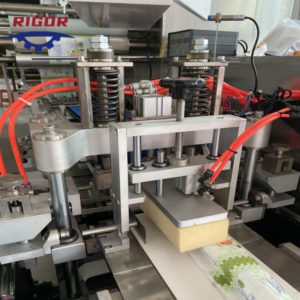
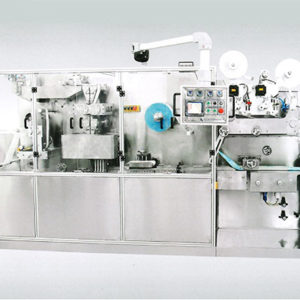
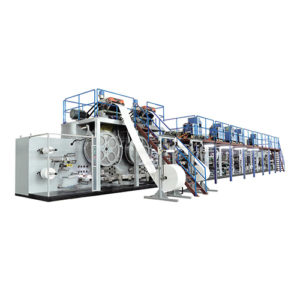
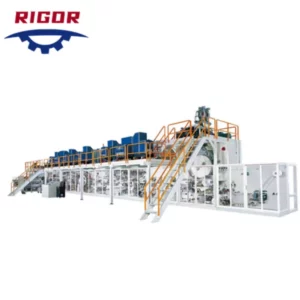
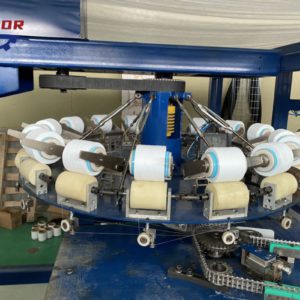
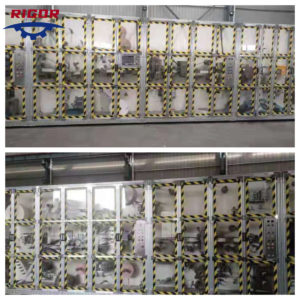
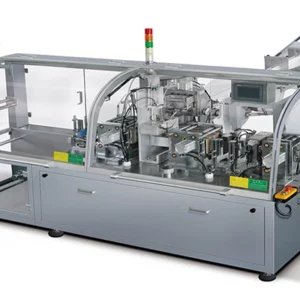
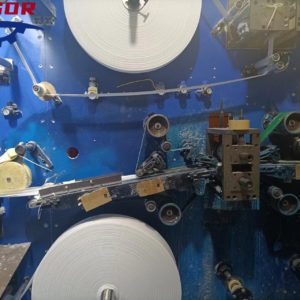
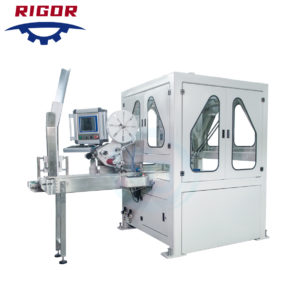
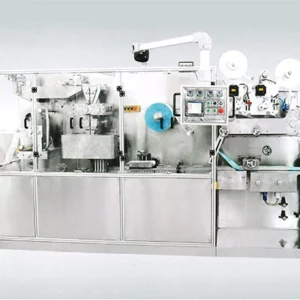
Machinery forms the backbone of your investment. A high-quality máquina para fabricar compresas with servo-driven technology can cost between $150,000 and $400,000 per line. Auxiliary equipment like pulverizers and packaging machines add another $50,000 to $100,000. I recall a client in Ras Al Khaimah who initially underestimated machinery costs by focusing only on the main production unit. He later had to spend an extra $30,000 on a proper dust extraction system to meet local environmental rules.
Operating Costs: Raw Materials, Labor, and Utilities in GCC
Raw materials account for 60-70% of your monthly operating costs. Fluff pulp, nonwoven fabric, PE film, and hotmelt adhesive are the primary inputs. In 2026, the price of fluff pulp has stabilized at around $900 per ton, while nonwoven fabric ranges from $2,500 to $3,500 per ton depending on GSM and quality. Sourcing from local distributors in Jebel Ali or Dammam can reduce logistics costs, but many plants still import from China or Europe for better pricing.
Labor costs in the GCC are moderate compared to Western countries but rising due to localization policies. A production supervisor might earn $2,000-$3,000 per month, while machine operators earn $800-$1,200. Utilities like electricity are subsidized in some GCC states, but water for cooling and cleaning can add up. In my own factory setup in Dubai, we installed a closed-loop water system that cut our water bill by 30% within the first year.
ROI Analysis: How Long to Recover Your Investment?
With a mid-range production line output of 200-300 pads per minute, you can produce roughly 10 million pads per month on a single shift. Assuming a wholesale price of $0.05 per pad, monthly revenue could reach $500,000. After deducting raw materials, labor, utilities, and depreciation, a net margin of 20-25% is achievable. This translates to a payback period of 18 to 24 months for a well-managed plant.
However, ROI depends heavily on market penetration. I’ve seen plants in Oman struggle for the first year because they relied solely on local distributors without investing in brand marketing. A balanced mix of private label production and own-brand sales can accelerate returns.
Hidden Costs and How to Avoid Them
Many first-time investors overlook certification fees. GCC countries require compliance with standards like SASO (Saudi Arabia), ESMA (UAE), or GSO (GCC Standardization Organization). Testing and certification can cost $10,000-$20,000 per product variant. Import duties on raw materials, if not sourced locally, can also erode margins. In Qatar, for instance, certain nonwoven imports attract a 5% duty unless you qualify for industrial exemptions.
Another hidden cost is machine downtime due to lack of spare parts. Always negotiate a comprehensive spare parts package with your equipment supplier. When I helped a startup in Bahrain, they saved over $15,000 in the first year by securing a two-year warranty and an on-site training package from the máquina para fabricar compresas manufacturer.
What Equipment Do You Need for a Sanitary Pad Production Plant GCC?
Selecting the right machinery is the most critical decision you’ll make. The equipment not only determines your production capacity but also product quality, energy consumption, and maintenance needs. Here’s a detailed look at what you need.
Full Servo vs. Semi Servo Sanitary Pad Machines: A Detailed Comparison
The core of your plant will be the sanitary pad production line. Full servo machines use independent servo motors for each station, offering precise control and high speed. Semi servo models combine servo and mechanical cams, reducing initial cost but sacrificing some flexibility. The table below summarizes the key differences.
| Feature | Full Servo Machine | Semi Servo Machine |
|---|---|---|
| Speed (pads/min) | 300-600 | 150-300 |
| Changeover Time | 5-10 minutes | 20-40 minutes |
| Initial Cost | $250,000 – $400,000 | $120,000 – $200,000 |
| Maintenance Complexity | Moderate; requires skilled technicians | Lower; simpler mechanical parts |
| Eficiencia energética | Higher; motors run only when needed | Moderate; some motors run continuously |
In my experience, full servo systems are worth the extra investment if you plan to produce multiple pad sizes or target premium markets. A plant in Abu Dhabi I consulted for switched from semi servo to full servo and reduced waste by 12%, paying back the cost difference in 14 months.
Auxiliary Equipment: Pulverizers, Packaging Machines, and Conveyors
Beyond the main production line, you’ll need a fluff pulp pulverizer to break down pulp sheets into absorbent core material. A good pulverizer costs between $15,000 and $30,000. Packaging machines are equally important; automatic flow-wrapping machines can handle 100-200 packs per minute and cost around $25,000. Conveyor systems link these units and ensure smooth material flow.
Don’t overlook the air compressor and dust collection system. In the GCC’s dusty environment, proper filtration extends machine life. I’ve seen a factory in Sharjah face repeated motor failures simply because they used an undersized compressor. Investing an extra $5,000 in a reliable compressor saved them from weeks of downtime.
Top Sanitary Pad Machine Manufacturers for the GCC Market
Several Chinese, European, and local manufacturers supply the GCC. Chinese brands like JWC Machinery and Haina offer cost-effective solutions, while European names like Fameccanica and GDM provide premium technology. As a manufacturer ourselves, we at Diaper Machine Manufacturer have tailored our máquina para fabricar compresas designs specifically for the GCC’s high-temperature and humidity conditions, with enhanced cooling systems and rust-resistant components.
How to Evaluate Machine Quality and After-Sales Service
Always request a live video demonstration or, better yet, visit the manufacturer’s facility. Check the machine’s frame rigidity, servo motor brands (Yaskawa, Siemens, or Delta), and the user interface. After-sales service is crucial; ask for references from existing clients in the GCC. A manufacturer with a local service center or partner in Dubai or Riyadh can reduce response time from days to hours.
During a project in Kuwait, we arranged for a factory acceptance test (FAT) in China before shipment. This step uncovered a minor sensor issue that would have caused significant calibration delays on site. The cost of the trip was a fraction of the potential startup loss.
What Are the Common Mistakes When Setting Up a Sanitary Pad Plant in GCC?
Even experienced industrialists stumble when entering the hygiene sector. Here are the pitfalls I’ve observed across multiple GCC projects.
Underestimating Regulatory Requirements and Certifications
Each GCC country has its own regulatory body. Saudi Arabia’s SFDA requires rigorous testing for absorbency and skin irritation. The UAE’s ESMA mandates Emirates Conformity Assessment Scheme (ECAS) certification. Importing machines and materials also involves customs clearance that can take weeks if documentation is incomplete. I recall a startup in Bahrain that delayed production by three months because they hadn’t secured the GSO conformity mark for their pad design. Plan your certification timeline from day one.
Ignoring Local Market Preferences (e.g., Pad Thickness, Fragrance)
Consumer preferences in the GCC differ from Asian or African markets. Women in Saudi Arabia often prefer thicker pads with higher absorbency for the climate, while in the UAE, there’s a growing demand for slim, scented, and organic options. Launching a one-size-fits-all product can lead to slow sales. A client in Oman initially imported a European-style ultra-thin pad and faced returns due to leakage complaints. After reformulating with a thicker core and local fragrance, their market share tripled.
Choosing the Wrong Location or Logistics Strategy
Setting up in a remote industrial area without access to a major port increases raw material transport costs. Jebel Ali in Dubai and King Abdullah Port in Saudi Arabia offer excellent connectivity. Also, consider proximity to your target markets. If you plan to export to East Africa, a plant in Salalah, Oman might be strategic. One manufacturer I know saved 15% on logistics by moving from a mainland UAE location to a free zone warehouse adjacent to Jebel Ali Port.
Overlooking Staff Training and Machine Maintenance
High-speed servo machines require skilled operators. Relying on unskilled labor leads to high waste and frequent breakdowns. Invest in a two-week training program provided by the equipment manufacturer. In my own plant, we implemented a daily 15-minute maintenance checklist that reduced unplanned downtime by 40%. Regular training updates as new features are introduced keep your team sharp.
What Are the Latest Trends in the GCC Sanitary Pad Market for 2026?
The sanitary pad landscape in the GCC is evolving rapidly. Understanding these trends will help you position your plant for long-term success.
Growing Demand for Organic and Biodegradable Sanitary Pads
Health-conscious consumers are driving demand for pads made from organic cotton, bamboo fiber, and biodegradable materials. In 2026, organic pads command a 30% price premium in UAE pharmacies. However, sourcing certified organic raw materials in the GCC can be challenging. Partnering with suppliers like Organyc or importing from India is common. I guided a Dubai-based startup to launch a bamboo-core pad line that now exports to Europe and South Africa.
Automation and Industry 4.0 in Sanitary Pad Production
Smart factories with IoT sensors, real-time production monitoring, and predictive maintenance are no longer futuristic. Many new GCC plants integrate MES (Manufacturing Execution Systems) to track OEE (Overall Equipment Effectiveness). A full servo máquina para fabricar compresas can now connect to cloud platforms, allowing managers to monitor output from their phones. This level of automation reduces labor costs and improves consistency.
The Rise of Private Label Brands in GCC
Supermarket chains like Carrefour, Lulu, and Nesto are expanding their private label hygiene lines. This opens opportunities for contract manufacturing. A mid-sized plant can dedicate one line to private label production, ensuring steady volume while building its own brand. The margins are lower but the volume guarantees can cover fixed costs.
Impact of Government Initiatives on Local Manufacturing
Saudi Vision 2030, UAE’s Operation 300bn, and Qatar’s National Vision 2030 all emphasize local production. Incentives include subsidized industrial land, reduced utility rates, and export financing. In Saudi Arabia, the Saudi Industrial Development Fund (SIDF) offers loans covering up to 75% of project costs for qualified hygiene product factories. These programs significantly lower the capital barrier for newcomers.
How Can You Ensure a Successful Launch of Your Sanitary Pad Production Plant GCC?
Launching a plant involves more than just buying machines. Follow these steps to mitigate risk and accelerate market entry.
Step-by-Step Guide from Business Plan to First Production Run
Start with a feasibility study that includes market sizing, competitor analysis, and financial projections. Secure a trade license from the relevant GCC authority—this can take 4-8 weeks. Order your equipment early, as lead times for custom machines can be 3-4 months. While waiting, prepare the factory floor, utilities, and raw material contracts. Commissioning and trial runs typically take 2-4 weeks. From business plan to commercial production, plan for a 6-9 month timeline.
Marketing and Distribution Strategies for GCC and Beyond
Don’t rely solely on traditional distributors. Build an online presence through Amazon.sa, Noon, and your own e-commerce site. Participate in trade shows like Arab Health or Gulfood Manufacturing to connect with regional buyers. For export, target nearby high-demand markets such as Egypt, Sudan, and East Africa. I’ve seen companies use Dubai as a re-export hub to reach over 2 billion consumers within a 4-hour flight radius.
Quality Control and Certification: ISO, CE, and GCC Standards
Implement ISO 9001 for quality management and ISO 14001 for environmental management. CE marking is essential if you plan to export to Europe or certain African countries. For the GCC, the GSO 1943 standard for sanitary pads covers dimensions, absorbency, and safety. Work with a local testing lab like SGS or Intertek to pre-certify your products before the official audit.
Building a Reliable Supply Chain for Raw Materials
Establish relationships with at least two suppliers for each critical material to avoid shortages. Fluff pulp suppliers like Suzano or Arauco have regional distributors. Nonwoven fabric can be sourced from local producers like Al-Nasser Industrial in Saudi Arabia or imported from China. Negotiate annual contracts with price adjustment clauses to manage volatility. In 2026, some GCC plants are also exploring recycled PET nonwovens to cut costs and appeal to eco-conscious buyers.
What Tools and Resources Can Help You Set Up a Sanitary Pad Plant in GCC?
Take advantage of free and low-cost resources to streamline your setup process.
Free Business Plan Templates and Financial Models
Websites like SCORE.org and Bplans offer free manufacturing business plan templates. You can adapt these for sanitary pad production by plugging in your specific cost assumptions. Some industry associations also provide Excel-based financial models. I often share a customized template with clients that includes a 5-year projection, break-even analysis, and sensitivity tables for raw material price changes.
Recommended Consultants and Industry Associations in GCC
Engage with the Arab Hygiene Council or the Middle East Manufacturing Association for networking and updates. Consultants like Frost & Sullivan and Euromonitor publish market reports that can validate your business case. Local free zones offer free advisory services for new investors. In my experience, spending $5,000 on a good feasibility consultant can save you from a $100,000 mistake.
Online Courses and Workshops for Sanitary Pad Manufacturing
Platforms like Udemy and Alison offer courses on lean manufacturing and hygiene product production. Equipment manufacturers often provide free online training modules for their machines. Attending a workshop on nonwoven technology can help your R&D team innovate faster. We at Diaper Machine Manufacturer host quarterly webinars on optimizing máquina para fabricar compresas performance for different markets.
Government Incentives and Free Zones in GCC Countries
Jebel Ali Free Zone (JAFZA) offers 100% foreign ownership, zero corporate tax, and no customs duties. Saudi Arabia’s MODON industrial cities provide long-term leases at nominal rates. Qatar’s Manateq zones cater specifically to light manufacturing. Research the specific incentives for hygiene product manufacturing; some zones offer additional benefits for “essential” goods. In 2026, Abu Dhabi’s KEZAD group launched a dedicated cluster for personal care manufacturers with shared logistics services.
Starting a sanitary pad production plant in the GCC in 2026 is a capital-intensive but rewarding venture. The region’s strategic location, government support, and growing demand create a favorable environment. Whether you’re eyeing the Saudi market or planning to export from the UAE, the key is to align your equipment, product, and business model with local realities. Ready to take the next step? Explore our range of high-speed máquina para fabricar compresas solutions, or contact our team for a personalized project consultation. Let’s build your success story in the GCC hygiene market.
- GCC Statistical Center – Industrial Production Reports
- Saudi Food and Drug Authority – Medical Device Regulations
- Emirates Authority for Standardization and Metrology (ESMA)
- Saudi Industrial Development Fund – Financing Programs
- Euromonitor International – Hygiene Products Market Reports
- ISO 9001:2015 Quality Management Systems