Abstract
The acquisition of an alcohol wet wipes machine represents a significant capital expenditure for enterprises aiming to capture a share of the expanding global hygiene market. This document provides a comprehensive examination of the critical factors that must be evaluated to ensure a judicious investment in 2025. It moves beyond a superficial overview of machine specifications to a deep analysis of production capacity, automation levels, material compatibility, and packaging integration. The discourse is grounded in the practical realities faced by businesses in emerging markets such as South America, Russia, Southeast Asia, the Middle East, and South Africa. By elucidating the complex interplay between mechanical engineering, chemical handling, operational logistics, and long-term financial performance, this guide serves as an essential tool for decision-makers. It methodically deconstructs the process of selecting an alcohol wet wipes machine, framing it not merely as a purchase but as a strategic decision that underpins manufacturing efficiency, product quality, and ultimately, market competitiveness.
Principaux enseignements
- Calculate required production speed (pcs/min) based on market analysis and future growth projections.
- Evaluate automation levels to balance initial investment against long-term operational labor costs.
- Verify the machine's compatibility with your specific non-woven fabrics and alcohol formulations.
- Scrutinize after-sales support and spare parts availability, especially for international operations.
- Analyze the Total Cost of Ownership (TCO), not just the initial purchase price, for accurate ROI.
- Select a versatile alcohol wet wipes machine that can adapt to future product and market changes.
- Ensure the machine's control systems (PLC, HMI) are intuitive and support remote diagnostics.
Table des matières
- A Foundational Examination of the Modern Production Line
- 1. Defining Production Capacity and Speed Requirements
- 2. Evaluating the Level of Automation and Control Systems
- 3. Assessing Material and Liquid Formula Compatibility
- 4. Scrutinizing the Converting and Packaging Modules
- 5. Analyzing Operational Footprint and Utility Requirements
- 6. Investigating Manufacturer Reliability and After-Sales Support
- 7. Calculating Total Cost of Ownership (TCO) and Return on Investment (ROI)
- Foire aux questions (FAQ)
- A Final Reflection on Strategic Acquisition
- Références
A Foundational Examination of the Modern Production Line
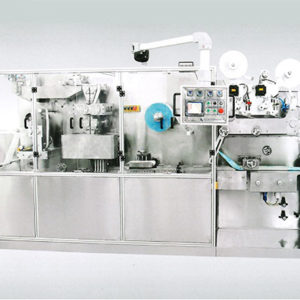
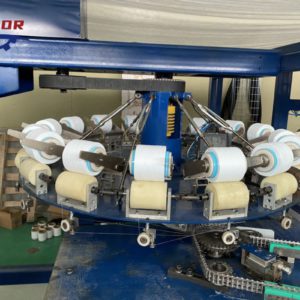
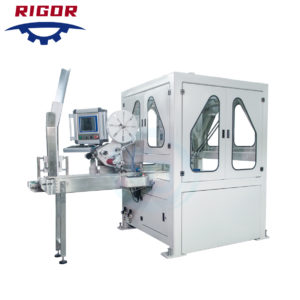
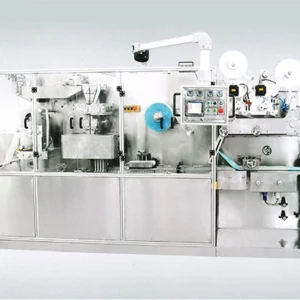
Before we embark on a detailed exploration of the seven pivotal factors in selecting an alcohol wet wipes machine, it is beneficial to establish a shared understanding of the production process itself. Imagine a journey, one that begins with simple, raw materials and ends with a finished, packaged product ready for the consumer. The machine is not a single entity but a symphony of interconnected modules, each performing a specific, vital function in perfect harmony.
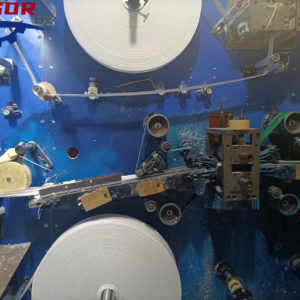
The process commences with the loading of a large parent roll of non-woven fabric. This fabric, the very substrate of the wipe, is carefully chosen for its properties of absorption, strength, and softness. The machine gently unwinds this roll, maintaining precise tension to prevent stretching or tearing. From there, the fabric web travels to the wetting station. Here, a meticulously prepared solution, typically containing a high concentration of isopropyl or ethyl alcohol, is applied. The method of application—be it spraying, dripping, or soaking—is controlled with immense precision to ensure every single wipe receives the exact same amount of liquid. An uneven application could lead to wipes that are either ineffectively dry or wastefully oversaturated.
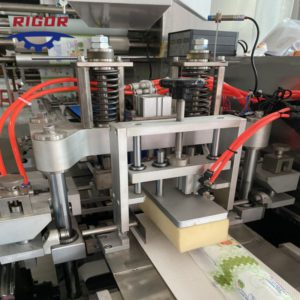
Following the wetting stage, the moistened fabric proceeds to the converting section. A folding module pleats the fabric into the familiar interleaved stack, allowing one wipe to pop up when the one before it is pulled. Simultaneously or immediately after, a high-speed cutting mechanism slices the continuous folded web into individual stacks of the desired length. These neat stacks of wet wipes are then automatically conveyed to the final stage: packaging. A packaging module wraps the stacks in flexible film, creates an opening, and applies a resealable label or a plastic lid. Sensors and vision systems monitor this entire journey, ensuring quality at every step and ejecting any product that fails to meet the stringent standards. Understanding this flow is the first step toward appreciating the complexity and ingenuity of a modern alcohol wet wipes machine.
| Fonctionnalité | Semi-Automatic Machine | Fully-Automatic Machine |
|---|---|---|
| Labor Requirement | Higher (Requires operators for loading, transfer, packaging) | Minimal (1-2 operators for supervision and replenishment) |
| Initial Investment | Lower | Higher |
| Production Speed | Moderate (e.g., 2,000-4,000 pcs/min) | High to Very High (e.g., 5,000-10,000+ pcs/min) |
| Consistency | Good, but operator-dependent | Excellent, machine-controlled precision |
| Footprint | Can be smaller, but may require more surrounding space | Larger, integrated line |
| Ideal For | Start-ups, smaller markets, niche product testing | Large-scale production, established markets, low labor cost goals |
1. Defining Production Capacity and Speed Requirements
The first and perhaps most fundamental question a prospective buyer must confront concerns the scale of production. The answer to this question shapes all subsequent decisions, from the physical size of the machinery to the level of financial investment required. It is a query not about mere numbers, but about ambition, market reality, and strategic foresight. Selecting a machine with inadequate capacity can lead to lost sales and an inability to meet customer demand, while over-investing in a machine with excessive capacity can cripple a business with unnecessary capital and operational costs.
The Calculus of Production Volume (Pcs/Min)
The primary metric for a machine's output is "pieces per minute" (pcs/min). This figure represents the number of individual wipes the machine can produce and package in sixty seconds. It is a headline number, but its meaning must be carefully unpacked. Let us consider a hypothetical scenario. A company in South Africa has conducted market research and projects an initial monthly sales target of 500,000 packs of 80-count alcohol wipes.
First, we calculate the total number of individual wipes needed per month: 500,000 packs/month * 80 wipes/pack = 40,000,000 wipes/month.
Next, we must determine the required production time. A factory does not run 24/7 without interruption. A realistic operational schedule might be two 8-hour shifts per day, 5 days a week. This gives us: 8 hours/shift * 2 shifts/day * 22 working days/month ≈ 352 hours/month. 352 hours/month * 60 minutes/hour = 21,120 minutes/month.
Now, we can calculate the required average production speed: 40,000,000 wipes / 21,120 minutes ≈ 1,894 pcs/min.
This calculation, however, assumes 100% efficiency, which is never the case in real-world manufacturing. We must account for downtime due to material roll changes, routine maintenance, shift changes, and unforeseen stops. A conservative and wise approach is to factor in an efficiency rate, say 80%.
Required Machine Speed = Required Average Speed / Efficiency Rate 1,894 pcs/min / 0.80 ≈ 2,367 pcs/min.
Therefore, this business should be looking for an alcohol wet wipes machine with a stable operating speed of at least 2,400 pcs/min. This calculation provides a data-driven foundation for conversations with manufacturers. It moves the discussion from vague requirements to a specific, justifiable performance benchmark.
Single-Lane vs. Multi-Lane Configurations
Once a target speed is established, the next consideration is how to achieve it. The machine's architecture plays a pivotal role here. A "lane" refers to a single stream of production. A single-lane machine processes one line of wipes at a time. A multi-lane machine, as the name suggests, processes several lines in parallel from a wider parent roll of non-woven material.
A single-lane machine is simpler, has a smaller physical footprint, and typically involves a lower initial investment. It is an excellent choice for businesses entering the market or for those targeting lower production volumes. However, its maximum speed is inherently limited.
To achieve higher speeds, like the 5,000 to 10,000 pcs/min range, a multi-lane configuration becomes necessary. A 10-lane machine, for example, might process a very wide roll of fabric, slitting it into 10 narrower webs, and then folding, wetting, and cutting them all simultaneously. The advantage is a massive increase in output without a proportional increase in the machine's linear speed, which reduces mechanical stress and wear. Consider, for instance, advanced multi-lane wet wipe machines that can operate with 12 or even more lanes, dramatically boosting output for large-scale producers. The trade-off is a higher initial cost, a larger and more complex machine, and greater raw material waste during setup and changes.
The decision between single and multi-lane configurations is a strategic one. A business in a nascent market like parts of Southeast Asia might wisely start with a robust single-lane machine, whereas a major player in a developed Russian market looking to dominate on price and volume would almost certainly require a multi-lane solution.
Scalability: Planning for Future Growth
The machine you purchase in 2025 should not just meet your needs for 2025; it should be a partner in your growth for 2030 and beyond. This is the concept of scalability. A purely static investment that cannot adapt is a risky one. When discussing options with a manufacturer, the conversation must include the pathway to future expansion.
Can a single-lane machine be upgraded later with additional modules? Some manufacturers design their equipment with a modular philosophy. Perhaps the core converting unit is robust enough to handle higher speeds if a more advanced packaging unit is added later.
For multi-lane machines, is it possible to start by running only 8 of the 12 available lanes and activate the remaining 4 as demand grows? This allows a company to manage its initial investment and operational costs while retaining the potential for a significant capacity increase without purchasing a whole new line.
Thinking about scalability forces a long-term perspective. It encourages a partnership with the manufacturer rather than a simple transactional purchase. You are investing not just in a piece of steel, but in a production platform. A wise buyer will probe the manufacturer’s engineering philosophy: is this machine designed for a single purpose, or is it a flexible system designed to evolve with our business? This forward-thinking approach is what separates a satisfactory purchase from a truly strategic and profitable one.
2. Evaluating the Level of Automation and Control Systems
The physical mechanics of an alcohol wet wipes machine—the cutting, folding, and wetting—are its body. The automation and control systems, however, are its brain and nervous system. In the contemporary manufacturing environment, these systems are arguably as important as the mechanical hardware itself. They dictate the machine's efficiency, the consistency of the final product, the skill level required of its operators, and its overall reliability. For businesses operating in diverse economic landscapes, from the labor-abundant regions of Southeast Asia to the high-wage environments of some Middle Eastern nations, the level of automation is a critical strategic choice.
The Spectrum of Automation: From Semi- to Fully-Automatic
Automation in wet wipe production is not a binary choice but a spectrum. At one end, we find semi-automatic machines. These machines automate the core processes of wetting, folding, and cutting, but may require manual intervention at key stages. For example, an operator might be needed to manually transfer the stacks of cut wipes from the main machine to a separate, standalone packaging machine. Splicing a new parent roll of fabric onto the expiring one might also be a manual process. The primary advantage of this approach is a lower initial capital outlay, making it an attractive option for startups or businesses testing a new market.
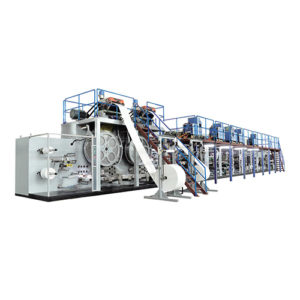
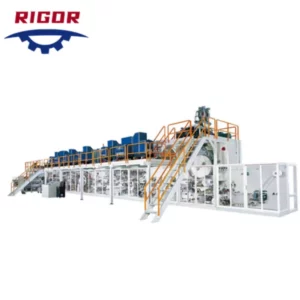
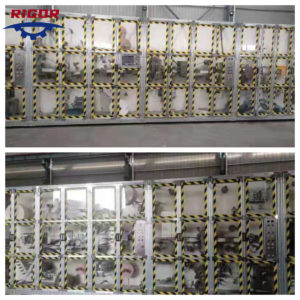
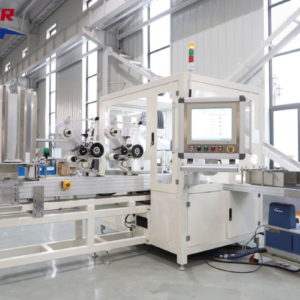
At the other end of the spectrum lies the fully-automatic alcohol wet wipes machine. This is a truly integrated production line. It automates every step, from the automatic splicing of raw material rolls without stopping the machine, to the folding, cutting, wetting, stacking, and final packaging of the product. Often, these lines will even include a further "case packer" module that automatically places the finished packs into cardboard boxes for shipping.
The choice between these levels of automation must be a calculated one. In a region with lower labor costs, a semi-automatic line might offer a better Total Cost of Ownership (TCO). However, the human element introduces variability. Product quality and output speed can fluctuate depending on operator skill and attention. A fully-automatic line, while requiring a much larger initial investment, offers unparalleled consistency and speed. It reduces the number of operators needed, often to just one or two supervisors for an entire line, which is a significant advantage in regions with high labor costs or a shortage of skilled workers. Furthermore, a fully-automatic system minimizes human contact with the product, a vital consideration for producing hygienic items like alcohol wipes.
The Brain of the Machine: PLC, HMI, and Servo Systems
To understand the control system is to understand how the machine thinks and acts. Let us demystify the key components.
Programmable Logic Controller (PLC): This is the industrial computer that serves as the machine's brain. It is a rugged, reliable device that executes the program governing every action of the machine. It reads inputs from thousands of sensors—Is the fabric tension correct? Is the liquid level sufficient? Is the package sealed properly?—and makes split-second decisions to control the motors, valves, and actuators. The quality and reputation of the PLC brand (e.g., Siemens, Allen-Bradley, Mitsubishi) are indicators of the machine's overall reliability. A robust PLC is the foundation of a stable production process.
Human-Machine Interface (HMI): If the PLC is the brain, the HMI is the face and voice. It is typically a touchscreen panel that allows the operator to interact with the machine. A well-designed HMI is intuitive and multi-lingual, a crucial feature for diverse workforces in places like the UAE or South Africa. Through the HMI, the operator can set production parameters (like wipe size and liquid amount), monitor the status of all modules, receive alerts and alarms, and access diagnostic information. A simple, graphical HMI reduces training time and minimizes the chance of operator error.
Servo Systems: Traditional motors are often like light switches—either on or off. Servo motors, in contrast, are the fine muscles of the machine. A servo system consists of a motor and a controller that allows for extremely precise control over position, speed, and torque. In an alcohol wet wipes machine, servos are used for critical tasks like pulling the fabric at an exact speed, ensuring a perfect cut at the right location, and placing the stack precisely into the packaging. Machines that use servo motors in place of older mechanical systems (like gears and cams) are more flexible, more precise, have fewer wear parts, and allow for faster changeovers between different product sizes. When a manufacturer highlights "full servo control," they are signaling a higher level of precision and modern engineering.
Remote Diagnostics and IoT Integration in 2025
The most advanced machines of 2025 are no longer isolated islands of production. They are connected devices. The integration of Internet of Things (IoT) technology has revolutionized maintenance and support. An alcohol wet wipes machine equipped with a secure internet connection can be monitored and diagnosed remotely by the manufacturer's engineers, regardless of its location in the world.
Imagine a production line in a remote part of Brazil experiencing an unusual stoppage. Instead of waiting days for a technician to travel, the local operator can authorize the manufacturer's team in China to log into the machine's control system. They can review the PLC's operational logs, check sensor statuses, and diagnose the problem in minutes or hours, not days. They can then guide the local team through the required fix, or identify the exact spare part that needs to be shipped. This capability drastically reduces downtime, which is often the single largest source of financial loss in a manufacturing operation.
Furthermore, IoT integration allows for the collection of vast amounts of production data. The machine can report on its overall equipment effectiveness (OEE), track raw material consumption, and even predict when a component is likely to fail based on its usage patterns. This data empowers the factory manager to move from reactive maintenance (fixing things when they break) to predictive maintenance (fixing things before they break), leading to smoother operations and a longer machine lifespan. When evaluating an alcohol wet wipes machine, asking about its remote access capabilities and data management features is no longer a luxury; it is a necessity for any serious, large-scale producer.
| System Component | Function | Importance for Buyer |
|---|---|---|
| PLC (Programmable Logic Controller) | The "brain" that runs the machine's logic. | Look for reputable brands (Siemens, Mitsubishi) for reliability and support. |
| HMI (Human-Machine Interface) | The touchscreen for operator control and monitoring. | Must be intuitive, graphical, and multi-lingual for ease of use. |
| Servo Motors | Provide precise control of motion (speed, position). | "Full servo" machines offer higher accuracy, flexibility, and faster changeovers. |
| Sensors (Photoelectric, Proximity) | The "eyes and ears" that detect material, position, etc. | High-quality sensors reduce errors and ensure consistent production. |
| Remote Access Module (IoT) | Allows for off-site diagnostics and monitoring. | Drastically reduces downtime and a critical feature for international operations. |
3. Assessing Material and Liquid Formula Compatibility
An alcohol wet wipes machine does not operate in a vacuum. It is part of an ecosystem that includes the raw materials it processes and the chemical solution it applies. The most sophisticated machine in the world will fail to produce a quality product if it is not properly matched with the inputs. A thorough assessment of material and liquid compatibility is therefore not a secondary consideration but a core aspect of the procurement process. This involves a deep dive into the properties of non-woven fabrics and a critical examination of the challenges posed by alcohol-based sanitizing solutions.
The Foundation: Non-Woven Fabric Specifications
The term "non-woven fabric" encompasses a wide variety of materials, each with unique characteristics. These fabrics are the canvas upon which the final product is created. The machine must be able to handle the specific type of fabric you intend to use, not just today, but also in the future as you innovate your product line.
Key fabric parameters include:
- Material Composition: The most common materials are spunlace, a blend of polyester (for strength) and viscose/rayon (for softness and absorption). Some applications might use polypropylene or other synthetics. The machine's tension control systems must be sensitive enough to handle the different elasticity and strength of these blends. A system that works perfectly for a tough polyester fabric might stretch or tear a delicate, high-viscose blend.
- GSM (Grams per Square Meter): This is the measure of the fabric's weight and thickness. A light, 40 GSM fabric will behave very differently from a heavy-duty, 60 GSM fabric. The cutting mechanism must be robust enough to cleanly slice through the thickest material you plan to use, while the liquid dosing system must be adjustable to properly saturate fabrics of different densities.
- Texture and Aperture: Some fabrics are smooth, while others are embossed with patterns or have an apertured (holed) structure to improve cleaning performance. These textures can affect how the fabric moves through the machine and how it interacts with folding plates and rollers. A potential buyer should provide the machine manufacturer with physical samples of all fabrics they intend to use. A reputable manufacturer will insist on testing these samples on their machines to guarantee compatibility.
The machine's ability to handle a wide range of fabrics is a measure of its versatility. A machine limited to a single, specific type of non-woven fabric curtails your ability to adapt to changing consumer preferences or supply chain disruptions. Imagine your primary fabric supplier in Asia has a production issue; a versatile machine allows you to pivot to a different supplier, perhaps from Europe or a local source, even if their fabric specifications are slightly different.
The Active Ingredient: Alcohol Concentration and Formulation
The defining feature of an alcohol wet wipe is, of course, the alcohol. Typically, solutions contain 70-75% isopropyl alcohol (IPA) or ethanol. While highly effective as a disinfectant, alcohol presents significant engineering challenges that distinguish an alcohol wet wipes machine from a standard baby wipe machine.
The primary challenge is material corrosion. Alcohol is a solvent that can degrade many plastics, rubbers, and even certain grades of metal over time. All components of the machine that come into direct contact with the sanitizing liquid—a pathway known as the "fluid path"—must be constructed from resistant materials. This includes the liquid storage tank, pumps, tubing, valves, and spray nozzles. The industry standard for these components is 316L stainless steel. This grade of steel has a higher nickel and molybdenum content than the more common 304 stainless steel, giving it superior resistance to corrosion from chlorides and solvents like alcohol. Using inferior materials can lead to contamination of the liquid, premature component failure, and costly downtime.
A second major challenge is flammability. High concentrations of alcohol create flammable vapors. The machine must be designed with safety as a paramount concern. This includes using explosion-proof (ATEX-rated) motors and electronic components in the vicinity of the wetting system, proper grounding of all machine parts to prevent static electricity buildup and discharge, and adequate ventilation systems to prevent the accumulation of vapors. When inspecting a potential alcohol wet wipes machine, paying close attention to these safety features is non-negotiable. A manufacturer should be able to clearly articulate and demonstrate the specific design choices made to mitigate the risks associated with handling flammable liquids.
Versatility in Liquid Dosing Systems
Ensuring that every wipe has the correct amount of liquid is fundamental to product quality. This is the role of the liquid dosing system. Too little liquid, and the wipe will not be effective. Too much liquid, and the product is wasteful, messy, and may damage the packaging.
There are several types of dosing systems, each with its own merits:
- Spray Systems: A series of nozzles sprays a fine mist of the alcohol solution onto the fabric as it passes underneath. This system is highly controllable, and by adjusting the pressure and the duration the nozzles are open, the amount of liquid can be precisely regulated. Advanced systems use multiple banks of nozzles that can be individually controlled, allowing for different liquid levels on the same machine run if needed.
- Drip Systems: A manifold with small holes drips the liquid directly onto the fabric. This is a simpler system but can sometimes be less uniform than a spray system, especially at very high speeds.
- Flood and Squeeze Systems: The fabric is briefly saturated by passing through a bath of liquid and then run through a pair of rollers that squeeze out the excess. The pressure of these rollers determines the final liquid content. This method ensures deep saturation but can be more complex to control and clean.
The ideal system for an alcohol wet wipes machine is one that offers precision, consistency, and easy adjustment. The operator should be able to set the target liquid percentage via the HMI, and the machine's PLC and servo systems should handle the rest. The system must also be designed for easy cleaning and maintenance, as alcohol solutions can sometimes leave residues if not properly flushed. A versatile machine will offer a dosing system that can be fine-tuned to work effectively with different fabric thicknesses (GSM) and absorption rates, ensuring a perfect product regardless of the raw materials used.
4. Scrutinizing the Converting and Packaging Modules
Once the fabric has been properly moistened with the alcohol solution, it enters the converting and packaging stages. This is where the continuous web of material is transformed into the individual, ready-to-use products that the consumer will see and handle. The precision and reliability of these back-end modules are just as important as the front-end systems. Any failure or inconsistency here can lead to product defects, line stoppages, and wasted materials. A careful examination of the folding, cutting, and packaging mechanisms is essential to understanding a machine's true capabilities.
From Roll to Stack: Folding, Cutting, and Stacking Mechanisms
The journey from a flat, wet web to a neat stack is a marvel of mechanical synchronization.
Folding: The purpose of folding is not just to make the wipe fit into the package, but also to enable the "pop-up" feature that presents the next wipe to the user. The most common fold types are the 'Z-fold' and the 'C-fold'.
- Z-fold: In this configuration, each wipe is folded in a 'Z' shape and interleaved with the next. When one wipe is pulled out, it partially lifts the edge of the following wipe, making it easy to grab. This is the standard for most consumer pop-up packs.
- C-fold: Here, the wipes are folded in on themselves and simply stacked one on top of the other. They do not pop up, and this method is more common for industrial or medical wipes where individual dispensing is not a priority. The folding unit on the machine uses a series of shaped plates and rollers to create these folds at incredibly high speeds. The mechanism must be robust and precisely aligned to ensure every fold is crisp and consistent. A poorly folded stack will not dispense correctly, leading to consumer frustration.
Découpage : After folding, the continuous, folded web of fabric is cut into individual stacks of a predetermined count (e.g., 80 wipes). The cutting mechanism must be sharp, durable, and perfectly timed. A dull or misaligned blade will result in frayed edges or connected wipes. The two main types of cutters are:
- Rotary Cutters: A blade is mounted on a rotating cylinder that cuts against an anvil roller. These are extremely fast and are typically used in high-speed, multi-lane machines.
- Reciprocating Cutters: A guillotine-style blade moves up and down to cut the stack. These are very precise but generally operate at slower speeds than rotary cutters. The choice of cutter often depends on the machine's overall speed and design. The blades themselves are a critical wear part, and a prospective buyer should inquire about the blade material, expected lifespan, and the ease and cost of replacement.
Stacking: Once cut, the stacks of wipes must be handled by an automatic stacking unit. This mechanism might use a servo-driven pusher or a robotic arm to accurately place the stack onto the conveyor that leads to the packaging unit. A simple-sounding task, but at speeds of hundreds of stacks per minute, any slight misalignment can cause a jam that shuts down the entire line. The precision of the stacking unit is a sign of high-quality engineering.
The Final Step: Packaging Integration
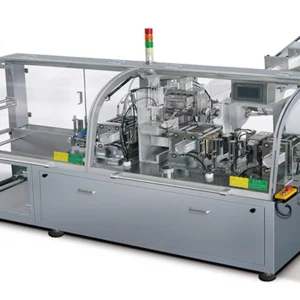
The packaging module is where the product receives its final protective and branded shell. A fully automatic alcohol wet wipes machine will have a packaging unit that is seamlessly integrated and synchronized with the main machine. The two primary packaging formats are flow-wrappers and canister lines.
Flow-Wrapping: This is the most common method for flexible packs. The stack of wipes is placed on a web of packaging film. The machine then forms the film into a tube around the wipes, makes a longitudinal seal along the bottom, and then creates the front and back cross-seals, cutting the individual packs apart. A separate sub-system cuts the opening in the film and applies the resealable sticker or a pre-molded plastic lid. A high-quality flow-wrapper will have precise temperature controls for the sealing jaws to ensure a strong, airtight seal that prevents the alcohol from evaporating.
Canister/Tub Filling: For products sold in rigid plastic canisters, the process is different. The machine produces a long, continuous perforated roll of wipes, which is then automatically inserted into the empty canisters. A separate machine then fills the canister with the alcohol solution, seals the top, and applies the lid. While less common for consumer alcohol wipes, this format is prevalent in medical and institutional settings.
The integration between the wipe-making unit and the packaging unit must be flawless. The control systems (PLCs) of both sections must communicate constantly to ensure the packaging unit is always ready to receive the next stack of wipes. Any mismatch in speed or timing will result in a production bottleneck.
Quality Control Features: Vision Systems and Reject Mechanisms
How can a manufacturer guarantee that out of millions of wipes produced, none are stained, torn, or improperly folded? The answer lies in automated quality control systems. Modern production lines are equipped with sophisticated sensors and cameras that act as tireless inspectors.
Vision Systems: High-resolution cameras are placed at critical points along the production line. A camera might be positioned to inspect the raw non-woven fabric for holes or dirt spots as it unwinds. Another camera system can be aimed at the finished stacks to check for correct folding and to ensure no foreign objects are present. These vision systems are connected to a computer with image processing software. The system is "trained" on what a perfect product looks like. It can then instantly detect any deviation—a stain, a misfold, an incorrect size—and flag the defective product.
Automatic Reject Mechanisms: When the vision system detects a fault, it sends a signal to the PLC. The PLC then tracks that specific faulty product as it moves down the line and activates a reject mechanism at the appropriate moment. This mechanism might be a simple puff of compressed air that blows the defective pack off the conveyor into a reject bin, or a robotic arm that gently removes it. This all happens at full production speed without any human intervention.
These quality control systems are no longer optional extras; they are fundamental components of a modern, efficient alcohol wet wipes machine. They safeguard the brand's reputation, reduce waste, and ensure that only perfect products reach the end consumer. A buyer should inquire about the resolution of the cameras, the types of defects the system can detect, and the reliability of the reject mechanism.
5. Analyzing Operational Footprint and Utility Requirements
The decision to acquire a piece of industrial machinery like an alcohol wet wipes machine extends far beyond its technical specifications and price tag. It is an act of physical integration into a factory environment. A machine that is perfect on paper can become a source of immense difficulty if it does not fit the physical space or if the factory cannot provide the necessary utilities to run it. A pragmatic analysis of the machine's footprint and its consumption of power, air, and water is a crucial step in the due diligence process, preventing costly surprises during installation and operation.
Mapping the Machine: Physical Dimensions and Layout
Before engaging in serious discussions with a manufacturer, a business must have a precise understanding of the intended installation site. This involves more than just knowing the total square footage of the factory.
A manufacturer will provide a detailed layout drawing of the proposed production line. This drawing will show the exact dimensions of each module—the unwinding stand, the wetting and folding section, the packaging unit, and any conveyors connecting them. The total length of a fully automatic line can be substantial, often 20 meters or more. The height of the machine, particularly at the raw material loading gantry, is also a critical dimension that must be checked against the factory's ceiling height.
However, the machine's dimensions are only part of the story. The layout must also account for:
- Operator Access: There must be sufficient space around the machine for operators to move safely, monitor the process, and perform routine tasks like clearing jams or cleaning. A minimum of 1 to 1.5 meters of clearance around the entire line is a standard recommendation.
- Raw Material Staging: Large parent rolls of non-woven fabric and pallets of packaging film need a designated storage area near the machine's input end for efficient loading. Likewise, space is needed for drums or totes of the alcohol solution.
- Finished Goods Egress: There must be a clear path for removing finished, boxed products from the end of the line, typically via forklift or pallet jack.
- Maintenance Access: Key components like motors, pumps, and electrical cabinets will require periodic maintenance. The layout must ensure that these areas are accessible to technicians without requiring the disassembly of other parts of the machine.
A wise approach is to take the manufacturer's layout drawing and overlay it onto a blueprint of your factory floor. This simple exercise can reveal potential interferences with building columns, low-hanging pipes, or other existing equipment, allowing for adjustments to be made before the machine is even built.
Power, Air, and Water: The Lifeblood of the Machine
An alcohol wet wipes machine is a significant consumer of factory utilities. Ensuring that your facility can meet these demands is a prerequisite for successful installation.
Electrical Power: The machine will have a specific power requirement, rated in kilowatts (kW). This total load is the sum of all motors, heaters (for sealing), control systems, and lighting. Equally important are the voltage and frequency requirements. A machine built for the Chinese market (380V/50Hz) will not work correctly in Brazil (which commonly uses 220V/60Hz) or the United States (480V/60Hz) without a suitable transformer, which adds cost and complexity. It is imperative to specify the correct electrical standards for your region to the manufacturer. The factory's main electrical panel must also have sufficient spare capacity to handle the additional load of the new machine.
Compressed Air: Pneumatic systems are used extensively in these machines to power actuators, cylinders, and reject mechanisms. The machine will have a specified requirement for compressed air, defined by pressure (typically measured in Bar or PSI) and flow rate (measured in cubic meters per minute or CFM). The factory's air compressor must be able to supply this volume of clean, dry air consistently. An undersized compressor will lead to sluggish machine performance and potential failures.
Water: While the machine itself may not consume large amounts of water during operation, a water supply is necessary for preparing the wetting solution and for cleaning the fluid path and other machine components. The quality of the water, particularly for formulation, is also important. Many producers use deionized (DI) or reverse osmosis (RO) purified water to prevent mineral contamination of the alcohol solution.
Communicating your facility's available utilities to the manufacturer early in the process is vital. A good manufacturer will work with you to ensure the machine is configured correctly or will advise on the necessary upgrades your facility might need.
Environmental Considerations: Waste Management and Energy Efficiency
In 2025, modern manufacturing is increasingly judged not just on its output but also on its environmental stewardship. An efficient alcohol wet wipes machine should also be designed to minimize waste and energy consumption, which has the dual benefit of reducing environmental impact and lowering operational costs.
Waste Management: The production process inevitably generates some waste. The primary source is the trim from the edges of the non-woven fabric roll as it is slit into the required widths for the production lanes. Another source is the startup and shutdown waste, as well as any products removed by the quality control system. An efficiently designed machine minimizes this trim waste. Some advanced systems even include vacuum-powered trim removal systems that collect the waste material for easy recycling or disposal.
Energy Efficiency: The largest consumer of energy in the machine is typically the array of electric motors. The use of high-efficiency motors (such as IE3 or IE4 class) can significantly reduce electricity consumption over the life of the machine. Similarly, well-designed servo systems that only draw significant power when they are moving, as opposed to older clutch/brake systems, contribute to energy savings. The heaters used for sealing the packages should also have precise temperature controls to avoid wasting energy through overheating.
When evaluating a machine, asking the manufacturer about its energy efficiency features and waste reduction strategies is a mark of a sophisticated buyer. These features may add slightly to the initial cost but will pay dividends through lower utility bills and a more sustainable manufacturing operation, a factor of growing importance to both regulators and consumers in markets worldwide.
6. Investigating Manufacturer Reliability and After-Sales Support
The purchase of an industrial machine is not a one-time transaction; it is the beginning of a long-term relationship with the manufacturer. The machine itself is only one part of the equation. The other, equally important part is the support structure that surrounds it. A brilliantly engineered machine from an unreliable manufacturer with poor support can become a far greater liability than a simpler machine from a dedicated and responsive partner. This is especially true for businesses in South America, Africa, or Russia purchasing equipment from manufacturers in Asia. The geographical distance makes the quality of remote and local support a paramount concern.
Beyond the Brochure: Due Diligence on Manufacturers
The marketing materials and websites of all manufacturers will present their products in the best possible light. The task of the discerning buyer is to look beyond these promotional materials and conduct thorough due diligence.
- Certifications and Standards: A reputable manufacturer will have their quality management processes certified to international standards, most commonly ISO 9001. This certification provides assurance that the company has formal, documented processes for design, production, and quality control. For machines intended for sale in Europe, the CE mark is mandatory. It signifies that the machine complies with EU safety, health, and environmental protection requirements. While not legally required in other regions, the presence of a CE mark is a strong indicator of a manufacturer's commitment to safety and quality engineering.
- Factory Visit: If feasible, there is no substitute for visiting the manufacturer's factory. This allows you to see their production facilities firsthand, meet the engineering team, and observe machines being built and tested. It provides invaluable insight into the company's culture, organization, and a tangible sense of their manufacturing capabilities.
- Customer References: One of the most powerful vetting tools is to speak with existing customers. A confident manufacturer should be willing to provide references, ideally from companies in your region or a similar market. Ask these references about their experience with the machine's reliability, the ease of installation, and, most importantly, the quality of the after-sales support they have received. Ask them what went wrong and how the manufacturer responded. This real-world feedback is more valuable than any brochure.
The Lifeline: Technical Support and Spare Parts Availability
Every machine, no matter how well-built, will eventually require maintenance and replacement parts. The system for providing this support is the lifeline of your production.
Technical Support: What happens when your machine stops unexpectedly during a night shift? The speed and quality of the manufacturer's response are critical. In 2025, 24/7 remote technical support is the standard expectation for international sales. As discussed earlier, this often involves remote login capabilities, allowing engineers to diagnose problems from afar. It is important to clarify the terms of this support. Is it available in your local time zone? Is support provided in a language your team understands? What is the guaranteed response time for a critical issue?
Spare Parts: A machine is only as reliable as its most fragile component. The manufacturer must have a clear and efficient system for providing spare parts. Key questions to ask include:
- Do they provide a recommended list of critical spare parts to keep in stock on-site? This initial kit is vital to handle common wear-and-tear issues without waiting for international shipping.
- What is the typical lead time for shipping spare parts from their factory to your country?
- Do they have any regional spare parts depots or partnerships that can expedite delivery?
- Are the prices of their spare parts reasonable? Some manufacturers may offer a low initial price for the machine but charge excessively for proprietary replacement parts later.
The availability of a local or regional service agent can be a significant advantage. While remote support is powerful, some problems require a hands-on presence. A manufacturer that has invested in a network of local technicians demonstrates a serious commitment to the markets they serve.
Training and Installation: Ensuring a Smooth Start
The most advanced alcohol wet wipes machine in the world will not perform well if the operators and maintenance staff do not know how to use and care for it properly. A comprehensive training and installation program is not an optional extra; it is a fundamental requirement for success.
The process should ideally begin before the machine even leaves the manufacturer's factory. Many manufacturers offer pre-shipment training, where the buyer's key personnel (operators and technicians) can travel to the manufacturer's site for a Factory Acceptance Test (FAT). During the FAT, they can see their actual machine running, learn its basic operation, and ask questions directly to the engineers who built it.
The second phase of training occurs during on-site installation. The manufacturer will send their own technicians to your facility to supervise the machine's assembly, commissioning, and startup. During this time, which can last from one to several weeks, these technicians should provide intensive, hands-on training to your team. This training should cover:
- Operator Training: Daily startup and shutdown procedures, changing product recipes on the HMI, loading raw materials, clearing common faults, and basic cleaning.
- Maintenance Training: Routine lubrication schedules, replacing common wear parts like blades and belts, understanding the pneumatic and electrical schematics, and troubleshooting more complex problems.
A good training program ensures that your team feels confident and empowered to take ownership of the machine. It is an investment that pays for itself many times over by reducing operator error, minimizing downtime, and extending the productive life of the machine.
7. Calculating Total Cost of Ownership (TCO) and Return on Investment (ROI)
The final stage of the evaluation process involves shifting our perspective from the engineering and operational details to the financial implications of the investment. A responsible business decision cannot be based on the initial purchase price alone. A more holistic and accurate financial measure is the Total Cost of Ownership (TCO), which accounts for all costs associated with the machine over its lifespan. Understanding the TCO is the first step toward calculating the potential Return on Investment (ROI), the ultimate metric of a successful capital expenditure. For businesses in markets with fluctuating currencies and complex import logistics, a rigorous financial analysis is especially vital.
The Iceberg Model: Beyond the Initial Purchase Price
The initial price quoted by the manufacturer is merely the tip of the iceberg. The vast, submerged portion of the cost is the TCO, which includes a multitude of factors that must be identified and estimated.
- Acquisition Costs: This goes beyond the machine's price to include shipping and insurance from the manufacturer's factory to your port, import tariffs and taxes (which can vary significantly by country), inland transportation to your facility, and the cost of any necessary currency conversions.
- Installation and Commissioning Costs: This includes the manufacturer's fees for sending technicians for installation, as well as their travel, accommodation, and living expenses. It also includes the cost of any necessary factory modifications, such as reinforcing the floor or upgrading the electrical or compressed air systems.
- Operational Costs: This is the largest and most ongoing component of TCO. It includes:
- Labor: The salaries and benefits for the operators and maintenance technicians who run the line.
- Energy: The cost of the electricity and compressed air consumed by the machine.
- Raw Materials: While part of the product cost, the machine's efficiency in minimizing waste directly impacts this figure.
- Maintenance and Spare Parts Costs: This includes the cost of the initial spare parts kit, as well as an annual budget for replacement parts and consumables like lubricants and cleaning agents. If you opt for a service contract with the manufacturer, its cost is included here.
- Training Costs: The cost of sending your team for pre-shipment training or any ongoing training programs.
Summing all these components over a projected period, for instance, ten years, gives a much more realistic picture of the machine's true cost than the initial invoice price. A less expensive machine with high energy consumption and poor reliability can easily have a higher TCO than a more expensive, but more efficient and reliable, alternative.
Projecting Your ROI: A Step-by-Step Framework
With a clear understanding of the TCO, you can now project the Return on Investment. The ROI tells you how long it will take for the investment to pay for itself and begin generating profit. A simplified framework for this calculation is as follows:
-
Calculate Revenue:
- Projected annual sales volume (in packs) * Selling price per pack = Total Annual Revenue.
-
Calculate Cost of Goods Sold (COGS):
- Cost per pack = (Cost of non-woven fabric for one pack) + (Cost of liquid solution for one pack) + (Cost of packaging film/lid for one pack).
- Total Annual COGS = Cost per pack * Annual sales volume.
-
Calculate Gross Margin:
- Gross Margin = Total Annual Revenue – Total Annual COGS.
-
Calculate Annual Operating Profit:
- Annual Operating Profit = Gross Margin – Annual Operational Costs (labor, energy, maintenance from TCO calculation).
-
Calculate ROI:
- A simple ROI can be calculated as: (Annual Operating Profit / Total Investment Cost) * 100%. The Total Investment Cost is the sum of the acquisition and installation costs from the TCO analysis.
- A more useful metric is the Payback Period: Total Investment Cost / Annual Operating Profit. This tells you the number of years it will take to recoup the initial investment.
Let's imagine the Total Investment Cost for a high-performance alcohol wipe production system is $500,000. If the calculated Annual Operating Profit is $200,000, the payback period would be $500,000 / $200,000 = 2.5 years. This kind of concrete financial projection transforms the purchase decision from an emotional or intuitive one into a defensible business case that can be presented to banks, investors, and board members.
Navigating Financing, Tariffs, and Shipping Logistics
For international transactions, the financial and logistical complexities require careful management.
- Financing: Large capital equipment purchases are often financed. A common instrument in international trade is a Letter of Credit (L/C). An L/C is a guarantee from a bank that the seller (manufacturer) will receive payment as long as they meet the conditions outlined in the document, such as providing proof of shipment. This protects both the buyer and the seller.
- Tariffs: Import duties can be a significant part of the total cost. These tariffs are set by the government of the importing country and can vary based on the product category and the country of origin. It is essential to work with a local customs broker in your country (e.g., in Russia, Brazil, or Saudi Arabia) to get an accurate estimate of the applicable tariffs and taxes for an alcohol wet wipes machine imported from a country like China. Trade agreements, such as those within Mercosur or the Eurasian Economic Union, can also influence these rates.
- Shipping Terms (Incoterms): The shipping contract will specify the responsibilities of the buyer and seller. Common terms include:
- FOB (Free On Board): The manufacturer is responsible for getting the machine to the port in their country and loading it onto the ship. The buyer is responsible for the ocean freight, insurance, and all subsequent costs.
- CIF (Cost, Insurance, and Freight): The manufacturer is responsible for the cost of the machine, the ocean freight, and the insurance to get it to the buyer's destination port. The buyer is responsible for customs clearance and inland transport.
Understanding these terms is vital for accurately calculating the acquisition cost. Working with an experienced freight forwarder and customs broker is highly recommended to navigate these complexities smoothly.
Foire aux questions (FAQ)
1. What is the typical production speed of an alcohol wet wipes machine? Production speed varies widely based on the machine's design. Entry-level, single-lane machines may produce around 2,000-4,000 pieces per minute (pcs/min). High-speed, multi-lane machines, designed for large-scale production, can achieve speeds from 5,000 pcs/min to over 10,000 pcs/min. The right speed depends entirely on your business's market demand and growth projections.
2. What materials are used for the parts that touch the alcohol solution? Due to the corrosive nature of high-concentration alcohol, all components in the fluid path—including the solution tank, pumps, pipes, and nozzles—must be made from high-grade, corrosion-resistant materials. The industry standard is 316L stainless steel, which offers superior resistance to solvents and chemicals compared to other materials like standard plastics or lower-grade stainless steel.
3. Can one machine produce different sizes of wet wipes? Yes, most modern alcohol wet wipes machines are designed with flexibility in mind. By adjusting settings on the Human-Machine Interface (HMI), operators can change the wipe's cut length and fold pattern. Changing the wipe's width typically requires a more involved mechanical adjustment to the slitting blades and folding plates. A machine with full servo control makes these changeovers much faster and easier.
4. How much space do I need to install a full production line? A complete, fully automatic production line is quite large. The length can range from 15 to over 25 meters, and the width is typically 3-4 meters. However, you must also plan for an additional 1-1.5 meters of clearance around the entire line for operator access, maintenance, and material staging. A detailed layout drawing from the manufacturer is essential for accurate factory planning.
5. What is the main difference between a baby wipe machine and an alcohol wipe machine? The primary differences relate to handling the liquid solution. An alcohol wet wipes machine must use 316L stainless steel for all wetted parts to prevent corrosion. It also requires enhanced safety features, such as explosion-proof (ATEX-rated) motors and electronics and robust anti-static measures, to safely manage the flammable alcohol vapors. A standard baby wipe machine, which handles water-based solutions, does not require these specific material and safety considerations.
6. How do I maintain the machine to ensure its longevity? Regular, preventative maintenance is key. This includes daily cleaning, especially of the liquid dosing system, to prevent residue buildup. It also involves following the manufacturer's recommended schedule for lubricating moving parts, inspecting and replacing wear parts like cutting blades and belts, and checking the pneumatic and electrical systems. Proper operator and technician training is the most critical factor in ensuring good maintenance practices.
7. Is it difficult to find operators for such a machine? For a modern, fully automatic machine with a user-friendly HMI, the operator's role is more about supervision than complex manual labor. An operator needs to be attentive and able to follow procedures for loading materials and responding to alerts. The HMI is often graphical and multi-lingual, reducing the need for highly specialized skills. The more complex tasks fall to maintenance technicians, for whom the manufacturer should provide in-depth training.
A Final Reflection on Strategic Acquisition
The journey of selecting and acquiring an alcohol wet wipes machine is an intricate one, demanding a perspective that balances the precision of an engineer with the foresight of a strategist and the prudence of a financier. We have moved through the critical calculus of production capacity, weighed the profound impact of automation, and examined the intimate relationship between the machine and the materials it transforms. We have scrutinized the mechanical ballet of converting and packaging and mapped the machine's physical and utilitarian demands upon the factory floor. Finally, we have explored the human elements of manufacturer reliability and the financial realities of ownership and return.
To view this process as merely "buying a machine" is to miss the essence of the endeavor. It is, in fact, an act of building capacity. It is an investment in consistency, a commitment to quality, and a platform for future growth. The right machine, chosen through diligent research and careful analysis, becomes more than an asset on a balance sheet; it becomes a powerful engine for competitiveness, enabling a business to meet the hygiene needs of its community with efficiency and reliability. The ultimate success of this investment rests not on any single feature, but on the holistic alignment of the machine's capabilities with the strategic vision of the enterprise it is destined to serve.
Références
diapermachines.com. (2023a, March 6). Wet wipes manufacturing process. https://www.diapermachines.com/2023/03/06/wet-wipes-manufacturing-process-2/
diapermachines.com. (2023b, November 13). A comprehensive guide – Wet wipes machine. https://www.diapermachines.com/2023/11/13/a-comprehensive-guide-wet-wipes-machine/
WELLDONE. (2024, December 30). Cutting-edge wet wipes and diaper production machines for your business.
Yundu Filling Machine. (2025, March 26). The ultimate guide to wet wipes making machines: Revolutionizing efficiency and quality in modern production. https://yundufillingmachine.com/guide-to-wet-wipes-making-machines