Abstract
The global market for wet wipes demonstrates significant expansion in 2025, propelled by heightened hygiene consciousness and rising disposable incomes, particularly within emerging economies across South America, Southeast Asia, and Africa. This expansion presents a considerable opportunity for entrepreneurs seeking to enter the disposable hygiene products sector. Launching a wet wipes manufacturing business necessitates a multifaceted approach, integrating meticulous market analysis, strategic business planning, and a deep understanding of the production process. Key considerations involve the selection of appropriate manufacturing machinery, the establishment of a resilient supply chain for raw materials like non-woven fabrics and liquid formulations, and strict adherence to regional and international regulatory standards, such as Good Manufacturing Practices (GMP). A successful venture is contingent upon not only capital investment but also on developing a strong brand identity and an effective go-to-market strategy. This guide provides a systematic framework for navigating these complexities, offering a practical pathway from initial concept to a fully operational and profitable manufacturing enterprise.
Principaux enseignements
- Conduct exhaustive market research to identify a profitable niche and understand your target customers.
- Develop a comprehensive business plan that includes detailed financial projections and startup cost analysis.
- Select the appropriate wet wipes production machinery based on your desired scale and automation level.
- Establish a reliable supply chain by vetting suppliers for non-woven fabrics and lotion ingredients.
- Learn how to start a wet wipes manufacturing business by prioritizing quality control and regulatory compliance.
- Create a compelling brand identity and a multi-channel strategy for marketing and distribution.
- Ensure legal compliance by registering your business and obtaining all necessary manufacturing licenses.
Table des matières
- Step 1: Conducting Comprehensive Market Research and Niche Identification
- Step 2: Formulating a Robust Business and Financial Plan
- Step 3: Navigating Legal Requirements and Regulatory Compliance
- Step 4: Selecting the Right Machinery and Setting Up Your Facility
- Step 5: Sourcing High-Quality Raw Materials
- Step 6: Mastering the Wet Wipes Manufacturing Process
- Step 7: Developing a Go-to-Market Strategy: Branding, Marketing, and Distribution
- Foire aux questions (FAQ)
- Conclusion
- Références
Step 1: Conducting Comprehensive Market Research and Niche Identification
Embarking on the journey of establishing a manufacturing business requires a foundational understanding of the terrain. Before a single dollar is spent on machinery or raw materials, the most critical investment is in knowledge. Think of this initial phase as drawing the map for a long expedition. Without a clear map, even the most well-equipped explorer is likely to get lost. Your map, in this context, is a deep and nuanced understanding of the market you wish to enter. For a prospective wet wipes manufacturer in 2025, this involves looking beyond general trends and drilling down into the specific needs and desires of your future customers.
Understanding the Global and Local Wet Wipes Market in 2025
The global appetite for convenience and hygiene has made wet wipes a ubiquitous product. The market is not monolithic; it is a dynamic ecosystem with distinct regional characteristics. In developed markets like North America and Western Europe, the market is mature, characterized by high penetration rates and intense brand competition. However, for an entrepreneur in regions like South America, the Middle East, Russia, or Southeast Asia, the story is one of growth and opportunity.
Population growth, urbanization, an expanding middle class with greater purchasing power, and a heightened post-pandemic focus on sanitation are powerful drivers fueling demand (Nonwovens Industry, 2025). Consider the mother in a growing city like São Paulo, Brazil, or Jakarta, Indonesia. Her access to information about infant health is greater than ever before, and her desire for safe, convenient products for her baby is a powerful motivator. Similarly, the young professional in Dubai or Moscow seeks products that fit a fast-paced lifestyle, from makeup removal wipes to antibacterial hand wipes.
Your first task is to quantify this opportunity. Research market reports that provide data on the compound annual growth rate (CAGR) for wet wipes in your specific country or region. Look for statistics on per capita consumption. If the average person in your country uses five wipes a year while the average in a more developed market is fifty, that gap represents your potential for growth. Local government trade portals and industry associations are often valuable sources for this kind of localized data.
Identifying Your Niche: Baby Wipes, Cosmetic Wipes, or Disinfectant Wipes?
Once you have a sense of the overall market size, you must decide where you want to play. Trying to be everything to everyone is a common mistake for new businesses. A more strategic approach is to identify a specific niche, dominate it, and then expand from there. The wet wipes market can be segmented into several key categories, each with its own set of rules, customers, and requirements.
| Niche Category | Public cible | Key Product Features | Price Sensitivity |
|---|---|---|---|
| Baby Wipes | Parents, childcare facilities | Hypoallergenic, fragrance-free, gentle, thick, soft | Moderate to High |
| Cosmetic Wipes | Women, makeup artists | Makeup removal, moisturizing, exfoliating, specific skin types | Low to Moderate |
| Disinfectant Wipes | Households, offices, hospitals | Antibacterial/antiviral efficacy, kill claims, durability | Moderate |
| Personal Care Wipes | Adults, travelers | Flushable, intimate hygiene, deodorant, body cleansing | Moderate |
| General Purpose Wipes | Households, businesses | Surface cleaning, multi-purpose, durability, low cost | High |
Let us explore this further.
Baby Wipes: This is often the largest and most competitive segment. Trust is the most important currency here. Parents are extremely cautious about what they put on their baby's skin. Success in this niche requires a focus on safety and quality above all else. Your formulation must be gentle, hypoallergenic, and free from harsh chemicals. Your marketing will need to communicate a message of care, safety, and reliability.
Cosmetic Wipes: This niche allows for more creativity and higher profit margins. You can develop wipes for different skin types (oily, dry, sensitive), for specific purposes (anti-aging, brightening), or with trendy ingredients (like charcoal, tea tree oil, or hyaluronic acid). Packaging and branding play a huge role here. The product needs to look and feel premium.
Disinfectant Wipes: This segment saw explosive growth in recent years and demand remains strong. The key to success is efficacy. Your product must have proven effectiveness against bacteria and viruses, which often requires laboratory testing and specific regulatory approvals. The customer here is buying a promise of safety and a germ-free environment.
A useful mental exercise: Imagine you are walking through a supermarket in your target city. What wet wipes are on the shelf? Who is buying them? What claims are they making on their packaging? Are there any obvious gaps? Perhaps there are many options for baby wipes, but no locally produced, affordable cosmetic wipes. Or maybe all the disinfectant wipes are imported and expensive. This is where your opportunity lies.
Analyzing the Competitive Landscape in Emerging Markets
You are not entering a vacuum. Even in growing markets, there will be competitors. These may be large multinational corporations (like Procter & Gamble or Kimberly-Clark) or established local players. Your job is to analyze them with the dispassionate eye of a strategist.
Create a simple competitor profile for each major brand in your chosen niche. Note their product range, pricing, packaging style, and distribution channels (where are their products sold?). Try to understand their perceived strengths and weaknesses. Is a major brand seen as reliable but expensive? Is a local brand affordable but of inconsistent quality?
This analysis will help you define your unique value proposition (UVP). Your UVP is the simple, clear answer to the question: "Why should a customer buy from you instead of someone else?" Your UVP could be based on:
- Superior Quality: Perhaps you use a softer non-woven fabric or a more beneficial lotion formula.
- Better Price: By manufacturing locally, you might be able to offer a similar quality product at a more competitive price point.
- Niche Specialization: You could be the only brand focusing specifically on wipes for sensitive skin or eco-friendly, biodegradable wipes.
- Stronger Connection to the Local Culture: Your branding, marketing, and even scent profiles could be tailored to local tastes in a way that a global corporation cannot replicate.
This initial phase of research is not a one-time task. It is an ongoing process. Markets change, consumer preferences evolve, and new competitors emerge. By building a strong foundation of market knowledge from the outset, you equip your business with the agility to navigate the challenges and seize the opportunities that lie ahead.
Step 2: Formulating a Robust Business and Financial Plan
After mapping the market terrain, the next logical progression is to draft the architectural blueprint for your enterprise. This blueprint is your business plan. It is a formal, written document that articulates your business goals and the specific strategies you will employ to achieve them. For many aspiring entrepreneurs, this step can feel daunting, filled with spreadsheets and projections. However, it is better to view it not as a chore, but as an act of strategic imagination. You are creating a coherent narrative that connects your vision to the practical realities of finance and operations. This document will be your guide for decision-making and your primary tool for persuading potential investors, partners, and lenders to join you on your venture.
Crafting Your Business Plan: The Foundational Blueprint
A business plan serves multiple functions. Internally, it forces you to think through every aspect of your business, revealing potential weaknesses in your strategy before they become costly mistakes. Externally, it is the professional face of your company, demonstrating to financiers that you have a clear and viable plan for generating a return on their investment.
A comprehensive business plan for your wet wipes manufacturing business should include the following sections:
- Executive Summary: This is a concise overview of your entire plan. Although it appears first, you should write it last. It needs to be compelling enough to make the reader want to learn more. It should briefly touch upon your mission, your product, the market opportunity, and your key financial highlights.
- Company Description: Detail the legal structure of your business (e.g., sole proprietorship, partnership, corporation), your business location, and your mission and vision. What is the core purpose of your company beyond making a profit? Perhaps it is to provide affordable hygiene products to your community or to create a sustainable manufacturing business.
- Market Analysis: This is where you present the findings from Step 1. Detail the size of the market, the growth trends, your target demographic, and your in-depth competitor analysis. Show that you understand the industry and have identified a clear, defensible position within it.
- Organization and Management: Outline your company's organizational structure. Who is on your management team? What are their backgrounds and areas of expertise? Even if you are starting alone, describe the key roles you will need to fill as the business grows (e.g., production manager, sales manager, quality control technician).
- Product Line: Describe your wet wipes in detail. What niche are you targeting? What are the specifications of your product (e.g., wipe size, material, lotion ingredients, package count)? What makes your product unique (your UVP)?
- Marketing and Sales Strategy: How will you reach your target customers? Outline your plans for branding, pricing, promotion, and distribution. Will you sell to wholesalers, directly to retailers, or online?
- Financial Projections: This is the quantitative heart of your plan. It should include a startup cost analysis, a break-even analysis, and projected income statements, cash flow statements, and balance sheets for the first three to five years of operation. Be realistic and base your numbers on your research.
Calculating Startup Costs: From Machinery to Marketing
A common reason for business failure is under-capitalization. It is vital to have a clear-eyed view of all the costs required to launch and sustain your business until it becomes profitable. Your startup costs can be divided into one-time capital expenditures and ongoing operational expenses.
Here is a sample breakdown of potential startup costs. The actual figures will vary significantly based on your location, the scale of your operation, and the machinery you choose.
| Cost Category | Description | Estimated Cost Range (USD) | Notes |
|---|---|---|---|
| Capital Expenditures | |||
| Machine à lingettes humides | The core production equipment. Cost varies by speed, automation, and features. | $50,000 – $500,000+ | Includes folding, wetting, cutting, and packaging units. |
| Water Purification System | Essential for producing high-quality, safe lotion (e.g., Reverse Osmosis). | $5,000 – $25,000 | Quality of water is non-negotiable for product safety. |
| Lab Equipment | For quality control testing (e.g., pH meter, viscometer, microbial testing). | $2,000 – $15,000 | Basic equipment is necessary for in-house QA. |
| Facility Renovation | Modifying the factory space to meet hygiene standards (e.g., epoxy flooring). | $10,000 – $100,000+ | Depends on the initial state of the building. |
| Initial Operational Expenses | |||
| Raw Material Inventory | First batch of non-woven fabric, packaging film, lotion chemicals. | $20,000 – $100,000 | Enough for at least 1-2 months of production. |
| Business Registration & Licenses | Legal fees and government permits. | $500 – $5,000 | Varies greatly by country and municipality. |
| Initial Marketing & Branding | Logo design, packaging design, website development, initial ad campaigns. | $3,000 – $20,000 | Crucial for a successful launch. |
| Working Capital | |||
| Employee Salaries | Salaries for operators, technicians, and administrative staff for 3-6 months. | $15,000 – $75,000 | Plan for a buffer before revenue stabilizes. |
| Rent & Utilities | Rent, electricity, water for the first few months. | $5,000 – $30,000 | Secure the facility and utilities well in advance. |
| Contingency Fund | An emergency fund for unexpected costs (recommended 15-20% of total). | $20,000 – $100,000 | "Expect the unexpected" is a wise business mantra. |
This table should serve as a starting point for your own detailed budget. Obtain actual quotes from machinery suppliers and raw material vendors to make your projections as accurate as possible.
Securing Funding and Projecting Your Return on Investment (ROI)
With a detailed budget in hand, you can determine how much capital you need to raise. Common funding sources include:
- Personal Savings: Using your own money demonstrates your commitment to the venture, but be careful not to risk your personal financial security.
- Friends and Family: A common source for early-stage funding, but be sure to treat it as a formal business transaction with a clear loan agreement to avoid straining personal relationships.
- Bank Loans: Traditional banks may be willing to fund your venture, especially if you have a strong business plan, good credit, and can offer some form of collateral.
- Government Grants and Loans: Many governments, particularly in emerging economies, offer programs to support local manufacturing and small businesses. Research the opportunities available in your country.
- Angel Investors or Venture Capitalists: These investors provide capital in exchange for an equity stake in your company. They are typically looking for high-growth potential and a clear exit strategy.
When you approach potential funders, they will want to know when they can expect a return on their investment. Calculating your projected Return on Investment (ROI) is essential. A simplified way to think about ROI is:
ROI (%) = (Net Profit / Total Investment) x 100
To project your net profit, you will need to forecast your sales revenue and subtract all your costs (cost of goods sold, operational expenses, taxes, etc.). For example, if your total investment is $300,000 and you project a net profit of $90,000 in your third year of operation, your ROI for that year would be 30%.
Your financial plan is not just about securing funding. It is a management tool that helps you set goals, measure performance, and make informed decisions. By meticulously planning your finances, you transform your entrepreneurial dream into a tangible and achievable objective.
Step 3: Navigating Legal Requirements and Regulatory Compliance
Once you have a solid business plan and a clear financial strategy, it is time to build the legal and regulatory framework for your operation. This stage is less about creative vision and more about meticulous diligence. For an enterprise involved in producing items that come into direct contact with human skin, especially that of infants, the margin for error is zero. Adherence to legal and quality standards is not a bureaucratic obstacle to be overcome; it is the very foundation of your company's reputation and long-term viability. Building trust with consumers, retailers, and regulators begins here. A failure in this domain can lead not only to financial penalties but to the complete collapse of your business.
Registering Your Business and Obtaining Necessary Licenses
The first formal step is to give your business a legal identity. The process for this varies considerably from one country to another, so it is imperative to consult with a local business lawyer or a corporate services firm. They can provide guidance on the most suitable legal structure for your venture. Common options include:
- Sole Proprietorship: Simple to set up, but it offers no legal separation between you and the business, meaning your personal assets are at risk.
- Partnership: Involves two or more owners. A detailed partnership agreement is vital to outline responsibilities, contributions, and profit distribution.
- Limited Liability Company (LLC) or Private Limited Company (Pvt. Ltd.): A very common structure for small to medium-sized enterprises. It provides limited liability protection, meaning your personal assets are generally protected from business debts.
- Corporation: A more complex structure, often suited for larger businesses or those planning to seek significant outside investment.
Once your business is registered, you will need a portfolio of licenses and permits to operate a manufacturing facility. These might include:
- A general business operating license from your local municipality.
- A specific manufacturing or industrial license from a national or regional authority.
- A fire safety certificate for your facility.
- An environmental clearance certificate, confirming your operations will not violate pollution norms.
- Tax registration numbers (e.g., VAT, GST).
Again, the specific requirements are highly localized. What is needed in South Africa will differ from the requirements in Russia or Vietnam. Do not rely on generic information from the internet. Invest in professional local advice to ensure you are fully compliant from day one.
Adhering to Health, Safety, and Quality Standards (ISO, GMP)
For a wet wipes manufacturer, compliance with quality standards is paramount. Two of the most important frameworks to understand are Good Manufacturing Practices (GMP) and ISO standards.
Good Manufacturing Practices (GMP): GMP is a system for ensuring that products are consistently produced and controlled according to quality standards. It is designed to minimize the risks involved in any pharmaceutical or cosmetic production that cannot be eliminated through testing the final product. The core idea of GMP is that quality must be built into the product at every stage of the process. For a wet wipes facility, GMP compliance would involve:
- Facility and Environment: The production area must be designed and maintained to prevent cross-contamination. This means having smooth, easy-to-clean surfaces, proper ventilation, pest control, and separate areas for raw materials, production, and finished goods.
- Personnel: All employees must receive training on hygiene protocols, their specific job functions, and the principles of GMP. They should wear appropriate protective clothing.
- Equipment: All machinery, especially the high-quality wet wipes production lines, must be designed for easy cleaning and sanitation. A regular maintenance and calibration schedule must be documented and followed.
- Raw Materials: There must be a system for receiving, testing, and approving all incoming raw materials. Materials should be stored in appropriate conditions to prevent degradation.
- Production Process: Every step of the manufacturing process must be clearly defined and documented in Standard Operating Procedures (SOPs).
- Documentation and Record-Keeping: This is a cornerstone of GMP. You must keep detailed records of everything: raw material batches, production logs, quality control test results, equipment maintenance, and employee training. If a problem arises with a product batch, you need to be able to trace it back through the records to identify the root cause.
ISO Standards: The International Organization for Standardization (ISO) develops and publishes a wide range of proprietary, industrial, and commercial standards. For a manufacturer, the most relevant is often ISO 9001:2015, which sets out the criteria for a quality management system. Achieving ISO 9001 certification is not always a legal requirement, but it is a powerful signal to the market that your company is committed to quality and customer satisfaction. It can be a significant competitive advantage, especially when trying to sell to large retailers or export your products. Another relevant standard could be ISO 22716:2007, which provides specific GMP guidelines for the cosmetic industry.
Understanding Import/Export Regulations for Raw Materials and Finished Goods
As a manufacturer in an emerging market, it is very likely that some of your key inputs will need to be imported. Your primary production machine will almost certainly be imported from a specialized manufacturer in a country like China or Italy. Certain high-performance raw materials, like specific types of non-woven fabric or specialized preservatives, may also need to be sourced internationally.
This introduces the complexity of customs and international trade. You must understand:
- Import Tariffs and Duties: What taxes will you have to pay on your imported machinery and raw materials? These can significantly impact your startup costs and cost of goods sold.
- Customs Clearance Procedures: What documentation is required to clear goods through customs in your country? This often includes a bill of lading, commercial invoice, packing list, and certificate of origin. Delays in customs can be costly, so having all your paperwork in order is critical.
- Restricted Chemicals: Are any of the chemicals in your lotion formulation restricted or controlled by your country's chemical import laws? You may need special permits to import them.
- Export Regulations: If your long-term plan includes exporting your finished wet wipes to neighboring countries, you will need to understand their import regulations as well. What are their labeling requirements? What quality standards do they recognize?
Navigating this web of regulations requires careful planning and often the assistance of a customs broker or a freight forwarder who specializes in your region. They can handle the logistics and paperwork, ensuring a smoother flow of goods across borders. By treating legal and regulatory compliance as a core business function, you build a resilient enterprise that can withstand scrutiny and earn the lasting trust of the market.
Step 4: Selecting the Right Machinery and Setting Up Your Facility
With the legal and financial blueprints in place, we now move to the tangible heart of your operation: the physical production facility and the machinery within it. The decisions made at this stage will directly define your production capacity, your operational efficiency, your labor costs, and the ultimate quality of your product. This is where your capital investment transforms into the capability to create. Choosing the right equipment is not merely a purchasing decision; it is a long-term strategic partnership with a technology provider. The layout of your factory is not just about placing machines; it is about designing a safe, hygienic, and efficient workflow.
Choosing Your Wet Wipes Machine: Semi-Automatic vs. Fully Automatic
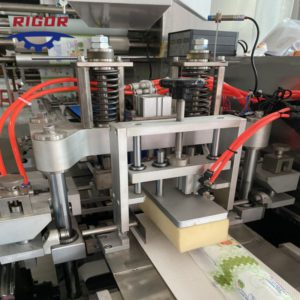
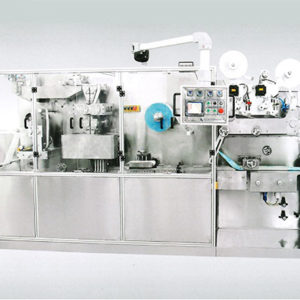
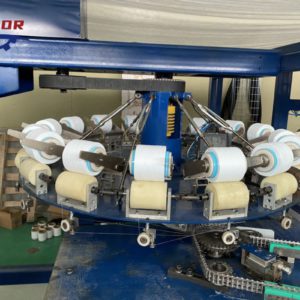
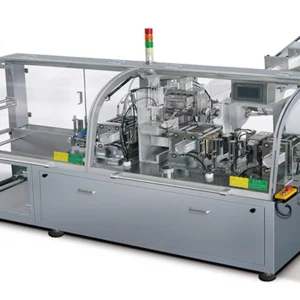
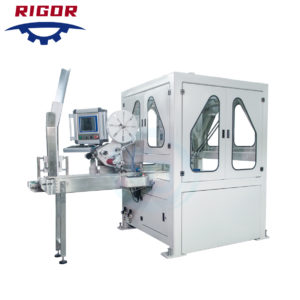
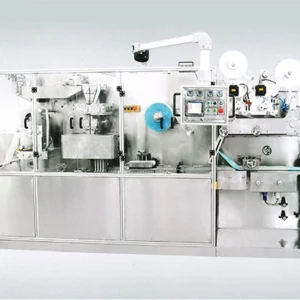
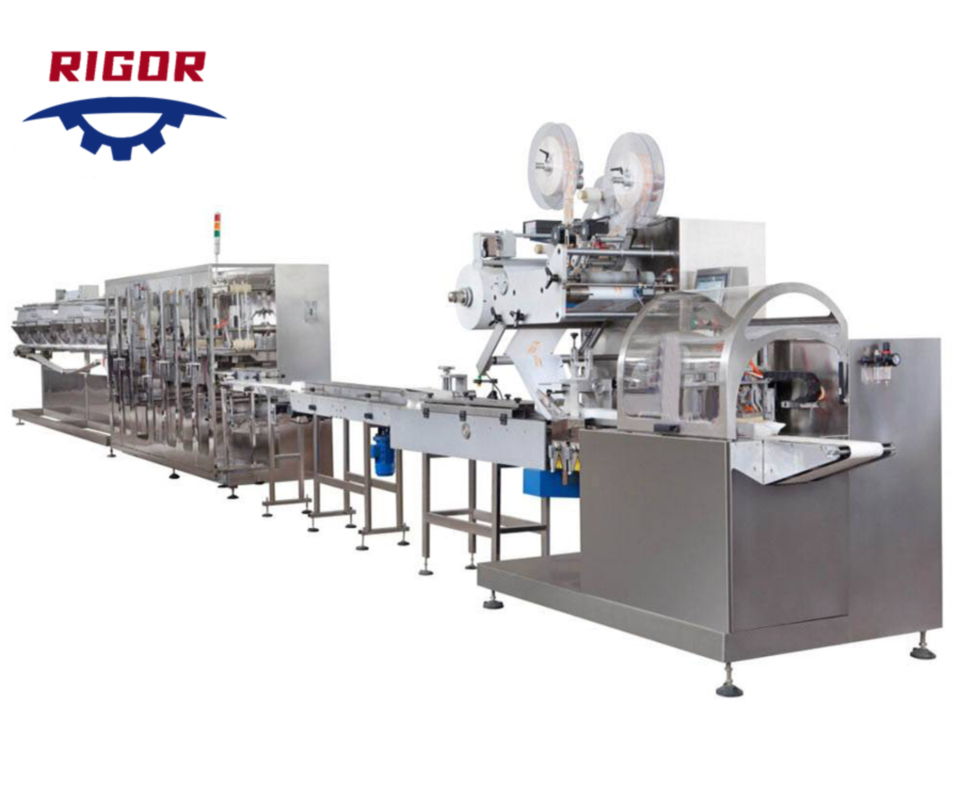
The single most significant investment you will make is in your wet wipes production machine. These sophisticated machines are engineered to perform a sequence of tasks with precision and speed: unwinding large rolls of non-woven fabric, folding the fabric into the desired format, cutting it to size, adding the liquid solution, and then stacking and packaging the finished wipes. The primary choice you will face is the level of automation.
Semi-Automatic Wet Wipes Machines: These machines are an excellent entry point for startups, smaller-scale operations, or businesses targeting a niche market.
- Process: They typically automate the core functions of folding, wetting, and cutting. However, the processes of transferring the stack of wipes to the packaging machine and the final packaging itself often require manual intervention by an operator.
- Production Speed: Speeds are generally lower, perhaps in the range of 2,000-4,000 wipes per minute, depending on the model.
- Initial Cost: The capital investment is significantly lower than for a fully automatic line.
- Labor Requirement: They require more operators per line to handle the manual transfer and packaging stages.
- Flexibility: They can be quite flexible for smaller batch sizes and more frequent product changeovers.
Fully Automatic Wet Wipes Machines: These are the workhorses of high-volume manufacturing, designed for maximum efficiency and minimal labor.
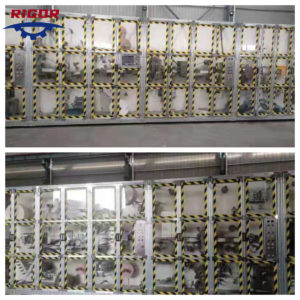
- Process: The entire process, from the raw fabric roll to the sealed, ready-to-ship package, is integrated and automated. This includes automatic splicing (joining a new raw material roll without stopping the machine), automatic transfer of wipe stacks, and integrated high-speed packaging. Many feature advanced PLC (Programmable Logic Controller) touch screens for easy operation and monitoring.
- Production Speed: These are high-speed lines, capable of producing anywhere from 5,000 to over 10,000 wipes per minute.
- Initial Cost: The initial investment is substantially higher.
- Labor Requirement: They require very few operators, primarily for oversight, quality checks, and loading raw materials. This leads to lower long-term operational costs.
- Efficiency: Features like auto-splicing dramatically reduce downtime and material waste, leading to a higher Overall Equipment Effectiveness (OEE).
How to Choose? Your decision should be based on a careful analysis of your business plan.
- If your strategy is to start small, test the market, and keep initial capital costs low, a semi-automatic line is a logical choice.
- If your market research indicates strong demand and your financial plan supports a larger investment for lower long-term costs per unit, a fully automatic line is the superior option. It provides scalability and a lower cost of goods sold at high volumes.
When evaluating suppliers, look beyond the price tag. Consider the manufacturer's reputation, the quality of the components used (e.g., servo motors from reputable brands), the warranty, and, most importantly, the level of after-sales support they provide for installation, training, and spare parts. A reliable supplier offers more than just a machine; they offer a partnership in your success.
Designing an Efficient Production Floor Layout
Your factory is more than just a building that houses your machine. It is an integral part of your quality control system. The layout must be designed to facilitate a logical and hygienic flow of materials and people, preventing cross-contamination and maximizing efficiency. A typical layout, guided by GMP principles, would include:
- Raw Material Receiving and Quarantine Area: A designated area where incoming raw materials are received and held until they are tested and approved by your quality control team.
- Raw Material Storage: A clean, dry, and well-ventilated area for storing approved non-woven fabrics, packaging films, and chemicals. Different types of chemicals may require separate storage.
- Water Treatment and Lotion Preparation Room: A separate, enclosed, and highly sanitized room where your purified water system is located and where the liquid formulation is mixed in stainless steel tanks. This area should have restricted access.
- Main Production Hall: The heart of your factory where the wet wipes machine is located. This area should have the highest standards of cleanliness, with epoxy-coated floors, smooth walls, and controlled air quality. There should be ample space around the machine for operators to work safely and for maintenance access.
- Finished Product Packaging and Quarantine: After the wipes are packaged, they are moved to another area where they are held for final quality assurance checks (like microbiological testing) before being released for sale.
- Finished Goods Warehouse: A dedicated area for storing released products, ready for dispatch.
- Ancillary Areas: This includes a quality control laboratory, changing rooms for employees, administrative offices, and a maintenance workshop.
The key principle is to create a one-way flow: raw materials come in one end, move progressively through the production process, and finished goods leave from the other end. This minimizes the risk of finished products being contaminated by raw materials or personnel traffic.
Installation, Training, and Maintenance Protocols
The arrival of your new wet wipes machine is an exciting milestone, but the work is just beginning.
- Installation: The machinery supplier should provide experienced technicians to oversee the installation and commissioning of the equipment. They will ensure the machine is set up correctly, connected to utilities, and running according to its specified parameters.
- Training: This is a critical investment. The supplier's technicians should provide comprehensive training to your machine operators and maintenance staff. Operators need to learn how to run the machine efficiently, perform product changeovers, and conduct basic troubleshooting. Your maintenance team needs to understand the mechanical and electrical systems, the preventive maintenance schedule, and how to replace common wear-and-tear parts. Proper training reduces downtime, minimizes operator error, and extends the life of your machine.
- Maintenance Protocols: Your machine is a complex piece of engineering that requires regular care. Work with the supplier to develop a preventive maintenance schedule. This involves routine tasks like cleaning, lubrication, and inspection of key components. Keeping a logbook of all maintenance activities is a core part of GMP and helps in predicting and preventing breakdowns. You should also maintain a stock of critical spare parts to ensure that a minor component failure does not lead to a prolonged shutdown.
By carefully selecting your technology and thoughtfully designing your production environment, you create a robust manufacturing capability that can consistently produce high-quality products for years to come.
Step 5: Sourcing High-Quality Raw Materials
Your state-of-the-art wet wipes machine is only as good as the materials you feed into it. The final product that your customer holds in their hand is a composite of several key components. The tactile feel, the cleaning performance, the gentleness on the skin, and the shelf stability are all determined by the quality of your raw materials. Establishing a reliable and resilient supply chain is therefore not an administrative task but a strategic imperative. It involves understanding the science behind each component, identifying and building relationships with trustworthy suppliers, and implementing rigorous quality control for everything that enters your factory.
The Anatomy of a Wet Wipe: Non-woven Fabric, Lotion, and Packaging
A wet wipe seems simple, but it is a carefully engineered product. Let's dissect its three main parts.
1. The Non-woven Fabric (The Substrate): This is the fabric sheet that carries the lotion and does the physical work of wiping. It is not woven or knitted like traditional textiles. The most common type of non-woven used for wipes is spunlace.
- How Spunlace is Made: A web of staple fibers (like polyester, viscose/rayon, cotton, or a blend) is entangled and bonded together using high-pressure jets of water. This process creates a fabric that is soft, strong, and highly absorbent without the use of chemical binders.
- Key Properties to Specify:
- Fiber Blend: The ratio of different fibers determines the fabric's properties. Viscose provides softness and absorbency. Polyester provides strength and durability. Cotton adds a natural feel. A common blend for baby wipes might be 70% viscose and 30% polyester.
- Basis Weight: Measured in grams per square meter (gsm). A higher gsm (e.g., 45-60 gsm) results in a thicker, plusher, and more durable wipe, often perceived as higher quality. A lower gsm (e.g., 35-40 gsm) is more economical.
- Texture: The fabric can be plain (smooth) or apertured/embossed with a pattern. Embossing can improve cleaning performance and aesthetic appeal.
2. The Liquid Formulation (The Lotion): This is the active component of the wipe. The formulation can be simple or complex, depending on the wipe's intended purpose.
- Core Component – Purified Water: Water makes up over 90% of the lotion. It cannot be simple tap water. It must be highly purified, typically through a process like reverse osmosis (RO) and ultraviolet (UV) sterilization, to remove minerals, chemicals, and microbes. This is critical for product safety and stability.
- Surfactants (Cleansing Agents): These are mild, soap-like ingredients that help to lift dirt and oils from the skin.
- Humectants (Moisturizers): Ingredients like glycerin or propylene glycol help to keep the skin from drying out.
- Emollients: These ingredients, like aloe vera or chamomile extract, soothe and soften the skin.
- Preservative System: This is arguably the most critical part of the formulation. Because the wipes are wet and packaged, they are a perfect breeding ground for bacteria, mold, and yeast. A carefully selected and tested system of preservatives (e.g., phenoxyethanol, sodium benzoate) is essential to ensure the product remains safe to use throughout its shelf life. The choice of preservatives must comply with the regulations in your target market.
- Active Ingredients: For specialized wipes, this could include salicylic acid for acne wipes, antibacterial agents for disinfectant wipes, or specific plant extracts for cosmetic wipes.
- pH Adjusters: Ingredients like citric acid are used to ensure the final product's pH is compatible with the skin (typically in the range of 4.5-5.5).
3. The Packaging: The packaging must protect the product from contamination and drying out, while also being user-friendly and serving as a marketing tool.
- Primary Packaging Film: This is typically a multi-layered laminate film (e.g., PET/PE/Aluminum). It needs to provide a strong barrier against moisture loss and oxygen. The quality of the film and the integrity of the heat seal are crucial for maintaining the product's shelf life.
- Resealable Label or Plastic Lid: This allows the user to open and close the pack multiple times without the remaining wipes drying out. The quality of the adhesive on the resealable label is very important for customer satisfaction. Plastic lids offer a more premium feel and better seal.
Building a Resilient Supply Chain: Finding and Vetting Suppliers
Once you know what you need, you have to find reliable sources. Your goal is to build long-term partnerships, not just conduct one-off transactions.
-
Finding Suppliers:
- Online Directories: Websites like Alibaba, Made-in-China, or more specialized industry portals like those from raw material suppliers [qzniso.com] can be a starting point.
- Trade Shows: Attending major industry trade shows (like INDEX in Europe or CIDPEX in China) is one of the best ways to meet a large number of suppliers in person, see their products, and build relationships.
- Referrals: Your machinery supplier may be able to recommend reputable raw material suppliers they have worked with.
-
Vetting Suppliers: Do not make a decision based on price alone. A cheap material that fails quality control is incredibly expensive in the long run.
- Request Samples: Always get physical samples of the non-woven fabric and packaging film. For the lotion chemicals, request a Certificate of Analysis (COA) for each batch.
- Ask for Certifications: Does the supplier have ISO 9001 certification? Can they provide microbiological test reports for their materials?
- Check References: Ask the supplier for a list of other customers they work with (if they are willing to share) and try to get feedback on their reliability and quality consistency.
- Start Small: Place a smaller trial order before committing to a large volume. This allows you to test their materials on your own production line and verify their quality and performance.
It is also wise to identify and qualify at least two suppliers for each of your critical raw materials. This builds resilience in your supply chain. If one supplier has a production issue, a price increase, or a shipping delay, you have a backup option and your production does not have to stop.
Quality Control for Incoming Raw Materials
Your quality assurance program begins the moment a truck arrives at your facility with a delivery. You must have a documented procedure for inspecting and testing all incoming materials before they are accepted into your inventory. This process, known as incoming quality control (IQC), might include:
- Visual Inspection: Checking for any damage to the packaging, verifying that the labels match your purchase order, and ensuring the quantity is correct.
- Non-woven Fabric Testing: Checking the gsm, thickness, and tensile strength. A simple visual check for holes, stains, or other defects is also necessary.
- Packaging Film Testing: Verifying the thickness and checking for any visual imperfections.
- Lotion Chemical Verification: Checking the supplier's Certificate of Analysis (COA) for each drum of chemicals. You might also perform a simple in-house test, like checking the pH or specific gravity of a sample, to confirm its identity.
Any material that does not meet your predefined specifications should be rejected and returned to the supplier. Allowing a sub-standard material into your production line is a recipe for disaster, leading to product defects, machine downtime, and wasted resources. By being rigorous at the sourcing and receiving stage, you lay the groundwork for a smooth and efficient manufacturing process.
Step 6: Mastering the Wet Wipes Manufacturing Process
You have designed your facility, installed your machinery, and sourced your raw materials. Now, you must become a master of the process itself. Manufacturing is a symphony of moving parts, chemical reactions, and human oversight. Achieving consistent quality and efficiency requires a deep understanding of the production workflow, a fanatical commitment to quality assurance at every step, and a forward-thinking approach to managing waste and sustainability. This is where your operational excellence will truly shine, transforming raw inputs into a product that you can be proud to put your brand name on.
The Production Workflow: From Non-woven to Packaged Wipe
Let's walk through the journey of a single wet wipe as it travels through your production line. While the specific configuration of versatile wet wipes machine options can vary, the fundamental stages are consistent.
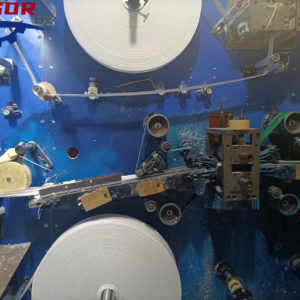
- Non-woven Unwinding and Splicing: A large parent roll of spunlace fabric, which can weigh several hundred kilograms, is mounted onto the machine. As the machine runs, it unwinds the fabric at a precise speed and tension. On fully automatic lines, an auto-splicing unit will automatically join the end of a depleting roll to the start of a new one, allowing for continuous operation without stopping the machine.
- Folding: The flat sheet of fabric is then guided through a series of specially designed plates and rollers that fold it into the desired format. The two most common folds are the "Z-fold" and "C-fold." The goal is to create an interfolded stack, where pulling out one wipe partially pulls out the next one, making it ready for the user.
- Wetting System: The folded continuous web of fabric passes through a wetting station. Here, the liquid lotion, which has been prepared in your mixing tanks, is applied uniformly. This can be done through a spray system or by passing the fabric through a bath. The amount of liquid applied is precisely controlled to ensure each wipe has the correct level of moisture.
- Découpage : A high-speed cutting unit, often a rotary blade, cuts the continuous, folded, and wetted fabric into individual stacks of a predetermined length (which corresponds to the number of wipes per pack, e.g., 80 pieces).
- Stacking and Transfer: The cut stacks are then automatically counted and transferred to the infeed conveyor of the packaging machine. This is a critical point of automation that separates semi-automatic from fully automatic lines.
- Packaging: The packaging machine takes the stack of wipes and wraps it in the printed laminate film. It performs several actions in quick succession:
- It forms the film into a pouch around the wipe stack.
- It creates a die-cut opening on the top of the pouch.
- It applies the resealable sticker or plastic lid over the opening.
- It heat-seals the pouch on all sides to make it airtight.
- It may also print a manufacturing date and batch code onto the finished pack using an inkjet printer.
- Final Quality Check and Case Packing: The finished packs exit the machine and are visually inspected by an operator for any defects. They are then packed into larger cartons or cases, ready to be moved to the warehouse.
Understanding each of these stages is crucial for your operators and maintenance team so they can quickly diagnose and resolve any issues that may arise.
Implementing a Rigorous Quality Assurance (QA) System
Quality is not something you inspect for at the end of the line; it is something you build into the process from the very beginning. A robust QA system involves a series of checks and tests at different stages.
- Incoming Quality Control (IQC): As discussed in Step 5, this involves testing all raw materials before they are used.
- In-Process Quality Control (IPQC): These are checks performed by operators and QA technicians during the production run.
- Lotion Checks: Before a batch of lotion is released to the production line, its pH, viscosity, and appearance should be tested.
- First-Piece Inspection: At the start of every new production run or after any major adjustment, the first few finished packs should be thoroughly inspected to ensure all parameters are correct (e.g., wipe size, fold quality, package seal integrity, label placement).
- Hourly Checks: Throughout the shift, operators should regularly pull samples from the line to check key parameters like wipe weight (to verify moisture content), dimensions, and the strength of the package seal. All results should be recorded in a log.
- Final Quality Assurance (FQA): This is the final gate before your product is cleared for sale.
- Finished Product Testing: A random sample of packs from each batch is taken to the laboratory for more comprehensive testing.
- Microbiological Testing: This is the most important final test. Samples are tested for the presence of bacteria, yeast, and mold to ensure the preservative system is effective and the product is safe. The batch should not be released until the micro results are clear.
- Stability Testing: When you first develop a product, you must conduct stability tests. This involves keeping samples at various temperatures and humidity levels for several months to ensure the product does not change in color, odor, or texture, and that the packaging does not leak over time. This data is what validates your product's shelf life.
Waste Management and Sustainable Practices
Modern manufacturing is not just about efficiency; it is also about responsibility. A focus on sustainability can reduce costs, improve your brand image, and meet the growing consumer demand for eco-friendly products.
- Waste Reduction:
- Material Scrap: Inevitably, there will be some waste from the non-woven fabric and packaging film during machine start-up, splicing, and changeovers. A well-trained operator and a well-maintained machine will minimize this waste. Track your scrap rate as a key performance indicator (KPI).
- Water Usage: Your water purification system will produce some reject water. Explore ways to reuse this water for non-critical applications like cleaning floors.
- Defective Products: A strong IPQC system will catch defects early, reducing the number of finished products that have to be scrapped.
- Exploring Sustainable Materials: The environmental impact of single-use wipes is a growing concern for consumers. As a new manufacturer, you have the opportunity to build sustainability into your brand from the start.
- Biodegradable Fabrics: Explore using non-woven fabrics made from 100% viscose or other plant-based fibers like bamboo or wood pulp. These materials are biodegradable under the right conditions.
- Flushable Wipes: Manufacturing a "flushable" wipe is technically complex and requires special fabric that breaks down in water. It also involves significant testing to meet industry standards (like the INDA/EDANA GD4 guidelines) to ensure it does not cause problems for municipal sewer systems. This can be a lucrative but challenging niche.
- Eco-friendly Formulations: Use plant-derived ingredients and avoid chemicals that are known to be harmful to the environment.
- Recyclable Packaging: Work with your packaging supplier to use recyclable films.
By embedding quality and sustainability into the very fabric of your manufacturing process, you create an operation that is not only profitable but also respectable and prepared for the future.
Step 7: Developing a Go-to-Market Strategy: Branding, Marketing, and Distribution
Creating a high-quality product is a monumental achievement, but it is only half the battle. The world's best wet wipe is commercially worthless if it sits unknown in your warehouse. The final step in our journey is to build a bridge between your factory and your customers. This bridge is your go-to-market strategy. It encompasses how you shape the perception of your product (branding), how you communicate its value (marketing), and how you make it physically available for purchase (distribution). For an entrepreneur in an emerging market, a clever and culturally attuned strategy can allow you to outmaneuver larger, less agile competitors.
Creating a Memorable Brand Identity and Packaging Design
Your brand is much more than your logo or company name. It is the collective feeling and perception that people have about your product. It is a promise of quality, safety, and value. A strong brand builds trust and fosters loyalty, encouraging repeat purchases.
- Define Your Brand Essence: What is the core personality of your brand? Is it nurturing and gentle (for baby wipes)? Is it clinical and effective (for disinfectant wipes)? Is it chic and modern (for cosmetic wipes)? This essence should guide all your creative decisions.
- Choose a Name and Logo: Your brand name should be easy to pronounce, remember, and legally available to trademark. Your logo should be a simple, visually appealing symbol of your brand essence.
- Packaging Design is Your Silent Salesperson: On a crowded retail shelf, your packaging may have only a few seconds to grab a customer's attention.
- Visual Appeal: Use colors, fonts, and imagery that align with your brand essence and appeal to your target audience. For a baby wipe in the Middle East, you might use soft pastel colors and imagery of a happy, healthy baby. For a cosmetic wipe in a fashion-conscious market like Moscow, you might opt for a sleek, minimalist black-and-white design.
- Clarity of Information: The front of the pack should clearly state what the product is, the key benefit (e.g., "For Sensitive Skin," "Kills 99.9% of Germs"), and the wipe count.
- Local Language and Cultural Nuances: All text should be in the primary local language. Be mindful of cultural symbols and colors. What is considered a positive color in one culture might have a negative connotation in another.
Invest in professional design. A skilled graphic designer can translate your brand strategy into a compelling visual identity that will make your product stand out.
Digital and Traditional Marketing Tactics for Emerging Markets
Your marketing plan should use a mix of channels to reach your target customers where they are most active.
-
Digital Marketing:
- Social Media: This is a powerful and cost-effective tool. Identify the most popular platforms in your country (e.g., Facebook, Instagram, VKontakte in Russia, or local equivalents). Share content that is useful and engaging, not just promotional. You could share parenting tips, hygiene advice, or makeup tutorials.
- Local Influencers: Partner with local parenting bloggers, makeup artists, or health and wellness influencers. An authentic recommendation from a trusted local voice can be far more effective than traditional advertising.
- Website and SEO: Your company website is your digital storefront. Ensure it is professional, mobile-friendly, and provides detailed information about your products. Basic search engine optimization (SEO) will help potential distributors and large customers find you when they search online.
- E-commerce Marketplaces: List your products on popular local e-commerce platforms (like Mercado Libre in Latin America, Ozon in Russia, or Shopee in Southeast Asia).
-
Traditional Marketing: Do not neglect offline methods, which can be very effective in many markets.
- In-Store Promotions: Offer introductory discounts, buy-one-get-one-free deals, or provide free samples in supermarkets.
- Local Print and Radio: Advertising in local community newspapers or on popular radio stations can be an effective way to build brand awareness.
- Trade Shows: Participate in local or regional trade shows for consumer goods or the hygiene industry. This is an excellent way to meet potential distributors and retail buyers.
- Partnerships: Collaborate with hospitals, maternity clinics, or daycare centers to get your baby wipes into the hands of new mothers.
Establishing Your Distribution Channels: Retail, Wholesale, or Direct-to-Consumer
How will you get your product from your factory to the end user? You have several options, and you may use a combination of them.
-
Wholesale/Distribution Model:
- How it Works: You sell your product in large quantities to distributors or wholesalers. They then sell it to a network of retailers.
- Pros: This is the fastest way to achieve broad market penetration. Distributors have existing relationships with retailers and handle the logistics of delivering to hundreds or thousands of stores. It simplifies your sales process, as you are dealing with a small number of large customers.
- Cons: Your profit margins will be lower, as the distributor needs to take their cut. You also have less control over how your product is priced and merchandised at the retail level.
-
Direct-to-Retail Model:
- How it Works: Your sales team sells directly to retail chains, such as supermarkets, pharmacies, and convenience stores.
- Pros: You earn a higher profit margin compared to the wholesale model. You have more control over your brand's presence in the store.
- Cons: This requires building a dedicated sales and logistics team to manage relationships and deliveries with numerous individual stores or retail headquarters. It is a more resource-intensive approach.
-
Direct-to-Consumer (D2C) Model:
- How it Works: You sell directly to the end customer, typically through your own e-commerce website or a factory outlet store.
- Pros: This offers the highest possible profit margin. It gives you a direct relationship with your customers, allowing you to gather valuable feedback.
- Cons: It requires significant investment in marketing to drive traffic to your website and in logistics to handle picking, packing, and shipping individual orders. This is often a more viable strategy once the brand is already established through other channels.
For most startups, a phased approach is advisable. Start by working with a few local wholesalers to get your product into the market quickly. As your business grows and your brand gains recognition, you can begin to build a direct-to-retail sales team to target major supermarket chains. Developing a D2C channel can be a long-term goal.
By thoughtfully crafting your brand, communicating its value through targeted marketing, and building an efficient distribution network, you complete the final and crucial step in your journey of how to start a wet wipes manufacturing business.
Foire aux questions (FAQ)
How much capital is needed to start a wet wipes manufacturing business? The required capital varies significantly based on scale, location, and choice of machinery. A small-scale operation with a semi-automatic machine might require an initial investment of $100,000 to $250,000 USD. A large-scale, fully automated facility could require $500,000 to over $1,000,000 USD. These figures should cover machinery, facility setup, initial raw materials, and working capital for the first few months.
How profitable is a wet wipes business? The profitability depends on production efficiency, raw material costs, pricing strategy, and market penetration. Gross profit margins on wet wipes can range from 20% to over 50%. Niche products, like specialized cosmetic or medical wipes, often yield higher margins than general-purpose wipes. A well-run operation that achieves high volume and controls costs can be very profitable.
Can I use one machine for different types of wipes? Yes, to an extent. Most modern wet wipes machines are designed with some flexibility. You can typically produce different wipe sizes, counts per pack, and use different lotion formulations on the same machine. However, switching between vastly different products, such as a thin baby wipe and a very thick disinfectant wipe, may require significant adjustments or different machine modules. For high-volume production of distinct product lines, using dedicated machines is often more efficient.
What are the biggest challenges for a new wet wipes manufacturer? The primary challenges include securing sufficient startup capital, establishing a reliable supply chain for consistent quality raw materials, navigating complex local regulations and quality standards (like GMP), and building a brand that can compete with established players. Overcoming these requires meticulous planning, a focus on quality, and a smart go-to-market strategy.
How do I ensure my wet wipes are safe for skin, especially for babies? Ensuring product safety is paramount. This involves several key steps: using highly purified water, selecting gentle, hypoallergenic ingredients for your lotion, avoiding harsh chemicals and allergens, implementing a robust preservative system to prevent microbial growth, and maintaining a hygienic production environment according to GMP standards. Finally, conducting dermatological testing and microbiological analysis on your final product provides the ultimate verification of its safety.
What is the typical shelf life of wet wipes? The typical shelf life for wet wipes is between 18 to 36 months. The exact duration is determined by the stability of the liquid formulation and the effectiveness of both the preservative system and the packaging barrier. You must conduct real-time and accelerated stability testing on your product to scientifically validate and print a reliable expiration date on your packaging.
How long does it take to set up the production line? From placing an order for a machine to starting commercial production, the timeline is typically between 4 to 8 months. This includes machine manufacturing time (2-4 months), sea freight (1-2 months), facility preparation, machine installation and commissioning (2-4 weeks), and operator training and trial production runs (1-2 weeks).
Conclusion
The path to establishing a successful wet wipes manufacturing business in 2025 is both challenging and filled with immense potential. It is a venture that extends beyond mere commerce, touching upon the fundamental human needs for health, hygiene, and well-being. As we have explored, the process is a systematic one, demanding diligence at every turn—from the initial spark of an idea born from market research to the final act of placing your branded product into the hands of a consumer. Success is not contingent on a single factor but on the harmonious integration of a well-conceived business plan, a deep respect for regulatory and quality standards, strategic investments in technology and people, and an agile, culturally aware marketing approach. The journey requires capital, but more importantly, it requires courage, persistence, and an unwavering commitment to quality. For the entrepreneur ready to embark on this path, the reward is not just the creation of a profitable enterprise, but the satisfaction of building a business that provides a tangible, useful, and valuable product to your community and beyond.
Références
Andritz. (2025). Andritz Diatec. Retrieved from https://www.andritz.com/diatec
cnwelldone.com. (2024). From raw materials to hygiene solutions: How sanitary napkin-making machines work. Retrieved from https://www.cnwelldone.com/from-raw-materials-to-hygiene-solutions-how-sanitary-napkin-making-machines-work
diapermachines.com. (2024). Innovations in diaper manufacturing: Exploring the baby diaper machine revolution. Retrieved from https://www.diapermachines.com/2024/01/08/innovations-in-diaper-manufacturing-exploring-the-baby-diaper-machine-revolution/
Nonwovens Industry. (2025). Hygiene machinery report. Retrieved from https://www.nonwovens-industry.com/issues/2025-01-01/view_features/hygiene-machinery-report-912612/
qzniso.com. (2025). Diaper raw materials, feminine raw materials, diaper making machine manufacturer. Retrieved from
sanitarypadmachine.com. (2025). How diapers are made: Materials, machines, and process explained. Retrieved from https://sanitarypadmachine.com/how-diapers-are-made/
sunreehygiene.com. (2025). Manufacturing machines ingenious technologies unrivaled efficiency. Retrieved from
womengmachines.com. (2025). Detailed explanation of diaper production process. Retrieved from https://www.womengmachines.com/detailed-explanation-of-diaper-production-process/