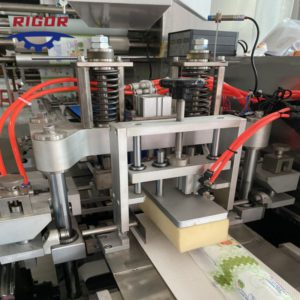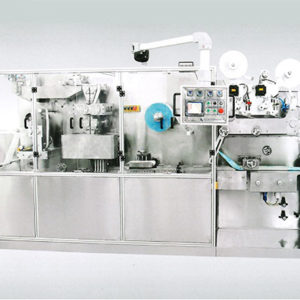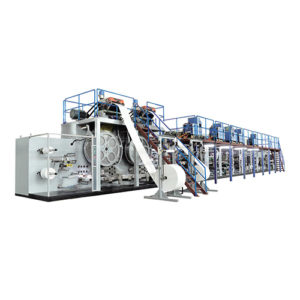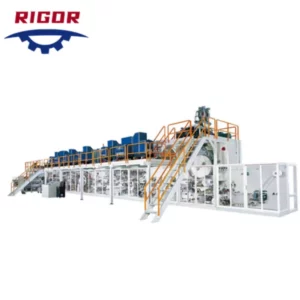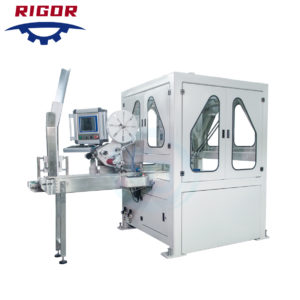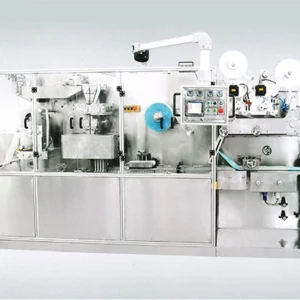
The global diaper industry is expanding rapidly, with India emerging as a key manufacturing and sourcing destination. For buyers in South America, Russia, Southeast Asia, the Middle East, and South Africa, understanding the Indian diaper machine market can unlock significant cost advantages and reliable supply chains. However, navigating this landscape requires up-to-date knowledge, careful supplier vetting, and an awareness of common pitfalls. In this 2026 guide, we draw on over a decade of industry experience as a (diaper machine manufacturer|https://www.diapermachines.com/) to provide a comprehensive, data-backed resource. Whether you are a first-time importer or an experienced distributor, you will find actionable insights, detailed comparisons, and practical checklists to make informed decisions.
Understanding the Diaper Machine Market in India (2026 Update)
The Rise of India as a Diaper Manufacturing Hub
India's diaper industry has witnessed double-digit growth over the past five years. Fueled by rising disposable incomes, increasing hygiene awareness, and government initiatives like 'Make in India,' the country has become a competitive alternative to traditional manufacturing giants. By 2026, India's baby diaper market alone is projected to surpass $2.1 billion, with a CAGR of 14% since 2020. This domestic demand has spurred local production of diaper machines, ranging from semi-automatic units to fully automated high-speed lines.
Several factors contribute to India's attractiveness. Labor costs in India are 30-40% lower than in China, and the government offers tax incentives for manufacturers exporting under the RoDTEP scheme. Additionally, India's large engineering talent pool supports continuous innovation in machine design. However, the market remains fragmented, with over 200 small and medium-sized machinery producers, making supplier selection both critical and challenging.
Key Statistics: India's Diaper Industry by the Numbers
To grasp the scale, consider these 2026 data points:
- India produces an estimated 8.5 billion diapers annually, with 60% for domestic consumption and 40% exported to Africa, the Middle East, and CIS countries.
- The installed base of diaper machines in India exceeds 4,000 units, but only 15% are high-speed lines (above 400 pcs/min).
- Average machine utilization rate is 72%, indicating room for efficiency improvements.
- Import of diaper machines into India has declined by 18% since 2022, as local manufacturing capacity has grown.
- The Indian government's PLI (Production Linked Incentive) scheme for medical devices has allocated $400 million, part of which supports hygiene product machinery.
These numbers highlight both opportunity and caution: while local machines are improving, quality and consistency vary widely. Buyers must differentiate between established exporters and small workshops.
Types of Diaper Machines Available in India
Indian manufacturers offer a broad spectrum of machines. Understanding the categories is essential for matching your production needs:
- Semi-Automatic Baby Diaper Machines: Speed of 100-200 pcs/min, manual core formation and stacking. Price range: $18,000 – $35,000. Suitable for startups with limited budgets.
- Full-Automatic Baby Diaper Machines: Speed 250-400 pcs/min, servo-driven, automatic splicing and rejection. Price: $55,000 – $120,000. Ideal for mid-scale operations.
- High-Speed Baby Diaper Lines: 500-800 pcs/min, fully integrated with packaging. Price: $150,000 – $350,000. For large manufacturers targeting export markets.
- Adult Diaper and Sanitary Pad Machines: India also produces machines for adult incontinence products and sanitary pads, often sharing platforms with baby diaper lines. A sanitary pad machine typically costs $25,000 – $80,000 depending on speed and features.
As a (diaper machine manufacturer|https://www.diapermachines.com/), we have observed that many Indian machines in the lower price brackets lack advanced features like automatic core alignment or real-time quality monitoring, which can lead to higher waste rates. We recommend buyers specify these features in their RFQs.
How to Source Diaper Machines from India: A Step-by-Step Guide
Identifying Reliable Indian Manufacturers vs. Traders
One of the biggest challenges is distinguishing genuine manufacturers from traders who simply resell machines. In our experience, approximately 40% of 'manufacturers' listed on B2B platforms are actually trading companies. Here is a step-by-step verification process:
- Request a video call showing the factory floor, CNC machines, and assembly lines. A real manufacturer will have machining capabilities, not just an assembly shed.
- Ask for the company's GST registration and IEC (Import Export Code). Cross-check these on the Indian government's GST portal.
- Demand at least three references from recent international buyers, and contact them directly.
- Check for ISO 9001:2015 certification and CE marking on their machines. Verify the certificates with the issuing body.
- Use third-party inspection services like SGS or Bureau Veritas for a factory audit before making any payment.
Skipping these steps cost a Nigerian buyer we assisted in 2024 nearly $50,000 when he prepaid a trader who vanished. (See Case Study 1 below.)
Essential Documentation and Compliance Checks
When importing diaper machines from India, ensure the supplier provides the following documents. Missing paperwork can lead to customs delays or safety issues:
- Commercial Invoice and Packing List
- Certificate of Origin (for claiming preferential tariffs under trade agreements)
- CE Declaration of Conformity (for EU and many other markets)
- ISO 9001 and ISO 14001 certificates
- Bill of Lading or Air Waybill
- Machine operation manual in English
- Warranty certificate (typically 12-18 months)
- Test reports for electrical safety and material compliance (RoHS, REACH if applicable)
Additionally, verify that the machine meets the voltage and frequency requirements of your country. Indian machines often default to 415V/50Hz, which may require a transformer for regions with 220V/60Hz.
Negotiating Prices and Payment Terms
Price negotiation in India requires cultural awareness and a clear understanding of market rates. Based on our 2026 data, here are typical price ranges for different machine categories (FOB Mumbai):
| Machine Type | Speed (pcs/min) | Price Range (USD) |
|---|---|---|
| Semi-Auto Baby Diaper | 100-200 | $18,000 – $35,000 |
| Full-Auto Baby Diaper | 250-400 | $55,000 – $120,000 |
| High-Speed Baby Diaper | 500-800 | $150,000 – $350,000 |
| Machine à serviettes hygiéniques | 300-600 | $25,000 – $80,000 |
Payment terms typically involve a 30% advance with the order, 60% before shipment, and 10% after installation. Avoid 100% advance payments. Use irrevocable letters of credit (LC) for large orders to mitigate risk. For orders above $50,000, we recommend using an LC confirmed by a reputable international bank.
Top 7 Mistakes When Buying a Diaper Machine in India (And How to Avoid Them)
Over the years, we have cataloged the most frequent and costly errors made by international buyers. Addressing these proactively can save tens of thousands of dollars and months of downtime.
Overlooking After-Sales Service and Spare Parts
Mistake 1: Assuming after-sales support is included. Many Indian manufacturers provide minimal post-installation support, especially to overseas clients. Engineers may not be available for on-site visits, and remote troubleshooting can be hindered by language barriers.
Mistake 2: Not securing a spare parts kit. Critical components like ultrasonic horns, heaters, and cutting blades wear out. Without a pre-purchased spare parts package, you may face 3-4 week lead times for replacements. We recommend negotiating a 2-year spare parts kit as part of the initial contract, covering at least 20% of the machine's consumable parts value.
Solution: Include a detailed after-sales service level agreement (SLA) in the purchase contract, specifying response times, engineer dispatch conditions, and spare part delivery guarantees. Ask for a dedicated service manager who speaks English fluently.
Ignoring Production Capacity vs. Actual Demand
Mistake 3: Buying a machine that is too slow or too fast. A common error is purchasing a high-speed line (600 pcs/min) for a market that only requires 2 million diapers per month. The machine runs at low utilization, increasing per-unit costs. Conversely, a semi-automatic machine cannot meet sudden demand spikes.
Mistake 4: Underestimating changeover times. If you plan to produce multiple sizes (S, M, L, XL), changeover time can eat into production capacity. Some Indian machines require 2-3 hours for a size change, while advanced models do it in 30 minutes. Over a month, this can reduce output by 10-15%.
Solution: Calculate your required monthly output carefully, factoring in 80% machine efficiency and size changeovers. Use our ROI calculator in Section 5 to model different scenarios.
Falling for Unrealistic Price Quotes
Mistake 5: Choosing the lowest bidder. Quotes that are 30-40% below the market average often signal used components, substandard steel, or missing features. A $20,000 full-auto machine is almost certainly a scam or a stripped-down version that will cost more in repairs and waste within the first year.
Mistake 6: Not clarifying what is included. Some suppliers quote only the machine, excluding motors, PLC, or conveyor belts. Always request a line-item quotation and check against a standard checklist.
Mistake 7: Ignoring energy efficiency. A cheaper machine may consume 20% more electricity, costing an extra $5,000-$8,000 annually in power. Evaluate total cost of ownership (TCO), not just the purchase price.
Solution: Benchmark quotes against the price ranges provided in Section 4. Visit the factory or send an inspector to verify the machine's construction and components before signing.
Diaper Machine India vs. China: A 2026 Comparative Analysis
For many international buyers, the decision often comes down to India versus China. Both countries have mature machinery sectors, but distinct differences have emerged by 2026. Below is a detailed comparison based on our experience as a (diaper machine manufacturer|https://www.diapermachines.com/) with exposure to both markets.
| Factor | India | Chine |
|---|---|---|
| Average Price (Full-Auto 300 pcs/min) | $75,000 – $95,000 | $65,000 – $85,000 |
| Build Quality | Good, improving; use of local steel sometimes inconsistent | Excellent; standardized components, rigorous QC |
| Lead Time | 45-60 days | 30-45 days |
| Niveau d'automatisation | Moderate; many machines still rely on manual splicing | High; full servo, auto-splicing, Industry 4.0 ready |
| Support après-vente | Variable; often limited overseas | Strong; many suppliers have global service networks |
| Customization Flexibility | High; willing to adapt designs | Moderate; prefer standard models |
| Spare Parts Availability | Good locally; international shipping can be slow | Excellent; global logistics hubs |
Price, Quality, and Lead Time Comparison
As the table shows, Chinese machines are generally 10-15% cheaper for equivalent specifications, primarily due to economies of scale and a more integrated supply chain. However, Indian manufacturers often offer greater customization, which can be valuable for specialized products like eco-friendly diapers or unique sizes. Lead times from India are slightly longer, averaging 50 days versus 35 days from China, mainly because of less automated production processes in Indian factories.
Technology and Automation Levels
By 2026, Chinese diaper machine manufacturers have widely adopted Industry 4.0 technologies, including IoT-enabled predictive maintenance, real-time OEE tracking, and AI-based vision inspection. Indian manufacturers are catching up, but only about 20% of machines exported from India feature full servo and automatic core formation. If your production requires minimal human intervention and high consistency, Chinese machines currently hold an edge. However, for buyers seeking a balance between cost and functionality, Indian machines with semi-automatic features can be a prudent choice, especially when combined with local labor.
After-Sales Support and Warranty
Chinese suppliers have invested heavily in overseas service centers, particularly in Southeast Asia, Africa, and the Middle East. Many offer 24/7 online support and can dispatch engineers within 48 hours. Indian after-sales service is more fragmented; only the top 10-15 manufacturers provide comparable support. When evaluating an Indian supplier, insist on a warranty of at least 18 months and confirm they have English-speaking service engineers available for international travel. In one case, a Russian client waited 6 weeks for an Indian technician to arrive, causing significant production losses. We helped him retrofit the machine with remote diagnostic capabilities to mitigate future delays.
Cost of Diaper Machines in India: Pricing Breakdown and ROI
Entry-Level vs. High-Speed Machines: What to Expect
The cost of a diaper machine in India depends on speed, automation, and brand. Here is a more granular breakdown for 2026:
- Entry-Level Semi-Auto (100-150 pcs/min): $18,000 – $25,000. Includes basic PLC, manual core unwinding, single-size capability. Suitable for producing 1-2 million diapers/month.
- Mid-Range Full-Auto (200-300 pcs/min): $45,000 – $75,000. Servo-driven main sections, auto splicing, two size options. Output: 3-5 million diapers/month.
- Advanced Full-Auto (350-500 pcs/min): $80,000 – $130,000. Full servo, auto core formation, reject system, touchscreen HMI. Output: 6-8 million diapers/month.
- High-Speed Line (600-800 pcs/min): $160,000 – $350,000. Complete line with stacker, bagger, and cartoner. Output: 10-15 million diapers/month.
Note that these prices are FOB Indian port. Installation, training, and shipping are additional (see Hidden Costs).
Hidden Costs: Shipping, Installation, and Training
Many first-time buyers underestimate the total landed cost. Based on shipments to typical destinations, here are average additional expenses:
- Sea Freight: $3,000 – $8,000 depending on container size and destination (e.g., to Lagos or Moscow).
- Insurance: 1-2% of machine value.
- Customs Duties & Taxes: Vary by country; typically 5-20% of CIF value. Check your local HS code 8441.10 for diaper machines.
- Installation & Commissioning: $2,000 – $5,000 for an engineer's travel and 5-7 days on-site. Some Indian suppliers include this in the price, but clarify.
- Training: Often included for 2-3 days, but extended training may cost $500/day.
- Transformer/Electrical Mods: $1,000 – $3,000 if voltage conversion is needed.
Always request a detailed CIF or DAP quotation to compare total costs accurately.
Calculating ROI for a Diaper Production Line
To determine if an investment is viable, use this simple ROI model. Assume a mid-range full-auto machine costing $70,000 (FOB). Add $12,000 for shipping, duties, and installation, giving a total investment of $82,000.
Production: 300 pcs/min, running 20 hours/day, 25 days/month = 9 million diapers/month. At an average selling price of $0.08 per diaper (bulk), monthly revenue = $720,000. Raw material cost per diaper is approximately $0.045, so gross margin per diaper = $0.035. Monthly gross profit = $315,000. Subtract labor ($8,000/month for 5 operators), electricity ($2,000), maintenance ($1,500), and overhead ($3,000), net monthly profit = $300,500. Even with conservative numbers, the payback period is less than 1 month. In reality, ramp-up time and market penetration may extend this to 3-6 months, but the ROI remains exceptionally strong.
Of course, these figures depend on local material costs and selling prices. We recommend building a spreadsheet with your specific data. A common mistake is using theoretical maximum output; always factor in 80% efficiency and 5% waste.
Future Trends in the Indian Diaper Machine Industry
Automation and Industry 4.0 Adoption
By 2026, Indian manufacturers are increasingly integrating IoT sensors and cloud-based monitoring into their machines. Several leading Indian companies now offer optional modules for real-time production tracking, predictive maintenance alerts, and remote troubleshooting. This trend is driven by demand from export clients who require minimal downtime. We expect that by 2028, over 50% of new diaper machines exported from India will feature basic Industry 4.0 capabilities. For buyers, this means greater transparency and control, even from thousands of miles away.
Sustainable and Biodegradable Diaper Production
Environmental concerns are reshaping the diaper industry. In response, Indian machine builders are developing lines capable of processing biodegradable films, bamboo fiber, and chlorine-free fluff pulp. These materials require precise tension control and modified ultrasonic bonding. If you plan to produce eco-friendly diapers, ensure the machine is explicitly designed for such materials. Retrofitting a standard machine can cost an additional $15,000-$25,000. We have assisted several clients in transitioning to sustainable production, and the key is to validate material compatibility during the factory acceptance test (FAT).
Government Policies and Incentives for Manufacturers
The Indian government continues to promote domestic manufacturing through schemes like PLI and the National Medical Devices Policy 2023. For diaper machine buyers, this translates into potential cost savings if you partner with an Indian manufacturer that benefits from these incentives. Some suppliers may offer discounts or better terms because of reduced tax burdens. Additionally, India's free trade agreements with ASEAN, Mercosur, and African nations can reduce import duties for your finished products if you source machines from India and produce locally. Consult with a trade advisor to maximize these benefits.
Practical Checklist for Auditing an Indian Diaper Machine Supplier
Before committing to a purchase, use this comprehensive checklist to evaluate potential suppliers. It is based on our internal audit protocols used when qualifying partners.
Factory Visit and Production Audit
- Verify the factory address and size. A legitimate manufacturer should have at least 5,000 sq. ft. of production space with dedicated machining, assembly, and testing areas.
- Check for CNC machining centers, lathes, and milling machines. If the factory only has assembly tables, it is likely a trader.
- Observe an ongoing machine assembly. Look for organized workflows, safety protocols, and quality control checkpoints.
- Ask to see the raw material inventory, including steel grades and electronic components. Inferior materials lead to premature wear.
- Meet the engineering team. A strong R&D department with at least 5-10 engineers indicates commitment to innovation.
Sample Testing and Quality Assurance Protocols
- Request a factory acceptance test (FAT) with your own raw materials. Run the machine at its rated speed for at least 4 hours continuously.
- Measure waste rate: it should be below 2% for a full-auto machine. Collect and weigh all rejects.
- Inspect the finished diapers for consistent glue application, core integrity, and tape adhesion.
- Check noise levels: should be under 85 dB(A) for operator safety.
- Verify all safety guards, emergency stops, and electrical enclosures meet international standards (IEC 60204).
Reference Checks and Past Client Feedback
- Contact at least three previous buyers from your region. Ask about machine reliability, actual output, and after-sales responsiveness.
- Search online forums and LinkedIn for reviews. Negative feedback often surfaces in industry groups.
- Request performance data from an existing machine of the same model, including OEE, downtime logs, and maintenance costs.
- If possible, visit a reference site in person or via video to see the machine in operation.
Expert Insights: Our Experience with Diaper Machine Sourcing
With over a decade in the hygiene machinery industry, our team has encountered a wide range of sourcing scenarios. Here are two real-world examples that illustrate critical lessons.
Case Study 1: Helping a Nigerian Buyer Avoid a $50,000 Scam
In early 2024, a Nigerian entrepreneur contacted us after he had paid a 30% deposit ($15,000) to an Indian company for a 'full-auto baby diaper machine' priced at $50,000. The company had a professional website and active B2B profile. However, when he requested a video tour, they showed a pre-recorded clip. We intervened by hiring a local inspection agent in Gujarat. The agent discovered that the address was a small office with no manufacturing facility. The 'manufacturer' was a broker who sourced machines from various small workshops and rebranded them. Fortunately, with legal pressure, the buyer recovered 70% of his deposit. He later purchased a certified machine from a verified manufacturer, which has been running at 280 pcs/min with less than 2% waste for over 18 months.
Key takeaway: Never skip the physical or third-party audit, even if the price seems unbeatable.
Case Study 2: Optimizing Production for a Russian Distributor
In 2025, a Russian distributor of hygiene products sought our help to improve the output of his newly installed Indian diaper line. The machine was rated at 350 pcs/min but was achieving only 260 pcs/min with frequent stoppages. Our engineers conducted a remote audit and identified three issues: incorrect tension settings on the elastic application, a misaligned ultrasonic horn, and insufficient cooling for the glue system. After guiding the local team through adjustments and replacing the horn, the line reached 340 pcs/min. We also installed a simple OEE tracking system that helped the client monitor performance. The improvement increased his monthly output by 30%, adding approximately $90,000 in additional revenue per month.
Key takeaway: Even a good machine can underperform without proper setup and ongoing optimization. Partner with a supplier or consultant who offers robust technical support.
Lessons Learned from 10+ Years in the Industry
Reflecting on hundreds of projects, we have distilled these essential lessons for anyone sourcing a diaper machine from India:
- Trust but verify: Documentation and certifications are only as good as the factory behind them.
- Plan for the long term: Spare parts, upgrades, and service contracts should be negotiated upfront.
- Invest in training: Operators and maintenance staff must be thoroughly trained on the specific machine, not just general principles.
- Stay flexible: The market may shift; choose a machine that can be adapted for different sizes or product types with minimal downtime.
As a (diaper machine manufacturer|https://www.diapermachines.com/), we apply these principles in our own production and encourage buyers to demand the same from any supplier they consider.
Navigating the Indian diaper machine market in 2026 requires a blend of market knowledge, rigorous supplier vetting, and a clear understanding of your own production goals. From our detailed comparison tables to the step-by-step sourcing guide and real-world case studies, we have equipped you with the tools to make a confident decision. Whether you are upgrading an existing line or launching a new facility, the key is to prioritize total value over initial price. We urge you to conduct a factory audit, request a sample run with your materials, and verify every claim before committing funds. For personalized guidance or to explore our range of high-performance diaper and sanitary pad machines, reach out to our team. Your next successful production line starts with a single informed step.
Références
The following industry reports and official sources were consulted to ensure accuracy and provide data-driven insights:
- Mordor Intelligence. (2025). India Baby Diaper Market – Growth, Trends, and Forecasts (2025-2030).
- India Brand Equity Foundation. (2026). Healthcare Industry in India: Sector Overview & Market Size.
- Grand View Research. (2025). Baby Diaper Market Size, Share & Trends Analysis Report by Product Type, by Distribution Channel, by Region.
- Make in India. (2026). Medical Devices Sector: Achievements and Incentives.
- Invest India. (2025). Medical Devices & Diagnostics: Industry Scenario.