Oct 15, 2025 | Nouvelles
Abstract
The procurement of a wet tissue machine for hospitals and clinics represents a significant investment in public health infrastructure, demanding a rigorous evaluation of technical specifications, regulatory compliance, and long-term operational viability. This analysis examines the multifaceted considerations confronting manufacturers and healthcare providers in 2025, particularly within emerging markets like South America, Russia, Southeast Asia, the Middle East, and South Africa. It delineates a comprehensive framework for selecting equipment that not only meets but exceeds stringent hygiene standards. Key evaluation criteria include adherence to Good Manufacturing Practices (GMP), the capability to handle specialized nonwoven materials and sterile liquid formulations, and the appropriate level of automation to balance productivity with capital outlay. The discourse extends to the imperatives of contamination control, machine versatility for future product diversification, supplier dependability, and a holistic assessment of the total cost of ownership. The objective is to equip decision-makers with the necessary knowledge to procure a wet tissue machine for hospitals and clinics that ensures the production of safe, effective medical wipes while delivering a sustainable return on investment.
Principaux enseignements
- Ensure the machine meets regional GMP and ISO standards for medical device manufacturing.
- Verify the equipment's precision in handling various nonwoven fabrics and sterile liquids.
- Select an automation level that aligns with your production volume and labor costs.
- Prioritize a wet tissue machine for hospitals and clinics with integrated sterilization systems.
- Evaluate the machine's modularity for future upgrades and product line expansions.
- Choose a supplier with a proven track record of reliable after-sales support in your region.
- Analyze the total cost of ownership beyond the initial purchase price for long-term value.
Table des matières
GMP Compliance and Regulatory Adherence: The Foundation of Medical-Grade Production
When one considers the acquisition of a wet tissue machine for hospitals and clinics, the conversation must begin not with speeds or feeds, but with the bedrock of medical manufacturing: regulatory compliance. In the healthcare environment, a wet wipe is not a mere convenience item; it is a medical tool. It could be used to disinfect a surface before a procedure, to clean a patient's skin, or to sterilize a piece of equipment. The potential for harm from a contaminated or improperly formulated wipe is immense. Consequently, health authorities globally impose strict regulations, often harmonized under the umbrella of Good Manufacturing Practices (GMP). These are not suggestions; they are legally enforceable systems designed to ensure products are consistently produced and controlled according to quality standards. For a prospective buyer in a market like Brazil, Russia, or South Africa, understanding these standards is the first step toward a successful and responsible investment.
Understanding GMP in Medical Device Manufacturing
Good Manufacturing Practices are a quality assurance system. Think of them as the comprehensive rulebook that governs every single step of the production process. GMP covers everything from the sourcing of raw materials to the final packaging and distribution of the product. The goal is to minimize the risks inherent in any pharmaceutical or medical device production that cannot be eliminated through testing the final product. For a wet tissue machine for hospitals and clinics, this means the machine itself must be designed, constructed, and installed in a way that facilitates GMP compliance.
What does this look like in practice? First, the materials used to build the machine must be appropriate. Surfaces that come into contact with the nonwoven fabric or the antiseptic liquid must be made of high-grade stainless steel, typically 316L, which is resistant to corrosion from cleaning agents and the product formulation itself. Welds should be smooth, polished, and free of crevices where microorganisms could harbor and multiply. The overall design should eliminate dead legs or hard-to-clean areas. Imagine trying to clean a complex pipe system with many sharp corners versus a smooth, curved tube; the latter is inherently more hygienic. A GMP-compliant machine embodies this principle of hygienic design.
Furthermore, the control systems and software on the machine fall under GMP scrutiny. Regulations like the U.S. FDA's 21 CFR Part 11, which often serves as an international benchmark, dictate requirements for electronic records and signatures. This ensures that every parameter change, every batch start, every alarm is recorded in a secure, unalterable audit trail. If a quality issue arises, you must be able to trace the complete history of that specific batch. Who was the operator? What were the machine settings for liquid dosage? At what time was it produced? A machine designed for the medical sector will have this traceability built into its core operating system.
Material Selection for Medical-Grade Wipes
The choice of raw materials is inextricably linked to the capabilities of the wet tissue machine and the regulatory framework. Medical wipes are not made from just any fabric. They are produced from technical nonwoven fabrics, which are engineered structures of fibers bonded together chemically, mechanically, or thermally. The selection of these materials is a science in itself, governed by the intended use of the wipe (Yundufillingmachine.com, 2025).
For instance, a wipe intended for skin antisepsis before an injection needs to be soft, low-linting (to avoid leaving fibers in the wound), and capable of holding and releasing a specific amount of alcohol or chlorhexidine solution. A common material for this is a spunlace fabric, often a blend of polyester for strength and viscose for absorbency and softness. A wipe for disinfecting hard surfaces in an operating room, however, might prioritize durability and scrubbing ability, perhaps using a meltblown or composite nonwoven fabric that can withstand vigorous use without tearing.
Your wet tissue machine for hospitals and clinics must be able to handle these different materials flawlessly. This involves having adjustable tension controls to manage fabrics of varying thicknesses and tensile strengths. The cutting mechanism must be robust enough to provide a clean, fray-free cut on tough materials yet delicate enough for softer ones. The folding system needs to be versatile to create the standard Z-folds or C-folds required for dispensing, without damaging the fabric's integrity. A machine designed for general-purpose baby wipes may not have the required precision or robustness to handle the specialized nonwovens used in healthcare settings.
Documentation and Traceability Requirements
A cornerstone of GMP is documentation. The old adage in quality assurance is, "If it wasn't documented, it didn't happen." When you purchase a wet tissue machine for hospitals and clinics, you are also purchasing a documentation package. This is not optional. Regulatory auditors from bodies like ANVISA in Brazil or Roszdravnadzor in Russia will demand to see it.
This package typically includes:
- Design Qualification (DQ): Documents proving the machine's design is suitable for its intended purpose and adheres to GMP principles.
- Installation Qualification (IQ): A checklist and report verifying that the machine, as installed, matches the design specifications and that all parts are correctly in place. This includes verifying material certificates for contact parts.
- Operational Qualification (OQ): A series of tests performed to verify that the machine operates correctly throughout its specified operating ranges. For example, testing that the liquid dosing system delivers the correct volume at its minimum, medium, and maximum speed settings.
- Performance Qualification (PQ): Documentation of tests showing that the machine, operating with the actual raw materials and product formulations, consistently produces wipes that meet all pre-determined quality specifications over a sustained period.
A reputable manufacturer of medical-grade machinery will provide a comprehensive documentation package and will often assist with the IQ/OQ/PQ process. This support is invaluable, especially for companies new to medical device manufacturing. The ability to trace every component of the final product back through the production process is non-negotiable. The machine's software and hardware must support this level of granular data logging for every batch, creating an unassailable record of quality.
Material Compatibility and Precision Handling: The Heart of a Quality Wipe
Once the regulatory framework is established, the focus shifts to the physical interaction between the machine and the materials it processes. A wet tissue machine is, at its core, a device for converting two primary raw materials—a solid nonwoven fabric and a liquid solution—into a finished, packaged product. The success of this conversion hinges on the machine's ability to handle both with exceptional precision and without compromising their integrity. For hospitals and clinics, where the wipe's performance can have direct health consequences, this precision is paramount. A wipe that is too dry will not disinfect effectively. A wipe made from a fabric that tears during use can pose a contamination risk.
Nonwoven Fabric Specifications for Clinical Use
The term "nonwoven fabric" encompasses a vast family of materials, each with unique properties. The choice of fabric dictates the wipe's application, feel, and cost. A wet tissue machine for hospitals and clinics must be a versatile platform capable of processing a range of these materials. Let's consider the different characteristics the machine must accommodate.
| Fabric Type |
Key Characteristics |
Typical Clinical Application |
Machine Handling Considerations |
| Spunlace |
Soft, drapable, good absorbency, low lint. Often a blend of PET/Viscose or PET/Woodpulp. |
Patient cleansing, skin preparation, baby care in NICUs. |
Requires gentle tension control to prevent stretching; sharp, well-maintained cutters for clean edges. |
| Meltblown |
Excellent barrier properties, fine fibers, high surface area. Often polypropylene (PP). |
High-level disinfectant wipes, filtration media, absorbent layers in composite wipes. |
Prone to static; requires anti-static bars. Can be less robust, needing careful web handling. |
| Spunbond |
Strong, durable, stable. Often polypropylene (PP) or polyester (PET). |
Surface cleaning wipes, protective outer layers of composite wipes, sterilization wraps. |
Higher tension settings may be needed; robust cutting system required for thicker variants. |
| Airlaid |
Very high absorbency, bulky, cloth-like feel. Often wood pulp mixed with binders. |
Wipes for managing heavy fluid spills, incontinent care wipes. |
Can generate dust, requiring effective vacuum/extraction systems; precise folding is needed for bulky material. |
The machine's web handling system is the key. It consists of rollers, guides, and tension controllers that guide the large parent roll of nonwoven fabric through the machine. For clinical applications, this system must ensure the fabric is not stretched or distorted, as that would alter its properties. It must also keep the web perfectly aligned to ensure consistent folding and cutting. High-quality machines use servo-driven motors for each section, allowing for micro-adjustments to tension and speed, creating a stable process regardless of the fabric type being run. This adaptability is a hallmark of a well-designed specialized wet tissue machinery solution.
The second critical component is the liquid. In a hospital setting, this liquid is not just water; it is an active formulation. It could be 70% isopropyl alcohol, a chlorhexidine gluconate solution, a quaternary ammonium compound for surface disinfection, or a gentle, pH-balanced cleansing lotion for sensitive skin. The efficacy of the wipe is directly tied to the correct amount of this solution being applied to each wipe. This is known as the "wet-out" or "pick-up" percentage.
A typical specification might be a liquid-to-fabric weight ratio of 300%. This means for every 100 grams of dry fabric, 300 grams of liquid must be applied. A wet tissue machine for hospitals and clinics must achieve this target with exceptional accuracy and consistency, not just from wipe to wipe, but from the first wipe in a pack to the last.
Several dosing technologies are used:
- Spraying Systems: A series of nozzles sprays the liquid onto the fabric as it passes. High-end systems use multiple, independently controlled nozzle banks to ensure even coverage across the entire width of the fabric. The challenge is to avoid aerosolization of the liquid (especially with alcohol-based solutions, which creates a fire hazard) and to ensure the spray penetrates the full thickness of the fabric.
- Dripping/Pouring Systems: A simpler method where liquid is dripped from a manifold onto the fabric. This is less precise and can lead to uneven saturation, with the center of the web being wetter than the edges. It is generally not suitable for high-specification medical wipes.
- Immersion/Squeezing Systems: The fabric is run through a bath of the liquid and then through a set of nip rollers that squeeze out the excess. While it ensures full saturation, it can be wasteful and poses challenges for cleaning and changeover between different liquid formulations.
The gold standard for medical applications is often a sophisticated, non-contact spraying system integrated with a closed-loop control. A sensor measures the weight of the dry fabric entering the system, and another sensor measures the weight of the wetted fabric leaving it. The machine's control system (PLC) continuously compares the actual wet-out to the target setpoint and automatically adjusts the flow rate of the liquid pumps to maintain perfect consistency. This level of precision is not a luxury; it is a requirement for producing a reliable medical product.
Preventing Cross-Contamination
In a clinical environment, preventing the transfer of microbes is a primary concern. This principle extends to the manufacturing process. Cross-contamination can occur in two main ways: from one product batch to another, or from the environment into the product. A well-designed wet tissue machine for hospitals and clinics incorporates features to mitigate both risks.
For batch-to-batch contamination, the focus is on "cleanability." Quick changeovers between different liquid formulations are a common requirement. Imagine switching from an alcohol-based disinfectant wipe to a gentle, water-based skin wipe. Any residual alcohol could cause skin irritation. Therefore, the entire liquid delivery system—tanks, pipes, pumps, nozzles—must be designed for easy and complete cleaning and sanitization. This means using sanitary fittings (like Tri-Clamp connections), sloping pipes for full drainage, and materials that can withstand common sanitizing agents like steam, ozone, or chemical sterilants.
To prevent environmental contamination, the machine should be designed to operate within a cleanroom environment. This involves minimizing flat horizontal surfaces where dust can collect. Electrical cabinets should be sealed. Moving parts that require lubrication should use food-grade or medical-grade lubricants and be designed to prevent any leakage into the product zone. Many advanced machines feature an enclosed production area, sometimes with its own filtered air supply (HEPA filters), creating a micro-environment that is cleaner than the surrounding room. Such features demonstrate a manufacturer's deep understanding of the unique demands of medical production (Diapermachines.com, 2023).
Automation and Operational Efficiency: Balancing Labor, Speed, and Investment
The decision of how much automation to incorporate into a wet tissue production line is one of the most significant strategic choices a manufacturer will make. It is a complex calculation involving capital expenditure, local labor costs, production volume targets, and quality consistency requirements. There is no single "correct" answer; the optimal solution for a facility in Southeast Asia might be very different from one in the Middle East. Examining the spectrum from semi-automatic to fully automatic systems allows a business to align its investment with its specific operational context.
Semi-Automatic vs. Fully Automatic Lines
Let's first clarify what these terms mean in the context of a wet tissue machine for hospitals and clinics. A production line is a series of stations: fabric unwinding, folding, cutting, liquid application, stacking, and packaging. The level of automation refers to how many of these steps are integrated and performed without manual intervention.
-
Semi-Automatic Systems: In a semi-automatic setup, you typically have separate machines for different stages. For example, one machine might handle the folding, cutting, and wetting of the wipes, producing stacks of wet tissues. An operator would then manually transfer these stacks to a separate packaging machine. This approach has a lower initial investment cost. It can be a viable entry point for small-scale producers or for manufacturing specialized, low-volume products. However, it introduces several challenges. The manual handling step is a potential source of contamination, a significant concern for medical wipes. It is also a bottleneck; the overall production speed is limited by the speed of the human operator. Labor costs, even in lower-wage regions, become a major ongoing operational expense. Quality can be less consistent, as the placement of the wipe stack into the packaging machine depends on operator skill.
-
Fully Automatic Lines: A fully automatic line, by contrast, is a single, integrated system. The parent roll of nonwoven fabric enters at one end, and sealed, ready-to-ship packages of wet wipes emerge from the other end, with no manual handling in between. The folding, cutting, wetting, stacking, and packaging processes are all synchronized and controlled by a central PLC. These systems represent a much higher initial capital investment. Their benefits, however, are substantial. Production speeds are significantly higher and more consistent. The risk of contamination is dramatically reduced due to the elimination of manual touchpoints. Waste is minimized because the integrated system can detect errors (like a mis-fold or an empty package) and reject individual units without stopping the entire line. The per-unit production cost is often much lower at high volumes, leading to a faster return on investment (ROI).
The following table provides a simplified comparison to aid in this decision-making process.
| Fonctionnalité |
Semi-Automatic Machine |
Fully Automatic Machine |
| Initial Investment |
Lower |
Higher |
| Labor Requirement |
High (multiple operators) |
Low (typically one supervisor) |
| Production Speed |
Low to Medium |
High to Very High |
| Contamination Risk |
Higher (due to manual handling) |
Minimal |
| Product Consistency |
Variable (operator dependent) |
Very High |
| Operational Flexibility |
Good for small, varied batches |
Best for high-volume, standardized production |
| Footprint |
Can be smaller / more modular |
Larger, integrated line |
| ROI Horizon |
Slower, dependent on labor costs |
Faster, especially at high volumes |
For a business targeting the hospital and clinic market, the argument for a fully automatic line is compelling. The need for absolute consistency and minimal contamination risk often outweighs the higher initial cost.
Integration of Robotics and AI
In 2025, the concept of a "fully automatic" line is evolving. The most advanced systems now incorporate robotics and elements of artificial intelligence (AI) to further enhance efficiency and quality.
Robotics are most commonly seen at the end of the line. Instead of having an operator manually place the finished packs into cartons, a robotic arm can perform this task. It can pick and place with precision, build stable pallet patterns, and work 24/7 without fatigue. This "end-of-line" automation frees up human workers for more value-added tasks like quality control checks or machine maintenance.
AI and machine learning are being integrated into the process control itself. For example, a vision system (a camera paired with AI software) can inspect every single wipe for defects like stains, holes, or incorrect folds. It can inspect the seal integrity of every package. This goes beyond simple pass/fail checks. The AI can identify trends—for instance, if a cutting blade is starting to become dull and causing slight fraying, the system can flag it for maintenance before it leads to out-of-spec products. Some systems can even use predictive analytics to anticipate when a component is likely to fail, allowing for scheduled maintenance instead of costly unplanned downtime. This is the frontier of "smart manufacturing" or Industry 4.0, and it is becoming increasingly accessible on modern wet tissue machines (Yundufillingmachine.com, 2025).
Calculating ROI based on Automation
A prudent investor must look beyond the sticker price of the machine and calculate the true return on investment. This requires a detailed analysis of the total cost of production for each scenario.
Let's imagine a hypothetical case. A company wants to produce 50 million packs of antiseptic wipes per year.
- Scenario A (Semi-Automatic): They might need three lines, each requiring four operators per shift, across three shifts. That's 12 operators per line, totaling 36 operators. You must calculate their annual wages, benefits, and training costs. You also have to factor in a higher material waste percentage (perhaps 5-7%) and lower overall equipment effectiveness (OEE) due to changeovers and manual bottlenecks.
- Scenario B (Fully Automatic): They could achieve the same output with a single high-speed automatic line. This line might require only one skilled supervisor per shift, totaling three employees. The material waste might be as low as 1-2%. The OEE would be much higher, leading to more production time.
While the initial cost of the fully automatic line might be several times that of the semi-automatic equipment, the annual savings in labor and material waste can be enormous. In many cases, the payback period for the additional investment in automation is surprisingly short, often between 18 to 36 months. After that period, the higher efficiency translates directly into higher profitability. This calculation is fundamental for securing financing and for creating a sustainable business model for a wet tissue machine for hospitals and clinics.
Sterilization and Contamination Control: The Non-Negotiable Mandate
In the realm of medical devices, the concept of "clean" is not sufficient. The required state is often "sterile," meaning the complete absence of viable microorganisms. While not all clinical wet wipes are required to be sterile (e.g., surface cleaning wipes), many are, particularly those used on broken skin or in invasive procedures. The ability to produce and package wipes while ensuring their sterility is a defining feature of a true medical-grade wet tissue machine. Contamination control is not an add-on feature; it is a design philosophy that must permeate every aspect of the machine and its operating environment.
In-line Sterilization Techniques (e.g., UV-C)
Traditionally, medical products are sterilized after packaging, a process known as "terminal sterilization." This is often done using methods like gamma irradiation or ethylene oxide (EtO) gas. While effective, these methods have drawbacks. They require large, specialized facilities, add significant cost and time to the production cycle, and can sometimes negatively affect the product or its packaging.
A more modern and integrated approach is to use in-line sterilization techniques as part of the production process on the wet tissue machine for hospitals and clinics. One of the most common and effective methods is the use of ultraviolet light in the C-band spectrum (UV-C). UV-C light, typically at a wavelength of 254 nanometers, is germicidal. It works by damaging the DNA and RNA of bacteria, viruses, and molds, rendering them unable to replicate.
On a wet tissue machine, UV-C systems can be strategically placed at multiple points:
- Fabric Sterilization: A bank of UV-C lamps can be positioned to irradiate the surface of the nonwoven fabric just before it enters the folding and wetting stage. This helps to reduce the initial bioburden (the number of microorganisms) on the raw material.
- Liquid Sterilization: The liquid formulation, especially if it is purified water before the addition of biocides, can be passed through a UV-C reactor. This ensures the liquid being applied to the wipe is free from microbial contamination.
- Packaging Film Sterilization: The inner surface of the flexible packaging film can be exposed to UV-C light just before it is formed into a pouch and sealed. This sterilizes the surface that will be in direct contact with the wipes.
It is vital to understand that UV-C is a surface-level sterilization method. It cannot penetrate opaque materials. Its effectiveness depends on the intensity of the light, the exposure time, and the absence of "shadows" where microbes can hide. Therefore, a machine that incorporates UV-C must be designed to ensure the entire target surface receives a sufficient dose of radiation. The lamps must be properly shielded to protect operators, as direct exposure to UV-C is harmful to skin and eyes.
Cleanroom Compatibility of Machinery
A machine does not operate in a vacuum. It operates within a facility. For medical wipe production, that facility is often a classified cleanroom. A cleanroom is an environment with a controlled low level of pollutants such as dust, airborne microbes, aerosol particles, and chemical vapors. Cleanrooms are classified by the number of particles of a certain size per cubic meter of air (e.g., ISO 7 or ISO 8).
A wet tissue machine for hospitals and clinics destined for such an environment must be "cleanroom compatible." What does that mean?
- Minimal Particle Generation: The machine itself should not be a source of contamination. This means using components that do not shed particles. For example, belts should be non-shedding, and moving parts should be designed to minimize friction and wear. Painted surfaces are generally avoided, as paint can chip or flake; polished stainless steel is the preferred material.
- Easy to Clean: As mentioned before, all surfaces should be smooth, non-porous, and easily accessible for regular cleaning and disinfection.
- Controlled Airflow: The machine's design should not disrupt the cleanroom's carefully managed airflow patterns (which are typically designed to sweep particles away from the product). It should avoid creating turbulence or dead air spots.
- Enclosed and Pressurized Zones: High-end machines often create their own "mini-cleanroom" around the most sensitive areas, like the wipe stacking and packaging station. This enclosed area can be supplied with its own HEPA-filtered air and maintained at a positive pressure relative to the surrounding room. This ensures that even if the main cleanroom has a momentary lapse in integrity, the product zone remains protected, as air will always flow out, not in.
Investing in a machine that is not designed for a cleanroom environment can be a costly mistake, as it may be impossible to validate the production process to the satisfaction of regulatory authorities.
Packaging Solutions for Maintaining Sterility
Producing a sterile wipe is only half the battle. The packaging must maintain that sterility from the moment it leaves the machine until a nurse or doctor opens it, potentially months or years later. The packaging station of a wet tissue machine for hospitals and clinics is therefore a place of intense engineering focus.
The choice of packaging material is the first step. It must be a multi-layer laminate film that provides a complete barrier to microorganisms, moisture, and gas. The inner layer must be a sealant material that can form a strong, peelable seal. The outer layers provide strength and printability. For products that will be terminally sterilized (e.g., by gamma radiation), the film must also be radiation-stable.
The sealing process itself is critical. Most automatic machines use heat-sealing technology. The quality of the seal depends on three parameters: temperature, pressure, and dwell time. A high-quality machine will have a sophisticated sealing system with precise, independent controls for all three parameters. The PLC will constantly monitor these parameters, and if any of them deviate from the setpoint, the machine will alarm and reject the affected package.
For single-wipe sachets, a four-sided seal is common. For multi-wipe flow packs, the machine creates a "fin seal" along the bottom or back and two "end seals." The integrity of these seals must be perfect. Even a microscopic pinhole can compromise the product's sterility and allow the liquid to evaporate, rendering the wipe useless. Advanced machines incorporate in-line leak detection systems that can test every single package for seal integrity before it is boxed, providing 100% quality assurance.
Machine Versatility and Future-Proofing: Preparing for Tomorrow's Demands
Investing in a major piece of capital equipment like a wet tissue machine for hospitals and clinics is a long-term commitment. The machine you buy in 2025 should not only meet your current production needs but also be adaptable enough to meet the needs of 2030 and beyond. Market demands change. New product opportunities arise. Raw materials evolve. A machine that is a "one-trick pony" can quickly become obsolete. Therefore, evaluating a machine's versatility and its potential for future upgrades—its "future-proof" qualities—is a vital part of the procurement process.
Adjustability for Different Wipe Sizes and Folds
The market for clinical wipes is not monolithic. A hospital may require large, thick bath wipes for bedridden patients, small alcohol prep pads for injections, and medium-sized surface disinfectant wipes. A manufacturer who can produce a variety of products on a single line has a significant competitive advantage. This requires a machine with built-in adjustability.
Consider the wipe dimensions. A versatile machine allows the operator to easily change both the length and width of the wipe.
- Wipe Length (Cut-off Length): On modern servo-driven machines, changing the wipe length is often a simple matter of entering a new value into the Human-Machine Interface (HMI). The machine's control system automatically synchronizes the speed of the fabric feed with the speed of the rotary cutter to produce the new length, all without mechanical changes.
- Wipe Width: Changing the width is typically a more involved process. It requires adjusting the folding boards and sometimes changing the slitting knives that cut the main fabric web into smaller lanes. A well-designed machine will make this process as quick and tool-free as possible, using calibrated adjustment points and quick-release mechanisms to minimize downtime.
The folding pattern is another area where flexibility is key. Common folds include the Z-fold and C-fold, which allow for "pop-up" dispensing where pulling one wipe pulls the next one up. However, other folds like a simple half-fold might be required for certain products. A versatile folding unit can be adjusted to produce different fold types. Some advanced systems even have interchangeable folding heads, allowing for a complete change of folding style in a relatively short amount of time. The ability to quickly change over from producing a 20cm x 30cm, Z-folded patient wipe to a 5cm x 5cm, half-folded prep pad is a powerful capability.
Modularity for Future Upgrades
Technology does not stand still. A feature that is state-of-the-art today might be standard tomorrow. A machine with a modular design is built with this evolution in mind. Modularity means the machine is constructed from distinct, self-contained units or "modules" (e.g., an unwinder module, a folding module, a packaging module). This architecture offers several advantages for future-proofing.
Imagine you purchase a machine today that meets your needs for producing a standard disinfectant wipe. Two years from now, a new market opportunity emerges for a wipe that requires a special textured fabric for improved scrubbing. A modular machine might allow you to add a new "embossing" module in-line between the unwinder and the folder. Or perhaps you want to add an in-line vision inspection system. With a modular design, you can integrate this new quality control module without having to replace the entire production line.
This "plug-and-play" philosophy extends to software and controls. A machine built on an open, non-proprietary control platform (like those from major industrial automation suppliers) is much easier to upgrade or integrate with other systems (like a central factory management system) than one that uses a closed, proprietary system. When evaluating a machine, you should ask the supplier about its modularity. What is their roadmap for future upgrades? How easy is it to add new capabilities? A forward-thinking supplier will have clear answers to these questions and will design their advanced medical wipe production lines with this adaptability in mind.
Compatibility with Eco-Friendly Materials
In 2025, environmental sustainability is no longer a niche concern; it is a central issue for consumers, regulators, and corporations worldwide. The wet wipe industry has faced scrutiny over the environmental impact of its products, particularly those made from plastic-based nonwovens that are not biodegradable. This is driving a rapid shift towards more sustainable materials.
These new materials include:
- Plant-based fibers: Fabrics made from 100% viscose, bamboo, or cotton are biodegradable and come from renewable resources.
- Flushable materials: Specialized fabrics, often made from wood pulp, are engineered to lose strength and break apart in water, allowing them to be flushed down the toilet without clogging sewage systems (Wetwipefactory.com, 2024). These are particularly relevant for patient care and continence wipes.
- Recycled materials: While less common in medical applications due to purity concerns, the use of recycled content in nonwovens is growing for less sensitive applications.
A future-proof wet tissue machine for hospitals and clinics must be able to handle these materials. Eco-friendly fabrics can have very different properties from traditional synthetics. They might be weaker, more prone to stretching, or generate more dust. A machine with a highly precise and gentle web-handling system, adjustable tension controls, and effective dust extraction is better positioned to process these materials of the future. The ability to demonstrate compatibility with biodegradable or flushable substrates can be a powerful selling point for your products and a key differentiator in a competitive market. When you invest, you are investing in the capability to adapt to the green economy.
Supplier Reliability and After-Sales Support: Your Partner in Production
The purchase of a wet tissue machine for hospitals and clinics is not a simple transaction; it is the beginning of a long-term relationship with the equipment supplier. The most technologically advanced machine is of little value if it is frequently down due to a lack of spare parts or technical support. For manufacturers in regions like South America, Russia, or the Middle East, which may be geographically distant from the machine's country of origin, the quality of the supplier's after-sales support network is an absolutely vital consideration. A reliable supplier acts as a partner, invested in your success.
Evaluating Supplier Reputation in Emerging Markets
Choosing a supplier is as important as choosing the machine itself. How can you evaluate a supplier's reliability, especially when they may be located thousands of kilometers away?
First, look for a proven track record. A reputable supplier will be able to provide you with a list of references—other customers in your region or in a similar market who have purchased their equipment. You should contact these references. Ask them direct questions: How was the installation process? When you have a technical problem, how quickly does the supplier respond? How is the availability of spare parts? Are their technicians knowledgeable? A company's existing customers are its best and most honest advertisement.
Second, investigate their presence and commitment to your market. Does the supplier have a local or regional office? Do they have local agents or partners who can provide first-line support in your language and time zone? A supplier who has invested in building a local infrastructure is demonstrating a long-term commitment to the region. This is far preferable to dealing with a company where all support must come from a distant headquarters, leading to delays and communication barriers.
Third, assess their financial stability and longevity. You are buying a machine that should last for 10-20 years. You need to be confident that the supplier will still be in business to provide parts and support throughout the machine's lifespan. Research the company's history. How long have they been manufacturing this type of equipment?
The Importance of Technical Support and Spare Parts Availability
When a production line goes down, every minute costs money in lost output and idle labor. The speed at which you can get that line running again often depends on the quality of the supplier's technical support.
Modern machines offer sophisticated remote support capabilities. Through a secure internet connection, a technician at the supplier's headquarters can log in to your machine's control system. They can see what the operator sees on the HMI, diagnose alarms, analyze sensor data, and even help make software adjustments. This can resolve many issues in a matter of minutes or hours, rather than waiting days for a technician to travel to your site. You must ensure that the machine you are considering has this remote diagnostic capability and that the supplier has a dedicated team to provide this service.
Despite the best remote support, some problems require a hands-on solution or a replacement part. This is where spare parts availability becomes critical. Before purchasing, you should request the supplier's recommended spare parts list and their policy on parts stocking. A good supplier will maintain a stock of critical "wear and tear" parts (like blades, belts, and seals) at a regional depot for quick shipment. For more significant components, they should be able to guarantee a shipping time. You should also discuss the use of standardized components. A machine that uses motors, sensors, and pneumatic valves from major, globally recognized brands (like Siemens, Allen-Bradley, Festo, or SMC) is often easier to support, as you may be able to source some common parts locally, providing a valuable backup option.
Training and Installation Services
The world's best machine will not perform well if your team does not know how to operate and maintain it correctly. Comprehensive training is not an optional extra; it is a fundamental part of the machine delivery package.
The training should cover several areas and be tailored to different roles:
- Operator Training: This focuses on the day-to-day operation of the machine: how to start and stop it, how to load raw materials, how to perform product changeovers, how to clear common jams, and how to understand the HMI and basic alarms.
- Maintenance Training: This is a more in-depth program for your mechanical and electrical technicians. It should cover the machine's preventative maintenance schedule, lubrication procedures, how to replace common wear parts, and basic troubleshooting of the mechanical, pneumatic, and electrical systems.
- Control System Training: For your automation engineers, this training delves into the machine's PLC and software, teaching them how to perform deeper diagnostics and understand the control logic.
This training should ideally be conducted in multiple phases: first at the supplier's factory during the Factory Acceptance Test (FAT), and then again at your facility during and after installation. The supplier's technicians who perform the installation and commissioning are often the best trainers, as they can provide hands-on instruction on the actual machine. The quality of the training manuals and documentation, provided in your local language, is also a key factor. A supplier who invests in high-quality training is investing in your ability to be self-sufficient and successful.
Total Cost of Ownership (TCO): A Holistic View of Your Investment
A savvy business leader understands that the purchase price of a piece of equipment is only one part of its true cost. The Total Cost of Ownership (TCO) is a financial estimate intended to help buyers determine the direct and indirect costs of a product or system. For a wet tissue machine for hospitals and clinics, a thorough TCO analysis is essential for making a sound investment decision and for accurately forecasting the long-term profitability of the venture. It shifts the perspective from "What does it cost to buy?" to "What does it cost to own and operate over its entire lifecycle?"
Beyond the Initial Purchase Price
The initial capital expenditure (CAPEX) is the most visible cost, but it can be misleading if viewed in isolation. A cheaper machine might end up being far more expensive over a 10-year period. The TCO framework requires you to look at the ongoing operational expenditures (OPEX) that the machine will incur.
Imagine two machines. Machine A costs $800,000. Machine B, with higher efficiency and more automation, costs $1,200,000. On the surface, Machine A looks like the better deal. But a TCO analysis will dig deeper. It forces you to quantify the costs that will accumulate year after year. These include labor, energy, raw material waste, maintenance, and consumables. Only by projecting these costs over the machine's expected lifespan can you make a true "apples-to-apples" comparison and understand the real financial impact of your choice.
Factoring in Energy Consumption and Maintenance
Energy is a significant and often overlooked operational cost. A wet tissue production line has numerous motors, heaters (for the sealing jaws), control cabinets, and pneumatic systems, all of which consume electricity. A well-engineered machine will incorporate energy-efficient components. For example, using high-efficiency servo motors instead of older AC motors with mechanical clutches can drastically reduce power consumption. Using advanced "smart" heating elements for the sealing jaws that only draw maximum power when needed, rather than staying at a constant high temperature, also saves energy. Ask potential suppliers to provide data on the machine's typical power consumption (in kWh) at its target production speed. In regions with high electricity costs, a 10-15% difference in energy efficiency can translate into tens of thousands of dollars in savings each year.
Maintenance is another major OPEX component. This includes both planned preventative maintenance and unplanned breakdown maintenance. A machine designed for reliability and ease of maintenance will have a lower TCO. Look for features like centralized lubrication systems, easy access to service points, and the use of high-quality, long-life components. The supplier should provide a detailed preventative maintenance schedule. The cost of this maintenance includes not only the spare parts but also the labor hours required to perform it and the production downtime during which the maintenance is carried out. A machine that requires frequent, time-consuming maintenance will have a higher TCO than one designed for durability.
Consumables and Waste Management
The TCO must also account for the consumption of raw materials, including the amount that is wasted. Every wet tissue machine generates some waste during startup, shutdown, and splicing new parent rolls of fabric or film. However, a high-efficiency machine minimizes this waste. For example, an automatic splicing system can join a new roll to an expiring roll at full production speed with minimal waste, compared to a manual splice which requires stopping the machine and results in significant material loss.
Consider a machine that has a 2% lower waste rate than a competitor. If you are processing $5 million worth of nonwoven fabric and film per year, that 2% difference represents $100,000 in direct savings, year after year. This saving alone can often justify the higher initial price of the more efficient machine.
Finally, think about other consumables. These might include the lubricants, cleaning agents, and replacement wear parts like cutting blades, belts, and suction cups. The cost and lifespan of these parts contribute to the TCO. A machine that uses a proprietary, expensive cutting blade that needs frequent replacement will be more costly to run than one that uses a standard, long-lasting blade. A comprehensive TCO analysis forces you to ask these detailed questions, moving beyond the sales brochure to the practical realities of running the machine for the next decade.
Foire aux questions (FAQ)
What is the typical production speed for a wet tissue machine for hospitals and clinics? Production speed varies greatly depending on the machine's level of automation and the specific product. A typical range for fully automatic machines is between 400 to 2,000 wipes per minute. For packaging, speeds are often measured in packs per minute, which can range from 30 to 120 packs per minute, depending on the wipe count per pack.
How much space is required to install a full production line? A complete, fully automatic line for a wet tissue machine for hospitals and clinics, including the machine itself plus space for raw material staging (fabric rolls, liquid totes) and finished product palletizing, can require a significant area. A rough estimate would be a length of 20-30 meters and a width of 8-10 meters, but this is highly dependent on the specific configuration. Always request a detailed layout drawing from the supplier.
Can one machine produce both alcohol-based and alcohol-free wipes? Yes, but it requires specific design considerations. For alcohol-based formulations, the machine must be explosion-proof. This involves using intrinsically safe electrical components, proper ventilation and vapor extraction systems, and grounding to prevent static discharge. A machine designed for this can typically also run water-based (alcohol-free) solutions, but a thorough cleaning and sanitization process is required between product changeovers.
What is the average lead time from ordering a machine to its installation? The lead time for a custom-built wet tissue machine can be substantial. A typical timeframe from placing the order to the machine being ready for shipment is between 4 to 8 months. You must then factor in shipping time, customs clearance, installation, and commissioning, which can add another 1 to 3 months. It is wise to plan for a total project timeline of 6 to 12 months.
How does the machine handle different packaging formats? Versatile machines can be adjusted to handle various packaging formats. For flow packs, this includes changing the pack length, width, and height to accommodate different wipe counts (e.g., from a 10-count travel pack to an 80-count nursery pack). For single-wipe sachets, the machine can be adjusted for different sachet dimensions. Changeovers may require replacing some mechanical parts, but on modern machines, many adjustments are servo-driven and controlled via the HMI to minimize downtime.
What are the main differences between a machine for baby wipes and one for medical wipes? While the basic process is similar, a wet tissue machine for hospitals and clinics has more stringent requirements. Key differences include the use of higher-grade materials (like 316L stainless steel), GMP-compliant design for easy cleaning and sterilization, more precise liquid dosing systems, options for in-line sterilization (like UV-C), and advanced quality control and documentation features to ensure traceability and compliance with medical device regulations.
Is it possible to produce flushable wipes on a standard machine? Not always. Flushable nonwoven materials are often more delicate and have lower wet strength than standard fabrics. A machine for producing flushable wipes needs a very gentle web handling and tension control system to prevent the material from tearing or stretching during production. It is a capability that should be specifically discussed and verified with the supplier.
Conclusion
The selection of a wet tissue machine for hospitals and clinics in 2025 is a decision of profound consequence, shaping a company's productive capacity, its adherence to public health standards, and its long-term financial health. The journey from initial consideration to a fully operational production line requires a perspective that transcends the mere mechanics of the equipment. It demands an appreciation for the intricate web of regulatory demands, the subtleties of material science, and the economic calculus of automation.
As we have explored, a successful investment is predicated on a holistic evaluation. It begins with an unwavering commitment to GMP and regulatory compliance, the very license to operate in the medical space. It extends to a deep technical appraisal of the machine's ability to precisely handle the delicate nonwovens and active liquid formulations that define a clinical wipe. The strategic choice between semi-automatic and fully automatic systems, informed by a rigorous ROI analysis, will dictate the operational efficiency and scalability of the enterprise for years to come.
Furthermore, the non-negotiable requirements for sterility and contamination control must be embedded in the machine's design, from its cleanroom compatibility to its packaging integrity. A forward-looking approach, one that values versatility and modularity, will ensure the investment remains relevant amidst evolving market trends and the growing imperative for sustainable materials. Finally, the entire endeavor is underpinned by the relationship with the supplier, whose reliability, technical support, and training are as integral to success as any gear or motor. By diligently navigating these critical checkpoints, manufacturers can confidently acquire not just a machine, but a robust and responsible production capability poised to meet the exacting demands of modern healthcare.
Références
ATP Packaging. (2024, June 27). Automated wet wipe packaging: How to do it faster and more efficiently. ATP Packaging. https://atp-packaging.com/en/automated-wet-wipe-packaging-how-to-do-it-faster-and-more-efficiently
Diapermachines.com. (2023, March 6). Wet wipes manufacturing process. https://www.diapermachines.com/2023/03/06/wet-wipes-manufacturing-process-2/
Diapermachines.com. (2023, November 13). A comprehensive guide – Wet wipes machine. https://www.diapermachines.com/2023/11/13/a-comprehensive-guide-wet-wipes-machine/
SUNY Industry. (2025, April 23). Comprehensive guide to wet wipes manufacturing machines. ZhengZhou SUNY Industrial Co.,Ltd. https://www.sunyindustry.com/NEWS/comprehensive-guide-to-wet-wipes-manufacturing-machines.html
Wetwipefactory.com. (2024, July 20). Wet wipes classification & process introduction.
Yundufillingmachine.com. (2025, March 26). The ultimate guide to wet wipes making machines: Revolutionizing efficiency and quality in modern production. https://yundufillingmachine.com/guide-to-wet-wipes-making-machines
Yundufillingmachine.com. (2025, May 12). How wet wipes are made: Process, machinery, and principles. https://yundufillingmachine.com/how-wet-wipes-are-made-process-machinery/
Oct 11, 2025 | Nouvelles
Abstract
The acquisition of a disposable diaper machine represents a substantial capital investment for entrepreneurs, particularly within the burgeoning markets of South America, Russia, Southeast Asia, the Middle East, and South Africa. This document provides a meticulous examination of the primary considerations that ought to inform such a purchasing decision in 2025. It moves beyond a superficial analysis of price to a more profound exploration of five pivotal factors: aligning production capacity with specific market dynamics, evaluating the spectrum of technological sophistication, navigating the complexities of raw material supply chains, performing a thorough calculation of total cost of ownership and return on investment, and assessing the quality of after-sales support provided by the manufacturer. By contextualizing the technical specifications of machinery within the broader strategic framework of business development, this guide serves as an essential resource for transforming a manufacturing concept into a sustainable and profitable enterprise. The analysis prioritizes a long-term partnership perspective when selecting a baby diaper machine supplier in China, advocating for a holistic evaluation over a purely cost-based one.
Principaux enseignements
- Align machine production capacity with detailed local market demand analysis for sustainable growth.
- Evaluate the supplier's technological capabilities, focusing on automation, efficiency, and quality control.
- Assess the total cost of ownership, not just the initial purchase price of the equipment.
- Scrutinize the after-sales support structure, including installation, training, and spare parts availability.
- Select a baby diaper machine supplier in China who acts as a long-term strategic partner.
- Understand the raw material supply chain and the supplier's role in facilitating procurement.
- Calculate a realistic return on investment based on both capital and operational expenditures.
Table des matières
Understanding the Global Diaper Market Landscape in 2025
Embarking on the venture of diaper manufacturing is not merely about producing a commodity; it is about participating in a narrative of public health, economic development, and social change. The global demand for hygiene products, particularly disposable baby diapers, continues to show robust growth, with market projections suggesting a value exceeding $98 billion by 2030 (). This expansion is not uniform. The most dynamic growth is occurring in what are often termed emerging markets—regions across South America, Africa, the Middle East, and Southeast Asia. To comprehend the opportunity, one must first appreciate the forces driving it.
Think of it not as a simple trend, but as a convergence of several powerful currents. Rising disposable incomes, increasing urbanization, a growing awareness of infant hygiene, and higher birth rates in many of these regions collectively create a fertile ground for new manufacturing enterprises. An entrepreneur in Nigeria or Brazil is not just tapping into a market; they are meeting a fundamental human need that is becoming more accessible to a larger portion of the population. The question, then, is not whether a market exists, but how one can enter it effectively and sustainably.
Growth Drivers in Emerging Markets
The narrative in these regions is one of transformation. A family that previously could not afford or did not have access to disposable diapers now sees them as an attainable and desirable product for ensuring their child's health and comfort. This shift in consumer behavior is the engine of the market. Unlike the saturated markets of North America and Western Europe, where growth is incremental and brand loyalty is deeply entrenched, emerging markets offer a landscape ripe for new entrants.
However, this opportunity is paired with unique challenges. Distribution networks can be complex, consumer preferences may vary significantly from one country to another, and price sensitivity is often acute. A successful venture requires more than just capital; it demands a deep, empathetic understanding of the local context. You are not just selling a product; you are introducing a solution into the daily lives of families. What are their priorities? Is it absorbency, softness, or affordability? Answering these questions is the first step in building a business that resonates with its customers. The decision to invest in a diaper production line is, therefore, a commitment to understanding and serving a specific community.
The Strategic Importance of Manufacturing Equipment
At the heart of this entire endeavor lies the machinery. The diaper production machine is the engine of your business, the tool that translates your market understanding into a tangible product. The choice of this equipment and, by extension, your baby diaper machine supplier in China, is arguably the most significant strategic decision you will make. It dictates your production volume, your product quality, your operational efficiency, and ultimately, your profitability and ability to compete.
A common pitfall is to view the machine as a simple asset to be acquired at the lowest possible price. This perspective is dangerously myopic. A more robust and fruitful approach is to view the acquisition as the formation of a long-term technical partnership. The machine is a complex ecosystem of mechanical and electronic components that must work in perfect harmony. Its reliability determines your factory's uptime. Its efficiency impacts your cost per unit. Its flexibility allows you to adapt to changing market demands. As emphasized in a 2025 buyer's guide, a meticulous examination of factors beyond price is paramount for a successful investment (diapermachines.com). Therefore, selecting a supplier is not a simple transaction. It is a choice about who you will rely on for technical support, for spare parts, and for operational guidance for years to come.
Factor 1: Aligning Production Capacity with Market Dynamics
The first and most fundamental consideration in selecting a diaper production line is its capacity. This seems straightforward, but it is a decision that must be rooted in a rigorous analysis of your target market, not on abstract notions of "bigger is better." Choosing a machine with a capacity that is misaligned with market reality can be a fatal error. A machine that is too small will leave you unable to meet demand, surrendering market share to competitors. Conversely, a machine that is too large will result in excessive capital expenditure and high operational costs for idle capacity, crippling your financial viability from the outset.
Conducting Rigorous Market Research
Before you can even begin to look at machinery specifications, you must become a student of your market. This is not a passive exercise of reading reports; it is an active investigation. The goal is to build a detailed, nuanced picture of the demand landscape. How many babies are in your target demographic? What is the current market penetration of disposable diapers? Who are the existing competitors, and what are their price points and product offerings?
Consider a practical approach. You could start with national-level statistics on birth rates and population demographics. Then, narrow your focus to your specific city or region. Talk to local distributors, retailers, and healthcare professionals in maternity wards. What do they see? What feedback do they get from parents? This qualitative data is just as valuable as the quantitative statistics. It provides the texture and context that numbers alone cannot. A successful business is built on this kind of granular understanding. It is this deep knowledge that will allow you to confidently project your initial sales volume and your growth trajectory for the first three to five years. This projection is the bedrock upon which your capacity decision will be built.
Semi-Automatic vs. Fully-Automatic Lines: A Comparative Analysis
With a clearer picture of your market's needs, you can begin to evaluate the types of machinery available. The primary distinction is between semi-automatic and fully-automatic production lines. The choice between them is a classic business trade-off between capital investment and operational expenditure.
A semi-automatic line requires more manual intervention. Processes like raw material splicing, packaging, and certain quality checks might be done by operators. This results in a lower initial purchase price for the machine. However, it necessitates a larger workforce, leading to higher ongoing labor costs. The production speed is also generally lower.
A fully-automatic line, as the name implies, integrates almost all processes. Raw material changes are often automated, packaging is handled by integrated stackers and baggers, and quality control is performed by high-speed vision systems. The upfront investment is significantly higher, but the benefits are substantial: higher production speeds (modern machines can produce 800-1,200 diapers per minute), greater consistency in product quality, and drastically reduced labor costs ().
The decision here is deeply strategic. For a startup in a nascent market with lower labor costs and uncertain initial demand, a semi-automatic line might be a prudent entry point. It lowers the barrier to entry and allows the business to establish a foothold. For a more established company or an entrepreneur entering a competitive market with higher labor costs, the efficiency and scale of a high-quality baby diaper production equipment line are almost certainly the superior long-term choice.
| Fonctionnalité |
Semi-Automatic Diaper Machine |
Fully-Automatic Diaper Machine |
| Initial Investment |
Lower |
Higher |
| Production Speed |
150-300 pieces per minute (PPM) |
500-1200+ pieces per minute (PPM) |
| Labor Requirement |
High (5-8 operators per shift) |
Low (2-3 operators per shift) |
| Product Consistency |
Moderate, dependent on operator skill |
High, controlled by automation |
| Operational Cost |
Higher labor and potential waste |
Lower labor and material waste |
| Ideal Market |
Startups, niche markets, low-labor-cost regions |
Established markets, high-volume production |
| Flexibility |
Can be simpler to change product sizes |
May require more complex changeovers |
Calculating Your Required Production Speed (Diapers Per Minute)
Once you have a market forecast and have considered the semi-vs-fully automatic trade-off, you can translate your sales goals into a required machine speed, typically measured in pieces per minute (PPM).
Let's walk through a hypothetical calculation. Imagine your market research suggests you can realistically sell 30 million diapers in your first year.
- Calculate daily production needed: 30,000,000 diapers / 365 days = ~82,192 diapers per day.
- Factor in operational uptime: No factory runs 24/7/365. A realistic assumption might be 300 production days per year to account for holidays and major maintenance. So, 82,192 * (365/300) = ~100,000 diapers per production day.
- Consider working hours: Let's assume you plan to run two 8-hour shifts, which is 16 hours or 960 minutes of production time per day.
- Account for efficiency: No machine runs at 100% efficiency forever. There will be stops for material changes, minor adjustments, and cleaning. A good industry standard for a well-run factory is around 85% efficiency.
- Calculate the required PPM:
- Target output per minute = 100,000 diapers / 960 minutes = ~104 diapers per minute.
- Adjust for efficiency = 104 / 0.85 = ~122 PPM.
This calculation shows that for this specific sales goal, a machine with a stable running speed of around 150-200 PPM would be sufficient, placing you in the range of a good semi-automatic or a lower-speed fully-automatic line. Performing this exercise with your own market data is an indispensable step. It grounds your decision in numbers, moving it from guesswork to a calculated business choice.
Future-Proofing: Scalability and Modularity
Your business will hopefully grow. The machine you buy today should not become an obstacle to your success tomorrow. This is where the concepts of scalability and modularity become so important. When you discuss options with a potential baby diaper machine supplier in China, ask about the machine's upgrade path.
Can the speed of the machine be increased later by upgrading certain components, like the main drive system or specific servo motors? Is the machine designed in a modular way? For example, could you add an automatic packaging system to a line that initially used manual packaging? Could you upgrade the quality control system from basic sensors to a full vision inspection system?
A supplier who has thought through these questions and designed their machines with modularity in mind is a supplier who is thinking about your long-term success. They understand that your needs will evolve. Choosing a machine with a clear upgrade path provides an insurance policy for your future growth, allowing your initial investment to continue delivering value as your business expands.
Factor 2: Evaluating Technological Sophistication and Innovation
Once you have determined the appropriate capacity for your needs, the next layer of inquiry concerns the technology embedded within the machine itself. Two machines might have the same rated speed of 600 PPM, but their performance, reliability, and the quality of the diapers they produce can differ dramatically. A deep dive into the technological heart of the machinery is not just for engineers; it is a fundamental part of a business owner's due diligence. You are investing in a technology platform, and its quality will define your product.
The core of any diaper is its absorbent pad. The creation of this pad involves two critical processes: the formation of the fluff pulp core and the precise application of Super Absorbent Polymer (SAP).
- Pulp Forming: This is where treated wood pulp is defibrated in a "hammermill" and then formed into the anatomically shaped absorbent core using a vacuum drum. The quality of the hammermill and the design of the forming drum are paramount. Ask a potential supplier about the design of their forming system. Is it a single drum or a dual-drum system for more complex core designs? How does it ensure uniform density of the pulp? Inconsistent pulp density leads to weak spots in the diaper, which directly results in leaks and customer dissatisfaction.
- SAP Application: SAP is the miracle ingredient that allows modern diapers to hold many times their weight in liquid. It is a granular powder that must be mixed with the fluff pulp with extreme precision. Too little SAP, and the diaper's absorbency is compromised. Too much, and you are wasting an expensive raw material. Look for machines that use sophisticated, servo-driven SAP applicators. These systems can dose the SAP with gram-level accuracy and can even be programmed to apply different amounts of SAP in different zones of the core (e.g., more in the front for boys' diapers). This level of control is a hallmark of a high-quality machine.
Automation and Control Systems: PLC, Servos, and HMIs
The "brain" and "nervous system" of a modern diaper machine are its automation and control systems. Understanding these components helps you gauge the machine's intelligence and reliability.
- PLC (Programmable Logic Controller): Think of the PLC as the central computer of the production line. It coordinates every action, from the speed of the motors to the timing of the cutters. Reputable machine builders use PLCs from world-renowned brands like Siemens, Allen-Bradley (Rockwell), or Mitsubishi. The brand matters because it speaks to reliability, global availability of support, and ease of finding trained technicians.
- Servo Motors: If the PLC is the brain, servo motors are the high-precision muscles. Unlike conventional motors, servos provide exact control over position, speed, and torque. In a diaper machine, they are used for critical applications like cutting the leg elastics, applying the frontal tape, and placing the absorbent core. A machine that uses a high number of servo drives is generally more precise, more flexible (allowing for faster size changes), and more efficient than a machine that relies on older, purely mechanical transmission systems.
- HMI (Human-Machine Interface): This is the touchscreen panel through which your operators interact with the machine. A well-designed HMI is intuitive and provides clear, actionable information. It should display production data (speed, efficiency, waste percentage), allow for easy adjustment of parameters, and provide detailed diagnostic information when a fault occurs. A good HMI empowers your operators to run the machine efficiently and troubleshoot problems quickly, minimizing downtime.
Quality Control Integration: Vision Systems and Reject Gates
How does the machine ensure that every diaper it produces meets your quality standards? In the past, this relied heavily on manual spot-checks by operators. Today, the best machines integrate sophisticated, automated quality control systems.
The most powerful of these are camera-based vision systems. High-speed cameras are placed at critical points in the production line to inspect for defects. They can check for:
- Correct placement of the absorbent core.
- Presence and proper positioning of leg cuffs and leak guards.
- Glue application integrity.
- Correct application of frontal and side tapes.
When the vision system detects a defect, it sends a signal to the PLC, which then activates a "reject gate" further down the line. This system automatically removes the faulty diaper without stopping production. The result is a dramatic improvement in outgoing product quality and a reduction in waste. When evaluating a baby diaper machine supplier in China, ask detailed questions about their quality control systems. What types of sensors are included as standard? What are the capabilities of their vision inspection options? Investing in a robust QC system is an investment in your brand's reputation.
Raw Material Handling and Tension Control
A diaper is made by laminating multiple layers of different materials together at very high speeds. These materials—non-woven fabrics, polyethylene films, elastics—are fed from large rolls. Maintaining the correct tension on each of these materials is absolutely vital.
If the tension is too high, the material can stretch or break. If it is too low, it can sag and become misaligned. Both scenarios lead to production stoppages and defective products. High-end machines use fully-automated tension control systems. These systems use sensors to constantly measure the tension of the material web and automatically adjust the speed of the unwind stands to keep it constant from the beginning of the roll to the end. They also often include automatic splicing systems. When one roll of material is about to run out, the machine automatically splices the end of the old roll to the beginning of a new one at full production speed. This feature alone can save 10-15 minutes of downtime for every roll change, which adds up to a significant increase in overall efficiency over the course of a year.
Factor 3: Navigating Raw Material Supply Chains
A diaper machine, no matter how technologically advanced, is useless without a steady, reliable supply of high-quality raw materials. The logic of your supply chain is as integral to your business's success as the mechanics of your production line. An often-overlooked aspect of choosing a machine supplier is their ability and willingness to guide you through the complex world of raw material procurement. A good supplier does not just sell you a machine; they provide you with a holistic production solution, which includes foundational knowledge of the materials the machine consumes.
Identifying Key Raw Materials for Diaper Production
Understanding the basic components of a diaper is the first step. While formulations can vary, the primary materials are relatively standard across the industry. Your ability to source these materials consistently and cost-effectively will be a major determinant of your profitability.
Think of building a diaper as assembling a high-tech sandwich with multiple layers, each with a specific function. The main ingredients include:
- Non-woven Fabrics: Used for the topsheet (which touches the baby's skin) and backsheet. Softness, strength, and liquid-permeability are key characteristics.
- Fluff Pulp: Typically derived from pine trees, this is the bulky, absorbent material that forms the main body of the diaper's core.
- Super Absorbent Polymer (SAP): The granular polymer mixed with the pulp that locks away liquid. This is one of the most expensive components.
- Polyethylene (PE) Film: The waterproof outer layer that prevents leaks. Modern diapers often use a "breathable" film that allows vapor to escape, improving comfort.
- Adhesives: Hot-melt glues are used for construction (holding the layers together) and for the fastening system.
- Elastics: Spandex or Lycra threads are used to create the stretchy leg cuffs, waistband, and standing leak guards.
- Fastening System: This includes the frontal tape (the "landing zone" on the front of the diaper) and the mechanical side tapes (the "hooks" or "grips").
| Raw Material |
Primary Function |
Key Sourcing Considerations |
| Fluff Pulp |
Noyau absorbant |
Sourced from major global producers (e.g., in North America, Scandinavia). Price fluctuates with commodity markets. |
| SAP |
Liquid Retention |
Quality varies significantly. Sourced from chemical companies in Asia, Europe, and the US. Test for absorbency speed and capacity. |
| Non-woven Fabric |
Topsheet, Backsheet, Cuffs |
Wide range of suppliers, many in China. Focus on softness (for topsheet) and strength (for backsheet). |
| PE Backsheet Film |
Waterproof Barrier |
Can be "breathable" or "non-breathable." Sourcing is often co-located with non-woven suppliers. |
| Adhesives |
Construction, Positioning |
Must be compatible with machine applicators. Sourced from specialized chemical companies. |
| Elastics (Spandex) |
Gasketing, Fit |
Sourced from a few major global producers. Tension and elongation properties are critical. |
| Tapes (Frontal/Side) |
Fastening System |
Sourced from specialized converters. Must have reliable peel and reseal strength. |
Supplier Sourcing Strategies: Local vs. International
Once you know what you need, the question becomes where to get it. You will face a strategic choice between sourcing materials locally (if available) and importing them from international suppliers, many of whom are based in China and other parts of Asia.
- International Sourcing: Often provides a cost advantage and access to a wider range of qualities and innovations. Large-scale producers in China, for example, are a primary source for non-wovens, PE films, and tapes. However, this path involves longer lead times, exposure to shipping costs and currency fluctuations, and the need to manage import logistics and customs duties. You must maintain higher inventory levels to buffer against potential shipping delays.
- Local Sourcing: Can offer shorter lead times, reduced shipping costs, and simpler logistics. It can also be a powerful marketing tool ("Made with local materials"). However, the availability of specialized materials like high-quality SAP or fluff pulp may be limited or non-existent in your region. The cost may also be higher compared to high-volume international producers.
A hybrid strategy is often the most resilient. You might import core components like SAP and fluff pulp from global leaders while sourcing bulkier items like non-wovens or packaging materials from reliable local or regional suppliers.
The Role of the Machine Supplier in Your Supply Chain
This is where your choice of a baby diaper machine supplier in China becomes even more critical. An experienced and reputable supplier has deep connections within the raw material industry. They are not just machine builders; they are industry insiders.
When vetting a supplier, ask them directly:
- "Can you provide a list of qualified raw material suppliers for each component?"
- "Can you provide sample materials from these suppliers for us to test?"
- "Do you have partnerships with certain material suppliers that might offer preferential pricing or terms?"
- "Can you assist us in testing the compatibility of materials from different suppliers on your machine?"
A supplier who readily and openly assists you with these questions is demonstrating their commitment to your success. They understand that their machine's performance is directly linked to the quality of the materials you use. Some suppliers may even offer a "turnkey" solution where they help you procure the initial batches of all necessary raw materials, ensuring you can start production immediately after the machine is installed. This service can be invaluable, especially for first-time manufacturers.
Material Compatibility and Testing
Not all raw materials are created equal, and not all materials will run well on every machine. The adhesives must be compatible with the temperature range of the glue applicators. The non-woven fabrics must have the right stiffness and strength to handle the high-speed tension of the machine. The elastics must stretch and relax predictably.
Before committing to a large raw material order, it is imperative to conduct trials. The ideal scenario is to test your shortlisted materials on a machine identical to the one you are purchasing, preferably at the supplier's own factory. An excellent supplier will facilitate this. They will allow you to send rolls of your chosen materials to their facility for a trial run. This allows you to verify performance, check the quality of the finished diaper, and fine-tune machine parameters before the machine even leaves their factory. This pre-emptive troubleshooting can save you immense time, money, and frustration during the actual start-up phase of your own factory.
Factor 4: Calculating Total Cost of Ownership (TCO) and ROI
One of the most common mistakes in capital equipment procurement is focusing excessively on the initial purchase price. The "sticker price" of a diaper machine is only one component of its true cost. A more enlightened and accurate approach is to calculate the Total Cost of Ownership (TCO). TCO is a financial estimate that helps buyers determine the direct and indirect costs of a product or system. It provides a more complete picture of the financial commitment you are making. A cheaper machine with high energy consumption, high waste rates, and frequent downtime can quickly become far more expensive than a pricier but more efficient and reliable alternative.
Beyond the Sticker Price: Initial Investment Breakdown
The initial capital outlay is more than just the cost of the machine itself. A comprehensive budget must account for several other items that are part of the setup phase. As detailed in an analysis for new investors, understanding the full scope of costs is fundamental (diapermachines.com).
- Machine Cost (EXW/FOB): The base price of the diaper or sanitary pad machine from the supplier.
- Auxiliary Equipment: This includes air compressors, dust collection systems, and potentially a dedicated power generator. These are not optional; they are necessary for the machine to operate.
- Shipping and Insurance: The cost of transporting a machine from China to your port can be substantial, involving ocean freight, insurance, and handling charges.
- Import Duties and Taxes: Every country has its own tariff schedule for imported industrial machinery. This can be a significant percentage of the machine's value.
- Installation and Commissioning: Suppliers typically charge a fee for sending their technicians to your factory to install the machine and get it running. This fee usually includes travel, accommodation, and a daily rate.
- Factory Preparation: Your building may need modifications, such as reinforced concrete flooring to support the machine's weight, electrical upgrades, and dedicated ventilation.
Failing to budget for these additional items can lead to a serious financial shortfall before you have even produced your first diaper.
Operational Costs: Energy, Labor, and Maintenance
Once the machine is running, it begins to incur operational costs (OpEx). These ongoing expenses are a critical part of the TCO calculation.
- Energy Consumption: A large industrial machine is a major consumer of electricity. Ask the supplier for the machine's total power rating (in kW). A more energy-efficient machine with modern servo motors can result in thousands of dollars in savings each year compared to an older, less efficient design.
- Labor Costs: As discussed earlier, the level of automation directly impacts the number of operators you need per shift. Calculate the fully-loaded cost of your workforce, including salaries, benefits, and training.
- Raw Material Waste: Every production process generates some waste. A well-designed, well-maintained machine might operate with a waste rate of 2-3%. A poorly designed or poorly maintained machine could have a waste rate of 5-10% or even higher. This difference directly impacts your cost of goods sold. Ask the supplier for the guaranteed waste percentage under normal operating conditions.
- Spare Parts and Maintenance: Machines have parts that wear out and need to be replaced. This includes cutting blades, bearings, belts, and electronic components. A good supplier will provide a recommended list of spare parts to keep in stock. Budget for both these consumables and for routine preventive maintenance.
Projecting Revenue and Calculating Return on Investment (ROI)
With a comprehensive understanding of your costs (both capital and operational), you can begin to project your revenue and calculate the all-important Return on Investment (ROI).
ROI is a simple but powerful formula: ROI = (Net Profit / Total Investment) * 100
- Project Revenue: Based on your market research and the machine's production capacity, project your annual sales volume. Multiply this by your target selling price per diaper to get your total revenue.
- Calculate Cost of Goods Sold (COGS): This is primarily your raw material cost per diaper multiplied by the number of diapers sold. Remember to factor in your material waste percentage here.
- Determine Gross Profit: Revenue – COGS = Gross Profit.
- Subtract Operational Expenses: From your Gross Profit, subtract all your other OpEx: labor, energy, maintenance, marketing, administrative costs, etc. This gives you your Net Profit (before taxes).
- Calculate ROI: Divide your annual Net Profit by your total initial investment (the full TCO, not just the machine price).
This exercise will tell you how many years it will take to recoup your initial investment. A positive and compelling ROI is what will ultimately justify the project to you, your partners, or your lenders. A diligent baby diaper machine supplier in China should be able to provide you with data (like waste rates and power consumption) that makes this calculation more accurate.
Hidden Costs: Shipping, Installation, and Tariffs
It is worth re-emphasizing the "hidden" costs, as they are so often underestimated by first-time importers. When you receive a price quote from a supplier, pay close attention to the shipping terms (Incoterms). A price quoted as "EXW" (Ex Works) means you are responsible for every cost from the moment the machine leaves their factory door. A price quoted as "FOB" (Free On Board) means the supplier is responsible for getting it to the designated port in China. You are still responsible for ocean freight, insurance, and all costs in your home country.
Work with an experienced local customs broker in your country early in the process. They can give you a precise estimate of the import duties, taxes, and port fees you will face. Surprises in this area can be very costly. Similarly, get a clear, written quote from the machine supplier for the full cost of installation and commissioning, including all travel and living expenses for their technicians. Building these figures into your initial budget is a hallmark of professional project planning.
Factor 5: Assessing After-Sales Support and Partnership Quality
The relationship with your machine supplier does not end when the payment is made or when the machine is shipped. In many ways, that is when the most important phase of the relationship begins. A diaper production line is a complex piece of equipment that will be the core of your manufacturing operation for a decade or more. The quality, responsiveness, and expertise of the supplier's after-sales support team will be a determining factor in your long-term operational success and profitability. Viewing this support not as an add-on but as an integral part of the product you are buying is a shift in perspective that pays enormous dividends.
The Installation and Commissioning Process
The arrival of crates of machinery at your factory is just the beginning. The assembly, installation, and commissioning of the line is a delicate and complex process that should be led by the supplier's own experienced technicians.
Before the technicians arrive, a good supplier will provide you with a detailed factory layout plan and a list of pre-installation requirements. This will include specifications for the foundation, electrical power supply, and compressed air systems. Having all of this prepared in advance will make the installation process smooth and efficient.
During commissioning, the technicians will not only assemble the machine but also fine-tune it to run your specific raw materials and produce your desired diaper specification. This is a critical knowledge transfer period. Your own technical team should be working alongside the supplier's technicians, observing, asking questions, and learning. The supplier's goal should be not just to start the machine, but to ensure it is running stably and efficiently, meeting the agreed-upon targets for speed and waste.
Comprehensive Training for Your Technical Team
A machine is only as good as the people who operate and maintain it. A top-tier supplier recognizes this and invests heavily in training your team. This training should be multi-faceted and ongoing.
- Operator Training: This focuses on the day-to-day operation of the machine via the HMI. It covers starting and stopping the machine, loading raw materials, making minor adjustments, understanding safety procedures, and recognizing common alarm signals.
- Mechanical Maintenance Training: This is for your mechanics. It covers the lubrication schedule, replacement of wear parts like blades and bearings, mechanical timing and alignment, and preventive maintenance routines.
- Electrical and Automation Training: This is for your more specialized technicians. It should provide an overview of the electrical schematics, the function of the PLC and servo drives, and basic troubleshooting of sensors and electronic components.
The best training happens both at the supplier's facility before shipment and at your own factory during installation. A supplier who offers a comprehensive training program is signaling that they are invested in your self-sufficiency and long-term success.
Spare Parts Availability and Warranty Policies
Even the best-built machine will eventually need spare parts. Downtime spent waiting for a critical part to arrive from overseas can be incredibly costly. Therefore, a supplier's spare parts policy is a vital point of evaluation.
- Recommended Spare Parts List: The supplier should provide a detailed list of recommended spare parts to purchase with the machine. This list is typically divided into categories: critical parts (which can stop the machine), wear parts (which are replaced regularly), and general parts. Investing in a one-to-two-year supply of these parts is a wise insurance policy against downtime.
- Warranty: Scrutinize the warranty policy carefully. What is the duration of the warranty (typically one year)? What does it cover? Most warranties cover defects in manufacturing but not consumable or wear parts. What is the process for making a warranty claim? How quickly will they ship a replacement part?
- Post-Warranty Support: What happens after the warranty expires? Does the supplier guarantee the availability of spare parts for a certain number of years (e.g., 10 years)? What is their pricing for post-warranty parts and service? A clear and fair policy provides peace of mind.
Long-Term Technical Support and Remote Diagnostics
Problems will inevitably arise that your local team cannot solve. This is when you will rely on the supplier's remote technical support. In 2025, this support should be robust and technologically enabled.
Modern machines with networked PLCs can often be accessed remotely by the supplier's engineers (with your permission). This allows them to log into your machine's control system, view its status, diagnose faults, and even help your technicians make software adjustments. This remote diagnostic capability can resolve many issues in a matter of hours that might have previously required an expensive and time-consuming visit from a technician.
When vetting a supplier, ask about their support structure. Do they have a dedicated support team? What are their working hours? Do they offer support in your language or a common business language like English? Can they provide examples or case studies of how they have resolved customer issues remotely? The quality of this long-term support network is the ultimate test of whether you have chosen a simple vendor or a true strategic partner.
Vetting a Potential Baby Diaper Machine Supplier in China: A Practical Checklist
Choosing the right supplier is a process of systematic due diligence. It requires patience, a critical eye, and a clear methodology. By following a structured approach, you can move from a long list of potential names to a confident final decision. This is about gathering evidence to support one of the most significant investments your company will make.
Initial Research and Shortlisting
The process begins at your desk. Use online resources, industry directories, and trade fair exhibitor lists to compile an initial list of potential suppliers. Look for suppliers who specialize in hygiene machinery, not general-purpose equipment manufacturers.
As you browse their websites and initial marketing materials, look for signs of professionalism and expertise.
- Is their website professional and informative, with detailed specifications for their machines?
- Do they have high-quality videos of their machines in operation?
- Do they showcase a range of models (e.g., different speeds, I-shape vs. T-shape diapers)?
- Do they have a history? How many years have they been in business?
From this initial long list, create a shortlist of 3-5 suppliers who appear to be the most promising. These are the companies you will investigate more deeply.
Factory Audits and Virtual Tours
There is no substitute for seeing the supplier's manufacturing facility for yourself. If a physical visit to China is feasible, it is highly recommended. A factory audit allows you to assess their capabilities firsthand.
- Scale and Organization: Is the factory clean, well-organized, and professionally managed?
- Manufacturing Equipment: Do they have modern CNC machining centers, lathes, and other equipment to manufacture their own key components, or are they primarily an assembly shop? In-house manufacturing of critical parts often indicates better quality control.
- Quality Control Processes: How do they check the quality of their own parts and the parts they receive from sub-suppliers? Do they have a dedicated QC department?
- People and Expertise: Meet their engineering team, their sales team, and their after-sales support team. Do they seem knowledgeable, professional, and communicative?
If a physical visit is not possible, insist on a live, detailed virtual tour. Ask them to walk you through the factory with a camera, showing you the different departments and answering your questions in real-time. While not as good as being there in person, a live tour is far more revealing than pre-recorded marketing videos.
Speaking with Existing Clients
One of the most powerful forms of due diligence is to speak with other customers who have already purchased a machine from the supplier. A reputable supplier should be willing to provide you with references. Ask for references in your region or in a market with similar characteristics to your own.
When you speak with a reference, ask candid questions:
- "How was the installation and training process?"
- "How has the machine performed in terms of reliability and efficiency?"
- "What is the actual production speed and waste rate you are achieving?"
- "How responsive has the supplier been when you've had a technical problem?"
- "What has been your experience with ordering and receiving spare parts?"
- "If you had to do it all over again, would you choose the same supplier?"
The insights from an existing customer are invaluable and can often reveal the true nature of a supplier's post-sales performance, which is difficult to gauge from marketing materials alone.
Contract Negotiation and Payment Terms
Once you have selected your preferred supplier, the final step is to negotiate the sales contract. This legal document should be reviewed carefully, ideally with the help of a lawyer experienced in international trade.
Pay close attention to the following clauses:
- Technical Specifications: The contract must list, in detail, every specification of the machine: speed, efficiency, waste rate, power consumption, brands of key components (PLC, servos, etc.), and all included features.
- Acceptance Criteria: Define the objective criteria that must be met for you to formally accept the machine. This usually involves a Factory Acceptance Test (FAT) at the supplier's facility and a Site Acceptance Test (SAT) at your facility. The SAT should confirm that the machine meets the agreed-upon performance metrics (e.g., running stably for a set number of hours at a specific speed and waste rate).
- Payment Terms: The standard payment structure is typically a down payment (e.g., 30%), a payment after the FAT or upon shipment (e.g., 60%), and a final payment after the successful completion of the SAT (e.g., 10%). Tying the final payment to successful commissioning at your site gives you leverage and ensures the supplier is motivated to complete the installation to your satisfaction.
- Warranty and Support: The contract should clearly state the warranty period and what it covers, as well as the supplier's commitments regarding after-sales support.
A thorough and detailed contract protects both you and the supplier. It creates a clear, shared understanding of all obligations and sets the foundation for a professional and successful partnership. When you are ready to explore options for a modern baby diaper machine, approaching the process with this level of rigor will safeguard your investment.
Foire aux questions (FAQ)
What is the average cost of a baby diaper machine in 2025? The cost varies dramatically based on technology and capacity. A semi-automatic line might range from $100,000 to $300,000 USD. A high-speed, fully-automatic line from a reputable baby diaper machine supplier in China can range from $500,000 to over $2 million USD, depending on the speed, features, and included auxiliary equipment.
How long does it take to receive a machine after placing an order? The standard lead time for manufacturing a diaper production line is typically between 4 to 6 months. This can fluctuate based on the supplier's order backlog and the complexity of your specific machine. Ocean freight from China to regions like South America or Africa can add another 30-60 days.
Can one machine produce different sizes of diapers? Yes, modern diaper machines are designed to be size-changeable. They can typically produce 3 to 5 different sizes (e.g., Small, Medium, Large, Extra Large). However, changing sizes requires stopping the machine and replacing certain "change parts." The time required for a size change can vary from 2 to 8 hours, depending on the machine's design and the skill of the technicians.
What are the main raw materials needed and can the supplier help source them? The main raw materials are fluff pulp, super absorbent polymer (SAP), non-woven fabrics, PE backsheet film, adhesives, elastics, and fastening tapes. An experienced machine supplier should provide a list of qualified raw material producers and can often help you procure initial trial quantities.
How much space is required for a diaper production line? A complete diaper production line is quite large. The machine itself can be 20-30 meters long. Including space for raw material storage, finished goods warehousing, and operator movement, a minimum factory space of 1,000 to 2,000 square meters is a realistic estimate for a small to medium-sized operation.
What is the difference between a diaper machine and a sanitary pad machine? While both are hygiene product machines, their construction is different. A sanitary pad machine handles smaller, thinner products and has different core forming and wrapping units. However, many principles, such as tension control and PLC/servo systems, are similar. Many suppliers in this industry produce both types of machines.
How many people are needed to operate a fully-automatic diaper machine? A modern, fully-automatic line is highly efficient in its use of labor. A typical shift requires only 2 to 3 operators: one primary machine operator to monitor the HMI and oversee the line, and one or two assistants to manage raw material loading and finished product packaging.
What is the expected lifespan of a diaper machine from a Chinese supplier? With proper maintenance and regular replacement of wear parts, a well-built machine from a quality supplier should have a productive lifespan of 15 to 20 years or even longer. The structural frame and heavy mechanical components are built to last, while electronic components and drive systems may be upgraded over time.
Conclusion
The journey to establishing a successful diaper manufacturing business is a marathon, not a sprint. The selection of your primary production equipment is a decision that will echo through the years, influencing your product quality, operational costs, and capacity for growth. The framework presented here—moving from market analysis to technological evaluation, supply chain logistics, financial modeling, and finally, the assessment of partnership quality—is designed to provide a comprehensive and rational pathway for this critical choice.
The allure of a low initial price can be powerful, but true value lies in a machine's long-term performance, reliability, and the support structure that stands behind it. By shifting the perspective from a simple purchase to a strategic partnership, you fundamentally change the nature of the questions you ask. You begin to search not just for a machine, but for a knowledgeable and reliable partner. A reputable baby diaper machine supplier in China will welcome this deep level of inquiry, as it demonstrates your seriousness and aligns with their own interest in fostering successful, long-term customer relationships. By investing the time and effort to conduct this thorough due diligence, you are not just buying a machine; you are laying a robust foundation for a profitable and sustainable enterprise that can effectively serve the growing needs of your community.
Références
diapermachines.com. (2025a, April 8). What is the cost of manufacturing diapers? A breakdown for new investors and manufacturers. https://www.diapermachines.com/2025/04/08/what-is-the-cost-of-manufacturing-diapers-a-breakdown-for-new-investors-and-manufacturers/
diapermachines.com. (2025b, September 5). The 2025 buyer's guide: 5 proven factors for your disposable diaper machine investment. https://www.diapermachines.com/2025/09/05/the-2025-buyers-guide-5-proven-factors-for-your-disposable-diaper-machine-investment/
diapermachines.com. (n.d.). Diaper making machine. Retrieved May 10, 2025, from
Mayjoy Papermachinery. (n.d.). Baby diaper machine high quality diaper production line. Retrieved April 30, 2025, from https://www.mayjoypapermachinery.com/showroom/baby-diaper-machine-high-quality-diaper-production-line.html
Pro Market Reports. (2025, March 15). Fully automatic baby diaper machine 2025-2033 overview: Trends, competitor dynamics, and opportunities. https://www.promarketreports.com/reports/fully-automatic-baby-diaper-machine-38774
Womeng Machines. (2025, February 11). What machine is used to make diapers? – Diaper making machine supplier. https://www.womengmachines.com/what-machine-is-used-to-make-diapers/
Oct 11, 2025 | Nouvelles
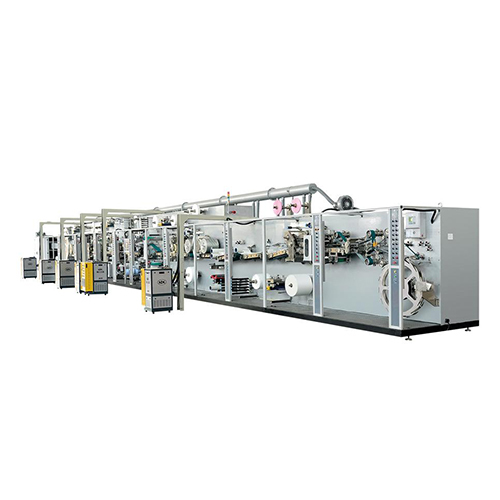
Abstract
The acquisition of a sanitary napkin machine for a small business represents a significant entrepreneurial venture, particularly within the dynamic and expanding markets of South America, Russia, Southeast Asia, the Middle East, and South Africa. This document presents a meticulous examination of the decision-making framework required for such an investment in 2025. It moves beyond a superficial analysis of initial purchase price to a more profound exploration of five pivotal considerations. These include the critical alignment of machine production capacity with specific market dynamics, a nuanced evaluation of the technological spectrum from semi to fully automatic systems, and the strategic navigation of complex raw material supply chains. The analysis further provides a methodology for calculating the total cost of ownership and return on investment, emphasizing long-term financial viability. Finally, it underscores the importance of assessing the quality of after-sales support, framing the manufacturer relationship as a long-term partnership essential for sustained operational success and profitability.
Principaux enseignements
- Analyze your target market to align production capacity with real demand.
- Compare semi-automatic and fully automatic machines for your budget and labor.
- Establish a reliable supply chain for all necessary raw materials.
- Calculate the total cost of ownership, not just the initial machine price.
- Choose a manufacturer that offers robust, long-term after-sales support.
- A proper sanitary napkin machine for small business is a foundational asset.
- Evaluate machine specifications against your specific product design goals.
Table des matières
A Foundational Examination: Aligning Production Capacity with Market Realities
Embarking on the path of manufacturing feminine hygiene products necessitates a profound understanding that the machinery you select is not merely a piece of equipment; it is the very engine of your enterprise. The decision carries a weight that extends far beyond the factory floor, influencing your financial trajectory, your market competitiveness, and your capacity to meet the needs of your community. The first, and arguably most formative, step in this journey is a rigorous analysis of your intended market, which will, in turn, dictate the appropriate production capacity for your sanitary napkin machine for small business. To choose a machine without first comprehending the market is akin to building a ship without knowing the nature of the sea it will sail.
Imagine two aspiring entrepreneurs. The first, located in a densely populated urban center in Southeast Asia, plans to compete with established national brands by supplying to large regional distributors. The second, operating in a series of rural communities in South Africa, aims to build a local brand focused on accessibility and affordability, selling through small shops and community health organizations. Would the same machine serve both their needs? It is highly unlikely. The first entrepreneur requires a high-speed, high-volume machine to achieve a low cost-per-unit and meet large orders. The second might be better served by a smaller, more flexible machine with a lower initial investment, one that can produce efficiently in smaller batches without incurring massive overhead.
Conducting Nuanced Market Research
Your investigation must begin with a granular look at the potential consumer base. This is not simply about population numbers. It involves developing an empathetic understanding of the lives of the women you aim to serve. What is their purchasing power? What are their current habits regarding menstrual hygiene? Are they using established brands, traditional methods, or lower-quality alternatives? Field research, conversations, and local surveys can provide insights that broad demographic data cannot. You are not just identifying a market gap; you are seeking to understand a human need.
This research should quantify the potential demand. A useful exercise is to estimate the Total Addressable Market (TAM). Start with the number of women of menstruating age in your target geography. Then, factor in cultural norms, economic conditions, and existing competition to arrive at a Serviceable Available Market (SAM)—the portion of the market you can realistically reach. Finally, project a Serviceable Obtainable Market (SOM), which is the specific share you aim to capture in your first few years. This SOM figure is what should directly inform your required production output. For instance, if your SOM suggests you can sell 2 million pads in your first year, you can calculate the required daily production and, consequently, the necessary machine speed, measured in pieces per minute (ppm).
Matching Machine Capacity to Your Business Model
Sanitary napkin machines are generally categorized by their output. A low-capacity machine might produce 100-300 ppm, a medium-capacity machine could range from 400-600 ppm, and high-speed lines can exceed 800 or even 1000 ppm. The choice is a delicate balance. A machine with insufficient capacity will leave you unable to fulfill orders, frustrating distributors and stunting your growth. Conversely, a machine with excessive capacity represents a grave financial misstep for a small business. The capital is tied up in underutilized equipment, and the higher operational costs (such as energy and maintenance) for a larger machine will erode your profit margins on a smaller sales volume. It becomes an anchor rather than a sail.
Consider the following table as a mental framework for aligning machine capacity with different business models.
| Machine Capacity Tier |
Output (Pieces per Minute) |
Ideal Business Model |
Market Focus |
Initial Investment |
| Low-Capacity |
100 – 300 |
Local brand, community enterprise, market testing |
Rural areas, small towns, direct-to-consumer |
Low |
| Medium-Capacity |
400 – 600 |
Regional distribution, private label for retailers |
Medium-sized cities, supplying multiple distributors |
Moderate |
| High-Capacity |
700+ |
National brand competitor, export-oriented |
Large metropolitan areas, national supply chains |
High |
This table illustrates the direct relationship between your strategic ambition and your technical requirements. A small business often finds its sweet spot in the low-to-medium capacity range. This allows for a manageable initial investment while providing ample room for growth. A medium-capacity sanitary napkin machine for small business can often be run on a single shift initially and then scaled up to two or three shifts as demand increases, effectively tripling output without any new capital expenditure on machinery. This scalability is a vital consideration for any prudent entrepreneur.
Projecting Future Growth
A final element of this initial examination is foresight. Your business in year three should not be the same as it is in year one. Your chosen machine must accommodate this growth. When speaking with manufacturers, inquire about the machine's operational limits. Can it run consistently at its maximum rated speed for extended periods? What is the upgrade path? Some manufacturers design their equipment in a modular fashion, allowing for future additions that might increase speed or add new functionalities, such as the ability to produce different types of pads (e.g., with wings, ultra-thin, overnight). Selecting a machine that offers this flexibility is a strategic decision that pays dividends for years, preventing the painful and costly need to replace your core production asset just as your business begins to hit its stride. The right choice is a partner in your growth, not a bottleneck to your potential.
The Heart of Production: Evaluating the Technological Spectrum of Machines
Once you have a clear vision of your required production volume, the next intellectual challenge is to navigate the technological landscape of the machines themselves. The choice between a semi-automatic and a fully automatic sanitary napkin machine for small business is one of the most consequential decisions you will make. It is a determination that profoundly shapes your operational workflow, labor requirements, product consistency, and long-term cost structure. This is not a simple question of "good" versus "bad" technology; it is about finding the appropriate technological solution for your specific context—your budget, your local labor market, and your quality objectives.
Let’s use an analogy. Consider the process of preparing a large meal. A semi-automatic approach is like being a skilled chef in a well-equipped kitchen. You have machines to do the heavy lifting—a food processor for chopping, a stand mixer for kneading—but you are still manually moving ingredients from one station to the next, overseeing each step, and making adjustments along the way. A fully automatic approach is like a state-of-the-art automated food assembly line. Raw ingredients go in one end, and perfectly packaged, identical meals emerge from the other with minimal human intervention. Both can produce a wonderful result, but they demand different levels of investment, skill, and operational management.
Distinguishing Semi-Automatic and Fully Automatic Systems
A semi-automatic sanitary pad production line involves several distinct machines and requires manual labor to transfer the product between stages. For example, the core-forming process might be automated, but an operator may need to manually place the formed cores onto the next machine for layering with the top sheet and back sheet. The final packaging is also often a manual or semi-automated process. These lines are characterized by a lower initial capital outlay and greater flexibility to produce a variety of product types in small batches. They are often an excellent entry point for a small business, as they lower the barrier to entry into the manufacturing space.
In stark contrast, a fully automatic line integrates all processes into a single, continuous, and synchronized system. From the initial pulverization of fluff pulp to the final three-dimensional packaging of the finished sanitary napkins, the entire sequence is controlled by a central PLC (Programmable Logic Controller). Human involvement is reduced to supervision, quality control checks, and loading raw materials. These machines operate at much higher speeds, offer unparalleled product consistency, and significantly reduce per-unit labor costs. The trade-off is a substantially higher initial investment and a greater need for skilled technicians to operate and maintain the complex system.
The table below provides a structured comparison to aid in this critical evaluation.
| Fonctionnalité |
Semi-Automatic Machine |
Fully Automatic Machine |
| Initial Investment |
Lower |
Significantly Higher |
| Production Speed |
Lower (e.g., 50-150 ppm) |
Higher (e.g., 300-1000+ ppm) |
| Labor Requirement |
High (Multiple operators needed) |
Low (Primarily supervisors/technicians) |
| Product Consistency |
Variable, dependent on operator skill |
Extremely High and Uniform |
| Operational Flexibility |
High (Easier to switch between product types) |
Lower (Optimized for long runs of one product) |
| Factory Space Needed |
Can be more compact or spread out |
Requires a long, linear footprint |
| Maintenance Skill |
Basic mechanical skills often suffice |
Requires skilled electromechanical technicians |
Deconstructing the Core Manufacturing Processes
To make an informed choice, it is beneficial to understand the fundamental stages of sanitary napkin production that these machines perform. Whether semi-automatic or fully automatic, any capable machine must execute these functions with precision.
- Pulp Pulverization: This is the starting point. Bales of treated fluff pulp are fed into a hammer mill, which defibrates the pulp into soft, fluffy fibers. The quality of this process dictates the comfort and absorption capacity of the pad's core.
- Core Formation: The fluffed pulp is then drawn by vacuum onto a forming drum, which is shaped like the absorbent core of the pad. At this stage, Super Absorbent Polymer (SAP) is typically mixed in. The evenness of this core is paramount for preventing leakage.
- Layering and Lamination: The formed core is placed onto the PE (polyethylene) back sheet. Simultaneously, the non-woven top sheet is applied over the core. These layers are then bonded together, often using heat, pressure, or adhesives.
- Die Cutting and Sealing: A rotary die cutter cuts the continuous laminated material into the individual pad shape (including wings, if applicable). The edges are simultaneously sealed to encapsulate the absorbent core.
- Adhesive Application: Strips of positioning adhesive (to stick to underwear) and release paper (to cover the adhesive) are applied to the back sheet.
- Folding and Packaging: Finally, the individual pads are folded (typically tri-folded), sealed in individual wrappers, and then counted and fed into final bags or boxes.
In a fully automatic sanitary napkin machine for small business, these steps flow seamlessly in a single line. In a semi-automatic setup, there might be breaks where an operator moves a roll of material or a bin of processed cores from one station to the next. When you evaluate a manufacturer's offering, you should be asking them to explain, step-by-step, how their machine accomplishes each of these processes.
The Role of Technology in Product Quality
The technological sophistication of the machine directly impacts the quality of the final product. For example, advanced machines use vision systems and sensors to detect defects in real-time. If a core is formed improperly or a layer is misaligned, the machine can automatically reject that single pad without stopping the entire production run. This minimizes waste and ensures that only high-quality products reach the consumer.
Similarly, the method of SAP application is a key technological differentiator. Basic machines might simply "sprinkle" the SAP onto the pulp, leading to inconsistent distribution. More advanced systems use precise dosing units to ensure the exact amount of SAP is applied exactly where it is needed within the core, maximizing absorbency and preventing gel clumping. When you invest in a more technologically advanced machine, you are investing in consistency, waste reduction, and a superior end product. This is why the choice extends beyond mere speed; it is about the very character and reliability of the product you will put your brand name on.
The Lifeblood of Your Operation: Navigating the Raw Material Supply Chain
If the machine is the heart of your manufacturing plant, then the raw materials are its lifeblood. A steady, reliable, and cost-effective supply of high-quality materials is absolutely non-negotiable for success. The most advanced sanitary napkin machine for small business in the world is nothing more than an expensive sculpture if it sits idle waiting for a shipment of non-woven fabric or super absorbent polymer. For entrepreneurs in South America, the Middle East, or Africa, managing the supply chain can be one of the most complex puzzles to solve, often involving international logistics, import duties, and currency fluctuations. A proactive and strategic approach to sourcing is therefore not just an operational task; it is a core business function.
Understanding the constituent parts of a modern sanitary napkin is the first step. While it may seem like a simple product, it is a sophisticated composite of several specialized materials, each chosen for a specific function (SanitaryPadMachine.com, 2025). Let's dissect a typical pad to understand what you will need to source.
The Anatomy of a Sanitary Napkin
- Top Sheet (Non-woven Fabric): This is the layer that comes into contact with the skin. It must be soft, comfortable, and, most importantly, permeable, allowing fluid to pass through quickly into the absorbent core while remaining as dry as possible. Common materials include spunbond or perforated non-woven fabrics.
- Acquisition Distribution Layer (ADL): Often a distinct layer right below the top sheet, the ADL's job is to rapidly acquire the fluid and distribute it evenly across the length of the absorbent core. This prevents localized saturation and improves the overall efficiency of the pad.
- Absorbent Core: This is the functional heart of the pad. It is almost always a blend of fluff pulp (for structure and initial absorption) and Polymère super absorbant (SAP). SAP is a remarkable material—tiny, salt-like crystals that can absorb and retain hundreds of times their own weight in liquid, turning it into a stable gel.
- Back Sheet (PE Film): This is the impermeable bottom layer. Its sole purpose is to prevent leakage and protect clothing. It is typically made of a thin polyethylene (PE) film, which can be breathable or non-breathable.
- Adhesives: Two types of hot-melt adhesives are used. Construction adhesive bonds the various layers (non-woven, pulp, back sheet) together. Positioning adhesive is the strip on the back sheet that secures the pad to undergarments.
- Release Paper: This is the silicone-coated paper strip that covers the positioning adhesive and is peeled off before use. For pads with wings, there will be release paper on the wings as well.
- Individual Wrapper: The film used to wrap each individual pad for hygiene and portability.
Knowing these components is essential because you will need to find reliable suppliers for every single one of them. A disruption in the supply of even the humble release paper can bring your entire production to a halt.
Developing a Resilient Sourcing Strategy
Your sourcing strategy must balance three competing priorities: cost, quality, and reliability. It is a common mistake for new entrepreneurs to focus exclusively on finding the lowest possible price for each material. This can be a fatal error. A cheap batch of non-woven fabric might be abrasive, leading to customer complaints about comfort. A low-grade SAP might have poor retention, leading to "wet-back" and product failure. A bargain adhesive might not hold properly, causing the layers of the pad to separate. Product quality is determined by material quality (Haina Machinery Factory, 2023).
Here are the strategic questions you must ask:
- Local vs. International Sourcing: Can any of these materials be sourced locally or within your region? Local sourcing can drastically reduce shipping costs, lead times, and exposure to import tariffs and currency risk. However, international suppliers, particularly from Asia, are often the primary producers of specialized materials like SAP and high-quality non-wovens. A hybrid approach is often best: source what you can locally (perhaps packaging materials or even fluff pulp) and establish strong relationships with a few key international suppliers for the specialized components.
- Supplier Diversification: Relying on a single supplier for a critical material like SAP is extremely risky. What if their factory has a problem? What if their country of origin imposes a new export tax? It is wise to qualify at least two, and preferably three, suppliers for each of your most important materials. You may give the bulk of your business to a primary supplier to secure good pricing, but having a qualified backup supplier who has your specifications on file can save your business in a crisis.
- Quality Verification: Never take a supplier's claims at face value. Always request samples of their materials. Better yet, ask for a small trial roll that you can test on your machine once it's installed. You need to see how the material runs—does it cause static? Does it tear easily at high speeds? Does the adhesive gum up the machinery? You must also test the final product made with these materials. Conduct absorption tests, comfort tests, and adhesion tests. Your manufacturer can often provide guidance on the technical specifications required for each raw material to work optimally with their specific sanitary pad making equipment.
- Logistics and Inventory Management: For imported materials, you must understand the entire logistics chain. This includes shipping time (which can be weeks or months for sea freight), customs clearance procedures in your country, and inland transportation to your factory. This leads to the need for careful inventory management. You must hold enough safety stock of each material to cover the entire lead time for a new order, plus a buffer for unexpected delays. This ties up working capital, so it's a balancing act. A "Just-In-Time" inventory strategy is often too risky for a small business reliant on international supply chains.
The relationship with your suppliers is as important as the one with your machine manufacturer. They are your partners. Communicate openly with them about your production forecasts so they can plan their own capacity. Work with them to lock in pricing where possible and understand their quality control processes. A strong supply chain is a formidable competitive advantage, providing the stability and confidence needed to focus on growing your brand and serving your customers.
Beyond the Sticker Price: A Deep Dive into Total Cost of Ownership and ROI
A common cognitive error for entrepreneurs making their first major capital purchase is to fixate on the initial price tag of the equipment. The quoted price for a sanitary napkin machine for small business is but one chapter in a much longer financial story. A more sophisticated and sustainable approach requires an examination of the Total Cost of Ownership (TCO). TCO is a financial estimate intended to help buyers and owners determine the direct and indirect costs of a product or system. It is a management accounting concept that provides a far more accurate basis for assessing the true financial impact of the investment over its entire lifecycle (Diapermachines.com, 2025). Only by understanding the TCO can you then build a realistic model for your Return on Investment (ROI) and chart a viable path to profitability.
Think of it as buying a car. The sticker price is the starting point. But the true cost of owning that car over five years includes fuel, insurance, regular maintenance, tire replacements, and potential unexpected repairs. A car with a low purchase price but poor fuel economy and a reputation for unreliability may end up being far more expensive in the long run than a slightly more expensive but more efficient and dependable model. The exact same logic applies with industrial machinery.
Deconstructing the Total Cost of Ownership (TCO)
The TCO of your sanitary napkin machine can be broken down into several key components. A diligent entrepreneur will create a spreadsheet and model each of these costs to build a comprehensive financial picture.
-
Capital Expenditure (CapEx): This is the most obvious cost—the purchase price of the machine itself. This also includes shipping from the manufacturer to your port, marine insurance, import duties and taxes (which can be substantial and vary greatly by country), and the cost of inland transportation to your factory. These "landed costs" can add a significant percentage to the factory price.
-
Installation and Commissioning Costs: The machine does not simply appear ready to run. It requires professional installation. Will the manufacturer send their own technicians? This is highly recommended. You must account for the cost of their travel, accommodation, and service fees. You will also have factory preparation costs, such as ensuring you have a solid, level concrete floor and the correct electrical power supply (voltage, phase, and capacity) brought to the machine's location.
-
Operational Costs (OpEx): These are the ongoing costs of running the machine to produce pads.
- Energy: These are power-hungry machines. You need to know the machine's total power consumption (in kilowatts) and your local industrial electricity rate (in cost per kilowatt-hour) to calculate the hourly energy cost.
- Labor: This includes the salaries of the operators who run the machine, the technicians who maintain it, and the quality control personnel who inspect the output.
- Raw Materials: As discussed previously, this is typically the largest single component of your per-pad cost.
- Wear and Tear / Spare Parts: Machines have components that wear out with use—blades, bearings, belts, heating elements. Your manufacturer should provide a list of recommended spare parts to keep in stock. You should budget an annual amount for replacing these parts.
-
Maintenance and Training Costs: Proper training for your operators and maintenance staff is not an expense; it is an investment that prevents costly downtime and damage. The initial training is often included with commissioning, but you should budget for ongoing or advanced training. A preventive maintenance schedule is also vital. The cost here is primarily the time of your technicians and the cost of consumables like lubricants.
By summing the CapEx and the projected OpEx over a specific period (e.g., five years), you arrive at the TCO. When comparing two machines, the one with the lower purchase price may not always have the lower TCO. A more expensive, more efficient machine might consume less energy, produce less waste, and require less maintenance, making it the more economical choice over the long term.
Calculating Your Return on Investment (ROI)
With a clear picture of your costs, you can now build a model for your returns. ROI is the financial metric used to evaluate the profitability of an investment. The basic formula is:
ROI = (Net Profit / Total Investment) * 100
To use this, you must first determine your profitability. This requires a three-step calculation:
-
Calculate the Cost per Pad: Sum all your variable costs to produce one sanitary pad. This includes the cost of the non-woven fabric, pulp, SAP, PE film, adhesives, and release paper for a single pad, plus the allocated variable operational costs like the energy used to produce that one pad. For example:
- Raw Materials: $0.025
- Energy: $0.002
- Allocated Labor & Maintenance: $0.003
- Total Cost per Pad: $0.03
-
Determine Your Selling Price and Gross Margin: Based on your market research, you establish a selling price. Let's say you sell the pad to a distributor for $0.05.
- Selling Price: $0.05
- Cost per Pad: $0.03
- Gross Profit per Pad: $0.02
-
Project Your Annual Net Profit: Now, use your production capacity and sales forecast. If your sanitary napkin machine for small business produces 400 pads per minute and you run it for one 8-hour shift, 250 days a year, your annual production is 400 * 60 * 8 * 250 = 48,000,000 pads. If you project to sell 80% of this capacity in the first year (38.4 million pads), your annual gross profit is:
- 38,400,000 pads * $0.02/pad = $768,000
From this gross profit, you must subtract your annual fixed costs (salaries of administrative staff, rent, marketing, etc.) to find your net profit. Let's assume these are $268,000.
- Net Profit = $768,000 – $268,000 = $500,000
Now, you can calculate the ROI. If your total investment (the TCO's CapEx portion) was, for example, $400,000, your first-year ROI would be:
ROI = ($500,000 / $400,000) * 100 = 125%
This kind of detailed, conservative financial modeling is what separates hopeful dreamers from successful entrepreneurs. It transforms the purchase of a machine from a leap of faith into a calculated business decision. It allows you to understand your break-even point, to secure financing from banks or investors, and to manage your business with clarity and confidence.
The Unseen Asset: Assessing After-Sales Support as a Long-Term Partnership
In the calculus of acquiring a major piece of industrial equipment, the tangible factors—price, speed, technical specifications—are often given primacy. Yet, an intangible factor frequently proves to be of equal or even greater value over the lifespan of the machinery: the quality of the manufacturer's after-sales support. Viewing the transaction not as a simple sale but as the beginning of a long-term partnership is a profound shift in perspective. The manufacturer of your sanitary napkin machine for small business should be more than a vendor; they should be a vested partner in your operational success, a repository of technical expertise, and a reliable resource in times of need.
Imagine your new machine, the cornerstone of your business, is installed and running. Three months later, a critical sensor fails. Your production halts. Every hour of downtime means lost revenue, delayed orders, and potential damage to your brand's reputation. In this moment, the price you negotiated for the machine is irrelevant. The only thing that matters is how quickly you can get the problem solved. Will your manufacturer answer the phone? Can their technicians diagnose the problem remotely? How quickly can they ship you the replacement part? The answer to these questions defines the quality of their after-sales support and can make the difference between a minor hiccup and a business-threatening crisis.
Key Dimensions of High-Quality After-Sales Support
When evaluating potential manufacturers, you must probe beyond their sales pitch and investigate their support infrastructure with the same diligence you apply to the machine's mechanics. This support can be dissected into several key areas.
-
Installation and Commissioning: A reputable manufacturer will insist on sending their own experienced technicians to oversee the installation and commissioning of the machine. This is not a step to be economized. These technicians ensure the machine is assembled correctly, calibrated precisely, and running optimally from day one. They will "commission" the machine by running it with your chosen raw materials, fine-tuning the settings to maximize efficiency and minimize waste.
-
Operator and Maintenance Training: During the commissioning phase, the manufacturer's technicians should provide comprehensive training to your local team. This should be a hands-on process, not just a manual.
- Operator Training: Your operators must learn how to start and stop the machine safely, how to load raw materials, how to make minor adjustments during a run, how to spot common quality defects, and how to perform basic daily cleaning.
- Maintenance Training: Your technicians need a deeper level of instruction. They should be taught the principles of preventive maintenance, the lubrication schedule, how to diagnose common mechanical and electrical faults, and the proper procedure for replacing key wear parts. This training empowers your team to be self-sufficient in daily operations.
-
Warranty and Technical Support: Every machine should come with a warranty, typically for one year. You must understand exactly what the warranty covers. Does it cover all parts, or only non-wearing parts? Does it include the cost of labor for a technician to visit if needed? Beyond the warranty period, what kind of technical support is offered? Many top-tier manufacturers now offer 24/7 remote support. Through an internet connection to the machine's PLC, their engineers can often diagnose problems from their own offices, view error logs, and guide your local technicians through a fix in real-time. This can reduce a potential week of downtime to a matter of hours.
-
Availability of Spare and Wear Parts: As noted earlier, every machine has components that will eventually wear out. A responsible manufacturer will provide you with two things: a list of recommended spare parts to purchase with the machine and a commitment to maintaining a stock of all critical parts for many years. The speed at which they can ship a needed part is a vital metric. A manufacturer that can ship a part via international express courier within 24 hours is a far more valuable partner than one who has a multi-week lead time. Before you buy the machine, ask for the price list and availability of a few key wear parts, like cutting blades or heating elements, to test their system and responsiveness.
The Manufacturer as a Knowledge Partner
The best manufacturers see their relationship with you as symbiotic. Your success validates the quality of their equipment and can lead to future sales and referrals. They have accumulated years, sometimes decades, of experience by seeing their machines operate in dozens of different countries with hundreds of different raw materials. This knowledge is an invaluable resource for you.
Do not hesitate to ask them questions that go beyond the machine itself. They may have insights into raw material suppliers. They can offer advice on optimal factory layouts. They may have seen what product features are becoming popular in other emerging markets. When you encounter a production problem—for instance, the adhesive is not sticking properly in your hot, humid climate—they are the first people you should call. It is highly likely they have encountered and solved this exact problem for another customer in a similar environment.
Choosing a manufacturer, therefore, is an act of trust. You are trusting that they will not only deliver a high-quality machine but that they will also stand behind it, offering the support and expertise that will enable your sanitary napkin machine for small business to run productively and profitably for its entire lifespan. A lower price from a manufacturer with a poor reputation for support is a dangerous and often costly bargain. The peace of mind and operational stability that come from a strong partnership are assets that will never appear on a balance sheet but are fundamental to building a resilient enterprise. You can start by exploring the range of different models of sanitary pad machines from established suppliers to see how they present their commitment to partnership and support.
Frequently Asked Questions
What is the typical profit margin for a sanitary napkin business?
The profit margin can vary significantly based on factors like raw material costs, production efficiency, scale of operation, and the pricing strategy for your target market. However, a well-run small-scale operation can often achieve a gross profit margin of 40-60% per pad before accounting for fixed overheads. The key is to manage the supply chain effectively to control material costs and to run the machine efficiently to minimize waste and labor cost per unit.
How much factory space is required for a sanitary napkin machine?
The required space depends on the type of machine. A semi-automatic line might require a more fragmented space, but a fully automatic machine needs a long, linear footprint to accommodate the continuous production process. As a general guideline, for a medium-capacity fully automatic machine, you should plan for a space that is at least 25-30 meters long, 5-7 meters wide, and 4-5 meters high. This provides room for the machine itself, operator movement, raw material staging, and storage of finished goods.
Can one machine produce different sizes and types of sanitary pads?
Yes, most modern sanitary napkin machines are designed with a degree of flexibility. By changing certain molds and cutting tools, a single machine can typically produce pads of different lengths (e.g., day use, night use), thicknesses (ultra-thin, standard), and shapes (with or without wings). The changeover process can take a few hours, so it is most efficient to produce in long runs of a single product type before switching. You should discuss your desired product range with the manufacturer to ensure the machine you select has the necessary capabilities.
What are the main raw materials needed and are they difficult to source?
The primary raw materials are the non-woven top sheet, fluff pulp, Super Absorbent Polymer (SAP), a PE back sheet film, adhesives, and release paper. While fluff pulp may be available regionally, specialized materials like high-quality SAP and certain non-woven fabrics are often sourced internationally, primarily from Asia or Europe. Sourcing is not necessarily difficult, but it requires careful planning, supplier verification, and management of logistics and import procedures. Establishing relationships with reliable suppliers is a critical step in starting your business.
What is the difference between a semi-automatic and a fully automatic machine?
A semi-automatic line consists of several separate machines, and operators are needed to move the product from one stage to the next. It has a lower initial cost and is more flexible for small batches but has higher labor costs and lower output. A fully automatic machine integrates all processes into one continuous line with minimal human intervention. It offers high speed, high consistency, and low labor cost per unit but requires a much larger initial investment and skilled technicians for maintenance.
How much does a sanitary napkin machine for a small business typically cost?
The cost varies dramatically depending on the level of automation, production speed, and manufacturer. A basic semi-automatic line might start in the range of $50,000 to $100,000 USD. A medium-speed, fully automatic machine from a reputable manufacturer could range from $200,000 to $500,000 USD. High-speed lines with advanced features like automatic splicing and vision inspection systems can cost well over a million dollars. It is vital to get detailed quotations that specify exactly what is included.
How important is the manufacturer's after-sales service?
It is extremely important, arguably as important as the machine's price. Good after-sales service includes professional installation, comprehensive training for your staff, a solid warranty, responsive technical support (preferably 24/7 remote support), and fast, reliable access to spare parts. A strong support partnership with your manufacturer can save you from costly downtime and is a key factor in the long-term success of your operation.
Conclusion
The journey toward establishing a successful manufacturing enterprise in the feminine hygiene sector is a demanding yet potentially rewarding endeavor. The selection of a sanitary napkin machine for small business is not a simple procurement exercise; it is the foundational act upon which the entire structure of the business is built. As we have explored, this decision requires a holistic and disciplined intellectual process. It begins with an empathetic and data-driven analysis of the market, ensuring that the machine's capacity is a direct reflection of tangible opportunity, not abstract ambition. It then progresses to a nuanced evaluation of technology, weighing the trade-offs between semi-automatic and fully automatic systems to find the appropriate tool for your specific financial and operational context.
This process must be supported by a robust strategy for navigating the complexities of the raw material supply chain, recognizing that the quality of your inputs directly governs the quality of your output. Furthermore, a commitment to financial prudence demands that one look beyond the initial purchase price to the Total Cost of Ownership, building a realistic model for profitability and return on investment. Finally, the wisdom lies in recognizing the immense value of the unseen asset: a strong, supportive partnership with your machine manufacturer. Their expertise, training, and long-term support are indispensable resources that provide stability and resilience. By diligently addressing each of these five domains—market alignment, technological choice, supply chain management, financial modeling, and partnership assessment—the aspiring entrepreneur can move forward not with blind hope, but with a well-reasoned confidence in their ability to build a lasting and impactful business.
Références
Diapermachines.com. (2025, September 5). The 2025 buyer's guide: 5 proven factors for your disposable diaper machine investment. https://www.diapermachines.com/2025/09/05/the-2025-buyers-guide-5-proven-factors-for-your-disposable-diaper-machine-investment/
Diapermachines.com. (2025, August 27). Your ultimate 7-step guide to launching a profitable business with a lady sanitary napkin machine. https://www.diapermachines.com/2025/08/27/your-ultimate-7-step-guide-to-launching-a-profitable-business-with-a-lady-sanitary-napkin-machine/
Haina Machinery Factory. (2023, October 16). Essential product knowledge for sanitary napkin manufacturing machine. Fjhaina.com. https://www.fjhaina.com/automaticdiapermachine_blog/865.html
SanitaryPadMachine.com. (2025, January 3). What are the raw materials for sanitary pads?. https://sanitarypadmachine.com/what-are-the-raw-materials-for-sanitary-pads/
SanitaryPadMachine.com. (2025, May 13). High-quality sanitary napkin raw materials with a complete supply chain. https://sanitarypadmachine.com/sanitary-napkin-raw-materials
Sep 26, 2025 | Nouvelles
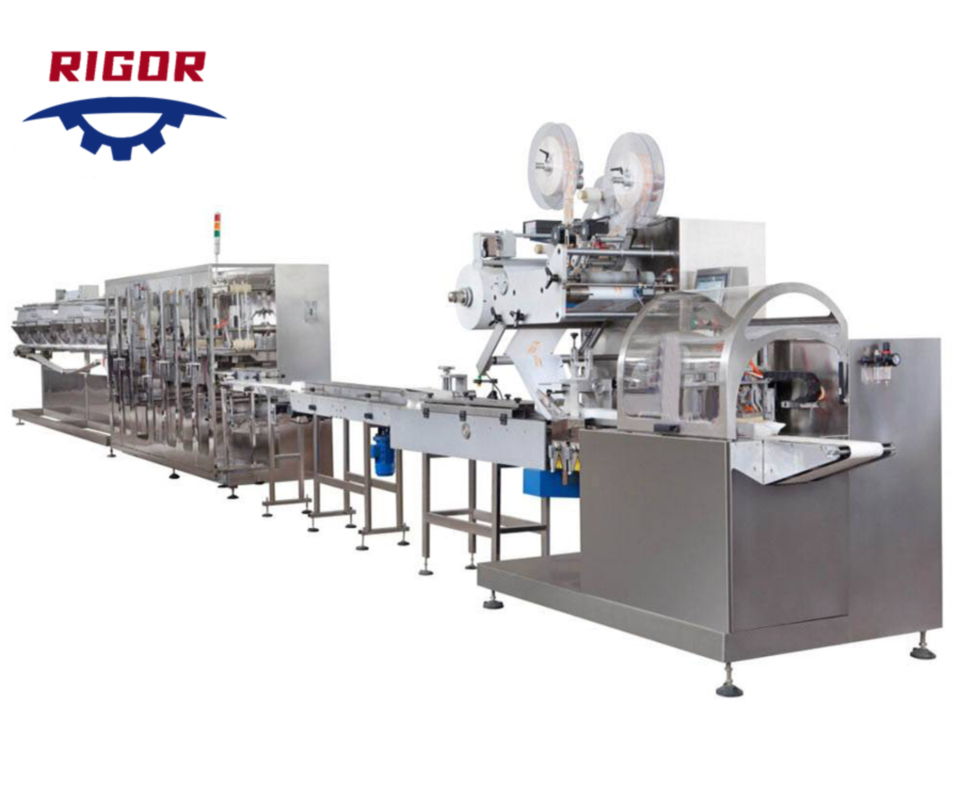
Abstract
The market for hygiene products in the Middle East is experiencing significant expansion, presenting a substantial opportunity for entrepreneurs and established companies. This analysis examines the multifaceted process of establishing a high speed wet wipes manufacturing in the Middle East, focusing on the conditions present in 2025. A successful venture requires more than just capital investment; it demands a nuanced understanding of regional consumer behavior, a strategic approach to technology acquisition, and diligent navigation of the complex regulatory landscape. This exploration delves into the critical factors for success, from selecting automated machinery that balances speed with precision to formulating products that meet cultural and quality standards, such as Halal certification. It also considers the logistical challenges of supply chain management in the region and the growing importance of sustainable manufacturing practices. The objective is to provide a comprehensive framework for investors looking to capitalize on this growing demand by building efficient, scalable, and profitable production facilities.
Principaux enseignements
- Align product formulations and packaging with the Middle East's cultural and religious norms.
- Invest in modular, high-speed automated machinery to ensure both scalability and efficiency.
- Thoroughly understand and comply with regional standards like SASO and ESMA for market access.
- Develop a resilient supply chain that balances local sourcing with reliable international suppliers.
- Integrate quality control at every stage of the high speed wet wipes manufacturing in the Middle East process.
- Adopt sustainable practices and materials to appeal to the modern, eco-conscious consumer.
- Plan for future growth with scalable technology and adaptable production line configurations.
Table des matières
1. Mastering Market Dynamics: Understanding the Unique Middle Eastern Consumer
Entering any new market requires a deep sense of empathy for the end-user. What are their daily needs? What values guide their purchasing decisions? In the context of the Middle East, these questions lead to fascinating and complex answers that directly shape a successful manufacturing strategy. The consumer is not a monolith; rather, a diverse tapestry of preferences woven from cultural traditions, religious considerations, economic realities, and modern aspirations. A failure to appreciate this complexity is a common pitfall for new entrants who assume a one-size-fits-all approach will suffice.
A foundational consideration for any consumable product in the majority of Middle Eastern countries is the concept of Halal. While often associated with food, its principles extend to cosmetics and personal care items, including wet wipes. A Halal-certified product guarantees that it is free from alcohol and certain animal-derived ingredients, a core requirement for a large segment of the Muslim consumer base. Gaining this certification is not merely a bureaucratic step; it is a signal of respect and understanding toward the consumer's values. It builds immediate trust.
Beyond Halal, there is a pronounced and growing demand for products that are gentle on the skin. The region's arid, hot climate can make skin more prone to sensitivity and dryness. Consequently, formulations for baby wipes, facial wipes, and general-purpose wipes must prioritize mild, moisturizing, and often fragrance-free ingredients. Consumers are increasingly sophisticated, scrutinizing ingredient lists for parabens, phthalates, and other harsh chemicals. A successful product line will therefore feature formulations enriched with natural extracts like aloe vera, chamomile, and vitamin E, marketed clearly to highlight these skin-friendly benefits.
Packaging Preferences: From Bulk Packs to On-the-Go Singles
The lifestyle of the Middle Eastern consumer directly influences their packaging preferences. Large families are common, which drives strong demand for economical bulk packs of baby wipes (e.g., 80, 100, or 120-count packs). These are household staples, and value for money is a primary driver. Your production line must be capable of efficiently producing and packaging these larger formats.
Simultaneously, the region is characterized by a dynamic, mobile lifestyle. There is a robust market for smaller, portable packs. Think of 10 or 25-count pocket-sized packs of antibacterial wipes for use in cars, offices, or while traveling. Single-sachet wipes, often for makeup removal or refreshment, are also popular, particularly in the hospitality industry (hotels, airlines) and for personal use. A versatile manufacturing setup that can pivot between these different formats—from large family packs to individual sachets—provides a significant competitive advantage, allowing a business to serve multiple market segments simultaneously.
Price Sensitivity versus Premiumization Trends
It is a mistake to view the Middle Eastern market as solely price-driven. While a large and important segment of the population is highly price-sensitive, there is also a rapidly growing affluent class with a strong appetite for premium and luxury goods. This duality creates a fascinating market structure.
For the price-sensitive segment, success hinges on operational efficiency. This is where high-speed automated machinery becomes indispensable, as it lowers the per-unit cost of production, enabling competitive pricing without sacrificing essential quality.
For the premium segment, the focus shifts to value-added features. This could mean using advanced, ultra-soft non-woven fabrics, offering unique and sophisticated fragrances (oud-based scents, for example), or creating elegant, aesthetically pleasing packaging. These consumers are willing to pay more for products that offer a superior sensory experience or align with a luxury lifestyle. A truly astute manufacturing strategy will cater to both ends of this spectrum, perhaps by creating a "good-better-best" product portfolio that addresses the needs of different economic demographics.
2. Selecting the Right Automated Machinery for Optimal Output
The heart of any high speed wet wipes manufacturing in the Middle East is the machinery itself. The choices made here will dictate your production capacity, unit cost, product quality, and operational flexibility for years to come. It is not simply about buying the fastest machine; it is about investing in a cohesive system that aligns with your specific market goals and product portfolio. Think of the production line not as a single entity, but as an ecosystem of interconnected modules, each performing a critical function.
The Core of the Operation: High-Speed Folding and Cutting Machines
The journey of a wet wipe begins with a large parent roll of non-woven fabric. The first and most crucial mechanical process is converting this roll into individual, folded wipes. High-speed folding machines are marvels of engineering, capable of producing thousands of wipes per minute. They can be configured for different fold types, such as the common "Z-fold" or "C-fold," which ensure that when one wipe is pulled from the package, the next one pops up, ready for use.
The precision of both the folding and cutting mechanisms is paramount. Inconsistent folds or frayed edges are immediate signs of a low-quality product and can lead to dispensing issues for the consumer. Modern machines use servo motors to control these actions with incredible accuracy, ensuring every wipe is perfectly uniform. The speed of this unit often sets the pace for the entire production line, so its capacity must be carefully calculated based on your sales forecasts.
Precision in Application: Solution Dosing and Wetting Systems
Once the wipes are cut and folded, they must be moistened with the liquid formulation. This is a more delicate process than it might appear. The amount of liquid must be precisely controlled. Too little, and the wipe is ineffective and feels dry. Too much, and the package may leak, leading to product spoilage and a poor consumer experience.
Advanced wetting systems use sophisticated nozzle arrays or cascade systems to ensure even saturation across the entire stack of wipes. Dosing pumps, often controlled by the same central PLC (Programmable Logic Controller) system as the rest of the line, measure the exact volume of solution for each stack. For manufacturers producing a range of products (e.g., antibacterial, baby, cosmetic), the system must also be designed for easy cleaning and quick changeovers between different formulations to prevent cross-contamination.
End-of-Line Automation: Packaging, Lid Application, and Case Packing
The final stages of production are just as important for efficiency and product integrity. After the wipes are stacked and moistened, they are transferred to a packaging machine. This unit wraps the stack in a printed film, seals it to be airtight, and creates the resealable opening. The quality of this seal is vital for maintaining moisture over the product's shelf life.
For many products, a plastic lid is applied over the resealable sticker opening. This is a value-added feature that consumers appreciate as it provides a more secure closure. A high-speed lid applicator machine must be perfectly synchronized with the main packaging line to apply the lids accurately without slowing down production. Finally, robotic case packers can automatically group the finished packs into shipping cartons, palletize them, and prepare them for distribution. This level of end-to-end automation minimizes manual labor, reduces the risk of repetitive strain injuries, and maximizes throughput. Investing in these advanced wet wipes production lines is a foundational step toward building a competitive and profitable enterprise.
| Fonctionnalité |
Full-Servo Driven Machine |
Semi-Servo Driven Machine |
Mechanical (Cam-Driven) Machine |
| Speed & Output |
Highest (e.g., 2500-4000+ wipes/min) |
Medium to High (e.g., 1500-2500 wipes/min) |
Lower (e.g., up to 1500 wipes/min) |
| Precision & Control |
Extremely high; independent motor control for each function. |
High; servo control for critical parts, mechanical for others. |
Lower; precision depends on mechanical linkages, which can wear. |
| Flexibility & Changeover |
Very fast; parameters changed via HMI screen. Ideal for multiple products. |
Moderate; requires some mechanical adjustments. |
Slow; requires significant mechanical part changes and adjustments. |
| Initial Investment |
Highest |
Moderate |
Lowest |
| Maintenance |
Lower mechanical wear; requires skilled electronics technicians. |
Balanced; requires both mechanical and electronic skills. |
High mechanical wear; frequent lubrication and part replacement. |
| Ideal Use Case |
Large-scale, multi-product manufacturing requiring high efficiency and flexibility. |
Medium to large-scale production with fewer product variations. |
Entry-level or single-product manufacturing with lower output needs. |
3. Navigating the Regulatory and Certification Labyrinth
If machinery is the heart of your operation, then regulatory compliance is its nervous system. It connects you to the market and ensures your products can legally be sold. In the Middle East, as in any developed market, this landscape is governed by a set of robust standards designed to protect consumer health and safety. Approaching these requirements as a mere checklist to be completed is shortsighted. Instead, one should view them as a framework for building a high-quality, trustworthy brand.
Understanding ESMA and SASO Standards
For businesses targeting the Gulf Cooperation Council (GCC) countries, two acronyms are of utmost importance: ESMA and SASO.
ESMA stands for the Emirates Authority for Standardization and Metrology. It is the federal body responsible for setting and enforcing standards in the United Arab Emirates (UAE). For wet wipes, which fall under the category of cosmetics and personal care products, manufacturers must register their products through the ESMA system. This involves submitting detailed documentation about the product's formulation, safety assessments, labeling information, and proof of compliance with relevant standards. The UAE is a major commercial hub, so ESMA certification is often a gateway to the wider region.
SASO refers to the Saudi Standards, Metrology and Quality Organization. It performs a similar function for the Kingdom of Saudi Arabia, the largest consumer market in the Middle East. Products entering Saudi Arabia must obtain a Certificate of Conformity (CoC) issued by a SASO-approved body. This certification confirms that the products meet Saudi national standards, which are often aligned with but can have specific differences from international standards. Navigating the SASO system, particularly its online platform known as SABER, is a mandatory step for market access.
Both ESMA and SASO have specific requirements regarding product labeling, including the need for information to be in Arabic, accurate ingredient lists, and clear usage instructions.
The Importance of Good Manufacturing Practices (GMP) Certification
Beyond specific national standards, a globally recognized benchmark for quality is Good Manufacturing Practices (GMP). GMP certification, often based on standards like ISO 22716 for cosmetics, provides a framework for the entire production process. It is a holistic system that governs everything from the quality of incoming raw materials to the training of personnel, the hygiene of the facility, the calibration of equipment, and the traceability of finished products.
Obtaining GMP certification is not just about passing an audit. It is about embedding a culture of quality within the organization. For a high speed wet wipes manufacturing in the Middle East, this means implementing procedures for:
- Facility Hygiene: Ensuring production areas are clean, free from pests, and designed to prevent cross-contamination.
- Personnel Training: Making sure every operator understands their role in maintaining product quality and safety.
- Process Control: Documenting and validating every step of the manufacturing process to ensure consistency.
- Record Keeping: Maintaining detailed batch records that allow a product to be traced from raw materials to the final consumer.
Many large retailers and distributors in the Middle East will require their suppliers to be GMP certified. It is a powerful indicator of reliability and professionalism.
Import/Export Regulations and Tariff Considerations
The final piece of the regulatory puzzle involves the logistics of moving goods. This includes both importing raw materials and exporting finished products. The GCC is a customs union, which can simplify trade between member states (UAE, Saudi Arabia, Qatar, Bahrain, Kuwait, Oman). However, each country may still have its own import procedures and documentation requirements.
Manufacturers must work closely with experienced freight forwarders and customs brokers who are experts in the region. They can provide invaluable guidance on tariff classifications, duties, and taxes that will apply to both raw materials (like non-woven fabrics and chemicals) and finished wet wipes. Understanding these costs is fundamental to creating an accurate business plan and pricing strategy. Some countries may also have free trade zones, like Jebel Ali in Dubai, which can offer significant tax and customs advantages for businesses that manufacture and re-export goods, further complicating but also creating opportunities within the financial modeling of the venture.
4. Optimizing the Production Line for Efficiency and Quality
A state-of-the-art machine is only as good as the materials it runs and the processes that govern its operation. Optimization is a continuous pursuit, a philosophy of refinement that seeks to enhance quality, reduce waste, and improve efficiency at every turn. In wet wipe manufacturing, this involves a careful examination of the entire value chain, from the selection of the non-woven fabric to the final quality check before shipping.
The two primary components of a wet wipe are the substrate (the fabric) and the wetting lotion. The choice of substrate has the most significant impact on the consumer's tactile experience. It determines the wipe's softness, strength, and absorbency. Different materials offer different benefits, and the selection should align with the product's intended use and price point. As detailed by manufacturing experts, the process begins with selecting these core components (Droidwipes.com, 2025).
| Substrate Material |
Key Characteristics |
Applications courantes |
Relative Cost |
| Spunlace |
Very soft, cloth-like feel, good strength, highly absorbent. Can be made from polyester, viscose, cotton, or blends. |
Baby wipes, facial/cosmetic wipes, premium personal care wipes. |
Medium to High |
| Airlaid Paper |
Excellent absorbency, good bulk, feels thicker than other materials. |
Industrial wipes, household cleaning wipes, some personal care applications. |
Medium |
| Spunbond |
High strength-to-weight ratio, very durable, less absorbent than spunlace. |
Medical wipes, protective layers, carrier sheets. |
Low to Medium |
| Needlepunch |
Bulky, abrasive texture, very durable. |
Heavy-duty industrial cleaning wipes, scouring pads. |
Low |
The liquid formulation is the "active" part of the wipe. Its development is a science in itself. For baby wipes, the goal is a simple, hypoallergenic solution. For antibacterial wipes, it must contain a proven disinfecting agent. For cosmetic wipes, it might include micellar water or moisturizing serums. Sourcing these liquid components requires partnering with reputable chemical suppliers who can provide consistent quality and the necessary safety documentation (Material Safety Data Sheets, MSDS).
Water Treatment and Purification Systems
The single largest ingredient by volume in most wet wipe formulations is water. The quality of this water is not negotiable. Using untreated municipal water is not an option, as it contains minerals, chlorine, and microorganisms that can destabilize the formulation, reduce shelf life, and potentially cause skin irritation.
Therefore, an on-site water purification system is an essential part of the production facility. A typical system involves multiple stages:
- Filtration: To remove suspended particles like sand and rust.
- Activated Carbon: To remove chlorine and organic compounds that affect taste and odor.
- Water Softening: To remove calcium and magnesium ions that can cause scaling and interfere with formulation ingredients.
- Reverse Osmosis (RO): A fine membrane process that removes the vast majority of dissolved solids, bacteria, and viruses.
- Ultraviolet (UV) Sterilization: A final "polishing" step to deactivate any remaining microorganisms before the water enters the mixing tanks.
Investing in a robust water treatment system protects the integrity of your product and is a core principle of Good Manufacturing Practices.
Implementing Robust Quality Control Checkpoints
Quality cannot be inspected into a product at the end; it must be built in at every stage. A comprehensive Quality Control (QC) program is vital for brand reputation and consumer safety. Rigorous QC measures are a hallmark of excellent manufacturing (Wetwipespro.com, 2024). These checkpoints should include:
- Incoming Raw Materials: Inspecting every batch of non-woven fabric, packaging film, and chemical concentrate to ensure it meets specifications before it enters the production floor.
- In-Process Checks: Operators should regularly perform checks on the line. This includes verifying wipe dimensions, checking fold quality, measuring the weight of wipe stacks to confirm correct liquid dosage, and inspecting seal integrity on the packaging.
- Laboratory Testing: Samples from each production batch should be taken to an on-site or third-party lab. Tests should confirm the pH of the solution, check for microbial contamination, and verify the concentration of active ingredients.
- Finished Product Inspection: Before shipping, a final inspection ensures that packaging is correct, lot codes and expiration dates are clearly printed, and the overall product appearance meets the brand's standard.
This systematic approach to quality ensures that any deviation is caught and corrected early, minimizing waste and guaranteeing that only a safe, effective, and high-quality product reaches the consumer.
5. Building a Resilient Supply Chain in the Region
A production line can only run as fast as its supply chain can feed it. In the context of the Middle East, building a resilient supply chain is a strategic challenge that involves navigating global logistics, developing local partnerships, and mitigating risks associated with geography and climate. A resilient supply chain is one that can withstand disruptions—be they shipping delays, raw material shortages, or sudden demand spikes—without bringing production to a halt.
Local Sourcing vs. International Importing of Raw Materials
One of the first major decisions a manufacturer must make is where to source its primary raw materials, particularly non-woven fabric and chemical concentrates. Each approach has a distinct set of advantages and disadvantages.
International Importing: Often, the most advanced or specialized non-woven fabrics are produced in China, Turkey, Europe, or the United States. Importing from these global hubs can provide access to the latest material innovations and potentially lower costs due to economies of scale. However, this strategy introduces long lead times, exposure to shipping volatility and costs, and the complexities of international customs clearance. A delay at a major port can leave a factory starved of materials for weeks.
Local/Regional Sourcing: As the manufacturing sector in the Middle East grows, there is an increasing number of regional suppliers for certain raw materials, including packaging films and some grades of non-woven fabric. Sourcing locally can drastically reduce lead times, lower transportation costs, and simplify logistics. It also supports the regional economy. The challenge may be in finding suppliers who can consistently meet the high-quality standards and volume requirements of a high-speed production line.
A prudent strategy often involves a hybrid approach: sourcing critical or specialized materials from proven international partners while developing relationships with regional suppliers for more standard components to build flexibility and redundancy into the supply chain.
Logistics and Warehousing: Climate Control Considerations
The Middle East's climate presents a unique logistical challenge: extreme heat. Temperatures inside a standard shipping container or a non-air-conditioned warehouse can soar to levels that can damage both raw materials and finished goods.
Non-woven fabrics can become brittle, and packaging films can lose their integrity. More critically, the liquid formulation in finished wet wipes can degrade, leading to separation of ingredients, reduced efficacy of preservatives, and potential microbial growth. This makes climate-controlled logistics and warehousing an absolute necessity.
Warehouses must be insulated and equipped with industrial-scale air conditioning to maintain a stable temperature. Any long-distance transportation, whether by truck or container, should be done in refrigerated ("reefer") units. While this adds cost to the supply chain, it is non-negotiable insurance against product spoilage and quality degradation.
Partnering with Reliable Regional Distributors
Manufacturing the product is only half the battle; getting it onto store shelves is the other half. The retail landscape in the Middle East is a mix of large, hypermarket chains (like Carrefour, Lulu, Panda), local supermarket cooperatives, neighborhood pharmacies, and countless small, independent groceries.
Reaching this diverse network of retailers requires partnering with established regional distributors. These companies have the logistical infrastructure (warehouses, truck fleets) and, more importantly, the existing relationships with retail buyers needed to secure shelf space.
Selecting the right distribution partner is a critical strategic decision. A good partner will not just move boxes; they will act as an extension of your sales and marketing team, providing market intelligence, helping with promotional activities, and ensuring your products are well-represented across their network. Due diligence is key: assess their reach, their reputation, and their experience with personal care products before committing to a partnership.
6. Integrating Sustainable Practices into Manufacturing
In 2025, sustainability is no longer a niche concern but a mainstream expectation. Consumers, particularly younger demographics, are increasingly making purchasing decisions based on a brand's environmental and ethical credentials. For a new manufacturing venture in the Middle East, integrating sustainability from the outset is not just good for the planet; it is a powerful competitive differentiator and a way to build a brand with long-term resonance.
The Rise of Biodegradable and Plant-Based Wipes
The single greatest environmental criticism leveled against traditional wet wipes is their contribution to plastic pollution. Most conventional wipes are made from a blend of polyester (a plastic) and viscose. When flushed or disposed of improperly, these wipes do not break down and can cause severe blockages in sewer systems ("fatbergs") and pollute waterways.
The solution lies in the substrate material. There is a strong and growing market for wipes made from 100% plant-based, plastic-free, and biodegradable materials. These can include:
- Viscose/Rayon: Derived from wood pulp, it is biodegradable.
- Cotton: A natural, soft, and absorbent fiber.
- Lyocell (e.g., Tencel™): A modern fiber also made from wood pulp in a closed-loop process that recycles water and solvents, giving it excellent environmental credentials.
Manufacturing and marketing a product as "biodegradable" or "plastic-free" can command a premium price and attract an entirely new segment of eco-conscious consumers. However, it is vital that these claims are backed by legitimate certifications (e.g., from organizations like TÜV Austria) to avoid "greenwashing."
Water Conservation and Waste Reduction Strategies
Wet wipe manufacturing is a water-intensive process. Beyond purifying the water that goes into the product, a sustainable factory looks for ways to conserve water throughout its operations. This can involve:
- Water Recycling: Implementing systems to capture, treat, and reuse water from cleaning processes (Clean-in-Place or CIP systems).
- Efficient Cleaning: Using high-pressure, low-volume cleaning techniques instead of open hoses.
- Monitoring for Leaks: Installing meters and conducting regular audits to identify and fix leaks throughout the facility.
Waste reduction is another key pillar. For a high-speed line, even a small percentage of material waste can add up to significant financial loss and environmental impact. Waste reduction focuses on minimizing scrap from the non-woven parent rolls, reducing packaging film waste during machine startups and changeovers, and optimizing cutting patterns. Lean manufacturing principles, such as the 5S methodology (Sort, Set in Order, Shine, Standardize, Sustain), can be implemented to create a culture of continuous improvement aimed at eliminating all forms of waste.
Energy-Efficient Machinery and Operations
Energy is a major operational cost and a significant contributor to a factory's carbon footprint. Modern manufacturing machinery is increasingly designed with energy efficiency in mind. Full-servo driven machines, for example, consume significantly less power than older mechanical or pneumatic systems because the motors only draw power when they are actively moving, as opposed to running continuously.
Other strategies for improving energy efficiency include:
- High-Efficiency Motors: Using premium-efficiency motors on all pumps, fans, and conveyors.
- LED Lighting: Equipping the entire facility with energy-saving LED lights.
- Variable Frequency Drives (VFDs): Installing VFDs on pumps and fans so their speed (and energy consumption) can be modulated to match the actual demand, rather than running at 100% capacity all the time.
- Renewable Energy: In a region blessed with abundant sunshine, installing solar panels on the factory roof can be a highly effective way to reduce reliance on the grid and lower long-term energy costs.
These sustainable practices, when implemented thoughtfully, create a virtuous cycle: they reduce environmental impact, lower operational costs, and strengthen the brand's appeal to the modern consumer.
7. Future-Proofing Your Investment: Technology and Scalability
Establishing a manufacturing facility is a long-term commitment. The decisions made today must not only serve the needs of the present but also anticipate the demands of the future. A forward-thinking approach to technology and scalability ensures that the business can adapt, grow, and remain competitive in a rapidly evolving market. This means designing an operation that is not static but dynamic and prepared for change.
The Role of IoT and Data Analytics in Predictive Maintenance
One of the most significant advancements in modern manufacturing is the integration of the Internet of Things (IoT). In this paradigm, machines are equipped with sensors that continuously collect data on their performance—temperature, vibration, speed, power consumption, and more. This data is streamed to a central system for analysis.
The primary benefit of this technology is the shift from reactive or preventive maintenance to predictive maintenance.
- Reactive Maintenance: Fixing a machine after it has broken down. This is the most expensive and disruptive approach, leading to unplanned downtime.
- Preventive Maintenance: Servicing a machine at fixed intervals (e.g., changing a bearing every 3,000 hours of operation), regardless of its actual condition. This is better, but can lead to unnecessary servicing or fail to catch a part that wears out prematurely.
- Predictive Maintenance: Using data analytics and machine learning algorithms to analyze sensor data and predict when a specific component is likely to fail. Maintenance is then scheduled just before the predicted failure, maximizing component life while preventing unplanned downtime.
Implementing an IoT strategy can dramatically increase Overall Equipment Effectiveness (OEE), reduce maintenance costs, and improve production reliability for your high speed wet wipes manufacturing in the Middle East.
Designing for Scalability: Modular Production Lines
Your initial business plan might call for one production line, but what happens when demand exceeds your capacity? A future-proofed facility is designed for growth. This concept of scalability should influence the factory layout and the choice of machinery.
Factory Layout: The building itself should be designed with future expansion in mind. This means allocating space for additional production lines, warehousing, and utility systems (like compressed air and purified water) from day one. It is far more cost-effective to plan for this space initially than to undertake major construction on a running facility later.
Modular Machinery: Moderne versatile wet tissue machines are often designed with a modular concept. This means the line is composed of distinct, self-contained units (e.g., folding unit, wetting unit, packaging unit). This modularity allows for easier upgrades. For instance, a manufacturer might start with a simpler packaging machine and later upgrade to a higher-speed model with a lid applicator without needing to replace the entire line. It also allows for greater flexibility, as modules can be reconfigured or added to produce new types of products.
Adapting to E-commerce and Direct-to-Consumer Models
The retail landscape is undergoing a profound shift, with e-commerce and direct-to-consumer (DTC) channels growing at an explosive rate. A manufacturing operation built solely for traditional retail distribution may not be agile enough to capitalize on these new opportunities.
Future-proofing for e-commerce involves considerations at the packaging and logistics level.
- E-commerce Ready Packaging: Products sold online must withstand the rigors of the individual shipping environment. This may require more robust packaging or the ability to create multi-packs and variety bundles on demand.
- Case Packing Flexibility: The case packer at the end of the line should be flexible. It needs to be able to pack standard cartons for retail distribution but also potentially smaller, mixed-SKU cartons for fulfilling individual e-commerce orders.
- Data Integration: The factory's production planning system (ERP) should be able to integrate directly with e-commerce platforms to manage inventory and forecast demand in real-time.
By anticipating these technological and market shifts, a manufacturer can build an enterprise that is not only profitable in 2025 but also resilient, adaptable, and poised for sustained growth in the decade to come.
Foire aux questions (FAQ)
What is the typical ROI for a wet wipes production line in the Middle East? The Return on Investment (ROI) can vary significantly based on factors like the scale of the operation, the level of automation, raw material costs, and market penetration. However, given the strong and growing market demand for hygiene products in the region, a well-managed project with efficient machinery and a solid distribution network can often expect a full ROI within 3 to 5 years.
How do I ensure my wet wipes are Halal certified? To obtain Halal certification, you must work with an accredited Halal certification body in the target country or region. The process involves a thorough audit of your formulations to ensure they are free from alcohol and prohibited animal derivatives, as well as an inspection of your manufacturing facility to verify that your processes prevent any cross-contamination with non-Halal substances.
What are the main differences between machines for baby wipes and cosmetic wipes? While the core technology is similar, there are key differences. Machines for cosmetic wipes often require more precise folding for smaller wipe sizes and may need to handle more delicate or specialized non-woven materials. The liquid dosing system might also need to handle more viscous or complex formulations, like serums. Baby wipe lines are typically optimized for high-speed production of standard-sized wipes in larger stacks.
Can one machine produce different wipe counts (e.g., 10-count and 80-count packs)? Yes, modern full-servo wet wipe machines are designed for flexibility. By adjusting parameters on the Human-Machine Interface (HMI) screen, operators can quickly change the stacking count, wipe dimensions, and packaging settings. This allows a single line to efficiently produce a wide variety of SKUs, from small travel packs to large family-sized packs.
What are the most common challenges in sourcing raw materials in the region? The primary challenges include long lead times and price volatility for imported materials like specialized non-woven fabrics. For local sourcing, the challenge can be finding suppliers who can meet the consistent quality and high-volume demands of an automated production line. Building a hybrid supply chain with both international and local partners is often the best strategy to mitigate these risks.
How important is after-sales support from the machinery manufacturer? After-sales support is extremely important. A reliable manufacturer provides comprehensive support that includes installation, operator training, a ready supply of spare parts, and access to skilled technicians for troubleshooting and maintenance. Good support minimizes downtime and ensures your investment continues to operate at peak efficiency for many years.
What is the production speed I can expect from a high-speed line? A modern, high-speed, full-servo wet wipes production line can achieve remarkable speeds. Depending on the specific configuration and product, output can range from 2,500 to over 4,000 individual wipes per minute. For packaging, this can translate to 80-120 packs per minute, depending on the wipe count per pack.
Conclusion
Embarking on the journey of high speed wet wipes manufacturing in the Middle East is an endeavor filled with immense potential. The region's demographic trends and increasing focus on health and hygiene create a fertile ground for growth. Yet, success is not preordained. It is the result of a deliberate and holistic strategy that artfully blends technological prowess with a deep and empathetic understanding of the market. It requires investing in automated systems that deliver both speed and precision, navigating the intricate web of regional regulations with diligence, and building a supply chain that is both efficient and resilient. By focusing on quality, embracing sustainability, and designing for future scalability, entrepreneurs can build not just a factory, but a lasting and respected brand that meets the daily needs of millions of consumers across this dynamic part of the world. The opportunity is clear, and for those who approach it with wisdom and foresight, the rewards can be substantial.
Références
Diapermachines.com. (2025a). Fully automatic 5-30pcs pocket wet wipes manufacturing production line. Retrieved from https://www.diapermachines.com/product/fully-automatic-5-30pcs-pocket-wet-wipes-manufacturing-production-line-2/
Diapermachines.com. (2025b). Wet wipes machine | wet wipes machinery. Retrieved from https://www.diapermachines.com/product-category/wet-wipes-machine/
Droidwipes.com. (2025). How are wet wipes made? – A complete wet wipes manufacturing process. DROID. Retrieved from https://www.droidwipes.com/how-are-wet-wipes-made/
Euromonitor International. (2024). Tissue and hygiene in the Middle East and Africa. Retrieved from
INDA, Association of the Nonwoven Fabrics Industry. (2023). Global nonwoven markets report, 2022-2027. Retrieved from
International Organization for Standardization. (2017). ISO 22716:2007 Cosmetics — Good Manufacturing Practices (GMP) — Guidelines on Good Manufacturing Practices. Retrieved from
Saudi Standards, Metrology and Quality Org (SASO). (n.d.). Saber electronic platform. Retrieved from
Wetwipespro.com. (2024). How wet wipes are manufactured from start to finish. Retrieved from https://www.wetwipespro.com/how-wet-wipes-are-manufactured-from-start-to-finish/
Sep 26, 2025 | Nouvelles
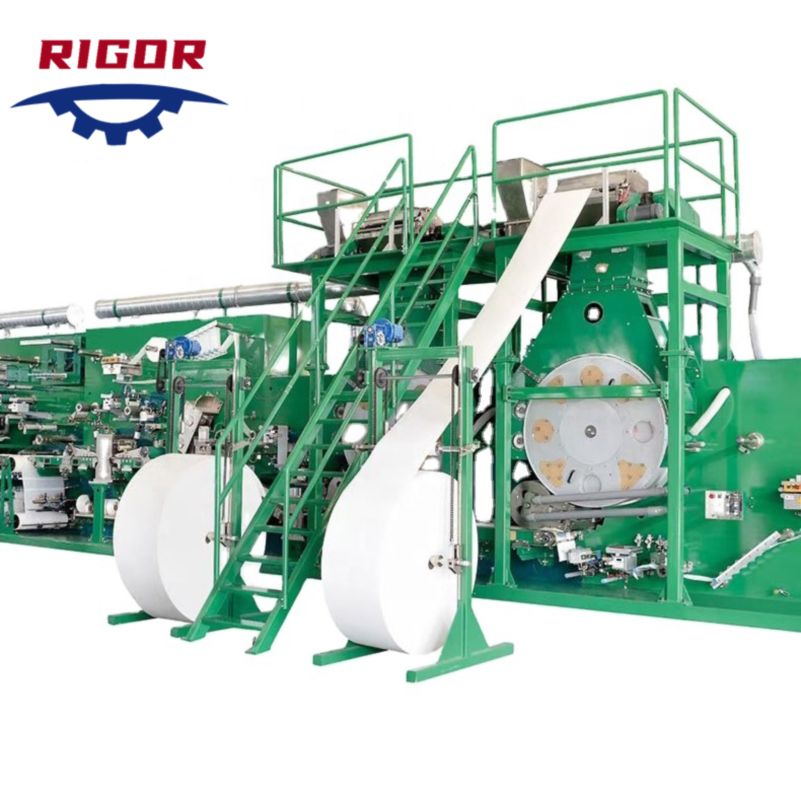
Abstract
The escalating operational expenditures associated with incontinence care represent a significant financial strain on nursing homes globally, particularly in emerging markets across South America, Russia, Southeast Asia, the Middle East, and South Africa. This analysis examines the economic and strategic rationale for aged care facilities to vertically integrate their supply chain by investing in an on-site adult diaper production line. It posits that such an investment transcends a mere cost-cutting measure, evolving into a foundational strategy for ensuring supply autonomy, enhancing the quality of resident care, and achieving long-term financial resilience. The discourse evaluates the multifaceted return on investment, moving beyond simple payback calculations to encompass factors like supply chain stability, product customization, and operational independence. A comprehensive framework is presented for facility managers and stakeholders to assess the viability of implementing an adult diaper production line for nursing homes, considering machinery specifications, raw material sourcing, quality assurance protocols, and the necessary human capital for successful operation.
Principaux enseignements
- Calculate current annual diaper expenditures to establish a clear financial baseline for comparison.
- Evaluate diaper machine specifications against your facility's specific resident population and daily usage needs.
- Secure reliable, long-term suppliers for essential raw materials like fluff pulp, SAP, and non-woven fabrics.
- Develop a stringent quality control protocol to ensure every diaper produced meets high standards of care.
- An on-site adult diaper production line for nursing homes can dramatically reduce long-term operational costs.
- Properly train operational staff on machine safety, maintenance, and efficient production workflows.
- Project a comprehensive ROI that includes both direct cost savings and strategic operational benefits.
Table des matières
Factor 1: Quantifying the Financial Imperative for On-Site Production
The consideration of bringing a manufacturing process in-house, especially one as specific as an adult diaper production line for nursing homes, begins not with machinery or materials, but with a profound and honest appraisal of the current state of affairs. For any aged care facility, the provision of incontinence products is a non-negotiable aspect of resident care, a daily reality interwoven with the dignity and comfort of the people you serve. Yet, it is also a line item on a balance sheet that is subject to immense external pressures. The prices of finished goods fluctuate, supply chains falter, and the logistical burden of managing inventory consumes valuable resources. To truly grasp the argument for on-site production, one must first quantify the existing financial and operational dependency.
The Arithmetic of Dependency: Calculating Your Current Diaper Expenditure
Let us engage in a thought exercise. The first step toward understanding the potential of self-sufficiency is to map the geography of your current spending. A simple calculation can illuminate the scale of your expenditure. Consider the following formula:
(Average number of diapers per resident per day) × (Number of residents requiring incontinence care) × (Average cost per diaper) × 365 days = Annual Diaper Expenditure
For a 150-bed facility where, perhaps, 100 residents require an average of 4 diapers per day, at a cost of $0.50 per unit, the calculation is straightforward: 4 × 100 × $0.50 × 365 = $73,000 per year. What might your facility's number be? Take a moment to substitute your own figures. The resulting number is often startling. It represents a significant, recurring operational cost flowing out of your organization.
However, a shallow calculation of unit cost multiplied by volume fails to capture the full picture. One must also account for the submerged costs—the hidden portion of the iceberg. These include freight charges from distant suppliers, the cost of capital tied up in warehoused inventory, staff hours dedicated to ordering, receiving, and managing stock, and the premium paid for emergency orders when regular supplies run unexpectedly low. A comprehensive audit reveals a financial dependency that is often far greater than initially perceived.
| Cost Factor |
Outsourced Supply Model (Annual Estimate) |
In-House Production Model (Annual Estimate) |
| Direct Product Cost |
$73,000 (based on example) |
$35,000 (Raw Materials, 40-50% saving) |
| Freight & Shipping |
$5,000 – $8,000 |
$2,000 (Bulk raw materials) |
| Inventory Holding Costs |
$3,000 – $5,000 |
$1,500 (Smaller raw material footprint) |
| Staff Labor (Procurement) |
$4,000 (Ordering, tracking, stocking) |
$1,000 (Bulk ordering, less frequent) |
| Emergency Purchase Premium |
$1,000 – $3,000 |
$0 (Production on demand) |
| Total Estimated Annual Cost |
$86,000 – $93,000 |
$39,500 + Labor/Energy |
Beyond the Price Tag: The Unquantifiable Costs of Supply Chain Volatility
Financial metrics alone do not tell the whole story. The reliance on external suppliers creates a state of perpetual vulnerability. Global events, from shipping lane disruptions in the Red Sea to sudden tariffs or unforeseen public health crises, can sever supply lines with little warning. Imagine the institutional anxiety that arises when a shipment is delayed by three weeks. The conversation in the staff room shifts from quality of care to rationing of supplies. Caregivers are forced to make difficult choices, and the dignity of residents is compromised.
What is the cost of a single day without an adequate supply of diapers? It cannot be measured in dollars or rubles or rand. It is measured in the loss of dignity for a resident, in the added physical and emotional burden on caregivers, and in the erosion of trust that families place in your facility. An adult diaper production line for nursing homes is, from this perspective, an instrument of risk mitigation. It transforms a volatile external variable into a stable, predictable internal process. It is a declaration of independence from a fragile global system, ensuring that the fundamental needs of your residents are always met, not by a distant supplier, but by your own hands.
Factor 2: Navigating the Machinery Selection Process
Once the "why" of on-site production is firmly established through a clear-eyed financial and strategic assessment, the conversation naturally pivots to the "how." At the heart of this new operational paradigm is the machine itself. Selecting the right diaper machine is not like buying a standard piece of office equipment; it is a significant capital investment that will shape your facility's operational capacity for years to come. The process demands a thoughtful, Socratic approach—a series of questions you must ask yourself and potential manufacturers to ensure the technology aligns perfectly with your unique institutional needs. It involves moving from a general desire for production to a specific understanding of the mechanics and capabilities required.
Deconstructing the Machine: Core Components and Their Functions
To make an informed choice, you must first become a student of the technology. An adult diaper machine, in its essence, is a symphony of synchronized mechanical processes. Let's demystify its key sections. Think of it as learning the anatomy of your future production capacity.
- Raw Material Feeding System: This is the starting point, where large rolls of non-woven fabric, PE film, and tissue paper are unrolled at precise speeds.
- Fluff Pulp Crushing System: Raw wood pulp is milled into a soft, fluffy consistency, forming the primary absorbent core of the diaper.
- Core Forming & SAP Application: The milled fluff pulp is vacuum-formed into the characteristic diaper shape. At this stage, Super Absorbent Polymer (SAP)—tiny crystals that can absorb hundreds of times their weight in liquid—is precisely mixed in. The ratio of fluff to SAP is a key determinant of the diaper's absorbency.
- Lamination and Acquisition Layer: The absorbent core is encapsulated between layers of non-woven fabric. An acquisition distribution layer (ADL) is often added to quickly pull moisture away from the skin and distribute it evenly.
- Elastic and Cuff Application: Waistband elastics and standing leak guards (leg cuffs) are applied using hot-melt adhesives. This is vital for fit and leakage prevention.
- Cutting and Folding: The continuous line of product is cut into individual diapers and folded into its final, recognizable shape.
- Packing System: The finished diapers are automatically counted, stacked, and fed into a bagging unit for packaging.
Understanding these components allows you to ask more intelligent questions. Instead of asking, "Is it a good machine?" you can ask, "What is the tolerance of the SAP applicator?" or "How does the machine ensure the integrity of the leg cuff adhesive?" This deeper inquiry is fundamental to selecting a machine that produces a high-quality product.
Matching Speed and Output to Your Facility's Scale
A common pitfall is to be seduced by the highest possible production speed (measured in pieces per minute, or PPM). A machine that produces 400 PPM might seem superior to one that produces 200 PPM. But is it right for you? Let's return to our 150-bed facility example.
Daily need: 100 residents × 4 diapers/day = 400 diapers. Weekly need: 400 diapers/day × 7 days = 2,800 diapers.
A machine producing at 200 PPM could theoretically produce this entire weekly supply in just 14 minutes of continuous operation (2,800 pieces / 200 PPM). A 400 PPM machine would do it in 7 minutes. The question then becomes, what is the value of that extra speed? For a single nursing home, even a lower-speed machine will likely only need to be run for a few hours each week to meet demand. The capital cost for a higher-speed machine can be substantially greater. Therefore, the goal is not to find the fastest machine, but the most appropriate machine. The right choice balances production capacity with initial investment, energy consumption, and maintenance complexity.
The Spectrum of Automation: From Semi-Automatic to Fully Automatic Lines
The level of automation is another critical decision point, directly impacting labor costs, operational consistency, and initial investment. The choice is not simply between "manual" and "automatic," but exists on a spectrum.
| Fonctionnalité |
Semi-Automatic Production Line |
Fully Automatic Production Line |
| Initial Investment |
Lower |
Higher |
| Labor Requirement |
Higher (2-4 operators typically required) |
Lower (1-2 operators for supervision) |
| Production Speed |
Moderate (e.g., 100-180 PPM) |
High (e.g., 200-400+ PPM) |
| Product Consistency |
Good, but more operator-dependent |
Excellent, highly consistent output |
| Operational Footprint |
Generally smaller |
Larger, requires more floor space |
| Changeover Complexity |
Can be more time-consuming for size changes |
Often features faster, automated size changes |
| Ideal Use Case |
Single facilities, smaller-scale operations, budget-conscious entry |
Large multi-facility organizations, commercial sales, high-demand environments |
For most individual nursing homes or small chains, a semi-automatic or a lower-speed, cost-effective adult diaper machine often represents the sweet spot. It provides ample production capacity to ensure self-sufficiency while keeping the initial capital outlay and operational complexity manageable. A fully automatic line becomes more logical for very large institutions or for those who see an opportunity to sell surplus diapers to other facilities in their region, turning a cost center into a potential revenue stream.
Factor 3: Mastering the Supply Chain and Raw Material Logistics
The acquisition of an adult diaper production line for nursing homes is a transformative step, but it is only half of the equation. A machine, no matter how sophisticated, is inert without a steady, reliable flow of high-quality raw materials. The transition to in-house production is therefore also a transition into supply chain management. This may seem daunting, but it is a challenge that can be met with foresight and a structured approach. It requires a shift in thinking—from being a passive consumer of a finished product to an active manager of its core components. This mastery over your inputs is where true control over cost and quality is forged.
The Essential Quartet: Understanding Key Raw Materials
The quality of your final product is a direct reflection of the materials you put into it. Understanding the function of each component is not merely academic; it is essential for making informed purchasing decisions and for diagnosing any potential quality issues down the line. Let us examine the four foundational materials.
-
Fluff Pulp: This is the heart of the diaper's absorbent core. Typically derived from softwoods like pine, it is delivered in dense rolls or bales. Its primary role is to absorb and hold liquid. The quality of the pulp—its fiber length and treatment process—affects the diaper's bulk, softness, and wicking ability. When sourcing, you will want to ensure it has good absorption capacity and integrity when wet to prevent clumping.
-
Super Absorbent Polymer (SAP): If fluff pulp is the heart, SAP is the magic. These tiny, granular polymers are the heroes of modern diaper technology. When they come into contact with liquid, they transform into a gel, locking moisture away from the skin. The amount and quality of SAP directly dictate the diaper's total absorbency. A higher-end diaper for overnight use, for instance, will have a significantly higher concentration of SAP than a standard daytime product. Your choice of SAP will be a direct trade-off between cost and performance.
-
Non-Woven Fabrics: Several types of non-woven fabrics are used, each with a specific purpose. The topsheet is the layer that rests against the resident's skin, so its softness and hydrophilicity (ability to let moisture pass through) are paramount. The backsheet, often a PE film or a cloth-like breathable material, provides the waterproof barrier. The fabric used for the leg cuffs (leak guards) must be hydrophobic (water-repellent) to contain liquid within the core.
-
Adhesives and Elastics: Hot-melt adhesives are the invisible glue holding everything together. They are used for construction (bonding the layers), positioning (holding the core in place), and for the fastening tabs. The quality of the adhesive ensures the diaper does not delaminate or fail during use. Elastics, used in the waistband and leg cuffs, provide the snug, comfortable fit that is crucial for preventing leaks.
Sourcing Strategies: Building a Resilient and Cost-Effective Supply Chain
With this material knowledge in hand, the task of building your supply chain begins. Your goal is to create a system that is not only cost-effective but also resilient to shocks.
A primary consideration is sourcing locally versus internationally. Local or regional suppliers, where available, can offer significant advantages in terms of reduced shipping times, lower transportation costs, and easier communication. This is particularly relevant in large, geographically diverse regions like South America or Southeast Asia, where a supplier in a neighboring country might be more practical than one halfway across the world. However, international suppliers often provide economies of scale, a wider variety of specialized materials, and potentially lower unit costs, especially for materials like SAP which are produced in only a few key regions. The optimal strategy often involves a hybrid approach: sourcing bulkier materials like fluff pulp more locally while securing specialized polymers or fabrics from top-tier international manufacturers.
Vetting suppliers is a process that requires due diligence. Do not simply choose the supplier with the lowest price. Request material specification sheets and samples. Run these samples on your machine, if possible, or send them to a lab for testing. A reputable machine manufacturer can often provide guidance on material specifications that are compatible with their equipment. Discuss payment terms, lead times, and minimum order quantities (MOQs). Building a strong, long-term relationship with two or three key suppliers for your most vital materials is a far more robust strategy than constantly chasing the lowest spot price.
Finally, consider your inventory strategy. While on-site production frees you from holding large stocks of finished diapers, you will now need to hold stock of raw materials. A "Just-in-Time" (JIT) approach, where materials arrive just as they are needed, is too risky for a healthcare setting. A more prudent approach is to maintain a buffer stock—perhaps 1-2 months' worth of key materials—to insulate your facility from any unforeseen supplier delays or shipping issues. This buffer is your insurance policy, guaranteeing that the promise of care is never broken by a logistical hiccup.
Factor 4: Ensuring Operational Excellence and Quality Assurance
Possessing a state-of-the-art adult diaper production line and a well-curated supply of raw materials are necessary but insufficient conditions for success. The ultimate triumph of this strategic investment hinges on human capability and systematic rigor. Operational excellence is not an abstract corporate slogan; in this context, it is the tangible process of transforming raw materials into a product that upholds the dignity of your residents. It involves a deep commitment to training, maintenance, and, most importantly, an unwavering standard of quality. To produce your own diapers is to take direct responsibility for their performance, a responsibility that must be embraced with the same seriousness as any other aspect of clinical care.
From Installation to Operation: The Human Element
The journey begins the moment the machine arrives. The site preparation phase is the foundation for everything that follows. This requires more than just clearing floor space. You must ensure adequate electrical supply to meet the machine's power rating, proper ventilation to handle dust from the fluff pulp, and a logical layout that facilitates the flow of raw materials in and finished products out. A thoughtful layout, planned in consultation with the machine manufacturer's technicians, can prevent bottlenecks and enhance safety for years to come.
The most critical component, however, is the human one. Your staff must be transformed from users of a product to masters of a process. This is where comprehensive training becomes indispensable. A reputable manufacturer does not simply deliver a machine; they deliver a turnkey solution, and a core part of that solution is education. The training should be hands-on and encompass several tiers of learning, reflecting a framework like Bloom's Taxonomy where learners progress from basic recall to higher-order skills (Raths, 2002).
- Remembering & Understanding: Operators must learn the names and functions of each part of the machine.
- Applying: They must be able to perform standard operating procedures—startup, shutdown, and material loading.
- Analyzing: They need to learn to interpret feedback from the machine, such as alarm codes or changes in operational sounds, to diagnose minor issues.
- Evaluating & Creating: Senior operators or maintenance staff should be trained to evaluate product quality and create solutions for optimizing machine performance or troubleshooting more complex problems.
This training should be an active, engaging process. Peer teaching, where a newly trained operator mentors another, can be a powerful tool for reinforcing knowledge and building team confidence (Skillshub, 2023). Regular preventive maintenance is the final piece of the operational puzzle. Following the manufacturer's recommended schedule for cleaning, lubrication, and parts inspection is not a chore; it is the discipline that prevents costly unplanned downtime and ensures the machine's longevity.
The Promise of Dignity: Implementing a Robust Quality Control Framework
When you purchase diapers from an external brand, you are outsourcing quality control. When you produce them yourself, you are insourcing that responsibility. This is a profound shift. Every diaper that comes off your line is a direct promise of security and comfort to a resident. A failure in quality—a weak adhesive tab, an insufficient absorbent core, a leaky leg cuff—is a direct failure in that promise.
Therefore, implementing a robust Quality Control (QC) framework is not optional. It must be woven into the fabric of the production process. This does not need to be an intimidatingly complex system. A constructivist approach, where staff learn by doing and seeing the results, is highly effective (teachersoftomorrow.org, 2025). The framework can be built on a few simple, consistent checks:
- Visual Inspection: At regular intervals (e.g., every 15 minutes), an operator should pull a diaper from the line and perform a visual check. Are all layers properly aligned? Are the elastics secure? Are the fastening tabs correctly placed?
- Weight Consistency: Periodically, a diaper should be weighed on a small digital scale. A consistent weight indicates that the fluff pulp and SAP are being dispensed correctly. Significant variations could signal a problem that needs immediate attention.
- Adhesive Tab Test: The operator should manually pull on the fastening tabs to ensure the adhesive is strong and the tab does not tear away from the chassis of the diaper.
- Absorbency Test (Batch Test): Perhaps once per shift or per production run, a more formal absorbency test can be performed. This can be as simple as placing a diaper on a tray and slowly pouring a measured amount of colored saline solution onto the topsheet. One can then observe how quickly the liquid is absorbed, assess for any surface wetness after a few minutes, and check for any leaks from the backsheet or leg cuffs.
These simple, repeatable actions transform the production process from a purely mechanical one into a mindful practice of quality assurance. They empower your staff to take ownership of the final product and ensure that every single diaper that reaches a resident is one that you can stand behind with confidence.
Factor 5: Projecting Long-Term ROI and Strategic Advantages
The final pillar in the argument for establishing an adult diaper production line for nursing homes is the comprehensive evaluation of its long-term value. While the initial capital outlay for machinery is significant, a myopic focus on this single figure can obscure the profound financial and strategic returns that unfold over time. Calculating the Return on Investment (ROI) is a critical step, but it must be approached with a wide-angle lens, capturing not only the direct, quantifiable cost savings but also the less tangible, yet equally powerful, strategic benefits that enhance the institution's resilience, reputation, and standard of care.
Calculating Your Return on Investment: A Step-by-Step Framework
A credible ROI projection provides the financial justification needed for board approval and stakeholder buy-in. It demystifies the path from investment to profitability. Let's break down the calculation into its core elements. The fundamental formula is:
ROI (%) = [ (Net Annual Savings) / (Initial Investment) ] × 100
The key is to define each variable with as much accuracy as possible.
-
Initial Investment: This is the most straightforward figure. It includes:
- The purchase price of the diaper machine.
- Shipping, installation, and commissioning fees.
- Cost of site modifications (e.g., electrical upgrades, ventilation).
- Initial staff training costs.
-
Net Annual Savings: This figure requires more detailed calculation. It is the difference between your old operational model and the new one.
- Gross Annual Savings: This is the total annual cost of your previous outsourced diaper supply (as calculated in Factor 1, including product cost, shipping, and inventory management).
- New Annual Operating Costs: This is the cost to run your in-house production. It includes:
- Annual cost of raw materials (pulp, SAP, non-wovens, etc.).
- Annual labor cost for machine operators.
- Annual energy consumption costs.
- Annual budget for spare parts and maintenance.
The equation for Net Annual Savings is: (Gross Annual Savings) – (New Annual Operating Costs).
Let's revisit our example. If the old model cost ~$90,000 annually, and the new operating costs (materials, labor, energy, maintenance) total ~$50,000, the Net Annual Savings would be $40,000. If the total initial investment for a semi-automatic line was $200,000, the simple ROI would be:
($40,000 / $200,000) × 100 = 20%
This indicates a payback period of five years (100% / 20% per year). For many facilities facing ever-rising external costs, a five-year payback on a core operational expense is an exceptionally attractive proposition.
The Strategic Horizon: Beyond Cost Savings
A purely financial ROI calculation, however, fails to capture the full spectrum of value. The decision to invest in a modern adult diaper production line for nursing homes unlocks several strategic advantages that resonate throughout the organization.
Product Customization and Care Enhancement: With in-house production, you are no longer limited to the off-the-shelf products available on the market. You gain the ability to tailor products to the specific needs of your residents. Does a subset of your population require significantly higher absorbency for overnight use? You can adjust the SAP ratio to create a custom, high-performance product. Do you have residents with particularly sensitive skin? You can source and utilize premium, softer non-woven materials for the topsheet. This capability transforms the diaper from a generic supply item into a customizable component of a personalized care plan.
Supply Chain Sovereignty: As discussed earlier, the value of being insulated from global supply chain shocks cannot be overstated. This autonomy provides peace of mind to management, staff, and residents' families. It ensures continuity of care, a core promise of any reputable aged care facility. This resilience is a powerful asset in an increasingly unpredictable world.
Reputation and Market Leadership: A nursing home that takes the innovative step of producing its own essential supplies positions itself as a forward-thinking leader. It is a powerful story to tell in your marketing and community outreach efforts. It demonstrates a deep commitment to both fiscal responsibility and resident welfare. It can become a key differentiator in a competitive market, attracting both discerning families and high-quality staff who want to be part of a progressive organization.
Potential for Revenue Generation: Once your facility's needs are met, the machine's excess capacity represents an opportunity. You can become a supplier to smaller local clinics, other nursing homes, or home-care agencies in your area. This can turn what was once a major cost center into a new revenue stream, further accelerating your return on investment and contributing positively to the facility's overall financial health. This strategic pivot from cost to revenue is the ultimate expression of the investment's long-term power.
FAQ
1. How much physical space is required to install an adult diaper production line? The required space varies significantly based on the machine's level of automation and speed. A semi-automatic line might require a space of approximately 15-20 meters in length, 4 meters in width, and 4 meters in height. A fully automatic, high-speed line will require a larger footprint, potentially 25-30 meters long. It is also important to allocate additional space for raw material storage and warehousing of finished products.
2. What are the typical power and utility requirements for these machines? Most adult diaper machines operate on a 380V, 50Hz, 3-phase power supply, though this can be customized by the manufacturer for different regional standards. Total power consumption can range from 80kW for a smaller semi-automatic machine to over 200kW for a large, fully automatic line. Additionally, a compressed air supply is necessary to operate various pneumatic components of the machine.
3. How many staff members are needed to operate the production line? A semi-automatic line typically requires 2 to 4 operators per shift. Their roles would include loading raw materials, supervising the machine's operation, performing quality checks, and packing the finished products. A fully automatic line is designed for lower labor costs and might only require 1 or 2 supervisors per shift, as stacking and packing are often integrated into the machine.
4. Can a single machine produce different sizes of adult diapers (e.g., Medium, Large, XL)? Yes, most modern diaper machines are designed with the flexibility to produce multiple sizes. However, changing from one size to another, known as a "size changeover," requires stopping the machine and replacing certain molds and cutting tools. The time and complexity of this changeover vary; more advanced machines often feature quicker and more automated changeover processes.
5. What kind of after-sales support and training should I expect from a manufacturer? A reputable manufacturer should provide comprehensive after-sales support. This includes sending technicians to your facility for installation, commissioning, and initial staff training. The training should cover machine operation, routine maintenance, and basic troubleshooting. Ongoing support should include access to a technical support team for remote assistance and a reliable supply of spare parts.
6. How do I reliably source raw materials in regions like South Africa or the Middle East? Your machine manufacturer is an excellent initial resource; they often have established relationships with global and regional raw material suppliers and can provide introductions. Additionally, you can attend industry trade shows, search online B2B platforms like Alibaba or Indiamart, and contact regional chemical and textile distributors. It is wise to secure at least two viable suppliers for each critical material to ensure supply chain resilience.
7. Realistically, how long does it take to recoup the initial investment in a diaper machine? The payback period depends on your production volume, the cost savings per diaper, and the initial investment. Based on typical cost savings of 40-50% compared to buying finished goods, many nursing homes find that the payback period for a semi-automatic line is between 3 to 6 years. A detailed ROI calculation is essential to determine the specific projection for your facility.
Conclusion
The decision to integrate an adult diaper production line within a nursing home is a profound strategic pivot, moving far beyond the simple arithmetic of cost reduction. It represents a fundamental shift from a position of dependency to one of autonomy, from being a price-taker in a volatile market to becoming the master of a critical supply chain. As we have explored, the journey requires a diligent examination of your current expenditures, a thoughtful selection of appropriate technology, a mastery of raw material logistics, and an unwavering commitment to operational and quality excellence.
The investment is not merely in steel and circuitry; it is an investment in resilience, ensuring that the promise of care is never compromised by external market forces. It is an investment in quality, providing the ability to customize products to better serve the unique needs and dignities of each resident. And ultimately, it is an investment in a more sustainable and financially robust future for the entire organization. By taking control of this essential aspect of care, a nursing home does not just save money; it fortifies its very foundation, ensuring it can continue to serve its community with compassion and confidence for years to come.
Références