Аннотация
The acquisition of a baby wet wipes machine represents a significant capital investment and a pivotal strategic decision for manufacturers in the hygiene products sector. This document provides a comprehensive analysis of the multifaceted considerations involved in selecting an appropriate apparatus for producing baby wet wipes, with a specific focus on the nuanced requirements of emerging markets in South America, Russia, Southeast Asia, the Middle East, and South Africa. It deconstructs the process into a series of actionable steps, examining the interplay between production capacity, technical specifications, material compatibility, and automation levels. The inquiry extends to the critical evaluation of manufacturer reliability, after-sales support infrastructure, and the long-term financial implications measured through Return on Investment (ROI) and Total Cost of Ownership (TCO). By grounding the discussion in principles of mechanical engineering, materials science, and international business strategy, the text aims to equip prospective buyers with the necessary framework for making an informed, profitable, and sustainable investment in a modern baby wet wipes machine.
Основные выводы
- Analyze your target market to determine the required production speed and wipe count per pack.
- Scrutinize core components like PLC systems and servo motors for reliability and precision.
- Ensure the baby wet wipes machine is compatible with locally sourced raw materials.
- Evaluate the total cost of ownership, not just the initial purchase price of the equipment.
- Verify the manufacturer's after-sales support network within your specific region.
- Prioritize machines with scalable features to accommodate future business growth.
- Confirm the machine complies with international and regional quality and safety standards.
Оглавление
- Step 1: Foundational Analysis of Production Requirements and Market Demand
- Step 2: Deconstructing the Machine – Core Components and Technical Specifications
- Step 3: Mastering Material Compatibility and Supply Chain Logistics
- Step 4: Automation and Future-Proofing Your Investment
- Step 5: Evaluating Manufacturer Reliability and After-Sales Support
- Step 6: A Rigorous Financial Assessment – ROI and Total Cost of Ownership (TCO)
- Step 7: Ensuring Compliance with Regional and International Standards
- Часто задаваемые вопросы (FAQ)
- A Concluding Reflection on Strategic Acquisition
- Ссылки
Step 1: Foundational Analysis of Production Requirements and Market Demand
The journey toward acquiring a baby wet wipes machine begins not on the factory floor, but with a deep and thoughtful examination of the market you intend to serve. A machine is a tool, and the selection of the correct tool is impossible without a clear understanding of the task it is meant to perform. For entrepreneurs and established businesses in regions like Southeast Asia or South America, the allure of the rapidly growing hygiene market is potent. Yet, this potential can only be realized when production capabilities are precisely aligned with consumer behavior and market structure. A failure at this initial stage of analysis can lead to a cascade of inefficiencies, resulting in an investment that is either insufficient for the demand or excessively costly for the actual market opportunity. This initial step, therefore, is an exercise in foresight and empathy—placing yourself in the position of your future customers and understanding their needs, preferences, and purchasing power.
Defining Your Production Scale: From Boutique to Mass Market
Before you can even begin to look at machinery specifications, you must first articulate a clear vision for your business's scale. Are you aiming to be a boutique producer serving a niche market with premium, specialized wipes? Or is your ambition to compete in the mass market, supplying large retailers and distributors with high volumes of standard products? The answer to this question fundamentally shapes your equipment needs.
Imagine a small enterprise in a specific region of Brazil, perhaps focusing on organic, hypoallergenic wipes for an affluent urban demographic. Their production needs would be modest. A machine producing 2,000 to 4,000 wipes per minute might be perfectly adequate. The focus here would be on flexibility, quick changeovers between different product formulations, and impeccable quality control, rather than raw output speed. The associated baby wet wipes machine would likely be a more compact, semi-automatic model that allows for meticulous oversight.
Now, contrast this with a large-scale manufacturer in Russia aiming to supply a national supermarket chain. Their reality is one of volume. They need to produce millions of wipes per day to meet contractual obligations. For them, a high-speed, fully automated production line is not a luxury; it is a necessity. Their required baby wet wipes machine would be a multi-lane behemoth, capable of outputs exceeding 8,000 or even 10,000 wipes per minute, operating 24/7 with minimal human intervention. The primary concerns are reliability, uptime, and low per-unit production cost. Any miscalculation in scale here—investing in a machine that is too small—would mean an inability to meet demand, lost contracts, and a damaged reputation. Conversely, over-investing in a massive line for a small market leads to crippling capital costs and idle capacity.
The Language of Speed: Demystifying 'Pieces Per Minute' (PPM)
Manufacturers often advertise their machines with a headline figure: "Pieces Per Minute" or PPM. While this number is a vital starting point, a discerning buyer must look deeper. What does this number truly represent? Is it the theoretical maximum speed under ideal conditions, or is it the stable, achievable production speed during day-to-day operations?
Consider this mental exercise: A machine is rated at 5,000 PPM. However, this speed is only achievable using a specific, lightweight non-woven fabric and a simple folding pattern. Your business plan calls for a thicker, premium fabric and a more complex cross-fold. Running this material might reduce the stable operating speed to 3,800 PPM. Furthermore, the quoted PPM often refers only to the wipe converting (folding and cutting) section. What about the packaging unit? If the packaging wrapper can only handle 80 packs per minute, and you are producing packs of 60 wipes, your effective output is limited to 4,800 PPM (80 packs/min * 60 wipes/pack), regardless of how fast the folding unit can run.
A thorough analysis requires you to ask manufacturers for the stable operating speed for your specific raw materials and desired pack count. You must also consider the efficiency rate. No machine runs at 100% efficiency. There will be downtime for roll changes, maintenance, and quality checks. A realistic efficiency rate is typically between 80% and 90% for a well-maintained, high-quality baby wet wipes machine. Therefore, your true daily output is calculated as: (Stable PPM * 60 minutes * 24 hours * Efficiency Rate). Understanding this calculation is fundamental to creating an accurate business plan.
Market Nuances: Tailoring Wipe Count for South America vs. the Middle East
The number of wipes per pack is not a trivial detail; it is a reflection of consumer habits, distribution channels, and economic realities in your target market. A failure to align pack count with market expectations can lead to products that are difficult to sell.
In many parts of the Middle East, for instance, there is a strong preference for larger pack sizes—80, 100, or even 120 wipes. This may be driven by larger family sizes, a car-centric culture where bulk purchasing is common, and a desire for value. A manufacturer targeting this region must invest in a baby wet wipes machine capable of efficiently producing and stacking these higher counts. The stacking mechanism, the size of the packaging chamber, and the power of the servo motors must all be specified for this purpose.
Conversely, in urban centers across Southeast Asia or parts of South Africa, you might find a dual market. While value packs are popular for home use, there is also a significant demand for smaller, portable "pocket packs" of 10, 15, or 25 wipes. These are for on-the-go convenience, fitting easily into a handbag or backpack. A business plan that ignores this segment misses a substantial opportunity. This would necessitate a machine with the flexibility to switch between high and low counts, or perhaps even a dedicated, separate line for small packs. A versatile 30-120pcs auto splicing baby wet wipes machine line offers a solution that can cater to these varied market demands, allowing a producer to pivot between large value packs and smaller convenience packs with relative ease.
Table 1: Comparative Analysis of Automation Levels in Wet Wipes Machines
| Характеристика | Semi-Automatic Machine | Fully Automatic Machine | Fully Integrated Line |
|---|---|---|---|
| Labor Requirement | High (Requires operators for material loading, transfer, and final packing) | Low (Automated processes from raw material to finished pack) | Minimal (Supervisory role, integrated robotics for palletizing) |
| Первоначальные инвестиции | Low | Medium to High | Очень высокий |
| Production Speed | Low to Medium (e.g., 20-50 packs/minute) | High (e.g., 60-120 packs/minute) | Very High (e.g., 120-200+ packs/minute) |
| Гибкость | High (Easier to adjust for small, custom batches) | Medium (Changeovers are possible but may require more time) | Low (Optimized for long runs of a single product type) |
| Consistency | Operator-dependent, potential for higher variability | High (Machine-controlled precision ensures uniform product) | Extremely High (Minimal human touchpoints reduces error) |
| Ideal Market | Niche markets, startups, regions with low labor costs | Mass-market production, established brands | National/multinational supply, private label for large retailers |
| Footprint | Smaller | Larger | Extensive |
Step 2: Deconstructing the Machine – Core Components and Technical Specifications
Once you have a lucid picture of your market and production needs, the focus shifts to the machine itself. A modern baby wet wipes machine is a complex symphony of mechanical, electrical, and pneumatic systems working in perfect harmony. To the untrained eye, it may appear as a formidable mass of steel and wiring. However, a prospective buyer must learn to see it as a collection of distinct, critical components, each with a specific function that contributes to the quality of the final product and the efficiency of the entire operation. This is not about becoming a mechanical engineer overnight; it is about developing an educated perspective that allows you to ask the right questions and understand the answers you receive from manufacturers. It is an inquiry into the very heart and soul of the machine.
The Heart of the Machine: The PLC and Human-Machine Interface (HMI)
At the center of any modern automated system lies the Programmable Logic Controller, or PLC. Think of the PLC as the brain of the baby wet wipes machine. It is a ruggedized industrial computer that receives input from various sensors—sensors that detect the position of the fabric, the level of the liquid, the temperature of the sealing jaws—and executes a pre-programmed sequence of commands to motors, valves, and actuators. The quality and reliability of the PLC are paramount. A failure here brings the entire production line to a halt.
When evaluating a machine, you must inquire about the brand of the PLC. Globally recognized brands like Siemens, Allen-Bradley (Rockwell Automation), and Mitsubishi Electric are common for a reason. They are known for their robustness, reliability, and extensive global support networks. This last point is of particular consequence for businesses in South America, Russia, or Africa. If your machine uses a PLC from a lesser-known brand, where will you find a qualified technician or spare parts when an issue arises? Choosing a machine with a Siemens PLC, for example, means you can likely find local support and components in major industrial hubs from Johannesburg to Moscow to São Paulo.
Connected to the PLC is the Human-Machine Interface (HMI), which is the screen or control panel that the operator interacts with. A well-designed HMI is intuitive, multi-lingual, and provides clear diagnostic information. Can an operator with moderate training easily adjust parameters like cutting length, liquid dosage, and packaging speed? When a fault occurs, does the HMI display a specific, actionable error message (e.g., "Fault C-45: Sealing Jaw Temperature Too Low") or a vague, unhelpful code? A good HMI empowers your team to run the machine efficiently and troubleshoot minor issues without having to call for an engineer, saving valuable time and money.
Precision in Motion: The Indispensable Role of Servo Motors
If the PLC is the brain, then servo motors are the muscles of the baby wet wipes machine. These are not ordinary electric motors. A servo motor is part of a closed-loop system, meaning it receives a command from the PLC (e.g., "advance the film by 210 millimeters"), executes the movement, and then reports back its exact position via an encoder. This feedback loop allows for incredibly precise control over speed, position, and torque.
Where are servo motors used? They are essential for:
- Film Pulling: Ensuring the exact length of packaging film is dispensed for each pack.
- Wipe Cutting: Guaranteeing that every single wipe is cut to the same length, with tolerances of less than a millimeter.
- Stacking: Precisely placing each folded wipe on top of the previous one to create a neat, uniform stack.
- Reciprocating Sealer: Controlling the complex motion of the end-sealing jaws for a clean, strong seal.
Machines that use older technologies, like mechanical cams or stepper motors, for these functions will struggle to match the speed, accuracy, and consistency of a fully servo-driven machine. A lack of precision in cutting leads to wasted material and a non-uniform product. Inaccurate stacking can cause jams in the packaging unit. When you see "full servo control" in a machine's specifications, it is a hallmark of a modern, high-performance design. Brands like Yaskawa, Panasonic, and Delta are common choices for servo systems, and again, their regional availability for support should be a factor in your decision.
Material Handling: Unwinding, Splicing, and Tension Control Systems
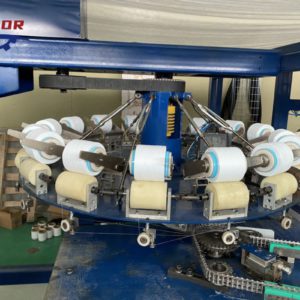
The journey of a wet wipe begins as a massive roll of dry non-woven fabric, often weighing several hundred kilograms. The initial section of the baby wet wipes machine, the unwinding stand, is responsible for handling these parent rolls. A robust system will feature pneumatic or hydraulic shafts for easy loading and will be able to handle large diameter rolls to minimize the frequency of changes.
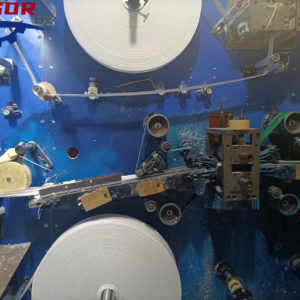
A key feature to look for here is an "auto-splicing" unit. In a machine without this feature, the line must be stopped every time a parent roll runs out. The operator then manually tapes the end of the old roll to the start of the new one. This process can take several minutes, leading to significant production losses over a 24-hour period. An auto-splicing unit, by contrast, performs this changeover automatically at high speed. It prepares the new roll, and just as the old roll is about to finish, it rapidly cuts the old web and splices the new one on, all without stopping the machine. The increase in overall equipment effectiveness (OEE) from an auto-splicer can be substantial, often justifying its additional cost within a short period.
Equally important is the tension control system. As the fabric web travels through the machine, it must be kept under a constant, precise level of tension. If the tension is too loose, the fabric can wander or wrinkle, leading to folding errors. If it is too tight, the fabric can stretch, particularly elastic non-wovens, which distorts the final wipe dimensions. Advanced machines use a series of sensors and dancer rolls that continuously measure the tension and provide feedback to the unwinding motor, making micro-adjustments in real-time to maintain the perfect tension from the full parent roll down to the core.
The Wetting System: Achieving Uniform Saturation
The process that transforms a dry non-woven fabric into a wet wipe happens at the wetting station. The goal here is simple to state but challenging to achieve: every single wipe in the pack, from the first to the last, must have the exact same level of moisture. Inconsistent wetting leads to consumer complaints—some wipes are dripping wet, while others are practically dry.
There are two primary methods for wetting: spray systems and soak/immersion systems.
- Spray Systems: Use a series of precision nozzles to spray a controlled amount of liquid onto the fabric as it passes by. This method offers excellent control over the liquid-to-fabric ratio and is very efficient, minimizing liquid waste. The challenge is ensuring the spray pattern is perfectly uniform and that the nozzles do not clog over time.
- Soak/Immersion Systems: Pass the fabric through a bath of the wetting solution, with rollers then squeezing out the excess liquid. This system is robust and ensures full saturation, but it can be less precise in controlling the final moisture content and may require a larger volume of liquid in circulation.
A high-quality baby wet wipes machine will feature a sophisticated liquid dosing system, often using a precision pump linked to the PLC. This allows the operator to set the desired liquid addition ratio (e.g., 3.5 grams of liquid for every 1 gram of fabric) and trust the machine to maintain it consistently, even as the line speed changes. The system should also be constructed from high-grade stainless steel (typically 316L) to resist corrosion from the various chemicals present in wetting formulas.
Table 2: Non-Woven Fabric Suitability for Baby Wipes Production
| Fabric Type | Fiber Composition | Key Characteristics | Feel & Performance | Typical Application |
|---|---|---|---|---|
| Spunlace | Polyester (PET), Viscose, Wood Pulp, Cotton | Excellent softness, high absorbency, good strength, drapes well. | Soft, cloth-like feel. Low linting. | Premium and standard baby wipes, facial wipes. |
| Air-through Bonded | Polypropylene (PP), Polyethylene (PE) | Very bulky and soft, excellent liquid acquisition and distribution. | Extremely soft, cottony feel. Often used for a premium experience. | High-end baby wipes, sensitive skin formulations. |
| Thermal Bonded | Polypropylene (PP) | High strength-to-weight ratio, cost-effective, more abrasive feel. | Stiffer, less soft. Can feel papery. | Economy-tier wipes, household cleaning wipes. |
| Needlepunched | Polyester (PET), Polypropylene (PP) | Very strong and durable, good for scrubbing applications. | Rough, abrasive texture. | Not suitable for baby skin. Used for industrial or abrasive wipes. |
| Wetlaid | Wood Pulp, Synthetic Fibers | Flushable and dispersible properties. Lower strength when wet. | Paper-like, breaks apart easily in water. | Flushable toddler training wipes. Requires specific machine handling. |
Step 3: Mastering Material Compatibility and Supply Chain Logistics
A baby wet wipes machine, no matter how technologically advanced, does not operate in a vacuum. It is an integral part of a larger production ecosystem that begins with raw materials and ends with a satisfied customer. The most common point of failure for new wet wipe ventures is not a mechanical breakdown, but a disconnect between the machine's capabilities and the realities of the available raw materials. A manufacturer in the Middle East might have easy access to certain grades of polypropylene-based fabrics, while another in South Africa finds viscose blends to be more readily available and cost-effective. Your chosen machine must not only be compatible with your ideal material but also versatile enough to handle alternatives when supply chains are disrupted. This step requires a holistic view, integrating materials science with the practicalities of procurement and logistics in your specific region.
Understanding Non-Woven Fabrics: Spunlace, Air-through, and Beyond
The foundation of any wet wipe is the non-woven fabric. This is not a woven or knitted textile; it is a sheet of fibers bonded together mechanically, thermally, or chemically. The choice of fabric dictates the wipe's softness, strength, absorbency, and cost. As a prospective buyer of a baby wet wipes machine, you need a working knowledge of the main types.
Spunlace is the workhorse of the baby wipe industry. It is produced by entangling fibers (often a blend of polyester for strength and viscose for softness and absorbency) using high-pressure water jets. The result is a fabric that is soft, strong, and feels remarkably like cloth. Its versatility makes it suitable for everything from economy to premium baby wipes. When discussing with a machine manufacturer, you must ask about the machine's ability to handle different spunlace blends and weights (measured in grams per square meter, or GSM). A heavier GSM fabric (e.g., 50-60 GSM) will feel more luxurious but will run slower and cost more. A lighter fabric (e.g., 35-45 GSM) is more economical but may feel flimsy if not handled correctly by the machine's tensioning system.
Air-through bonded fabrics represent a more premium category. These fabrics use heated air to bond the fibers, resulting in a uniquely soft, bulky, and almost cotton-like texture. They are exceptionally good at acquiring and holding liquid. For a brand targeting the high-end, sensitive-skin segment, air-through is an excellent choice. However, these fabrics can be more delicate and prone to stretching. Your baby wet wipes machine must have a highly sensitive and responsive tension control system to process air-through fabrics without damaging their structure.
Wetlaid fabrics are a special category designed for flushable wipes. They are engineered to maintain their strength during use but break down into fibers when agitated in water, like in a sewer system. Producing flushable wipes requires a machine specifically designed for this purpose. The wetting, folding, and cutting processes must be adapted to handle these more fragile materials, and the packaging needs to be hermetically sealed to prevent the wipes from drying out or activating their dispersible properties prematurely.
The Chemistry of Comfort: Formulating the Wetting Liquid
The liquid solution, or "lotion," is what gives the wipe its cleaning, moisturizing, and soothing properties. The formulation can range from a simple solution of purified water and mild preservatives to a complex emulsion containing moisturizers (like glycerin or aloe vera), pH buffers, gentle surfactants (cleansing agents), and fragrance.
From a machine perspective, the formulation's chemistry has several implications. First, the materials in the wetting system—the tank, pipes, pumps, and nozzles—must be compatible with your ingredients. Certain preservatives or fragrances can be corrosive to lower-grade stainless steel or certain types of plastics. This is why 316L stainless steel is the standard for fluid-contact parts in a high-quality baby wet wipes machine. Second, the viscosity of your liquid matters. A thicker, lotion-like formula will require a different type of pump and potentially larger nozzle orifices than a thin, water-like solution. You must provide your potential machine supplier with a sample or at least the specifications (viscosity, pH) of your intended liquid to ensure their wetting system is appropriate. The machine should allow for easy cleaning and sanitization between batches, especially if you plan to produce different formulations on the same line.
Packaging Film Considerations: Aesthetics, Barrier Properties, and Machine Compatibility
The final element is the packaging film that forms the flow-wrap pack. This film serves multiple purposes: it protects the product from contamination, prevents the wipes from drying out, provides the branding and marketing real estate, and must run efficiently on your machine.
The film is typically a multi-layer laminate. A common structure might be PET/PE or BOPP/PE. The outer layer (PET or BOPP) provides stiffness and a high-quality surface for printing. The inner layer (PE) provides the sealability. The choice of material and its thickness will affect how it performs on the baby wet wipes machine. The sealing jaws of the packaging unit are calibrated for a specific temperature, pressure, and dwell time to create a strong seal on a particular film. If you switch to a different film supplier or a different material composition, these parameters will need to be readjusted. A machine with a high-quality temperature controller and a servo-driven sealing head will make these adjustments easier and more precise.
Another consideration is the lid or resealable sticker. The machine needs a station to apply this component accurately onto the film before the pack is formed. The position and quality of this application are vital for consumer convenience. A poorly applied sticker that peels off or loses its adhesion will lead to the entire pack of wipes drying out, resulting in a very negative customer experience.
Building a Resilient Supply Chain in Your Region (Russia, SEA, etc.)
Having a theoretical understanding of materials is not enough. You must investigate the practicalities of sourcing these materials in your specific region. Can you source high-quality spunlace fabric from a domestic supplier in Russia, or will you need to import it from Turkey or China? If you import, what are the lead times, shipping costs, and import duties? A seemingly cheaper machine might become a financial burden if it is designed for a specific fabric that is expensive and difficult to source locally.
A prudent strategy involves qualifying multiple suppliers for each of your key raw materials (non-woven fabric, packaging film, and liquid ingredients). Provide samples from these different suppliers to your machine manufacturer during the testing phase. A truly robust baby wet wipes machine should be able to run consistently with minor variations in material properties from different batches or suppliers. This operational flexibility is a form of insurance against supply chain disruptions, which are a common reality for manufacturers in many parts of the world. Your ability to switch from one fabric supplier to another without a major drop in efficiency can be a significant competitive advantage.
Step 4: Automation and Future-Proofing Your Investment
Choosing a baby wet wipes machine is not merely a purchase for today's needs; it is a long-term investment in your company's future. The decisions you make about the level of automation and the scalability of the equipment will define your operational efficiency, labor costs, and ability to adapt to market changes for years to come. In an industry where margins can be thin and competition is fierce, the right automation strategy can be the deciding factor between profitability and obsolescence. This step is about thinking beyond the immediate production target and envisioning where your business will be in five or ten years. It is about building a factory that is not just productive now, but also agile and ready for tomorrow's challenges.
Levels of Automation: From Semi-Automatic to Fully Integrated Lines
The spectrum of automation in wet wipe production is broad, and each level corresponds to a different business strategy and capital investment.
A semi-automatic machine is the entry point. Here, the machine might handle the core processes of folding, wetting, and cutting, but other tasks require manual intervention. An operator may need to manually place the stack of wipes into the packaging machine, and the finished packs might be placed into cartons by hand. This approach offers the lowest initial investment and is suitable for startups, small niche markets, or regions where labor costs are very low. The trade-off is lower production speed, higher potential for human error and contamination, and a direct link between your output and your labor force size.
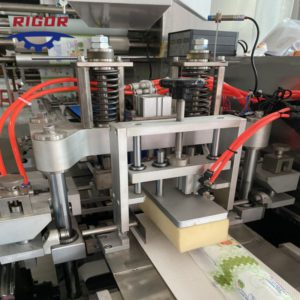
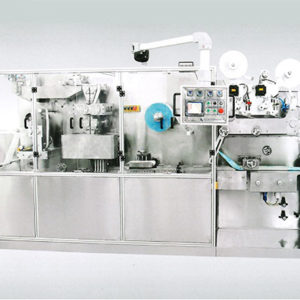
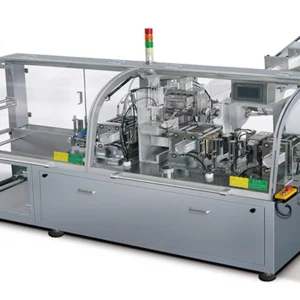
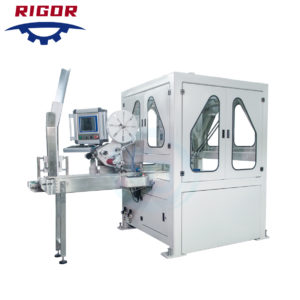
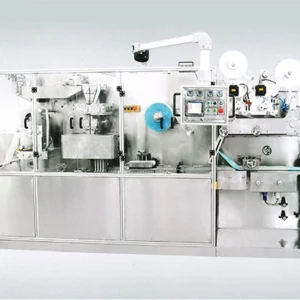
A fully automatic baby wet wipes machine represents the industry standard for mass production. In this setup, the non-woven fabric is fed in at one end, and a completely sealed and finished pack of wipes emerges at the other end, untouched by human hands. The transfer of the wipe stack into the packaging flow is automated. These machines, such as the ones found on , offer high speed, excellent consistency, and improved hygiene. The labor requirement shifts from manual dexterity to skilled supervision, with operators monitoring the HMI, replenishing raw materials, and performing quality checks. While the initial investment is higher, the reduced labor cost per unit and increased output often lead to a lower overall production cost in the long run.
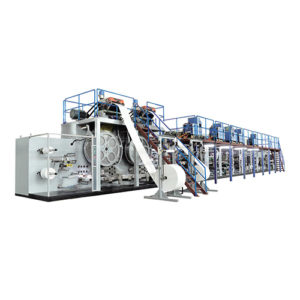
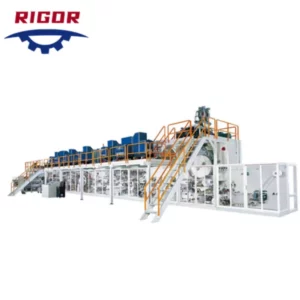
A fully integrated line is the pinnacle of automation. This goes beyond a single machine and automates the processes around it. For example, a fully integrated line might include robotic arms (case packers) that automatically take the finished packs of wipes and arrange them in cardboard cartons. The cartons are then automatically sealed, labeled, and moved to a palletizer, which stacks them onto a pallet ready for shipment. Such a system requires a very high capital investment but offers the lowest possible labor costs and the highest possible throughput. This level of automation is typically pursued by large, multinational corporations or high-volume private label manufacturers.
The Power of Auto-Splicing: A Gateway to Continuous Production
Among all the available automation features, the automatic splicer for both the non-woven fabric and the packaging film offers one of the most compelling returns on investment. Let us perform a simple calculation to illustrate this.
Assume a machine without an auto-splicer needs to be stopped for 5 minutes to change a parent roll of non-woven fabric. If the machine uses one parent roll every 90 minutes, in a 24-hour (1440 minutes) shift, you will have approximately 16 roll changes. That equates to 80 minutes of lost production time per day (16 changes * 5 minutes/change). Over a year of 300 working days, this amounts to 24,000 minutes, or 400 hours of downtime. If your machine produces 4,000 wipes per minute, that is a potential loss of 96 million wipes per year.
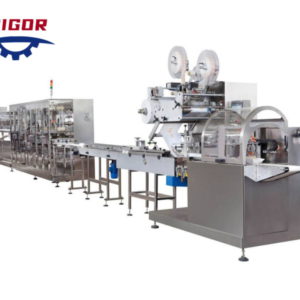
An auto-splicer performs this changeover in a matter of seconds, without stopping the line. The initial cost of adding this feature to your baby wet wipes machine is often recouped in less than a year through this dramatic increase in uptime and output. For any business serious about mass-market production, an auto-splicer is not a luxury; it is a fundamental component of an efficient operation. A modern high-speed wet tissue production line that integrates this feature is designed precisely to minimize downtime and maximize output, a testament to its importance in competitive manufacturing environments.
Data and Diagnostics: Leveraging IoT for Predictive Maintenance
The next frontier in automation is the integration of the Internet of Things (IoT) and data analytics. A "smart" baby wet wipes machine is equipped with numerous sensors that do more than just control the process; they collect data. They monitor the temperature of motors, the vibration levels of bearings, the pressure in pneumatic lines, and the power consumption of the entire system.
This data can be transmitted to a central server or a cloud platform. By applying analytical algorithms, it becomes possible to move from reactive maintenance (fixing things when they break) to predictive maintenance. For example, the system might detect a gradual increase in the vibration signature of a specific motor, indicating that a bearing is beginning to wear out. It can then automatically alert the maintenance team and even order the required spare part, scheduling a replacement during a planned downtime before a catastrophic failure occurs.
For a manufacturer in a remote location or in a country like Russia where getting a specialized technician to the site can take time, this capability is transformative. It reduces unexpected downtime, extends the life of the machine, and lowers maintenance costs. When evaluating a new baby wet wipes machine, ask the manufacturer about their capabilities in this area. Do they offer remote diagnostic access? Can the machine be integrated into a factory-wide SCADA (Supervisory Control and Data Acquisition) system? Investing in these data-centric features is a way to future-proof your operation against the increasing complexities of modern manufacturing.
Designing for Scalability: Can Your Machine Grow with Your Business?
Your initial production target might be 50 million wipes per year. But what if, in three years, a new contract requires you to produce 100 million? Will your machine be able to handle this increase in demand? Scalability can be designed into a machine in several ways.
One aspect is the machine's frame and core drive system. Is it robust enough to be run at higher speeds in the future, perhaps with a software upgrade or a change in some components? For example, a machine might be sold with a configuration that produces 80 packs per minute, but its fundamental design allows it to be upgraded to 100 packs per minute by adding a more powerful servo motor to the packaging section.
Another aspect is modularity. Can other functions be added later? Perhaps you start without an automatic case packer to save on initial capital. A well-designed line will have a designated space and the necessary electrical and data interfaces to easily add a robotic case packer in the future. The layout of your factory floor should also anticipate this future growth.
When you discuss your needs with a manufacturer, talk not just about your immediate requirements, but also about your five-year business plan. A forward-thinking manufacturer will help you specify a baby wet wipes machine that not only meets your current budget and production goals but also provides a clear and cost-effective path for future expansion. This strategic foresight prevents you from being "locked in" by a machine that cannot grow with your success.
Step 5: Evaluating Manufacturer Reliability and After-Sales Support
The purchase of a baby wet wipes machine is not a simple transaction; it is the beginning of a long-term relationship with the manufacturer. The machine itself is only one part of the equation. The other, equally important part, is the ecosystem of support, expertise, and service that surrounds it. A state-of-the-art machine from an unreliable manufacturer with poor after-sales support can quickly become a liability, causing production halts that are far more costly than any initial savings on the purchase price. This is particularly true for businesses located in South Africa, Southeast Asia, or other regions that may be geographically distant from the machine's country of origin. This step is an exercise in due diligence, a thorough investigation into the character and capabilities of your potential partner.
Beyond the Brochure: Vetting Manufacturer Credentials and Experience
Every manufacturer's website and brochure will present a picture of cutting-edge technology and happy customers. Your task is to look behind this marketing facade and verify their claims.
First, consider their history and specialization. How long have they been in business? More specifically, how long have they been manufacturing wet wipe machines? A company with decades of experience in hygiene machinery, like those detailed by industry sources (Diapermachines.com, 2023), will have encountered and solved a vast range of technical challenges. They will have a deeper understanding of how different non-woven materials behave, the nuances of liquid formulation, and the long-term wear patterns of mechanical components. A newer company or one that produces a wide variety of unrelated machinery may not possess this specialized, hard-won knowledge.
Second, investigate their manufacturing facilities. A reputable manufacturer will be proud to show you their factory, either through a virtual tour or an in-person visit. Look for signs of a professional operation: a clean and organized workshop, modern CNC machining centers, a dedicated assembly area, and a quality control department. Do they manufacture the key components in-house, or do they simply assemble parts sourced from various unknown suppliers? In-house manufacturing of critical parts often leads to better quality control and a deeper understanding of the machine's mechanics.
Third, inquire about their research and development (R&D) efforts. Does the company have a dedicated engineering team that is actively working on improving their designs? Do they hold patents related to wet wipe production technology? A company that invests in R&D is a company that is committed to the future of the industry and is more likely to provide you with a machine that is modern and efficient.
The Lifeline of Your Operation: The Importance of After-Sales Support
Imagine your baby wet wipes machine goes down on a Friday afternoon due to a complex PLC error. You are in the middle of a critical production run for a major client. What happens next? The quality of the manufacturer's after-sales support determines whether this is a minor inconvenience or a major crisis.
A strong support system begins with comprehensive training. The manufacturer should provide in-depth training for your operators and maintenance staff, both at their facility before shipment and at your factory during installation. This training should cover not just basic operation, but also routine maintenance, troubleshooting common faults, and understanding the HMI's diagnostic features.
The support contract itself needs careful examination. What are the guaranteed response times for technical queries? Do they offer 24/7 support, and in what languages? Critically, do they have the capability for remote diagnostics? A modern baby wet wipes machine should be able to connect to the internet, allowing a manufacturer's engineer to log in remotely, view the machine's status, diagnose software or electrical problems, and guide your local team through the solution. This can resolve many issues in a matter of hours, rather than days or weeks waiting for a technician to travel.
Navigating Regional Support: Spare Parts and Technicians in Your Market
For a business in the Middle East or Russia, the question of local support is paramount. A spare part sitting in a warehouse in China is of little use when your production line is stopped in Dubai.
You must ask pointed questions about the manufacturer's presence in or near your region. Do they have a local or regional office? Do they partner with a local agent who stocks a supply of critical spare parts? Critical parts include items that are subject to wear or have a finite lifespan, such as sealing jaw blades, cutting knives, belts, and certain sensors. Having these parts available within your country or a neighboring one can reduce downtime from days to hours.
The same logic applies to technical personnel. Does the manufacturer have their own field service engineers based in your region, or do they have a partnership with a local technical service company whose staff has been trained on their machines? The ability to have a qualified technician on-site within 24 or 48 hours is a significant advantage. It is wise to speak directly with the supposed local agent or service partner to confirm the nature of their relationship with the manufacturer and their actual capabilities.
Requesting Demonstrations and Reference Visits
The ultimate proof of a machine's capability and a manufacturer's reliability comes from seeing it in action and speaking with those who already own one.
Always request a machine demonstration. Ideally, this should involve running your own raw materials—your specific non-woven fabric, your packaging film, and your wetting liquid. This is the only way to be certain that the machine can handle your unique production requirements at the promised speed and quality. Pay close attention during the demonstration. How smoothly does the machine run? How does the operator interact with it? Ask for a demonstration of a changeover, for example, from an 80-count pack to a 20-count pack, to gauge the machine's flexibility.
Most importantly, ask the manufacturer for a list of reference customers, preferably ones in your region or a similar market. A reputable manufacturer will be happy to provide this. Take the time to contact these references. Prepare a list of questions to ask them:
- How has the machine's performance been in terms of reliability and uptime?
- How would you rate the quality and responsiveness of the manufacturer's after-sales support?
- Were there any unexpected challenges during installation or operation?
- How accurate were the manufacturer's claims regarding production speed and efficiency?
- Would you buy another machine from this manufacturer?
The candid feedback from an existing customer is perhaps the most valuable piece of information you can gather in your entire evaluation process. It provides a real-world perspective that cuts through all the marketing and technical specifications.
Step 6: A Rigorous Financial Assessment – ROI and Total Cost of Ownership (TCO)
The acquisition of a baby wet wipes machine is one of the most significant financial commitments a hygiene products company can make. A superficial analysis that focuses only on the initial purchase price is a recipe for long-term financial distress. A truly judicious evaluation must adopt the perspective of a CFO, scrutinizing not just the upfront cost, but the entire economic lifecycle of the investment. This requires a disciplined examination of the Return on Investment (ROI) and, even more profoundly, the Total Cost of Ownership (TCO). This step moves from the mechanical to the mathematical, translating machine specifications and production outputs into the language of profit, loss, and long-term value.
Calculating the Return on Investment (ROI) for a Baby Wet Wipes Machine
ROI is the fundamental metric that answers the question: "When will this investment pay for itself and start generating profit?" A clear and conservative ROI calculation is essential for securing financing and for your own strategic planning. The basic formula is:
ROI (%) = (Net Profit / Cost of Investment) * 100
To apply this to a baby wet wipes machine, you must first project your net profit. This involves several steps:
- Calculate Total Production: Based on your analysis in Step 1, determine your realistic annual production volume (e.g., 50 million packs of 80 wipes).
- Determine Revenue: Multiply your production volume by the projected selling price per pack in your target market (e.g., South Africa, Brazil). This gives you your total annual revenue.
- Calculate Cost of Goods Sold (COGS): This is the most complex part. You need to sum up all the variable costs associated with producing each pack. This includes the cost of the non-woven fabric, the liquid solution, the packaging film, the resealable lid, and a portion of the energy consumed.
- Calculate Gross Profit: Subtract your total COGS from your total revenue.
- Subtract Operating Expenses: From your gross profit, you must then subtract the fixed operating expenses related to the machine. This includes the salaries of the operators and maintenance staff, scheduled maintenance costs, and other factory overheads.
- Arrive at Net Profit: The resulting figure is your projected annual net profit from the operation of this machine.
The "Cost of Investment" is the total landed cost of the machine, which includes the purchase price, shipping, insurance, import duties, installation costs, and initial training fees. By dividing your annual net profit by this total investment cost, you can determine how many years it will take to recoup your investment. A compelling ROI is a prerequisite for any sound capital expenditure.
Beyond the Sticker Price: Understanding the Total Cost of Ownership (TCO)
TCO is a more sophisticated and revealing concept than ROI. It recognizes that the initial purchase price is often just the tip of the iceberg. The TCO encompasses every single cost associated with owning and operating the baby wet wipes machine over its entire useful life, which might be 10, 15, or even 20 years.
A cheaper machine might have a more attractive initial price, but what if it consumes significantly more electricity? What if it requires more frequent maintenance and uses more expensive spare parts? What if its lower efficiency leads to higher material waste? Over a decade, these hidden costs can easily make the "cheaper" machine the more expensive option.
When calculating TCO, you must consider:
- Initial Acquisition Cost: The full landed cost as described above.
- Operating Costs: This includes energy consumption (ask for the machine's power rating in kW), consumption of compressed air, and the cost of any other utilities. It also includes the labor costs to operate the machine. A more automated machine may have a higher acquisition cost but lower long-term labor costs.
- Maintenance and Repair Costs: Project the annual cost of spare parts (both scheduled wear parts and potential breakdown parts), lubricants, and the labor for your maintenance team or external service contracts. A manufacturer should be able to provide a list of recommended spare parts and their prices.
- Downtime Costs: This is a crucial, often overlooked cost. Every hour the machine is not running is an hour of lost revenue and profit. A more reliable, well-supported machine will have a lower TCO due to reduced downtime costs.
- Decommissioning Costs: At the end of its life, there may be costs associated with removing and disposing of the old machine.
Comparing the projected TCO of two different machines provides a much more accurate picture of their true financial impact on your business.
Factoring in Labor, Energy, and Maintenance Costs
Let us delve deeper into these operational costs, as they vary significantly across the target markets.
Труд: In some parts of Southeast Asia, labor costs may be relatively low, which might make a semi-automatic machine seem viable. However, one must also consider the cost of training, the potential for human error leading to material waste, and the challenge of finding and retaining skilled operators. In regions like Russia or South Africa, where skilled labor can be more expensive, the argument for a fully automatic baby wet wipes machine with lower labor requirements becomes much stronger.
Энергия: Energy costs are a significant and rising component of manufacturing expenses globally. You must ask the manufacturer for the total power consumption of the machine in kilowatts (kW). Then, using your local industrial electricity tariff (e.g., cost per kilowatt-hour in your city), you can calculate the annual energy cost. A machine designed with energy-efficient motors and intelligent power management systems can save you tens of thousands of dollars over its lifespan.
Maintenance: A reliable manufacturer will provide a detailed preventive maintenance schedule. This schedule will specify daily, weekly, and monthly checks and tasks (e.g., "lubricate main drive chain weekly," "inspect cutting blades daily"). This allows you to budget for the necessary maintenance labor and consumables. Furthermore, inquire about the cost and lead time for a standard set of wear parts. A manufacturer who is transparent about these long-term costs is one you can trust.
Securing Financing and Understanding Payment Terms
Unless you are funding the purchase entirely from cash reserves, you will likely need to secure financing from a bank or a lending institution. A detailed business plan, complete with the market analysis, production projections, and rigorous ROI and TCO calculations you have just performed, will be your most powerful tool in these negotiations. Lenders want to see that you have done your homework and that the investment is based on sound financial reasoning.
Finally, carefully review the manufacturer's proposed payment terms. A standard arrangement is often a percentage down payment upon signing the contract (e.g., 30%), another payment when the machine is manufactured and ready for inspection (e.g., 60%), and a final payment after successful installation and commissioning at your factory (e.g., 10%). This structure provides some protection for both buyer and seller. Be wary of any manufacturer demanding a very high percentage of the payment upfront before any manufacturing has begun. The payment terms are a point of negotiation and reflect the level of trust and confidence in the transaction.
Step 7: Ensuring Compliance with Regional and International Standards
In the final stage of your evaluation, the focus broadens from the machine's technical and financial merits to its place within the global regulatory landscape. Baby products, more than almost any other consumer good, are subject to intense scrutiny regarding safety, hygiene, and quality. A baby wet wipes machine is the engine that creates these products, and as such, it must be built and operated in a manner that complies with a web of local, national, and international standards. A failure to address compliance can result in your products being barred from the market, hefty fines, or, in the worst case, harm to consumers and irreparable damage to your brand. This final step is about safeguarding your business and your customers by ensuring your production methods meet the highest standards of quality and safety.
Navigating Quality Certifications: CE, ISO, and GMP
When you review a manufacturer's specifications, you will often see a series of acronyms related to certification. Understanding what they mean is essential.
CE Marking: The CE mark is a mandatory conformity marking for products sold within the European Economic Area (EEA). While your market may be outside Europe, the CE mark is a strong indicator of quality and safety. For a manufacturer to affix a CE mark to their baby wet wipes machine, they must declare that it complies with all relevant EU directives, which cover aspects like electrical safety (Low Voltage Directive) and machinery safety (Machinery Directive). The Machinery Directive, for example, mandates features like emergency stops, safety guards on moving parts, and risk assessments. A CE-certified machine has been designed with a high level of operator safety in mind, which is a valuable attribute regardless of where the machine is operated.
ISO 9001: This is not a product certification but a certification of the manufacturer's quality management system. An ISO 9001-certified company has demonstrated that it has robust, documented processes for everything from design and development to production and customer service. It suggests a commitment to consistency, continuous improvement, and customer satisfaction. When a manufacturer is ISO 9001 certified, you have greater confidence that the baby wet wipes machine you receive will be built to the same standard as the one you saw in the demonstration.
Good Manufacturing Practices (GMP): GMP guidelines provide a framework for ensuring that products are consistently produced and controlled according to quality standards. While often associated with pharmaceuticals, GMP principles are highly relevant to the production of baby wipes. A machine designed with GMP in mind will have features that facilitate cleanliness and prevent contamination. For example, it will be constructed from materials like stainless steel that are easy to clean and sanitize. It will be designed to minimize crevices and flat surfaces where dust and microbes can accumulate. It might even be designed for placement in a cleanroom environment. Operating in a GMP-compliant manner is becoming a competitive necessity in the hygiene industry.
Product Safety Standards for Baby Care Items
Beyond the machine's own certifications, you must be aware of the specific regulations governing the final product—the baby wipes—in your target market. These regulations can vary significantly from country to country.
For example, many regions have strict rules about the types and concentrations of preservatives that can be used in cosmetic and baby care products. Your liquid formulation must comply with these rules. Similarly, there are often standards for microbiological contamination. Your production process, from the purified water system to the packaging, must be designed to produce a product that is free from harmful bacteria and molds.
While the baby wet wipes machine manufacturer is not responsible for your liquid formulation, their expertise can be valuable. A knowledgeable manufacturer can advise you on how to design a production line that facilitates hygienic operation. This might include features like enclosed wetting systems, ultraviolet (UV) sterilization lamps for the packaging film, and easy-to-disassemble components for thorough cleaning.
Environmental Regulations and Sustainable Manufacturing Practices
In the 21st century, environmental stewardship is no longer a niche concern; it is a core business expectation. Manufacturers are increasingly being held accountable for the environmental impact of their operations.
This has several implications for your choice of a baby wet wipes machine. First, consider energy efficiency. As discussed in the TCO analysis, a machine that consumes less power is not only cheaper to run but also has a smaller carbon footprint. Second, consider material waste. A well-designed machine with precise cutting and handling will minimize the amount of non-woven fabric and packaging film that is wasted during production. Some advanced machines even have systems to collect and recycle trim waste.
Furthermore, there is a growing global movement to reduce plastic waste. This is leading to innovation in biodegradable packaging films and non-woven fabrics. When selecting a machine, it is wise to ask the manufacturer about its capability to handle these next-generation, sustainable materials. A machine that is versatile enough to run both traditional and eco-friendly materials will be better positioned to adapt to future market trends and regulations.
Import/Export Regulations for Your Target Country
Finally, the practical matter of getting the machine from the manufacturer's factory to your own involves navigating a complex set of import and export regulations. The manufacturer should have experience exporting to your region and should be able to provide the necessary documentation, such as the Certificate of Origin, a detailed packing list, and technical drawings that may be required by your country's customs authority.
You, as the importer, will be responsible for understanding and complying with your country's import duties, taxes (like VAT), and any specific inspection or certification requirements. It is highly advisable to work with an experienced local customs broker who can guide you through this process. Any errors or omissions in the paperwork can lead to lengthy and costly delays at the port. A smooth and predictable importation process is the final, critical link in the chain that brings your new baby wet wipes machine home to your factory.
Часто задаваемые вопросы (FAQ)
What is the typical lead time for a new baby wet wipes machine? Lead times can vary significantly based on the manufacturer's order backlog and the complexity of the machine. A standard, fully automatic machine might have a lead time of 90 to 120 days from contract signing to shipment. A more customized or highly integrated line could take 6 months or longer.
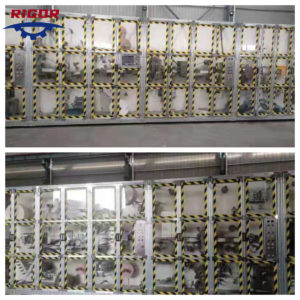
How much space do I need to install a baby wet wipes machine? A complete production line is quite large. A typical high-speed line, including the unwinding stands for raw materials, the main machine, and space for finished product conveyance, can require a footprint of approximately 20-25 meters in length and 4-5 meters in width. You also need to account for space around the machine for operator access, maintenance, and storage of raw materials.
Can one machine produce different sizes of wet wipes? Yes, most modern machines are designed for flexibility. The cutting length of the wipe and the folding pattern can typically be adjusted through the HMI. Changing the width of the wipe, however, usually requires a more significant mechanical changeover. The number of wipes per pack is also easily adjustable within the machine's specified range.
What kind of maintenance does a baby wet wipes machine require? Maintenance includes daily, weekly, and monthly tasks. Daily tasks often involve cleaning the machine and inspecting key wear parts like cutting blades. Weekly tasks might include lubrication of chains and gears. Monthly and annual maintenance involves more detailed inspections of motors, electrical systems, and pneumatic components. The manufacturer will provide a detailed preventive maintenance schedule.
How many operators are needed to run a fully automatic line? For a typical fully automatic line, one or two skilled operators per shift are usually sufficient. One operator can manage the main machine's operation via the HMI and oversee the converting process, while another can be responsible for loading parent rolls of non-woven fabric and packaging film, as well as managing the finished product output.
What is the difference between a cross-fold and a Z-fold? A Z-fold is a simple fold where each wipe is folded into a 'Z' shape and laid on top of the next. A cross-fold (or C-fold) involves an additional fold along the length of the wipe before it is Z-folded. This creates a smaller, more compact wipe. The pop-up feature, where pulling one wipe pulls up the next, is created by how the tail of one wipe is interleaved with the fold of the next one during the stacking process.
Can I use my own local suppliers for raw materials? It is highly recommended to do so to reduce costs and lead times. However, you must provide samples of your locally sourced non-woven fabric and packaging film to the machine manufacturer for testing. They will need to confirm the materials can run efficiently on their machine and may need to make adjustments to the machine's settings to optimize performance.
What is the typical lifespan of a baby wet wipes machine? With proper maintenance and periodic overhauls, a high-quality baby wet wipes machine from a reputable manufacturer can have a productive lifespan of 15 to 20 years or even longer. The key is consistent adherence to the recommended maintenance schedule and the use of genuine spare parts.
A Concluding Reflection on Strategic Acquisition
The process of selecting and acquiring a baby wet wipes machine, as we have explored, is far more than a simple procurement exercise. It is a strategic endeavor that touches upon market analysis, mechanical engineering, financial planning, and international logistics. It demands a posture of intellectual curiosity and rigorous diligence from the prospective buyer. The machine you ultimately choose will become the heart of your production facility, its rhythmic operation dictating the pulse of your business. A decision made with foresight, based on a deep understanding of both the technology and your unique market context, will yield a robust and profitable operation for many years. Conversely, a choice made hastily or with an incomplete picture can lead to persistent operational headaches and financial strain. The path laid out here—from analyzing market needs to verifying compliance—is a framework for rational decision-making, designed to empower you to invest not just in a piece of equipment, but in a cornerstone for your company's enduring success.
Ссылки
cnwelldone.com. (2024, December 30). Cutting-edge wet wipes and diaper production machines for your business. WELLDONE.
diapermachines.com. (2023, November 13). A comprehensive guide – Wet wipes machine. RIGOR. https://www.diapermachines.com/2023/11/13/a-comprehensive-guide-wet-wipes-machine/
diapermachines.com. (n.d.). Diaper machine, wet wipes machine manufacturers-RIGOR. Retrieved June 10, 2025, from
mayjoypapermachinery.com. (n.d.). 30-120PCS baby wet wipes making machine wet tissue manufacturing machine. Mayjoy Papermachinery. Retrieved June 10, 2025, from https://www.mayjoypapermachinery.com/showroom/30-120pcs-baby-wet-wipes-making-machine-wet-tissue-manufacturing-machine.html
ygpapermachinery.com. (2023, September 2). Wet wipes machine | 1-120pcs baby wet tissue machine price. YG Paper Machinery. https://www.ygpapermachinery.com/wet-wipes-machine/
yundufillingmachine.com. (2025, March 26). The ultimate guide to wet wipes making machines: Revolutionizing efficiency and quality in modern production. Yundu Filling Machine. https://yundufillingmachine.com/guide-to-wet-wipes-making-machines