India's diaper industry is on a rapid growth trajectory, fueled by rising disposable incomes, increasing hygiene awareness, and a massive young population. For entrepreneurs in South America, Russia, Southeast Asia, the Middle East, and South Africa, setting up a diaper manufacturing unit in India presents a strategic opportunity to tap into one of the world's most promising markets. However, navigating the setup process requires careful planning, from market analysis to machine procurement and regulatory compliance. This comprehensive guide walks you through every critical step, shares practical insights from real-world projects, and highlights the latest trends shaping the industry in 2026.
How to Set Up a Diaper Factory in India: Step-by-Step Process?
Establishing a diaper factory in India demands a methodical approach. Below are the five essential steps that will lay the foundation for a successful manufacturing venture.
Step 1: Conducting a Market Feasibility Study for the Indian Diaper Sector
Before investing a single rupee, you must understand the market landscape. India's baby diaper penetration rate has climbed from under 10% a decade ago to over 30% in urban areas, but rural regions remain largely untapped. This gap signals immense potential. Your feasibility study should analyze demographic trends, target consumer segments, and regional demand variations. For instance, states like Uttar Pradesh and Bihar have high birth rates but lower diaper adoption, offering a greenfield opportunity if you price products competitively.
I always advise clients to conduct primary research—visit retail stores, interview distributors, and survey parents. In one project for a Middle Eastern investor, we discovered that the preferred diaper thickness and absorbency level in South India differed significantly from North India. That insight directly influenced the machine configuration and raw material sourcing, saving the client from a costly product-market mismatch. Use government census data, industry reports, and trade association statistics to validate your findings.
Additionally, assess the competitive landscape. Major players like Pampers, Huggies, and local brands such as MamyPoko dominate, but there is growing shelf space for private labels. A detailed SWOT analysis of your proposed venture versus existing competitors will clarify your unique selling proposition.
Step 2: Selecting the Ideal Location and Designing Factory Layout
Location can make or break your operational efficiency. Key factors include proximity to raw material suppliers, target markets, and logistics hubs. Industrial corridors in Gujarat (e.g., Sanand, Vapi), Maharashtra (e.g., Pune, Nashik), and Tamil Nadu (e.g., Coimbatore) are popular choices due to their well-developed infrastructure and port connectivity for export-oriented units. If you plan to serve the domestic market, a central location like Nagpur or Indore can reduce distribution costs.
Your factory layout must comply with Good Manufacturing Practices (GMP) and allow for seamless material flow—from raw material storage to production, quality control, and finished goods warehousing. Allocate at least 20,000-30,000 sq. ft. for a medium-scale unit with one fully automatic diaper production line. Don't forget space for future expansion; I've seen several factories in Southeast Asia outgrow their premises within two years, forcing expensive relocations.
Engage a local architect or industrial consultant familiar with Indian building codes and environmental norms. The layout should also incorporate worker safety zones, proper ventilation, and fire suppression systems—requirements that are strictly enforced during factory inspections.
Step 3: Sourcing Reliable Diaper Making Machines and Raw Materials
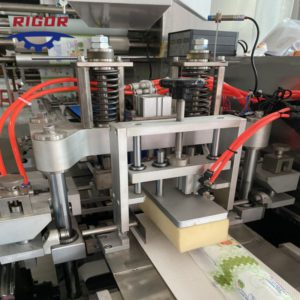
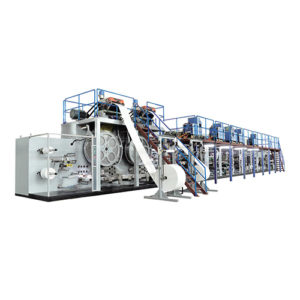
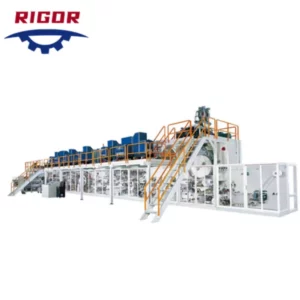
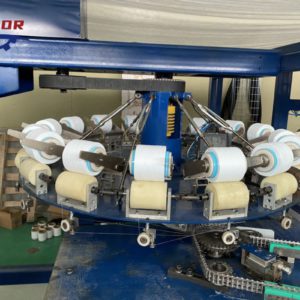
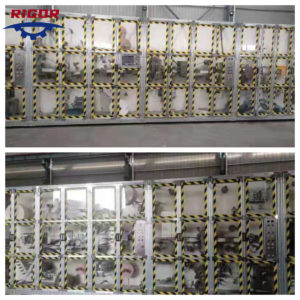
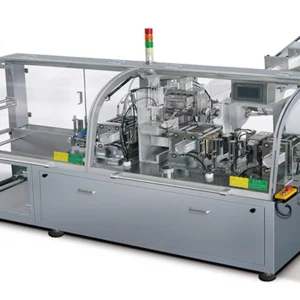
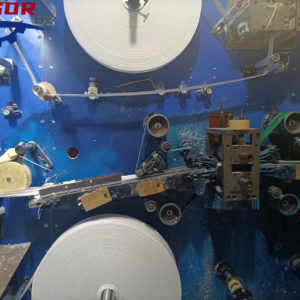
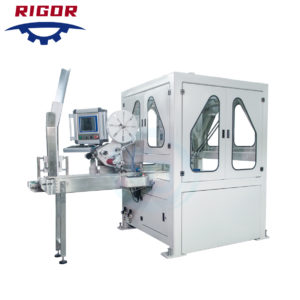
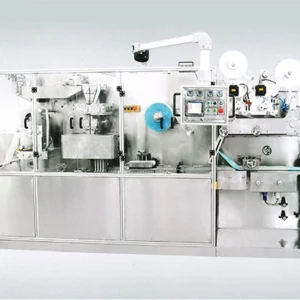
The heart of your factory is the пеленальная машина . Selecting the right equipment determines your product quality, production capacity, and long-term profitability. You can choose between full-automatic lines that handle everything from fluff formation to packaging, or semi-automatic models that require more manual intervention. For the Indian market, where labor costs are relatively low but quality demands are rising, a full-automatic machine with a speed of 300-500 pieces per minute is often the optimal balance of cost and output.
Raw material procurement is equally critical. Fluff pulp, superabsorbent polymer (SAP), non-woven fabrics, and polyethylene film must meet consistent quality standards. Establish relationships with multiple suppliers to avoid disruptions. In my experience working with a South African client, we sourced SAP from a Japanese supplier and fluff pulp from the US, but also qualified a local Indian non-woven manufacturer to reduce lead times and import duties. This dual-sourcing strategy saved nearly 15% on material costs annually.
When evaluating machine suppliers, don't just compare price tags. Request a detailed breakdown of warranty terms, after-sales service, and spare parts availability. Visit their existing installations in India if possible. A reliable diaper machine partner will offer training for your staff and remote troubleshooting support—a critical factor when you are operating far from your home country.
Step 4: Navigating Legal Requirements, Licenses, and Certifications
India's regulatory framework for manufacturing can seem daunting, but breaking it down step-by-step simplifies the process. First, register your business entity—a Private Limited Company is the most common structure for foreign investors. You'll need a Permanent Account Number (PAN), Tax Deduction Account Number (TAN), and Goods and Services Tax (GST) registration. Next, obtain a factory license from the state's Factories Inspectorate under the Factories Act, 1948, if you employ 10 or more workers with power or 20 without.
Environmental clearance is mandatory for diaper production due to the use of chemicals and waste generation. You must secure Consent to Establish (CTE) and Consent to Operate (CTO) from the State Pollution Control Board. Additionally, if you plan to sell in the Indian market, BIS (Bureau of Indian Standards) certification for baby diapers is required under the Quality Control Order. For exports to the Middle East or Africa, CE marking or SASO certification may be needed, depending on the destination.
Don't overlook MSME (Micro, Small and Medium Enterprises) registration if your investment falls within the defined limits. This unlocks government subsidies, lower interest rates on loans, and priority sector lending. In 2026, the Indian government continues to promote 'Make in India' with streamlined single-window clearances for foreign manufacturers. Engage a local chartered accountant and legal advisor to handle documentation efficiently.
Step 5: Recruiting, Training, and Building Your Production Team
Your workforce is the backbone of operations. For a single production line, you'll typically need a plant manager, 4-6 machine operators, 2-3 quality control inspectors, and packaging staff. In India, you can find skilled operators in industrial clusters, but specific training on your diaper machine is essential. Most reputable machine suppliers provide on-site training during installation and commissioning. I always recommend recording these sessions and creating standard operating procedure (SOP) manuals in local languages to minimize errors.
Implement a continuous training program that covers machine maintenance, safety protocols, and hygiene standards. High employee turnover is a reality in many Indian manufacturing hubs; competitive wages, health insurance, and a positive work environment can improve retention. In one factory I helped set up in Pune, we introduced a performance-linked incentive program that boosted productivity by 20% within six months while reducing material waste.
Finally, build a culture of quality from day one. Empower your QC team to halt production if specifications are not met. This upfront investment in human resources will pay dividends as your brand gains a reputation for consistency.
Which Diaper Machines Are Best Suited for an India Factory Setup?
Choosing the right machinery is a strategic decision that impacts every aspect of your business. Below, we compare machine types, highlight top suppliers, and discuss diversification opportunities.
Baby Diaper Machines: Full-Automatic vs. Semi-Automatic Models Compared
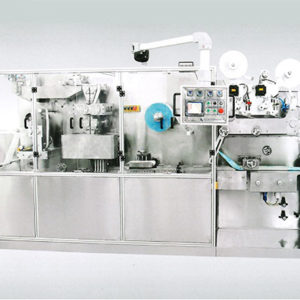
The choice between full-automatic and semi-automatic diaper machines hinges on your production goals, budget, and labor strategy. Full-automatic lines integrate core forming, SAP dosing, elastic application, and packaging into one seamless process, requiring minimal human touch. Semi-automatic models, on the other hand, need manual feeding or separate stacking and packaging units.
For an India-focused factory in 2026, a full-automatic machine is generally recommended if your target output exceeds 150,000 diapers per day. The consistency and speed reduce per-unit costs and meet the hygiene expectations of modern consumers. However, if you are testing the market with a limited budget or producing for price-sensitive rural segments, a semi-automatic setup might suffice initially. Below is a comparison of key features:
| Характеристика | Full-Automatic Diaper Machine | Semi-Automatic Diaper Machine |
|---|---|---|
| Production Speed | 300-600 pcs/min | 100-250 pcs/min |
| Labor Requirement | 4-6 operators per line | 10-15 operators per line |
| Первоначальные инвестиции | $250,000 – $800,000+ | $80,000 – $200,000 |
| Product Quality Consistency | High, with precise control systems | Moderate, depends on operator skill |
| Maintenance Complexity | Requires skilled technicians | Simpler, but more frequent adjustments |
| Best Suited For | Large-scale, export-quality production | Startups, niche markets, budget operations |
In my experience, many investors start with a semi-automatic line to minimize risk, but quickly realize that the hidden costs of labor, waste, and downtime erode margins. A full-automatic diaper machine from a reputable supplier often delivers a faster return on investment despite the higher upfront cost.
Top Diaper Machine Brands and Suppliers for the Indian Market
The Indian market is served by a mix of global giants and reliable Chinese/Taiwanese manufacturers. Brands like Zuiko (Japan) and Fameccanica (Italy) are known for cutting-edge technology but come with premium pricing and longer lead times. Chinese manufacturers, such as those based in Quanzhou or Hangzhou, offer competitive pricing and have significantly improved their quality and after-sales networks in India over the past five years.
When evaluating suppliers, look beyond the brand name. Check their installed base in India, client testimonials, and whether they have a local service team or authorized distributor. A supplier who can provide quick spare parts delivery and remote diagnostics will save you weeks of potential downtime. As a manufacturer ourselves, we have seen many clients burned by ordering from trading companies that disappear after the sale. Always verify the factory's production capabilities and insist on a Factory Acceptance Test (FAT) before shipment.
Sanitary Pad Machines: Diversifying Your Product Portfolio Profitably
Adding a sanitary pad production line can be a smart move for a new diaper factory. The raw materials—non-woven, SAP, PE film—overlap significantly, allowing you to negotiate better bulk pricing. The Indian sanitary napkin market is expanding at a CAGR of over 15%, driven by government initiatives and NGO programs promoting menstrual hygiene. A mid-speed sanitary pad machine producing 200-300 pads per minute can be installed alongside your diaper line, sharing utilities and quality control resources.
Many of our clients from Africa and the Middle East have successfully used this dual-production model to supply both baby and feminine hygiene products to institutional buyers like hospitals and relief agencies. It spreads risk and increases factory utilization, especially during seasonal diaper demand fluctuations.
Key Technical Features to Evaluate in a Diaper Production Line
When comparing specific machine models, focus on these technical aspects: servo-driven control systems for precise registration and reduced waste; automatic splicing units for non-stop material changeovers; integrated quality inspection systems (vision cameras, metal detectors); and user-friendly HMI touchscreens with data logging. Energy efficiency is also critical in India, where power costs can be high. Look for machines with regenerative drives and optimized heating systems.
Another often-overlooked feature is the machine's flexibility to produce multiple diaper sizes (e.g., S, M, L, XL) with quick changeover times. In a diverse market like India, being able to switch between sizes within 30 minutes gives you a significant advantage in meeting retailer demands just-in-time.
What Are the Most Common Mistakes in Diaper Factory Setup India and How to Avoid Them?
Learning from others' missteps can save you time, money, and frustration. Here are four pitfalls I've observed repeatedly across projects in emerging markets.
Pitfall 1: Underestimating Total Investment and Realistic ROI Timelines
New investors often fixate on the machinery cost and neglect other capital expenditures. Land acquisition or long-term lease, factory construction or renovation, power backup generators, water treatment plants, and initial raw material inventory can easily double your budget. Moreover, working capital to cover at least 3-6 months of operating expenses is essential until receivables start flowing.
In one case, a client from Southeast Asia allocated $500,000 for a turnkey project but ended up spending nearly $900,000 after factoring in unforeseen regulatory fees, logistics delays, and commissioning snags. The lesson: build a 20-30% contingency buffer into your financial plan. Realistically, a well-managed diaper factory in India can break even in 2.5 to 3.5 years, not the 12-18 months some consultants promise.
Pitfall 2: Choosing Inappropriate Technology or Machine Capacity
Buying a machine that is too slow limits your growth; buying one that is too fast for your market demand leads to underutilization and cash flow strain. I've seen a factory in South Africa install a 600 ppm line when their sales network could only absorb 200 ppm. The result: the machine ran at half capacity, but the fixed costs (depreciation, maintenance) remained high, eroding profits.
Conduct a realistic sales forecast for the first two years and select a machine that matches 70-80% of that capacity, leaving room for growth. You can always add a second line later. Also, avoid overly complex machines with features you don't need. For the Indian market, a standard baby diaper machine with basic elastic ear and frontal tape application is sufficient for most segments; fancy features like wetness indicators can be added later if premium branding demands it.
Pitfall 3: Overlooking After-Sales Support and Spare Parts Availability
This is the single most painful mistake I've witnessed. A factory in the Middle East purchased a cost-competitive пеленальная машина from an obscure supplier. When a critical servo motor failed after eight months, the supplier took three weeks to respond and another two months to ship the replacement part. The production halt cost the client over $150,000 in lost orders and penalties.
To avoid this, prioritize suppliers with a proven track record of responsive after-sales service. Ask for a list of spare parts recommended for the first year of operation and ensure they are included in the initial purchase or readily available locally. A good supplier will offer remote video support and have an engineer on standby for urgent visits. In India, where import clearance can be slow, having a local spare parts inventory or a supplier with a warehouse in Mumbai or Chennai is invaluable.
Pitfall 4: Ignoring Local Consumer Preferences and Emerging Market Trends
India is not a monolithic market. Consumers in humid coastal regions prefer thinner, more breathable diapers, while those in drier inland areas may prioritize absorbency. Urban parents increasingly look for organic or chemical-free options, while rural buyers focus on affordability. Launching a one-size-fits-all product is a recipe for failure.
Stay attuned to trends like the shift towards biodegradable materials and the growing influence of e-commerce on diaper sales. In 2026, a significant portion of diaper purchases in India happens through platforms like Amazon and Flipkart, where product reviews and ratings can make or break a brand. Tailor your product development and packaging to meet these evolving expectations.
How Much Does a Diaper Factory Setup in India Cost in 2026?
Understanding the financial landscape is crucial for securing funding and planning your project timeline. Below is a detailed breakdown based on current market conditions and forward-looking estimates.
Initial Capital Breakdown: Land, Building, Machinery, and Infrastructure
For a medium-scale factory with one full-automatic baby diaper line (capacity ~150,000 pcs/day), the initial capital outlay typically ranges from $700,000 to $1.5 million. Here's a rough allocation:
- Land and Building: $150,000 – $400,000 (depending on location and whether you buy or lease). Industrial plots in Gujarat's GIDC estates can be leased for 99 years, reducing upfront cost.
- Diaper Machine and Auxiliary Equipment: $300,000 – $800,000. This includes the main production line, air compressor, chiller, and packaging machinery.
- Infrastructure and Utilities: $50,000 – $100,000 for power setup (transformer, DG set), water treatment, fire safety, and IT systems.
- Pre-operative Expenses: $30,000 – $60,000 for company registration, licenses, certifications, and consultant fees.
- Initial Raw Material Inventory: $100,000 – $200,000 to cover the first 2-3 months of production.
These figures can vary significantly based on the machine's origin and automation level. A semi-automatic line would reduce machinery cost to $80,000-$200,000, but increase labor and infrastructure needs slightly.
Recurring Operational Costs: Raw Materials, Labor, Utilities, and Logistics
Once operational, your monthly expenses will be dominated by raw materials, which account for 55-65% of the cost of goods sold. For a standard baby diaper, the material cost per piece is approximately $0.04-$0.06, depending on fluff pulp and SAP prices. Labor for a 20-25 person team will run $5,000-$10,000 per month, including salaries, benefits, and training. Utilities (electricity, water) can add $3,000-$6,000 monthly, especially if you run 24/7 shifts. Logistics and distribution costs vary widely by region but budget 5-8% of revenue.
Calculating ROI and Break-Even Point for an Indian Diaper Manufacturing Unit
Assuming a factory produces 150,000 diapers per day, operating 300 days a year, with an average selling price of $0.10 per piece (wholesale), annual revenue can reach $4.5 million. With a gross margin of 25-30% and fixed operating costs of around $600,000 per year, net profit before tax could be $400,000-$600,000. This yields a payback period of 2.5-3 years on a $1.2 million investment. These are illustrative figures; your actual results will depend on capacity utilization, pricing strategy, and cost control.
Financing Options and Government Incentives for Manufacturing in India
Foreign investors can access a range of financing options. Indian banks offer External Commercial Borrowings (ECBs) and working capital loans to companies with foreign ownership. The government's Production Linked Incentive (PLI) scheme, though initially focused on textiles and electronics, has been expanded to include hygiene products in some states. Additionally, the 'Make in India' initiative provides tax holidays, capital subsidies, and streamlined land acquisition for priority sectors.
MSME registration can get you a 15-20% subsidy on capital equipment and lower interest rates on term loans. Some states, like Gujarat and Tamil Nadu, offer additional incentives such as stamp duty exemption and power tariff concessions. Engage with Invest India or a local industrial promotion agency to navigate these benefits.
What Are the Emerging Trends Shaping the Indian Diaper Industry in 2026?
The Indian diaper market is evolving rapidly. Staying ahead of these trends will position your factory for long-term success.
The Shift Towards Biodegradable and Sustainable Diaper Materials
Environmental concerns are driving demand for eco-friendly diapers. Startups and established brands are experimenting with bamboo fiber topsheets, plant-based SAP, and compostable backsheets. While these materials currently cost 20-30% more, consumer willingness to pay a premium is growing, especially in Tier-1 cities. In 2026, we expect at least 10% of the urban diaper market to be "green" products. Investing in a diaper machine that can handle these alternative materials without major modifications is a forward-thinking move.
Growth of Private Label Diaper Brands and Local Manufacturing
Major retail chains like Reliance Retail, DMart, and online platforms are launching their own diaper brands, sourced from local contract manufacturers. This creates a massive opportunity for new factories to secure high-volume, stable orders. However, private label contracts demand strict quality adherence and competitive pricing. Building a factory that can produce consistent quality at scale is the key to winning these deals.
Automation and Industry 4.0 Adoption in Diaper Production
Smart factories are no longer a distant dream. In 2026, leading Indian diaper manufacturers are integrating IoT sensors, predictive maintenance algorithms, and real-time production dashboards. These technologies reduce downtime, optimize raw material usage, and provide traceability. When selecting your пеленальная машина , inquire about its readiness for Industry 4.0—does it support OPC-UA protocols, can it export data to your ERP system? Even if you don't implement full automation immediately, having the infrastructure in place will future-proof your investment.
The Rising Demand for Adult Incontinence Products in India
India's elderly population (60+ years) is expected to reach 200 million by 2030. Adult diaper demand is surging, not just from hospitals but also from home care settings. The adult incontinence market in India is projected to grow at 18-20% CAGR over the next five years. A forward-looking factory setup should consider adding an adult diaper production line or at least designing the layout to accommodate one in the future. The machinery for adult diapers shares many similarities with baby diapers, making the transition relatively smooth.
What Tools and Resources Can Help You Plan a Diaper Factory Setup India?
Equipping yourself with the right tools and connections can streamline the entire process. Here are some resources I recommend to clients.
Business Plan Templates and Financial Modeling Tools for Manufacturers
A robust business plan is your roadmap and your pitch deck for investors. Templates specifically designed for hygiene product manufacturing can be found on platforms like Bplans or SCORE. For financial modeling, tools like Excel-based projection templates (available from industry consultants) or cloud-based software like LivePlan allow you to simulate different scenarios—varying raw material costs, capacity utilization, and pricing—to stress-test your assumptions before committing capital.
Must-Attend Industry Events and Trade Shows in India for Diaper Professionals
Attending trade shows gives you hands-on access to machinery, suppliers, and market intelligence. Key events in India include India Hygienix (organized by INDA and BCH), which focuses on absorbent hygiene products; PlastIndia, where many raw material suppliers exhibit; and the India International Baby Products Expo. These events are excellent for networking with other manufacturers and finding reliable diaper machine suppliers. In 2026, many shows offer hybrid formats, so you can attend virtually if travel is restricted.
Recommended Consultants and Agencies for Seamless Factory Setup
Navigating India's regulatory and industrial landscape is easier with local expertise. Consider hiring a project management consultant who specializes in manufacturing setup. Firms like KPMG India, PwC, or boutique industrial advisors can handle site selection, licensing, and incentive applications. For legal and accounting matters, a local CA firm with experience in foreign direct investment (FDI) is indispensable. Many machine suppliers also offer turnkey project consulting, which can simplify coordination.
Online Platforms and B2B Networks for Sourcing Diaper Machinery and Materials
Digital platforms have transformed sourcing. Websites like IndiaMART, TradeIndia, and Alibaba connect you with hundreds of machine manufacturers and raw material vendors. However, due diligence is critical—always verify supplier credentials, visit factories virtually, and use secure payment methods. For global buyers, working with a sourcing agent who understands the diaper machine industry can mitigate risks. Additionally, joining LinkedIn groups and industry forums like the Diaper Industry Group provides peer advice and supplier recommendations.
Setting up a diaper factory in India in 2026 is a challenging yet highly rewarding venture. By following the step-by-step process outlined above, avoiding common pitfalls, and leveraging the latest market trends, you can build a profitable manufacturing business that serves both domestic and international markets. Whether you are ready to take the next step or still evaluating your options, our team of experts is here to help. From selecting the ideal пеленальная машина to planning your entire production line, we provide end-to-end guidance tailored to your specific needs. Contact us today to schedule a consultation and receive a customized project proposal.
Authoritative References and Further Reading
- Invest India – National Investment Promotion & Facilitation Agency
- Ministry of Micro, Small and Medium Enterprises, Government of India
- Make in India Initiative – Official Portal
- Bureau of Indian Standards – Certification for Diapers
- India Brand Equity Foundation – Market Reports
- Economic Times – Indian Diaper Market Growth Report