Özet
This guide provides a comprehensive framework for entrepreneurs aiming to establish a profitable sanitary napkin manufacturing business in emerging markets such as South America, Russia, Southeast Asia, the Middle East, and South Africa. The analysis delineates a seven-step process, beginning with in-depth market research and culminating in a robust go-to-market strategy. Central to this endeavor is the judicious selection of a lady sanitary napkin machine, a decision that profoundly influences production efficiency, product quality, and overall operational costs. The document examines the critical facets of business planning, including financial forecasting, sourcing of raw materials, and adherence to regulatory compliance. It explores the technical distinctions between semi-automatic and fully-automatic production lines, offering a comparative analysis to aid in capital investment decisions. By integrating principles of strategic management, operational logistics, and marketing, this text serves as an essential resource for transforming a manufacturing concept into a sustainable and socially impactful enterprise that addresses a fundamental need for feminine hygiene products.
Önemli Çıkarımlar
- Conduct rigorous market research to understand regional demands and cultural nuances.
- Develop a detailed financial plan to accurately forecast costs and profitability.
- Carefully select a lady sanitary napkin machine based on production and budget needs.
- Establish a reliable supply chain for high-quality, consistent raw materials.
- Ensure full compliance with local and international health and safety standards.
- Design an efficient production facility layout to maximize operational workflow.
- Build a strong brand and distribution network to effectively reach your target market.
İçindekiler
- Step 1: Conducting Foundational Market Research and Analysis
- Step 2: Crafting a Robust Business and Financial Plan
- Step 3: Selecting the Ideal Lady Sanitary Napkin Machine
- Step 4: Sourcing Quality Raw Materials and Establishing a Supply Chain
- Step 5: Navigating Legal, Regulatory, and Quality Standards
- Step 6: Setting Up Your Production Facility and Operations
- Step 7: Developing a Go-to-Market Strategy for Sales and Distribution
Step 1: Conducting Foundational Market Research and Analysis
Embarking on the venture of sanitary napkin production requires, before all else, a profound and nuanced understanding of the landscape you wish to enter. It is an exercise not merely in data collection, but in developing an empathetic grasp of the human needs, cultural contexts, and economic realities that will shape your business. A superficial glance will not suffice; one must delve into the very fabric of the target society to build an enterprise that is not only profitable but also resonant and respectful.
Understanding Your Target Demographics in Emerging Markets
The term “emerging market” is a broad stroke that covers a breathtaking diversity of peoples and life circumstances. The needs of a young professional in São Paulo, Brazil, will differ markedly from those of a teenage girl in a rural village in the Philippines or a woman in a conservative community in the Middle East. Your first task is to move beyond generalizations and develop a granular demographic profile.
Consider age as a primary variable. Are you targeting adolescents who may prioritize comfort, discretion, and affordability, or mature women who might value higher absorbency and specific features for overnight use? What about postpartum needs? Each segment represents a distinct market with unique product requirements.
Economic status is another pivotal factor. The purchasing power in urban centers of South Africa is vastly different from that in less developed regions of Southeast Asia. This dictates not only the price point of your product but also the packaging size. Selling single pads may be a viable strategy in lower-income areas, whereas multipacks are the norm in more affluent markets. Think about the “sachet economy” prevalent in many parts of Asia and Africa, where small, affordable units drive consumption. Can this model be applied to feminine hygiene?
Furthermore, one must investigate the existing levels of menstrual health education and awareness. In some regions, menstruation remains a taboo topic, shrouded in silence and misinformation (Thakur et al., 2014). An enterprise operating in such a context has a dual role: to sell a product and to educate the consumer. Your marketing and outreach may need to focus on breaking stigmas and providing basic biological information, a task that requires immense cultural sensitivity.
Analyzing Competitors and Identifying Market Gaps
No business operates in a vacuum. Your venture will enter an arena where other players, both global giants and local incumbents, are already active. A thorough competitive analysis is therefore indispensable. Who are the dominant brands in your chosen region? What are their strengths and weaknesses?
Let’s imagine you are looking at the Russian market. You might find large multinational corporations dominating the supermarket shelves with a wide range of products. Their strength lies in brand recognition and vast distribution networks. Their weakness, perhaps, is a one-size-fits-all product that doesn’t cater to specific local preferences or a price point that is prohibitive for a segment of the population.
This is where your opportunity lies. The market gap might not be an absence of products, but an absence of the right product. Perhaps there is a demand for pads made from organic cotton for environmentally conscious consumers in Johannesburg. Maybe there is a need for ultra-thin yet highly absorbent pads for women in the hot and humid climates of Southeast Asia. Or perhaps the gap is in distribution, where rural areas in South America are underserved by major brands. By identifying these specific, unmet needs, you carve out a defensible niche for your business. Your analysis should be meticulous, mapping out competitors’ pricing, product features, marketing messages, and distribution channels.
Navigating Cultural Sensitivities and Preferences
The sanitary napkin is an intimate product, and its perception is deeply intertwined with cultural and religious norms. A failure to appreciate these subtleties can lead to catastrophic marketing blunders. In many parts of the Middle East, for instance, packaging and advertising must be discreet and modest. Imagery and language that might be perfectly acceptable in a Western context could be deemed inappropriate.
Product design itself is subject to cultural preference. The preference for winged versus non-winged pads can vary significantly from one country to another. The desired thickness, length, and even the type of adhesive used can be points of differentiation. The only way to uncover these preferences is through direct engagement with the target community—focus groups, surveys, and conversations with local women.
Consider the role of non-governmental organizations (NGOs) and community health workers. In many regions, they are trusted sources of information and can be invaluable partners. Collaborating with them can lend your brand credibility and provide a direct channel to your end-users, ensuring that your product and your message are culturally attuned. This approach transforms the business from a mere commercial transaction into a partnership with the community it serves.
Step 2: Crafting a Robust Business and Financial Plan
With a rich understanding of your market, the next intellectual challenge is to translate that knowledge into a coherent and viable business plan. This document is your blueprint, a structured argument that demonstrates how you will navigate the path from initial investment to sustained profitability. It is a tool for internal clarity and a prerequisite for securing external funding.
Defining Your Business Model: B2B vs. B2C
At its core, your business model answers the question: who is your primary customer? You have two fundamental pathways: Business-to-Consumer (B2C) or Business-to-Business (B2B).
In a B2C model, you sell directly to the end-user. This could be through your own branded retail outlets, an e-commerce website, or direct-to-home subscription services. This model offers the highest profit margins per unit and allows you to build a direct relationship with your customers, gathering invaluable feedback and fostering brand loyalty. However, it also demands significant investment in marketing, branding, and creating a distribution infrastructure.
In a B2B model, you sell your products to other businesses. These could be retailers (supermarkets, pharmacies), wholesalers, government agencies (for distribution in schools or public health centers), or NGOs. The B2B path often allows for faster market entry and larger, more stable order volumes. The challenge here lies in negotiating contracts, meeting the stringent quality and logistical requirements of large organizations, and operating on potentially lower per-unit margins.
Many successful ventures employ a hybrid approach, perhaps starting with a B2B model to establish a revenue base and then gradually introducing a B2C channel. The right choice depends on your capital, your risk appetite, and the competitive dynamics of your target market.
Estimating Startup Costs: Beyond the Machine Itself
A common pitfall for aspiring industrialists is to focus singularly on the cost of the primary machinery. The price of the bayan hijyenik ped makinesi is substantial, yet it is only one piece of a much larger financial puzzle. A meticulous estimation of all startup costs is essential for realistic planning.
Let’s break down the major cost categories:
| Cost Category | Açıklama | Estimated Percentage of Total Budget |
|---|---|---|
| Capital Equipment | The primary hijyenik ped makinesi, plus any ancillary equipment (e.g., packaging machines, air compressors, quality testing tools). | 30% – 40% |
| Facility Setup | Rent or purchase of factory space, renovations, installation of utilities (electricity, water, ventilation), and warehouse setup. | 15% – 25% |
| Hammaddeler | Initial stock of all necessary components: non-woven fabric, super absorbent polymer (SAP), wood pulp, polyethylene film, adhesive, etc. | 20% – 30% |
| Legal & Regulatory | Business registration fees, licenses, permits, trademarks, and costs for obtaining quality certifications (e.g., ISO). | 3% – 5% |
| Working Capital | Funds to cover initial operational expenses before revenue becomes steady, including salaries, utilities, and marketing. | 10% – 15% |
As the table illustrates, the machine itself, while a significant outlay, may constitute less than half of your initial capital requirement. Underestimating costs for raw materials or working capital can cripple a new business before it has a chance to succeed.
Projecting Revenue and Calculating Return on Investment (ROI)
With costs clearly mapped, the next step is to project potential revenue. This is not an exercise in optimism, but a sober calculation based on your market research and production capacity.
Your revenue projection will be a function of three key variables:
- Production Volume: How many pads can your machine produce per day/month?
- Selling Price: What is the wholesale or retail price per pad/pack?
- Sales Volume: What percentage of your production do you realistically expect to sell?
Let’s construct a simple ROI calculation. Suppose your total initial investment (startup cost) is $200,000. Your machine produces 500 pads per minute, and you operate for one 8-hour shift, 25 days a month.
- Monthly Production: 500 pads/min * 60 min/hr * 8 hr/day * 25 days/month = 6,000,000 pads
- Cost per Pad: Assume the total cost of raw materials and electricity is $0.02 per pad.
- Total Monthly Production Cost: 6,000,000 pads * $0.02/pad = $120,000
- Selling Price: You sell at a wholesale price of $0.04 per pad.
- Monthly Revenue: 6,000,000 pads * $0.04/pad = $240,000
- Monthly Gross Profit: $240,000 (Revenue) – $120,000 (Production Cost) = $120,000
- Monthly Net Profit: From this, you must subtract other overheads like salaries, rent, and marketing. Let’s assume these are $40,000 per month. So, Net Profit = $120,000 – $40,000 = $80,000.
- Time to Recoup Investment (ROI): $200,000 (Initial Investment) / $80,000 (Monthly Net Profit) = 2.5 months.
This is a highly simplified model. It doesn’t account for ramp-up time, sales fluctuations, or unforeseen expenses. However, it illustrates the fundamental logic of financial projection. Your actual business plan will require a much more detailed, month-by-month forecast for at least the first three years.
Securing Funding: Exploring Grants, Loans, and Investors
Few entrepreneurs have the personal capital to fund such a venture entirely on their own. The business plan becomes your primary tool for convincing others to invest in your vision.
- Bank Loans: Traditional financial institutions are a common source of funding. They will require a robust business plan, strong financial projections, and likely some form of collateral.
- Government Grants and Subsidies: Many governments, particularly in emerging economies, offer financial incentives for manufacturing businesses, especially those that create jobs or serve a social need. Research programs offered by your national or regional development agencies.
- Angel Investors and Venture Capital: These are individuals or firms that invest in high-growth potential startups in exchange for equity. They seek a significant return on their investment and will scrutinize your business plan for scalability and market leadership potential.
- Social Impact Investors: Given the nature of your product, you may be able to attract investors who are motivated by a “double bottom line”—both financial return and positive social impact. Organizations focused on women’s health and empowerment are a key target here.
Each funding source has its own requirements and implications for your business. A loan must be repaid with interest, while an equity investor becomes a part-owner of your company. Choose your funding strategy with as much care as you choose your machinery.
Step 3: Selecting the Ideal Lady Sanitary Napkin Machine
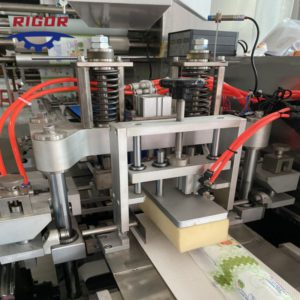
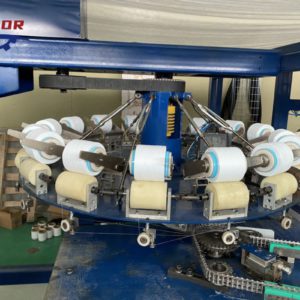
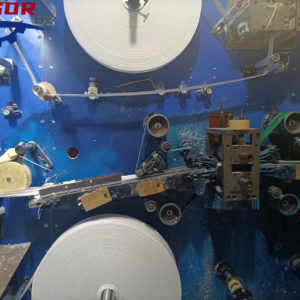
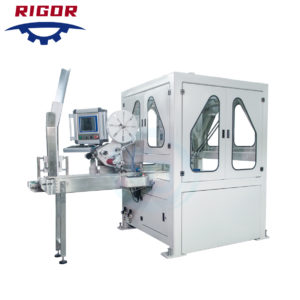
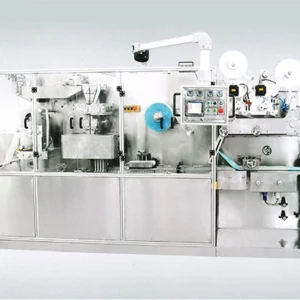
The heart of your manufacturing operation, the engine that will drive your enterprise, is the bayan hijyenik ped makinesi. This is arguably the single most important capital investment you will make. The choice is not merely a technical one; it is a strategic decision that will define your production capacity, your product quality, your operational efficiency, and your ability to adapt to future market demands. Approaching this decision requires a blend of engineering acumen and business foresight.
Semi-Automatic vs. Fully-Automatic: A Comparative Analysis
The primary distinction in the world of sanitary napkin production lines is between semi-automatic and fully-automatic systems. Each has its place, and the right choice is contingent upon your capital, labor costs, and production scale.
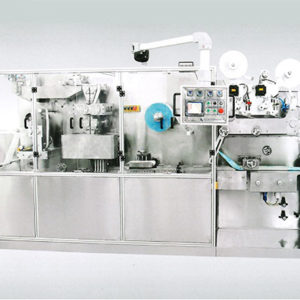
A semi-automatic machine involves more manual intervention. Certain processes, such as feeding some raw materials or transferring semi-finished products between stages, may require human operators. These machines are generally less expensive to purchase and can be a good entry point for startups with limited capital. They are also sometimes more flexible for producing very small, customized batches.
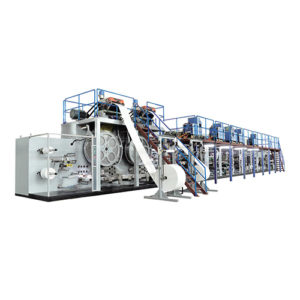
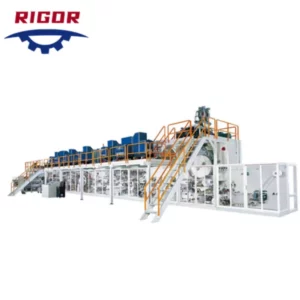
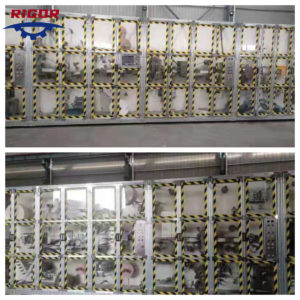
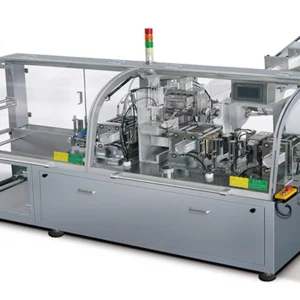
A fully-automatic machine, as the name implies, integrates all production processes from raw material feeding to final product packaging into a single, continuous, automated line. Human involvement is minimal, largely confined to oversight, quality control, and maintenance. While the initial investment is significantly higher, the long-term benefits can be substantial.
Let’s compare them systematically:
| Özellik | Yarı Otomatik Makine | Fully-Automatic Machine |
|---|---|---|
| Initial Cost | Lower | Higher |
| Production Speed | Lower (e.g., 100-300 pieces/min) | Higher (e.g., 500-1200+ pieces/min) |
| İşgücü Gereksinimi | Higher (Requires multiple operators) | Lower (Requires few supervisors/technicians) |
| Operational Cost | Lower initial cost, but potentially higher long-term labor costs. | Higher initial cost, but lower long-term labor and waste costs. |
| Product Consistency | Can be variable due to human factor. | Very high and consistent due to precise automation. |
| Material Wastage | Generally higher due to manual handling. | Minimized through servo-driven controls. |
| Ideal For | Startups, small-scale production, niche markets, regions with low labor costs. | Medium to large-scale production, markets demanding high quality and consistency. |
For a business targeting a large urban market in South America or aiming to be a major supplier in Southeast Asia, the efficiency and consistency of a fully-automatic hijyenik ped üretim hattı often justify the higher initial cost. The reduced labor dependency and lower material wastage contribute to a more competitive cost-per-unit in the long run.
Key Technical Specifications to Scrutinize
Beyond the semi-versus-fully-automatic question, you must delve into the specific technical datasheet of any machine you consider. Think of yourself as a detective looking for clues about the machine’s performance and reliability.
- Production Speed (pcs/min): This is the headline figure, but look deeper. Is this the stable, everyday speed or a maximum theoretical speed? A machine that can run consistently at 800 pcs/min is better than one that claims 1000 pcs/min but frequently requires downtime.
- Product Types and Sizes: Can the machine produce different types of pads (e.g., ultra-thin, maxi, winged, panty liners)? How easy and how long does it take to change over from one product size to another? A flexible machine allows you to adapt to changing market tastes without needing to buy new equipment.
- Driving System (Servo vs. Inverter): Modern, high-end machines use full servo-driven systems. Servo motors offer incredibly precise control over every moving part. This translates to more accurate cutting, better placement of components like the absorbent core, and significantly less raw material waste compared to older inverter-driven or mechanical systems.
- Power Consumption (kW): This is a direct and ongoing operational cost. Compare the power requirements of different machines and factor this into your financial projections. An energy-efficient machine saves you money every single day.
- Machine Dimensions and Weight: This is a practical but crucial detail. Will the machine physically fit into your chosen factory space? Is the floor strong enough to support its weight? You must plan your facility around the machine, not the other way around.
- Control System (PLC): The Programmable Logic Controller (PLC) is the brain of the machine. Look for machines that use reputable PLC brands (like Siemens, Mitsubishi, or Allen-Bradley) and feature a user-friendly touchscreen interface (HMI). A good system will provide real-time production data, diagnostic alerts, and remote access capabilities.
Evaluating Manufacturer Reliability and After-Sales Support
A machine is only as good as the company that builds and supports it. You are not just buying a piece of steel; you are entering into a long-term relationship with the manufacturer. Your due diligence here is paramount.
Investigate the manufacturer’s history and reputation. How long have they been in business? Can they provide testimonials or references from other customers, particularly in your region? A well-established company like Rigor Machine Manufactory Co., Ltd. with years of experience demonstrates a track record of stability and expertise.
After-sales support is where excellent manufacturers truly distinguish themselves. Consider the following:
- Installation and Commissioning: Does the manufacturer send their own technicians to your factory to install the machine, ensure it runs correctly, and train your staff?
- Training: How comprehensive is the training provided for your operators and maintenance crew?
- Warranty: What is the warranty period, and what does it cover?
- Spare Parts: How readily available are spare parts? Do they have a regional service center or a clear process for shipping parts quickly to avoid prolonged downtime?
- Technical Support: Do they offer 24/7 remote technical support to help diagnose problems quickly?
Never choose a machine based on price alone. A cheaper machine from an unreliable supplier with poor support can quickly become the most expensive mistake you ever make due to lost production and repair costs.
Future-Proofing Your Investment: Scalability and Upgrades
Your business will hopefully grow. Will your machine be able to grow with you? When evaluating different sanitary pad machine options, think about the future.
Ask the manufacturer about the machine’s modularity and upgrade path. Is it possible to add new functions later, such as a different type of packaging system or a feature to produce a new kind of pad? Can the production speed be increased through software or minor hardware upgrades? A machine with a clear upgrade path is a more strategic, long-term asset. It allows you to start with a configuration that matches your initial budget and scale up your capabilities as your market share and revenue increase. This foresight prevents the need for a complete replacement of the production line in just a few years.
Step 4: Sourcing Quality Raw Materials and Establishing a Supply Chain
The most sophisticated bayan hijyenik ped makinesi in the world cannot produce a quality product without quality inputs. The raw materials you choose are the very substance of your sanitary napkin; they determine its comfort, its absorbency, its safety, and its feel. Establishing a robust, reliable, and cost-effective supply chain for these materials is a critical operational pillar of your business.
The Anatomy of a Sanitary Napkin: Core Materials Explained
To source materials effectively, one must first understand the composition of the product. A modern sanitary napkin is a marvel of material science, a layered structure where each component has a specific function.
- Top Sheet (Cover Stock): This is the layer that comes into contact with the user’s skin. The primary requirement is that it be soft, comfortable, and able to quickly pass fluid through to the core. Common materials are perforated non-woven fabrics or perforated polyethylene (PE) films. Non-wovens offer a more cloth-like, comfortable feel.
- Edinim Dağıtım Katmanı (ADL): Located just beneath the top sheet, this is a thin layer designed to rapidly acquire fluid and distribute it evenly across the absorbent core. This prevents fluid from concentrating in one spot and improves the overall efficiency of the pad.
- Absorbent Core: This is the heart of the pad. It is typically a mixture of Fluff Pulp (a cellulose-based material) and Super Absorbent Polymer (SAP). Fluff pulp provides the structure and initial absorption, while SAP is a miraculous material that can absorb and retain many times its own weight in liquid, turning it into a gel to prevent leakage. The ratio of pulp to SAP is a key design parameter that affects both performance and cost.
- Back Sheet: This is the outermost, waterproof layer that prevents fluid from leaking onto clothing. It is typically made from a polyethylene (PE) film or a more “breathable” non-woven laminate that allows air to circulate, improving comfort.
- Adhesive: Two types of hot-melt adhesive are used. Positioning adhesive is applied to the back sheet (the strip that holds the pad to the underwear), and construction adhesive is used to bond the various layers of the pad together.
- Release Paper: This is the paper strip that covers the positioning adhesive. It is coated with silicone to allow for easy removal.
Understanding these components allows you to have intelligent conversations with suppliers and make informed decisions about your product’s design and quality.
Identifying and Vetting Reliable Raw Material Suppliers
Your next task is to find suppliers for each of these materials. The global market for these components is vast, with major producers located in North America, Europe, and increasingly, Asia.
- Start with Research: Use online B2B platforms, industry directories, and trade publications. Your machine manufacturer is also an excellent resource; they can often recommend suppliers whose materials are known to work well with their equipment.
- Request Samples and Specifications: Never commit to a supplier without first obtaining samples of their materials. You need to see, feel, and test them. Request a detailed Technical Data Sheet (TDS) for each material. The TDS will provide crucial information like grammage (grams per square meter), tensile strength, and for SAP, its absorption capacity.
- Conduct Pilot Runs: The ultimate test is to run the sample materials on your actual bayan hijyenik ped makinesi. Do they feed smoothly? Does the adhesive bond properly at your machine’s operating speed and temperature? A material that looks good on paper might cause constant jams and production halts.
- Evaluate Supplier Reliability: A supplier’s reliability is as important as their material quality. Investigate their production capacity, their quality control processes (do they have ISO 9001 certification?), and their financial stability. Ask for references. A supplier who cannot deliver on time can shut down your entire operation.
- Negotiate Pricing and Terms: Pricing is often dependent on volume. As a new business, you may not get the best prices initially, but you can negotiate for better terms as your order volume grows. Also discuss payment terms, lead times, and shipping arrangements (Incoterms).
It is often wise to identify and qualify at least two suppliers for each critical raw material. This creates redundancy and protects you from supply chain disruptions if one supplier has a problem.
Logistics and Inventory Management for Uninterrupted Production
Once you have selected your suppliers, you must manage the flow of materials into your factory and the stock within it. This is the domain of logistics and inventory management.
- Importing and Customs: If you are sourcing materials internationally, you must become an expert in the import procedures and customs duties of your country. A mistake in paperwork can leave your materials stuck at the port for weeks. It is often wise to work with an experienced customs broker.
- Inventory Strategy: You must maintain enough raw material inventory to ensure continuous production, but not so much that it ties up excessive working capital and takes up valuable warehouse space. A “Just-in-Time” (JIT) system, where materials arrive just as they are needed, is the ideal but can be difficult to implement without a highly reliable supply chain. Most startups will use a safety stock model, keeping a buffer of several weeks’ or a month’s worth of materials on hand.
- Warehouse Management: Your warehouse must be clean, dry, and organized. Raw materials like fluff pulp and SAP are highly susceptible to moisture, which can ruin them. Implement a “First-In, First-Out” (FIFO) system to ensure that older stock is used before newer stock, preventing material degradation over time.
A well-managed supply chain is a silent, powerful competitive advantage. It ensures your factory runs smoothly, your product quality remains consistent, and your costs are controlled, allowing you to deliver on your promises to your customers.
Step 5: Navigating Legal, Regulatory, and Quality Standards
Operating a manufacturing facility, especially for a personal hygiene product, places you squarely within a web of legal and regulatory obligations. Viewing these requirements not as bureaucratic hurdles but as a framework for building a trustworthy and reputable business is a mark of a serious entrepreneur. Compliance is non-negotiable; it is the foundation of consumer trust and market access.
Business Registration and Licensing Requirements
The first formal step is to give your enterprise a legal identity. The specific process will vary by country, but it generally involves several key actions:
- Choosing a Business Structure: You will need to decide whether to operate as a sole proprietorship, a partnership, a limited liability company (LLC), or a corporation. Each structure has different implications for liability, taxation, and administrative complexity. An LLC or corporation is often preferred for manufacturing as it separates your personal assets from the business’s liabilities.
- Registering Your Business Name: You must register your company name with the relevant government authority, such as a ministry of commerce or a national registrar of companies.
- Obtaining a General Business License: Most municipalities or regions require a general license to operate any business within their jurisdiction.
- Securing Manufacturing Permits: You will likely need specific permits to operate a factory. These may relate to zoning (ensuring your factory is in an area designated for industrial activity), environmental compliance, and workplace safety.
- Tax Registration: You must register for all applicable national and local taxes, such as Value Added Tax (VAT) or Goods and Services Tax (GST), corporate income tax, and payroll taxes.
Consulting with a local lawyer and an accountant who specialize in new business formation is a wise investment. They can guide you through the specific requirements in your country, ensuring you start on a firm legal footing.
Understanding Regional Health and Safety Regulations
Because you are producing a product that comes into intimate contact with the human body, you will be subject to stringent health and safety standards. These regulations are designed to protect the consumer from harmful materials and unhygienic manufacturing processes.
While specific standards vary, they generally revolve around the principles of Good Manufacturing Practices (GMP). GMP covers all aspects of production, from the raw materials and facility premises to the training and personal hygiene of staff. A key international benchmark that many national standards are based on is the ISO 9001 standard for Quality Management Systems. While not a legal requirement in all places, achieving ISO 9001 certification is a powerful signal to B2B customers and consumers that your company is committed to quality.
Furthermore, you must ensure that your products themselves are safe. This involves:
- Material Safety: Verifying that your raw materials (especially plastics, adhesives, and any fragrances) are free from harmful chemicals, toxins, or allergens.
- Microbiological Purity: Manufacturing in a clean environment to prevent bacterial or fungal contamination of the product. Many health authorities will set limits for the total microbial count on a finished product.
- Performance Standards: Some countries may have standards related to absorbency and fluid retention that your product must meet.
Research the specific regulations set by the Ministry of Health or the national standards bureau in your target country. For example, in South Africa, the South African Bureau of Standards (SABS) sets forth compulsory specifications for certain products. Being ignorant of these rules is not a defense; compliance is your responsibility.
Implementing a Quality Control (QC) System for Your Sanitary Pad Machine
Regulations tell you the minimum you must do. A robust Quality Control (QC) system is what you do to ensure you consistently exceed that minimum. It is an internal process of checks and balances designed to catch defects before they leave your factory. A good QC system for a hijyenik ped makinesi operation has several stages:
- Incoming Quality Control (IQC): This happens before production even starts. When a shipment of raw materials arrives, your QC team should inspect it. They will check that it’s the correct material, that it’s not damaged, and they may take samples for laboratory testing to verify it meets the specifications on the TDS.
- In-Process Quality Control (IPQC): This happens on the factory floor while the machine is running. Operators and QC staff will perform regular checks. They might pull a pad off the line every 15 or 30 minutes to visually inspect it for defects: Is the top sheet properly sealed? Is the absorbent core centered? Is the release paper applied correctly? They will also check machine parameters to ensure it’s operating within the set tolerances.
- Final Quality Control (FQC): This is the last check before the products are shipped. A random sample of finished, packaged products is selected and put through a battery of tests. These can include:
- Visual Inspection: Checking the final appearance of the pad and its packaging.
- Dimensional Checks: Measuring the pad’s length, width, and thickness.
- Weight Check: Ensuring the pad’s weight is within the specified range.
- Absorbency Test: A standardized test to measure how much liquid the pad can hold and how quickly it absorbs it.
- Adhesive Peel Test: Measuring the strength of the positioning adhesive.
Documenting everything is the key to a successful QC system. Every check, every test, and every result should be recorded. This data is invaluable. It helps you track your performance over time, identify recurring problems, and provide traceability in the unfortunate event of a product recall. A commitment to quality is a commitment to your brand’s reputation.
Step 6: Setting Up Your Production Facility and Operations
The theoretical work of planning gives way to the tangible work of building. Your production facility is the physical embodiment of your business. Its location, design, and the people who work within it will be critical determinants of your efficiency and success. This stage requires a general contractor’s pragmatism and a process engineer’s eye for flow.
Choosing the Right Location: Site Selection Criteria
The question “Where should I build my factory?” has profound strategic implications. The ideal location is a balance of several competing factors.
- Proximity to Market vs. Proximity to Port: A location close to your primary consumer market (e.g., on the outskirts of a major city) can reduce your final distribution costs and lead times. Conversely, a location close to a major seaport can reduce the cost and complexity of importing your raw materials. You must analyze your supply chain to see which is the more significant logistical cost.
- Infrastructure: Your factory needs reliable access to high-capacity electricity, clean water, and good road networks. An area with frequent power outages can cripple a highly automated production line. Assess the quality of local infrastructure before committing to a site.
- Labor Availability and Cost: While a fully-automatic bayan hijyenik ped makinesi reduces the number of operators, you will still need skilled technicians for maintenance, QC staff, warehouse workers, and administrative personnel. Choose a location with access to a suitable labor pool at a competitive wage.
- Zoning and Regulations: As mentioned earlier, the site must be zoned for industrial use. Investigate the local environmental regulations and the ease of obtaining the necessary building and operating permits.
- Cost of Real Estate: The cost of buying or leasing industrial land and buildings will vary dramatically. This will be a major component of your startup costs, so it must fit within your budget.
For many businesses in emerging markets, setting up in a designated Special Economic Zone (SEZ) or industrial park can be an excellent option. These zones often offer superior infrastructure, tax incentives, and streamlined administrative procedures.
Designing an Efficient Factory Layout
Once you have your site, you must design the internal layout of the factory. The goal is to create a logical and efficient flow of materials and people, minimizing unnecessary movement and maximizing safety and hygiene. A typical layout for a sanitary napkin facility would include:
- Raw Material Warehouse: A secure, clean, and dry area for storing your non-wovens, pulp, SAP, and other components. It should be located near the start of the production line for easy access.
- Production Hall: This is the main area housing your hijyenik ped üretim hattı. It needs to be a controlled environment with good ventilation and lighting. The floor should be smooth, sealed (e.g., with epoxy paint), and easy to clean to maintain hygiene. There must be sufficient space around the machine for operators to work safely and for maintenance technicians to access all parts.
- Finished Goods Warehouse: After the pads are produced and packaged, they are moved to this warehouse to await shipment. This area should also be clean and dry and organized for easy picking and dispatch.
- Quality Control Laboratory: A dedicated, clean space for your QC team to conduct their tests. It should be equipped with the necessary testing instruments.
- Utility Room: Housing the air compressor, electrical panels, and other support equipment.
- Administrative Offices and Employee Facilities: This includes offices for management, as well as changing rooms, restrooms, and a break area for employees. Strict hygiene protocols, such as requiring staff to change into clean factory uniforms and footwear before entering the production hall, are essential.
The principle guiding the layout should be a one-way flow: raw materials enter at one end, move through production, and exit as finished goods at the other end. This linear flow prevents cross-contamination between raw materials and finished products and improves overall efficiency.
Hiring and Training a Skilled Workforce
Your people are your most valuable asset. Even in a highly automated factory, the quality of your team is crucial.
- Hiring: Look for individuals with the right attitude and aptitude. For machine operators and technicians, prior experience in a manufacturing environment is beneficial, but a willingness to learn and a strong attention to detail are even more important. Your QC staff should be meticulous and methodical.
- Training: Your machine manufacturer will provide the initial, specialized training on how to operate and maintain the bayan hijyenik ped makinesi. You must build on this foundation. Develop Standard Operating Procedures (SOPs) for every task, from receiving raw materials to cleaning the production hall.
- Cross-Training: Train your employees on multiple tasks. A machine operator who also understands the basics of quality control or routine maintenance is far more valuable. Cross-training provides flexibility and ensures that the absence of one person does not halt production.
- Creating a Culture of Quality and Safety: From day one, instill a culture where every employee feels responsible for quality and safety. Encourage them to report potential problems or suggest improvements. A proactive and engaged workforce is your first line of defense against defects and accidents.
Your factory is more than just a building with a machine inside. It is a complex system of processes and people. Investing the time and effort to design it well and staff it with a trained, motivated team will pay dividends for years to come.
Step 7: Developing a Go-to-Market Strategy for Sales and Distribution
You have a world-class factory producing a high-quality product. The final, and perhaps most challenging, step is to bridge the gap between your factory gate and the end consumer. A go-to-market strategy is your comprehensive plan for how you will launch your product, generate sales, and deliver it into the hands of the women who need it. This requires creativity, market insight, and relentless execution.
Building a Brand that Resonates with Your Audience
In a crowded marketplace, your product is more than just its physical attributes. It is a brand. A brand is a story, a promise, and a set of values that live in the consumer’s mind. Building a strong brand is what elevates your product from a generic commodity to a preferred choice.
- Define Your Brand Identity: What do you want your brand to stand for? Is it about empowerment? Confidence? Uncompromising comfort? Affordability and accessibility? Health and wellness? Your brand identity should be rooted in the market gaps and consumer needs you identified in Step 1.
- Choose a Name and Logo: Your brand name should be easy to pronounce and remember in your target languages. Your logo and packaging design should visually communicate your brand’s identity. For a brand focused on natural ingredients, you might use earthy colors and imagery. For a brand targeting young, modern women, you might choose a bold, minimalist design.
- Craft Your Message: Develop a clear and consistent message that you will use across all your marketing channels. This message should speak directly to the concerns and aspirations of your target audience. If your research showed that leakage is the number one concern, your message should be centered on security and reliability. The UN’s report on menstrual health highlights the need for products that enable women to participate fully in daily life, which can be a powerful messaging angle (UNFPA, 2021).
Your brand is your connection to your customer. Invest in it. A strong brand can command price premiums, foster loyalty, and create a protective moat around your business.
Choosing Distribution Channels: Retail, NGOs, Online Sales
How will your product physically travel from your warehouse to the consumer? This is the question of distribution channels. You can use one or a combination of several channels.
- Modern Retail: This involves getting your product onto the shelves of supermarkets, hypermarkets, and large pharmacy chains. This channel offers massive reach into urban and suburban populations. However, it can be competitive, and large retailers often demand high listing fees and favorable credit terms.
- Traditional Trade: This refers to the vast network of small, independent neighborhood stores, kiosks, and pharmacies. In many parts of South America, Southeast Asia, and Africa, this channel accounts for a huge percentage of all retail sales. Reaching these stores often requires working with a network of local wholesalers and distributors.
- Institutional Sales (B2B): As discussed in the business plan, you can sell directly to institutions like schools, universities, hospitals, and corporate offices. Government tenders to supply public health programs can also represent large, stable contracts.
- NGO Partnerships: Partnering with NGOs focused on women’s health or education can be a powerful distribution channel, especially for reaching rural and low-income communities. This not only generates sales but also enhances your brand’s social credentials.
- E-commerce and Direct-to-Consumer (D2C): Selling directly to consumers through your own website or on major online marketplaces is a rapidly growing channel. It gives you direct control over your brand and pricing, though it requires investment in digital marketing and logistics to handle individual order fulfillment.
The optimal channel mix will depend on your target market. In a country with high internet penetration like Russia, e-commerce might be a primary channel. In a country with a fragmented retail landscape like Indonesia, mastering the traditional trade through local distributors is key.
Pricing Strategies for Competitive Advantage and Profitability
Pricing is a delicate balancing act. Set your price too high, and you risk alienating your target customers. Set it too low, and you leave profit on the table and may even create a perception of low quality.
- Cost-Plus Pricing: This is the simplest method. You calculate your total cost per unit (raw materials, labor, overheads) and add a desired profit margin. This ensures you cover your costs, but it ignores market realities.
- Competition-Based Pricing: You benchmark your prices against your main competitors. You might price slightly below them to gain market share, on par with them to compete on quality and branding, or slightly above them to signal a premium product.
- Value-Based Pricing: This is the most sophisticated approach. You price your product based on the perceived value it delivers to the customer. If your pad offers significantly better comfort or absorbency than any other product, you may be able to charge a premium for that superior value.
You may also need a flexible pricing structure. This could involve different wholesale prices for different volumes, promotional pricing to encourage trial, and creating product tiers (e.g., a basic, affordable line and a premium line) to cater to different economic segments.
Marketing and Promotion in a Digitally Connected World
Finally, you need to tell the world about your product. Your marketing strategy should be a blend of modern digital tactics and traditional, on-the-ground activities.
- Digital Marketing: Use social media platforms (like Instagram, Facebook, or TikTok, depending on your target demographic) to build a community around your brand. Influencer marketing, where you partner with local social media personalities, can be highly effective. Search engine optimization (SEO) will ensure customers can find you when they search online.
- In-Store Marketing: At the point of sale, use attractive displays, shelf signage, and special introductory offers to grab the shopper’s attention.
- Community Outreach and Education: In markets where menstruation is a sensitive topic, direct marketing through educational workshops in schools, community centers, and workplaces can be incredibly powerful. These initiatives build trust and position your brand as a helpful expert.
- Public Relations: Generate positive media coverage by highlighting your company’s story, your commitment to quality, or your social impact initiatives.
Your go-to-market strategy is not a one-time event but an ongoing process of learning and adaptation. Listen to feedback from your customers and your sales team, monitor your competitors’ moves, and be prepared to adjust your tactics to win in the dynamic and rewarding market of feminine hygiene. By following these steps with diligence and a deep sense of purpose, you can build not just a factory, but a lasting and meaningful enterprise with your high-quality machinery.
FAQ
What is the approximate capital needed to start a sanitary pad business? The required capital varies significantly based on the scale of operation and choice of machinery. A small-scale venture with a semi-automatic machine might begin with an investment in the range of $50,000 to $100,000 USD. A larger, fully-automatic operation targeting a national market could require an investment of $250,000 to over $1,000,000 USD, factoring in the machine, facility, raw materials, and working capital.
What is the typical profit margin in the sanitary napkin industry? Profit margins are influenced by raw material costs, operational efficiency, brand positioning, and competitive intensity. Gross margins can range from 30% to 60%. After accounting for operational overhead, marketing, and distribution, net profit margins typically fall between 10% and 25% for a well-run business.
Can one lady sanitary napkin machine produce different sizes and types of pads? Yes, most modern machines are designed with flexibility in mind. Through the use of interchangeable molds and adjustments to the PLC settings, a single machine can typically produce various product types, such as ultra-thin pads, thicker maxi pads, day-use, night-use, and winged or non-winged versions. It is crucial to confirm the changeover time and complexity with the manufacturer.
What are the primary challenges in starting and running this business? The main challenges include securing the initial high capital investment, establishing a reliable and cost-effective raw material supply chain, navigating complex health and safety regulations, and breaking into a market often dominated by established global brands. Overcoming cultural taboos related to menstruation can also be a significant marketing challenge in some regions.
How critical is branding for a new sanitary napkin product? Branding is exceptionally critical. The sanitary napkin is a personal and intimate product, and consumer choice is heavily driven by trust, perceived quality, and emotional connection. A strong brand helps differentiate your product from competitors, justifies your price point, and builds long-term customer loyalty in a crowded market.
What kind of after-sales support is essential from a machine manufacturer? Essential after-sales support includes professional installation and commissioning of the machine at your factory, comprehensive training for your operators and maintenance staff, a clear warranty policy, rapid access to affordable spare parts, and responsive remote technical support (ideally 24/7) to troubleshoot issues and minimize production downtime.
How can I ensure my products meet international quality standards? To meet international standards, you should implement a rigorous Quality Management System based on ISO 9001 principles. This involves strict quality control at every stage: inspecting incoming raw materials, monitoring the in-process production, and conducting thorough laboratory tests on finished products. Sourcing raw materials from reputable, certified suppliers is also fundamental.
Sonuç
The journey to launching a successful sanitary napkin business is intricate, demanding a harmonious blend of market insight, financial discipline, technical knowledge, and strategic execution. It begins not with the purchase of equipment, but with a deep, empathetic understanding of the needs and contexts of the women you aim to serve. From this foundation, a solid business plan must be constructed, meticulously accounting for every cost and realistically projecting every revenue stream. The selection of the ideal bayan hijyenik ped makinesi stands as a pivotal decision, a long-term investment that dictates the very capacity and quality of your output. This must be supported by a resilient supply chain, unwavering adherence to legal and quality standards, and a well-designed operational setup. Ultimately, even the finest product requires a powerful go-to-market strategy to build a brand that resonates and a distribution network that reaches its intended audience. This path, while challenging, offers the profound opportunity to build an enterprise that is not only profitable but also fundamentally empowering, delivering a product that grants health, dignity, and freedom to women across the globe.