Özet
An examination of wet wipes manufacturing reveals that the final product's quality, safety, and market viability are inextricably linked to the selection of its constituent ingredients. This analysis focuses on the five primary categories of wipes ingredients: the non-woven substrate, the liquid formulation, preservatives, functional additives, and their collective impact on production machinery. It posits that a manufacturer's success, particularly in emerging markets like South America, Southeast Asia, and the Middle East, depends not merely on the cost of raw materials but on a sophisticated understanding of how these components interact with each other, with the production equipment, and with diverse consumer expectations. The document explores the material science of substrates, the chemistry of lotions and preservatives, and the mechanical engineering challenges that arise during production. It argues for a holistic approach where ingredient choice is a foundational strategic decision, influencing everything from regulatory compliance to brand perception and operational efficiency in the year 2025.
Önemli Çıkarımlar
- Substrate choice directly impacts both consumer feel and machine performance.
- Water purity is a non-negotiable cornerstone of a stable liquid formulation.
- Effective preservation is essential for safety, preventing microbial growth.
- Thoughtful selection of wipes ingredients is a key pillar of your business strategy.
- Functional ingredients differentiate your product in a crowded marketplace.
- Lotion viscosity affects the design of your production line's dosing system.
- Material compatibility prevents corrosion and extends machinery lifespan.
İçindekiler
- The Foundation: Understanding the Non-Woven Substrate
- The Workhorse: Deconstructing the Liquid Formulation (Lotion)
- The Guardian: The Necessary Role of Preservatives
- The Specialist: Incorporating Functional and Marketing Ingredients
- The Unseen Partner: How Wipes Ingredients Influence Your Production Line
- Sıkça Sorulan Sorular (SSS)
- Sonuç
- Referanslar
The Foundation: Understanding the Non-Woven Substrate
When we begin the conversation about creating a wet wipe, our minds often jump to the liquid, the scent, or the cleaning power. Yet, the very soul of the wipe—the fabric that holds it all together—is the non-woven substrate. As a manufacturer of the machinery that handles these materials, I have seen firsthand how this foundational choice dictates not only the user's experience but the entire efficiency of a production line. To choose a substrate is to make a decision about softness, strength, cost, and even the environmental conscience of your brand. It is far more than just "the cloth"; it is the canvas upon which you will create your product.
Imagine you are building a house. Would you begin without a deep understanding of the foundation's materials? Concrete, wood, steel—each has its own properties, costs, and structural implications. The non-woven substrate is that foundation for your wet wipe.
The Distinction Between Natural and Synthetic Fibers
The fibers that compose your substrate fall broadly into two families: natural and synthetic. Each brings a unique set of characteristics to the table, and the blend you choose will define the wipe's core identity.
Natural fibers, such as cotton and viscose (which is derived from wood pulp), are celebrated for their exceptional softness and absorbency. They are hydrophilic, meaning they love water. When a consumer in a humid climate like Southeast Asia or a hot region like the Middle East reaches for a wipe, the cooling sensation and gentle touch of a cotton or viscose blend can feel incredibly luxurious. Cotton offers a classic, premium feel, while viscose provides a silky texture and excellent fluid management. Their primary drawback, however, is cost. These premium fibers demand a higher price, which must be factored into your final product's market position.
On the other side of the spectrum are synthetic fibers like polyester (PET) and polypropylene (PP). These materials are hydrophobic—they naturally repel water. While this might seem counterintuitive for a wet wipe, their value lies in strength and cost-effectiveness. Polyester provides exceptional structural integrity, preventing the wipe from tearing or falling apart during vigorous use. Polypropylene is lightweight and very inexpensive. Manufacturers often create a blend, combining the strength of synthetics with the softness and absorbency of natural fibers. A 70% viscose and 30% polyester blend, for example, is a common recipe that balances performance with cost, making it a viable option for the price-sensitive South American market.
Manufacturing Methods: Spunlace vs. Airlaid
Once the fibers are chosen, they must be bonded together to form a coherent fabric. This is where the non-woven manufacturing process comes in, and the most common method for wipes is "spunlace."
Think of the spunlace process as a form of high-tech weaving, but without the loom. A web of loose fibers is blasted with extremely high-pressure jets of water. These water jets entangle the fibers, knotting them together on a microscopic level to form a strong, soft, and pliable sheet. There are no binders or adhesives involved, which is why spunlaced fabrics are prized for their purity and cloth-like feel. The pattern of the water jets can even be controlled to create different textures, from smooth to apertured (with little holes) for better cleaning.
Another method you might encounter is "airlaid." In this process, fibers are mixed with a binder and carried by air to form a web, which is then heated to bond it together. Airlaid materials are often fluffier and more absorbent than spunlaced fabrics, almost like a paper towel, but they can lack the strength and softness. They are sometimes used for industrial or specialty wipes but are less common for personal care. The choice of manufacturing method has a direct impact on the wipes ingredients you can use and how they are absorbed.
| Özellik | Spunlace Non-woven | Airlaid Non-woven |
|---|---|---|
| Manufacturing Process | Fibers entangled by high-pressure water jets | Fibers mixed with binders, formed by air, then heated |
| Feel & Texture | Soft, cloth-like, excellent drape | Fluffier, paper-like, can be stiffer |
| Emicilik | Good, depends on fiber blend | Very high, excellent absorption capacity |
| Strength (Tensile) | High, especially with synthetic blends | Lower, can be prone to tearing when wet |
| Purity | High (no chemical binders) | Contains binders, which may be a concern for some applications |
| Typical Cost | Moderate to High | Low to Moderate |
| Yaygın Uygulamalar | Baby wipes, cosmetic wipes, medical wipes | Spills, industrial cleaning, some food service wipes |
Substrate Considerations for Target Markets
The beauty of a global market is its diversity, but this also presents a challenge. A substrate that succeeds in Russia may not be optimal for South Africa. You must think like an anthropologist, considering the climate, culture, and economic realities of your target consumer.
In hot and humid regions like Brazil or the Philippines, a wipe's breathability and softness are paramount. A high-viscose content spunlace fabric will feel cool and gentle against sweaty skin. Consumers here may be willing to pay a little more for that comfort.
In contrast, for a market focused on value and utility, such as in certain parts of Russia or Africa, a durable, cost-effective blend with a higher percentage of polyester might be more strategic. The wipe needs to be strong enough for multiple uses, and the price point must be accessible.
Furthermore, the rise of environmental consciousness is a global trend, but it manifests differently. In some markets, a "biodegradable" claim, supported by a 100% viscose or cotton substrate, can be a powerful marketing tool. In others, this concern is secondary to price and performance. Your choice of substrate is, therefore, a strategic calculation, balancing the material science of fibers with the socioeconomic fabric of your market.
The Workhorse: Deconstructing the Liquid Formulation (Lotion)
If the substrate is the body of the wipe, the liquid formulation is its lifeblood. This aqueous solution is responsible for cleaning, moisturizing, and delivering the functional wipes ingredients to the skin. Creating a stable, safe, and effective lotion is a delicate act of chemistry. It’s like being a chef; having the right ingredients is only half the battle. You must understand how they interact, in what proportions, and the role each one plays in the final dish. A poorly designed formulation can not only be ineffective but can also cause skin irritation or compromise the product's shelf life.
The Role of Water: Purity and Its Impact on Product Stability
The single largest ingredient in any wet wipe lotion, often comprising over 90% of the formula, is water. But it is crucial to understand that not all water is created equal. You cannot simply connect a hose from the local water supply to your mixing tank. Tap water contains a host of minerals, salts, and trace microorganisms.
These impurities can wreak havoc on your formulation. Minerals can react with other ingredients, causing them to separate or precipitate out of the solution. Imagine making a clear, beautiful soup, only to find it cloudy and gritty the next day because you used hard water. More dangerously, the microorganisms present in untreated water provide a breeding ground for bacteria and mold, which will quickly spoil your product.
For this reason, manufacturers must use purified water, typically produced through processes like deionization (DI) or reverse osmosis (RO). This removes all the unwanted "noise," providing a clean, stable, and predictable base for your formulation. This is a non-negotiable step for product safety and quality.
Surfactants: The Cleansing Agents
How does a wet wipe actually clean? The magic lies in a class of molecules called surfactants. Think of a surfactant molecule as having a dual personality. One end of it is hydrophilic (it loves water), and the other end is lipophilic (it loves oil and grease).
When you use a wipe on your skin, the lipophilic tails of the surfactant molecules grab onto the oils and dirt. The hydrophilic heads remain in the water of the lotion. They form tiny spheres called micelles, trapping the dirt and oil in the center, which are then lifted from the skin and whisked away by the wipe.
Surfactants come in different types, with non-ionic surfactants being the most common in personal care wipes. They are very gentle and effective cleansers. Polysorbate 20 and various PEG (polyethylene glycol) compounds are common examples. The choice and concentration of surfactants determine the wipe's cleansing power. A makeup remover wipe will require a more robust surfactant system than a gentle baby wipe.
Humectants and Emollients: The Moisturizing Duo
Cleansing can sometimes strip the skin of its natural moisture. To counteract this, and to give the wipe a pleasant, soothing feel, formulations include humectants and emollients.
Humectants are like tiny water magnets. Ingredients like glycerin, propylene glycol, and sorbitol draw moisture from the air and from the lotion itself, binding it to the skin to keep it hydrated. When a consumer reports that a wipe left their skin feeling "soft and supple," it is often the work of a humectant.
Emollients, on the other hand, work by forming a thin, protective layer on the skin's surface. This layer helps to lock in moisture and gives the skin a smooth, non-greasy feel. Natural emollients like aloe vera, shea butter, and various plant-derived oils are popular for their marketing appeal and skin-soothing properties. The balance between humectants and emollients is key to achieving the desired after-feel of the product.
pH Adjusters: Balancing for Skin Safety
Our skin has a naturally acidic protective layer called the acid mantle, which typically has a pH between 4.5 and 5.5. This acidity helps to ward off harmful bacteria. A wet wipe formulation that is too alkaline (high pH) or too acidic (low pH) can disrupt this delicate balance, leading to dryness, irritation, and sensitivity.
To ensure the final product is skin-compatible, small amounts of pH adjusters are added to the lotion. Citric acid (derived from citrus fruits) and its salt, sodium citrate, are commonly used to lower the pH and buffer the solution, keeping it within that safe, skin-friendly range. This is a small but vital step in creating a product that is not just effective but also demonstrably safe for repeated use, especially on the sensitive skin of a baby.
The Guardian: The Necessary Role of Preservatives
There is, perhaps, no category of wipes ingredients more scrutinized or misunderstood than preservatives. In the consumer's mind, the word can sometimes conjure images of harsh, unnatural chemicals. As a manufacturer, it is your responsibility to understand and communicate the profoundly important role these ingredients play. A wet wipe is a water-rich environment, packaged and stored at room temperature—it is the perfect incubator for bacteria, yeast, and mold. Without an effective preservative system, a package of wipes could become a dangerous cocktail of microbes within weeks.
Preservatives are not an optional extra; they are the guardians of your product's safety and integrity. The choice to use them is a fundamental act of consumer protection.
Why Preservatives Are Non-Negotiable in Water-Based Products
Let’s perform a simple thought experiment. Take a slice of bread, dampen it with water, and seal it in a plastic bag. What happens after a few days? You will see mold growth. The same principle applies to a wet wipe. The substrate provides the surface, the water provides the moisture, and any trace organic matter from other ingredients provides the food.
Microbial contamination can lead to unpleasant odors, discoloration of the product, and, most alarmingly, skin infections or allergic reactions. A contaminated batch of wipes would not only harm consumers but would also trigger a costly product recall and do irreparable damage to your brand's reputation. Therefore, the question is not if you should use preservatives, but which preservative system is most appropriate, effective, and safe for your specific product and market.
A Look at Common Preservative Systems
No single preservative is effective against all types of microorganisms. That is why manufacturers typically use a "broad-spectrum" system, which is a combination of ingredients that work together to provide comprehensive protection.
- Phenoxyethanol: This is one of the most widely used preservatives in personal care today. It is effective against a broad range of bacteria and is often combined with other ingredients like ethylhexylglycerin to boost its efficacy. It is considered very safe at the low concentrations used in cosmetics (typically below 1%).
- Sodium Benzoate: This is a food-grade preservative that is very effective against fungi and some bacteria, particularly in acidic formulations (low pH). It is often seen in "natural" or "gentle" wipe formulations.
- Parabens (e.g., Methylparaben, Propylparaben): For many years, parabens were the gold standard of preservation due to their effectiveness and low cost. However, due to controversial and largely disputed studies linking them to health concerns, they have fallen out of favor with consumers. While many regulatory bodies worldwide still consider them safe for use in cosmetics, the market has spoken. As of 2025, producing a wipe with a "paraben-free" claim is a significant marketing advantage.
- Isothiazolinones (e.g., MIT, CMIT): This class of preservatives is extremely effective but has been associated with a higher rate of skin sensitization and contact allergies. Their use in leave-on products like wet wipes has been heavily restricted in many regions, including the European Union.
| Preservative System | Spectrum of Activity | Optimal pH Range | Regulatory/Market Status (2025) | Relative Cost |
|---|---|---|---|---|
| Phenoxyethanol | Broad (Bacteria > Fungi) | 4.0 – 9.0 | Widely accepted, globally approved | Orta düzeyde |
| Sodium Benzoate | Good (Fungi > Bacteria) | < 4.5 (acidic) | Popular in 'natural' formulas, food-grade | Low |
| Parabens | Broad Spectrum | 4.0 – 8.0 | Regulatory bodies deem safe, but major consumer avoidance | Very Low |
| Potassium Sorbate | Primarily Fungi & Mold | < 6.0 (acidic) | Often used with other preservatives | Low |
| Caprylyl Glycol | Bacteria (Preservative Booster) | 4.0 – 8.0 | Popular in 'preservative-free' marketing | High |
Navigating Regulatory Landscapes
The world of preservatives is heavily regulated, and the rules can vary significantly from one country to another. The European Union's Cosmetic Regulation 1223/2009, for instance, maintains a positive list (Annex V) of approved preservatives and their maximum allowed concentrations. The US FDA has a different approach, holding manufacturers responsible for ensuring their products are safe without providing a pre-approved list.
For a manufacturer targeting diverse markets like Russia, South Africa, and Brazil, navigating this complex web is a major challenge. What is permissible in one country may be restricted in another. This is why it is essential to work with formulation chemists and regulatory experts who are familiar with the specific rules of your target regions. Choosing a preservative system that is globally or widely accepted, like phenoxyethanol, can simplify this process. Attempting to formulate on the edge of regulations is a risky strategy that can lead to your product being denied entry at the border.
The Specialist: Incorporating Functional and Marketing Ingredients
Once you have established the foundational structure (substrate), the core function (lotion), and the essential protection (preservatives), you can begin to imbue your product with a unique personality. This is achieved through functional and marketing ingredients. These are the wipes ingredients that often appear prominently on the front of the package—the "Aloe Vera," the "Chamomile Extract," the "Vitamin E." They are specialists, hired to perform a specific job, whether it is to provide a tangible skin benefit or to create a powerful marketing story that resonates with your target consumer.
Botanical Extracts and Natural Additives
In an era where consumers are increasingly drawn to "natural" and "plant-based" products, the inclusion of botanical extracts can be a powerful differentiator. These ingredients carry with them a perception of gentleness, safety, and time-tested efficacy.
- Aloe Vera (Aloe Barbadensis Leaf Juice): Perhaps the most famous botanical in personal care, aloe is renowned for its soothing and moisturizing properties. It is an easy and effective addition to a baby wipe or a post-sun wipe.
- Chamomile (Chamomilla Recutita Flower Extract): Known for its calming and anti-inflammatory properties, chamomile is another excellent choice for products aimed at sensitive skin.
- Tea Tree Oil (Melaleuca Alternifolia Leaf Oil): With its natural antibacterial and antifungal properties, tea tree oil can be a functional ingredient in facial cleansing wipes or wipes for acne-prone skin. However, it has a strong scent and must be used at very low, carefully controlled concentrations to avoid irritation.
- Green Tea Extract (Camellia Sinensis Leaf Extract): Rich in antioxidants, green tea extract is a popular addition to anti-aging or "detoxifying" facial wipes.
When selecting these extracts, it is vital to source them from reputable suppliers who can provide data on their purity, concentration, and any potential allergens. The marketing claim is only as good as the ingredient itself.
The Power of Fragrance: Navigating Preferences and Allergens
Scent is one of the most powerful and immediate drivers of consumer preference. The right fragrance can evoke feelings of cleanliness, freshness, or luxury. However, it is also one of the most common causes of skin sensitivity and allergic reactions. This presents a delicate balancing act for the manufacturer.
The choice is threefold:
- Unscented: This is the safest option, especially for baby wipes and products for sensitive skin. A "fragrance-free" claim is a strong selling point for a growing segment of the population.
- Naturally Scented: Using essential oils or botanical extracts to provide a subtle scent. This aligns well with a "natural" brand identity but requires careful formulation, as many essential oils can be sensitizing.
- Fragranced: Using a specially designed cosmetic fragrance. If you choose this route, it is imperative to use "hypoallergenic" or "phthalate-free" fragrances that have been specifically tested for use in skin-contact products.
Cultural preferences for scent also vary dramatically. What is perceived as a fresh, clean scent in South America might be considered overly strong or medicinal in Southeast Asia. Extensive market research and consumer testing are vital before committing to a fragrance for a global product.
Vitamins and Skin-Conditioning Agents
To further bolster claims of skin health and nourishment, many formulations include vitamins and other conditioning agents. These ingredients work in concert with the humectants and emollients to improve the skin's overall condition.
- Panthenol (Pro-Vitamin B5): An excellent humectant that also has soothing and repairing properties. It helps to improve skin hydration, elasticity, and smooth appearance.
- Tocopherol (Vitamin E): A powerful antioxidant that helps to protect the skin from environmental damage. It also has moisturizing benefits.
- Allantoin: A compound known for its ability to soothe irritation and promote cell regeneration. It is a fantastic ingredient for wipes intended to calm red or chapped skin.
These ingredients are not just for show. They are functional components that add real value and performance to your product, justifying a premium price and building consumer trust. They transform the wipe from a simple cleaning tool into a genuine skincare treatment.
The Unseen Partner: How Wipes Ingredients Influence Your Production Line
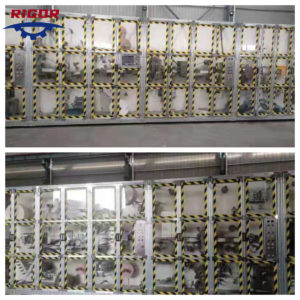
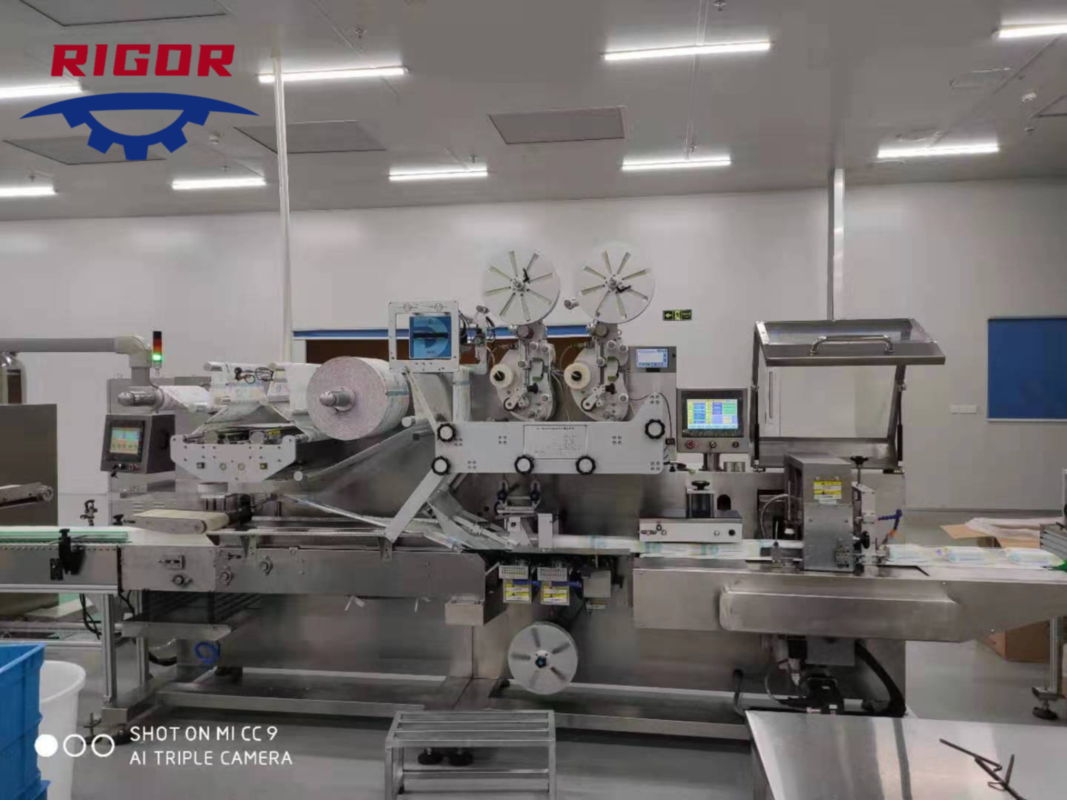
As an engineer and supplier of hygiene product machinery, this is where the theoretical chemistry of formulation meets the practical reality of manufacturing. The wipes ingredients you choose are not passive passengers; they are active participants in the production process. They interact with every gear, pump, and blade of your machinery. A failure to appreciate this relationship can lead to chronic production headaches, reduced efficiency, and even damage to your expensive equipment. A truly optimized product is one where the ingredients and the machine are designed to work in harmony.
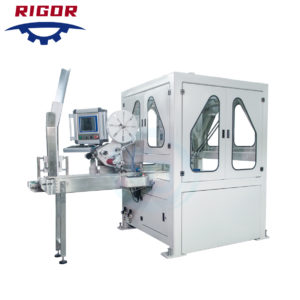
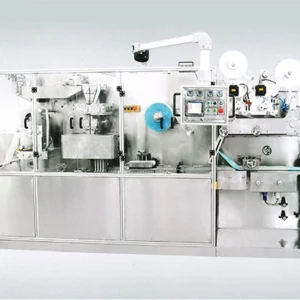
Substrate Compatibility with Your Wet Wipes Converting Machine
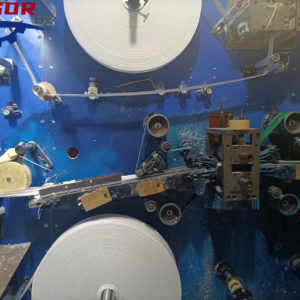
The physical properties of your non-woven substrate have a profound impact on the mechanical operations of a wet wipes manufacturing line.
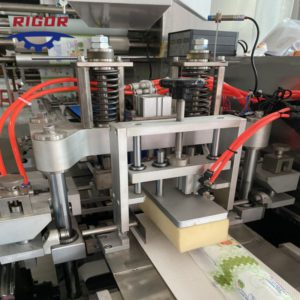
- Kesiyorum: The thickness (measured in grams per square meter, or GSM) and fiber blend of the substrate determine the type of cutting blades required. A thick, high-cotton substrate is tougher to cut than a lightweight polypropylene one. Using the wrong blades can lead to frayed edges, incomplete cuts, and rapid dulling, which means more downtime for blade changes.
- Folding: The substrate's stiffness and drape affect how it behaves in the folding unit. A very flimsy material might not hold a clean fold, while an overly stiff one could cause jams. The machine's folding plates and vacuum systems must be calibrated to the specific characteristics of your chosen fabric.
- Strength: The tensile strength of the substrate, both in the machine direction (MD) and cross direction (CD), is critical. As the fabric is pulled through the machine at high speed, a low-tensile-strength material is prone to stretching or tearing, causing an immediate line stoppage. This is a common and frustrating issue that can decimate your output targets.
Lotion Viscosity and Dosing Systems
The liquid formulation is not just "water." Its viscosity—or thickness—is a key parameter. A lotion rich in certain gums or emollients will be thicker than a simple water-and-surfactant solution. This directly influences the design of your lotion dosing system.
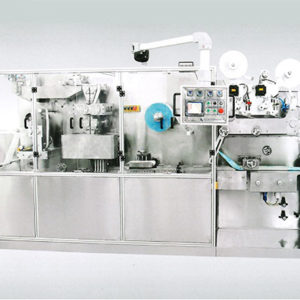
A low-viscosity (thin) lotion can be applied using a simple spray nozzle system. However, a high-viscosity (thick) lotion will require a more robust system, such as a cascade or slot-coating method, along with powerful pumps to move the fluid from the mixing tanks to the application point. Attempting to run a thick lotion through a system designed for a thin one will result in uneven wetting, clogged nozzles, and an inconsistent final product. This is a detail that must be discussed when specifying your wet wipes machine. The principles are similar to those seen in the adhesive application systems on a diaper machine or sanitary pad machine, where viscosity is king.
The Corrosive Nature of Certain Ingredients and Machine Longevity
Some wipes ingredients can be aggressive towards metal. For example, formulations with a very low pH (highly acidic) or those containing certain salts can be corrosive over time. If parts of your machine that are in constant contact with the lotion—such as tanks, pipes, pumps, and nozzles—are made from a low-grade metal, they will eventually rust and degrade.
This is why high-quality production lines are constructed using 304 or even 316L stainless steel for all fluid-contact parts. This material is highly resistant to corrosion, ensuring the longevity of your investment and preventing contamination of your product with rust particles. It is a higher upfront cost that pays for itself many times over in reduced maintenance and improved safety.
Optimizing for Speed: How Ingredient Choices Affect Production Efficiency
Every minute your production line is stopped is a minute you are losing money. Many of those stoppages can be traced back to a mismatch between ingredients and machinery. A substrate that tears easily, a lotion that clogs nozzles, or packaging film that fails to seal properly because of ingredient residue—all these issues reduce your Overall Equipment Effectiveness (OEE).
A successful manufacturer thinks holistically. They do not develop a formulation in an isolated lab and then simply "hand it over" to the production team. Instead, they co-develop the product and the process. They test different substrates on the actual machine to see how they run at speed. They fine-tune lotion viscosity for optimal wetting without oversaturation. This synergy between chemistry and mechanical engineering is the secret to a smooth, efficient, and profitable manufacturing operation.
Sıkça Sorulan Sorular (SSS)
Can I use tap water for my wet wipes?
No, using untreated tap water is highly inadvisable and unsafe. Tap water contains minerals, salts, and microorganisms that can destabilize your formulation, cause skin irritation, and lead to rapid bacterial and fungal contamination of the product. You must use purified water, such as deionized (DI) or reverse osmosis (RO) water, to ensure product stability, safety, and a consistent shelf life.
What is the most cost-effective substrate for a startup?
For a startup focused on entering the market with a competitive price point, a blended spunlace non-woven is often the best choice. A blend of polypropylene (PP) for cost-effectiveness and strength, combined with viscose for softness and absorbency (e.g., a 50/50 or 30/70 Viscose/PP blend), offers a good balance of performance and price. This provides a better user experience than 100% synthetic materials without the high cost of 100% natural fibers.
Are "natural" preservatives effective enough?
While the demand for "natural" products is high, preservation is a matter of safety science. Some "natural" preservatives, like certain essential oils or plant extracts, can have antimicrobial properties, but they often have a narrow spectrum of activity (e.g., they might inhibit mold but not bacteria) and can require very high, potentially irritating concentrations to be effective. Most reliable "natural" formulations use nature-identical or food-grade synthetic preservatives like sodium benzoate and potassium sorbate, which have a proven track record of safety and broad-spectrum efficacy.
How do wipes ingredients impact the product's shelf life?
The ingredients are the primary determinant of shelf life. The preservative system is the most direct factor, as its job is to prevent microbial growth over time. The purity of the water, the quality of the raw materials, and the pH of the formulation also play crucial roles. Furthermore, the packaging must be impermeable to prevent the lotion from drying out and to protect it from external contaminants. A typical shelf life for a well-formulated wet wipe is 2 to 3 years.
Do I need a different machine for baby wipes versus disinfecting wipes?
While the core functions of cutting, folding, and wetting are similar, there can be significant differences. Disinfecting wipes often use more aggressive chemical formulations, which may require machines with higher-grade, corrosion-resistant stainless steel (like 316L) for all liquid-contact parts. Additionally, the substrates may be thicker and require more robust cutting systems. While some flexible machines can be adapted, for high-volume, optimized production, it is often better to have a dedicated wet wipes machine configured for the specific product type.
How much fragrance should I add to my wipes?
Less is almost always more. Fragrance is typically added at very low concentrations, often between 0.1% and 0.3% of the total formulation. The goal is a pleasant, subtle scent, not an overpowering perfume. It is essential to use a hypoallergenic fragrance designed for leave-on cosmetic products and to ensure the final concentration does not cause skin sensitization. For baby products, the safest and most preferred option is to have no fragrance at all.
Can your equipment handle biodegradable materials?
Yes, modern, high-quality wet wipe machines are designed to be versatile. They can effectively handle a wide range of substrates, including 100% natural and biodegradable materials like cotton, viscose, and bamboo. However, it is important to communicate your intention to use these materials during the machine specification process. Adjustments to the tension controls, cutting blades, and folding mechanisms may be needed to optimize the machine's performance for the specific properties of these eco-friendly fabrics.
Sonuç
The journey of a wet wipe from a collection of raw materials to a finished product in a consumer's hand is a complex interplay of science, engineering, and market insight. It becomes clear that the term "wipes ingredients" extends far beyond a simple list on the back of a package. It represents a series of strategic decisions that form the very bedrock of the manufacturing enterprise. The choice of substrate dictates the product's tactile identity and the rhythm of the production line. The liquid formulation, a careful chemical balancing act, delivers the promise of cleansing and care. The preservative system, an unsung hero, stands as the silent guardian of consumer safety.
To embark on this manufacturing journey, especially in the dynamic and diverse markets of 2025, requires more than just capital for a machine. It demands a holistic perspective. It requires seeing the non-woven fiber not just as a cost per kilogram, but as a component that will interact with a high-speed cutting blade. It requires seeing a pH adjuster not just as a chemical, but as an agent that will flow through stainless steel pipes day after day. A thoughtful and informed approach to ingredient selection is not a preliminary step to be rushed; it is the most fundamental investment a manufacturer can make in the quality of their product, the efficiency of their operation, and the enduring trust of their customers.
Referanslar
Childsea. (2025, April 16). Customized sanitary napkins for every need. Childsea.
Haina. (2025, January 23). Baby diaper machine, sanitary napkin machine, adult diaper production line manufacturer. Haina.
SGS. (2022). Microbiological quality of wet wipes. SGS.
SQ Machine. (2025, May 22). How diapers are made: Materials, machines, and process explained. SQ Machine.
Sunree. (2025, March 1). Manufacturing machines ingenious technologies unrivaled efficiency. Sunree.
Womeng. (2025, March 27). Professional diaper making machine and diaper production line manufacturers. Womeng.
Womeng. (2025, April 14). Detailed explanation of diaper production process. Womeng. https://www.womengmachines.com/detailed-explanation-of-diaper-production-process/