1. Understanding the Middle East Baby Diaper Market in 2026
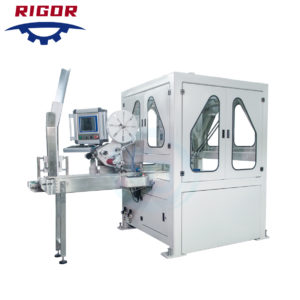
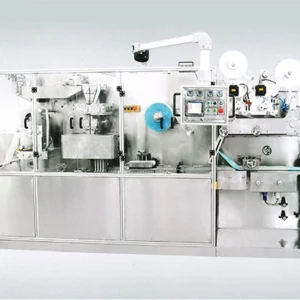
The Middle East diaper market is not just growing—it is transforming. By 2026, total retail sales of baby diapers across the GCC, Levant, and North Africa are projected to exceed USD 4.2 billion, driven by a young population, rising hygiene standards, and aggressive government programs to localize manufacturing. For importers and distributors, this means the decision to invest in a baby diaper machine Middle East operation is more strategic than ever. The region is shifting from a pure import model to one that rewards those who produce locally with tax breaks, faster logistics, and brand loyalty.
However, many buyers still rely on outdated assumptions. They believe any standard machine can serve the market, or that price per unit is the only metric that matters. In reality, success depends on matching machine specifications to local preferences, voltage standards, and regulatory frameworks. This section breaks down the numbers and the nuances.
1.1 Market Size and Growth Projections
According to World Bank population data, the Middle East and North Africa region is home to over 450 million people, with an annual birth rate exceeding 8 million. Saudi Arabia alone records around 550,000 births per year, while Egypt surpasses 2.2 million. These figures translate into a daily consumption of over 25 million diapers across the region. By 2026, market volume is expected to grow at a compound annual growth rate (CAGR) of 6.8%, with the premium segment expanding even faster at 9.2%.
What does this mean for machine buyers? A standard baby diaper machine producing 300–400 pieces per minute can output roughly 150–200 million diapers per year on a three-shift schedule. In a market absorbing billions of units annually, even a single well-placed line can capture a meaningful share—provided the product meets local expectations for softness, absorbency, and fit.
1.2 Key Drivers: Demographics, Hygiene Awareness, and Local Production Push
Three forces are reshaping procurement decisions. First, the demographic pyramid remains bottom-heavy: in countries like Iraq, Yemen, and Sudan, children under five account for nearly 15% of the population. Second, hygiene awareness campaigns by ministries of health and international NGOs have boosted diaper penetration rates from 42% in 2018 to an estimated 67% in 2026. Third, governments are actively incentivizing local production. Saudi Vision 2030 offers industrial loans, land grants, and up to 10-year tax exemptions for manufacturers setting up diaper factories. Similar programs exist in the UAE (Operation 300bn) and Egypt (industrial zone incentives).
For a distributor importing fully built machines, these incentives can cut the effective capital expenditure by 20–30%. But they also raise the bar: locally produced diapers must meet GSO and SASO standards, which influences machine selection from day one.
1.3 Regional Variations: GCC vs. Levant vs. North Africa
Not all Middle Eastern markets behave the same way. The GCC (Saudi Arabia, UAE, Kuwait, Qatar, Bahrain, Oman) demands ultra-thin, breathable diapers with wetness indicators and cotton-like softness. Price sensitivity is moderate, and private-label brands are gaining traction. The Levant (Jordan, Lebanon, Syria, Iraq) shows a split between premium urban demand and value-driven rural consumption, often requiring machines that can switch quickly between product tiers. North Africa (Egypt, Algeria, Morocco) is the most price-sensitive, with a strong preference for tape-style diapers over pull-ups, and a need for machines that handle lower-cost nonwoven materials without sacrificing speed.
Understanding these variations is critical when configuring a baby diaper machine Middle East buyers intend to run. A machine that excels in Riyadh may struggle in Cairo if it cannot process the thicker, less expensive fluff pulp common in that market.
2. Types of Baby Diaper Machines: A Comprehensive Comparison
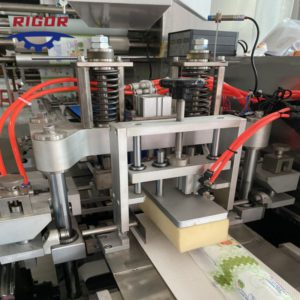
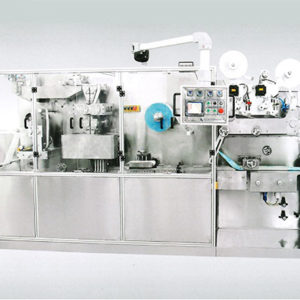
Choosing the right çocuk bezi makineleri is not a one-size-fits-all exercise. The market offers mechanical, semi-servo, and full-servo lines, each with distinct trade-offs in speed, precision, waste, and maintenance. In 2026, the trend is decisively toward servo-driven systems, but many buyers still opt for mechanical or hybrid solutions due to budget constraints. The table below summarizes the key differences.
| Özellik | Mechanical Machine | Semi-Servo Machine | Full-Servo Machine |
|---|---|---|---|
| Speed (pcs/min) | 150–250 | 250–400 | 400–600+ |
| Web Tension Control | Manual | Partial servo | Fully automatic |
| Material Waste | 3–5% | 1.5–2.5% | 0.5–1.2% |
| Size Changeover Time | 40–60 min | 20–30 min | 5–15 min |
| Price Range (USD, 2026) | 80,000–150,000 | 180,000–350,000 | 400,000–800,000+ |
| Typical ROI Period | 18–24 months | 12–18 months | 10–14 months |
2.1 Full-Servo vs. Semi-Servo vs. Mechanical Machines
Mechanical machines rely on cam-driven systems and require frequent manual adjustments. They are suitable for startups with low capital and a focus on basic, economy diapers. However, the higher waste percentage and longer changeover times eat into margins quickly. In a market like Egypt, where raw material costs can swing by 15% quarterly, a 3% waste rate can mean thousands of dollars in lost profit per month.
Semi-servo machines offer a middle ground, using servo motors on critical stations like the core forming unit and cutting section while keeping mechanical drives on less sensitive areas. This reduces waste and improves speed stability. Many buyers in Jordan and Lebanon choose semi-servo lines because they balance investment cost with the ability to produce mid-tier products for both local and export markets.
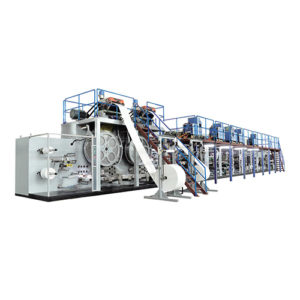
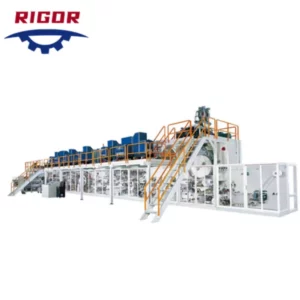
Full-servo machines represent the state of the art. Every station is independently driven by servo motors, synchronized via a central PLC. This allows for real-time tension control, automatic splice at full speed, and recipe-based size changes that take under 15 minutes. For a Saudi Arabian manufacturer aiming to supply pharmacy chains and supermarkets with premium private-label diapers, a full-servo line is almost mandatory to meet consistency and hygiene requirements.
2.2 Production Speed and Capacity: What Numbers Matter
Speed ratings in brochures can be misleading. A machine advertised as “500 pcs/min” may only sustain that speed with a specific diaper size, material grade, and operator skill. Realistic sustained output is typically 80–85% of the maximum. Buyers should ask for a 24-hour continuous run test report, not just a short demonstration. A machine that delivers 420 stable pieces per minute on size 4 over 22 hours of operation is more valuable than one that peaks at 550 but averages 380 due to frequent stops.
Capacity calculations should also factor in shift patterns. In the Middle East, many factories run two 10-hour shifts six days a week, totaling 120 hours. A machine producing 400 pcs/min yields 2.88 million diapers per week, or roughly 150 million per year. Compare this to local demand in a city like Jeddah, where monthly consumption of size 3 and 4 diapers alone exceeds 30 million units, and the numbers justify serious investment.
2.3 Pant-Style vs. Tape-Style Diaper Lines: Which Sells Better in the Middle East?
Pant-style diapers are growing at 12% annually in the GCC, driven by convenience and the perception of premium quality. However, tape-style diapers still command over 60% of volume across the broader Middle East due to lower cost and familiarity. A flexible machine that can produce both styles with minimal conversion parts is a strategic asset. Some manufacturers offer modular platforms where the same main frame accepts either a tape applicator or a pant-forming unit. This modularity adds 15–20% to the initial machine cost but can double the addressable market for the factory.
3. 7 Critical Mistakes When Buying a Baby Diaper Machine for the Middle East
Over the past decade, I have seen well-funded projects fail because of preventable errors in machine selection and procurement. These seven mistakes recur across markets from Riyadh to Casablanca, and avoiding them can save you USD 50,000–200,000 in lost time and rework.
3.1 Ignoring Electrical and Voltage Compatibility
In 2024, a Dubai-based client ordered a high-speed line from an Asian manufacturer without specifying the voltage. The machine arrived configured for 380V/50Hz, matching the UAE grid, but the factory’s actual supply fluctuated between 360V and 410V due to local infrastructure quirks. The servo drives tripped repeatedly, causing 12% downtime. We retrofitted voltage stabilizers and line reactors at a cost of USD 18,000. The lesson: always request a detailed electrical audit of your site and share it with the machine builder before signing the contract. In Saudi Arabia, 400V/60Hz is common; in Egypt, 380V/50Hz; in Iran, 400V/50Hz. A mismatch can destroy sensitive electronics.
3.2 Overlooking After-Sales Support and Spare Parts Availability
Many buyers focus on the machine price and ignore the service ecosystem. A baby diaper machine Middle East operation needs local or regional technical support. When a servo motor fails, waiting three weeks for a replacement from China or Europe can cost USD 150,000 in lost production. I recommend buyers demand a guaranteed 48-hour response time for critical spare parts and a list of recommended spares for the first two years. Some manufacturers now station engineers in Dubai or Riyadh—this is a factor worth paying a 5–8% premium for.
3.3 Choosing the Wrong Machine Width and Size Range
Diaper machines are designed for specific product widths and size ranges. A machine built for Asian markets may produce sizes S to L, while the Middle East market demands M to XXL, with larger absorbent cores. Retrofitting a narrow machine to produce wider diapers is often impossible without major rebuilds. Always confirm the machine can handle the full size range you plan to sell, including the largest size with the highest SAP loading.
3.4 Neglecting Local Certification and Halal Considerations
Many buyers assume CE marking is sufficient for the Middle East. It is not. Saudi Arabia requires SASO certification, and the broader GCC mandates GSO compliance. These standards cover not only product performance but also materials safety. Additionally, if your diaper uses lotions, adhesives, or superabsorbent polymers derived from animal sources, halal certification may be required for certain markets. A UAE-based private label brand lost a major retail contract in 2025 because the adhesive supplier could not provide halal documentation. Always audit your raw material chain alongside the machine purchase.
3.5 Underestimating Total Cost of Ownership
The purchase price is only 45–55% of the five-year total cost. Energy consumption, spare parts, maintenance labor, and waste disposal add up. A full-servo machine may cost USD 200,000 more upfront but consume 25% less electricity and generate 2% less waste, saving USD 80,000–120,000 over five years. Build a TCO model before comparing quotes.
3.6 Failing to Demand Factory Acceptance Testing (FAT)
Factory Acceptance Testing is your last chance to verify performance before shipment. I always advise buyers to send their own engineer or hire a third-party inspector for the FAT. Run the machine with the actual materials you plan to use, not the supplier’s optimized samples. Measure waste, speed, and product dimensions over a continuous eight-hour run. In one case, a Moroccan buyer discovered during FAT that the machine’s core formation was inconsistent with local fluff pulp; the manufacturer corrected the issue before shipping, saving months of on-site debugging.
3.7 Not Planning for Raw Material Sourcing
A machine without a reliable raw material pipeline is a stranded asset. Middle East buyers often import nonwoven fabric, SAP, and fluff pulp from Europe, China, or Southeast Asia. Lead times can be 30–60 days. Secure at least two qualified suppliers for each major material before the machine arrives. Stockpile a three-month safety buffer for the startup phase. This simple step prevents the painful scenario of a commissioned machine sitting idle while you scramble for materials.
4. Step-by-Step Guide to Importing a Diaper Machine into the Middle East
Importing a complete diaper production line involves a chain of decisions that can take 4–8 months from order to commissioning. The following steps, based on real projects in Saudi Arabia and Egypt, provide a reliable roadmap.
4.1 Pre-Purchase Due Diligence: Factory Audits and Reference Checks
Visit the manufacturer’s factory if possible. If travel is restricted, hire a local inspection company to conduct a virtual or in-person audit. Verify the manufacturer’s export history to the Middle East—ask for at least three reference customers in the region and call them. Questions to ask: How long did commissioning take? How quickly were spare parts delivered? Did the machine meet the guaranteed speed and waste figures? This due diligence can filter out suppliers who overpromise and underdeliver.
4.2 Negotiating Payment Terms and Incoterms
Typical payment structures are 30% down payment, 60% before shipment, and 10% after successful commissioning. However, for larger projects, buyers can negotiate 10–15% retention until the machine achieves agreed performance metrics for 30 consecutive days. Use Incoterms 2020: CIF Jeddah or DAP Riyadh are common, but DDP (delivered duty paid) shifts customs risk to the seller. Clarify who handles port charges, customs brokerage, and inland transportation. A well-drafted contract prevents disputes that can delay commissioning by weeks.
4.3 Shipping, Customs Clearance, and Documentation Checklist
Required documents typically include:
- Commercial invoice and packing list
- Bill of lading (for sea freight) or airway bill (for air freight of spare parts)
- Certificate of origin (often required for preferential customs rates under trade agreements)
- SASO or GSO certificate of conformity
- Import license or industrial registration (varies by country)
- Insurance certificate
Customs clearance in Saudi Arabia can take 5–10 working days if documents are in order. In Egypt, it may take 10–15 days. Engage a local clearing agent early. They will handle tariff classification—diaper machines typically fall under HS code 8441.80, attracting 0–5% duty in most GCC countries under industrial exemptions.
4.4 Installation, Commissioning, and Training: What to Expect
Plan for 2–4 weeks of mechanical installation, followed by 1–2 weeks of electrical and pneumatic hook-up. Commissioning and fine-tuning take another 2–3 weeks. During this period, the manufacturer’s engineers should be on-site. Insist on a structured training program for your operators and maintenance staff—at least 80 hours of hands-on training. One Saudi client reduced startup scrap by 60% simply by having three operators undergo intensive training on web tension control and splice timing before independent operation.
5. Cost Analysis and ROI: What to Expect in 2026
Understanding the full financial picture separates profitable operations from those that break even for years. The numbers below are based on 2026 quotes and operational data from factories in the UAE, Saudi Arabia, and Egypt.
5.1 Price Ranges by Machine Type and Configuration
As shown in the comparison table, mechanical lines start around USD 80,000, while a fully equipped full-servo pant diaper line with automatic packaging can exceed USD 800,000. Most mid-sized distributors target a semi-servo tape diaper machine in the USD 220,000–280,000 range, configured for sizes M to XXL, with a speed of 350 pcs/min. This configuration balances capital outlay with the ability to serve both value and mid-tier segments.
5.2 Hidden Costs: Installation, Training, Spare Parts, and Downtime
Beyond the machine price, budget for:
- Shipping and insurance: 3–6% of machine value
- Customs duties and clearance fees: 0–5% (country-dependent)
- Civil works and utilities: USD 10,000–25,000 for foundation, compressed air, and electrical upgrades
- Initial spare parts kit: 3–5% of machine value
- Training and commissioning support: often included, but verify
- Working capital for raw materials: USD 50,000–100,000 for the first three months
These hidden costs can add 18–25% to the initial investment. Factoring them in from the start prevents cash flow crises.
5.3 ROI Calculation: How Many Diapers to Break Even
Assume a semi-servo machine costing USD 250,000 landed and installed. With a production speed of 350 pcs/min, running 120 hours per week, annual output is approximately 131 million diapers. At an ex-factory selling price of USD 0.06 per diaper (mid-tier), annual revenue reaches USD 7.86 million. Raw material cost per diaper averages USD 0.038, leaving a gross margin of USD 0.022 per piece. After labor, utilities, and overhead (USD 0.008 per diaper), net margin is USD 0.014. Annual net profit: 131 million × USD 0.014 = USD 1.834 million. The machine pays for itself in under three months of full-capacity operation. Even at 70% utilization, payback is under six months. These numbers explain why the Middle East diaper machine market is attracting so many new entrants.
6. Case Study: How a Saudi Arabian Distributor Scaled from 0 to 50 Million Diapers per Year
In 2023, a Jeddah-based distributor of FMCG products decided to launch a private-label diaper brand under Saudi Vision 2030 incentives. They had no prior manufacturing experience.
6.1 The Challenge: Entering a Competitive Market
The Saudi diaper market was dominated by multinational brands holding 70% share. Retail chains demanded consistent quality, competitive pricing, and reliable supply. The distributor needed to build a factory capable of producing 50 million diapers annually within 18 months, meeting SASO standards and matching the softness of leading brands.
6.2 The Solution: Selecting the Right Full-Servo Line and Local Partnerships
After evaluating six manufacturers, they selected a full-servo baby diaper machine Middle East configuration optimized for size 3–6 tape diapers, with a design speed of 500 pcs/min. The machine included automatic splicing, vision inspection for SAP distribution, and a stacker-bagger. They also partnered with a local nonwoven converter and a Saudi logistics company for just-in-time raw material delivery. A factory audit team visited the machine builder in China, conducted a 24-hour FAT, and negotiated a 10% retention clause tied to 30-day performance stability.
6.3 The Results: Production Data, Cost Per Diaper, and Market Share Gain
Within 12 months of machine arrival, the factory achieved a sustained output of 420 pcs/min, producing 48 million diapers in the first full year. Waste stabilized at 1.1%. Total cost per diaper, including depreciation, was USD 0.052, allowing a wholesale price of USD 0.065—15% below the leading brand while maintaining a healthy margin. The brand secured shelf space in three major pharmacy chains and captured 4.5% of the Saudi market within two years. The distributor has since ordered a second line for pant-style diapers.
7. Top 5 Trends Shaping the Middle East Diaper Machine Industry
7.1 Smart Manufacturing and Industry 4.0 Integration
In 2026, leading machines come with IoT gateways that stream production data to cloud dashboards. Plant managers in Dubai can monitor OEE, waste rates, and machine health from a smartphone. Predictive maintenance algorithms flag bearing wear and servo anomalies before they cause downtime. Buyers should ask for OPC UA compatibility and at least local data logging—these features improve decision-making and reduce dependence on expatriate technicians.
7.2 Sustainable and Biodegradable Diaper Materials
Environmental regulations are tightening. The UAE has announced a ban on certain single-use plastics by 2027, and Saudi Arabia’s Circular Economy Framework encourages biodegradable backsheets. Diaper machines must now handle bio-based films and chlorine-free fluff pulp without wrinkling or tearing. Some manufacturers offer retrofittable unwinding units with active tension control for delicate materials. Investing in this flexibility now can future-proof the factory.
7.3 Compact, High-Speed Machines for Urban Micro-Factories
Urban land costs in Dubai and Riyadh are pushing the development of compact lines that fit in 1,500–2,000 square meters yet still deliver 350–400 pcs/min. These machines integrate the stacker and bagger into a single frame, reducing footprint by 30%. For distributors entering the market with a pilot plant, this format minimizes real estate expense and speeds up installation.
7.4 E-Commerce and Private Label Diaper Brands
Online diaper sales in the Middle East grew 28% in 2025, according to industry estimates. Amazon.sa and Noon.com have launched private-label diaper programs, creating demand for small-batch, fast-changeover machines. A machine that can switch sizes in 10 minutes allows a factory to fulfill short-run orders for e-commerce brands without sacrificing efficiency. This trend favors full-servo machines with recipe management.
7.5 Government Incentives for Local Production (Saudi Vision 2030, etc.)
Saudi Arabia’s National Industrial Development and Logistics Program (NIDLP) offers up to 75% financing for industrial projects through the Saudi Industrial Development Fund. The UAE’s Ministry of Industry and Advanced Technology provides rebates on electricity and export credits. Egypt’s industrial zones offer five-year tax holidays. These incentives reduce the effective cost of a diaper machine by 20–35%, dramatically improving ROI. Buyers should engage with local investment promotion agencies early in the planning process.
8. Maintenance and Troubleshooting: A Beginner-to-Advanced Checklist
8.1 Daily and Weekly Preventive Maintenance Tasks
For operators new to çocuk bezi makineleri , a disciplined routine prevents most unplanned stops:
- Daily: Check pneumatic pressure (should be 6–8 bar), clean ultrasonic sensors with alcohol wipes, inspect cutting blades for adhesive buildup, verify all safety guards are in place.
- Weekly: Lubricate linear guides and ball screws, check belt tensions, clean electrical cabinets with compressed air (dry, oil-free), review error logs on the HMI for recurring alarms.
These tasks take 30 minutes daily and two hours weekly but can reduce minor stoppages by 40%.
8.2 Common Mechanical Failures and Quick Fixes
Advanced troubleshooting knowledge empowers local teams to resolve issues without waiting for manufacturer support. Common failures include:
- Web breaks at the splice unit: Usually caused by incorrect tape tension or worn splice rollers. Reduce tension by 5% increments and inspect roller surface.
- Misaligned core formation: Check SAP dosing auger calibration and fluff pulp defibration quality. Recalibrate the core drum vacuum settings.
- Inconsistent tape tab placement: Verify tape applicator timing belt condition and clean the vacuum pads. A worn belt can shift placement by 3–5 mm, causing rejects.
I always recommend that factories build a “troubleshooting library” with photos and step-by-step solutions for the top 20 issues encountered during the first year. This library becomes an invaluable training tool.
8.3 Extending Machine Lifespan: Lubrication, Alignment, and Spare Parts Management
A well-maintained baby diaper machine can operate efficiently for 12–15 years. Key practices include: using only manufacturer-recommended lubricants, performing laser alignment of drive shafts annually, and keeping a critical spares inventory (servo motors, PLC modules, cutting blades, ultrasonic generators). One Egyptian factory extended machine life by four years simply by switching from generic grease to a high-temperature synthetic alternative that reduced bearing wear by 60%.
9. Legal, Certification, and Compliance Requirements for Middle East Markets
9.1 GCC Standardization (GSO) and SASO for Saudi Arabia
The GSO Technical Regulation for Baby Diapers (GSO 2085/2022) sets limits on formaldehyde, pH, and heavy metals. Saudi Arabia enforces this through SASO, requiring a Certificate of Conformity for every shipment. Machines must be capable of producing diapers that pass these tests consistently. Buyers should request a compliance guarantee from the machine builder and plan for third-party lab testing during commissioning.
9.2 CE Marking vs. Local Certifications: What’s Accepted?
CE marking demonstrates conformity with EU safety standards for machinery but does not automatically satisfy Middle East product regulations. However, a CE-marked machine simplifies the SASO registration process because it proves baseline electrical and mechanical safety. For the final product (diapers), only GSO/SASO marks are accepted. Some buyers mistakenly believe CE is sufficient and face shipment rejections at port.
9.3 Halal Certification for Adhesives and Lotions
This is a frequently misunderstood area. Diapers themselves are not “halal certified” as a final product, but any lotion, fragrance, or adhesive that contacts the skin may need halal certification if it contains animal-derived ingredients. In Malaysia and Indonesia, this is strictly enforced; in the Middle East, major retailers are increasingly requesting halal compliance for private-label products. The safest approach is to source adhesives and lotions from suppliers with recognized halal certificates, avoiding porcine-based stearates and gelatin. During machine selection, confirm that the hot-melt application system can maintain precise temperature control for sensitive halal-certified adhesives, which often have narrower processing windows.
10. Tools and Resources for Diaper Machine Buyers
10.1 Factory Audit Checklist (Downloadable Template)
A structured factory audit is the most effective risk-reduction tool. Key areas to evaluate include: welding quality, electrical cabinet wiring, component brands (Siemens, Mitsubishi, Omron vs. generic), test run data transparency, and after-sales infrastructure. Request a detailed audit report template from your inspection partner or download one from industry associations. A good audit takes 1–2 days and costs USD 1,500–3,000—a fraction of the cost of a bad purchase.
10.2 Online Communities and Trade Shows (ArabPlast, INDEX, etc.)
ArabPlast in Dubai and INDEX in Riyadh are the premier trade shows for nonwoven and hygiene machinery in the Middle East. They offer opportunities to see machines under power, meet multiple suppliers, and attend technical seminars. Online, LinkedIn groups such as “Nonwoven Machinery Network” and “Diaper Industry Professionals” provide peer advice and supplier reviews. Engaging in these communities for 3–6 months before purchasing can reveal invaluable real-world feedback.
10.3 Recommended Third-Party Inspection Services
Companies like SGS, Bureau Veritas, and TÜV offer pre-shipment inspection and factory audit services tailored to industrial machinery. They can verify build quality, document accuracy, and packaging standards. For buyers who cannot travel, a third-party FAT witness is essential. Costs range from USD 2,000 to 5,000 depending on scope, but the investment prevents expensive disputes.
Every year, we see distributors and investors transform their businesses by making informed, data-driven decisions about diaper machinery. The Middle East market rewards those who treat machine selection as a strategic process—not a simple purchase order. If you are evaluating a baby diaper machine Middle East project, start by auditing your factory’s electrical infrastructure, defining your target product specifications, and demanding a factory acceptance test with your own materials. The difference between a line that delivers 400 stable pieces per minute and one that averages 300 with constant stops is not just engineering—it is the result of rigorous preparation and insistence on verified performance. Reach out to manufacturers who are willing to share reference contacts, provide detailed TCO models, and stand behind their machines with local support. Your first step should be a factory visit or a third-party audit. That single action can save you months of frustration and hundreds of thousands of dollars.
Referanslar
- World Bank Population Data – Middle East & North Africa
- Saudi Vision 2030 – Industrial Development Programs
- GSO Technical Standards for Baby Diapers
- Saudi Standards, Metrology and Quality Organization (SASO)
- ArabPlast – International Trade Show for Plastics and Nonwovens
- International Trade Administration – Country Commercial Guides