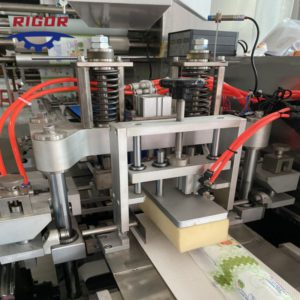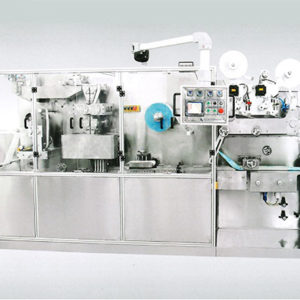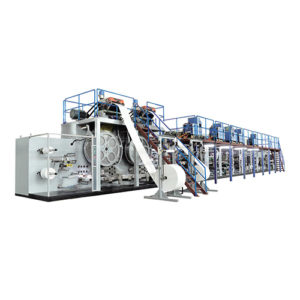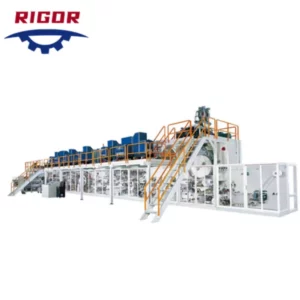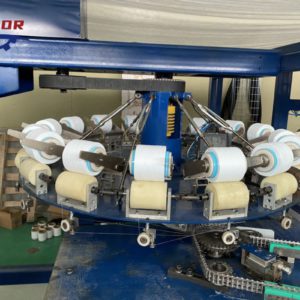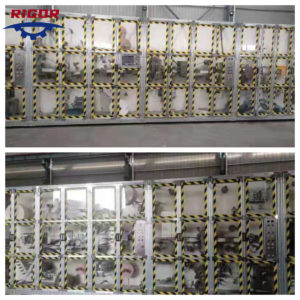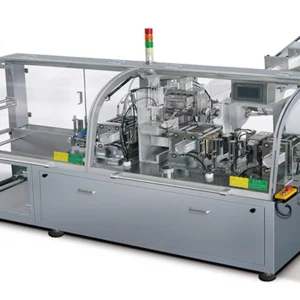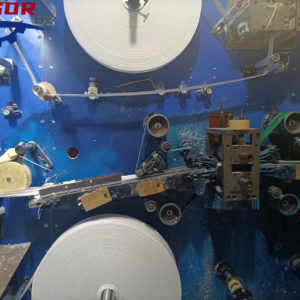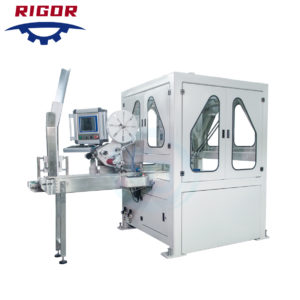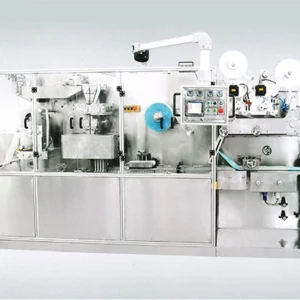
The global diaper industry is shifting its supply chain toward Southeast Asia, and Vietnam has emerged as a strategic hub for manufacturing high-quality diaper machinery. For buyers from South America, Russia, the Middle East, and Africa, sourcing from Vietnam offers a unique blend of competitive pricing, improving technology, and favorable trade agreements. But navigating a foreign supplier landscape requires careful planning. In this guide, I’ll share practical insights gained from years of working directly with Vietnamese manufacturers and international clients.
How to Choose the Best Diaper Machine Supplier in Vietnam?
Selecting the right supplier is the single most critical decision in your diaper production venture. Vietnam hosts a mix of established local manufacturers, joint ventures, and representatives of Chinese brands. The key is to look beyond the sales pitch and verify actual capabilities.
Key Factors to Evaluate Vietnamese Diaper Machine Manufacturers
Start with production experience: how many years has the company been building diaper machinery? A factory with a decade of history often has refined its designs and quality control. Check their technical certifications—ISO 9001 is a minimum, but CE or UL certifications indicate export readiness. Ask for a client list and contact references directly. In my experience, a manufacturer willing to share unedited customer contacts is confident in their after-sales record.
Visit their production floor if possible. Look at the level of automation they use to build the machines themselves. A workshop equipped with advanced CNC machines and laser cutters will produce more precise components. Also, evaluate their engineering team: can they customize the machine for different diaper sizes, core materials, or packaging options? The flexibility of their design often determines your ability to adapt to market trends later.
Step-by-Step Guide to Visiting and Auditing Factories in Vietnam
A factory visit is your best due diligence tool. Here’s a practical roadmap I’ve used with dozens of clients:
- Pre-Visit Research: Shortlist 3-5 suppliers based on online profiles, trade show interactions, and referrals. Request detailed quotations and technical brochures beforehand.
- Scheduling: Plan at least 2 full days in industrial zones like Binh Duong, Dong Nai, or Ho Chi Minh City. Confirm appointments and request that a technical engineer—not just a salesperson—be present.
- On-Site Inspection: Observe the assembly area for organization and safety. Are workers following standard operating procedures? Check the testing area: a reliable manufacturer will have a dedicated testing line where you can see a diaper machine in operation.
- Quality Audit: Ask to see quality control logs, raw material certificates, and the calibration records of their measurement tools. During one audit in Binh Duong, I noticed that a manufacturer used a high-speed camera to analyze product defects in real time—a sign of a mature quality system.
- Post-Visit Evaluation: Compare your notes on communication, transparency, and the overall professionalism of each factory. The best supplier isn’t always the cheapest; it’s the one that demonstrates consistent attention to detail.
Remember, a face-to-face meeting also lets you gauge the company’s stability. Look for signs of long-term investment, such as recent equipment upgrades or a clean, well-maintained facility.
Questions to Ask Before Signing a Diaper Machine Contract
Before committing, arm yourself with a list of specific questions. Here are the ones I consider non-negotiable:
- What is the exact scope of supply? Does it include the main machine, conveyors, stackers, and packaging units?
- What are the warranty terms, and what parts are excluded?
- How quickly can you dispatch spare parts to my country? Do you have a local distributor or partner?
- What is the typical response time for remote technical support? Is on-site installation and training included in the price?
- Can you provide a detailed production capacity guarantee in writing, with penalties for shortfalls?
- What are the power requirements, and can the machine handle voltage fluctuations common in my region?
- Do you offer any performance monitoring software or remote diagnostics?
- How do you handle design changes or upgrades after purchase?
Getting clear answers in writing protects you from misunderstandings that frequently plague international equipment purchases.
What are the Top Diaper Machines Available in Vietnam?
The Vietnamese market offers a spectrum of bebek bezi makineleri , from entry-level semi-automatic lines to high-speed fully automatic systems. Understanding the differences helps you match the machine to your business goals.
Semi-Automatic vs. Fully Automatic Diaper Machines: Which is Right for You?
Semi-automatic machines require manual intervention for material feeding, product transfer, or packaging. They typically run at 100-200 pieces per minute and suit startups or niche markets where labor costs are low. Fully automatic systems integrate unwinding, forming, stacking, and bagging into one continuous line, achieving speeds of 400-800 pieces per minute or more. The choice hinges on your labor cost, target output, and product consistency needs.
Below is a quick comparison to help you decide:
| Özellik | Semi-Automatic | Fully Automatic |
|---|---|---|
| Production Speed | 100–200 pcs/min | 400–800 pcs/min |
| Operators Required | 4–6 per line | 1–2 per line |
| Initial Investment | $50,000–$120,000 | $150,000–$400,000 |
| Changeover Time | Faster for size changes | Slower, but automated recipes available |
| Maintenance Complexity | Low; simple mechanical parts | High; requires skilled technicians |
| İçin En İyisi | Startups, low-volume niche products | Established brands, high-volume export |
When I consult with first-time buyers, I usually recommend a semi-automatic setup if their projected monthly output is under 5 million pieces. It limits financial risk while they test the market. However, if you already have distribution contracts, the efficiency of a fully automatic line quickly pays for itself.
Chinese vs. Vietnamese Diaper Machine Manufacturers: Pros and Cons
Many buyers assume Chinese machines are always cheaper and more advanced, but the gap is narrowing. Vietnamese manufacturers have several advantages: lower shipping costs within ASEAN, familiarity with local raw material supply chains, and increasingly competitive pricing due to government incentives. Chinese suppliers, on the other hand, often have larger-scale production and a wider range of models. However, after-sales service can be a challenge if you are far from China, whereas Vietnamese companies are aggressively expanding their service networks in emerging markets.
From a quality perspective, top-tier Vietnamese diaper machinery now rivals mid-range Chinese equipment. The key is to evaluate each factory individually rather than generalizing by country. One practical tip: check whether the manufacturer uses internationally branded components (like Siemens PLCs, Omron sensors, or Nord gearmotors). This is a reliable quality signal regardless of origin.
Case Study: Performance Review of Popular Diaper Machine Models in Vietnam
Let’s look at a real-world example. A client in Kenya purchased a Vietnamese fully automatic baby diaper machine (model VN-800) in early 2025. The machine was rated at 600 pcs/min and included a servo-driven stacking system. After 8 months of operation, the line achieved an overall equipment effectiveness (OEE) of 85%, with downtime mainly due to raw material splices. The client reported that the remote diagnostic support via WeChat/WhatsApp resolved most issues within 2 hours. Total cost delivered to Mombasa, including installation, was $210,000—about 20% less than an equivalent Chinese model quoted at the time. This case illustrates the growing competitiveness of Vietnamese machinery when paired with responsive service.
What Common Mistakes Should You Avoid When Buying a Diaper Machine in Vietnam?
Even experienced buyers can stumble. Here are the pitfalls I see most often—and how to steer clear.
Overlooking After-Sales Service and Technical Support
This is the number one mistake. A machine is a long-term investment, and downtime kills profitability. I recall a South African entrepreneur who bought a low-cost semi-automatic line from an unverified vendor. When a critical servo motor failed, the supplier took 6 weeks to ship a replacement because they had no local stock. The production halt cost him over $40,000 in lost orders. Always clarify: where are spare parts warehoused? What is the guaranteed response time? Is there a local technician or partner? A reputable Vietnamese supplier will offer a comprehensive service level agreement (SLA) and often provide training for your maintenance team during installation.
Ignoring Local Regulations and Import Duties
Every country has its own import regulations for industrial machinery. In Brazil, for example, you need to navigate complex tax structures like ICMS and IPI, while Russia requires EAC certification for electrical equipment. Saudi Arabia enforces SASO standards, and South Africa has NRCS approvals. Before ordering, work with a customs broker to calculate the total landed cost, including duties, VAT, and clearance fees. Also, check if Vietnam has a free trade agreement with your country—as a member of ASEAN, Vietnam enjoys preferential tariffs with many partners, which can reduce your import duty significantly.
On the Vietnamese side, ensure the manufacturer can provide the necessary export documentation, including the Certificate of Origin (Form E for ASEAN, Form D for other FTAs). Missing paperwork can delay your shipment by weeks.
Focusing Only on Price Instead of Total Cost of Ownership
Price tags are misleading. A machine that costs $80,000 might consume 30% more electricity, require more frequent part replacements, and produce higher waste rates than a $110,000 model. Over 5 years, the "cheaper" machine could cost you an extra $150,000. I helped a Brazilian client run this exact calculation: by opting for a fully automatic machine with a higher initial price but lower energy consumption and better raw material utilization, his total cost per diaper dropped by 12%. The payback period for the premium was just 9 months. Always request energy consumption data, expected waste rates, and a list of consumable parts with their lifespan before comparing quotes.
How Much Does a Diaper Machine Cost in Vietnam?
Pricing in Vietnam is dynamic, influenced by component sourcing, labor costs, and currency fluctuations. Here’s what you can expect in 2026.
Average Price Ranges for Different Types of Diaper Machines in Vietnam
- Baby diaper semi-automatic line (150–200 pcs/min): $55,000 – $95,000
- Baby diaper fully automatic line (400–500 pcs/min): $160,000 – $250,000
- High-speed fully automatic line (600–800 pcs/min): $280,000 – $420,000
- Adult diaper / pull-up pants machine: $120,000 – $350,000 depending on features
- Sanitary napkin machine: $70,000 – $200,000
These prices are FOB Ho Chi Minh City and typically include the main machine, stacking, and basic packaging modules. Customizations, such as additional size change parts or special embossing units, add 10–20% to the base cost.
Hidden Costs: Shipping, Installation, and Training
Beyond the machine price, budget for:
- Freight and insurance: Shipping a 40ft container to South America can cost $8,000–$15,000; to the Middle East, $5,000–$10,000.
- Import duties and taxes: Typically 5–20% of CIF value, depending on the destination.
- Kurulum ve devreye alma: Vietnamese manufacturers usually charge $3,000–$8,000 for sending engineers abroad for 1–2 weeks, plus travel expenses.
- Training: Often included, but confirm the duration and number of trainees covered.
- Spare parts inventory: I recommend purchasing an initial spare parts kit (5–10% of machine value) to avoid downtime.
Calculating ROI: How Long to Recoup Your Investment?
Let’s run a sample ROI for a mid-range fully automatic baby diaper machine costing $200,000 delivered. Assume a production speed of 500 pcs/min, running 20 hours/day, 300 days/year. That’s 180 million diapers annually. If your selling price per diaper is $0.06 and your material cost is $0.03, your gross margin per diaper is $0.03. Annual gross profit = $5.4 million. Even after deducting labor, overhead, and marketing, the machine cost is often recovered within 3–6 months. I recently worked with a Russian distributor who achieved full payback in 4 months because he secured a large retail contract before the machine arrived. Of course, your timeline depends on market access and utilization rate. Be conservative: plan for a 12–18 month payback to buffer against startup hiccups.
What are the Latest Trends in Vietnam's Diaper Machine Market for 2026?
Vietnam’s diaper machinery sector is evolving rapidly, driven by global sustainability demands and digital transformation.
The Rise of Eco-Friendly and Biodegradable Diaper Production
Consumers and regulators are pushing for greener diapers. In response, Vietnamese machine builders are adapting their equipment to handle biodegradable films, plant-based SAP, and chlorine-free fluff pulp. These materials behave differently on high-speed lines—they may require gentler tension control or modified ultrasonic bonding. I’ve seen several manufacturers now offering “green line” packages that include specialized unwinding units and adjustable heat settings. If you plan to market eco-friendly diapers, discuss material compatibility during the machine design phase, not after installation.
Automation and Industry 4.0 in Vietnamese Diaper Manufacturing
Industry 4.0 is no longer a buzzword here. Leading Vietnamese factories are integrating IoT sensors that monitor vibration, temperature, and production counts in real time. Data streams to a central dashboard accessible via smartphone, allowing managers to track OEE and predict maintenance needs. Some suppliers offer optional AI-powered vision inspection systems that detect defects like missing tapes or uneven elastic at full speed. While these features add upfront cost, they dramatically reduce waste and downtime. In my opinion, any new machine purchase above $200,000 should include at least basic IoT connectivity to future-proof your investment.
How Vietnam is Becoming a Hub for Diaper Machine Export to Southeast Asia
Vietnam’s strategic location, young workforce, and participation in trade pacts like CPTPP and RCEP make it an ideal export base. Local manufacturers are increasingly targeting markets in Indonesia, the Philippines, and Myanmar, where diaper consumption is growing at double-digit rates. For international buyers, this means Vietnamese suppliers are gaining more experience with diverse requirements and are building stronger logistics networks. It also means that by sourcing from Vietnam, you tap into a supply chain that is optimized for the entire region, potentially reducing your own shipping costs if you expand into neighboring countries later.
Where Can You Find Reliable Diaper Machine Suppliers and Resources in Vietnam?
Finding the right partner starts with knowing where to look. Below are the most effective channels I recommend.
Recommended Trade Shows and Exhibitions in Vietnam
- VietnamPlas (Ho Chi Minh City, usually in October): Covers plastics and packaging machinery, often featuring diaper equipment.
- Vietnam Manufacturing Expo (Hanoi, August): A broader industrial show where several machinery makers exhibit.
- Hanoi International Industrial Fair : Good for meeting northern-based manufacturers.
- ProPak Vietnam : Focuses on processing and packaging, relevant for diaper packaging automation.
Attending these shows allows you to see machines in operation, collect samples, and build personal relationships. I always advise clients to plan meetings in advance and bring raw material samples for on-the-spot testing.
Useful Online Platforms and Directories for Finding Suppliers
- Alibaba.com with location filter set to Vietnam: Many Vietnamese suppliers now have verified profiles.
- Vietnam Yellow Pages (trangvangvietnam.com): A local business directory with industrial categories.
- Industry associations: The Vietnam Plastics Association (VPAS) and the Vietnam Association of Mechanical Industry (VAMI) can provide member lists.
- LinkedIn: Search for “diaper machine Vietnam” to find company pages and connect with sales engineers.
Free Checklist: Diaper Machine Buyer's Toolkit
To simplify your sourcing process, I’ve compiled a practical checklist that covers every stage—from initial inquiry to final acceptance. It includes:
- Supplier evaluation scorecard
- Factory audit template
- Total cost of ownership calculator
- Key contract clauses to review
- Installation and commissioning timeline
You can download this toolkit directly from our website. It has saved my clients countless hours and helped them avoid costly oversights.
Choosing the right bebek bezi makineleri supplier in Vietnam can transform your business, but it demands thorough vetting and a clear understanding of your own production needs. Whether you are upgrading an existing line or launching a new brand, take the time to visit factories, ask hard questions, and calculate the real cost beyond the sticker price. If you need personalized guidance or want to explore our range of high-performance machines, our team is ready to assist. Contact us today to schedule a consultation or request a customized quotation.
References and Further Reading
- Vietnam Ministry of Industry and Trade – Trade Policies and Export Data
- Vietnam Plastics Association – Industry Members Directory
- Statista – Diaper Market Size and Forecasts
- Vietnam Briefing – Business and Investment Guides
- Nonwovens Industry – Technical Articles on Diaper Machinery
- Vietnam Customs – Import/Export Procedures