Approximately 3.7 billion people experience menstruation on a monthly basis. Despite that, millions of women and girls who live in less developed regions cannot afford or even get sanitary napkins, although they are a basic hygiene product. A global discussion has taken place as a consequence: Why are the sanitary napkins not free like the other public health necessities?
Although a lot of people are of the opinion that menstrual products should be given away for free or at least be subsidized, things are far from being that simple. There are many reasons behind the current sanitary napkin prices situation, and these include the whole chain from the manufacturing and logistics to policy and infrastructure.

What Goes Into the Cost of a Sanitary Napkin?
Sanitary napkins may seem simple, but their production involves multiple stages, each contributing to the final price. Key cost factors include:
- Raw materials: Super absorbent polymers, fluff pulp, breathable backsheet films, and non-woven fabrics
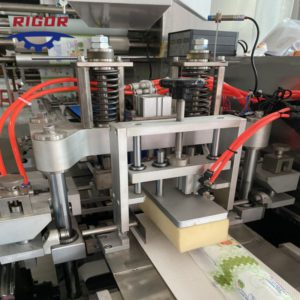
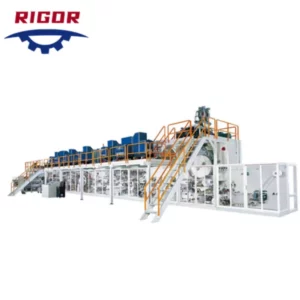
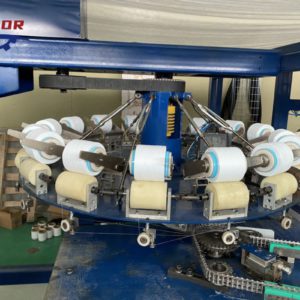
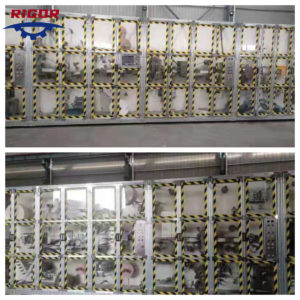
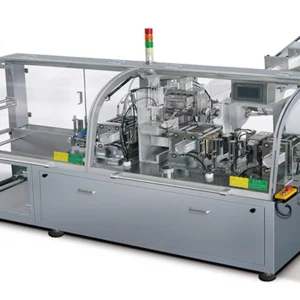
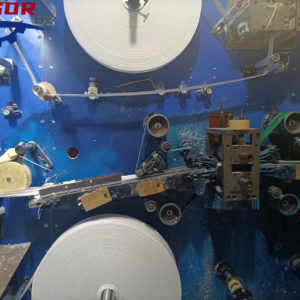
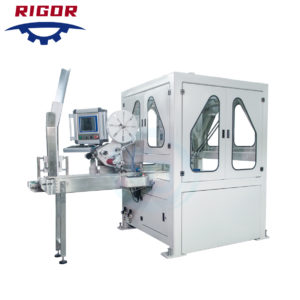
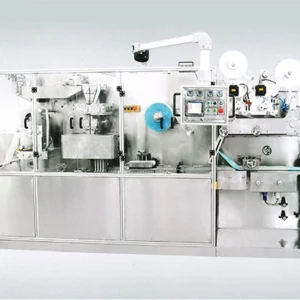
- Advanced machinery: High-speed machines pour serviettes hygiéniques like those made by Rigor that ensure precision, hygiene, and automation
- Labor and energy: Even with automation, skilled operation and maintenance add to overhead
- Packaging and branding: Individual wrapping, labeling, and marketing expenses
- Logistics and distribution: Warehousing and delivery across urban and rural regions
Even in bulk, the cost of producing each pad adds up. Governments or NGOs aiming to offer free pads must still finance these components, which can become significant over time.
Why Most Countries Don’t Offer Free Sanitary Pads
Despite global awareness of “period poverty,” only a handful of countries have implemented free sanitary napkin distribution policies. Several reasons explain this:
- Budget constraints: Health and education sectors already compete for limited government funding
- Infrastructure challenges: Distribution in rural or remote areas can be complex and costly
- Cultural stigma: In some regions, menstruation is still considered taboo, delaying policy action
- Lack of manufacturing capacity: Many local economies lack the technology and expertise to produce affordable pads at scale
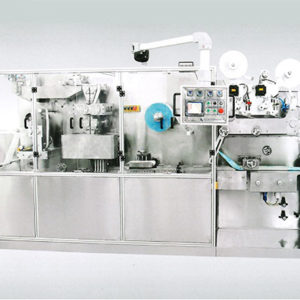
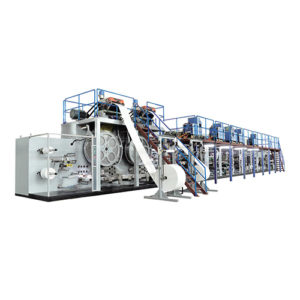
That’s where manufacturers like Rigor play a vital role. By supplying automated sanitary pad machines, baby wet wipes machines, and lignes de production de couches, they empower local businesses and institutions to produce hygiene products cost-effectively and independently.
Can Local Production Make Pads More Affordable?
Yes—and it’s already happening. Small and mid-sized enterprises in developing regions are investing in compact, high-output sanitary pad machines to bring production closer to demand. This reduces shipping costs, creates jobs, and increases access.
With machines like the machine à lingettes humides pour bébés and diaper production line, businesses can even expand into adjacent hygiene markets—allowing them to subsidize or support sanitary pad production with profits from other product lines.
Benefits of local manufacturing include:
- Lower per-unit cost over time
- Greater control over product quality
- Faster distribution to schools, clinics, and community centers
- Opportunities for government or NGO partnerships
By decentralizing production, sanitary pads can become significantly more affordable—if not entirely free.
Why sanitary napkins are not free is a lesser question related to fairness and more about the things like economies, infrastructure, and access to efficient manufacturing. To close this gap, companies such as Rigor are facilitating the transformation of conventional production into sustainable one using the necessary technology.
What if some governments, NGOs, and private enterprises were to work hand in hand, put funds into local manufacture with high-standard machines for the production of sanitary pads? Then, the goal of menstrual care being easy to access and low-priced, or maybe even free, would not be far off, becoming a reality not only in one place but all over the world.