Abstract
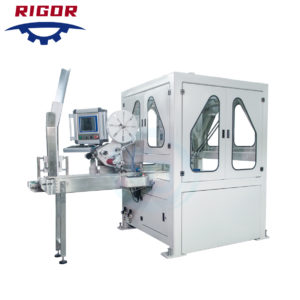
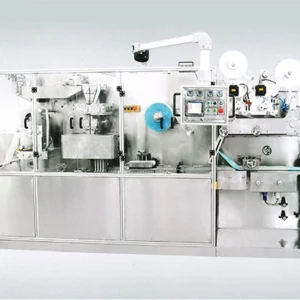
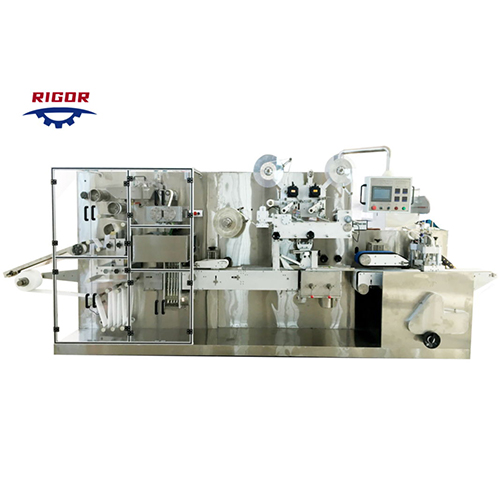
The acquisition of a wet wipes manufacturing apparatus from China, specifically one tailored to unique production requirements, represents a significant strategic decision for businesses aiming to penetrate or expand within the global hygiene market. This document examines the multifaceted process of sourcing a china wet wipes making machine customized for specific operational scales and product types. It navigates the critical stages, from the initial definition of production needs, such as wipe dimensions and solution chemistry, to the intricate details of machine customization, including folding mechanisms, packaging modules, and control systems. The analysis extends to the selection of a reliable manufacturing partner, the deconstruction of financial quotations, and the implementation of rigorous due to diligence protocols. Furthermore, it addresses the logistical complexities of international shipping, on-site installation, and the establishment of a robust framework for long-term after-sales support and maintenance. The objective is to provide a comprehensive, actionable checklist for prospective buyers in 2025, empowering them to make informed decisions that mitigate risk and maximize return on investment.
Principaux enseignements
- Define your specific product and production volume before contacting suppliers.
- Focus on customization options for folding, wetting, and packaging modules.
- Thoroughly vet Chinese manufacturers for technical expertise and certifications.
- Analyze quotations in detail, looking beyond the initial price for hidden costs.
- Insist on a Factory Acceptance Test (FAT) before the machine is shipped.
- Secure a clear plan for installation, training, and long-term after-sales support.
- Prioritize a partnership approach when selecting your china wet wipes making machine customized supplier.
Table des matières
- Defining Your Production Needs: The Foundational Blueprint
- Navigating the Customization Labyrinth: Tailoring the Machine to Your Vision
- Selecting the Right Chinese Manufacturer: A Partnership for Growth
- The Art of the Quotation: Deconstructing Costs and Value
- Due Diligence and Quality Assurance: Beyond the Brochure
- Logistics and Installation: Bringing Your Machine Home
- After-Sales Support and Long-Term Maintenance: Securing Your Investment
- Foire aux questions (FAQ)
- Conclusion
- Références
Defining Your Production Needs: The Foundational Blueprint
The path to acquiring the right manufacturing equipment begins not with a catalog of machines, but with a profound introspection into the very product you intend to create and the market you wish to serve. To approach a manufacturer without this clarity is akin to asking an architect to design a building without knowing its purpose—whether it is a home, a library, or a skyscraper. The resulting structure, however well-built, will likely fail its occupants. Similarly, a wet wipes machine, a marvel of mechanical and electronic synchronization, is only as effective as its alignment with your specific production goals. Before you can even begin to evaluate a china wet wipes making machine customized for your enterprise, you must first construct a detailed blueprint of your needs. This initial phase is the bedrock upon which your entire manufacturing operation will be built.
Understanding Wipe Types and Market Demand
The term "wet wipe" is a broad descriptor for a vast universe of products. Are you planning to produce delicate baby wipes, formulated with gentle, hypoallergenic solutions? Or perhaps robust disinfecting wipes for household surfaces, saturated with potent cleaning agents? Maybe your focus is on cosmetic wipes for makeup removal, personal hygiene wipes for adults, or even specialized industrial wipes for cleaning machinery. Each of these products possesses a unique combination of material, size, fold, moisture content, and packaging.
Consider the markets in South America, Southeast Asia, or the Middle East. A successful product in one region might require different characteristics in another. For instance, consumer preference in a tropical climate might lean towards wipes with a lighter, fresher scent and a higher moisture content, while a different market might prioritize antibacterial properties. Your market research should yield concrete answers to these questions:
- Product Category: Baby, personal care, household, medical, industrial.
- Wipe Dimensions: What are the exact length and width of the unfolded and folded wipe?
- Fabric (Non-woven) Type: Spunlace is common for its softness, but other materials like airlaid paper or needlepunch might be required for specific applications. What is the fabric’s weight in grams per square meter (GSM)?
- Wetting Solution: What is the chemical composition? Is it water-based, alcohol-based, or oil-based? Its viscosity and properties will directly impact the design of the wetting system.
Answering these questions allows you to create a Product Specification Sheet. This document becomes your primary communication tool with potential machine manufacturers. It translates your market vision into a technical language they can understand and act upon.
Calculating Required Production Speed and Capacity
With a clear product in mind, the next logical step is to quantify your ambition. How many wipes do you need to produce to meet your sales forecasts and achieve profitability? This calculation determines the required speed and capacity of your machine, which is perhaps the single most significant factor influencing its cost and complexity.
Machine speed is typically measured in two ways: pieces per minute or packs per minute. A startup might begin with a machine producing 200-400 pieces per minute, which can be packaged into 30-50 packs per minute, depending on the count per pack. A large-scale operation, conversely, might require a high-speed line capable of producing over 2000 pieces per minute.
To determine your required capacity, you can use a simple calculation:
(Target Annual Sales in Packs) / (Operating Days per Year) / (Operating Hours per Day) / (60 Minutes per Hour) = Required Packs per Minute
Let's imagine you aim to sell 1 million packs of 80-count baby wipes in your first year, operating one 8-hour shift for 250 days a year.
(1,000,000 packs) / (250 days) / (8 hours) / (60 mins) = ~8.3 packs per minute.
In this scenario, a machine rated for 30-50 packs per minute would provide ample capacity, allowing for downtime and future growth. It is wise to plan for a capacity that is 20-30% higher than your immediate needs to accommodate market expansion without requiring a premature new investment. This foresight prevents your production capabilities from becoming a bottleneck as your brand gains traction. The conversation with a manufacturer shifts from a vague "I need a fast machine" to a precise "I require a line capable of producing a minimum of 40 packs of 80-count wipes per minute."
| Fonctionnalité | Semi-Automatic Line | Fully Automatic Line |
|---|---|---|
| Production Speed | Lower (e.g., 30-60 packs/min) | Higher (e.g., 80-120+ packs/min) |
| Labor Requirement | Higher (Requires manual intervention for some processes like lid application or final packing) | Lower (Integrated systems from raw material to finished case) |
| Initial Investment | Lower | Significantly Higher |
| Flexibility | Often higher for small, varied batches | Lower; optimized for high-volume, continuous production of one product type |
| Footprint | Smaller | Larger, requires more factory space |
| Complexity | Simpler mechanics and controls | Complex integration of robotics, sensors, and advanced PLC programming |
| Ideal For | Startups, niche markets, regions with lower labor costs | Established brands, large-scale producers, markets with high labor costs |
Material Compatibility: Non-Wovens and Solutions
The heart of a wet wipe is the synergy between the non-woven fabric and the liquid solution. Your machine must be a masterful intermediary, handling both with precision and durability. The choice of non-woven fabric, as determined by your product specification, dictates the design of the slitting and folding systems. A heavier GSM fabric requires more robust cutting blades and potentially different motor torque settings compared to a lighter material. The composition of the fabric (e.g., viscose, polyester blend) also affects how it absorbs and retains the liquid, a factor the wetting system must account for.
The wetting solution presents its own set of challenges. An alcohol-based or highly acidic/alkaline solution can be corrosive. Therefore, all parts of the machine that come into contact with the liquid—the tank, pumps, tubing, and nozzles—must be constructed from resistant materials, typically high-grade stainless steel (like SS316L) instead of the standard SS304. The wetting system itself can be customized. Do you need a simple spray system or a more precise immersion or drip system to ensure uniform saturation? The viscosity of your liquid will determine the appropriate pump and nozzle specifications.
Failing to consider material compatibility can lead to disastrous consequences. Imagine a machine designed for simple water-based solutions being used with a disinfectant containing aggressive chemicals. Over time, critical components could corrode, leading to contamination of the product and costly machine failure. A proficient manufacturer of a china wet wipes making machine customized to your needs will ask for samples of your specific non-woven fabric and a detailed chemical data sheet for your solution. This allows them to guarantee compatibility and build a machine that will perform reliably for years to come.
Navigating the Customization Labyrinth: Tailoring the Machine to Your Vision
Once you have established the foundational blueprint of your production needs, you enter the most exciting phase of the procurement process: customization. This is where a standard piece of machinery is transformed into a unique production asset, perfectly sculpted to your operational and market ambitions. A modern wet wipes production line is not a monolithic entity; it is a modular system. Think of it as a set of high-tech building blocks. Each block performs a specific function, and the art of customization lies in selecting the right blocks and ensuring they integrate seamlessly. The level of automation and the specific features you choose will directly influence your production efficiency, product quality, and long-term operational costs.
Core Customization Modules: Folding, Cutting, and Stacking
The journey of a wet wipe begins as a large parent roll of non-woven fabric. The initial modules of the machine are responsible for transforming this bulk material into individual, neatly stacked piles of wipes, ready for wetting and packaging.
Folding: The way a wipe is folded is not merely an aesthetic choice; it profoundly impacts the end-user's experience. The two most common folds are the "Z-fold" and the "C-fold." In a Z-fold configuration, pulling one wipe from the package pops up the next one, a convenient feature for one-handed use, which is ideal for baby wipes. A C-fold means each wipe is folded individually and does not pull up the next. This is often used for disinfectant or facial wipes where single dispensing is preferred. Your choice of folding type will dictate the mechanical design of the folding unit. A manufacturer can customize the machine for one specific fold or, for a higher investment, create a machine with interchangeable parts to handle multiple fold types.
Découpage : After folding, the continuous sheet of folded fabric is cut to the desired length. The customization here involves the precision and durability of the cutting system. High-speed steel blades are standard, but for high-volume production or when working with tough materials, you might opt for longer-lasting alloy blades. The system must be adjustable to produce wipes of varying lengths, providing you with the flexibility to launch new product variations in the future.
Stacking: Once cut, the individual wipes are automatically counted and stacked. The stacking unit must be precise to ensure every pack has the correct count. An error of just one wipe per pack, when multiplied over millions of packs, can lead to significant material loss. Advanced systems use servo motors for precise control, allowing you to easily change the stack count (e.g., from 80 wipes to 100 wipes) through the machine's control panel. The stacking mechanism must also handle the pile gently to maintain its shape and alignment before it moves to the wetting stage.
Advanced Features: Labeling, Lid Application, and Vision Systems
A basic machine will produce stacks of wet wipes in a simple film pouch. However, to compete in a sophisticated market, you will likely need more advanced packaging features. These are typically handled by downstream modules that can be integrated into a fully automatic line.
Labeling and Lid Application: Most modern wet wipe packages feature a resealable label or a plastic lid to keep the wipes from drying out. An automatic labeling machine applies the sticker over the opening, while a robotic lid applicator affixes the plastic flip-top lid. Customization options include the size and shape of the lid the machine can handle and the precision of its placement. A poorly placed lid not only looks unprofessional but can also fail to seal properly.
Date Coding: A simple but vital feature is the ability to print production dates, batch numbers, and expiration dates on each pack. This can be a simple ink-jet printer integrated into the line, and it is a non-negotiable requirement for quality control and regulatory compliance in most regions.
Vision Systems: For the highest level of quality assurance, you can integrate a camera-based vision system. These systems can inspect each pack at high speed for defects. For example, a vision system can check for correct lid placement, ensure the label is straight, detect any tears in the packaging film, and even verify that the print quality of the date code is legible. If a defect is detected, the system automatically triggers a rejection mechanism that removes the faulty pack from the line. While this adds to the initial cost, it can save enormous sums by preventing defective products from reaching the market.
The Role of PLC and HMI in Customized Operations
The seamless orchestration of all these customized modules is managed by the machine's electronic nervous system: the Programmable Logic Controller (PLC) and the Human-Machine Interface (HMI).
The PLC is the industrial computer that acts as the brain of the operation. It takes inputs from hundreds of sensors throughout the machine—monitoring fabric tension, liquid levels, stack counts, and motor speeds—and executes a pre-programmed sequence of commands to control the motors, valves, and actuators. The quality and brand of the PLC are paramount. Manufacturers often offer PLCs from globally recognized brands like Siemens, Mitsubishi, or Allen-Bradley. While a generic PLC might lower the initial cost, a top-tier brand ensures reliability, better performance, and easier access to support and spare parts globally.
The HMI is the face of the PLC—typically a color touchscreen display that serves as the operator's control panel. A well-designed HMI is intuitive and multilingual. It allows the operator to:
- Set production parameters (e.g., wipes per stack, machine speed).
- Monitor the status of all machine modules in real-time.
- Receive alerts and diagnose faults.
- Store recipes for different products, allowing for quick changeovers.
When ordering a china wet wipes making machine customized for your needs, specifying the HMI language (e.g., English, Spanish, Russian) is a basic but vital step. You can also request different levels of user access, with an administrator password required to change core machine settings, preventing unauthorized or accidental adjustments by junior operators. The synergy between a powerful PLC and an intuitive HMI is what makes a complex, customized machine manageable and efficient.
Selecting the Right Chinese Manufacturer: A Partnership for Growth
The decision of which manufacturer to partner with is as consequential as the technical specifications of the machine itself. In the vast and dynamic industrial landscape of China, you will encounter a spectrum of companies, from small workshops to sprawling, highly advanced factories, alongside numerous trading companies that act as intermediaries. Making the right choice requires a discerning eye and a structured evaluation process. You are not merely buying a piece of steel; you are entering a long-term relationship that will be integral to your production success. Your goal is to find a partner whose technical capabilities, business ethics, and support infrastructure align with your long-term vision.
Differentiating Between Trading Companies and True Manufacturers
One of the first challenges for international buyers is distinguishing between a company that actually designs and builds machines and one that simply sources them from various factories. Trading companies can offer convenience, presenting a wide array of options and handling communication. However, dealing with a trading company can introduce several layers of complication.
- Communication Gaps: Technical questions may have to be relayed back and forth, leading to delays and potential misunderstandings. You lose the direct line to the engineers who designed the machine.
- Higher Costs: The trader's commission is built into the final price. While they may sometimes secure good factory-gate prices due to volume, you are paying an extra margin.
- After-Sales Support: When a technical issue arises, a trading company is an intermediary. Securing timely and effective support can be more difficult than dealing directly with the manufacturer's own service department.
- Customization Limits: A trader is less likely to be able to accommodate deep or complex customization requests, as they do not control the R&D or production process.
A true manufacturer, on the other hand, will have an in-house engineering team, a dedicated factory floor, and a deep, intrinsic knowledge of their machines. How can you tell the difference?
- Ask for a Factory Tour: A genuine manufacturer will be proud to show you their facility, either in person or through a detailed live video call. A trading company may be evasive or show you a facility that is not their own.
- Inquire About R&D: Ask about their design process, the software they use (e.g., SolidWorks, AutoCAD), and recent innovations they have developed.
- Check Business Licenses: A Chinese business license (Yingye Zhizhao) clearly states the company's scope of business. Look for terms like "production" (生产), "manufacturing" (制造), or "processing" (加工). A trading company's license will typically list "trading" (贸易), "wholesale" (批发), or "import/export" (进出口).
- Website and Documentation: A manufacturer's website will often feature detailed videos of their machines in operation and in-depth technical articles. A trading company's site may look more like a generic catalog with stock photos.
Choosing to work directly with a manufacturer like those found through specialized portals for comprehensive wet wipes machine solutions provides the transparency and expertise needed for a complex custom project.
Evaluating Technical Expertise and R&D Capabilities
Not all manufacturers are created equal. Some may be excellent at producing standard, high-volume machines but lack the flexibility and engineering depth for a truly customized project. Your evaluation should probe their technical prowess.
Begin by examining their existing product range. Do they offer a wide variety of machines for different types of wipes and production speeds? Do they showcase examples of custom projects they have completed for other clients? A strong portfolio is evidence of experience.
Engage their technical team in a detailed discussion. Do not just talk to the sales representative; ask to speak with an engineer. Present them with your Product Specification Sheet and observe how they respond. Do they ask intelligent, clarifying questions? Do they propose solutions or point out potential challenges you hadn't considered? A knowledgeable engineer might suggest, for example, that your chosen fabric has a high degree of elasticity and will require a special tension control system to ensure consistent folding. This kind of proactive, problem-solving dialogue is the hallmark of a capable partner.
Inquire about their R&D department. How many engineers do they employ? What is their process for developing new features or accommodating unique client requests? A company that invests in R&D is a company that is committed to staying at the forefront of the industry and is better equipped to handle the challenges of building a china wet wipes making machine customized to your unique specifications.
Verifying Certifications and Compliance (CE, ISO)
In a globalized economy, adherence to international standards is a mark of quality and a prerequisite for market access. Your potential manufacturing partner should be able to provide documentation of their certifications.
-
ISO 9001: This is a quality management system certification. It does not certify the machine itself but rather the manufacturer's processes for design, production, and service. An ISO 9001 certified company has demonstrated that it has a structured, repeatable system for ensuring quality, which significantly reduces the risk of errors and inconsistencies.
-
CE Marking: If you are importing the machine into the European Economic Area, the CE mark is mandatory. It signifies that the machine complies with EU safety, health, and environmental protection requirements. Even if you are not in the EU, the CE mark is a valuable indicator of a machine's safety standards. A manufacturer that builds to CE standards is demonstrating a commitment to safety features like emergency stops, safety guards with interlock switches, and proper electrical insulation.
-
Other Certifications: Depending on your country, other specific certifications like UL (for electronics in North America) or EAC (for the Eurasian Economic Union, including Russia) might be relevant.
Always ask for copies of the certificates and verify their authenticity with the issuing body. A reputable manufacturer will provide this documentation without hesitation. Choosing a certified partner not only ensures a safer and more reliable machine but also smooths the process of customs clearance and regulatory approval in your home country.
The Art of the Quotation: Deconstructing Costs and Value
Receiving a quotation for a major piece of industrial equipment can be both exciting and daunting. The figures presented are significant, and the details can be dense. To the untrained eye, multiple quotes from different suppliers can look like a confusing jumble of numbers. However, a quotation is much more than a price tag; it is a detailed proposal that reveals a great deal about the manufacturer's professionalism, transparency, and the quality of the machine they intend to build. The art lies in looking past the bottom-line number and deconstructing the quote to understand the true value being offered. A lower price is not always the better deal if it comes at the cost of quality, reliability, or essential services.
Analyzing the Bill of Materials (BOM): Component Brands and Quality
The single most insightful part of a detailed quotation is the Bill of Materials, or BOM. This is an itemized list of the key components that will be used to build your machine. A professional manufacturer will provide a BOM that specifies not just the component type but also the brand. This is where you can truly gauge the quality of the proposed machine.
Consider the critical electronic and pneumatic components:
- PLC (Programmable Logic Controller): Is it a top-tier international brand like Siemens (Germany), Mitsubishi (Japan), or Allen-Bradley (USA), or is it a lesser-known domestic brand?
- Servo Motors and Drives: Brands like Panasonic, Yaskawa (Japan), or Delta (Taiwan) are known for their precision and reliability.
- Sensors: Keyence (Japan) or Banner (USA) are industry leaders in photoelectric and vision sensors.
- Pneumatic Components: Festo (Germany) and SMC (Japan) are the gold standard for pneumatic cylinders, valves, and fittings.
A manufacturer willing to use premium, internationally recognized components is demonstrating a commitment to quality. These components may increase the initial price, but they pay for themselves many times over in reduced downtime, better performance, and easier access to replacements, as their distribution networks are global. Conversely, a quotation that is vague about component brands or lists unfamiliar ones should be a red flag. It may be a sign that the manufacturer is cutting corners to offer a lower price.
| Component | Standard/Budget Option | Premium Option | Rationale for Premium Choice |
|---|---|---|---|
| PLC | Domestic Chinese Brands (e.g., Inovance, HNC) | Siemens, Mitsubishi, Allen-Bradley | Global support, proven reliability, superior processing power for complex tasks. |
| Servo Motors | Lesser-known brands | Panasonic, Yaskawa, Delta | Higher precision for cutting and stacking, better speed control, longer lifespan. |
| Main Bearings | Generic Chinese brands | SKF (Sweden), NSK (Japan), FAG (Germany) | Reduced friction and wear, critical for high-speed rotating parts, longer machine life. |
| Contact Parts (Steel) | Stainless Steel 304 | Stainless Steel 316L | Superior corrosion resistance, necessary for acidic or chloride-containing wetting solutions. |
| Sensors | Basic photoelectric sensors | Keyence, Omron, Banner | Higher accuracy for detecting material edges and positions, reducing jams and errors. |
| Pneumatics | Generic brands | Festo, SMC | Better reliability of valves and cylinders, less air leakage, consistent performance. |
Hidden Costs: Shipping, Installation, and Tariffs
The price on the quotation is rarely the final price you will pay. A comprehensive evaluation must account for several other significant costs that are often not included in the manufacturer's initial offer.
- Shipping (Freight): The quote will likely specify a shipping term like FOB (Free On Board) or EXW (Ex Works). FOB means the manufacturer is responsible for getting the machine to the designated Chinese port; you are responsible for the sea freight, insurance, and all subsequent costs. EXW means you are responsible for picking up the machine from their factory gate. You must get separate quotes from freight forwarders for the cost of shipping a large, heavy crate from China to your nearest port.
- Import Duties and Taxes: Every country has its own schedule of tariffs and taxes for imported industrial machinery. These can be a substantial percentage of the machine's value. You must consult with a local customs broker to get an accurate estimate of these costs.
- Installation and Commissioning: Will the manufacturer send their engineers to your factory for installation and training? If so, who pays for their flights, accommodation, and daily allowance? These costs can amount to several thousand dollars. If on-site installation is not included, you will need to budget for hiring local technicians, which carries its own risks.
- Initial Spare Parts: A good quotation will include a recommended list of spare parts for the first one or two years of operation. This is an additional cost but a wise investment to minimize future downtime.
Failing to budget for these "hidden" costs can lead to a serious financial shock and derail your project. A transparent manufacturer will be upfront about what is and is not included and may even be able to provide estimates for services like shipping and installation.
Comparing Apples to Apples: A Framework for Evaluating Different Quotes
When you have multiple quotations in hand, resist the temptation to simply compare the final numbers. Instead, create a spreadsheet to perform a structured comparison. List the manufacturers in the columns and the key features in the rows. Your rows should include:
- Base price
- Brand of PLC, servo motors, sensors
- Type of steel used for contact parts (SS304 vs. SS316L)
- Production speed (pieces/min and packs/min)
- Included modules (e.g., automatic lid applicator, date coder)
- Warranty period
- Cost of recommended spare parts
- Estimated cost of installation and training
- Shipping term (FOB, EXW, CIF)
By filling out this matrix, you move from a simple price comparison to a holistic value assessment. You might find that a quote that is 15% more expensive includes premium components, a longer warranty, and on-site installation, making it a far better long-term investment. This methodical approach allows you to justify your decision based on a rational analysis of quality, features, and total cost of ownership, not just the initial purchase price.
Due Diligence and Quality Assurance: Beyond the Brochure
The brochures are beautiful. The sales promises are enticing. The quotation looks professional. But how can you be certain that the machine you are investing a significant amount of capital in will actually perform as advertised? The answer lies in a rigorous process of due diligence and quality assurance. This is the verification stage, where you move from trusting to testing. It involves inspecting the factory, testing the materials, and witnessing the machine in action before it ever leaves the manufacturer's floor. Skipping these steps is a gamble that can have catastrophic consequences for your business, leading to delivery of a machine that fails to meet your standards or, in the worst-case scenario, is simply unusable.
The Importance of Factory Audits (Virtual and In-Person)
The most direct way to assess a manufacturer's capabilities is to see their operation with your own eyes. A factory audit provides invaluable insights that no amount of emails or phone calls can replicate.
If travel is feasible, an in-person visit is the gold standard. During a visit, you can:
- Assess the Scale and Organization: Is the factory clean and well-organized, or is it chaotic? A tidy workshop often reflects a disciplined approach to manufacturing.
- Observe the Workforce: Are the workers skilled and focused? Do they appear to be following standardized procedures?
- Inspect Equipment: What kind of machining equipment do they have in-house (e.g., CNC machines, lathes)? A factory that machines its own key components has greater control over quality than one that relies heavily on outsourcing.
- Meet the Team: You can have face-to-face discussions with the engineers, the production manager, and the quality control team. This helps build a personal relationship and allows for deeper technical conversations.
In 2025, even if an in-person visit is difficult due to time or budget constraints, a comprehensive virtual audit is an excellent alternative. Insist on a live, unedited video call where a representative walks you through the entire facility. Ask them to show you the raw material storage, the machining area, the assembly floor, and the area where they test finished machines. Ask to see a machine similar to yours being assembled or tested. Direct them with your requests in real-time: "Could you please open that electrical cabinet so I can see the wiring?" or "Can you show me the quality control station?" A manufacturer who is confident in their processes will welcome this transparency.
Requesting and Testing Material Samples
Before you commit to the machine, you must be certain it can handle your specific raw materials flawlessly. Send the manufacturer a sufficient quantity of your chosen non-woven fabric and a sample of your wetting solution. In return, request that they produce sample wet wipes using their machinery and your materials.
When you receive these samples, evaluate them carefully:
- Cut Quality: Are the edges clean and straight, or are they frayed or jagged?
- Folding Accuracy: Is the fold precise and consistent? Does the pop-up function (if applicable) work correctly?
- Wetting Uniformity: Is the wipe evenly saturated, or are there dry spots and overly wet areas?
- Packaging Seal: Is the seal on the film strong and airtight? Is the lid or label applied correctly?
If the samples are not perfect, it provides an opportunity to address the issue before the machine is even built. The manufacturer may need to adjust the blade design, the folding mechanism, or the wetting nozzles. This collaborative testing process is a form of proactive quality control that is far more effective than trying to fix a problem after the machine has been delivered to your factory thousands of miles away.
Understanding the Factory Acceptance Test (FAT)
The Factory Acceptance Test (FAT) is the single most important quality assurance milestone in the entire procurement process. The FAT is a formal procedure that takes place at the manufacturer's factory after your machine has been fully assembled but before it is shipped. Its purpose is to verify that the machine meets all the specifications and performance criteria laid out in the contract.
The FAT protocol should be agreed upon in writing by both you and the manufacturer. A typical FAT involves:
- Static Checks: A visual inspection of the machine to ensure all components are present as per the BOM, safety guards are in place, and the overall workmanship is of high quality. The electrical wiring and pneumatic plumbing are checked against the design schematics.
- Functional Tests: All motors, sensors, and actuators are tested individually to ensure they are working. The HMI is tested to verify that all controls and displays are functioning correctly.
- Performance Run: This is the core of the FAT. The machine is run continuously for a set period (e.g., 2-4 hours) using your raw materials and at the contracted production speed. During this run, you will measure key performance indicators (KPIs):
- Actual production output (packs per minute).
- Material waste percentage.
- Accuracy of the wipe count per pack.
- Quality of the finished product.
- Number of machine stops or operator interventions required.
You or a trusted third-party inspector should be present for the FAT, either in person or via a live video feed. During the test, you have the right to request adjustments and fixes. The machine should not be approved for shipment until it has successfully passed all aspects of the FAT. A formal FAT report, signed by both parties, serves as the official record that the machine has been accepted. This process provides the ultimate peace of mind that the china wet wipes making machine customized for your business is ready for delivery.
Logistics and Installation: Bringing Your Machine Home
Successfully passing the Factory Acceptance Test is a moment of celebration, but the journey is not yet complete. The phase that follows—transporting a multi-ton, precision-engineered machine across continents and commissioning it in your facility—is a complex logistical operation that demands careful planning and execution. A minor oversight in packaging, an error in customs documentation, or inadequate site preparation can lead to costly delays, damage to your investment, and a frustrating start to your production life. A smooth transition from the factory floor in China to your operational line requires a proactive and detailed approach to logistics and installation.
Packaging and Shipping Considerations for Heavy Machinery
Your newly built machine is a sophisticated assembly of mechanical and electronic components. It must be packaged to withstand the rigors of a long sea voyage, including humidity, vibrations, and the potential for rough handling.
- Crating: The machine should be securely packed in a custom-built, seaworthy wooden crate. All moving parts should be braced and locked to prevent shifting during transit. The crate should be constructed from fumigated wood that complies with international ISPM 15 standards to avoid issues with customs in your country.
- Corrosion Protection: The machine is typically shrink-wrapped with a VCI (Vapor Corrosion Inhibitor) film. Desiccant bags should be placed inside the wrapping and the crate to absorb moisture and prevent rust, especially on unpainted metal surfaces.
- Labeling: The crate must be clearly labeled with shipping marks, including the destination address, handling instructions (e.g., "This Side Up," "Fragile"), and the gross and net weight.
You will need to work with a reputable international freight forwarder. They will handle the booking of container space on a vessel, manage the port-to-port transportation, and assist with the complex documentation required for export from China and import into your country. Be sure to secure comprehensive cargo insurance that covers the full value of the machine against damage or loss during transit. It is a small price to pay for significant financial protection.
Site Preparation: Power, Air, and Space Requirements
While the machine is in transit, your focus must shift to preparing your factory for its arrival. The manufacturer will provide a detailed layout drawing and a list of utility requirements. It is your responsibility to ensure the site is ready before the machine arrives.
- Foundation and Space: The machine has a specific footprint and weight. The factory floor must be a level concrete slab of sufficient thickness to support the machine's weight without cracking or shifting. You must also allocate adequate space around the machine for operator access, maintenance activities, and storage of raw materials (non-woven rolls, packaging film, lids) and finished goods.
- Electrical Power: The machine will have a specific power requirement (e.g., 380V, 50Hz, 3-Phase). You must have a qualified electrician install the necessary power supply, including the correct wiring, circuit breakers, and connection point, as specified by the manufacturer. Using the wrong voltage or phase can permanently damage the machine's electronic components.
- Compressed Air: Most automated machines use pneumatic components that require a supply of clean, dry compressed air at a specific pressure (e.g., 0.6-0.8 MPa). You will need an industrial air compressor with a corresponding air dryer and filtration system, along with piping to the machine's location. An inadequate air supply can cause sluggish performance and premature failure of pneumatic parts.
- Lighting and Environment: The area should be well-lit to allow for safe operation and quality inspection. Depending on the product, you may also need to consider environmental controls, such as air conditioning or humidity control, to maintain a stable production environment.
Having the site fully prepared before the delivery truck arrives is non-negotiable. A lack of proper power or air supply will mean your multi-thousand-dollar investment sits idle on your factory floor, unable to be installed or tested.
On-Site Installation and Commissioning by Chinese Engineers
For a complex, customized production line, having the manufacturer's own technicians handle the installation and commissioning is highly recommended. While it is an additional cost, their intimate knowledge of the machine is invaluable.
The process typically unfolds as follows:
- Mechanical Assembly: The technicians will supervise the uncrating and positioning of the machine. They will then reassemble any modules that were disconnected for shipping, level the machine, and connect all the mechanical components.
- Electrical and Pneumatic Connection: They will connect the machine to your prepared power and compressed air supplies and verify that all connections are correct and safe.
- Commissioning: This is the process of starting up the machine and fine-tuning its parameters in your actual production environment. They will run the machine with your materials, making micro-adjustments to the tension controls, sensor positions, and timing to optimize its performance.
- Operator Training: Once the machine is running smoothly, the engineers will provide hands-on training to your designated operators and maintenance staff. This is a critical knowledge transfer. They will teach your team how to operate the machine, perform routine changeovers (e.g., changing a roll of fabric), conduct basic troubleshooting, and follow the preventive maintenance schedule.
Clear communication and a collaborative spirit during this phase are key. Ensure you have translation support if needed. This on-site commissioning and training process transforms the machine from a delivered object into a fully operational and integrated part of your business.
After-Sales Support and Long-Term Maintenance: Securing Your Investment
The relationship with your machine's manufacturer should not end once the installation technicians depart. The period following commissioning is when the true quality of their customer service is revealed. A wet wipes making machine is a long-term asset, and its continued productivity depends on a robust support system, ready availability of spare parts, and a well-executed maintenance plan. When evaluating a supplier for a china wet wipes making machine customized for your operation, their commitment to after-sales service is as important as the machine's initial build quality. This long-term partnership is what secures the return on your investment for years to come.
Warranty Terms and Spare Parts Availability
Before signing the purchase contract, you must have a crystal-clear understanding of the warranty terms. A standard warranty for such machinery is typically one year from the date of commissioning. You need to clarify exactly what the warranty covers.
- What is covered? Typically, the warranty covers defects in materials and workmanship. This means if a part fails due to a manufacturing flaw, the supplier will provide a replacement free of charge.
- What is not covered? The warranty will not cover "consumable" or "wearing" parts. These are components that wear out through normal use and are expected to be replaced periodically. Examples include cutting blades, suction cups, heating elements, and belts. It also will not cover damage caused by operator error, improper maintenance, or using the machine outside its specified parameters.
- Process for Claims: How do you make a warranty claim? What is the procedure for proving a part is defective? How quickly will they ship a replacement part?
Beyond the warranty, the availability of spare parts is paramount. A machine can be down for weeks waiting for a small, inexpensive part to arrive from overseas. A good manufacturer will provide you with two crucial lists:
- A Recommended Spare Parts List: This is a list of parts they recommend you purchase along with the machine. It will include both critical components that could halt production and common wearing parts. Having these on hand can turn a week of downtime into a few hours.
- A Comprehensive Parts Manual: This manual, with detailed diagrams and part numbers for every single component of the machine, is invaluable. When you need to order a replacement years later, you can identify it precisely, eliminating any ambiguity.
Inquire about their logistics for shipping spare parts. Do they keep common parts in stock for immediate dispatch? Can they use express air freight for urgent orders? Their ability to support you with parts is a direct measure of their commitment to your long-term success.
Remote Troubleshooting and Technical Support
In the digital age, a great deal of technical support can be provided remotely, saving time and the significant expense of flying an engineer to your site. Modern machines with advanced PLC and HMI systems are often equipped with a remote access module. This allows the manufacturer's engineers, with your permission, to securely log into your machine's control system over the internet.
From their office in China, they can:
- Diagnose Faults: They can view the machine's alarm history and analyze the PLC's operational data to pinpoint the root cause of a problem.
- Adjust Parameters: They can help your operators fine-tune settings or modify the PLC program to resolve software-related issues.
- Guide Your Team: Through a video call, they can guide your local maintenance staff step-by-step through a mechanical repair or component replacement.
When selecting a manufacturer, ask about their remote support capabilities. Is it included as part of their standard service? What are their support hours, considering the time difference between your country and China? A manufacturer that has invested in a robust remote support infrastructure is a partner you can rely on when issues inevitably arise. This capability is a hallmark of the service you should expect when looking to explore custom production lines from a forward-thinking supplier.
Planning for Preventive Maintenance and Operator Training
The most effective way to deal with machine downtime is to prevent it from happening in the first place. This is achieved through a disciplined program of preventive maintenance (PM). The manufacturer should provide you with a detailed PM schedule. This schedule will outline tasks to be performed on a daily, weekly, monthly, and annual basis.
- Daily Tasks: Simple checks and cleaning, such as clearing fabric dust from sensors, checking for air leaks, and verifying safety guards are functional.
- Weekly Tasks: Lubricating moving parts like chains and bearings, inspecting belts for wear, and cleaning liquid filters.
- Monthly Tasks: More in-depth inspections, such as checking the sharpness of cutting blades and verifying the torque of key bolts.
- Annual Tasks: Major service items, potentially including the replacement of key bearings or a comprehensive electrical system check-up.
The initial training provided by the manufacturer's engineers during installation is just the beginning. Your operators and maintenance staff are your first line of defense. It is wise to invest in their continuous training. A well-trained operator can not only run the machine efficiently but also spot the early signs of a potential problem—an unusual noise, a slight vibration, a recurring minor fault—before it escalates into a major breakdown. Your manufacturer should be a resource for this, providing training manuals, video tutorials, and potentially even advanced training sessions if required. A proactive approach to maintenance and training is the ultimate strategy for maximizing the lifespan and productivity of your machinery.
Foire aux questions (FAQ)
How much does a customized wet wipes machine from China cost? The price varies dramatically based on customization. A simple, semi-automatic line for a single product type might start around $50,000 to $80,000 USD. A high-speed, fully automatic line with multiple advanced features like robotic lid application, vision inspection systems, and premium components could range from $200,000 to over $500,000 USD. The final cost depends on production speed, level of automation, component brands, and the complexity of the customization.
What is the typical lead time for a custom machine? Standard production time for a customized wet wipes machine is typically between 60 to 120 days after the final technical drawings are confirmed and the deposit is paid. This does not include shipping time, which can add another 30 to 50 days depending on your location. Complex, highly customized lines may require a longer lead time.
Can I use my local raw materials with a Chinese machine? Yes, absolutely. In fact, it is highly recommended. During the pre-order phase, you should send samples of your specific non-woven fabric, packaging film, and wetting solution to the manufacturer. They will test these materials and fine-tune the machine's design to ensure perfect compatibility and optimal performance, preventing issues after delivery.
What kind of training is provided for operators? Reputable manufacturers include on-site installation and training as part of their service package. Their engineers will travel to your facility to assemble the machine and provide hands-on training to your operators and maintenance staff. This training typically covers machine operation, product changeovers, basic troubleshooting, and the preventive maintenance schedule. The duration and depth of the training should be specified in the purchase contract.
How do I handle maintenance and spare parts? The manufacturer will provide a detailed maintenance manual and a recommended spare parts list. It is wise to purchase a starter kit of critical and wearing parts along with the machine. For future needs, you can order parts directly from the manufacturer. Many modern machines also feature remote access modules, allowing the manufacturer's engineers to diagnose problems and guide your local team through repairs remotely.
Is it better to buy a fully automatic or semi-automatic line? This depends on your budget, labor costs, and production volume. A semi-automatic line has a lower initial investment and can be more flexible for small batches but requires more manual labor. A fully automatic line has a much higher initial cost but offers greater production speed, consistency, and lower long-term labor costs, making it ideal for large-scale operations.
What certifications are necessary for importing into my region? This depends on your country's regulations. For Europe, the CE mark is mandatory. For the Eurasian Economic Union (including Russia), the EAC mark is required. For North America, UL certification for electrical components is often expected. You should consult with a local customs broker to understand the specific requirements for your country and ensure your chosen manufacturer can provide the necessary documentation.
Conclusion
The acquisition of a china wet wipes making machine customized to your specific needs is a journey of precision, diligence, and strategic partnership. It begins not with the machine, but with a deep understanding of the product you wish to bring to market and the operational capacity you require. Each step, from defining the technical specifications and navigating the complexities of customization to selecting a trustworthy manufacturer and deconstructing their quotation, is a critical building block. The process demands a commitment to thorough due diligence, including factory audits and the pivotal Factory Acceptance Test, ensuring that what was promised is what will be delivered.
The journey continues through the logistical challenges of international shipping and the meticulous preparation of your facility. The final, and perhaps most enduring, phase is the establishment of a robust system for after-sales support, maintenance, and operator training. By approaching this process not as a simple transaction but as the formation of a long-term technical partnership, you transform a significant capital expenditure into a sustainable, value-generating asset. The path is intricate, but for the entrepreneur with a clear vision and a methodical approach, it leads to the creation of a powerful production engine, ready to serve markets in South America, Russia, Southeast Asia, and beyond.
Références
clean-wipe.com. (2025). How are wet wipes made. Clean-wipe.com. https://clean-wipe.com/how-wet-wipes-are-made.html
diapermachines.com. (2023a). A comprehensive guide – Wet wipes machine. Diapermachines.com. https://www.diapermachines.com/2023/11/13/a-comprehensive-guide-wet-wipes-machine/
diapermachines.com. (2023b). The manufacturing process of wet wipes. Diapermachines.com. https://www.diapermachines.com/2023/07/17/the-manufacturing-process-of-wet-wipes/
diapermachines.com. (2023c). The production process of wet wipes in this industry. Diapermachines.com. https://www.diapermachines.com/2023/12/25/the-production-process-of-wet-wipes-in-this-industry/
yundufillingmachine.com. (2025a). How are wet wipes made? | Industrial wet wipes manufacturing & machinery. Yundu. https://yundufillingmachine.com/wet-wipes-manufacturing-process-machinery/
yundufillingmachine.com. (2025b). How wet wipes are made: Process, machinery, and principles. Yundu Filling Machine. https://yundufillingmachine.com/how-wet-wipes-are-made-process-machinery/
Young, A. (2022). The perfect mind map – 4 step framework. Alexander Young. https://blog.alexanderfyoung.com/the-perfect-mindmap-4-step-framework/