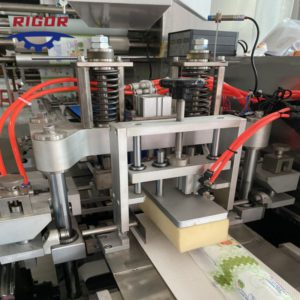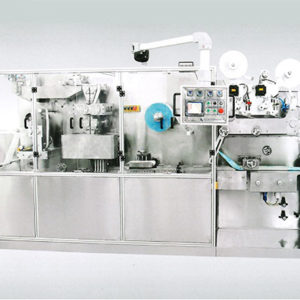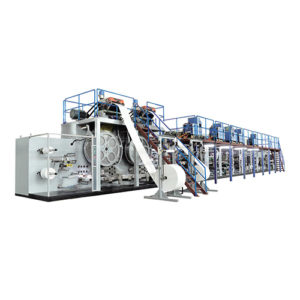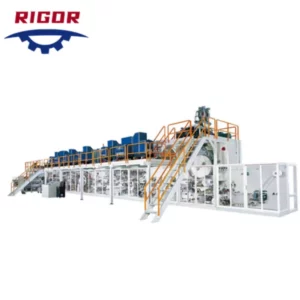
What Are the Latest Trends in Hygiene Machinery Middle East for 2026?
Growing Demand for Adult Incontinence Products in the Middle East
The Middle East is witnessing a demographic shift that directly impacts the hygiene machinery market. With an aging population and increasing life expectancy, adult incontinence products are no longer a niche segment. Countries like Saudi Arabia and the UAE report a steady rise in demand for adult pull-up pants and briefs. This trend is further amplified by cultural factors—families prefer to care for elderly relatives at home, boosting the need for high-quality disposable hygiene items.
From a machinery perspective, this creates opportunities for manufacturers who can produce adult diaper machines with high absorbency capabilities and larger size ranges. As a машина для производства подгузников specialist, we have seen a 40% increase in inquiries from Middle Eastern clients specifically for adult product lines in the past two years. The machines must handle thicker cores and wider elastic applications, which requires robust engineering.
In my experience setting up a production line in Riyadh, the client initially underestimated the market speed. Within six months, they had to upgrade to a higher-capacity machine to meet demand from local hospitals and pharmacies. This shows the importance of planning for scalability right from the start.
Automation and Smart Manufacturing in Hygiene Machinery
Automation is reshaping hygiene machinery across the Middle East. Labor costs are rising, and governments are pushing for industrial modernization under initiatives like Saudi Vision 2030 and UAE's Operation 300bn. Smart manufacturing features—such as servo-driven controls, real-time production monitoring, and predictive maintenance alerts—are now standard requirements rather than luxuries.
Our latest generation of diaper machines integrates IoT sensors that track every parameter from glue temperature to blade wear. Operators can view dashboards on tablets and receive alerts before a component fails. This reduces unplanned downtime by up to 25% based on our field data. In a recent installation in Dubai, the smart system helped the factory manager identify a misalignment in the elastic application unit within minutes, saving hours of manual troubleshooting.
For Middle Eastern buyers, investing in automated machinery also addresses the challenge of finding skilled technicians. With intuitive touchscreen interfaces and remote support capabilities, even operators with basic training can manage complex production lines.
Sustainability and Eco-Friendly Materials Driving Innovation
Sustainability is no longer just a Western concern. Middle Eastern consumers and regulators are increasingly aware of environmental issues. The UAE has banned certain single-use plastics, and Saudi Arabia is promoting circular economy principles. Hygiene product manufacturers are responding by exploring biodegradable films, chlorine-free fluff pulp, and bio-based superabsorbent polymers.
This shift demands machinery that can process alternative materials without compromising speed or product integrity. For instance, plant-based SAP has different flow characteristics than traditional petroleum-based SAP, requiring precise dosing systems. Our engineering team has developed adjustable core-forming units that seamlessly switch between conventional and eco-friendly materials. We also offer energy-efficient drive systems that reduce power consumption by 15-20%, a crucial selling point in regions where electricity costs can be high.
During a trial run for a Jordanian client, we successfully produced a fully compostable adult diaper using a modified version of our standard machine. The key was optimizing the ultrasonic bonding units to handle the lower melting point of bio-based films. This kind of flexibility will define the next wave of hygiene machinery in the region.
Impact of Government Regulations on Local Production
Governments across the Middle East are actively encouraging local manufacturing to reduce import dependency. Saudi Arabia's "Made in Saudi" program, for example, offers preferential procurement for locally produced goods. In the hygiene sector, this means import tariffs on finished products are rising, while machinery imports often enjoy reduced duties or exemptions in free zones.
However, local production also brings compliance requirements. Machines must meet regional safety and quality standards such as SASO in Saudi Arabia or ESMA in the UAE. As a supplier, we ensure our equipment comes with the necessary certifications and documentation. We recently guided a client through the SASO certification process for their new baby diaper line, which involved specific electrical and mechanical safety checks. The entire process took three weeks, and having a machine that was pre-audited by our quality team saved significant time.
Understanding these regulatory landscapes is critical when selecting machinery. A machine that works perfectly in Europe might need modifications to be compliant and efficient in the Middle East. Working with a supplier who has regional experience can prevent costly delays.
How to Choose the Best Diaper Machine for the Middle East Market?
Key Specifications to Consider: Speed, Size, and Flexibility
When selecting a diaper machine, three parameters stand out: production speed, machine footprint, and product flexibility. Production speed is measured in pieces per minute (ppm). For a startup, a machine running at 250-300 ppm might suffice, but established brands aiming for national distribution often require 500-800 ppm. However, higher speed means higher investment and more complex maintenance.
Machine size matters because factory space in Middle Eastern industrial zones can be expensive. We recommend compact designs that optimize layout without sacrificing accessibility for maintenance. Our machines are designed with modular units that can be arranged in L-shape or U-shape configurations to fit different floor plans.
Flexibility is another crucial factor. A machine that can produce multiple sizes (e.g., small to XL for baby diapers) and switch between product types (e.g., tape-style vs. pull-up) offers better ROI. One of our clients in Egypt uses the same line to produce both baby diapers and light incontinence pads by changing the forming unit and cutting length—a feature that doubled their market reach without doubling their investment.
Comparing Chinese vs. European Hygiene Machinery Suppliers
The choice between Chinese and European suppliers is a common dilemma for Middle Eastern buyers. Both have distinct advantages and trade-offs. Below is a comparison based on key decision factors:
| Criteria | Chinese Suppliers | European Suppliers |
|---|---|---|
| Price Range | $80,000 – $500,000 | $250,000 – $1,200,000+ |
| Technology Level | Advanced, rapidly evolving | Mature, highly refined |
| Персонализация | High, willing to adapt | Limited, standard models |
| Срок поставки | 2-4 months | 6-12 months |
| Послепродажная поддержка | Remote + growing local presence | Established local networks |
In recent years, Chinese machinery has closed the quality gap significantly. Many Middle Eastern manufacturers now opt for Chinese lines because of the competitive pricing and faster delivery. As a Chinese supplier with extensive export experience, we have incorporated European-grade components (like Siemens motors and Omron sensors) into our machines, offering a best-of-both-worlds solution. We also provide remote video support and have partnered with local technicians in Dubai and Riyadh for on-site service.
Top Features for Baby Diaper vs. Adult Diaper Machines
Baby diaper machines and adult diaper machines share core technologies but differ in critical features. Baby diapers require high-speed production (often 500+ ppm), precise placement of soft nonwoven materials, and delicate elastic application to prevent skin irritation. The machines must handle lighter materials but at faster cycling rates. Our baby diaper lines feature servo-driven waistband systems that apply elastics with minimal tension, ensuring a snug yet gentle fit.
Adult diaper machines, on the other hand, deal with higher basis weight materials and larger product dimensions. The core forming unit must distribute SAP and fluff pulp evenly over a wider area to achieve high absorbency without clumping. Production speeds are typically lower (200-400 ppm) due to the product size, but the machines need stronger cutting and folding mechanisms. We engineer adult lines with reinforced blades and dual tension control to handle thick PE backsheets.
One notable trend is the demand for convertible machines. A client in Kuwait recently ordered a hybrid line that can switch between baby and adult products with a changeover time of under 30 minutes. This flexibility allows them to serve both markets seasonally, maximizing machine utilization.
Case Study: Successful Diaper Machine Installations in Saudi Arabia
Last year, we completed a turnkey project for a new hygiene factory in Jeddah, Saudi Arabia. The client, a family-owned business transitioning from trading to manufacturing, had no prior production experience. They required a complete baby diaper line with a capacity of 400 ppm and the ability to produce multiple sizes.
My team and I began with a detailed consultation to understand their target market—mid-range diapers for local supermarkets and export to Yemen. We recommended a servo-driven full-servo machine with automatic splicing and reject system. One of the main challenges was the factory's location in an older industrial area with unstable power supply. We integrated a voltage stabilizer and surge protection into the control cabinet, and added extra cooling fans to cope with the Jeddah heat.
During installation, I personally spent two weeks on-site with our engineers. We trained the operators in both English and Arabic (using translated manuals) and ran a three-day production trial. The line achieved 380 ppm stable output within the first month. The client later shared that their product gained 15% market share in the western region within six months, attributing success to consistent quality enabled by the machine. This experience reaffirmed that thorough preparation and local adaptation are non-negotiable for successful installations in the Middle East.
What Are the Common Pitfalls When Buying Hygiene Machinery in the Middle East?
Ignoring After-Sales Service and Technical Support
One of the most frequent mistakes I see is buyers focusing solely on the machine price and neglecting after-sales support. In the Middle East, where specialized technicians are scarce, a machine breakdown can halt production for days or even weeks if support is not readily available. I recall a manufacturer in Oman who purchased a low-cost machine from an obscure supplier. When the servo drive failed, they spent three weeks trying to get a replacement part because the supplier had no local representative and poor communication. The downtime cost them a major contract with a retail chain.
To avoid this, always evaluate the supplier's service infrastructure. Do they offer remote diagnostics? Is there a local agent or partner? What is the typical response time? We have built a support network that includes 24/7 online assistance, a stock of critical spare parts in Dubai, and annual preventive maintenance visits. These measures may seem like added cost initially, but they ensure continuous operation—which is the real profit driver.
Overlooking Local Voltage and Environmental Requirements
The Middle East has specific electrical standards (often 380V/415V, 50Hz) that may differ from the machine's origin country. I have encountered cases where European machines designed for 400V struggled with voltage fluctuations in Iraq, leading to frequent tripping. Additionally, the region's high ambient temperatures and fine dust require special consideration. Control panels need effective cooling and dust filters to prevent overheating and short circuits.
When ordering machinery, always specify the exact site conditions. We customize our machines with tropicalized electrical cabinets, high-temperature-resistant lubricants, and sealed bearings. In a recent project in Qatar, we also installed an external chiller unit to maintain optimal hydraulic oil temperature, which extended the system's life significantly.
Choosing Based on Price Alone vs. Total Cost of Ownership
It's tempting to choose the cheapest quotation, but the total cost of ownership (TCO) tells a different story. A machine with lower upfront cost may consume more electricity, require frequent part replacements, and produce higher waste rates. Over a five-year period, these operational costs can far exceed the initial savings.
I worked with a client in Jordan who initially bought a budget machine from an unverified supplier. The line produced 5% waste on average, compared to the industry standard of 2-3%. With raw material costs being the largest expense, that extra waste translated to over $50,000 in losses per year. They eventually replaced it with one of our machines, which paid for itself within 18 months through waste reduction and higher output. When evaluating options, always calculate energy consumption, expected spare parts usage, and labor requirements—not just the invoice price.
Failing to Verify Supplier Credentials and References
The internet is full of machinery suppliers, but not all have genuine manufacturing capabilities. Some are trading companies that outsource production, leading to inconsistent quality and weak after-sales support. Before committing, always request a factory visit (in person or via live video), ask for at least three references in the Middle East, and check certifications like ISO 9001 or CE.
We encourage potential buyers to visit our manufacturing base in China. Seeing the assembly line, testing procedures, and spare parts inventory gives confidence. We also provide contact details of previous customers in the region who can share their honest feedback. This transparency has helped us build long-term relationships across the Middle East.
How Much Does a Sanitary Pad Machine Cost in the Middle East?
Price Range for Entry-Level vs. High-Speed Sanitary Pad Machines
Sanitary pad machines vary widely in price depending on speed, automation level, and configuration. An entry-level semi-automatic line producing 150-200 pads per minute can cost between $30,000 and $60,000. These are suitable for startups or niche brands with limited production volume. However, they require more manual labor for packaging and quality control.
High-speed fully automatic lines that produce 800-1,200 pads per minute range from $120,000 to $350,000. These systems include automatic core forming, wrapping, and stacking, significantly reducing labor costs and improving consistency. For the Middle Eastern market, where labor availability can be a challenge, the high-speed option often provides better long-term value despite the higher initial investment. A mid-range option (400-600 ppm) typically falls between $70,000 and $150,000, offering a balance of productivity and affordability.
Hidden Costs: Shipping, Installation, and Training
The sticker price is just the beginning. Shipping a 20-foot container from China to Jeddah or Dubai can cost $3,000-$6,000 depending on freight rates. Insurance, customs duties (usually 5% in GCC, but exemptions may apply in free zones), and port handling add another layer. Then comes installation: unless you have experienced engineers, you'll need the supplier's technicians on-site, which involves travel expenses, accommodation, and daily service fees—often totaling $5,000-$10,000 for a two-week installation.
Training is another hidden cost. Operators need to learn machine setup, troubleshooting, and maintenance. We include basic training in our installation package, but advanced training or ongoing support may incur additional charges. I recall a project in Bahrain where the client budgeted only for the machine price and was surprised by the 25% additional costs. We now provide a detailed total cost breakdown in all our quotations to avoid such surprises.
ROI Analysis: How Quickly Can You Break Even in the Middle East Market?
Let's run a rough ROI calculation for a mid-speed sanitary pad machine in the UAE. Assume a machine cost of $120,000 installed. If the line produces 500 pads per minute, operating 20 hours a day, 300 days a year, that's 180 million pads annually. With a wholesale price of $0.05 per pad, annual revenue potential is $9 million. Raw material costs typically account for 60-70% of revenue, leaving a gross margin of $2.7-$3.6 million. Even after labor, utilities, and marketing, the net profit can easily exceed $500,000 per year. This means the machine investment can be recovered in under six months.
Of course, real-world results depend on market penetration and operational efficiency. But the numbers illustrate why hygiene manufacturing in the Middle East is attractive. Our clients often break even within the first year if they secure distribution agreements with major retailers or government tenders.
Financing Options and Government Incentives for Manufacturers
Many Middle Eastern governments offer attractive financing and incentives to boost local manufacturing. For example, the Saudi Industrial Development Fund provides medium-term loans covering up to 75% of project costs with favorable interest rates. In the UAE, free zones like JAFZA and KEZAD offer 100% foreign ownership, zero import duties on machinery, and streamlined setup processes. Bahrain and Oman also have industrial incentives including subsidized land and utility costs.
We assist clients in preparing the necessary documentation for loan applications, including machine specifications, project feasibility studies, and supplier credentials. Some clients have successfully combined government loans with supplier financing (e.g., 30% advance, 70% upon delivery) to minimize upfront cash outlay. Exploring these options can make the difference between a stalled project and a thriving factory.
How to Start a Hygiene Products Factory in the Middle East?
Market Research and Feasibility Study for Middle East Countries
Before investing in machinery, thorough market research is essential. The Middle East is not a monolithic market. Saudi Arabia has the largest population and a growing retail sector, making it ideal for volume-driven products. The UAE serves as a re-export hub to Africa and Asia, favoring manufacturers who can produce for both local and export markets. Iraq and Syria are rebuilding economies with high demand for basic hygiene items, while North African countries like Egypt offer low labor costs and large domestic consumption.
A feasibility study should analyze target demographics, competitor pricing, distribution channels, and regulatory requirements. We often guide new entrants by sharing our market intelligence gathered from years of supplying the region. For instance, we helped a startup in Lebanon identify a gap in premium adult incontinence products, which led them to invest in a specialized adult diaper line instead of competing in the crowded baby diaper segment.
Selecting the Right Location and Understanding Free Zone Benefits
Location is a strategic decision. Free zones like Jebel Ali in Dubai, Khalifa Economic Zones in Abu Dhabi, and Ras Al Khaimah offer significant advantages: 100% foreign ownership, exemption from corporate tax for up to 50 years, no customs duties on imported machinery and raw materials, and ready-built warehouses. However, free zone companies may face restrictions when selling directly to the local market, often requiring a local distributor.
Mainland setups allow direct local sales but typically require a local partner holding 51% ownership (though recent reforms in some countries are easing this). Industrial cities like Riyadh's Sudair Industrial City or Dammam's 2nd Industrial City provide affordable land and proximity to raw material suppliers. We recommend visiting multiple sites and consulting with local economic development authorities before deciding.
Machinery Procurement: From Inquiry to Installation
The procurement process for a машина для производства подгузников or sanitary pad line typically follows these steps: initial inquiry and quotation, technical discussion and customization, contract signing with payment terms, factory production (2-4 months), pre-delivery inspection (often via video or in person), shipping, and finally installation and commissioning.
We assign a dedicated project manager to each client to coordinate timelines, documentation, and training. Our standard contract includes a detailed technical specification sheet, payment milestones, and warranty terms. We also offer optional turnkey services that cover factory layout design, utility connections, and raw material sourcing assistance. One of our recent turnkey projects in Oman went from contract signing to first commercial production in just five months.
Raw Material Sourcing for Diapers and Sanitary Pads in the Region
Reliable raw material supply is the backbone of hygiene production. Middle Eastern manufacturers source materials both locally and internationally. Saudi Arabia produces some nonwoven fabrics and PE films, but most SAP and fluff pulp are imported from Asia and Europe. The UAE has a well-developed trading infrastructure, making it a convenient hub for sourcing from global suppliers.
We maintain relationships with major raw material suppliers and can introduce clients to trusted vendors. For a factory in Egypt, we connected them with a Turkish nonwoven supplier that offered competitive pricing and shorter lead times than Asian sources. Additionally, we advise on inventory management—keeping 2-3 months of safety stock for critical materials to buffer against supply chain disruptions, which are common in the region due to geopolitical factors.
Marketing and Distribution Strategies for Local and Export Markets
Once production is running, the next challenge is selling. In the Middle East, building a brand requires understanding local consumer preferences and retail dynamics. Supermarkets and hypermarkets (like Carrefour, Lulu) dominate, but pharmacies are key channels for adult incontinence products. Private label manufacturing for retail chains is a popular entry strategy, reducing marketing costs while building production expertise.
For export, the UAE's ports offer efficient access to East Africa, South Asia, and the CIS region. Participating in trade shows such as ArabPlast, Paper One Show, or INDEX can generate valuable leads. We also encourage clients to leverage digital marketing, as B2B buyers in the region increasingly use platforms like LinkedIn and industry-specific forums. As a machinery supplier, we sometimes facilitate introductions between our clients and potential distributors, drawing on our extensive network.
What Tools and Resources Can Help Maintain Hygiene Machinery in the Middle East?
Preventive Maintenance Checklists and Software
Preventive maintenance is the most cost-effective way to maximize machine lifespan. We provide detailed checklists tailored to each machine model, covering daily, weekly, and monthly tasks: cleaning sensors, checking belt tensions, lubricating bearings, and inspecting electrical connections. Many clients now use digital maintenance software (like MaintainX or Fiix) to schedule tasks and log equipment history. These tools send reminders and track spare parts usage, making it easier to manage multiple lines.
In one instance, a client in Abu Dhabi reduced unplanned downtime by 40% after implementing our recommended preventive maintenance schedule combined with a simple CMMS (Computerized Maintenance Management System). The initial effort of setting up the system paid off within months.
Recommended Spare Parts Suppliers in the Middle East
Having quick access to spare parts is critical. While we ship parts from China within a week via express courier, some clients prefer local sources for common items like belts, bearings, and sensors. In the UAE, industrial areas like Al Quoz in Dubai and Mussafah in Abu Dhabi host numerous spare parts dealers. For specialized components (e.g., ultrasonic horns, servo motors), we recommend maintaining a consignment stock at the factory or using our regional spare parts hub in Dubai.
We provide a recommended spare parts list with purchase quantities based on machine usage. For a high-speed baby diaper line, we suggest keeping at least one set of cutting blades, two sets of belts, and critical sensors in stock. This small investment prevents long downtimes waiting for international deliveries.
Training Programs and Online Courses for Machine Operators
Skilled operators are the key to efficient production. We offer comprehensive training during installation, but ongoing learning is necessary as crews change or machines are upgraded. We have developed a series of video tutorials covering operation, troubleshooting, and maintenance, accessible via a private online portal for our customers. These videos are available with Arabic subtitles to cater to the local workforce.
Additionally, we recommend external courses on industrial automation basics, PLC programming, and mechanical maintenance offered by technical institutes in the region. Investing in operator training reduces reliance on external technicians and empowers the team to handle minor issues independently. One of our clients in Kuwait sent two engineers to a Siemens PLC course; they returned capable of optimizing machine parameters themselves, improving output by 8%.
Industry Associations and Trade Shows to Network and Learn
Staying connected with the industry helps manufacturers keep up with trends and technologies. Key associations include EDANA (the international association for nonwovens and related industries) and local chambers of commerce. Trade shows are invaluable for networking: ArabPlast in Dubai, Paper One Show in Sharjah, and Saudi Print & Pack in Riyadh attract machinery suppliers, raw material vendors, and hygiene product manufacturers from across the region.
Attending these events allows you to see the latest machinery in operation, compare suppliers, and attend technical seminars. We regularly exhibit at these shows and invite our existing clients to join us—it's a great opportunity to strengthen relationships and explore new collaborations. For those unable to travel, many associations now offer webinars and virtual exhibitions, keeping the learning accessible.
Starting or upgrading a hygiene products factory in the Middle East is a significant undertaking, but with the right partner and preparation, it can be highly profitable. If you're evaluating a производитель оборудования для производства влажных салфеток or a full diaper production line, we invite you to reach out to our team. We offer free consultations, detailed quotations, and factory visits. Let's discuss how we can help you capture the growing Middle Eastern market—contact us today to schedule a call or visit our website for more technical resources.
Ссылки
- EDANA Nonwovens and Hygiene Industry Statistics
- Saudi Vision 2030 – Industrial Development Goals
- UAE Operation 300bn Industrial Strategy
- Saudi Industrial Development Fund – Financing Programs
- Gulf Industry Online – Middle East Manufacturing News
- Nonwovens Industry Magazine – Market Reports