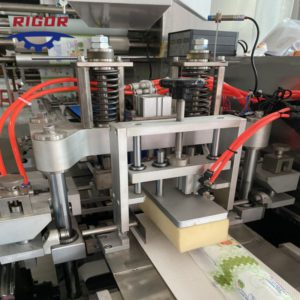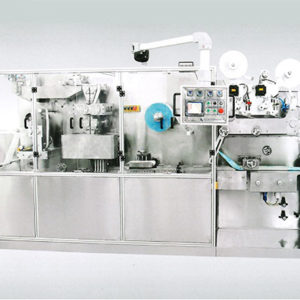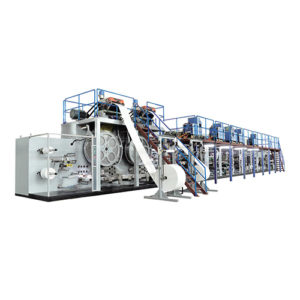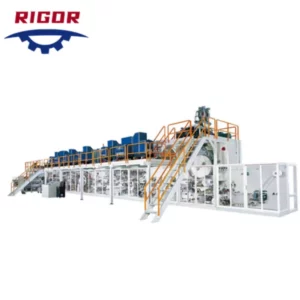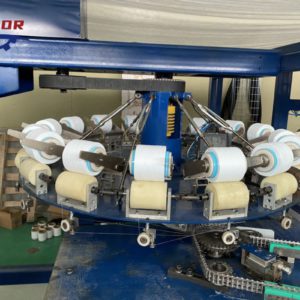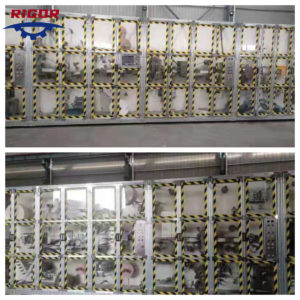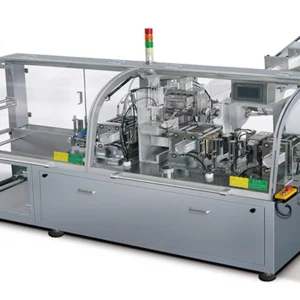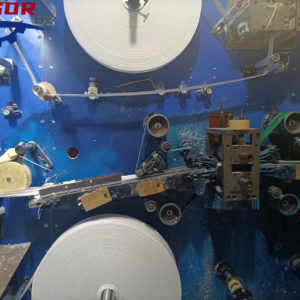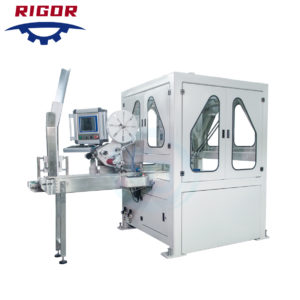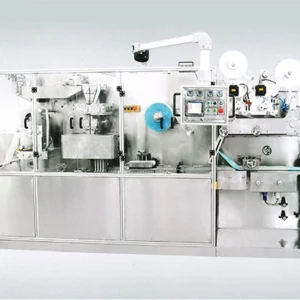
Indonesia has emerged as one of the most dynamic markets for hygiene products in the world. With a population exceeding 280 million and a growing middle class, demand for baby diapers, adult incontinence products, and sanitary pads is soaring. For manufacturers in South America, Russia, Southeast Asia, the Middle East, and South Africa, Indonesia presents both a lucrative local market and a strategic export hub. However, entering this market starts with a critical decision: sourcing the right пеленальная машина . The equipment you choose will determine your production capacity, product quality, and long-term profitability. In this guide, we break down every factor you need to consider, from understanding your production needs to navigating import regulations and calculating ROI in 2026.
What Are the Key Factors to Consider When Sourcing a Diaper Machine in Indonesia?
Before you start comparing brands or negotiating prices, you need a clear picture of your operational requirements. Too many buyers jump straight into supplier discussions without defining what they actually need. This leads to mismatched machinery, costly retrofits, and production delays. In this section, we cover the foundational factors that should shape your sourcing strategy.
Understanding Your Production Needs: Baby Diapers vs. Adult Diapers vs. Sanitary Pads
Your product choice dictates the machine configuration. Baby diaper machines typically run at higher speeds and handle lighter materials, with features like elastic waistbands and wetness indicators. Adult diaper lines, on the other hand, require larger forming drums, stronger cutting units, and the ability to process thicker absorbent cores. Sanitary pad machines have distinct folding and wrapping modules. If you plan to serve multiple segments, look for a modular пеленальная машина that can switch between products with minimal changeover time.
Market demand in Indonesia is shifting. Baby diapers still dominate volume, but adult incontinence products are growing at double-digit rates due to an aging population. Export markets in the Middle East often prefer premium adult diapers with high absorption. I've worked with a South African client who initially ordered a baby diaper line, only to realize six months later that the real margin was in adult products. They had to invest in a separate machine, doubling their capital outlay. Define your product portfolio before you sign any purchase agreement.
Evaluating Machine Specifications: Speed, Automation Level, and Raw Material Compatibility
Speed is measured in pieces per minute (ppm). Entry-level machines may run at 150–200 ppm, while high-end lines can exceed 500 ppm. Your target daily output should match market demand and your distribution capacity. Overinvesting in speed without a sales pipeline leads to inventory pile-up. Automation level affects labor requirements: semi-automatic machines need more operators for material splicing and packaging, but they cost less upfront. In Indonesia, labor is still relatively affordable, but full automation offers consistency and hygiene advantages that are critical for export-grade products.
Raw material compatibility is often overlooked. Indonesia has domestic suppliers of nonwoven fabric and fluff pulp, but superabsorbent polymers (SAP) are largely imported. Your machine should handle variations in material thickness, basis weight, and elasticity without frequent jams. Ask suppliers for a list of tested materials and run trials with your own samples during factory acceptance testing. A machine that works perfectly with European SAP might struggle with Chinese or Indonesian alternatives.
Assessing Supplier Credibility: Certifications, Client References, and Factory Audits
Certifications like CE, ISO 9001, and ISO 14001 are baseline indicators of quality management. However, in emerging markets, certificates can be outdated or purchased. I always recommend requesting at least three client references in similar markets. Contact those references directly and ask about machine uptime, spare parts availability, and the supplier's response to breakdowns. One Russian buyer I assisted skipped this step and relied solely on glossy brochures. The machine arrived with substandard electrical components that failed within weeks, and the supplier's "technical support" was an unresponsive WhatsApp number.
Factory audits are non-negotiable. Visit the supplier's manufacturing facility, inspect their quality control processes, and see machines being assembled. If travel is restricted, hire a third-party inspection agency like SGS or Bureau Veritas. For Indonesian buyers sourcing from China or Europe, local agents can perform these audits at a fraction of the cost of a failed machine.
Navigating Import Regulations and Logistics in Indonesia
Importing a diaper machine into Indonesia involves several layers of bureaucracy. You'll need an Importer Identification Number (API), and the machinery must comply with Indonesian National Standards (SNI) where applicable. Tariffs on industrial machinery vary, but under the ASEAN-China Free Trade Agreement, many Chinese machines enter with reduced or zero duties. European machines may attract higher tariffs, though some high-tech equipment qualifies for exemptions. Work with a licensed customs broker who understands the latest Harmonized System codes for hygiene machinery.
Logistics planning should account for port congestion at Tanjung Priok. Shipping from Shanghai takes about two weeks, but customs clearance can add another one to three weeks. Ensure your supplier provides seaworthy packing and full insurance. I've seen machines arrive with rusted components because the supplier used inadequate moisture barriers. Factor these hidden delays into your project timeline.
How to Compare Top Diaper Machine Brands and Models Available in Indonesia?
Once you have defined your needs, the next step is evaluating the available options. The Indonesian market features a mix of local, Chinese, and European suppliers. Each category has distinct strengths and trade-offs. Here's how to compare them effectively.
Brand A vs. Brand B: A Feature-by-Feature Comparison of Popular Indonesian Suppliers
To illustrate the comparison process, let's look at two representative suppliers: one from China (SinoDiaper Tech) and one from Europe (EuroHygiene Systems). Both offer full servo-driven lines for baby diapers, but their philosophies differ. The table below summarizes key specifications.
| Характеристика | SinoDiaper Tech (China) | EuroHygiene Systems (Europe) |
|---|---|---|
| Max Speed (pcs/min) | 450 | 600 |
| Уровень автоматизации | Full servo with auto-splicing | Full servo with AI-driven tension control |
| Price Range (USD) | $280,000 – $420,000 | $550,000 – $850,000 |
| Послепродажная поддержка | Remote video support, spare parts within 5 days | On-site engineer within 48 hours, annual maintenance contracts |
| Material Flexibility | Standard SAP, nonwoven, PE film | Includes biodegradable films, bamboo fiber, thinner cores |
| Energy Consumption (kW) | ~120 | ~95 |
For a startup targeting the Indonesian domestic market, the Chinese machine offers a faster payback. For an export-oriented factory supplying the Middle East, the European machine's wider material compatibility and lower energy use can justify the premium. Always request a detailed quotation that includes installation, training, and a one-year spare parts kit.
Chinese vs. European vs. Local Indonesian Diaper Machines: Pros and Cons
Chinese manufacturers have captured a significant share of the Indonesian market due to competitive pricing and improving technology. Their machines now rival European models in speed and automation, but after-sales service can be inconsistent if you don't have a local representative. European brands like Fameccanica and GDM offer proven reliability and comprehensive support networks, but their machines cost two to three times more. Delivery times from Europe can also stretch to six months, while Chinese suppliers often ship within 90 days.
Local Indonesian manufacturers, such as PT. Surya Teknik, offer entry-level machines at very low prices. These are suitable for small-scale production or niche products like adult diapers with simple designs. However, their speed and automation are limited, and you may struggle to meet the quality standards required for export. Import duties on components can also make local machines less cost-competitive than they appear.
Case Study: Performance Review of a Leading Diaper Machine Model in the Indonesian Market
In 2025, I assisted a Middle Eastern investor in setting up a baby diaper factory in Surabaya. They purchased a 400 ppm full servo machine from a reputable Chinese brand. After 14 months of operation, the machine achieved an overall equipment effectiveness (OEE) of 88%, with downtime primarily due to raw material splicing and scheduled maintenance. The local workforce adapted quickly after a two-week training program provided by the supplier.
One challenge was humidity. The factory's electrical panels experienced condensation during the rainy season, causing intermittent sensor faults. We solved this by installing dehumidifiers in the production hall and upgrading the panel seals. The lesson: environmental factors in tropical climates must be considered during machine specification and installation. This experience reinforced the importance of a supplier willing to customize protections for local conditions.
What Are the Common Mistakes Buyers Make When Purchasing a Diaper Machine in Indonesia?
Even experienced manufacturers stumble when entering a new market. The following pitfalls are based on real projects I've witnessed or been called in to fix. Avoiding them can save you hundreds of thousands of dollars.
Overlooking After-Sales Service and Technical Support
The lowest price rarely includes adequate support. One South American buyer I worked with chose a supplier who quoted 20% below the competition. The machine arrived, but when a servo motor failed after three months, the supplier took two weeks to ship a replacement and provided no remote diagnostic help. The factory lost over USD 50,000 in production during that downtime. A reliable after-sales package should cover emergency response times, spare parts availability, and remote troubleshooting capabilities. In Indonesia, where local technical expertise for diaper machines is still developing, you depend heavily on your supplier's support infrastructure.
Ignoring Total Cost of Ownership: Hidden Fees in Shipping, Installation, and Training
The purchase price is just the beginning. Ocean freight for a 40-foot container from Shanghai to Jakarta can range from USD 3,000 to USD 8,000 depending on fuel costs and demand. Customs duties, value-added tax, and broker fees add another 10–15% to the machine's CIF value. Installation often requires flying in two or three engineers for a week, with daily rates of USD 500–800 per person plus airfare and accommodation. Training your operators might take longer than expected, delaying ramp-up. I recommend building a buffer of at least 20% over the quoted price to cover these hidden costs.
Failing to Verify Machine Compliance with Local Safety and Quality Standards
Indonesia has specific electrical safety regulations (SNI 04-0225-2000) and machinery safety standards. If your machine lacks the required certifications, you may face fines or be forced to retrofit safety guards before production can start. Additionally, if you plan to export finished diapers to the Middle East or Africa, the machine must be capable of producing goods that meet those destination standards. During a project with a South African client, we discovered that the machine's cutting unit could not achieve the precise leg cuff dimensions required by their largest retail customer. We had to replace the cutting module, costing an extra USD 25,000.
Underestimating the Importance of Raw Material Supply Chain in Indonesia
A state-of-the-art machine is useless without a steady flow of quality raw materials. Indonesia has local producers of nonwoven fabric, but specialty materials like breathable films, elastic ears, and high-quality SAP are often imported. Supply chains can be disrupted by port delays, currency fluctuations, or regulatory changes. Before ordering your machine, map out your raw material suppliers and secure at least two qualified sources for each component. I've seen factories with top-tier machines sitting idle because they couldn't get enough fluff pulp during a global shortage. Build strategic stockpiles and negotiate long-term contracts with suppliers.
What Is the True Cost and ROI of Investing in a Diaper Machine in Indonesia in 2026?
Financial planning for a diaper machine investment requires a clear-eyed view of costs and realistic revenue projections. Here's how to build your business case.
Breakdown of Diaper Machine Prices: Entry-Level vs. High-Speed Fully Automatic Lines
In 2026, entry-level semi-automatic baby diaper machines from Chinese suppliers start around USD 50,000–80,000. These machines typically run at 150–200 ppm and require significant manual intervention. Mid-range full servo lines with auto-splicing and stacking cost between USD 200,000 and USD 400,000. High-speed lines capable of 500+ ppm, with advanced vision inspection systems and automatic packaging, can exceed USD 600,000. European top-tier models may reach USD 1 million. For adult diaper machines, prices are generally 20–30% higher due to larger forming drums and more complex folding units. Sanitary pad machines fall in a similar range, with panty liner machines on the lower end.
Calculating ROI: Production Capacity, Labor Costs, and Market Demand in Indonesia
Assume a mid-range baby diaper machine producing 300 ppm, operating 20 hours per day for 300 days per year. That's 108 million diapers annually. If your ex-factory price is USD 0.08 per piece and your all-in manufacturing cost (materials, labor, overhead) is USD 0.06, your gross profit per piece is USD 0.02. Annual gross profit reaches USD 2.16 million. After deducting fixed costs and depreciation, net profit can exceed USD 1 million, giving a payback period of less than one year on a USD 400,000 machine. Labor costs in Indonesia remain competitive: a machine operator earns about USD 400–600 per month, and you need 3–4 operators per shift for a semi-automatic line, or 1–2 for a fully automatic one.
Market demand supports these numbers. Indonesia's birth rate has stabilized, but diaper penetration in rural areas is still rising. Meanwhile, adult diaper demand is surging as the population ages and healthcare awareness grows. Export opportunities to the Middle East and Africa offer additional volume, often at higher margins.
Financing and Leasing Options for Diaper Machine Buyers in Southeast Asia
Not every buyer has USD 400,000 in cash. Indonesian banks offer equipment loans, but interest rates can be 8–12% per annum, and collateral requirements are strict. Some Chinese suppliers provide supplier credit or accept payment in installments, often backed by China Export & Credit Insurance Corporation (Sinosure). International finance institutions like the IFC have programs supporting manufacturing in emerging markets. Equipment leasing is gaining traction: you pay a monthly fee over 3–5 years, with an option to purchase at the end. This preserves working capital and can be structured off-balance-sheet. Explore these options early, as they influence your choice of supplier—not all manufacturers are willing to work with leasing companies.
What Are the 2026 Trends Shaping the Diaper Machine Industry in Indonesia?
The diaper machine landscape is evolving rapidly. Staying ahead of these trends will position your factory for long-term success.
The Rise of Eco-Friendly and Biodegradable Diaper Production
Consumer pressure and potential regulations are pushing manufacturers toward sustainable products. In 2026, several Indonesian retailers have started demanding diapers with reduced plastic content or certified biodegradable backsheets. This requires machines capable of handling plant-based films, bamboo fiber topsheets, and chlorine-free fluff pulp. European machine builders have led this transition, but Chinese suppliers are quickly catching up with eco-compatible models. If you're sourcing a new пеленальная машина , verify that it can process these materials without sacrificing speed. Retrofitting an older machine for biodegradable materials can be more expensive than buying a new one designed for them.
Smart Manufacturing and Industry 4.0 in Indonesian Diaper Factories
Industry 4.0 is not just a buzzword. Modern diaper machines come with IoT sensors that track every parameter—temperature, tension, speed, and energy consumption—in real time. This data feeds into manufacturing execution systems (MES) that predict maintenance needs, optimize changeovers, and reduce waste. In Indonesia, several large factories have implemented such systems, achieving up to 95% OEE. For smaller players, cloud-based monitoring platforms offer affordable entry points. A machine with open communication protocols (like OPC-UA) allows you to integrate with third-party analytics tools later. When comparing machines, ask about their digital capabilities, not just mechanical specs.
Market Growth Projections: Indonesia as a Hub for Diaper Export to the Middle East and Africa
Indonesia's strategic location between Asia and the Middle East makes it an ideal export hub. The government's "Making Indonesia 4.0" initiative offers tax incentives for export-oriented manufacturers. According to industry reports, Indonesia's diaper exports to the Middle East and Africa grew by 18% in 2025 and are projected to continue double-digit growth through 2028. This is driven by competitive production costs and improving quality perception. Setting up a factory in an industrial zone like Kendal or Batam can give you logistical advantages and customs exemptions. If your business plan includes export, ensure your machine can produce the larger pack sizes and labeling formats required by those markets.
What Tools and Resources Can Help You Succeed in the Indonesian Diaper Market?
Even with a solid plan, execution depends on having the right tools and connections. Here are practical resources I recommend to every client entering Indonesia.
Essential Checklists for Diaper Machine Inspection and Factory Acceptance Testing
A structured FAT (Factory Acceptance Test) is your last chance to catch issues before shipment. My checklist includes: (1) Run the machine at maximum speed for at least 8 continuous hours using your own raw materials. (2) Measure product dimensions and absorption against your specification. (3) Inspect all safety guards and emergency stops. (4) Test the auto-splicing units with different roll diameters. (5) Verify the electrical cabinet's IP rating for tropical environments. (6) Check the availability of spare parts and the supplier's documentation. I once discovered a misaligned cutting unit during a FAT that would have caused chronic quality issues. The supplier fixed it on the spot, saving weeks of post-installation headaches.
Recommended Industry Associations and Trade Shows in Indonesia for Diaper Manufacturers
Joining the Indonesian Hygiene Products Association (IHPA) gives you access to market data, regulatory updates, and networking events. Trade shows are invaluable for seeing machines in action and meeting suppliers face-to-face. Key events in 2026 include AllPack Indonesia (October, Jakarta), which features packaging and processing machinery, and the Indonesia International Baby Products Expo. For a broader view, consider attending the INDEX nonwovens exhibition in Geneva or the SINCE show in Shanghai to source raw materials and machinery. These events often reveal emerging technologies before they become mainstream.
Online Platforms and Agencies for Sourcing Diaper Machines and Raw Materials
B2B platforms like Alibaba and Made-in-China list hundreds of diaper machine suppliers, but filtering the reliable ones requires caution. Look for suppliers with verified onsite checks and multiple years of trading history. Specialized agencies can help you shortlist suppliers, conduct audits, and negotiate contracts. For raw materials, platforms like PaperIndex and Nonwovens Industry connect buyers with global producers. I also recommend subscribing to industry publications like Nonwovens Report International to stay updated on material innovations. If you're unsure where to start, our team at Diaper Machine Manufacturer maintains a curated directory of vetted suppliers and can match you with the right equipment for your specific needs.
The Indonesian diaper market offers substantial opportunities, but success hinges on making informed equipment decisions. Whether you're upgrading an existing line or building a new factory, take the time to evaluate your production needs, compare suppliers rigorously, and plan for the total cost of ownership. The right пеленальная машина is not just a purchase—it's the foundation of your competitive advantage. If you need further guidance, our team is ready to help. Contact us today to discuss your project, request a customized quote, or schedule a consultation with our engineering experts. Let's build your success in Indonesia together.
Ссылки
- Euromonitor International – Hygiene Products in Indonesia Market Report 2025
- Badan Pusat Statistik (BPS) – Indonesian Industry Statistics 2026
- Grand View Research – Global Diaper Market Size & Trends Analysis 2026
- World Bank – Indonesia Economic Prospects 2026: Manufacturing and Trade
- Indonesian Ministry of Industry – Import Regulations for Industrial Machinery
- China Export & Credit Insurance Corporation (Sinosure) – Supplier Credit Programs