This guide provides a comprehensive framework for entrepreneurs aiming to establish a profitable sanitary napkin manufacturing business in emerging markets such as South America, Russia, Southeast Asia, the Middle East, and South Africa. The analysis delineates a seven-step process, beginning with in-depth market research and culminating in a robust go-to-market strategy. Central to this endeavor is the judicious selection of a lady sanitary napkin machine, a decision that profoundly influences production efficiency, product quality, and overall operational costs. The document examines the critical facets of business planning, including financial forecasting, sourcing of raw materials, and adherence to regulatory compliance. It explores the technical distinctions between semi-automatic and fully-automatic production lines, offering a comparative analysis to aid in capital investment decisions. By integrating principles of strategic management, operational logistics, and marketing, this text serves as an essential resource for transforming a manufacturing concept into a sustainable and socially impactful enterprise that addresses a fundamental need for feminine hygiene products.
Основные выводы
Conduct rigorous market research to understand regional demands and cultural nuances.
Develop a detailed financial plan to accurately forecast costs and profitability.
Carefully select a lady sanitary napkin machine based on production and budget needs.
Establish a reliable supply chain for high-quality, consistent raw materials.
Ensure full compliance with local and international health and safety standards.
Design an efficient production facility layout to maximize operational workflow.
Build a strong brand and distribution network to effectively reach your target market.
Step 1: Conducting Foundational Market Research and Analysis
Embarking on the venture of sanitary napkin production requires, before all else, a profound and nuanced understanding of the landscape you wish to enter. It is an exercise not merely in data collection, but in developing an empathetic grasp of the human needs, cultural contexts, and economic realities that will shape your business. A superficial glance will not suffice; one must delve into the very fabric of the target society to build an enterprise that is not only profitable but also resonant and respectful.
Understanding Your Target Demographics in Emerging Markets
The term “emerging market” is a broad stroke that covers a breathtaking diversity of peoples and life circumstances. The needs of a young professional in São Paulo, Brazil, will differ markedly from those of a teenage girl in a rural village in the Philippines or a woman in a conservative community in the Middle East. Your first task is to move beyond generalizations and develop a granular demographic profile.
Consider age as a primary variable. Are you targeting adolescents who may prioritize comfort, discretion, and affordability, or mature women who might value higher absorbency and specific features for overnight use? What about postpartum needs? Each segment represents a distinct market with unique product requirements.
Economic status is another pivotal factor. The purchasing power in urban centers of South Africa is vastly different from that in less developed regions of Southeast Asia. This dictates not only the price point of your product but also the packaging size. Selling single pads may be a viable strategy in lower-income areas, whereas multipacks are the norm in more affluent markets. Think about the “sachet economy” prevalent in many parts of Asia and Africa, where small, affordable units drive consumption. Can this model be applied to feminine hygiene?
Furthermore, one must investigate the existing levels of menstrual health education and awareness. In some regions, menstruation remains a taboo topic, shrouded in silence and misinformation (Thakur et al., 2014). An enterprise operating in such a context has a dual role: to sell a product and to educate the consumer. Your marketing and outreach may need to focus on breaking stigmas and providing basic biological information, a task that requires immense cultural sensitivity.
Analyzing Competitors and Identifying Market Gaps
No business operates in a vacuum. Your venture will enter an arena where other players, both global giants and local incumbents, are already active. A thorough competitive analysis is therefore indispensable. Who are the dominant brands in your chosen region? What are their strengths and weaknesses?
Let’s imagine you are looking at the Russian market. You might find large multinational corporations dominating the supermarket shelves with a wide range of products. Their strength lies in brand recognition and vast distribution networks. Their weakness, perhaps, is a one-size-fits-all product that doesn’t cater to specific local preferences or a price point that is prohibitive for a segment of the population.
This is where your opportunity lies. The market gap might not be an absence of products, but an absence of the right product. Perhaps there is a demand for pads made from organic cotton for environmentally conscious consumers in Johannesburg. Maybe there is a need for ultra-thin yet highly absorbent pads for women in the hot and humid climates of Southeast Asia. Or perhaps the gap is in distribution, where rural areas in South America are underserved by major brands. By identifying these specific, unmet needs, you carve out a defensible niche for your business. Your analysis should be meticulous, mapping out competitors’ pricing, product features, marketing messages, and distribution channels.
Navigating Cultural Sensitivities and Preferences
The sanitary napkin is an intimate product, and its perception is deeply intertwined with cultural and religious norms. A failure to appreciate these subtleties can lead to catastrophic marketing blunders. In many parts of the Middle East, for instance, packaging and advertising must be discreet and modest. Imagery and language that might be perfectly acceptable in a Western context could be deemed inappropriate.
Product design itself is subject to cultural preference. The preference for winged versus non-winged pads can vary significantly from one country to another. The desired thickness, length, and even the type of adhesive used can be points of differentiation. The only way to uncover these preferences is through direct engagement with the target community—focus groups, surveys, and conversations with local women.
Consider the role of non-governmental organizations (NGOs) and community health workers. In many regions, they are trusted sources of information and can be invaluable partners. Collaborating with them can lend your brand credibility and provide a direct channel to your end-users, ensuring that your product and your message are culturally attuned. This approach transforms the business from a mere commercial transaction into a partnership with the community it serves.
Step 2: Crafting a Robust Business and Financial Plan
With a rich understanding of your market, the next intellectual challenge is to translate that knowledge into a coherent and viable business plan. This document is your blueprint, a structured argument that demonstrates how you will navigate the path from initial investment to sustained profitability. It is a tool for internal clarity and a prerequisite for securing external funding.
Defining Your Business Model: B2B vs. B2C
At its core, your business model answers the question: who is your primary customer? You have two fundamental pathways: Business-to-Consumer (B2C) or Business-to-Business (B2B).
In a B2C model, you sell directly to the end-user. This could be through your own branded retail outlets, an e-commerce website, or direct-to-home subscription services. This model offers the highest profit margins per unit and allows you to build a direct relationship with your customers, gathering invaluable feedback and fostering brand loyalty. However, it also demands significant investment in marketing, branding, and creating a distribution infrastructure.
In a B2B model, you sell your products to other businesses. These could be retailers (supermarkets, pharmacies), wholesalers, government agencies (for distribution in schools or public health centers), or NGOs. The B2B path often allows for faster market entry and larger, more stable order volumes. The challenge here lies in negotiating contracts, meeting the stringent quality and logistical requirements of large organizations, and operating on potentially lower per-unit margins.
Many successful ventures employ a hybrid approach, perhaps starting with a B2B model to establish a revenue base and then gradually introducing a B2C channel. The right choice depends on your capital, your risk appetite, and the competitive dynamics of your target market.
Estimating Startup Costs: Beyond the Machine Itself
A common pitfall for aspiring industrialists is to focus singularly on the cost of the primary machinery. The price of the Машина для производства женских гигиенических салфеток is substantial, yet it is only one piece of a much larger financial puzzle. A meticulous estimation of all startup costs is essential for realistic planning.
Let’s break down the major cost categories:
Cost Category
Описание
Estimated Percentage of Total Budget
Capital Equipment
The primary машина для производства гигиенических прокладок, plus any ancillary equipment (e.g., packaging machines, air compressors, quality testing tools).
30% – 40%
Facility Setup
Rent or purchase of factory space, renovations, installation of utilities (electricity, water, ventilation), and warehouse setup.
15% – 25%
Сырьевые материалы
Initial stock of all necessary components: non-woven fabric, super absorbent polymer (SAP), wood pulp, polyethylene film, adhesive, etc.
20% – 30%
Legal & Regulatory
Business registration fees, licenses, permits, trademarks, and costs for obtaining quality certifications (e.g., ISO).
3% – 5%
Working Capital
Funds to cover initial operational expenses before revenue becomes steady, including salaries, utilities, and marketing.
10% – 15%
As the table illustrates, the machine itself, while a significant outlay, may constitute less than half of your initial capital requirement. Underestimating costs for raw materials or working capital can cripple a new business before it has a chance to succeed.
Projecting Revenue and Calculating Return on Investment (ROI)
With costs clearly mapped, the next step is to project potential revenue. This is not an exercise in optimism, but a sober calculation based on your market research and production capacity.
Your revenue projection will be a function of three key variables:
Production Volume: How many pads can your machine produce per day/month?
Selling Price: What is the wholesale or retail price per pad/pack?
Sales Volume: What percentage of your production do you realistically expect to sell?
Let’s construct a simple ROI calculation. Suppose your total initial investment (startup cost) is $200,000. Your machine produces 500 pads per minute, and you operate for one 8-hour shift, 25 days a month.
Monthly Net Profit: From this, you must subtract other overheads like salaries, rent, and marketing. Let’s assume these are $40,000 per month. So, Net Profit = $120,000 – $40,000 = $80,000.
Time to Recoup Investment (ROI): $200,000 (Initial Investment) / $80,000 (Monthly Net Profit) = 2.5 months.
This is a highly simplified model. It doesn’t account for ramp-up time, sales fluctuations, or unforeseen expenses. However, it illustrates the fundamental logic of financial projection. Your actual business plan will require a much more detailed, month-by-month forecast for at least the first three years.
Securing Funding: Exploring Grants, Loans, and Investors
Few entrepreneurs have the personal capital to fund such a venture entirely on their own. The business plan becomes your primary tool for convincing others to invest in your vision.
Bank Loans: Traditional financial institutions are a common source of funding. They will require a robust business plan, strong financial projections, and likely some form of collateral.
Government Grants and Subsidies: Many governments, particularly in emerging economies, offer financial incentives for manufacturing businesses, especially those that create jobs or serve a social need. Research programs offered by your national or regional development agencies.
Angel Investors and Venture Capital: These are individuals or firms that invest in high-growth potential startups in exchange for equity. They seek a significant return on their investment and will scrutinize your business plan for scalability and market leadership potential.
Social Impact Investors: Given the nature of your product, you may be able to attract investors who are motivated by a “double bottom line”—both financial return and positive social impact. Organizations focused on women’s health and empowerment are a key target here.
Each funding source has its own requirements and implications for your business. A loan must be repaid with interest, while an equity investor becomes a part-owner of your company. Choose your funding strategy with as much care as you choose your machinery.
Step 3: Selecting the Ideal Lady Sanitary Napkin Machine
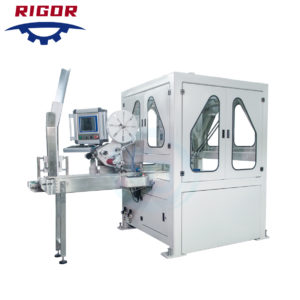
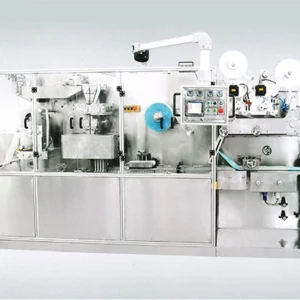
The heart of your manufacturing operation, the engine that will drive your enterprise, is the Машина для производства женских гигиенических салфеток. This is arguably the single most important capital investment you will make. The choice is not merely a technical one; it is a strategic decision that will define your production capacity, your product quality, your operational efficiency, and your ability to adapt to future market demands. Approaching this decision requires a blend of engineering acumen and business foresight.
Semi-Automatic vs. Fully-Automatic: A Comparative Analysis
The primary distinction in the world of sanitary napkin production lines is between semi-automatic and fully-automatic systems. Each has its place, and the right choice is contingent upon your capital, labor costs, and production scale.
A semi-automatic machine involves more manual intervention. Certain processes, such as feeding some raw materials or transferring semi-finished products between stages, may require human operators. These machines are generally less expensive to purchase and can be a good entry point for startups with limited capital. They are also sometimes more flexible for producing very small, customized batches.
A fully-automatic machine, as the name implies, integrates all production processes from raw material feeding to final product packaging into a single, continuous, automated line. Human involvement is minimal, largely confined to oversight, quality control, and maintenance. While the initial investment is significantly higher, the long-term benefits can be substantial.
Let’s compare them systematically:
Характеристика
Semi-Automatic Machine
Fully-Automatic Machine
Initial Cost
Нижний
Выше
Production Speed
Lower (e.g., 100-300 pieces/min)
Higher (e.g., 500-1200+ pieces/min)
Labor Requirement
Higher (Requires multiple operators)
Lower (Requires few supervisors/technicians)
Operational Cost
Lower initial cost, but potentially higher long-term labor costs.
Higher initial cost, but lower long-term labor and waste costs.
Product Consistency
Can be variable due to human factor.
Very high and consistent due to precise automation.
Material Wastage
Generally higher due to manual handling.
Minimized through servo-driven controls.
Ideal For
Startups, small-scale production, niche markets, regions with low labor costs.
Medium to large-scale production, markets demanding high quality and consistency.
For a business targeting a large urban market in South America or aiming to be a major supplier in Southeast Asia, the efficiency and consistency of a fully-automatic Линия по производству гигиенических салфеток often justify the higher initial cost. The reduced labor dependency and lower material wastage contribute to a more competitive cost-per-unit in the long run.
Key Technical Specifications to Scrutinize
Beyond the semi-versus-fully-automatic question, you must delve into the specific technical datasheet of any machine you consider. Think of yourself as a detective looking for clues about the machine’s performance and reliability.
Production Speed (pcs/min): This is the headline figure, but look deeper. Is this the stable, everyday speed or a maximum theoretical speed? A machine that can run consistently at 800 pcs/min is better than one that claims 1000 pcs/min but frequently requires downtime.
Product Types and Sizes: Can the machine produce different types of pads (e.g., ultra-thin, maxi, winged, panty liners)? How easy and how long does it take to change over from one product size to another? A flexible machine allows you to adapt to changing market tastes without needing to buy new equipment.
Driving System (Servo vs. Inverter): Modern, high-end machines use full servo-driven systems. Servo motors offer incredibly precise control over every moving part. This translates to more accurate cutting, better placement of components like the absorbent core, and significantly less raw material waste compared to older inverter-driven or mechanical systems.
Power Consumption (kW): This is a direct and ongoing operational cost. Compare the power requirements of different machines and factor this into your financial projections. An energy-efficient machine saves you money every single day.
Machine Dimensions and Weight: This is a practical but crucial detail. Will the machine physically fit into your chosen factory space? Is the floor strong enough to support its weight? You must plan your facility around the machine, not the other way around.
Control System (PLC): The Programmable Logic Controller (PLC) is the brain of the machine. Look for machines that use reputable PLC brands (like Siemens, Mitsubishi, or Allen-Bradley) and feature a user-friendly touchscreen interface (HMI). A good system will provide real-time production data, diagnostic alerts, and remote access capabilities.
Evaluating Manufacturer Reliability and After-Sales Support
A machine is only as good as the company that builds and supports it. You are not just buying a piece of steel; you are entering into a long-term relationship with the manufacturer. Your due diligence here is paramount.
Investigate the manufacturer’s history and reputation. How long have they been in business? Can they provide testimonials or references from other customers, particularly in your region? A well-established company like Rigor Machine Manufactory Co., Ltd. with years of experience demonstrates a track record of stability and expertise.
After-sales support is where excellent manufacturers truly distinguish themselves. Consider the following:
Установка и ввод в эксплуатацию: Does the manufacturer send their own technicians to your factory to install the machine, ensure it runs correctly, and train your staff?
Training: How comprehensive is the training provided for your operators and maintenance crew?
Warranty: What is the warranty period, and what does it cover?
Запасные части: How readily available are spare parts? Do they have a regional service center or a clear process for shipping parts quickly to avoid prolonged downtime?
Technical Support: Do they offer 24/7 remote technical support to help diagnose problems quickly?
Never choose a machine based on price alone. A cheaper machine from an unreliable supplier with poor support can quickly become the most expensive mistake you ever make due to lost production and repair costs.
Future-Proofing Your Investment: Scalability and Upgrades
Your business will hopefully grow. Will your machine be able to grow with you? When evaluating different sanitary pad machine options, think about the future.
Ask the manufacturer about the machine’s modularity and upgrade path. Is it possible to add new functions later, such as a different type of packaging system or a feature to produce a new kind of pad? Can the production speed be increased through software or minor hardware upgrades? A machine with a clear upgrade path is a more strategic, long-term asset. It allows you to start with a configuration that matches your initial budget and scale up your capabilities as your market share and revenue increase. This foresight prevents the need for a complete replacement of the production line in just a few years.
Step 4: Sourcing Quality Raw Materials and Establishing a Supply Chain
The most sophisticated Машина для производства женских гигиенических салфеток in the world cannot produce a quality product without quality inputs. The raw materials you choose are the very substance of your sanitary napkin; they determine its comfort, its absorbency, its safety, and its feel. Establishing a robust, reliable, and cost-effective supply chain for these materials is a critical operational pillar of your business.
The Anatomy of a Sanitary Napkin: Core Materials Explained
To source materials effectively, one must first understand the composition of the product. A modern sanitary napkin is a marvel of material science, a layered structure where each component has a specific function.
Top Sheet (Cover Stock): This is the layer that comes into contact with the user’s skin. The primary requirement is that it be soft, comfortable, and able to quickly pass fluid through to the core. Common materials are perforated non-woven fabrics or perforated polyethylene (PE) films. Non-wovens offer a more cloth-like, comfortable feel.
Слой распределения приобретений (Acquisition Distribution Layer, ADL): Located just beneath the top sheet, this is a thin layer designed to rapidly acquire fluid and distribute it evenly across the absorbent core. This prevents fluid from concentrating in one spot and improves the overall efficiency of the pad.
Absorbent Core: This is the heart of the pad. It is typically a mixture of Fluff Pulp (a cellulose-based material) and Super Absorbent Polymer (SAP). Fluff pulp provides the structure and initial absorption, while SAP is a miraculous material that can absorb and retain many times its own weight in liquid, turning it into a gel to prevent leakage. The ratio of pulp to SAP is a key design parameter that affects both performance and cost.
Back Sheet: This is the outermost, waterproof layer that prevents fluid from leaking onto clothing. It is typically made from a polyethylene (PE) film or a more “breathable” non-woven laminate that allows air to circulate, improving comfort.
Adhesive: Two types of hot-melt adhesive are used. Positioning adhesive is applied to the back sheet (the strip that holds the pad to the underwear), and construction adhesive is used to bond the various layers of the pad together.
Release Paper: This is the paper strip that covers the positioning adhesive. It is coated with silicone to allow for easy removal.
Understanding these components allows you to have intelligent conversations with suppliers and make informed decisions about your product’s design and quality.
Identifying and Vetting Reliable Raw Material Suppliers
Your next task is to find suppliers for each of these materials. The global market for these components is vast, with major producers located in North America, Europe, and increasingly, Asia.
Start with Research: Use online B2B platforms, industry directories, and trade publications. Your machine manufacturer is also an excellent resource; they can often recommend suppliers whose materials are known to work well with their equipment.
Request Samples and Specifications: Never commit to a supplier without first obtaining samples of their materials. You need to see, feel, and test them. Request a detailed Technical Data Sheet (TDS) for each material. The TDS will provide crucial information like grammage (grams per square meter), tensile strength, and for SAP, its absorption capacity.
Conduct Pilot Runs: The ultimate test is to run the sample materials on your actual Машина для производства женских гигиенических салфеток. Do they feed smoothly? Does the adhesive bond properly at your machine’s operating speed and temperature? A material that looks good on paper might cause constant jams and production halts.
Evaluate Supplier Reliability: A supplier’s reliability is as important as their material quality. Investigate their production capacity, their quality control processes (do they have ISO 9001 certification?), and their financial stability. Ask for references. A supplier who cannot deliver on time can shut down your entire operation.
Negotiate Pricing and Terms: Pricing is often dependent on volume. As a new business, you may not get the best prices initially, but you can negotiate for better terms as your order volume grows. Also discuss payment terms, lead times, and shipping arrangements (Incoterms).
It is often wise to identify and qualify at least two suppliers for each critical raw material. This creates redundancy and protects you from supply chain disruptions if one supplier has a problem.
Logistics and Inventory Management for Uninterrupted Production
Once you have selected your suppliers, you must manage the flow of materials into your factory and the stock within it. This is the domain of logistics and inventory management.
Importing and Customs: If you are sourcing materials internationally, you must become an expert in the import procedures and customs duties of your country. A mistake in paperwork can leave your materials stuck at the port for weeks. It is often wise to work with an experienced customs broker.
Inventory Strategy: You must maintain enough raw material inventory to ensure continuous production, but not so much that it ties up excessive working capital and takes up valuable warehouse space. A “Just-in-Time” (JIT) system, where materials arrive just as they are needed, is the ideal but can be difficult to implement without a highly reliable supply chain. Most startups will use a safety stock model, keeping a buffer of several weeks’ or a month’s worth of materials on hand.
Warehouse Management: Your warehouse must be clean, dry, and organized. Raw materials like fluff pulp and SAP are highly susceptible to moisture, which can ruin them. Implement a “First-In, First-Out” (FIFO) system to ensure that older stock is used before newer stock, preventing material degradation over time.
A well-managed supply chain is a silent, powerful competitive advantage. It ensures your factory runs smoothly, your product quality remains consistent, and your costs are controlled, allowing you to deliver on your promises to your customers.
Step 5: Navigating Legal, Regulatory, and Quality Standards
Operating a manufacturing facility, especially for a personal hygiene product, places you squarely within a web of legal and regulatory obligations. Viewing these requirements not as bureaucratic hurdles but as a framework for building a trustworthy and reputable business is a mark of a serious entrepreneur. Compliance is non-negotiable; it is the foundation of consumer trust and market access.
Business Registration and Licensing Requirements
The first formal step is to give your enterprise a legal identity. The specific process will vary by country, but it generally involves several key actions:
Choosing a Business Structure: You will need to decide whether to operate as a sole proprietorship, a partnership, a limited liability company (LLC), or a corporation. Each structure has different implications for liability, taxation, and administrative complexity. An LLC or corporation is often preferred for manufacturing as it separates your personal assets from the business’s liabilities.
Registering Your Business Name: You must register your company name with the relevant government authority, such as a ministry of commerce or a national registrar of companies.
Obtaining a General Business License: Most municipalities or regions require a general license to operate any business within their jurisdiction.
Securing Manufacturing Permits: You will likely need specific permits to operate a factory. These may relate to zoning (ensuring your factory is in an area designated for industrial activity), environmental compliance, and workplace safety.
Tax Registration: You must register for all applicable national and local taxes, such as Value Added Tax (VAT) or Goods and Services Tax (GST), corporate income tax, and payroll taxes.
Consulting with a local lawyer and an accountant who specialize in new business formation is a wise investment. They can guide you through the specific requirements in your country, ensuring you start on a firm legal footing.
Understanding Regional Health and Safety Regulations
Because you are producing a product that comes into intimate contact with the human body, you will be subject to stringent health and safety standards. These regulations are designed to protect the consumer from harmful materials and unhygienic manufacturing processes.
While specific standards vary, they generally revolve around the principles of Good Manufacturing Practices (GMP). GMP covers all aspects of production, from the raw materials and facility premises to the training and personal hygiene of staff. A key international benchmark that many national standards are based on is the ISO 9001 standard for Quality Management Systems. While not a legal requirement in all places, achieving ISO 9001 certification is a powerful signal to B2B customers and consumers that your company is committed to quality.
Furthermore, you must ensure that your products themselves are safe. This involves:
Material Safety: Verifying that your raw materials (especially plastics, adhesives, and any fragrances) are free from harmful chemicals, toxins, or allergens.
Microbiological Purity: Manufacturing in a clean environment to prevent bacterial or fungal contamination of the product. Many health authorities will set limits for the total microbial count on a finished product.
Performance Standards: Some countries may have standards related to absorbency and fluid retention that your product must meet.
Research the specific regulations set by the Ministry of Health or the national standards bureau in your target country. For example, in South Africa, the South African Bureau of Standards (SABS) sets forth compulsory specifications for certain products. Being ignorant of these rules is not a defense; compliance is your responsibility.
Implementing a Quality Control (QC) System for Your Sanitary Pad Machine
Regulations tell you the minimum you must do. A robust Quality Control (QC) system is what you do to ensure you consistently exceed that minimum. It is an internal process of checks and balances designed to catch defects before they leave your factory. A good QC system for a машина для производства гигиенических прокладок operation has several stages:
Incoming Quality Control (IQC): This happens before production even starts. When a shipment of raw materials arrives, your QC team should inspect it. They will check that it’s the correct material, that it’s not damaged, and they may take samples for laboratory testing to verify it meets the specifications on the TDS.
In-Process Quality Control (IPQC): This happens on the factory floor while the machine is running. Operators and QC staff will perform regular checks. They might pull a pad off the line every 15 or 30 minutes to visually inspect it for defects: Is the top sheet properly sealed? Is the absorbent core centered? Is the release paper applied correctly? They will also check machine parameters to ensure it’s operating within the set tolerances.
Final Quality Control (FQC): This is the last check before the products are shipped. A random sample of finished, packaged products is selected and put through a battery of tests. These can include:
Visual Inspection: Checking the final appearance of the pad and its packaging.
Dimensional Checks: Measuring the pad’s length, width, and thickness.
Weight Check: Ensuring the pad’s weight is within the specified range.
Absorbency Test: A standardized test to measure how much liquid the pad can hold and how quickly it absorbs it.
Adhesive Peel Test: Measuring the strength of the positioning adhesive.
Documenting everything is the key to a successful QC system. Every check, every test, and every result should be recorded. This data is invaluable. It helps you track your performance over time, identify recurring problems, and provide traceability in the unfortunate event of a product recall. A commitment to quality is a commitment to your brand’s reputation.
Step 6: Setting Up Your Production Facility and Operations
The theoretical work of planning gives way to the tangible work of building. Your production facility is the physical embodiment of your business. Its location, design, and the people who work within it will be critical determinants of your efficiency and success. This stage requires a general contractor’s pragmatism and a process engineer’s eye for flow.
Choosing the Right Location: Site Selection Criteria
The question “Where should I build my factory?” has profound strategic implications. The ideal location is a balance of several competing factors.
Proximity to Market vs. Proximity to Port: A location close to your primary consumer market (e.g., on the outskirts of a major city) can reduce your final distribution costs and lead times. Conversely, a location close to a major seaport can reduce the cost and complexity of importing your raw materials. You must analyze your supply chain to see which is the more significant logistical cost.
Infrastructure: Your factory needs reliable access to high-capacity electricity, clean water, and good road networks. An area with frequent power outages can cripple a highly automated production line. Assess the quality of local infrastructure before committing to a site.
Labor Availability and Cost: While a fully-automatic Машина для производства женских гигиенических салфеток reduces the number of operators, you will still need skilled technicians for maintenance, QC staff, warehouse workers, and administrative personnel. Choose a location with access to a suitable labor pool at a competitive wage.
Zoning and Regulations: As mentioned earlier, the site must be zoned for industrial use. Investigate the local environmental regulations and the ease of obtaining the necessary building and operating permits.
Cost of Real Estate: The cost of buying or leasing industrial land and buildings will vary dramatically. This will be a major component of your startup costs, so it must fit within your budget.
For many businesses in emerging markets, setting up in a designated Special Economic Zone (SEZ) or industrial park can be an excellent option. These zones often offer superior infrastructure, tax incentives, and streamlined administrative procedures.
Designing an Efficient Factory Layout
Once you have your site, you must design the internal layout of the factory. The goal is to create a logical and efficient flow of materials and people, minimizing unnecessary movement and maximizing safety and hygiene. A typical layout for a sanitary napkin facility would include:
Raw Material Warehouse: A secure, clean, and dry area for storing your non-wovens, pulp, SAP, and other components. It should be located near the start of the production line for easy access.
Production Hall: This is the main area housing your Линия по производству гигиенических салфеток. It needs to be a controlled environment with good ventilation and lighting. The floor should be smooth, sealed (e.g., with epoxy paint), and easy to clean to maintain hygiene. There must be sufficient space around the machine for operators to work safely and for maintenance technicians to access all parts.
Finished Goods Warehouse: After the pads are produced and packaged, they are moved to this warehouse to await shipment. This area should also be clean and dry and organized for easy picking and dispatch.
Quality Control Laboratory: A dedicated, clean space for your QC team to conduct their tests. It should be equipped with the necessary testing instruments.
Utility Room: Housing the air compressor, electrical panels, and other support equipment.
Administrative Offices and Employee Facilities: This includes offices for management, as well as changing rooms, restrooms, and a break area for employees. Strict hygiene protocols, such as requiring staff to change into clean factory uniforms and footwear before entering the production hall, are essential.
The principle guiding the layout should be a one-way flow: raw materials enter at one end, move through production, and exit as finished goods at the other end. This linear flow prevents cross-contamination between raw materials and finished products and improves overall efficiency.
Hiring and Training a Skilled Workforce
Your people are your most valuable asset. Even in a highly automated factory, the quality of your team is crucial.
Hiring: Look for individuals with the right attitude and aptitude. For machine operators and technicians, prior experience in a manufacturing environment is beneficial, but a willingness to learn and a strong attention to detail are even more important. Your QC staff should be meticulous and methodical.
Training: Your machine manufacturer will provide the initial, specialized training on how to operate and maintain the Машина для производства женских гигиенических салфеток. You must build on this foundation. Develop Standard Operating Procedures (SOPs) for every task, from receiving raw materials to cleaning the production hall.
Cross-Training: Train your employees on multiple tasks. A machine operator who also understands the basics of quality control or routine maintenance is far more valuable. Cross-training provides flexibility and ensures that the absence of one person does not halt production.
Creating a Culture of Quality and Safety: From day one, instill a culture where every employee feels responsible for quality and safety. Encourage them to report potential problems or suggest improvements. A proactive and engaged workforce is your first line of defense against defects and accidents.
Your factory is more than just a building with a machine inside. It is a complex system of processes and people. Investing the time and effort to design it well and staff it with a trained, motivated team will pay dividends for years to come.
Step 7: Developing a Go-to-Market Strategy for Sales and Distribution
You have a world-class factory producing a high-quality product. The final, and perhaps most challenging, step is to bridge the gap between your factory gate and the end consumer. A go-to-market strategy is your comprehensive plan for how you will launch your product, generate sales, and deliver it into the hands of the women who need it. This requires creativity, market insight, and relentless execution.
Building a Brand that Resonates with Your Audience
In a crowded marketplace, your product is more than just its physical attributes. It is a brand. A brand is a story, a promise, and a set of values that live in the consumer’s mind. Building a strong brand is what elevates your product from a generic commodity to a preferred choice.
Define Your Brand Identity: What do you want your brand to stand for? Is it about empowerment? Confidence? Uncompromising comfort? Affordability and accessibility? Health and wellness? Your brand identity should be rooted in the market gaps and consumer needs you identified in Step 1.
Choose a Name and Logo: Your brand name should be easy to pronounce and remember in your target languages. Your logo and packaging design should visually communicate your brand’s identity. For a brand focused on natural ingredients, you might use earthy colors and imagery. For a brand targeting young, modern women, you might choose a bold, minimalist design.
Craft Your Message: Develop a clear and consistent message that you will use across all your marketing channels. This message should speak directly to the concerns and aspirations of your target audience. If your research showed that leakage is the number one concern, your message should be centered on security and reliability. The UN’s report on menstrual health highlights the need for products that enable women to participate fully in daily life, which can be a powerful messaging angle (UNFPA, 2021).
Your brand is your connection to your customer. Invest in it. A strong brand can command price premiums, foster loyalty, and create a protective moat around your business.
Choosing Distribution Channels: Retail, NGOs, Online Sales
How will your product physically travel from your warehouse to the consumer? This is the question of distribution channels. You can use one or a combination of several channels.
Modern Retail: This involves getting your product onto the shelves of supermarkets, hypermarkets, and large pharmacy chains. This channel offers massive reach into urban and suburban populations. However, it can be competitive, and large retailers often demand high listing fees and favorable credit terms.
Traditional Trade: This refers to the vast network of small, independent neighborhood stores, kiosks, and pharmacies. In many parts of South America, Southeast Asia, and Africa, this channel accounts for a huge percentage of all retail sales. Reaching these stores often requires working with a network of local wholesalers and distributors.
Institutional Sales (B2B): As discussed in the business plan, you can sell directly to institutions like schools, universities, hospitals, and corporate offices. Government tenders to supply public health programs can also represent large, stable contracts.
NGO Partnerships: Partnering with NGOs focused on women’s health or education can be a powerful distribution channel, especially for reaching rural and low-income communities. This not only generates sales but also enhances your brand’s social credentials.
E-commerce and Direct-to-Consumer (D2C): Selling directly to consumers through your own website or on major online marketplaces is a rapidly growing channel. It gives you direct control over your brand and pricing, though it requires investment in digital marketing and logistics to handle individual order fulfillment.
The optimal channel mix will depend on your target market. In a country with high internet penetration like Russia, e-commerce might be a primary channel. In a country with a fragmented retail landscape like Indonesia, mastering the traditional trade through local distributors is key.
Pricing Strategies for Competitive Advantage and Profitability
Pricing is a delicate balancing act. Set your price too high, and you risk alienating your target customers. Set it too low, and you leave profit on the table and may even create a perception of low quality.
Cost-Plus Pricing: This is the simplest method. You calculate your total cost per unit (raw materials, labor, overheads) and add a desired profit margin. This ensures you cover your costs, but it ignores market realities.
Competition-Based Pricing: You benchmark your prices against your main competitors. You might price slightly below them to gain market share, on par with them to compete on quality and branding, or slightly above them to signal a premium product.
Value-Based Pricing: This is the most sophisticated approach. You price your product based on the perceived value it delivers to the customer. If your pad offers significantly better comfort or absorbency than any other product, you may be able to charge a premium for that superior value.
You may also need a flexible pricing structure. This could involve different wholesale prices for different volumes, promotional pricing to encourage trial, and creating product tiers (e.g., a basic, affordable line and a premium line) to cater to different economic segments.
Marketing and Promotion in a Digitally Connected World
Finally, you need to tell the world about your product. Your marketing strategy should be a blend of modern digital tactics and traditional, on-the-ground activities.
Digital Marketing: Use social media platforms (like Instagram, Facebook, or TikTok, depending on your target demographic) to build a community around your brand. Influencer marketing, where you partner with local social media personalities, can be highly effective. Search engine optimization (SEO) will ensure customers can find you when they search online.
In-Store Marketing: At the point of sale, use attractive displays, shelf signage, and special introductory offers to grab the shopper’s attention.
Community Outreach and Education: In markets where menstruation is a sensitive topic, direct marketing through educational workshops in schools, community centers, and workplaces can be incredibly powerful. These initiatives build trust and position your brand as a helpful expert.
Public Relations: Generate positive media coverage by highlighting your company’s story, your commitment to quality, or your social impact initiatives.
Your go-to-market strategy is not a one-time event but an ongoing process of learning and adaptation. Listen to feedback from your customers and your sales team, monitor your competitors’ moves, and be prepared to adjust your tactics to win in the dynamic and rewarding market of feminine hygiene. By following these steps with diligence and a deep sense of purpose, you can build not just a factory, but a lasting and meaningful enterprise with your high-quality machinery.
FAQ
What is the approximate capital needed to start a sanitary pad business? The required capital varies significantly based on the scale of operation and choice of machinery. A small-scale venture with a semi-automatic machine might begin with an investment in the range of $50,000 to $100,000 USD. A larger, fully-automatic operation targeting a national market could require an investment of $250,000 to over $1,000,000 USD, factoring in the machine, facility, raw materials, and working capital.
What is the typical profit margin in the sanitary napkin industry? Profit margins are influenced by raw material costs, operational efficiency, brand positioning, and competitive intensity. Gross margins can range from 30% to 60%. After accounting for operational overhead, marketing, and distribution, net profit margins typically fall between 10% and 25% for a well-run business.
Can one lady sanitary napkin machine produce different sizes and types of pads? Yes, most modern machines are designed with flexibility in mind. Through the use of interchangeable molds and adjustments to the PLC settings, a single machine can typically produce various product types, such as ultra-thin pads, thicker maxi pads, day-use, night-use, and winged or non-winged versions. It is crucial to confirm the changeover time and complexity with the manufacturer.
What are the primary challenges in starting and running this business? The main challenges include securing the initial high capital investment, establishing a reliable and cost-effective raw material supply chain, navigating complex health and safety regulations, and breaking into a market often dominated by established global brands. Overcoming cultural taboos related to menstruation can also be a significant marketing challenge in some regions.
How critical is branding for a new sanitary napkin product? Branding is exceptionally critical. The sanitary napkin is a personal and intimate product, and consumer choice is heavily driven by trust, perceived quality, and emotional connection. A strong brand helps differentiate your product from competitors, justifies your price point, and builds long-term customer loyalty in a crowded market.
What kind of after-sales support is essential from a machine manufacturer? Essential after-sales support includes professional installation and commissioning of the machine at your factory, comprehensive training for your operators and maintenance staff, a clear warranty policy, rapid access to affordable spare parts, and responsive remote technical support (ideally 24/7) to troubleshoot issues and minimize production downtime.
How can I ensure my products meet international quality standards? To meet international standards, you should implement a rigorous Quality Management System based on ISO 9001 principles. This involves strict quality control at every stage: inspecting incoming raw materials, monitoring the in-process production, and conducting thorough laboratory tests on finished products. Sourcing raw materials from reputable, certified suppliers is also fundamental.
Заключение
The journey to launching a successful sanitary napkin business is intricate, demanding a harmonious blend of market insight, financial discipline, technical knowledge, and strategic execution. It begins not with the purchase of equipment, but with a deep, empathetic understanding of the needs and contexts of the women you aim to serve. From this foundation, a solid business plan must be constructed, meticulously accounting for every cost and realistically projecting every revenue stream. The selection of the ideal Машина для производства женских гигиенических салфеток stands as a pivotal decision, a long-term investment that dictates the very capacity and quality of your output. This must be supported by a resilient supply chain, unwavering adherence to legal and quality standards, and a well-designed operational setup. Ultimately, even the finest product requires a powerful go-to-market strategy to build a brand that resonates and a distribution network that reaches its intended audience. This path, while challenging, offers the profound opportunity to build an enterprise that is not only profitable but also fundamentally empowering, delivering a product that grants health, dignity, and freedom to women across the globe.
Приобретение автомата для производства детских подгузников представляет собой значительные капиталовложения и стратегический выход на мировой рынок гигиенических товаров. Данный анализ предлагает комплексную основу для потенциальных инвесторов в 2025 году, особенно для тех, кто ориентируется на развивающиеся рынки Южной Америки, России, Юго-Восточной Азии, Ближнего Востока и Южной Африки. В нем тщательно рассматривается многогранный процесс принятия решений, выходящий за рамки начальной цены оборудования и включающий в себя целостную оценку технических характеристик, производственных мощностей и уровней автоматизации, таких как системы с полным или полусервоприводом. В ходе обсуждения рассматриваются сложности анализа рынка, оценки финансовой жизнеспособности и критического выбора надежного производителя оборудования. Особое внимание уделяется послепродажной поддержке, логистическому планированию и долгосрочному масштабированию инвестиций. Систематически разбирая каждый этап, от первоначального запроса до запуска в эксплуатацию, это руководство призвано вооружить предпринимателей необходимыми знаниями для снижения рисков и создания прибыльного, устойчивого предприятия по производству подгузников.
Основные выводы
Проанализируйте долгосрочную ценность систем с полным сервоприводом по сравнению с полусервоприводом для повышения эффективности.
Проведите подробное исследование рынка в вашем конкретном регионе, чтобы соотнести характеристики продукта со спросом.
Рассчитайте общую стоимость владения, а не только первоначальную цену покупки машины.
Тщательно проверьте поставщика машин для производства подгузников для детей на предмет опыта и послепродажного обслуживания.
Заранее планируйте подготовку объекта, логистику и обучение оператора.
Подумайте о том, чтобы защитить свои инвестиции в будущем с помощью масштабируемых и устойчивых технологий.
Прочное партнерство с производителем - основа долгосрочного успеха в работе.
1. Расшифровка технического сердца: Технические характеристики машины и производственная мощность
Вступление на путь производства подгузников начинается с глубокого, почти философского отношения к самой машине. Это не просто набор стали, проводов и моторов; это двигатель вашего будущего предприятия, сердце вашей производственной линии. Его возможности, ограничения и дизайн будут определять качество вашей продукции, эффективность работы и, в конечном счете, прибыльность. Поверхностного взгляда на каталог или прайс-лист недостаточно. Необходимо глубокое понимание основных технических характеристик, чтобы сделать осознанный выбор, отвечающий как ближайшим производственным задачам, так и долгосрочным стратегическим амбициям. Для этого необходимо изучить язык машины, от нюансов ее привода до тонкостей управления отходами.
Понимание сервосистем: Полный сервопривод против полусервопривода
В основе производительности современной машины для производства детских подгузников лежит ее привод, который обычно классифицируется как полносерводный или полусерводный. Непосвященному человеку это может показаться незначительной технической деталью, но на самом деле этот выбор имеет глубокие и долгосрочные последствия для всей вашей работы. Подумайте об этом, как о выборе двигателя для автомобиля. Простой механический двигатель может доставить вас из одной точки в другую, но сложный, управляемый компьютером двигатель обеспечивает превосходную производительность, топливную экономичность и адаптивность.
Полусервомашина использует комбинацию главного механического вала и ограниченного числа серводвигателей для выполнения определенных высокоточных функций. Это более старый, но все еще жизнеспособный технологический подход. Зачастую он менее затратный, что может быть привлекательным для новых предприятий с жесткими ограничениями по капиталу. Однако опора на механику влечет за собой определенные ограничения. Регулировка скорости может быть более сложной, замена продукта может потребовать больше ручного вмешательства и времени простоя, а механические компоненты подвержены износу, что со временем может привести к увеличению затрат на обслуживание.
В машине для производства детских подгузников с полным сервоприводом, напротив, отсутствует главный механический передаточный вал. Каждый основной рабочий орган - от устройства подачи целлюлозы до аппликатора манжеты для ног и конечного режущего инструмента - приводится в действие независимым серводвигателем, управляемым центральным программируемым логическим контроллером (ПЛК). Это создает систему необычайной точности и гибкости. Контроль натяжения для деликатных материалов, таких как нетканые материалы, является точным, что снижает деформацию и разрыв материала. Переключение между размерами подгузников (например, маленький, средний, большой) часто осуществляется с помощью программных параметров, что значительно сокращает время переналадки. Точность серводвигателей также приводит к более стабильному качеству продукции и снижению количества отходов материала, что позволяет значительно сэкономить на эксплуатации машины в течение всего срока ее службы.
Характеристика
Система полного сервопривода
Полусервосистема
Точность управления
Высокая (независимый двигатель для каждой функции)
Умеренный (основной вал с некоторым сервоусилителем)
Скорость переключения
Быстрые (часто на основе программного обеспечения)
Медленнее (требуется механическая регулировка)
Скорость работы
Высокая (например, 600-1000 штук в минуту)
Умеренный (например, 300-600 штук в минуту)
Норма отходов материалов
Снижение благодаря точному контролю натяжения
Выше из-за механической изменчивости
Первоначальные инвестиции
Выше
Нижний
Долгосрочное обслуживание.
Меньше (меньше механических изнашивающихся частей)
Выше (шестерни, цепи, ремни требуют обслуживания)
Гибкость
Высокий (Легче адаптироваться к новым разработкам)
Умеренный (менее приспособлен к серьезным изменениям)
Решение принимается не просто ради скорости, а ради контроля, эффективности и готовности к будущему. Для рынков, требующих высококачественной и стабильной продукции, и для предприятий, планирующих масштабирование, более высокие первоначальные инвестиции в систему с полным сервоприводом часто приносят гораздо большую отдачу за счет сокращения отходов, уменьшения времени простоя и повышения качества продукции.
Скорость и эффективность производства: Поиск оптимального варианта
Скорость производства, часто указываемая в штуках в минуту (PPM), - это заголовок характеристики, который может быть соблазнительным. Кажется, что машина, способная производить 1000 PPM, по своей сути превосходит ту, которая производит 500 PPM. Однако погоня за максимальной скоростью без учета ее контекста является распространенной ошибкой. Оптимальная скорость для вашего предприятия зависит от размера рынка, логистических возможностей и уровня квалификации вашей команды.
Высокоскоростной станок - это требовательный инструмент. Она потребляет сырье с огромной скоростью, что требует высокоэффективной и надежной цепи поставок. Любой перерыв в поставках пуховой целлюлозы, суперабсорбирующего полимера (SAP) или нетканого полотна приведет к тому, что высокоскоростное оборудование будет простаивать, сводя на нет его основное преимущество. Кроме того, требуется хорошо обученная команда операторов и техников, способных регулировать темп работы, проводить быструю диагностику и устранять мелкие неполадки, не вызывая длительных остановок.
Понятие "стабильная скорость работы" более значимо, чем "расчетная скорость". Машина может быть рассчитана на 800 PPM, но если она может стабильно работать только на 650 PPM без частых перерывов или снижения качества, то 650 PPM - это ее истинная рабочая скорость. Целесообразно поинтересоваться коэффициентом полезного действия машины - как правило, хорошо обслуживаемая машина должна работать на 85-95% от своей стабильной скорости.
Поэтому нужно задавать вопрос не "Как быстро она может работать?", а "Какая скорость наиболее эффективна для моей бизнес-модели?". Для стартапа, выходящего на региональный рынок, машина со стабильной скоростью 400-600 PPM может стать идеальным балансом между производительностью, управляемостью и инвестициями. Это позволит бизнесу развиваться в полную силу, а не быть перегруженным с первого дня.
Совместимость сырья и утилизация отходов
Машина для производства детских подгузников - это оркестровщик материалов. Она принимает различные материалы - пушистую целлюлозу, SAP, различные нетканые материалы, полиэтиленовую пленку, эластичные нити, клеи - и соединяет их в точной, высокоскоростной последовательности. Способность машины справляться с таким разнообразием имеет первостепенное значение. Вы должны убедиться, что машина совместима с сырьем, которое легко и экономично доступно в вашем регионе. Например, некоторые машины оптимизированы для определенной марки клея или определенного сорта ворсистой целлюлозы. Отсутствие гибкости может привязать вас к одному поставщику, что приведет к нестабильности цен и рискам, связанным с цепочкой поставок.
Современная машина для производства детских подгузников оснащена передовыми системами контроля натяжения, автоматическими сращивающими устройствами и системами направления полотна. Особенно ценны автоматические сращиватели, которые позволяют соединять новый рулон материала (например, нетканого полотна) с заканчивающимся рулоном без остановки машины, что называется "летучим сращиванием". Это значительно увеличивает время работы и эффективность.
Не менее важно и то, как машина относится к отходам. При производстве подгузников отходы образуются из-за обрезков материала в процессе формования и бракованной продукции, выявляемой системой контроля качества. Эффективная машина минимизирует эти отходы за счет своей конструкции. Например, хорошо спроектированный вырубной штамп для шасси подгузника может уменьшить количество отбракованного нетканого материала. Кроме того, современные машины оснащены автоматическими системами отбраковки, которые используют датчики (например, камеры технического зрения или металлодетекторы) для выявления дефектных подгузников и их удаления с производственной линии без прерывания потока. Сам отработанный материал часто собирается специальной вакуумной системой, обеспечивая чистоту и безопасность производственной среды. Понимание и количественная оценка ожидаемого процента отходов машины является ключевой частью расчета истинной стоимости производства.
Возможности дизайна подгузников: От Т-образной формы до больших ушей
Конечный продукт, который потребитель держит в руках, - это окончательная проверка ваших инвестиций. Машина для производства детских подгузников должна быть способна производить подгузники, которые отвечают эстетическим и функциональным ожиданиям вашего целевого рынка. Дизайн подгузников претерпел значительные изменения.
Классические подгузники "Т-образной" формы - это базовая, экономичная конструкция. Однако сегодня многие рынки требуют более совершенных характеристик. Подгузники с "большим ушком" или "эластичным поясом" обеспечивают более удобную и надежную посадку, снижая вероятность протекания. Машина должна обладать специальными модулями для создания этих функций - наложения широкой эластичной ленты, формирования боковых панелей и обеспечения прочного, но мягкого уплотнения.
Другие особенности, на которые стоит обратить внимание:
Слой распределения приобретений (Acquisition Distribution Layer, ADL): Дополнительный слой, который быстро отводит влагу от кожи ребенка и равномерно распределяет ее по впитывающей основе.
Индикатор влажности: Полоска, которая меняет цвет, когда подгузник мокрый, что очень ценится современными родителями.
3D защита от протечек: Гидрофобные манжеты, расположенные вдоль проймы, обеспечивают дополнительную защиту от протекания.
Дышащая подложка: Пленка, которая позволяет воздуху циркулировать, оставаясь водонепроницаемой, снижает риск опрелостей.
Выбранная вами машина должна быть либо оснащена модулями для этих функций, либо, по крайней мере, иметь модульную конструкцию, позволяющую добавлять их в будущем. Это гарантирует, что ваше производство сможет развиваться в соответствии с потребительскими тенденциями, не требуя полной замены производственной линии. Обсудив конкретную структуру подгузников, которые вы собираетесь производить, с производитель машин для производства подгузников это основополагающий шаг в процессе отбора.
2. Составление карты рынка: Анализ спроса и позиционирование продукта
Приобретение технологически совершенной машины для производства подгузников для детей - это только половина дела. Вторая половина, не менее требовательная к интеллектуальной строгости и тщательному изучению, - это рынок, на котором появится ваша продукция. Машина может производить миллион подгузников в день, но если эти подгузники не отвечают конкретным потребностям, предпочтениям и экономическим реалиям родителей в выбранном вами регионе, они так и останутся непроданными на складе. Глубокий анализ рынка - это не просто академическое упражнение; это акт развития эмпатии к вашим будущим клиентам. Он предполагает выход за рамки широких обобщений о "развивающихся рынках" и углубленное понимание местной культуры, конкурентной динамики и поведения потребителей.
Региональные потребительские предпочтения: Чего хотят родители из Южной Америки и Юго-Восточной Азии?
Представление о едином, монолитном потребителе "развивающихся рынков" - опасная фикция. У родителей в Москве (Россия) иные приоритеты и ожидания, чем у родителей в Рио-де-Жанейро (Бразилия) или Джакарте (Индонезия). Эти различия определяются климатом, экономическими условиями, культурными нормами и влиянием местных и международных брендов.
Например, во многих странах с жарким и влажным климатом, таких как Юго-Восточная Азия или часть Ближнего Востока, "воздухопроницаемость" не является предметом роскоши, это основное требование. Родители остро осознают риск опрелостей и отдают предпочтение товарам, которые обещают превосходную циркуляцию воздуха. Производитель, ориентированный на этот регион, должен убедиться, что его машина для производства подгузников для детей может эффективно производить подгузники с дышащими простынями, похожими на ткань.
На некоторых рынках Южной Америки, где может наблюдаться сильная тяга к североамериканским и европейским брендам, такие характеристики, как индикаторы влажности и ультрамягкие материалы, могут стать ключевыми отличительными признаками даже для товаров среднего уровня. Потребители могут ассоциировать эти характеристики с высоким качеством и лучшим уходом за ребенком.
Напротив, в более чувствительном к цене сегменте российского или южноафриканского рынка основное внимание может быть уделено впитываемости и защите от протечек. Более толстая сердцевина и прочные манжеты для ножек могут цениться больше, чем эстетические характеристики. Воспринимаемая "громоздкость" подгузника может быть даже истолкована как признак его эффективности.
Проведение такого анализа требует многостороннего подхода. Он включает в себя изучение отчетов о маркетинговых исследованиях, анализ предложений существующих конкурентов и, по возможности, проведение фокус-групп или опросов местных родителей. Цель - составить подробный портрет вашего целевого клиента. Каков их распорядок дня? Каков их располагаемый доход? Что их больше всего разочаровывает в существующих вариантах подгузников? Ответы на эти вопросы должны напрямую влиять на дизайн вашего продукта и, соответственно, на технические характеристики приобретаемой машины.
Регион
Основная проблема, связанная с климатом
Ключевая характеристика Драйвер
Экономическая чувствительность
Пример предпочтения
Юго-Восточная Азия
Жарко и влажно
Дышащие свойства, удобство для кожи
От среднего до высокого
Простыня, напоминающая ткань, лосьон с алоэ вера
Южная Америка
Разнообразный (влажный/температурный)
Облегание, мягкость, восприятие бренда
Высокий
Эластичный пояс, индикатор влажности
Россия
Холодные и умеренные
Впитываемость, сухость
Высокий
Высокое содержание SAP, надежная защита от протечек
Вкладки с сильным захватом, многофункциональная упаковка
Анализ конкурентного ландшафта в вашем целевом регионе
Вы выходите на арену не на пустом месте. На каждом рынке есть уже состоявшиеся игроки - от глобальных гигантов, таких как Procter & Gamble (Pampers) и Kimberly-Clark (Huggies), до сильных региональных чемпионов и недорогих местных производителей. Чтобы найти свое уникальное место, необходимо трезво оценить этот ландшафт.
Начните с составления карты конкурентов. Кто они? Какие сегменты рынка они обслуживают (премиум, средний, эконом)? Каковы их ценовые ориентиры? Каковы их ключевые маркетинговые сообщения? Посетите местные магазины или просмотрите интернет-магазины в целевой стране. Купите их товары. Разберите их на части. Проанализируйте их конструкцию, материалы и производительность. Сколько SAP в них используется? Из какого нетканого материала изготовлен верхний лист? Насколько эффективна их защита от протечек?
Этот криминалистический анализ служит двум целям. Во-первых, он устанавливает эталон качества. Чтобы конкурировать, ваш продукт должен быть как минимум не хуже, а то и лучше, чем предложения в выбранном вами сегменте. Во-вторых, он выявляет потенциальные пробелы на рынке. Возможно, все бренды эконом-класса имеют плохо сидящие вкладки. Возможно, у брендов среднего уровня отсутствует дышащая подкладка. Этот пробел - ваша возможность. Вы можете настроить свою машину для производства подгузников для детей и поиск сырья таким образом, чтобы они были направлены именно на удовлетворение этой неудовлетворенной потребности, создавая четкое ценностное предложение для потребителей. Например, если рынок перенасыщен базовыми подгузниками Т-образной формы, инвестиции в машину, способную производить превосходный дизайн с "большими ушами", могут позволить вам захватить значительную долю рынка среднего уровня.
Стратегия ценообразования: Баланс между качеством, стоимостью и доступностью на рынке
Ваша ценовая стратегия - это связующее звено между себестоимостью продукции и готовностью потребителя платить. Она должна основываться на реалистичном понимании того и другого. Ваша конечная розничная цена будет складываться из себестоимости производства одного подгузника (сырье, энергия, труд, амортизация оборудования), упаковки, маркетинговых расходов, наценки на дистрибуцию и желаемой нормы прибыли.
Распространенная ошибка - рассчитать себестоимость, добавить маржу и установить эту цену. Более сложный, ориентированный на рынок подход работает в обратном направлении. Сначала определите приемлемые цены для различных сегментов рынка (эконом, средний, премиум), проанализировав ценообразование конкурентов. Затем спросите: "Могу ли я производить подгузники достаточного качества, чтобы конкурировать в этом сегменте и при этом получать прибыль по этой цене?"
Это может заставить вас сделать сложный, но важный выбор. Чтобы уложиться в экономичную цену, вам, возможно, придется использовать более низкий сорт пуха или отказаться от индикатора влажности. Чтобы оправдать цену премиум-класса, необходимо вложить средства в более качественные материалы и функции, которые обеспечат очевидное превосходство для родителей и ребенка.
Ваша машина для производства детских подгузников играет центральную роль в этом расчете. Высокоэффективная машина с полным сервоприводом и низким уровнем отходов обеспечит вам более низкую стоимость за штуку, предоставляя большую гибкость в стратегии ценообразования. Это может позволить вам предложить премиальную функцию по цене среднего уровня, создав неотразимое ценностное предложение. И наоборот, менее эффективный станок с большим количеством отходов будет увеличивать ваши затраты, сжимая вашу маржу и ограничивая вашу способность конкурировать по цене.
3. Рассчитать доходность: Глубокое погружение в финансовую жизнеспособность
Инвестиции в автомат по производству подгузников для детей - это решение значительного финансового масштаба. Оно требует перехода от мышления предпринимателя с идеей к мышлению финансового директора с планом. Комплексный финансовый прогноз - это не упражнение в оптимизме; это строгий, консервативный и детальный стресс-тест вашей бизнес-модели. Это процесс перевода ваших операционных планов и рыночных амбиций на бескомпромиссный язык цифр - денежных потоков, расходов, доходов и рентабельности. Этот финансовый план будет не только определять ваши собственные решения, но и станет основой любого предложения, которое вы сделаете банкам, инвесторам или финансовым партнерам.
Общая стоимость владения (TCO): За пределами первоначальной цены
Наклейка с ценой машины для стирки подгузников часто является самой заметной цифрой, но это лишь вершина финансового айсберга. Разумный инвестор не ограничивается первоначальными затратами, а рассчитывает общую стоимость владения (TCO) за несколько лет (например, за пять-семь лет). TCO дает гораздо более точное представление об истинных финансовых обязательствах.
Компоненты ТШО включают в себя:
Цена покупки: Первоначальная стоимость самой машины.
Доставка и страхование: Стоимость транспортировки машины с завода-изготовителя на ваш объект, которая может быть значительной для тяжелого промышленного оборудования, особенно при международных перевозках.
Установка и ввод в эксплуатацию: Многие производители взимают отдельную плату за отправку своих технических специалистов для установки машины, ее подключения к вашим коммуникациям и проведения первоначальных тестов, чтобы убедиться, что она работает в соответствии со спецификациями. В эту сумму также могут входить расходы на проезд и проживание этих специалистов.
Импортные пошлины и налоги: Эти расходы зависят от конкретного региона и часто упускаются из виду. В зависимости от торговых соглашений между страной производителя и вашей страной, импортные тарифы могут добавить значительный процент (иногда 20-30% или больше) к стоимости машины. Тщательное изучение таможенных правил вашей страны не подлежит обсуждению.
Подготовка помещения: Машина предъявляет особые требования к площади, прочности фундамента, электропитанию (напряжение, фаза и мощность) и сжатому воздуху. Необходимо учесть затраты на модернизацию оборудования для удовлетворения этих требований.
Расходы на обучение: Стоимость обучения операторов и обслуживающего персонала, как на предприятии производителя, так и на вашем собственном.
Запасные части: Первоначальный пакет критически важных запасных частей - разумная инвестиция, позволяющая свести к минимуму время простоя. Стоимость этого пакета должна быть включена в стартовый капитал.
Неучет этих дополнительных расходов может привести к серьезному дефициту бюджета еще до начала производства. Подробный разговор с производителем должен прояснить, что именно включено в его предложение и за какие дополнительные расходы вы будете отвечать.
Оценка эксплуатационных расходов: Сырье, материалы, труд и энергия
После установки машины начинаются эксплуатационные расходы (OPEX). Эти текущие расходы определяют стоимость одного подгузника и общую рентабельность.
Сырье: Как правило, это самый большой компонент операционных расходов. Вам необходимо найти надежных поставщиков и получить точные, актуальные цены на все исходные материалы: пуховую целлюлозу, SAP, нетканые материалы (для верхнего листа, заднего листа, ADL), полиэтиленовую пленку для заднего листа, эластичные материалы (для ножных манжет и пояса), фронтальную ленту, боковые ленты и термоклей. Цены на эти товары могут колебаться, поэтому целесообразно заложить в финансовую модель запасные варианты. Количество отходов напрямую зависит от стоимости сырья, что еще раз подчеркивает важность эффективной машины.
Труд: Сюда входят зарплата и пособия операторам оборудования, техникам, сотрудникам службы контроля качества и сотрудникам упаковочной службы. Количество необходимого персонала зависит от уровня автоматизации вашей производственной линии. Высокоавтоматизированная линия с автосплиттерами и автоматической упаковочной машиной потребует меньше персонала, чем более ручная установка. Вы должны изучить преобладающие ставки заработной платы для квалифицированного и полуквалифицированного труда в вашем конкретном регионе.
Энергия: Линия по производству подгузников является энергоемкой. Вам необходимо учесть электроэнергию, потребляемую многочисленными двигателями, нагревателями (для нанесения клея) и мощными вакуумными системами для формирования массы и сбора отходов. Узнайте у производителя общую мощность машины (в киловаттах) и умножьте ее на местный промышленный тариф на электроэнергию (в киловатт-часах), чтобы оценить почасовую стоимость электроэнергии.
Техническое обслуживание и расходные материалы: В эту категорию входят расходы на текущее обслуживание, плановую замену быстроизнашивающихся деталей (например, режущих лезвий и ремней), смазочных материалов и других расходных материалов. Общепринятой практикой является выделение определенного процента (например, 1-2%) от первоначальной стоимости машины в качестве ежегодных расходов на техническое обслуживание.
Прогнозирование выручки и точки безубыточности
Имея четкое представление о затратах, вы можете приступить к прогнозированию доходов. Это зависит от стабильной скорости производства, планируемого количества рабочих часов в день и целевой цены продажи одного подгузника.
Формула прогнозирования доходов: (Стабильный PPM x 60 минут/час x Рабочие часы/день x Рабочие дни/год x Коэффициент эффективности) x Цена за подгузник = Годовой доход
Очень важно быть реалистом в этих прогнозах. Не предполагайте, что с первого дня вы будете работать 24 часа в сутки 7 дней в неделю. Начните с консервативной оценки, возможно, с одной 8-часовой смены в день, и смоделируйте постепенное наращивание производства по мере того, как вы будете завоевывать рынок.
The Точка безубыточности это момент, когда ваша общая выручка равна вашим общим затратам (как постоянным, так и переменным). Это момент, когда ваш бизнес перестает быть убыточным.
Точка безубыточности (в единицах) = Общие постоянные затраты / (Цена продажи за единицу - Переменные затраты на единицу)
Постоянные расходы: Затраты, которые не меняются в зависимости от объема производства, такие как арендная плата, зарплата администраторов и амортизация оборудования.
Переменные затраты: Затраты, прямо пропорциональные объему производства, в первую очередь сырье и энергия.
Знание точки безубыточности дает огромные возможности. Она позволяет точно определить, сколько подгузников вам нужно продавать каждый месяц, чтобы быть устойчивым. Эта цель может быть положена в основу ваших стратегий продаж и маркетинга.
Обеспечение финансирования и понимание государственных стимулов
Немногие предприниматели располагают ликвидным капиталом, чтобы финансировать такой крупный проект полностью из собственных средств. Большинству придется искать внешнее финансирование у коммерческих банков, банков развития или частных инвесторов. Тщательно подготовленный бизнес-план, содержащий подробные финансовые прогнозы, о которых говорилось выше, является обязательным условием для любого серьезного разговора о финансировании. Кредиторы тщательно изучат ваши предположения, проверят прогнозы на стрессоустойчивость и оценят надежность вашей команды менеджеров.
Кроме того, многие правительства, особенно в странах с развивающейся экономикой, стремятся развивать местное производство. Они могут предложить ряд стимулов для поощрения инвестиций, подобных вашим. К ним относятся:
Налоговые каникулы: Период в несколько лет, в течение которого ваш бизнес освобождается от уплаты корпоративного подоходного налога.
Инвестиционные налоговые кредиты: Прямое уменьшение налоговых выплат на сумму, вложенную в капитальное оборудование.
Субсидированные кредиты: Государственные кредиты с более низкими процентными ставками, чем в коммерческих банках.
Гранты на создание рабочих мест: Прямые финансовые гранты в зависимости от количества рабочих мест, созданных на вашем предприятии.
Тарифные исключения: Специальные освобождения от импортных пошлин на машины и оборудование.
Изучение этих программ в министерстве торговли, коммерции или экономического развития вашей страны может выявить значительные финансовые преимущества, которые повысят жизнеспособность вашего проекта и ускорят его выход на прибыльность.
4. Партнерство с поставщиками: Проверка производителя оборудования
Выбор поставщика для машины по производству подгузников для детей - это не просто сделка по закупке, это формирование долгосрочного партнерства с высокими ставками. Выбранный вами производитель не только предоставит физическое оборудование, но и станет для вас основным источником технической экспертизы, поддержки в устранении неполадок и будущих модернизаций. Здоровье этих отношений будет иметь прямое и долгосрочное влияние на ваш операционный успех. Надежный и компетентный поставщик может стать мощным союзником, в то время как неудачный выбор может привести к годам технического разочарования, дорогостоящим простоям и упущенным возможностям. Поэтому процесс проверки требует усердия, скептицизма и сосредоточенности на долгосрочной ценности, а не на краткосрочных ценовых преимуществах.
Оценка репутации и опыта производителя
В мире промышленного оборудования репутация зарабатывается десятилетиями, а не днями. Она строится на фундаменте успешных установок, надежной работы и довольных клиентов. В первую очередь необходимо изучить историю и послужной список любого потенциального поставщика.
Годы в бизнесе: Как давно компания производит машины для изготовления подгузников? Длительная история часто свидетельствует о стабильности и глубоких знаниях.
Специализация: Специализируется ли компания на гигиеническом оборудовании или является универсальной? Производитель-специалист, скорее всего, находится на переднем крае технологических достижений и имеет более глубокое понимание специфических проблем производства подгузников. Вы можете узнать больше о специализации компании, внимательно изучив ее корпоративную информацию; например, подробно ознакомиться с ее историей и миссией на сайте Страница "О нас может показать уровень их специализации и приверженности отрасли.
Глобальный след: Успешно ли производитель устанавливал оборудование в вашем регионе или на рынках с похожими характеристиками? Поставщик, имеющий опыт работы, например, в Южной Америке, будет лучше понимать логистические проблемы, таможенные процедуры и даже условия окружающей среды (например, влажность), которые могут повлиять на производительность машины.
Рекомендации клиентов: Это, пожалуй, самый ценный источник информации. Авторитетный производитель должен быть готов предоставить вам список существующих клиентов. Вам следует связаться с ними и задать им откровенные вопросы об их опыте. Поинтересуйтесь надежностью машины, качеством конечного продукта, эффективностью послепродажной поддержки и тем, выбрали бы они снова того же поставщика. Нежелание производителя предоставить рекомендации - это серьезный тревожный сигнал.
Важность заводских аудитов и демонстраций оборудования
Вы бы не стали покупать дом, не осмотрев его сначала. Точно так же вы не должны вкладывать сотни тысяч долларов в станок, не увидев его своими глазами. Аудит завода и демонстрация станка вживую - неотъемлемые составляющие процесса комплексной проверки.
Посещение завода производителя позволит вам оценить качество его работы из первых рук. Понаблюдайте за производственными процессами. Выглядят ли они организованными и профессиональными? Каково качество используемых компонентов? Есть ли у них надежные процедуры контроля качества для собственного производства? Вы также можете встретиться с командой инженеров, менеджерами проектов и сотрудниками службы послепродажного обслуживания, с которыми вам предстоит взаимодействовать на протяжении многих лет.
Демонстрация машины - это момент истины. В идеале производитель должен продемонстрировать машину, идентичную или очень похожую на ту, которую вы собираетесь приобрести. Обратите пристальное внимание на:
Стабильность: Работает ли машина плавно на заявленной стабильной скорости или, наоборот, с трудом?
Шум и вибрация: Чрезмерный шум или вибрация могут быть признаком плохой конструкции или механических проблем.
Качество продукции: Попросите образцы подгузников, изготовленных во время демонстрации. Внимательно осмотрите их на предмет целостности, правильной герметизации и точного расположения всех компонентов.
Процесс переналадки: Если возможно, попросите их продемонстрировать изменение размера. Сколько времени это занимает? Сколько ручных настроек требуется?
Если личное посещение не представляется возможным из-за географических или финансовых ограничений, альтернативой может стать подробная видеодемонстрация в реальном времени. Настаивайте на интерактивной сессии, где вы можете попросить операторов показать вам конкретные части машины и ответить на ваши вопросы в режиме реального времени.
Преодоление языковых и культурных барьеров при работе с глобальными поставщиками
Ведущие производители гигиенического оборудования часто находятся в Китае, Европе или других частях света. Будучи инвестором в Южной Америке, России или на Ближнем Востоке, вы будете вовлечены в межкультурные деловые отношения. Не стоит недооценивать важность четкой коммуникации.
Оцените уровень владения английским языком сотрудников отделов продаж и технических специалистов, с которыми вы имеете дело. Способны ли они понять ваши технические вопросы и дать четкие, недвусмысленные ответы? Непонимание из-за языкового барьера может привести к дорогостоящим ошибкам в спецификациях оборудования или условиях контракта.
Помимо языка, могут существовать культурные различия в стилях общения и деловой практике. Некоторые культуры могут быть менее прямыми в общении, в то время как другие могут быть очень прямолинейными. Установление хорошего взаимопонимания и обеспечение четкого, общего понимания всех ожиданий, сроков и результатов является основополагающим фактором. Поставщик, имеющий специальную команду международных продаж с опытом работы в вашем регионе, зачастую лучше ориентируется в этих нюансах.
Оценка понимания поставщиком вашего рынка
По-настоящему хороший поставщик - это не просто производитель оборудования, это консультант. Они должны проявлять искренний интерес к вашему проекту и вашему рынку. Когда вы описываете целевого потребителя и желаемые характеристики продукта, внимательно ли они вас слушают? Предлагают ли они конструктивные предложения, основанные на их опыте?
Например, знающий поставщик может сказать: "Для южноафриканского рынка, на который вы ориентируетесь, мы обнаружили, что усиленная фронтальная лента очень важна, поскольку потребители часто повторно застегивают подгузник, чтобы проверить его на влажность. Мы можем добавить эту функцию в вашу машину". Такие упреждающие советы, учитывающие специфику рынка, бесценны. Он показывает, что поставщик думает о вашем успехе, а не только о своих продажах.
И наоборот, поставщик, который дает общие ответы и кажется незаинтересованным в специфике вашего рынка, может быть признаком того, что он предлагает универсальное решение. Ваш бизнес уникален, и вам нужен партнер, который готов и способен адаптировать свои технологии к вашим специфическим потребностям. Цель состоит в том, чтобы найти производителя, который видит себя заинтересованным в вашем долгосрочном успехе.
5. Послепродажная поддержка и обучение: Обеспечение долгосрочного успеха
Отношения с производителем машин для производства подгузников для детей не заканчиваются с момента окончательной оплаты или погрузки машины на корабль. Во многих отношениях именно тогда начинается самый важный этап партнерства. Долгосрочная эффективность ваших инвестиций, время работы, эффективность и способность стабильно производить высококачественную продукцию в значительной степени зависят от качества и оперативности послепродажной поддержки и программ обучения производителя. Машина, какой бы передовой она ни была, хороша лишь настолько, насколько хороши люди, которые ее эксплуатируют и обслуживают. Надежная структура поддержки - это защитная сетка, которая защищает ваши инвестиции и обеспечивает бесперебойную и непрерывную работу на долгие годы.
Сфера технической поддержки: Установка, ввод в эксплуатацию и устранение неисправностей
Первоначальная настройка производственной линии - сложный и деликатный процесс. Это не то, что может быть поручено механику широкого профиля. Техническая поддержка производителя должна начинаться с профессиональной установки и ввода в эксплуатацию.
Установка: Это включает в себя физическую сборку машины на вашем заводе, обеспечивающую ее ровность, правильное выравнивание и безопасное подключение к электросети и источникам сжатого воздуха. Технические специалисты производителя обладают глубокими знаниями о машине, которые невозможно повторить местной команде.
Ввод в эксплуатацию: Это процесс "оживления" станка. Техники запускают машину сначала без материалов, а затем с ними, точно настраивая сотни параметров. Они откалибруют датчики, отрегулируют регуляторы натяжения, настроят режущие ножи и оптимизируют работу клеящих аппликаторов. Цель пусконаладочных работ - убедиться, что машина работает с заданной скоростью и эффективностью, производя подгузники, соответствующие согласованным стандартам качества. Этот процесс может занять от недели до нескольких недель, в зависимости от сложности машины.
Не только первоначальная настройка, но и постоянная поддержка в устранении неполадок - вот что по-настоящему определяет приверженность поставщика. Когда ваш станок неизбежно останавливается или возникают проблемы с качеством, как быстро и эффективно вы можете получить помощь? Вам необходимо уточнить условия такой поддержки:
Удаленная поддержка: Предлагает ли производитель круглосуточную удаленную поддержку по телефону, электронной почте или видеосвязи? Современные машины часто оснащаются модулями удаленного доступа, что позволяет техническим специалистам входить в ПЛК вашей машины из своего офиса, чтобы диагностировать проблемы с программным обеспечением или направить вашу команду на решение проблемы.
Поддержка на месте: Если проблема не может быть решена удаленно, как быстро они могут направить технического специалиста на ваш объект? Каковы сопутствующие расходы на проезд и оплату труда?
Язык поддержки: Доступна ли техническая поддержка на языке, который свободно понимает ваша команда?
Программы обучения операторов: Расширение возможностей вашей местной команды
Ваши операторы - это люди, стоящие на страже вашего оборудования. От их мастерства и внимательности зависит ежедневная эффективность вашего производства. Комплексная программа обучения - это не дополнительная опция, это фундаментальная необходимость. Производитель должен предложить структурированную программу обучения, которая охватывает:
Управление машиной: Как безопасно запускать и останавливать машину, как работать с человеко-машинным интерфейсом (HMI), как загружать сырье и как проводить плановые эксплуатационные проверки.
Контроль качества: Как выявить распространенные дефекты подгузников (например, неправильное запечатывание, отсутствие компонентов, неправильный вес), как использовать системы контроля качества машины и какие корректировки необходимо сделать для устранения этих проблем.
Базовое обслуживание: Как проводить ежедневную и еженедельную очистку, как смазывать движущиеся части и как безопасно заменять простые изнашивающиеся детали, такие как лезвия или ремни.
Процедуры безопасности: Доскональное знание всех элементов системы безопасности машины, включая аварийные остановки, защитные ограждения и процедуры блокировки/отключения.
Обучение может проводиться на заводе-изготовителе до отгрузки, что позволит вашему ключевому персоналу обучаться на идентичном оборудовании. Однако обучение на месте после установки также очень важно, поскольку позволяет обучить большую часть персонала в реальных условиях работы.
Наличие запасных частей и сроки поставки
Даже самой надежной машине в течение срока службы потребуются запасные части. Такие компоненты, как двигатели, датчики, лопасти, ремни и подшипники, подвержены износу и рано или поздно потребуют замены. Возможность быстро получить эти детали - это то, что отделяет незначительное неудобство от дорогостоящей многодневной остановки.
Прежде чем подписать контракт, вы должны иметь четкое представление о логистике запасных частей производителя:
Список рекомендуемых запасных частей: Производитель должен предоставить список критических и часто изнашиваемых деталей, которые вы должны иметь на складе своего завода. Стоимость этого первоначального комплекта запчастей должна быть учтена в вашем бюджете на начальном этапе.
Идентификация детали: Имеется ли четкое, хорошо документированное руководство по запчастям с уникальными номерами деталей для удобства заказа?
Сроки выполнения: Для деталей, которых нет на складе, каково типичное время выполнения заказа и доставки на ваш объект? Поставщик, имеющий региональный распределительный центр или сотрудничающий с международными курьерскими службами, такими как DHL или FedEx, может предложить значительно более быстрые сроки доставки.
Ценообразование: Являются ли цены на запасные части разумными, или производитель рассматривает их как высокодоходный центр прибыли?
Гарантийные условия и положения: Чтение мелкого шрифта
Гарантия - это официальное обещание производителя относительно качества и производительности его машины. Это юридический документ, который следует читать с особой тщательностью. Не довольствуйтесь расплывчатыми формулировками вроде "гарантия один год". Вы должны понимать все нюансы:
Продолжительность: Когда начинается гарантийный срок? С даты отгрузки или с даты успешного ввода в эксплуатацию?
Охват: На какие детали распространяется гарантия? Как правило, гарантия распространяется на дефекты материалов и качества изготовления основных компонентов. Изношенные детали (например, лезвия и ремни) и расходные материалы обычно не входят в комплект.
Процесс: Какова точная процедура подачи гарантийного заявления? С кем вы должны связаться? Какая документация требуется?
Средство: Каковы обязательства производителя по гарантии? Вышлют ли они бесплатно запасную часть? Покрывает ли гарантия стоимость работ по установке этой детали?
Четкая, полная и справедливая гарантия - это убедительный показатель уверенности производителя в своем продукте. Любая двусмысленность или нежелание предоставить подробные условия гарантии должны рассматриваться как серьезный предупреждающий знак.
6. Навигация по логистике: От заводского цеха до вашего предприятия
Процесс перемещения многотонного, технологически чувствительного оборудования через континенты - дело само по себе непростое. Логистика и управление цепочками поставок - это специализированная дисциплина, и ошибки в этой области могут привести к дорогостоящим задержкам, повреждению оборудования и непредвиденным таможенным затруднениям. Для инвестора контроль за этим процессом требует проактивного подхода, ориентированного на детали. Речь идет о том, чтобы предвидеть проблемы и обеспечить наличие четкого, хорошо документированного плана на каждом этапе пути, начиная с момента, когда машина для производства подгузников для детей покидает завод-изготовитель, и заканчивая ее безопасной установкой и включением в вашем собственном доме.
Понимание Инкотермс: FOB, CIF и DDP
Международная торговля осуществляется в соответствии с набором стандартизированных правил, известных как Инкотермс (Международные коммерческие термины), опубликованных Международной торговой палатой. Эти термины определяют точные обязанности продавца (производителя) и покупателя (вас) в сделке. Понимание наиболее распространенных терминов имеет не только академическое значение; оно определяет, кто несет ответственность за расходы и риски на каждом этапе процесса доставки.
FOB (Free On Board): Это очень распространенный термин. При поставке FOB производитель несет ответственность за все расходы и риски до момента погрузки машины на борт морского судна в указанном порту своей страны. С этого момента вы, покупатель, несете ответственность за основную стоимость морского фрахта, страхование основного пути и все последующие расходы и риски, включая разгрузку, таможенную очистку и внутреннюю транспортировку в вашей стране.
CIF (стоимость, страхование и фрахт): При поставке на условиях CIF производитель берет на себя большую ответственность. Он оплачивает стоимость машины, основной морской фрахт до выбранного вами порта в вашей стране и страховку на время путешествия. Однако ваша ответственность и риск начинаются с момента погрузки товара на судно. Вы по-прежнему отвечаете за все таможенные формальности, пошлины и стоимость транспортировки от порта назначения до вашего завода.
DDP (Delivered Duty Paid): Этот термин представляет собой максимальное обязательство продавца. Производитель отвечает за доставку машины до вашего завода, прохождение таможенного контроля в вашей стране, уплату всех пошлин и налогов. Это самый простой вариант для покупателя, но и самый дорогой, поскольку продавец закладывает все эти расходы (плюс маржа за риск и усилия) в свою цену.
Выбор инкотерминала является предметом переговоров и зависит от вашего опыта в области логистики и допустимого риска. Хотя DDP кажется наиболее простым, использование FOB или CIF иногда может быть более экономичным, если у вас хорошие отношения с местным экспедитором и таможенным брокером, которые могут более эффективно организовать процесс импорта.
Доставка, страхование и таможенное оформление
Независимо от используемого инкотерминала, вы должны обратить пристальное внимание на детали доставки и страхования. Машина для производства подгузников должна быть профессионально упакована в морские деревянные ящики с защитой от влаги и вибрации. Вы должны настоять на получении фотографий процесса упаковки перед отправкой.
Морское страхование абсолютно необходимо. Путешествие через океан длится долго, и могут произойти несчастные случаи. Страховой полис должен покрывать полную стоимость машины от всех рисков потери или повреждения.
Таможенное оформление часто является самой сложной частью процесса импорта. В каждой стране существует свой уникальный набор правил, норм и необходимых документов. Как правило, вам необходимо предоставить коммерческий счет-фактуру, упаковочный лист, коносамент (договор с транспортной компанией) и сертификат происхождения. В вашей стране также могут потребоваться специальные сертификаты инспекции или оценки соответствия. Очень желательно заблаговременно нанять профессионального лицензированного таможенного брокера в вашей стране. Они знают толк в местной бюрократии и могут гарантировать, что ваши документы будут в порядке, не позволяя дорогостоящей машине застрять в порту на несколько недель, накапливая плату за хранение.
Подготовка помещения: Пространство, питание и контроль окружающей среды
Пока машина находится в долгом путешествии через море, ваша работа на собственном предприятии должна идти полным ходом. Станок нельзя просто занести в пустое помещение. Заводской цех должен быть тщательно подготовлен в соответствии со схемой расположения и техническими характеристиками, предоставленными производителем.
Пространство и планировка: Вам потребуется достаточно места не только для самой машины, но и для хранения сырья, готовой продукции и доступа для обслуживания. Планировка должна обеспечивать логичный рабочий процесс, начиная с подачи сырья и заканчивая упаковкой и отправкой готовой продукции.
Фонд: Линия по производству подгузников имеет большой вес и создает вибрации. Бетонный пол должен иметь достаточную толщину и прочность, чтобы выдержать вес машины и обеспечить стабильную работу. Производитель предоставит схему "отпечатка" с точными точками нагрузки.
Источник питания: Для машины требуется определенное напряжение, фаза и частота (например, 380 В, 3 фазы, 50 Гц). У вас должен быть специальный электрический щит и трансформатор, способный обеспечить чистое и стабильное питание. Колебания напряжения могут повредить чувствительные электронные компоненты машины.
Сжатый воздух: Производственные линии используют сжатый воздух для различных пневматических функций. Вам понадобится промышленный воздушный компрессор и осушитель, способный обеспечить необходимый объем и давление чистого, сухого воздуха.
Контроль окружающей среды: Хотя это не всегда строго обязательно, контроль климата в производственном цехе может быть полезен. Высокая влажность может повлиять на свойства пуховой целлюлозы и некоторых нетканых материалов. Поддержание стабильной температуры и уровня влажности может способствовать более стабильному качеству продукции.
Завершение подготовки объекта до прибытия оборудования - краеугольный камень беспроблемного процесса установки. Когда прибудут техники производителя, они должны иметь возможность немедленно приступить к работе, а не ждать, пока электрики или строительные бригады закончат свою работу.
7. Защита инвестиций на будущее: Масштабируемость и технологические тенденции
Инвестиции в оборудование для производства детских подгузников в 2025 году - это не просто удовлетворение сегодняшних потребностей рынка; это позиционирование вашего предприятия для возможностей и вызовов завтрашнего дня. Потребительский ландшафт, технологические возможности и экологические ожидания находятся в постоянном движении. Оборудование, которое сегодня является самым современным, через пять-десять лет может стать менее конкурентоспособным, если оно не спроектировано с учетом будущего. Для защиты инвестиций в будущее необходимо стратегическое предвидение, выходящее за рамки непосредственных спецификаций и учитывающее адаптивность машины, ее соответствие глобальным тенденциям устойчивого развития и потенциал интеграции в парадигмы интеллектуального производства будущего.
Модульные конструкции машин для будущих модернизаций
Монолитная, негибкая конструкция машины - помеха на динамичном рынке. Более эффективным подходом является модульная конструкция. В модульной машине ключевые функциональные узлы, такие как аппликатор эластичного пояса, 3D-блок защиты от протечек или система размещения ADL, выполнены в виде автономных модулей. Такая архитектура обеспечивает огромную долгосрочную гибкость.
Представьте, что через три года на вашем рынке становится популярным новый тип технологии абсорбирующей сердцевины. С модульной машиной вы сможете заменить существующий модуль формирования сердцевины на новый без необходимости замены всей производственной линии. Это позволит вам постепенно улучшать характеристики и производительность вашего продукта, следуя в ногу с потребительскими тенденциями, за долю стоимости полной замены машины.
Обсуждая варианты с производителем, поинтересуйтесь модульностью его машины. Спросите, насколько легко добавить или обновить функции в будущем. Может ли система управления (ПЛК и ЧМИ) вмещать новые модули? Есть ли на шасси машины физическое пространство для установки новых компонентов? Производитель, продуманно подошедший к вопросу модульности, - это тот, кто планирует долгосрочный успех своих клиентов. Возможность добавления новых функций в ряд машины для производства детских подгузников является отличительной чертой передовой философии дизайна.
Устойчивое производство: Биоразлагаемые материалы и энергоэффективность
Глобальный разговор об экологической устойчивости больше не является нишевой проблемой; это мощная сила, определяющая поведение потребителей и государственное регулирование. Родители, особенно представители миллениалов и поколения Z, все чаще принимают решения о покупке, основываясь на экологических характеристиках бренда. Производство, созданное в 2025 году, должно предвидеть эту тенденцию.
Совместимость материалов: Будущее подгузников, скорее всего, будет связано с использованием более экологичных и биоразлагаемых материалов. К ним можно отнести биопластик (PLA) для задней стенки, пуховую целлюлозу из экологически чистых источников (сертифицированную FSC или PEFC) и нетканые материалы из растительных волокон. Ваша машина для производства детских подгузников должна быть гибкой, чтобы работать с этими новыми материалами. Они могут иметь разные свойства - разную прочность на разрыв, температуру плавления или текстуру, поэтому системы контроля натяжения, запечатывания и резки должны быть достаточно надежными, чтобы адаптироваться к ним.
Энергоэффективность: Энергия - одна из основных статей расходов и один из основных компонентов углеродного следа вашего предприятия. Станок с полным сервоприводом по своей сути более энергоэффективен, чем станок с механическим приводом, поскольку он подает энергию только на те двигатели, которым она необходима в каждый конкретный момент. Ищите производителей, которые внедрили другие энергосберегающие функции, такие как высокоэффективные двигатели, светодиодное освещение и интеллектуальные системы управления питанием, которые могут переводить части машины в состояние низкого энергопотребления во время коротких остановок. Энергоэффективная машина не только лучше для планеты, но и напрямую улучшает вашу прибыль за счет снижения коммунальных платежей.
Восхождение "умных фабрик": Интеграция IoT и аналитика данных
Четвертая промышленная революция, или Индустрия 4.0, преобразует производство за счет интеграции цифровых технологий. Умный завод" - это завод, где машины подключены, данные собираются и анализируются в режиме реального времени, а процессы оптимизируются интеллектуально. Ваша машинка для производства подгузников для детей - главный кандидат на такую трансформацию.
Интеграция IoT: Интернет вещей (IoT) предполагает оснащение машины множеством датчиков, которые собирают данные о каждом аспекте ее работы - температуре, вибрации, скорости, натяжении материала, количестве ошибок и многом другом. Затем эти данные передаются в центральную систему.
Аналитика данных и предиктивное обслуживание: Анализируя этот поток данных, вы можете перейти от реактивной модели обслуживания ("чини, когда сломается") к прогностической. Например, если данные показывают, что вибрация определенного двигателя постепенно увеличивается в течение нескольких недель, система может отметить его для проверки до того, как он катастрофически выйдет из строя. Это позволит вам запланировать техническое обслуживание на время запланированного простоя, максимально увеличив время безотказной работы и производительность.
Оптимизация производительности: Аналитика данных также может выявить скрытые неэффективные процессы. Вы можете обнаружить, что определенная партия сырья вызывает повышенное количество микроостатков или что определенная команда операторов достигает более высокой эффективности. Такие сведения позволяют проводить целенаправленное обучение и постоянно совершенствовать процессы.
При выборе станка поинтересуйтесь у производителя о его возможностях в области Индустрии 4.0. Есть ли у него необходимые датчики и возможности подключения (например, интерфейс OPC UA) для интеграции в систему управления предприятием? Предлагает ли производитель какое-либо программное обеспечение для мониторинга и анализа работы машины? Инвестиции в машины, готовые к Industry 4.0, - это мощный способ обеспечить будущее вашей работы, гарантирующий, что вы сможете использовать возможности данных для сохранения конкурентных преимуществ на долгие годы.
Часто задаваемые вопросы (FAQ)
Какова типичная стоимость машины для изготовления подгузников? Стоимость значительно варьируется в зависимости от технических характеристик. Базовая полуавтоматическая машина с низкой скоростью может стоить от $150 000 до $300 000 долларов США. Высокоскоростной станок с полным сервоприводом и всеми новейшими функциями от производителя высшего уровня может стоить более $1,000,000 USD. Окончательная цена зависит от скорости производства, уровня автоматизации, включенных функций и репутации бренда производителя.
Какова реальная норма прибыли при производстве подгузников? На маржу прибыли влияют затраты на сырье, эффективность производства и цены на местном рынке. На конкурентных развивающихся рынках маржа чистой прибыли производителя может составлять от 5% до 15%. Этот показатель можно повысить за счет достижения эффекта масштаба, заключения выгодных контрактов на поставку сырья и высокоэффективной производственной линии с минимальным количеством отходов.
Сколько места на заводе необходимо для линии по производству подгузников? Типичная линия по производству детских подгузников довольно длинная, часто 20-30 метров. С учетом пространства для хранения сырья на входе, упаковочного оборудования на выходе и доступа для обслуживания, минимальная площадь фабрики в 800-1500 квадратных метров является разумной оценкой для одной производственной линии.
Какое сырье наиболее важно для производства подгузников? Основным сырьем по весу и стоимости является пуховая целлюлоза (для впитывающей сердцевины), суперабсорбирующий полимер (SAP, который удерживает влагу) и нетканые материалы (для мягкого верхнего и заднего слоев). Другие необходимые материалы включают полиэтиленовую (ПЭ) пленку, клеи и различные эластики.
Сколько времени занимает процесс установки и ввода в эксплуатацию? Для стандартной машины для производства детских подгузников с полным сервоприводом процесс обычно занимает от 3 до 5 недель с момента прибытия технических специалистов на подготовленный вами объект. Это включает в себя механическую сборку, электропроводку, проведение тестов, точную настройку параметров и начальное обучение оператора.
Может ли одна машина производить подгузники разных размеров (например, Small, Medium, Large)? Да, современные машины для производства подгузников для новорожденных разработаны с возможностью изменения размера. В машинах с полным сервоприводом многие регулировки можно выполнять с помощью программного обеспечения на панели управления. Однако некоторые механические детали, такие как резак и некоторые направляющие, все равно придется физически заменять. Типичная смена размера может занимать от 30 минут до нескольких часов, в зависимости от конструкции машины.
В чем основное различие между машиной для пеленания детей и машиной для пеленания взрослых? Несмотря на схожесть технологии, основные различия заключаются в размерах и сложности. Машина для производства подгузников для взрослых физически больше, чтобы вместить изделие большего размера. Впитывающее ядро намного больше, что требует более мощной системы формирования целлюлозы. Подгузники для взрослых часто выпускаются в более разнообразных стилях (например, подгузники-трусики и подгузники с открытыми вкладками), что требует различных конфигураций машин.
Заключение
Решение об инвестировании в оборудование для производства подгузников для детей - это путь, требующий сочетания технической проницательности, рыночной чувствительности и финансовой дисциплины. Оно выходит за рамки простого акта покупки оборудования, превращаясь в стратегическое начинание по созданию конкурентоспособного и устойчивого производственного предприятия. Как показало это подробное исследование, путь к успеху лежит не через короткие пути, а через тщательный поиск и целостную перспективу. Каждая деталь имеет значение - от сложной работы системы с полным сервоприводом до тонких культурных предпочтений далекого рынка. Основополагающими столпами успешного предприятия являются выбор машины, технология которой является одновременно передовой и адаптируемой, проведение тщательного анализа рынка, который позволяет учесть реальные потребности потребителей, и установление истинного партнерства с производителем, который готов оказывать долгосрочную поддержку. Приняв на вооружение эту всеобъемлющую систему из семи пунктов, предприниматели 2025 года смогут четко и уверенно ориентироваться в сложностях инвестирования, превращая капитал и амбиции в процветающий бизнес, удовлетворяющий основные потребности семей в своих общинах и за их пределами.
The global market for adult incontinence products is experiencing unprecedented growth, driven by significant demographic shifts and an increasing cultural acceptance of such essential items. This analysis explores the multifaceted process of establishing a profitable manufacturing operation centered on the acquisition and implementation of an adult diaper machine in 2025. It presents a comprehensive framework for entrepreneurs targeting emerging markets in South America, Russia, Southeast Asia, the Middle East, and South Africa. The examination proceeds from a detailed market analysis, identifying key regional drivers and consumer needs, to the technical evaluation of manufacturing equipment, contrasting semi-automatic and full-servo systems. Furthermore, it details the formulation of a robust business plan, encompassing financial projections, supply chain logistics, and regulatory compliance. The discourse extends to operational best practices, product design innovation, strategic marketing, and long-term growth strategies, providing a holistic guide for transforming a capital investment in an adult diaper machine into a sustainable and socially impactful enterprise.
Основные выводы
Analyze demographic trends in your target region to forecast demand accurately.
A full-servo adult diaper machine offers superior efficiency and lower long-term costs.
Develop a detailed business plan covering financials, raw materials, and compliance.
Focus product design on user dignity, comfort, and superior absorbency.
Prioritize a partnership with a machine supplier offering robust after-sales support.
Plan for proactive machine maintenance to ensure consistent production quality.
Leverage your market entry to expand into related hygiene products later.
Step 1: Comprehending the Global Shift – Market Analysis for Adult Incontinence Products
Embarking on the journey of manufacturing adult diapers begins not with the machinery itself, but with a profound understanding of the human contexts that create the demand. The decision to invest in this sector is a response to a deep and growing need, one shaped by global demographic currents, evolving social attitudes, and specific regional dynamics. A thoughtful examination of these factors is the bedrock upon which a successful enterprise is built.
The “Silver Tsunami”: Demographic Trends Powering Demand
The most significant force propelling the adult incontinence market is a global demographic phenomenon: population aging. The World Health Organization (2022) projects that by 2030, one in six people in the world will be aged 60 years or over. This “silver tsunami” is not confined to developed Western nations; it is a powerful wave washing over regions like Southeast Asia, South America, and parts of the Middle East.
What does this aging population mean for an entrepreneur? It signifies a fundamental and non-cyclical expansion of the core consumer base. As individuals age, the prevalence of incontinence, whether due to weakened pelvic floor muscles, prostate issues, or other age-related conditions, naturally increases. This is not a trend; it is a demographic certainty. For an investor in a market like Brazil, with its rapidly aging population, or in Thailand, which has one of the fastest-aging societies in Southeast Asia, this demographic shift represents a stable, long-term foundation for demand. The need is not speculative; it is a present and growing reality for millions of individuals seeking solutions that afford them dignity and mobility in their later years.
Beyond Aging: De-stigmatization and Expanding Use Cases
To view the market solely through the lens of aging would be to miss a significant part of the picture. A powerful cultural shift is underway, one that involves the gradual de-stigmatization of incontinence. For generations, the topic was shrouded in silence and shame, preventing many from seeking effective products. Today, open conversations about health and wellness, amplified by digital media, are changing perceptions. People are increasingly recognizing incontinence not as a personal failing but as a manageable medical condition.
This shift expands the market beyond the elderly. Consider the needs of:
Postpartum Mothers: Incontinence is a common, though often temporary, issue after childbirth.
Surgical Patients: Many types of abdominal or pelvic surgery can temporarily affect bladder control.
Individuals with Disabilities: People with mobility challenges or specific medical conditions like Multiple Sclerosis or Spina Bifida rely on these products for daily life.
Active Individuals: Lighter-grade pads and guards are increasingly used by people with stress incontinence, allowing them to continue activities like running or sports without anxiety.
This diversification of the consumer base requires a more nuanced approach to product development and marketing. The needs of a 65-year-old man managing long-term incontinence are different from those of a 35-year-old woman in the months after giving birth. A successful manufacturer must recognize and cater to this spectrum of needs, seeing not just a condition but the diverse lives of the people experiencing it.
Regional Deep Dive: Opportunities in South America, Africa, and the Middle East
While the global trends are clear, success hinges on a granular understanding of your specific target market. Each region presents a unique tapestry of opportunities and challenges. A one-size-fits-all strategy is destined to falter; a localized approach is paramount. Let’s consider the distinct characteristics of these key growth markets.
Market Region
Key Demographic Driver
Economic/Social Factor
Market Opportunity
Южная Америка
Rapidly aging population, particularly in countries like Brazil and Chile.
Growing middle class with increased disposable income; improving healthcare infrastructure.
Demand for higher-quality, comfortable products that rival international brands. Opportunity for local manufacturing to reduce import costs.
Южная Африка
Significant elderly population combined with a high prevalence of conditions like diabetes, which can lead to incontinence.
Government and private healthcare expansion; increasing consumer awareness and access to retail channels.
Mid-tier, affordable products that offer good value. B2B channels (hospitals, care homes) are a strong entry point.
Ближний Восток
High population growth and an aging demographic, especially in Gulf Cooperation Council (GCC) countries.
High disposable income; demand for premium, technologically advanced products (e.g., maximum absorbency, skin-friendly materials).
Focus on premium branding, discreet packaging, and distribution through pharmacies and high-end retailers.
Юго-Восточная Азия
One of the world’s fastest-aging regions (e.g., Thailand, Vietnam); large overall population.
Rise of e-commerce, enabling direct-to-consumer models; varying economic levels across the region.
A tiered product strategy: basic, affordable options for mass markets and premium options for urban centers.
Россия
Significant aging population and a large landmass creating logistical challenges for importers.
Preference for locally produced goods; established pharmacy and retail networks.
Creating a strong national brand that can ensure consistent supply and cater to local preferences for fit and absorbency.
Understanding these nuances is not merely an academic exercise. It directly informs your choice of an машина для производства подгузников для взрослых, your product design, and your marketing message. For instance, a strategy for the Middle East might necessitate a machine capable of producing premium, multi-featured diapers, while a plan for parts of Southeast Asia might prioritize a machine optimized for high-speed production of simpler, more cost-effective designs.
Step 2: Choosing Your Production Core – Selecting the Right Adult Diaper Machine
Once you have a firm grasp of the market’s needs, the focus shifts to the heart of your operation: the manufacturing equipment. The adult diaper machine is not just a piece of steel; it is the engine of your business, determining your production capacity, product quality, operational efficiency, and ultimately, your profitability. Making the right choice here is perhaps the most critical capital decision you will make.
The landscape of available machinery can seem daunting, with a wide array of specifications, features, and levels of automation. The key is to approach this decision systematically, aligning the machine’s capabilities with your business plan and market strategy. Imagine you are choosing a vehicle for a new logistics company. You wouldn’t buy a sports car to haul lumber. Similarly, the machine you select must be perfectly suited to the products you intend to make and the scale at which you plan to operate.
The Heart of Production: Semi-Automatic vs. Full-Servo Machines
The most fundamental choice you will face is the level of automation. This primarily comes down to a distinction between semi-automatic, semi-servo, and full-servo machines. This is not merely a technical difference; it has profound implications for your labor costs, product consistency, and material waste.
A helpful analogy is to think of a chef. A semi-automatic machine is like a skilled chef with a set of basic tools. They can produce a good meal, but the speed and consistency depend heavily on their constant attention and manual adjustments. A full-servo machine is like a state-of-the-art kitchen run by a master chef and a synchronized team, where every step, from chopping to plating, is precisely controlled by computer-driven motors (servos).
Характеристика
Semi-Automatic / Semi-Servo Machine
Full-Servo Adult Diaper Machine
Drive System
Mechanical main shaft, some servo motors for key processes.
Independent servo motors for every major function.
Production Speed
Lower to moderate (e.g., 150-300 pieces per minute).
High to very high (e.g., 300-600+ pieces per minute).
Product Changeover
Slower and more labor-intensive; requires mechanical adjustments.
Fast and software-driven; parameters changed via a touchscreen.
Consistency & Quality
Good, but more susceptible to human error and mechanical wear.
Extremely high and consistent; precise control minimizes variations.
Material Waste
Higher, especially during startup, shutdown, and speed changes.
Lower; advanced systems like auto-splicing reduce waste significantly.
Labor Requirement
Requires more skilled operators for adjustments and monitoring.
Requires fewer operators, primarily for supervision and material loading.
Первоначальные инвестиции
Lower.
Higher.
Long-Term ROI
Good for smaller markets or startup operations.
Excellent for medium to large-scale operations due to higher efficiency and lower waste.
For a new entrepreneur, the lower initial investment of a semi-automatic machine can be tempting. However, it is crucial to think about the total cost of ownership. The higher material waste and greater labor costs of a semi-automatic line can erode profit margins over time. A full-servo adult diaper machine, while requiring a larger upfront investment, often delivers a superior return on investment through its sheer efficiency, reliability, and the premium quality of the products it produces. It represents a commitment to scale and excellence from day one.
Key Machine Specifications to Scrutinize
Beyond the type of drive system, you must delve into the specific technical data of any machine you are considering. These numbers are not abstract; they define the physical and economic realities of your factory floor.
Production Speed: Measured in pieces per minute (pcs/min), this is a headline figure. Be realistic. While a machine might be rated for 600 pcs/min, your effective speed will depend on raw material quality, operator skill, and maintenance. Choose a speed that aligns with your sales forecasts, with room for growth.
Product Sizes: Can the machine produce the range of sizes your market demands (e.g., Medium, Large, Extra-Large)? How quickly and easily can you change between sizes? A machine with a fast, tool-less, or software-driven size changeover is far more valuable than one requiring hours of mechanical reconfiguration.
Power & Air Consumption: These are direct operational costs. Understand the required voltage, total power (kW), and compressed air pressure (MPa) and volume (m³/min). Ensure your facility can support these requirements or factor the cost of upgrades into your budget.
Machine Dimensions: A full production line is large. You need the machine’s exact length, width, and height to plan your factory layout, ensuring enough space for raw material storage, operator movement, and finished product handling.
Raw Material Specifications: The machine is designed to work with specific types of raw materials (e.g., certain widths of non-woven fabric, specific types of fluff pulp). You must ensure that you can reliably source materials that match these specifications. A mismatch can lead to frequent line stoppages and poor product quality.
Features that Define Quality: Tension Control, Auto-Splicing, and Defect Detection
The difference between a good machine and a great machine often lies in the “smart” features that automate complex processes and ensure quality.
Closed-Loop Tension Control: Diapers are made of multiple layers of thin materials unrolled from large spools. Maintaining the correct tension on each layer is critical. If the tension is too loose, the diaper will be sloppy. If it’s too tight, it can tear or deform. Advanced machines use sensor-based, closed-loop systems that automatically adjust motor speeds to maintain perfect tension at all times, regardless of the roll diameter or production speed.
Automatic Splicing (Auto-Splicer): Raw material rolls run out. On a basic machine, the entire line must stop while an operator manually splices the end of the old roll to the start of a new one. This is a major source of downtime and waste. An auto-splicing system, a hallmark of high-end machines, automatically joins the new roll to the old one at full production speed. The machine doesn’t even slow down. This feature alone can dramatically increase your overall equipment effectiveness (OEE).
Vision Inspection Systems: Modern production lines can be equipped with high-speed cameras and image processing software. These “vision systems” inspect every single diaper for defects—such as a misplaced absorbent core, a missing leg cuff, or an improperly attached tape. Any defective product is automatically identified and ejected from the line. This ensures that only perfect products reach the customer, protecting your brand’s reputation for quality.
Thinking Long-Term: Scalability and Future-Proofing Your Investment
Your business will hopefully grow. The machine you buy today should not limit your ambitions for tomorrow. Consider the scalability of the equipment. Is it a modular design? Can you add new features or upgrade components later? For example, could you start with a machine making basic tab-style diapers and later add a module to produce pull-up style pants?
Partnering with a forward-thinking manufacturer is key. A good supplier is not just selling you a machine; they are providing the foundation for your growth. They should be able to advise you on how the equipment can evolve with your business. This long-term perspective is crucial for ensuring that your significant initial investment continues to pay dividends for years to come.
Step 3: The Blueprint for Success – Crafting a Robust Business Plan
With a clear understanding of your market and a solid idea of the machinery required, the next step is to translate this knowledge into a formal, comprehensive business plan. This document is more than a formality for securing financing; it is your strategic roadmap, your financial compass, and your operational guide. It forces you to think through every aspect of the venture, anticipate challenges, and define what success looks like in concrete, measurable terms. A well-constructed plan brings discipline and clarity to your entrepreneurial vision.
Financial Projections: Calculating Your Initial Investment and ROI
The financial section is the quantitative heart of your business plan. It must be built on realistic assumptions and detailed calculations. Your initial capital outlay will be the largest hurdle, so breaking it down is essential.
Initial Investment (Capital Expenditures):
The Adult Diaper Machine: This is the largest single cost. Include the price of the machine itself, plus shipping, insurance, import duties, and installation fees.
Ancillary Equipment: You will need more than just the main production line. This includes an air compressor, packaging machines (for individual bags and master cartons), and potentially a raw material crusher or mill.
Facility Costs: This could be the purchase or lease of a factory space, plus the cost of renovations to accommodate the machinery, provide adequate power, and create a clean production environment.
Initial Raw Material Stock: You’ll need to purchase enough non-woven fabric, fluff pulp, Super Absorbent Polymer (SAP), adhesive, and packaging materials to cover the first few months of production.
Operational Costs (Monthly Expenses):
Сырье: This will be your largest ongoing expense.
Труд: Salaries for machine operators, maintenance technicians, quality control staff, and administrative personnel.
Utilities: Electricity and compressed air are significant costs directly related to production.
Facility Rent/Mortgage & Maintenance.
Sales & Marketing.
Logistics & Distribution.
Once you have these figures, you can project your revenue based on your machine’s output, your expected selling price per diaper, and your sales forecasts. From there, you can calculate your break-even point (the volume of sales needed to cover all costs) and your projected Return on Investment (ROI). This rigorous financial modeling will not only be required by any potential investors or lenders but will also give you a clear picture of the venture’s viability.
Sourcing High-Quality Raw Materials
Your diaper is only as good as the materials you put into it. The performance, comfort, and safety of your final product depend entirely on the quality of your inputs. Establishing a reliable and cost-effective supply chain for these materials is a critical operational task.
The key components of a modern disposable diaper are:
Non-Woven Fabric: Used for the topsheet (the layer against the skin) and the backsheet (the outer waterproof layer). The topsheet must be soft, permeable, and hypoallergenic. The backsheet can be a simple polyethylene film or a more comfortable, “cloth-like” breathable material.
Fluff Pulp: Typically made from wood, this forms the main absorbent structure of the diaper’s core. Its quality determines the diaper’s bulk and initial fluid absorption.
Super Absorbent Polymer (SAP): This is the technological marvel at the heart of the diaper. These tiny crystals can absorb and lock away many times their weight in liquid, turning it into a gel. The amount and quality of SAP directly dictate the diaper’s total absorbency and its ability to keep the skin dry. Sourcing high-quality SAP is non-negotiable.
Adhesives: Hot-melt adhesives are used for construction (holding the layers together) and for the fastening tabs. They must be strong but also skin-safe.
Elastics: Used for the leg cuffs and waistband to ensure a snug fit and prevent leaks.
When sourcing, you must balance cost, quality, and reliability. It may be tempting to choose the cheapest supplier, but poor-quality raw materials can lead to production problems (e.g., material tearing on the line), inferior product performance (e.g., leaks), and even safety issues (e.g., skin irritation). It is often wise to work with your machine manufacturer, as they can recommend proven suppliers whose materials are known to work well with their equipment. Building strong relationships with a few key suppliers is generally better than constantly chasing the lowest price.
Navigating the Regulatory Landscape: Compliance and Certifications
The hygiene products industry is rightly subject to strict regulation. Your products will be in direct contact with people’s skin for extended periods, so ensuring their safety is a paramount ethical and legal responsibility. Ignoring regulatory requirements is not an option; it can lead to fines, product recalls, and irreparable damage to your brand.
The specific regulations will vary by country and region, but they generally fall into several categories:
Product Safety: Regulations governing the materials used, ensuring they are free from harmful chemicals, toxins, and allergens.
Manufacturing Standards: This is where certifications like ISO 9001 (for quality management systems) become important. Adhering to such standards demonstrates a commitment to consistent, high-quality production processes. Many institutional buyers (like hospitals) will require their suppliers to be ISO certified.
Labeling and Marketing Claims: There are strict rules about what you can claim on your packaging. For example, if you label a product “hypoallergenic” or “dermatologically tested,” you must have the scientific data to back up that claim.
Import/Export Regulations: If you are importing your machine or exporting your finished products, you will need to navigate customs procedures, tariffs, and trade agreements.
It is essential to research the specific legal requirements in your target market early in the planning process. Consulting with a local legal expert or a business consultancy specializing in your region can be a wise investment to ensure you are fully compliant from day one. This proactive approach to compliance is a hallmark of a serious, professional operation.
Step 4: From Factory Floor to Store Shelf – Mastering Production and Operations
With a solid plan and financing in place, the focus shifts to the practical reality of making things. This is where the theoretical blueprint meets the tangible world of machinery, materials, and people. Excellence in operations is about more than just flipping a switch on your new machine; it’s about creating a synchronized system where every element works in harmony to produce a high-quality product efficiently and consistently.
The Turnkey Solution Advantage
For a new entrant into the manufacturing space, the complexity of setting up a full production line can be overwhelming. This is where the concept of a “turnkey solution” becomes incredibly valuable. A turnkey provider doesn’t just sell you a machine in a crate; they deliver a fully operational factory.
Imagine buying a house. A standard purchase gives you the keys to an empty building. A turnkey purchase gives you the keys to a fully furnished house where the beds are made and the kitchen is stocked. In the manufacturing context, a company offering a comprehensive turnkey manufacturing solution will typically handle:
Factory Layout Design: They will help you design the optimal layout for your facility, ensuring efficient workflow from raw material intake to finished goods dispatch.
Machine Installation & Commissioning: Their expert technicians will travel to your site to install, calibrate, and test the machinery, ensuring it runs perfectly.
Operator Training: They will provide intensive, hands-on training for your staff, teaching them not just how to operate the machine but also how to perform routine maintenance and basic troubleshooting.
Initial Production Run: They will stay to oversee the first production runs, helping you work out any initial kinks and ensuring your team is confident and competent.
Raw Material Sourcing Guidance: Leveraging their industry experience, they can connect you with reliable suppliers of quality raw materials.
Opting for a turnkey solution significantly de-risks the launch phase. It shortens the time between the machine’s arrival and the moment you have saleable products rolling off the line. It ensures that the equipment is set up for optimal performance from the very beginning, preventing costly mistakes that can arise from inexperience. For a first-time manufacturer, this partnership approach is often the fastest and most secure path to operational readiness.
Establishing a Quality Control Protocol
Your brand’s reputation is built on the promise of quality, and that promise is kept or broken on the factory floor. A rigorous Quality Control (QC) protocol is not an expense; it is an investment in customer trust. This protocol should be a multi-stage process:
Incoming Material Inspection: Before any raw material enters your production line, it should be inspected. This includes checking non-woven fabrics for defects, verifying the absorbency of SAP samples from a new batch, and ensuring adhesives meet viscosity specifications.
In-Process Checks: Operators should perform regular checks during the production run. This might involve pulling a diaper off the line every 15-30 minutes to visually inspect it and perform simple tests. Are the tapes applied correctly? Is the absorbent core centered? Are the leg cuffs properly formed?
Finished Product Testing: A dedicated QC lab should perform more thorough tests on samples from each production batch. This includes:
Rewet Test: Measuring how much moisture returns to the surface of the diaper under pressure, simulating a baby sitting down. A low rewet value indicates a high-performance diaper that keeps skin dry.
Absorption Speed & Capacity Test: Measuring how quickly the diaper absorbs a set volume of liquid and the total amount it can hold before leaking.
Fit & Fastening Tests: Checking the strength and re-fastenability of the adhesive tabs.
By documenting these checks and tests, you create a system of accountability and continuous improvement. If a problem is detected, you can trace it back to its source and correct it, preventing a large batch of defective products from ever leaving your factory.
Training Your Team: The Human Element of Manufacturing
Even the most advanced, fully automated machine requires skilled human oversight. Your operators are not just button-pushers; they are the guardians of your most valuable asset. Investing in their training is as important as investing in the machine itself.
A comprehensive training program, often provided by the machine supplier, should cover:
Normal Operation: Starting and stopping the line, changing settings via the Human-Machine Interface (HMI) screen, and loading raw materials.
Routine Maintenance: Daily and weekly cleaning, lubrication, and inspection tasks that prevent breakdowns.
Basic Troubleshooting: Identifying the cause of common line stoppages (e.g., a material web break, a sensor fault) and knowing how to resolve them quickly.
Процедуры безопасности: Understanding all safety guards, emergency stop buttons, and proper lockout/tagout procedures for maintenance.
A well-trained and motivated team takes ownership of the production line. They are more likely to spot potential problems before they become serious, suggest improvements to the process, and take pride in the quality of the products they are creating. This human element is the crucial, often overlooked, ingredient in manufacturing success.
Step 5: Building Your Brand – Product Design and Differentiation
In a competitive market, simply producing a functional diaper is not enough. To build a loyal customer base and command a fair price, your product must offer a superior experience. This requires a thoughtful approach to product design, one that is grounded in an empathetic understanding of the end-user’s needs for comfort, security, and dignity. Your manufacturing line is a tool; your brand is the promise you make to your customers.
Anatomy of a High-Quality Adult Diaper
To innovate, you must first understand the fundamentals. A modern adult diaper is a sophisticated, multi-layered product, where each component has a specific function.
Topsheet: This is the only layer that is in constant contact with the user’s skin. The choice of material here is critical for comfort. Premium products use soft, spunbond non-woven fabrics with treatments that make them feel more like cotton. The material must be highly permeable to allow liquid to pass through quickly to the core below.
Слой распределения приобретений (Acquisition Distribution Layer, ADL): Located directly beneath the topsheet, this is a special sub-layer. Its job is to rapidly acquire the fluid and distribute it evenly across the length of the absorbent core. This prevents the liquid from pooling in one spot, which would lead to leaks and a feeling of wetness. A good ADL is key to a diaper’s performance.
Absorbent Core: This is the engine of the diaper. In older designs, it was just a thick pad of fluff pulp. Modern cores are a highly engineered composite of fluff pulp and Super Absorbent Polymer (SAP). The art of core design lies in creating the optimal blend and placement of these two materials to maximize absorbency while minimizing bulk. A thinner, more discreet diaper with high absorbency is the goal.
Backsheet: The outermost layer. Its primary function is to be waterproof to prevent leakage. Basic backsheets are made of a simple polyethylene film (which can feel plasticky and make a crinkling noise). More advanced, “cloth-like” backsheets are made from a non-woven fabric laminated to a breathable microporous film. This allows air and water vapor to escape, reducing heat and humidity build-up, which is better for skin health and far more comfortable for the user.
Supporting Features: This includes the elastic strands in the leg cuffs (leak guards) and waistband, and the fastening system (either refastenable adhesive tabs or the full-stretch sides of a pull-up pant).
Understanding this anatomy allows you to make informed decisions about your product. You can work with a versatile линия по производству подгузников для взрослых to experiment with different raw materials and constructions to create a product that is uniquely yours.
Innovating for Comfort and Dignity
Differentiation is achieved by moving beyond basic functionality and focusing on the user’s quality of life. Consider these features that can set your product apart:
Odor Control Technology: One of the biggest concerns for users is the fear of odor. Incorporating materials in the absorbent core that neutralize ammonia can address this directly, providing a significant psychological benefit.
Wetness Indicators: A simple line or pattern printed on the backsheet with a special ink that changes color or fades when the diaper is wet. This is incredibly useful for caregivers, as it allows them to check if a change is needed without having to disturb the wearer, preserving their dignity.
Form-Fitting and Discreet Designs: The market is moving away from bulky, one-size-fits-all products. Offering a range of products, including tab-style briefs for heavy-duty use and pull-up style pants that look and feel more like regular underwear, caters to different needs and activity levels. The goal is to make the product as invisible as possible under clothing.
Skin Health Focus: Using hypoallergenic materials, incorporating a lotion or aloe vera into the topsheet, and prioritizing breathable backsheets are all ways to position your brand as one that cares about skin health, a major concern for long-term users.
The Role of a Versatile Machine
Your ability to innovate is directly linked to the capabilities of your machinery. A modern, flexible adult diaper machine allows you to be agile in your product development. For example, a full-servo machine makes it much easier to adjust the amount of SAP in the core, allowing you to create different absorbency levels (e.g., “Day,” “Night,” “Maximum”) for your product range. It can more easily handle different types of raw materials, letting you experiment with softer topsheets or more breathable backsheets.
When you invest in a machine, you are also investing in a platform for future innovation. A machine that can be adapted to produce both tab-style and pull-up style diapers, or one that can easily incorporate new features, gives you the power to respond to changing market trends and keep your brand at the forefront of the industry.
Step 6: Reaching Your Customer – Sales, Marketing, and Distribution Strategy
Creating an excellent product is only half the battle. The most comfortable, absorbent diaper in the world is useless if it sits in a warehouse. A well-defined sales, marketing, and distribution strategy is essential to connect your product with the people who need it. This strategy must be as thoughtfully designed as your diaper, addressing the unique challenges and opportunities of your target market.
Identifying Your Distribution Channels
How will your product get from your factory to the end-user? There are several primary channels, and a successful strategy often involves a mix of them.
Business-to-Business (B2B): This involves selling in bulk to institutions.
Hospitals and Clinics: A major channel, but often involves a competitive tender process and requires meeting strict quality and certification standards.
Nursing Homes and Assisted Living Facilities: A stable and high-volume channel. Building relationships with the procurement managers of these facilities is key.
Wholesalers and Distributors: These partners buy your product in large quantities and then sell it on to smaller retailers, pharmacies, and institutions. They handle the logistics of reaching a fragmented market.
Business-to-Consumer (B2C): This involves selling directly to the public.
Pharmacies and Drugstores: A trusted source for health-related products. Getting shelf space here lends credibility to your brand.
Supermarkets and Hypermarkets: As incontinence products become more mainstream, they are increasingly sold in major retail chains, offering high visibility.
E-commerce: A powerful and growing channel. A direct-to-consumer website or a presence on major online marketplaces (like Mercado Libre in South America or Ozon in Russia) allows you to control your brand message, build a direct relationship with customers, and offer discreet home delivery, which is a major benefit for this product category.
Your choice of channels will depend on your region. In a market with a strong, centralized healthcare system, a B2B focus might be most effective initially. In a market with high internet penetration and a rising middle class, a B2C e-commerce strategy could be the fastest path to growth.
A Marketing Approach Rooted in Empathy
The marketing of adult incontinence products requires a delicate touch. The messaging must be empowering, not embarrassing. The focus should never be on the problem (incontinence) but on the solution (freedom, confidence, dignity, and an uninterrupted life).
Avoid clinical, sterile language. Instead, use aspirational and positive messaging. Show active seniors traveling, spending time with grandchildren, or enjoying hobbies. Frame your product as a tool that enables people to continue living the life they want to live.
This empathetic approach should extend to your packaging. Use clean, modern, and discreet designs that do not scream “medical product” from the shelf. Use images and language that reflect the age and lifestyle of your target demographic in a respectful and positive light. The goal is for a customer to feel comfortable and confident purchasing your product.
Digital Presence in 2025
In today’s world, your digital presence is your global storefront. A professional, informative website is non-negotiable. It should not only showcase your products but also serve as an educational resource. Consider having a blog or resource section with articles on managing incontinence, tips for caregivers, and information about skin health. This positions your brand as a trusted expert and builds community.
Social media can be used to connect with both end-users and caregivers, offering support and building a brand personality. Targeted online advertising on platforms like Google and Facebook allows you to reach specific demographics (e.g., people over 60 in a certain city, or people who have searched for caregiver resources) with incredible precision. For B2B sales, a professional presence on LinkedIn can be effective for connecting with procurement managers at hospitals and care home chains. A strong digital strategy ensures that when someone in your market discreetly searches for a solution online, your brand is there to provide it.
Step 7: Sustaining Growth – Maintenance, Support, and Future Expansion
Launching your business is a monumental achievement, but long-term success is built on a foundation of reliability, continuous improvement, and strategic foresight. The final step is not an end point, but a commitment to the ongoing health of your operation and a plan for future growth. This involves meticulous care for your machinery, a strong partnership with your supplier, and a vision for what comes next.
The Unsung Hero: A Proactive Maintenance Schedule
Your adult diaper machine is the heart of your business, and like any heart, it needs to be kept in peak condition. A reactive approach to maintenance—waiting for something to break before fixing it—is a recipe for disaster. It leads to unplanned downtime, lost production, and rushed, expensive repairs.
A proactive, preventative maintenance schedule is the key to maximizing the life and performance of your equipment. This should be a structured program with daily, weekly, and monthly tasks:
Daily: Operators should perform basic cleaning (removing dust and material scraps), visual inspection of key parts like cutting blades and sensors, and checking lubrication levels.
Weekly: More in-depth cleaning, inspection of belts and bearings for wear, and calibration checks of key systems like the adhesive applicators.
Monthly/Quarterly: More significant tasks that may require a short, planned shutdown. This could include replacing high-wear parts (like blades and anvil rollers), deep cleaning of adhesive systems, and comprehensive software diagnostics.
Your machine supplier should provide a detailed recommended maintenance schedule. Adhering to it diligently is one of the highest-return activities you can perform. It ensures consistent product quality, minimizes waste, prevents catastrophic failures, and extends the productive life of your multi-million dollar investment.
Partnering for Success: The Value of After-Sales Support
Your relationship with your machine manufacturer should not end when the final payment is made. In fact, that’s when the most important phase of the relationship begins. Excellent after-sales support is a critical component of long-term success.
Before you purchase a machine, you must evaluate the supplier’s support structure. Ask them:
What is your warranty policy?
Do you provide 24/7 remote technical support? Can your technicians log into my machine’s control system remotely to diagnose a problem?
How quickly can you get a service technician to my factory if a serious problem arises?
Do you maintain a stock of critical spare parts? How quickly can you ship them to my country?
A manufacturer like Машина окоченения that views itself as a long-term partner is invaluable. They understand that their success is tied to yours. A strong support partnership gives you peace of mind, knowing that if a problem does occur, expert help is just a phone call or an email away, minimizing downtime and protecting your revenue stream.
Expanding Your Product Line: The Sanitary Pad Machine Opportunity
Once your adult diaper business is established and profitable, you will have built a tremendous amount of valuable infrastructure and knowledge. You’ll have a factory, a trained workforce, established distribution channels, and a deep understanding of the hygiene products market in your region. This provides a perfect platform for expansion.
A logical next step for many diaper manufacturers is to enter the feminine hygiene market by investing in a машина для производства гигиенических прокладок. The synergies are powerful:
Similar Raw Materials: Sanitary pads use many of the same materials as diapers, such as non-woven fabrics, airlaid paper, and release paper, allowing you to leverage your existing supply chain relationships.
Shared Distribution Channels: The same pharmacies, supermarkets, and online stores that sell your adult diapers are primary retailers for sanitary pads. You can introduce your new product line to your existing distribution partners.
Complementary Market: You are serving a different need but within the same broad category of personal hygiene. Your brand’s reputation for quality in the diaper market can give you instant credibility in the sanitary pad market.
Modern machinery suppliers often produce a full range of hygiene product machines. You can return to your trusted partner to acquire a sanitary pad machine, confident in the quality and support you will receive. This kind of strategic expansion allows you to grow your business by leveraging the assets you have already built, creating a more diversified and resilient enterprise for the future.
Часто задаваемые вопросы (FAQ)
What is the total investment needed to start an adult diaper factory? The total investment varies greatly depending on the machine’s level of automation (semi- vs. full-servo), production capacity, and local costs for land and construction. The machine itself can range from a few hundred thousand to over two million US dollars. A complete budget should also account for ancillary equipment, facility costs, and at least three to six months of working capital for raw materials and operational expenses. A detailed business plan is essential to determine a precise figure for your specific project.
How many people are needed to operate a modern adult diaper machine? A key advantage of a modern, full-servo production line is its high level of automation, which reduces labor requirements. A typical high-speed line can be managed by 3 to 5 operators per shift. Their roles would include a lead technician/supervisor, operators responsible for loading raw materials, and a quality control/packing operator.
Can a single adult diaper machine produce different product sizes and types? Yes, modern machines are designed for flexibility. A single machine can typically produce 3 to 4 different sizes (e.g., M, L, XL). The changeover between sizes on a full-servo machine is often very fast, accomplished primarily through software settings on the HMI screen with minimal mechanical adjustments. Some advanced machines can also be configured to produce both tab-style (open) diapers and pull-up style (pant) diapers, though this may require specific modules.
How much physical space is required for a diaper production line? A full production line is quite large. The machine itself can be 25-35 meters long and 4-6 meters wide. When planning your facility, you must account for this, plus adequate space around the machine for operator access and maintenance (at least 1.5-2 meters on all sides). You also need significant space for raw material warehousing, a quality control lab, finished product storage, and office space. A minimum factory floor area of 1500-2500 square meters is a reasonable starting point.
What is the most important factor when choosing a machine supplier? While price and technical specifications are important, the most critical factor is the supplier’s commitment to after-sales service and support. A machine is a long-term investment, and your success will depend on the manufacturer’s ability to provide reliable technical support, fast spare parts delivery, and ongoing training. Choose a supplier who acts like a long-term partner, not just a one-time vendor.
How difficult is it to source the raw materials for diaper manufacturing? Sourcing is a critical task but is manageable with a strategic approach. Key materials like fluff pulp, SAP, and non-woven fabrics are produced by large global companies. Your machine manufacturer can usually provide a list of recommended and approved suppliers whose materials are known to be compatible with their equipment. Establishing relationships with a few reliable suppliers is crucial for ensuring consistent quality and supply.
What is the average profit margin in the adult diaper business? Profit margins can be healthy but depend heavily on operational efficiency, raw material costs, and brand positioning. A highly efficient operation using a full-servo machine to minimize waste, combined with strong brand positioning that allows for premium pricing, can achieve net profit margins of 15-25% or more. In contrast, an inefficient operation in a highly competitive, price-sensitive market may see single-digit margins.
Заключение
The journey to becoming a successful adult diaper manufacturer in 2025 is both a significant challenge and a remarkable opportunity. It is a path that requires capital, technical understanding, and strategic planning. Yet, at its core, this venture is about more than just profit. It is about responding to a fundamental human need with dignity, quality, and care. By meticulously analyzing your market, selecting the right high-performance machinery, and building your business on a foundation of operational excellence and an empathetic brand promise, you can create an enterprise that is not only financially rewarding but also makes a tangible, positive impact on the quality of life for millions of individuals in your community and beyond. The demand is real and growing; with the right strategy and a commitment to quality, the path to success is clear.
This guide provides a comprehensive framework for entrepreneurs and manufacturing professionals aiming to enter or expand within the global hygiene products sector in 2025. It methodically deconstructs the process of selecting an optimal baby diaper making machine, a decision of profound consequence for the financial viability and operational success of a manufacturing venture. The analysis extends beyond mere technical specifications to encompass a holistic business evaluation. Key decision-making vectors are examined in depth, including the critical distinction between semi-servo and full-servo drive technologies, the nuanced assessment of production capacity against veritable market demand, and the strategic sourcing of compatible raw materials. Furthermore, the guide emphasizes the necessity of calculating the Total Cost of Ownership (TCO) and projected Return on Investment (ROI), framing the machine acquisition as a long-term strategic investment. The objective is to equip prospective buyers, particularly in emerging markets such as South America, Russia, Southeast Asia, the Middle East, and South Africa, with the analytical tools required to launch a profitable and sustainable diaper manufacturing enterprise.
Основные выводы
Assess genuine market demand before choosing a machine’s production capacity.
Full-servo machines offer superior precision, stability, and operational efficiency.
Calculate the total cost of ownership, not just the initial purchase price.
Prioritize manufacturers who provide reliable after-sales support and operator training.
Selecting the right baby diaper making machine is the foundation of profitability.
Confirm the compatibility of your chosen raw materials with the machine’s specifications.
Develop a robust business plan that includes detailed Return on Investment projections.
Step 1: Analyzing Market Demand and Defining Production Scale
Embarking on the journey of diaper manufacturing begins not with the machine itself, but with a profound and honest appraisal of the human context it will serve. The acquisition of a baby diaper making machine is a significant capital investment; its success is inextricably linked to the real-world demand for its output. A machine that produces 800 diapers per minute is a marvel of engineering, but it becomes a monument to miscalculation if the market can only absorb 400. Therefore, our first step is an exercise in applied economics and sociology, grounding our technical decisions in the soil of market reality.
The Demographics of Demand: Reading the Human Story
The narrative of diaper demand is written in the language of demographics. For aspiring manufacturers in regions like Southeast Asia, South America, or Africa, the story is often one of promise. A rising middle class, increasing urbanization, and high birth rates are powerful confluences that create fertile ground for the disposable diaper market. Consider the birth rate of a target country. A nation with a high and stable birth rate offers a constantly regenerating customer base. This is not merely a statistic; it represents a continuous cycle of human need. One can look to data from institutions like the World Bank or national census bureaus to paint a picture of the potential consumer base for the next five to ten years.
However, birth rate alone is an incomplete metric. The capacity and willingness of a population to purchase disposable diapers are functions of economic well-being. An increase in per capita disposable income is often the catalyst that transforms a potential market into an active one. As families move from lower-income brackets into the middle class, their purchasing habits evolve. Convenience becomes a priority, and disposable diapers shift from a luxury item to a household staple. Your task, as a prospective manufacturer, is to identify these economic inflection points. Are government policies fostering economic growth? Is there a tangible expansion of the middle class in the urban centers you plan to serve?
Cultural norms also play a pivotal role. In some societies, traditional cloth diapers have a strong hold. A successful market entry here requires not just producing a product, but also understanding and gently shaping consumer behavior, perhaps through marketing that emphasizes hygiene, convenience, and infant comfort. The question is not just “How many babies are being born?” but also “What are the values and priorities of the parents raising them?”
Competitive Landscape Analysis: Knowing Your Neighbors
No business operates in a vacuum. Before you can decide what kind of diaper to make, you must understand the diapers already being sold. The competitive landscape is typically dominated by a few global giants—Procter & Gamble (Pampers) and Kimberly-Clark (Huggies)—alongside a scattering of smaller, local brands. Your analysis must be forensic.
Procure samples of every competing product in your target market. Deconstruct them. What is their quality? How soft is the topsheet? How effective is the absorbent core? What kind of fastening system do they use? Then, map this quality to their price point. This exercise will reveal the market structure. Is it a premium-dominated market, an economy-focused one, or is there a gap in the middle for a high-quality, mid-priced product?
This analysis directly informs the specifications of your baby diaper making machine. If you aim to compete with premium brands, you will need a machine capable of handling advanced materials and incorporating features like elastic waistbands, complex absorbent cores, and multi-color backsheets. If you identify a gap in the economy tier, you might prioritize a machine optimized for high-speed production of a simpler, more basic diaper design. Ignoring this step is akin to designing a key without ever having seen the lock it is meant to open.
Translating Market Data into Production Numbers
With a clear understanding of market size and your intended product niche, you can begin to talk about production capacity. This is where we translate sociological observations into the language of manufacturing: pieces per minute (PPM).
Let’s imagine your market analysis suggests you can realistically sell 50 million diapers in your first year. How does this translate to a machine’s PPM? The calculation requires a few assumptions about operational efficiency. No machine runs 24/7/365 without stopping. You must account for scheduled maintenance, holidays, shift changes, and raw material roll changes. A conservative estimate for operational time might be 300 days a year, with two 8-hour shifts per day.
Here is a simplified calculation:
Total operational hours per year: 300 days × 16 hours/day = 4,800 hours
Total operational minutes per year: 4,800 hours × 60 minutes/hour = 288,000 minutes
This is your net required output. However, you must also factor in production waste and machine inefficiency. If you assume a 90% efficiency rate (which is optimistic for a new operation), your gross required output is higher.
Gross required PPM: 174 PPM / 0.90 = ~193 PPM
This simple exercise demonstrates that to meet a target of 50 million diapers annually, you should be looking for a machine with a stable production speed of at least 200-250 PPM. This provides a buffer and accounts for real-world operational conditions. This calculation moves the decision from a vague “I need a fast machine” to a specific, data-driven requirement.
Scalability: Planning for Tomorrow’s Growth Today
The final consideration in this initial phase is planning for the future. You face a strategic choice: purchase a machine that meets your immediate needs (e.g., 250 PPM) or invest in a higher-capacity machine (e.g., 500 PPM) that you can grow into?
The smaller machine represents a lower initial capital outlay and less risk. It allows you to enter the market, establish your brand, and generate cash flow. However, if your product is successful, you may outgrow its capacity within a few years, forcing you into another significant investment cycle.
The larger machine requires more capital upfront and may operate below its optimal efficiency in the early years. Yet, it offers the significant advantage of scalability. As your market share grows, you can meet the increased demand simply by running more shifts or increasing the machine’s speed, without needing to build a new production line. The choice depends on your access to capital, your tolerance for risk, and your confidence in your market analysis. A well-structured business plan will model both scenarios, allowing you to make an informed decision based on long-term profitability rather than short-term cost.
Step 2: Understanding Machine Technology: Semi-Servo vs. Full-Servo
Having established the scale and nature of your production, we now turn our attention to the heart of the machine itself: its drive system. The choice between a semi-servo and a full-servo baby diaper making machine is perhaps the single most important technical decision you will make. It profoundly impacts production efficiency, product quality, operational flexibility, and, ultimately, your long-term profitability. To understand this choice, we must move beyond the labels and delve into the mechanics and philosophy behind each system.
The Mechanical Heart: A Primer on Drive Systems
Imagine the process of making a diaper as a highly synchronized ballet. Multiple materials—non-woven fabrics, pulp, elastics—must be unwound, cut, placed, and joined with microsecond precision. The drive system is the choreographer of this ballet.
A traditional, purely mechanical machine uses a single main motor connected to a complex system of gears, shafts, and belts to drive all the different operational units. It is robust but rigid. A change in one part requires mechanical adjustments throughout the system.
The advent of servo motors revolutionized this process. A servo motor is a highly precise motor that allows for exact control over angular position, velocity, and acceleration. It is the core technology that enables modern manufacturing automation.
Semi-Servo Machines: In a semi-servo configuration, the main drive shaft still exists, but critical, high-precision operations (like the application of elastics or the final cutting of the diaper) are controlled by individual servo motors. It is a hybrid system, combining the cost-effectiveness of a mechanical backbone with the precision of servo control where it matters most. Think of it as a classic car that has been retrofitted with modern fuel injection and electronic ignition. It runs better, but its fundamental architecture is still from a previous era.
Full-Servo Machines: In a full-servo machine, the mechanical main drive shaft is eliminated entirely. Each operational unit—every roller, cutter, and applicator—is driven by its own dedicated, synchronized servo motor. The entire machine is orchestrated by a central computer (a PLC, or Programmable Logic Controller). This is the equivalent of a modern electric vehicle, where software controls independent motors at each wheel, allowing for performance and control that is impossible with a single-engine, mechanical drivetrain.
The Case for Full-Servo: Precision, Stability, and Lower Waste
The decision to invest in a full-servo baby diaper making machine is a decision to prioritize long-term operational excellence over short-term capital savings. The benefits are systemic and compound over time.
Unmatched Precision: With each function driven independently, the level of control is extraordinary. The tension of the elastic waistbands, the exact placement of the absorbent core, and the cut of the leg cuffs are all managed by software with a precision of fractions of a millimeter. This translates directly into a higher-quality, more consistent final product. A diaper that fits better and leaks less is a diaper that builds brand loyalty.
Enhanced Stability at High Speeds: In a mechanical drive system, high speeds introduce vibrations and timing issues that can lead to errors and machine stoppages. Because a full-servo system has no mechanical transmission lag, it can operate at much higher speeds (e.g., 600-1000 PPM) with remarkable stability. The synchronization is electronic, not mechanical, which is faster and more reliable.
Drastically Reduced Waste: The precision of a full-servo machine directly impacts your bottom line by minimizing raw material waste. Automatic splicing systems, for example, can join a new roll of non-woven material to an expiring one at full production speed with minimal overlap, saving material that would otherwise be discarded. The system’s ability to maintain perfect registration means fewer rejected diapers due to misaligned components. A reduction in the waste rate from 5% to 2% on a high-speed line can translate into savings of tens or even hundreds of thousands of dollars annually.
Effortless Product Changeovers: Perhaps the most significant operational advantage is the ease of changing between different diaper sizes (e.g., newborn, small, medium, large). On a semi-servo machine, a size change can be a time-consuming mechanical process involving changing gears and adjusting physical components, potentially taking several hours. On a full-servo machine, the changeover is largely a software function. The operator selects the new size from a touchscreen menu, and the PLC automatically adjusts the parameters of all the servo motors. A process that took half a shift can now be completed in under 30 minutes. This “digital” flexibility is invaluable in a market that demands a full range of product sizes.
Comparison Table: Full-Servo vs. Semi-Servo Diaper Machine
To crystallize the differences, consider the following comparison. This table should serve as a foundational tool in your decision-making process.
The Semi-Servo Option: A Cost-Effective Entry Point?
It would be a mistake to dismiss the semi-servo machine entirely. Its lower initial cost makes it an accessible entry point for entrepreneurs with limited capital. In certain strategic contexts, it can be the more prudent choice.
Consider a market where demand is stable but not enormous, and where one or two standard diaper sizes dominate sales. In this scenario, the high speed and rapid changeover capabilities of a full-servo machine may be an unnecessary expense. A reliable semi-servo machine from a reputable manufacturer can be a workhorse, producing quality diapers efficiently and delivering a faster return on the initial, smaller investment. The key is to make a conscious choice based on a clear-eyed assessment of your market and your business plan, rather than simply defaulting to the cheaper option. The semi-servo machine is not an inferior product, but rather a different tool for a different job. The wisdom lies in knowing which job you are undertaking.
Step 3: Evaluating Production Speed, Efficiency, and Waste Rate
Once you have a grasp of the fundamental technology, the next layer of analysis involves scrutinizing the performance metrics that govern the day-to-day reality of your factory floor. The advertised numbers for a baby diaper making machine—its speed, its efficiency, its waste rate—are not just specifications; they are the determinants of your production capacity and your profit margins. A nuanced understanding of these figures, beyond the marketing brochures, is essential for making a sound investment.
The Nuance of Production Speed (PPM)
Production speed, typically measured in pieces per minute (PPM), is often the headline feature of a diaper machine. It is tempting to be swayed by the highest number. However, the “design speed” or “maximum speed” quoted by a manufacturer is a theoretical figure achieved under ideal conditions with specific, high-quality raw materials. The more important figure for your business plan is the “stable production speed”—the speed at which the machine can run continuously for hours on end, producing high-quality diapers with minimal interruptions.
Think of it like the top speed of a sports car. While the car might be capable of 300 km/h on a test track, its practical, safe speed on a public highway is much lower. Similarly, running a diaper machine at its absolute maximum can strain its components, increase the likelihood of defects, and lead to more frequent stoppages, ultimately lowering your net output.
When evaluating a machine, you must engage the manufacturer in a serious discussion about this. Ask for references of other customers running the same model. What stable speed are they achieving in a real-world production environment? What factors limit this speed? Is it the quality of the fluff pulp, the tensile strength of the non-woven fabric, or the bonding time of the hot-melt adhesive? A reputable manufacturer will provide honest answers and help you understand the relationship between raw material choices and achievable production speed. A higher stable speed is valuable, but only if it does not come at the cost of quality and reliability.
Defining and Measuring Operational Efficiency
Speed is meaningless without efficiency. A machine running at 800 PPM but stopping every ten minutes for an adjustment is less productive than a machine running at a stable 500 PPM without interruption. The gold standard for measuring manufacturing productivity is Overall Equipment Effectiveness (OEE). While a full OEE calculation can be complex, understanding its three core components provides a powerful framework for evaluating a machine:
Availability: This measures the time the machine is actually running versus the time it is scheduled to run. A machine that is down for repairs, lengthy size changeovers, or material jams has low availability. A full-servo machine, with its faster changeovers and more stable operation, will typically have a higher availability rate than a mechanical or semi-servo machine.
Performance: This compares the actual output during running time to the machine’s potential output. If a machine is rated for 600 PPM but is being run at 500 PPM to avoid quality issues, its performance is 500/600, or about 83%. This is often limited by operator skill, raw material quality, or minor stoppages.
Quality: This is the ratio of good diapers produced to the total number of diapers produced. Every diaper that is rejected due to a defect (e.g., a missing tab, a poorly sealed leg cuff) reduces the quality rate.
OEE = Availability × Performance × Quality
A world-class OEE is around 85%. For a new operation, achieving 60-70% would be a strong start. When you are assessing a baby diaper making machine, you are not just buying a piece of equipment; you are buying a certain potential for OEE. Ask the manufacturer what OEE their other customers typically achieve. What features does the machine have to maximize each component of OEE? For example, robust construction and high-quality components increase Availability. A stable full-servo drive system increases Performance. An integrated vision inspection system increases Quality.
The Hidden Cost of Waste
Waste is the silent thief of profit in a diaper factory. Every gram of fluff pulp, every centimeter of non-woven fabric that ends up in the scrap bin is money lost. The waste rate of a diaper machine is a critical performance indicator. A machine with a 6% waste rate costs significantly more to operate than one with a 3% rate, and this difference flows directly to your bottom line.
Waste is generated in several ways:
Start-up and Shut-down: When the machine starts, it takes some time to stabilize, producing a number of defective products.
Material Splicing: When a roll of raw material runs out, it must be joined (spliced) to a new roll. Inefficient splicing can create a significant amount of waste.
Defective Products: Diapers rejected during production due to flaws.
A high-quality baby diaper making machine incorporates technologies specifically designed to minimize this waste.
Automatic Splicing: The best machines feature “zero-speed” or “high-speed” automatic splicers. These systems can join material rolls automatically without even slowing down the production line, creating a clean, strong splice with minimal waste.
Automatic Rejection: Instead of forcing operators to manually pick out flawed products, modern machines use vision systems or sensors to identify defects. A jet of air then automatically pushes the single defective diaper into a rejection bin without interrupting the flow of production.
Tension Control Systems: Precise, closed-loop tension control for all the web materials (non-wovens, backsheet, etc.) ensures they feed smoothly, preventing wrinkles and misalignments that lead to defects.
When discussing waste rate with a manufacturer, ask for a guaranteed figure under normal operating conditions. A commitment to a low waste rate (e.g., ≤3%) is a powerful indicator of a well-engineered and efficient machine.
Technology for Quality Control
The ultimate goal is to produce a perfect diaper, every time. This is where advanced quality control systems become indispensable. While manual inspection by operators is important, it is not foolproof, especially at speeds of several hundred pieces per minute.
Modern diaper production lines integrate sophisticated vision inspection systems. These are high-speed cameras coupled with powerful image-processing software that inspect every single diaper as it moves through the line. They can detect a wide range of potential defects:
Presence and position of the absorbent core.
Correct placement of the frontal tape and side tabs.
Integrity and position of the leg cuffs (leak guards).
Detection of dirt, oil stains, or foreign objects.
Correct application of the wetness indicator.
If a defect is found, the system flags the specific product and triggers the automatic rejection mechanism. This not only ensures that no faulty products reach the customer but also provides valuable data. The system can track the type and frequency of defects, helping your maintenance team identify and fix the root cause of a problem quickly. Investing in a machine with a comprehensive, integrated quality control system is an investment in brand protection and operational intelligence.
Step 4: Assessing Raw Material Sourcing and Compatibility
A baby diaper making machine, no matter how technologically advanced, is only one half of the production equation. The other half is the steady, reliable flow of high-quality raw materials. The machine and the materials exist in a symbiotic relationship; the performance of one is deeply dependent on the specifications of the other. A failure to plan for your raw material supply chain is a failure to plan for success. This step involves dissecting the diaper itself, understanding its components, and ensuring a harmonious relationship between your suppliers and your machinery.
The Anatomy of a Modern Diaper
To source materials effectively, you must first understand what you are buying. A disposable diaper is a marvel of material science, a layered composite where each component has a specific function. Let’s break it down:
Topsheet (Non-woven): This is the layer that is in direct contact with the baby’s skin. It must be soft, comfortable, and hydrophilic (allowing liquid to pass through quickly) to keep the skin dry.
Слой распределения приобретений (Acquisition Distribution Layer, ADL): Located just below the topsheet, this is another layer of non-woven material. Its job is to rapidly acquire the fluid and distribute it evenly across the absorbent core, preventing “gel blocking” (where the SAP gels too quickly in one spot, impeding further absorption).
Absorbent Core: This is the heart of the diaper. It is typically a mixture of fluff pulp (pulverized wood pulp that provides structure and wicking) and Супервпитывающий полимер (SAP). SAPs are incredible materials that can absorb and retain many times their own weight in liquid, turning it into a stable gel.
Backsheet: The outer layer of the diaper. Modern backsheets are often a composite of a waterproof PE (polyethylene) film and a cloth-like non-woven fabric. This “breathable” backsheet prevents leaks while allowing water vapor to escape, reducing heat and humidity inside the diaper.
Elastic Components: Spandex or lycra threads are used to create the stretchy leg cuffs (also known as leak guards) and elastic waistbands, which are crucial for a snug, comfortable fit and leak prevention.
Fastening System: This usually consists of two side tapes (often with a mechanical “hook” material) and a frontal tape (a “loop” material) on the front of the diaper that the side tapes attach to.
Understanding these components is the first step to having intelligent conversations with both your machine manufacturer and your raw material suppliers.
Raw Materials Cost and Quality Analysis
The cost of these materials will constitute the vast majority of your production cost per diaper. A careful analysis is therefore essential for your business plan. The following table provides a general breakdown and key quality considerations.
Raw Material
Approx. Cost % of Diaper
Key Quality Considerations
Супервпитывающий полимер (SAP)
25-35%
Absorption capacity (g/g), absorption speed, retention after pressure.
Your factory cannot operate without a robust and reliable supply chain for these materials. You will face a critical strategic decision: source materials locally or import them?
Local Sourcing: The primary advantages are shorter lead times, lower transportation costs, and no exposure to customs duties or currency fluctuations. This can significantly simplify your logistics and reduce the amount of capital you need to tie up in inventory. However, the challenge, especially in some emerging markets, can be finding local suppliers who can consistently meet the stringent quality specifications required for high-speed automated production.
Importing: Importing, often from major hubs in Asia, Europe, or North America, can give you access to a wider range of high-quality, specialized materials. Global suppliers often have massive economies of scale, which can sometimes lead to lower per-unit costs, even after factoring in shipping. The downsides are significant: long lead times (requiring you to hold more inventory), exposure to shipping delays and port congestion, customs clearance complexities, and currency risk.
Many successful manufacturers use a hybrid approach, sourcing bulky, lower-tech materials like fluff pulp locally while importing critical, high-tech components like SAP or specialized non-wovens. Building relationships with multiple suppliers for each key material is also a wise strategy to mitigate risk.
Machine and Material Synergy: A Crucial Dialogue
This is a point that cannot be overstated: your machine must be designed or calibrated for the specific raw materials you intend to use. The “gsm” (grams per square meter) of a non-woven fabric, the particle size of the SAP, the viscosity of the hot-melt adhesive—these are not just numbers on a spec sheet. They are critical parameters that the machine is engineered to handle.
Before you finalize the purchase of a baby diaper making machine, you must have a detailed discussion with the manufacturer about your intended raw material slate. A responsible manufacturer like Машина окоченения will ask for samples of your chosen materials to test them. They may recommend specific suppliers with whom their machines are known to perform well. A failure to have this conversation can lead to a nightmare scenario: a brand new machine that constantly jams or produces defective products because it is incompatible with your raw materials.
For example, a machine’s fluff pulp forming unit is designed for a specific range of fiber lengths. Using a pulp that is outside this range can lead to an inconsistent absorbent core. Similarly, the hot-melt adhesive applicators are calibrated for a specific viscosity and temperature range. Using the wrong adhesive can result in weak bonds (leading to diaper delamination) or clogged nozzles (leading to machine downtime). The synergy must be perfect. This dialogue is a critical part of your due diligence.
Step 5: Scrutinizing Manufacturer Reliability and After-Sales Support
The purchase of a baby diaper making machine is not a simple transaction; it is the beginning of a long-term partnership. The machine is a complex piece of industrial equipment that will be the central asset of your business for a decade or more. The quality of the manufacturer, their reputation, and, most importantly, the depth and reliability of their after-sales support are as crucial to your success as the technical specifications of the machine itself. Choosing a manufacturer is like choosing a business partner—you need one you can trust, who will be there to support you through the challenges that will inevitably arise.
Beyond the Brochure: Due Diligence on the Manufacturer
In the digital age, any company can create a glossy website and an impressive brochure. Your task is to look beyond the surface and conduct thorough due diligence.
History and Experience: How long has the manufacturer been in business? A company with decades of experience in designing and building diaper machines has likely encountered and solved a vast range of engineering challenges. This experience is embedded in the design and reliability of their equipment. Look for a company that is not just an assembler but a genuine engineering firm with a deep understanding of the technology. A well-established company history, often detailed on their website, provides a narrative of stability and expertise. For instance, understanding the background and engineering philosophy of a company can be revealing. You should review the company’s “About Us” page to gauge their mission and history, like the one found at diapermachines.com/about-us/.
Certifications and Standards: Does the manufacturer adhere to international quality standards? Look for certifications like ISO 9001 (for quality management systems) and CE marking (indicating conformity with health, safety, and environmental protection standards for products sold within the European Economic Area). These certifications are not just paperwork; they are evidence of a disciplined and professional approach to manufacturing.
Customer References and Case Studies: This is the most powerful form of due diligence. A confident manufacturer will be happy to provide you with a list of existing customers, ideally in a region similar to yours. Contact these customers. Ask them about their experience with the machine and the manufacturer. Was the installation smooth? Does the machine perform as advertised? And most critically, how does the manufacturer respond when there is a problem? An honest conversation with a current user is worth more than any marketing claim.
Factory Visit: If at all possible, visit the manufacturer’s factory before finalizing your purchase. Seeing their operations firsthand will tell you a great deal about their professionalism, their manufacturing processes, and the quality of their workmanship. It also allows you to meet the engineering and support teams you will be working with.
The Lifeline of After-Sales Service
The machine will eventually require maintenance, spare parts, and troubleshooting. The quality of the after-sales service is what separates a great manufacturer from a mediocre one. This is your lifeline when production stops. Here is what to look for:
24/7 Technical Support: Problems do not always occur during business hours. Does the manufacturer offer around-the-clock support via phone, email, or video call? Can their technicians remotely access your machine’s PLC to diagnose problems? This remote diagnostic capability is a feature of modern, high-end machines and can dramatically reduce downtime.
Availability of Spare Parts: A machine is only as reliable as its weakest component. The manufacturer must maintain a comprehensive inventory of spare parts and be able to ship them to you quickly. Ask about the location of their spare parts depots. Do they have a regional presence to reduce shipping times? Inquire about their recommended spare parts list for the first two years of operation—this should be included in your initial budget.
Local or Regional Technicians: For serious issues that cannot be resolved remotely, the manufacturer needs to be able to dispatch a field service technician to your factory. Ask about their global service network. Do they have engineers based in or near your region (e.g., in South America, the Middle East, or Southeast Asia)? The time it takes for a technician to arrive at your facility is a critical factor.
The Critical Role of Installation and Operator Training
The delivery of the machine to your factory is not the end of the process; it is the beginning of the crucial commissioning phase.
Установка и ввод в эксплуатацию: The manufacturer should provide at least one or two experienced technicians to supervise the installation, assembly, and initial start-up of the machine. These technicians are not just mechanics; they are experts who will ensure the machine is set up correctly, calibrated for your specific raw materials, and running smoothly. The cost of this service should be clearly outlined in the purchase contract. A manufacturer offering a full-servo big waistband baby diaper machine, for example, should provide comprehensive installation support as part of the package diapermachines.com.
Operator Training: You can have the best machine in the world, but it will underperform without a well-trained team to operate and maintain it. The manufacturer’s technicians should provide comprehensive training for your operators, engineers, and maintenance staff. This training should cover:
Day-to-day operation of the machine.
Product size changeover procedures.
Routine cleaning and maintenance tasks.
Basic troubleshooting for common faults.
Understanding the HMI (Human-Machine Interface) and control panel.
This transfer of knowledge is absolutely vital. A well-trained team is your first line of defense against downtime and is essential for achieving the high OEE targets you have set.
Reading Between the Lines of the Warranty
The warranty is the manufacturer’s formal promise regarding the quality of their machine. Do not just glance at the duration; read the fine print carefully.
Продолжительность: A standard warranty is typically for one year. Some manufacturers may offer an extended warranty for an additional cost.
Охват: What exactly is covered? Typically, the warranty covers defects in materials and workmanship. It will exclude “wear and tear” parts—components that are expected to be replaced periodically, such as cutter blades, belts, and suction cups. You should receive a clear list of what is considered a wear part.
Процесс: What is the process for making a warranty claim? How quickly will the manufacturer respond and ship a replacement part?
A clear, comprehensive, and fair warranty is a sign of a manufacturer that stands behind its product. Ambiguity or excessive exclusions in the warranty terms should be considered a red flag.
Step 6: Calculating the Total Cost of Ownership (TCO) and ROI
The price tag on a baby diaper making machine is a significant number, but it is only one piece of the financial puzzle. A sophisticated investor or entrepreneur looks beyond the initial purchase price to understand the Total Cost of Ownership (TCO). The TCO is a comprehensive financial metric that includes every cost associated with owning and operating the machine over its entire lifecycle. This holistic view is essential for creating an accurate business plan and for making a true “apples-to-apples” comparison between different machines. Subsequently, by projecting revenues, you can calculate the all-important Return on Investment (ROI), the ultimate measure of the venture’s profitability.
The Iceberg Analogy: Beyond the Purchase Price
Think of the machine’s purchase price as the tip of an iceberg. It is the most visible part, but the vast majority of the cost—and the financial risk—lies submerged below the waterline. Failing to account for these hidden costs can lead to severe under-capitalization and business failure.
The Visible Cost (Tip of the Iceberg):
The quoted price of the baby diaper making machine.
The Hidden Costs (Submerged Part of the Iceberg):
Shipping and Logistics: The cost of transporting a large, heavy piece of industrial machinery from the manufacturer’s factory to your facility can be substantial, especially for international shipments.
Импортные пошлины и налоги: These vary greatly by country and can add a significant percentage to the initial cost.
Установка и ввод в эксплуатацию: The cost of the manufacturer’s technicians (flights, accommodation, fees) to install and start the machine.
Подготовка помещения: The cost of upgrading your factory floor, electrical supply, and compressed air systems to meet the machine’s requirements.
Сырье: The ongoing, massive cost of the fluff pulp, SAP, non-wovens, and other materials needed for production.
Energy Consumption: The cost of electricity to power the machine, which can be significant for a 24/7 operation.
Labor Costs: The salaries of the operators, technicians, and quality control staff who run the production line.
Maintenance and Spare Parts: The annual budget for routine maintenance and replacing wear-and-tear components.
A lower-priced machine might seem attractive, but if it consumes more energy, has a higher waste rate, and requires more frequent maintenance, its TCO over five years could easily exceed that of a more expensive, but more efficient, full-servo machine.
A Step-by-Step Guide to TCO Calculation
To calculate the TCO, you need to separate costs into two categories: Capital Expenditures (CapEx) and Operational Expenditures (OpEx).
1. Capital Expenditures (CapEx) – The Upfront Investment:
Machine Purchase Price: The primary cost.
Ancillary Equipment: You may need a compressor, a pulp grinder (if not integrated), and packaging machines.
Shipping and Insurance: Get a firm quote from a freight forwarder.
Import Duties/Taxes: Consult a local customs broker for an accurate estimate.
Installation & Training Fees: As quoted by the manufacturer.
Initial Spare Parts Package: The manufacturer’s recommended list for the first two years.
Factory modifications: The cost of any necessary civil or electrical work.
Summing these items gives you your Total Initial Investment.
2. Operational Expenditures (OpEx) – The Ongoing Costs: This is best calculated on a per-diaper or per-month basis.
Cost of Raw Materials per Diaper: This is the most significant OpEx. You must get current price quotes from suppliers for all your components (pulp, SAP, non-wovens, etc.) and calculate the cost for a single diaper.
Cost of Electricity per Hour: (Machine’s kW rating × hours of operation × cost per kWh). Full-servo machines are often more energy-efficient as their motors only draw significant power when they are performing an action.
Cost of Labor per Hour: (Total salaries of line staff / hours of operation).
Maintenance Costs: A common estimate is to budget 1-3% of the machine’s initial purchase price annually for maintenance and spare parts.
By adding these up, you can determine your Cost per Diaper Produced.
Projecting Revenue and Calculating Return on Investment (ROI)
With a clear picture of your costs, you can now project your revenue and assess the venture’s profitability.
1. Projecting Annual Revenue:
Annual Production Volume: (Stable PPM × 60 minutes/hr × hours of operation/day × days of operation/year) × OEE %. Be realistic with your OEE estimate!
Projected Annual Revenue: Annual Production Volume × Wholesale Price per Diaper.
Your wholesale price will be determined by your market analysis—what can you realistically charge to be competitive while reflecting your product’s quality?
2. Calculating Net Profit:
Total Annual OpEx: (Cost per Diaper Produced × Annual Production Volume) + fixed overheads (rent, admin salaries, etc.).
Annual Gross Profit: Projected Annual Revenue – Total Annual OpEx.
Annual Net Profit: Annual Gross Profit – Taxes – Depreciation.
3. Calculating Return on Investment (ROI): The simplest ROI formula is:
ROI (%) = (Annual Net Profit / Total Initial Investment) × 100
This tells you what percentage return you are making on your capital investment each year. A high ROI indicates a highly profitable venture. You can also calculate the Payback Period, which is the time it takes for your net profits to equal your initial investment:
Payback Period (in years) = Total Initial Investment / Annual Net Profit
A shorter payback period means you recoup your investment faster. By running these numbers for different machine options (e.g., a cheaper semi-servo vs. a more expensive full-servo), you can make a decision based on long-term financial performance, not just the initial sticker price. The full-servo machine might have a higher initial investment, but if its lower waste rate and higher efficiency lead to a significantly higher Annual Net Profit, it could have a much better ROI and a shorter payback period, making it the superior financial choice.
Step 7: Planning for Installation, Training, and Future Upgrades
The final step in this comprehensive process is to look beyond the purchase and focus on the practicalities of implementation and long-term strategy. The journey does not end when the machine arrives at your port; in many ways, it is just beginning. Proper planning for the physical installation, the development of your human capital, and the future evolution of your product line is what transforms a piece of equipment into a thriving, adaptable business operation. This foresight separates the successful ventures from those that falter after the initial launch.
Preparing Your Facility: The Unseen Prerequisite
A state-of-the-art baby diaper making machine cannot perform in a substandard environment. Long before the shipping container arrives, you must prepare its new home. This is a critical phase that requires careful coordination with the manufacturer’s technical specifications.
Floor Space and Layout: These machines are large and require a significant footprint. The manufacturer will provide a detailed layout drawing. You need to account not only for the machine itself but also for a “buffer zone” around it for safe operation and maintenance access. Critically, you must also allocate substantial space for raw material warehousing (rolls of non-woven fabric and bags of pulp/SAP take up a lot of room) and for storing finished goods before they are shipped out.
Floor Loading: The machine is incredibly heavy. The concrete floor of your factory must have a sufficient load-bearing capacity to support its weight without cracking or settling. The manufacturer will specify the machine’s total weight and its distribution, which you must verify with a structural engineer.
Utilities:
Источник питания: A high-speed production line has a significant power draw. You will need a stable, three-phase electrical supply with the correct voltage and frequency. Fluctuations or “dirty” power can damage the machine’s sensitive electronics, especially the servo drives and PLC. A dedicated transformer and power conditioning equipment are often wise investments.
Сжатый воздух: The machine uses compressed air for many functions, including automatic rejection systems and material handling. You will need a large, industrial air compressor capable of providing a consistent volume of clean, dry air at the required pressure (PSI or Bar).
Ventilation and Dust Collection: The process of grinding fluff pulp creates a great deal of airborne dust. A proper dust collection system is not just a matter of cleanliness; it is a critical safety requirement to prevent dust explosions and to protect the health of your operators.
The Human Element: Building a Skilled Team
Your most valuable asset is not the machine; it is the team of people who operate and maintain it. Investing in their skills is paramount.
Hiring the Right Profile: An ideal machine operator is detail-oriented, mechanically inclined, and a proactive problem-solver. They do not just push buttons; they listen to the sounds of the machine, watch the flow of materials, and anticipate problems before they cause a stoppage. Your maintenance technicians should have a strong background in both mechanics and industrial electronics, as they will need to troubleshoot everything from a worn bearing to a faulty servo drive.
Leveraging Manufacturer Training: As discussed previously, the initial training provided by the manufacturer’s technicians during commissioning is non-negotiable. Ensure that your key personnel—your future line leaders and maintenance chiefs—are present and actively engaged throughout this process. They should be encouraged to ask questions, take copious notes, and build a relationship with the manufacturer’s experts.
Continuous Development: Training is not a one-time event. As your team gains experience, you should invest in ongoing development. This could involve sending your lead technician for advanced training at the manufacturer’s facility or developing a robust internal training program where experienced operators mentor new hires. A culture of continuous learning and skill enhancement will pay enormous dividends in machine uptime and efficiency.
Future-Proofing Your Investment: Planning for Upgrades
The consumer market is not static. Diaper technology and consumer preferences evolve. Five years from now, a new feature—perhaps a more advanced absorbent core technology or a new type of biodegradable material—may become the market standard. Your ability to adapt to these changes will depend on the flexibility of your production line.
This is where the concept of a modular machine design becomes critically important. A modular machine is built in distinct sections or “modules.” This architecture makes it possible to upgrade the machine in the future without replacing the entire line.
When selecting your machine, ask the manufacturer about its upgrade path:
Can a module for producing a different type of elastic waistband be added later?
If a new, more effective type of ADL becomes available, can the machine be adapted to handle it?
Can the vision inspection system be upgraded with new software to detect different types of defects?
Choosing a diaper production line from a forward-thinking manufacturer that designs for modularity and upgradability provides a powerful hedge against technological obsolescence. It ensures that your initial investment will continue to generate returns for many years to come, allowing you to evolve your product in lockstep with the market. This long-term strategic thinking is the final, crucial element in selecting the right baby diaper making machine for a profitable and enduring business.
Часто задаваемые вопросы (FAQ)
What is the average price of a baby diaper making machine? The price varies dramatically based on technology and capacity. A basic, semi-automatic or semi-servo machine might start around $150,000 to $300,000 USD. A high-speed, full-servo production line with all the latest features can cost well over $1,000,000 USD. The final price depends on speed (PPM), level of automation, and included features like vision systems and auto-splicing.
How much space do I need for a diaper production line? This depends on the specific machine, but a good rule of thumb is to plan for a clear, rectangular space of at least 25-30 meters in length, 10-12 meters in width, and 5-6 meters in height. This provides adequate room for the machine itself, operator access, maintenance, and the necessary in-feed and out-feed of materials and products.
Can one machine produce different sizes of diapers? Yes, modern diaper machines are designed to produce a range of sizes (e.g., Newborn, Small, Medium, Large, XL). The key difference lies in the “changeover time.” On a full-servo machine, changing sizes is a fast, software-driven process that can take as little as 15-30 minutes. On older mechanical or semi-servo machines, it is a more manual process that can take several hours.
How many people are needed to operate the machine? A typical modern, automated diaper production line requires 3 to 5 people per shift. This usually includes a senior line leader or technician, one or two operators to monitor the machine and handle material loading, and one or two packers at the end of the line to handle the finished goods.
What is the typical lifespan of a diaper machine? With a rigorous preventative maintenance program and the use of high-quality spare parts, a well-built baby diaper making machine from a reputable manufacturer can have a productive lifespan of 15 to 20 years, or even longer. Its technological lifespan may be shorter if market demands for new diaper features outpace its capabilities.
Can a baby diaper machine also make adult diapers or sanitary pads? Generally, no. While the underlying manufacturing principles are similar (layering, cutting, bonding), the product dimensions, material specifications, and core-forming processes are significantly different. Each product category requires its own dedicated machine. A diaper machine manufacturer will typically also offer a specialized sanitary pad machine or an adult diaper machine.
What are the most important raw materials for diaper production? The core functional materials are non-woven fabric for the topsheet and backsheet cover, fluff pulp and super absorbent polymer (SAP) for the absorbent core, polyethylene (PE) film for the waterproof barrier, and spandex elastics for the leg cuffs and waistband. Hot-melt adhesives are also critical for holding all the layers together.
Заключение
The selection of a baby diaper making machine is a decision that rests at the intersection of engineering, finance, and market strategy. It is an endeavor that demands more than a simple comparison of price and speed. As we have explored, the path to a profitable manufacturing operation is paved with diligent analysis and foresight. It begins with a deep, empathetic understanding of the target market’s needs and competitive dynamics. It progresses through a critical evaluation of the core production technologies, recognizing the profound long-term financial implications of choosing a full-servo system with its inherent precision and efficiency. The journey requires a meticulous examination of performance metrics—stable speed, operational efficiency, and waste rates—and the establishment of a robust and compatible raw material supply chain.
Ultimately, the decision hinges not just on the machine, but on the manufacturer behind it. A partnership with a reliable, experienced manufacturer who provides steadfast after-sales support, installation guidance, and comprehensive training is the bedrock of operational stability. By calculating the Total Cost of Ownership rather than just the purchase price, and by planning for future needs and upgrades, you transform a major capital expenditure into a strategic, future-proofed investment. For the entrepreneur with the diligence to navigate these critical steps, the opportunity to build a successful, sustainable, and profitable enterprise in the global hygiene market is not just a possibility, but a tangible reality.
Abstract An examination of the global hygiene products sector in 2025 reveals a significant technological shift towards automation, particularly in diaper manufacturing. This analysis focuses on the multifaceted advantages of adopting a fully automatic baby diaper making machine. It posits that such an investment transcends mere production enhancement, representing a strategic move towards market leadership, especially in high-growth regions like South America, Russia, Southeast Asia, the Middle East, and South Africa. The core argument explores how these machines deliver unparalleled efficiency, superior product consistency, and substantial long-term cost savings. Further, the document investigates the capabilities for operational flexibility, improved workplace safety, and the integration of data-driven manufacturing principles like the Industrial Internet of Things (IIoT). By synthesizing technical specifications with economic rationale, this exploration demonstrates that a fully automatic system is not just an operational upgrade but a foundational element for building a resilient, competitive, and future-proof enterprise in the modern consumer goods landscape.
Key Takeaways:
Achieve unparalleled production speeds, dramatically increasing market output.
Ensure superior product consistency and quality control through automation.
Reduce long-term operational costs via lower labor and material waste.
Gain flexibility to produce various diaper sizes and styles quickly.
A fully automatic baby diaper making machine enhances workplace safety standards.
Leverage data analytics for predictive maintenance and optimized performance.
Secure a decisive competitive advantage in emerging global markets.
The Automation Imperative in Modern Diaper Manufacturing
The decision to enter or expand within the disposable hygiene products industry is a consideration of immense scale and complexity. For entrepreneurs and established businesses in regions experiencing demographic booms—from the sprawling cities of Southeast Asia to the growing family units in South America—the demand for reliable, high-quality baby diapers is not merely a market trend; it is a societal constant. The question, therefore, is not whether a market exists, but how one can most effectively and profitably meet its needs. The answer, increasingly, lies in the capabilities of the production machinery itself. A contemplation of manufacturing methodologies reveals a clear technological hierarchy: manual, semi-automatic, and fully automatic systems. To grasp the transformative power of the latter, a comparative perspective is necessary.
Imagine the process of assembling a single diaper. It involves the precise layering of nonwoven fabrics, the formation of an absorbent core with pulp and superabsorbent polymer (SAP), the application of elastic leg cuffs, the attachment of fastening tapes, and the final cutting and folding. A manual process would involve numerous workers performing these steps sequentially, with inherent variability in speed and quality. A semi-automatic line introduces machinery for some steps, yet still requires significant human intervention for material feeding, quality checks, and transferring products between stages. A fully automatic baby diaper making machine, in contrast, is a self-contained ecosystem. It integrates every single step into a continuous, fluid, and high-speed process, managed by a central programmable logic controller (PLC).
Comparing Manufacturing Approaches
A deeper look at these methods reveals the stark contrasts in their operational outputs and strategic value. The choice between them directly shapes a company’s potential for growth, its brand reputation, and its overall profitability.
Характеристика
Manual/Semi-Automatic System
Fully Automatic Baby Diaper Making Machine
Production Speed
Low to moderate (e.g., 50-200 pieces per minute)
Very high (e.g., 500-1,200 pieces per minute)
Labor Requirement
High; multiple operators needed per shift
Low; a few technicians for oversight and maintenance
Minimal due to continuous process and auto-splicing
Operational Uptime
Lower; frequent stops for adjustments and material changes
High; designed for 24/7 operation with minimal downtime
Data Collection
None or very limited
Comprehensive; real-time data on all production metrics
This table does not just illustrate differences in numbers; it represents a fundamental divergence in manufacturing philosophy. The semi-automatic approach is rooted in augmenting human labor, while the fully automatic approach is about transcending its limitations. For markets in the Middle East or Russia, where consumers are increasingly sophisticated and demand consistent quality, the precision of an automated system becomes a powerful brand differentiator. It is the difference between making a product and engineering a product.
Advantage 1: Unprecedented Production Speed and Efficiency
The most immediate and striking benefit of a fully automatic baby diaper making machine is its sheer velocity. These systems are engineered for relentless output, often producing diapers at speeds ranging from 500 to over 1,200 pieces per minute (PPM). To put that into perspective, a machine running at 800 PPM can produce 48,000 diapers per hour, or over a million diapers in a single 24-hour period. This level of productivity is simply unattainable with methods reliant on significant manual intervention. For a business aiming to capture a significant market share, this speed is not a luxury; it is the engine of growth. It allows a manufacturer to meet large-scale orders from distributors, supermarket chains, and hospitals with confidence and punctuality.
Calculating the Return on Investment (ROI)
The initial capital outlay for a fully automatic system is substantial. However, a thoughtful analysis of its ROI reveals a compelling financial narrative. The primary driver of this return is the radical reduction in labor costs. A semi-automatic line might require eight to ten operators per shift to manage various stages. A fully automatic line, by contrast, can often be managed by just two or three skilled technicians. Over three shifts, this translates into a daily saving on the wages of more than twenty operators. When calculated over a year, these savings alone can account for a significant portion of the initial investment. Furthermore, the ability to run continuously, 24/7, maximizes the asset’s utility. A machine that never sleeps is a machine that is constantly generating revenue, rapidly accelerating the timeline to profitability.
Scaling Production for Dynamic Market Demand
Markets are not static. A successful marketing campaign, a new distribution partnership, or a competitor’s failure can create sudden spikes in demand. A business equipped with a fully automatic baby diaper making machine possesses the agility to respond to these opportunities almost instantly. Scaling production is not a matter of hiring and training new staff—a slow and costly process—but of adjusting the machine’s operational parameters. This capacity to scale rapidly provides a formidable strategic advantage. It enables a company to be opportunistic, to fill market gaps as they appear, and to solidify its position as a reliable, high-volume supplier. This responsiveness is particularly valuable in the dynamic economies of South Africa and Southeast Asia, where market conditions can evolve quickly.
Advantage 2: Superior Product Quality and Consistency
In the consumer goods sector, trust is paramount. A parent who purchases a pack of diapers expects every single one to perform flawlessly. A single defective diaper—one that leaks, has a faulty tab, or causes irritation—can irreparably damage brand loyalty. A core strength of a fully automatic baby diaper making machine is its ability to produce a highly uniform product, time after time, million after million. This consistency stems from the mechanical precision inherent in its design. Human hands, no matter how skilled, are subject to fatigue and minute variations. A servo-driven robotic arm, however, will place a fastening tape in the exact same position with sub-millimeter accuracy on every single diaper. This mechanical reliability is the bedrock of premium quality.
The Role of Advanced Servo Motors
To appreciate the precision of these machines, one must understand the function of full servo-driven systems. Unlike older, mechanically-driven machines that rely on a single main motor with complex gears and shafts, a full servo machine uses multiple independent servo motors to control each specific action. One motor controls the application of the elastic waistband, another controls the cutting blade, and another manages the absorbent core placement. This allows for incredibly precise, independent, and software-controlled adjustments to each component of the diaper. It is this technology that allows for the perfect tension in the leg cuffs, the exact amount of adhesive, and the flawless alignment of layers, resulting in a diaper that is not only effective but also comfortable for the infant. This level of engineering is a hallmark of the advanced baby diaper machines designed for today’s competitive market.
Integrated Quality Control Systems
Modern automated lines do not simply assemble products; they inspect them. They are equipped with a sophisticated array of sensors and vision systems that act as vigilant, tireless quality control inspectors. These systems can include:
Quality Control Feature
Function
Benefit
High-Resolution Cameras
Visually inspect each diaper for defects like misaligned tabs, clumps in the core, or tears.
Instantly rejects any non-conforming product, preventing it from being packaged.
Metal Detectors
Scan for any metallic contaminants that may have accidentally entered the raw material stream.
Ensures absolute product safety, a critical concern for baby products.
Tension Control Sensors
Continuously monitor the unwinding of elastics and nonwoven fabrics.
Guarantees a comfortable, secure fit without being too tight or too loose.
Glue Application Scanners
Verify the presence and correct pattern of all adhesive applications.
Prevents delamination of layers and ensures structural integrity of the diaper.
These integrated systems operate at the full speed of the production line, checking every single unit. This results in a defect rate that is orders of magnitude lower than what can be achieved through manual spot-checks. This commitment to quality builds a powerful brand reputation and justifies a premium price point in the market.
Advantage 3: Significant Long-Term Cost Reduction
The concept of spending more to save more is the essence of strategic capital investment. While the initial price of a fully automatic baby diaper making machine is higher than its semi-automatic counterpart, its total cost of ownership (TCO) over a five- or ten-year period is often substantially lower. The economic benefits extend far beyond the obvious savings in direct labor, weaving a more complex narrative of efficiency and resource optimization.
Analyzing the Total Cost of Ownership (TCO)
A comprehensive TCO analysis must account for several factors. As discussed, labor is a major component. However, one must also consider material consumption. Automated systems are designed for extreme precision. For instance, the application of superabsorbent polymer (SAP), one of the most expensive raw materials, is controlled with remarkable accuracy, minimizing overuse. Advanced cutting systems ensure that the shape of each diaper is cut from the nonwoven web with the least possible waste. Many machines also feature an “auto-splicing” function. When one giant roll of raw material is about to run out, the machine automatically splices the end of that roll to the beginning of a new one without stopping production. This eliminates the significant material waste and downtime associated with manual roll changes, where dozens of meters of material can be lost in each changeover.
Energy Efficiency and a Smaller Footprint
Modern engineering has also focused on making these powerful machines more energy-efficient. The use of high-efficiency servo motors, intelligent power management systems, and designs that reduce friction and mechanical loss means that the energy consumed per diaper produced is often lower than on older, less efficient lines. While the total power draw may be high, the per-unit cost is low due to the immense volume of production. This not only reduces operational expenditure but also aligns with growing global expectations for sustainable manufacturing practices, a factor that can be a valuable marketing point.
Advantage 4: Enhanced Operational Flexibility and Customization
The consumer market is not monolithic. Parents require different diaper sizes as their child grows, and market preferences for features and styles can shift. A key advantage of a software-driven, fully automatic baby diaper making machine is its adaptability. This flexibility allows a manufacturer to be a full-range supplier, capable of meeting diverse consumer needs without requiring a separate production line for each product variation.
Quick-Change Tooling and Modular Design
Imagine needing to switch production from a medium-sized diaper to a large-sized one. On an older, mechanically-linked machine, this could be a laborious process involving hours of downtime while technicians manually replace heavy gears, cams, and cutting dies. On a modern, full-servo machine, this changeover can often be accomplished in under an hour. Many of the adjustments are made through the machine’s touchscreen interface, which tells the servo motors the new parameters for cutting dimensions, elastic placement, and core size. Physical changes are often limited to swapping out a few lightweight, modular components. This “quick-change” capability is revolutionary. It allows for shorter production runs to be economically viable, enabling a manufacturer to produce a full portfolio of sizes (e.g., Newborn, Small, Medium, Large, Extra Large) and cater to niche market segments.
Software-Driven Product Innovation
This flexibility extends beyond simple size changes. It allows for genuine product innovation. A manufacturer might decide to introduce a new premium line of diapers with a different, softer topsheet material, or add a three-dimensional leak guard for extra protection. A fully automatic baby diaper making machine can be programmed to handle these new specifications. The ability to easily adjust parameters like glue patterns, cutting shapes, and the positioning of new components means that a company can respond to market research and evolving consumer preferences with agility. It can introduce “new and improved” versions of its products, keeping the brand fresh and ahead of competitors who may be locked into less flexible production technology. The ability to produce both traditional tape-style diapers and the increasingly popular pull-up style training pants on a single, convertible line is another example of this powerful, software-driven versatility.
Advantage 5: Improved Safety and Workplace Ergonomics
A manufacturing facility is a complex environment, and ensuring the well-being of its workforce is a moral and legal obligation. A fully automatic baby diaper making machine fundamentally redesigns the relationship between the worker and the machine, leading to a safer and more ergonomic workplace. It removes personnel from the most hazardous aspects of the production process.
Meeting International Safety Standards (ISO, CE)
Reputable manufacturers design their machines to comply with stringent international safety standards, such as those mandated by ISO (International Organization for Standardization) and CE (Conformité Européenne) marking in Europe. This involves a multi-layered approach to safety. The entire machine is enclosed in protective guarding with interlocked doors; if a door is opened during operation, the machine immediately and safely stops. Emergency stop buttons are strategically placed throughout the line. Light curtains create invisible safety barriers around hazardous areas, halting the machine if an operator’s hand breaks the beam. These built-in safety features drastically reduce the risk of accidents compared to semi-automatic lines where operators may need to work in closer proximity to moving parts. Investing in a machine from a trusted source like Rigor Machine Manufactory ensures that these critical safety systems are robust and reliable.
The Human Factor: Upskilling the Workforce
The transition to automation does not eliminate the need for human workers; it elevates their role. Instead of performing repetitive, physically demanding, and often monotonous tasks, employees are retrained as skilled technicians. Their responsibilities shift to overseeing the machine’s operation via control panels, loading raw materials with mechanical assistance, performing quality assurance checks, and conducting scheduled maintenance. This work is more intellectually engaging and less physically taxing, reducing the risk of repetitive strain injuries and other musculoskeletal issues common in traditional manufacturing environments. It creates a more highly skilled workforce, which can lead to greater job satisfaction and lower employee turnover—a significant hidden benefit for the company.
Advantage 6: Data-Driven Manufacturing and Predictive Maintenance
Perhaps the most forward-looking advantage of a modern fully automatic baby diaper making machine is its transformation into an intelligent, data-generating asset. In the era of Industry 4.0, information is as valuable as the physical product itself. These machines are equipped with a network of sensors that continuously monitor every aspect of the production process, creating a rich stream of real-time data.
Leveraging the Industrial Internet of Things (IIoT)
This network of sensors is a practical application of the Industrial Internet of Things (IIoT). Data on machine speed, temperature of glue applicators, tension of materials, rejection rates, and motor performance is constantly collected and displayed on a central human-machine interface (HMI). This information provides an unprecedented level of transparency into the manufacturing process. Managers can see exactly how efficiently the line is running, identify bottlenecks, and track raw material consumption with precision. Some advanced systems can even connect to the company’s Enterprise Resource Planning (ERP) software, automatically updating inventory levels and production schedules. This data-rich environment allows for informed, strategic decision-making rather than guesswork. The insights gained from IIoT can be profound, shaping everything from operational efficiency to supply chain management (Iansiti & Lakhani, 2014).
From Reactive to Predictive Maintenance Models
Traditionally, maintenance has been either reactive (fixing something after it breaks) or preventive (servicing something at fixed intervals, whether it needs it or not). IIoT data enables a far more intelligent approach: predictive maintenance. By analyzing trends in the data—for example, a motor’s temperature slowly creeping up over several weeks, or a slight increase in vibration—the system’s software can predict that a component is likely to fail in the near future. It can then alert technicians to schedule maintenance during a planned downtime, before an unexpected and costly breakdown occurs. This shift from reactive to predictive maintenance drastically increases machine uptime, reduces repair costs, and extends the operational life of the equipment. It ensures the factory runs like a finely tuned instrument, maximizing its productivity and profitability.
Advantage 7: Gaining a Competitive Edge in Emerging Markets
All the aforementioned advantages—speed, quality, cost-efficiency, flexibility, safety, and intelligence—converge into one ultimate, decisive benefit: a sustainable competitive advantage. For a business operating in the rapidly growing markets of South America, the Middle East, or Africa, a fully automatic baby diaper making machine is not just a piece of equipment; it is a strategic weapon.
Meeting the Demand for Quality
As incomes rise in these regions, consumer expectations evolve. Parents are no longer satisfied with basic, low-cost diapers. They are increasingly seeking out products that offer better absorbency, a softer feel, a more comfortable fit, and greater reliability—qualities often associated with international brands. A manufacturer using a fully automatic system can produce a diaper that meets or exceeds these quality standards. This allows a local or regional company to compete directly with large multinational corporations, offering a world-class product that is made closer to the consumer, potentially at a more competitive price point. By leveraging comprehensive hygiene product solutions, a business can establish itself as a leader in quality.
Future-Proofing Your Manufacturing Operations
Investing in a fully automatic baby diaper making machine is an investment in the future. The technology is scalable, adaptable, and intelligent. It provides the foundation upon which a business can grow for years to come. As the market expands, the machine can keep pace. As consumer tastes change, the machine can adapt. As new digital manufacturing technologies emerge, they can often be integrated into the existing platform. This choice protects the business from technological obsolescence and positions it to capitalize on future opportunities. It is the most robust strategy for building a lasting, profitable, and leading enterprise in the global hygiene products industry. The demographic trends in many of these emerging markets point towards decades of sustained demand (United Nations, 2022), making a long-term, high-technology investment a profoundly logical step.
Часто задаваемые вопросы (FAQ)
What is the typical initial investment for a fully automatic baby diaper making machine? The investment varies significantly based on production speed, features, and manufacturer. A high-speed, full-servo machine with advanced quality control systems represents a major capital expenditure. However, it is best to view it as a long-term investment whose return is realized through drastically lower labor costs, minimal material waste, and massive production volume. A detailed quote should be sought from manufacturers based on specific requirements.
How much factory space is required for installation? These are large, complex production lines. A typical fully automatic line can be 25 to 35 meters long and 4 to 6 meters wide. Additional space is required around the machine for operator access, maintenance, and storage of raw materials like jumbo rolls of nonwoven fabric and bags of superabsorbent polymer. A facility with high ceilings is also recommended.
What kind of training and technical support is provided after purchase? Reputable manufacturers provide comprehensive support. This typically includes sending skilled technicians to your factory to supervise the installation, commission the machine, and provide extensive training for your local operators and maintenance staff. Ongoing support is usually available through remote diagnostics and a reliable supply of spare parts.
Can the machine handle different types of raw materials from various suppliers? Yes, a key feature of a modern fully automatic baby diaper making machine is its ability to be calibrated for different materials. While the machine is initially tuned for a specific set of raw materials, its parameters can be adjusted to accommodate variations in nonwoven fabrics, pulp, SAP, and elastics from different suppliers, which is crucial for supply chain flexibility.
What is the difference in capability between a baby diaper machine and a sanitary pad machine? While both are high-speed machines for hygiene products, their core functions and tooling are different. A baby diaper machine is designed to create a thick, multi-layered absorbent core and a three-dimensional structure with leg cuffs and waistbands. A sanitary pad machine creates a much thinner, flatter product with different shaping, wings, and adhesive patterns. Some manufacturers offer specialized machinery for each product line.
How difficult is the day-to-day operation of the machine? Once installed and calibrated, day-to-day operation is managed through a user-friendly touchscreen interface (HMI). Trained operators primarily monitor the system, ensuring raw materials are supplied and responding to any alerts from the machine. The complexity lies in the technical skill required for maintenance and troubleshooting, not in the daily operation.
What are the primary maintenance requirements for a fully automatic machine? Maintenance includes daily cleaning, regular lubrication of moving parts, and periodic inspection and replacement of wear-and-tear components like cutting blades and applicator nozzles. Advanced machines with predictive maintenance capabilities will alert staff to potential issues before they become critical, streamlining the maintenance process.
A Forward-Looking Perspective on Production
The journey into diaper manufacturing in 2025 is a venture of significant promise, particularly within the world’s most dynamic and growing economies. The deliberation over which production technology to adopt is perhaps the most defining choice a new enterprise will make. The evidence strongly suggests that the path of full automation, embodied by the modern fully automatic baby diaper making machine, offers the most robust and rewarding way forward. It is a choice that prioritizes speed without sacrificing quality, achieves cost efficiency through intelligent design, and provides the flexibility to adapt to a changing world. It transforms the factory floor from a place of repetitive labor into a hub of technology, data, and skilled oversight. By embracing this technology, a business is not simply buying a machine; it is acquiring the capability to compete at the highest level and the foundation for sustained growth and success.