Özet
The global market for adult incontinence products is experiencing unprecedented growth, driven by significant demographic shifts and an increasing cultural acceptance of such essential items. This analysis explores the multifaceted process of establishing a profitable manufacturing operation centered on the acquisition and implementation of an adult diaper machine in 2025. It presents a comprehensive framework for entrepreneurs targeting emerging markets in South America, Russia, Southeast Asia, the Middle East, and South Africa. The examination proceeds from a detailed market analysis, identifying key regional drivers and consumer needs, to the technical evaluation of manufacturing equipment, contrasting semi-automatic and full-servo systems. Furthermore, it details the formulation of a robust business plan, encompassing financial projections, supply chain logistics, and regulatory compliance. The discourse extends to operational best practices, product design innovation, strategic marketing, and long-term growth strategies, providing a holistic guide for transforming a capital investment in an adult diaper machine into a sustainable and socially impactful enterprise.
Önemli Çıkarımlar
- Analyze demographic trends in your target region to forecast demand accurately.
- A full-servo adult diaper machine offers superior efficiency and lower long-term costs.
- Develop a detailed business plan covering financials, raw materials, and compliance.
- Focus product design on user dignity, comfort, and superior absorbency.
- Prioritize a partnership with a machine supplier offering robust after-sales support.
- Plan for proactive machine maintenance to ensure consistent production quality.
- Leverage your market entry to expand into related hygiene products later.
İçindekiler
- Step 1: Comprehending the Global Shift – Market Analysis for Adult Incontinence Products
- Step 2: Choosing Your Production Core – Selecting the Right Adult Diaper Machine
- Step 3: The Blueprint for Success – Crafting a Robust Business Plan
- Step 4: From Factory Floor to Store Shelf – Mastering Production and Operations
- Step 5: Building Your Brand – Product Design and Differentiation
- Step 6: Reaching Your Customer – Sales, Marketing, and Distribution Strategy
- Step 7: Sustaining Growth – Maintenance, Support, and Future Expansion
Step 1: Comprehending the Global Shift – Market Analysis for Adult Incontinence Products
Embarking on the journey of manufacturing adult diapers begins not with the machinery itself, but with a profound understanding of the human contexts that create the demand. The decision to invest in this sector is a response to a deep and growing need, one shaped by global demographic currents, evolving social attitudes, and specific regional dynamics. A thoughtful examination of these factors is the bedrock upon which a successful enterprise is built.
The “Silver Tsunami”: Demographic Trends Powering Demand
The most significant force propelling the adult incontinence market is a global demographic phenomenon: population aging. The World Health Organization (2022) projects that by 2030, one in six people in the world will be aged 60 years or over. This “silver tsunami” is not confined to developed Western nations; it is a powerful wave washing over regions like Southeast Asia, South America, and parts of the Middle East.
What does this aging population mean for an entrepreneur? It signifies a fundamental and non-cyclical expansion of the core consumer base. As individuals age, the prevalence of incontinence, whether due to weakened pelvic floor muscles, prostate issues, or other age-related conditions, naturally increases. This is not a trend; it is a demographic certainty. For an investor in a market like Brazil, with its rapidly aging population, or in Thailand, which has one of the fastest-aging societies in Southeast Asia, this demographic shift represents a stable, long-term foundation for demand. The need is not speculative; it is a present and growing reality for millions of individuals seeking solutions that afford them dignity and mobility in their later years.
Beyond Aging: De-stigmatization and Expanding Use Cases
To view the market solely through the lens of aging would be to miss a significant part of the picture. A powerful cultural shift is underway, one that involves the gradual de-stigmatization of incontinence. For generations, the topic was shrouded in silence and shame, preventing many from seeking effective products. Today, open conversations about health and wellness, amplified by digital media, are changing perceptions. People are increasingly recognizing incontinence not as a personal failing but as a manageable medical condition.
This shift expands the market beyond the elderly. Consider the needs of:
- Postpartum Mothers: Incontinence is a common, though often temporary, issue after childbirth.
- Surgical Patients: Many types of abdominal or pelvic surgery can temporarily affect bladder control.
- Individuals with Disabilities: People with mobility challenges or specific medical conditions like Multiple Sclerosis or Spina Bifida rely on these products for daily life.
- Active Individuals: Lighter-grade pads and guards are increasingly used by people with stress incontinence, allowing them to continue activities like running or sports without anxiety.
This diversification of the consumer base requires a more nuanced approach to product development and marketing. The needs of a 65-year-old man managing long-term incontinence are different from those of a 35-year-old woman in the months after giving birth. A successful manufacturer must recognize and cater to this spectrum of needs, seeing not just a condition but the diverse lives of the people experiencing it.
Regional Deep Dive: Opportunities in South America, Africa, and the Middle East
While the global trends are clear, success hinges on a granular understanding of your specific target market. Each region presents a unique tapestry of opportunities and challenges. A one-size-fits-all strategy is destined to falter; a localized approach is paramount. Let’s consider the distinct characteristics of these key growth markets.
| Market Region | Key Demographic Driver | Economic/Social Factor | Market Opportunity |
|---|---|---|---|
| South America | Rapidly aging population, particularly in countries like Brazil and Chile. | Growing middle class with increased disposable income; improving healthcare infrastructure. | Demand for higher-quality, comfortable products that rival international brands. Opportunity for local manufacturing to reduce import costs. |
| South Africa | Significant elderly population combined with a high prevalence of conditions like diabetes, which can lead to incontinence. | Government and private healthcare expansion; increasing consumer awareness and access to retail channels. | Mid-tier, affordable products that offer good value. B2B channels (hospitals, care homes) are a strong entry point. |
| Middle East | High population growth and an aging demographic, especially in Gulf Cooperation Council (GCC) countries. | High disposable income; demand for premium, technologically advanced products (e.g., maximum absorbency, skin-friendly materials). | Focus on premium branding, discreet packaging, and distribution through pharmacies and high-end retailers. |
| Southeast Asia | One of the world’s fastest-aging regions (e.g., Thailand, Vietnam); large overall population. | Rise of e-commerce, enabling direct-to-consumer models; varying economic levels across the region. | A tiered product strategy: basic, affordable options for mass markets and premium options for urban centers. |
| Russia | Significant aging population and a large landmass creating logistical challenges for importers. | Preference for locally produced goods; established pharmacy and retail networks. | Creating a strong national brand that can ensure consistent supply and cater to local preferences for fit and absorbency. |
Understanding these nuances is not merely an academic exercise. It directly informs your choice of an yetişkin bezi makinesi, your product design, and your marketing message. For instance, a strategy for the Middle East might necessitate a machine capable of producing premium, multi-featured diapers, while a plan for parts of Southeast Asia might prioritize a machine optimized for high-speed production of simpler, more cost-effective designs.
Step 2: Choosing Your Production Core – Selecting the Right Adult Diaper Machine
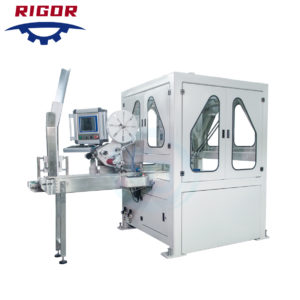
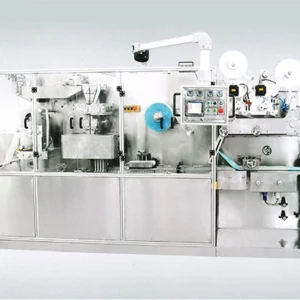
Once you have a firm grasp of the market’s needs, the focus shifts to the heart of your operation: the manufacturing equipment. The adult diaper machine is not just a piece of steel; it is the engine of your business, determining your production capacity, product quality, operational efficiency, and ultimately, your profitability. Making the right choice here is perhaps the most critical capital decision you will make.
The landscape of available machinery can seem daunting, with a wide array of specifications, features, and levels of automation. The key is to approach this decision systematically, aligning the machine’s capabilities with your business plan and market strategy. Imagine you are choosing a vehicle for a new logistics company. You wouldn’t buy a sports car to haul lumber. Similarly, the machine you select must be perfectly suited to the products you intend to make and the scale at which you plan to operate.
The Heart of Production: Semi-Automatic vs. Full-Servo Machines
The most fundamental choice you will face is the level of automation. This primarily comes down to a distinction between semi-automatic, semi-servo, and full-servo machines. This is not merely a technical difference; it has profound implications for your labor costs, product consistency, and material waste.
A helpful analogy is to think of a chef. A semi-automatic machine is like a skilled chef with a set of basic tools. They can produce a good meal, but the speed and consistency depend heavily on their constant attention and manual adjustments. A full-servo machine is like a state-of-the-art kitchen run by a master chef and a synchronized team, where every step, from chopping to plating, is precisely controlled by computer-driven motors (servos).
| Özellik | Semi-Automatic / Semi-Servo Machine | Full-Servo Adult Diaper Machine |
|---|---|---|
| Drive System | Mechanical main shaft, some servo motors for key processes. | Independent servo motors for every major function. |
| Production Speed | Lower to moderate (e.g., 150-300 pieces per minute). | High to very high (e.g., 300-600+ pieces per minute). |
| Product Changeover | Slower and more labor-intensive; requires mechanical adjustments. | Fast and software-driven; parameters changed via a touchscreen. |
| Consistency & Quality | Good, but more susceptible to human error and mechanical wear. | Extremely high and consistent; precise control minimizes variations. |
| Material Waste | Higher, especially during startup, shutdown, and speed changes. | Lower; advanced systems like auto-splicing reduce waste significantly. |
| İşgücü Gereksinimi | Requires more skilled operators for adjustments and monitoring. | Requires fewer operators, primarily for supervision and material loading. |
| Initial Investment | Lower. | Higher. |
| Long-Term ROI | Good for smaller markets or startup operations. | Excellent for medium to large-scale operations due to higher efficiency and lower waste. |
For a new entrepreneur, the lower initial investment of a semi-automatic machine can be tempting. However, it is crucial to think about the total cost of ownership. The higher material waste and greater labor costs of a semi-automatic line can erode profit margins over time. A full-servo adult diaper machine, while requiring a larger upfront investment, often delivers a superior return on investment through its sheer efficiency, reliability, and the premium quality of the products it produces. It represents a commitment to scale and excellence from day one.
Key Machine Specifications to Scrutinize
Beyond the type of drive system, you must delve into the specific technical data of any machine you are considering. These numbers are not abstract; they define the physical and economic realities of your factory floor.
- Production Speed: Measured in pieces per minute (pcs/min), this is a headline figure. Be realistic. While a machine might be rated for 600 pcs/min, your effective speed will depend on raw material quality, operator skill, and maintenance. Choose a speed that aligns with your sales forecasts, with room for growth.
- Product Sizes: Can the machine produce the range of sizes your market demands (e.g., Medium, Large, Extra-Large)? How quickly and easily can you change between sizes? A machine with a fast, tool-less, or software-driven size changeover is far more valuable than one requiring hours of mechanical reconfiguration.
- Power & Air Consumption: These are direct operational costs. Understand the required voltage, total power (kW), and compressed air pressure (MPa) and volume (m³/min). Ensure your facility can support these requirements or factor the cost of upgrades into your budget.
- Machine Dimensions: A full production line is large. You need the machine’s exact length, width, and height to plan your factory layout, ensuring enough space for raw material storage, operator movement, and finished product handling.
- Raw Material Specifications: The machine is designed to work with specific types of raw materials (e.g., certain widths of non-woven fabric, specific types of fluff pulp). You must ensure that you can reliably source materials that match these specifications. A mismatch can lead to frequent line stoppages and poor product quality.
Features that Define Quality: Tension Control, Auto-Splicing, and Defect Detection
The difference between a good machine and a great machine often lies in the “smart” features that automate complex processes and ensure quality.
- Closed-Loop Tension Control: Diapers are made of multiple layers of thin materials unrolled from large spools. Maintaining the correct tension on each layer is critical. If the tension is too loose, the diaper will be sloppy. If it’s too tight, it can tear or deform. Advanced machines use sensor-based, closed-loop systems that automatically adjust motor speeds to maintain perfect tension at all times, regardless of the roll diameter or production speed.
- Automatic Splicing (Auto-Splicer): Raw material rolls run out. On a basic machine, the entire line must stop while an operator manually splices the end of the old roll to the start of a new one. This is a major source of downtime and waste. An auto-splicing system, a hallmark of high-end machines, automatically joins the new roll to the old one at full production speed. The machine doesn’t even slow down. This feature alone can dramatically increase your overall equipment effectiveness (OEE).
- Vision Inspection Systems: Modern production lines can be equipped with high-speed cameras and image processing software. These “vision systems” inspect every single diaper for defects—such as a misplaced absorbent core, a missing leg cuff, or an improperly attached tape. Any defective product is automatically identified and ejected from the line. This ensures that only perfect products reach the customer, protecting your brand’s reputation for quality.
Thinking Long-Term: Scalability and Future-Proofing Your Investment
Your business will hopefully grow. The machine you buy today should not limit your ambitions for tomorrow. Consider the scalability of the equipment. Is it a modular design? Can you add new features or upgrade components later? For example, could you start with a machine making basic tab-style diapers and later add a module to produce pull-up style pants?
Partnering with a forward-thinking manufacturer is key. A good supplier is not just selling you a machine; they are providing the foundation for your growth. They should be able to advise you on how the equipment can evolve with your business. This long-term perspective is crucial for ensuring that your significant initial investment continues to pay dividends for years to come.
Step 3: The Blueprint for Success – Crafting a Robust Business Plan
With a clear understanding of your market and a solid idea of the machinery required, the next step is to translate this knowledge into a formal, comprehensive business plan. This document is more than a formality for securing financing; it is your strategic roadmap, your financial compass, and your operational guide. It forces you to think through every aspect of the venture, anticipate challenges, and define what success looks like in concrete, measurable terms. A well-constructed plan brings discipline and clarity to your entrepreneurial vision.
Financial Projections: Calculating Your Initial Investment and ROI
The financial section is the quantitative heart of your business plan. It must be built on realistic assumptions and detailed calculations. Your initial capital outlay will be the largest hurdle, so breaking it down is essential.
Initial Investment (Capital Expenditures):
- The Adult Diaper Machine: This is the largest single cost. Include the price of the machine itself, plus shipping, insurance, import duties, and installation fees.
- Ancillary Equipment: You will need more than just the main production line. This includes an air compressor, packaging machines (for individual bags and master cartons), and potentially a raw material crusher or mill.
- Facility Costs: This could be the purchase or lease of a factory space, plus the cost of renovations to accommodate the machinery, provide adequate power, and create a clean production environment.
- Initial Raw Material Stock: You’ll need to purchase enough non-woven fabric, fluff pulp, Super Absorbent Polymer (SAP), adhesive, and packaging materials to cover the first few months of production.
Operational Costs (Monthly Expenses):
- Raw Materials: This will be your largest ongoing expense.
- Labor: Salaries for machine operators, maintenance technicians, quality control staff, and administrative personnel.
- Utilities: Electricity and compressed air are significant costs directly related to production.
- Facility Rent/Mortgage & Maintenance.
- Sales & Marketing.
- Logistics & Distribution.
Once you have these figures, you can project your revenue based on your machine’s output, your expected selling price per diaper, and your sales forecasts. From there, you can calculate your break-even point (the volume of sales needed to cover all costs) and your projected Return on Investment (ROI). This rigorous financial modeling will not only be required by any potential investors or lenders but will also give you a clear picture of the venture’s viability.
Sourcing High-Quality Raw Materials
Your diaper is only as good as the materials you put into it. The performance, comfort, and safety of your final product depend entirely on the quality of your inputs. Establishing a reliable and cost-effective supply chain for these materials is a critical operational task.
The key components of a modern disposable diaper are:
- Non-Woven Fabric: Used for the topsheet (the layer against the skin) and the backsheet (the outer waterproof layer). The topsheet must be soft, permeable, and hypoallergenic. The backsheet can be a simple polyethylene film or a more comfortable, “cloth-like” breathable material.
- Fluff Pulp: Typically made from wood, this forms the main absorbent structure of the diaper’s core. Its quality determines the diaper’s bulk and initial fluid absorption.
- Super Absorbent Polymer (SAP): This is the technological marvel at the heart of the diaper. These tiny crystals can absorb and lock away many times their weight in liquid, turning it into a gel. The amount and quality of SAP directly dictate the diaper’s total absorbency and its ability to keep the skin dry. Sourcing high-quality SAP is non-negotiable.
- Adhesives: Hot-melt adhesives are used for construction (holding the layers together) and for the fastening tabs. They must be strong but also skin-safe.
- Elastics: Used for the leg cuffs and waistband to ensure a snug fit and prevent leaks.
When sourcing, you must balance cost, quality, and reliability. It may be tempting to choose the cheapest supplier, but poor-quality raw materials can lead to production problems (e.g., material tearing on the line), inferior product performance (e.g., leaks), and even safety issues (e.g., skin irritation). It is often wise to work with your machine manufacturer, as they can recommend proven suppliers whose materials are known to work well with their equipment. Building strong relationships with a few key suppliers is generally better than constantly chasing the lowest price.
Navigating the Regulatory Landscape: Compliance and Certifications
The hygiene products industry is rightly subject to strict regulation. Your products will be in direct contact with people’s skin for extended periods, so ensuring their safety is a paramount ethical and legal responsibility. Ignoring regulatory requirements is not an option; it can lead to fines, product recalls, and irreparable damage to your brand.
The specific regulations will vary by country and region, but they generally fall into several categories:
- Product Safety: Regulations governing the materials used, ensuring they are free from harmful chemicals, toxins, and allergens.
- Manufacturing Standards: This is where certifications like ISO 9001 (for quality management systems) become important. Adhering to such standards demonstrates a commitment to consistent, high-quality production processes. Many institutional buyers (like hospitals) will require their suppliers to be ISO certified.
- Labeling and Marketing Claims: There are strict rules about what you can claim on your packaging. For example, if you label a product “hypoallergenic” or “dermatologically tested,” you must have the scientific data to back up that claim.
- Import/Export Regulations: If you are importing your machine or exporting your finished products, you will need to navigate customs procedures, tariffs, and trade agreements.
It is essential to research the specific legal requirements in your target market early in the planning process. Consulting with a local legal expert or a business consultancy specializing in your region can be a wise investment to ensure you are fully compliant from day one. This proactive approach to compliance is a hallmark of a serious, professional operation.
Step 4: From Factory Floor to Store Shelf – Mastering Production and Operations
With a solid plan and financing in place, the focus shifts to the practical reality of making things. This is where the theoretical blueprint meets the tangible world of machinery, materials, and people. Excellence in operations is about more than just flipping a switch on your new machine; it’s about creating a synchronized system where every element works in harmony to produce a high-quality product efficiently and consistently.
The Turnkey Solution Advantage
For a new entrant into the manufacturing space, the complexity of setting up a full production line can be overwhelming. This is where the concept of a “turnkey solution” becomes incredibly valuable. A turnkey provider doesn’t just sell you a machine in a crate; they deliver a fully operational factory.
Imagine buying a house. A standard purchase gives you the keys to an empty building. A turnkey purchase gives you the keys to a fully furnished house where the beds are made and the kitchen is stocked. In the manufacturing context, a company offering a comprehensive turnkey manufacturing solution will typically handle:
- Factory Layout Design: They will help you design the optimal layout for your facility, ensuring efficient workflow from raw material intake to finished goods dispatch.
- Machine Installation & Commissioning: Their expert technicians will travel to your site to install, calibrate, and test the machinery, ensuring it runs perfectly.
- Operator Training: They will provide intensive, hands-on training for your staff, teaching them not just how to operate the machine but also how to perform routine maintenance and basic troubleshooting.
- Initial Production Run: They will stay to oversee the first production runs, helping you work out any initial kinks and ensuring your team is confident and competent.
- Raw Material Sourcing Guidance: Leveraging their industry experience, they can connect you with reliable suppliers of quality raw materials.
Opting for a turnkey solution significantly de-risks the launch phase. It shortens the time between the machine’s arrival and the moment you have saleable products rolling off the line. It ensures that the equipment is set up for optimal performance from the very beginning, preventing costly mistakes that can arise from inexperience. For a first-time manufacturer, this partnership approach is often the fastest and most secure path to operational readiness.
Establishing a Quality Control Protocol
Your brand’s reputation is built on the promise of quality, and that promise is kept or broken on the factory floor. A rigorous Quality Control (QC) protocol is not an expense; it is an investment in customer trust. This protocol should be a multi-stage process:
- Incoming Material Inspection: Before any raw material enters your production line, it should be inspected. This includes checking non-woven fabrics for defects, verifying the absorbency of SAP samples from a new batch, and ensuring adhesives meet viscosity specifications.
- In-Process Checks: Operators should perform regular checks during the production run. This might involve pulling a diaper off the line every 15-30 minutes to visually inspect it and perform simple tests. Are the tapes applied correctly? Is the absorbent core centered? Are the leg cuffs properly formed?
- Finished Product Testing: A dedicated QC lab should perform more thorough tests on samples from each production batch. This includes:
- Rewet Test: Measuring how much moisture returns to the surface of the diaper under pressure, simulating a baby sitting down. A low rewet value indicates a high-performance diaper that keeps skin dry.
- Absorption Speed & Capacity Test: Measuring how quickly the diaper absorbs a set volume of liquid and the total amount it can hold before leaking.
- Fit & Fastening Tests: Checking the strength and re-fastenability of the adhesive tabs.
By documenting these checks and tests, you create a system of accountability and continuous improvement. If a problem is detected, you can trace it back to its source and correct it, preventing a large batch of defective products from ever leaving your factory.
Training Your Team: The Human Element of Manufacturing
Even the most advanced, fully automated machine requires skilled human oversight. Your operators are not just button-pushers; they are the guardians of your most valuable asset. Investing in their training is as important as investing in the machine itself.
A comprehensive training program, often provided by the machine supplier, should cover:
- Normal Operation: Starting and stopping the line, changing settings via the Human-Machine Interface (HMI) screen, and loading raw materials.
- Routine Maintenance: Daily and weekly cleaning, lubrication, and inspection tasks that prevent breakdowns.
- Basic Troubleshooting: Identifying the cause of common line stoppages (e.g., a material web break, a sensor fault) and knowing how to resolve them quickly.
- Safety Procedures: Understanding all safety guards, emergency stop buttons, and proper lockout/tagout procedures for maintenance.
A well-trained and motivated team takes ownership of the production line. They are more likely to spot potential problems before they become serious, suggest improvements to the process, and take pride in the quality of the products they are creating. This human element is the crucial, often overlooked, ingredient in manufacturing success.
Step 5: Building Your Brand – Product Design and Differentiation
In a competitive market, simply producing a functional diaper is not enough. To build a loyal customer base and command a fair price, your product must offer a superior experience. This requires a thoughtful approach to product design, one that is grounded in an empathetic understanding of the end-user’s needs for comfort, security, and dignity. Your manufacturing line is a tool; your brand is the promise you make to your customers.
Anatomy of a High-Quality Adult Diaper
To innovate, you must first understand the fundamentals. A modern adult diaper is a sophisticated, multi-layered product, where each component has a specific function.
- Topsheet: This is the only layer that is in constant contact with the user’s skin. The choice of material here is critical for comfort. Premium products use soft, spunbond non-woven fabrics with treatments that make them feel more like cotton. The material must be highly permeable to allow liquid to pass through quickly to the core below.
- Edinim Dağıtım Katmanı (ADL): Located directly beneath the topsheet, this is a special sub-layer. Its job is to rapidly acquire the fluid and distribute it evenly across the length of the absorbent core. This prevents the liquid from pooling in one spot, which would lead to leaks and a feeling of wetness. A good ADL is key to a diaper’s performance.
- Absorbent Core: This is the engine of the diaper. In older designs, it was just a thick pad of fluff pulp. Modern cores are a highly engineered composite of fluff pulp and Super Absorbent Polymer (SAP). The art of core design lies in creating the optimal blend and placement of these two materials to maximize absorbency while minimizing bulk. A thinner, more discreet diaper with high absorbency is the goal.
- Backsheet: The outermost layer. Its primary function is to be waterproof to prevent leakage. Basic backsheets are made of a simple polyethylene film (which can feel plasticky and make a crinkling noise). More advanced, “cloth-like” backsheets are made from a non-woven fabric laminated to a breathable microporous film. This allows air and water vapor to escape, reducing heat and humidity build-up, which is better for skin health and far more comfortable for the user.
- Supporting Features: This includes the elastic strands in the leg cuffs (leak guards) and waistband, and the fastening system (either refastenable adhesive tabs or the full-stretch sides of a pull-up pant).
Understanding this anatomy allows you to make informed decisions about your product. You can work with a versatile yetişkin bezi üretim hattı to experiment with different raw materials and constructions to create a product that is uniquely yours.
Innovating for Comfort and Dignity
Differentiation is achieved by moving beyond basic functionality and focusing on the user’s quality of life. Consider these features that can set your product apart:
- Odor Control Technology: One of the biggest concerns for users is the fear of odor. Incorporating materials in the absorbent core that neutralize ammonia can address this directly, providing a significant psychological benefit.
- Wetness Indicators: A simple line or pattern printed on the backsheet with a special ink that changes color or fades when the diaper is wet. This is incredibly useful for caregivers, as it allows them to check if a change is needed without having to disturb the wearer, preserving their dignity.
- Form-Fitting and Discreet Designs: The market is moving away from bulky, one-size-fits-all products. Offering a range of products, including tab-style briefs for heavy-duty use and pull-up style pants that look and feel more like regular underwear, caters to different needs and activity levels. The goal is to make the product as invisible as possible under clothing.
- Skin Health Focus: Using hypoallergenic materials, incorporating a lotion or aloe vera into the topsheet, and prioritizing breathable backsheets are all ways to position your brand as one that cares about skin health, a major concern for long-term users.
The Role of a Versatile Machine
Your ability to innovate is directly linked to the capabilities of your machinery. A modern, flexible adult diaper machine allows you to be agile in your product development. For example, a full-servo machine makes it much easier to adjust the amount of SAP in the core, allowing you to create different absorbency levels (e.g., “Day,” “Night,” “Maximum”) for your product range. It can more easily handle different types of raw materials, letting you experiment with softer topsheets or more breathable backsheets.
When you invest in a machine, you are also investing in a platform for future innovation. A machine that can be adapted to produce both tab-style and pull-up style diapers, or one that can easily incorporate new features, gives you the power to respond to changing market trends and keep your brand at the forefront of the industry.
Step 6: Reaching Your Customer – Sales, Marketing, and Distribution Strategy
Creating an excellent product is only half the battle. The most comfortable, absorbent diaper in the world is useless if it sits in a warehouse. A well-defined sales, marketing, and distribution strategy is essential to connect your product with the people who need it. This strategy must be as thoughtfully designed as your diaper, addressing the unique challenges and opportunities of your target market.
Identifying Your Distribution Channels
How will your product get from your factory to the end-user? There are several primary channels, and a successful strategy often involves a mix of them.
- Business-to-Business (B2B): This involves selling in bulk to institutions.
- Hospitals and Clinics: A major channel, but often involves a competitive tender process and requires meeting strict quality and certification standards.
- Nursing Homes and Assisted Living Facilities: A stable and high-volume channel. Building relationships with the procurement managers of these facilities is key.
- Wholesalers and Distributors: These partners buy your product in large quantities and then sell it on to smaller retailers, pharmacies, and institutions. They handle the logistics of reaching a fragmented market.
- Business-to-Consumer (B2C): This involves selling directly to the public.
- Pharmacies and Drugstores: A trusted source for health-related products. Getting shelf space here lends credibility to your brand.
- Supermarkets and Hypermarkets: As incontinence products become more mainstream, they are increasingly sold in major retail chains, offering high visibility.
- E-commerce: A powerful and growing channel. A direct-to-consumer website or a presence on major online marketplaces (like Mercado Libre in South America or Ozon in Russia) allows you to control your brand message, build a direct relationship with customers, and offer discreet home delivery, which is a major benefit for this product category.
Your choice of channels will depend on your region. In a market with a strong, centralized healthcare system, a B2B focus might be most effective initially. In a market with high internet penetration and a rising middle class, a B2C e-commerce strategy could be the fastest path to growth.
A Marketing Approach Rooted in Empathy
The marketing of adult incontinence products requires a delicate touch. The messaging must be empowering, not embarrassing. The focus should never be on the problem (incontinence) but on the solution (freedom, confidence, dignity, and an uninterrupted life).
Avoid clinical, sterile language. Instead, use aspirational and positive messaging. Show active seniors traveling, spending time with grandchildren, or enjoying hobbies. Frame your product as a tool that enables people to continue living the life they want to live.
This empathetic approach should extend to your packaging. Use clean, modern, and discreet designs that do not scream “medical product” from the shelf. Use images and language that reflect the age and lifestyle of your target demographic in a respectful and positive light. The goal is for a customer to feel comfortable and confident purchasing your product.
Digital Presence in 2025
In today’s world, your digital presence is your global storefront. A professional, informative website is non-negotiable. It should not only showcase your products but also serve as an educational resource. Consider having a blog or resource section with articles on managing incontinence, tips for caregivers, and information about skin health. This positions your brand as a trusted expert and builds community.
Social media can be used to connect with both end-users and caregivers, offering support and building a brand personality. Targeted online advertising on platforms like Google and Facebook allows you to reach specific demographics (e.g., people over 60 in a certain city, or people who have searched for caregiver resources) with incredible precision. For B2B sales, a professional presence on LinkedIn can be effective for connecting with procurement managers at hospitals and care home chains. A strong digital strategy ensures that when someone in your market discreetly searches for a solution online, your brand is there to provide it.
Step 7: Sustaining Growth – Maintenance, Support, and Future Expansion
Launching your business is a monumental achievement, but long-term success is built on a foundation of reliability, continuous improvement, and strategic foresight. The final step is not an end point, but a commitment to the ongoing health of your operation and a plan for future growth. This involves meticulous care for your machinery, a strong partnership with your supplier, and a vision for what comes next.
The Unsung Hero: A Proactive Maintenance Schedule
Your adult diaper machine is the heart of your business, and like any heart, it needs to be kept in peak condition. A reactive approach to maintenance—waiting for something to break before fixing it—is a recipe for disaster. It leads to unplanned downtime, lost production, and rushed, expensive repairs.
A proactive, preventative maintenance schedule is the key to maximizing the life and performance of your equipment. This should be a structured program with daily, weekly, and monthly tasks:
- Daily: Operators should perform basic cleaning (removing dust and material scraps), visual inspection of key parts like cutting blades and sensors, and checking lubrication levels.
- Weekly: More in-depth cleaning, inspection of belts and bearings for wear, and calibration checks of key systems like the adhesive applicators.
- Monthly/Quarterly: More significant tasks that may require a short, planned shutdown. This could include replacing high-wear parts (like blades and anvil rollers), deep cleaning of adhesive systems, and comprehensive software diagnostics.
Your machine supplier should provide a detailed recommended maintenance schedule. Adhering to it diligently is one of the highest-return activities you can perform. It ensures consistent product quality, minimizes waste, prevents catastrophic failures, and extends the productive life of your multi-million dollar investment.
Partnering for Success: The Value of After-Sales Support
Your relationship with your machine manufacturer should not end when the final payment is made. In fact, that’s when the most important phase of the relationship begins. Excellent after-sales support is a critical component of long-term success.
Before you purchase a machine, you must evaluate the supplier’s support structure. Ask them:
- What is your warranty policy?
- Do you provide 24/7 remote technical support? Can your technicians log into my machine’s control system remotely to diagnose a problem?
- How quickly can you get a service technician to my factory if a serious problem arises?
- Do you maintain a stock of critical spare parts? How quickly can you ship them to my country?
A manufacturer like Rigor Makine that views itself as a long-term partner is invaluable. They understand that their success is tied to yours. A strong support partnership gives you peace of mind, knowing that if a problem does occur, expert help is just a phone call or an email away, minimizing downtime and protecting your revenue stream.
Expanding Your Product Line: The Sanitary Pad Machine Opportunity
Once your adult diaper business is established and profitable, you will have built a tremendous amount of valuable infrastructure and knowledge. You’ll have a factory, a trained workforce, established distribution channels, and a deep understanding of the hygiene products market in your region. This provides a perfect platform for expansion.
A logical next step for many diaper manufacturers is to enter the feminine hygiene market by investing in a hijyenik ped makinesi. The synergies are powerful:
- Similar Raw Materials: Sanitary pads use many of the same materials as diapers, such as non-woven fabrics, airlaid paper, and release paper, allowing you to leverage your existing supply chain relationships.
- Shared Distribution Channels: The same pharmacies, supermarkets, and online stores that sell your adult diapers are primary retailers for sanitary pads. You can introduce your new product line to your existing distribution partners.
- Complementary Market: You are serving a different need but within the same broad category of personal hygiene. Your brand’s reputation for quality in the diaper market can give you instant credibility in the sanitary pad market.
Modern machinery suppliers often produce a full range of hygiene product machines. You can return to your trusted partner to acquire a sanitary pad machine, confident in the quality and support you will receive. This kind of strategic expansion allows you to grow your business by leveraging the assets you have already built, creating a more diversified and resilient enterprise for the future.
Sıkça Sorulan Sorular (SSS)
What is the total investment needed to start an adult diaper factory? The total investment varies greatly depending on the machine’s level of automation (semi- vs. full-servo), production capacity, and local costs for land and construction. The machine itself can range from a few hundred thousand to over two million US dollars. A complete budget should also account for ancillary equipment, facility costs, and at least three to six months of working capital for raw materials and operational expenses. A detailed business plan is essential to determine a precise figure for your specific project.
How many people are needed to operate a modern adult diaper machine? A key advantage of a modern, full-servo production line is its high level of automation, which reduces labor requirements. A typical high-speed line can be managed by 3 to 5 operators per shift. Their roles would include a lead technician/supervisor, operators responsible for loading raw materials, and a quality control/packing operator.
Can a single adult diaper machine produce different product sizes and types? Yes, modern machines are designed for flexibility. A single machine can typically produce 3 to 4 different sizes (e.g., M, L, XL). The changeover between sizes on a full-servo machine is often very fast, accomplished primarily through software settings on the HMI screen with minimal mechanical adjustments. Some advanced machines can also be configured to produce both tab-style (open) diapers and pull-up style (pant) diapers, though this may require specific modules.
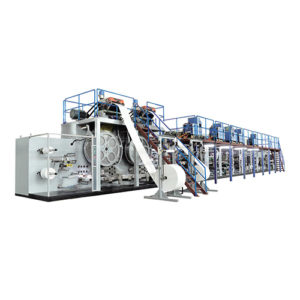
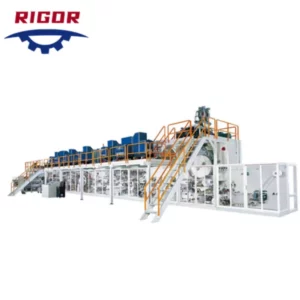
How much physical space is required for a diaper production line? A full production line is quite large. The machine itself can be 25-35 meters long and 4-6 meters wide. When planning your facility, you must account for this, plus adequate space around the machine for operator access and maintenance (at least 1.5-2 meters on all sides). You also need significant space for raw material warehousing, a quality control lab, finished product storage, and office space. A minimum factory floor area of 1500-2500 square meters is a reasonable starting point.
What is the most important factor when choosing a machine supplier? While price and technical specifications are important, the most critical factor is the supplier’s commitment to after-sales service and support. A machine is a long-term investment, and your success will depend on the manufacturer’s ability to provide reliable technical support, fast spare parts delivery, and ongoing training. Choose a supplier who acts like a long-term partner, not just a one-time vendor.
How difficult is it to source the raw materials for diaper manufacturing? Sourcing is a critical task but is manageable with a strategic approach. Key materials like fluff pulp, SAP, and non-woven fabrics are produced by large global companies. Your machine manufacturer can usually provide a list of recommended and approved suppliers whose materials are known to be compatible with their equipment. Establishing relationships with a few reliable suppliers is crucial for ensuring consistent quality and supply.
What is the average profit margin in the adult diaper business? Profit margins can be healthy but depend heavily on operational efficiency, raw material costs, and brand positioning. A highly efficient operation using a full-servo machine to minimize waste, combined with strong brand positioning that allows for premium pricing, can achieve net profit margins of 15-25% or more. In contrast, an inefficient operation in a highly competitive, price-sensitive market may see single-digit margins.
Sonuç
The journey to becoming a successful adult diaper manufacturer in 2025 is both a significant challenge and a remarkable opportunity. It is a path that requires capital, technical understanding, and strategic planning. Yet, at its core, this venture is about more than just profit. It is about responding to a fundamental human need with dignity, quality, and care. By meticulously analyzing your market, selecting the right high-performance machinery, and building your business on a foundation of operational excellence and an empathetic brand promise, you can create an enterprise that is not only financially rewarding but also makes a tangible, positive impact on the quality of life for millions of individuals in your community and beyond. The demand is real and growing; with the right strategy and a commitment to quality, the path to success is clear.