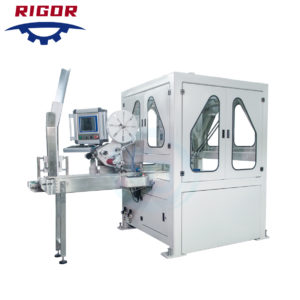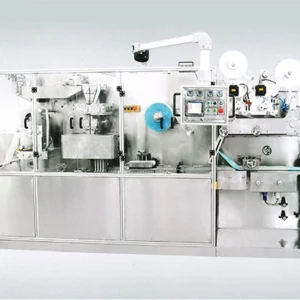
Introduction: Navigating the Specialized World of Wipes Manufacturing
The global market for wet wipes, valued at over USD 21 billion in 2025, continues to diversify. For entrepreneurs, investors, and established players in regions like South America, Russia, Southeast Asia, the Middle East, and South Africa, understanding the manufacturing nuances is critical. A common and costly misconception is that a single production line can efficiently make both baby wipes and alcohol-based disinfectant wipes. While the base machinery—a platform—shares similarities, the devil is in the details. This guide, drawing from direct industry experience, will dissect the technological, regulatory, and economic differences between alcohol wipes and baby wipes production lines, providing a clear roadmap for your 2026 investment.
Core Definitions & Market Drivers: Why Two Distinct Lines Exist
What Are Baby Wipes? Market Needs and Consumer Expectations
Baby wipes are designed for sensitive skin. Their formulation is primarily water-based (often 90% or more), enriched with mild surfactants, emollients, and sometimes lotions or aloe vera. The nonwoven substrate is typically a soft, hydrophilic spunlace or airlaid material. The market demands extreme gentleness, low irritation potential, and high absorbency. Production focuses on consistent moisture levels, soft texture, and packaging that prevents drying out.
What Are Alcohol-Based Disinfectant Wipes? Surging Demand and Regulatory Scrutiny
Alcohol wipes are biocidal products. Their active ingredient is typically isopropyl alcohol (IPA) or ethanol at concentrations between 60-75%, the range proven most effective against pathogens. The substrate must be alcohol-resistant (like certain polyester blends) to prevent degradation. The post-pandemic era has cemented demand, but with stricter regulatory oversight from bodies like the EPA and FDA. Production prioritizes precise alcohol dosing, volatile compound containment, and verifiable kill-rate efficacy.
Key Market Trends (2026 Outlook): Sustainability, Automation, and Regional Growth
Three major trends are shaping machinery purchases. First, sustainability pressures are driving demand for lines compatible with biodegradable nonwovens and concentrated, reduced-plastic packaging solutions. Second, automation for labor cost reduction and quality consistency is paramount, especially in Southeast Asia. Third, regional growth in the Middle East and Africa is focusing on cost-effective, rugged machines that can handle local material variations. A forward-thinking now designs with these trends as standard considerations.
Head-to-Head Comparison: A Detailed Breakdown of Production Line Differences
1. Raw Material Feeding & Nonwoven Fabric Selection
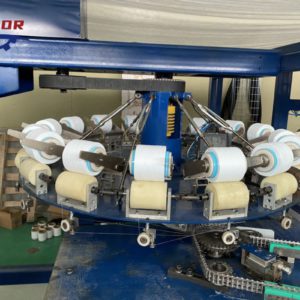
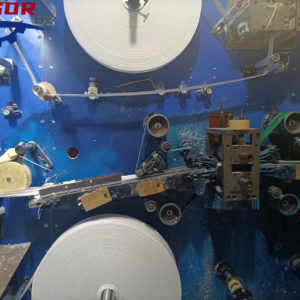
Baby wipes lines use hydrophilic, bulky nonwovens like spunlace viscose/polyester blends. The unwinding system is standard. For alcohol wipes, the fabric must resist chemical attack and solvent-induced weakening. Polyester-heavy or specific thermal-bonded materials are common. The unwinder may require anti-static and explosion-proof features due to alcohol vapors.
2. Impregnation & Moistening System: The Heart of the Difference
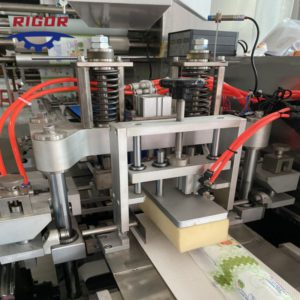
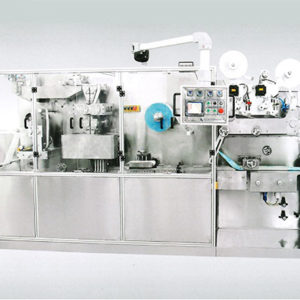
This is the most critical divergence. Baby wipes lines use aqueous solution tanks with simple immersion or spray systems. Temperature control is for comfort. Alcohol wipes lines require hermetically sealed, pressurized impregnation systems to minimize alcohol evaporation (which affects efficacy and increases cost). Stainless steel components must be alcohol-corrosion resistant. Dosing precision is within ±1.5%, compared to ±3% for baby wipes. Recirculation systems are complex to maintain concentration.
3. Folding, Counting, and Packing Mechanisms
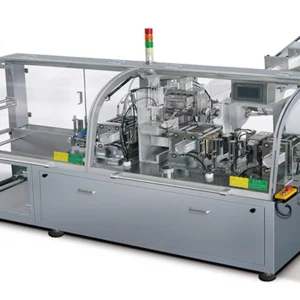
Both lines use similar folding patterns (C-fold, Z-fold). However, alcohol wipe packaging demands high-integrity, solvent-resistant seals. Pouches often use aluminum foil laminates or specialized films to prevent alcohol permeation. The sealing jaws' temperature and pressure settings are drastically different. Baby wipes use standard polyethylene films and focus on easy-dispense features.
4. Quality Control & In-line Inspection Systems
Baby wipes lines inspect for moisture uniformity, count, and visual defects. Alcohol wipes lines add critical in-line checks: alcohol concentration sensors (e.g., NIR sensors), seal integrity testers, and sometimes even weight checks to detect evaporation loss. The QC data logging is more rigorous for regulatory compliance.
Side-by-Side: Alcohol Wipes vs. Baby Wipes Production Line Specifications
| Özellik | Baby Wipes Production Line | Alcohol Wipes Production Line |
|---|---|---|
| Core Solution | Aqueous (Water, Lotions) | Solvent-Based (60-75% Alcohol) |
| Nonwoven Substrate | Hydrophilic Spunlace (Viscose/PET) | Alcohol-Resistant (PET-heavy, Thermal Bond) |
| Impregnation System | Open Tank, Spray/Immersion | Closed, Pressurized, Vapor-Recovery |
| Dosing Precision | ±3% | ±1.5% or better |
| Material Contact Parts | Stainless Steel (304) | Stainless Steel (316), Alcohol-Resistant Seals |
| Key Safety Feature | Standard Electrical | Explosion-Proof Motors & Controls (ATEX comparable) |
| Primary Packaging Film | Standard PE/CPP Laminates | High-Barrier Foil Laminates or Specialized Co-extrusions |
| Critical QC Parameter | Moisture Level, Softness | Alcohol Concentration, Seal Integrity |
| Typical Line Speed (packs/min) | 80 – 150 | 60 – 120 (slower due to handling complexities) |
The Investment Blueprint: Cost, ROI, and Operational Considerations
Capital Expenditure (CAPEX) Analysis: Machine Price Ranges in 2026
A semi-automatic baby wipes line can start around $80,000 – $150,000. A fully automatic, high-speed line ranges from $250,000 to $500,000. For alcohol wipes, the specialized systems add a 25-40% premium. A robust, compliant alcohol wipes line with explosion-proofing and precision dosing typically starts at $350,000 and can exceed $700,000 for top-tier automation. Remember, the machine quote is only 60-70% of total CAPEX; facility modification, utilities, and initial raw material inventory consume the rest.
Operational Cost & ROI Drivers: A Data-Backed Perspective
ROI hinges on three factors: raw material cost, operational efficiency, and market price. Alcohol is a volatile, costly raw material. Evaporation loss of just 2% can erase 5% of your margin. Baby wipes' main cost is the nonwoven fabric. Operational efficiency (OEE) is king. From our experience auditing a plant in South Africa, a line running at 85% OEE achieved ROI in 18 months, while one at 65% OEE stretched it to 36 months. Labor costs in Southeast Asia make automation payback periods shorter, often under 24 months.
Common Financial Pitfalls and How to Avoid Them
Pitfall 1: Under-budgeting for utilities. An alcohol line may need dedicated chilling units for the impregnation system, doubling expected power load. Pitfall 2: Ignoring local compliance costs. In 2024, a Russian client faced unexpected certification delays costing $50,000 in lost revenue. Pitfall 3: Overestimating market price. Conduct local competitor pricing analysis; premium pricing assumptions are often unrealistic in price-sensitive regions.
Setting Up Your Line: A Step-by-Step Methodology from Layout to Launch
Phase 1: Facility & Utility Planning (The Often-Overlooked Details)
Floor load capacity must support the machine and bulk material storage. For alcohol lines, mandatory ventilation rates (e.g., 10-12 air changes per hour) in the impregnation area are non-negotiable. Install dedicated, grounded electrical circuits. I recall a project in Vietnam where shared power lines caused voltage drops, tripping the sensitive PLC of a for weeks until isolated circuits were installed. Plan for solvent storage rooms with bund walls, separate from the production floor.
Phase 2: Machine Installation & Integration
Use the manufacturer's foundation drawings precisely. Misalignment during installation is a leading cause of vibration and premature wear. The integration of auxiliary equipment—like the compressed air dryer for alcohol lines—must be supervised by the supplier's engineer. Ensure all safety interlocks on guarding and emergency stops are functional before first power-on.
Phase 3: Formula Trials, Speed Optimization, and Staff Training
Do not run commercial product on day one. Start with dummy substrates and water. For alcohol lines, perform initial runs with a water-alcohol mixture below explosive limits. Gradually ramp up speed while monitoring key parameters: folding accuracy, seal strength, and dosage. Training must be hands-on; a common mistake is only training managers. The operator who changes the nonwoven roll needs to know the correct tension settings as much as the line supervisor.
Pre-Launch Verification Template for New Wipes Production Lines
- ✅ All utility connections (power, water, compressed air) verified and within spec.
- ✅ Ventilation system for solvent vapors tested and certified.
- ✅ Machine safety guards and interlocks confirmed operational.
- ✅ Initial QC lab setup: calibration of pH meters, alcohol concentration testers, seal testers.
- ✅ Raw material (nonwoven, film, solution ingredients) from approved suppliers on-site.
- ✅ Standard Operating Procedures (SOPs) for setup, operation, and cleaning are printed and available at the line.
- ✅ Maintenance toolkit and critical spare parts (seals, sensors, cutting blades) inventory established.
Compliance, Standards, and Avoiding Costly Mistakes
Regulatory Landscape: FDA, EPA, ISO, and Regional Standards (South America, MEA, Asia)
In the U.S., baby wipes are cosmetics (FDA), while disinfectant wipes are pesticides (EPA). This distinction cascades down to labeling and GMP requirements. In the EU, biocidal product regulation (BPR) governs alcohol wipes. For your target markets: South America's Mercosur has its own technical regulations (e.g., INMETRO in Brazil). The Middle East often requires GCC or SASO certification. South Africa leans on SABS standards. A proficient should guide you on machine design features that facilitate compliance, such as traceability coding systems.
Top 5 Manufacturing Myths and Misconceptions Debunked
Myth 1: "A baby wipes line can easily be converted to make alcohol wipes." Truth: The core impregnation and safety systems are fundamentally different; conversion is often more expensive than a new line.
Myth 2: "Higher alcohol percentage (90%) means better disinfection." Truth: 60-75% is optimal for cell membrane penetration; higher concentrations evaporate too quickly and are less effective.
Myth 3: "All nonwovens absorb liquids the same way." Truth: Alcohol can "wick" differently than water; fabric compatibility testing is mandatory.
Myth 4: "Local cheap films are fine for packaging." Truth: Alcohol permeability can cause wipe drying and efficacy loss within weeks; barrier films are a must.
Myth 5: "Automation is only for large-scale factories." Truth: Modern modular automation reduces changeover time and material waste, benefiting even mid-scale operations.
Case Study: A Southeast Asian Manufacturer's Compliance Journey
A manufacturer in Indonesia aimed to export alcohol wipes to Australia (Therapeutic Goods Administration, TGA regulated). Their existing line lacked documentation for material traceability and validated cleaning procedures. The audit failed. The solution involved: 1) Retrofitting the line with barcode scanners at each material input station, 2) Working with the machine supplier to develop and document a 4-step cleaning validation protocol for switchovers, and 3) Installing an in-line NIR sensor for alcohol concentration. The capital outlay was $120,000, but it unlocked a market with 30% higher margins. Compliance is not a cost; it's market access.
The Future of Wipes Manufacturing: Trends Shaping Machinery Design
Advanced Automation and Industry 4.0 Integration
By 2026, new lines will feature integrated IoT platforms. Imagine a dashboard predicting bearing failure on the main unwind shaft based on vibration data, or automatically adjusting alcohol concentration in real-time based on ambient temperature and humidity feeds. This moves from preventive to predictive maintenance, boosting OEE by an estimated 8-12%.
Sustainable Materials and Closed-Loop Liquid Systems
Pressure from extended producer responsibility (EPR) laws is driving innovation. Machinery must now handle PLA (polylactic acid) nonwovens and other bio-based substrates that have different tensile and absorption properties. For alcohol lines, closed-loop systems that condense and recirculate evaporated solvent are transitioning from niche to mainstream, potentially reducing alcohol consumption by up to 15%.
Flexibility: The Rise of Hybrid and Quick-Changeover Machines
The demand for smaller batch sizes and product variety is leading to "hybrid" concepts. While a true universal line is a myth, we are seeing designs where key modules (like the impregnation tank) can be swapped within 4-8 hours to switch between aqueous and solvent-based production. This is a game-changer for contract manufacturers serving diverse clients.
Making the Right Choice: A Decision Framework for Investors
For Beginners: Key Questions to Ask Your Machine Supplier
- Can you provide a list of clients in my region operating a similar line for over two years? (Request contact for reference).
- What is the guaranteed OEE (Overall Equipment Effectiveness) for this line with my specified materials, and how is it calculated?
- What specific machine features ensure compliance with [insert your target market's] regulations?
- What is the total cost of ownership for the first five years, including recommended spare parts and expected maintenance labor?
- Does the training package include troubleshooting for common local issues, like power instability or high humidity?
For Advanced Manufacturers: Upgrading and Integrating New Technologies
Consider retrofitting older lines. Adding a vision inspection system ($40,000 – $80,000) can reduce customer complaints by over 90%. Upgrading PLCs to allow for recipe management and data export is a stepping stone to Industry 4.0. The key is to work with your original or a certified integrator to ensure compatibility and preserve machine warranties.
Decision Tree: Should You Invest in an Alcohol Wipes or Baby Wipes Production Line?
Start: What is your primary target market and product?
→ If targeting households with infants, sensitive skin care: Choose a Baby Wipes Line . Focus on softness, lotion incorporation, and family-sized packaging.
→ If targeting healthcare, institutional, or industrial disinfection: Choose an Alcohol Wipes Line . Prioritize regulatory compliance, efficacy validation, and unit-dose packaging.
Next Question: What is your regulatory readiness and risk appetite?
→ If low, prefer simpler cosmetics regulations: Path leads to Baby Wipes .
→ If high, have capacity for biocidal product registration: Path confirms Alcohol Wipes .
Final Question: What is your capital and operational expertise?
→ If budget < $300k, limited chemical handling experience: Baby Wipes Line is the pragmatic start.
→ If budget > $400k, technical team for solvent handling: Alcohol Wipes Line offers higher margins in regulated markets.
Partnering with the Right Manufacturer: Beyond the Machine Quote
Essential Tools and Resources for Ongoing Success
Beyond the machine, your supplier should provide: 1) A comprehensive digital manual with 3D exploded views of assemblies, 2) Access to a secure portal for ordering genuine spare parts, 3) Annual technical webinar updates on maintenance best practices, and 4) A dedicated technical support channel (e.g., WhatsApp/Teams group) for troubleshooting. These intangible resources significantly reduce downtime.
Why On-Site Audit and Material Testing Are Non-Negotiable
Before finalizing any contract, insist on two actions. First, visit the manufacturer's factory for an audit. Observe their welding quality, electrical cabinet organization, and assembly cleanliness. A messy factory builds messy machines. Second, send your planned raw materials (nonwoven, film, solution ingredients) to the manufacturer for pre-sale testing. We once saved a client from a $50,000 mistake when our tests revealed their locally sourced film caused excessive static, making wipes stick together in their chosen folding pattern. This collaborative, evidence-based approach de-risks your investment and builds a partnership for long-term growth in the dynamic wipes market.
The choice between an alcohol wipes and a baby wipes production line is a fundamental strategic decision that dictates your technology stack, regulatory path, and market opportunities for years to come. It transcends a simple machinery purchase. By understanding the detailed operational contrasts, meticulously planning for compliance and ROI, and partnering with a manufacturer who offers deep expertise and robust support, you position your venture not just to manufacture wipes, but to build a resilient and profitable business. The market in 2026 rewards specialization and quality. Begin your journey by demanding transparency, data, and proof of concept from your suppliers—your first and most crucial step toward a successful production launch.
References & Further Reading
- EDANA, "Sustainability Guidelines for the Nonwovens Industry," 2025.
- U.S. Environmental Protection Agency (EPA), "Guidance on Antimicrobial Pesticide Products," 2024. https://www.epa.gov/pesticide-registration
- Smithers, "The Future of Global Wipes to 2029" Market Report, 2024. (Summary data via industry press).
- International Organization for Standardization (ISO), "ISO 9073 Series: Test methods for nonwovens."
- Kampf, G., et al. "Persistence of coronaviruses on inanimate surfaces and their inactivation with biocidal agents." Journal of Hospital Infection , 2020. https://doi.org/10.1016/j.jhin.2020.01.022