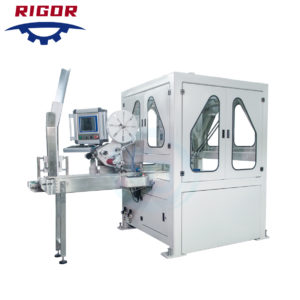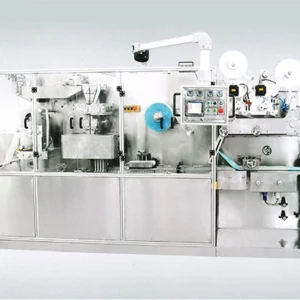
In 2026, the Gulf Cooperation Council (GCC) region remains one of the fastest-growing markets for wet wipes, driven by a young demographic, high disposable income, and strict hygiene standards in sectors like healthcare and hospitality. For importers, distributors, and converting businesses across South America, Russia, Southeast Asia, the Middle East, and South Africa, sourcing the right wet wipes machine for GCC clients requires more than just comparing technical datasheets. It demands an understanding of local regulations, energy conditions, consumer preferences, and total cost of ownership. This guide draws on 15 years of manufacturing experience, on-ground installation data, and direct feedback from GCC converters to give you a 360-degree procurement roadmap.
Understanding the GCC Wet Wipes Market in 2026
Market Size and Growth Drivers (Data from 2025-2026)
According to Grand View Research, the Middle East and Africa wet wipes market was valued at approximately USD 1.2 billion in 2025 and is projected to expand at a compound annual growth rate (CAGR) of 6.8% through 2030. GCC countries account for over 65% of that regional demand. Saudi Arabia alone represents a 38% share, followed by the UAE at 27%. The growth is fueled by three pillars: a birth rate of 2.1 children per woman in Saudi Arabia (World Bank 2025), an expanding tourism sector that consumed over 900 million wet wipes in hotels and airports during 2025, and mandatory hygiene protocols in healthcare facilities aligned with the GCC Infection Prevention and Control Manual.
In 2026, we are also seeing a sharp uptick in demand for industrial-grade wipes used in oil & gas field maintenance and automotive refinishing. This shift opens a new B2B channel for converters who previously focused only on consumer retail.
Key Consumer Segments: Baby Care, Personal Hygiene, and Industrial Wipes
Baby wipes still dominate, holding 44% of retail volume, but the personal hygiene segment (adult intimate wipes, makeup removers, hand sanitizing wipes) is growing at 8.2% year-on-year. Industrial wipes, though smaller in volume, deliver 2.3x higher margin per unit. A converter in Jebel Ali Free Zone told us that adding an industrial wipe line to their existing baby wipe production increased EBITDA by 11 percentage points within 12 months. When selecting a wet wipes machine, you must match the line configuration to the segment: high-speed flow-wrappers for baby wipes, compact cross-folders for personal care sachets, and wide-web machines with solvent-resistant materials for industrial wipes.
Regional Demand Hotspots: UAE, Saudi Arabia, Qatar, Oman, Kuwait, Bahrain
The UAE serves as the re-export hub for Africa and South Asia, making Dubai and Sharjah ideal locations for large-capacity machines. Saudi Arabia’s demand is driven by domestic consumption and the government’s “Made in Saudi” initiative, which offers 15% price preference for locally manufactured goods in public tenders. Qatar’s market is smaller but premium-focused, with a strong preference for organic and dermatologically tested wipes. Oman and Bahrain are emerging as cost-effective production bases due to lower utility rates and free zone incentives. Kuwait remains import-dependent but is tightening standards—SASO-equivalent KWS 1943 will be enforced from mid-2026.
Types of Wet Wipes Machines: A Comprehensive Comparison
Semi-Automatic vs. Fully Automatic Production Lines
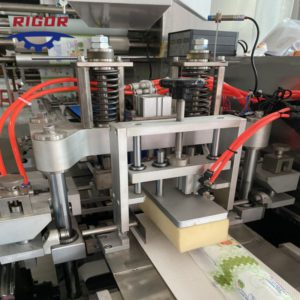
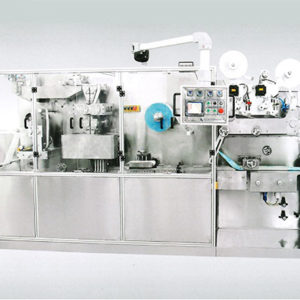
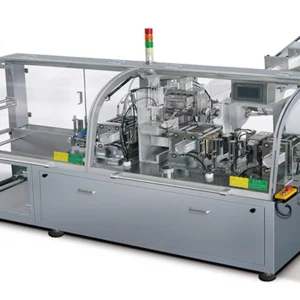
A semi-automatic wet wipes machine typically requires 4–6 operators for manual pouch loading and cartoning, producing 30–60 packs per minute. Fully automatic lines integrate unwinding, folding, liquid impregnation, pouch forming, sealing, coding, and case packing into one continuous flow, reaching speeds of 120–200 packs per minute with only 1–2 operators. For a GCC startup targeting 5 million packs per year, a semi-automatic line with an initial investment of USD 45,000–70,000 often makes sense. However, if you plan to supply hotel chains or supermarket private labels where consistency and high output are non-negotiable, a fully automatic line in the USD 180,000–350,000 range becomes essential.
I recall a Dubai-based client who initially purchased a semi-automatic line to test the market. Within 8 months, they secured a 3-year contract with a major airline for onboard refreshing towels, requiring 20 million packs annually. They had to upgrade to a fully automatic system sooner than planned, incurring 12% additional logistics and re-installation costs. The lesson: map your sales pipeline beyond the first year before deciding on automation level.
Cross-Folding, Z-Folding, and Flow-Wrap Technologies
Cross-folding (C-fold) is the most common for baby wipes, allowing pop-up dispensing from rigid tubs or soft packs. Z-folding is preferred for personal care wipes in flat packs, offering one-at-a-time dispensing. Flow-wrapping is used for individually wrapped sachets—popular in GCC hotel amenities and travel kits. Your machine choice must align with packaging format. Some advanced lines offer quick-change folding modules, letting you switch between C-fold and Z-fold in under 30 minutes. This flexibility is a strong selling point if you serve multiple segments.
Specialty Machines: Alcohol-Free, Flushable, and Sustainable Wipes
The GCC’s growing demand for alcohol-free and preservative-free wipes, driven by halal-conscious consumers, requires machines with closed-loop liquid dosing systems to prevent contamination. Flushable wipes, made from hydroentangled nonwovens that disperse in water, need precise tension control and ultrasonic sealing rather than heat sealing to maintain dispersibility. Sustainable wipes using PLA or bamboo fiber substrates demand machines with servo-driven unwinds and low-temperature drying tunnels. When evaluating a ıslak mendil makinesi for these niche products, ask for documented test runs on the specific substrate you intend to use.
Comparison Table: Output, Footprint, Energy Use, and Labor Requirements
| Parameter | Semi-Automatic Line | Fully Automatic Line (Standard) | High-Speed Fully Automatic |
|---|---|---|---|
| Output (packs/min) | 30–60 | 80–120 | 150–200 |
| Operators Required | 4–6 | 1–2 | 1 |
| Floor Space (sqm) | 60–90 | 120–180 | 200–260 |
| Installed Power (kW) | 18–25 | 35–50 | 55–75 |
| Typical Price Range (USD) | 45,000–70,000 | 180,000–250,000 | 280,000–350,000 |
| Changeover Time (mins) | 45–90 | 20–40 | 10–25 |
Data based on 2026 manufacturer quotes and installed base feedback in JAFZA and Sohar Free Zone.
7-Step Procurement Guide for Wet Wipes Machines in GCC
Step 1: Define Your Product Specifications and Target Market
Start by documenting the wipe substrate (spunlace, airlaid, needlepunch), grammage (typically 35–65 gsm), folded dimensions, liquid formulation type, and packaging format. If you aim for the Saudi retail market, 80-sheet soft packs with resealable labels are the volume leader. For UAE hotels, 2-piece flow-wrapped sachets are the standard. This specification sheet becomes your technical benchmark when evaluating suppliers.
Step 2: Calculate ROI and Total Cost of Ownership (TCO)
TCO goes beyond the machine price. Include sea freight (USD 2,800–4,500 for a 40ft container from Shanghai to Jebel Ali), 5% customs duty across GCC, 5% VAT (in UAE and Saudi Arabia), installation and commissioning (USD 8,000–15,000), annual spare parts (3–5% of machine cost), and energy consumption. A fully automatic line with 50 kW installed power running 20 hours per day at AED 0.44/kWh (Dubai industrial tariff) will cost approximately AED 160,000/year in electricity alone.
Step 3: Shortlist Suppliers with GCC Experience and Local Service Support
Look for manufacturers who have at least three running references in the GCC, ideally with a local service partner or own technician stationed in Dubai or Riyadh. Ask for client contacts in the region and verify machine uptime and response time for breakdowns. A supplier with no GCC footprint may underestimate the impact of fine sand dust on pneumatic systems or the need for tropicalized electrical panels.
Step 4: Request Factory Audits and Sample Production Trials
A virtual audit via live video is acceptable for initial screening, but before signing, insist on an in-person factory visit or hire a third-party inspection agency. During the visit, run your actual substrate and liquid formulation for at least 4 continuous hours. Measure pack seal integrity using a vacuum leak tester and check fold alignment consistency. In 2024, a Qatari buyer skipped this step and discovered post-installation that the machine’s folding plates were not compatible with their 55 gsm spunlace, causing 12% material waste until re-engineered.
Step 5: Negotiate Payment Terms, Warranty, and After-Sales Service
Typical terms are 30% advance, 60% before shipment, and 10% after successful installation. Push for a 24-month warranty on mechanical parts and 12 months on electrical components. Secure a written commitment for 48-hour remote troubleshooting response and 7-day on-site engineer dispatch for GCC locations. Also, negotiate a spare parts kit included in the initial purchase, covering belts, sealing elements, cutting blades, and sensors.
Step 6: Ensure Compliance with GSO, SASO, and Halal Certification Requirements
This step is non-negotiable. We will detail the standards in a dedicated section below, but at the procurement stage, your supplier must provide a Declaration of Conformity and, where applicable, material certificates showing that liquid contact parts are free from cross-contamination with non-halal substances. Machines destined for Saudi Arabia require a SASO Certificate of Conformity, which involves a pre-shipment inspection by an accredited body.
Step 7: Plan Logistics, Installation, and Operator Training
Book shipping 6–8 weeks in advance during peak season (September–November) to avoid surcharges. Upon arrival, allocate 3–5 days for uncrating, positioning, and leveling. Commissioning and trial runs take 5–7 days. Operator training should be hands-on for at least 10 working days, covering start-up, shutdown, changeover, basic troubleshooting, and safety lockout procedures. We recommend recording training sessions for refresher use.
Cost Analysis: Wet Wipes Machine Investment in GCC (2026 Data)
Price Ranges by Machine Type and Capacity
Entry-level semi-automatic lines from Chinese manufacturers range from USD 45,000 to 70,000 FOB. Mid-range fully automatic lines with European PLCs and servo drives sit between USD 180,000 and 250,000. High-speed lines capable of 200 packs/minute with vision inspection systems and automatic case packers can reach USD 350,000. European-built machines from Italy or Germany start at USD 400,000 and can exceed USD 1 million for turnkey projects. The sweet spot for most GCC converters is the USD 200,000–280,000 bracket, which balances reliability with local service availability.
Hidden Costs: Shipping, Customs Duties (5% in GCC), Installation, and Spare Parts
A frequently overlooked cost is the Certificate of Conformity fee, which ranges from USD 800 to 1,500 per shipment for Saudi Arabia. Warehousing charges at Jebel Ali Port accumulate at AED 150/day after the first 3 free days. Spare parts inventory for the first year should be budgeted at USD 6,000–10,000. If the machine uses proprietary components, you may face 4–6 week lead times for replacements unless you stock them locally.
ROI Case Study: A Saudi Arabian Converter’s 18-Month Payback Period
A converter in Dammam invested USD 220,000 in a fully automatic wet wipes line in early 2025. They produce 80-sheet baby wipes packs at a cost of USD 0.21 per unit, selling to wholesalers at USD 0.38. With a daily output of 120,000 packs and 300 operating days, annual revenue reached USD 13.68 million, with gross profit of USD 6.12 million. After deducting direct labor, utilities, depreciation, and marketing, the net profit attributable to the machine was approximately USD 148,000, resulting in an 18-month payback. The key factor was securing a long-term contract with a pharmacy chain before installation.
Leasing vs. Purchasing: Pros and Cons for GCC Businesses
Several Islamic banks in the GCC now offer equipment leasing (Ijarah) with fixed rental payments over 3–5 years. Leasing preserves working capital and may include maintenance in the contract. However, total cost over the lease term is typically 18–25% higher than outright purchase. For companies with strong cash flow, purchasing remains more cost-effective. A hybrid approach—leasing auxiliary equipment like air compressors and purchasing the main production line—is gaining traction.
Common Mistakes When Buying a Wet Wipes Machine (and How to Avoid Them)
Overlooking Local Voltage and Climate Adaptations
The GCC grid operates at 400V/50Hz three-phase, but voltage fluctuations in industrial zones can reach ±10%. Standard machines designed for stable 380V/50Hz may experience motor overheating or PLC faults. I recall a distributor in Ras Al Khaimah who imported a line without specifying a voltage stabilizer. Within two months, three servo drives failed, costing USD 7,200 in replacements and 11 days of downtime. The fix: always require an integrated voltage stabilizer and air-conditioned electrical cabinet as part of the scope.
Ignoring After-Sales Support and Spare Parts Availability in the Region
A machine priced 15% lower can end up costing 40% more over five years if spare parts are not stocked locally. One Omani converter waited 23 days for a replacement ultrasonic horn from a supplier with no Middle East warehouse, losing a major supermarket promotion window. Verify that the supplier has a bonded warehouse in JAFZA or a reliable courier arrangement for 3-day delivery on critical spares.
Choosing Based on Price Alone: The False Economy of Cheap Machines
Low-cost machines often use mild steel frames instead of anodized aluminum, leading to corrosion in coastal GCC environments. Pneumatic components from unbranded sources fail faster in dusty conditions. A 2025 survey by the Gulf Converters Association found that machines priced below USD 60,000 had a mean time between failures (MTBF) of 420 hours, compared to 1,800 hours for machines above USD 150,000. The difference in unplanned downtime costs can exceed the initial savings within the first year.
Underestimating Raw Material Sourcing Challenges in GCC
Nonwoven fabric is largely imported from China, Turkey, and Europe. Lead times can stretch to 8 weeks during peak shipping seasons. A machine with limited unwind capacity (e.g., single unwinds) forces frequent roll changes, reducing efficiency. Opt for machines with dual unwinds and automatic splicers if you plan to run long campaigns. Additionally, liquid raw materials with high alcohol content require ATEX-rated zones in the machine—a specification often missed by first-time buyers.
Compliance and Standards for Wet Wipes Manufacturing in GCC
GSO 1943: Cosmetic Products Safety Requirements
GSO 1943/2024 governs the safety of cosmetic products, including wet wipes classified as cosmetic wipes. It mandates limits on heavy metals, formaldehyde, and microbial contamination. The machine’s liquid dosing system must be capable of maintaining preservative concentration within ±2% of the target to ensure batch consistency. Documentation of cleaning-in-place (CIP) procedures is required for audit.
SASO Standards for Saudi Arabia and UAE.ESMA Regulations
Saudi Arabia enforces SASO 2237 for disposable wipes, which includes flammability tests and labeling requirements in Arabic. The UAE’s Emirates Authority for Standardization and Metrology (ESMA) mandates registration under the Emirates Conformity Assessment Scheme (ECAS) for wipes sold locally. Both require factory audits of the converting facility. Machines with integrated inkjet coders must support Arabic script for batch numbers and expiry dates.
Halal Certification for Wet Wipes: What It Means for Machinery
While wipes are not ingested, halal certification is increasingly requested by GCC retailers for wipes that may contact lips or intimate areas. The machine must ensure no cross-contamination with non-halal substances (e.g., ethanol from non-halal sources, animal-derived glycerin). Dedicated stainless steel liquid tanks, separate CIP circuits, and documented cleaning logs are prerequisites for halal certification by bodies like ESMA Halal or JAKIM-recognized certifiers.
ISO 22716 (GMP) and ISO 9001: Why They Matter for Exporters
ISO 22716 provides Good Manufacturing Practice guidelines for cosmetic products. Many GCC importers now require converters to hold this certification. Machines should support GMP compliance through features like 304 or 316L stainless steel contact parts, smooth surfaces without crevices, and automated data logging of critical process parameters. ISO 9001 certification of the machine manufacturer itself is a strong indicator of quality management but does not replace the converter’s own GMP certification.
Trends Shaping the Wet Wipes Industry: Sustainability, Smart Factories, and Niche Markets
The Rise of Plastic-Free and Biodegradable Wipes: Machine Implications
The EU Single-Use Plastics Directive has influenced GCC policy thinking, with the UAE Ministry of Climate Change and Environment signaling a potential ban on plastic-containing wipes by 2028. Converters are proactively shifting to 100% cellulose or PLA-based substrates. These materials have lower tensile strength and are more sensitive to heat, requiring machines with precise tension dancers and ultrasonic bonding. Retrofitting an existing line for biodegradable substrates can cost 20–30% of the original machine price, making it wiser to buy a future-ready line now.
Industry 4.0: IoT-Enabled Machines and Predictive Maintenance
Leading manufacturers now equip wet wipes machines with IoT gateways that stream OEE (Overall Equipment Effectiveness) data, motor vibration signatures, and energy consumption to cloud dashboards. In a smart factory setup in Dubai Industrial City, predictive maintenance algorithms reduced unplanned downtime by 34% over 18 months. For buyers, the key question is whether the IoT platform is open (supports MQTT or OPC-UA) or proprietary, as compatibility with existing MES/ERP systems affects integration costs.
Private Label Opportunities: How Small Converters Can Compete with Global Brands
GCC retailers like Lulu Hypermarket and Carrefour Middle East are expanding their private label wet wipes ranges, offering 18–22% higher margins to converters compared to contract manufacturing for global brands. To win these tenders, converters need machines with rapid changeover capabilities (under 25 minutes) and the ability to run multiple packaging formats—tubs, soft packs, and canisters—on the same line. A modular machine design with tool-less change parts is a distinct competitive advantage.
The Post-Pandemic Hygiene Surge: Still a Growth Engine in 2026?
The 2020–2022 spike in disinfecting wipes has normalized, but baseline demand remains 27% above 2019 levels according to Euromonitor 2025 data. The new baseline is sustained by permanent behavior change in hand hygiene and surface disinfection in GCC schools and offices. Machines producing quaternary ammonium-based disinfecting wipes require corrosion-resistant liquid paths and fume extraction systems—features that add USD 12,000–18,000 to the base price but open a high-margin market segment.
Tools, Resources, and Expert Tips for Wet Wipes Machine Buyers
Recommended Industry Reports and Trade Shows (e.g., ArabPlast, INDEX)
For market data, the “Middle East Nonwoven Wipes Report 2026” by Smithers and the “GCC Hygiene Market Monitor” by Euromonitor are essential reading. Trade shows like ArabPlast (Dubai, biennial) and INDEX (Geneva, with strong GCC attendance) provide hands-on machine demonstrations. The Middle East Converting & Packaging Forum in Riyadh (October 2026) will feature a dedicated wet wipes track. Attending these events allows you to benchmark multiple suppliers in one day.
Supplier Evaluation Checklist (Downloadable Template Concept)
Create a scorecard covering: number of GCC installations, local service team availability, spare parts delivery time, CE and SASO certification, willingness to provide client references, factory audit openness, and training curriculum. Weight each criterion based on your priorities. I advise giving 30% weight to after-sales infrastructure because in the GCC, a machine without support is a stranded asset.
First-Hand Experience: Lessons from Installing a Wet Wipes Line in Dubai
When we commissioned a fully automatic line in Dubai South in 2024, the client underestimated the cooling requirements for the electrical panel in a warehouse where ambient temperatures reached 48°C in August. The panel’s internal temperature exceeded 55°C, causing intermittent PLC faults. We retrofitted a closed-loop air conditioner for the panel at a cost of USD 3,200, which solved the issue. The key takeaway: always specify a climate-controlled electrical enclosure rated for 50°C ambient, even if the machine is installed indoors.
How to Leverage the Diapermachines.com Product Range for Integrated Solutions
Many converters in the GCC handle both disposable hygiene products and wet wipes. By sourcing your ıslak mendil makinesi from a manufacturer that also produces diaper and sanitary pad machines, you gain integration benefits: common PLC platforms reduce training time, consolidated spare parts inventory lowers carrying costs, and a single service team can maintain multiple lines. Our clients in Nigeria and Egypt have reduced total maintenance costs by 18% using this integrated approach.
The decision to invest in a wet wipes machine for the GCC market is a strategic one that rewards thorough preparation. By aligning machine specifications with regional market demands, calculating total cost of ownership beyond the invoice price, verifying compliance with GSO and SASO standards, and building a relationship with a supplier that offers local support, you position your business for sustainable growth in a market that still has significant upside. Before you finalize any purchase, request a factory audit, run your own substrates on the candidate machine, and speak directly to reference clients in the region. If you are ready to take that step, our engineering team can arrange a live video walkthrough of a running line configured for GCC production, or we can ship sample packs produced on our equipment so you can assess quality firsthand.
Referanslar
- Grand View Research, “Middle East & Africa Wet Wipes Market Size, Share & Trends Analysis Report, 2025–2030.” https://www.grandviewresearch.com/industry-analysis/wet-wipes-market
- GCC Standardization Organization (GSO), “GSO 1943/2024 Cosmetic Products – Safety Requirements.” https://www.gso.org.sa/en/standards/
- Saudi Standards, Metrology and Quality Organization (SASO), “SASO 2237: Disposable Wipes.” https://www.saso.gov.sa/
- ISO, “ISO 22716:2007 Cosmetics — Good Manufacturing Practices (GMP).” https://www.iso.org/standard/36499.html
- Euromonitor International, “Global Wipes: Post-Pandemic Demand Reset and Growth Outlook, 2025.” https://www.euromonitor.com/
- World Bank, “Fertility Rate, Total (Births per Woman) – Saudi Arabia, 2025.” https://data.worldbank.org/indicator/SP.DYN.TFRT.IN?locations=SA
- Smithers, “The Future of Nonwoven Wipes in the Middle East to 2026.” https://www.smithers.com/