Ara 5, 2025 | Haberler
Özet
Investing in a wet wipes production line represents a significant capital outlay, demanding a thorough analysis of its potential return on investment (ROI). This examination explores the multifaceted nature of calculating a wet wipes machine investment ROI, moving beyond a simple comparison of initial cost versus projected revenue. The analysis is structured around seven pivotal factors that collectively determine profitability. These include the total cost of ownership, which encompasses not only the purchase price but also installation, operational, and maintenance expenditures. Production capacity and operational efficiency are scrutinized as the primary engines of revenue generation, with an emphasis on metrics like Overall Equipment Effectiveness (OEE). The guide also investigates the critical role of raw material sourcing, labor costs, and market dynamics, particularly within the context of emerging markets in South America, Southeast Asia, and the Middle East. Furthermore, the impact of technological innovation, sustainability trends, and stringent regulatory compliance on long-term financial viability is assessed, providing a holistic framework for prospective investors in the 2025 hygiene market.
Önemli Çıkarımlar
- Calculate Total Cost of Ownership (TCO), not just the initial machine price.
- Maximize Overall Equipment Effectiveness (OEE) to boost production output.
- Develop a resilient raw material supply chain for cost stability.
- A strong wet wipes machine investment ROI depends on balancing automation and labor.
- Align product pricing with market demand and production costs.
- Choose flexible machinery that can adapt to future product innovations.
- Ensure your facility meets all regional hygiene and safety regulations.
İçindekiler
Introduction: Framing the Wet Wipes Opportunity in 2025
Embarking on the path of manufacturing is an exercise in foresight, a careful weighing of risk against reward. When the object of this consideration is a wet wipes production line, the stakes are particularly high, as is the potential for success. The global consciousness around hygiene, amplified over the past several years, has solidified the wet wipe not as a luxury, but as a daily necessity. From the nurseries of São Paulo to the hospitals of Dubai and the households of Johannesburg, the demand for these products is robust and growing. A market report from Data Insights Market (2025) projects a compound annual growth rate (CAGR) of 6% for the related hygiene converting machine market through 2033, a testament to this sustained demand.
Yet, enthusiasm for market opportunity must be tempered with a rigorous financial examination. The central question for any prospective investor is not simply "Can I make wet wipes?" but rather, "Can I build a profitable and sustainable business making wet wipes?" The answer to this lies in a deep and honest appraisal of the wet wipes machine investment ROI. This concept, ROI, is far more than a simple percentage calculated on a spreadsheet. It is a narrative of your future business—a story told through capital costs, operational efficiencies, market positioning, and technological choices.
This guide is designed to be your partner in that appraisal. We will move beyond the surface, exploring the intricate web of variables that influence your financial return. Think of this not as a rigid set of instructions, but as a Socratic dialogue, prompting you to ask the right questions of yourself, your suppliers, and your market. We will dissect the investment into seven fundamental factors, each a crucial chapter in your ROI story. Our goal is to cultivate a form of practical wisdom, enabling you to navigate the complexities of this investment with clarity and confidence, transforming a daunting decision into a well-reasoned strategic plan.
Factor 1: Deconstructing the Total Cost of Ownership (TCO)
The most common and perhaps most perilous error in assessing a major equipment purchase is focusing narrowly on the initial price tag. The sticker price of a wet wipes machine is merely the prologue to a much longer financial story. A more truthful and useful metric is the Total Cost of Ownership (TCO), which encompasses every expense associated with the machine over its entire operational lifespan. Understanding TCO is the first step toward building a realistic and resilient wet wipes machine investment ROI calculation. It requires a shift in perspective from that of a buyer to that of a long-term owner and operator.
The Initial Purchase Price: Beyond the Sticker Shock
The initial capital outlay is, of course, a significant hurdle. Wet wipes machines exist on a wide spectrum, from small, manually operated units to fully automated, high-speed production lines. A manual machine might seem attractive for a small startup due to its low entry cost, but its limited output and high labor dependency can cripple profitability at scale. Conversely, a top-of-the-line, fully automatic system from a manufacturer like ANDRITZ or Fameccanica may require a substantial seven-figure investment but promises unparalleled efficiency and low per-unit production costs (Nonwovens Industry, 2025).
Your choice will depend on your business model, available capital, and market goals. Are you aiming to be a low-volume, niche player or a high-volume competitor? The key is to see the purchase price not as a cost, but as an investment in a specific level of capacity and automation. The table below provides a framework for comparing these initial options, not just on price, but on their broader implications for your business.
| Machine Type |
Typical Price Range (USD, Approx.) |
Üretim Kapasitesi |
İşgücü Gereksinimi |
Ideal for |
TCO Implications |
| Manual |
$20,000 – $50,000 |
Low (Up to 50 packs/min) |
High (Multiple operators) |
R&D, small local markets |
Low initial cost, high long-term labor cost, inconsistent quality. |
| Semi-Automatic |
$80,000 – $250,000 |
Medium (50 – 200 packs/min) |
Moderate (Operator for loading/unloading) |
Growing businesses, regional supply |
Balanced initial cost, moderate labor, good scalability. |
| Fully Automatic |
$300,000 – $1,500,000+ |
High (200 – 1000+ packs/min) |
Low (Supervisory roles) |
Large-scale manufacturing, export |
High initial cost, lowest per-unit labor cost, highest efficiency. |
Installation, Shipping, and Site Preparation
The machine’s journey from the manufacturer's factory to yours is laden with costs that are often overlooked in preliminary budgets. International shipping, import duties, and inland transportation can add a substantial percentage to the initial price, especially for buyers in regions like South America or Africa.
Once the machine arrives, it doesn't simply plug into the wall. Your factory must be prepared. As outlined by industry experts, this involves several critical considerations (Diapermachines.com, 2023). The factory layout must be designed for a logical flow of materials, from raw goods intake to finished product output, with the wet wipes machine at its heart. You will need adequate floor space not just for the machine itself, but for raw material storage, finished goods warehousing, and personnel workstations.
Furthermore, a high-capacity machine has significant power requirements, necessitating robust electrical infrastructure, including dedicated circuits, transformers, and proper grounding. The production process also generates heat and may release fumes from cleaning solutions, making a well-designed ventilation system essential for both worker safety and equipment longevity. These site preparation costs are not optional; they are fundamental to creating a safe and efficient production environment and must be factored into your TCO.
Long-Term Operational Costs: The Hidden Variables
This is where the true cost of ownership reveals itself over years of operation. These recurring expenses have a profound and continuous impact on your profitability.
- Energy Consumption: A large, fully automated line running 24/7 is a significant energy consumer. When evaluating different machines, ask for their power consumption ratings (in kWh). A more energy-efficient machine may have a higher purchase price but could save you tens of thousands of dollars in electricity bills annually, directly boosting your ROI.
- Maintenance and Spare Parts: Like any complex piece of machinery, a wet wipes line requires regular maintenance to perform optimally. This includes scheduled servicing, lubrication, and the eventual replacement of wear-and-tear parts like cutting blades, conveyor belts, and sensors. Reputable manufacturers provide a recommended maintenance schedule and a list of critical spare parts. Budgeting for a maintenance contract and keeping a stock of essential spares can prevent costly, unplanned downtime.
- Labor: While automation reduces the number of operators, you will still require skilled technicians to oversee the line, perform quality checks, manage changeovers, and conduct maintenance. The cost of this skilled labor, including salaries, benefits, and ongoing training, is a major operational expense.
By meticulously mapping out every component of the Total Cost of Ownership, you move from a speculative guess to an informed projection. This comprehensive understanding of costs is the bedrock upon which a credible wet wipes machine investment ROI is built.
Factor 2: Production Capacity and Efficiency: The Engine of Your ROI
If TCO represents the fuel your business consumes, then production capacity and efficiency represent the power and speed of its engine. A machine's ability to consistently produce a high volume of quality products is the primary driver of revenue and, consequently, the most significant variable in your wet wipes machine investment ROI. A machine sitting idle or producing a high percentage of defective products is not just failing to make money; it is actively losing it through fixed costs like rent, energy, and salaried labor. Therefore, a deep understanding of production metrics is not just for engineers; it is essential for any investor.
Understanding Machine Speed and Output
Manufacturers often advertise machine speed in pieces per minute (pcs/min) or meters per minute (m/min). For example, ANDRITZ offers its eXcelle pro line capable of up to 1,000 pcs/min (ANDRITZ, 2025). While impressive, this "nameplate capacity" is a theoretical maximum. To translate this into a realistic revenue projection, you must think in terms of actual output over time.
Let’s perform a simple mental exercise. Consider a machine with a rated speed of 800 pieces per minute.
- In one hour, that is 800 x 60 = 48,000 pieces.
- Assuming an 80-count pack, that's 48,000 / 80 = 600 packs per hour.
- In an 8-hour shift, that's 600 x 8 = 4,800 packs.
- Operating one shift per day, 25 days a month, yields 4,800 x 25 = 120,000 packs per month.
This calculation provides a baseline, but it assumes the machine runs perfectly without stopping. The reality is far different. The gap between theoretical maximum and actual output is where profitability is won or lost.
The gold standard for measuring manufacturing productivity is Overall Equipment Effectiveness (OEE). OEE is not just one metric but a composite of three, which together provide a holistic picture of your production efficiency. OEE = Availability x Performance x Quality
- Availability: This measures the time the machine is actually running compared to the time it is scheduled to run. Downtime for any reason—material changes, mechanical adjustments, cleaning, or breakdowns—reduces availability. If a machine is scheduled for an 8-hour (480-minute) shift but is down for 60 minutes for a roll change and a minor jam, its availability is (480-60) / 480 = 87.5%.
- Performance: This accounts for any time the machine runs slower than its ideal speed. Minor stoppages or a deliberate reduction in speed to handle a difficult material can lower performance. If the machine from our example, while running, produced 38,000 pieces instead of the ideal 42,000 pieces (for the 420 minutes it was available), its performance is 38,000 / 42,000 = 90.5%.
- Quality: This is the percentage of good, sellable products out of the total products made. Any defective wipes—those that are improperly folded, cut, or packaged—are considered waste. If the machine produced 38,000 pieces in total, but 760 had to be rejected, the quality rate is (38,000 – 760) / 38,000 = 98%.
Now, let's calculate the OEE: 0.875 (Availability) x 0.905 (Performance) x 0.98 (Quality) = 77.6%. A world-class OEE is typically considered to be 85% or higher. Your actual output of good products is your theoretical output multiplied by your OEE. This is the number you should use for revenue projections.
The Role of Automation in Maximizing Uptime
Achieving a high OEE is directly linked to the level of automation in your islak mendi̇l üreti̇m hatlari. Fully automatic systems are designed to minimize the sources of downtime and inefficiency. For instance, features like automatic splicing allow the machine to seamlessly join the end of a finished raw material roll to the beginning of a new one without stopping. This drastically reduces changeover time, directly boosting Availability.
Similarly, advanced servo motors and control systems ensure precise, repeatable actions, from cutting to folding, which enhances Performance and Quality. A machine that can automatically detect a misaligned wipe and reject it without stopping the entire line prevents a small error from causing a major stoppage. While the initial investment in a highly automated machine is greater, its ability to consistently achieve a higher OEE often leads to a much faster and more substantial wet wipes machine investment ROI over the long term.
Factor 3: Raw Material Sourcing and Cost Management
A wet wipes machine, no matter how advanced, is inert without a steady flow of high-quality raw materials. The cost and availability of these materials form the lifeblood of your operation, directly influencing your cost of goods sold (COGS) and, therefore, your profit margins. A robust raw material strategy is not simply about finding the cheapest supplier; it is about building a resilient, cost-effective, and quality-assured supply chain. This is particularly salient for investors in South America, Russia, Southeast Asia, the Middle East, and South Africa, where logistics can be complex and local supply options may vary.
Key Materials in Wet Wipes Production
The anatomy of a wet wipe is elegantly simple, yet each component plays a critical role in the final product's quality and cost (Diapermachines.com, 2023).
- Non-woven Fabric: This is the substrate, the fabric of the wipe itself. It accounts for a significant portion of the material cost. Non-wovens come in various blends (polyester, viscose, cotton, bamboo) and manufacturing processes (spunlace, airlaid), each with different properties of softness, strength, and absorbency. Your choice will impact both the perceived quality of your product and its cost.
- Cleaning Solution (Lotion): This is the liquid that gives the wipe its function. The formulation can range from simple purified water with mild preservatives to complex lotions with moisturizers, fragrances, and active ingredients. The cost varies accordingly. Developing a stable and effective formula that meets regulatory standards is a key R&D activity.
- Packaging Film: This includes the flexible flow-wrap for the pack and the rigid plastic lid for resealing. The film must be durable enough to protect the product and provide a sufficient moisture barrier, while also being suitable for high-speed printing and sealing on your machine.
Supply Chain Dynamics in Emerging Markets
For investors in the target regions, sourcing these materials presents unique challenges and opportunities. While major international suppliers of non-wovens and chemicals exist, relying solely on imports can expose your business to currency fluctuations, shipping delays, and high transportation costs.
A prudent strategy involves a dual approach. Initially, you may need to import materials to ensure quality and consistency. Simultaneously, you should actively research and cultivate relationships with local or regional suppliers. Is there a non-woven manufacturer in Turkey that can efficiently supply your plant in the Middle East? Can you partner with a chemical blender in Brazil to produce your lotion locally?
Developing local sources can dramatically reduce shipping costs and lead times, making your operation more agile. However, it requires rigorous quality control. You must ensure that local materials can run efficiently on your machine without causing jams or increasing waste. Sending samples of local materials to your machine manufacturer for testing before committing to a large purchase is a wise and necessary step. This proactive management of the supply chain is a cornerstone of a successful wet wipes machine investment ROI.
The Impact of Material Quality on Waste and ROI
The adage "you get what you pay for" is profoundly true in raw materials. A cheaper non-woven fabric might seem like a smart way to cut costs, but if its tensile strength is inconsistent, it could lead to frequent tears and web breaks on the production line. Each web break means downtime for re-threading the machine, which demolishes your OEE. Machinery suppliers like ANDRITZ state that their lines are designed for a waste rate of 1-3% with quality materials (ANDRITZ, 2025). Using substandard materials could easily push this figure into the double digits.
Think of it this way: every percentage point of waste is a direct deduction from your revenue. If you produce one million packs a month and your waste rate increases from 2% to 5% due to poor materials, that’s an extra 30,000 packs’ worth of material, labor, and energy thrown away. The initial savings from the cheaper material are quickly erased. Investing in consistent, high-quality raw materials is not an expense; it is an investment in efficiency, uptime, and a healthier bottom line.
Factor 4: Labor Costs and Skill Requirements
The human element in manufacturing remains an indispensable, albeit evolving, component of the production ecosystem. The cost, availability, and skill level of your workforce are critical inputs in the wet wipes machine investment ROI equation. The relationship between machinery automation and labor is not one of simple replacement but of transformation. As machines become more sophisticated, the nature of the human role shifts from manual operation to technical supervision, a distinction with profound financial and operational consequences.
Manual vs. Automated: A Labor Cost Analysis
The level of automation you choose for your wet wipes machine directly dictates the size and structure of your production team. Let's imagine a comparative scenario.
A semi-automatic line might require three to four operators per shift. One person might be responsible for loading the large rolls of non-woven fabric, another for ensuring the lotion tanks are full, a third for overseeing the folding and cutting process, and a fourth for manually packing the finished wipes into shipping cartons. While the individual wage for these roles may be relatively low, the aggregate labor cost per pack of wipes is significant due to the number of personnel involved.
In stark contrast, a fully automatic, high-speed line might be managed by a single, highly skilled technician per shift. This individual's role is not to manually handle the product but to supervise the entire automated process from a central control panel. They monitor production data, respond to system alerts, and manage product changeovers via a human-machine interface (HMI). While this technician's salary will be considerably higher than that of a manual operator, the labor cost per unit is drastically lower because their oversight covers the production of thousands of packs per hour.
When calculating your ROI, you must project these labor costs over the life of the machine. The initial savings of a less-automated machine can be completely eroded by higher long-term labor expenses, especially in regions where wages are projected to rise.
The Need for Skilled Technicians
The transition to automated manufacturing brings with it a demand for a new kind of worker. The most valuable employee in a modern wet wipes factory is not the one with the quickest hands, but the one with the sharpest mind. Operating a complex, servo-driven, computer-controlled production line requires a blend of mechanical aptitude and digital literacy.
These technicians must be able to:
- Understand the Machine's Logic: They need to interpret data from the HMI, understand what the sensors are reporting, and diagnose problems based on system feedback.
- Perform Complex Changeovers: Switching production from a 60-count baby wipe to a 20-count cosmetic wipe involves adjusting multiple parameters on the control system, not just changing a mechanical part.
- Conduct Preventive Maintenance: They must be trained to follow the manufacturer's maintenance schedule, identifying potential issues before they lead to catastrophic failure.
Finding and retaining such talent is a strategic challenge. Your investment plan must include a budget for comprehensive training, often provided by the machine manufacturer. Sending your key personnel to the manufacturer's facility for hands-on training before the machine is even delivered is a crucial investment. This ensures that your team is ready to operate the line efficiently from day one, minimizing the initial learning curve and accelerating your path to profitability. A skilled team is not a cost center; it is a critical asset that protects your machinery investment and maximizes its output.
Factor 5: Market Demand and Product Pricing Strategy
You can have the most efficient factory in the world, but if no one buys your product, or if you sell it at the wrong price, your wet wipes machine investment ROI will never materialize. The "soft" sciences of marketing and economics are just as critical to your success as the "hard" sciences of engineering and finance. A successful venture is built at the intersection of what you can efficiently produce and what the market desires and is willing to pay for.
Analyzing Target Market Segments
The term "wet wipes" is a broad category encompassing a diverse range of products, each with its own customer base, quality expectations, and price sensitivity. Your first strategic decision is to identify which segment(s) you will target.
- Baby Wipes: This is often the largest segment, driven by population growth. Parents prioritize softness, hypoallergenic properties, and safety. Brand trust is a major factor.
- Personal Care Wipes: This includes cosmetic and facial cleansing wipes, feminine hygiene wipes, and adult washcloths. Consumers in this segment often value specialized lotion formulas, high-quality fabrics, and convenient packaging.
- Household Cleaning Wipes: These are functional products designed for disinfecting surfaces, cleaning glass, or polishing furniture. Performance and the effectiveness of the cleaning solution are paramount.
- Industrial Wipes: These are heavy-duty wipes used in manufacturing, automotive, or healthcare settings for cleaning machinery, hands, or medical surfaces. Durability and specific chemical compatibility are key.
Your choice of machinery should align with your target segment. A machine designed for simple baby wipes may not have the capability to handle the thicker, more robust non-wovens required for industrial wipes. A flexible machine that can handle various materials and product sizes offers the strategic advantage of being able to pivot or expand your product line as market demands evolve (Nonwovens Industry, 2025).
Establishing a Competitive Price Point
Pricing is a delicate balancing act. Set your price too high, and you risk being uncompetitive. Set it too low, and you may not cover your costs and achieve your desired ROI. Your pricing strategy must be informed by three main pillars:
- Cost-Plus Pricing: This is your starting point. You must calculate your total cost per pack, including raw materials, labor, energy, machine depreciation (part of your TCO), and overheads. Your selling price must be higher than this figure.
- Competitor-Based Pricing: You must research the prices of competing products in your target market. What are the leading local and international brands selling for? Understanding this landscape helps you position your product. You don't necessarily have to be the cheapest, but you need to justify your price point through quality, branding, or features.
- Value-Based Pricing: What is the perceived value of your product to the consumer? If you have a unique lotion formula, use a sustainably sourced fabric, or offer a superior re-sealing lid, you may be able to command a premium price.
The table below offers a simplified model for how these factors come together in a preliminary ROI calculation.
| Metric |
Example Calculation |
Notes |
| A. Total Annual Production |
1,200,000 packs |
Based on OEE-adjusted capacity. |
| B. Cost Per Pack |
$0.45 |
Includes all materials, labor, energy, and overhead. |
| C. Total Annual Production Cost |
$540,000 (A x B) |
Your total operational expense for the year. |
| D. Average Wholesale Price Per Pack |
$0.65 |
Your selling price to distributors/retailers. |
| E. Total Annual Revenue |
$780,000 (A x D) |
Your total income for the year. |
| F. Annual Gross Profit |
$240,000 (E – C) |
Your profit before accounting for the initial investment. |
| G. Initial Machine Investment (TCO) |
$800,000 |
Includes machine price, shipping, installation, etc. |
| Simple Payback Period |
3.33 Years (G / F) |
Time taken for gross profit to cover the initial investment. |
| Simple ROI (Annual) |
30% (F / G) |
The annual gross profit as a percentage of the initial investment. |
This table is a simplified illustration. A real analysis would involve more detailed cash flow projections, factoring in taxes, depreciation, and the time value of money. However, it clearly demonstrates how production volume, cost control, and pricing strategy are the fundamental levers of your wet wipes machine investment ROI.
Factor 6: Technology, Innovation, and Future-Proofing
In the dynamic landscape of manufacturing, standing still is equivalent to moving backward. The machinery and processes that are cutting-edge today may become standard tomorrow and obsolete the day after. Therefore, investing in a wet wipes machine is not just about meeting your current production needs; it is about acquiring a platform that is capable of adapting to future trends in technology, consumer preferences, and environmental stewardship. A forward-looking approach to technology is essential for ensuring the long-term health and profitability of your wet wipes machine investment ROI.
Embracing Industry 4.0: AI and IoT
The Fourth Industrial Revolution, or Industry 4.0, is characterized by the fusion of the physical and digital worlds. In wet wipes manufacturing, this translates into "smart machines" that can monitor themselves, predict failures, and communicate with operators in real time. Leading machinery manufacturers are integrating these capabilities into their platforms.
- Internet of Things (IoT) Sensors: Modern machines are equipped with hundreds of sensors that continuously collect data on temperature, pressure, speed, vibration, and material tension. This data is no longer locked inside the machine but is transmitted to a central system or the cloud.
- Artificial Intelligence (AI) and Machine Learning: AI algorithms analyze this stream of data to identify patterns that a human operator might miss. For example, a subtle increase in the vibration of a specific motor could be an early indicator of bearing wear. The system can then generate a predictive maintenance alert, allowing technicians to schedule a repair during planned downtime rather than suffering a catastrophic failure mid-production. Platforms like GDM's PerforMate and ANDRITZ's Metris CoPilot are prime examples of this technology in action, offering dashboards for monitoring OEE and analyzing root causes of inefficiency (Nonwovens Industry, 2025). This digital oversight transforms maintenance from a reactive to a proactive discipline, significantly boosting machine availability and protecting your investment.
Sustainability as a Value Proposition
Across the globe, both consumers and regulators are placing an increasing emphasis on environmental responsibility. This trend is not a fleeting fad; it is a fundamental shift in market expectations. Your ability to produce sustainable products can become a powerful competitive advantage.
- Material Innovation: There is growing demand for wipes made from biodegradable or compostable materials like bamboo, cotton, or wood-pulp-based non-wovens. Your machine must be flexible enough to handle these materials, which may have different properties than traditional synthetics.
- Process Efficiency: Sustainability also means reducing waste in the production process itself. Innovations like glue-free ultrasonic bonding for waistbands or chassis construction, as pioneered by companies like Fameccanica, reduce the consumption of adhesives (Nonwovens Industry, 2025). Similarly, energy-efficient motors and optimized drying processes lower the carbon footprint of each pack you produce. Investing in a machine with proven capabilities in processing eco-friendly materials and operating with minimal waste is a way to future-proof your business against upcoming regulations and appeal to the growing segment of environmentally-conscious consumers.
Product Diversification and Machine Flexibility
Consumer tastes change. New market niches emerge. A machine that can only produce one specific size and type of wet wipe is a rigid and risky investment. The most valuable machines are those designed with modularity and flexibility in mind.
A flexible machine might allow you to:
- Quickly change the cut length and fold pattern to produce different wipe sizes.
- Handle a wide range of non-woven fabric thicknesses and types.
- Easily integrate new modules, such as a unit for applying a plastic lid or a digital printing system for customized packaging graphics.
This flexibility allows you to be agile in the marketplace. If you spot a growing demand for extra-large adult washcloths, a flexible machine enables you to enter that market without needing to purchase an entirely new production line. This adaptability not only opens up new revenue streams but also enhances the long-term value and relevance of your initial capital investment, making your wet wipes machine investment ROI more resilient to market shifts.
Factor 7: Regulatory Compliance and Quality Control
In the sphere of hygiene products, trust is the ultimate currency. Consumers take for granted that the wipes they use on their babies or their own skin are safe, clean, and consistent. This trust is not built by marketing alone; it is forged in a manufacturing environment governed by strict regulations and upheld by rigorous quality control. Adherence to these standards is not a bureaucratic burden; it is a non-negotiable prerequisite for market access and a fundamental safeguard for your brand's reputation. A failure in this domain can have consequences far more damaging than a simple financial loss.
Navigating Hygiene Product Standards
Different regions and countries have their own specific regulatory frameworks for personal care products. These are often based on Good Manufacturing Practices (GMP), a system of principles designed to ensure that products are consistently produced and controlled according to quality standards.
Compliance with GMP affects nearly every aspect of your factory design and operation:
- Facility Design: GMP may dictate requirements for air quality, pest control, and the separation of raw material, production, and finished goods areas to prevent cross-contamination. Surfaces must be smooth and easy to clean.
- Water Purity: The water used to make the cleaning solution must typically meet pharmaceutical-grade standards for purity, requiring investment in a sophisticated water purification system (e.g., reverse osmosis).
- Traceability: You must be able to trace every batch of finished product back to the specific lots of raw materials used to make it. This requires a robust system for documentation and record-keeping. In the event of a product recall, this traceability is invaluable.
Before making your investment, it is imperative to research the specific regulatory requirements in your target sales markets. Designing your factory and processes for compliance from the outset is far more cost-effective than attempting to retrofit them later.
Integrated Quality Control Systems
Ensuring every single wipe meets your quality standard is an impossible task for human inspectors on a high-speed line. Modern fully automatic wet wipes machines rely on a suite of automated quality control technologies to act as tireless, vigilant guardians of quality. As detailed in the production process, these systems are integrated directly into the line (Insights.made-in-china.com, 2024).
- Vision Systems: High-resolution cameras combined with image recognition software inspect the wipes at incredible speeds. They can detect defects such as stains, tears, incorrect folding, or improperly printed packaging.
- Metal Detectors: Placed strategically along the line, these systems ensure that no microscopic metal contaminants from the machinery find their way into the final product.
- Weight Checkers: An in-line scale weighs each finished pack to ensure it contains the correct number of wipes and the proper amount of lotion.
- Automatic Rejection: When any of these systems detect a non-conforming product, they trigger an automatic rejection mechanism, such as a puff of air or a robotic arm, that removes the defective item from the production flow without stopping the line.
This level of automated quality control is not a luxury; it is essential for high-speed manufacturing. It minimizes waste, ensures product consistency, and protects your brand from the reputational damage of a quality failure. The investment in these systems is a critical component of a secure and profitable wet wipes machine investment ROI.
A Practical Walkthrough: Calculating Your Wet Wipes Machine Investment ROI
Having explored the seven critical factors, let us now synthesize them into a practical, step-by-step process for calculating a preliminary wet wipes machine investment ROI. This exercise will help demystify the calculation and provide a tangible framework for your own business case. We will use a hypothetical example of "Alpha Wipes," a startup considering an investment in a mid-range, fully automatic wet wipes machine.
Step 1: Determine the Total Initial Investment (TCO – Year 0) Alpha Wipes gets a quote for a machine with a capacity of 400 packs/minute.
- Machine Purchase Price: $600,000
- Shipping, Insurance & Tariffs: $90,000
- Installation & Commissioning (including manufacturer technician fees): $50,000
- Site Preparation (electrical, ventilation, plumbing): $40,000
- Initial Spare Parts Inventory: $20,000
- Total Initial Investment (G): $800,000
Step 2: Calculate Annual Production Costs Alpha Wipes plans to run one 8-hour shift, 25 days a month.
- Raw Material Cost: After extensive supplier negotiations, they determine the cost of non-woven, lotion, and packaging film is $0.30 per pack.
- Labor Cost: One skilled technician at $30/hour and two support staff at $15/hour. Total labor is $60/hour. For a full year (8 hours/day * 25 days/month * 12 months = 2400 hours), the annual labor cost is 2400 * $60 = $144,000.
- Energy Cost: The machine is rated at 150 kW. Assuming an electricity cost of $0.12/kWh, the annual energy cost is 150 kW * 2400 hours * $0.12/kWh = $43,200.
- Maintenance & Overhead: They budget 5% of the machine's price for annual maintenance ($30,000) and an additional $50,000 for factory rent, insurance, and other overheads.
- Total Annual Operating Cost (C_op): $144,000 (Labor) + $43,200 (Energy) + $30,000 (Maint.) + $50,000 (Overhead) = $267,200. This is the fixed operating cost. The variable material cost depends on production volume.
Step 3: Project Realistic Annual Production Volume The machine's nameplate capacity is 400 packs/min.
- Scheduled Production Time: 2400 hours/year = 144,000 minutes.
- Theoretical Max Production: 144,000 min * 400 packs/min = 57,600,000 packs.
- Alpha Wipes conservatively estimates an OEE of 75% for their first year of operation.
- Realistic Annual Production (A): 57,600,000 packs * 75% OEE = 43,200,000 wipes. Assuming 80 wipes per pack, this is 540,000 packs per year.
Step 4: Project Annual Revenue
- Total Annual Production Cost (C_total): ($0.30/pack * 540,000 packs) + $267,200 = $162,000 + $267,200 = $429,200.
- Alpha Wipes plans a wholesale price of $0.60 per pack.
- Total Annual Revenue (E): 540,000 packs * $0.60/pack = $324,000. Wait, there's a problem. The revenue is less than the cost. This is a crucial finding. Let's adjust.
Step 5: Re-evaluate and Iterate The initial projection shows a loss. This is the power of the ROI exercise. Alpha Wipes must adjust its assumptions. They decide they can achieve a wholesale price of $0.90/pack.
- New Total Annual Revenue (E): 540,000 packs * $0.90/pack = $486,000.
Step 6: Calculate Profit and ROI
- Annual Gross Profit (F): $486,000 (Revenue) – $429,200 (Total Cost) = $56,800.
- Simple Payback Period: $800,000 (Investment) / $56,800 (Annual Profit) = 14.1 years. This is too long.
Step 7: Further Iteration for Viability A 14-year payback is not viable. Alpha Wipes must rethink its strategy.
- Option 1: Run More Shifts. Running two shifts doubles production volume and revenue while only incrementally increasing labor and energy costs (fixed overheads remain the same). This would dramatically improve the numbers.
- Option 2: Improve OEE. Could they push OEE to 85% with better training?
- Option 3: Negotiate Harder. Can they get the material cost down to $0.28 per pack?
Let's assume they decide to run two shifts and get the material cost down to $0.28.
- New Production: 1,080,000 packs/year.
- New Material Cost: 1,080,000 * $0.28 = $302,400.
- New Labor (doubled): $288,000.
- New Energy (doubled): $86,400.
- New Total Cost: $302,400 + $288,000 + $86,400 + $30,000 + $50,000 = $756,800.
- New Revenue: 1,080,000 * $0.90 = $972,000.
- New Annual Gross Profit: $972,000 – $756,800 = $215,200.
- New Payback Period: $800,000 / $215,200 = 3.7 years.
- New Simple ROI (Annual): $215,200 / $800,000 = 26.9%.
This outcome is far more attractive to an investor. This iterative process demonstrates that calculating ROI is not a one-time event but a strategic planning tool to test assumptions and build a viable business model before a single dollar is spent.
Sıkça Sorulan Sorular (SSS)
What is a realistic ROI for a wet wipes machine? A realistic annual ROI can range widely from 15% to over 40%, depending heavily on the factors discussed, such as machine efficiency, operational scale, raw material costs, and market pricing. A payback period of 3 to 5 years is often considered an attractive target for this type of industrial investment.
How long does it take to break even on the investment? The break-even point, or payback period, is the time it takes for your cumulative profits to equal your initial investment. As shown in the practical example, this can vary from under 4 years for an efficient, multi-shift operation to over 10 years for a less optimized one. A thorough calculation is needed to get an accurate estimate for your specific business case.
Should I buy a new or used wet wipes machine? A new machine offers the latest technology, a full manufacturer's warranty, training, and peak efficiency, but at a higher initial cost. A used machine can significantly lower the initial investment but may come with risks like lower efficiency, no warranty, and potential difficulty in sourcing spare parts. For long-term reliability and a more predictable ROI, a new machine from a reputable manufacturer is generally the recommended path.
What are the biggest hidden costs when investing in a wet wipes machine? The most significant hidden costs are often related to site preparation (electrical and ventilation upgrades), international shipping and import duties, the cost of training skilled technicians, and the initial working capital required for raw material inventory before you generate revenue. These should all be included in your Total Cost of Ownership (TCO) calculation.
How does the level of automation affect my wet wipes machine investment ROI? Higher automation leads to a higher initial investment but typically yields a better long-term ROI. It does this by increasing production speed and uptime (improving OEE), reducing the number of operators required (lowering long-term labor costs), and improving product consistency (minimizing waste).
What kind of support can I expect from the machine manufacturer? A reputable manufacturer should provide comprehensive support, including assistance with factory layout planning, professional installation and commissioning, extensive operator and maintenance training (both on-site and at their facility), a warranty, and reliable long-term access to technical support and spare parts. This support is a crucial part of your investment.
Final Thoughts on Your Investment Journey
The decision to invest in a wet wipes production line is a commitment to building a tangible enterprise, one that transforms raw materials into products that serve a fundamental human need for cleanliness and care. As we have explored, the path to a profitable return on this investment is not paved with shortcuts but with diligent planning, rigorous analysis, and strategic foresight. The concept of wet wipes machine investment ROI, when properly understood, ceases to be an abstract financial term and becomes a compass, guiding your decisions on everything from machinery selection to market entry.
The seven factors—Total Cost of Ownership, Production Efficiency, Raw Materials, Labor, Market Demand, Technology, and Compliance—are not independent variables but an interconnected system. A decision in one area ripples through all the others. Choosing a machine with higher automation impacts your TCO, your labor needs, and your production capacity simultaneously. Your pricing strategy is constrained by your production costs, which are in turn influenced by your raw material sourcing and OEE.
Your role as an investor is to act as the conductor of this complex orchestra, ensuring each section plays in harmony to create a symphony of profitability. Embrace the complexity. Ask the difficult questions early. Use the framework of ROI not as a final exam, but as a continuous study guide to build a business that is not only profitable in its first year but also resilient, adaptable, and valuable for many years to come.
Referanslar
ANDRITZ. (2025). Production platforms for baby diaper production. ANDRITZ AG. Retrieved from
Data Insights Market. (2025). Unlocking the future of diaper and sanitary napkin converting machine: Growth and trends 2025-2033. Retrieved from https://www.datainsightsmarket.com/reports/diaper-and-sanitary-napkin-converting-machine-643915
Diapermachines.com. (2023, April 2). How to build the factory and install the machine to build a wet wipes machine. Retrieved from https://www.diapermachines.com/2023/04/02/how-to-build-the-factory-and-install-the-machine-to-build-a-wet-wipes-machine/
Nonwovens Industry. (2025, January 2). Hygiene machinery report. Retrieved from https://www.nonwovens-industry.com/issues/2025-01-01/view_features/hygiene-machinery-report-912612/
Quanzhou Womeng Intelligent Equipment Co., Ltd. (2024, December 23). Unveiling the diaper production line: The wonderful journey from raw materials to finished products. Made-in-China.com. Retrieved from https://insights.made-in-china.com/Unveiling-the-Diaper-Production-Line-The-Wonderful-Journey-from-Raw-Materials-to-Finished-Products_WGYtHRClIxIg.html
Ara 3, 2025 | Haberler
Özet
The global market for wet wipes demonstrates significant expansion in 2025, propelled by heightened hygiene consciousness and rising disposable incomes, particularly within emerging economies across South America, Southeast Asia, and Africa. This expansion presents a considerable opportunity for entrepreneurs seeking to enter the disposable hygiene products sector. Launching a wet wipes manufacturing business necessitates a multifaceted approach, integrating meticulous market analysis, strategic business planning, and a deep understanding of the production process. Key considerations involve the selection of appropriate manufacturing machinery, the establishment of a resilient supply chain for raw materials like non-woven fabrics and liquid formulations, and strict adherence to regional and international regulatory standards, such as Good Manufacturing Practices (GMP). A successful venture is contingent upon not only capital investment but also on developing a strong brand identity and an effective go-to-market strategy. This guide provides a systematic framework for navigating these complexities, offering a practical pathway from initial concept to a fully operational and profitable manufacturing enterprise.
Önemli Çıkarımlar
- Conduct exhaustive market research to identify a profitable niche and understand your target customers.
- Develop a comprehensive business plan that includes detailed financial projections and startup cost analysis.
- Select the appropriate wet wipes production machinery based on your desired scale and automation level.
- Establish a reliable supply chain by vetting suppliers for non-woven fabrics and lotion ingredients.
- Learn how to start a wet wipes manufacturing business by prioritizing quality control and regulatory compliance.
- Create a compelling brand identity and a multi-channel strategy for marketing and distribution.
- Ensure legal compliance by registering your business and obtaining all necessary manufacturing licenses.
İçindekiler
Step 1: Conducting Comprehensive Market Research and Niche Identification
Embarking on the journey of establishing a manufacturing business requires a foundational understanding of the terrain. Before a single dollar is spent on machinery or raw materials, the most critical investment is in knowledge. Think of this initial phase as drawing the map for a long expedition. Without a clear map, even the most well-equipped explorer is likely to get lost. Your map, in this context, is a deep and nuanced understanding of the market you wish to enter. For a prospective wet wipes manufacturer in 2025, this involves looking beyond general trends and drilling down into the specific needs and desires of your future customers.
Understanding the Global and Local Wet Wipes Market in 2025
The global appetite for convenience and hygiene has made wet wipes a ubiquitous product. The market is not monolithic; it is a dynamic ecosystem with distinct regional characteristics. In developed markets like North America and Western Europe, the market is mature, characterized by high penetration rates and intense brand competition. However, for an entrepreneur in regions like South America, the Middle East, Russia, or Southeast Asia, the story is one of growth and opportunity.
Population growth, urbanization, an expanding middle class with greater purchasing power, and a heightened post-pandemic focus on sanitation are powerful drivers fueling demand (Nonwovens Industry, 2025). Consider the mother in a growing city like São Paulo, Brazil, or Jakarta, Indonesia. Her access to information about infant health is greater than ever before, and her desire for safe, convenient products for her baby is a powerful motivator. Similarly, the young professional in Dubai or Moscow seeks products that fit a fast-paced lifestyle, from makeup removal wipes to antibacterial hand wipes.
Your first task is to quantify this opportunity. Research market reports that provide data on the compound annual growth rate (CAGR) for wet wipes in your specific country or region. Look for statistics on per capita consumption. If the average person in your country uses five wipes a year while the average in a more developed market is fifty, that gap represents your potential for growth. Local government trade portals and industry associations are often valuable sources for this kind of localized data.
Identifying Your Niche: Baby Wipes, Cosmetic Wipes, or Disinfectant Wipes?
Once you have a sense of the overall market size, you must decide where you want to play. Trying to be everything to everyone is a common mistake for new businesses. A more strategic approach is to identify a specific niche, dominate it, and then expand from there. The wet wipes market can be segmented into several key categories, each with its own set of rules, customers, and requirements.
| Niche Category |
Hedef Kitle |
Key Product Features |
Price Sensitivity |
| Baby Wipes |
Parents, childcare facilities |
Hypoallergenic, fragrance-free, gentle, thick, soft |
Moderate to High |
| Cosmetic Wipes |
Women, makeup artists |
Makeup removal, moisturizing, exfoliating, specific skin types |
Low to Moderate |
| Disinfectant Wipes |
Households, offices, hospitals |
Antibacterial/antiviral efficacy, kill claims, durability |
Orta düzeyde |
| Personal Care Wipes |
Adults, travelers |
Flushable, intimate hygiene, deodorant, body cleansing |
Orta düzeyde |
| General Purpose Wipes |
Households, businesses |
Surface cleaning, multi-purpose, durability, low cost |
High |
Let us explore this further.
Baby Wipes: This is often the largest and most competitive segment. Trust is the most important currency here. Parents are extremely cautious about what they put on their baby's skin. Success in this niche requires a focus on safety and quality above all else. Your formulation must be gentle, hypoallergenic, and free from harsh chemicals. Your marketing will need to communicate a message of care, safety, and reliability.
Cosmetic Wipes: This niche allows for more creativity and higher profit margins. You can develop wipes for different skin types (oily, dry, sensitive), for specific purposes (anti-aging, brightening), or with trendy ingredients (like charcoal, tea tree oil, or hyaluronic acid). Packaging and branding play a huge role here. The product needs to look and feel premium.
Disinfectant Wipes: This segment saw explosive growth in recent years and demand remains strong. The key to success is efficacy. Your product must have proven effectiveness against bacteria and viruses, which often requires laboratory testing and specific regulatory approvals. The customer here is buying a promise of safety and a germ-free environment.
A useful mental exercise: Imagine you are walking through a supermarket in your target city. What wet wipes are on the shelf? Who is buying them? What claims are they making on their packaging? Are there any obvious gaps? Perhaps there are many options for baby wipes, but no locally produced, affordable cosmetic wipes. Or maybe all the disinfectant wipes are imported and expensive. This is where your opportunity lies.
Analyzing the Competitive Landscape in Emerging Markets
You are not entering a vacuum. Even in growing markets, there will be competitors. These may be large multinational corporations (like Procter & Gamble or Kimberly-Clark) or established local players. Your job is to analyze them with the dispassionate eye of a strategist.
Create a simple competitor profile for each major brand in your chosen niche. Note their product range, pricing, packaging style, and distribution channels (where are their products sold?). Try to understand their perceived strengths and weaknesses. Is a major brand seen as reliable but expensive? Is a local brand affordable but of inconsistent quality?
This analysis will help you define your unique value proposition (UVP). Your UVP is the simple, clear answer to the question: "Why should a customer buy from you instead of someone else?" Your UVP could be based on:
- Superior Quality: Perhaps you use a softer non-woven fabric or a more beneficial lotion formula.
- Better Price: By manufacturing locally, you might be able to offer a similar quality product at a more competitive price point.
- Niche Specialization: You could be the only brand focusing specifically on wipes for sensitive skin or eco-friendly, biodegradable wipes.
- Stronger Connection to the Local Culture: Your branding, marketing, and even scent profiles could be tailored to local tastes in a way that a global corporation cannot replicate.
This initial phase of research is not a one-time task. It is an ongoing process. Markets change, consumer preferences evolve, and new competitors emerge. By building a strong foundation of market knowledge from the outset, you equip your business with the agility to navigate the challenges and seize the opportunities that lie ahead.
After mapping the market terrain, the next logical progression is to draft the architectural blueprint for your enterprise. This blueprint is your business plan. It is a formal, written document that articulates your business goals and the specific strategies you will employ to achieve them. For many aspiring entrepreneurs, this step can feel daunting, filled with spreadsheets and projections. However, it is better to view it not as a chore, but as an act of strategic imagination. You are creating a coherent narrative that connects your vision to the practical realities of finance and operations. This document will be your guide for decision-making and your primary tool for persuading potential investors, partners, and lenders to join you on your venture.
Crafting Your Business Plan: The Foundational Blueprint
A business plan serves multiple functions. Internally, it forces you to think through every aspect of your business, revealing potential weaknesses in your strategy before they become costly mistakes. Externally, it is the professional face of your company, demonstrating to financiers that you have a clear and viable plan for generating a return on their investment.
A comprehensive business plan for your wet wipes manufacturing business should include the following sections:
- Executive Summary: This is a concise overview of your entire plan. Although it appears first, you should write it last. It needs to be compelling enough to make the reader want to learn more. It should briefly touch upon your mission, your product, the market opportunity, and your key financial highlights.
- Company Description: Detail the legal structure of your business (e.g., sole proprietorship, partnership, corporation), your business location, and your mission and vision. What is the core purpose of your company beyond making a profit? Perhaps it is to provide affordable hygiene products to your community or to create a sustainable manufacturing business.
- Market Analysis: This is where you present the findings from Step 1. Detail the size of the market, the growth trends, your target demographic, and your in-depth competitor analysis. Show that you understand the industry and have identified a clear, defensible position within it.
- Organization and Management: Outline your company's organizational structure. Who is on your management team? What are their backgrounds and areas of expertise? Even if you are starting alone, describe the key roles you will need to fill as the business grows (e.g., production manager, sales manager, quality control technician).
- Product Line: Describe your wet wipes in detail. What niche are you targeting? What are the specifications of your product (e.g., wipe size, material, lotion ingredients, package count)? What makes your product unique (your UVP)?
- Marketing and Sales Strategy: How will you reach your target customers? Outline your plans for branding, pricing, promotion, and distribution. Will you sell to wholesalers, directly to retailers, or online?
- Financial Projections: This is the quantitative heart of your plan. It should include a startup cost analysis, a break-even analysis, and projected income statements, cash flow statements, and balance sheets for the first three to five years of operation. Be realistic and base your numbers on your research.
Calculating Startup Costs: From Machinery to Marketing
A common reason for business failure is under-capitalization. It is vital to have a clear-eyed view of all the costs required to launch and sustain your business until it becomes profitable. Your startup costs can be divided into one-time capital expenditures and ongoing operational expenses.
Here is a sample breakdown of potential startup costs. The actual figures will vary significantly based on your location, the scale of your operation, and the machinery you choose.
| Cost Category |
Açıklama |
Estimated Cost Range (USD) |
Notes |
| Capital Expenditures |
|
|
|
| Islak Mendil Makinası |
The core production equipment. Cost varies by speed, automation, and features. |
$50,000 – $500,000+ |
Includes folding, wetting, cutting, and packaging units. |
| Water Purification System |
Essential for producing high-quality, safe lotion (e.g., Reverse Osmosis). |
$5,000 – $25,000 |
Quality of water is non-negotiable for product safety. |
| Lab Equipment |
For quality control testing (e.g., pH meter, viscometer, microbial testing). |
$2,000 – $15,000 |
Basic equipment is necessary for in-house QA. |
| Facility Renovation |
Modifying the factory space to meet hygiene standards (e.g., epoxy flooring). |
$10,000 – $100,000+ |
Depends on the initial state of the building. |
| Initial Operational Expenses |
|
|
|
| Raw Material Inventory |
First batch of non-woven fabric, packaging film, lotion chemicals. |
$20,000 – $100,000 |
Enough for at least 1-2 months of production. |
| Business Registration & Licenses |
Legal fees and government permits. |
$500 – $5,000 |
Varies greatly by country and municipality. |
| Initial Marketing & Branding |
Logo design, packaging design, website development, initial ad campaigns. |
$3,000 – $20,000 |
Crucial for a successful launch. |
| Working Capital |
|
|
|
| Employee Salaries |
Salaries for operators, technicians, and administrative staff for 3-6 months. |
$15,000 – $75,000 |
Plan for a buffer before revenue stabilizes. |
| Rent & Utilities |
Rent, electricity, water for the first few months. |
$5,000 – $30,000 |
Secure the facility and utilities well in advance. |
| Contingency Fund |
An emergency fund for unexpected costs (recommended 15-20% of total). |
$20,000 – $100,000 |
"Expect the unexpected" is a wise business mantra. |
This table should serve as a starting point for your own detailed budget. Obtain actual quotes from machinery suppliers and raw material vendors to make your projections as accurate as possible.
Securing Funding and Projecting Your Return on Investment (ROI)
With a detailed budget in hand, you can determine how much capital you need to raise. Common funding sources include:
- Personal Savings: Using your own money demonstrates your commitment to the venture, but be careful not to risk your personal financial security.
- Friends and Family: A common source for early-stage funding, but be sure to treat it as a formal business transaction with a clear loan agreement to avoid straining personal relationships.
- Bank Loans: Traditional banks may be willing to fund your venture, especially if you have a strong business plan, good credit, and can offer some form of collateral.
- Government Grants and Loans: Many governments, particularly in emerging economies, offer programs to support local manufacturing and small businesses. Research the opportunities available in your country.
- Angel Investors or Venture Capitalists: These investors provide capital in exchange for an equity stake in your company. They are typically looking for high-growth potential and a clear exit strategy.
When you approach potential funders, they will want to know when they can expect a return on their investment. Calculating your projected Return on Investment (ROI) is essential. A simplified way to think about ROI is:
ROI (%) = (Net Profit / Total Investment) x 100
To project your net profit, you will need to forecast your sales revenue and subtract all your costs (cost of goods sold, operational expenses, taxes, etc.). For example, if your total investment is $300,000 and you project a net profit of $90,000 in your third year of operation, your ROI for that year would be 30%.
Your financial plan is not just about securing funding. It is a management tool that helps you set goals, measure performance, and make informed decisions. By meticulously planning your finances, you transform your entrepreneurial dream into a tangible and achievable objective.
Step 3: Navigating Legal Requirements and Regulatory Compliance
Once you have a solid business plan and a clear financial strategy, it is time to build the legal and regulatory framework for your operation. This stage is less about creative vision and more about meticulous diligence. For an enterprise involved in producing items that come into direct contact with human skin, especially that of infants, the margin for error is zero. Adherence to legal and quality standards is not a bureaucratic obstacle to be overcome; it is the very foundation of your company's reputation and long-term viability. Building trust with consumers, retailers, and regulators begins here. A failure in this domain can lead not only to financial penalties but to the complete collapse of your business.
Registering Your Business and Obtaining Necessary Licenses
The first formal step is to give your business a legal identity. The process for this varies considerably from one country to another, so it is imperative to consult with a local business lawyer or a corporate services firm. They can provide guidance on the most suitable legal structure for your venture. Common options include:
- Sole Proprietorship: Simple to set up, but it offers no legal separation between you and the business, meaning your personal assets are at risk.
- Partnership: Involves two or more owners. A detailed partnership agreement is vital to outline responsibilities, contributions, and profit distribution.
- Limited Liability Company (LLC) or Private Limited Company (Pvt. Ltd.): A very common structure for small to medium-sized enterprises. It provides limited liability protection, meaning your personal assets are generally protected from business debts.
- Corporation: A more complex structure, often suited for larger businesses or those planning to seek significant outside investment.
Once your business is registered, you will need a portfolio of licenses and permits to operate a manufacturing facility. These might include:
- A general business operating license from your local municipality.
- A specific manufacturing or industrial license from a national or regional authority.
- A fire safety certificate for your facility.
- An environmental clearance certificate, confirming your operations will not violate pollution norms.
- Tax registration numbers (e.g., VAT, GST).
Again, the specific requirements are highly localized. What is needed in South Africa will differ from the requirements in Russia or Vietnam. Do not rely on generic information from the internet. Invest in professional local advice to ensure you are fully compliant from day one.
Adhering to Health, Safety, and Quality Standards (ISO, GMP)
For a wet wipes manufacturer, compliance with quality standards is paramount. Two of the most important frameworks to understand are Good Manufacturing Practices (GMP) and ISO standards.
Good Manufacturing Practices (GMP): GMP is a system for ensuring that products are consistently produced and controlled according to quality standards. It is designed to minimize the risks involved in any pharmaceutical or cosmetic production that cannot be eliminated through testing the final product. The core idea of GMP is that quality must be built into the product at every stage of the process. For a wet wipes facility, GMP compliance would involve:
- Facility and Environment: The production area must be designed and maintained to prevent cross-contamination. This means having smooth, easy-to-clean surfaces, proper ventilation, pest control, and separate areas for raw materials, production, and finished goods.
- Personnel: All employees must receive training on hygiene protocols, their specific job functions, and the principles of GMP. They should wear appropriate protective clothing.
- Equipment: All machinery, especially the high-quality wet wipes production lines, must be designed for easy cleaning and sanitation. A regular maintenance and calibration schedule must be documented and followed.
- Raw Materials: There must be a system for receiving, testing, and approving all incoming raw materials. Materials should be stored in appropriate conditions to prevent degradation.
- Production Process: Every step of the manufacturing process must be clearly defined and documented in Standard Operating Procedures (SOPs).
- Documentation and Record-Keeping: This is a cornerstone of GMP. You must keep detailed records of everything: raw material batches, production logs, quality control test results, equipment maintenance, and employee training. If a problem arises with a product batch, you need to be able to trace it back through the records to identify the root cause.
ISO Standards: The International Organization for Standardization (ISO) develops and publishes a wide range of proprietary, industrial, and commercial standards. For a manufacturer, the most relevant is often ISO 9001:2015, which sets out the criteria for a quality management system. Achieving ISO 9001 certification is not always a legal requirement, but it is a powerful signal to the market that your company is committed to quality and customer satisfaction. It can be a significant competitive advantage, especially when trying to sell to large retailers or export your products. Another relevant standard could be ISO 22716:2007, which provides specific GMP guidelines for the cosmetic industry.
Understanding Import/Export Regulations for Raw Materials and Finished Goods
As a manufacturer in an emerging market, it is very likely that some of your key inputs will need to be imported. Your primary production machine will almost certainly be imported from a specialized manufacturer in a country like China or Italy. Certain high-performance raw materials, like specific types of non-woven fabric or specialized preservatives, may also need to be sourced internationally.
This introduces the complexity of customs and international trade. You must understand:
- Import Tariffs and Duties: What taxes will you have to pay on your imported machinery and raw materials? These can significantly impact your startup costs and cost of goods sold.
- Customs Clearance Procedures: What documentation is required to clear goods through customs in your country? This often includes a bill of lading, commercial invoice, packing list, and certificate of origin. Delays in customs can be costly, so having all your paperwork in order is critical.
- Restricted Chemicals: Are any of the chemicals in your lotion formulation restricted or controlled by your country's chemical import laws? You may need special permits to import them.
- Export Regulations: If your long-term plan includes exporting your finished wet wipes to neighboring countries, you will need to understand their import regulations as well. What are their labeling requirements? What quality standards do they recognize?
Navigating this web of regulations requires careful planning and often the assistance of a customs broker or a freight forwarder who specializes in your region. They can handle the logistics and paperwork, ensuring a smoother flow of goods across borders. By treating legal and regulatory compliance as a core business function, you build a resilient enterprise that can withstand scrutiny and earn the lasting trust of the market.
Step 4: Selecting the Right Machinery and Setting Up Your Facility
With the legal and financial blueprints in place, we now move to the tangible heart of your operation: the physical production facility and the machinery within it. The decisions made at this stage will directly define your production capacity, your operational efficiency, your labor costs, and the ultimate quality of your product. This is where your capital investment transforms into the capability to create. Choosing the right equipment is not merely a purchasing decision; it is a long-term strategic partnership with a technology provider. The layout of your factory is not just about placing machines; it is about designing a safe, hygienic, and efficient workflow.
Choosing Your Wet Wipes Machine: Semi-Automatic vs. Fully Automatic
The single most significant investment you will make is in your wet wipes production machine. These sophisticated machines are engineered to perform a sequence of tasks with precision and speed: unwinding large rolls of non-woven fabric, folding the fabric into the desired format, cutting it to size, adding the liquid solution, and then stacking and packaging the finished wipes. The primary choice you will face is the level of automation.
Semi-Automatic Wet Wipes Machines: These machines are an excellent entry point for startups, smaller-scale operations, or businesses targeting a niche market.
- Process: They typically automate the core functions of folding, wetting, and cutting. However, the processes of transferring the stack of wipes to the packaging machine and the final packaging itself often require manual intervention by an operator.
- Production Speed: Speeds are generally lower, perhaps in the range of 2,000-4,000 wipes per minute, depending on the model.
- Initial Cost: The capital investment is significantly lower than for a fully automatic line.
- Labor Requirement: They require more operators per line to handle the manual transfer and packaging stages.
- Flexibility: They can be quite flexible for smaller batch sizes and more frequent product changeovers.
Fully Automatic Wet Wipes Machines: These are the workhorses of high-volume manufacturing, designed for maximum efficiency and minimal labor.
- Process: The entire process, from the raw fabric roll to the sealed, ready-to-ship package, is integrated and automated. This includes automatic splicing (joining a new raw material roll without stopping the machine), automatic transfer of wipe stacks, and integrated high-speed packaging. Many feature advanced PLC (Programmable Logic Controller) touch screens for easy operation and monitoring.
- Production Speed: These are high-speed lines, capable of producing anywhere from 5,000 to over 10,000 wipes per minute.
- Initial Cost: The initial investment is substantially higher.
- Labor Requirement: They require very few operators, primarily for oversight, quality checks, and loading raw materials. This leads to lower long-term operational costs.
- Efficiency: Features like auto-splicing dramatically reduce downtime and material waste, leading to a higher Overall Equipment Effectiveness (OEE).
How to Choose? Your decision should be based on a careful analysis of your business plan.
- If your strategy is to start small, test the market, and keep initial capital costs low, a semi-automatic line is a logical choice.
- If your market research indicates strong demand and your financial plan supports a larger investment for lower long-term costs per unit, a fully automatic line is the superior option. It provides scalability and a lower cost of goods sold at high volumes.
When evaluating suppliers, look beyond the price tag. Consider the manufacturer's reputation, the quality of the components used (e.g., servo motors from reputable brands), the warranty, and, most importantly, the level of after-sales support they provide for installation, training, and spare parts. A reliable supplier offers more than just a machine; they offer a partnership in your success.
Designing an Efficient Production Floor Layout
Your factory is more than just a building that houses your machine. It is an integral part of your quality control system. The layout must be designed to facilitate a logical and hygienic flow of materials and people, preventing cross-contamination and maximizing efficiency. A typical layout, guided by GMP principles, would include:
- Raw Material Receiving and Quarantine Area: A designated area where incoming raw materials are received and held until they are tested and approved by your quality control team.
- Raw Material Storage: A clean, dry, and well-ventilated area for storing approved non-woven fabrics, packaging films, and chemicals. Different types of chemicals may require separate storage.
- Water Treatment and Lotion Preparation Room: A separate, enclosed, and highly sanitized room where your purified water system is located and where the liquid formulation is mixed in stainless steel tanks. This area should have restricted access.
- Main Production Hall: The heart of your factory where the wet wipes machine is located. This area should have the highest standards of cleanliness, with epoxy-coated floors, smooth walls, and controlled air quality. There should be ample space around the machine for operators to work safely and for maintenance access.
- Finished Product Packaging and Quarantine: After the wipes are packaged, they are moved to another area where they are held for final quality assurance checks (like microbiological testing) before being released for sale.
- Finished Goods Warehouse: A dedicated area for storing released products, ready for dispatch.
- Ancillary Areas: This includes a quality control laboratory, changing rooms for employees, administrative offices, and a maintenance workshop.
The key principle is to create a one-way flow: raw materials come in one end, move progressively through the production process, and finished goods leave from the other end. This minimizes the risk of finished products being contaminated by raw materials or personnel traffic.
Installation, Training, and Maintenance Protocols
The arrival of your new wet wipes machine is an exciting milestone, but the work is just beginning.
- Installation: The machinery supplier should provide experienced technicians to oversee the installation and commissioning of the equipment. They will ensure the machine is set up correctly, connected to utilities, and running according to its specified parameters.
- Training: This is a critical investment. The supplier's technicians should provide comprehensive training to your machine operators and maintenance staff. Operators need to learn how to run the machine efficiently, perform product changeovers, and conduct basic troubleshooting. Your maintenance team needs to understand the mechanical and electrical systems, the preventive maintenance schedule, and how to replace common wear-and-tear parts. Proper training reduces downtime, minimizes operator error, and extends the life of your machine.
- Maintenance Protocols: Your machine is a complex piece of engineering that requires regular care. Work with the supplier to develop a preventive maintenance schedule. This involves routine tasks like cleaning, lubrication, and inspection of key components. Keeping a logbook of all maintenance activities is a core part of GMP and helps in predicting and preventing breakdowns. You should also maintain a stock of critical spare parts to ensure that a minor component failure does not lead to a prolonged shutdown.
By carefully selecting your technology and thoughtfully designing your production environment, you create a robust manufacturing capability that can consistently produce high-quality products for years to come.
Step 5: Sourcing High-Quality Raw Materials
Your state-of-the-art wet wipes machine is only as good as the materials you feed into it. The final product that your customer holds in their hand is a composite of several key components. The tactile feel, the cleaning performance, the gentleness on the skin, and the shelf stability are all determined by the quality of your raw materials. Establishing a reliable and resilient supply chain is therefore not an administrative task but a strategic imperative. It involves understanding the science behind each component, identifying and building relationships with trustworthy suppliers, and implementing rigorous quality control for everything that enters your factory.
The Anatomy of a Wet Wipe: Non-woven Fabric, Lotion, and Packaging
A wet wipe seems simple, but it is a carefully engineered product. Let's dissect its three main parts.
1. The Non-woven Fabric (The Substrate): This is the fabric sheet that carries the lotion and does the physical work of wiping. It is not woven or knitted like traditional textiles. The most common type of non-woven used for wipes is spunlace.
- How Spunlace is Made: A web of staple fibers (like polyester, viscose/rayon, cotton, or a blend) is entangled and bonded together using high-pressure jets of water. This process creates a fabric that is soft, strong, and highly absorbent without the use of chemical binders.
- Key Properties to Specify:
- Fiber Blend: The ratio of different fibers determines the fabric's properties. Viscose provides softness and absorbency. Polyester provides strength and durability. Cotton adds a natural feel. A common blend for baby wipes might be 70% viscose and 30% polyester.
- Basis Weight: Measured in grams per square meter (gsm). A higher gsm (e.g., 45-60 gsm) results in a thicker, plusher, and more durable wipe, often perceived as higher quality. A lower gsm (e.g., 35-40 gsm) is more economical.
- Texture: The fabric can be plain (smooth) or apertured/embossed with a pattern. Embossing can improve cleaning performance and aesthetic appeal.
2. The Liquid Formulation (The Lotion): This is the active component of the wipe. The formulation can be simple or complex, depending on the wipe's intended purpose.
- Core Component – Purified Water: Water makes up over 90% of the lotion. It cannot be simple tap water. It must be highly purified, typically through a process like reverse osmosis (RO) and ultraviolet (UV) sterilization, to remove minerals, chemicals, and microbes. This is critical for product safety and stability.
- Surfactants (Cleansing Agents): These are mild, soap-like ingredients that help to lift dirt and oils from the skin.
- Humectants (Moisturizers): Ingredients like glycerin or propylene glycol help to keep the skin from drying out.
- Emollients: These ingredients, like aloe vera or chamomile extract, soothe and soften the skin.
- Preservative System: This is arguably the most critical part of the formulation. Because the wipes are wet and packaged, they are a perfect breeding ground for bacteria, mold, and yeast. A carefully selected and tested system of preservatives (e.g., phenoxyethanol, sodium benzoate) is essential to ensure the product remains safe to use throughout its shelf life. The choice of preservatives must comply with the regulations in your target market.
- Active Ingredients: For specialized wipes, this could include salicylic acid for acne wipes, antibacterial agents for disinfectant wipes, or specific plant extracts for cosmetic wipes.
- pH Adjusters: Ingredients like citric acid are used to ensure the final product's pH is compatible with the skin (typically in the range of 4.5-5.5).
3. The Packaging: The packaging must protect the product from contamination and drying out, while also being user-friendly and serving as a marketing tool.
- Primary Packaging Film: This is typically a multi-layered laminate film (e.g., PET/PE/Aluminum). It needs to provide a strong barrier against moisture loss and oxygen. The quality of the film and the integrity of the heat seal are crucial for maintaining the product's shelf life.
- Resealable Label or Plastic Lid: This allows the user to open and close the pack multiple times without the remaining wipes drying out. The quality of the adhesive on the resealable label is very important for customer satisfaction. Plastic lids offer a more premium feel and better seal.
Building a Resilient Supply Chain: Finding and Vetting Suppliers
Once you know what you need, you have to find reliable sources. Your goal is to build long-term partnerships, not just conduct one-off transactions.
It is also wise to identify and qualify at least two suppliers for each of your critical raw materials. This builds resilience in your supply chain. If one supplier has a production issue, a price increase, or a shipping delay, you have a backup option and your production does not have to stop.
Quality Control for Incoming Raw Materials
Your quality assurance program begins the moment a truck arrives at your facility with a delivery. You must have a documented procedure for inspecting and testing all incoming materials before they are accepted into your inventory. This process, known as incoming quality control (IQC), might include:
- Visual Inspection: Checking for any damage to the packaging, verifying that the labels match your purchase order, and ensuring the quantity is correct.
- Non-woven Fabric Testing: Checking the gsm, thickness, and tensile strength. A simple visual check for holes, stains, or other defects is also necessary.
- Packaging Film Testing: Verifying the thickness and checking for any visual imperfections.
- Lotion Chemical Verification: Checking the supplier's Certificate of Analysis (COA) for each drum of chemicals. You might also perform a simple in-house test, like checking the pH or specific gravity of a sample, to confirm its identity.
Any material that does not meet your predefined specifications should be rejected and returned to the supplier. Allowing a sub-standard material into your production line is a recipe for disaster, leading to product defects, machine downtime, and wasted resources. By being rigorous at the sourcing and receiving stage, you lay the groundwork for a smooth and efficient manufacturing process.
Step 6: Mastering the Wet Wipes Manufacturing Process
You have designed your facility, installed your machinery, and sourced your raw materials. Now, you must become a master of the process itself. Manufacturing is a symphony of moving parts, chemical reactions, and human oversight. Achieving consistent quality and efficiency requires a deep understanding of the production workflow, a fanatical commitment to quality assurance at every step, and a forward-thinking approach to managing waste and sustainability. This is where your operational excellence will truly shine, transforming raw inputs into a product that you can be proud to put your brand name on.
The Production Workflow: From Non-woven to Packaged Wipe
Let's walk through the journey of a single wet wipe as it travels through your production line. While the specific configuration of versatile wet wipes machine options can vary, the fundamental stages are consistent.
- Non-woven Unwinding and Splicing: A large parent roll of spunlace fabric, which can weigh several hundred kilograms, is mounted onto the machine. As the machine runs, it unwinds the fabric at a precise speed and tension. On fully automatic lines, an auto-splicing unit will automatically join the end of a depleting roll to the start of a new one, allowing for continuous operation without stopping the machine.
- Folding: The flat sheet of fabric is then guided through a series of specially designed plates and rollers that fold it into the desired format. The two most common folds are the "Z-fold" and "C-fold." The goal is to create an interfolded stack, where pulling out one wipe partially pulls out the next one, making it ready for the user.
- Wetting System: The folded continuous web of fabric passes through a wetting station. Here, the liquid lotion, which has been prepared in your mixing tanks, is applied uniformly. This can be done through a spray system or by passing the fabric through a bath. The amount of liquid applied is precisely controlled to ensure each wipe has the correct level of moisture.
- Kesiyorum: A high-speed cutting unit, often a rotary blade, cuts the continuous, folded, and wetted fabric into individual stacks of a predetermined length (which corresponds to the number of wipes per pack, e.g., 80 pieces).
- Stacking and Transfer: The cut stacks are then automatically counted and transferred to the infeed conveyor of the packaging machine. This is a critical point of automation that separates semi-automatic from fully automatic lines.
- Packaging: The packaging machine takes the stack of wipes and wraps it in the printed laminate film. It performs several actions in quick succession:
- It forms the film into a pouch around the wipe stack.
- It creates a die-cut opening on the top of the pouch.
- It applies the resealable sticker or plastic lid over the opening.
- It heat-seals the pouch on all sides to make it airtight.
- It may also print a manufacturing date and batch code onto the finished pack using an inkjet printer.
- Final Quality Check and Case Packing: The finished packs exit the machine and are visually inspected by an operator for any defects. They are then packed into larger cartons or cases, ready to be moved to the warehouse.
Understanding each of these stages is crucial for your operators and maintenance team so they can quickly diagnose and resolve any issues that may arise.
Implementing a Rigorous Quality Assurance (QA) System
Quality is not something you inspect for at the end of the line; it is something you build into the process from the very beginning. A robust QA system involves a series of checks and tests at different stages.
- Incoming Quality Control (IQC): As discussed in Step 5, this involves testing all raw materials before they are used.
- In-Process Quality Control (IPQC): These are checks performed by operators and QA technicians during the production run.
- Lotion Checks: Before a batch of lotion is released to the production line, its pH, viscosity, and appearance should be tested.
- First-Piece Inspection: At the start of every new production run or after any major adjustment, the first few finished packs should be thoroughly inspected to ensure all parameters are correct (e.g., wipe size, fold quality, package seal integrity, label placement).
- Hourly Checks: Throughout the shift, operators should regularly pull samples from the line to check key parameters like wipe weight (to verify moisture content), dimensions, and the strength of the package seal. All results should be recorded in a log.
- Final Quality Assurance (FQA): This is the final gate before your product is cleared for sale.
- Finished Product Testing: A random sample of packs from each batch is taken to the laboratory for more comprehensive testing.
- Microbiological Testing: This is the most important final test. Samples are tested for the presence of bacteria, yeast, and mold to ensure the preservative system is effective and the product is safe. The batch should not be released until the micro results are clear.
- Stability Testing: When you first develop a product, you must conduct stability tests. This involves keeping samples at various temperatures and humidity levels for several months to ensure the product does not change in color, odor, or texture, and that the packaging does not leak over time. This data is what validates your product's shelf life.
Waste Management and Sustainable Practices
Modern manufacturing is not just about efficiency; it is also about responsibility. A focus on sustainability can reduce costs, improve your brand image, and meet the growing consumer demand for eco-friendly products.
- Waste Reduction:
- Material Scrap: Inevitably, there will be some waste from the non-woven fabric and packaging film during machine start-up, splicing, and changeovers. A well-trained operator and a well-maintained machine will minimize this waste. Track your scrap rate as a key performance indicator (KPI).
- Water Usage: Your water purification system will produce some reject water. Explore ways to reuse this water for non-critical applications like cleaning floors.
- Defective Products: A strong IPQC system will catch defects early, reducing the number of finished products that have to be scrapped.
- Exploring Sustainable Materials: The environmental impact of single-use wipes is a growing concern for consumers. As a new manufacturer, you have the opportunity to build sustainability into your brand from the start.
- Biodegradable Fabrics: Explore using non-woven fabrics made from 100% viscose or other plant-based fibers like bamboo or wood pulp. These materials are biodegradable under the right conditions.
- Flushable Wipes: Manufacturing a "flushable" wipe is technically complex and requires special fabric that breaks down in water. It also involves significant testing to meet industry standards (like the INDA/EDANA GD4 guidelines) to ensure it does not cause problems for municipal sewer systems. This can be a lucrative but challenging niche.
- Eco-friendly Formulations: Use plant-derived ingredients and avoid chemicals that are known to be harmful to the environment.
- Recyclable Packaging: Work with your packaging supplier to use recyclable films.
By embedding quality and sustainability into the very fabric of your manufacturing process, you create an operation that is not only profitable but also respectable and prepared for the future.
Step 7: Developing a Go-to-Market Strategy: Branding, Marketing, and Distribution
Creating a high-quality product is a monumental achievement, but it is only half the battle. The world's best wet wipe is commercially worthless if it sits unknown in your warehouse. The final step in our journey is to build a bridge between your factory and your customers. This bridge is your go-to-market strategy. It encompasses how you shape the perception of your product (branding), how you communicate its value (marketing), and how you make it physically available for purchase (distribution). For an entrepreneur in an emerging market, a clever and culturally attuned strategy can allow you to outmaneuver larger, less agile competitors.
Creating a Memorable Brand Identity and Packaging Design
Your brand is much more than your logo or company name. It is the collective feeling and perception that people have about your product. It is a promise of quality, safety, and value. A strong brand builds trust and fosters loyalty, encouraging repeat purchases.
- Define Your Brand Essence: What is the core personality of your brand? Is it nurturing and gentle (for baby wipes)? Is it clinical and effective (for disinfectant wipes)? Is it chic and modern (for cosmetic wipes)? This essence should guide all your creative decisions.
- Choose a Name and Logo: Your brand name should be easy to pronounce, remember, and legally available to trademark. Your logo should be a simple, visually appealing symbol of your brand essence.
- Packaging Design is Your Silent Salesperson: On a crowded retail shelf, your packaging may have only a few seconds to grab a customer's attention.
- Visual Appeal: Use colors, fonts, and imagery that align with your brand essence and appeal to your target audience. For a baby wipe in the Middle East, you might use soft pastel colors and imagery of a happy, healthy baby. For a cosmetic wipe in a fashion-conscious market like Moscow, you might opt for a sleek, minimalist black-and-white design.
- Clarity of Information: The front of the pack should clearly state what the product is, the key benefit (e.g., "For Sensitive Skin," "Kills 99.9% of Germs"), and the wipe count.
- Local Language and Cultural Nuances: All text should be in the primary local language. Be mindful of cultural symbols and colors. What is considered a positive color in one culture might have a negative connotation in another.
Invest in professional design. A skilled graphic designer can translate your brand strategy into a compelling visual identity that will make your product stand out.
Digital and Traditional Marketing Tactics for Emerging Markets
Your marketing plan should use a mix of channels to reach your target customers where they are most active.
Establishing Your Distribution Channels: Retail, Wholesale, or Direct-to-Consumer
How will you get your product from your factory to the end user? You have several options, and you may use a combination of them.
-
Wholesale/Distribution Model:
- How it Works: You sell your product in large quantities to distributors or wholesalers. They then sell it to a network of retailers.
- Pros: This is the fastest way to achieve broad market penetration. Distributors have existing relationships with retailers and handle the logistics of delivering to hundreds or thousands of stores. It simplifies your sales process, as you are dealing with a small number of large customers.
- Cons: Your profit margins will be lower, as the distributor needs to take their cut. You also have less control over how your product is priced and merchandised at the retail level.
-
Direct-to-Retail Model:
- How it Works: Your sales team sells directly to retail chains, such as supermarkets, pharmacies, and convenience stores.
- Pros: You earn a higher profit margin compared to the wholesale model. You have more control over your brand's presence in the store.
- Cons: This requires building a dedicated sales and logistics team to manage relationships and deliveries with numerous individual stores or retail headquarters. It is a more resource-intensive approach.
-
Direct-to-Consumer (D2C) Model:
- How it Works: You sell directly to the end customer, typically through your own e-commerce website or a factory outlet store.
- Pros: This offers the highest possible profit margin. It gives you a direct relationship with your customers, allowing you to gather valuable feedback.
- Cons: It requires significant investment in marketing to drive traffic to your website and in logistics to handle picking, packing, and shipping individual orders. This is often a more viable strategy once the brand is already established through other channels.
For most startups, a phased approach is advisable. Start by working with a few local wholesalers to get your product into the market quickly. As your business grows and your brand gains recognition, you can begin to build a direct-to-retail sales team to target major supermarket chains. Developing a D2C channel can be a long-term goal.
By thoughtfully crafting your brand, communicating its value through targeted marketing, and building an efficient distribution network, you complete the final and crucial step in your journey of how to start a wet wipes manufacturing business.
Sıkça Sorulan Sorular (SSS)
How much capital is needed to start a wet wipes manufacturing business? The required capital varies significantly based on scale, location, and choice of machinery. A small-scale operation with a semi-automatic machine might require an initial investment of $100,000 to $250,000 USD. A large-scale, fully automated facility could require $500,000 to over $1,000,000 USD. These figures should cover machinery, facility setup, initial raw materials, and working capital for the first few months.
How profitable is a wet wipes business? The profitability depends on production efficiency, raw material costs, pricing strategy, and market penetration. Gross profit margins on wet wipes can range from 20% to over 50%. Niche products, like specialized cosmetic or medical wipes, often yield higher margins than general-purpose wipes. A well-run operation that achieves high volume and controls costs can be very profitable.
Can I use one machine for different types of wipes? Yes, to an extent. Most modern wet wipes machines are designed with some flexibility. You can typically produce different wipe sizes, counts per pack, and use different lotion formulations on the same machine. However, switching between vastly different products, such as a thin baby wipe and a very thick disinfectant wipe, may require significant adjustments or different machine modules. For high-volume production of distinct product lines, using dedicated machines is often more efficient.
What are the biggest challenges for a new wet wipes manufacturer? The primary challenges include securing sufficient startup capital, establishing a reliable supply chain for consistent quality raw materials, navigating complex local regulations and quality standards (like GMP), and building a brand that can compete with established players. Overcoming these requires meticulous planning, a focus on quality, and a smart go-to-market strategy.
How do I ensure my wet wipes are safe for skin, especially for babies? Ensuring product safety is paramount. This involves several key steps: using highly purified water, selecting gentle, hypoallergenic ingredients for your lotion, avoiding harsh chemicals and allergens, implementing a robust preservative system to prevent microbial growth, and maintaining a hygienic production environment according to GMP standards. Finally, conducting dermatological testing and microbiological analysis on your final product provides the ultimate verification of its safety.
What is the typical shelf life of wet wipes? The typical shelf life for wet wipes is between 18 to 36 months. The exact duration is determined by the stability of the liquid formulation and the effectiveness of both the preservative system and the packaging barrier. You must conduct real-time and accelerated stability testing on your product to scientifically validate and print a reliable expiration date on your packaging.
How long does it take to set up the production line? From placing an order for a machine to starting commercial production, the timeline is typically between 4 to 8 months. This includes machine manufacturing time (2-4 months), sea freight (1-2 months), facility preparation, machine installation and commissioning (2-4 weeks), and operator training and trial production runs (1-2 weeks).
Sonuç
The path to establishing a successful wet wipes manufacturing business in 2025 is both challenging and filled with immense potential. It is a venture that extends beyond mere commerce, touching upon the fundamental human needs for health, hygiene, and well-being. As we have explored, the process is a systematic one, demanding diligence at every turn—from the initial spark of an idea born from market research to the final act of placing your branded product into the hands of a consumer. Success is not contingent on a single factor but on the harmonious integration of a well-conceived business plan, a deep respect for regulatory and quality standards, strategic investments in technology and people, and an agile, culturally aware marketing approach. The journey requires capital, but more importantly, it requires courage, persistence, and an unwavering commitment to quality. For the entrepreneur ready to embark on this path, the reward is not just the creation of a profitable enterprise, but the satisfaction of building a business that provides a tangible, useful, and valuable product to your community and beyond.
Referanslar
Andritz. (2025). Andritz Diatec. Retrieved from https://www.andritz.com/diatec
cnwelldone.com. (2024). From raw materials to hygiene solutions: How sanitary napkin-making machines work. Retrieved from https://www.cnwelldone.com/from-raw-materials-to-hygiene-solutions-how-sanitary-napkin-making-machines-work
diapermachines.com. (2024). Innovations in diaper manufacturing: Exploring the baby diaper machine revolution. Retrieved from https://www.diapermachines.com/2024/01/08/innovations-in-diaper-manufacturing-exploring-the-baby-diaper-machine-revolution/
Nonwovens Industry. (2025). Hygiene machinery report. Retrieved from https://www.nonwovens-industry.com/issues/2025-01-01/view_features/hygiene-machinery-report-912612/
qzniso.com. (2025). Diaper raw materials, feminine raw materials, diaper making machine manufacturer. Retrieved from
sanitarypadmachine.com. (2025). How diapers are made: Materials, machines, and process explained. Retrieved from https://sanitarypadmachine.com/how-diapers-are-made/
sunreehygiene.com. (2025). Manufacturing machines ingenious technologies unrivaled efficiency. Retrieved from
womengmachines.com. (2025). Detailed explanation of diaper production process. Retrieved from https://www.womengmachines.com/detailed-explanation-of-diaper-production-process/
Kas 28, 2025 | Haberler
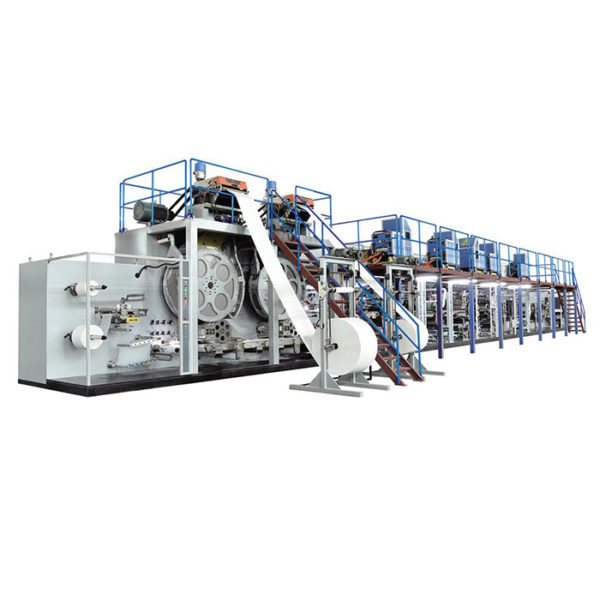
Özet
An examination of the global hygiene products market reveals a significant opportunity for manufacturers in developing economic regions. The process of acquiring and implementing a production line for disposable diapers, however, is fraught with complexities that extend beyond simple capital investment. This document provides a thorough analysis of the pivotal considerations involved in custom diaper machinery design. It scrutinizes the relationship between production capacity and fluctuating market demands, emphasizing the strategic value of scalable, modular systems. The inquiry extends to the domain of raw material science, exploring how machine engineering can accommodate diverse material inputs while minimizing waste, a direct contributor to operational profitability. Furthermore, the spectrum of automation is evaluated, from semi-automated to fully integrated robotic systems, in the context of regional labor markets and quality control imperatives. The capacity for machinery to produce differentiated products through custom features is also explored, alongside the long-term operational viability concerning maintenance, supplier support, and future upgradability. The objective is to equip prospective investors with a nuanced understanding, enabling them to make informed decisions that foster sustainable growth and a competitive market position.
Önemli Çıkarımlar
- Align machinery production speed with detailed local market demand forecasts.
- Prioritize modular systems for future scalability and production flexibility.
- A thoughtful custom diaper machinery design minimizes raw material waste for better profits.
- Balance automation levels with regional labor costs and skill availability.
- Evaluate a supplier's after-sales support for long-term operational success.
- Design for quick size changeovers to adapt to shifting consumer needs.
- Integrate quality control systems directly into the production line.
İçindekiler
Factor 1: Aligning Production Capacity with Market Demand
The decision to invest in a diaper machine is not merely a purchase; it is the foundation of a manufacturing enterprise. The success of such a venture hinges upon a delicate balance between the machine's output capabilities and the actual consumption patterns of the target market. A misalignment in either direction—producing too much or too little—can introduce significant financial strain. Imagine a powerful river. A channel that is too narrow will flood, causing chaos and waste. A channel that is too wide will see the water slow to a trickle, losing its force and purpose. Your production capacity is that river, while the market demand is the channel. The art of custom diaper machinery design is to engineer a channel that perfectly matches the river's flow, both today and as it swells tomorrow.
Forecasting Demand in Emerging Markets
Emerging markets, such as those in South America, Russia, Southeast Asia, the Middle East, and South Africa, present a landscape of immense potential coupled with unique volatility. Unlike mature markets with predictable, slow growth, these regions can experience rapid shifts in consumer behavior, purchasing power, and demographic trends. A simple extrapolation of past sales data is insufficient. A robust forecast requires a multi-layered approach.
First, one must consider demographic drivers. What is the birth rate, what is its projected trajectory? Urbanization is another powerful force. As populations move from rural areas to cities, their access to disposable hygiene products increases, as does their exposure to marketing. For instance, a growing middle class in a city like Jakarta or São Paulo will likely have different expectations for product quality and price compared to a rural community.
Second, an analysis of the competitive landscape is paramount. Who are the existing players? Are they multinational corporations with vast economies of scale, or are they local brands with deep cultural resonance? Your entry strategy, price point, and product features must be positioned thoughtfully within this existing ecosystem. Perhaps there is an underserved niche for premium, eco-friendly diapers in a wealthy enclave of Dubai, or a massive opportunity for budget-friendly bulk packs in regions of South Africa.
Third, one must account for economic and regulatory variables. Currency fluctuations can dramatically alter the cost of imported raw materials. Government policies on tariffs, import duties, or even subsidies for local manufacturing can either create headwinds or tailwinds for your business. A proper forecast does not offer a single number but a range of possibilities—a best-case, worst-case, and most-likely scenario. The custom diaper machinery design should then be specified not for a single point of output but for a flexible range that can operate efficiently within these scenarios. A machine designed to produce 600 diapers per minute must be profitable when running at that speed, but it should not become a financial black hole if market conditions temporarily require it to run at 400 pieces per minute.
Scalability by Design: Modular vs. Monolithic Machinery
When you first conceptualize your production line, you are looking at a snapshot in time. You have your forecast, your business plan, your starting capital. But what about five years from now? What if your brand becomes a runaway success, and the demand you projected for year five arrives in year two? This is where the architectural philosophy of the machinery itself becomes a central strategic choice. The debate between modular and monolithic design is at the heart of this.
A monolithic diaper machine is conceived and built as a single, integrated unit. Every process—from the unwinding of nonwoven fabrics to the final bagging of the diapers—is part of one long, continuous chassis. Its advantage can be a lower initial cost and a potentially smaller footprint, as every component is tightly integrated. The disadvantage, however, is its rigidity. To increase its capacity, you often have to replace the entire machine. It is like buying a house with no possibility of adding an extension; if your family grows, you must move.
A modular design, by contrast, approaches the production line as a series of interconnected but independent stations or modules. You might have an unwinding module, a core-forming module, a chassis-cutting module, an elastic-application module, and a packaging module. Each is a self-contained unit that communicates with the others. The initial investment might be slightly higher, reflecting the more complex engineering of these independent units. The long-term strategic benefit is immense.
Consider the growth scenario. If your market demand doubles, you might not need to scrap your entire line. Instead, you could potentially add a second core-forming module and a higher-speed packaging unit, upgrading only the bottlenecks while retaining the rest of your initial investment. This approach offers staged, manageable capital expenditure that grows with your revenue. It also provides redundancy. If a critical component in a monolithic machine fails, the entire line stops. In a well-designed modular system, it might be possible to bypass a non-essential module or swap it out more quickly, reducing downtime. The choice between these two philosophies is a foundational one for any custom diaper machinery design.
| Özellik |
Monolithic Design |
Modular Design |
| Initial Cost |
Generally Lower |
Generally Higher |
| Scalability |
Low; often requires full replacement |
High; upgrade specific modules |
| Flexibility |
Low; difficult to add new features |
High; can add new modules for new features |
| Footprint |
Potentially smaller due to integration |
Can be larger due to spacing between modules |
| Maintenance |
Failure in one area can stop the entire line |
Easier to isolate and service individual modules |
| Future-Proofing |
Poor; locked into initial technology |
Excellent; allows for phased technology upgrades |
Calculating ROI Based on Production Speed and Output
Return on Investment (ROI) is the ultimate arbiter of a business decision. For a diaper machine, the calculation seems straightforward on the surface: (Revenue – Cost) / Cost. The complexity, however, lies in accurately defining those variables over the machine's lifespan. Production speed, measured in pieces per minute (PPM), is a primary driver of the revenue side of the equation.
A machine running at 800 PPM will obviously generate more product than one running at 400 PPM. But speed is not free. Higher-speed machines involve more sophisticated engineering, higher precision components, and more robust control systems, all of which increase the initial capital outlay. They also consume more energy and may require more highly skilled operators. The correct approach is not to simply chase the highest possible speed but to find the optimal speed for your specific market and financial model.
Let us construct a simplified model. Assume a diaper sells for a net profit of $0.05 after material costs.
- Machine A (400 PPM): Produces 24,000 pieces/hour. At 20 hours/day, 300 days/year, that is 144 million pieces annually. Annual profit: 144,000,000 * $0.05 = $7.2 million.
- Machine B (800 PPM): Produces 48,000 pieces/hour. Using the same schedule, that is 288 million pieces annually. Annual profit: 288,000,000 * $0.05 = $14.4 million.
Machine B appears to be the clear winner. But now, let us factor in the cost. If Machine A costs $1.5 million and Machine B costs $3.5 million, the picture changes. We also need to add other operational costs: higher energy for Machine B, perhaps an extra higher-skilled technician. The true ROI calculation must be a projection over several years, incorporating the total cost of ownership (TCO), not just the sticker price.
Furthermore, the calculation must be stress-tested against your demand forecast. What if you can only sell 150 million diapers in year one? Machine A would be running near its capacity, likely at its most efficient point. Machine B would be running at half-speed, which can sometimes be inefficient and may not justify its higher capital cost in the short term. A proper custom diaper machinery design process involves working closely with the manufacturer to model these scenarios. They can provide data on the machine's efficiency curve at different speeds, helping you determine the sweet spot where capital cost, operational speed, and market demand harmoniously converge for the best possible ROI.
The Hidden Costs of Over- and Under-Capacity
The obvious cost of under-capacity is lost sales. When your brand is popular and shelves are empty because your diaper machine cannot keep up, you are not just losing revenue; you are creating an opening for a competitor to satisfy that demand. Customer loyalty can be fickle, once a consumer switches to another brand and has a positive experience, winning them back is an expensive proposition. Repeated stockouts can permanently damage a brand's reputation, making it seem unreliable in the eyes of both consumers and retail partners.
The costs of over-capacity are more subtle but can be just as corrosive. The most immediate cost is capital inefficiency. Money tied up in a machine that is larger and faster than necessary is money that could have been invested elsewhere—in marketing, in developing a complementary product line like a high-quality wet wipes production line, or in securing a better position in the raw material supply chain.
Then there are the operational costs. A large, high-speed machine running at a fraction of its capacity can be like driving a sports car in city traffic—it is inefficient. Motors, drives, and pneumatic systems are often designed for an optimal load and speed; operating far below that can lead to lower energy efficiency. There is also the physical space. A larger machine requires a larger factory floor, which translates to higher rent or construction costs, higher property taxes, and higher utility bills for lighting and climate control.
Perhaps the most insidious hidden cost is the psychological pressure to "feed the beast." When a management team sees a massive machine sitting idle or running slowly, there is a powerful temptation to produce inventory simply to keep it busy. This leads to bloated warehousing costs. Diapers are bulky; they consume a lot of space. Storing millions of excess units incurs expenses for the warehouse itself, for insurance, for climate control to prevent degradation, and for the labor to manage the inventory. This excess inventory also ties up cash and carries the risk of obsolescence if you decide to update your product design or packaging. A shrewd custom diaper machinery design process is therefore an exercise in risk management, carefully navigating the channel between the Scylla of lost sales and the Charybdis of idle, expensive capital.
Factor 2: Raw Material Compatibility and Waste Reduction
A diaper is a marvel of material science, a layered composite of polymers, cellulose, and synthetic fabrics, each chosen for a specific function. The diaper machine is the conductor that brings these materials together in a high-speed symphony of precision. The quality of the final product and the profitability of the operation are inextricably linked to how the machine interacts with these raw materials. A design that is forgiving of material variations and ruthlessly efficient in its use of them is not a luxury; it is a fundamental requirement for long-term success. The custom diaper machinery design process must therefore begin with a deep understanding of the materials themselves.
The Chemistry of Absorbency: SAP, Fluff Pulp, and Nonwovens
At the heart of every modern disposable diaper is the absorbent core. This is typically a blend of two key materials: fluff pulp and superabsorbent polymer (SAP). Understanding their properties is the first step to designing a machine that can handle them effectively.
Fluff pulp is a cellulose-based material, usually derived from softwood trees like pine. In its raw form, it comes in dense, rolled sheets. The first task of the diaper machine is to pass these sheets through a "hammermill," a high-speed rotary grinder that defibrates the pulp, turning it into a soft, cotton-like fluff. This fluff provides the structure of the core and is responsible for the initial acquisition and distribution of liquid. The design of the hammermill and the subsequent "drum forming" system—which uses a vacuum to lay the fluff down into a precise pad shape—is critical. The density and uniformity of this fluff pad directly impact the diaper's comfort and its ability to prevent leaks.
Superabsorbent Polymer (SAP) is the true workhorse of absorbency. These are typically sodium polyacrylate granules that have an astonishing property: they can absorb and retain many times their own weight in liquid, turning into a stable gel. A few grams of this powder can lock away hundreds of milliliters of fluid. In the machine, SAP is precisely metered and mixed with the fluff pulp as the core is being formed. The challenge here is precision. Too little SAP, the diaper will fail. Too much is a waste of a very expensive material. The custom diaper machinery design must include a dosing system—be it volumetric or gravimetric—that can deliver the exact amount of SAP, milligram by milligram, diaper by diaper, at speeds of over ten per second.
Surrounding the core are the nonwoven fabrics. These are engineered textiles made from polymers like polypropylene. They serve multiple functions. The "topsheet" is the layer that touches the baby's skin; it must be soft, feel dry, and allow liquid to pass through it quickly into the core. The "backsheet" is the outer layer; it must be waterproof to contain the liquid, yet modern backsheets are often "breathable," allowing water vapor to escape to improve skin health. There are also acquisition-distribution layers (ADL) that sit between the topsheet and the core to speed up fluid intake, and the nonwovens that form the leg cuffs and waistbands. Each of these materials has a specific weight, texture, and elasticity. The machine's unwinding stands, tension control systems, and guiding mechanisms must be designed to handle this variety of materials without stretching, tearing, or misaligning them.
Designing for Material Versatility and Supply Chain Resilience
No manufacturer operates in a vacuum. Your supply chains for fluff pulp, SAP, and nonwovens will be subject to price volatility, shipping delays, and variations in quality. A machine that is tuned to run only one specific grade of pulp from one specific supplier is a fragile machine. A resilient business needs a diaper machine designed for versatility.
What does this mean in practice? It starts with the unwinding and splicing systems. A well-designed machine should have automatic splicers. When one roll of nonwoven material is about to run out, the machine automatically splices the end of the old roll to the beginning of a new one at full production speed, without stopping. A versatile design allows the operator to easily adjust the tension controls and web guides to accommodate materials with slightly different thicknesses or widths from a new supplier.
In the core-forming section, versatility might mean having a hammermill and drum-forming system that can be adjusted to create cores of different densities or shapes. Perhaps a new, cheaper fluff pulp is available, but it has slightly different fiber characteristics. A flexible machine would allow technicians to fine-tune the mill's speed and the drum's vacuum pressure to achieve the desired core properties with this new material.
For SAP application, a gravimetric (weighing-based) dosing system is inherently more versatile than a volumetric (volume-based) one. The density of SAP granules can vary slightly from batch to batch or supplier to supplier. A volumetric system might dispense the same volume but a different weight, affecting performance. A gravimetric system ensures the correct weight of SAP is applied every time, regardless of density variations.
This design philosophy is a form of insurance. By investing in a custom diaper machinery design that can handle a wider "process window" for raw materials, you are giving your procurement team the flexibility to negotiate better prices, switch suppliers when one fails, and test new, innovative materials as they become available. In markets like Russia or parts of South America where logistical challenges can be significant, having the ability to source materials from multiple regional suppliers instead of relying on a single overseas source can be the difference between continuous production and costly shutdowns.
Advanced Waste Management Systems in Modern Machinery
In a high-speed manufacturing process, some waste is inevitable. The goal of a superior machine design is to minimize that waste and, where possible, reclaim it. Waste in a diaper factory is lost profit. It represents material you have paid for but cannot sell. A modern diaper machine attacks waste on several fronts.
First is start-up and shut-down waste. When a line starts, it takes a few moments for all the processes to synchronize perfectly. During this time, the products being made may not meet quality standards. An advanced control system can be programmed to minimize this ramp-up period, synchronizing all drives and material flows in the shortest possible time.
Second is splice waste. Even with an automatic splicer, there is a small section where the two rolls of material are joined. A sophisticated machine will have sensors that track this splice through the entire process. It will then activate a rejection gate to eject only the one or two diapers containing the splice, rather than a larger batch.
Third is process-related waste. This is the "trim" or "cut-off" material. For example, when the contoured shape of the diaper chassis is cut from a continuous web of nonwoven material, the leftover material is waste. Advanced custom diaper machinery design incorporates vacuum-based trim removal systems that immediately collect this waste. In some of the most sophisticated setups, this nonwoven trim can be sent to a re-pelletizing system and sold, or even re-used in other non-hygienic applications. Similarly, the fluff pulp dust generated in the hammermill is collected by powerful filter systems. Instead of just being vented outside, this dust can be collected, compressed into briquettes, and sold as a fuel source or used in other cellulose-based products.
Finally, there is quality-rejection waste. Modern machines are equipped with high-speed vision systems. These are cameras coupled with powerful image-processing software that inspect every single diaper. They check for defects like a missing leg cuff, a misplaced frontal tape, or an improperly formed core. If a defect is detected, the system sends a signal to a rejection mechanism that removes that specific diaper from the production stream. This prevents defective products from reaching the consumer, protecting your brand's reputation, while also providing valuable data. The system logs the type and frequency of defects, allowing operators to identify the root cause—perhaps a nozzle is slightly clogged or a blade is becoming dull—and fix it before it leads to a large amount of waste.
The Economic Impact of a 1% Reduction in Material Waste
The numbers involved in diaper manufacturing are so large that even small percentage improvements in efficiency can have a massive impact on the bottom line. Let us explore the economics of a seemingly tiny 1% reduction in material waste.
Assume a mid-sized diaper machine produces 200 million diapers per year. Also assume the total raw material cost for a single diaper is $0.10.
- Total annual raw material consumption cost: 200,000,000 diapers * $0.10/diaper = $20,000,000.
Now, let us say the machine, due to an older design or poor tuning, has a waste rate of 5%.
- Annual cost of waste: $20,000,000 * 5% = $1,000,000.
This one million dollars is the value of the pulp, SAP, and nonwovens that are purchased but end up in a dumpster or a reclamation system. It is a direct reduction from the company's gross profit.
Now, imagine you invest in a new custom diaper machinery design or an upgrade to your existing line that, through better tension control, more precise cutting, and an advanced quality rejection system, reduces the total waste rate from 5% to 4%. That is a 1% reduction.
- New annual cost of waste: $20,000,000 * 4% = $800,000.
- Annual savings: $1,000,000 – $800,000 = $200,000.
This $200,000 saving drops directly to the bottom line, increasing profitability every single year. Over a five-year period, that is a million dollars in savings. This additional profit could be enough to finance the development of a new product, fund a major marketing campaign, or purchase an additional piece of equipment, such as a machine for producing sanitary pads. The pursuit of waste reduction is not just an operational goal; it is a powerful financial strategy. When evaluating a proposal for a new diaper machine, the quoted waste percentage is not a minor technical detail; it is a key performance indicator that should be scrutinized, guaranteed by the supplier, and verified during the factory acceptance test.
Factor 3: TheSpectrum of Automation and Labor Considerations
The level of automation in a production line is one of the most significant decisions a manufacturer will make. It profoundly influences capital expenditure, operational costs, product quality, and workforce structure. There is no single "correct" level of automation; the optimal choice is a careful calculation based on the specific economic and social context of the manufacturing plant. For businesses in regions as diverse as Southeast Asia and Russia, this calculation will yield very different results. A custom diaper machinery design must therefore be a tailored response to the question: where on the spectrum of automation should this factory operate for maximum, sustainable success?
Fully Automated vs. Semi-Automated Lines: A Cost-Benefit Analysis
The choice between a fully automated and a semi-automated line is a classic trade-off between capital expense (CapEx) and operational expense (OpEx).
A fully automated line represents the pinnacle of current technology. On such a line, human intervention is minimal. Raw material rolls are often loaded by robotic arms. Automatic splicing is standard for all materials. The machine's parameters are controlled via a central Human-Machine Interface (HMI). Quality control is performed by vision systems. The final products are counted, stacked, and fed directly into an automatic bagging machine, which then passes the bags to a case packer and a palletizer. A small team of highly skilled technicians oversees the entire process, monitoring performance and intervening only when a fault occurs or a major changeover is required.
The primary benefit is consistency. A machine, unlike a person, does not get tired or distracted. It performs the same action with the same precision, millions of times. This leads to a highly consistent product quality and a very low rate of human-error-induced defects. Production speeds can also be much higher, as the line is not limited by the speed of manual packing. The main drawback is the immense initial investment. The robotics, advanced sensor systems, and complex software required for full automation are expensive. Maintenance also demands a higher level of technical expertise.
A semi-automated line, on the other hand, strategically replaces some of the most expensive automation with skilled human labor. The core production process—forming the diaper—is typically still automated for speed and precision. The difference often appears at the end of the line. Instead of an automated stacker and bagger, the machine might deposit the diapers onto a conveyor where a team of workers manually inspects, counts, and packs them into bags. Raw material rolls might be loaded manually instead of by robots.
The obvious advantage is a significantly lower initial CapEx. This can make entering the market far more accessible for a new business. It also creates local employment, which can be a positive factor in many communities. The disadvantages include lower maximum production speeds, as the line is ultimately paced by the manual packing team. There is also a higher potential for inconsistency and human error in the packing and final inspection process. The operational cost for labor will be higher year after year.
| Aspect |
Semi-Automated Line |
Fully Automated Line |
| Initial Investment |
Lower |
Very High |
| Operational Labor Cost |
High |
Low |
| Max Production Speed |
Moderate (often limited by manual packing) |
Very High |
| Product Consistency |
Good, but subject to human error |
Excellent |
| Workforce Requirement |
Larger team of operators/packers |
Smaller team of skilled technicians |
| Flexibility for Small Batches |
Can be more flexible |
Less efficient for very small, varied runs |
| Suitability |
Markets with lower labor costs; start-ups |
Markets with high labor costs; large-scale producers |
The decision requires a careful financial model. In a country with high labor costs, the savings in OpEx from a fully automated line can pay back the higher initial CapEx in just a few years. In a country with a large, available workforce and lower wage rates, a semi-automated line might remain the more profitable option for a decade or more.
Integrating Robotics and AI for Quality Control
One of the most transformative applications of modern technology in manufacturing is the use of artificial intelligence (AI) and robotics for quality control. The traditional method of quality control involved operators periodically taking a diaper off the line and manually inspecting it. This "spot-checking" method is inherently flawed. At a speed of 600 diapers per minute (10 per second), an operator might inspect one diaper out of every thousand. What about the 999 in between?
Modern quality control is about 100% inspection. This is achieved through machine vision systems. Think of it as a team of tireless inspectors with superhuman eyes. High-resolution cameras are placed at critical points along the production line. One camera might look at the absorbent core just after it is formed to check for uniform density. Another might inspect the application of the leg elastics. A third might verify the correct placement of the landing zone for the fastening tapes.
These cameras capture thousands of images per minute. It is the AI-powered software behind them that provides the intelligence. The software is "trained" on what a perfect diaper looks like. It learns the acceptable range of variation for hundreds of features. During production, it compares every image to this ideal model in real-time. If it detects an anomaly—a spot of glue where it should not be, a misaligned topsheet, a tear in the backsheet—it instantly flags the diaper. It then does two things:
- It sends a signal to a rejection system to remove that single defective product from the line.
- It logs the fault. If it sees the same type of fault repeating, it can alert the operator or even, in the most advanced systems, attempt to self-correct the process. For example, if it detects the adhesive for the frontal tape is consistently being applied a millimeter too far to the left, it might slightly adjust the position of the adhesive nozzle.
This integration of AI provides a level of quality assurance that was previously unimaginable. It reduces waste, protects brand reputation, and provides a wealth of data that can be used for continuous process improvement. When discussing a custom diaper machinery design, inquiring about the sophistication of the vision system—its resolution, the number of inspection points, and the intelligence of its software—is a conversation about the fundamental quality of your future product.
Operator Skill Requirements and Training Programs
The machine, no matter how automated, is only as good as the people who run it. The level of automation you choose directly dictates the type of team you need to build.
A semi-automated line requires a larger number of operators, but the skill level for many of the positions, particularly in manual packing, may be lower. The key personnel are the machine minders and the line supervisors who understand the mechanical workings and can troubleshoot common problems. Training for these roles often focuses on operational safety, manual dexterity for packing, and basic visual inspection skills.
A fully automated line requires a much smaller team, but their skill requirements are significantly higher. You no longer need packers, but you desperately need technicians who are multi-talented. They need to be mechanically adept to handle physical repairs. They need to be proficient with electronics and sensor technology to diagnose a faulty photoelectric eye or proximity switch. They need to be comfortable with software, able to navigate the HMI, interpret error logs, and perhaps even make minor adjustments to the PLC (Programmable Logic Controller) code. These are not factory workers in the traditional sense; they are "mechatronics" technicians.
Finding, training, and retaining such talent can be a challenge, especially in regions where this level of industrial automation is new. This is where the role of the machinery supplier becomes vital. A reputable supplier does not just sell you a machine; they sell you a complete production solution. This includes a comprehensive training program. This program should not be a one-week afterthought. It should be a structured process that might include:
- Classroom training: Covering the theory of operation, the function of each module, and the software interface.
- Training at the supplier's facility: Your key technicians should be present during the final assembly and testing of your machine at the supplier's factory. They can learn alongside the engineers who built it.
- On-site training during installation: The supplier's engineers should remain on-site for several weeks after the machine is installed, working side-by-side with your team to run the machine, troubleshoot initial problems, and transfer knowledge.
- Ongoing support: The supplier should offer ongoing access to technical experts and potentially advanced refresher courses as new technologies emerge.
When choosing a supplier, the quality and depth of their training program are as important as the steel and wires of the machine itself.
The Role of Automation in Ensuring Consistent Product Quality
The ultimate goal of any manufacturing process is to produce a product that meets the customer's expectations every single time. A parent buying a pack of your diapers in Johannesburg should have the exact same positive experience as a parent buying the same pack in Moscow. Automation is the most powerful tool for achieving this level of consistency.
A human operator, however well-trained and diligent, is subject to variability. The way they stack diapers might vary slightly from the beginning of their shift to the end. Their attention might wander for a moment, causing them to miss a minor defect. The tension they apply when manually starting a new roll of material might differ each time.
An automated system eliminates this variability. A servomotor-driven applicator will place the elastic waistband with a precision of a fraction of a millimeter, over and over again. A gravimetric SAP doser will ensure each core has the exact same absorbent potential. An ultrasonic bonding unit will apply the same amount of energy for the same duration to create a perfect weld on every side seam.
This consistency has a cascading effect. It simplifies quality control because the process is inherently more stable. It reduces "in-process" waste caused by minor deviations accumulating into a major problem. It builds brand trust, as consumers learn that your product is reliable. It even simplifies the supply chain, as your retail partners know that every case of diapers they receive will contain the same number of perfectly packed, high-quality units.
While full automation requires a significant investment, the return is not just in labor savings. The return is in the establishment of a robust, predictable, and high-quality manufacturing operation that can compete on a global scale. The custom diaper machinery design process is an opportunity to build this consistency into the very DNA of your factory.
Factor 4: Customization for Product Differentiation
In a crowded marketplace, the ability to stand out is not just an advantage; it is a prerequisite for survival. Consumers are faced with a dizzying array of choices. Why should they choose your diaper? The answer often lies in the unique features and perceived value of the product itself. The diaper machine is the tool that enables this differentiation. A generic machine produces a generic diaper. A custom diaper machinery design, however, allows a manufacturer to engineer specific, desirable features into their product, creating a unique selling proposition (USP) that resonates with their target audience.
Engineering for Unique Diaper Features
The modern diaper is far more than just an absorbent pad. It is a highly engineered garment designed for comfort, performance, and convenience. The ability of your machine to create these features is what will set your brand apart.
Consider the elastic waistband. A simple, flat waistband is easy to produce. But a soft, wide, and highly elasticated waistband that provides a snug, comfortable 360-degree fit is a premium feature that parents value. To produce this, the machine needs a sophisticated lamination unit. This unit must take multiple layers of nonwoven material and several strands of elastic thread, control the tension of each strand precisely as it is being stretched, and then bond them together using adhesive or ultrasonic energy—all while running at hundreds of meters per minute.
Wetness indicators are another popular feature. This is a line of pH-sensitive ink printed on the backsheet that changes color when it comes into contact with urine. It is a simple, visual cue for parents. To incorporate this, the custom diaper machinery design must include a precision printing station. This is not just a simple ink roller; it must be a contact or non-contact (inkjet) system capable of applying a very thin, precise line of a specific chemical ink onto a fast-moving web of material without smudging or over-applying.
Other features that require specific engineering solutions include:
- Contoured leg cuffs (3D leak guards): These require special folding and bonding modules to create the standing gathers that prevent side leakage.
- Breathable backsheets: While the material itself is breathable, the machine must be able to handle these microporous films without damaging them, and the bonding process (adhesives) must not clog the pores.
- Lotion or aloe vera application: Some premium diapers feature a topsheet treated with a thin layer of lotion. This requires a specialized coating module with a precision spray or roller system that can apply a minute, uniform amount of lotion.
When you are defining your product, you are also defining your machine. Each desired feature translates into a specific engineering requirement, a module or a station on the production line. The discussion with your machine supplier should be a creative partnership, exploring the "art of the possible" and translating your brand vision into mechanical reality.
The Mechanics of Size Changeovers: Flexibility as a Feature
A diaper brand rarely sells just one size. A typical portfolio includes sizes ranging from newborn to toddler. Your factory must be able to produce all these sizes efficiently. The process of switching the machine from producing one size (e.g., Medium) to another (e.g., Large) is called a "size changeover." The speed and ease of this changeover are a critical, but often overlooked, feature of the machine's design.
A slow, cumbersome changeover is a major source of lost production. If it takes an entire eight-hour shift to change sizes, that is a full shift where no diapers are being produced, yet you are still paying for labor, electricity, and the overhead of the factory. A machine designed for rapid changeovers can minimize this downtime to as little as 30-60 minutes.
What enables a rapid changeover?
- Automation: In a highly automated machine, many adjustments are made through the HMI. The operator selects the "Large" size recipe from a menu, and dozens of servomotors automatically move components to their pre-programmed positions. Guides are widened, cutting knives are adjusted, and adhesive patterns are changed, all without an operator touching a wrench.
- Quick-Release Mechanisms: For parts that must be changed manually, such as the main cutting drum that determines the diaper's shape, a well-designed machine uses quick-release clamps, standardized fittings, and lightweight, ergonomic designs. Instead of an operator spending an hour unbolting a heavy component, they can release a few clamps and swap it with a pre-prepared part in minutes.
- Digital Readouts and Gauges: For manual adjustments, having digital readouts (e.g., "move guide to position 25.4 mm") is far faster and more accurate than relying on rulers and trial-and-error.
The ability to perform quick size changeovers gives a business tremendous agility. It allows you to produce smaller batches of each size more frequently, reducing the need for large inventories. If you see a sudden spike in demand for your newborn size, you can quickly switch production to meet that demand without disrupting your entire schedule. This flexibility is particularly important in volatile emerging markets. A custom diaper machinery design that prioritizes rapid changeovers is a design that prioritizes market responsiveness.
Integrating Packaging Solutions into the Production Line
The diaper is not sold until it is in a bag, the bag is in a case, and the case is on a pallet. The packaging process is an integral part of production, not an afterthought. Integrating packaging solutions directly into the diaper machine line creates a seamless, efficient flow from raw material to finished good.
The first stage is stacking and counting. As diapers exit the main machine, they need to be counted and arranged into neat stacks, ready for bagging. A simple machine might drop them onto a conveyor for manual counting. A more advanced machine uses a high-speed "stacker" with rotating paddles or a vacuum system to create perfect stacks of, say, 20 diapers.
The next stage is bagging. The stacks are then transferred to a bagging machine. This can be a semi-automatic process where an operator holds a pre-made bag open for the machine to push the stack in. Or, it can be fully automatic. An automatic bagger takes a roll of printed plastic film, forms it into a bag, pushes the stack of diapers inside, seals the bag, and cuts it free. These machines can pack over 100 bags per minute. The integration is key; the bagger must "talk" to the diaper machine to ensure it is ready to receive each stack as it is produced. A well-integrated system might even use a buffer conveyor that can hold a few stacks temporarily if the bagger has a brief stop, preventing the entire line from shutting down. Many manufacturers also offer integrated solutions for other products, like a specialized wet wipe packaging machine, allowing for brand consistency across different product lines.
The final stage is case packing and palletizing. The sealed bags are then conveyed to a case packer, which automatically groups them and places them into cardboard boxes. These boxes are then sent to a robotic palletizer, which stacks them onto a pallet in a pre-programmed pattern, ready for a forklift to take them to the warehouse.
Integrating these systems provides enormous benefits in terms of labor savings, speed, and consistency. It also reduces the factory footprint by creating a compact, linear production flow. When commissioning a custom diaper machinery design, it is wise to consider the entire line, from pulp to pallet, as a single, integrated system.
Case Study: A Custom Design for a Niche Market
Let us imagine a hypothetical start-up in a coastal region of the Middle East. Their market research identifies a niche for an ultra-premium, "dermatologically-tested" diaper for high-income families. Their brand story is about ultimate skin comfort and protection in a hot, humid climate.
A generic diaper machine will not suffice. They partner with a supplier to create a custom diaper machinery design with specific features to support their brand promise:
- Specialized Topsheet Module: Instead of a standard polypropylene topsheet, they want to use a new, expensive nonwoven material infused with bamboo fibers for extra softness. The machine's unwinding and tension control systems are specifically calibrated for this delicate, low-stretch material.
- Lotion Application System: They incorporate a high-precision, non-contact spray system to apply a thin, uniform layer of calendula-infused lotion onto the topsheet. The system includes its own heating and viscosity controls to ensure the lotion is applied perfectly, even as the ambient factory temperature fluctuates.
- Maximum Breathability Design: The backsheet they choose is a state-of-the-art breathable film. The custom design ensures that the adhesive used to laminate the backsheet to the other layers is applied in a "net-spray" pattern, rather than a full coat. This maintains over 90% of the material's breathability, a key selling point.
- Enhanced SAP/Pulp Mixing: To combat rashes in humid climates, the core is designed for rapid fluid acquisition and dispersion. The machine's drum-forming section is engineered with a unique dual-chamber vacuum system and a specialized SAP applicator that creates a gradient of absorbency within the core, wicking moisture away from the skin faster.
This custom-designed machine costs more than an off-the-shelf model. However, it allows the company to produce a product that no competitor can easily replicate. They can command a higher price point, and their marketing can focus on tangible, demonstrable product benefits. The custom design is not an expense; it is the enabling technology behind their entire business strategy.
Factor 5: Long-Term Viability: Maintenance, Support, and Upgradability
The purchase of a diaper machine is not a transaction; it is the beginning of a long-term relationship. The machine is a complex asset that will be the heart of your factory for a decade or more. Its initial performance is important, but its long-term reliability, the cost to maintain it, and its ability to adapt to future needs are what will ultimately determine its true value. A forward-thinking buyer evaluates the supplier's commitment to the machine's entire lifecycle, from the day it is installed to the day it is decommissioned. A custom diaper machinery design should therefore include a plan for its own future.
The Importance of a Robust Spare Parts and Service Agreement
A production line running 24/7 at high speed is subject to wear and tear. Bearings will wear out, blades will become dull, motors will eventually fail. These are not signs of a bad machine; they are the realities of mechanical operation. The difference between a minor inconvenience and a catastrophic shutdown is the speed at which you can get the right spare part and, if needed, the right technical support.
A robust spare parts and service agreement, negotiated as part of the initial purchase, is your insurance policy against downtime. This agreement should clearly define several things:
- Recommended Spare Parts List: The supplier should provide a detailed list of "critical" and "recommended" spare parts to keep on-site. Critical parts are those unique components whose failure would stop the line and which have a long lead time to acquire. Recommended parts are more common wear items. Having these on hand can turn a week of downtime into an hour of maintenance.
- Pricing and Availability: The agreement should lock in pricing for spare parts for a certain period and guarantee their availability. You do not want to discover two years after purchase that a critical part is no longer made or its price has tripled.
- Technical Support: How do you access support? Is there a 24/7 hotline? Is support available in your local language? What is the guaranteed response time for an email or a call? Can their technicians remotely access your machine's control system to help diagnose problems?
- Field Service: If a problem cannot be solved remotely, what is the process for getting a supplier's engineer to your factory? The agreement should specify the daily rate for a field service engineer and the guaranteed time it will take for them to arrive on-site, whether they are coming from a regional office or from headquarters overseas.
Evaluating a supplier's service and support infrastructure is as vital as evaluating their engineering prowess. Ask for references from other customers in your region. How has the supplier responded when their machine went down? Their answer will tell you a great deal about the partner you are choosing.
Remote Diagnostics and IoT-Enabled Predictive Maintenance
The traditional model of maintenance is "reactive." A part breaks, the machine stops, and you fix it. The next evolution was "preventive" maintenance. You replace parts on a fixed schedule (e.g., "replace all cutter blades every 500 hours of operation"), whether they are worn out or not. The most advanced approach, enabled by the Industrial Internet of Things (IIoT), is "predictive" maintenance.
In a modern custom diaper machinery design, the machine is studded with hundreds of sensors. These sensors do not just monitor the process; they monitor the health of the machine itself. They measure temperature, vibration, electrical current draw, and pressure. This data is continuously collected and analyzed.
Think of a large bearing on a main drive roller. In a healthy state, it has a specific vibration signature and operating temperature. As it begins to wear out, long before it fails, its vibration signature will change subtly, and its temperature may start to creep up. An IIoT system, often using machine learning algorithms, can detect this tiny deviation from the norm. It can then send an alert to the maintenance team: "Warning: Bearing on main drive roller C-7 shows a 15% increase in vibration. Estimated time to failure: 3 weeks. Please schedule replacement during the next planned maintenance window."
This is a paradigm shift. Instead of unscheduled, emergency downtime, maintenance becomes a planned, scheduled activity. You can order the part in advance and replace it during a time that causes minimal disruption to production. This maximizes uptime, reduces the need to hold a massive inventory of spare parts, and lowers overall maintenance costs.
Remote diagnostics is the other side of this coin. When a fault does occur that your team cannot solve, an IIoT-enabled machine allows a supplier's engineer, located thousands of miles away, to securely log into your machine's control system. They can "see" what the operator sees on the HMI, review alarm logs, analyze sensor data, and diagnose the problem as if they were standing right there. This can resolve issues in minutes that might have previously required a multi-day wait for an engineer to travel to your site.
Planning for Future Upgrades: Software and Hardware
The market does not stand still. New materials are developed, consumer preferences change, and new competitive pressures emerge. The diaper you produce in 2025 might not be competitive in 2030. Your machine must have a pathway to evolve. A key element of custom diaper machinery design is planning for future upgradability.
Software upgrades are the easiest path to new capabilities. The machine's functionality is governed by its PLC and HMI software. A well-designed software architecture allows the supplier to add new features or improve existing ones through a software update. This could be a new, more efficient algorithm for controlling adhesive application, a new recipe management system, or an improved diagnostic tool. When selecting a supplier, ask about their software development roadmap. Do they have a history of providing meaningful updates to their existing customers?
Hardware upgrades are more complex but should be part of the long-term plan. This is where a modular machine design shows its true value. Perhaps a new type of highly elastic side panel becomes popular. With a modular design, you might be able to purchase a new, self-contained module for applying these panels and integrate it into your existing line. This is far more cost-effective than replacing the entire machine.
The discussion about upgradability should be concrete. Ask the supplier:
- "If we wanted to add a lotion application system in two years, what would that entail? Is the frame pre-drilled for it? Does the control system have spare I/O capacity?"
- "If we need to increase our speed by 20% in three years, what would be the bottleneck, and what is the upgrade path for that specific module?"
A supplier who has thought through these scenarios and can provide clear, credible answers is a supplier who is planning for a long-term partnership, not just a short-term sale.
Evaluating Supplier Reputation and After-Sales Support
Ultimately, you are not just buying a machine; you are investing in the company that builds it. The supplier's reputation, financial stability, and corporate philosophy on customer support are intangible but immensely valuable assets.
How do you evaluate this?
- Talk to their customers. This is the most important due diligence you can do. Ask the supplier for a list of references—companies of a similar size to yours, preferably in your region. Call them. Ask them about their experience with the installation, training, machine reliability, and, most importantly, the supplier's response when things went wrong.
- Visit their factory. A factory visit tells you a lot about a company. Is it clean and well-organized? Do their engineers seem knowledgeable and passionate? What is their R&D facility like? Are they investing in new technologies? Do they manufacture key components in-house, or do they simply assemble parts from other vendors? In-house manufacturing of critical components often indicates a deeper level of expertise and better control over quality.
- Assess their global presence. For a customer in South America or the Middle East, a supplier with a regional office or a partnership with a local service agent is a huge advantage. It means faster access to spare parts and field service engineers who understand your local context.
- Review their financial health. A supplier who is financially unstable may not be around to support your machine in five years. While it can be difficult to assess a private company's finances, you can look for signs of stability: how long they have been in business, their recent growth, and their position in the market.
Choosing a machine supplier is like choosing a business partner. The technical specifications of the machine are the starting point, but the trust, communication, and long-term support offered by the supplier are what will ensure your investment continues to generate value for years to come.
Navigating the Supplier Selection Process
Armed with a deep understanding of the technical, operational, and strategic factors, the next step is the practical process of selecting the right supplier. This is a methodical journey of discovery, negotiation, and verification. It requires diligence and a clear vision of your project's goals. This process transforms your theoretical requirements into a tangible contract with a partner who will build the heart of your factory.
Crafting a Detailed Request for Proposal (RFP)
An RFP is the foundational document of your procurement process. It is not just a request for a price; it is a detailed description of your needs that allows suppliers to propose a thoughtful, relevant solution. A vague RFP will elicit vague, incomparable proposals. A detailed RFP will force suppliers to demonstrate their expertise and allow you to compare them on an "apples-to-apples" basis.
Your RFP should include several key sections:
- Project Overview: Briefly describe your company, your target market, and your business goals.
- Product Specifications: This is the most important section. Provide detailed drawings or descriptions of the diapers you intend to produce. Specify all sizes, dimensions, and target weights. List every feature you require (e.g., elastic waistband, 3D leak guards, wetness indicator).
- Raw Material Specifications: List the types of materials you plan to use (e.g., fluff pulp from a specific source, SAP with a certain absorbency rating, nonwoven fabrics with specific weights). Also, state the range of materials you want the machine to be able to handle to ensure versatility.
- Performance Requirements: Specify the required production speed (e.g., "a stable production speed of not less than 600 PPM for the Medium size"). Specify the maximum acceptable waste percentage (e.g., "total waste not to exceed 3%"). Specify the required efficiency rate (e.g., "overall equipment effectiveness (OEE) of not less than 85%"). And specify the maximum time for a size changeover.
- Scope of Supply: Clearly state what you expect the supplier to provide. Does it include just the diaper machine? Or does it also include the stacker, bagger, raw material handling systems, and dust collection systems?
- Training and Service Requirements: Detail your expectations for operator training, the recommended spare parts package, and the after-sales service agreement.
- Commercial Requirements: Specify your desired delivery timeline, payment terms, and the type of warranty you expect.
Distributing a detailed RFP to a shortlist of potential suppliers is the first step toward a professional and successful procurement project.
On-Site Audits and Factory Acceptance Tests (FAT)
Proposals and promises are one thing; physical reality is another. You must verify a supplier's claims. This involves two critical steps: the on-site audit and the Factory Acceptance Test (FAT).
Bu on-site audit is your visit to the supplier's manufacturing facility before you sign a contract. As mentioned earlier, this is your chance to assess their capabilities. But go beyond a simple tour. Ask to see a machine similar to the one you are ordering, preferably one that is currently being assembled or tested. Talk to their engineers. Scrutinize the quality of the machining, the neatness of the electrical wiring, and the overall organization of their operations. A culture of quality is visible in the details.
Bu Factory Acceptance Test (FAT) is perhaps the most important milestone before the machine is shipped. The FAT is a contractually obligated test run of your specific machine, conducted at the supplier's factory, with you and your technical team present. During the FAT, the supplier must demonstrate that the machine meets all the performance requirements laid out in the RFP and the contract.
You should come to the FAT prepared with a detailed checklist. The supplier should run the machine for an extended period (often 4-8 hours) using the exact raw materials you specified. During this run, you will verify:
- Production Speed: Does it consistently achieve the guaranteed PPM?
- Product Quality: Are the diapers produced identical to your specifications? You should take samples and measure them precisely.
- Waste Rate: The total waste produced during the run is collected and weighed to verify it is below the guaranteed maximum.
- Functionality: Test every single function, including size changeovers, automatic splicing, and the vision system's ability to detect and reject seeded defects.
The FAT is your last chance to identify and rectify any problems while the machine is still in the hands of its creators. Any issues found during the FAT must be corrected by the supplier before you approve the machine for shipment. Do not rush this process. A thorough FAT is the best guarantee of a smooth installation and start-up at your own factory.
Understanding Total Cost of Ownership (TCO) Beyond the Sticker Price
The lowest-priced machine is rarely the cheapest one to own. A savvy investor looks beyond the initial purchase price and evaluates the Total Cost of Ownership (TCO) over the machine's expected lifespan (e.g., 10 years). TCO provides a far more accurate picture of the long-term financial impact of your investment.
The components of TCO include:
- Initial Purchase Price (CapEx): The cost of the machine itself, including all integrated systems and delivery.
- Installation and Commissioning Costs: The cost of the supplier's engineers to install and start up the machine at your factory.
- Operational Costs (OpEx):
- Energy: The machine's total power consumption. A more energy-efficient design can lead to huge savings over a decade.
- Labor: The number of operators and technicians required to run the line.
- Waste: The cost of wasted raw materials. A machine with a 1% lower waste rate saves a significant amount of money every year.
- Consumables: The cost of items that are consumed during production but are not part of the final product, such as certain lubricants or cleaning agents.
- Maintenance Costs:
- Spare Parts: The cost of the spare parts you will consume over the machine's life. A machine built with higher quality, more durable components may have a higher initial price but lower long-term spare parts costs.
- Service: The cost of any service calls or support contracts.
- Downtime Costs: This is the cost of lost production when the machine is not running. A more reliable machine with better support will have a lower downtime cost.
When you receive proposals from different suppliers, you should create a spreadsheet to model the TCO for each option. You may find that a machine that is 20% more expensive to purchase actually has a 10% lower TCO over ten years due to its higher efficiency, lower waste, and greater reliability. This analytical approach moves the decision from one based on price to one based on value.
Sıkça Sorulan Sorular (SSS)
1. How long does it take to build and deliver a custom diaper machine? The timeline can vary significantly based on the complexity of the machine and the supplier's production backlog. Generally, you can expect a period of 6 to 12 months from signing the contract to the machine being ready for the Factory Acceptance Test (FAT). This includes design finalization, procurement of components, assembly, and initial testing. Shipping and installation can add another 2 to 3 months.
2. What is the typical power consumption of a modern diaper machine? Power consumption depends on the machine's speed, width, and the specific technologies used. A mid-range machine (e.g., 500-600 PPM) might have a total installed power of around 300-400 kW. However, its actual running consumption will be lower, typically in the range of 150-250 kW. When requesting a proposal, always ask for the estimated average power consumption, not just the total installed power.
3. Can one machine produce both baby diapers and adult incontinence products? While some components and processes are similar, baby diapers and adult incontinence products have very different size ranges and structural requirements. It is generally not practical or efficient for a single machine to produce both. Manufacturers specialize their machines. A company looking to enter both markets would typically invest in a dedicated diaper machine and a separate adult diaper machine.
4. What are the most common points of failure on a diaper machine? Common issues often relate to high-wear components. These include the cutting blades and anvils that need regular sharpening or replacement, adhesive nozzles that can become clogged, and bearings in high-speed rotating sections. Many failures are also related to sensors—photoelectric eyes or proximity switches can get dirty or knocked out of alignment, causing the machine's control system to receive incorrect information. A good preventive maintenance program focuses on these areas.
5. How much factory space is required for a diaper production line? The footprint depends on the machine's configuration (monolithic vs. modular) and the extent of automation. A complete line, including the main diaper machine, stacker, bagger, and space for raw material staging and finished goods, can require a significant amount of space. A rough estimate for a medium-speed line would be a clear, linear space of about 80 meters long by 20 meters wide, with a ceiling height of at least 5 meters.
6. Is financing available for purchasing such expensive machinery? Yes, many machinery suppliers have partnerships with financial institutions or offer their own financing options. These can include leasing programs or long-term payment plans. Additionally, government-backed export-import banks in the supplier's country may offer favorable loan terms to encourage exports. It is always worthwhile to inquire about financing options early in the negotiation process.
7. What level of technical skill is needed to operate the machine? For a semi-automated line, operators need good mechanical aptitude and the ability to follow procedures carefully. For a fully automated line, you need higher-level technicians with "mechatronics" skills, combining knowledge of mechanics, electronics, and software. The supplier's training program is essential for bringing your team up to the required skill level.
Son Düşünceler
The acquisition of a diaper production line is an act of profound industrial creation. It is a commitment of capital, strategy, and vision toward building a lasting enterprise. The process, as we have seen, is one of deep inquiry, moving far beyond a simple comparison of speeds and prices. It is an exercise in understanding the intricate dance between market dynamics and mechanical engineering, between material science and financial modeling, between automation and human skill.
A successful investment is born from a holistic perspective. It is one that sees the machine not as an isolated piece of equipment, but as the dynamic center of a complex ecosystem encompassing supply chains, a skilled workforce, a discerning consumer base, and a long-term plan for growth and adaptation. The path from concept to production is demanding, yet by focusing on these fundamental pillars—aligning capacity with demand, mastering material efficiency, choosing the appropriate level of automation, designing for differentiation, and ensuring long-term viability—a prospective manufacturer can navigate the complexities with confidence. The ultimate goal is to forge a partnership with a supplier that results not just in a machine, but in a resilient and profitable manufacturing solution tailored for its unique place in the world.
Referanslar
Mahoney, A. J. (2022, October 25). An overlooked superpower: How to explain complex concepts. Medium. medium.com
Michie, C. (2020). The role of nonwoven materials in the development of disposable diapers. Textile Research Journal, 90(7-8), 934-947.
Popp, J., & Pető, K. (2020). The competitiveness of the forestry sector in the context of the bioeconomy. Forests, 11(8), 868. https://doi.org/10.3390/f11080868
Ronin, K. (2025, September 23). How to explain complicated concepts clearly and SIMPLY
Sari, D. P., & Pahl, G. (2021). The implementation of overall equipment effectiveness (OEE) for measuring the effectiveness of the diaper packing machine. IOP Conference Series: Materials Science and Engineering, 1010(1), 012049.
Schmitt, R., & Brecher, C. (2018). Industrial solutions for ad-hoc and flexible manufacturing. In Advances in production technology (pp. 3-23). Springer. https://doi.org/10.1007/978-3-319-99939-5_1
Science of People. (2022, November 2). How to explain things better (& make people understand). scienceofpeople.com
Wang, L., & Wang, G. (2019). Big data and predictive maintenance: A review. IEEE Access, 7, 67688-67703.
Yundu Filling Machine. (2025, March 26). The ultimate guide to wet wipes making machines. yundufillingmachine.com
Zohdi, T. I. (2019). A review of the mechanics, processing, and manufacturing of superabsorbent polymers. Journal of Polymer Science Part B: Polymer Physics, 57(21), 1435-1450. https://doi.org/10.1002/polb.24883
Kas 26, 2025 | Haberler
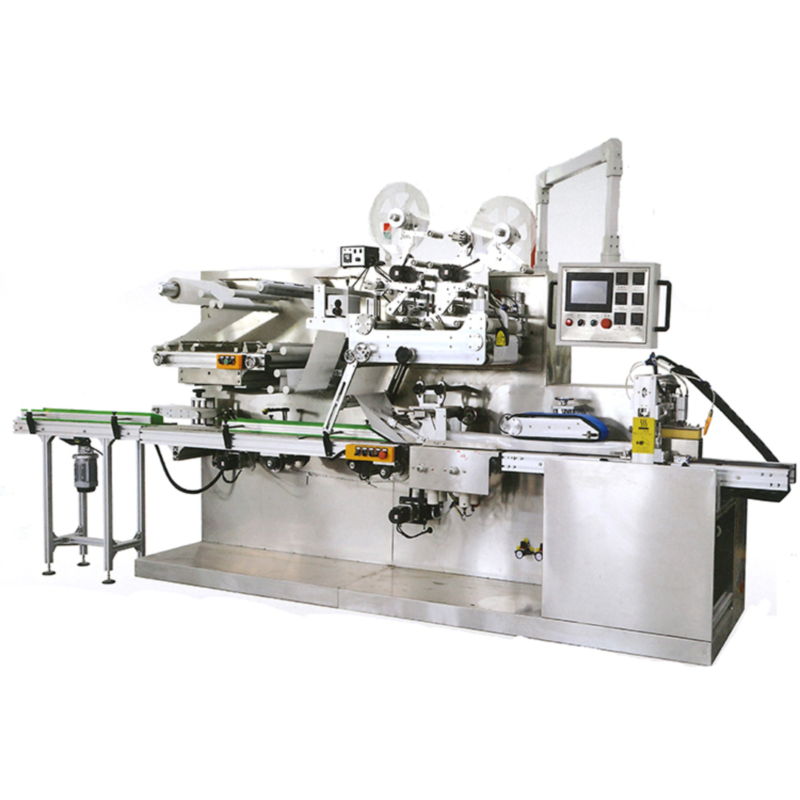
Özet
The acquisition of a laminated wet wipes machine represents a significant capital investment and a strategic decision for manufacturers in the hygiene products sector. This analysis examines the multifaceted considerations integral to selecting the appropriate machinery in the 2025 market, with a particular focus on the needs of businesses in emerging economies such as South America, Russia, Southeast Asia, the Middle East, and South Africa. It evaluates the critical interplay between lamination technology, material science, and automation levels, arguing that a holistic assessment is necessary for optimizing production outcomes. The paper posits that factors extending beyond initial cost, including production efficiency, quality control mechanisms, operational footprint, long-term supplier support, and the total cost of ownership, are determinative of a machine's ultimate return on investment. By deconstructing the manufacturing process and the machinery's role within it, this document provides a framework for making a well-grounded investment that aligns with both current production demands and future market growth.
Önemli Çıkarımlar
- Evaluate lamination technology based on your specific nonwoven fabric and film choices.
- Match the machine's automation level to your labor costs and production volume goals.
- Prioritize integrated quality control systems to protect your brand and reduce waste.
- Calculate the Total Cost of Ownership (TCO), not just the initial purchase price.
- A reliable laminated wet wipes machine is a cornerstone for market competitiveness.
- Ensure the supplier offers robust after-sales support, especially for remote locations.
- Analyze the machine's utility consumption for accurate long-term operational budgeting.
İçindekiler
Scrutinizing Lamination Technology and Material Compatibility
The decision to invest in a laminated wet wipes machine is fundamentally a decision about the kind of product you wish to bring into the world. The lamination process itself is the heart of the matter, as it is the very step that imparts unique qualities to the final wipe, distinguishing it from a standard single-ply product. A laminated wipe, by its nature, involves bonding two or more layers together. Typically, this involves a nonwoven fabric layer for softness and liquid absorption, and a film layer—often a polyethylene (PE) film—to act as a moisture barrier. This construction is particularly valuable for disinfecting wipes, where the barrier prevents the sanitizing solution from evaporating too quickly and protects the user's hand, or for certain types of cleaning wipes where one side is for scrubbing and the other for wiping.
The central question for a prospective buyer is not if the machine laminates, but how it laminates. The technology employed for bonding these layers directly influences the final product's texture, durability, and performance, as well as the operational efficiency of your production line. Let us consider the primary methods available in 2025.
Lamination Methods: A Comparative Analysis
The two prevailing technologies for this process are adhesive lamination and thermal lamination. Each carries its own set of capabilities and demands, and understanding their distinct natures is the first step toward a sound investment.
Adhesive Lamination involves applying a thin layer of hot-melt or cold-set adhesive to one of the substrates before it is pressed together with the other layer by rollers. Hot-melt adhesives are popular due to their fast setting times and strong bonding capabilities across a wide range of materials. The precision of the adhesive application system is paramount. A system that applies too much adhesive can result in a stiff, unpleasant-feeling wipe and can lead to operational issues like gumming up rollers. Too little, and you risk delamination, where the layers separate either in the package or during use, a critical quality failure that can erode consumer trust. Modern machines utilize sophisticated spray or slot-die coating systems to ensure an exact, consistent application, measured in grams per square meter (GSM).
Thermal Lamination, in contrast, uses heat and pressure to bond layers. This method is suitable when at least one of the substrates has thermoplastic properties (like polypropylene or polyethylene). The surface of the material is heated to its melting point and then pressed against the other layer, creating a bond as it cools. The advantage here is the absence of an additional consumable—the adhesive—which simplifies the supply chain and can lower the per-unit cost. However, the process requires exquisite temperature control. Insufficient heat results in a weak bond, while excessive heat can melt or distort the nonwoven fabric, compromising its softness and integrity. The machine's heating elements and temperature sensors must be of the highest quality to maintain a consistent temperature profile across the entire width of the web.
Think of it as choosing between sewing and welding. Adhesive lamination is like sewing with a very fine, strong thread; it joins different materials effectively but adds a third element (the thread/adhesive). Thermal lamination is like welding; it fuses the materials themselves into a single unit, but requires that the materials be compatible with the welding process.
| Özellik |
Adhesive Lamination |
Thermal Lamination |
| Bonding Mechanism |
Application of hot-melt or cold adhesive. |
Heat and pressure melt and fuse thermoplastic layers. |
| Malzeme Uyumluluğu |
Highly versatile; can bond dissimilar materials. |
Requires at least one substrate with thermoplastic properties. |
| Consumables |
Requires a continuous supply of adhesive. |
No additional consumables required for bonding. |
| Final Product Feel |
Can sometimes add stiffness depending on adhesive type/amount. |
Generally maintains a softer feel if done correctly. |
| Operational Complexity |
Requires management of adhesive system (tanks, nozzles, temperature). |
Demands precise and stable temperature control across the web. |
| Capital Cost |
Machines may have a slightly higher initial cost due to the adhesive system. |
Machinery can be simpler, potentially lowering initial cost. |
The Critical Role of Material Science
A laminated wet wipes machine does not operate in a vacuum. It is part of an ecosystem that includes the raw materials you feed into it. The choice of nonwoven fabric is a foundational decision that will ripple through your entire operation (Yundu Filling Machine, 2025). Common substrates include spunlace (a blend of polyester and viscose/rayon), which is known for its cloth-like feel and excellent absorbency, and polypropylene (PP), which offers strength and is thermoplastic.
Your machine must be able to handle the specific materials you intend to use. This concerns several mechanical aspects:
- Gerginlik Kontrolü: Nonwoven fabrics, especially lighter-weight ones, can stretch or tear under improper tension. A sophisticated machine will have an advanced tension control system, often with dancer rollers or load cells, that automatically adjusts to maintain consistent tension from the master roll to the lamination point. This is even more critical in a lamination line where two or more webs must be fed in perfect synchrony.
- Web Guiding: As the large rolls of fabric unwind at high speed, they can drift from side to side. An automated web guiding system (edge sensors connected to a steering mechanism) is essential to ensure the layers are perfectly aligned before they are bonded. Misalignment leads to ugly, unsellable products and significant waste.
- Roller Specifications: The rollers that press the layers together (nip rollers) must have the correct surface material and hardness (durometer) for your chosen process. For thermal lamination, these rollers may also be heated. Their condition is vital for a uniform bond.
Imagine trying to bake a perfect cake. You can have the best oven in the world (the machine), but if you use the wrong kind of flour or your eggs are not fresh (the raw materials), the result will be disappointing. The synergy between your materials and your machine is what creates a high-quality product.
Assessing the Degree of Automation and Integration
The term "automation" in the context of a laminated wet wipes machine is not a simple binary choice between "manual" and "automatic." It is a spectrum, and finding your ideal position on that spectrum is a function of your business strategy, labor market, and production goals. For manufacturers in diverse markets like Southeast Asia or South America, the calculation may differ significantly from that in Europe or North America.
A fully automatic line represents a seamless flow from raw material to finished good. At one end, large parent rolls of nonwoven fabric and lamination film are loaded, often with automatic splicing units that join the end of an expiring roll to the beginning of a new one without stopping the machine. The machine then handles the lamination, slitting the wide web into narrower lanes, wetting the material with a precise amount of solution, cutting individual wipes, folding them into an interlocking stack, and inserting the stack into its final packaging. The packages are then sealed, labeled, and may even be fed directly into a case packer that readies them for shipping. Human intervention is minimal, typically limited to oversight, quality checks, and replenishing raw materials like packaging film.
The Spectrum of Automation and its Implications
The allure of full automation is powerful: high speeds, exceptional consistency, and dramatically reduced labor costs per unit. However, it also entails the highest capital investment and requires a more skilled technical staff for operation and maintenance.
Let us break down the different levels:
- Semi-Automatic: In this configuration, several processes might be discrete. For example, one machine might handle the lamination and slitting, producing finished, dry, laminated rolls. These rolls would then be manually transported to a separate converting machine for wetting, folding, and cutting. A final machine, or even a manual process, would handle packaging. This approach offers a lower entry cost and greater flexibility. You can upgrade one part of the line at a time. It is, however, more labor-intensive and introduces more points for potential error or contamination between stages.
- Standard Automatic: This is a common configuration where lamination, wetting, folding, and cutting occur in a single, integrated machine. The stacks of wipes are then discharged onto a conveyor, where they are manually or semi-automatically fed into a separate packaging machine. This strikes a balance between efficiency and investment.
- Fully Automatic (Full Line): This is the integrated system described earlier, linking the converting process directly to one or more packaging machines. These lines often incorporate robotics for tasks like transferring wipe stacks. The primary benefit is the elimination of the bottleneck between converting and packaging, allowing the entire line to run at the high speed dictated by the converting section.
| Otomasyon Seviyesi |
Capital Investment |
İşgücü Gereksinimi |
Output Speed |
Flexibility |
Skill Requirement |
| Semi-Automatic |
Low |
High |
Low to Medium |
High |
Low to Medium |
| Standard Automatic |
Medium |
Medium |
Medium to High |
Medium |
Medium |
| Fully Automatic |
High |
Low |
Very High |
Low |
High |
Integration: The Unseen Efficiency Multiplier
Beyond the level of automation is the quality of integration. A truly "smart" line in 2025 features a unified control system, often a central PLC (Programmable Logic Controller) with a human-machine interface (HMI) touchscreen. From this single point, an operator can monitor and adjust parameters for the entire line—lamination temperature, liquid dosage, cutting length, folding type, and packaging speed.
This integration is what enables high-level efficiency. For example, if a sensor in the packaging unit detects a problem, it can signal the converting section to slow down or pause, preventing a pile-up of unpackaged wipes and minimizing waste. Advanced systems can also offer features like recipe management, where an operator can select a pre-programmed set of parameters for a specific product, enabling rapid and error-free changeovers from, for instance, a 40-count pack of disinfecting wipes to a 60-count pack of baby wipes.
When you evaluate a fully automatic wet wipes production line, you are not just buying a collection of mechanisms. You are investing in a synchronized system. The question to ask a supplier is not just "What does each part do?" but "How do the parts communicate with each other to optimize the whole?"
Evaluating Production Speed, Efficiency, and Output Capacity
When you look at the specifications for a laminated wet wipes machine, one of the first numbers you will see is the production speed, typically listed in pieces per minute (ppm) or cuts per minute. It is a headline figure, and it is easy to be drawn to the machine with the highest number. However, the true measure of a machine's productivity is not its theoretical maximum speed, but its actual, sustained output of high-quality, saleable products over a long period. This is a far more nuanced concept, captured by the idea of Overall Equipment Effectiveness (OEE).
OEE is a powerful metric that combines three factors:
- Availability: The percentage of scheduled time that the machine is actually running. Downtime for changeovers, maintenance, or breakdowns reduces availability.
- Performance: The speed at which the machine runs as a percentage of its theoretical maximum speed. Running a machine slower than its designed speed (perhaps to handle a difficult material) reduces performance.
- Quality: The percentage of products made that meet quality standards. Wipes that are rejected for delamination, improper folding, or bad seals reduce the quality score.
The formula is simple: OEE = Availability x Performance x Quality. A world-class OEE score is considered to be 85%. A seemingly small drop in any of these three factors can have a massive impact on your final output.
From "Pieces Per Minute" to "Cases Per Shift"
Let us consider a thought experiment. Machine A has a rated speed of 800 ppm. Machine B has a rated speed of 600 ppm. On the surface, Machine A seems 33% faster.
However, suppose Machine A is difficult to change over between products, taking 90 minutes, and experiences frequent small stops due to its complex design. Its availability might be 80%. It might also struggle with certain materials, forcing you to run it at 90% of its max speed (Performance = 90%). Due to the high speed, its quality rate for good products is 98%.
- Machine A OEE = 0.80 (Availability) x 0.90 (Performance) x 0.98 (Quality) = 70.56%
- Actual Output = 800 ppm * 0.7056 = 564.5 saleable ppm
Now consider Machine B. It is more robustly built, and changeovers are simpler, taking only 45 minutes. Its availability is 90%. It runs smoothly at its designed speed (Performance = 100%), and its more controlled process yields a quality rate of 99.5%.
- Machine B OEE = 0.90 (Availability) x 1.00 (Performance) x 0.995 (Quality) = 89.55%
- Actual Output = 600 ppm * 0.8955 = 537.3 saleable ppm
In this scenario, the "faster" machine still produces slightly more, but the gap has narrowed dramatically. If Machine A's quality rate dropped to 95%, its actual output would fall to 540 ppm, making the two machines virtually identical in real-world output, despite the significant difference in rated speed and likely cost. The lesson is clear: you must look beyond the headline speed and investigate the factors that determine OEE.
Design Features that Boost True Efficiency
When examining a laminated wet wipes machine, look for design elements that contribute to a high OEE:
- Tool-less Changeovers: Can key components like folding heads or cutting blades be adjusted or swapped without requiring a full set of wrenches and a mechanic? This drastically reduces changeover time.
- Waste Management: How does the machine handle the edge trim from the slitting process? An efficient vacuum-based trim removal system prevents this waste from tangling in the machine and causing a stop.
- Accessibility for Maintenance: Are key mechanical and electrical components easy to access for cleaning and repair? A machine that is difficult to work on will have longer maintenance-related downtime.
- Robustness of Construction: A heavier, more rigid frame will vibrate less at high speeds, leading to better performance and higher quality. Pay attention to the quality of the bearings, motors, and other core components.
Your goal is to maximize the number of sellable cases of wet wipes at the end of each shift. This is achieved not by a machine that is simply fast, but by a machine that is reliably and consistently productive.
Prioritizing Quality Control and Defect Detection Systems
In the consumer goods market, consistency is synonymous with trust. A customer who opens a pack of your laminated disinfecting wipes and finds that the layers are separating, or that a wipe is torn or improperly folded, may not complain. They may simply choose to buy a competitor's product next time. Quality is not a luxury; it is the foundation of brand loyalty and long-term profitability. This is why the quality control systems integrated into a modern laminated wet wipes machine are not optional add-ons, but core components of the investment.
The manufacturing process, from raw material to folded stack, is a series of opportunities for defects to arise. A state-of-the-art machine in 2025 should be equipped with a network of sensors and vision systems designed to catch these defects as they happen, rather than at the final quality check when an entire pallet of product might have to be rejected.
A Network of Digital Eyes and Sensors
Imagine an inspector who can watch every single wipe as it is produced, even at speeds of thousands of pieces per minute. This is essentially what a modern machine vision system does. These systems use high-speed cameras and sophisticated image processing software to perform a range of critical checks.
- Lamination Bond & Alignment: A vision system placed immediately after the lamination rollers can check for any bubbles, creases, or areas of poor bonding. It can also verify that the two webs are perfectly aligned, ensuring that the moisture-barrier film completely covers the nonwoven layer.
- Web Cleanliness and Defects: Before lamination, sensors can inspect the incoming raw material webs for defects like holes, black spots, or other contamination. The system can be programmed to automatically reject the finished wipes that are produced from that specific section of the web, or even stop the machine if the defect is severe.
- Cutting and Folding Accuracy: After the wipes are cut, a vision system can check the dimensions of each wipe and the precision of the fold. Is the "pop-up" feature working correctly, ensuring the next wipe is presented to the user? Are the edges clean and not frayed?
- Metal Detection: It is standard practice to have a metal detector integrated into the line, typically just before the wipes are packaged. This is a critical safety step to ensure no tiny metal fragments from a broken blade or other machine part have inadvertently contaminated the product.
The Logic of Automatic Rejection
Detecting a defect is only half the battle. The machine must then act on that information. The most advanced laminated wet wipes machines have automatic rejection systems. When a sensor or camera flags a defective wipe or stack of wipes, a pneumatic arm or a blast of air precisely removes the faulty product from the production line before it reaches the packaging stage.
This has two profound benefits. First, it ensures that only 100% compliant products reach the consumer, safeguarding your brand's reputation. Second, it provides invaluable data. The machine's control system logs every rejection and its cause. Are you suddenly seeing a spike in rejections for delamination? This tells your maintenance team that they need to investigate the lamination unit immediately—perhaps the adhesive nozzle is clogged or the heating element is failing. This data-driven approach to maintenance moves you from a reactive model (fixing things when they break) to a predictive one (addressing issues before they lead to major downtime or quality failures).
Investing in a machine with comprehensive, integrated quality control is an investment in peace of mind and long-term brand equity. It is the mechanism by which you can confidently stand behind every single product that leaves your factory.
A laminated wet wipes machine is not a standalone appliance that you simply plug into the wall. It is a major piece of industrial equipment that becomes a central part of your factory's ecosystem. A failure to properly plan for its physical space and its consumption of utilities can lead to costly delays during installation and inefficient operation down the line. A thorough analysis of these practical requirements is a non-negotiable step in the selection process.
The dimensions provided on a spec sheet—length, width, and height—are just the beginning of the story. You must think in three dimensions and consider the entire operational envelope of the machine.
- Machine Body: This is the core footprint, but it is not the whole picture.
- Raw Material Staging: Where will you place the large parent rolls of nonwoven fabric and lamination film before they are loaded onto the machine? A full production line might require space for several of these massive rolls, each weighing hundreds of kilograms. You will need clear access for a forklift or pallet jack.
- Operator Access: Your operators and maintenance staff need safe and clear access to all parts of the machine. This means leaving a perimeter of at least one meter around the entire line for movement, cleaning, and repairs.
- Ancillary Equipment: The machine itself is not all. You need to account for the liquid preparation system (mixing tanks, pumps, piping), the control cabinets, any external adhesive melting tanks, and the trim removal system's collection unit.
- Finished Goods Area: Where will the packaged wipes go after they exit the line? You need space for a conveyor to transport them and an area for palletizing and staging for shipment.
Before you even sign a purchase order, you should obtain a detailed layout drawing from the supplier and map it onto your factory floor plan. This exercise often reveals potential issues with column placement, ceiling height, or workflow that are far easier and cheaper to solve on paper than after the machine has been delivered.
The Unseen Costs: Utility Consumption
The ongoing operational cost of a machine is heavily influenced by its consumption of electricity, compressed air, and water. These are not trivial expenses, and an efficient machine can save you a significant amount of money over its lifespan.
- Electricity: The total power consumption is usually given in kilowatts (kW). This will be a sum of all the motors, heaters, control systems, and lighting. For thermal lamination, the heating elements will be a major consumer of power. When comparing machines, look at the kW rating in relation to the production output. A more efficient machine produces more wipes per kilowatt-hour. You must also ensure that your factory's electrical supply can handle the load, including the initial surge when the motors start.
- Compressed Air: Many of the machine's automated functions, such as tension control brakes, rejection gates, and packaging movements, are powered by compressed air. The requirement is usually given in cubic feet per minute (CFM) or cubic meters per hour, at a certain pressure (e.g., 90 PSI or 6 Bar). Your factory's air compressor must have sufficient capacity to supply this consistently. An air supply that is undersized or fluctuates in pressure will cause erratic machine performance.
- Water: The wetting system requires a supply of purified water (often Reverse Osmosis or Deionized water) to be mixed with the lotion concentrate. While the volume of water in the wipes themselves is part of the product cost, the system needs to be supplied reliably. The machine's design will dictate the required flow rate and pressure.
Asking for a detailed utility requirement sheet from the supplier is essential. This allows you to work with your facilities engineers to confirm that your infrastructure is ready and to accurately forecast your ongoing operational costs. A supplier who can provide clear, detailed information on these practical matters is often one who has a deeper understanding of the realities of manufacturing.
Investigating After-Sales Support, Training, and Spare Parts Availability
The relationship with your machine supplier does not end when the final payment is made. In many ways, it is just beginning. A laminated wet wipes machine is a complex piece of equipment that will be the heart of your production for a decade or more. The quality and responsiveness of the supplier's after-sales support structure are, therefore, just as important as the machine's technical specifications. This is especially true for manufacturers in regions like the Middle East, Russia, or South Africa, where geographical distance can make support challenging.
The Value of a True Partnership
The initial installation and commissioning are the first test of this partnership. A reputable supplier will not simply ship a crate to your factory door. They will send a team of qualified engineers to supervise the installation, perform the initial start-up, and fine-tune the machine to run your specific products efficiently.
This period is also a critical opportunity for training. Your operators and maintenance staff need to understand not just how to run the machine, but why it runs the way it does.
- Operator Training: This should cover the day-to-day operation of the machine, including startup and shutdown procedures, loading raw materials, making minor adjustments via the HMI, understanding alarm codes, and performing basic cleaning and preventative maintenance.
- Maintenance Training: This is a deeper level of training for your technical staff. It should cover the machine's mechanical, electrical, and pneumatic systems. Your team needs to learn how to perform scheduled preventative maintenance, how to troubleshoot common problems, and how to safely replace key wear parts like blades, bearings, and belts.
A good supplier will offer comprehensive training programs, both at their facility and on-site at your factory. In 2025, many also offer advanced remote support, where their engineers can securely log into your machine's control system to diagnose problems and guide your local team through a fix, saving valuable time and the cost of an international flight.
The Lifeline of Spare Parts
Every machine has parts that will wear out and need to be replaced. The availability and cost of these spare parts can have a huge impact on your machine's uptime. Before purchasing, you must ask the supplier for a recommended spare parts list and a price list.
This list is typically divided into two categories:
- Wear Parts: These are components that are expected to be replaced at regular intervals, such as cutting blades, anvil rollers, rubber rollers, and belts. You should plan to keep a stock of these parts at your facility.
- Critical Spares: These are more expensive components that have a long life but would cause a major shutdown if they failed, such as a main drive motor, a key PLC module, or a specialized sensor. While you might not stock all of these, you need to know the supplier's lead time to deliver them. A lead time of several weeks for a critical part is a significant business risk.
The ideal supplier will have a well-organized spare parts department and may even have regional distribution centers to reduce shipping times. They should be able to guarantee the availability of parts for a certain number of years after the machine is purchased. When you are evaluating exploring advanced wet wipe production lines, the supplier's commitment to long-term support is a direct investment in your own operational security.
Calculating the Total Cost of Ownership (TCO) and ROI
The most common mistake a first-time buyer of industrial machinery makes is to focus too heavily on the initial purchase price. The number on the quotation is certainly important, but it is only one piece of a much larger financial puzzle. A more sophisticated and realistic approach is to evaluate the Total Cost of Ownership (TCO). TCO considers every cost associated with the machine over its entire operational life. This is the only way to make a true "apples-to-apples" comparison between two different machines and to accurately project your Return on Investment (ROI).
The purchase price is the tip of the iceberg. The TCO is the entire iceberg.
Deconstructing the Total Cost of Ownership
Let us break down the components that contribute to TCO:
- Capital Expenditure (CapEx): This is the initial purchase price of the machine, including shipping, insurance, and import duties. It also includes the cost of installation and commissioning.
- Operational Expenditures (OpEx): These are the ongoing costs of running the machine.
- Labor: The salaries and benefits of the operators and maintenance technicians required for the line. A more automated machine will have lower labor costs.
- Utilities: The cost of the electricity, compressed air, and water the machine consumes, as calculated in the previous section.
- Consumables: For an adhesive lamination machine, this is a significant ongoing cost. It also includes packaging film and other materials.
- Waste: The cost of the raw material that is wasted due to edge trim, rejected products, and material used during setup and changeovers. A more efficient machine with better quality control will have a lower waste cost.
- Maintenance & Spares: The annual cost of the spare parts you consume and any service visits from the supplier's technicians.
- Training: The cost of initial and ongoing training for your staff.
When you ask two different suppliers for a quotation, you should also ask them for the data needed to estimate these other costs. A transparent supplier will be able to provide you with average power consumption, expected waste percentages, and a priced list of recommended spare parts for the first two years of operation.
From TCO to Return on Investment (ROI)
Once you have a clear picture of the TCO, you can calculate the projected ROI. The ROI tells you how long it will take for the investment to pay for itself and start generating profit.
A simplified ROI calculation looks like this:
- Calculate Annual Production Volume: Based on the machine's true output (using an honest OEE estimate), the number of shifts you plan to run, and the number of operating days per year.
- Calculate Annual Revenue: Multiply the annual production volume by your projected selling price per pack.
- Calculate Annual Operating Cost: Sum up all the OpEx components (labor, utilities, consumables, waste) and maintenance costs for one year.
- Calculate Annual Gross Profit: Subtract the Annual Operating Cost from the Annual Revenue.
- Calculate Simple ROI (Payback Period): Divide the initial Capital Expenditure by the Annual Gross Profit. The result is the number of years it will take to recoup your initial investment.
For example, if the total CapEx is $500,000 and the machine is projected to generate an annual gross profit of $200,000, the simple payback period is 2.5 years.
This calculation is the ultimate test of your investment. A machine that is cheaper to buy but more expensive to run may have a much longer payback period than a more expensive but highly efficient machine. By taking the time to calculate the TCO and project the ROI, you move from being a machine buyer to a strategic investor in your company's future.
Sıkça Sorulan Sorular (SSS)
What is the primary advantage of a laminated wet wipe over a standard one?
The main advantage lies in its multi-layer construction. Lamination allows for the combination of different materials to create enhanced functionality. For example, bonding a nonwoven fabric to a plastic film creates a barrier that prevents cleaning or disinfecting solutions from drying out too quickly and protects the user's hand from the liquid. It can also create a dual-purpose wipe with a rough side for scrubbing and a soft side for wiping.
How much factory space is typically required for a laminated wet wipes machine?
This varies greatly depending on the machine's configuration and level of automation. A complete, fully automatic line from raw material unwinding to final case packing can be quite long, often 20 to 30 meters. You must also account for at least 1 meter of clearance around the entire machine for operator access and maintenance, plus additional space for raw material staging and finished goods palletizing. It is essential to get a detailed layout drawing from the supplier.
Can a single laminated wet wipes machine produce different sizes of wipes?
Yes, most modern machines are designed with a degree of flexibility. The wipe's length is typically adjustable electronically through the HMI (Human-Machine Interface). The width is determined by the slitting blades. Changing the width is a more involved process that requires adjusting or changing the slitting assembly, but it is a standard feature. Changing the folding pattern may also require some mechanical adjustments or swapping of the folding head.
What kind of routine maintenance is required for these machines?
Routine maintenance is crucial for longevity and performance. Daily tasks include cleaning the machine, especially around the adhesive applicators (if applicable) and cutting units. Weekly tasks often involve inspecting and cleaning sensors, checking belt tensions, and lubricating certain moving parts. Monthly and annual maintenance involves more detailed inspections of bearings, motors, and electrical systems, and the scheduled replacement of wear parts like blades and rollers. The supplier will provide a detailed preventative maintenance schedule.
How does the lamination process affect the final feel and softness of the wipe?
The lamination process can certainly impact the wipe's tactile properties. Adhesive lamination, if not done precisely, can add a noticeable stiffness to the product. The type and amount of adhesive used are critical. Thermal lamination, when executed correctly at the optimal temperature, can often produce a softer-feeling bond. The final feel is a delicate balance between the choice of nonwoven substrate, the lamination method, and the precise calibration of the machine.
What is the typical lead time for ordering a new laminated wet wipes machine?
Lead times can range from 4 to 9 months, and sometimes longer for highly customized or complex lines. The manufacturing process for the machine itself is intricate, involving the fabrication of thousands of parts, assembly, and testing. It is important to factor this lead time into your business plan.
How are the wipes wetted in the machine?
The wetting process is highly controlled. A liquid system prepares the solution (lotion) by mixing purified water with a concentrate. This solution is then applied to the continuous web of laminated fabric before it is cut. Application is typically done through a spray system with multiple nozzles or a cascade/waterfall system to ensure every part of the fabric is uniformly saturated. The machine's control system precisely manages the amount of liquid added, ensuring consistency from the first wipe to the last.
Sonuç
The journey toward acquiring a laminated wet wipes machine in 2025 is an exercise in strategic foresight. It requires a perspective that extends far beyond the immediate gleam of new steel or the allure of a low initial price. As we have explored, the selection of the right machinery is a deeply analytical process, one that weighs the nuances of lamination technology against the realities of material science. It demands a clear-eyed assessment of automation's role in your specific economic and labor context, and a sophisticated understanding of efficiency that prioritizes real-world output—the OEE—over theoretical maximum speeds.
A successful investment is built upon a foundation of quality, ensured by integrated detection systems that act as vigilant protectors of your brand's reputation. It acknowledges the practical constraints of the factory floor, accounting for every kilowatt of power and every square meter of space. Crucially, it recognizes that the machine's purchase is the beginning of a long-term relationship with the supplier, a partnership where responsive support, effective training, and reliable parts availability are the true guarantors of operational uptime.
Ultimately, by embracing a holistic view centered on the Total Cost of Ownership and a carefully projected Return on Investment, a manufacturer can transform a major capital expenditure into a powerful engine for growth. The right laminated wet wipes machine is not merely a tool for producing goods; it is a strategic asset capable of delivering consistent quality, enhancing market competitiveness, and securing a profitable future in the dynamic global hygiene industry.
Referanslar
Clean Wipe. (2025, November 1). How wet wipes are made | Complete guide. clean-wipe.com. Retrieved from https://www.clean-wipe.com/how-wet-wipes-are-made.html
Diaper Machines. (2023a, July 17). The manufacturing process of wet wipes. diapermachines.com. Retrieved from https://www.diapermachines.com/2023/07/17/the-manufacturing-process-of-wet-wipes/
Diaper Machines. (2023b, November 13). A comprehensive guide – Wet wipes machine. diapermachines.com. Retrieved from https://www.diapermachines.com/2023/11/13/a-comprehensive-guide-wet-wipes-machine/
Diaper Machines. (2023c, December 25). The production process of wet wipes in this industry. diapermachines.com. Retrieved from https://www.diapermachines.com/2023/12/25/the-production-process-of-wet-wipes-in-this-industry/
Yundu Filling Machine. (2025a, March 26). The ultimate guide to wet wipes making machines: Revolutionizing efficiency and quality in modern production. yundufillingmachine.com. Retrieved from https://yundufillingmachine.com/guide-to-wet-wipes-making-machines
Yundu Filling Machine. (2025b, May 12). How wet wipes are made: Process, machinery, and principles. yundufillingmachine.com. Retrieved from https://yundufillingmachine.com/how-wet-wipes-are-made-process-machinery/
Yundu Filling Machine. (2025c, May 30). How are wet wipes made? | Industrial wet wipes manufacturing & machinery. yundufillingmachine.com. Retrieved from https://yundufillingmachine.com/wet-wipes-manufacturing-process-machinery
Kas 21, 2025 | Haberler
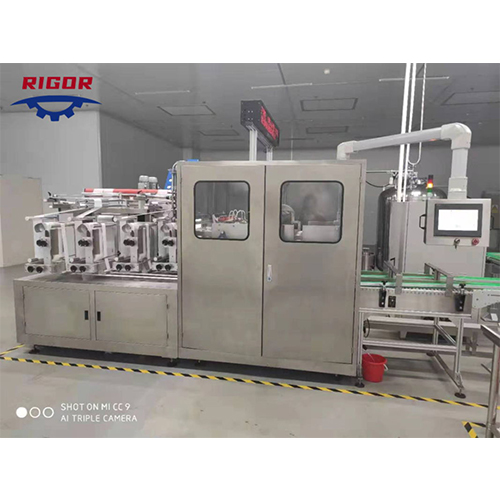
Özet
The global market for wet wipes continues to expand, driven by heightened consumer awareness of hygiene and convenience. This expansion places significant demands on manufacturers to enhance production efficiency, consistency, and product quality. Central to modern manufacturing is the adoption of automated systems, specifically the wet wipes machine with PLC control. This document provides a detailed examination of the critical factors influencing the selection and return on investment for such machinery in 2025. It analyzes the role of the Programmable Logic Controller (PLC) as the neurological center of the production line, orchestrating complex processes from fabric handling to packaging. The analysis extends to production capacity, material versatility, integrated quality control systems, and long-term operational costs. By deconstructing the machine's functions and aligning them with business objectives, this guide offers a structured framework for prospective buyers. It seeks to empower manufacturers in emerging markets to make informed capital investment decisions that foster sustainable growth and competitiveness.
Önemli Çıkarımlar
- PLC integration is the cornerstone of modern, efficient wet wipe production.
- Match production speed and capacity directly to your specific business scale and growth plans.
- Prioritize a wet wipes machine with PLC control that offers material and formula versatility.
- Automated quality control systems are vital for minimizing waste and ensuring brand reputation.
- Evaluate Total Cost of Ownership (TCO), not just the initial purchase price.
- Seek a supplier who provides robust after-sales support and technical training.
- Future-proof your investment by choosing a machine with scalable automation features.
İçindekiler
Understanding the Modern Wet Wipe Production Landscape
The journey of a simple wet wipe, from a roll of non-woven fabric to a sealed package on a store shelf, is a marvel of modern manufacturing. This process, which appears straightforward to the end-user, involves a sophisticated sequence of mechanical and chemical processes that must be executed with precision and speed. The global wet wipes market is not just growing; it is diversifying. Consumers now seek a wide array of products tailored for specific uses, from gentle baby wipes to robust medical-grade disinfecting cloths (diapermachines.com, 2023). This diversification presents both an opportunity and a challenge for producers. The opportunity lies in capturing niche markets, while the challenge is maintaining efficiency across a varied product portfolio.
At the heart of this manufacturing challenge is the machinery itself. The days of simple, purely mechanical production lines are fading. In their place, we find highly automated systems where every step is monitored and managed. The central nervous system of these advanced operations is the Programmable Logic Controller, or PLC. A wet wipes machine with PLC control represents a fundamental shift from reactive to proactive production management, enabling a level of precision, speed, and consistency that was previously unattainable. For any enterprise looking to enter or scale up within the hygiene products sector—whether in the dynamic markets of Southeast Asia, the growing economies of South Africa, or the established consumer bases in Russia and the Middle East—understanding the nuances of this technology is not merely beneficial; it is foundational to long-term success. This guide is structured to walk you through the five most impactful factors to consider when evaluating a wet wipes machine, with a specific focus on how the PLC system underpins each one.
The Shift from Manual to Automated Production
Imagine trying to conduct an orchestra where each musician plays at their own pace. The result would be chaos. Early production lines, reliant on manual adjustments and simple relay logic, faced a similar problem. A slight delay in the folding mechanism could lead to a cascade of errors in cutting, wetting, and packaging. Operators had to be constantly vigilant, making manual tweaks that led to inconsistencies in product quality and significant downtime.
Automation, spearheaded by the PLC, changes this dynamic entirely. The PLC acts as the conductor, ensuring every component—every motor, valve, and sensor—operates in perfect synchrony. This transition is not just about replacing human labor; it is about achieving a higher order of operational intelligence. It allows for the production of millions of identical wipes, each folded perfectly, moistened to the exact saturation level, and sealed securely. This level of reliability is what builds consumer trust and brand loyalty.
Factor 1: Aligning Production Capacity and Speed with Business Goals
The first question any prospective buyer must confront is one of scale: "How many wipes do we need to produce?" The answer is not as simple as picking the fastest machine available. The selection of a machine's production capacity is a strategic decision that must align with your current market demand, your operational capabilities, and your vision for future growth. A machine that is too small will create a production bottleneck, leaving you unable to meet orders and stifling growth. Conversely, a machine that is oversized for your needs represents a significant and underutilized capital expense, tying up funds that could be used elsewhere.
Calculating Your Required Output
Let's begin with a practical exercise. Before you even look at a machine catalog, you must do your homework. Start by analyzing your business plan and market projections.
- Projected Sales Volume: How many packs of wipes do you realistically expect to sell per month?
- Packs to Wipes: How many individual wipes are in each pack (e.g., 20, 80, 100)?
- Total Wipes: Multiply your projected monthly pack sales by the number of wipes per pack to get your total required monthly output of individual wipes.
- Operational Hours: How many hours per day and days per month will the machine be running? Account for shifts, weekends, and planned maintenance.
With these figures, you can calculate the required wipes per minute. For example, if you need to produce 5,000,000 wipes in a month, operating 8 hours a day for 22 days, the calculation looks like this:
5,000,000 wipes / 22 days / 8 hours / 60 minutes = approximately 474 wipes per minute.
This calculation tells you that you need a machine capable of a stable, consistent output of around 475 wipes per minute. This immediately helps you narrow your search, focusing on machines within that performance bracket.
Matching Machine Scale to Business Size
Wet wipe machines are not one-size-fits-all. They are designed to serve different segments of the market, from small startups to multinational corporations. Understanding where your business fits is key.
| Özellik |
Startup / SME Machine |
Large Enterprise Machine |
| Production Speed |
200–400 wipes/minute |
800–2000+ wipes/minute |
| Otomasyon Seviyesi |
Semi-automated (e.g., manual loading of raw materials) |
Fully automated (e.g., auto-splicing of fabric rolls) |
| Footprint |
Compact, designed for smaller factory floors |
Large, requires significant dedicated space |
| Changeover Time |
Moderate; may require more manual adjustments |
Minimal; often features one-touch automated changeovers |
| Initial Investment |
Lower |
Substantially higher |
| Ideal For |
Market entry, niche products, regional distribution |
Mass-market production, large-scale contracts |
As the table illustrates, a startup or small-to-medium enterprise (SME) might find a machine in the 200-400 wipes per minute range to be a perfect fit (Yundufillingmachine.com, 2025). These machines offer a lower initial investment and are often simpler to operate, providing a solid entry point into the market. For a large, established manufacturer supplying major retail chains, a high-speed line producing over 800 or even 2,000 wipes per minute is necessary to achieve the required economies of scale. The PLC system in these high-speed machines is exceptionally advanced, capable of managing thousands of I/O (Input/Output) points in real-time.
Planning for Future Scalability
An intelligent investment looks not only at today's needs but also at tomorrow's possibilities. What happens when your successful regional brand is ready to expand nationally? Will your machine be able to keep up? This is where the concept of scalability becomes so important.
When discussing options with a manufacturer, ask about the machine's upgrade path. Can the production speed be increased later with certain modifications? Can additional automation modules, such as an automatic packaging or case-packing unit, be integrated into the line later? A modular design is often a sign of a forward-thinking manufacturer. It allows you to start with a configuration that fits your current budget and add capabilities as your revenue grows. This approach protects your initial investment and provides a clear path for expansion without needing to replace the entire production line.
Factor 2: The Brains of the Operation: Demystifying the PLC Control System
We have established that the PLC is the control center of a modern wet wipes machine. But what exactly is a PLC, and how does it confer such a significant advantage? To appreciate its role, let's first consider its predecessor: relay-based control systems.
Imagine a complex switchboard with a tangled web of wires. In a relay system, every single function—every motor start, every valve open—is controlled by a physical, electromechanical switch (a relay). To change the production logic, for example, to alter the length of a wipe, a technician would have to physically rewire the control panel. This process was time-consuming, prone to error, and offered almost no flexibility.
A PLC, in contrast, is a specialized industrial computer. It replaces that physical web of wires with software. The logic that controls the machine is a program, which can be easily modified on a screen. This fundamental difference is what unlocks the flexibility, precision, and reliability of a modern wet wipes machine with PLC control.
PLC vs. Traditional Relay Logic: A Clear Comparison
| Aspect |
Traditional Relay Logic |
PLC (Programmable Logic Controller) |
| Flexibility |
Very low. Changes require physical rewiring. |
Very high. Changes made via software programming. |
| Güvenilirlik |
Lower. Mechanical relays wear out and can fail. |
Higher. Solid-state electronics have no moving parts. |
| Troubleshooting |
Difficult. Requires tracing wires and testing individual relays. |
Easier. Software diagnostics can pinpoint faults quickly. |
| Size & Complexity |
Large control panels with extensive wiring. |
Compact and requires significantly less wiring. |
| Hız |
Slower. Limited by the physical switching speed of relays. |
Extremely fast. Capable of microsecond response times. |
| Advanced Functions |
Limited to simple ON/OFF logic. |
Can handle complex tasks like PID control, data logging, and networking. |
Core Functions Managed by the PLC in a Wet Wipes Machine
The PLC's role is not abstract; it manages a concrete sequence of events with microsecond precision. Let's follow its work through the production process:
- Non-Woven Fabric Unwinding and Splicing: The PLC controls the motor that unwinds the master roll of fabric. It uses tension sensors to ensure the fabric feeds smoothly, without stretching or sagging. In high-end machines, when one roll is about to end, the PLC manages an "auto-splicer" that seamlessly joins the end of the old roll to the start of a new one, without ever stopping the machine.
- Folding: The fabric sheet is pulled into a folding unit. The PLC sends precisely timed signals to the mechanical folding plates or rollers to create the desired fold (e.g., Z-fold, C-fold). This timing is what ensures every wipe is folded identically and will dispense correctly from the final package.
- Kesiyorum: A high-speed rotary cutter slices the continuous folded fabric into individual wipe stacks. The PLC controls the speed of this cutter to determine the length of each wipe. A change in wipe size is a simple parameter change on the control screen.
- Liquid Dosing (Wetting): This is a delicate stage. The PLC controls a system of pumps and nozzles that spray the liquid formula onto the wipe stacks. It ensures that the exact amount of liquid is applied to every single stack. Too little, and the wipes are dry; too much, and the package leaks. The PLC can adjust the dose based on fabric type and absorbency.
- Stacking and Transfer: The moistened stacks are then counted and transferred to the packaging unit. The PLC uses photo-eye sensors to count the stacks accurately and control the conveyor belts that move them.
- Packaging: In the final stage, the PLC orchestrates the packaging machine, which wraps the stack in film, seals the package, and applies the resealable label. It synchronizes the film feed, the sealing jaws, and the label applicator.
The Human-Machine Interface (HMI): Your Window into the Process
The PLC does the heavy lifting, but the operator interacts with the system through a Human-Machine Interface (HMI). This is typically a touchscreen panel mounted on the machine. A well-designed HMI is intuitive and powerful. It should provide:
- Real-Time Visualization: A graphical representation of the entire machine, showing the status of every component.
- Parameter Adjustment: Easy access to change settings like wipe length, fold type, liquid volume, and machine speed.
- Recipe Management: The ability to save and load complete sets of parameters for different products. Switching from producing a 100-count baby wipe to a 20-count disinfecting wipe can be as simple as selecting a new "recipe" from a menu.
- Alarm and Diagnostic Information: When a fault occurs (e.g., the fabric tears or a sensor fails), the HMI should clearly state what the problem is and where it is located. This dramatically reduces troubleshooting time.
Bir değerlendirme yaparken wet wipes machine with PLC control, pay close attention to the HMI. Is it available in your local language? Is it easy to navigate? Does it provide the level of control and information your team will need? A powerful PLC with a poorly designed HMI is like a brilliant mind that cannot communicate effectively.
The wet wipe market is in a constant state of innovation. Consumer preferences are shifting towards products that are not only effective but also gentle on the skin and kind to the environment. This means manufacturers must be able to work with a growing variety of raw materials. An inflexible machine that can only handle one type of fabric or one type of liquid is a risky investment. A versatile machine, however, becomes a strategic asset, allowing you to adapt to market trends and launch new products quickly.
Accommodating Different Non-Woven Fabrics
The "body" of a wet wipe is the non-woven fabric, also known as the substrate. These fabrics are engineered materials, and their properties can vary significantly. Common types include:
- Spunlace: This is the most common material for baby wipes and cosmetic wipes. It is created by entangling fibers (like viscose, polyester, or cotton) with high-pressure water jets. The result is a soft, strong, and highly absorbent fabric.
- Airlaid Paper: Made from wood pulp, this material is very absorbent but typically less strong than spunlace. It is often used for industrial or cleaning wipes.
- Needle-punch: A bulky, strong fabric made by mechanically interlocking fibers with barbed needles. It is suitable for heavy-duty scrubbing wipes.
- Biodegradable/Flushable Substrates: Driven by environmental concerns, materials made from plant-based fibers like bamboo or special celluloses are gaining popularity. These materials are designed to break down after use but can have very different handling characteristics compared to traditional synthetics.
A versatile wet wipes machine must be designed to handle these differences. Key machine features to look for include:
- Adjustable Tension Control: Different fabrics have different levels of stretch. The machine's unwinding system must be able to maintain a constant, gentle tension to prevent weaker materials from tearing or stretching.
- Folding Unit Compatibility: Some folding mechanisms work better with certain fabric thicknesses and textures. Ask the manufacturer about the range of fabric weights (measured in grams per square meter, or GSM) that the machine can process effectively.
- Cutter Blade Specification: Cutting tough, thick fabrics requires a different blade type and cutting pressure than slicing delicate, lightweight substrates. A machine with easily interchangeable or robust, long-life cutters is advantageous.
The liquid solution is what gives the wipe its function—be it cleaning, moisturizing, or disinfecting. These formulations can be as diverse as the fabrics.
- Water-Based Solutions: Common for baby wipes and facial wipes, these are typically gentle lotions containing mild surfactants, moisturizers (like aloe vera or glycerin), and preservatives.
- Alcohol-Based Solutions: Used for disinfecting wipes, these formulations contain ethanol or isopropanol to kill germs. They are more volatile and can be more aggressive on machine components.
- Oil-Based or Emulsion Formulas: Found in some makeup remover wipes, these can be thicker and more viscous.
The machine's liquid dosing system must be able to handle this variety. This requires careful consideration of:
- Pump and Tubing Material: The pumps, pipes, and nozzles that transport the liquid must be made of materials (like stainless steel 316L) that are resistant to corrosion from alcohol or other chemicals.
- Viscosity Range: A system designed for thin, water-like liquids may struggle to accurately pump a thicker lotion. The manufacturer should be able to specify the range of liquid viscosities the machine can handle.
- Dosing Accuracy: The PLC-controlled dosing system should allow for precise, repeatable adjustments to the liquid volume. This ensures that a highly absorbent fabric gets more liquid than a less absorbent one, maintaining product consistency across different product lines.
Investing in a versatile machine from a reputable provider like those offering a full range of wet wipes machines allows you to say "yes" to more opportunities. When a potential client asks for a new type of wipe with a special eco-friendly fabric, you will have the capability to run trials and move into production, rather than turning the business away.
Factor 4: Integrated Quality Control for Flawless Output
In mass production, quality is not something you inspect for at the end of the line; it is something you build into every step of the process. A single faulty batch of wipes—perhaps they are too dry, poorly folded, or have unsealed packages—can damage a brand's reputation and lead to costly product recalls. A modern wet wipes machine with PLC control integrates numerous automated quality control systems that act as vigilant watchdogs, identifying and often correcting or rejecting errors in real-time.
The Role of Sensors in Proactive Monitoring
Sensors are the eyes and ears of the PLC. They are constantly feeding data back to the control system, which compares the real-time information to the desired setpoints. If a deviation occurs, the PLC can take immediate action.
- Web Guide Sensors: These optical sensors are placed at the edge of the non-woven fabric as it unwinds. If the fabric roll starts to drift to one side, the sensor detects this and signals the PLC. The PLC then adjusts the position of the roll to keep it perfectly centered. This prevents folded stacks from being misaligned.
- Tension Sensors (Load Cells): These measure the strain on the fabric as it moves through the machine. If the tension becomes too high (risking a tear) or too low (risking a jam), the PLC adjusts the speed of the unwinding motors to correct it.
- Photo-eye Sensors: These simple light-beam sensors are used for a multitude of tasks: counting the number of wipes in a stack, detecting the presence or absence of a stack before it enters the packaging unit, and ensuring the packaging film is positioned correctly.
- Metal Detectors: Installed on the conveyor line, these systems scan the finished stacks for any metallic contaminants that may have accidentally entered the production process. If metal is detected, the PLC activates a rejection mechanism to remove the contaminated stack.
Advanced Vision Systems: The Next Level of Inspection
While standard sensors are excellent for many tasks, more complex defects require a more sophisticated solution: machine vision systems. These systems use high-speed cameras and intelligent software to "see" and analyze the product.
A vision system can inspect for:
- Stains or Dirt: The camera can detect any discoloration on the wipe surface.
- Folding Errors: The software can analyze the shape of the folded stack to ensure it meets the specified dimensions.
- Splicing Joint Quality: In machines with auto-splicing, a vision system can inspect the joint between two rolls to ensure it is clean and secure.
- Date/Lot Code Presence: After printing, a vision system can verify that the date and lot code are present and legible on the package.
When the vision system identifies a defective product, it signals the PLC, which then activates an automatic rejection arm or air jet to remove the faulty item from the production line without stopping the machine. This ensures that only perfect products proceed to the final case packing.
The Importance of Auto-Rejection Systems
The ability to automatically reject a faulty product is a hallmark of an advanced production line. Manual inspection is simply not feasible at speeds of hundreds or thousands of wipes per minute. An auto-rejection system, controlled by the PLC based on input from sensors and vision systems, provides a reliable and tireless quality guarantee.
This not only protects the consumer and the brand but also provides valuable data. The PLC can log every rejection event. By analyzing this data, production managers can identify recurring problems. For example, if the system is frequently rejecting stacks due to folding errors, it might indicate that a mechanical part needs adjustment or maintenance. This data-driven approach to quality improvement is a powerful benefit of a fully integrated PLC-controlled system.
Factor 5: Calculating True Return on Investment: Beyond the Initial Price Tag
A wise investment is measured not by its initial cost, but by its long-term value. The purchase price of a wet wipes machine is only one part of a much larger financial picture. To accurately assess the return on investment (ROI), you must consider the Total Cost of Ownership (TCO). TCO encompasses all costs associated with the machine over its entire lifecycle, from installation to disposal. A cheaper machine with high operational costs can end up being far more expensive in the long run than a higher-quality machine that runs efficiently.
Key Components of Total Cost of Ownership (TCO)
Let's break down the elements you must factor into your calculation:
- Initial Purchase Price (CAPEX): This is the most obvious cost, but it also includes shipping, installation, and commissioning fees.
- Operational Costs (OPEX):
- Energy Consumption: High-speed machines have powerful motors, heaters (for sealing), and control systems. Ask the manufacturer for the machine's power rating (in kW) and calculate the projected electricity costs based on your local utility rates. A machine with energy-efficient motors and drives can offer substantial savings over its lifetime.
- Labor: How many operators are required to run the line? A highly automated line may require only one or two supervisors, whereas a semi-automated line might need more staff for tasks like loading materials and packing finished goods. Compare this to your local labor costs.
- Raw Material Waste: Every faulty wipe that is rejected is lost revenue. A machine with precise control and excellent quality systems will have a lower waste percentage, directly impacting your profitability. A waste rate of 1-2% is excellent, while a rate of 5% or more can severely damage margins.
- Maintenance and Spare Parts:
- Preventive Maintenance: All machines require regular maintenance. What is the recommended maintenance schedule? Are the procedures simple enough for your own staff to perform, or will you need specialized technicians?
- Spare Parts Availability and Cost: Certain parts, like cutter blades, sealing jaws, and belts, are "wear parts" that will need periodic replacement. Are these parts proprietary to the manufacturer, or can they be sourced locally? How quickly can the manufacturer supply critical spare parts? A machine being down for weeks waiting for a part from overseas can be a financial disaster.
- Training and Support:
- Initial Training: Does the purchase price include comprehensive training for your operators and maintenance staff? Effective training is vital to running the machine efficiently and safely.
- After-Sales Support: What level of technical support does the manufacturer offer? Do they have technicians who can provide remote diagnostics by connecting to the machine's PLC over the internet? Do they have regional support centers? This is a major consideration for buyers in markets like South America or South Africa, who may be geographically distant from the machine's origin.
A Long-Term Perspective on ROI
When you evaluate TCO, the financial logic often shifts. A machine with a 20% higher initial price might be the better investment if it is 15% more energy-efficient, has a 3% lower waste rate, and requires one less operator per shift. Over a 5- or 10-year period, these operational savings will far outweigh the initial difference in cost.
Furthermore, consider the ROI in terms of market responsiveness. A flexible, reliable wet wipes machine with PLC control allows you to bring new products to market faster, adapt to changing consumer demands, and bid confidently on large contracts. This strategic capability, while harder to quantify than electricity costs, is an enormous component of the machine's long-term value. When exploring your options, it is beneficial to review a variety of solutions, such as those found when exploring advanced wet wipe production lines, to compare these long-term value propositions.
Sıkça Sorulan Sorular (SSS)
What is the typical lead time for a wet wipes machine? Lead times can vary significantly based on the machine's complexity and the manufacturer's production schedule. For a standard machine, expect a lead time of 3 to 6 months. For a highly customized, high-speed line, it could be 6 to 9 months or more. It is best to plan well in advance.
What are the main PLC brands used in these machines? Leading international brands like Siemens, Allen-Bradley (Rockwell Automation), and Mitsubishi are very common in high-quality machines. These brands are known for their reliability and have a global support network, which can be a significant advantage for sourcing spare parts and technical expertise.
How much space do I need for a wet wipes production line? This depends entirely on the machine's capacity and level of automation. A compact, semi-automated line might fit in as little as 50-70 square meters. A full, high-speed line with raw material storage, the machine itself, and end-of-line packaging could require 300-500 square meters or more. Always request a detailed layout drawing from the manufacturer.
Can one machine produce different sizes of wet wipes? Yes, a key advantage of a wet wipes machine with PLC control is its ability to produce different product sizes. Changes to wipe length, width (with some mechanical adjustment), and the number of wipes per stack can typically be managed through the HMI. The ease and speed of this "changeover" is an important factor to evaluate.
What kind of warranty and after-sales service should I expect? A standard warranty is typically 12 months from the date of installation. More importantly, evaluate the after-sales service. A good supplier will offer remote diagnostic support, a clear process for ordering spare parts, and access to technicians for on-site service if needed.
Do I need a clean room for wet wipe production? For most consumer wipes (like baby or cleaning wipes), a clean and controlled production environment is sufficient. For medical or certain cosmetic wipes, production in a certified clean room may be required by regulations. The liquid mixing and storage area should always be maintained to a high standard of hygiene to prevent contamination.
What is the difference between a single-pack machine and a multi-pack machine? A single-pack machine produces the individual packs of wipes that consumers buy. A multi-pack machine (or bundler) is a separate, downstream unit that takes these single packs and wraps them together into larger bundles for wholesale distribution (e.g., a bundle of 6 packs).
Bringing Our Considerations Together
The selection of a wet wipes machine is a decision that will shape the trajectory of your manufacturing enterprise for years to come. It extends far beyond a simple comparison of speeds and prices. It requires a holistic examination of your business strategy, a deep understanding of the technology, and a forward-looking perspective on the market.
As we have explored, the integration of a robust PLC control system serves as the foundation for modern, efficient production. It is the intelligence that enables the speed, precision, flexibility, and quality assurance necessary to compete. By carefully aligning production capacity with your real-world needs, you ensure your capital is deployed effectively. By prioritizing versatility in materials and formulations, you build an agile business capable of adapting to new trends. By insisting on integrated quality control, you safeguard your brand's reputation. Finally, by adopting a Total Cost of Ownership mindset, you make a decision that is not just financially sound for today, but profitable for the long term.
Making this investment requires a partnership with a manufacturer who provides not just a machine, but a complete solution—one that includes reliable technology, comprehensive training, and steadfast long-term support. Armed with the framework presented here, you are now better equipped to ask the right questions, evaluate the answers critically, and choose a wet wipes machine with PLC control that will be a true engine for your company's growth and success.
Referanslar
Diaper Machines. (2023, July 17). The manufacturing process of wet wipes. diapermachines.com. https://www.diapermachines.com/2023/07/17/the-manufacturing-process-of-wet-wipes/
Diaper Machines. (2023, November 13). A comprehensive guide – Wet wipes machine. diapermachines.com. https://www.diapermachines.com/2023/11/13/a-comprehensive-guide-wet-wipes-machine/
Sywipe. (2025, November 1). How wet wipes are made | Complete guide. Clean-Wipe.com. https://www.clean-wipe.com/how-wet-wipes-are-made.html
Wet Wipe Factory. (2024, July 20). Wet wipes classification & process introduction. wetwipefactory.com.
Yundu. (2025, March 26). The ultimate guide to wet wipes making machines: Revolutionizing efficiency and quality in modern production. Yundu Filling Machine. https://yundufillingmachine.com/guide-to-wet-wipes-making-machines
Yundu. (2025, May 12). How wet wipes are made: Process, machinery, and principles. Yundu Filling Machine. https://yundufillingmachine.com/how-wet-wipes-are-made-process-machinery/
Yundu. (2025, May 30). How are wet wipes made? | Industrial wet wipes manufacturing & machinery. Yundu Filling Machine. https://yundufillingmachine.com/wet-wipes-manufacturing-process-machinery