Eyl 19, 2025 | Haberler
Özet
The burgeoning market for disposable hygiene products across the African continent presents a significant entrepreneurial opportunity. This analysis focuses on the acquisition of pre-owned manufacturing equipment, specifically a used diaper machine for sale in Africa, as a viable entry strategy for small to medium-sized enterprises. It examines the critical due diligence process required to mitigate the inherent risks of purchasing secondhand machinery. The document outlines a comprehensive framework for evaluation, encompassing initial business scope definition, supplier vetting, and in-depth technical audits of the machinery's mechanical and electrical systems. Furthermore, it explores the complex interplay between production speed, raw material procurement, and overall profitability. The total cost of ownership, including logistics, importation tariffs, installation, and long-term maintenance, is deconstructed to provide a holistic financial perspective. The objective is to equip prospective investors with the necessary knowledge to navigate the complexities of this capital investment, ensuring the procured asset is not a liability but a foundation for a sustainable and profitable manufacturing venture in Africa's dynamic economic landscape.
Önemli Çıkarımlar
- Define your target market and production volume before searching for equipment.
- Thoroughly vet suppliers and demand a comprehensive machine history report.
- Conduct a detailed technical audit of all mechanical and electrical components.
- Prioritize machines with speeds over 300 diapers/minute for better raw material access.
- Calculate the total cost of ownership beyond the initial machine purchase price.
- Plan for logistics, installation, and technician training well in advance.
- Evaluate a used diaper machine for sale in Africa based on long-term parts availability.
İçindekiler
Understanding the African Hygiene Market Landscape
Embarking on the journey to establish a diaper manufacturing facility in Africa in 2025 requires a deep appreciation of the continent's unique socio-economic fabric. It is not merely a transaction of machinery but an engagement with a market characterized by immense potential and specific challenges. Africa has one of the fastest-growing populations globally, with a significant youth demographic. This demographic reality forms the bedrock of a sustained, long-term demand for baby diapers. Parallel to population growth, we are witnessing a steady rise in urbanization and an expansion of the middle class in many African nations. As families move to cities and disposable incomes increase, consumer behaviors shift. The convenience and hygiene benefits of disposable diapers become more appealing compared to traditional cloth methods, creating a fertile ground for new market entrants.
However, this opportunity is not without its complexities. The African market is not a monolith. It is a mosaic of over 50 distinct countries, each with its own economic conditions, regulatory environments, consumer preferences, and logistical infrastructures. A diaper that is popular in South Africa may not be successful in Nigeria or Ethiopia. Preferences for tape-style versus pant-style diapers, absorbency levels, and even packaging sizes can vary dramatically. An entrepreneur must therefore cultivate a localized understanding. What are the prevailing price points in your target country? How do local consumers perceive quality? What role does branding play in their purchasing decisions? Answering these questions is a prerequisite to making any sound investment in manufacturing equipment. A machine, after all, is a tool to serve a market; without a clear picture of that market, the tool itself is of little use.
The Allure and The Caution of a Burgeoning Market
The potential for growth can sometimes obscure the operational realities. Consider the infrastructure. While improving, logistical networks in many parts of Africa can be challenging. Moving raw materials from a port to an inland factory or distributing finished goods to rural areas can be costly and time-consuming. Access to stable, high-quality electricity is another critical factor. A sophisticated diaper machine relies on consistent power, and frequent outages or voltage fluctuations can damage sensitive electronic components and lead to costly downtime.
Therefore, the decision to enter this market must be balanced. It requires the optimism of an entrepreneur who sees the vast unmet need and the pragmatism of an operator who understands the on-the-ground challenges. The choice of machinery, particularly the decision to purchase a used diaper machine for sale in Africa, sits at the very heart of this balancing act. A used machine can significantly lower the initial capital barrier, making the venture accessible. Yet, it also introduces variables of reliability, maintenance, and technological relevance that must be managed with diligence and foresight. This guide is designed to help you navigate that specific path, turning a potentially risky purchase into a strategic asset.
The Strategic Choice: Why a Used Diaper Machine?
The decision to procure a new versus a used diaper production line is one of the first and most consequential choices a prospective manufacturer will make. It is a decision that extends far beyond the initial price tag, influencing everything from financing and installation timelines to operational efficiency and long-term profitability. For many entrepreneurs, especially in emerging markets like those across Africa, the prospect of acquiring a brand-new, state-of-the-art machine from a premier European or Japanese manufacturer can be financially prohibitive. The capital outlay for such equipment can easily run into millions of dollars, creating a formidable barrier to entry.
This is where the strategic value of a high-quality used machine becomes apparent. Sourcing a well-maintained, pre-owned machine can reduce the initial capital investment by 50% or more, freeing up vital capital that can be allocated to other critical areas of the business, such as raw material inventory, marketing, and distribution. This reduction in initial financial pressure can be the difference between a business that launches successfully and one that never gets off the ground. It allows for a more measured entry into the market, enabling a company to establish its brand and cash flow before considering future expansions with new equipment.
A Comparative Look: New vs. Used Machinery
To fully appreciate the trade-offs, let us consider a direct comparison. Imagine two entrepreneurs in Kenya, both aiming to start a diaper business. One opts for a new machine, the other for a used one. The first entrepreneur spends a year or more securing financing and then waits another 12-18 months for the new machine to be built and delivered. The second entrepreneur, after careful research, identifies and purchases a used machine that is immediately available. Within six months, that machine is installed and producing diapers. The second entrepreneur has a significant first-mover advantage, capturing market share and generating revenue while the first is still waiting for their equipment. This speed-to-market is a powerful, often underestimated, advantage of the used equipment route.
Of course, this advantage comes with its own set of responsibilities. A used machine carries a higher inherent risk. It will likely not come with the comprehensive warranty of a new machine, and its technological features might be a generation or two behind the latest models. The buyer assumes the burden of due diligence. The following table provides a structured overview of the factors to weigh.
| Factor |
New Diaper Machine |
Used Diaper Machine |
| Initial Capital Cost |
Very High |
Moderate to Low (40-70% less) |
| Lead Time |
Long (12-24 months) |
Short (Immediate to 3 months) |
| Technology |
Latest features, high efficiency |
Potentially older technology, may lack latest innovations |
| Warranty & Support |
Comprehensive manufacturer warranty |
Limited or no warranty; support depends on seller |
| Risk Profile |
Low operational risk, high financial risk |
Higher operational risk, lower initial financial risk |
| Parts Availability |
Guaranteed by manufacturer |
May require sourcing from third parties or fabrication |
| Depreciation |
High initial depreciation |
Lower depreciation as value has already dropped |
This table illustrates that the choice is not about "good" versus "bad" but about aligning the equipment strategy with the business's specific financial situation, risk tolerance, and market entry timeline. For an entrepreneur in Africa, where capital can be scarce and market opportunities are immediate, a carefully selected pre-owned diaper manufacturing line often represents the most logical and strategic pathway to success. The key is the phrase "carefully selected," which brings us to the core of our discussion: the process of selection itself.
A Practical 7-Point Checklist for Your 2025 Purchase
Navigating the global marketplace for a used diaper machine for sale in Africa can feel like a daunting expedition. You are not just buying a piece of metal; you are investing in the heart of your future factory. A misstep here can have cascading consequences, leading to production nightmares, unforeseen costs, and potentially, the failure of the enterprise. To prevent this, a systematic and disciplined approach is not just recommended; it is imperative. What follows is a seven-point checklist, a structured methodology designed to guide you from initial concept to a fully operational production line. Think of this as your compass and map for the journey ahead. Each step builds upon the last, creating a comprehensive framework for due diligence that minimizes risk and maximizes the potential for a successful investment.
1. Defining Your Production Needs and Business Scope
Before you even type "used diaper machine for sale in Africa" into a search engine, the most fundamental work must be done internally. A machine is a solution to a problem, and you must first define the problem with utmost clarity. What kind of business are you trying to build? Who are your customers? What will you produce? Without answers to these questions, you cannot possibly select the right equipment. It would be like trying to buy a vehicle without knowing if you need to haul lumber, commute in a city, or compete in a race.
Bebek Bezleri vs Yetişkin İnkontinans Ürünleri
The first major decision is your product focus. While both baby diapers and adult incontinence products are disposable hygiene goods, their construction, raw material requirements, and the machines that produce them are distinctly different.
Baby diapers are a high-volume market driven by population growth. The machines are typically designed for high speeds and produce products in various sizes (newborn, small, medium, large, extra-large). The market is often highly competitive and price-sensitive.
Adult incontinence products, on the other hand, serve a growing but more niche market related to aging populations and healthcare needs. The products are larger, more complex in their absorbent core design, and often command higher profit margins per unit. The machines that make them are generally slower and more specialized. Some machines offer the flexibility to produce both, but they are rare and complex. You must research your target region. Is there a rapidly growing youth population, suggesting a focus on baby diapers? Or is there an underserved elderly population and a developing healthcare sector, pointing to an opportunity in adult products? Your choice here will dictate the type of machine you search for.
Calculating Target Production Volume
Once you know what you want to make, you must determine how much you need to make. This is not a guess; it should be a calculated estimate based on market research. How many diapers do you realistically expect to sell in your first year? Your second? Your third? This target volume directly translates into the required output of your machine.
Machine output is measured in pieces per minute (PPM). A small-scale machine might produce 200-250 PPM, while a high-speed machine can exceed 800-1000 PPM. Let's do a simple calculation. Assume you want to produce 30 million diapers in your first year.
- Working days per year: 250
- Shifts per day: 2 (8 hours each)
- Total working hours per year: 250 days * 16 hours/day = 4,000 hours
- Total working minutes per year: 4,000 hours * 60 min/hour = 240,000 minutes
- Required PPM = Total Diapers / Total Working Minutes = 30,000,000 / 240,000 = 125 PPM
This calculation gives you a net required output. However, no machine runs perfectly 100% of the time. You must account for downtime, maintenance, size changes, and material splicing. A realistic operational efficiency for a good used machine might be 70-80%. Therefore, your gross required PPM would be:
- Gross PPM = Net PPM / Efficiency = 125 / 0.75 = ~167 PPM
This tells you that for your business plan, a machine with a rated speed of around 200-250 PPM would be a suitable starting point. Buying a machine that is too slow will throttle your growth, while buying one that is excessively fast will lead to idle capacity and unnecessary capital expenditure. A crucial insight from industry experts is that very slow machines (below 300 PPM for baby diapers) can create severe problems with sourcing raw materials, as major suppliers may not be willing to sell directly for such low volumes (Richer, 2023). This is a vital consideration that we will explore further.
Understanding Market-Specific Diaper Designs
Finally, consider the product design itself. Modern diapers are complex, engineered products. Do you intend to produce a classic, thick, fluff-based diaper, which is cheaper to make but less comfortable? Or do you aim for a modern, ultra-thin diaper with a high concentration of Super Absorbent Polymer (SAP), which is preferred in many urban markets?
The design dictates the machine's capabilities. A machine built in 2005 might be excellent at producing thick, fluff-heavy diapers but may lack the sophisticated SAP application systems or the delicate handling required for the non-woven materials used in premium, ultra-thin designs. Does your machine need to produce diapers with an elastic waistband? What about three-dimensional leak guards (leg cuffs)? Does it need to have a "T-shape" or "I-shape" design? Each of these features corresponds to a specific module or capability on the production line. Creating a detailed "product specification sheet" for your ideal diaper before you start your search is a non-negotiable step. It will become the technical blueprint against which you measure every potential machine.
2. Sourcing and Vetting Potential Suppliers
With a clear definition of your needs, you can now begin the search for a used diaper machine for sale in Africa. The world of industrial machinery is vast, and suppliers range from highly reputable manufacturers to anonymous brokers. Your task is to navigate this landscape with a healthy dose of skepticism and a rigorous vetting process. A good supplier is more than just a seller; they are a potential partner who can provide history, documentation, and support. A bad supplier can be the source of a catastrophic business failure.
Your search will likely take you down three main avenues:
-
Online B2B Platforms: Websites like Alibaba, TradeIndia, and other industrial machinery marketplaces list numerous used diaper machines. These platforms offer a wide selection but require extreme caution. The listings can be vague, the sellers are often brokers with no direct knowledge of the machine, and the risk of fraud is higher. Treat these platforms as a starting point for market research, but never commit to a purchase without extensive further investigation.
-
Independent Brokers and Consultants: Specialized brokers or consultants in the disposable hygiene industry can be a valuable resource. They often have networks and are aware of machines that are coming onto the market before they are publicly listed. A good consultant can act as your agent, helping you source and inspect the machinery. However, their services come at a cost, and it is crucial to vet the broker's reputation and experience as thoroughly as you would the machine itself.
-
Direct from Manufacturers or End-Users: This is often the most reliable route. Some original equipment manufacturers (OEMs) offer certified, refurbished machines that they have taken in on trade. These machines are often reconditioned to a high standard and may even come with a limited warranty. Companies like sometimes list secondhand machinery, providing a more direct and potentially trustworthy source. Alternatively, you might find a diaper manufacturer who is upgrading their facility and selling their old line directly. This can be an excellent opportunity to see the machine in operation and speak directly with the people who have run it for years.
The Vetting Process: Questions to Ask a Supplier
Once you identify a potential machine, the vetting of the supplier begins. Do not be shy. You are making a significant capital investment, and you have the right to ask detailed questions. A reputable seller will welcome your diligence; a seller who is evasive or impatient is a major red flag.
Your questionnaire should include:
- Ownership History: Who is the current owner? Are you dealing with the owner directly or a broker? How many owners has the machine had?
- Machine Documentation: Is the full set of original documentation available? This includes mechanical drawings, electrical schematics, the operator's manual, and the parts list. A machine without its documentation is a "black box" and should be avoided.
- Operational History: Can you provide a detailed maintenance log (logbook)? How many hours has the machine run? What were the main products produced on it? Have there been any major crashes or fires?
- Reason for Sale: Why is the machine being sold? A legitimate reason is an upgrade to a faster line or a change in business focus. Be wary of vague answers.
- Inspection Possibility: Is the machine still assembled? Can it be seen in operation (a "dry run" without materials, or even better, a "wet run" with materials)? If it is already dismantled, are all parts clearly labeled and stored properly?
A refusal to provide clear answers to these questions, especially regarding documentation and inspection, is a strong signal to walk away. The initial price might be tempting, but the hidden costs and risks associated with an undocumented or uninspected machine are immeasurable.
3. The Critical Technical Audit: A Component-by-Component Inspection
This is the most intensive and arguably the most important phase of the procurement process. A technical audit is a deep, physical examination of the machine to assess its condition, identify wear and tear, and estimate the cost of any necessary refurbishments. If you do not have a strong mechanical or electrical engineering background, it is highly advisable to hire an independent, third-party technician who specializes in diaper machinery to conduct this audit with you. The cost of their expertise is a small insurance premium against a multi-thousand-dollar mistake.
A diaper machine is not a single entity; it is a long, integrated line of sequential stations, each performing a specific task. Your audit must be just as systematic. The following table provides a checklist for this process.
| Component/System |
Key Inspection Points |
Potential Red Flags |
| Mill (Fluff Pulp Unit) |
Check for wear on the hammer blades and screen. Listen for bearing noise. Inspect the housing for cracks. |
Excessive vibration, worn-out hammers (costly to replace), cracks in the housing. |
| Drum Former |
Examine the forming pockets for damage or clogging. Check the vacuum seals for leaks. |
Damaged pockets lead to inconsistent core formation. Poor vacuum reduces efficiency. |
| SAP Applicator |
Inspect the dosing system for accuracy and consistency. Check for corrosion or blockages. |
Inaccurate SAP application wastes expensive material and affects diaper quality. |
| Non-Woven Unwinds |
Check the tension control systems (dancers, load cells). Inspect rollers for scoring or damage. |
Poor tension control causes material breaks and web tracking issues, leading to high waste. |
| Leg Cuff/Leak Guard Unit |
Inspect the application of elastic threads. Check the folding and bonding mechanisms. |
Misaligned or poorly bonded cuffs are a primary cause of diaper leakage and customer complaints. |
| Main Drive System |
If mechanical (lineshaft), check gearboxes, chains, and belts for wear. If servo-driven, check motors and drives for error codes. |
Excessive backlash in gears, worn chains, or persistent servo faults indicate major overhaul needed. |
| Cutting Units |
Inspect the rotary knives for sharpness and proper clearance. Check the anvils for wear. |
Dull knives produce ragged cuts and require frequent replacement. Worn anvils are expensive. |
| Electrical Cabinet |
Check for signs of overheating (discolored wires), dust/dirt ingress, and outdated components (PLCs, drives). |
Obsolete PLCs or drives can be impossible to replace, rendering the entire machine useless if they fail. |
Beyond the Checklist: A Deeper Look
Let's delve deeper into a few of these areas to understand the thinking behind the inspection.
The Mill and Drum Former: This is where the absorbent core of the diaper is created. The mill is essentially a high-speed hammer mill that disintegrates a roll of cellulose pulp into soft fluff. The fluff is then pulled by a vacuum onto a rotating "drum former" which has pockets shaped like the diaper core. Think of it like a giant, high-speed cookie cutter for fluff. If the hammers in the mill are worn, they won't fluff the pulp properly, resulting in a lumpy, ineffective core. If the pockets on the drum former are damaged, every single diaper core produced will have a defect. You must physically open the mill housing and use a flashlight to inspect the condition of these parts.
The Drive System: Mechanical vs. Servo: Older machines often use a single large motor with a long driveshaft (a lineshaft) running the length of the machine, with gearboxes and belts taking power off to drive each section. These are mechanically robust but can be imprecise and difficult to make adjustments on. Modern machines use individual servo motors for each section, all controlled electronically by a central computer (the PLC). This allows for precise, independent control and rapid size changes.
When inspecting a servo-driven machine, it is crucial to power it up and check the status of the servo drives. Do any of them show error codes? Can you "jog" each motor individually from the control panel? A single failed servo drive can cost thousands of dollars to replace, and if the model is obsolete, you may have to retrofit a whole new system. For a mechanical machine, you need to physically check for "play" or "backlash" in the gearboxes. Grab the input and output shafts of a gearbox and try to turn them against each other. Significant movement indicates worn internal gears, which will lead to timing problems across the machine.
The Electrical Cabinet: The PLC (Programmable Logic Controller) is the brain of the machine. The HMI (Human-Machine Interface) is the touchscreen you use to operate it. You must identify the brand and model of these components. Are they from a major global brand like Siemens, Allen-Bradley, or Mitsubishi? Or are they from a lesser-known brand for which support might be non-existent in Africa? Power up the machine and check if the HMI screen is responsive and free of dead pixels. Open the main electrical cabinet. Is it clean and well-organized, or a "rat's nest" of unlabeled wires and modifications? The state of the cabinet is a very good indicator of the overall quality of maintenance the machine has received.
This detailed, hands-on audit is non-negotiable. It is the only way to truly understand the condition of the asset you are considering and to budget accurately for any refurbishment work that will be required.
4. Machine Speed, Raw Materials, and Your Bottom Line
The rated speed of a diaper machine, measured in pieces per minute (PPM), is more than just a performance metric; it is a strategic factor that has a profound impact on your entire business model, particularly concerning your supply chain. An entrepreneur might logically assume that a slower, cheaper machine is a safer entry point. However, this logic can be a dangerous trap in the world of disposable hygiene products. The economics of this industry are heavily tied to the volume purchasing of raw materials.
The 300 PPM Threshold
A critical piece of wisdom shared by industry veterans is the importance of production speed in securing a favorable position with raw material suppliers (Richer, 2023). The primary raw materials in a diaper are fluff pulp, super absorbent polymer (SAP), non-woven fabrics (for the topsheet, backsheet, and leg cuffs), and elastic threads. These are specialized commodities produced by large, global corporations.
These corporations have minimum order quantities (MOQs) that are often very large. A machine running at a low speed, say 150-200 PPM, will consume raw materials so slowly that your annual demand might not even meet the MOQ of a major producer. This forces you into a difficult position. You will have to buy from local distributors or intermediaries. These intermediaries buy in bulk from the producers and then resell in smaller quantities, adding their own significant markup. This can increase your raw material costs by 20-40%, or even more.
Consider this: raw materials typically account for 60-70% of the total production cost of a single diaper. A 30% increase in your largest cost component can completely erase your profit margin, making your business uncompetitive and unsustainable.
A machine with a production speed of 300-400 PPM or higher consumes materials at a rate that is much more likely to meet the MOQs of the primary producers. This gives you the power to negotiate directly, secure better pricing, and establish a direct relationship for technical support and new material innovations. Therefore, when you are evaluating a used diaper machine for sale in Africa, do not just look at the price tag. You must ask: "Is this machine fast enough to grant me access to the primary raw material supply chain?" A slightly more expensive machine that runs at 400 PPM could be infinitely more profitable in the long run than a cheaper machine that runs at 200 PPM.
Matching Machine Capabilities with Material Availability
The compatibility between the machine and available raw materials is another layer of this puzzle. Let's say you purchase a high-tech used machine from Europe that was designed to run a specific, very thin, lightweight non-woven material to produce premium diapers. But what if that specific grade of non-woven is not readily available or is prohibitively expensive to import into your region in Africa?
Your machine must have a degree of flexibility. During your technical audit, discuss with the technician or the previous owner what range of materials the machine can comfortably handle. Can the tension control systems handle heavier, less consistent non-wovens that might be more readily available locally? Can the SAP applicator be adjusted for different grades and particle sizes of SAP? A machine that is too "finicky" and can only run one specific grade of material is a fragile investment. A more robust machine that can adapt to a range of available materials provides a much safer operational foundation for a factory in Africa, where supply chains can sometimes be unpredictable. Your goal is to find a balance: a machine fast enough to secure good pricing, but robust enough to handle the materials you can realistically and economically source.
5. Calculating the Total Cost of Ownership (TCO)
One of the most common errors for first-time industrial investors is focusing solely on the purchase price of the equipment. The sticker price of that used diaper machine for sale in Africa is just the tip of the iceberg. The Total Cost of Ownership (TCO) is a far more important financial concept that encompasses every single cost associated with acquiring, installing, and operating the machine over its lifespan. A comprehensive TCO calculation is essential for creating a realistic business plan and securing financing. It protects you from the kind of surprise expenses that can cripple a new venture before it even starts producing.
Beyond the Price Tag: Uncovering Hidden Costs
Let's break down the components of the TCO, moving beyond the initial purchase price.
- Decommissioning and Crating: If the machine you are buying is still installed at the seller's factory, who is responsible for the cost of dismantling, labeling, and properly crating it for international shipment? This is a skilled job that can cost several thousand dollars. This should be explicitly clarified in the purchase agreement.
- Freight and Insurance: Shipping a multi-ton, 20-30 meter long production line across continents is a major logistical operation. You will need to get quotes for ocean freight from the country of origin to your nearest port (e.g., Mombasa, Durban, Lagos, Tema). You must also purchase comprehensive shipping insurance to cover potential damage or loss during transit. These costs can easily add tens of thousands of dollars to the project.
- Import Duties, Taxes, and Port Fees: Every country in Africa has its own schedule of import duties and taxes for industrial machinery. This could be a percentage of the declared value of the machine. You will need to work with a local customs clearing agent in your country to get an accurate estimate of these costs. Do not forget port handling charges, storage fees, and agent fees, which can add up quickly. Researching your country's specific trade policies and any exemptions for manufacturing equipment is vital.
- Inland Transportation: Once the containers arrive at the port, they need to be transported to your factory. This may require specialized trucks and cranes, especially for the heavier components like the mill and drive sections. The cost will depend on the distance and the quality of the road infrastructure.
- Installation and Commissioning: A used diaper machine does not just plug into the wall. It requires precise assembly, alignment, and connection to electrical power, compressed air, and dust collection systems. You will almost certainly need to fly in one or two experienced technicians from the seller or a third-party service to supervise this process. The cost will include their daily rate, airfare, accommodation, and meals for a period that could range from two to six weeks. This is a significant but non-negotiable expense. As noted by some manufacturers, providing technicians for installation is a key part of their service (DiaperMachines, n.d.).
- Refurbishment and Initial Spare Parts: Your technical audit will have identified parts that need immediate replacement. This could include bearings, belts, knives, or even a PLC. These costs must be budgeted for. Additionally, it is wise to purchase an initial stock of critical spare parts at the same time as the machine. Having them on hand can prevent weeks of downtime while you wait for a small part to be shipped from overseas.
Building a Realistic Budget
To illustrate, let's imagine a hypothetical scenario. You find a used diaper machine for sale in China for $150,000. A naive budget would stop there. A TCO budget would look something like this:
- Purchase Price: $150,000
- Dismantling and Crating (if not included): $10,000
- Ocean Freight & Insurance (China to Nigeria): $25,000
- Import Duties & Taxes (e.g., 15%): $22,500
- Port Clearing & Agent Fees: $5,000
- Inland Transport (Lagos to factory): $7,500
- Technician Costs (2 techs, 4 weeks): $20,000
- Initial Refurbishment & Spare Parts: $30,000
- Estimated Total Cost: $270,000
As you can see, the total cost to get the machine operational is nearly double the initial purchase price. Failing to account for these ancillary costs is a catastrophic planning error. By embracing the TCO methodology, you arm yourself with a realistic financial picture, ensuring your business is capitalized for success from day one.
6. Navigating Logistics, Installation, and Commissioning
You have found the right machine, conducted your audit, and secured the financing. Now comes the immense practical challenge of moving a factory's worth of equipment across the globe and bringing it to life. This phase, stretching from the seller's floor to your first saleable diaper, is a project in its own right, demanding meticulous planning and professional partnerships. Any shortcuts taken here will inevitably lead to costly delays and damage.
The Journey: From Seller's Factory to Yours
The logistical chain is only as strong as its weakest link. Your first step is to engage a reputable international freight forwarder who has experience with shipping heavy industrial machinery to your specific country in Africa. They will be your guide through the labyrinth of international shipping.
- Crating and Loading: The proper crating of the machine is paramount. Each component should be weather-proofed, clearly labeled with its contents and handling instructions, and securely fastened within a sea container. The electrical cabinets, PLCs, and servo drives are particularly sensitive and require extra protection against moisture and shock. You should insist on receiving photographs from the seller showing the crating and loading process as proof that it has been done correctly.
- Documentation for Customs: Your freight forwarder and customs agent will need a complete set of documents, including the commercial invoice, a detailed packing list, the bill of lading, and a certificate of origin. Any discrepancy or missing document can cause your shipment to be held up in customs for weeks or even months, incurring massive storage fees. Start preparing this paperwork long before the ship is scheduled to sail.
- Customs Clearance: Do not attempt to navigate the customs process on your own. A local clearing agent is your essential partner on the ground. They understand the specific procedures, the tariff codes, and the people involved at your local port. They will handle the paperwork, the inspections, and the payment of duties, ensuring a smooth a process as possible. Choose an agent based on recommendations and their track record with similar industrial imports.
The Resurrection: Installation and Commissioning
The arrival of the containers at your factory is a moment of excitement, but the real work is just beginning. The installation phase is where the thousands of carefully labeled parts are reassembled into a functioning production line.
- Site Preparation: Long before the machine arrives, your factory floor must be ready. This includes a perfectly level concrete foundation capable of supporting the machine's weight and dampening vibrations. You also need to have the necessary utilities stubbed in: a stable electrical supply with the correct voltage and phase, a high-capacity compressed air system, and a dust extraction system, which is vital for safety and cleanliness in a facility handling fluff pulp.
- The Role of the Supervising Technician: As mentioned, the presence of an experienced technician is not a luxury; it is a necessity. They have assembled and disassembled this type of machine many times. They know the sequence, the critical alignment points, and the common pitfalls. Your local team of mechanics and electricians will work under their supervision. This is not just about getting the machine built; it is a crucial knowledge transfer opportunity. Your team will learn more about the machine in those few weeks of installation than they could from a year of reading manuals.
- Commissioning: The First Breath: Once the machine is mechanically and electrically assembled, the commissioning phase begins. This involves powering up the systems, testing every motor, sensor, and safety circuit, and then, finally, feeding raw materials into it for the first time (the "wet test"). This is an iterative process of running, stopping, adjusting, and tuning. The technicians will fine-tune the web tensions, glue application, cutting timings, and a thousand other parameters until the machine is producing a consistent, high-quality diaper at its target speed. This phase should not be rushed. The quality of the commissioning will determine the machine's efficiency and waste levels for years to come.
Only when the supervising technician has signed off on the machine's performance and your team feels confident in operating it can the project be considered complete. This systematic approach to logistics and installation transforms a complex and risky process into a manageable and predictable project.
7. Future-Proofing Your Investment: After-Sales, Spares, and Upgrades
The relationship with your machine does not end once it's producing diapers. You have made a long-term investment, and you must think about its entire operational life. A used diaper machine can be a reliable workhorse for a decade or more, but only if it is properly supported. Future-proofing is about ensuring you have access to the parts, knowledge, and potential improvements needed to keep your factory running efficiently and competitively for years to come.
The Lifeline: Spare Parts and Technical Support
Downtime is the enemy of profitability. Every hour your machine is stopped is an hour of lost revenue. The most common cause of extended downtime is waiting for a spare part.
- Identifying Critical Spares: During the installation, work with the supervising technician to create a list of "critical" and "consumable" spare parts. Consumables are parts that wear out predictably, like cutting knives, anvils, and certain belts. You should always have these in stock. Critical spares are components that fail rarely but would shut down the entire line if they did, such as a main drive motor, a specific gearbox, or the PLC itself. While you may not stock all of these, you must know exactly where to source them and what the lead time is.
- Building a Supplier Network: Where will you get these parts? If you bought the machine from a reputable source like an OEM's refurbishment program, they might offer ongoing parts support. If not, you need to be proactive. Identify the manufacturers of the key components (e.g., Siemens for the PLC, Nord for the gearboxes) and find their distributors in your region. For custom-made mechanical parts, you may need to identify a local machine shop that can fabricate them for you based on the original drawings or a sample. Creating this network before you have a breakdown is a mark of a savvy operator.
- The Value of Remote Support: Can the seller or technician who installed the machine provide remote technical support? With modern systems, a technician can often diagnose a problem via a video call or even by remotely logging into the machine's PLC. Clarifying the availability and cost of this kind of after-sales support can be incredibly valuable.
Evolving with the Market: Upgrades and Sustainability
The diaper market is not static. Consumer preferences change, and new technologies emerge. While your used machine may not have all the latest bells and whistles, it doesn't have to be frozen in time.
- Retrofitting and Upgrades: Many sections of a diaper machine are modular. It may be possible to upgrade your machine over time. For example, you could add an elastic waistband application unit to produce a more premium diaper. You could retrofit a newer, more efficient glue system to reduce adhesive consumption. You could upgrade the PLC and drives to improve reliability and diagnostics. Thinking about the machine's potential for future upgrades can extend its useful life and allow your business to adapt to market trends. When browsing available secondhand machinery, asking about the modularity and upgrade potential is a wise long-term consideration.
- Thinking Green: The Recycling Opportunity: A forward-thinking consideration is the end-of-life for the products you create. Diaper waste is a growing environmental concern. While diaper recycling is still a nascent industry, technologies are being developed to reclaim the plastic and cellulose from used diapers (Genius Machinery, 2024). While you may not invest in a recycling plant from day one, being aware of this trend is important. A business that can incorporate a sustainability story into its brand, perhaps by partnering with future recycling initiatives, will have a powerful advantage with environmentally conscious consumers and regulators in the years to come.
By thinking about the long-term life of your machine from the very beginning, you move from being just a buyer to being a strategic asset manager. This foresight is what separates businesses that thrive from those that merely survive.
Sıkça Sorulan Sorular (SSS)
What is a realistic all-in budget for starting a small diaper business with a used machine in Africa? While prices vary greatly, a realistic Total Cost of Ownership (TCO) budget for a reliable, medium-speed (300-400 PPM) used baby diaper machine, including shipping, installation, and initial spares, would typically start from $250,000 to $500,000 USD. Slower or older machines might be cheaper initially but can incur higher long-term costs.
How do I find spare parts for an older, non-standard machine model in Africa? This is a critical challenge. Your first step is to get the complete set of mechanical drawings and parts lists with the machine. Identify the manufacturers of standard components (bearings, motors, pneumatics) and find their local distributors. For custom-made parts, you must build a relationship with a reliable local machine shop that can fabricate parts for you from the drawings.
Can a used diaper machine from the early 2000s produce modern, thin diapers? It depends on the machine's original specifications and potential for upgrades. Many older machines were designed for thicker, fluff-heavy cores. To produce modern thin diapers, a machine needs a very precise and high-capacity Super Absorbent Polymer (SAP) application system. It may be possible to retrofit such a system, but the cost and complexity must be carefully evaluated during the technical audit.
What are the three biggest hidden risks when buying a used diaper machine?
- Obsolete Electronics: The machine's PLC or servo drives may be from a series that is no longer produced or supported, making a failure catastrophic as no replacements are available.
- Lack of Documentation: Purchasing a machine without its original electrical schematics and mechanical drawings is extremely risky. It makes troubleshooting and sourcing parts nearly impossible.
- Poor Raw Material Compatibility: Buying a machine that is too slow (under 300 PPM) or too "finicky" can lock you out of direct purchasing from major raw material suppliers, destroying your cost competitiveness.
How long does it realistically take from paying for a used machine to producing the first saleable diaper? Assuming the machine is available immediately, a realistic timeline is 6 to 9 months. This includes about 1-2 months for dismantling, crating, and shipping; 1-2 months for customs clearance and inland transport; and 2-3 months for mechanical installation, electrical work, commissioning, and staff training.
Is financing available in Africa for purchasing used industrial machinery? Yes, but it can be challenging. Many national development banks, commercial banks, and international financial institutions offer asset financing. However, they will require a very detailed and professional business plan, including a comprehensive Total Cost of Ownership (TCO) calculation, market analysis, and realistic cash flow projections. Having a third-party technical audit report on the machine will significantly strengthen your application.
What is the average electricity consumption of a diaper machine? A medium-speed diaper machine (300-500 PPM) typically has a total installed power of 150-250 kW. However, its actual running consumption will be lower, often in the range of 80-120 kWh. A stable power supply is absolutely essential, and investing in a suitably sized backup generator is highly recommended in many parts of Africa.
A Final Thought on Your Entrepreneurial Path
The acquisition of a used diaper machine for sale in Africa is an undertaking of considerable complexity, blending financial acumen, engineering diligence, and logistical foresight. It is a path that demands careful preparation and a deep understanding of the interlocking pieces, from market analysis to raw material sourcing and long-term maintenance. The checklists and frameworks provided here are intended not as rigid rules, but as a guiding philosophy—a call for thoroughness, skepticism, and strategic thinking.
The opportunity across the continent is real and profound. Meeting the fundamental human need for hygiene products is a dignified and potentially very profitable endeavor. By choosing the path of used machinery, you embrace a strategy of capital efficiency that can make this opportunity accessible. Your success will hinge not on the initial price you pay, but on the quality of the diligence you perform. By investing your time in research and your resources in proper audits and support, you transform the purchase of a machine into the foundation of a resilient and thriving enterprise.
Referanslar
DiaperMachines. (n.d.). Full servo big waistband baby diaper machine. Retrieved January 23, 2025, from https://www.diapermachines.com/product/full-servo-big-waistband-baby-diaper-machine/
DiaperMachines. (n.d.). Used diaper machines. Retrieved January 23, 2025, from https://www.diapermachines.com/product-category/secondhand-machines/
Genius Machinery. (2024, May 8). The innovative diaper recycling machine: Transforming waste into value. Retrieved January 23, 2025, from https://www.geniusplas.com/en/article/The-Innovative-Diaper-Recycling-Machine-Transforming-Waste-into-Value.html
Richer, C. (2023, February 6). European made diaper machines. Richer Investment. Retrieved January 23, 2025, from
SQ Machine. (2022, November 1). How to start a diaper business. YG Machinery. Retrieved January 23, 2025, from https://sanitarypadmachine.com/how-to-start-a-diaper-business/
Eyl 19, 2025 | Haberler
Özet
The Indian subcontinent, with its burgeoning population and rising disposable incomes, presents a significant opportunity for the disposable hygiene products sector. This document provides a comprehensive analysis of the factors determining the automatic baby diaper machine price in India for the year 2025. It moves beyond a superficial price list to offer a granular examination of the technical, economic, and logistical variables that prospective investors must consider. The analysis dissects seven critical cost determinants: production capacity, level of automation (including servo motor technology), machine configuration for different diaper types, component quality and manufacturer origin, after-sales support, ancillary equipment needs, and the complexities of the Indian tax and import regime. By presenting a structured framework for evaluation, this guide aims to empower entrepreneurs and established businesses to make informed capital investment decisions. It argues that a machine's true cost transcends its initial purchase price, encompassing long-term operational efficiency, maintenance requirements, and scalability, all of which are crucial for sustainable profitability in a competitive market.
Önemli Çıkarımlar
- Machine speed and output directly correlate with the initial investment cost.
- Full-servo machines offer higher efficiency and lower long-term operational costs.
- The type of diaper produced (pant vs. tape) significantly alters machine design and price.
- Component brands (e.g., Siemens, Bosch) and country of origin are major price drivers.
- Factor in costs for ancillary equipment like packaging machines and raw material handlers.
- Understanding the automatic baby diaper machine price in India requires factoring in import duties and GST.
- Comprehensive after-sales support and spare parts availability are invaluable assets.
İçindekiler
A Foundational Overview: The Indian Diaper Market and Manufacturing Landscape
Embarking on the journey of diaper manufacturing in India is to engage with a narrative of immense demographic potential and evolving consumer behavior. It is not merely a question of acquiring machinery but of understanding the very fabric of the market you wish to serve. The decision to invest in a production line is a significant one, and its success hinges on a deep appreciation of the context in which it will operate.
The Demographic Dividend: Why India?
India's market is not just large; it is young. The country continues to have one of the highest birth rates in the world, with tens of millions of babies born each year (UNICEF, 2023). This demographic reality forms the bedrock of sustained demand for baby care products. Historically, the use of disposable diapers was concentrated in Tier-1 metropolitan areas. However, with increasing urbanization, a growing female workforce, and rising disposable incomes in Tier-2 and Tier-3 cities, the penetration of disposable diapers is expanding into new frontiers. This creates a compelling case for decentralized manufacturing. An investor in 2025 is not just catering to Mumbai or Delhi but to the aspiring households of Lucknow, Pune, and Coimbatore. Understanding this geographic and economic diffusion is the first step in calibrating your production strategy and, consequently, your machinery requirements.
Understanding the Machine: From Raw Material to Finished Product
At its core, an automatic baby diaper machine is a marvel of mechanical and electrical engineering, a symphony of synchronized actions that transforms rolls of raw material into a finished, packaged product. Imagine a long, intricate assembly line, but one that operates at incredible speeds. The process begins with the unwinding of various materials: the non-woven top sheet that touches the baby’s skin, the absorbent core typically made of fluff pulp and Super Absorbent Polymer (SAP), the waterproof back sheet, and the elastic strands for the leg cuffs. These layers are precisely cut, laminated, and bonded together. The machine applies adhesive, forms the three-dimensional leak guards, attaches the fastening tapes or welds the elastic waistband for pant-style diapers, and finally, cuts each individual diaper. Each of these steps requires a dedicated station within the machine, and the precision of each action determines the quality of the final product.
Semi-Automatic vs. Fully Automatic: A Critical Distinction
When you begin your search, you will encounter terms like "semi-automatic" and "fully automatic." The distinction is fundamental and has a profound impact on the automatic baby diaper machine price in India.
A semi-automatic line may require manual intervention at certain stages. For instance, the stacking and bagging of the finished diapers might need to be done by human operators. It might also run at a slower speed and require more personnel to oversee its operations.
A fully automatic machine, in contrast, integrates the entire process from raw material feeding to final packaging. These systems often include auto-splicing units that automatically join a new roll of raw material when the old one is depleted, without stopping the machine. They will have integrated quality control vision systems to detect defects and auto-reject mechanisms. The final diapers are counted, stacked, and fed directly into a bagging machine, all within a closed, high-speed loop. While the initial investment is considerably higher, the benefits manifest as reduced labor costs, higher production efficiency, lower material wastage, and more consistent product quality. For a market as competitive as India, these efficiencies are not just advantages; they are often prerequisites for long-term survival.
Factor 1: Production Capacity and Speed (Pieces Per Minute)
The first and perhaps most influential factor shaping the price of a diaper machine is its designated production speed, typically measured in pieces per minute (PPM). This metric is the heartbeat of your manufacturing plant, dictating your potential output, market share, and revenue. Choosing the right capacity is a delicate balance between your initial capital, market ambitions, and operational capabilities.
Defining Production Needs: From Start-up to Large-Scale Operation
A start-up enterprise entering a regional market may find a machine with a stable production speed of 300-400 PPM to be a prudent choice. This allows for a manageable scale of production, lower initial investment, and the ability to grow with the market. It is a way to test the waters, establish a brand, and build a distribution network without the immense pressure of servicing the debt from a top-tier machine.
Conversely, an established player or a well-capitalized new entrant aiming for a significant national presence might look towards high-speed machines capable of 600, 800, or even 1000+ PPM. These machines are built for mass production, designed to churn out millions of diapers each month to feed extensive supply chains. The choice is not just about numbers; it is a strategic decision that reflects your business model. Are you a niche player focused on a specific region, or are you aiming to compete with multinational corporations on a national scale?
The Correlation Between Speed and Investment
The relationship between speed and price is not linear; it is exponential. Doubling the speed from 400 PPM to 800 PPM can more than double the cost of the machine. Why is this?
Higher speeds place immense stress on every mechanical component. The gears, bearings, cutters, and drive shafts must be engineered from superior materials and with finer tolerances to withstand the vibrations and forces at play. The control systems, particularly the Programmable Logic Controller (PLC) and servo drives, must be faster and more powerful to process signals and execute commands in microseconds. Material handling becomes more complex; a machine running at 800 PPM consumes raw materials at a dizzying rate, necessitating sophisticated auto-splicing systems to ensure continuous operation. Any downtime on such a machine is incredibly costly, so reliability becomes paramount, which further drives up the engineering and component costs.
Calculating ROI based on Production Output
A higher-priced, high-speed machine can offer a better Return on Investment (ROI) if you have the market to absorb its output. Let's consider a simple thought experiment. A 400 PPM machine running for 20 hours a day produces 480,000 diapers. An 800 PPM machine produces 960,000 diapers in the same period. While the second machine may cost twice as much, it generates double the product volume. This allows you to achieve a lower cost per piece, assuming fixed costs like rent and administrative salaries remain relatively constant. This lower unit cost can provide a significant competitive advantage, enabling you to offer more competitive pricing, invest more in marketing, or simply enjoy higher profit margins. The crucial caveat is that this entire output must be sold. A high-capacity machine running at half its potential is an inefficient use of capital.
Factor 2: Level of Automation and Servo Technology
Beyond the raw speed of production, the sophistication of a machine's automation technology is a primary determinant of its price, performance, and future-readiness. The transition from older, mechanically driven machines to modern, servo-driven systems represents a paradigm shift in manufacturing efficiency. Understanding this spectrum of automation is crucial for any investor evaluating the automatic baby diaper machine price in India.
The Spectrum of Automation: Manual, Semi-Servo, and Full-Servo
Imagine the automation level as a continuum. At one end, you have older or very basic models that rely heavily on a single main motor with a complex system of mechanical gears, chains, and shafts to drive all the different parts. These are often less expensive but are mechanically complex to maintain, noisy, and inefficient in terms of energy consumption.
In the middle lies the "semi-servo" or "hybrid" machine. Here, critical processes that require high precision or speed—such as the application of elastic strands or the final cutting of the diaper—are controlled by individual servo motors. Other, less critical functions might still be driven by a main mechanical shaft. This offers a balance between cost and performance, providing some of the benefits of servo technology without the price tag of a fully automated system.
At the high end is the "full-servo" machine. In this configuration, almost every moving part or process station has its own dedicated servo motor, all synchronized electronically through the central PLC. There are no mechanical line shafts. This design offers unparalleled flexibility, precision, and efficiency.
What is a Servo Motor and Why Does It Matter?
To grasp the importance of this, let's demystify the servo motor. Think of a standard electric motor as a simple light switch: it is either on or off. A servo motor, by contrast, is like a dimmer switch with a computer brain. It is a rotary actuator that allows for precise control of angular position, velocity, and acceleration. When integrated into a diaper machine, this means:
- Precision: A servo can position an elastic strand with sub-millimeter accuracy, ensuring a perfect fit and preventing leakage. It can execute a cut at the exact right moment, every single time, even at 1000 PPM.
- Flexibility: On a full-servo machine, changing the diaper size from Medium to Large can often be done electronically through the Human-Machine Interface (HMI) screen. The operator simply inputs the new parameters, and the PLC adjusts the speeds and positions of all the relevant servo motors. On a mechanical machine, this would require hours of downtime for manual adjustments of gears and chains.
- Efficiency: Servo motors only draw significant power when they are performing a task, making full-servo machines more energy-efficient. They also have fewer mechanical parts that wear out, leading to reduced maintenance costs and less downtime.
Long-Term Gains: How Full-Servo Systems Reduce Operational Costs
While a full-servo tam otomatik bebek bezi yapma makinesi carries the highest initial price, its long-term economic benefits are substantial. The reduction in material wastage due to higher precision is a significant factor. Even a 1% reduction in waste can translate to tens of thousands of dollars saved annually. The ability to change sizes quickly means less downtime and more production uptime. The reduced need for skilled mechanical maintenance labor and lower energy bills further contribute to a lower Total Cost of Ownership (TCO). For an investor in 2025, choosing a full-servo system is not just buying a machine; it is investing in a flexible, efficient, and scalable manufacturing platform.
Factor 3: Machine Configuration and Diaper Type
The specific type and features of the diaper you intend to produce have a direct and significant impact on the machine's design, complexity, and ultimately, its cost. A diaper is not a monolithic product; it is an engineered item with various features that cater to different market segments. The machine must be built to create these specific features.
T-Type vs. Pant-Style (Pull-Up) Diapers: A Machine Design Perspective
The most fundamental distinction in diaper design is between the traditional "T-type" (also known as open or tape-style) diaper and the "pant-style" (or pull-up) diaper.
-
T-Type Diaper Machines: These machines are engineered to produce flat diapers that are secured using adhesive tapes on the side. The process involves forming the absorbent core, laminating the layers, and applying the frontal tape and side tapes. These machines are generally less complex than their pant-style counterparts.
-
Pant-Style Diaper Machines: The pant-style diaper has gained immense popularity in India and many other markets due to its convenience and comfortable fit. Manufacturing them is a more complex process. The machine must not only form the diaper's core but also incorporate a full elastic waistband and then fold and ultrasonically weld the side seams to create the "pant" shape. This requires additional modules for elastic handling, lamination, and ultrasonic bonding, making the machine longer, more intricate, and more expensive. A machine designed exclusively for T-type diapers cannot produce pant-style diapers, though some advanced, modular machines can be configured to produce both, at a premium price.
Customization and Modularity: Adding Features like Elastic Waistbands
Beyond the basic T-type or pant-style format, numerous other features can be added, each requiring specific hardware on the production line. These include:
- Elastic Waistbands: Even on T-type diapers, adding an elasticated back waistband for a snugger fit requires an additional applicator unit.
- 3D Leak Guards: These are the upright cuffs around the leg openings that provide an extra barrier against leaks. Creating them requires a specific forming and bonding station.
- Edinim Dağıtım Katmanı (ADL): This is a sub-layer beneath the top sheet that helps to quickly spread liquid across the absorbent core. Adding an ADL requires another unwinding and placement unit on the machine.
- Islaklık Göstergesi: The line or pattern that changes color when the diaper is wet is printed onto the backsheet material, but the machine's sensors must be calibrated to handle this material correctly.
Each of these features adds a module to the machine, increasing its footprint, complexity, and cost.
The Impact of Size Versatility (S, M, L, XL) on Machine Complexity
A single machine is often required to produce multiple sizes of diapers (e.g., Small, Medium, Large, Extra Large) to cater to the full age range of infants. The machine's ability to handle these size changes efficiently is a key cost factor. As discussed earlier, on a full-servo machine, size changes can be largely software-driven, with minimal physical part replacement. On a less advanced machine, changing sizes might involve replacing cutting units, forming drums, and other "change parts." A manufacturer will often quote a machine price that includes the parts for one or two sizes. Requesting the full set of change parts for four or five sizes will add a considerable amount to the final automatic baby diaper machine price in India. Therefore, a clear product strategy is essential before you even request a quote.
A Comparative Analysis: Estimating the Automatic Baby diaper machine price in India
While providing an exact price without a detailed specification is impossible, we can delineate the typical investment brackets based on the factors discussed. The following tables offer a structured perspective on how different levels of automation and features influence the overall cost. These figures are estimates for 2025 and should be used as a guide for initial financial planning. The final price will always be subject to negotiation and the specific configuration requested from the manufacturer.
Table 1: Price Estimation Based on Automation Level & Capacity
| Machine Type |
Üretim Hızı (PPM) |
Otomasyon Seviyesi |
Estimated Price Range (USD) |
Estimated Price Range (INR) |
Best Use Case |
| Basic Semi-Automatic |
150 – 250 |
Low (Main Motor + Mechanical) |
$150,000 – $300,000 |
₹1.2 Crore – ₹2.5 Crore |
Small-scale local markets, entry-level investment. |
| Semi-Servo (Hybrid) |
300 – 500 |
Medium (Critical parts servo-driven) |
$400,000 – $750,000 |
₹3.3 Crore – ₹6.2 Crore |
Mid-sized regional players, balancing cost and performance. |
| Full-Servo |
500 – 800 |
High (All axes servo-driven) |
$800,000 – $1,500,000 |
₹6.6 Crore – ₹12.5 Crore |
National brands, high-volume production, focus on efficiency. |
| High-Speed Full-Servo |
800 – 1200+ |
Very High (Advanced controls) |
$1,600,000 – $3,000,000+ |
₹13.3 Crore – ₹25 Crore+ |
Market leaders, export-oriented units, maximum output. |
Table 2: Feature Impact on Overall Machine Cost
| Özellik |
Açıklama |
Estimated Cost Impact (Increase on Base Price) |
Rationale for Cost Increase |
| Pant-Style Conversion |
Ability to produce pull-up diapers instead of/in addition to T-type. |
+40% to +70% |
Requires complex side sealing, waistband lamination, and a longer machine frame. |
| Full Elastic Waistband |
A 360-degree elastic waistband for a pant-like fit on T-type diapers. |
+10% to +15% |
Needs sophisticated elastic lamination units and tension control systems. |
| Auto-Splicing Units |
Automatically joins new raw material rolls without stopping the machine. |
+5% to +12% |
Adds complex mechanical and sensor systems for each raw material station. |
| Vision Inspection System |
High-speed cameras to detect defects (e.g., missing tape, core clumps). |
+3% to +8% |
Involves high-resolution cameras, lighting, and powerful image processing software. |
| Multiple Size Parts |
Additional sets of "change parts" (cutters, formers) for different sizes. |
+2% to +5% per size |
Cost of precision-machined physical components. |
| High SAP Core Forming |
Technology to handle high concentrations of Super Absorbent Polymer. |
+5% to +10% |
Requires specialized dosing systems and vacuum forming technology to prevent clumping. |
These tables illustrate that the final price is a composite figure. An investor looking for a high-speed, full-servo machine capable of producing pant-style diapers with all the premium features could be looking at an investment several times that of a basic, semi-automatic T-type diaper machine. This underscores the necessity of a clear business plan before engaging with a bebek bezi makinesi üreticisi.
Factor 4: Brand, Origin, and Quality of Components
The provenance of the machine and the quality of its constituent parts are powerful, albeit sometimes less visible, drivers of its price. Just as with any complex piece of equipment, the brand reputation of the manufacturer and the sourcing of its core components serve as proxies for reliability, performance, and longevity. An astute investor looks beyond the surface and scrutinizes the bill of materials.
The "Made In…" Label: Comparing European, Chinese, and Indian Machines
Geographic origin often correlates with different philosophies of engineering, quality standards, and, consequently, price points.
-
European Machines (e.g., from Germany, Italy): These are often considered the gold standard in the industry. They are renowned for their precision engineering, use of premium materials, exceptional reliability, and high production speeds. Brands like GDM or Andritz Diatec are synonymous with cutting-edge technology. However, this excellence comes at the highest price point, and their suitability for the Indian market must be weighed against their cost and the availability of local support.
-
Chinese Machines: China has emerged as a dominant force in the manufacturing of diaper machinery, offering a wide spectrum of options. At the top end, you have manufacturers who have adopted European design principles and use high-quality international components, producing reliable and efficient full-servo machines at a more competitive price point (Wang, 2022). At the lower end, you can find very inexpensive, basic machines. The key challenge for an investor is to differentiate between high-quality Chinese manufacturers like those found at and those who compromise on quality to offer a lower price.
-
Indian Machines: The domestic manufacturing base in India is growing. While historically focused on smaller-scale or semi-automatic machines, some Indian manufacturers are now developing more advanced systems. The primary advantages are lower initial cost, no import duties, and more accessible local service. However, buyers must rigorously assess their technological sophistication and track record compared to established international players.
Scrutinizing the Bill of Materials: PLC, Sensors, and Steel Quality
A machine is only as strong as its weakest link. Two machines that look similar on the outside can have vastly different internal components, leading to major price and performance disparities. Key components to investigate include:
- PLC (Programmable Logic Controller): This is the brain of the machine. Brands like Siemens (Germany), Allen-Bradley (USA), or Mitsubishi (Japan) are industry standards known for their reliability and robust performance. A machine using a lesser-known or unbranded PLC might be cheaper but risks software glitches, slower processing, and difficulty in finding support.
- Servo Drives and Motors: Similar to PLCs, the brand of the servo system (e.g., Yaskawa, Panasonic, Rockwell Automation) is a crucial indicator of quality and precision.
- Sensors: Modern machines are filled with sensors (photoelectric, ultrasonic, fiber optic) that monitor material flow, detect positions, and check for quality. High-quality sensors from brands like Banner or Sick ensure accuracy and reduce false stops.
- Steel Quality and Frame Construction: The machine's main frame should be made of heavy-gauge, stress-relieved steel to absorb vibrations and ensure stability over years of high-speed operation. A flimsy frame will lead to alignment issues and premature wear.
The Hidden Costs of Inferior Components: Downtime and Maintenance
Choosing a machine with substandard components to save on the initial purchase price is often a false economy. The hidden costs manifest quickly. A cheaper sensor might fail, causing hours of production downtime while a replacement is sourced. An inferior bearing might wear out prematurely, potentially causing damage to more expensive parts of the machine. Unreliable PLCs can lead to frustrating and hard-to-diagnose operational problems. The higher automatic baby diaper machine price in India for a machine with branded, high-quality components is an insurance policy against lost production, high maintenance bills, and the immense frustration of an unreliable production line.
Factor 5: After-Sales Service and Technical Support
The relationship with a machine manufacturer does not end upon delivery; it begins. The quality and accessibility of after-sales service and technical support are intangible but immensely valuable components of your purchase. In a high-stakes manufacturing environment, downtime is the enemy, and a responsive support system is your greatest ally. This factor should be weighed just as heavily as the machine's technical specifications when evaluating the total value proposition.
Beyond the Purchase: The Value of Installation and Training
The installation and commissioning of a complex diaper production line is not a plug-and-play affair. It requires a team of skilled technicians to assemble the machine, align its numerous components, connect it to power and compressed air supplies, and fine-tune its settings to run your specific raw materials efficiently. A reputable manufacturer will include the cost of their technicians' time for installation and commissioning in the contract.
Equally important is operator training. Your local team needs to be thoroughly trained on how to operate the machine safely, perform routine maintenance, handle raw material changes, manage size changes, and troubleshoot common problems. High-quality training empowers your team to be self-sufficient, reducing your reliance on the manufacturer for minor issues and maximizing uptime. When negotiating, clarify the duration and depth of the training included.
Warranty, Spare Parts Availability, and Maintenance Contracts
- Warranty: A standard warranty is typically one year and covers defects in manufacturing. Scrutinize the warranty terms carefully. What is covered? More importantly, what is excluded (e.g., "wear and tear" parts like blades and belts)? How is a warranty claim processed?
- Spare Parts: A machine will inevitably require spare parts. A good manufacturer will provide a recommended list of critical spares to keep in stock. The crucial question is: where do the spare parts ship from, and how quickly can they reach your factory in India? A machine from Europe might be excellent, but if a critical spare part takes three weeks to arrive, the production loss can be catastrophic. Manufacturers with a local or regional parts depot in India or Southeast Asia have a significant advantage.
- Maintenance Contracts: Some suppliers offer optional annual maintenance contracts (AMCs) where their technicians will visit periodically to perform preventive maintenance and inspections. While an additional cost, this can be a worthwhile investment to ensure the machine remains in optimal condition and to catch potential problems before they lead to major failures.
The Geopolitical Factor: Sourcing Support for International Machines in India
For machines sourced from outside India, particularly from China or Europe, the ease of getting technical support is a practical concern. Can the technicians communicate effectively in English? How quickly can they obtain a visa to travel to India if on-site assistance is required? Does the company have a local agent or a partnership with a local technical service firm in India? In 2025, with global supply chains and travel still subject to potential disruptions, having a clear and reliable pathway to technical support is a non-negotiable part of the investment decision. A slightly lower price from a distant supplier with no local presence can quickly become a very expensive problem.
Factor 6: Ancillary Equipment and Factory Setup
The automatic baby diaper machine is the heart of your operation, but it cannot function in isolation. A common mistake for first-time investors is to focus solely on the price of the main production line while underestimating the substantial costs associated with the supporting infrastructure and ancillary equipment. A holistic financial plan must account for the entire ecosystem required to turn raw materials into a market-ready product.
The Complete Production Line: Raw Material Handling and Packaging Machines
Your production line does not begin and end with the diaper-making machine.
- Raw Material Handling: While the main machine has unwinding stands, you need a system to get the heavy rolls of non-woven fabric, pulp, and film onto those stands. This may involve investment in forklifts, pallet jacks, and potentially overhead hoists.
- Fluff Pulp Mill: The absorbent core is typically made from fluff pulp, which arrives in dense bales. You will need a separate pulp mill (or hammermill) to shred and fluff the pulp before it is fed into the diaper machine's forming unit. This is a significant piece of equipment in its own right.
- Automatic Packaging Machine: A high-speed diaper machine producing 600 PPM is churning out 10 diapers every second. It is impossible for humans to bag this output manually. Therefore, a fully automatic packaging (or bagging) machine is essential. This machine receives the stacked diapers from the main line, compresses them, inserts them into pre-made plastic bags, and seals the bags. The packaging machine must be able to keep pace with the diaper machine, and its cost can be substantial, often ranging from $50,000 to $150,000 or more, depending on its speed and features.
- Air Compressor and Dust Collection System: The diaper machine requires a large volume of clean, dry compressed air to operate its pneumatic components. The pulp mill generates a significant amount of dust, necessitating a powerful dust collection system to maintain air quality and prevent fire hazards.
Factory Infrastructure: Power, Space, and Environmental Controls
The cost of the factory itself is a major part of the overall project.
- Space: A modern, high-speed diaper production line is long—often 25-35 meters. When you add the pulp mill, packaging machine, and space for raw material storage and finished goods inventory, you need a substantial factory floor, typically several thousand square meters.
- Güç: These machines are power-hungry. You will need a high-capacity electrical connection from the grid, along with a backup generator powerful enough to run the entire line. Unstable power can damage sensitive electronics, so a good power conditioning system (stabilizers, UPS for the PLCs) is also a wise investment.
- Flooring and Foundation: The machine requires a perfectly level and strong concrete floor to ensure stability and proper alignment.
- HVAC: Maintaining a controlled environment (temperature and humidity) is important for both machine performance and raw material integrity.
The Cumulative Investment: Looking Beyond the Main Machine's Price Tag
When you sum the costs of the main diaper machine, the pulp mill, the packaging machine, the air compressor, the dust collector, and the factory setup (rent/purchase, renovation, electricals), you begin to see the true scope of the investment. A rule of thumb is that the cost of ancillary equipment and initial factory setup can be anywhere from 30% to 60% of the cost of the main production machine. Failing to budget for these essential components can derail a project before it even begins. Therefore, when you are evaluating the automatic baby diaper machine price in India, you must think in terms of the "total project cost," not just the machine's sticker price.
Factor 7: Import Duties, Taxes, and Logistics in India
For any investor planning to source a diaper machine from outside India, the final landed cost at the factory gate will be significantly higher than the price quoted by the manufacturer. Navigating the complex web of Indian customs duties, taxes, and inland logistics is a critical final step in calculating the true investment. Overlooking these government-mandated costs can lead to unpleasant financial surprises and project delays.
Navigating the Indian Customs Labyrinth: HS Codes and Tariffs
Every product imported into India is classified under a specific Harmonized System (HS) code. Diaper manufacturing machinery typically falls under Chapter 84 of the customs tariff. The specific HS code determines the rate of Basic Customs Duty (BCD) applicable. As of early 2025, the BCD on many types of industrial machinery is around 7.5%, but this rate is subject to change based on government policy, such as the "Make in India" initiative, which may adjust tariffs to encourage domestic manufacturing (CBIC, 2024).
In addition to BCD, imported goods are also subject to a Social Welfare Surcharge, which is levied as a percentage of the BCD. It is imperative to work with an experienced Customs House Agent (CHA) in India who can ensure the machine is classified under the correct HS code to avoid disputes and penalties.
GST (Goods and Services Tax) and Its Application to Capital Goods
Once the customs duty is calculated, the Goods and Services Tax (GST) is applied. For imported goods, this takes the form of Integrated GST (IGST). The IGST is levied on the "assessable value," which is the sum of the machine's CIF value (Cost, Insurance, and Freight) plus all customs duties and surcharges. The standard GST rate on capital goods like industrial machinery is currently 18%.
The significant point about GST for a business is that it is part of a value-added tax system. The IGST paid on the import of the machine can typically be claimed back as an Input Tax Credit (ITC) against the GST you will collect on the sale of your finished diapers. While this means the GST is not a sunk cost in the long run, it represents a substantial cash outflow at the time of import that must be factored into your project's initial funding and cash flow projections.
From Port to Plant: The Costs of Inland Transportation and Insurance
The journey of the machine is not over once it clears customs at an Indian port like Nhava Sheva (Mumbai) or Mundra. It must then be transported to your factory location, which could be hundreds or thousands of kilometers inland.
- Logistics: The machine is typically packed in several large wooden crates and may require multiple flatbed trucks for transport. The cost of this inland freight can be significant.
- Insurance: You must have transit insurance that covers the journey from the port to your factory to protect against damage or loss.
- Unloading and Positioning: Once at your site, you will need to hire heavy cranes and skilled riggers to unload the heavy machine components from the trucks and carefully position them on the factory floor. This is a delicate operation that carries its own costs and risks.
In summary, the final landed cost of an imported automatic baby diaper machine in India can be estimated by the following formula: Landed Cost = (CIF Price) + (Customs Duties & Surcharges) + (IGST) + (Port Handling & CHA Fees) + (Inland Logistics & Insurance). This can add up to an additional 25% to 40% on top of the machine's original price.
FAQ
What is a realistic starting budget for a small-scale diaper business in India?
For a small-scale operation targeting a local or regional market, a realistic starting budget for the machinery itself would be in the range of $200,000 to $400,000 (approximately ₹1.6 to ₹3.3 Crore). This would likely get you a good quality semi-automatic or a basic semi-servo machine from a reputable Asian manufacturer, with a production speed of around 200-350 PPM. Remember to budget an additional 40-60% on top of this for ancillary equipment, factory setup, and initial raw material inventory.
How much labor is required to run a fully automatic diaper machine?
A modern, fully automatic diaper production line is designed for minimal labor. For a single line, you might need one skilled operator/technician to monitor the HMI screen and oversee the machine, one or two assistants to load raw material rolls and manage the packaging output, and perhaps a quality control person. In total, a shift can often be run with just 3-5 people, which is a dramatic reduction compared to older, less automated lines.
Can I produce both baby diapers and adult diapers on the same machine?
No, this is generally not possible. The size, shape, absorbent capacity, and overall construction of baby diapers and adult diapers are vastly different. Each requires a dedicated machine engineered specifically for its product dimensions and material specifications. The forming units, cutting tools, and chassis of the machines are fundamentally distinct.
How long does it take to get a return on investment (ROI) for a diaper machine?
The ROI period depends heavily on the machine's cost, your operational efficiency, the price you can sell your diapers for, and your sales volume. For a well-run project with a good market fit, a typical ROI period might be in the range of 3 to 5 years. High-speed, high-efficiency machines, while more expensive initially, can achieve a faster ROI if their full production capacity is utilized and sold, due to the lower cost per diaper.
What are the most important raw materials, and are they available in India?
The primary raw materials are non-woven fabrics (for the top sheet and back sheet), fluff pulp (from wood), Super Absorbent Polymer (SAP), polyethylene (PE) film, adhesives, and elastics. While some of these materials, particularly certain grades of non-woven fabric, are manufactured in India, many key components like high-quality SAP and fluff pulp are often imported. Establishing a reliable supply chain for these materials, both domestic and international, is as crucial as buying the machine itself.
Is it better to buy a new machine or a used one?
For a critical, high-speed production asset like a diaper machine, buying new is almost always the recommended path. A new machine comes with a warranty, full technical support for installation and training, and the latest technology for efficiency and quality. A used machine may be cheaper upfront, but it carries significant risks: no warranty, potential for hidden mechanical problems, outdated technology leading to lower efficiency, and difficulty in sourcing spare parts. The initial savings can be quickly erased by extended downtime and high maintenance costs.
How does changing the diaper size on the machine work?
On modern full-servo machines, many size change adjustments are made electronically via the control panel (HMI). The operator selects the new size, and the servo motors automatically adjust their positions and speeds. However, some physical "change parts," like the final cutting die or the forming drum, may still need to be manually swapped. On older, mechanically-driven machines, the process is much more labor-intensive and can take several hours, involving the manual replacement of multiple gears and components.
Sonuç
The endeavor to establish a diaper manufacturing facility in India is a journey paved with both profound opportunity and considerable complexity. As we have explored, determining the automatic baby diaper machine price in India is not a matter of consulting a simple price list. It is an exercise in strategic decision-making, where the investor must act as an engineer, an economist, and a logistician. The final price is a complex tapestry woven from threads of production speed, the sophistication of servo-driven automation, the specific features of the diaper to be produced, the pedigree of the manufacturer, and the quality of its components.
Beyond the machine's ex-factory price lie the equally significant costs of ancillary equipment, factory infrastructure, and the labyrinthine structure of import duties and taxes. To ignore these elements is to plan for failure. The most prudent approach is one of holistic evaluation, where the long-term value of reliability, efficiency, and robust after-sales support is given its due weight against the allure of a lower initial cost. A full-servo machine from a reputable manufacturer, though carrying a higher price tag, often represents a more sound investment in the long run, offering lower operational costs, reduced waste, and the flexibility to adapt to a dynamic market. Ultimately, the right machine is not the cheapest one, but the one that provides the most sustainable and profitable foundation for your business ambitions in the vibrant and demanding Indian marketplace.
Referanslar
Central Board of Indirect Taxes and Customs (CBIC). (2024). Customs Tariff. Government of India. Retrieved from https://www.cbic.gov.in/htdocs-cbec/customs/cst2024-310324/cst-idx
JOA. (n.d.). Baby Diaper J8T-B. Curt G. Joa, Inc. Retrieved from https://www.joa.com/baby-care-machine-platforms/baby-diaper-j8t-b/
Rigor Machine Manufactory Co., Ltd. (n.d.). Baby Diaper Machine. Retrieved from https://www.diapermachines.com/product-category/diaper-machine/baby-diaper-machine/
Statista. (2023). Baby Diapers – India. Retrieved from https://www.statista.com/outlook/cmo/tissue-hygiene-paper/hygiene-paper/baby-diapers/india
UNICEF. (2023). Vital statistics. UNICEF Data. Retrieved from
Wang, L. (2022). Analysis on the development status and trend of China's disposable hygiene products equipment industry. China Pulp & Paper, 41(5), 79-84.
Eyl 16, 2025 | Haberler
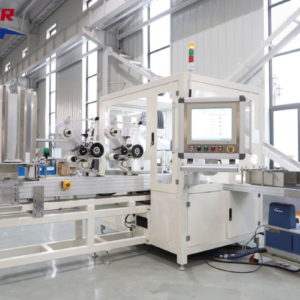
Özet
The acquisition of an alcohol wet wipes machine represents a significant capital expenditure for enterprises aiming to capture a share of the expanding global hygiene market. This document provides a comprehensive examination of the critical factors that must be evaluated to ensure a judicious investment in 2025. It moves beyond a superficial overview of machine specifications to a deep analysis of production capacity, automation levels, material compatibility, and packaging integration. The discourse is grounded in the practical realities faced by businesses in emerging markets such as South America, Russia, Southeast Asia, the Middle East, and South Africa. By elucidating the complex interplay between mechanical engineering, chemical handling, operational logistics, and long-term financial performance, this guide serves as an essential tool for decision-makers. It methodically deconstructs the process of selecting an alcohol wet wipes machine, framing it not merely as a purchase but as a strategic decision that underpins manufacturing efficiency, product quality, and ultimately, market competitiveness.
Önemli Çıkarımlar
- Calculate required production speed (pcs/min) based on market analysis and future growth projections.
- Evaluate automation levels to balance initial investment against long-term operational labor costs.
- Verify the machine's compatibility with your specific non-woven fabrics and alcohol formulations.
- Scrutinize after-sales support and spare parts availability, especially for international operations.
- Analyze the Total Cost of Ownership (TCO), not just the initial purchase price, for accurate ROI.
- Select a versatile alcohol wet wipes machine that can adapt to future product and market changes.
- Ensure the machine's control systems (PLC, HMI) are intuitive and support remote diagnostics.
İçindekiler
A Foundational Examination of the Modern Production Line
Before we embark on a detailed exploration of the seven pivotal factors in selecting an alcohol wet wipes machine, it is beneficial to establish a shared understanding of the production process itself. Imagine a journey, one that begins with simple, raw materials and ends with a finished, packaged product ready for the consumer. The machine is not a single entity but a symphony of interconnected modules, each performing a specific, vital function in perfect harmony.
The process commences with the loading of a large parent roll of non-woven fabric. This fabric, the very substrate of the wipe, is carefully chosen for its properties of absorption, strength, and softness. The machine gently unwinds this roll, maintaining precise tension to prevent stretching or tearing. From there, the fabric web travels to the wetting station. Here, a meticulously prepared solution, typically containing a high concentration of isopropyl or ethyl alcohol, is applied. The method of application—be it spraying, dripping, or soaking—is controlled with immense precision to ensure every single wipe receives the exact same amount of liquid. An uneven application could lead to wipes that are either ineffectively dry or wastefully oversaturated.
Following the wetting stage, the moistened fabric proceeds to the converting section. A folding module pleats the fabric into the familiar interleaved stack, allowing one wipe to pop up when the one before it is pulled. Simultaneously or immediately after, a high-speed cutting mechanism slices the continuous folded web into individual stacks of the desired length. These neat stacks of wet wipes are then automatically conveyed to the final stage: packaging. A packaging module wraps the stacks in flexible film, creates an opening, and applies a resealable label or a plastic lid. Sensors and vision systems monitor this entire journey, ensuring quality at every step and ejecting any product that fails to meet the stringent standards. Understanding this flow is the first step toward appreciating the complexity and ingenuity of a modern alcohol wet wipes machine.
| Özellik |
Yarı Otomatik Makine |
Fully-Automatic Machine |
| İşgücü Gereksinimi |
Higher (Requires operators for loading, transfer, packaging) |
Minimal (1-2 operators for supervision and replenishment) |
| Initial Investment |
Lower |
Higher |
| Production Speed |
Moderate (e.g., 2,000-4,000 pcs/min) |
High to Very High (e.g., 5,000-10,000+ pcs/min) |
| Consistency |
Good, but operator-dependent |
Excellent, machine-controlled precision |
| Footprint |
Can be smaller, but may require more surrounding space |
Larger, integrated line |
| Ideal For |
Start-ups, smaller markets, niche product testing |
Large-scale production, established markets, low labor cost goals |
1. Defining Production Capacity and Speed Requirements
The first and perhaps most fundamental question a prospective buyer must confront concerns the scale of production. The answer to this question shapes all subsequent decisions, from the physical size of the machinery to the level of financial investment required. It is a query not about mere numbers, but about ambition, market reality, and strategic foresight. Selecting a machine with inadequate capacity can lead to lost sales and an inability to meet customer demand, while over-investing in a machine with excessive capacity can cripple a business with unnecessary capital and operational costs.
The Calculus of Production Volume (Pcs/Min)
The primary metric for a machine's output is "pieces per minute" (pcs/min). This figure represents the number of individual wipes the machine can produce and package in sixty seconds. It is a headline number, but its meaning must be carefully unpacked. Let us consider a hypothetical scenario. A company in South Africa has conducted market research and projects an initial monthly sales target of 500,000 packs of 80-count alcohol wipes.
First, we calculate the total number of individual wipes needed per month: 500,000 packs/month * 80 wipes/pack = 40,000,000 wipes/month.
Next, we must determine the required production time. A factory does not run 24/7 without interruption. A realistic operational schedule might be two 8-hour shifts per day, 5 days a week. This gives us: 8 hours/shift * 2 shifts/day * 22 working days/month ≈ 352 hours/month. 352 hours/month * 60 minutes/hour = 21,120 minutes/month.
Now, we can calculate the required average production speed: 40,000,000 wipes / 21,120 minutes ≈ 1,894 pcs/min.
This calculation, however, assumes 100% efficiency, which is never the case in real-world manufacturing. We must account for downtime due to material roll changes, routine maintenance, shift changes, and unforeseen stops. A conservative and wise approach is to factor in an efficiency rate, say 80%.
Required Machine Speed = Required Average Speed / Efficiency Rate 1,894 pcs/min / 0.80 ≈ 2,367 pcs/min.
Therefore, this business should be looking for an alcohol wet wipes machine with a stable operating speed of at least 2,400 pcs/min. This calculation provides a data-driven foundation for conversations with manufacturers. It moves the discussion from vague requirements to a specific, justifiable performance benchmark.
Single-Lane vs. Multi-Lane Configurations
Once a target speed is established, the next consideration is how to achieve it. The machine's architecture plays a pivotal role here. A "lane" refers to a single stream of production. A single-lane machine processes one line of wipes at a time. A multi-lane machine, as the name suggests, processes several lines in parallel from a wider parent roll of non-woven material.
A single-lane machine is simpler, has a smaller physical footprint, and typically involves a lower initial investment. It is an excellent choice for businesses entering the market or for those targeting lower production volumes. However, its maximum speed is inherently limited.
To achieve higher speeds, like the 5,000 to 10,000 pcs/min range, a multi-lane configuration becomes necessary. A 10-lane machine, for example, might process a very wide roll of fabric, slitting it into 10 narrower webs, and then folding, wetting, and cutting them all simultaneously. The advantage is a massive increase in output without a proportional increase in the machine's linear speed, which reduces mechanical stress and wear. Consider, for instance, advanced multi-lane wet wipe machines that can operate with 12 or even more lanes, dramatically boosting output for large-scale producers. The trade-off is a higher initial cost, a larger and more complex machine, and greater raw material waste during setup and changes.
The decision between single and multi-lane configurations is a strategic one. A business in a nascent market like parts of Southeast Asia might wisely start with a robust single-lane machine, whereas a major player in a developed Russian market looking to dominate on price and volume would almost certainly require a multi-lane solution.
Scalability: Planning for Future Growth
The machine you purchase in 2025 should not just meet your needs for 2025; it should be a partner in your growth for 2030 and beyond. This is the concept of scalability. A purely static investment that cannot adapt is a risky one. When discussing options with a manufacturer, the conversation must include the pathway to future expansion.
Can a single-lane machine be upgraded later with additional modules? Some manufacturers design their equipment with a modular philosophy. Perhaps the core converting unit is robust enough to handle higher speeds if a more advanced packaging unit is added later.
For multi-lane machines, is it possible to start by running only 8 of the 12 available lanes and activate the remaining 4 as demand grows? This allows a company to manage its initial investment and operational costs while retaining the potential for a significant capacity increase without purchasing a whole new line.
Thinking about scalability forces a long-term perspective. It encourages a partnership with the manufacturer rather than a simple transactional purchase. You are investing not just in a piece of steel, but in a production platform. A wise buyer will probe the manufacturer’s engineering philosophy: is this machine designed for a single purpose, or is it a flexible system designed to evolve with our business? This forward-thinking approach is what separates a satisfactory purchase from a truly strategic and profitable one.
2. Evaluating the Level of Automation and Control Systems
The physical mechanics of an alcohol wet wipes machine—the cutting, folding, and wetting—are its body. The automation and control systems, however, are its brain and nervous system. In the contemporary manufacturing environment, these systems are arguably as important as the mechanical hardware itself. They dictate the machine's efficiency, the consistency of the final product, the skill level required of its operators, and its overall reliability. For businesses operating in diverse economic landscapes, from the labor-abundant regions of Southeast Asia to the high-wage environments of some Middle Eastern nations, the level of automation is a critical strategic choice.
The Spectrum of Automation: From Semi- to Fully-Automatic
Automation in wet wipe production is not a binary choice but a spectrum. At one end, we find semi-automatic machines. These machines automate the core processes of wetting, folding, and cutting, but may require manual intervention at key stages. For example, an operator might be needed to manually transfer the stacks of cut wipes from the main machine to a separate, standalone packaging machine. Splicing a new parent roll of fabric onto the expiring one might also be a manual process. The primary advantage of this approach is a lower initial capital outlay, making it an attractive option for startups or businesses testing a new market.
At the other end of the spectrum lies the fully-automatic alcohol wet wipes machine. This is a truly integrated production line. It automates every step, from the automatic splicing of raw material rolls without stopping the machine, to the folding, cutting, wetting, stacking, and final packaging of the product. Often, these lines will even include a further "case packer" module that automatically places the finished packs into cardboard boxes for shipping.
The choice between these levels of automation must be a calculated one. In a region with lower labor costs, a semi-automatic line might offer a better Total Cost of Ownership (TCO). However, the human element introduces variability. Product quality and output speed can fluctuate depending on operator skill and attention. A fully-automatic line, while requiring a much larger initial investment, offers unparalleled consistency and speed. It reduces the number of operators needed, often to just one or two supervisors for an entire line, which is a significant advantage in regions with high labor costs or a shortage of skilled workers. Furthermore, a fully-automatic system minimizes human contact with the product, a vital consideration for producing hygienic items like alcohol wipes.
The Brain of the Machine: PLC, HMI, and Servo Systems
To understand the control system is to understand how the machine thinks and acts. Let us demystify the key components.
Programmable Logic Controller (PLC): This is the industrial computer that serves as the machine's brain. It is a rugged, reliable device that executes the program governing every action of the machine. It reads inputs from thousands of sensors—Is the fabric tension correct? Is the liquid level sufficient? Is the package sealed properly?—and makes split-second decisions to control the motors, valves, and actuators. The quality and reputation of the PLC brand (e.g., Siemens, Allen-Bradley, Mitsubishi) are indicators of the machine's overall reliability. A robust PLC is the foundation of a stable production process.
Human-Machine Interface (HMI): If the PLC is the brain, the HMI is the face and voice. It is typically a touchscreen panel that allows the operator to interact with the machine. A well-designed HMI is intuitive and multi-lingual, a crucial feature for diverse workforces in places like the UAE or South Africa. Through the HMI, the operator can set production parameters (like wipe size and liquid amount), monitor the status of all modules, receive alerts and alarms, and access diagnostic information. A simple, graphical HMI reduces training time and minimizes the chance of operator error.
Servo Systems: Traditional motors are often like light switches—either on or off. Servo motors, in contrast, are the fine muscles of the machine. A servo system consists of a motor and a controller that allows for extremely precise control over position, speed, and torque. In an alcohol wet wipes machine, servos are used for critical tasks like pulling the fabric at an exact speed, ensuring a perfect cut at the right location, and placing the stack precisely into the packaging. Machines that use servo motors in place of older mechanical systems (like gears and cams) are more flexible, more precise, have fewer wear parts, and allow for faster changeovers between different product sizes. When a manufacturer highlights "full servo control," they are signaling a higher level of precision and modern engineering.
Remote Diagnostics and IoT Integration in 2025
The most advanced machines of 2025 are no longer isolated islands of production. They are connected devices. The integration of Internet of Things (IoT) technology has revolutionized maintenance and support. An alcohol wet wipes machine equipped with a secure internet connection can be monitored and diagnosed remotely by the manufacturer's engineers, regardless of its location in the world.
Imagine a production line in a remote part of Brazil experiencing an unusual stoppage. Instead of waiting days for a technician to travel, the local operator can authorize the manufacturer's team in China to log into the machine's control system. They can review the PLC's operational logs, check sensor statuses, and diagnose the problem in minutes or hours, not days. They can then guide the local team through the required fix, or identify the exact spare part that needs to be shipped. This capability drastically reduces downtime, which is often the single largest source of financial loss in a manufacturing operation.
Furthermore, IoT integration allows for the collection of vast amounts of production data. The machine can report on its overall equipment effectiveness (OEE), track raw material consumption, and even predict when a component is likely to fail based on its usage patterns. This data empowers the factory manager to move from reactive maintenance (fixing things when they break) to predictive maintenance (fixing things before they break), leading to smoother operations and a longer machine lifespan. When evaluating an alcohol wet wipes machine, asking about its remote access capabilities and data management features is no longer a luxury; it is a necessity for any serious, large-scale producer.
| System Component |
Function |
Importance for Buyer |
| PLC (Programmable Logic Controller) |
The "brain" that runs the machine's logic. |
Look for reputable brands (Siemens, Mitsubishi) for reliability and support. |
| HMI (Human-Machine Interface) |
The touchscreen for operator control and monitoring. |
Must be intuitive, graphical, and multi-lingual for ease of use. |
| Servo Motors |
Provide precise control of motion (speed, position). |
"Full servo" machines offer higher accuracy, flexibility, and faster changeovers. |
| Sensors (Photoelectric, Proximity) |
The "eyes and ears" that detect material, position, etc. |
High-quality sensors reduce errors and ensure consistent production. |
| Remote Access Module (IoT) |
Allows for off-site diagnostics and monitoring. |
Drastically reduces downtime and a critical feature for international operations. |
An alcohol wet wipes machine does not operate in a vacuum. It is part of an ecosystem that includes the raw materials it processes and the chemical solution it applies. The most sophisticated machine in the world will fail to produce a quality product if it is not properly matched with the inputs. A thorough assessment of material and liquid compatibility is therefore not a secondary consideration but a core aspect of the procurement process. This involves a deep dive into the properties of non-woven fabrics and a critical examination of the challenges posed by alcohol-based sanitizing solutions.
The Foundation: Non-Woven Fabric Specifications
The term "non-woven fabric" encompasses a wide variety of materials, each with unique characteristics. These fabrics are the canvas upon which the final product is created. The machine must be able to handle the specific type of fabric you intend to use, not just today, but also in the future as you innovate your product line.
Key fabric parameters include:
- Material Composition: The most common materials are spunlace, a blend of polyester (for strength) and viscose/rayon (for softness and absorption). Some applications might use polypropylene or other synthetics. The machine's tension control systems must be sensitive enough to handle the different elasticity and strength of these blends. A system that works perfectly for a tough polyester fabric might stretch or tear a delicate, high-viscose blend.
- GSM (Grams per Square Meter): This is the measure of the fabric's weight and thickness. A light, 40 GSM fabric will behave very differently from a heavy-duty, 60 GSM fabric. The cutting mechanism must be robust enough to cleanly slice through the thickest material you plan to use, while the liquid dosing system must be adjustable to properly saturate fabrics of different densities.
- Texture and Aperture: Some fabrics are smooth, while others are embossed with patterns or have an apertured (holed) structure to improve cleaning performance. These textures can affect how the fabric moves through the machine and how it interacts with folding plates and rollers. A potential buyer should provide the machine manufacturer with physical samples of all fabrics they intend to use. A reputable manufacturer will insist on testing these samples on their machines to guarantee compatibility.
The machine's ability to handle a wide range of fabrics is a measure of its versatility. A machine limited to a single, specific type of non-woven fabric curtails your ability to adapt to changing consumer preferences or supply chain disruptions. Imagine your primary fabric supplier in Asia has a production issue; a versatile machine allows you to pivot to a different supplier, perhaps from Europe or a local source, even if their fabric specifications are slightly different.
The defining feature of an alcohol wet wipe is, of course, the alcohol. Typically, solutions contain 70-75% isopropyl alcohol (IPA) or ethanol. While highly effective as a disinfectant, alcohol presents significant engineering challenges that distinguish an alcohol wet wipes machine from a standard baby wipe machine.
The primary challenge is material corrosion. Alcohol is a solvent that can degrade many plastics, rubbers, and even certain grades of metal over time. All components of the machine that come into direct contact with the sanitizing liquid—a pathway known as the "fluid path"—must be constructed from resistant materials. This includes the liquid storage tank, pumps, tubing, valves, and spray nozzles. The industry standard for these components is 316L stainless steel. This grade of steel has a higher nickel and molybdenum content than the more common 304 stainless steel, giving it superior resistance to corrosion from chlorides and solvents like alcohol. Using inferior materials can lead to contamination of the liquid, premature component failure, and costly downtime.
A second major challenge is flammability. High concentrations of alcohol create flammable vapors. The machine must be designed with safety as a paramount concern. This includes using explosion-proof (ATEX-rated) motors and electronic components in the vicinity of the wetting system, proper grounding of all machine parts to prevent static electricity buildup and discharge, and adequate ventilation systems to prevent the accumulation of vapors. When inspecting a potential alcohol wet wipes machine, paying close attention to these safety features is non-negotiable. A manufacturer should be able to clearly articulate and demonstrate the specific design choices made to mitigate the risks associated with handling flammable liquids.
Versatility in Liquid Dosing Systems
Ensuring that every wipe has the correct amount of liquid is fundamental to product quality. This is the role of the liquid dosing system. Too little liquid, and the wipe will not be effective. Too much liquid, and the product is wasteful, messy, and may damage the packaging.
There are several types of dosing systems, each with its own merits:
- Spray Systems: A series of nozzles sprays a fine mist of the alcohol solution onto the fabric as it passes underneath. This system is highly controllable, and by adjusting the pressure and the duration the nozzles are open, the amount of liquid can be precisely regulated. Advanced systems use multiple banks of nozzles that can be individually controlled, allowing for different liquid levels on the same machine run if needed.
- Drip Systems: A manifold with small holes drips the liquid directly onto the fabric. This is a simpler system but can sometimes be less uniform than a spray system, especially at very high speeds.
- Flood and Squeeze Systems: The fabric is briefly saturated by passing through a bath of liquid and then run through a pair of rollers that squeeze out the excess. The pressure of these rollers determines the final liquid content. This method ensures deep saturation but can be more complex to control and clean.
The ideal system for an alcohol wet wipes machine is one that offers precision, consistency, and easy adjustment. The operator should be able to set the target liquid percentage via the HMI, and the machine's PLC and servo systems should handle the rest. The system must also be designed for easy cleaning and maintenance, as alcohol solutions can sometimes leave residues if not properly flushed. A versatile machine will offer a dosing system that can be fine-tuned to work effectively with different fabric thicknesses (GSM) and absorption rates, ensuring a perfect product regardless of the raw materials used.
4. Scrutinizing the Converting and Packaging Modules
Once the fabric has been properly moistened with the alcohol solution, it enters the converting and packaging stages. This is where the continuous web of material is transformed into the individual, ready-to-use products that the consumer will see and handle. The precision and reliability of these back-end modules are just as important as the front-end systems. Any failure or inconsistency here can lead to product defects, line stoppages, and wasted materials. A careful examination of the folding, cutting, and packaging mechanisms is essential to understanding a machine's true capabilities.
From Roll to Stack: Folding, Cutting, and Stacking Mechanisms
The journey from a flat, wet web to a neat stack is a marvel of mechanical synchronization.
Folding: The purpose of folding is not just to make the wipe fit into the package, but also to enable the "pop-up" feature that presents the next wipe to the user. The most common fold types are the 'Z-fold' and the 'C-fold'.
- Z-fold: In this configuration, each wipe is folded in a 'Z' shape and interleaved with the next. When one wipe is pulled out, it partially lifts the edge of the following wipe, making it easy to grab. This is the standard for most consumer pop-up packs.
- C-fold: Here, the wipes are folded in on themselves and simply stacked one on top of the other. They do not pop up, and this method is more common for industrial or medical wipes where individual dispensing is not a priority. The folding unit on the machine uses a series of shaped plates and rollers to create these folds at incredibly high speeds. The mechanism must be robust and precisely aligned to ensure every fold is crisp and consistent. A poorly folded stack will not dispense correctly, leading to consumer frustration.
Kesiyorum: After folding, the continuous, folded web of fabric is cut into individual stacks of a predetermined count (e.g., 80 wipes). The cutting mechanism must be sharp, durable, and perfectly timed. A dull or misaligned blade will result in frayed edges or connected wipes. The two main types of cutters are:
- Rotary Cutters: A blade is mounted on a rotating cylinder that cuts against an anvil roller. These are extremely fast and are typically used in high-speed, multi-lane machines.
- Reciprocating Cutters: A guillotine-style blade moves up and down to cut the stack. These are very precise but generally operate at slower speeds than rotary cutters. The choice of cutter often depends on the machine's overall speed and design. The blades themselves are a critical wear part, and a prospective buyer should inquire about the blade material, expected lifespan, and the ease and cost of replacement.
Stacking: Once cut, the stacks of wipes must be handled by an automatic stacking unit. This mechanism might use a servo-driven pusher or a robotic arm to accurately place the stack onto the conveyor that leads to the packaging unit. A simple-sounding task, but at speeds of hundreds of stacks per minute, any slight misalignment can cause a jam that shuts down the entire line. The precision of the stacking unit is a sign of high-quality engineering.
The Final Step: Packaging Integration
The packaging module is where the product receives its final protective and branded shell. A fully automatic alcohol wet wipes machine will have a packaging unit that is seamlessly integrated and synchronized with the main machine. The two primary packaging formats are flow-wrappers and canister lines.
Flow-Wrapping: This is the most common method for flexible packs. The stack of wipes is placed on a web of packaging film. The machine then forms the film into a tube around the wipes, makes a longitudinal seal along the bottom, and then creates the front and back cross-seals, cutting the individual packs apart. A separate sub-system cuts the opening in the film and applies the resealable sticker or a pre-molded plastic lid. A high-quality flow-wrapper will have precise temperature controls for the sealing jaws to ensure a strong, airtight seal that prevents the alcohol from evaporating.
Canister/Tub Filling: For products sold in rigid plastic canisters, the process is different. The machine produces a long, continuous perforated roll of wipes, which is then automatically inserted into the empty canisters. A separate machine then fills the canister with the alcohol solution, seals the top, and applies the lid. While less common for consumer alcohol wipes, this format is prevalent in medical and institutional settings.
The integration between the wipe-making unit and the packaging unit must be flawless. The control systems (PLCs) of both sections must communicate constantly to ensure the packaging unit is always ready to receive the next stack of wipes. Any mismatch in speed or timing will result in a production bottleneck.
Quality Control Features: Vision Systems and Reject Mechanisms
How can a manufacturer guarantee that out of millions of wipes produced, none are stained, torn, or improperly folded? The answer lies in automated quality control systems. Modern production lines are equipped with sophisticated sensors and cameras that act as tireless inspectors.
Vision Systems: High-resolution cameras are placed at critical points along the production line. A camera might be positioned to inspect the raw non-woven fabric for holes or dirt spots as it unwinds. Another camera system can be aimed at the finished stacks to check for correct folding and to ensure no foreign objects are present. These vision systems are connected to a computer with image processing software. The system is "trained" on what a perfect product looks like. It can then instantly detect any deviation—a stain, a misfold, an incorrect size—and flag the defective product.
Automatic Reject Mechanisms: When the vision system detects a fault, it sends a signal to the PLC. The PLC then tracks that specific faulty product as it moves down the line and activates a reject mechanism at the appropriate moment. This mechanism might be a simple puff of compressed air that blows the defective pack off the conveyor into a reject bin, or a robotic arm that gently removes it. This all happens at full production speed without any human intervention.
These quality control systems are no longer optional extras; they are fundamental components of a modern, efficient alcohol wet wipes machine. They safeguard the brand's reputation, reduce waste, and ensure that only perfect products reach the end consumer. A buyer should inquire about the resolution of the cameras, the types of defects the system can detect, and the reliability of the reject mechanism.
The decision to acquire a piece of industrial machinery like an alcohol wet wipes machine extends far beyond its technical specifications and price tag. It is an act of physical integration into a factory environment. A machine that is perfect on paper can become a source of immense difficulty if it does not fit the physical space or if the factory cannot provide the necessary utilities to run it. A pragmatic analysis of the machine's footprint and its consumption of power, air, and water is a crucial step in the due diligence process, preventing costly surprises during installation and operation.
Mapping the Machine: Physical Dimensions and Layout
Before engaging in serious discussions with a manufacturer, a business must have a precise understanding of the intended installation site. This involves more than just knowing the total square footage of the factory.
A manufacturer will provide a detailed layout drawing of the proposed production line. This drawing will show the exact dimensions of each module—the unwinding stand, the wetting and folding section, the packaging unit, and any conveyors connecting them. The total length of a fully automatic line can be substantial, often 20 meters or more. The height of the machine, particularly at the raw material loading gantry, is also a critical dimension that must be checked against the factory's ceiling height.
However, the machine's dimensions are only part of the story. The layout must also account for:
- Operator Access: There must be sufficient space around the machine for operators to move safely, monitor the process, and perform routine tasks like clearing jams or cleaning. A minimum of 1 to 1.5 meters of clearance around the entire line is a standard recommendation.
- Raw Material Staging: Large parent rolls of non-woven fabric and pallets of packaging film need a designated storage area near the machine's input end for efficient loading. Likewise, space is needed for drums or totes of the alcohol solution.
- Finished Goods Egress: There must be a clear path for removing finished, boxed products from the end of the line, typically via forklift or pallet jack.
- Maintenance Access: Key components like motors, pumps, and electrical cabinets will require periodic maintenance. The layout must ensure that these areas are accessible to technicians without requiring the disassembly of other parts of the machine.
A wise approach is to take the manufacturer's layout drawing and overlay it onto a blueprint of your factory floor. This simple exercise can reveal potential interferences with building columns, low-hanging pipes, or other existing equipment, allowing for adjustments to be made before the machine is even built.
Power, Air, and Water: The Lifeblood of the Machine
An alcohol wet wipes machine is a significant consumer of factory utilities. Ensuring that your facility can meet these demands is a prerequisite for successful installation.
Electrical Power: The machine will have a specific power requirement, rated in kilowatts (kW). This total load is the sum of all motors, heaters (for sealing), control systems, and lighting. Equally important are the voltage and frequency requirements. A machine built for the Chinese market (380V/50Hz) will not work correctly in Brazil (which commonly uses 220V/60Hz) or the United States (480V/60Hz) without a suitable transformer, which adds cost and complexity. It is imperative to specify the correct electrical standards for your region to the manufacturer. The factory's main electrical panel must also have sufficient spare capacity to handle the additional load of the new machine.
Compressed Air: Pneumatic systems are used extensively in these machines to power actuators, cylinders, and reject mechanisms. The machine will have a specified requirement for compressed air, defined by pressure (typically measured in Bar or PSI) and flow rate (measured in cubic meters per minute or CFM). The factory's air compressor must be able to supply this volume of clean, dry air consistently. An undersized compressor will lead to sluggish machine performance and potential failures.
Water: While the machine itself may not consume large amounts of water during operation, a water supply is necessary for preparing the wetting solution and for cleaning the fluid path and other machine components. The quality of the water, particularly for formulation, is also important. Many producers use deionized (DI) or reverse osmosis (RO) purified water to prevent mineral contamination of the alcohol solution.
Communicating your facility's available utilities to the manufacturer early in the process is vital. A good manufacturer will work with you to ensure the machine is configured correctly or will advise on the necessary upgrades your facility might need.
Environmental Considerations: Waste Management and Energy Efficiency
In 2025, modern manufacturing is increasingly judged not just on its output but also on its environmental stewardship. An efficient alcohol wet wipes machine should also be designed to minimize waste and energy consumption, which has the dual benefit of reducing environmental impact and lowering operational costs.
Waste Management: The production process inevitably generates some waste. The primary source is the trim from the edges of the non-woven fabric roll as it is slit into the required widths for the production lanes. Another source is the startup and shutdown waste, as well as any products removed by the quality control system. An efficiently designed machine minimizes this trim waste. Some advanced systems even include vacuum-powered trim removal systems that collect the waste material for easy recycling or disposal.
Energy Efficiency: The largest consumer of energy in the machine is typically the array of electric motors. The use of high-efficiency motors (such as IE3 or IE4 class) can significantly reduce electricity consumption over the life of the machine. Similarly, well-designed servo systems that only draw significant power when they are moving, as opposed to older clutch/brake systems, contribute to energy savings. The heaters used for sealing the packages should also have precise temperature controls to avoid wasting energy through overheating.
When evaluating a machine, asking the manufacturer about its energy efficiency features and waste reduction strategies is a mark of a sophisticated buyer. These features may add slightly to the initial cost but will pay dividends through lower utility bills and a more sustainable manufacturing operation, a factor of growing importance to both regulators and consumers in markets worldwide.
6. Investigating Manufacturer Reliability and After-Sales Support
The purchase of an industrial machine is not a one-time transaction; it is the beginning of a long-term relationship with the manufacturer. The machine itself is only one part of the equation. The other, equally important part is the support structure that surrounds it. A brilliantly engineered machine from an unreliable manufacturer with poor support can become a far greater liability than a simpler machine from a dedicated and responsive partner. This is especially true for businesses in South America, Africa, or Russia purchasing equipment from manufacturers in Asia. The geographical distance makes the quality of remote and local support a paramount concern.
Beyond the Brochure: Due Diligence on Manufacturers
The marketing materials and websites of all manufacturers will present their products in the best possible light. The task of the discerning buyer is to look beyond these promotional materials and conduct thorough due diligence.
- Certifications and Standards: A reputable manufacturer will have their quality management processes certified to international standards, most commonly ISO 9001. This certification provides assurance that the company has formal, documented processes for design, production, and quality control. For machines intended for sale in Europe, the CE mark is mandatory. It signifies that the machine complies with EU safety, health, and environmental protection requirements. While not legally required in other regions, the presence of a CE mark is a strong indicator of a manufacturer's commitment to safety and quality engineering.
- Factory Visit: If feasible, there is no substitute for visiting the manufacturer's factory. This allows you to see their production facilities firsthand, meet the engineering team, and observe machines being built and tested. It provides invaluable insight into the company's culture, organization, and a tangible sense of their manufacturing capabilities.
- Customer References: One of the most powerful vetting tools is to speak with existing customers. A confident manufacturer should be willing to provide references, ideally from companies in your region or a similar market. Ask these references about their experience with the machine's reliability, the ease of installation, and, most importantly, the quality of the after-sales support they have received. Ask them what went wrong and how the manufacturer responded. This real-world feedback is more valuable than any brochure.
The Lifeline: Technical Support and Spare Parts Availability
Every machine, no matter how well-built, will eventually require maintenance and replacement parts. The system for providing this support is the lifeline of your production.
Technical Support: What happens when your machine stops unexpectedly during a night shift? The speed and quality of the manufacturer's response are critical. In 2025, 24/7 remote technical support is the standard expectation for international sales. As discussed earlier, this often involves remote login capabilities, allowing engineers to diagnose problems from afar. It is important to clarify the terms of this support. Is it available in your local time zone? Is support provided in a language your team understands? What is the guaranteed response time for a critical issue?
Spare Parts: A machine is only as reliable as its most fragile component. The manufacturer must have a clear and efficient system for providing spare parts. Key questions to ask include:
- Do they provide a recommended list of critical spare parts to keep in stock on-site? This initial kit is vital to handle common wear-and-tear issues without waiting for international shipping.
- What is the typical lead time for shipping spare parts from their factory to your country?
- Do they have any regional spare parts depots or partnerships that can expedite delivery?
- Are the prices of their spare parts reasonable? Some manufacturers may offer a low initial price for the machine but charge excessively for proprietary replacement parts later.
The availability of a local or regional service agent can be a significant advantage. While remote support is powerful, some problems require a hands-on presence. A manufacturer that has invested in a network of local technicians demonstrates a serious commitment to the markets they serve.
Training and Installation: Ensuring a Smooth Start
The most advanced alcohol wet wipes machine in the world will not perform well if the operators and maintenance staff do not know how to use and care for it properly. A comprehensive training and installation program is not an optional extra; it is a fundamental requirement for success.
The process should ideally begin before the machine even leaves the manufacturer's factory. Many manufacturers offer pre-shipment training, where the buyer's key personnel (operators and technicians) can travel to the manufacturer's site for a Factory Acceptance Test (FAT). During the FAT, they can see their actual machine running, learn its basic operation, and ask questions directly to the engineers who built it.
The second phase of training occurs during on-site installation. The manufacturer will send their own technicians to your facility to supervise the machine's assembly, commissioning, and startup. During this time, which can last from one to several weeks, these technicians should provide intensive, hands-on training to your team. This training should cover:
- Operator Training: Daily startup and shutdown procedures, changing product recipes on the HMI, loading raw materials, clearing common faults, and basic cleaning.
- Maintenance Training: Routine lubrication schedules, replacing common wear parts like blades and belts, understanding the pneumatic and electrical schematics, and troubleshooting more complex problems.
A good training program ensures that your team feels confident and empowered to take ownership of the machine. It is an investment that pays for itself many times over by reducing operator error, minimizing downtime, and extending the productive life of the machine.
7. Calculating Total Cost of Ownership (TCO) and Return on Investment (ROI)
The final stage of the evaluation process involves shifting our perspective from the engineering and operational details to the financial implications of the investment. A responsible business decision cannot be based on the initial purchase price alone. A more holistic and accurate financial measure is the Total Cost of Ownership (TCO), which accounts for all costs associated with the machine over its lifespan. Understanding the TCO is the first step toward calculating the potential Return on Investment (ROI), the ultimate metric of a successful capital expenditure. For businesses in markets with fluctuating currencies and complex import logistics, a rigorous financial analysis is especially vital.
The Iceberg Model: Beyond the Initial Purchase Price
The initial price quoted by the manufacturer is merely the tip of the iceberg. The vast, submerged portion of the cost is the TCO, which includes a multitude of factors that must be identified and estimated.
- Acquisition Costs: This goes beyond the machine's price to include shipping and insurance from the manufacturer's factory to your port, import tariffs and taxes (which can vary significantly by country), inland transportation to your facility, and the cost of any necessary currency conversions.
- Installation and Commissioning Costs: This includes the manufacturer's fees for sending technicians for installation, as well as their travel, accommodation, and living expenses. It also includes the cost of any necessary factory modifications, such as reinforcing the floor or upgrading the electrical or compressed air systems.
- Operational Costs: This is the largest and most ongoing component of TCO. It includes:
- Labor: The salaries and benefits for the operators and maintenance technicians who run the line.
- Energy: The cost of the electricity and compressed air consumed by the machine.
- Raw Materials: While part of the product cost, the machine's efficiency in minimizing waste directly impacts this figure.
- Maintenance and Spare Parts Costs: This includes the cost of the initial spare parts kit, as well as an annual budget for replacement parts and consumables like lubricants and cleaning agents. If you opt for a service contract with the manufacturer, its cost is included here.
- Training Costs: The cost of sending your team for pre-shipment training or any ongoing training programs.
Summing all these components over a projected period, for instance, ten years, gives a much more realistic picture of the machine's true cost than the initial invoice price. A less expensive machine with high energy consumption and poor reliability can easily have a higher TCO than a more expensive, but more efficient and reliable, alternative.
Projecting Your ROI: A Step-by-Step Framework
With a clear understanding of the TCO, you can now project the Return on Investment. The ROI tells you how long it will take for the investment to pay for itself and begin generating profit. A simplified framework for this calculation is as follows:
-
Calculate Revenue:
- Projected annual sales volume (in packs) * Selling price per pack = Total Annual Revenue.
-
Calculate Cost of Goods Sold (COGS):
- Cost per pack = (Cost of non-woven fabric for one pack) + (Cost of liquid solution for one pack) + (Cost of packaging film/lid for one pack).
- Total Annual COGS = Cost per pack * Annual sales volume.
-
Calculate Gross Margin:
- Gross Margin = Total Annual Revenue – Total Annual COGS.
-
Calculate Annual Operating Profit:
- Annual Operating Profit = Gross Margin – Annual Operational Costs (labor, energy, maintenance from TCO calculation).
-
Calculate ROI:
- A simple ROI can be calculated as: (Annual Operating Profit / Total Investment Cost) * 100%. The Total Investment Cost is the sum of the acquisition and installation costs from the TCO analysis.
- A more useful metric is the Payback Period: Total Investment Cost / Annual Operating Profit. This tells you the number of years it will take to recoup the initial investment.
Let's imagine the Total Investment Cost for a high-performance alcohol wipe production system is $500,000. If the calculated Annual Operating Profit is $200,000, the payback period would be $500,000 / $200,000 = 2.5 years. This kind of concrete financial projection transforms the purchase decision from an emotional or intuitive one into a defensible business case that can be presented to banks, investors, and board members.
Navigating Financing, Tariffs, and Shipping Logistics
For international transactions, the financial and logistical complexities require careful management.
- Financing: Large capital equipment purchases are often financed. A common instrument in international trade is a Letter of Credit (L/C). An L/C is a guarantee from a bank that the seller (manufacturer) will receive payment as long as they meet the conditions outlined in the document, such as providing proof of shipment. This protects both the buyer and the seller.
- Tariffs: Import duties can be a significant part of the total cost. These tariffs are set by the government of the importing country and can vary based on the product category and the country of origin. It is essential to work with a local customs broker in your country (e.g., in Russia, Brazil, or Saudi Arabia) to get an accurate estimate of the applicable tariffs and taxes for an alcohol wet wipes machine imported from a country like China. Trade agreements, such as those within Mercosur or the Eurasian Economic Union, can also influence these rates.
- Shipping Terms (Incoterms): The shipping contract will specify the responsibilities of the buyer and seller. Common terms include:
- FOB (Free On Board): The manufacturer is responsible for getting the machine to the port in their country and loading it onto the ship. The buyer is responsible for the ocean freight, insurance, and all subsequent costs.
- CIF (Cost, Insurance, and Freight): The manufacturer is responsible for the cost of the machine, the ocean freight, and the insurance to get it to the buyer's destination port. The buyer is responsible for customs clearance and inland transport.
Understanding these terms is vital for accurately calculating the acquisition cost. Working with an experienced freight forwarder and customs broker is highly recommended to navigate these complexities smoothly.
Sıkça Sorulan Sorular (SSS)
1. What is the typical production speed of an alcohol wet wipes machine? Production speed varies widely based on the machine's design. Entry-level, single-lane machines may produce around 2,000-4,000 pieces per minute (pcs/min). High-speed, multi-lane machines, designed for large-scale production, can achieve speeds from 5,000 pcs/min to over 10,000 pcs/min. The right speed depends entirely on your business's market demand and growth projections.
2. What materials are used for the parts that touch the alcohol solution? Due to the corrosive nature of high-concentration alcohol, all components in the fluid path—including the solution tank, pumps, pipes, and nozzles—must be made from high-grade, corrosion-resistant materials. The industry standard is 316L stainless steel, which offers superior resistance to solvents and chemicals compared to other materials like standard plastics or lower-grade stainless steel.
3. Can one machine produce different sizes of wet wipes? Yes, most modern alcohol wet wipes machines are designed with flexibility in mind. By adjusting settings on the Human-Machine Interface (HMI), operators can change the wipe's cut length and fold pattern. Changing the wipe's width typically requires a more involved mechanical adjustment to the slitting blades and folding plates. A machine with full servo control makes these changeovers much faster and easier.
4. How much space do I need to install a full production line? A complete, fully automatic production line is quite large. The length can range from 15 to over 25 meters, and the width is typically 3-4 meters. However, you must also plan for an additional 1-1.5 meters of clearance around the entire line for operator access, maintenance, and material staging. A detailed layout drawing from the manufacturer is essential for accurate factory planning.
5. What is the main difference between a baby wipe machine and an alcohol wipe machine? The primary differences relate to handling the liquid solution. An alcohol wet wipes machine must use 316L stainless steel for all wetted parts to prevent corrosion. It also requires enhanced safety features, such as explosion-proof (ATEX-rated) motors and electronics and robust anti-static measures, to safely manage the flammable alcohol vapors. A standard baby wipe machine, which handles water-based solutions, does not require these specific material and safety considerations.
6. How do I maintain the machine to ensure its longevity? Regular, preventative maintenance is key. This includes daily cleaning, especially of the liquid dosing system, to prevent residue buildup. It also involves following the manufacturer's recommended schedule for lubricating moving parts, inspecting and replacing wear parts like cutting blades and belts, and checking the pneumatic and electrical systems. Proper operator and technician training is the most critical factor in ensuring good maintenance practices.
7. Is it difficult to find operators for such a machine? For a modern, fully automatic machine with a user-friendly HMI, the operator's role is more about supervision than complex manual labor. An operator needs to be attentive and able to follow procedures for loading materials and responding to alerts. The HMI is often graphical and multi-lingual, reducing the need for highly specialized skills. The more complex tasks fall to maintenance technicians, for whom the manufacturer should provide in-depth training.
A Final Reflection on Strategic Acquisition
The journey of selecting and acquiring an alcohol wet wipes machine is an intricate one, demanding a perspective that balances the precision of an engineer with the foresight of a strategist and the prudence of a financier. We have moved through the critical calculus of production capacity, weighed the profound impact of automation, and examined the intimate relationship between the machine and the materials it transforms. We have scrutinized the mechanical ballet of converting and packaging and mapped the machine's physical and utilitarian demands upon the factory floor. Finally, we have explored the human elements of manufacturer reliability and the financial realities of ownership and return.
To view this process as merely "buying a machine" is to miss the essence of the endeavor. It is, in fact, an act of building capacity. It is an investment in consistency, a commitment to quality, and a platform for future growth. The right machine, chosen through diligent research and careful analysis, becomes more than an asset on a balance sheet; it becomes a powerful engine for competitiveness, enabling a business to meet the hygiene needs of its community with efficiency and reliability. The ultimate success of this investment rests not on any single feature, but on the holistic alignment of the machine's capabilities with the strategic vision of the enterprise it is destined to serve.
Referanslar
diapermachines.com. (2023a, March 6). Wet wipes manufacturing process. https://www.diapermachines.com/2023/03/06/wet-wipes-manufacturing-process-2/
diapermachines.com. (2023b, November 13). A comprehensive guide – Wet wipes machine. https://www.diapermachines.com/2023/11/13/a-comprehensive-guide-wet-wipes-machine/
WELLDONE. (2024, December 30). Cutting-edge wet wipes and diaper production machines for your business.
Yundu Filling Machine. (2025, March 26). The ultimate guide to wet wipes making machines: Revolutionizing efficiency and quality in modern production. https://yundufillingmachine.com/guide-to-wet-wipes-making-machines
Eyl 16, 2025 | Haberler
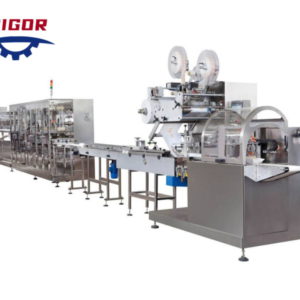
Özet
The acquisition of a baby wet wipes machine represents a significant capital investment and a pivotal strategic decision for manufacturers in the hygiene products sector. This document provides a comprehensive analysis of the multifaceted considerations involved in selecting an appropriate apparatus for producing baby wet wipes, with a specific focus on the nuanced requirements of emerging markets in South America, Russia, Southeast Asia, the Middle East, and South Africa. It deconstructs the process into a series of actionable steps, examining the interplay between production capacity, technical specifications, material compatibility, and automation levels. The inquiry extends to the critical evaluation of manufacturer reliability, after-sales support infrastructure, and the long-term financial implications measured through Return on Investment (ROI) and Total Cost of Ownership (TCO). By grounding the discussion in principles of mechanical engineering, materials science, and international business strategy, the text aims to equip prospective buyers with the necessary framework for making an informed, profitable, and sustainable investment in a modern baby wet wipes machine.
Önemli Çıkarımlar
- Analyze your target market to determine the required production speed and wipe count per pack.
- Scrutinize core components like PLC systems and servo motors for reliability and precision.
- Ensure the baby wet wipes machine is compatible with locally sourced raw materials.
- Evaluate the total cost of ownership, not just the initial purchase price of the equipment.
- Verify the manufacturer's after-sales support network within your specific region.
- Prioritize machines with scalable features to accommodate future business growth.
- Confirm the machine complies with international and regional quality and safety standards.
İçindekiler
Step 1: Foundational Analysis of Production Requirements and Market Demand
The journey toward acquiring a baby wet wipes machine begins not on the factory floor, but with a deep and thoughtful examination of the market you intend to serve. A machine is a tool, and the selection of the correct tool is impossible without a clear understanding of the task it is meant to perform. For entrepreneurs and established businesses in regions like Southeast Asia or South America, the allure of the rapidly growing hygiene market is potent. Yet, this potential can only be realized when production capabilities are precisely aligned with consumer behavior and market structure. A failure at this initial stage of analysis can lead to a cascade of inefficiencies, resulting in an investment that is either insufficient for the demand or excessively costly for the actual market opportunity. This initial step, therefore, is an exercise in foresight and empathy—placing yourself in the position of your future customers and understanding their needs, preferences, and purchasing power.
Defining Your Production Scale: From Boutique to Mass Market
Before you can even begin to look at machinery specifications, you must first articulate a clear vision for your business's scale. Are you aiming to be a boutique producer serving a niche market with premium, specialized wipes? Or is your ambition to compete in the mass market, supplying large retailers and distributors with high volumes of standard products? The answer to this question fundamentally shapes your equipment needs.
Imagine a small enterprise in a specific region of Brazil, perhaps focusing on organic, hypoallergenic wipes for an affluent urban demographic. Their production needs would be modest. A machine producing 2,000 to 4,000 wipes per minute might be perfectly adequate. The focus here would be on flexibility, quick changeovers between different product formulations, and impeccable quality control, rather than raw output speed. The associated baby wet wipes machine would likely be a more compact, semi-automatic model that allows for meticulous oversight.
Now, contrast this with a large-scale manufacturer in Russia aiming to supply a national supermarket chain. Their reality is one of volume. They need to produce millions of wipes per day to meet contractual obligations. For them, a high-speed, fully automated production line is not a luxury; it is a necessity. Their required baby wet wipes machine would be a multi-lane behemoth, capable of outputs exceeding 8,000 or even 10,000 wipes per minute, operating 24/7 with minimal human intervention. The primary concerns are reliability, uptime, and low per-unit production cost. Any miscalculation in scale here—investing in a machine that is too small—would mean an inability to meet demand, lost contracts, and a damaged reputation. Conversely, over-investing in a massive line for a small market leads to crippling capital costs and idle capacity.
The Language of Speed: Demystifying 'Pieces Per Minute' (PPM)
Manufacturers often advertise their machines with a headline figure: "Pieces Per Minute" or PPM. While this number is a vital starting point, a discerning buyer must look deeper. What does this number truly represent? Is it the theoretical maximum speed under ideal conditions, or is it the stable, achievable production speed during day-to-day operations?
Consider this mental exercise: A machine is rated at 5,000 PPM. However, this speed is only achievable using a specific, lightweight non-woven fabric and a simple folding pattern. Your business plan calls for a thicker, premium fabric and a more complex cross-fold. Running this material might reduce the stable operating speed to 3,800 PPM. Furthermore, the quoted PPM often refers only to the wipe converting (folding and cutting) section. What about the packaging unit? If the packaging wrapper can only handle 80 packs per minute, and you are producing packs of 60 wipes, your effective output is limited to 4,800 PPM (80 packs/min * 60 wipes/pack), regardless of how fast the folding unit can run.
A thorough analysis requires you to ask manufacturers for the stable operating speed for your specific raw materials and desired pack count. You must also consider the efficiency rate. No machine runs at 100% efficiency. There will be downtime for roll changes, maintenance, and quality checks. A realistic efficiency rate is typically between 80% and 90% for a well-maintained, high-quality baby wet wipes machine. Therefore, your true daily output is calculated as: (Stable PPM * 60 minutes * 24 hours * Efficiency Rate). Understanding this calculation is fundamental to creating an accurate business plan.
Market Nuances: Tailoring Wipe Count for South America vs. the Middle East
The number of wipes per pack is not a trivial detail; it is a reflection of consumer habits, distribution channels, and economic realities in your target market. A failure to align pack count with market expectations can lead to products that are difficult to sell.
In many parts of the Middle East, for instance, there is a strong preference for larger pack sizes—80, 100, or even 120 wipes. This may be driven by larger family sizes, a car-centric culture where bulk purchasing is common, and a desire for value. A manufacturer targeting this region must invest in a baby wet wipes machine capable of efficiently producing and stacking these higher counts. The stacking mechanism, the size of the packaging chamber, and the power of the servo motors must all be specified for this purpose.
Conversely, in urban centers across Southeast Asia or parts of South Africa, you might find a dual market. While value packs are popular for home use, there is also a significant demand for smaller, portable "pocket packs" of 10, 15, or 25 wipes. These are for on-the-go convenience, fitting easily into a handbag or backpack. A business plan that ignores this segment misses a substantial opportunity. This would necessitate a machine with the flexibility to switch between high and low counts, or perhaps even a dedicated, separate line for small packs. A versatile 30-120pcs auto splicing baby wet wipes machine line offers a solution that can cater to these varied market demands, allowing a producer to pivot between large value packs and smaller convenience packs with relative ease.
Table 1: Comparative Analysis of Automation Levels in Wet Wipes Machines
| Özellik |
Yarı Otomatik Makine |
Fully Automatic Machine |
Fully Integrated Line |
| İşgücü Gereksinimi |
High (Requires operators for material loading, transfer, and final packing) |
Low (Automated processes from raw material to finished pack) |
Minimal (Supervisory role, integrated robotics for palletizing) |
| Initial Investment |
Low |
Medium to High |
Very High |
| Production Speed |
Low to Medium (e.g., 20-50 packs/minute) |
High (e.g., 60-120 packs/minute) |
Very High (e.g., 120-200+ packs/minute) |
| Flexibility |
High (Easier to adjust for small, custom batches) |
Medium (Changeovers are possible but may require more time) |
Low (Optimized for long runs of a single product type) |
| Consistency |
Operator-dependent, potential for higher variability |
High (Machine-controlled precision ensures uniform product) |
Extremely High (Minimal human touchpoints reduces error) |
| Ideal Market |
Niche markets, startups, regions with low labor costs |
Mass-market production, established brands |
National/multinational supply, private label for large retailers |
| Footprint |
Smaller |
Larger |
Extensive |
Step 2: Deconstructing the Machine – Core Components and Technical Specifications
Once you have a lucid picture of your market and production needs, the focus shifts to the machine itself. A modern baby wet wipes machine is a complex symphony of mechanical, electrical, and pneumatic systems working in perfect harmony. To the untrained eye, it may appear as a formidable mass of steel and wiring. However, a prospective buyer must learn to see it as a collection of distinct, critical components, each with a specific function that contributes to the quality of the final product and the efficiency of the entire operation. This is not about becoming a mechanical engineer overnight; it is about developing an educated perspective that allows you to ask the right questions and understand the answers you receive from manufacturers. It is an inquiry into the very heart and soul of the machine.
The Heart of the Machine: The PLC and Human-Machine Interface (HMI)
At the center of any modern automated system lies the Programmable Logic Controller, or PLC. Think of the PLC as the brain of the baby wet wipes machine. It is a ruggedized industrial computer that receives input from various sensors—sensors that detect the position of the fabric, the level of the liquid, the temperature of the sealing jaws—and executes a pre-programmed sequence of commands to motors, valves, and actuators. The quality and reliability of the PLC are paramount. A failure here brings the entire production line to a halt.
When evaluating a machine, you must inquire about the brand of the PLC. Globally recognized brands like Siemens, Allen-Bradley (Rockwell Automation), and Mitsubishi Electric are common for a reason. They are known for their robustness, reliability, and extensive global support networks. This last point is of particular consequence for businesses in South America, Russia, or Africa. If your machine uses a PLC from a lesser-known brand, where will you find a qualified technician or spare parts when an issue arises? Choosing a machine with a Siemens PLC, for example, means you can likely find local support and components in major industrial hubs from Johannesburg to Moscow to São Paulo.
Connected to the PLC is the Human-Machine Interface (HMI), which is the screen or control panel that the operator interacts with. A well-designed HMI is intuitive, multi-lingual, and provides clear diagnostic information. Can an operator with moderate training easily adjust parameters like cutting length, liquid dosage, and packaging speed? When a fault occurs, does the HMI display a specific, actionable error message (e.g., "Fault C-45: Sealing Jaw Temperature Too Low") or a vague, unhelpful code? A good HMI empowers your team to run the machine efficiently and troubleshoot minor issues without having to call for an engineer, saving valuable time and money.
Precision in Motion: The Indispensable Role of Servo Motors
If the PLC is the brain, then servo motors are the muscles of the baby wet wipes machine. These are not ordinary electric motors. A servo motor is part of a closed-loop system, meaning it receives a command from the PLC (e.g., "advance the film by 210 millimeters"), executes the movement, and then reports back its exact position via an encoder. This feedback loop allows for incredibly precise control over speed, position, and torque.
Where are servo motors used? They are essential for:
- Film Pulling: Ensuring the exact length of packaging film is dispensed for each pack.
- Wipe Cutting: Guaranteeing that every single wipe is cut to the same length, with tolerances of less than a millimeter.
- Stacking: Precisely placing each folded wipe on top of the previous one to create a neat, uniform stack.
- Reciprocating Sealer: Controlling the complex motion of the end-sealing jaws for a clean, strong seal.
Machines that use older technologies, like mechanical cams or stepper motors, for these functions will struggle to match the speed, accuracy, and consistency of a fully servo-driven machine. A lack of precision in cutting leads to wasted material and a non-uniform product. Inaccurate stacking can cause jams in the packaging unit. When you see "full servo control" in a machine's specifications, it is a hallmark of a modern, high-performance design. Brands like Yaskawa, Panasonic, and Delta are common choices for servo systems, and again, their regional availability for support should be a factor in your decision.
Material Handling: Unwinding, Splicing, and Tension Control Systems
The journey of a wet wipe begins as a massive roll of dry non-woven fabric, often weighing several hundred kilograms. The initial section of the baby wet wipes machine, the unwinding stand, is responsible for handling these parent rolls. A robust system will feature pneumatic or hydraulic shafts for easy loading and will be able to handle large diameter rolls to minimize the frequency of changes.
A key feature to look for here is an "auto-splicing" unit. In a machine without this feature, the line must be stopped every time a parent roll runs out. The operator then manually tapes the end of the old roll to the start of the new one. This process can take several minutes, leading to significant production losses over a 24-hour period. An auto-splicing unit, by contrast, performs this changeover automatically at high speed. It prepares the new roll, and just as the old roll is about to finish, it rapidly cuts the old web and splices the new one on, all without stopping the machine. The increase in overall equipment effectiveness (OEE) from an auto-splicer can be substantial, often justifying its additional cost within a short period.
Equally important is the tension control system. As the fabric web travels through the machine, it must be kept under a constant, precise level of tension. If the tension is too loose, the fabric can wander or wrinkle, leading to folding errors. If it is too tight, the fabric can stretch, particularly elastic non-wovens, which distorts the final wipe dimensions. Advanced machines use a series of sensors and dancer rolls that continuously measure the tension and provide feedback to the unwinding motor, making micro-adjustments in real-time to maintain the perfect tension from the full parent roll down to the core.
The process that transforms a dry non-woven fabric into a wet wipe happens at the wetting station. The goal here is simple to state but challenging to achieve: every single wipe in the pack, from the first to the last, must have the exact same level of moisture. Inconsistent wetting leads to consumer complaints—some wipes are dripping wet, while others are practically dry.
There are two primary methods for wetting: spray systems and soak/immersion systems.
- Spray Systems: Use a series of precision nozzles to spray a controlled amount of liquid onto the fabric as it passes by. This method offers excellent control over the liquid-to-fabric ratio and is very efficient, minimizing liquid waste. The challenge is ensuring the spray pattern is perfectly uniform and that the nozzles do not clog over time.
- Soak/Immersion Systems: Pass the fabric through a bath of the wetting solution, with rollers then squeezing out the excess liquid. This system is robust and ensures full saturation, but it can be less precise in controlling the final moisture content and may require a larger volume of liquid in circulation.
A high-quality baby wet wipes machine will feature a sophisticated liquid dosing system, often using a precision pump linked to the PLC. This allows the operator to set the desired liquid addition ratio (e.g., 3.5 grams of liquid for every 1 gram of fabric) and trust the machine to maintain it consistently, even as the line speed changes. The system should also be constructed from high-grade stainless steel (typically 316L) to resist corrosion from the various chemicals present in wetting formulas.
Table 2: Non-Woven Fabric Suitability for Baby Wipes Production
| Fabric Type |
Fiber Composition |
Key Characteristics |
Feel & Performance |
Typical Application |
| Spunlace |
Polyester (PET), Viscose, Wood Pulp, Cotton |
Excellent softness, high absorbency, good strength, drapes well. |
Soft, cloth-like feel. Low linting. |
Premium and standard baby wipes, facial wipes. |
| Air-through Bonded |
Polypropylene (PP), Polyethylene (PE) |
Very bulky and soft, excellent liquid acquisition and distribution. |
Extremely soft, cottony feel. Often used for a premium experience. |
High-end baby wipes, sensitive skin formulations. |
| Thermal Bonded |
Polypropylene (PP) |
High strength-to-weight ratio, cost-effective, more abrasive feel. |
Stiffer, less soft. Can feel papery. |
Economy-tier wipes, household cleaning wipes. |
| Needlepunched |
Polyester (PET), Polypropylene (PP) |
Very strong and durable, good for scrubbing applications. |
Rough, abrasive texture. |
Not suitable for baby skin. Used for industrial or abrasive wipes. |
| Wetlaid |
Wood Pulp, Synthetic Fibers |
Flushable and dispersible properties. Lower strength when wet. |
Paper-like, breaks apart easily in water. |
Flushable toddler training wipes. Requires specific machine handling. |
Step 3: Mastering Material Compatibility and Supply Chain Logistics
A baby wet wipes machine, no matter how technologically advanced, does not operate in a vacuum. It is an integral part of a larger production ecosystem that begins with raw materials and ends with a satisfied customer. The most common point of failure for new wet wipe ventures is not a mechanical breakdown, but a disconnect between the machine's capabilities and the realities of the available raw materials. A manufacturer in the Middle East might have easy access to certain grades of polypropylene-based fabrics, while another in South Africa finds viscose blends to be more readily available and cost-effective. Your chosen machine must not only be compatible with your ideal material but also versatile enough to handle alternatives when supply chains are disrupted. This step requires a holistic view, integrating materials science with the practicalities of procurement and logistics in your specific region.
Understanding Non-Woven Fabrics: Spunlace, Air-through, and Beyond
The foundation of any wet wipe is the non-woven fabric. This is not a woven or knitted textile; it is a sheet of fibers bonded together mechanically, thermally, or chemically. The choice of fabric dictates the wipe's softness, strength, absorbency, and cost. As a prospective buyer of a baby wet wipes machine, you need a working knowledge of the main types.
Spunlace is the workhorse of the baby wipe industry. It is produced by entangling fibers (often a blend of polyester for strength and viscose for softness and absorbency) using high-pressure water jets. The result is a fabric that is soft, strong, and feels remarkably like cloth. Its versatility makes it suitable for everything from economy to premium baby wipes. When discussing with a machine manufacturer, you must ask about the machine's ability to handle different spunlace blends and weights (measured in grams per square meter, or GSM). A heavier GSM fabric (e.g., 50-60 GSM) will feel more luxurious but will run slower and cost more. A lighter fabric (e.g., 35-45 GSM) is more economical but may feel flimsy if not handled correctly by the machine's tensioning system.
Air-through bonded fabrics represent a more premium category. These fabrics use heated air to bond the fibers, resulting in a uniquely soft, bulky, and almost cotton-like texture. They are exceptionally good at acquiring and holding liquid. For a brand targeting the high-end, sensitive-skin segment, air-through is an excellent choice. However, these fabrics can be more delicate and prone to stretching. Your baby wet wipes machine must have a highly sensitive and responsive tension control system to process air-through fabrics without damaging their structure.
Wetlaid fabrics are a special category designed for flushable wipes. They are engineered to maintain their strength during use but break down into fibers when agitated in water, like in a sewer system. Producing flushable wipes requires a machine specifically designed for this purpose. The wetting, folding, and cutting processes must be adapted to handle these more fragile materials, and the packaging needs to be hermetically sealed to prevent the wipes from drying out or activating their dispersible properties prematurely.
The liquid solution, or "lotion," is what gives the wipe its cleaning, moisturizing, and soothing properties. The formulation can range from a simple solution of purified water and mild preservatives to a complex emulsion containing moisturizers (like glycerin or aloe vera), pH buffers, gentle surfactants (cleansing agents), and fragrance.
From a machine perspective, the formulation's chemistry has several implications. First, the materials in the wetting system—the tank, pipes, pumps, and nozzles—must be compatible with your ingredients. Certain preservatives or fragrances can be corrosive to lower-grade stainless steel or certain types of plastics. This is why 316L stainless steel is the standard for fluid-contact parts in a high-quality baby wet wipes machine. Second, the viscosity of your liquid matters. A thicker, lotion-like formula will require a different type of pump and potentially larger nozzle orifices than a thin, water-like solution. You must provide your potential machine supplier with a sample or at least the specifications (viscosity, pH) of your intended liquid to ensure their wetting system is appropriate. The machine should allow for easy cleaning and sanitization between batches, especially if you plan to produce different formulations on the same line.
Packaging Film Considerations: Aesthetics, Barrier Properties, and Machine Compatibility
The final element is the packaging film that forms the flow-wrap pack. This film serves multiple purposes: it protects the product from contamination, prevents the wipes from drying out, provides the branding and marketing real estate, and must run efficiently on your machine.
The film is typically a multi-layer laminate. A common structure might be PET/PE or BOPP/PE. The outer layer (PET or BOPP) provides stiffness and a high-quality surface for printing. The inner layer (PE) provides the sealability. The choice of material and its thickness will affect how it performs on the baby wet wipes machine. The sealing jaws of the packaging unit are calibrated for a specific temperature, pressure, and dwell time to create a strong seal on a particular film. If you switch to a different film supplier or a different material composition, these parameters will need to be readjusted. A machine with a high-quality temperature controller and a servo-driven sealing head will make these adjustments easier and more precise.
Another consideration is the lid or resealable sticker. The machine needs a station to apply this component accurately onto the film before the pack is formed. The position and quality of this application are vital for consumer convenience. A poorly applied sticker that peels off or loses its adhesion will lead to the entire pack of wipes drying out, resulting in a very negative customer experience.
Building a Resilient Supply Chain in Your Region (Russia, SEA, etc.)
Having a theoretical understanding of materials is not enough. You must investigate the practicalities of sourcing these materials in your specific region. Can you source high-quality spunlace fabric from a domestic supplier in Russia, or will you need to import it from Turkey or China? If you import, what are the lead times, shipping costs, and import duties? A seemingly cheaper machine might become a financial burden if it is designed for a specific fabric that is expensive and difficult to source locally.
A prudent strategy involves qualifying multiple suppliers for each of your key raw materials (non-woven fabric, packaging film, and liquid ingredients). Provide samples from these different suppliers to your machine manufacturer during the testing phase. A truly robust baby wet wipes machine should be able to run consistently with minor variations in material properties from different batches or suppliers. This operational flexibility is a form of insurance against supply chain disruptions, which are a common reality for manufacturers in many parts of the world. Your ability to switch from one fabric supplier to another without a major drop in efficiency can be a significant competitive advantage.
Step 4: Automation and Future-Proofing Your Investment
Choosing a baby wet wipes machine is not merely a purchase for today's needs; it is a long-term investment in your company's future. The decisions you make about the level of automation and the scalability of the equipment will define your operational efficiency, labor costs, and ability to adapt to market changes for years to come. In an industry where margins can be thin and competition is fierce, the right automation strategy can be the deciding factor between profitability and obsolescence. This step is about thinking beyond the immediate production target and envisioning where your business will be in five or ten years. It is about building a factory that is not just productive now, but also agile and ready for tomorrow's challenges.
Levels of Automation: From Semi-Automatic to Fully Integrated Lines
The spectrum of automation in wet wipe production is broad, and each level corresponds to a different business strategy and capital investment.
A semi-automatic machine is the entry point. Here, the machine might handle the core processes of folding, wetting, and cutting, but other tasks require manual intervention. An operator may need to manually place the stack of wipes into the packaging machine, and the finished packs might be placed into cartons by hand. This approach offers the lowest initial investment and is suitable for startups, small niche markets, or regions where labor costs are very low. The trade-off is lower production speed, higher potential for human error and contamination, and a direct link between your output and your labor force size.
A fully automatic baby wet wipes machine represents the industry standard for mass production. In this setup, the non-woven fabric is fed in at one end, and a completely sealed and finished pack of wipes emerges at the other end, untouched by human hands. The transfer of the wipe stack into the packaging flow is automated. These machines, such as the ones found on , offer high speed, excellent consistency, and improved hygiene. The labor requirement shifts from manual dexterity to skilled supervision, with operators monitoring the HMI, replenishing raw materials, and performing quality checks. While the initial investment is higher, the reduced labor cost per unit and increased output often lead to a lower overall production cost in the long run.
A fully integrated line is the pinnacle of automation. This goes beyond a single machine and automates the processes around it. For example, a fully integrated line might include robotic arms (case packers) that automatically take the finished packs of wipes and arrange them in cardboard cartons. The cartons are then automatically sealed, labeled, and moved to a palletizer, which stacks them onto a pallet ready for shipment. Such a system requires a very high capital investment but offers the lowest possible labor costs and the highest possible throughput. This level of automation is typically pursued by large, multinational corporations or high-volume private label manufacturers.
The Power of Auto-Splicing: A Gateway to Continuous Production
Among all the available automation features, the automatic splicer for both the non-woven fabric and the packaging film offers one of the most compelling returns on investment. Let us perform a simple calculation to illustrate this.
Assume a machine without an auto-splicer needs to be stopped for 5 minutes to change a parent roll of non-woven fabric. If the machine uses one parent roll every 90 minutes, in a 24-hour (1440 minutes) shift, you will have approximately 16 roll changes. That equates to 80 minutes of lost production time per day (16 changes * 5 minutes/change). Over a year of 300 working days, this amounts to 24,000 minutes, or 400 hours of downtime. If your machine produces 4,000 wipes per minute, that is a potential loss of 96 million wipes per year.
An auto-splicer performs this changeover in a matter of seconds, without stopping the line. The initial cost of adding this feature to your baby wet wipes machine is often recouped in less than a year through this dramatic increase in uptime and output. For any business serious about mass-market production, an auto-splicer is not a luxury; it is a fundamental component of an efficient operation. A modern high-speed wet tissue production line that integrates this feature is designed precisely to minimize downtime and maximize output, a testament to its importance in competitive manufacturing environments.
Data and Diagnostics: Leveraging IoT for Predictive Maintenance
The next frontier in automation is the integration of the Internet of Things (IoT) and data analytics. A "smart" baby wet wipes machine is equipped with numerous sensors that do more than just control the process; they collect data. They monitor the temperature of motors, the vibration levels of bearings, the pressure in pneumatic lines, and the power consumption of the entire system.
This data can be transmitted to a central server or a cloud platform. By applying analytical algorithms, it becomes possible to move from reactive maintenance (fixing things when they break) to predictive maintenance. For example, the system might detect a gradual increase in the vibration signature of a specific motor, indicating that a bearing is beginning to wear out. It can then automatically alert the maintenance team and even order the required spare part, scheduling a replacement during a planned downtime before a catastrophic failure occurs.
For a manufacturer in a remote location or in a country like Russia where getting a specialized technician to the site can take time, this capability is transformative. It reduces unexpected downtime, extends the life of the machine, and lowers maintenance costs. When evaluating a new baby wet wipes machine, ask the manufacturer about their capabilities in this area. Do they offer remote diagnostic access? Can the machine be integrated into a factory-wide SCADA (Supervisory Control and Data Acquisition) system? Investing in these data-centric features is a way to future-proof your operation against the increasing complexities of modern manufacturing.
Designing for Scalability: Can Your Machine Grow with Your Business?
Your initial production target might be 50 million wipes per year. But what if, in three years, a new contract requires you to produce 100 million? Will your machine be able to handle this increase in demand? Scalability can be designed into a machine in several ways.
One aspect is the machine's frame and core drive system. Is it robust enough to be run at higher speeds in the future, perhaps with a software upgrade or a change in some components? For example, a machine might be sold with a configuration that produces 80 packs per minute, but its fundamental design allows it to be upgraded to 100 packs per minute by adding a more powerful servo motor to the packaging section.
Another aspect is modularity. Can other functions be added later? Perhaps you start without an automatic case packer to save on initial capital. A well-designed line will have a designated space and the necessary electrical and data interfaces to easily add a robotic case packer in the future. The layout of your factory floor should also anticipate this future growth.
When you discuss your needs with a manufacturer, talk not just about your immediate requirements, but also about your five-year business plan. A forward-thinking manufacturer will help you specify a baby wet wipes machine that not only meets your current budget and production goals but also provides a clear and cost-effective path for future expansion. This strategic foresight prevents you from being "locked in" by a machine that cannot grow with your success.
Step 5: Evaluating Manufacturer Reliability and After-Sales Support
The purchase of a baby wet wipes machine is not a simple transaction; it is the beginning of a long-term relationship with the manufacturer. The machine itself is only one part of the equation. The other, equally important part, is the ecosystem of support, expertise, and service that surrounds it. A state-of-the-art machine from an unreliable manufacturer with poor after-sales support can quickly become a liability, causing production halts that are far more costly than any initial savings on the purchase price. This is particularly true for businesses located in South Africa, Southeast Asia, or other regions that may be geographically distant from the machine's country of origin. This step is an exercise in due diligence, a thorough investigation into the character and capabilities of your potential partner.
Beyond the Brochure: Vetting Manufacturer Credentials and Experience
Every manufacturer's website and brochure will present a picture of cutting-edge technology and happy customers. Your task is to look behind this marketing facade and verify their claims.
First, consider their history and specialization. How long have they been in business? More specifically, how long have they been manufacturing wet wipe machines? A company with decades of experience in hygiene machinery, like those detailed by industry sources (Diapermachines.com, 2023), will have encountered and solved a vast range of technical challenges. They will have a deeper understanding of how different non-woven materials behave, the nuances of liquid formulation, and the long-term wear patterns of mechanical components. A newer company or one that produces a wide variety of unrelated machinery may not possess this specialized, hard-won knowledge.
Second, investigate their manufacturing facilities. A reputable manufacturer will be proud to show you their factory, either through a virtual tour or an in-person visit. Look for signs of a professional operation: a clean and organized workshop, modern CNC machining centers, a dedicated assembly area, and a quality control department. Do they manufacture the key components in-house, or do they simply assemble parts sourced from various unknown suppliers? In-house manufacturing of critical parts often leads to better quality control and a deeper understanding of the machine's mechanics.
Third, inquire about their research and development (R&D) efforts. Does the company have a dedicated engineering team that is actively working on improving their designs? Do they hold patents related to wet wipe production technology? A company that invests in R&D is a company that is committed to the future of the industry and is more likely to provide you with a machine that is modern and efficient.
The Lifeline of Your Operation: The Importance of After-Sales Support
Imagine your baby wet wipes machine goes down on a Friday afternoon due to a complex PLC error. You are in the middle of a critical production run for a major client. What happens next? The quality of the manufacturer's after-sales support determines whether this is a minor inconvenience or a major crisis.
A strong support system begins with comprehensive training. The manufacturer should provide in-depth training for your operators and maintenance staff, both at their facility before shipment and at your factory during installation. This training should cover not just basic operation, but also routine maintenance, troubleshooting common faults, and understanding the HMI's diagnostic features.
The support contract itself needs careful examination. What are the guaranteed response times for technical queries? Do they offer 24/7 support, and in what languages? Critically, do they have the capability for remote diagnostics? A modern baby wet wipes machine should be able to connect to the internet, allowing a manufacturer's engineer to log in remotely, view the machine's status, diagnose software or electrical problems, and guide your local team through the solution. This can resolve many issues in a matter of hours, rather than days or weeks waiting for a technician to travel.
Navigating Regional Support: Spare Parts and Technicians in Your Market
For a business in the Middle East or Russia, the question of local support is paramount. A spare part sitting in a warehouse in China is of little use when your production line is stopped in Dubai.
You must ask pointed questions about the manufacturer's presence in or near your region. Do they have a local or regional office? Do they partner with a local agent who stocks a supply of critical spare parts? Critical parts include items that are subject to wear or have a finite lifespan, such as sealing jaw blades, cutting knives, belts, and certain sensors. Having these parts available within your country or a neighboring one can reduce downtime from days to hours.
The same logic applies to technical personnel. Does the manufacturer have their own field service engineers based in your region, or do they have a partnership with a local technical service company whose staff has been trained on their machines? The ability to have a qualified technician on-site within 24 or 48 hours is a significant advantage. It is wise to speak directly with the supposed local agent or service partner to confirm the nature of their relationship with the manufacturer and their actual capabilities.
Requesting Demonstrations and Reference Visits
The ultimate proof of a machine's capability and a manufacturer's reliability comes from seeing it in action and speaking with those who already own one.
Always request a machine demonstration. Ideally, this should involve running your own raw materials—your specific non-woven fabric, your packaging film, and your wetting liquid. This is the only way to be certain that the machine can handle your unique production requirements at the promised speed and quality. Pay close attention during the demonstration. How smoothly does the machine run? How does the operator interact with it? Ask for a demonstration of a changeover, for example, from an 80-count pack to a 20-count pack, to gauge the machine's flexibility.
Most importantly, ask the manufacturer for a list of reference customers, preferably ones in your region or a similar market. A reputable manufacturer will be happy to provide this. Take the time to contact these references. Prepare a list of questions to ask them:
- How has the machine's performance been in terms of reliability and uptime?
- How would you rate the quality and responsiveness of the manufacturer's after-sales support?
- Were there any unexpected challenges during installation or operation?
- How accurate were the manufacturer's claims regarding production speed and efficiency?
- Would you buy another machine from this manufacturer?
The candid feedback from an existing customer is perhaps the most valuable piece of information you can gather in your entire evaluation process. It provides a real-world perspective that cuts through all the marketing and technical specifications.
Step 6: A Rigorous Financial Assessment – ROI and Total Cost of Ownership (TCO)
The acquisition of a baby wet wipes machine is one of the most significant financial commitments a hygiene products company can make. A superficial analysis that focuses only on the initial purchase price is a recipe for long-term financial distress. A truly judicious evaluation must adopt the perspective of a CFO, scrutinizing not just the upfront cost, but the entire economic lifecycle of the investment. This requires a disciplined examination of the Return on Investment (ROI) and, even more profoundly, the Total Cost of Ownership (TCO). This step moves from the mechanical to the mathematical, translating machine specifications and production outputs into the language of profit, loss, and long-term value.
Calculating the Return on Investment (ROI) for a Baby Wet Wipes Machine
ROI is the fundamental metric that answers the question: "When will this investment pay for itself and start generating profit?" A clear and conservative ROI calculation is essential for securing financing and for your own strategic planning. The basic formula is:
ROI (%) = (Net Profit / Cost of Investment) * 100
To apply this to a baby wet wipes machine, you must first project your net profit. This involves several steps:
- Calculate Total Production: Based on your analysis in Step 1, determine your realistic annual production volume (e.g., 50 million packs of 80 wipes).
- Determine Revenue: Multiply your production volume by the projected selling price per pack in your target market (e.g., South Africa, Brazil). This gives you your total annual revenue.
- Calculate Cost of Goods Sold (COGS): This is the most complex part. You need to sum up all the variable costs associated with producing each pack. This includes the cost of the non-woven fabric, the liquid solution, the packaging film, the resealable lid, and a portion of the energy consumed.
- Calculate Gross Profit: Subtract your total COGS from your total revenue.
- Subtract Operating Expenses: From your gross profit, you must then subtract the fixed operating expenses related to the machine. This includes the salaries of the operators and maintenance staff, scheduled maintenance costs, and other factory overheads.
- Arrive at Net Profit: The resulting figure is your projected annual net profit from the operation of this machine.
The "Cost of Investment" is the total landed cost of the machine, which includes the purchase price, shipping, insurance, import duties, installation costs, and initial training fees. By dividing your annual net profit by this total investment cost, you can determine how many years it will take to recoup your investment. A compelling ROI is a prerequisite for any sound capital expenditure.
Beyond the Sticker Price: Understanding the Total Cost of Ownership (TCO)
TCO is a more sophisticated and revealing concept than ROI. It recognizes that the initial purchase price is often just the tip of the iceberg. The TCO encompasses every single cost associated with owning and operating the baby wet wipes machine over its entire useful life, which might be 10, 15, or even 20 years.
A cheaper machine might have a more attractive initial price, but what if it consumes significantly more electricity? What if it requires more frequent maintenance and uses more expensive spare parts? What if its lower efficiency leads to higher material waste? Over a decade, these hidden costs can easily make the "cheaper" machine the more expensive option.
When calculating TCO, you must consider:
- Initial Acquisition Cost: The full landed cost as described above.
- Operating Costs: This includes energy consumption (ask for the machine's power rating in kW), consumption of compressed air, and the cost of any other utilities. It also includes the labor costs to operate the machine. A more automated machine may have a higher acquisition cost but lower long-term labor costs.
- Maintenance and Repair Costs: Project the annual cost of spare parts (both scheduled wear parts and potential breakdown parts), lubricants, and the labor for your maintenance team or external service contracts. A manufacturer should be able to provide a list of recommended spare parts and their prices.
- Downtime Costs: This is a crucial, often overlooked cost. Every hour the machine is not running is an hour of lost revenue and profit. A more reliable, well-supported machine will have a lower TCO due to reduced downtime costs.
- Decommissioning Costs: At the end of its life, there may be costs associated with removing and disposing of the old machine.
Comparing the projected TCO of two different machines provides a much more accurate picture of their true financial impact on your business.
Factoring in Labor, Energy, and Maintenance Costs
Let us delve deeper into these operational costs, as they vary significantly across the target markets.
Labor: In some parts of Southeast Asia, labor costs may be relatively low, which might make a semi-automatic machine seem viable. However, one must also consider the cost of training, the potential for human error leading to material waste, and the challenge of finding and retaining skilled operators. In regions like Russia or South Africa, where skilled labor can be more expensive, the argument for a fully automatic baby wet wipes machine with lower labor requirements becomes much stronger.
Energy: Energy costs are a significant and rising component of manufacturing expenses globally. You must ask the manufacturer for the total power consumption of the machine in kilowatts (kW). Then, using your local industrial electricity tariff (e.g., cost per kilowatt-hour in your city), you can calculate the annual energy cost. A machine designed with energy-efficient motors and intelligent power management systems can save you tens of thousands of dollars over its lifespan.
Maintenance: A reliable manufacturer will provide a detailed preventive maintenance schedule. This schedule will specify daily, weekly, and monthly checks and tasks (e.g., "lubricate main drive chain weekly," "inspect cutting blades daily"). This allows you to budget for the necessary maintenance labor and consumables. Furthermore, inquire about the cost and lead time for a standard set of wear parts. A manufacturer who is transparent about these long-term costs is one you can trust.
Securing Financing and Understanding Payment Terms
Unless you are funding the purchase entirely from cash reserves, you will likely need to secure financing from a bank or a lending institution. A detailed business plan, complete with the market analysis, production projections, and rigorous ROI and TCO calculations you have just performed, will be your most powerful tool in these negotiations. Lenders want to see that you have done your homework and that the investment is based on sound financial reasoning.
Finally, carefully review the manufacturer's proposed payment terms. A standard arrangement is often a percentage down payment upon signing the contract (e.g., 30%), another payment when the machine is manufactured and ready for inspection (e.g., 60%), and a final payment after successful installation and commissioning at your factory (e.g., 10%). This structure provides some protection for both buyer and seller. Be wary of any manufacturer demanding a very high percentage of the payment upfront before any manufacturing has begun. The payment terms are a point of negotiation and reflect the level of trust and confidence in the transaction.
Step 7: Ensuring Compliance with Regional and International Standards
In the final stage of your evaluation, the focus broadens from the machine's technical and financial merits to its place within the global regulatory landscape. Baby products, more than almost any other consumer good, are subject to intense scrutiny regarding safety, hygiene, and quality. A baby wet wipes machine is the engine that creates these products, and as such, it must be built and operated in a manner that complies with a web of local, national, and international standards. A failure to address compliance can result in your products being barred from the market, hefty fines, or, in the worst case, harm to consumers and irreparable damage to your brand. This final step is about safeguarding your business and your customers by ensuring your production methods meet the highest standards of quality and safety.
Navigating Quality Certifications: CE, ISO, and GMP
When you review a manufacturer's specifications, you will often see a series of acronyms related to certification. Understanding what they mean is essential.
CE Marking: The CE mark is a mandatory conformity marking for products sold within the European Economic Area (EEA). While your market may be outside Europe, the CE mark is a strong indicator of quality and safety. For a manufacturer to affix a CE mark to their baby wet wipes machine, they must declare that it complies with all relevant EU directives, which cover aspects like electrical safety (Low Voltage Directive) and machinery safety (Machinery Directive). The Machinery Directive, for example, mandates features like emergency stops, safety guards on moving parts, and risk assessments. A CE-certified machine has been designed with a high level of operator safety in mind, which is a valuable attribute regardless of where the machine is operated.
ISO 9001: This is not a product certification but a certification of the manufacturer's quality management system. An ISO 9001-certified company has demonstrated that it has robust, documented processes for everything from design and development to production and customer service. It suggests a commitment to consistency, continuous improvement, and customer satisfaction. When a manufacturer is ISO 9001 certified, you have greater confidence that the baby wet wipes machine you receive will be built to the same standard as the one you saw in the demonstration.
Good Manufacturing Practices (GMP): GMP guidelines provide a framework for ensuring that products are consistently produced and controlled according to quality standards. While often associated with pharmaceuticals, GMP principles are highly relevant to the production of baby wipes. A machine designed with GMP in mind will have features that facilitate cleanliness and prevent contamination. For example, it will be constructed from materials like stainless steel that are easy to clean and sanitize. It will be designed to minimize crevices and flat surfaces where dust and microbes can accumulate. It might even be designed for placement in a cleanroom environment. Operating in a GMP-compliant manner is becoming a competitive necessity in the hygiene industry.
Product Safety Standards for Baby Care Items
Beyond the machine's own certifications, you must be aware of the specific regulations governing the final product—the baby wipes—in your target market. These regulations can vary significantly from country to country.
For example, many regions have strict rules about the types and concentrations of preservatives that can be used in cosmetic and baby care products. Your liquid formulation must comply with these rules. Similarly, there are often standards for microbiological contamination. Your production process, from the purified water system to the packaging, must be designed to produce a product that is free from harmful bacteria and molds.
While the baby wet wipes machine manufacturer is not responsible for your liquid formulation, their expertise can be valuable. A knowledgeable manufacturer can advise you on how to design a production line that facilitates hygienic operation. This might include features like enclosed wetting systems, ultraviolet (UV) sterilization lamps for the packaging film, and easy-to-disassemble components for thorough cleaning.
Environmental Regulations and Sustainable Manufacturing Practices
In the 21st century, environmental stewardship is no longer a niche concern; it is a core business expectation. Manufacturers are increasingly being held accountable for the environmental impact of their operations.
This has several implications for your choice of a baby wet wipes machine. First, consider energy efficiency. As discussed in the TCO analysis, a machine that consumes less power is not only cheaper to run but also has a smaller carbon footprint. Second, consider material waste. A well-designed machine with precise cutting and handling will minimize the amount of non-woven fabric and packaging film that is wasted during production. Some advanced machines even have systems to collect and recycle trim waste.
Furthermore, there is a growing global movement to reduce plastic waste. This is leading to innovation in biodegradable packaging films and non-woven fabrics. When selecting a machine, it is wise to ask the manufacturer about its capability to handle these next-generation, sustainable materials. A machine that is versatile enough to run both traditional and eco-friendly materials will be better positioned to adapt to future market trends and regulations.
Import/Export Regulations for Your Target Country
Finally, the practical matter of getting the machine from the manufacturer's factory to your own involves navigating a complex set of import and export regulations. The manufacturer should have experience exporting to your region and should be able to provide the necessary documentation, such as the Certificate of Origin, a detailed packing list, and technical drawings that may be required by your country's customs authority.
You, as the importer, will be responsible for understanding and complying with your country's import duties, taxes (like VAT), and any specific inspection or certification requirements. It is highly advisable to work with an experienced local customs broker who can guide you through this process. Any errors or omissions in the paperwork can lead to lengthy and costly delays at the port. A smooth and predictable importation process is the final, critical link in the chain that brings your new baby wet wipes machine home to your factory.
Sıkça Sorulan Sorular (SSS)
What is the typical lead time for a new baby wet wipes machine? Lead times can vary significantly based on the manufacturer's order backlog and the complexity of the machine. A standard, fully automatic machine might have a lead time of 90 to 120 days from contract signing to shipment. A more customized or highly integrated line could take 6 months or longer.
How much space do I need to install a baby wet wipes machine? A complete production line is quite large. A typical high-speed line, including the unwinding stands for raw materials, the main machine, and space for finished product conveyance, can require a footprint of approximately 20-25 meters in length and 4-5 meters in width. You also need to account for space around the machine for operator access, maintenance, and storage of raw materials.
Can one machine produce different sizes of wet wipes? Yes, most modern machines are designed for flexibility. The cutting length of the wipe and the folding pattern can typically be adjusted through the HMI. Changing the width of the wipe, however, usually requires a more significant mechanical changeover. The number of wipes per pack is also easily adjustable within the machine's specified range.
What kind of maintenance does a baby wet wipes machine require? Maintenance includes daily, weekly, and monthly tasks. Daily tasks often involve cleaning the machine and inspecting key wear parts like cutting blades. Weekly tasks might include lubrication of chains and gears. Monthly and annual maintenance involves more detailed inspections of motors, electrical systems, and pneumatic components. The manufacturer will provide a detailed preventive maintenance schedule.
How many operators are needed to run a fully automatic line? For a typical fully automatic line, one or two skilled operators per shift are usually sufficient. One operator can manage the main machine's operation via the HMI and oversee the converting process, while another can be responsible for loading parent rolls of non-woven fabric and packaging film, as well as managing the finished product output.
What is the difference between a cross-fold and a Z-fold? A Z-fold is a simple fold where each wipe is folded into a 'Z' shape and laid on top of the next. A cross-fold (or C-fold) involves an additional fold along the length of the wipe before it is Z-folded. This creates a smaller, more compact wipe. The pop-up feature, where pulling one wipe pulls up the next, is created by how the tail of one wipe is interleaved with the fold of the next one during the stacking process.
Can I use my own local suppliers for raw materials? It is highly recommended to do so to reduce costs and lead times. However, you must provide samples of your locally sourced non-woven fabric and packaging film to the machine manufacturer for testing. They will need to confirm the materials can run efficiently on their machine and may need to make adjustments to the machine's settings to optimize performance.
What is the typical lifespan of a baby wet wipes machine? With proper maintenance and periodic overhauls, a high-quality baby wet wipes machine from a reputable manufacturer can have a productive lifespan of 15 to 20 years or even longer. The key is consistent adherence to the recommended maintenance schedule and the use of genuine spare parts.
A Concluding Reflection on Strategic Acquisition
The process of selecting and acquiring a baby wet wipes machine, as we have explored, is far more than a simple procurement exercise. It is a strategic endeavor that touches upon market analysis, mechanical engineering, financial planning, and international logistics. It demands a posture of intellectual curiosity and rigorous diligence from the prospective buyer. The machine you ultimately choose will become the heart of your production facility, its rhythmic operation dictating the pulse of your business. A decision made with foresight, based on a deep understanding of both the technology and your unique market context, will yield a robust and profitable operation for many years. Conversely, a choice made hastily or with an incomplete picture can lead to persistent operational headaches and financial strain. The path laid out here—from analyzing market needs to verifying compliance—is a framework for rational decision-making, designed to empower you to invest not just in a piece of equipment, but in a cornerstone for your company's enduring success.
Referanslar
cnwelldone.com. (2024, December 30). Cutting-edge wet wipes and diaper production machines for your business. WELLDONE.
diapermachines.com. (2023, November 13). A comprehensive guide – Wet wipes machine. RIGOR. https://www.diapermachines.com/2023/11/13/a-comprehensive-guide-wet-wipes-machine/
diapermachines.com. (n.d.). Diaper machine, wet wipes machine manufacturers-RIGOR. Retrieved June 10, 2025, from
mayjoypapermachinery.com. (n.d.). 30-120PCS baby wet wipes making machine wet tissue manufacturing machine. Mayjoy Papermachinery. Retrieved June 10, 2025, from https://www.mayjoypapermachinery.com/showroom/30-120pcs-baby-wet-wipes-making-machine-wet-tissue-manufacturing-machine.html
ygpapermachinery.com. (2023, September 2). Wet wipes machine | 1-120pcs baby wet tissue machine price. YG Paper Machinery. https://www.ygpapermachinery.com/wet-wipes-machine/
yundufillingmachine.com. (2025, March 26). The ultimate guide to wet wipes making machines: Revolutionizing efficiency and quality in modern production. Yundu Filling Machine. https://yundufillingmachine.com/guide-to-wet-wipes-making-machines
Eyl 6, 2025 | Haberler
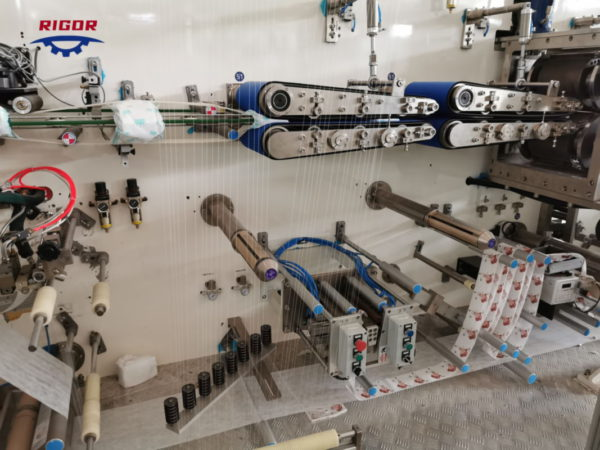
Özet
The global baby diaper market continues to exhibit robust growth, presenting a significant opportunity for entrepreneurs and established businesses in emerging economies. Selecting the appropriate machines for manufacturing baby diapers is a foundational decision that profoundly impacts production efficiency, product quality, and long-term profitability. This analysis examines the five pivotal factors that prospective buyers must consider in 2025: production capacity and speed, the level of automation and technological sophistication, raw material compatibility and operational versatility, the total cost of ownership and return on investment, and the quality of after-sales support and training. The investigation synthesizes technical specifications with practical business considerations, offering a structured framework for decision-making. By dissecting each factor through a lens of clarity and in-depth analysis, this guide aims to empower investors in regions like South America, Russia, Southeast Asia, the Middle East, and South Africa to make an informed, strategic investment in diaper production technology, thereby laying the groundwork for a sustainable and competitive enterprise.
Önemli Çıkarımlar
- Align production speed and capacity with your specific market growth projections.
- Choose between semi-automatic and fully-automatic based on labor costs and quality goals.
- Ensure your chosen diaper machine is versatile with various raw materials.
- Calculate the total cost of ownership, not just the initial purchase price.
- Prioritize manufacturers who offer excellent after-sales support and training.
- Investing in the right machines for manufacturing baby diapers is key to long-term success.
- Consider future-proofing your investment with modular and upgradeable equipment.
İçindekiler
A Foundational Choice: Entering the Diaper Manufacturing Landscape
Stepping into the world of manufacturing is a profound undertaking. It is not merely a financial transaction but an act of creation, a commitment to producing something tangible that serves a fundamental human need. The baby diaper industry, projected to continue its expansion well into the next decade (Fact.MR, 2022), represents a field where this commitment can be particularly rewarding. You are not just creating a product; you are contributing to the health, hygiene, and comfort of the most vulnerable members of society. This endeavor, while noble, is grounded in complex practicalities. The very heart of your future factory, the engine that will drive your success or failure, is your production line. The selection of machines for manufacturing baby diapers is therefore not a decision to be taken lightly. It is a choice that will echo through every aspect of your business, from the quality of your final product to your daily operational costs and your capacity to grow.
Imagine for a moment two aspiring entrepreneurs. One, captivated by the lowest price tag, purchases a machine with outdated technology and limited capacity. They soon find themselves overwhelmed by maintenance issues, inconsistent product quality, and an inability to meet rising demand. The other, taking a more considered approach, invests in a system that aligns with their specific market goals, even if the initial cost is higher. This second entrepreneur experiences smoother operations, produces a superior product, and possesses the flexibility to scale their business as it flourishes. The difference between these two paths is not luck; it is knowledge and foresight.
This guide is designed to be your companion on this second path. We will move beyond superficial specifications and explore the deeper, more nuanced questions you should be asking. Think of this not as a simple checklist, but as a structured dialogue, a way of thinking about the problem that equips you with the intellectual tools to make a truly wise investment. We will examine the five most consequential factors that should shape your decision-making process in 2025. Our journey will take us through the mechanics of production speed, the philosophy behind automation, the chemistry of raw materials, the economics of long-term ownership, and the human element of partnership and support. By engaging with these concepts thoughtfully, you will be prepared to select a diaper machine that serves not just as a piece of equipment, but as the cornerstone of a thriving and resilient enterprise.
Factor 1: Production Capacity and Speed – Aligning Output with Market Demand
The first question that naturally arises in the mind of a prospective manufacturer is one of scale: "How many diapers can it make?" This question of production capacity, measured in pieces per minute (PPM), is the initial gateway to understanding a machine's potential. Yet, viewing this number in isolation is a common pitfall. The true task is to harmonize the machine's output with the specific, dynamic demands of your target market. A machine that produces 1,000 PPM may seem impressive, but if your initial market can only absorb 300 PPM, you have invested in idle capacity, tying up capital that could be used elsewhere. Conversely, a machine with a 200 PPM capacity might seem like a prudent start, but if your market in a rapidly urbanizing area of South Africa or Southeast Asia is poised for explosive growth, you will quickly find yourself unable to keep pace with orders, losing valuable market share to competitors.
Understanding Production Metrics: PPM and Efficiency
Let's break down the numbers. Production speed, or PPM, is the theoretical maximum output of a machine operating under ideal conditions. Think of it as the top speed of a car listed in a brochure. It's an important figure, but your actual, day-to-day "driving speed" will be different. This is where the concept of operational efficiency comes into play. No machine runs continuously without stopping. There will be planned stops for changing raw material rolls, and unplanned stops due to material breaks or minor adjustments.
Operational efficiency is the percentage of time the machine is actually producing quality products. A machine rated at 600 PPM with a 90% efficiency rate will produce an average of 540 saleable diapers per minute. A less reliable machine, perhaps also rated at 600 PPM but operating at only 70% efficiency, yields just 420 diapers per minute. Over a year, this difference amounts to millions of diapers and a significant loss of potential revenue.
When evaluating machines for manufacturing baby diapers, you must inquire deeply about the factors that contribute to high efficiency. A reputable diaper machine manufacturer will be transparent about these figures. Ask about the typical causes of downtime. How long does it take to change a roll of non-woven fabric or superabsorbent polymer (SAP)? Are these changes automated or do they require significant manual intervention? Modern machines often incorporate features like automatic splicing, where a new roll of material is seamlessly joined to the end of an old one without stopping the line, dramatically boosting efficiency. These are the granular details that separate a moderately productive line from a highly profitable one.
Scaling for Growth: From Start-up to Market Leader
Your initial investment must also consider the future. Your business plan, which should be informed by a thorough market analysis (businessplan-templates.com), will project your growth over the next three to five years. How does your choice of machine support this trajectory?
There are two primary philosophies for scaling. The first is to start with a smaller, more affordable machine (e.g., 200-400 PPM) that meets your initial demand and plan to add a second production line as your business grows. This approach minimizes initial capital risk. It is a viable strategy, particularly in uncertain market conditions. However, it requires additional factory space and can lead to complexities in managing two separate production lines.
The second philosophy is to invest in a higher-speed machine (e.g., 500-800 PPM) that has a modular design. Perhaps you run it at a slower speed initially to match demand, which can also reduce wear and tear. As your orders increase, you can ramp up the speed. The best machines for manufacturing baby diapers are often designed with future upgrades in mind. You might start with a basic configuration and later add modules for features like elastic waistbands or different packaging options. This approach requires more upfront capital but provides a more seamless path to expansion within the same footprint.
Think about your five-year vision. Do you see yourself as a niche player in a specific city, or do you aspire to be a regional brand leader? Your answer to this strategic question should directly inform the production capacity and scalability of the machinery you choose. It's a matter of matching the mechanical potential of the equipment to the human potential of your business ambition.
Case Study: A Mid-Sized Enterprise in Southeast Asia
Consider the case of a fictional company, "Bayi Sehat," in Indonesia. They began in 2022 with a market analysis showing a rising middle class and increasing awareness of infant hygiene (Fact.MR, 2022). They faced a choice: a 300 PPM machine for a lower initial cost, or a 600 PPM servo-driven machine for a 40% higher price. Their projections showed a potential market capture that would exceed the capacity of the smaller machine within 24 months.
They chose the 600 PPM machine. For the first year, they ran it at an average speed of 400 PPM, focusing on establishing their brand and distribution network. This slower operational speed resulted in extremely high efficiency (around 95%) and very low waste, as the machine was not being pushed to its limits. As demand surged in their second and third years, they were able to simply increase the operational speed to 550 PPM, effortlessly meeting the new demand without requiring a second major capital investment in a new line. Their initial foresight paid dividends, allowing them to capture market share aggressively while their competitors, who had started smaller, were struggling with the logistics of installing new equipment. This story illustrates the power of looking beyond the immediate need and investing in capacity that aligns with your growth ambitions.
Factor 2: Automation and Technological Sophistication
Once you have a clear idea of the production volume you need, the next layer of inquiry concerns the technology that achieves it. The level of automation in a diaper production line is perhaps the single most significant determinant of product quality, consistency, and labor costs. We can broadly categorize machines into two types: semi-automatic and fully-automatic. The choice between them is not a simple matter of "good" versus "better"; it is a strategic decision that depends on your local economic context, your workforce's skill level, and your quality positioning in the market.
A fully-automatic diaper machine is a marvel of modern engineering. From the unwinding of raw materials to the final packaging of the diapers, human intervention is minimal. These systems use advanced servo motors, Programmable Logic Controllers (PLCs), and Human-Machine Interfaces (HMIs) to orchestrate a high-speed symphony of precise actions. A semi-automatic machine, by contrast, requires more manual input at various stages, such as manual splicing of materials, manual quality checks, or a more hands-on packaging process.
Semi-Automatic vs. Fully-Automatic: A Comparative Analysis
To understand the trade-offs, let's compare these two approaches across several key dimensions. Think of it like choosing between a vehicle with a manual transmission and one with a fully automatic system. Both will get you to your destination, but the experience, skill required, and performance consistency are quite different.
| Özellik |
Semi-Automatic Diaper Machine |
Fully-Automatic Diaper Machine |
| Initial Investment |
Lower. This makes it an attractive option for startups or businesses with limited initial capital. |
Higher. The cost of servo motors, advanced sensors, and complex control systems increases the price significantly. |
| Production Speed |
Generally lower (e.g., 150-400 PPM). Speed is often limited by the manual steps in the process. |
Significantly higher (e.g., 400-1200+ PPM). The entire process is optimized for maximum, continuous output. |
| İşgücü Gereksinimi |
Higher. More operators are needed for material handling, quality control, and packaging. |
Lower. A few highly skilled technicians can oversee the entire automated line. |
| Product Consistency |
More variable. Product quality can depend on the skill and attentiveness of the individual operators. |
Extremely high. Every diaper is produced with the same precise application of glue, the same cutting dimensions, and the same placement of components. |
| Waste Rate |
Generally higher. Manual adjustments and material changes can lead to more rejected products. |
Lower. Automated tension control, web guiding, and quality inspection systems minimize material waste. |
| Flexibility |
Can be more flexible for very small, custom runs, but changing product sizes can be time-consuming. |
Highly flexible for size changes via the HMI, but initial setup is more complex. Modern systems allow for quick, programmed changeovers. |
For a business in a region with high labor costs, a fully-automatic line is almost a necessity to remain competitive. The savings in wages and the benefits of higher quality and lower waste quickly offset the higher initial investment. However, for an entrepreneur in a market with lower labor costs, a semi-automatic machine can be a perfectly logical entry point. It allows the business to start production with less capital and provides local employment. The key is to ensure the machine is still built with quality components to avoid constant maintenance headaches.
The Role of Servo Motors and PLC Systems
Let's delve deeper into the technology that powers a modern, fully-automatic machine. At its core are two key components: servo motors and the PLC.
Servo Motors: In older, mechanically-driven machines, a single large motor would power the entire line through a complex system of gears, shafts, and chains. This was mechanically complex, noisy, and inefficient. A change in product size required a painstaking manual adjustment of these mechanical linkages. A modern, fully-automatic diaper machine uses multiple independent servo motors. Each servo motor controls a specific function—one might drive the knife that cuts the diaper, another might control the applicator that places the elastic leg cuffs, and yet another manages the tension of the backsheet material.
What is the benefit of this? Precision and control. Each servo motor is controlled electronically by the PLC. If you want to change from a medium-sized diaper to a large-sized one, you don't need a wrench. You simply select the new size on the HMI touchscreen. The PLC then sends new instructions to each servo motor, adjusting speeds and positions with microscopic accuracy in a matter of minutes. This results in faster changeovers, higher precision, less waste during size changes, and a much quieter, cleaner operating environment.
The PLC (Programmable Logic Controller): If the servo motors are the muscles of the machine, the PLC is the brain. It's a ruggedized industrial computer that executes the program governing the entire manufacturing process. It receives information from hundreds of sensors across the machine—sensors that check for material presence, detect splices, inspect for glue, and monitor the position of every component. Based on this information, the PLC makes real-time decisions, commanding the servo motors, activating glue guns, and controlling pneumatic valves. The reliability and sophistication of the PLC and its programming are what separates a truly "smart" machine from a merely automated one. When you are evaluating machines for manufacturing baby diapers, ask about the brand and model of the PLC and servo systems. Reputable, globally recognized brands like Siemens, Allen-Bradley, or Mitsubishi Electric are often indicative of a high-quality build.
Smart Features: Quality Control Systems and Remote Diagnostics
The most advanced machines for manufacturing baby diapers now incorporate "smart" features that would have been science fiction a decade ago. These systems move beyond simple automation to active quality assurance.
Vision Inspection Systems: These are high-speed cameras coupled with powerful image processing software. They are positioned at critical points along the production line to visually inspect every single diaper. They can detect defects like a missing leg cuff, misplaced frontal tape, or an improperly formed absorbent core. If a defective product is detected, the system automatically signals a rejection mechanism to remove that specific diaper from the line without stopping production. This ensures that only perfect products reach the packaging stage, protecting your brand's reputation for quality.
Remote Diagnostics: Many top-tier machines are now equipped with an internet connection that allows the manufacturer's technicians to remotely access the machine's PLC system (with your permission, of course). Imagine you have an unusual error code that your local team cannot solve. Instead of waiting days for a technician to fly in, a specialist from the manufacturer's headquarters can log in, diagnose the problem by analyzing the PLC's data and sensor readings, and guide your team through the solution in a matter of hours. This capability dramatically reduces potential downtime and is a powerful testament to the value of choosing a technologically advanced and supportive manufacturing partner. You can learn more about our commitment to clients and our implementation of such forward-thinking technologies.
Factor 3: Raw Material Compatibility and Versatility
A diaper, though it appears simple, is a highly engineered composite product. It is an assembly of specialized materials, each chosen for a specific function: containment, absorption, comfort, and fit. A superior diaper machine is not just fast and precise; it is also a master of handling this diverse palette of materials with finesse and flexibility. The machine's ability to work with different suppliers, grades, and types of raw materials can significantly impact your supply chain resilience and your ability to innovate.
Your factory's location—be it in the dynamic markets of Brazil, the vast expanse of Russia, or the growing economies of the Middle East—will influence your access to raw materials. Relying on a single supplier for a critical component is a risky strategy. A machine that is versatile enough to handle materials from different sources provides you with crucial flexibility. For instance, if your primary supplier of non-woven fabric has a production issue, can your machine run a similar fabric from a secondary supplier, even if it has slightly different properties of thickness or texture? A well-designed machine with adjustable tension controls and robust processing units can. An overly sensitive or poorly designed machine might suffer from constant breaks and jams, grinding your production to a halt.
Core Components: Fluff Pulp, SAP, and Non-Wovens
Let's examine the primary materials and how the machine interacts with them.
- Fluff Pulp: This is the fluffy, absorbent cellulose material that forms the bulk of the diaper's core. It typically arrives at the factory in large rolls. The machine's "pulp mill" section uses a high-speed hammermill to shred and fluff the pulp, turning the compressed sheet back into a soft, fibrous mass. The quality of this mill is paramount. A good mill produces uniform fibers without creating excessive dust, which is a fire hazard and can clog other parts of the machine.
- Superabsorbent Polymer (SAP): These are tiny, granular crystals that are the unsung heroes of modern diapers. They can absorb and retain many times their weight in liquid. The diaper machine must have a highly accurate dosing system to precisely mix the SAP with the fluff pulp. Too little SAP, and the diaper's absorbency will be poor. Too much, and you are wasting one of the most expensive components of the diaper. Advanced machines use loss-in-weight feeders that constantly monitor the amount of SAP being dispensed, ensuring perfect consistency from the first diaper of the day to the last.
- Non-Woven Fabrics: Several types of non-woven fabrics are used. The topsheet is the soft layer that touches the baby's skin and must allow liquid to pass through quickly. The backsheet is the waterproof outer layer. The acquisition distribution layer (ADL) sits beneath the topsheet and helps to quickly spread liquid across the absorbent core. The machine must guide these delicate fabrics at high speeds without stretching or tearing them. This is accomplished through a series of rollers and sophisticated "web guiding" systems that use sensors to ensure the fabrics are perfectly aligned at all times.
The table below outlines these key materials and some considerations for sourcing them in various international markets.
| Material |
Key Properties |
Sourcing Considerations for Emerging Markets |
| Fluff Pulp |
High absorbency, fiber uniformity, brightness. |
Primarily sourced from North and South America. Factor in logistics and import duties. Look for regional distributors. |
| SAP |
Absorption capacity (g/g), absorption speed, retention under pressure. |
Major producers are in Europe, Asia, and North America. Quality can vary significantly; test samples from different suppliers on your machine. |
| Non-Woven Fabrics |
Softness (topsheet), barrier properties (backsheet), wicking ability (ADL). |
Many regional producers in Asia and the Middle East. A versatile machine allows you to test local suppliers, potentially reducing costs and lead times. |
| Adhesives |
Hot-melt glues for construction and elasticity. Must be non-toxic and provide strong bonds. |
Global brands like Henkel or H.B. Fuller often have local production or distribution. Test for compatibility with your machine's glue application system. |
| Elastic Strands |
Lycra or spandex for leg cuffs and waistbands. Requires consistent tension for a good fit. |
Sourcing can be global. The machine's elastic unwinding stands must provide precise, constant tension to avoid loose or overly tight elastics. |
Machine Flexibility for Different Diaper Designs
The baby diaper market is not static. Consumer preferences change, and new product features emerge. A few years ago, elastic waistbands were a premium feature; now, they are standard in many markets. "Smart diapers" with wetness indicators are also gaining popularity (Data Bridge Market Research, 2022). Your machine should not lock you into a single, unchangeable product design.
When discussing options with a diaper machine manufacturer, inquire about the machine's modularity and its ability to produce different types of diapers.
- Diaper Shape: Can the machine produce both traditional T-shaped diapers (with side panels) and simpler I-shaped or pad-style diapers? This flexibility can allow you to target different market segments, from premium to economy tiers.
- Feature Integration: How easily can the machine be upgraded to add new features? For example, can you add a unit to apply an elastic waistband later on? Can a lotion or aloe vera applicator be integrated? A forward-thinking manufacturer designs their machines with a "plug-and-play" philosophy in mind, where new stations can be added to the line without a complete overhaul.
- Size Changeovers: As we discussed, modern servo-driven machines excel at this. The ability to quickly and efficiently switch between producing diapers for newborns, infants, and toddlers is essential for serving the full market. Ask for a demonstration or video of a size changeover process. The time it takes—often called the "changeover time"—is a key performance indicator.
Your investment in one of the many available modern baby diaper machine options should be an investment in adaptability. The market will evolve, and your production capabilities must be able to evolve with it. A versatile machine is a form of insurance against obsolescence, allowing your business to remain agile and responsive to new opportunities.
Factor 4: Calculating Total Cost of Ownership (TCO) and Return on Investment (ROI)
An astute business leader understands that the purchase price of a piece of industrial equipment is only the beginning of the story. Like an iceberg, the visible cost is often only a fraction of the total financial commitment. To make a truly sound investment in machines for manufacturing baby diapers, you must adopt the mindset of calculating the Total Cost of Ownership (TCO). This comprehensive view encompasses every expense associated with the machine over its entire operational life. Only by understanding the TCO can you accurately project your profitability and calculate your Return on Investment (ROI).
Many entrepreneurs, especially those new to manufacturing, fall into the trap of "sticker price shock." They compare the upfront costs of several machines and gravitate towards the cheapest option, believing they are securing the best deal. This can be a catastrophic error. A machine that is 15% cheaper to buy but consumes 30% more energy, requires 20% more maintenance, and produces 5% more waste will be vastly more expensive in the long run. The wise investor looks past the initial price tag to the ongoing operational realities.
Beyond the Sticker Price: Installation, Training, and Maintenance
Let's break down the hidden and ongoing costs that constitute the TCO.
- Shipping and Installation: The machine is large and heavy. How much will it cost to ship it from the manufacturer's factory to your facility in, for example, Nigeria or Russia? Who is responsible for installation and commissioning? A reputable manufacturer will typically send a team of skilled engineers to install the machine, ensure it is running correctly, and formally hand it over to your team. The cost of their travel, accommodation, and services should be clearly defined in the contract.
- Training: Your operators and maintenance staff need to learn how to run and care for this complex piece of equipment. A low-cost offer might include only rudimentary training. A superior package will involve comprehensive, hands-on training for both operators (on running the machine efficiently) and technicians (on mechanical and electrical maintenance). Insufficient training leads directly to lower efficiency, higher waste, and potential damage to the machine.
- Spare Parts: Machines have components that wear out over time. These are called "wear parts" (like cutting blades and bearings) and "consumables" (like glue nozzles). What is the cost of these parts? How readily available are they? A manufacturer who uses non-standard, proprietary parts can hold you hostage with high prices and long lead times. A manufacturer who uses high-quality, standardized components from globally recognized brands (like SKF bearings or Festo pneumatics) gives you more options and ensures better availability. Your initial purchase should include a recommended package of critical spare parts to cover the first one to two years of operation.
- Maintenance: How much scheduled downtime is required for preventive maintenance? A well-designed machine will have easy access to maintenance points and clear instructions. A poorly designed one might require significant disassembly for simple tasks, increasing labor costs and downtime.
Energy Consumption and Operational Costs
In an era of volatile energy prices, the power consumption of your production line is a major operational expense. A modern, servo-driven machine is significantly more energy-efficient than an older, mechanically-driven one. The main drive motor on a mechanical machine runs constantly at full power, with a lot of energy lost to friction in the gear and shaft system. In a servo system, each motor only draws the power it needs for the specific task at hand, and there is far less mechanical friction.
Ask the manufacturer for a detailed breakdown of the machine's power consumption in kilowatts (kW). You can then use your local electricity price (per kilowatt-hour) to calculate the daily and annual energy cost. An energy difference of just 20-30 kW between two machines can translate into tens of thousands of dollars in extra costs over a year.
Another operational cost is compressed air. The pneumatic systems on the machine (used for activating certain components) require a steady supply of clean, dry compressed air. The machine's air consumption will determine the size and cost of the air compressor you need to purchase and operate. A machine designed with efficient pneumatics will save you money on both the compressor investment and its ongoing energy use.
A Framework for ROI Calculation
Once you have a clearer picture of the TCO, you can begin to realistically calculate your potential ROI. The basic formula is straightforward:
ROI (%) = (Net Profit / Total Investment) x 100
The "Total Investment" is your TCO. The "Net Profit" is where the details of your machine's performance become critical. Your net profit is derived from your revenue minus your costs.
- Revenue: This is determined by your production output (PPM x Efficiency x Operating Hours) multiplied by the selling price of your diapers. A faster, more efficient machine generates more revenue.
- Costs: These include the cost of raw materials, operational costs (labor, energy), and the maintenance and spare parts costs derived from your TCO analysis. A machine with a lower waste rate directly reduces your raw material cost per diaper. A machine that requires fewer operators reduces your labor cost.
Let's imagine you are comparing Machine A (lower price, lower efficiency, higher energy use) with Machine B (higher price, higher efficiency, lower energy use). By plugging all the numbers into a spreadsheet, you can model your profitability over several years. You will often find that Machine B, despite its higher initial cost, pays for itself much faster and generates significantly more cumulative profit over a five-year period. This is the power of thinking in terms of ROI instead of just purchase price. It shifts the decision from a simple expense to a strategic investment in future profitability.
Factor 5: After-Sales Support, Training, and Spare Parts Availability
Your relationship with the machine manufacturer does not end when the payment is made or when the machine is delivered. In many ways, it is just beginning. A diaper production line is a long-term asset, expected to operate for a decade or more. Over this lifespan, you will inevitably require support, advice, spare parts, and potentially further training. The quality and reliability of the manufacturer's after-sales service is a factor of immense importance, one that can mean the difference between a smoothly running operation and a factory plagued by frustratingly long periods of downtime.
Think of this relationship as a partnership. You are not just buying a product; you are investing in the expertise and commitment of the company that built it. A manufacturer who views the sale as a one-time transaction is a red flag. A true partner, like a reliable bebek bezi makinesi üreticisi, understands that their success is intrinsically linked to yours. They will be there to support you long after the initial installation is complete.
The Value of a Reliable Manufacturing Partner
Before you sign any contract, investigate the manufacturer's reputation for service. Do not rely solely on their marketing materials. Seek out testimonials from their existing customers. If possible, ask the manufacturer for references—other companies, perhaps in a different region so as not to be direct competitors, who have purchased and are operating their equipment. Ask these references candid questions:
- When you have a technical problem, how responsive is the service team?
- Do they have technicians who speak your language or a common business language like English?
- How do they handle warranty claims?
- Have they been helpful in providing advice on improving efficiency or testing new raw materials?
A manufacturer's willingness to connect you with their current clients is a sign of confidence in their own service. Their reluctance to do so should be a cause for concern. The global nature of the business means you might be thousands of miles away from the manufacturer's headquarters. This physical distance makes their commitment to remote support, clear communication, and rapid response even more vital. The existence of regional service centers or partnerships with local technical agents in areas like South America or the Middle East is another strong positive indicator.
Comprehensive Training Programs for Your Operators
We touched on training earlier, but its importance cannot be overstated. The most technologically advanced machine in the world will underperform if operated by an improperly trained team. A premier manufacturer offers a multi-stage training program.
- Pre-Installation Training: Some manufacturers invite your key technicians and engineers to their factory for training while your machine is being built and tested. This is an invaluable opportunity for your team to learn about the machine in a controlled environment, directly from the people who designed and assembled it.
- On-Site Training during Commissioning: When the manufacturer's engineers are at your factory for installation, they should conduct intensive, hands-on training with your operators and maintenance staff. This training should cover everything from daily startup and shutdown procedures, to performing size changes, loading new materials, understanding the HMI and error messages, and performing routine cleaning and lubrication.
- Post-Installation Support: Does the manufacturer provide detailed operating and maintenance manuals? Are these manuals clear, well-illustrated, and available in your language? Do they offer ongoing remote support to answer questions that arise during the first few months of operation?
A well-trained team is more efficient, produces a higher quality product, and is capable of resolving minor issues on their own without needing to call for external support. This autonomy is crucial for maximizing your production uptime.
Ensuring Long-Term Uptime with Readily Available Spares
Every hour your production line is down is an hour of lost revenue. One of the most common causes of extended downtime is waiting for a critical spare part to arrive. Therefore, the manufacturer's spare parts strategy is a key part of your evaluation.
- Recommended Spare Parts List: The manufacturer should provide a list of recommended spare parts to keep in your own inventory. This list is typically divided into categories: critical parts (which could stop the line for an extended period), wear parts (which need regular replacement), and standard components. Your initial purchase should include a budget for this initial stock of spares.
- Lead Times: For parts you do not stock, what is the manufacturer's guaranteed lead time for shipping? How do they handle emergency orders? Do they use reliable international couriers like DHL or FedEx to ensure rapid delivery to your region?
- Part Identification: A good manufacturer provides a detailed parts manual with diagrams and unique part numbers for every single component of the machine. This eliminates confusion and ensures you can order the exact part you need quickly and easily. Some modern systems even integrate the parts manual into the machine's HMI, allowing an operator to simply touch a component on the screen to get its part number.
Choosing a partner with a robust and well-organized after-sales support system is not a cost; it is an insurance policy for your investment. It provides the peace of mind that comes from knowing that when challenges arise, you have a knowledgeable and responsive team ready to help you get back to what you do best: producing quality diapers for your market.
Sıkça Sorulan Sorular (SSS)
What is the typical lifespan of a baby diaper machine?
A well-maintained, high-quality diaper machine from a reputable manufacturer should have an operational lifespan of 15 to 20 years or even longer. The key to longevity is adherence to the manufacturer's preventive maintenance schedule, the use of high-quality spare parts, and operation by a well-trained team. The core structure and heavy-duty components are built to last, while wear parts like blades, bearings, and belts will be replaced periodically as part of normal maintenance.
How much factory space do I need for a diaper production line?
The required space depends significantly on the machine's size and configuration. A complete production line includes not just the main machine but also space for raw material warehousing, finished product storage, and auxiliary equipment like an air compressor and dust collection system. As a rough estimate, a medium-speed (400-600 PPM) fully-automatic line might require a space of approximately 30-40 meters in length, 10-12 meters in width, and a ceiling height of at least 5 meters. Always request a detailed layout drawing from the manufacturer to plan your facility accurately.
Can one machine produce both baby diapers and adult diapers or sanitary pads?
Generally, a machine is specifically designed for one product type due to significant differences in size, shape, and component assembly. However, the underlying technologies (like non-woven handling, pulp processing, and adhesive application) are similar. Many manufacturers of machines for manufacturing baby diapers also offer lines for adult diapers or a sanitary pad machine. If you are interested in diversifying, it is best to discuss this with the manufacturer. Some may offer combination machines for very specific, lower-speed applications, but for high-volume production, dedicated lines are standard.
What are the main causes of waste in diaper production?
The primary sources of waste (often called "scrap") in diaper production are machine start-ups and shut-downs, splices when changing raw material rolls, and rejected products due to quality defects. A modern, fully-automatic machine with features like automatic splicing and an advanced quality control vision system can keep the total waste rate below 2-3%. Older or less advanced machines can have waste rates of 5-8% or even higher, which significantly impacts profitability due to the high cost of raw materials.
How many people are needed to operate a fully-automatic diaper machine?
A fully-automatic, high-speed diaper production line is designed for minimal labor. A typical shift might require only 2 to 3 operators. One lead operator would primarily monitor the HMI and oversee the process, while one or two other operators would be responsible for loading raw material rolls and managing the packaging system at the end of the line. This is a significant reduction compared to semi-automatic lines, which might require 5-8 operators per shift.
Navigating Your Path to Manufacturing Success
The journey to becoming a successful diaper manufacturer is intricate, paved with both immense opportunity and significant challenges. The decision of which machine to purchase is the most critical step you will take, setting the trajectory for your entire enterprise. As we have explored, this choice transcends a simple comparison of price and speed. It is a holistic evaluation of technology, adaptability, long-term cost, and partnership. It requires you to be not just an entrepreneur, but also a strategist, an engineer, and a futurist, peering into the potential of your market and aligning your capital investment with that vision.
By moving through the five key factors—capacity, automation, material versatility, total cost of ownership, and after-sales support—you arm yourself with a comprehensive framework for analysis. You learn to ask the deeper questions: not just "How fast does it run?" but "How efficient is it at that speed?". Not just "What does it cost?" but "What is the return on this investment over five years?". Not just "Can it make my product today?" but "Can it adapt to make the product my customers will want tomorrow?".
This considered approach, one of clarity and depth, transforms the purchase from a daunting expense into a strategic empowerment of your business goals. The right machine is more than steel, wires, and motors; it is the engine of your growth, the guardian of your quality, and the key to your long-term competitiveness in a dynamic global market. By choosing wisely, you lay a robust foundation upon which you can build a lasting and profitable business, one that serves a fundamental human need with quality and care.
Referanslar
Businessplan-templates.com. (2025, April 4). How to start a diaper manufacturing business: 9-step checklist. businessplan-templates.com
Data Bridge Market Research. (2022, October). Diaper attachment sensors market – Global market – Industry trends and forecast to 2029. www.databridgemarketresearch.com
Fact.MR. (2022, August 2). Baby disposable diapers market is expected to reach a value of USD 60 billion by 2031. blog.factmr.com
Garg, G. (2025, February 13). Top 10 baby diper making machine. Favourite Hub. favouritehub.com
Kilic, M., & Kalkan, S. (2018). Raw materials used in the production of baby diapers and their properties. Tekstil ve Mühendis, 25(112), 319-331.
Michielsen, S., Partiman, B., & Ab-Rahman, M. S. (2010). The effect of SAP and fluff pulp distribution on the performance of a disposable diaper. Journal of Applied Polymer Science, 115(1), 151-158. https://doi.org/10.1002/app.30873
Odio, M., & O'Connor, R. (2001). Disposable diapers. In Handbook of nonwoven filter media (pp. 523-535). Elsevier. https://doi.org/10.1533/9781856177119.5.523
Park, S., Kim, D., Lee, Y., & Lee, S. (2014). Effects of non-woven fabric properties on the comfort and performance of disposable diapers. Fibers and Polymers, 15(3), 619-625. https://doi.org/10.1007/s12221-014-0619-2