Why Invest in a Hygiene Products Manufacturing Plant in Africa in 2026?
Africa’s hygiene products market is entering a phase of unprecedented expansion. With a population that continues to grow faster than any other region, rising incomes, and increasing awareness of personal hygiene, the demand for diapers and sanitary pads is skyrocketing. In 2026, the conditions for local manufacturing have never been more favorable. Governments are rolling out incentives to reduce import dependency, and the African Continental Free Trade Area (AfCFTA) is opening doors to cross-border trade. For investors from South America, Russia, Southeast Asia, the Middle East, and South Africa, this represents a strategic opportunity to tap into a market with both immediate needs and long-term growth potential.
Market Demand for Diapers and Sanitary Pads in Africa
Africa’s demographic profile is the primary driver of hygiene product demand. The continent is home to the world’s youngest population, with over 60% under the age of 25. In 2026, the number of children under four years old is expected to exceed 200 million, creating a massive base for baby diaper consumption. Meanwhile, the feminine hygiene segment is equally compelling. As more girls attend school and women enter the workforce, the use of sanitary pads is transitioning from a luxury to a necessity. In rural areas, NGOs and government programs are distributing pads, further normalizing their use. Market research indicates that the African diaper and sanitary pad market will grow at a compound annual growth rate (CAGR) of over 8% through 2030, outpacing many other regions.
Economic Growth and Demographic Trends in 2026
Several African economies are showing resilient GDP growth despite global uncertainties. Countries like Ethiopia, Côte d’Ivoire, Ghana, and Rwanda are projected to grow at 6% or higher in 2026. This economic momentum is expanding the middle class, which is expected to reach 300 million by 2030. With higher disposable incomes, families are switching from cloth to disposable diapers, and women are opting for branded sanitary pads instead of homemade alternatives. Urbanization is another critical factor: as more people move to cities, they adopt modern hygiene practices and have better access to retail outlets. The combination of demographics and economics creates a demand curve that local production can profitably serve.
Government Incentives for Local Manufacturing
To reduce the burden of imports and create jobs, many African governments are actively encouraging local manufacturing of hygiene products. In Nigeria, the government offers tax holidays and duty-free import of machinery for manufacturers in priority sectors. Kenya’s Vision 2030 includes incentives for investors in the manufacturing sector, such as lower corporate taxes and investment deductions. Ethiopia provides industrial parks with ready-to-use factory shells, subsidized electricity, and streamlined export procedures. Rwanda and Tanzania have simplified business registration and offer one-stop shops for investors. These policies significantly lower the barrier to entry and improve the return on investment for a new hygiene products plant.
Export Opportunities to Neighboring Regions
Setting up a plant in Africa not only serves the domestic market but also opens doors to regional exports. The African Continental Free Trade Area (AfCFTA), which became operational in 2021, is progressively eliminating tariffs on 90% of goods traded within the continent. By 2026, its implementation has advanced, making it easier to export diapers and sanitary pads from a hub like Kenya to Uganda, Tanzania, Rwanda, and beyond. Similarly, a plant in West Africa can supply the entire ECOWAS region. South Africa serves as a gateway to the Southern African Development Community (SADC). For investors, the ability to scale production and reach a broader market without heavy tariff penalties is a compelling reason to choose Africa over importing finished goods from Asia.
How to Start a Hygiene Products Manufacturing Plant in Africa: Step-by-Step Guide
Launching a manufacturing plant in Africa requires careful planning and local insight. The process can be broken down into clear, actionable steps. I’ve guided several clients through this journey, and the following roadmap reflects both best practices and lessons learned from the field.
Conducting Market Research and Feasibility Studies
Before committing capital, you need to understand the specific market you intend to serve. This goes beyond general statistics. You must identify local consumer preferences, such as diaper size, pad thickness, and price sensitivity. In my work with a client in Ghana, we discovered that the market preferred a thinner, more affordable diaper with a cotton-like topsheet, while imported brands were too thick for the tropical climate. Feasibility studies should also assess competitors, distribution channels, and raw material availability. I recommend partnering with a local research firm or spending at least a month on the ground visiting retail stores and talking to distributors. This upfront effort can prevent costly missteps later.
Choosing the Right Location and Factory Setup
Location can make or break your operation. Key factors include proximity to raw material suppliers or ports, availability of reliable utilities, and access to your target market. For example, a plant in Mombasa, Kenya, benefits from the port for importing fluff pulp and SAP, while also serving the East African hinterland. In Ethiopia, industrial parks near Addis Ababa offer ready infrastructure and tax benefits. The factory itself should be at least 1,000 to 2,000 square meters for a single production line, with room for warehousing. Ensure the building has proper ventilation, dust control, and a cleanroom area for the production zone. I recall a case where an investor underestimated the need for a separate finished goods warehouse, leading to storage bottlenecks during peak demand.
Selecting Machinery: Diaper Machine vs. Sanitary Pad Machine
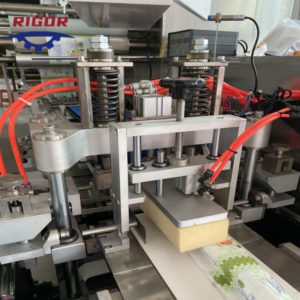
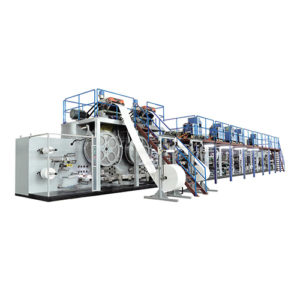
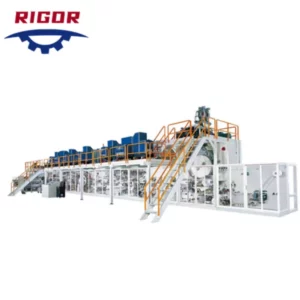
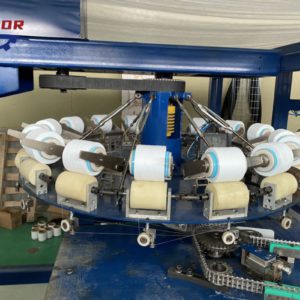
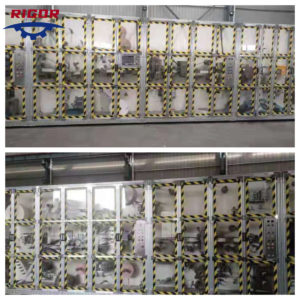
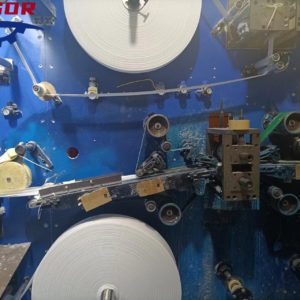
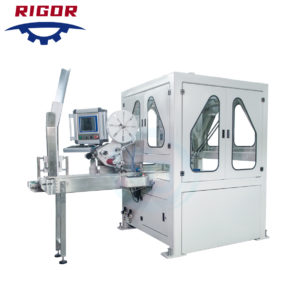
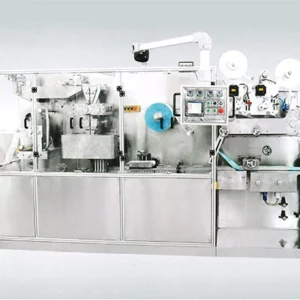
Your product choice dictates the machinery. A baby diaper production line is more complex than a sanitary pad machine, involving multiple stations for core formation, elastic application, and waistband attachment. For high-speed output, a fully automatic bebek bezi üretim hattı can reach speeds of 300 to 500 pieces per minute. Sanitary pad machines, on the other hand, are simpler but still require precision for wing formation, core integrity, and wrapping. When selecting, consider not only the current demand but also the ability to upgrade or add modules later. Many manufacturers, including our company, offer machines that can be customized for the African market, such as handling non-woven materials that withstand higher humidity.
Navigating Regulations and Obtaining Certifications
Each African country has its own regulatory framework for hygiene products. In Nigeria, the Standards Organisation of Nigeria (SON) requires conformity assessment and product registration. Kenya has the Kenya Bureau of Standards (KEBS), and South Africa requires compliance with SABS standards. The process can be time-consuming, so start early. You will need to submit product samples for testing, provide factory inspection reports, and sometimes obtain ISO or CE certifications for the machinery. Engaging a local legal consultant or a certification specialist can expedite the process. In my experience, investors who overlook this step face delays of up to six months in getting products to market.
Hiring and Training Local Workforce
Africa has a young and trainable labor force, but skilled operators for diaper or pad machines are rare. You will need to recruit machine operators, quality control staff, and maintenance technicians. Partner with the machine supplier to provide on-site training during installation and commissioning. I’ve seen plants where the supplier’s engineers stayed for two months to train local teams, resulting in a smooth ramp-up. Additionally, invest in continuous training and create standard operating procedures in local languages. This reduces downtime and ensures consistent product quality. Hiring a local plant manager with industry experience can bridge cultural and operational gaps.
What Are the Best Machines for a Hygiene Products Manufacturing Plant in Africa?
Choosing the right machinery is the cornerstone of a successful plant. The African market has specific requirements: machines must be robust, easy to maintain, and capable of running with locally available raw materials. Below is a breakdown of the top options and key considerations.
Top Diaper Machine Manufacturers for the African Market
Several global manufacturers supply diaper machines to Africa, but not all are suited to the local context. Leading names include Chinese manufacturers (such as our company), Italian, and Turkish brands. Chinese machines have gained popularity due to their cost-effectiveness and adaptability. For instance, our high-speed baby diaper machine offers a balance of automation and affordability, with features like servo-driven control and quick size change. When evaluating suppliers, look for those with a proven track record in Africa, local agents or service centers, and availability of spare parts. A supplier that can provide remote diagnostics and fast-response support is invaluable.
Sanitary Pad Machine Comparison: Features and Efficiency
Sanitary pad machines vary widely in speed, automation, and product flexibility. Entry-level machines produce 100–150 pads per minute and are semi-automatic, requiring manual packaging. High-end models can reach 800–1000 pads per minute with full servo control and automatic stacking and bagging. For the African market, a mid-range machine (200–400 ppm) often provides the best balance, as it meets demand without excessive capital outlay. Key features to compare include core formation technology (airlaid vs. traditional), wing sealing reliability, and the ability to handle ultrathin designs. Below is a comparison table of two popular machine types for Africa.
| Özellik | Entry-Level Semi-Auto Pad Machine | High-Speed Fully Automatic Machine |
|---|---|---|
| Hız | 100–150 pads/min | 400–800 pads/min |
| Otomasyon | Manual packaging, basic control | Auto stacking, wrapping, bagging |
| Price Range | $30,000–$60,000 | $150,000–$300,000 |
| Maintenance | Simple, low skill needed | Requires trained technicians |
| Product Changeover | Time-consuming, manual adjustments | Quick change with servo motors |
| İçin En İyisi | Startups, niche markets, rural demand | Large-scale production, urban markets, export |
New vs. Used Machines: Pros and Cons for Africa
Many first-time investors are tempted by the lower upfront cost of used machinery. While this can work, it carries significant risks. Used machines often lack documentation, have worn components, and may not meet current safety standards. In Africa, where technical support is limited, a used machine can become a liability. I recall a plant in Uganda that bought a second-hand diaper line from Asia, only to spend more on repairs and retrofitting than the initial saving. New machines come with warranties, training, and the latest efficiency features. They also comply with local electrical and safety regulations. However, if capital is constrained, a refurbished machine from a reputable supplier with a service guarantee can be a middle ground. Always insist on a factory acceptance test before shipment.
Automation Levels and Their Impact on Production
Automation directly affects your output, labor requirements, and product consistency. A fully automatic line reduces human error and can run 24/7 with minimal supervision, but it requires a higher investment and more skilled maintenance. Semi-automatic lines are cheaper and simpler, but they need more operators and can have higher variability. For a plant targeting the mass market in a city like Lagos or Nairobi, a fully automatic line is often justified by the volume. In contrast, a plant serving a smaller regional market might start with a semi-automatic line and upgrade later. Consider also the integration of packaging: automatic bagging and cartoning can save labor and improve hygiene. Many African plants are now adopting Industry 4.0 features like remote monitoring, which allows technicians to troubleshoot from abroad.
How Much Does It Cost to Set Up a Hygiene Products Manufacturing Plant in Africa?
Understanding the full cost structure is essential for securing financing and projecting returns. The total investment varies widely based on location, scale, and automation level. Below is a realistic breakdown based on mid-range assumptions for a single production line facility in a country like Kenya or Ghana in 2026.
Breakdown of Initial Investment: Land, Building, Machinery
The initial capital outlay includes land acquisition or lease, factory construction or rental, machinery, and pre-operative expenses. In an industrial park, leasing a 1,500 sqm factory shell might cost $5,000–$10,000 per year, while building from scratch could be $150,000–$300,000. Machinery for a baby diaper line ranges from $100,000 for a basic model to $500,000 for a high-speed, fully automatic line. A sanitary pad machine is typically 20–30% cheaper. Additional equipment like air compressors, generators, and material handling systems add another $30,000–$50,000. Pre-operative costs include licenses, certifications, and initial raw material stock. A realistic total for a small to medium plant is between $250,000 and $600,000, excluding land.
Operating Costs: Raw Materials, Labor, Utilities
Raw materials are the largest ongoing expense, typically accounting for 60–70% of the product cost. Key materials include fluff pulp, superabsorbent polymer (SAP), non-woven fabric, PE film, and packaging. Many of these are imported, so foreign exchange fluctuations can impact costs. Labor costs are relatively low: a machine operator might earn $300–$500 per month, while unskilled workers earn less. Utilities, especially electricity, can be unreliable and expensive. Many plants invest in backup generators and, increasingly, solar power to reduce costs. Water is also needed for cooling and cleaning. Overall, operating costs per month for a single line can range from $20,000 to $50,000, depending on output.
ROI Analysis: How Long to Break Even in Africa?
With strong demand and efficient operations, a hygiene products plant in Africa can break even within 2 to 4 years. For example, a plant producing 5 million diapers per month with a gross margin of 30% can generate a monthly gross profit of $60,000–$100,000, depending on pricing. After deducting overheads, net profit can be $20,000–$50,000 per month. On a total investment of $400,000, the payback period is around 1.5 to 3 years. However, this assumes a stable supply chain and effective sales distribution. Many successful plants achieve payback in under 2 years, especially when they secure government incentives or export contracts.
Financing Options and Investment Partnerships in 2026
Financing a manufacturing plant in Africa has become easier with the rise of impact investors, development finance institutions (DFIs), and local bank programs. Organizations like the African Development Bank, the International Finance Corporation (IFC), and various national development banks offer loans and guarantees for manufacturing projects. In 2026, green and social impact bonds are also being used to fund hygiene projects that benefit women and children. Additionally, forming a joint venture with a local partner can reduce risk and provide access to local networks. Equipment suppliers sometimes offer vendor financing or deferred payment terms. I recommend preparing a detailed business plan with market data and financial projections to approach these financiers.
What Are Common Mistakes to Avoid When Setting Up a Hygiene Products Plant in Africa?
Even with a solid plan, pitfalls can derail a project. Here are the most frequent mistakes I’ve observed and how to steer clear of them.
Underestimating Market Competition and Pricing
Many investors assume that because demand is high, they can easily capture market share. The reality is that the African hygiene market is becoming competitive, with both imported brands and emerging local players. Pricing is critical: if you price too high, consumers will stick with cheaper imports or cloth alternatives; too low, and you erode margins. I worked with a startup in Nigeria that launched a premium diaper at a price 20% above the market leader. Sales were sluggish until they introduced a mid-tier variant and adjusted their branding. Always conduct a thorough pricing analysis and consider a penetration pricing strategy for the first year.
Choosing the Wrong Machine Specifications for Local Needs
A machine designed for the European or Chinese market may not be optimal for Africa. For instance, some high-speed machines require a specific grade of fluff pulp that is not easily available in Africa, leading to supply issues. Others may produce diaper sizes that don’t match local body shapes. I’ve seen a plant in Tanzania struggle because its machine was configured for extra-large sizes, while the majority of their customers needed medium and small. When ordering, specify the exact product dimensions, material compatibility, and desired output. Work with the supplier to customize the machine for local conditions, including voltage fluctuations and humidity.
Ignoring Maintenance and After-Sales Support
This is one of the most costly oversights. A diaper or pad machine has thousands of moving parts that require regular maintenance. Without local technical support, a breakdown can halt production for weeks. I recall a factory in the Democratic Republic of Congo that bought a machine from a supplier with no African presence. When a critical servo motor failed, they had to fly in a technician from China, resulting in a three-week shutdown and substantial losses. Always choose a supplier that offers remote support, has a local agent, or can train your team to handle 90% of issues. Stock critical spare parts from day one.
Overlooking Supply Chain and Logistics Challenges
Africa’s infrastructure is improving, but logistics remain a challenge. Ports can be congested, roads may be impassable during rainy seasons, and customs clearance can be unpredictable. Raw material lead times can stretch from 4 to 12 weeks. I advise clients to maintain a buffer stock of at least two months of key raw materials. Additionally, map out alternative supply routes and consider regional sourcing where possible. For example, some non-woven fabric is now produced in Egypt and South Africa, reducing dependence on Asian imports. Partnering with a reliable logistics company that understands local customs procedures is essential.
Where to Find Reliable Suppliers and Resources for Your Hygiene Products Plant in Africa?
Building a network of trusted suppliers and accessing the right information can accelerate your project and reduce risk. Here are the best channels I recommend.
Recommended Diaper and Sanitary Pad Machine Suppliers
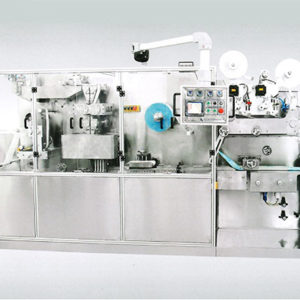
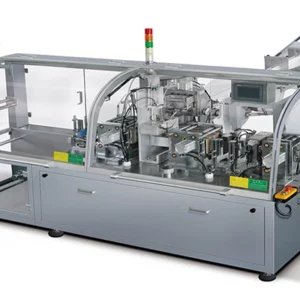
Look for suppliers with a dedicated export department and experience in Africa. Our company, Diaper Machine Manufacturer, offers a range of baby diaper and sanitary pad machines tailored for the African market, including the bebek bezi üretim hattı with big waistband capability. We also provide a ıslak mendil üretim hattı for those looking to diversify. Other notable suppliers include Italian and Turkish brands, but ensure they have a local support network. When evaluating, ask for references from existing African customers and, if possible, visit a running plant.
Industry Trade Shows and Events in Africa 2026
Trade shows are the best place to see machinery in action, meet suppliers, and network with industry peers. In 2026, key events include Propak Africa (Johannesburg, March 2026), which covers packaging and processing machinery; AfriPlast & AfriPack (Nairobi, September 2026); and the Africa Health & Hygiene Expo (Lagos, November 2026). These events often feature live demonstrations and seminars on market trends. I’ve seen deals closed on the show floor because buyers could touch the samples and negotiate face-to-face. Plan to attend at least one of these events before making a purchase decision.
Online Resources and Communities for Hygiene Manufacturers
Several online platforms provide valuable insights. LinkedIn groups such as “African Manufacturing Network” and “Hygiene Products Manufacturers” are active with discussions on sourcing and regulations. Websites like African Business Central and How We Made It In Africa publish case studies and investment news. For technical knowledge, the Nonwovens Industry magazine and EDANA (the international association for nonwovens) offer reports and webinars. Additionally, our company’s blog and YouTube channel feature machine walkthroughs and setup guides tailored for African conditions.
Consulting Services for Plant Setup in Africa
If you prefer a turnkey approach, several consulting firms specialize in hygiene plant setup in Africa. These firms can handle feasibility studies, factory design, equipment procurement, and staff training. Look for consultants with a track record in the hygiene sector, not just general manufacturing. Some machine suppliers also offer project management services. When I helped a client in Ethiopia, we coordinated with a local consultant who managed the regulatory approvals and construction, while we provided the machinery and technical training. This division of labor kept the project on schedule and within budget.
Now is the time to act. The African hygiene market in 2026 presents a rare convergence of demand, policy support, and regional integration. Whether you are an experienced manufacturer looking to expand or a newcomer seeking a high-growth venture, setting up a diaper or sanitary pad plant in Africa can deliver strong returns and lasting impact. To explore machine options, request a customized quote, or schedule a consultation with our engineering team, visit our website or contact us directly. Let’s build the future of hygiene in Africa together.
Referanslar
- United Nations, World Population Prospects 2026
- African Development Bank, African Economic Outlook 2026
- World Bank, Manufacturing Incentives in Africa 2026
- Euromonitor International, Tissue and Hygiene in Africa 2026
- tralac, African Continental Free Trade Area Resources