The Middle East is rapidly emerging as a manufacturing hub for hygiene products, driven by a young population, rising hygiene awareness, and government-led economic diversification. Setting up a wet wipes factory in the region in 2026 presents a lucrative opportunity, but it requires careful planning, local knowledge, and the right equipment. This guide walks you through every step—from market research and legal requirements to machine selection and cost analysis—drawing on real-world experience from the industry.
How to Set Up a Wet Wipes Factory in the Middle East Step by Step?
Conducting Market Research and Feasibility Study for Wet Wipes in the Middle East
Before investing in machinery, you need to understand the local market. The Middle East is not a single market; consumer preferences vary significantly between Saudi Arabia, the UAE, Egypt, and other GCC countries. For instance, Saudi consumers show a strong preference for thick, premium baby wipes, while the HORECA sector in Dubai demands cost-effective sachet wipes. In 2026, the market is projected to grow at a CAGR of 6-8%, fueled by tourism, healthcare expansion, and increasing hygiene standards. Your feasibility study should analyze competitors, pricing, and distribution channels. I recall a client who skipped detailed competitor analysis and ended up pricing his canister wipes 20% above the market average, which delayed his break-even by nearly 18 months. Spend time on ground-level research—visit local supermarkets, talk to distributors, and attend trade fairs like Arab Health.
Understanding Legal Requirements and Business Licensing in GCC Countries
Each GCC country has its own regulatory framework. In Saudi Arabia, you need a license from the Ministry of Investment (MISA) and product registration with the Saudi Food and Drug Authority (SFDA). In the UAE, free zones like JAFZA or KIZAD offer 100% foreign ownership and tax exemptions. However, manufacturing licenses require environmental approvals and compliance with GSO standards for wet wipes (GSO 1943/2024). The process can take 4-6 months. My advice: hire a local legal consultant who specializes in industrial licensing. In one case, a client in Oman underestimated the time needed for SFDA clearance and his machines sat idle for three months, costing him thousands in storage and lost sales. Budget at least $15,000–$25,000 for licensing and certification fees.
Selecting the Right Location and Designing an Efficient Factory Layout
Location impacts logistics, labor availability, and utility costs. Industrial cities like Jubail (Saudi Arabia), Khalifa Industrial Zone (Abu Dhabi), or Sohar (Oman) offer pre-built warehouses and incentives. When designing your factory layout, plan for raw material storage, production halls, quality control labs, and finished goods warehouses. A common mistake is underestimating the space needed for nonwoven fabric rolls and packaging materials. Your layout should follow a linear flow to avoid cross-contamination. I helped a factory in Sharjah redesign their layout after they realized their sachet packing line was too far from the liquid mixing area, causing bottlenecks. A well-designed 1,000 sqm factory can comfortably house two flow wrap lines and one canister line.
Sourcing High-Quality Raw Materials and Wet Wipes Production Machines
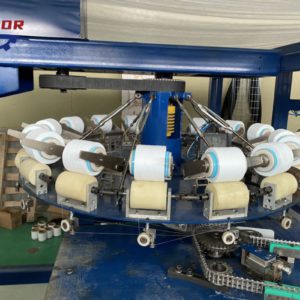
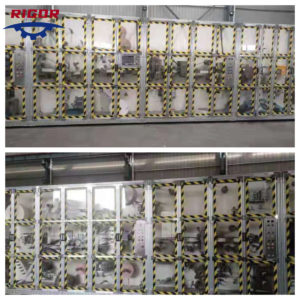
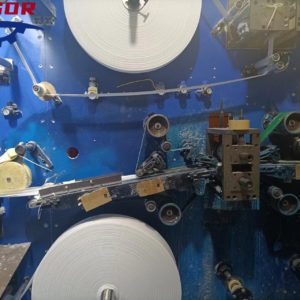
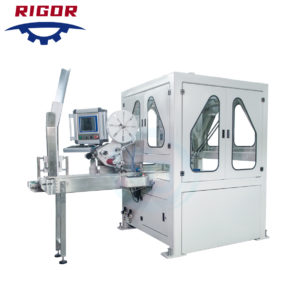
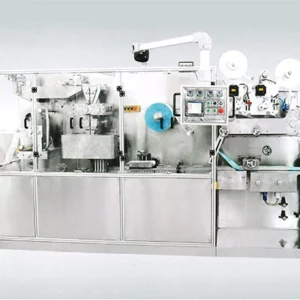
Raw materials—nonwoven fabric, liquid formulation, packaging film, and lids—must meet Gulf standards. Spunlace nonwoven is preferred for baby wipes, while airlaid is used for industrial wipes. Source from reliable suppliers in Turkey, China, or local distributors. For machines, a ıslak mendil yapma makinesi is the backbone of your operation. You need to decide between local agents and direct imports. In my experience, importing directly from established Chinese manufacturers often saves 20-30% on machine costs, but you must factor in installation and after-sales support. Always request samples and visit the supplier’s factory before signing a contract.
Recruiting and Training Staff for Wet Wipes Manufacturing
Skilled operators are essential for maintaining machine efficiency and product quality. In the Middle East, you can hire experienced workers from India, Pakistan, or the Philippines, but you must comply with local labor laws and visa quotas. Invest in a two-week training program covering machine operation, safety, and quality control. I’ve seen factories where untrained staff caused frequent machine jams on a ıslak mendil yapma makinesi , reducing output by 15%. Partner with your machine supplier to provide on-site training during installation. This builds a competent team from day one.
What Are the Best Wet Wipes Machines for Middle East Factory Setup?
Comparing Wet Wipes Machine Types: Flow Wrap, Canister, and Sachet
The type of machine you choose determines your product range and production capacity. Here’s a quick comparison:
| Machine Type | Best Application | Speed Range | Key Advantage | Investment Level |
|---|---|---|---|---|
| Flow Wrap | Single-use sachets, travel packs | 100-300 packs/min | Compact, high-speed | $50k-$150k |
| Canister | Baby wipes, household wipes | 40-80 canisters/min | Large capacity, lid applicator | $100k-$300k |
| Sachet | Hand wipes, restaurant wipes | 60-120 sachets/min | Flexible packaging, low cost | $30k-$100k |
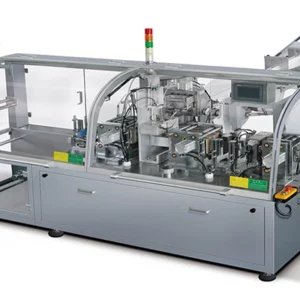
Flow wrap machines dominate the baby wipes segment in the Middle East due to their speed and small footprint. Canister machines are preferred for premium brands, while sachet machines target the food service industry. When I set up a line for a Dubai-based client, we combined one canister machine with two flow wrap lines to cover both premium and mass markets. This flexibility allowed him to capture 12% market share within two years.
Evaluating Top Wet Wipes Machine Manufacturers and Suppliers
Look for manufacturers with a proven track record in the Middle East. Chinese suppliers like those found on diapermachines.com offer a wide range of ıslak mendil yapma makinesi options, from semi-automatic to fully automatic lines. European brands (e.g., Fameccanica, Joa) provide high-end solutions but at a premium. When evaluating, check references, request video of running machines, and assess their response time for spare parts. A client of mine saved $40,000 by choosing a Chinese supplier over an Italian one, but he made sure the supplier had a local agent in Jeddah for quick support.
Key Features to Look for When Buying a Wet Wipes Machine
Critical features include servo-driven folding units, automatic liquid dosing systems, and multi-language HMI. For the Middle East, dust-proof electrical cabinets and high-temperature tolerance are musts. Ensure the machine can handle different nonwoven GSM and packaging materials. Also, check if the machine supports remote diagnostics—this saved one of my clients a week of downtime when a technician resolved a PLC issue online. Don’t overlook the importance of CE or ISO certifications, which ease customs clearance in GCC countries.
Diaper Machine vs. Wet Wipes Machine: Can One Supplier Provide Both?
Many investors in the hygiene sector ask whether they can source both diaper and wet wipes machines from a single supplier. The answer is yes—several large manufacturers produce both. This can simplify logistics, training, and after-sales service. For example, a supplier offering a complete baby hygiene line can provide integrated solutions and better pricing. However, ensure they have specialized expertise in wet wipes, as the liquid handling and packaging systems differ significantly from diaper machines. In my experience, working with a supplier that offers both under one roof reduced our negotiation time by half and gave us leverage on combined shipping costs.
What Are the Common Mistakes When Setting Up a Wet Wipes Factory in the Middle East?
Underestimating Regulatory Compliance and Certification Costs
Many first-time investors focus on machine costs and ignore the hidden expenses of compliance. In Saudi Arabia, SFDA requires product testing for microbial limits, pH, and preservative efficacy, which can cost $5,000–$10,000 per SKU. Additionally, GSO labeling requirements demand Arabic and English text, halal certification for certain formulations, and specific packaging symbols. I recall a factory in Ras Al Khaimah that had to reprint 50,000 packs because the Arabic font size was 0.5mm too small. Such mistakes can delay launch by months and erode your budget. Always allocate at least 10% of your total investment for regulatory and certification costs.
Choosing the Wrong Machine Specifications or Capacity
Overestimating market demand leads to idle capacity, while underestimating causes missed sales. A common error is buying a high-speed canister line when the local market prefers sachets. Another is ignoring the electrical requirements—some machines need 380V, which may require a transformer in certain industrial zones. When I helped a startup in Bahrain, we initially selected a 200-pack/min flow wrap machine, but after analyzing distributor orders, we downgraded to a 120-pack/min model and added a second line later. This phased approach conserved cash flow and matched actual demand. Always base machine specs on a conservative sales forecast.
Ignoring Local Market Preferences and Distribution Channels
The Middle East wet wipes market has distinct preferences: thick, embossed wipes in Saudi; lightly scented wipes in the UAE; and alcohol-free formulations in Qatar. Distribution is fragmented, with traditional grocery stores (baqalas) still holding significant share. E-commerce is growing but requires different packaging. One client insisted on selling only through hypermarkets, ignoring the baqala channel, and missed out on 30% of potential sales. Engage a local distributor early and adapt your product to regional tastes. This might mean offering smaller pack sizes for low-income segments or bulk packs for institutions.
Overlooking After-Sales Service and Technical Support
Machine downtime can kill a wet wipes factory. When your ıslak mendil yapma makinesi breaks down, you need fast access to spare parts and technicians. In the Middle East, local support is often limited, so choose a supplier who either has a regional service center or offers comprehensive remote support. I witnessed a factory in Kuwait that lost $80,000 in orders because a critical servo motor failed and the replacement took three weeks to arrive from Europe. Insist on a service level agreement (SLA) with guaranteed response times and keep critical spares in stock from day one.
How Much Does It Cost to Set Up a Wet Wipes Factory in the Middle East in 2026?
Breakdown of Initial Investment: Land, Building, Machines, and Raw Materials
In 2026, setting up a mid-sized wet wipes factory in the Middle East requires an initial investment of $500,000 to $1.5 million, depending on capacity and location. Here’s a typical breakdown for a factory with two flow wrap lines and one canister line:
- Land lease (5-year advance) or purchase: $80,000–$200,000
- Factory building (1,000–2,000 sqm) construction or fit-out: $150,000–$300,000
- Wet wipes machines (2 flow wrap + 1 canister): $250,000–$500,000
- Initial raw material stock (3 months): $100,000–$200,000
- Licensing, certifications, and consultancy: $30,000–$50,000
- Other (forklifts, lab equipment, IT): $40,000–$80,000
These figures are based on actual projects in KIZAD and JAFZA. Opting for a turnkey solution from a ıslak mendil yapma makinesi supplier can reduce upfront costs by bundling equipment and installation.
Operating Costs and Break-Even Analysis for a Wet Wipes Factory
Monthly operating costs include raw materials (60-70% of revenue), labor (10-15%), utilities (5%), and maintenance (2-3%). For a factory producing 5 million packs per month, the break-even point typically occurs at 60-70% capacity utilization, which can be achieved within 12-18 months if distribution is strong. In my experience, a well-run factory in Saudi Arabia reached break-even in 14 months by securing a contract with a major retail chain. However, a factory in Egypt took 22 months due to currency fluctuations and lower pricing. Always model three scenarios: optimistic, realistic, and pessimistic, factoring in currency risk and raw material price volatility.
ROI and Profit Margins in the Middle East Wet Wipes Market
Gross margins for private-label wet wipes range from 25% to 40%, while branded products can exceed 50%. ROI for a mid-sized factory typically falls between 20% and 35% annually, with payback periods of 3-5 years. The key to higher margins is backward integration—producing your own nonwoven fabric or liquid solution can boost margins by 10-15%. One of my clients in Oman invested in a small liquid mixing plant and reduced his cost per pack by 18%, significantly accelerating his ROI. However, this requires additional capital and expertise.
Exploring Financing Options and Government Incentives in the Region
Middle East governments offer various incentives to attract manufacturing. Saudi Arabia’s National Industrial Development and Logistics Program (NIDLP) provides low-interest loans and tax holidays. The UAE’s Operation 300bn strategy includes reduced utility rates and export credits. In 2026, new green manufacturing incentives are available for factories using biodegradable materials. Explore local banks like Emirates NBD or SABB, as well as development funds like the Arab Fund for Economic and Social Development. A client in Abu Dhabi secured 60% financing through a government-backed industrial loan at just 3% interest, significantly reducing his equity requirement.
What Are the Trends and Future of the Wet Wipes Industry in the Middle East?
Growing Demand for Eco-Friendly and Biodegradable Wet Wipes
By 2026, consumer pressure and regulations are pushing manufacturers toward plastic-free, biodegradable wet wipes. The Middle East, particularly the UAE and Saudi Arabia, has seen a surge in demand for wipes made from bamboo, cotton, or lyocell fibers. Major retailers like Carrefour and Lulu now mandate eco-friendly packaging. Transitioning to biodegradable substrates requires machine adjustments—you need a ıslak mendil yapma makinesi capable of handling delicate, lower-tensile materials without tearing. I recently worked with a factory in Dubai that switched to 100% bamboo wipes and saw a 40% increase in sales within six months, despite a 15% higher retail price.
Impact of 2026 Regulations on Wet Wipes Production and Packaging
2026 marks the enforcement of stricter packaging regulations across the GCC. Saudi Arabia’s SASO has banned non-recyclable multi-laminate packaging for wet wipes, pushing manufacturers toward mono-material films. The UAE’s new single-use plastic policy requires all wet wipes packaging to be at least 50% recycled content. These regulations add complexity but also create a barrier to entry for less-prepared competitors. Ensure your machine supports heat-sealable recyclable films and that your packaging supplier is certified. Non-compliance can result in fines of up to $50,000 and product recalls.
Technological Innovations in Wet Wipes Manufacturing
Industry 4.0 is transforming wet wipes factories. Smart machines with IoT sensors now predict maintenance needs, reducing downtime by up to 30%. Vision inspection systems automatically reject defective packs, ensuring 99.9% quality. In 2026, AI-driven formulation systems can adjust liquid dosing in real-time based on ambient humidity, a critical feature in the Middle East’s climate. When I visited a state-of-the-art factory in Jeddah, their fully automated line ran with only three operators per shift, producing 200 packs per minute. Investing in these technologies may seem costly upfront but pays off through labor savings and higher consistency.
The Middle East as a Strategic Export Hub to Africa and Asia
With its strategic location between Africa, Asia, and Europe, the Middle East is becoming a re-export hub for wet wipes. Factories in Jebel Ali (UAE) or Sohar (Oman) can ship to East Africa in under a week, to India in three days, and to Europe in ten days. Trade agreements like the Greater Arab Free Trade Area (GAFTA) reduce tariffs. In 2026, export-oriented factories are benefiting from dedicated logistics parks and bonded warehouses. One of my clients in Sharjah now exports 70% of his production to Kenya and Nigeria, doubling his factory’s utilization and improving overall profitability.
What Tools and Resources Can Help with Wet Wipes Factory Setup in the Middle East?
Recommended Industry Consultants and Local Business Associations
Navigating the Middle East’s business environment is easier with local expertise. Engage consultants like Frost & Sullivan’s Dubai office for market studies, or regional law firms such as Al Tamimi & Company for licensing. Join industry bodies like the Gulf Petrochemicals and Chemicals Association (GPCA) or the Arab Hygiene Council to network and stay updated on regulations. In my early projects, I relied heavily on a consultant from Jeddah who had connections with SFDA officials, which smoothed our product registration process significantly.
Useful Software for Production Planning, Inventory, and Quality Control
Software tools can streamline your operations. ERP systems like SAP Business One or Odoo are popular among SME manufacturers in the region. For quality control, consider QT9 QMS or a custom LIMS. Production scheduling tools like Preactor help optimize machine utilization. I’ve seen factories reduce waste by 12% simply by implementing a basic MRP module that synced raw material orders with production forecasts. Cloud-based solutions are preferred for remote monitoring, especially if you manage multiple sites.
Online Platforms for Sourcing Machines, Raw Materials, and Suppliers
B2B platforms like Alibaba, TradeIndia, and industry-specific sites like diapermachines.com are excellent for finding ıslak mendil yapma makinesi suppliers and raw material vendors. However, always verify suppliers through video calls, factory audits, or third-party inspection services like SGS. LinkedIn is also a valuable tool for connecting with industry professionals and joining wet wipes manufacturing groups. I discovered a reliable nonwoven supplier in Turkey through a LinkedIn group recommendation, which cut our material costs by 8%.
Free Checklists and Downloadable Templates for Factory Setup
Several organizations offer free resources. The UAE Ministry of Industry and Advanced Technology provides a “Manufacturing Setup Guide” with checklists for permits and equipment. The GCC Standardization Organization (GSO) publishes free guidelines on wet wipes standards. Additionally, many machine manufacturers, including those at diapermachines.com, offer downloadable project planning templates. I always recommend clients create a detailed 12-month project timeline using a Gantt chart—this simple tool can prevent costly delays. You can find free templates on platforms like Smartsheet or ProjectManager.com.
Setting up a wet wipes factory in the Middle East in 2026 is a challenging but rewarding venture. With careful planning, the right equipment, and local partners, you can build a profitable business that serves both local and export markets. If you’re ready to take the next step, explore our range of wet wipe making machines or contact our team for a customized factory layout and budget proposal. Let’s turn your vision into a high-output reality.
Referanslar
- Euromonitor International, “Wet Wipes in the Middle East and Africa”, 2025 Report
- Grand View Research, “Wet Wipes Market Size, Share & Trends Analysis Report”, 2024
- GSO (GCC Standardization Organization), “GSO 1943/2024 Wet Wipes Standard”
- Saudi Food and Drug Authority (SFDA), “Cosmetic Products Regulation”
- Frost & Sullivan, “Middle East Personal Hygiene Market Analysis”, 2025
- Arab Fund for Economic and Social Development, “Industrial Financing Programs”