Abstract
The global market for disposable hygiene products continues to expand, presenting a significant opportunity for entrepreneurs and established businesses in 2025. This document examines the multifaceted process of establishing a wet wipes production line. It provides a comprehensive analysis of the entire manufacturing lifecycle, beginning with the critical selection of raw materials, such as non-woven substrates and liquid formulations, and extending through the technical intricacies of the machinery involved. The discussion encompasses the operational stages of converting, wetting, folding, and packaging. An evaluation of different machinery types, including full-servo and semi-servo systems, is presented to guide investment decisions based on production scale and budget. The analysis also addresses the necessity of stringent quality control protocols and adherence to regional regulatory standards, particularly in emerging markets. This guide serves as a foundational text for stakeholders aiming to enter or scale their operations within the competitive landscape of wet wipes production, offering a structured framework for strategic planning and execution.
Key Takeaways
- Select the ideal non-woven fabric based on your product's intended use and cost targets.
- Develop a safe and effective liquid formula that meets regulatory and consumer expectations.
- Invest in a modular wet wipes machine that can adapt to future production demands.
- Implement rigorous quality control throughout the entire wet wipes production process.
- Choose automated packaging solutions to maintain product integrity and shelf life.
- Thoroughly research and comply with the hygiene product regulations in your target markets.
- Prioritize comprehensive operator training and a proactive machine maintenance schedule.
Table of Contents
- Step 1: Foundational Knowledge – Understanding the Wet Wipe Ecosystem
- Step 2: Material Selection – The Building Blocks of Quality
- Step 3: The Heart of the Operation – Selecting Your Wet Wipes Machine
- Step 4: The Manufacturing Process in Detail
- Step 5: Packaging Perfection – Preserving Product Integrity
- Step 6: Quality Assurance and Control – The Non-Negotiable Standard
- Step 7: Launch and Scale – Bringing Your Product to Market
- FAQ
- Conclusión
- References
Step 1: Foundational Knowledge – Understanding the Wet Wipe Ecosystem
Embarking on the journey of wet wipes production requires more than just acquiring machinery; it demands a deep, empathetic understanding of the product's role in a consumer's life. A wet wipe is not merely a piece of moistened fabric. For a new parent, it is a tool of gentle care and hygiene. For a healthcare worker, it is a barrier against contamination. For a traveler, it is a convenient means of personal refreshment. Recognizing these varied human needs is the first step toward creating a product with true market resonance. The emotional and practical value that consumers place on your product should inform every decision you make, from material sourcing to the final packaging design.
The Anatomy of a Wet Wipe: More Than Just a Moist Towelette
At its core, a wet wipe consists of two primary components: the substrate and the liquid solution. The substrate is the fabric itself, typically a non-woven material designed for specific properties like strength, softness, and absorbency. The choice of substrate directly impacts the user's tactile experience. Is it soft enough for a baby's delicate skin? Is it durable enough for heavy-duty cleaning?
The liquid solution, or "lotion," is what gives the wipe its function. This can range from a simple, purified water-based formula for sensitive skin wipes to a complex blend of surfactants, disinfectants, and fragrances for cleaning wipes. The chemistry of this solution is a delicate balance. It must be effective for its purpose, safe for the user, and stable enough to prevent microbial growth over the product's shelf life. The synergy between the substrate and the liquid is what defines the final product's quality and efficacy.
Market Dynamics: Identifying Your Niche in 2025
The wet wipes market is not a monolith. It is a collection of distinct segments, each with its own consumer base, performance requirements, and regulatory hurdles. A thoughtful analysis of these niches is paramount before committing to a specific path in wet wipes production.
- Baby Wipes: This is often the largest and most competitive segment. Success here hinges on perceived safety and gentleness. Parents in markets like Southeast Asia and South America are increasingly discerning, prioritizing hypoallergenic, fragrance-free, and plant-based formulations.
- Personal Care Wipes: This category includes cosmetic wipes for makeup removal, feminine hygiene wipes, and general refreshment wipes. The focus is on efficacy, skin-feel, and often, added beneficial ingredients like moisturizers or exfoliants.
- Household & Disinfectant Wipes: Driven by a heightened global awareness of hygiene, this segment demands proven cleaning and disinfecting capabilities. Formulations must be effective against a spectrum of pathogens, and the substrate must be robust enough to withstand vigorous scrubbing.
- Industrial Wipes: A specialized niche for cleaning machinery, hands, and surfaces in industrial settings. These wipes require heavy-duty substrates and powerful solvent-based solutions.
Your choice of niche will dictate your material selection, machine configuration, and marketing strategy. It is wiser to excel in one defined segment than to be mediocre in several. Consider the specific needs and purchasing power of your target regions—be it South Africa, Russia, or the Middle East—to tailor a product that genuinely serves the local community.
Regulatory Landscapes: Navigating Compliance in Target Markets
The production of wet wipes is governed by regulations that vary significantly from one region to another. These regulations are not arbitrary bureaucratic hurdles; they are public safeguards designed to protect consumer health. Approaching them with respect and diligence is a sign of a responsible manufacturer.
In many regions, baby wipes and cosmetic wipes are classified as cosmetic products. This means their formulations, ingredients, and labeling must comply with local cosmetic directives. For example, certain preservatives may be restricted or banned, and all ingredients must typically be listed on the packaging.
Disinfectant and antibacterial wipes often fall under a more stringent regulatory category, such as biocidal products. This classification may require you to submit detailed efficacy data to prove your product's claims against specific microorganisms. The process for gaining approval can be lengthy and expensive, so it must be factored into your business plan from the outset. Engaging with regulatory consultants who specialize in your target markets can be an invaluable investment, preventing costly delays and product recalls down the line.
Step 2: Material Selection – The Building Blocks of Quality
The physical object that a consumer holds in their hand is the culmination of careful material choices. The perceived quality of your wet wipe is not determined by marketing alone but by the intrinsic properties of its components. The softness of the fabric and the gentleness of the liquid are tangible attributes that build trust and loyalty. Therefore, the selection and sourcing of raw materials represent a foundational pillar of your wet wipes production enterprise.
Choosing the Right Substrate: A Comparison of Non-Woven Fabrics
Non-woven fabrics are the cornerstone of the modern wet wipe. Unlike traditional textiles that are woven or knitted, non-wovens are engineered materials made from fibers bonded together by chemical, mechanical, or thermal processes. This manufacturing method allows for a wide range of properties to be tailored to specific applications. The choice of substrate is a critical decision that balances performance, cost, and consumer perception.
| Fabric Type | Primary Fiber | Key Characteristics | Common Applications |
|---|---|---|---|
| Spunlace | Polyester (PET), Viscose | Excellent softness, high absorbency, good strength, cloth-like feel. | Baby wipes, cosmetic wipes, premium personal care. |
| Airlaid | Wood Pulp, Bicomponent Fibers | Very high absorbency, bulky and soft texture, feels like paper. | Household cleaning wipes, industrial wipes. |
| Spunbond | Polypropylene (PP) | High strength, good stability, cost-effective, less soft. | Substrate for disinfectant wipes, medical applications. |
| Needlepunch | PET, PP | Highly durable, abrasive, excellent for scrubbing. | Heavy-duty industrial wipes, floor cleaning pads. |
For most personal care and baby wipe applications, spunlace is the preferred material. Its production process, which uses high-pressure water jets to entangle the fibers, creates a fabric that is exceptionally soft, strong, and absorbent without the use of chemical binders. This makes it ideal for products that come into direct contact with sensitive skin. Within the spunlace category, the blend of fibers matters. A higher percentage of viscose (a rayon fiber derived from wood pulp) increases softness and absorbency, while polyester provides strength and durability.
Formulating the Wetting Liquid: The Science Behind the Solution
The liquid formulation is the active component of the wet wipe, delivering its cleaning, moisturizing, or disinfecting function. Designing a stable and effective solution is a complex exercise in applied chemistry. A typical formulation includes several key categories of ingredients.
- The Solvent (Base): The vast majority of the liquid (often over 95%) is highly purified water. This is not tap water. It must be treated through processes like reverse osmosis and deionization to remove minerals, chemicals, and microbes that could destabilize the formula or harm the user.
- Surfactants (Cleansing Agents): These are molecules that help to lift dirt, oil, and impurities from a surface. In baby and cosmetic wipes, very mild, non-irritating surfactants are chosen. In household cleaning wipes, more powerful surfactants are used to tackle grease and grime.
- Humectants & Emollients (Moisturizers): Ingredients like glycerin or aloe vera are humectants; they attract and hold moisture in the skin. Emollients like certain oils or esters help to soften and smooth the skin. These are vital for personal care wipes to prevent the skin from drying out.
- Preservatives: This is perhaps the most challenging part of the formulation. Because the product is water-based, it is an ideal breeding ground for bacteria, mold, and yeast. A robust preservative system is absolutely necessary to ensure the product remains safe from the day it is made until the last wipe is used. The choice of preservatives must balance efficacy against potential skin sensitization and comply with the regulations of your target markets.
- Active Ingredients & Additives: This includes disinfectants (like quaternary ammonium compounds), fragrances, pH adjusters (to match the skin's natural pH), and other beneficial ingredients (like botanical extracts).
Developing a formula from scratch requires significant expertise. Many businesses choose to partner with specialized chemical suppliers who can provide pre-tested, stable formulations tailored to their specific product requirements.
Sourcing Raw Materials: Building a Resilient Supply Chain
Your ability to consistently produce high-quality wet wipes depends on a reliable and transparent supply chain. A disruption in the supply of your non-woven fabric or a key preservative can bring your entire wet wipes production line to a halt.
When selecting suppliers, look for partners, not just vendors. A good supplier will provide consistent quality, transparent documentation (like Certificates of Analysis for each batch), and support in troubleshooting issues. It is often wise to qualify at least two suppliers for each critical raw material. This creates redundancy and mitigates the risk of a single supplier failing to deliver.
For international businesses, logistics are a major consideration. Understand the shipping times, costs, and import duties associated with sourcing materials from different parts of the world. Establishing strong relationships with both material suppliers and freight forwarders is essential for maintaining a smooth and predictable production schedule.
Step 3: The Heart of the Operation – Selecting Your Wet Wipes Machine
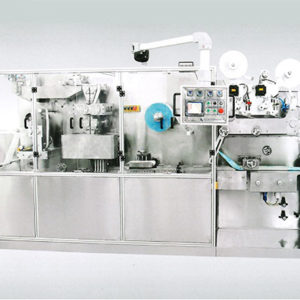
The transition from raw materials to a finished product happens within the intricate and dynamic environment of the wet wipes machine. This piece of equipment is the engine of your manufacturing plant, and its capabilities will define your production capacity, efficiency, and product quality. Choosing the right machine is one of the most significant capital investments you will make, and the decision warrants a thorough and thoughtful evaluation of your business goals. It is not simply about buying steel; it is about investing in a long-term production capability.
Understanding the Production Line: From Unwinding to Stacking
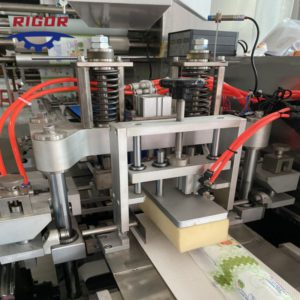
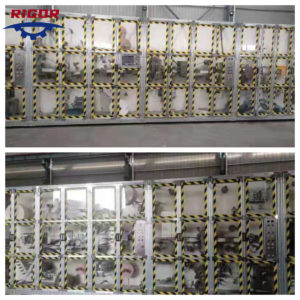
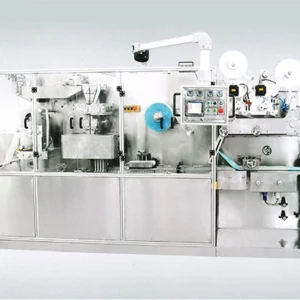
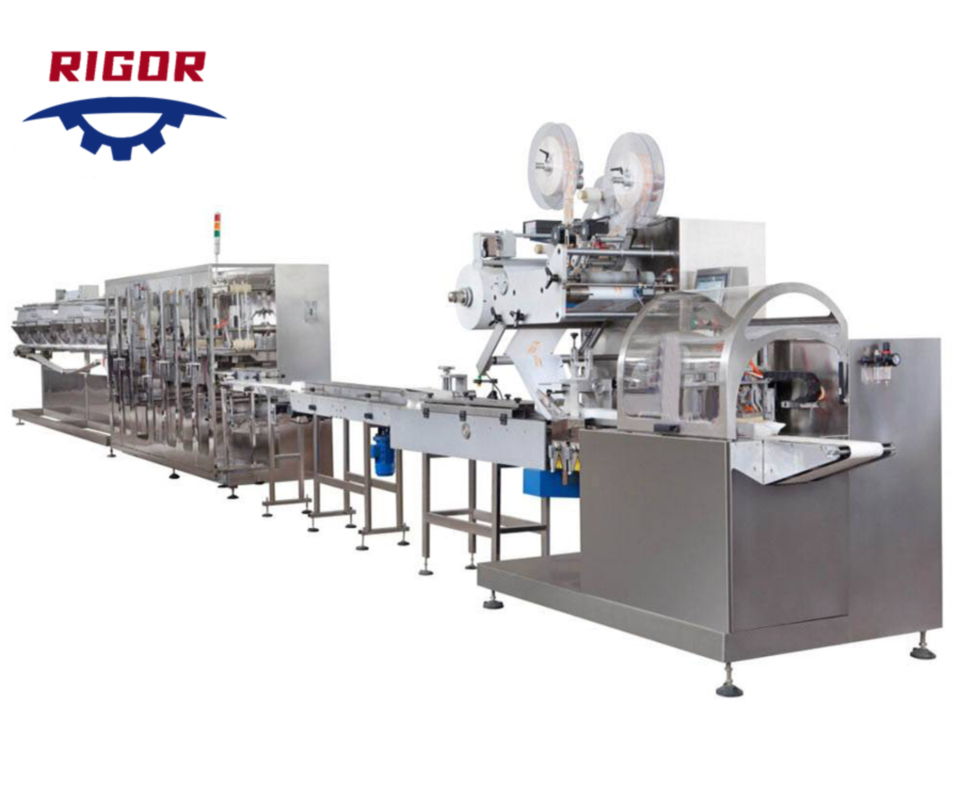
A modern wet wipes production line is a highly integrated system of synchronized modules, each performing a specific task. While configurations vary, the core process flow is generally consistent:
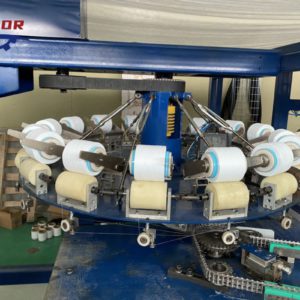
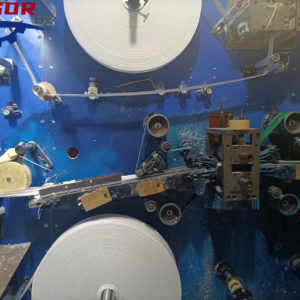
- Parent Roll Unwinding: The process begins with a large "parent roll" of the non-woven substrate being mounted onto the machine. A tension control system ensures the fabric feeds into the machine smoothly and evenly. High-end machines feature automatic splicing units that can join a new roll to an expiring one without stopping production, significantly boosting efficiency.
- Folding: The flat web of fabric is then guided into a folding head. This device creates the characteristic "Z-fold" or "C-fold" that allows each wipe to pop up from the package for easy dispensing.
- Wetting System: As the folded web of fabric travels through the machine, it passes through a wetting system. This typically involves a series of nozzles or rollers that apply a precise, controlled amount of the liquid formulation, ensuring every wipe is perfectly saturated.
- Cutting: The continuous, folded, and wetted web is then cut into individual stacks of a predetermined length. The precision of the cutting mechanism is vital for creating uniform stacks.
- Stacking & Transfer: The cut stacks are then automatically counted and transferred to the packaging machine.
This entire sequence is a high-speed, automated ballet. A problem in any single module can impact the entire line.
Key Machine Specifications: Speed, Lanes, and Size Capabilities
When comparing different models of wet wipes machines, you will encounter a range of technical specifications. Understanding what these numbers mean in a practical sense is key to making an informed choice.
| Especificación | Descripción | Implication for Your Business |
|---|---|---|
| Production Speed | Measured in pieces per minute (pcs/min) or packs per minute. | Directly determines your total output capacity. Higher speed means lower cost per unit but requires a larger initial investment. |
| Number of Lanes | The parent roll is slit into multiple "lanes" that run in parallel through the machine. | A 10-lane machine produces 10 wipes for every cycle, while a 2-lane machine produces 2. More lanes equal higher output. |
| Wipe Size Range | The minimum and maximum dimensions (length and width) of the wipe the machine can produce. | Determines the variety of products you can offer. Adjustable sizing provides greater market flexibility. |
| Pack Count Range | The number of wipes the machine can stack per pack (e.g., 10-count travel packs to 120-count bulk packs). | Dictates the packaging formats you can sell. A wider range allows you to target different consumer segments. |
| Control System | The "brain" of the machine, typically a Programmable Logic Controller (PLC) with a Human-Machine Interface (HMI) touchscreen. | A user-friendly HMI simplifies operation, size changeovers, and troubleshooting. |
Imagine you want to produce 80-count baby wipe packs. A machine rated at 4000 pcs/min can theoretically produce 50 packs per minute (4000 wipes / 80 wipes per pack). Over an 8-hour shift, this translates to 24,000 packs. You must consider your sales forecasts and market demand to select a machine with an appropriate speed. It is often better to invest in a machine with slightly more capacity than you currently need to accommodate future growth.
Full-Servo vs. Semi-Servo: Making the Right Investment for Your Scale
One of the most significant distinctions between wet wipes machines is the type of drive system they use. This choice has profound implications for the machine's performance, flexibility, and cost.
- Full-Servo Machines: In a full-servo system, each major component (like the unwinder, folding head, and cutter) is driven by its own independent servo motor. These motors are controlled digitally by the central PLC. This setup offers exceptional precision, high speeds, and stability. Size changeovers are typically done electronically via the HMI, making it fast and easy to switch between producing, for example, a 20-count cosmetic wipe and an 80-count baby wipe. Full-servo machines represent a higher initial investment but offer the best performance, lowest waste, and greatest operational flexibility. They are the standard for large-scale, high-efficiency wet wipes production.
- Semi-Servo or Mechanical Drive Machines: In these systems, a single main motor drives many of the components mechanically through a series of gears, chains, and shafts. Some key functions might be servo-driven, hence the "semi-servo" designation. These machines are less expensive to purchase. However, they are generally slower, and size changeovers are more complex, often requiring manual adjustments and the replacement of mechanical parts. This leads to more downtime between different production runs. A mechanical machine might be a suitable entry point for a business with a limited budget that plans to produce a single product type with infrequent changes.
The decision between full-servo and semi-servo is a strategic one. A full-servo machine provides the agility to respond quickly to changing market demands, a vital asset in the fast-paced consumer goods sector.
Custom Wet Wipes Machinery Solutions: Tailoring Equipment to Your Needs
Reputable manufacturers understand that a one-size-fits-all approach does not work for every business. They offer a degree of customization to tailor the equipment to your specific product and operational needs. This might include integrating a particular type of packaging machine, adding a specialized quality control vision system, or modifying the machine to handle a unique non-woven material. When you engage with a supplier, you are not just buying a machine; you are entering a partnership to build a production solution. A good supplier will work with you to design a line that provides the best value and performance for your investment, such as the options available for advanced wet wipes manufacturing equipment.
Step 4: The Manufacturing Process in Detail
Having selected the materials and the machinery, we now turn our attention to the process itself. The transformation of a giant roll of dry fabric into neat stacks of moist wipes is a marvel of industrial automation. Understanding each stage of this process is not just for the machine operators; it is for the business owner, the quality manager, and the product developer. This knowledge allows you to identify potential sources of problems, opportunities for improvement, and the factors that contribute to a superior final product. Let's walk through the journey of a wipe inside the machine.
Stage 1: Non-Woven Fabric Processing (Unwinding, Splicing, and Guiding)
The process begins at the back of the machine with the parent roll of non-woven fabric. This roll can weigh several hundred kilograms.
- Unwinding: The roll is mounted on a shaft and driven by a motor. A critical element here is the tension control system. The fabric must be pulled off the roll and fed into the machine under a constant, precise level of tension. Too little tension, and the fabric may sag and wrinkle, leading to folding errors. Too much tension, and the fabric can stretch, which alters its properties and can cause it to tear. Modern machines use sensors and servo motors to automatically maintain the perfect tension, regardless of the roll's diameter.
- Splicing: A single parent roll might only last for an hour or two at high production speeds. Stopping the machine to change the roll is a major source of lost production time. An automatic splicer is a device that holds two parent rolls. As one roll is about to run out, the splicer automatically and precisely joins the end of the old roll to the beginning of the new roll using tape or heat. This happens at full machine speed, meaning production is continuous. This feature is a hallmark of a high-efficiency wet wipes production line.
- Web Guiding: As the flat sheet of fabric (the "web") travels into the machine, it must remain perfectly aligned. Even a slight deviation to the left or right can cause major problems in the folding and cutting stages. A web guiding system uses optical sensors to detect the edge of the fabric and automatically adjusts the position of the rollers to keep it centered.
Stage 2: Folding and Wetting (How Wipes Get Their Shape and Moisture)
This is where the fabric is transformed into the familiar format of a wet wipe.
- Folding: The wide web of fabric is first slit into several narrower "lanes." Each lane then enters a folding unit. The design of this unit is a piece of mechanical ingenuity. A series of shaped plates and rollers guide the fabric to create a continuous "Z" or "C" fold. The "Z-fold" is most common for pop-up dispensing, where pulling one wipe pulls the next one up slightly. The precision of the fold is what ensures a smooth and reliable dispensing experience for the consumer. A poorly folded wipe is a source of frustration.
- Wetting: Immediately after folding, the continuous, folded web passes through the wetting system. This is a carefully controlled process. The goal is to add a specific amount of liquid, measured as a percentage of the dry fabric's weight. For example, a "wetting ratio" of 300% means that 3 grams of liquid are added to every 1 gram of fabric. A sophisticated wetting system uses a multi-stage spray box or a precision coating system to ensure the liquid penetrates all layers of the folded web evenly. The machine's control system constantly monitors the flow rate of the liquid and the speed of the fabric to maintain this ratio precisely. Uneven wetting leads to inconsistent product quality, with some wipes being too dry and others being overly saturated.
Stage 3: Cutting and Stacking (Precision and Consistency)
The final stage of the converting process is to create individual packs from the continuous web.
- Cutting: The folded and wetted web moves into a high-speed cutting unit. A rotary blade, spinning at thousands of revolutions per minute, cuts the web into predetermined lengths. The length of the cut determines the number of wipes in the final stack. For example, to create an 80-count pack, the machine is set to cut a length of fabric that corresponds to 80 folded wipes. The sharpness and alignment of the blade are critical for a clean, straight cut. A dull blade can crush the edges of the wipes or leave a frayed edge.
- Stacking: Once cut, the stack of wipes is complete. The machine then needs to separate this stack and move it to the packaging line. This can be done in several ways. A common method is a "stacker-counter" that uses a series of belts or robotic arms to receive the stack, verify the count, and then transfer it onto the infeed conveyor of the packaging machine. Modern systems can also rotate or flip the stacks as needed to prepare them for different packaging styles. Any defective stacks (e.g., incorrect count or bad cut) detected by the machine's sensors are automatically rejected at this stage, preventing them from being packaged.
Step 5: Packaging Perfection – Preserving Product Integrity
The most perfectly formulated and converted wet wipe is worthless if it dries out before it reaches the consumer. The packaging is not just a container; it is a functional system designed to protect the product, preserve its moisture, and provide a convenient user experience. In the world of wet wipes production, the packaging process is just as critical as the wipe-making process itself. A failure in packaging is a failure of the product.
The Role of Packaging: Preventing Contamination and Dehydration
The primary functions of wet wipe packaging are twofold:
- Moisture Barrier: The packaging material must be highly impermeable to water vapor. Over the course of its shelf life, which can be two years or more, the package must prevent the liquid formulation from evaporating. Even a small loss of moisture can render the wipes ineffective and lead to consumer complaints. This is why wet wipe packaging films are typically multi-layer laminates containing materials like PET, aluminum, or specialized barrier polymers.
- Microbial Barrier: Once the package is sealed, it must protect the sterile wipes from external contamination by bacteria and mold. The integrity of the seals is paramount. A microscopic channel in a seal can allow microorganisms to enter, leading to product spoilage.
The package also plays a vital role in user convenience. Features like resealable labels or rigid plastic lids allow the consumer to open and close the pack multiple times while maintaining a good seal to keep the remaining wipes fresh.
Types of Packaging Machinery: Flow-Wrappers, Canister Lines, and Lid Applicators
The stacks of wipes from the converting machine are fed directly into a packaging line, which can consist of several integrated machines.
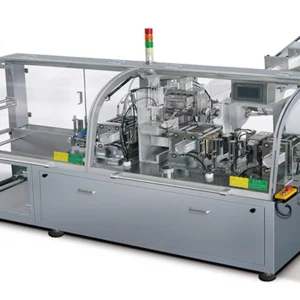
- Flow-Wrappers (Pillow Pack Machines): This is the most common type of packaging machine for flexible packs of wet wipes. The machine forms a continuous tube of packaging film around the incoming stacks of wipes. It then creates a longitudinal seal along the bottom (the "fin seal") and two transverse seals at the front and back of the pack (the "end seals"). A knife in the sealing jaw cuts the individual packs apart. High-speed flow-wrappers can package well over 100 packs per minute. The machine also applies the resealable label to the film before the package is formed.
- Canister Lines: For wipes packaged in rigid plastic canisters (common for disinfectant wipes), the process is different. Rolls of perforated wipes are first wound and inserted into the empty canisters. The canisters are then filled with the liquid solution, and the lid is sealed on top. This is a more complex and typically slower process than flow-wrapping.
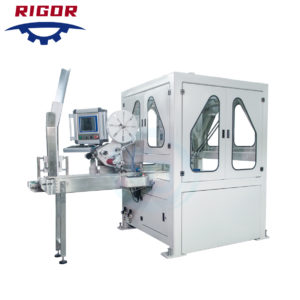
- Lid Applicator Machines: For flow-wrapped packs that feature a rigid plastic flip-top lid, a separate machine is required. The lid applicator uses hot-melt glue to automatically apply the plastic lid over the opening of the finished flexible pack. This machine must be precisely synchronized with the output of the flow-wrapper.
Material Choices for Packaging: Films, Lids, and Labels
The materials used in packaging must be chosen just as carefully as the materials for the wipe itself.
- Packaging Film: As mentioned, this is usually a multi-layer laminate. The outer layer (often PET) provides stiffness and a high-quality surface for printing graphics. The middle layer (often aluminum or a metallized film) provides the critical moisture and gas barrier. The inner layer is a sealant material (like polyethylene) that can be melted to create strong, hermetic seals.
- Resealable Labels: The label that covers the opening must use an adhesive that allows it to be peeled and resealed dozens of times without losing its tack. If the label fails, the wipes will dry out.
- –Plastic Lids: These are typically injection-molded from polypropylene (PP). The design of the lid and its hinge is important for durability and ease of use.
The compatibility of these materials is essential. For instance, the ink used for printing on the film must not react with the liquid formulation in the wipes if there is any chance of contact. A holistic approach to packaging design, which considers machinery, materials, and user experience, is fundamental to a successful wet wipes production strategy.
Step 6: Quality Assurance and Control – The Non-Negotiable Standard
In the production of personal care items, quality is not a feature; it is an ethical obligation. A lapse in quality control can lead to more than just financial loss; it can result in skin irritation, infection, or a loss of consumer trust that may be impossible to regain. A robust quality assurance (QA) and quality control (QC) system is the conscience of your manufacturing operation. It is a systematic process of checks and balances designed to ensure that every pack of wipes that leaves your facility is safe, effective, and meets the standards you have promised to your customers.
Establishing Quality Checkpoints: From Raw Materials to Finished Goods
Quality control is not something that happens only at the end of the line. It must be integrated into every single step of the wet wipes production process.
- Incoming Raw Materials: Every batch of non-woven fabric, liquid formulation ingredients, and packaging material that arrives at your factory should be quarantined until it is tested and approved by your QC department. This includes verifying the supplier's Certificate of Analysis and may involve in-house testing for key parameters. For example, you might test the basis weight and thickness of the non-woven fabric or the pH and appearance of a liquid ingredient.
- In-Process Checks: During production, operators and QC staff should perform regular checks. This includes measuring the dimensions and weight of the wipes, verifying the fold quality, checking the wetting ratio (by comparing the weight of a dry wipe to a wet one), and inspecting the integrity of the package seals. Many modern machines incorporate automated vision systems that can detect defects like stains, misfolds, or incorrect label placement in real-time and automatically reject the faulty product.
- Finished Product Testing: Before a batch of finished products is released for sale, representative samples must be pulled and subjected to a final battery of tests. This serves as the final confirmation that the entire production run has met all specifications.
Microbiological Testing: Ensuring Product Safety
For any water-based product, microbiological contamination is the single greatest risk. Your quality control laboratory must have the capability to perform microbiological testing, or you must work with a certified third-party lab.
- Environmental Monitoring: This involves regularly taking swabs from the surfaces of the production machinery and testing the air in the production room to monitor for the presence of bacteria and mold. This acts as an early warning system for potential contamination issues.
- Raw Material Testing: The purified water used in your formulation should be tested daily for its microbial load. Other raw materials may also be tested periodically.
- Finished Product Testing: Every single batch of finished wet wipes must be tested for microbial contamination before it is released. Samples are incubated for a period to see if any bacteria, yeast, or mold grows. The product must meet the strict microbiological limits set by the regulatory authorities in your target markets.
Physical Property Tests: Tensile Strength, Absorbency, and Moisture Content
Beyond safety, your QC program must also verify that the product performs as intended. This involves a series of physical tests:
- Tensile Strength: This test measures how much force is required to pull the wipe apart. It ensures the wipe is strong enough to not tear during use.
- Absorbency: This measures how much liquid the wipe can hold.
- Moisture Content: This verifies that the correct amount of liquid has been added to the wipes.
- Package Integrity Tests: This can include "burst tests," where the package is pressurized until it fails to test the strength of the seals, and "dye penetration tests," where a colored liquid is used to visually check for any leaks in the seals.
Documenting the results of all these tests for every batch is not just good practice; it is a regulatory requirement in most countries. This documentation creates a traceable record that is invaluable in the event of a quality issue or a customer complaint.
Step 7: Launch and Scale – Bringing Your Product to Market
The final steps in your journey involve breathing life into your production line and planning for its future. The installation of the machinery is not the end of the project but the beginning of your operational life. A strategic approach to the launch and a forward-thinking plan for growth will determine the long-term sustainability and profitability of your wet wipes production venture.
Installation and Operator Training: Setting Your Team Up for Success
The arrival of your new wet wipes machine is an exciting moment, but the work is just beginning. Proper installation and commissioning are vital. This should be performed by qualified technicians, ideally from the machine manufacturer. They will ensure the machine is level, all electrical and pneumatic connections are correct, and all systems are functioning as designed.
However, the most advanced machine is only as good as the people who operate it. Comprehensive operator training is not an expense; it is an investment in efficiency and quality. Your team needs to understand more than just which buttons to press. They should be trained on:
- The principles of the machine's operation.
- How to perform size changeovers efficiently and correctly.
- The key quality checkpoints they are responsible for.
- Basic troubleshooting for common issues.
- Safety procedures and emergency stops.
A well-trained and empowered team will take ownership of the production line, leading to higher quality, less waste, and better overall performance. Many reputable machinery suppliers, like those offering a máquina de toallas sanitarias, provide comprehensive training as part of the purchase package.
Maintenance and Troubleshooting: Maximizing Uptime and Efficiency
A manufacturing line only makes money when it is running. Unplanned downtime is a major drain on profitability. A proactive maintenance program is essential for maximizing machine uptime.
- Preventive Maintenance: This involves a schedule of regular inspections, cleaning, lubrication, and replacement of known wear parts (like cutting blades or belts). Following the manufacturer's recommended maintenance schedule can prevent a small issue from turning into a major breakdown.
- Spare Parts Management: You should maintain a stock of critical spare parts at your facility. Waiting for a part to be shipped from overseas can lead to days or weeks of lost production. Your machine supplier can provide a recommended list of critical spares to keep on hand.
- Troubleshooting: Despite the best maintenance, problems will occasionally occur. Your team should be trained to diagnose and resolve common issues. A clear troubleshooting guide and access to technical support from the machine manufacturer are invaluable resources.
Future-Proofing Your Wet Wipes Production Line: Planning for Growth and Innovation
The consumer goods market is dynamic. Trends change, new ingredients become popular, and consumer expectations evolve. When you invest in a production line, you should think about its ability to adapt to the future.
- Modularity and Scalability: When choosing your initial machine, consider its potential for upgrades. Can a lid applicator be added later? Can the speed be increased? A modular design provides a pathway for growth without needing to replace the entire line.
- Innovation in Materials and Formulations: Keep abreast of new developments in non-woven fabrics and liquid formulations. Could a new biodegradable substrate give you a competitive edge? Does a new preservative system offer better performance?
- Market Expansion: Your initial launch might be in a specific region or product category. Your long-term plan should consider opportunities for geographic expansion into neighboring countries or diversification into related product lines, such as baby diapers or sanitary napkins. The knowledge and operational experience gained from your wet wipes production line can be a springboard into these adjacent markets.
Building a successful manufacturing business is a marathon, not a sprint. It requires a commitment to quality, a culture of continuous improvement, and the foresight to plan not just for tomorrow, but for the years to come.
FAQ
What is the initial investment for a wet wipes production line?
The investment can vary dramatically based on the machine's capacity and level of automation. A smaller, semi-automatic line might start around $100,000 USD, while a high-speed, fully automatic, full-servo line from a top-tier manufacturer could cost over $500,000 USD. This price typically includes the converting machine and a basic packaging machine. Additional costs for a water purification system, liquid mixing tanks, and quality control lab equipment must also be considered.
How many operators are needed for one production line?
For a modern, highly automated wet wipes production line, the number of operators is surprisingly low. Typically, one skilled operator can oversee the main converting machine, while another one or two staff members can manage the packaging end of the line and supply raw materials. A total of 2-4 people per shift is common for an efficient operation.
What are the main differences between baby wipes and disinfectant wipes?
The primary differences lie in the substrate and the liquid formulation. Baby wipes use a very soft substrate, like spunlace, and a gentle, hypoallergenic liquid formula designed to clean and moisturize delicate skin. Disinfectant wipes often use a more durable, sometimes textured substrate to aid in scrubbing, and their liquid formula contains active biocidal ingredients (like alcohol or quaternary ammonium compounds) designed to kill germs on hard surfaces.
How long is the typical shelf life of wet wipes?
With proper formulation and packaging, most wet wipes have a shelf life of 24 to 36 months from the date of manufacture. The preservative system in the liquid formula is designed to keep the product free from microbial growth, and the barrier properties of the packaging film prevent the wipes from drying out during this period.
Can the same machine produce different sizes of wet wipes?
Yes, most modern wet wipes machines are designed with a degree of flexibility. Full-servo machines are particularly adept at this, as size changeovers (adjusting the wipe's length, width, and count per pack) can often be done electronically through the HMI touchscreen with minimal mechanical adjustments. This allows a manufacturer to efficiently produce a variety of products on a single line.
What is the importance of a cleanroom environment?
While a full pharmaceutical-grade cleanroom is not always required, it is best practice to house the wet wipes production and packaging in a controlled environment. This means the room should have positive air pressure, filtered air, and smooth, easy-to-clean surfaces. This helps to minimize the risk of airborne microbial contamination of the product, which is a critical aspect of quality assurance.
How can I ensure my wipe formulation is safe for skin?
Ensuring skin safety involves several steps. First, use high-quality, cosmetic-grade ingredients from reputable suppliers. Second, the formula should be pH-balanced to match the natural pH of the skin (around 5.5). Third, and most importantly, the final product should undergo dermatological testing on human volunteers under the supervision of a dermatologist. This testing, often called a "patch test," confirms that the product is non-irritating and hypoallergenic.
Conclusión
The path to establishing a successful wet wipes production business is one of meticulous planning, technical understanding, and an unwavering commitment to quality. It begins with an empathetic grasp of the end-user's needs and translates into concrete decisions about materials, machinery, and processes. From the scientific precision of formulating a safe and stable liquid to the mechanical elegance of a high-speed, full-servo production line, every element plays an integral role in the final product's success. Navigating the complexities of market dynamics and regulatory requirements demands diligence, while a forward-looking strategy for maintenance, training, and innovation ensures long-term viability. By embracing this holistic perspective, you equip yourself not just to manufacture a product, but to build a trusted brand and a lasting enterprise in the global hygiene market.
References
Chuangda Machine. (n.d.). Full auto 30~120pcs wet wipe machine. Retrieved May 15, 2024, from
Diaper Machines. (2025). Wet wipes machine. Retrieved May 15, 2024, from https://www.diapermachines.com/product-category/wet-wipes-machine/
Michal, M., & Tichý, I. (2020). Non-woven fabrics for single-use applications. In M. S. Bartkowiak G. (Ed.), Advances in the manufacturing and processing of textiles and their applications. IntechOpen.
SQ Machine. (2025). What is a diaper production machine? Retrieved May 15, 2024, from https://sanitarypadmachine.com/diape-production-machine/
Top Precision Machinery. (2025). High quality T shape baby diaper machine manual diaper with CE certification. Made-in-China.com. Retrieved May 15, 2024, from
Varvaresou, A., Papageorgiou, S., & Protopapa, E. (2010). Self-preserving personal care products. International Journal of Cosmetic Science, 32(3), 165-173.
YG Machinery. (2024). Diaper manufacturing machine | Baby/Adult diaper making machine price. Retrieved May 15, 2024, from https://www.yugongmachinery.com/diaper-manufacturing-machine/