Understanding the Critical Role of Packing Machines in Your Wet Wipes Line
The final packaging stage in wet wipes production is where product meets promise. It's the last point of control before your product reaches distributors, retailers, and ultimately, the end-user. A malfunctioning diaper machine or sanitary pad machine can halt core production, but a failing packing machine can cripple your entire output, turning finished goods into stranded inventory. For business owners and plant managers in South America, Russia, Southeast Asia, the Middle East, and South Africa, understanding this segment is not optional—it's essential for profitability and market credibility.
The High Stakes of Packaging: More Than Just a Final Step
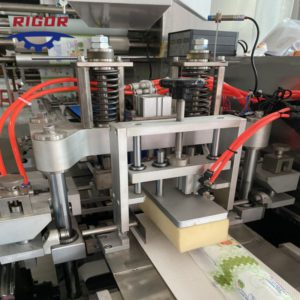
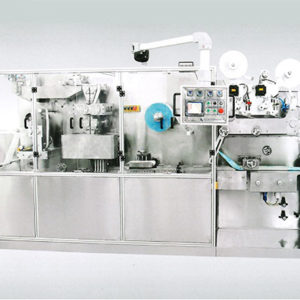
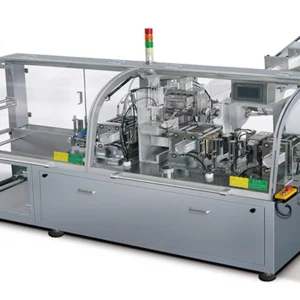
Modern wet wipes packing machines do far more than simply bag products. They are responsible for precise counting, maintaining sterility (for certain wipes), applying tamper-evident seals, printing accurate batch codes and expiry dates, and ensuring the pouch is visually appealing and structurally sound. A single flaw in any of these functions can lead to customer complaints, rejected shipments, or even regulatory non-compliance. The packing machine is the guardian of your brand's reputation at the point of sale.
How Packing Machine Performance Impacts Your Bottom Line
Performance is measured by Overall Equipment Effectiveness (OEE), which combines availability, performance rate, and quality rate. A common failure like inconsistent sealing can drop your quality rate from 99.5% to 95%, resulting in 4.5% of your production becoming waste. For a line producing 200 packs per minute, that's 9 defective packs every minute, or over 5,000 defective units in a 10-hour shift. This directly erodes margins through material waste, labor for rework, and delayed order fulfillment.
A Global Perspective: Key Considerations for Target Markets
Operating in diverse regions requires local awareness. High humidity in Southeast Asia can affect film properties and sensor performance. Dust and particulate matter in parts of the Middle East and South Africa necessitate more robust machine enclosures and more frequent filter changes. Voltage fluctuations common in some South American and Russian industrial areas demand machines with stable power conditioning systems. A one-size-fits-all approach to machine selection and maintenance is a recipe for persistent failures.
The 7 Most Common Wet Wipes Packing Machine Failures (And How to Fix Them)
Based on aggregated service data from technicians across our global network, the following failures account for over 80% of unscheduled downtime in wet wipes packaging lines. Understanding them is the first step toward mitigation.
1. Inconsistent or Failed Sealing: The Primary Culprit of Leaks and Rejects
This is the most frequent and critical failure. It manifests as weak seals that open during handling or transit, or complete seal failure causing leaks that dry out the wipes.
Root Causes & Solutions:
• Contaminated Seal Jaws: Residue from film additives or wipes solution builds up, preventing proper heat transfer. Clean jaws daily with approved, non-abrasive solvents.
• Incorrect Temperature/Pressure/Time Settings: These must be calibrated for your specific film laminate. A 5°C deviation can cause failure. Document the optimal settings for each film type you use.
• Worn or Damaged Teflon Coating on Jaws: Scratched or peeling Teflon creates uneven heat distribution. Inspect monthly and recoat or replace as needed.
• Film Material Inconsistency: Low-quality or out-of-spec film from suppliers can have varying melt points. Implement incoming quality checks for film.
2. Misaligned Product Feeding and Positioning
Wet wipes must be fed flat and centered into the forming tube or pouch. Misalignment causes jagged stacks, folded wipes, or jams.
Root Causes & Solutions:
• Worn or Loose Guide Rails/Funnels: Vibration over time loosens components. Tighten and align all guides during weekly preventative maintenance (PM).
• Incorrect Timing Between Feeder and Forming Tube: The feed mechanism must sync perfectly with the film advance. This timing is often adjusted via the machine's PLC. Refer to the manual for precise calibration procedures.
• Static Electricity: Particularly in dry climates, static can cause wipes to cling to guides or each other. Install static elimination bars or ionizing air blowers at key points.
3. Film Jams, Tears, and Web Breaks
A film web break halts production immediately, requiring re-threading and causing significant material waste.
Root Causes & Solutions:
• Misaligned Film Unwind Brake or Tension Control: Too much tension tears film; too little causes slack and wrinkles. Calibrate tension settings for the film roll's core size and weight.
• Sharp Edges on Forming Collars or Guides:
Burrs or nicks on metal components can score the film, creating a weak point. Deburr and polish all contact surfaces during overhaul.
• Film Roll Defects (Telescoping, Out-of-Round Cores): Always inspect new rolls before mounting. Reject damaged rolls to your supplier.
4. Faulty Code Dating and Label Application
Incorrect, missing, or illegible batch codes, expiry dates, or labels are a major compliance issue and lead to product recalls.
Root Causes & Solutions:
• Dirty or Worn Print Heads (Inkjet): Ink nozzles clog. Perform automatic nozzle cleaning cycles as scheduled and use high-quality, manufacturer-recommended ink.
• Incorrect Hot Stamp Temperature or Pressure: Leads to faint or blotched imprints. Test print on scrap film at start-up.
• Label Applicator Misalignment: Caused by mechanical play or sensor error. Recalibrate the applicator's positioning system and verify label sensor sensitivity.
5. Inaccurate Counting and Filling Mechanisms
Delivering the wrong count (e.g., 99 instead of 100 wipes) damages consumer trust and violates trade descriptions laws.
Root Causes & Solutions:
• Faulty Photoelectric or Proximity Sensors: Dust, moisture, or misalignment cause missed counts. Clean sensor lenses daily and check alignment.
• Mechanical Wear in Counting Wheels or Gates: Over time, tolerances increase. Inspect for wear and replace parts showing more than 0.1mm of play.
• Software Glitch in the Counting Module: Power surges can corrupt memory. Reset the counter to factory defaults and reprogram, ensuring a stable power supply with a UPS.
6. Sensor Malfunctions and False Triggers
Modern machines rely on dozens of sensors. A single faulty sensor can cause erratic stops or, worse, allow defective product to pass.
Root Causes & Solutions:
• Environmental Contamination: Dust, lint, or moisture obscure optical sensors. Implement a regular cleaning schedule using compressed air and lint-free cloths.
• Electrical Noise Interference: From nearby motors or welders, causing false signals. Use shielded cables for all sensors and ensure proper grounding.
• Physical Damage: Sensors can be bumped during cleaning or maintenance. Secure all sensor mounts and train staff on their locations and fragility.
7. Controller & HMI (Human-Machine Interface) Glitches
The PLC and HMI are the machine's brain. Unexplained errors, frozen screens, or loss of parameters bring everything to a halt.
Root Causes & Solutions:
• Corrupted Memory or Software: Often due to improper shutdowns. Always follow the correct power-down sequence. Regularly back up machine parameters to a USB drive.
• Overheating: Control cabinets clogged with dust cause components to overheat. Clean cabinet filters monthly and ensure cooling fans are operational.
• Failing Power Supply or Communication Card: These have finite lifetimes. Monitor for warning signs like intermittent communication errors and plan for proactive replacement after 5-7 years of continuous operation.
Advanced Troubleshooting: A Step-by-Step Guide for Professionals
Moving beyond basic fixes requires a structured methodology. Here is a professional approach we instill in our client's maintenance teams.
Systematic Diagnostic Approach: From Symptom to Root Cause
Never jump to conclusions. Follow this flow:
1. Define the Symptom Precisely: Is it "poor seal quality" or specifically "weak seal on the trailing edge only"?
2. Isolate the Subsystem: Does the problem occur on all packs or only when using a specific film reel? Does it happen at all speeds or only above 120 packs/minute?
3. Check the Most Likely Causes First: Refer to the machine's fault log on the HMI. Visually inspect for obvious issues like loose parts, leaks, or debris.
4. Gather Data: Use a thermal camera to check seal jaw temperature profile. Use a tension gauge on the film web. Measure voltage at the suspect sensor.
5. Implement and Test One Change at a Time: If you adjust seal temperature, run for 15 minutes and re-evaluate before adjusting pressure. Changing multiple variables simultaneously makes it impossible to identify the true fix.
Tools and Resources You Need for Effective Repairs
A well-equipped toolbox is critical. Beyond standard wrenches and screwdrivers, your kit should include:
• Digital Multimeter with Temperature Probe
• Infrared Thermal Imaging Camera (for seal analysis)
• Laser Tachometer
• Tension Meter for Film Web
• Magnifying Glass or Digital Microscope for inspecting seal edges and film layers
• A complete set of manufacturer-specific service manuals and wiring diagrams (not just the operator's manual). A reputable diaper machine manufacturer will provide these.
When to DIY and When to Call Your Machine Manufacturer
Use this decision matrix:
| Problem Type | DIY Action | Call Manufacturer/Expert |
|---|---|---|
| Routine cleaning, lubrication, belt tensioning | Yes – follow PM schedule | No |
| Replacing consumables (Teflon, printer ink, filters) | Yes | No |
| Mechanical part replacement (guide, sensor, seal jaw) from stock | Yes, if trained | If unsure of procedure |
| PLC program error, parameter corruption | Only if you have a backup and are certified | Yes – High risk of major downtime |
| Major subsystem failure (servo motor, main drive) | No | Yes – Requires specialized tools/calibration |
| Persistent, intermittent issue you cannot replicate | Stop. Document everything. | Yes – Expert diagnostic needed |
I recall a case in Indonesia where a client spent three days replacing sensors to fix intermittent stops. Our technician found a slightly loose main ground cable in the control panel—a five-minute fix. The cost of three days' downtime far exceeded the service call fee.
Cost Analysis: The True Price of Machine Downtime vs. Proactive Investment
Many operators see maintenance as a cost center. In reality, it is a strategic investment. Let's break down the numbers.
Calculating Direct and Indirect Costs of Failures
Direct Costs are easy to quantify: Wasted film and wipes, overtime labor for repairs, cost of spare parts.
Indirect Costs are often larger but hidden: Lost production capacity, delayed shipments leading to contract penalties, expedited freight to meet deadlines, brand damage from inconsistent quality, and management time spent firefighting instead of improving operations.
Formula for 1 Hour of Unplanned Downtime: (Hourly Production Output in Packs x Profit Margin per Pack) + (Overtime Labor Cost) + (Waste Material Cost) + (Estimated Brand/Goodwill Impact). For a medium-sized line, this can easily exceed $1,500 per hour.
ROI of Preventative Maintenance and Quality Spare Parts
Investing 2-3% of the machine's capital value annually in a structured PM program and genuine spare parts typically yields an ROI of 300-500% by avoiding unplanned stoppages. For example, a $100 OEM servo drive may cost 3x more than a generic part, but if the generic fails within 6 months and causes 8 hours of downtime ($12,000 loss), the "savings" become a massive loss.
Case Study: A South American Producer's $150,000 Lesson
A large wet wipes producer in Brazil skipped annual seal jaw recalibration and used a local, non-specified lubricant on the forming collar. Over 8 months, wear increased subtly. The failure finally occurred as a catastrophic misalignment during a peak seasonal order, tearing an entire 10km film reel and bending a critical shaft. The line was down for 72 hours.
Cost Breakdown: Lost production: $120,000; Emergency air freight of spare parts: $15,000; Overtime for repair and catch-up: $10,000; Scrapped film and product: $5,000. Total: $150,000. The annual PM contract they had declined was $8,500. The ROI of that PM would have been over 1,600% for that single avoided event.
Debunking Myths and Misconceptions About Packing Machine Maintenance
False beliefs are a major source of preventable failures. Let's clarify the most common ones.
"Any Lubricant Will Do" – The Truth About Proper Lubrication
Myth: Grease is grease. Using a cheaper, general-purpose lubricant saves money.
Truth: Packing machines use food-grade, synthetic lubricants with specific viscosity and additive packages. Using an industrial grease can degrade seals, attract dust, and fail under high-speed, intermittent motion. One client in Egypt used a non-food-grade oil, which eventually contaminated the film path and caused a massive product recall when consumers reported an off-odor. The cost of the recall was 200x the savings on lubricant.
"Cheaper Spare Parts Are Just as Good" – A Costly Misunderstanding
Myth: A bearing or sensor is a commodity; buy the cheapest one that fits.
Truth: OEM or high-quality certified parts are engineered for the specific load, cycle count, and environmental conditions of your machine. A generic photocell sensor might have a slower response time, causing missed counts at high speed. We provide a cross-reference list for some non-critical parts, but for core components like servo drives, PLC modules, and seal jaws, we unequivocally recommend originals. The risk is simply too high.
"Operators Don't Need Deep Training" – The Human Factor in Reliability
Myth: Operators just load film and push buttons. Basic training is sufficient.
Truth: A well-trained operator is your first line of defense. They should be able to identify abnormal sounds (e.g., a failing bearing), recognize visual defects in seals or prints early, and perform basic cleaning and thread-ups efficiently. In Vietnam, we implemented a 3-day "Operator as Technician Level 1" program for a client. Within a year, their mean time to repair (MTTR) for minor issues dropped by 65%, as operators could resolve common jams and sensor alerts without calling maintenance.
Compliance and Standards: Navigating Regulations in Your Market
Your packing machine is not an island. It must enable compliance with a web of regional and international standards.
Key International Standards for Packaging Machinery Safety
• ISO 13849-1: Safety of machinery – Safety-related parts of control systems. This governs the design of interlocks, emergency stops, and guarding.
• IEC 60204-1: Safety of machinery – Electrical equipment of machines. Ensures proper wiring, protection, and labeling.
• CE Marking (EU) / EAC Marking (Eurasian Customs Union, incl. Russia): These are not quality marks but declarations that the machinery meets the essential health, safety, and environmental requirements of the respective regions. When sourcing a machine, demand the full technical file and declaration of conformity.
Material Compliance: Ensuring Films and Inks Meet Regional Requirements
The machine must be compatible with compliant materials. For example:
• EU & Middle East (GCC): Food-contact materials must comply with EU Regulation 10/2011 or equivalent GCC standards. Inks must be low migration.
• South America (MERCOSUR): Follows similar frameworks, often referencing EU standards. Ensure your date coder ink is approved for direct food contact if it prints on the inside of the pouch.
• Southeast Asia: Requirements vary. Thailand's FDA has specific rules, as does Indonesia's BPOM. Your machine supplier should understand these constraints to recommend suitable configurations, like cold-transfer printing instead of inkjet for certain applications.
Documentation and Traceability for Export Markets
Modern retailers and distributors demand traceability. Your packing machine must accurately apply unique batch/box codes. Furthermore, ensure your machine's software can interface with factory-level Manufacturing Execution Systems (MES) to log production data, which is increasingly required for audits. This capability is now standard in machines from leading diaper machine and sanitary pad machine manufacturers who serve global exporters.
The Future of Wet Wipes Packaging: Trends Shaping Machine Design
Staying ahead means understanding where technology is headed. Here are the key trends for 2026 and beyond.
Smart Machines and Industry 4.0 Integration for Predictive Maintenance
The next generation of machines comes with embedded IoT sensors monitoring vibration (bearings), temperature (motors, seal jaws), and current draw (servos). This data streams to a dashboard, predicting failures before they happen. For instance, a gradual increase in servo motor current can indicate mounting friction, alerting you to schedule lubrication during the next planned stop, avoiding a catastrophic seizure. When evaluating new equipment, ask about data output protocols (OPC UA, MQTT) and compatibility with your plant's network.
Sustainable Packaging Demands and Machine Adaptability
Global pressure is driving a shift to mono-material films (like PP or PE) which are more recyclable, and thinner gauges to reduce plastic use. These materials have different sealing and handling characteristics. Future-proof machines need versatile sealing systems (e.g., pulsed sealing for delicate films) and precise tension control for thin, stretchy webs. Flexibility to run both conventional and new sustainable materials without major changeovers will be a key purchasing criterion.
Flexibility for Short Runs and Customization
E-commerce and niche markets are driving demand for smaller batch sizes and customized packaging. Machines must allow for quick changeovers (under 15 minutes) between different pack sizes, film types, and label designs. Look for features like servo-driven adjustable forming tubes, recipe management on the HMI (saving all settings for a given product), and easy-access latch systems for change parts. This flexibility maximizes asset utilization in a volatile market.
Your Action Plan: From Reactive Fixes to Proactive Excellence
Knowledge is only valuable when applied. Transform your operation with this actionable plan.
Creating a Customized Preventative Maintenance Schedule
Don't rely on a generic manual. Create a living document based on:
1. Machine Runtime: Schedule daily, weekly, and monthly tasks based on actual operating hours, not just calendar days.
2. Local Environment: Add extra filter checks for dusty areas, extra corrosion inspections for humid climates.
3. Historical Failure Data: If a component fails at ~2,000 hours, schedule inspection at 1,800 hours. Use your own data to drive the schedule.
Assign ownership, use checklists, and record every action in a log. This log is gold for troubleshooting and for demonstrating diligence to auditors and buyers.
Building a Relationship with a Trusted Manufacturer and Supplier
Your machine supplier should be a partner, not just a vendor. When evaluating a diaper machine manufacturer or a specialist in wet wipes lines, probe their after-sales support:
• Do they offer remote diagnostics via video call?
• What is the guaranteed response time for critical spare parts to your region?
• Do they provide regular technical updates and operator training refreshers?
A strong partnership ensures you have expert support when the inevitable complex issue arises, minimizing its impact.
Key Questions to Ask Before Your Next Machine Purchase or Audit
Before investing in a new line or auditing your existing one, get concrete answers:
1. What is the documented Mean Time Between Failures (MTBF) for the core packaging unit?
2. Can you provide a list of recommended spare parts for the first two years of operation, with local supplier contacts in my region?
3. Show me the data from your IoT/predictive maintenance system on a similar machine. How was a failure predicted and prevented?
4. What specific features of this machine ensure compliance with [insert your key market's] regulations for material contact and traceability?
5. Provide contact details for two current clients in a similar climate and production environment who can serve as references.
The journey from battling constant failures to achieving packaging line excellence is built on a foundation of deep technical understanding, disciplined processes, and strategic partnerships. It requires moving from viewing the packing machine as a cost to recognizing it as a critical value-protection asset. By implementing the diagnostic frameworks, cost analyses, and proactive plans outlined here, you transform unpredictable downtime into scheduled, manageable maintenance windows. You convert waste and rework costs into reliable margin. Start today by auditing your most persistent failure point, applying the root-cause methodology, and initiating a conversation with your technical team and machine supplier about a data-driven 2026 maintenance strategy. The reliability—and profitability—of your production line depends on it.
References & Further Reading
• PMMI, The Association for Packaging and Processing Technologies. "Packaging Machinery Industry Report & Trends 2025." https://www.pmmi.org/research (Industry data on downtime causes and smart machinery adoption).
• International Organization for Standardization (ISO). "ISO 22000:2018 – Food safety management systems." https://www.iso.org/standard/65464.html (Relevant for wet wipes marketed for food-contact or personal care).
• European Committee for Standardization (CEN). "EN 415-1:2014 – Safety of packaging machines." (The foundational European standard for packaging machine safety, often referenced globally).
• Smithers. "The Future of Global Nonwovens to 2028." https://www.smithers.com/services/market-reports/nonwovens (Market analysis driving packaging trends in wipes and hygiene products).