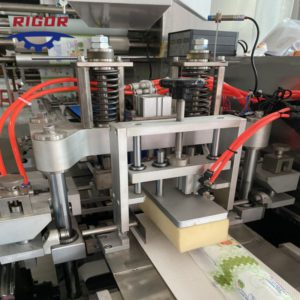
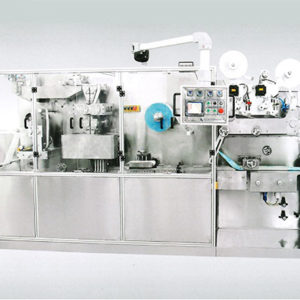
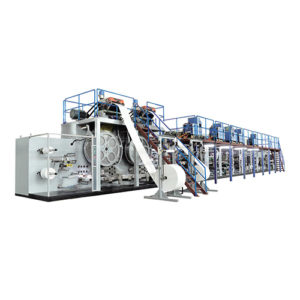
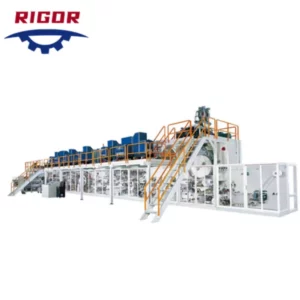
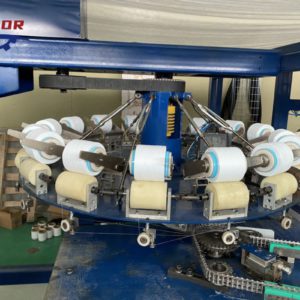
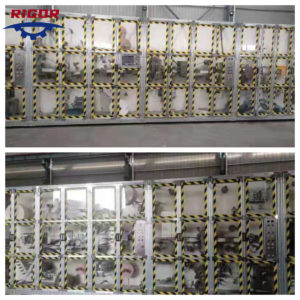
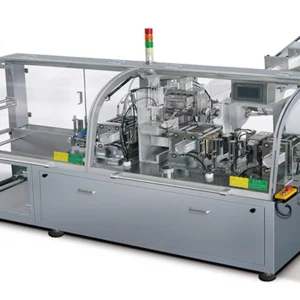
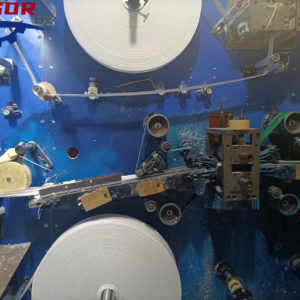
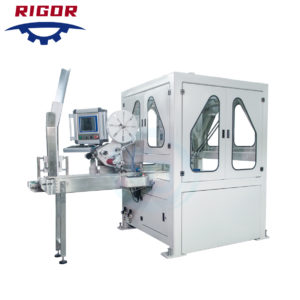
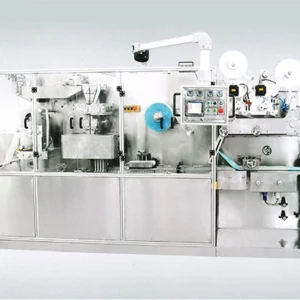
In a world where hygiene products are essential to daily life, diaper manufacturing is no longer just about output—it’s about intelligent engineering. Rigor, a trusted name in personal care machinery, offers next-generation Baby Diaper Machine solutions that combine high-speed performance, hygienic design, and smart scalability for brands ready to lead in competitive markets.
From small-scale startups to multinational hygiene product manufacturers, the demand for advanced diaper-making systems continues to grow. Rigor’s diaper making machine line is built for flexibility—accommodating various sizes, absorbency levels, and comfort-enhancing features without sacrificing speed or accuracy.
Why Rigor’s Baby Diaper Machines Stand Out
Modern consumers expect baby diapers to be soft, safe, and leak-proof. For manufacturers, that means precision layering, breathable back sheets, and secure waistband attachment must be delivered with consistency—at scale. Rigor’s Baby Diaper Machine systems answer this challenge with:
Full servo-driven control for maximum synchronization
Multi-layer raw material unwinding and tension control
SAP and fluff core forming integration
Intelligent defect detection and auto-correction features
This advanced setup ensures that every diaper coming off the line meets strict quality benchmarks for comfort, absorption, and skin safety—reducing rejects and increasing customer satisfaction.
All-in-One Production with Modular Customization
Rigor understands that no two markets are alike. Their diaper making machine platforms are designed with modular flexibility, making it easy to adjust output for different product types, such as:
Newborn, standard, and overnight diapers
Pull-up pants and tape-style models
Ultra-thin or premium cotton-feel designs
Switching formats doesn’t require new infrastructure—just new configuration modules, which Rigor provides with training and support. This makes it easier for growing brands to adapt quickly to changing consumer demands.
Seamless Integration with Hygiene Product Lines
Many of Rigor’s customers also produce related hygiene items, and the company offers cross-compatible equipment such as sanitary napkins production machines. This synergy allows factories to streamline operations, reduce training time, and rely on one expert supplier for maintenance, upgrades, and expansion.
The sanitary napkins production machine line from Rigor features:
Ultra-thin pad forming technology
Optional wings, adhesives, and backsheet print modules
Sterile contact-zone processes to ensure product purity
Speed outputs ranging from 600 to 1200 pads/min, depending on model
By offering complete production ecosystems—from Baby Diaper Machines to napkin and adult care lines—Rigor helps manufacturers build resilient and diversified hygiene portfolios.
Focus on Efficiency, Safety, and Sustainability
Safety and hygiene are central to Rigor’s engineering philosophy. All diaper making machines are built to ISO and CE standards and include dust isolation chambers, touch-free forming sections, and real-time monitoring to prevent contamination.
In addition, Rigor supports eco-friendly manufacturing goals. Energy-saving servo motors, waste-minimization systems, and recyclable packaging modules contribute to a greener production process—helping manufacturers meet regulatory and ethical expectations globally.
Reliable Global Supply and Service
Headquartered in China, Rigor exports to more than 40 countries and offers full after-sales service, including:
Factory layout planning
On-site installation and debugging
Remote diagnostics and spare parts supply
Technical training and long-term maintenance programs
Their reputation as a reliable china diaper equipment supplier has helped numerous brands scale production without compromising quality. From Latin America to Southeast Asia and the Middle East, Rigor’s machines are running 24/7 in major hygiene production facilities.
The global baby diaper market is expected to be worth over $98 billion by 2030. The increasing birth rates and the demand for high – quality hygiene products are driving this growth. For manufacturers, buying a reliable baby diaper machine is very important if they want to meet quality standards and increase production. This guide will explain the most important things to think about when choosing equipment that is safe, fast, and cost – effective.
1. High – Speed Automation for Maximum Output
Modern baby diaper making machines can make 800 – 1,200 diapers every minute because of advanced automation. Here are some key new features:
Servo – driven systems help control cutting and sealing accurately.
AI – powered defect detection can reduce waste. It can make sure that less than 0.5% of the products are rejected.
Quick – change tooling lets you change the size or style of the diapers in less than 15 minutes.
Useful Tip: Look for machines with IoT connectivity. This way, you can check the real – time production output and how much energy the machine uses.
2. Material Compatibility & Flexibility
Parents like diapers made of breathable and eco – friendly materials. Make sure your machine can work with these:
Nonwoven topsheets, such as spunlace or SMS fabrics.
Absorbent cores made from plants, like bamboo, cotton, or biodegradable SAP.
Hypoallergenic adhesives for babies with sensitive skin.
Machines with adjustable tension controls can handle delicate materials without tearing them.
3. Hygiene & Safety Standards
Diapers need to meet strict certifications:
ISO 13485 for medical – grade manufacturing.
CE Marking if you want to sell in the EU market.
GMP protocols to stop the diapers from getting contaminated.
Choose machines that have closed – loop production areas and automatic sterilization cycles.
4. Energy Efficiency & Sustainability
You can lower operating costs and help the environment in these ways:
Heat recovery systems can reuse 30% of the thermal energy.
Solar – compatible motors can make the machine less dependent on the power grid.
Waterless bonding methods, like ultrasonic or adhesive sprays.
Interesting Fact: According to a UNIDO report, eco – optimized machines can cut carbon footprints by up to 40%.
5. User – Friendly Maintenance
You can reduce the time the machine is not working with these features:
Self – lubricating components that only need to be checked once a month.
Modular designs make it easy to replace parts.
Touchscreen HMIs that have troubleshooting guides.
How to Choose the Right Baby Diaper Machine
Figure Out Your Production Needs:
Startups: You can choose compact machines that make 200 – 500 diapers per minute.
Large manufacturers: You may need fully integrated lines that can make 1,000+ diapers per minute.
Check the Supplier’s Credentials:
The supplier should have at least 5 years of experience in the industry.
They should offer on – site installation support.
Ask for Samples:
Test the diapers made by the machine for softness, absorbency, and how well they prevent leaks.
Maintenance Best Practices
Daily: Clean the adhesive nozzles and check the sensors.
Weekly: Replace cutting blades that are worn out.
Annually: Overhaul the servo motors and update the software.
Future Trends in Diaper Machinery
AI – driven predictive maintenance can stop breakdowns before they happen.
3D – printed custom cores can make diapers fit better.
Blockchain integration can help track the materials used.
Conclusion: A Smart Investment for Growing Demand
A high – performance baby diaper machine is very important for making money and producing diapers in a sustainable way. Focus on speed, the ability to use different materials, and energy efficiency to stay competitive. Work with suppliers who offer training and warranties to get the most out of your investment. As more parents care about the environment, machines that can use green materials will be very popular in the market. We are a professional baby diaper machine supplier, if you have any questions, please feel free to contact us!
As sustainability becomes a priority for modern households, reusable cloth diapers are gaining traction worldwide. Meanwhile, advancements in manufacturing technologies are reshaping the disposable diaper and sanitary napkin industries. This article explores efficient cloth diaper cleaning methods while unveiling the science behind hygiene product production.
Four-Step Cloth Diaper Cleaning Guide
Cleaning cloth diapers need not be daunting. Follow these simplified steps:
Pre-treatment: Remove solid waste immediately using a sprayer or biodegradable liner.
Soak: Submerge diapers in cold water with oxygen-based bleach for 30 minutes to prevent staining.
Wash: Use a 60°C cycle with plant-based detergent, avoiding fabric softeners that reduce absorbency.
Dry: Air-dry in sunlight (natural disinfectant) or tumble-dry on low heat. “Monthly stripping with vinegar solution eliminates detergent buildup,” advises Maria Chen, a certified eco-parenting consultant. “Rotate between two diaper sets to extend fabric lifespan.”
Modern disposable diapers combine precision engineering and advanced materials:
Top sheet: Breathable non-woven polypropylene
Core: Superabsorbent polymer (SAP) mixed with fluff pulp
Back sheet: Microporous polyethylene film
Elastic components: Lycra or spandex for leak-proof fit
Automated production lines integrate thermal bonding and laser cutting, achieving speeds of 1,000 units/minute. A breakthrough comes from Swedish brand EcoBaby, which recently launched diapers with wood pulp-SAP cores and compostable PLA backing, reducing landfill waste by 70%.
Sanitary Napkin Production: Safety First
According to the feature of the diaper raw materials ,the feminine hygiene sector prioritizes safety through rigorous processes:
Absorbent layer formation: Organic cotton or bamboo fibers fused via air-laid technology
Core assembly: SAP blended with cellulose pulp under sterile conditions
Sealing: Leak-proof barriers bonded with medical-grade adhesives
Sterilization: Gamma ray treatment eliminates 99.9% microorganisms
A technical director at a leading Chinese manufacturer shares: “Our new plant employs AI-powered quality control cameras that detect defects at 200 frames/second, surpassing manual inspection accuracy.”
Material Innovations Driving Change
Sustainability is reshaping raw material choices across the industry:
Disposable products: Algae-based films and starch-derived SAP entering mainstream use
Sanitary pads: Charcoal-infused layers for odor control, pH-balancing topsheets
The global biodegradable diaper market is projected to grow at 12.4% CAGR through 2030, per GreenTech Analytics. In Southeast Asia, over 30% of new mothers now opt for hybrid systems—reusable cloth diapers paired with compostable inserts.
Conclusion: The Future of Hygiene Products
From laundry routines to factory floors, the hygiene sector is undergoing a green transformation. As consumers demand transparency, manufacturers respond with cleaner production methods and circular design principles. Whether choosing washable cloth diapers or eco-conscious disposables, today’s parents and consumers wield unprecedented power to drive sustainable innovation—one diaper, one pad, and one material breakthrough at a time.
Industry Insight: The 2023 Global Hygiene Report reveals 68% of millennials willingly pay 15-20% premiums for plant-based hygiene products, signaling lasting market shifts toward ecological responsibility.
Cloth diapers for adults offer a sustainable and often more cost-effective alternative to disposable ones. If you’re looking into making cloth diapers for adult use, whether for personal or commercial reasons, this guide will provide you with the necessary steps to start your project.
Understanding the Basics of Adult Cloth Diapers
Before diving into the process of creating adult cloth diapers, it’s important to understand what they are and why they might be preferred. Adult cloth diapers are reusable garments designed to manage incontinence or other conditions that require absorbent wear. They can be washed and reused multiple times, reducing waste and potentially saving money over time.
Materials You Will Need
To make cloth diapers, you’ll need a selection of materials:
Absorbent Fabric: Such as cotton, bamboo, or microfiber.
Waterproof Layer: PUL (polyurethane laminate) fabric is commonly used.
Fastenings: Velcro or snaps for secure closures.
Elastic: For leg and waist openings to contain leaks.
Pattern: To guide the cutting and sewing of the diaper.
Steps to Create Cloth Diapers
1. Design and Pattern Making
Design your diaper considering comfort, fit, and functionality. Use an existing pattern or create your own by measuring an adult who needs the diaper or using average measurements.
2. Cutting the Fabric
Lay out your fabric according to the pattern pieces and cut carefully. Ensure each piece matches its counterpart for symmetry.
3. Sewing the Diaper
Sew the layers together, starting with the inner absorbent layer and then attaching the waterproof outer layer. Incorporate elastic around the legs and waist for a snug fit.
4. Adding Fastenings
Attach Velcro or snaps on the sides of the diaper for easy fastening and adjustment.
5. Finishing Touches
Inspect the diaper for any loose threads or imperfections and trim accordingly. Reinforce areas if needed for durability.
Utilizing Machinery for Efficient Production
For those interested in scaling up production, investing in a diaper making machine or a machine for diapers can significantly enhance efficiency. These machines are part of diaper manufacturing processes designed to automate several steps of the creation process, from cutting to assembling the various layers of the diaper. They allow for consistent quality and faster output, which is especially beneficial for businesses looking to enter the market of adult cloth diapers.
Making cloth diapers for adults can be a rewarding endeavor, offering a product that benefits both the user and the environment. Whether you choose to handcraft each item or employ diaper manufacturing equipment to meet higher demands, understanding the process and selecting the right materials are key to success. Remember, each step—from design to the final touches—contributes to the effectiveness and comfort of the finished product.
Establishing a diaper-making machine manufacturing business should be very lucrative, provided research has been done thoroughly, the machine properly procured, and market demands understood. The fast-growing hygiene industry has shifted to diaper-making machines, which have become a must-have by entrepreneurs considering venturing into either baby or adult diaper production. Whether you set up baby diapers manufacturing machines for sale facility or engage in wholesale diaper production, this guide offers the steps you need to know and crucial tips to help you get started.
1. Researching the Diaper Industry and Market Trends
Before diving into the technical aspects, understanding the market is crucial. Baby diapers are in high demand globally, with parents seeking high-quality, comfortable, and affordable products for their children. However, there are also increasing demands for baby diapers manufacturing machines that cater to various markets, such as organic, eco-friendly, or premium baby diapers. Conducting a market survey will help determine which types of diapers are most needed in your region or target market, be it cloth, disposable, or organic.
2. Selecting the Right Diaper Making Machine
The heart of any diaper manufacturing business lies in the diaper machine. These advanced machines automate the entire production process, from raw material feeding to the final product. A baby diapers manufacturing machine for sale typically includes features such as:
Full Servo Automation: This ensures high precision and speed in diaper production.
Speed and Efficiency: With a capacity of 600 pieces per minute at stable speed, these machines can produce thousands of diapers daily, making them highly efficient for high-demand markets.
Customization Options: Machines can be tailored to your specific production requirements, from the size and shape of diapers to the materials used.
As a manufacturer, we offer OEM & ODM services, which means that we can customize the diaper making machine according to your specific needs. This is especially beneficial for businesses looking to create a unique product offering in the market.
3. How the Diaper Machine Works
The diaper making machine typically processes materials like nonwoven fabric, cotton, SAP (super absorbent polymer), and other materials into a finished diaper product. These machines are designed to perform various functions such as:
Unwinding: The machine unrolls raw materials such as nonwoven fabric and cotton.
Cutting and Shaping: It cuts materials into the desired diaper size.
Absorbent Core Formation: It creates the absorbent core, which is the most crucial part of a diaper.
Assembly: The components are then assembled, and the final product is packed.
Our machines are engineered for high precision and quality control, ensuring that each diaper meets the highest standards. With the diaper making machine, you’ll experience improved production efficiency and product consistency.
4. Key Features to Look for in a Diaper Machine
When selecting a diaper machine, it’s essential to consider several features that can enhance your production capacity and reduce costs:
High-Speed Operation: With speeds of 400-600 pieces per minute, the machine ensures fast and efficient production.
Energy Efficiency: The machine is designed to minimize energy consumption, reducing operational costs.
Advanced Control System: Features such as PLC control and HMI systems ensure easy operation and monitoring of the production line.
With a fully automatic diaper machine, businesses can enjoy reduced labor costs and minimal human error.
5. Costing and Investment in the Diaper Manufacturing Business
Starting a diaper making machine production line requires an upfront investment, including the purchase of machines, raw materials, factory space, and labor. Additionally, the cost of maintenance, energy consumption, and raw materials should also be factored in. For a detailed cost report analysis, we recommend working with experts in the industry who can provide accurate forecasts based on your specific needs.
Many companies also offer wholesale baby diapers manufacturing machines for sale, making it easier for small or medium-sized businesses to enter the market. We provide machines tailored to your production needs with competitive pricing and reliable delivery options.
Why Choose Our Diaper Machine?
Choosing the right diaper machine supplier is critical for your business’s success. Here’s why our baby diapers manufacturing machines are the best option:
Top Quality: Our machines are built with high-quality materials and top-notch technology, ensuring long-lasting durability.
Customization: We offer OEM & ODM services, meaning we can tailor machines to your exact production needs, whether you’re looking for larger or smaller production lines, or machines designed for specific diaper types.
Global Reach: We welcome local wholesalers and suppliers from across the globe to partner with us. Our machines are designed to meet international standards, making them suitable for diverse markets.
We’re committed to offering machines that meet your specifications, whether you’re looking for baby diapers manufacturing machines or larger, high-capacity lines for adult diapers or other hygiene products.
Contact Us for More Information
If you’re interested in starting your own diaper manufacturing business, diaper making machines are a must-have investment. Our team is ready to provide more details about pricing, installation, and after-sales services. For detailed quotes or further inquiries, you can reach us at [email protected]. We’re happy to guide you through the process and help you select the right machinery for your needs.