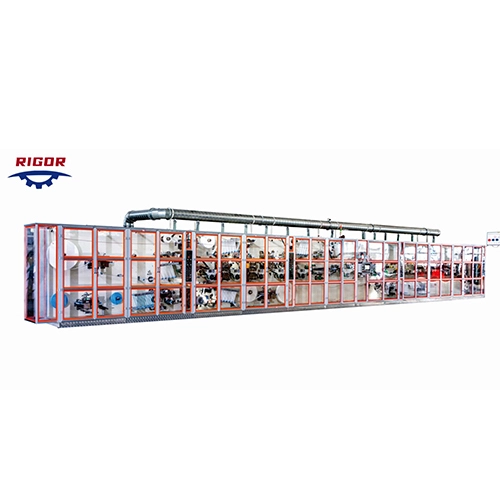
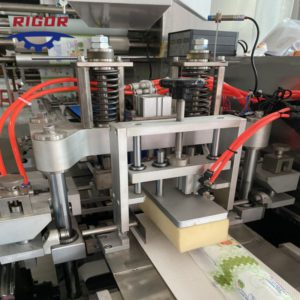
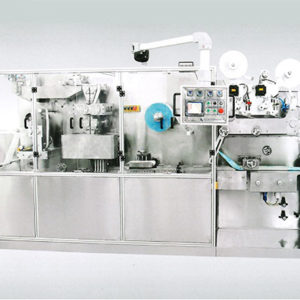
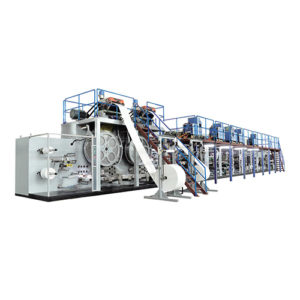
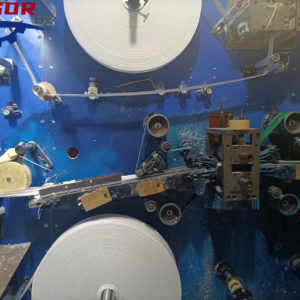
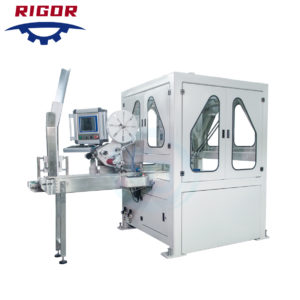
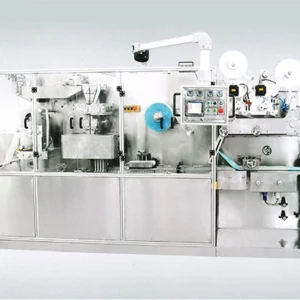
Despite growing awareness around menstrual hygiene, selling sanitary napkins remains a challenge in many markets—particularly where taboos, affordability, and accessibility persist. For manufacturers and distributors, success depends not only on product quality but also on the right go-to-market strategy. Backed by advanced sanitary napkin machineryand efficient sanitary pad-making machines, companies like Rigor are transforming how menstrual hygiene products reach end users.
Understanding the Market: One Product, Many Segments
A one-size-fits-all approach rarely works in the sanitary napkin market. Consumers differ in age, income, location, and even cultural norms. To reach them effectively, businesses must:
Segment audiences by urban vs rural needs
Offer tiered product lines from basic to premium
Educate consumers on hygiene and product use
Address environmental concerns with sustainable variants
By aligning the sanitary napkin-making process with targeted marketing and social outreach, brands can build deeper trust and long-term loyalty.
Top Strategies to Drive Sanitary Napkin Sales
Below are key marketing and distribution tactics that have proven effective for menstrual hygiene products:
Affordable Packaging: Small packs of 2 or 3 pads help reach lower-income consumers
School Campaigns: Offering free samples in schools improves early adoption and brand recall
Healthcare Partnerships: Collaborating with clinics enhances credibility and reach
Retail Visibility: Ensuring availability at both pharmacies and convenience stores is crucial
Digital Awareness: Using social media influencers to reduce stigma and explain product benefits
When these strategies are backed by modern sanitary pad making machines, brands can scale up production quickly without sacrificing quality.
Behind every successful sanitary napkin campaign is a reliable production line. The flexibility to switch between pad types, adjust sizes, and control material costs can make or break a brand’s ability to respond to market needs.
Feature
Marketing Advantage
Rigor’s Contribution
Modular Sanitary Napkin Machinery
Enables multiple product variants for different markets
Offers flexible configurations for quick changeovers
High-Speed Pad Making Machine
Supports large-volume promotions and launches
Automated systems with minimal downtime
Quality Control Integration
Enhances customer trust and reduces return rates
Real-time monitoring and defect detection
Rigor’s cutting-edge solutions streamline the sanitary napkin-making process to ensure consistency, speed, and adaptability.
Creating Demand Through Education and Empathy
In many regions, the lack of awareness is a bigger obstacle than supply. Brands that succeed often do so by combining sales with education. Workshops, NGO partnerships, and community programs are powerful tools to:
Normalize menstruation as a health topic
Teach proper use and disposal
Encourage trial and feedback
Companies that invest in both product development and social outreach often see greater market penetration and customer loyalty.
Rigor: Supporting Growth with Scalable Hygiene Solutions
As a trusted manufacturer of sanitary pad-making machines and complete sanitary napkin machinery, Rigor empowers both established brands and emerging startups. Whether the goal is to enter a new market or expand existing product lines, Rigor provides the manufacturing backbone to turn strategy into action.
From flexible batch sizes to customized packaging features, Rigor’s systems are designed for brands that aim to grow while making a real social impact.
Turn Market Needs into Market Wins
The future of menstrual hygiene depends on innovation—not just in product, but in outreach, education, and accessibility. With the right strategies and a manufacturing partner like Rigor, brands can lead the change while growing profitably. Now is the time to rethink how you sell sanitary napkins—because every product sold is a step toward dignity, health, and empowerment.
Menstrual hygiene is not only a matter of personal care—it’s a public health and environmental concern. While great strides have been made in improving access to sanitary pads through innovations in the sanitary napkin-making process, the disposal of used napkins remains a critical issue. This is where sanitary napkin incinerators come into play. Designed to offer safe, hygienic, and eco-friendly disposal, these machines are becoming essential in schools, offices, hospitals, and public spaces. For manufacturers like Rigor, providing end-to-end menstrual hygiene solutions—from sanitary napkin machinery to disposal systems—ensures a cleaner and more dignified experience for women.
The Problem with Improper Disposal
Used sanitary pads contain blood and body fluids, making them a potential carrier of harmful bacteria if left exposed. In the absence of proper disposal methods, these pads are often flushed, buried, or thrown in open garbage, leading to:
Blocked drainage systems
Soil and water contamination
Health risks to waste handlers
Unpleasant odors and sights in public restrooms
Despite advances in sanitary pad-making machine technologies, disposal often lags in priority—undermining hygiene efforts.
Why Incineration is a Safer Option
Incineration is one of the most effective ways to manage sanitary waste. A well-designed sanitary napkin incinerator:
Destroys pathogens through high-temperature combustion
Reduces pad volume to sterile ash, minimizing landfill burden
By integrating incinerators into menstrual hygiene infrastructure, institutions can close the loop on the sanitary napkin making process—from production to safe disposal.
How It Works: From Pad to Ash
Here’s a breakdown of how sanitary napkin incineration fits into the full product lifecycle:
Process Stage
Description
Rigor’s Contribution
Sanitary Pad Making Machine
Includes raw material handling, embossing, and sealing
Efficient, customizable automation by Rigor
Sanitary Napkin Machinery
Includes raw material handling, embossing, sealing
Integrated systems for quality and consistency
Incineration Unit
Burns used pads at 800°C–1000°C
Compact, energy-efficient incinerators with auto shutoff
By combining sanitary napkin machinery with safe disposal units, Rigor helps institutions maintain hygiene standards from start to finish.
Where Are Incinerators Most Needed?
The demand for sanitary napkin incinerators is especially high in:
Girls’ schools and colleges: Reducing absenteeism due to poor disposal conditions
Rural health centers: Ensuring women have safe menstrual hygiene even in low-resource settings
Corporate offices and malls: Supporting workplace wellness and public health
Factories using sanitary pad-making machines: Integrating disposal as part of the production line
In each case, installing incinerators promotes dignity, privacy, and environmental responsibility.
Rigor: Building the Future of Menstrual Hygiene
At Rigor, innovation doesn’t stop at making sanitary pads. As a leading manufacturer of sanitary pad-making machines and complete sanitary napkin machinery, Rigor understands the importance of responsible disposal. Their incinerators are built for durability, low emissions, and user safety—supporting large-scale implementation in public and private settings.
By combining quality manufacturing with modern disposal solutions, Rigor is redefining menstrual hygiene as a holistic ecosystem—not just a product.
Close the Loop on Hygiene
Producing sanitary pads is only half the story—what happens after use matters just as much. Whether you’re upgrading a production facility or equipping a school, consider adding Rigor’s incineration solutions to your hygiene strategy. Give women the clean, safe, and dignified experience they deserve.
The demand for hygienic products such as sanitary pads is on the rise globally, and a sanitary napkin making machine plays a crucial role in the efficient production of these products. Whether you’re a new investor in the sanitary product industry or an experienced manufacturer looking to optimize your production, understanding the nuances of sanitary napkin production machines can help you make informed decisions. This guide will take you through the process, technology, and advantages of using sanitary napkin making machines, while also highlighting our customized solutions that meet your specific needs.
What is a Sanitary Napkin Making Machine?
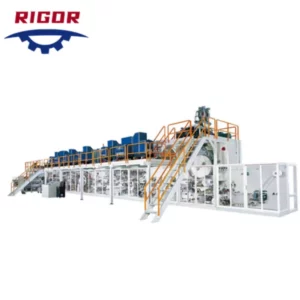
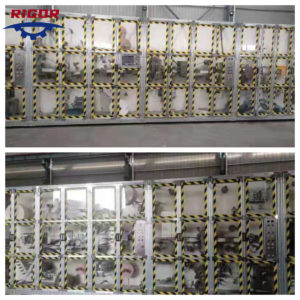
A sanitary napkin making machine is an automated system designed to manufacture sanitary pads for women’s menstrual hygiene. These machines are capable of producing high-quality sanitary napkins efficiently by combining multiple raw materials such as nonwoven fabric, absorbent core, and back sheets. The machine operates by converting these materials into absorbent pads that are then packaged for distribution.
The core components of the sanitary napkin production machine include the ability to adjust size, thickness, and shape of the pads, ensuring customization according to market demand. The machine’s efficiency is key to maximizing production rates, with some advanced models capable of producing 400-600 pieces per minute.
Key Features of a Sanitary Napkin Making Machine
Automation: Most modern sanitary napkin production machines are fully automatic, reducing human error and increasing production efficiency. These machines are controlled by advanced PLC systems that ensure precision and high output.
Servo Motor Technology: Our machines feature servo motor technology that improves the accuracy of every process, from unwinding the raw materials to final packaging. This results in smoother operation and reduced maintenance.
Customization: Different regions have unique requirements for sanitary napkins in terms of size, absorbency, and materials used. Our sanitary napkin making machines offer customizable solutions, enabling manufacturers to design pads that meet specific local preferences.
High-Speed Production: One of the most significant advantages of using these machines is their high-speed production capacity. Machines capable of producing 400-600 pads per minute allow manufacturers to meet large-scale market demands.
Durability and Quality Control: The materials used in the production of these machines are durable, ensuring long-term performance. Our sanitary napkin production machines are built with top-grade components that require minimal downtime.
Why Choose Our Machines?
As a leading manufacturer of sanitary napkin making machines, we are committed to offering high-quality machines that improve both production efficiency and product quality. Here’s why you should choose our machines:
Reliability: We provide machines that are designed for continuous production without compromising on quality. Our sanitary napkin making machines are built to last, ensuring a good return on investment.
Customization Options: We understand that each market has its own set of requirements. Whether you need specific sizes, shapes, or materials, we offer OEM & ODM services to tailor our machines according to your needs.
Easy Operation: Despite their complexity, our machines are designed for easy operation. With a user-friendly interface, the learning curve is minimal, and workers can operate the machines effectively from day one.
Advanced Technology: We use the latest technology to ensure that our machines perform at their peak. Our machines are equipped with full servo automatic control, providing unmatched precision.
Global Reach: We offer wholesale options and invite local wholesalers and suppliers worldwide to contact us for detailed quotes and pricing.
The Process of Sanitary Napkin Production
The production of sanitary napkins involves several critical steps:
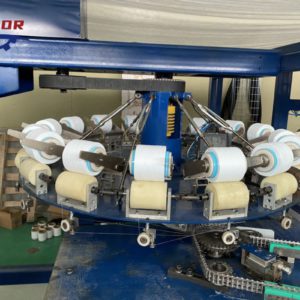
Material Unwinding: The first step involves unwinding rolls of nonwoven fabric, absorbent cores, and back sheets. These materials are carefully fed into the sanitary pad making machine.
Core Forming: The absorbent core, usually made of a combination of cotton and superabsorbent polymer (SAP), is placed onto the pad. The core is responsible for absorbing menstrual fluid, ensuring comfort and hygiene.
Lamination and Sealing: The pad’s top sheet is laminated with an adhesive to ensure it stays in place. The pad is then sealed to prevent leakage.
Cutting and Shaping: Once the sanitary napkin is formed, the machine cuts it into the desired shape, whether it’s a standard pad or a specialized design for different product lines.
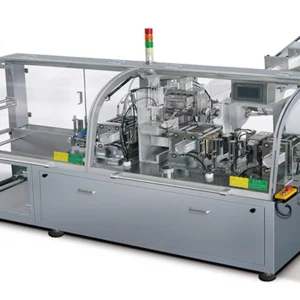
Packaging: The finished sanitary pads are then automatically packaged for sale. Our sanitary napkin production machines offer integrated packaging systems that can be customized according to client needs.
Benefits of Using a Sanitary Napkin Making Machine
Cost-Effective: Automating the production process lowers labor costs and improves efficiency, making it more cost-effective in the long run.
Consistency and Quality: Automated machines ensure that each sanitary napkin produced meets stringent quality standards, offering consistent performance in terms of absorbency and comfort.
Speed and Output: With high-speed production capabilities, manufacturers can meet the ever-increasing demand for sanitary pads, providing a steady supply to the market.
Why Contact Us?
If you’re looking to invest in a sanitary pad making machine, we offer the perfect solution. As a manufacturer specializing in sanitary napkin production machines, we provide not only high-quality equipment but also comprehensive customer service, including:
Customization: We can tailor machines to your specific requirements.
Global Delivery: Our machines are available for wholesalers and suppliers worldwide.
Technical Support: We provide installation, operation guidance, and maintenance training to ensure smooth operations.
For more information or to get detailed quotes, please do not hesitate to contact us at [email protected]. We welcome inquiries from local wholesalers and suppliers in any country and are happy to provide solutions that fit your unique needs.
Feel free to contact us to discuss your specific requirements. We are here to help you set up and scale your sanitary napkin production business efficiently.
1. The management extent of the mini sanitary napkin making maker2. When developing the mini sanitary pad making machine, aspects to be considered3. Production duty department of mini sanitary pad making device4. Approval of mini sanitary pad making equipment In order to adjust to the production growth of enterprises, business usually need to create as well as make some effective special mini sanitary napkin making device, which is a good way for ventures to obtain economic benefits.
1. The monitoring extent of the mini sanitary pad making equipment
The administration of sanitary napkin making tools should be entailed or responsible by the devices power department. Its major work is as adheres to: 1 Prepare the layout file. 2 Testimonial the layout proposition. 3 Create a strategy and also cost spending plan 4 Repair the prototype. 5 Quality check. 6 Acceptance and also negotiation (moved into set assets). 7 Technical information files. 8 Recap evaluation and also info feedback.
2. Variables to be taken into consideration when developing the mini sanitary pad making equipment.
1 Improve the standardization, serialization and also generalization of components in the water industry. 2 Improve the maintainability of the tools structure. 3 Use construction as well as procedure products to boost part resilience and dependability. 4 Focus on the use of status tracking, lengthy alarm system as well as mistake security actions. 5 Minimize upkeep initiatives.
3. Manufacturing duty department of mini sanitary napkin making machine.
Technical papers such as the layout scheme and all illustrations shall be suggested by the unit (technological or equipment department) embarking on the layout. In the process of devices manufacturing, the equipment manufacturing workshop (or maker repair work workshop) is in charge of the technical job such as the process preparation as well as design of tooling as well as evaluation devices.
4. Approval of tiny sanitary pad making machine.
According to the approval conditions as well as attracting needs stated in the layout job book, an appraisal as well as acceptance meeting of self-made tools is held under the leadership of the supervisor. Relevant departments will certainly participate in the thorough technical as well as economic evaluation and also evaluation of the equipment. After the installment and commissioning is certified, the layout and production division will certainly go through the handover treatments to the equipment power division.
The whole monitoring process of the mini sanitary napkin making maker should be very clear, and it is possible to plainly discover which department and also which work each location belongs to. Only this way, a top quality sanitary pad making tools can be produced. Sanitary Napkin Making MachineSanitary Pad Making EquipmentMini Sanitary Napkin Making Equipment. – Previous : Evaluation of the Ways to Boost the Effectiveness of Sanitary Pads Equipment. – Next : How to do a good task in the administration of female baby diaper equipment.
The most crucial link is the high quality assessment and also approval work. According to the acceptance problems as well as drawing requirements stipulated in the style task publication, an appraisal as well as acceptance meeting of self-made devices is held under the management of the manager. Appropriate divisions will certainly participate in the extensive technical and also financial assessment and also assessment of the equipment. Certification certification. After the setup and appointing is qualified, the style and manufacturing division will certainly go via the handover procedures to the tools power department.