Approximately 3.7 billion people experience menstruation on a monthly basis. Despite that, millions of women and girls who live in less developed regions cannot afford or even get sanitary napkins, although they are a basic hygiene product. A global discussion has taken place as a consequence: Why are the sanitary napkins not free like the other public health necessities?
Although a lot of people are of the opinion that menstrual products should be given away for free or at least be subsidized, things are far from being that simple. There are many reasons behind the current sanitary napkin prices situation, and these include the whole chain from the manufacturing and logistics to policy and infrastructure.
What Goes Into the Cost of a Sanitary Napkin?
Sanitary napkins may seem simple, but their production involves multiple stages, each contributing to the final price. Key cost factors include:
Raw materials: Super absorbent polymers, fluff pulp, breathable backsheet films, and non-woven fabrics
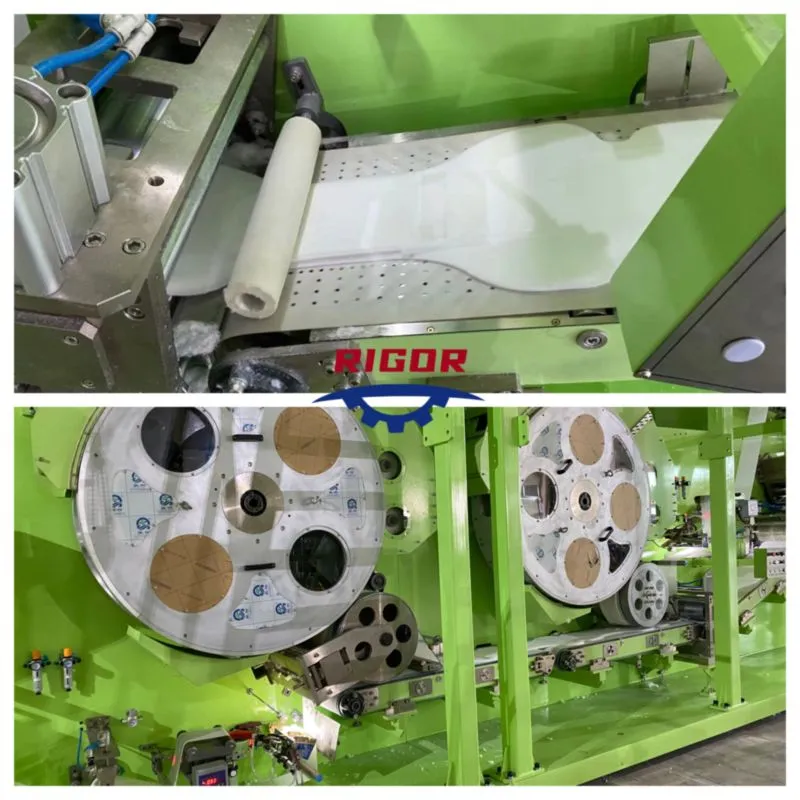
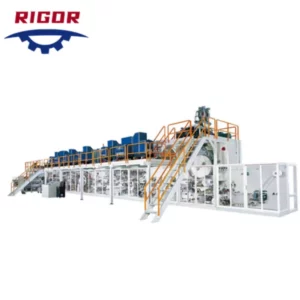
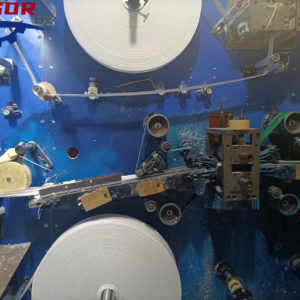
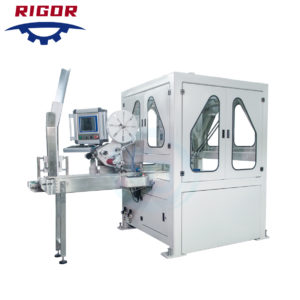
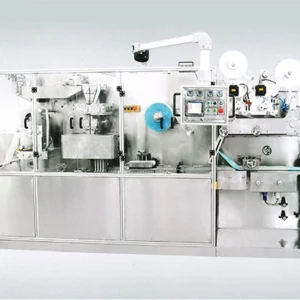
Advanced machinery: High-speed sanitary pad machines like those made by Rigor that ensure precision, hygiene, and automation
Labor and energy: Even with automation, skilled operation and maintenance add to overhead
Packaging and branding: Individual wrapping, labeling, and marketing expenses
Logistics and distribution: Warehousing and delivery across urban and rural regions
Even in bulk, the cost of producing each pad adds up. Governments or NGOs aiming to offer free pads must still finance these components, which can become significant over time.
Why Most Countries Don’t Offer Free Sanitary Pads
Despite global awareness of “period poverty,” only a handful of countries have implemented free sanitary napkin distribution policies. Several reasons explain this:
Budget constraints: Health and education sectors already compete for limited government funding
Infrastructure challenges: Distribution in rural or remote areas can be complex and costly
Cultural stigma: In some regions, menstruation is still considered taboo, delaying policy action
Lack of manufacturing capacity: Many local economies lack the technology and expertise to produce affordable pads at scale
That’s where manufacturers like Rigor play a vital role. By supplying automated sanitary pad machines, baby wet wipes machines, and diaper production lines, they empower local businesses and institutions to produce hygiene products cost-effectively and independently.
Can Local Production Make Pads More Affordable?
Yes—and it’s already happening. Small and mid-sized enterprises in developing regions are investing in compact, high-output sanitary pad machines to bring production closer to demand. This reduces shipping costs, creates jobs, and increases access.
With machines like the baby wet wipes machine and diaper production line, businesses can even expand into adjacent hygiene markets—allowing them to subsidize or support sanitary pad production with profits from other product lines.
Benefits of local manufacturing include:
Lower per-unit cost over time
Greater control over product quality
Faster distribution to schools, clinics, and community centers
Opportunities for government or NGO partnerships
By decentralizing production, sanitary pads can become significantly more affordable—if not entirely free.
Why sanitary napkins are not free is a lesser question related to fairness and more about the things like economies, infrastructure, and access to efficient manufacturing. To close this gap, companies such as Rigor are facilitating the transformation of conventional production into sustainable one using the necessary technology.
What if some governments, NGOs, and private enterprises were to work hand in hand, put funds into local manufacture with high-standard machines for the production of sanitary pads? Then, the goal of menstrual care being easy to access and low-priced, or maybe even free, would not be far off, becoming a reality not only in one place but all over the world.
As environmental awareness rises globally, the conversation around menstrual health is shifting from just comfort and hygiene to also include sustainability. Traditional sanitary pads, while effective, often contain plastics and synthetic materials that take hundreds of years to decompose. So, how can we dispose of sanitary pads in a way that minimizes environmental impact? And what role does the manufacturing process—especially technologies like baby wet wipes machines and nappy making machines—play in building a more eco-conscious hygiene ecosystem?
The Environmental Challenge of Sanitary Pad Waste
About 90% of a standard sanitary pad is made of plastic. This material is of petrochemical origin, and it may take 500-800 years for a single pad to be completely degraded in a landfill. It is estimated that each year, the pads that are thrown away can create large amounts of waste that have a significant environmental impact.
When pads are burned in an open place, dioxins and toxic gases are emitted into the atmosphere. If they are thrown into water bodies or buried without the necessary precautions, they can cause the soil and groundwater to become polluted. Consequently, natural waste management methods should be implemented in a way that product designs and customer behavior are sustainable.
Natural Disposal Options: Are They Viable?
If you’re wondering how to dispose of sanitary pads naturally, here are a few safer and eco-friendly methods:
Use compostable sanitary pads: Some modern sanitary pads are made from bamboo fiber, banana fiber, or organic cotton. These can break down naturally in composting systems within 6–12 months.
Set up home composting: When using biodegradable pads, ensure you have a dedicated compost pit. Do not mix with kitchen compost, as menstrual waste needs to break down under different microbial conditions.
Incineration with emission control: Community-level incinerators with filters can safely burn pads without releasing harmful toxins.
Menstrual cup adoption: While not disposal-related, switching to menstrual cups reduces pad waste altogether.
However, these methods only work if the sanitary products themselves are biodegradable. That’s where manufacturers must take the lead.
How Manufacturers Can Make a Difference
Enterprises, including Rigor Machine, really contribute to making the industry more sustainable. Rigor Machine, being a foremost producer of hygiene equipment like nappy making machines and baby wet wipes machines, is the one that paves the way in product innovation, meaning it supports the development of pads and wipes that are environmentally friendly not only in production but also in disposal.
By adapting machines to accommodate biodegradable substrates and non-toxic adhesives, manufacturers can create hygiene products that align with green disposal practices.
For example:
Nappy making machines from Rigor Machine can be configured to produce biodegradable diaper liners and absorbent layers using plant-based pulp and breathable back sheets.
Baby wet wipes machines are designed for high-speed production with organic cotton and water-based formulations—ideal for sensitive skin and better environmental compatibility.
Balancing Innovation and Cost
One concern many manufacturers face is whether sustainability drives up cost. Fortunately, companies like Rigor Machine offer cost-effective solutions. The wet wipes machine price remains competitive even when adapted for natural fibers and eco-friendly production. Their engineering teams work closely with clients to deliver optimized solutions that maintain both quality and environmental responsibility.
With R&D investments in biodegradable materials and zero-waste design, Rigor Machine ensures that going green doesn’t have to mean going over budget.
Final Thoughts
Disposing of sanitary pads naturally starts with smarter choices—both from consumers and manufacturers. Brands that embrace biodegradable design and ethical manufacturing can drastically reduce environmental impact. And behind these brands, innovative machinery from suppliers like Rigor Machine is quietly driving the change.
By producing greener products using flexible nappy making machines and baby wet wipes machines, and by offering transparent wet wipes machine price packages, Rigor Machine empowers the hygiene industry to embrace a cleaner, more sustainable future.
In recent years, the hygiene industry has shifted toward comfort, sustainability, and innovation. One brand that has emerged as a symbol of this shift is Laiqa, a sanitary napkin brand that emphasizes softness, safety, and eco-friendliness. While consumers often focus on the final product, it’s the manufacturing process that quietly drives the performance and consistency of these napkins. That’s where Rigor Machine comes in.
As a professional manufacturer of hygiene product equipment—including baby wet wipes machines and nappy making machines—Rigor Machine supports sanitary napkin brands in delivering premium products to consumers around the world.
What Makes Laiqa Different?
Laiqa sanitary napkins are renowned for their skin-friendly, chemical-free, and biodegradable content. This will be the right sanitary product for you, where no artificial fragrances, no colors, and no fierce protection you are looking for. Moreover, with the packaging and wording being so modern and environmentally friendly, it has also managed to attract a greater percentage of the youth than ever before, particularly those with a focus on sustainability.
Yet, no work of the above would be feasible if only a major investment in new technology were not available. Sanitary pads go through several technological processes like absorbent core merging, cutting, folding, and packing on high-accuracy, clean production lines that perhaps only Rigor Machine can offer.
The Role of Hygiene Equipment in Premium Sanitary Products
To manufacture sanitary napkins like Laiqa’s, companies rely on high-performance machines that offer accuracy and speed while maintaining hygiene standards. For example:
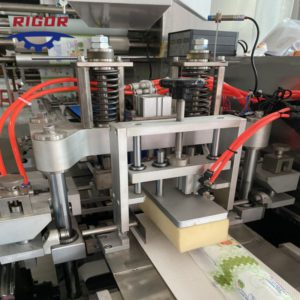
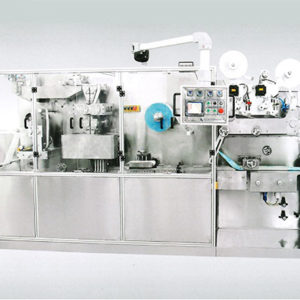
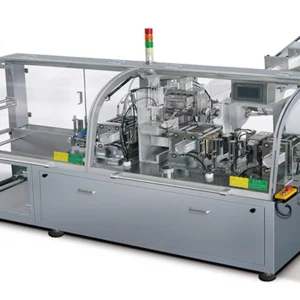
Baby wet wipes machine: These machines are designed to produce soft, non-irritating wipes that complement sanitary products. High-speed folding, uniform liquid application, and automatic packaging make these machines essential in diversified hygiene product lines.
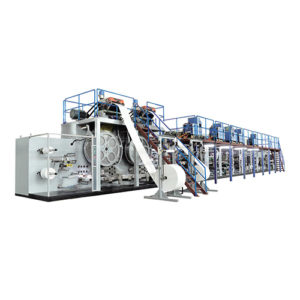
Nappy making machine: Originally developed for baby diapers, these machines are now widely adapted for sanitary napkins due to their multi-layer precision assembly, elastic application, and leak guard sealing. Rigor Machine’s nappy-making machines are customizable for feminine care production, offering high efficiency and product consistency.
Wet wipes machine price: When it comes to launching or scaling a hygiene brand, machine cost matters—but so does value. A low wet wipes machine price may seem attractive initially, but it may compromise long-term reliability. Rigor Machine provides cost-effective solutions that balance affordability with industrial-grade performance, ensuring both ROI and product quality.
Why Manufacturing Quality Matters
Sanitary napkin users trust that every piece will offer the same level of absorption, comfort, and safety. This level of consistency can only be achieved through well-designed equipment and robust quality control systems.
Rigor Machine’s solutions offer:
High-speed, stable operation for large-scale production
Fully enclosed systems for hygienic manufacturing
Digital interfaces for easy operation and real-time monitoring
Support for multiple product SKUs on one line
Whether a company produces sanitary napkins, wet wipes, or diapers, reliable machinery ensures production meets regulatory standards while maximizing uptime.
Rigor Machine: Supporting the Future of Feminine Hygiene
With years of experience in hygiene equipment, Rigor Machine helps brands like Laiqa scale their production efficiently. From basic baby wet wipes machines to customized nappy making machines, Rigor Machine delivers not just machines, but full manufacturing solutions. Their customer support includes installation, training, and after-sales maintenance, ensuring every client gets the most from their investment.
The company also provides transparency in pricing. Whether you’re researching your first wet wipes machine price or upgrading to high-speed equipment for global exports, Rigor Machine offers flexible packages tailored to business needs.
Rigor Delivers High-Performance Hygiene Machinery for a Growing Global Market
As global demographics shift, one trend is unmistakably clear: the world is aging. By 2030, over 1 in 6 people will be aged 60 or older. With this growing population segment comes an urgent demand for personal care solutions that offer dignity, comfort, and efficiency. At the heart of this transformation is the adult diaper machine—a critical tool in modern hygiene manufacturing.
Rigor, a trusted name in high-precision hygiene equipment, is helping manufacturers worldwide meet this challenge head-on with advanced machinery solutions for adult incontinence products, baby wet wipes machines, and complete wet wipes production lines.
Meeting the Needs of a Growing Demographic
The rising demand for adult incontinence products is driven by several global trends. Life expectancy has increased, awareness of aging-related health needs is growing, and more people are choosing at-home care over institutional options. These developments are shaping a new market standard: higher output, more comfort-focused products, and greater manufacturing efficiency.
Rigor’s adult diaper machines are at the forefront of this shift, helping producers meet both volume and performance expectations through integrated engineering and automation.
Modern Adult Diaper Machines: Technology with Purpose
Unlike older machines focused only on speed, today’s adult diaper machines must balance speed with precision, hygiene, and adaptability. Rigor’s systems achieve this through:
Advanced sensor feedback mechanisms allow for real-time quality control, while servo-driven modules provide precise placement of SAP cores, elastic, and side panels. The end result is a product that’s both high-performing and skin-friendly.
A Broader Portfolio to Support Hygiene Manufacturing
Beyond adult care products, Rigor also supports global manufacturers with:
Baby Wet Wipes Machines – Ideal for brands producing infant and toddler skincare wipes. These machines handle folding, moisturizing, and packing with high consistency. With inline UV sterilization and auto-counting, they help reduce contamination risk and labor cost.
Wet Wipes Production Lines – Rigor’s fully integrated systems can be tailored to a range of applications—from cosmetic wipes to antibacterial or medical-grade formulations. Liquid dosing systems are PLC-controlled to ensure accuracy for every type of formulation.
With optional modules for flow wrapping, labeling, and automatic boxing, these lines meet a wide range of packaging and distribution needs.
Global Support and Scalable Manufacturing
Rigor’s commitment to clients goes beyond machinery. The company provides comprehensive support for:
Installation and commissioning, with layout guidance for factories of all sizes
Operator training in multiple languages
Spare parts management and digital troubleshooting
CE, ISO, and region-specific regulatory documentation
Whether you’re a private label startup or a multinational hygiene brand, Rigor builds systems to scale with your business.
Looking Ahead: Personalization and Sustainability
The future of hygiene manufacturing lies in personalized, sustainable care. Rigor’s R&D efforts focus on eco-friendly packaging, softer nonwovens, and intelligent automation that adapts to product variation in real time.
As the aging population demands more tailored hygiene solutions, manufacturers must evolve. With Rigor’s adult diaper machines, baby wet wipes machines, and wet wipes production lines, producers can confidently deliver comfort, quality, and capacity—all in one line.