As environmental awareness rises globally, the conversation around menstrual health is shifting from just comfort and hygiene to also include sustainability. Traditional sanitary pads, while effective, often contain plastics and synthetic materials that take hundreds of years to decompose. So, how can we dispose of sanitary pads in a way that minimizes environmental impact? And what role does the manufacturing process—especially technologies like baby wet wipes machines and nappy making machines—play in building a more eco-conscious hygiene ecosystem?

The Environmental Challenge of Sanitary Pad Waste
About 90% of a standard sanitary pad is made of plastic. This material is of petrochemical origin, and it may take 500-800 years for a single pad to be completely degraded in a landfill. It is estimated that each year, the pads that are thrown away can create large amounts of waste that have a significant environmental impact.
When pads are burned in an open place, dioxins and toxic gases are emitted into the atmosphere. If they are thrown into water bodies or buried without the necessary precautions, they can cause the soil and groundwater to become polluted. Consequently, natural waste management methods should be implemented in a way that product designs and customer behavior are sustainable.
Natural Disposal Options: Are They Viable?
If you’re wondering how to dispose of sanitary pads naturally, here are a few safer and eco-friendly methods:
- Use compostable sanitary pads: Some modern sanitary pads are made from bamboo fiber, banana fiber, or organic cotton. These can break down naturally in composting systems within 6–12 months.
- Set up home composting: When using biodegradable pads, ensure you have a dedicated compost pit. Do not mix with kitchen compost, as menstrual waste needs to break down under different microbial conditions.
- Incineration with emission control: Community-level incinerators with filters can safely burn pads without releasing harmful toxins.
- Menstrual cup adoption: While not disposal-related, switching to menstrual cups reduces pad waste altogether.
However, these methods only work if the sanitary products themselves are biodegradable. That’s where manufacturers must take the lead.
How Manufacturers Can Make a Difference
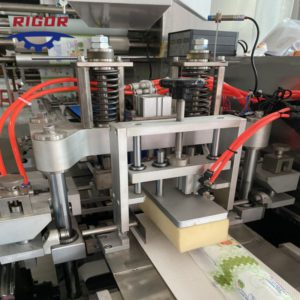
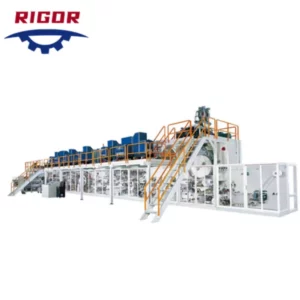
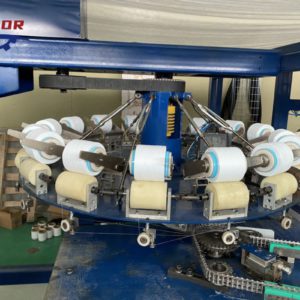
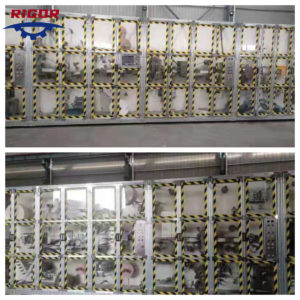
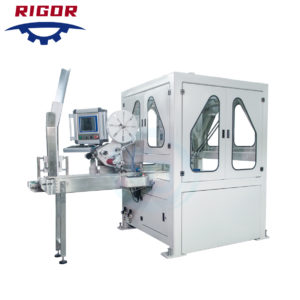
Enterprises, including Rigor Machine, really contribute to making the industry more sustainable. Rigor Machine, being a foremost producer of hygiene equipment like nappy making machines and baby wet wipes machines, is the one that paves the way in product innovation, meaning it supports the development of pads and wipes that are environmentally friendly not only in production but also in disposal.
By adapting machines to accommodate biodegradable substrates and non-toxic adhesives, manufacturers can create hygiene products that align with green disposal practices.
For example:
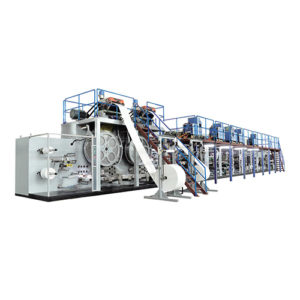
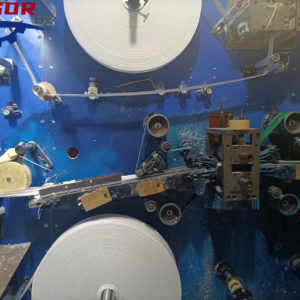
- Nappy making machines from Rigor Machine can be configured to produce biodegradable diaper liners and absorbent layers using plant-based pulp and breathable back sheets.
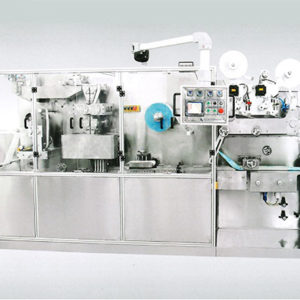
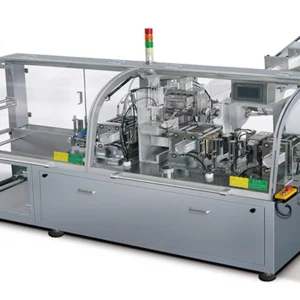
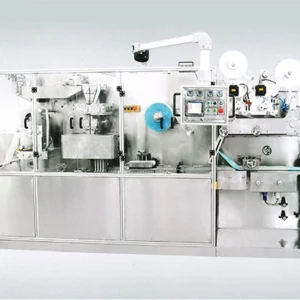
- Baby wet wipes machines are designed for high-speed production with organic cotton and water-based formulations—ideal for sensitive skin and better environmental compatibility.
Balancing Innovation and Cost
One concern many manufacturers face is whether sustainability drives up cost. Fortunately, companies like Rigor Machine offer cost-effective solutions. The wet wipes machine price remains competitive even when adapted for natural fibers and eco-friendly production. Their engineering teams work closely with clients to deliver optimized solutions that maintain both quality and environmental responsibility.
With R&D investments in biodegradable materials and zero-waste design, Rigor Machine ensures that going green doesn’t have to mean going over budget.
Final Thoughts
Disposing of sanitary pads naturally starts with smarter choices—both from consumers and manufacturers. Brands that embrace biodegradable design and ethical manufacturing can drastically reduce environmental impact. And behind these brands, innovative machinery from suppliers like Rigor Machine is quietly driving the change.
By producing greener products using flexible nappy making machines and baby wet wipes machines, and by offering transparent wet wipes machine price packages, Rigor Machine empowers the hygiene industry to embrace a cleaner, more sustainable future.