Sanitary pads are a necessity for billions of women around the world, yet their cost can vary widely depending on location, brand, quality, and packaging. Whether you’re a consumer curious about price breakdowns or a manufacturer evaluating the economics of production, understanding the true cost of a sanitary pad requires more than just looking at the price tag.
So, how much does a sanitary pad cost, and what factors influence it? From raw materials and packaging to automation and production scale, the answer lies in the efficiency of the entire supply chain.

Global Price Range: From Pennies to Premium
On average, the retail price of a sanitary pad can range from $0.05 to $0.30 per unit depending on:
- Country and market conditions (developed vs. developing regions)
- Brand positioning (premium organic vs. basic bulk pads)
- Packaging type (individually wrapped, scented, with wings, etc.)
- Distribution channel (e-commerce, pharmacy, retail)
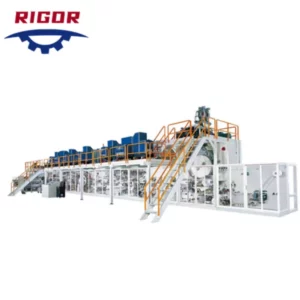
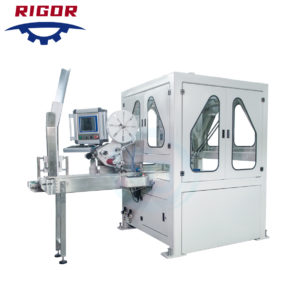
For manufacturers, however, the production cost per pad is significantly lower, often falling under $0.03 per unit when produced at scale using automated systems like the sanitary pad machine by Rigor.
What Determines the Cost of Production?
There are multiple elements that determine the manufacturing cost of sanitary pads:
- Raw materials: SAP (super absorbent polymer), fluff pulp, nonwoven fabrics
- Machine efficiency: Speed, wastage rate, and automation level
- Packaging design: Multi-layer vs. basic, resealable options
- Labor and energy costs
- Maintenance and downtime
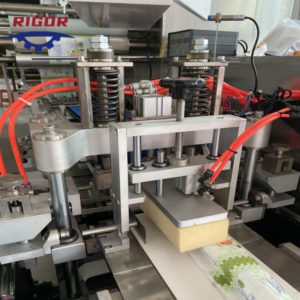
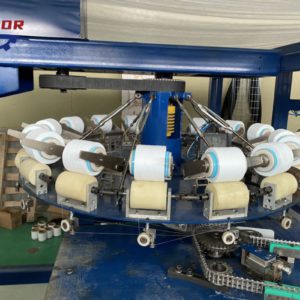
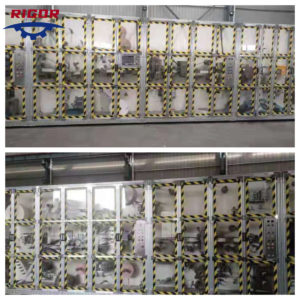
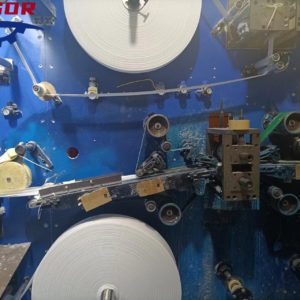
Rigor’s high-tech sanitary pad machine is meant to harmonize all these factors. Through accurate cutting, automated folding, and intelligent controls, the system minimizes material wastage and increases the output volume, which is the manufacturer’s ultimate goal of getting a lower cost per pad.
Why Automation Matters in Hygiene Product Manufacturing
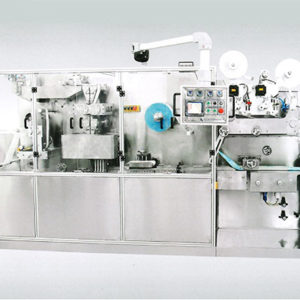
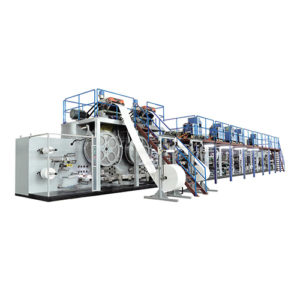
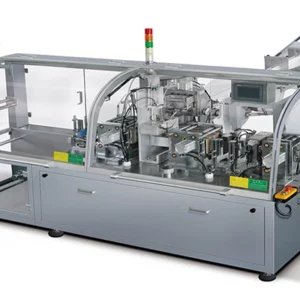
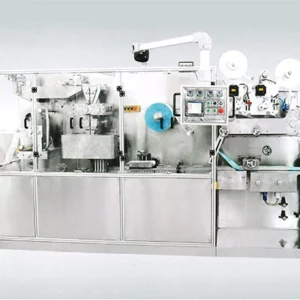
Automation plays a central role in modern hygiene product production. In addition to sanitary pads, many companies expand their lines to include wipes and diapers. That’s where versatile systems like Rigor’s baby wet wipes machine and diaper production line become key.
Here’s how automation helps:
- Higher throughput: Thousands of units per hour
- Consistent quality: Reduces product variability
- Labor reduction: Minimizes human error and staffing costs
- Faster ROI: More efficient machines recover investment quicker
Manufacturers who adopt full-line automation—from the sanitary pad machine to complementary systems like the diaper production line—can expand into multiple hygiene markets while maintaining cost control.
What Consumers Pay For
While the base manufacturing cost of a sanitary pad may be just a few cents, the retail price includes:
- Marketing and branding
- Transportation and distribution
- Retail markups
- Taxes and import duties (in some regions)
- Specialty features like odor control, organic cotton, or extra comfort layers
Understanding this helps bridge the gap between what it costs to make a sanitary pad and what users actually pay. And it underscores the value of efficient, scalable production in making hygiene products more accessible.