Abstract
The market for hygiene products in the Middle East is experiencing significant expansion, presenting a substantial opportunity for entrepreneurs and established companies. This analysis examines the multifaceted process of establishing a high speed wet wipes manufacturing in the Middle East, focusing on the conditions present in 2025. A successful venture requires more than just capital investment; it demands a nuanced understanding of regional consumer behavior, a strategic approach to technology acquisition, and diligent navigation of the complex regulatory landscape. This exploration delves into the critical factors for success, from selecting automated machinery that balances speed with precision to formulating products that meet cultural and quality standards, such as Halal certification. It also considers the logistical challenges of supply chain management in the region and the growing importance of sustainable manufacturing practices. The objective is to provide a comprehensive framework for investors looking to capitalize on this growing demand by building efficient, scalable, and profitable production facilities.
Key Takeaways
- Align product formulations and packaging with the Middle East's cultural and religious norms.
- Invest in modular, high-speed automated machinery to ensure both scalability and efficiency.
- Thoroughly understand and comply with regional standards like SASO and ESMA for market access.
- Develop a resilient supply chain that balances local sourcing with reliable international suppliers.
- Integrate quality control at every stage of the high speed wet wipes manufacturing in the Middle East process.
- Adopt sustainable practices and materials to appeal to the modern, eco-conscious consumer.
- Plan for future growth with scalable technology and adaptable production line configurations.
Table of Contents
- 1. Mastering Market Dynamics: Understanding the Unique Middle Eastern Consumer
- 2. Selecting the Right Automated Machinery for Optimal Output
- 3. Navigating the Regulatory and Certification Labyrinth
- 4. Optimizing the Production Line for Efficiency and Quality
- 5. Building a Resilient Supply Chain in the Region
- 6. Integrating Sustainable Practices into Manufacturing
- 7. Future-Proofing Your Investment: Technology and Scalability
- Frequently Asked Questions (FAQ)
- Conclusion
- References
1. Mastering Market Dynamics: Understanding the Unique Middle Eastern Consumer
Entering any new market requires a deep sense of empathy for the end-user. What are their daily needs? What values guide their purchasing decisions? In the context of the Middle East, these questions lead to fascinating and complex answers that directly shape a successful manufacturing strategy. The consumer is not a monolith; rather, a diverse tapestry of preferences woven from cultural traditions, religious considerations, economic realities, and modern aspirations. A failure to appreciate this complexity is a common pitfall for new entrants who assume a one-size-fits-all approach will suffice.
The Demand for Halal and Skin-Sensitive Formulations
A foundational consideration for any consumable product in the majority of Middle Eastern countries is the concept of Halal. While often associated with food, its principles extend to cosmetics and personal care items, including wet wipes. A Halal-certified product guarantees that it is free from alcohol and certain animal-derived ingredients, a core requirement for a large segment of the Muslim consumer base. Gaining this certification is not merely a bureaucratic step; it is a signal of respect and understanding toward the consumer's values. It builds immediate trust.
Beyond Halal, there is a pronounced and growing demand for products that are gentle on the skin. The region's arid, hot climate can make skin more prone to sensitivity and dryness. Consequently, formulations for baby wipes, facial wipes, and general-purpose wipes must prioritize mild, moisturizing, and often fragrance-free ingredients. Consumers are increasingly sophisticated, scrutinizing ingredient lists for parabens, phthalates, and other harsh chemicals. A successful product line will therefore feature formulations enriched with natural extracts like aloe vera, chamomile, and vitamin E, marketed clearly to highlight these skin-friendly benefits.
Packaging Preferences: From Bulk Packs to On-the-Go Singles
The lifestyle of the Middle Eastern consumer directly influences their packaging preferences. Large families are common, which drives strong demand for economical bulk packs of baby wipes (e.g., 80, 100, or 120-count packs). These are household staples, and value for money is a primary driver. Your production line must be capable of efficiently producing and packaging these larger formats.
Simultaneously, the region is characterized by a dynamic, mobile lifestyle. There is a robust market for smaller, portable packs. Think of 10 or 25-count pocket-sized packs of antibacterial wipes for use in cars, offices, or while traveling. Single-sachet wipes, often for makeup removal or refreshment, are also popular, particularly in the hospitality industry (hotels, airlines) and for personal use. A versatile manufacturing setup that can pivot between these different formats—from large family packs to individual sachets—provides a significant competitive advantage, allowing a business to serve multiple market segments simultaneously.
Price Sensitivity versus Premiumization Trends
It is a mistake to view the Middle Eastern market as solely price-driven. While a large and important segment of the population is highly price-sensitive, there is also a rapidly growing affluent class with a strong appetite for premium and luxury goods. This duality creates a fascinating market structure.
For the price-sensitive segment, success hinges on operational efficiency. This is where high-speed automated machinery becomes indispensable, as it lowers the per-unit cost of production, enabling competitive pricing without sacrificing essential quality.
For the premium segment, the focus shifts to value-added features. This could mean using advanced, ultra-soft non-woven fabrics, offering unique and sophisticated fragrances (oud-based scents, for example), or creating elegant, aesthetically pleasing packaging. These consumers are willing to pay more for products that offer a superior sensory experience or align with a luxury lifestyle. A truly astute manufacturing strategy will cater to both ends of this spectrum, perhaps by creating a "good-better-best" product portfolio that addresses the needs of different economic demographics.
2. Selecting the Right Automated Machinery for Optimal Output
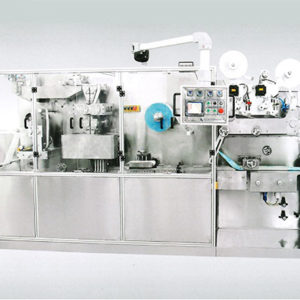
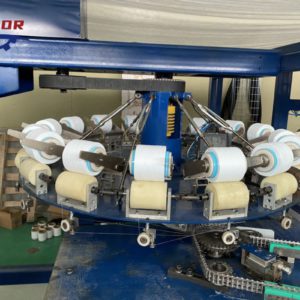
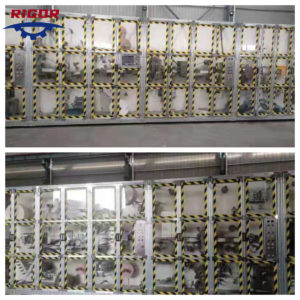
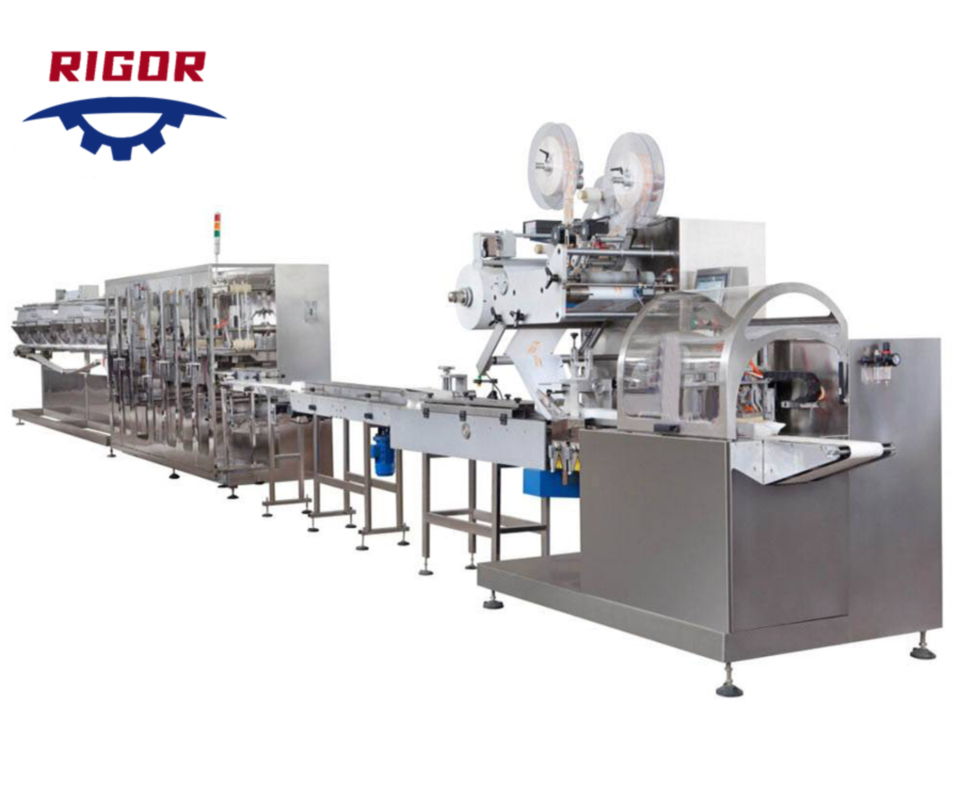
The heart of any high speed wet wipes manufacturing in the Middle East is the machinery itself. The choices made here will dictate your production capacity, unit cost, product quality, and operational flexibility for years to come. It is not simply about buying the fastest machine; it is about investing in a cohesive system that aligns with your specific market goals and product portfolio. Think of the production line not as a single entity, but as an ecosystem of interconnected modules, each performing a critical function.
The Core of the Operation: High-Speed Folding and Cutting Machines
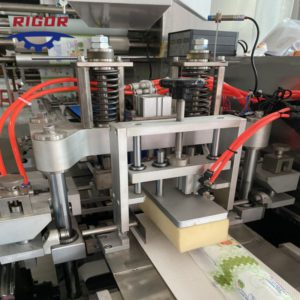
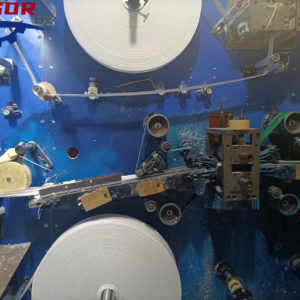
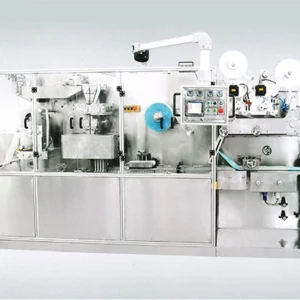
The journey of a wet wipe begins with a large parent roll of non-woven fabric. The first and most crucial mechanical process is converting this roll into individual, folded wipes. High-speed folding machines are marvels of engineering, capable of producing thousands of wipes per minute. They can be configured for different fold types, such as the common "Z-fold" or "C-fold," which ensure that when one wipe is pulled from the package, the next one pops up, ready for use.
The precision of both the folding and cutting mechanisms is paramount. Inconsistent folds or frayed edges are immediate signs of a low-quality product and can lead to dispensing issues for the consumer. Modern machines use servo motors to control these actions with incredible accuracy, ensuring every wipe is perfectly uniform. The speed of this unit often sets the pace for the entire production line, so its capacity must be carefully calculated based on your sales forecasts.
Precision in Application: Solution Dosing and Wetting Systems
Once the wipes are cut and folded, they must be moistened with the liquid formulation. This is a more delicate process than it might appear. The amount of liquid must be precisely controlled. Too little, and the wipe is ineffective and feels dry. Too much, and the package may leak, leading to product spoilage and a poor consumer experience.
Advanced wetting systems use sophisticated nozzle arrays or cascade systems to ensure even saturation across the entire stack of wipes. Dosing pumps, often controlled by the same central PLC (Programmable Logic Controller) system as the rest of the line, measure the exact volume of solution for each stack. For manufacturers producing a range of products (e.g., antibacterial, baby, cosmetic), the system must also be designed for easy cleaning and quick changeovers between different formulations to prevent cross-contamination.
End-of-Line Automation: Packaging, Lid Application, and Case Packing
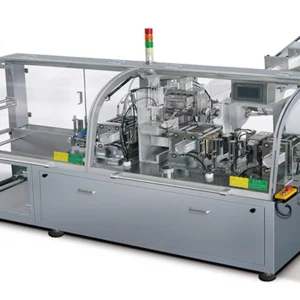
The final stages of production are just as important for efficiency and product integrity. After the wipes are stacked and moistened, they are transferred to a packaging machine. This unit wraps the stack in a printed film, seals it to be airtight, and creates the resealable opening. The quality of this seal is vital for maintaining moisture over the product's shelf life.
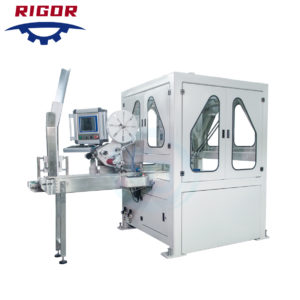
For many products, a plastic lid is applied over the resealable sticker opening. This is a value-added feature that consumers appreciate as it provides a more secure closure. A high-speed lid applicator machine must be perfectly synchronized with the main packaging line to apply the lids accurately without slowing down production. Finally, robotic case packers can automatically group the finished packs into shipping cartons, palletize them, and prepare them for distribution. This level of end-to-end automation minimizes manual labor, reduces the risk of repetitive strain injuries, and maximizes throughput. Investing in these advanced wet wipes production lines is a foundational step toward building a competitive and profitable enterprise.
| Feature | Full-Servo Driven Machine | Semi-Servo Driven Machine | Mechanical (Cam-Driven) Machine |
|---|---|---|---|
| Speed & Output | Highest (e.g., 2500-4000+ wipes/min) | Medium to High (e.g., 1500-2500 wipes/min) | Lower (e.g., up to 1500 wipes/min) |
| Precision & Control | Extremely high; independent motor control for each function. | High; servo control for critical parts, mechanical for others. | Lower; precision depends on mechanical linkages, which can wear. |
| Flexibility & Changeover | Very fast; parameters changed via HMI screen. Ideal for multiple products. | Moderate; requires some mechanical adjustments. | Slow; requires significant mechanical part changes and adjustments. |
| Initial Investment | Highest | Moderate | Lowest |
| Maintenance | Lower mechanical wear; requires skilled electronics technicians. | Balanced; requires both mechanical and electronic skills. | High mechanical wear; frequent lubrication and part replacement. |
| Ideal Use Case | Large-scale, multi-product manufacturing requiring high efficiency and flexibility. | Medium to large-scale production with fewer product variations. | Entry-level or single-product manufacturing with lower output needs. |
3. Navigating the Regulatory and Certification Labyrinth
If machinery is the heart of your operation, then regulatory compliance is its nervous system. It connects you to the market and ensures your products can legally be sold. In the Middle East, as in any developed market, this landscape is governed by a set of robust standards designed to protect consumer health and safety. Approaching these requirements as a mere checklist to be completed is shortsighted. Instead, one should view them as a framework for building a high-quality, trustworthy brand.
Understanding ESMA and SASO Standards
For businesses targeting the Gulf Cooperation Council (GCC) countries, two acronyms are of utmost importance: ESMA and SASO.
ESMA stands for the Emirates Authority for Standardization and Metrology. It is the federal body responsible for setting and enforcing standards in the United Arab Emirates (UAE). For wet wipes, which fall under the category of cosmetics and personal care products, manufacturers must register their products through the ESMA system. This involves submitting detailed documentation about the product's formulation, safety assessments, labeling information, and proof of compliance with relevant standards. The UAE is a major commercial hub, so ESMA certification is often a gateway to the wider region.
SASO refers to the Saudi Standards, Metrology and Quality Organization. It performs a similar function for the Kingdom of Saudi Arabia, the largest consumer market in the Middle East. Products entering Saudi Arabia must obtain a Certificate of Conformity (CoC) issued by a SASO-approved body. This certification confirms that the products meet Saudi national standards, which are often aligned with but can have specific differences from international standards. Navigating the SASO system, particularly its online platform known as SABER, is a mandatory step for market access.
Both ESMA and SASO have specific requirements regarding product labeling, including the need for information to be in Arabic, accurate ingredient lists, and clear usage instructions.
The Importance of Good Manufacturing Practices (GMP) Certification
Beyond specific national standards, a globally recognized benchmark for quality is Good Manufacturing Practices (GMP). GMP certification, often based on standards like ISO 22716 for cosmetics, provides a framework for the entire production process. It is a holistic system that governs everything from the quality of incoming raw materials to the training of personnel, the hygiene of the facility, the calibration of equipment, and the traceability of finished products.
Obtaining GMP certification is not just about passing an audit. It is about embedding a culture of quality within the organization. For a high speed wet wipes manufacturing in the Middle East, this means implementing procedures for:
- Facility Hygiene: Ensuring production areas are clean, free from pests, and designed to prevent cross-contamination.
- Personnel Training: Making sure every operator understands their role in maintaining product quality and safety.
- Process Control: Documenting and validating every step of the manufacturing process to ensure consistency.
- Record Keeping: Maintaining detailed batch records that allow a product to be traced from raw materials to the final consumer.
Many large retailers and distributors in the Middle East will require their suppliers to be GMP certified. It is a powerful indicator of reliability and professionalism.
Import/Export Regulations and Tariff Considerations
The final piece of the regulatory puzzle involves the logistics of moving goods. This includes both importing raw materials and exporting finished products. The GCC is a customs union, which can simplify trade between member states (UAE, Saudi Arabia, Qatar, Bahrain, Kuwait, Oman). However, each country may still have its own import procedures and documentation requirements.
Manufacturers must work closely with experienced freight forwarders and customs brokers who are experts in the region. They can provide invaluable guidance on tariff classifications, duties, and taxes that will apply to both raw materials (like non-woven fabrics and chemicals) and finished wet wipes. Understanding these costs is fundamental to creating an accurate business plan and pricing strategy. Some countries may also have free trade zones, like Jebel Ali in Dubai, which can offer significant tax and customs advantages for businesses that manufacture and re-export goods, further complicating but also creating opportunities within the financial modeling of the venture.
4. Optimizing the Production Line for Efficiency and Quality
A state-of-the-art machine is only as good as the materials it runs and the processes that govern its operation. Optimization is a continuous pursuit, a philosophy of refinement that seeks to enhance quality, reduce waste, and improve efficiency at every turn. In wet wipe manufacturing, this involves a careful examination of the entire value chain, from the selection of the non-woven fabric to the final quality check before shipping.
Raw Material Sourcing: Non-Woven Fabrics and Formulation Liquids
The two primary components of a wet wipe are the substrate (the fabric) and the wetting lotion. The choice of substrate has the most significant impact on the consumer's tactile experience. It determines the wipe's softness, strength, and absorbency. Different materials offer different benefits, and the selection should align with the product's intended use and price point. As detailed by manufacturing experts, the process begins with selecting these core components (Droidwipes.com, 2025).
| Substrate Material | Key Characteristics | Common Applications | Relative Cost |
|---|---|---|---|
| Spunlace | Very soft, cloth-like feel, good strength, highly absorbent. Can be made from polyester, viscose, cotton, or blends. | Baby wipes, facial/cosmetic wipes, premium personal care wipes. | Medium to High |
| Airlaid Paper | Excellent absorbency, good bulk, feels thicker than other materials. | Industrial wipes, household cleaning wipes, some personal care applications. | Medium |
| Spunbond | High strength-to-weight ratio, very durable, less absorbent than spunlace. | Medical wipes, protective layers, carrier sheets. | Low to Medium |
| Needlepunch | Bulky, abrasive texture, very durable. | Heavy-duty industrial cleaning wipes, scouring pads. | Low |
The liquid formulation is the "active" part of the wipe. Its development is a science in itself. For baby wipes, the goal is a simple, hypoallergenic solution. For antibacterial wipes, it must contain a proven disinfecting agent. For cosmetic wipes, it might include micellar water or moisturizing serums. Sourcing these liquid components requires partnering with reputable chemical suppliers who can provide consistent quality and the necessary safety documentation (Material Safety Data Sheets, MSDS).
Water Treatment and Purification Systems
The single largest ingredient by volume in most wet wipe formulations is water. The quality of this water is not negotiable. Using untreated municipal water is not an option, as it contains minerals, chlorine, and microorganisms that can destabilize the formulation, reduce shelf life, and potentially cause skin irritation.
Therefore, an on-site water purification system is an essential part of the production facility. A typical system involves multiple stages:
- Filtration: To remove suspended particles like sand and rust.
- Activated Carbon: To remove chlorine and organic compounds that affect taste and odor.
- Water Softening: To remove calcium and magnesium ions that can cause scaling and interfere with formulation ingredients.
- Reverse Osmosis (RO): A fine membrane process that removes the vast majority of dissolved solids, bacteria, and viruses.
- Ultraviolet (UV) Sterilization: A final "polishing" step to deactivate any remaining microorganisms before the water enters the mixing tanks.
Investing in a robust water treatment system protects the integrity of your product and is a core principle of Good Manufacturing Practices.
Implementing Robust Quality Control Checkpoints
Quality cannot be inspected into a product at the end; it must be built in at every stage. A comprehensive Quality Control (QC) program is vital for brand reputation and consumer safety. Rigorous QC measures are a hallmark of excellent manufacturing (Wetwipespro.com, 2024). These checkpoints should include:
- Incoming Raw Materials: Inspecting every batch of non-woven fabric, packaging film, and chemical concentrate to ensure it meets specifications before it enters the production floor.
- In-Process Checks: Operators should regularly perform checks on the line. This includes verifying wipe dimensions, checking fold quality, measuring the weight of wipe stacks to confirm correct liquid dosage, and inspecting seal integrity on the packaging.
- Laboratory Testing: Samples from each production batch should be taken to an on-site or third-party lab. Tests should confirm the pH of the solution, check for microbial contamination, and verify the concentration of active ingredients.
- Finished Product Inspection: Before shipping, a final inspection ensures that packaging is correct, lot codes and expiration dates are clearly printed, and the overall product appearance meets the brand's standard.
This systematic approach to quality ensures that any deviation is caught and corrected early, minimizing waste and guaranteeing that only a safe, effective, and high-quality product reaches the consumer.
5. Building a Resilient Supply Chain in the Region
A production line can only run as fast as its supply chain can feed it. In the context of the Middle East, building a resilient supply chain is a strategic challenge that involves navigating global logistics, developing local partnerships, and mitigating risks associated with geography and climate. A resilient supply chain is one that can withstand disruptions—be they shipping delays, raw material shortages, or sudden demand spikes—without bringing production to a halt.
Local Sourcing vs. International Importing of Raw Materials
One of the first major decisions a manufacturer must make is where to source its primary raw materials, particularly non-woven fabric and chemical concentrates. Each approach has a distinct set of advantages and disadvantages.
International Importing: Often, the most advanced or specialized non-woven fabrics are produced in China, Turkey, Europe, or the United States. Importing from these global hubs can provide access to the latest material innovations and potentially lower costs due to economies of scale. However, this strategy introduces long lead times, exposure to shipping volatility and costs, and the complexities of international customs clearance. A delay at a major port can leave a factory starved of materials for weeks.
Local/Regional Sourcing: As the manufacturing sector in the Middle East grows, there is an increasing number of regional suppliers for certain raw materials, including packaging films and some grades of non-woven fabric. Sourcing locally can drastically reduce lead times, lower transportation costs, and simplify logistics. It also supports the regional economy. The challenge may be in finding suppliers who can consistently meet the high-quality standards and volume requirements of a high-speed production line.
A prudent strategy often involves a hybrid approach: sourcing critical or specialized materials from proven international partners while developing relationships with regional suppliers for more standard components to build flexibility and redundancy into the supply chain.
Logistics and Warehousing: Climate Control Considerations
The Middle East's climate presents a unique logistical challenge: extreme heat. Temperatures inside a standard shipping container or a non-air-conditioned warehouse can soar to levels that can damage both raw materials and finished goods.
Non-woven fabrics can become brittle, and packaging films can lose their integrity. More critically, the liquid formulation in finished wet wipes can degrade, leading to separation of ingredients, reduced efficacy of preservatives, and potential microbial growth. This makes climate-controlled logistics and warehousing an absolute necessity.
Warehouses must be insulated and equipped with industrial-scale air conditioning to maintain a stable temperature. Any long-distance transportation, whether by truck or container, should be done in refrigerated ("reefer") units. While this adds cost to the supply chain, it is non-negotiable insurance against product spoilage and quality degradation.
Partnering with Reliable Regional Distributors
Manufacturing the product is only half the battle; getting it onto store shelves is the other half. The retail landscape in the Middle East is a mix of large, hypermarket chains (like Carrefour, Lulu, Panda), local supermarket cooperatives, neighborhood pharmacies, and countless small, independent groceries.
Reaching this diverse network of retailers requires partnering with established regional distributors. These companies have the logistical infrastructure (warehouses, truck fleets) and, more importantly, the existing relationships with retail buyers needed to secure shelf space.
Selecting the right distribution partner is a critical strategic decision. A good partner will not just move boxes; they will act as an extension of your sales and marketing team, providing market intelligence, helping with promotional activities, and ensuring your products are well-represented across their network. Due diligence is key: assess their reach, their reputation, and their experience with personal care products before committing to a partnership.
6. Integrating Sustainable Practices into Manufacturing
In 2025, sustainability is no longer a niche concern but a mainstream expectation. Consumers, particularly younger demographics, are increasingly making purchasing decisions based on a brand's environmental and ethical credentials. For a new manufacturing venture in the Middle East, integrating sustainability from the outset is not just good for the planet; it is a powerful competitive differentiator and a way to build a brand with long-term resonance.
The Rise of Biodegradable and Plant-Based Wipes
The single greatest environmental criticism leveled against traditional wet wipes is their contribution to plastic pollution. Most conventional wipes are made from a blend of polyester (a plastic) and viscose. When flushed or disposed of improperly, these wipes do not break down and can cause severe blockages in sewer systems ("fatbergs") and pollute waterways.
The solution lies in the substrate material. There is a strong and growing market for wipes made from 100% plant-based, plastic-free, and biodegradable materials. These can include:
- Viscose/Rayon: Derived from wood pulp, it is biodegradable.
- Cotton: A natural, soft, and absorbent fiber.
- Lyocell (e.g., Tencel™): A modern fiber also made from wood pulp in a closed-loop process that recycles water and solvents, giving it excellent environmental credentials.
Manufacturing and marketing a product as "biodegradable" or "plastic-free" can command a premium price and attract an entirely new segment of eco-conscious consumers. However, it is vital that these claims are backed by legitimate certifications (e.g., from organizations like TÜV Austria) to avoid "greenwashing."
Water Conservation and Waste Reduction Strategies
Wet wipe manufacturing is a water-intensive process. Beyond purifying the water that goes into the product, a sustainable factory looks for ways to conserve water throughout its operations. This can involve:
- Water Recycling: Implementing systems to capture, treat, and reuse water from cleaning processes (Clean-in-Place or CIP systems).
- Efficient Cleaning: Using high-pressure, low-volume cleaning techniques instead of open hoses.
- Monitoring for Leaks: Installing meters and conducting regular audits to identify and fix leaks throughout the facility.
Waste reduction is another key pillar. For a high-speed line, even a small percentage of material waste can add up to significant financial loss and environmental impact. Waste reduction focuses on minimizing scrap from the non-woven parent rolls, reducing packaging film waste during machine startups and changeovers, and optimizing cutting patterns. Lean manufacturing principles, such as the 5S methodology (Sort, Set in Order, Shine, Standardize, Sustain), can be implemented to create a culture of continuous improvement aimed at eliminating all forms of waste.
Energy-Efficient Machinery and Operations
Energy is a major operational cost and a significant contributor to a factory's carbon footprint. Modern manufacturing machinery is increasingly designed with energy efficiency in mind. Full-servo driven machines, for example, consume significantly less power than older mechanical or pneumatic systems because the motors only draw power when they are actively moving, as opposed to running continuously.
Other strategies for improving energy efficiency include:
- High-Efficiency Motors: Using premium-efficiency motors on all pumps, fans, and conveyors.
- LED Lighting: Equipping the entire facility with energy-saving LED lights.
- Variable Frequency Drives (VFDs): Installing VFDs on pumps and fans so their speed (and energy consumption) can be modulated to match the actual demand, rather than running at 100% capacity all the time.
- Renewable Energy: In a region blessed with abundant sunshine, installing solar panels on the factory roof can be a highly effective way to reduce reliance on the grid and lower long-term energy costs.
These sustainable practices, when implemented thoughtfully, create a virtuous cycle: they reduce environmental impact, lower operational costs, and strengthen the brand's appeal to the modern consumer.
7. Future-Proofing Your Investment: Technology and Scalability
Establishing a manufacturing facility is a long-term commitment. The decisions made today must not only serve the needs of the present but also anticipate the demands of the future. A forward-thinking approach to technology and scalability ensures that the business can adapt, grow, and remain competitive in a rapidly evolving market. This means designing an operation that is not static but dynamic and prepared for change.
The Role of IoT and Data Analytics in Predictive Maintenance
One of the most significant advancements in modern manufacturing is the integration of the Internet of Things (IoT). In this paradigm, machines are equipped with sensors that continuously collect data on their performance—temperature, vibration, speed, power consumption, and more. This data is streamed to a central system for analysis.
The primary benefit of this technology is the shift from reactive or preventive maintenance to predictive maintenance.
- Reactive Maintenance: Fixing a machine after it has broken down. This is the most expensive and disruptive approach, leading to unplanned downtime.
- Preventive Maintenance: Servicing a machine at fixed intervals (e.g., changing a bearing every 3,000 hours of operation), regardless of its actual condition. This is better, but can lead to unnecessary servicing or fail to catch a part that wears out prematurely.
- Predictive Maintenance: Using data analytics and machine learning algorithms to analyze sensor data and predict when a specific component is likely to fail. Maintenance is then scheduled just before the predicted failure, maximizing component life while preventing unplanned downtime.
Implementing an IoT strategy can dramatically increase Overall Equipment Effectiveness (OEE), reduce maintenance costs, and improve production reliability for your high speed wet wipes manufacturing in the Middle East.
Designing for Scalability: Modular Production Lines
Your initial business plan might call for one production line, but what happens when demand exceeds your capacity? A future-proofed facility is designed for growth. This concept of scalability should influence the factory layout and the choice of machinery.
Factory Layout: The building itself should be designed with future expansion in mind. This means allocating space for additional production lines, warehousing, and utility systems (like compressed air and purified water) from day one. It is far more cost-effective to plan for this space initially than to undertake major construction on a running facility later.
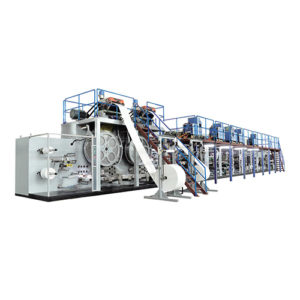
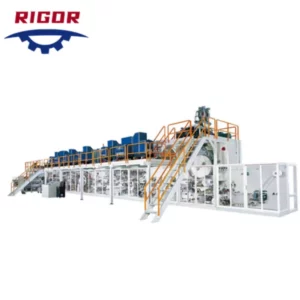
Modular Machinery: Modern versatile wet tissue machines are often designed with a modular concept. This means the line is composed of distinct, self-contained units (e.g., folding unit, wetting unit, packaging unit). This modularity allows for easier upgrades. For instance, a manufacturer might start with a simpler packaging machine and later upgrade to a higher-speed model with a lid applicator without needing to replace the entire line. It also allows for greater flexibility, as modules can be reconfigured or added to produce new types of products.
Adapting to E-commerce and Direct-to-Consumer Models
The retail landscape is undergoing a profound shift, with e-commerce and direct-to-consumer (DTC) channels growing at an explosive rate. A manufacturing operation built solely for traditional retail distribution may not be agile enough to capitalize on these new opportunities.
Future-proofing for e-commerce involves considerations at the packaging and logistics level.
- E-commerce Ready Packaging: Products sold online must withstand the rigors of the individual shipping environment. This may require more robust packaging or the ability to create multi-packs and variety bundles on demand.
- Case Packing Flexibility: The case packer at the end of the line should be flexible. It needs to be able to pack standard cartons for retail distribution but also potentially smaller, mixed-SKU cartons for fulfilling individual e-commerce orders.
- Data Integration: The factory's production planning system (ERP) should be able to integrate directly with e-commerce platforms to manage inventory and forecast demand in real-time.
By anticipating these technological and market shifts, a manufacturer can build an enterprise that is not only profitable in 2025 but also resilient, adaptable, and poised for sustained growth in the decade to come.
Frequently Asked Questions (FAQ)
What is the typical ROI for a wet wipes production line in the Middle East? The Return on Investment (ROI) can vary significantly based on factors like the scale of the operation, the level of automation, raw material costs, and market penetration. However, given the strong and growing market demand for hygiene products in the region, a well-managed project with efficient machinery and a solid distribution network can often expect a full ROI within 3 to 5 years.
How do I ensure my wet wipes are Halal certified? To obtain Halal certification, you must work with an accredited Halal certification body in the target country or region. The process involves a thorough audit of your formulations to ensure they are free from alcohol and prohibited animal derivatives, as well as an inspection of your manufacturing facility to verify that your processes prevent any cross-contamination with non-Halal substances.
What are the main differences between machines for baby wipes and cosmetic wipes? While the core technology is similar, there are key differences. Machines for cosmetic wipes often require more precise folding for smaller wipe sizes and may need to handle more delicate or specialized non-woven materials. The liquid dosing system might also need to handle more viscous or complex formulations, like serums. Baby wipe lines are typically optimized for high-speed production of standard-sized wipes in larger stacks.
Can one machine produce different wipe counts (e.g., 10-count and 80-count packs)? Yes, modern full-servo wet wipe machines are designed for flexibility. By adjusting parameters on the Human-Machine Interface (HMI) screen, operators can quickly change the stacking count, wipe dimensions, and packaging settings. This allows a single line to efficiently produce a wide variety of SKUs, from small travel packs to large family-sized packs.
What are the most common challenges in sourcing raw materials in the region? The primary challenges include long lead times and price volatility for imported materials like specialized non-woven fabrics. For local sourcing, the challenge can be finding suppliers who can meet the consistent quality and high-volume demands of an automated production line. Building a hybrid supply chain with both international and local partners is often the best strategy to mitigate these risks.
How important is after-sales support from the machinery manufacturer? After-sales support is extremely important. A reliable manufacturer provides comprehensive support that includes installation, operator training, a ready supply of spare parts, and access to skilled technicians for troubleshooting and maintenance. Good support minimizes downtime and ensures your investment continues to operate at peak efficiency for many years.
What is the production speed I can expect from a high-speed line? A modern, high-speed, full-servo wet wipes production line can achieve remarkable speeds. Depending on the specific configuration and product, output can range from 2,500 to over 4,000 individual wipes per minute. For packaging, this can translate to 80-120 packs per minute, depending on the wipe count per pack.
Conclusion
Embarking on the journey of high speed wet wipes manufacturing in the Middle East is an endeavor filled with immense potential. The region's demographic trends and increasing focus on health and hygiene create a fertile ground for growth. Yet, success is not preordained. It is the result of a deliberate and holistic strategy that artfully blends technological prowess with a deep and empathetic understanding of the market. It requires investing in automated systems that deliver both speed and precision, navigating the intricate web of regional regulations with diligence, and building a supply chain that is both efficient and resilient. By focusing on quality, embracing sustainability, and designing for future scalability, entrepreneurs can build not just a factory, but a lasting and respected brand that meets the daily needs of millions of consumers across this dynamic part of the world. The opportunity is clear, and for those who approach it with wisdom and foresight, the rewards can be substantial.
References
Diapermachines.com. (2025a). Fully automatic 5-30pcs pocket wet wipes manufacturing production line. Retrieved from https://www.diapermachines.com/product/fully-automatic-5-30pcs-pocket-wet-wipes-manufacturing-production-line-2/
Diapermachines.com. (2025b). Wet wipes machine | wet wipes machinery. Retrieved from https://www.diapermachines.com/product-category/wet-wipes-machine/
Droidwipes.com. (2025). How are wet wipes made? – A complete wet wipes manufacturing process. DROID. Retrieved from https://www.droidwipes.com/how-are-wet-wipes-made/
Euromonitor International. (2024). Tissue and hygiene in the Middle East and Africa. Retrieved from
INDA, Association of the Nonwoven Fabrics Industry. (2023). Global nonwoven markets report, 2022-2027. Retrieved from
International Organization for Standardization. (2017). ISO 22716:2007 Cosmetics — Good Manufacturing Practices (GMP) — Guidelines on Good Manufacturing Practices. Retrieved from
Saudi Standards, Metrology and Quality Org (SASO). (n.d.). Saber electronic platform. Retrieved from
Wetwipespro.com. (2024). How wet wipes are manufactured from start to finish. Retrieved from https://www.wetwipespro.com/how-wet-wipes-are-manufactured-from-start-to-finish/