Abstract
The acquisition of a disposable diaper machine represents a substantial capital investment for entrepreneurs, particularly within the burgeoning markets of South America, Russia, Southeast Asia, the Middle East, and South Africa. This document provides a meticulous examination of the primary considerations that ought to inform such a purchasing decision in 2025. It moves beyond a superficial analysis of price to a more profound exploration of five pivotal factors: aligning production capacity with specific market dynamics, evaluating the spectrum of technological sophistication, navigating the complexities of raw material supply chains, performing a thorough calculation of total cost of ownership and return on investment, and assessing the quality of after-sales support provided by the manufacturer. By contextualizing the technical specifications of machinery within the broader strategic framework of business development, this guide serves as an essential resource for transforming a manufacturing concept into a sustainable and profitable enterprise. The analysis prioritizes a long-term partnership perspective when selecting a baby diaper machine supplier in China, advocating for a holistic evaluation over a purely cost-based one.
Key Takeaways
- Align machine production capacity with detailed local market demand analysis for sustainable growth.
- Evaluate the supplier's technological capabilities, focusing on automation, efficiency, and quality control.
- Assess the total cost of ownership, not just the initial purchase price of the equipment.
- Scrutinize the after-sales support structure, including installation, training, and spare parts availability.
- Select a baby diaper machine supplier in China who acts as a long-term strategic partner.
- Understand the raw material supply chain and the supplier's role in facilitating procurement.
- Calculate a realistic return on investment based on both capital and operational expenditures.
Table of Contents
- Understanding the Global Diaper Market Landscape in 2025
- Factor 1: Aligning Production Capacity with Market Dynamics
- Factor 2: Evaluating Technological Sophistication and Innovation
- Factor 3: Navigating Raw Material Supply Chains
- Factor 4: Calculating Total Cost of Ownership (TCO) and ROI
- Factor 5: Assessing After-Sales Support and Partnership Quality
- Vetting a Potential Baby Diaper Machine Supplier in China: A Practical Checklist
- Frequently Asked Questions (FAQ)
- Conclusion
- References
Understanding the Global Diaper Market Landscape in 2025
Embarking on the venture of diaper manufacturing is not merely about producing a commodity; it is about participating in a narrative of public health, economic development, and social change. The global demand for hygiene products, particularly disposable baby diapers, continues to show robust growth, with market projections suggesting a value exceeding $98 billion by 2030 (). This expansion is not uniform. The most dynamic growth is occurring in what are often termed emerging markets—regions across South America, Africa, the Middle East, and Southeast Asia. To comprehend the opportunity, one must first appreciate the forces driving it.
Think of it not as a simple trend, but as a convergence of several powerful currents. Rising disposable incomes, increasing urbanization, a growing awareness of infant hygiene, and higher birth rates in many of these regions collectively create a fertile ground for new manufacturing enterprises. An entrepreneur in Nigeria or Brazil is not just tapping into a market; they are meeting a fundamental human need that is becoming more accessible to a larger portion of the population. The question, then, is not whether a market exists, but how one can enter it effectively and sustainably.
Growth Drivers in Emerging Markets
The narrative in these regions is one of transformation. A family that previously could not afford or did not have access to disposable diapers now sees them as an attainable and desirable product for ensuring their child's health and comfort. This shift in consumer behavior is the engine of the market. Unlike the saturated markets of North America and Western Europe, where growth is incremental and brand loyalty is deeply entrenched, emerging markets offer a landscape ripe for new entrants.
However, this opportunity is paired with unique challenges. Distribution networks can be complex, consumer preferences may vary significantly from one country to another, and price sensitivity is often acute. A successful venture requires more than just capital; it demands a deep, empathetic understanding of the local context. You are not just selling a product; you are introducing a solution into the daily lives of families. What are their priorities? Is it absorbency, softness, or affordability? Answering these questions is the first step in building a business that resonates with its customers. The decision to invest in a diaper production line is, therefore, a commitment to understanding and serving a specific community.
The Strategic Importance of Manufacturing Equipment
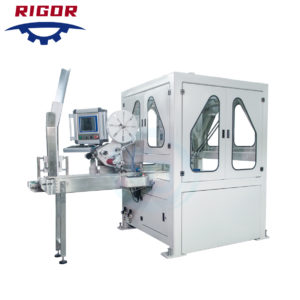
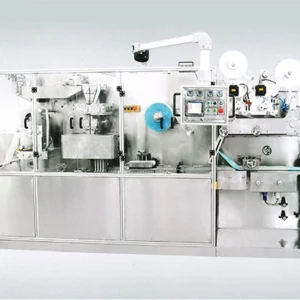
At the heart of this entire endeavor lies the machinery. The diaper production machine is the engine of your business, the tool that translates your market understanding into a tangible product. The choice of this equipment and, by extension, your baby diaper machine supplier in China, is arguably the most significant strategic decision you will make. It dictates your production volume, your product quality, your operational efficiency, and ultimately, your profitability and ability to compete.
A common pitfall is to view the machine as a simple asset to be acquired at the lowest possible price. This perspective is dangerously myopic. A more robust and fruitful approach is to view the acquisition as the formation of a long-term technical partnership. The machine is a complex ecosystem of mechanical and electronic components that must work in perfect harmony. Its reliability determines your factory's uptime. Its efficiency impacts your cost per unit. Its flexibility allows you to adapt to changing market demands. As emphasized in a 2025 buyer's guide, a meticulous examination of factors beyond price is paramount for a successful investment (diapermachines.com). Therefore, selecting a supplier is not a simple transaction. It is a choice about who you will rely on for technical support, for spare parts, and for operational guidance for years to come.
Factor 1: Aligning Production Capacity with Market Dynamics
The first and most fundamental consideration in selecting a diaper production line is its capacity. This seems straightforward, but it is a decision that must be rooted in a rigorous analysis of your target market, not on abstract notions of "bigger is better." Choosing a machine with a capacity that is misaligned with market reality can be a fatal error. A machine that is too small will leave you unable to meet demand, surrendering market share to competitors. Conversely, a machine that is too large will result in excessive capital expenditure and high operational costs for idle capacity, crippling your financial viability from the outset.
Conducting Rigorous Market Research
Before you can even begin to look at machinery specifications, you must become a student of your market. This is not a passive exercise of reading reports; it is an active investigation. The goal is to build a detailed, nuanced picture of the demand landscape. How many babies are in your target demographic? What is the current market penetration of disposable diapers? Who are the existing competitors, and what are their price points and product offerings?
Consider a practical approach. You could start with national-level statistics on birth rates and population demographics. Then, narrow your focus to your specific city or region. Talk to local distributors, retailers, and healthcare professionals in maternity wards. What do they see? What feedback do they get from parents? This qualitative data is just as valuable as the quantitative statistics. It provides the texture and context that numbers alone cannot. A successful business is built on this kind of granular understanding. It is this deep knowledge that will allow you to confidently project your initial sales volume and your growth trajectory for the first three to five years. This projection is the bedrock upon which your capacity decision will be built.
Semi-Automatic vs. Fully-Automatic Lines: A Comparative Analysis
With a clearer picture of your market's needs, you can begin to evaluate the types of machinery available. The primary distinction is between semi-automatic and fully-automatic production lines. The choice between them is a classic business trade-off between capital investment and operational expenditure.
A semi-automatic line requires more manual intervention. Processes like raw material splicing, packaging, and certain quality checks might be done by operators. This results in a lower initial purchase price for the machine. However, it necessitates a larger workforce, leading to higher ongoing labor costs. The production speed is also generally lower.
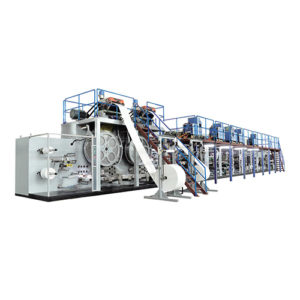
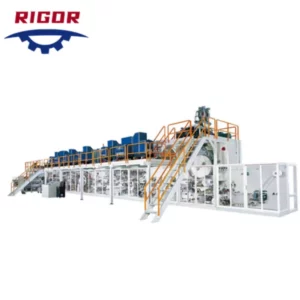
A fully-automatic line, as the name implies, integrates almost all processes. Raw material changes are often automated, packaging is handled by integrated stackers and baggers, and quality control is performed by high-speed vision systems. The upfront investment is significantly higher, but the benefits are substantial: higher production speeds (modern machines can produce 800-1,200 diapers per minute), greater consistency in product quality, and drastically reduced labor costs ().
The decision here is deeply strategic. For a startup in a nascent market with lower labor costs and uncertain initial demand, a semi-automatic line might be a prudent entry point. It lowers the barrier to entry and allows the business to establish a foothold. For a more established company or an entrepreneur entering a competitive market with higher labor costs, the efficiency and scale of a high-quality baby diaper production equipment line are almost certainly the superior long-term choice.
| Feature | Semi-Automatic Diaper Machine | Fully-Automatic Diaper Machine |
|---|---|---|
| Initial Investment | Lower | Higher |
| Production Speed | 150-300 pieces per minute (PPM) | 500-1200+ pieces per minute (PPM) |
| Labor Requirement | High (5-8 operators per shift) | Low (2-3 operators per shift) |
| Product Consistency | Moderate, dependent on operator skill | High, controlled by automation |
| Operational Cost | Higher labor and potential waste | Lower labor and material waste |
| Ideal Market | Startups, niche markets, low-labor-cost regions | Established markets, high-volume production |
| Flexibility | Can be simpler to change product sizes | May require more complex changeovers |
Calculating Your Required Production Speed (Diapers Per Minute)
Once you have a market forecast and have considered the semi-vs-fully automatic trade-off, you can translate your sales goals into a required machine speed, typically measured in pieces per minute (PPM).
Let's walk through a hypothetical calculation. Imagine your market research suggests you can realistically sell 30 million diapers in your first year.
- Calculate daily production needed: 30,000,000 diapers / 365 days = ~82,192 diapers per day.
- Factor in operational uptime: No factory runs 24/7/365. A realistic assumption might be 300 production days per year to account for holidays and major maintenance. So, 82,192 * (365/300) = ~100,000 diapers per production day.
- Consider working hours: Let's assume you plan to run two 8-hour shifts, which is 16 hours or 960 minutes of production time per day.
- Account for efficiency: No machine runs at 100% efficiency forever. There will be stops for material changes, minor adjustments, and cleaning. A good industry standard for a well-run factory is around 85% efficiency.
- Calculate the required PPM:
- Target output per minute = 100,000 diapers / 960 minutes = ~104 diapers per minute.
- Adjust for efficiency = 104 / 0.85 = ~122 PPM.
This calculation shows that for this specific sales goal, a machine with a stable running speed of around 150-200 PPM would be sufficient, placing you in the range of a good semi-automatic or a lower-speed fully-automatic line. Performing this exercise with your own market data is an indispensable step. It grounds your decision in numbers, moving it from guesswork to a calculated business choice.
Future-Proofing: Scalability and Modularity
Your business will hopefully grow. The machine you buy today should not become an obstacle to your success tomorrow. This is where the concepts of scalability and modularity become so important. When you discuss options with a potential baby diaper machine supplier in China, ask about the machine's upgrade path.
Can the speed of the machine be increased later by upgrading certain components, like the main drive system or specific servo motors? Is the machine designed in a modular way? For example, could you add an automatic packaging system to a line that initially used manual packaging? Could you upgrade the quality control system from basic sensors to a full vision inspection system?
A supplier who has thought through these questions and designed their machines with modularity in mind is a supplier who is thinking about your long-term success. They understand that your needs will evolve. Choosing a machine with a clear upgrade path provides an insurance policy for your future growth, allowing your initial investment to continue delivering value as your business expands.
Factor 2: Evaluating Technological Sophistication and Innovation
Once you have determined the appropriate capacity for your needs, the next layer of inquiry concerns the technology embedded within the machine itself. Two machines might have the same rated speed of 600 PPM, but their performance, reliability, and the quality of the diapers they produce can differ dramatically. A deep dive into the technological heart of the machinery is not just for engineers; it is a fundamental part of a business owner's due diligence. You are investing in a technology platform, and its quality will define your product.
Core Processing Technologies: Pulp Forming and SAP Application
The core of any diaper is its absorbent pad. The creation of this pad involves two critical processes: the formation of the fluff pulp core and the precise application of Super Absorbent Polymer (SAP).
- Pulp Forming: This is where treated wood pulp is defibrated in a "hammermill" and then formed into the anatomically shaped absorbent core using a vacuum drum. The quality of the hammermill and the design of the forming drum are paramount. Ask a potential supplier about the design of their forming system. Is it a single drum or a dual-drum system for more complex core designs? How does it ensure uniform density of the pulp? Inconsistent pulp density leads to weak spots in the diaper, which directly results in leaks and customer dissatisfaction.
- SAP Application: SAP is the miracle ingredient that allows modern diapers to hold many times their weight in liquid. It is a granular powder that must be mixed with the fluff pulp with extreme precision. Too little SAP, and the diaper's absorbency is compromised. Too much, and you are wasting an expensive raw material. Look for machines that use sophisticated, servo-driven SAP applicators. These systems can dose the SAP with gram-level accuracy and can even be programmed to apply different amounts of SAP in different zones of the core (e.g., more in the front for boys' diapers). This level of control is a hallmark of a high-quality machine.
Automation and Control Systems: PLC, Servos, and HMIs
The "brain" and "nervous system" of a modern diaper machine are its automation and control systems. Understanding these components helps you gauge the machine's intelligence and reliability.
- PLC (Programmable Logic Controller): Think of the PLC as the central computer of the production line. It coordinates every action, from the speed of the motors to the timing of the cutters. Reputable machine builders use PLCs from world-renowned brands like Siemens, Allen-Bradley (Rockwell), or Mitsubishi. The brand matters because it speaks to reliability, global availability of support, and ease of finding trained technicians.
- Servo Motors: If the PLC is the brain, servo motors are the high-precision muscles. Unlike conventional motors, servos provide exact control over position, speed, and torque. In a diaper machine, they are used for critical applications like cutting the leg elastics, applying the frontal tape, and placing the absorbent core. A machine that uses a high number of servo drives is generally more precise, more flexible (allowing for faster size changes), and more efficient than a machine that relies on older, purely mechanical transmission systems.
- HMI (Human-Machine Interface): This is the touchscreen panel through which your operators interact with the machine. A well-designed HMI is intuitive and provides clear, actionable information. It should display production data (speed, efficiency, waste percentage), allow for easy adjustment of parameters, and provide detailed diagnostic information when a fault occurs. A good HMI empowers your operators to run the machine efficiently and troubleshoot problems quickly, minimizing downtime.
Quality Control Integration: Vision Systems and Reject Gates
How does the machine ensure that every diaper it produces meets your quality standards? In the past, this relied heavily on manual spot-checks by operators. Today, the best machines integrate sophisticated, automated quality control systems.
The most powerful of these are camera-based vision systems. High-speed cameras are placed at critical points in the production line to inspect for defects. They can check for:
- Correct placement of the absorbent core.
- Presence and proper positioning of leg cuffs and leak guards.
- Glue application integrity.
- Correct application of frontal and side tapes.
When the vision system detects a defect, it sends a signal to the PLC, which then activates a "reject gate" further down the line. This system automatically removes the faulty diaper without stopping production. The result is a dramatic improvement in outgoing product quality and a reduction in waste. When evaluating a baby diaper machine supplier in China, ask detailed questions about their quality control systems. What types of sensors are included as standard? What are the capabilities of their vision inspection options? Investing in a robust QC system is an investment in your brand's reputation.
Raw Material Handling and Tension Control
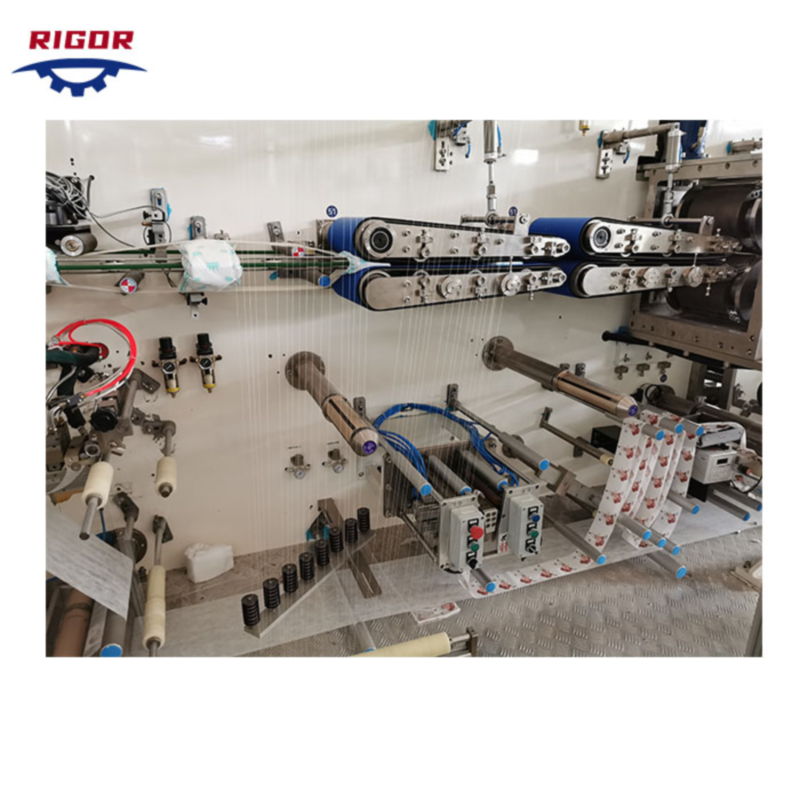
A diaper is made by laminating multiple layers of different materials together at very high speeds. These materials—non-woven fabrics, polyethylene films, elastics—are fed from large rolls. Maintaining the correct tension on each of these materials is absolutely vital.
If the tension is too high, the material can stretch or break. If it is too low, it can sag and become misaligned. Both scenarios lead to production stoppages and defective products. High-end machines use fully-automated tension control systems. These systems use sensors to constantly measure the tension of the material web and automatically adjust the speed of the unwind stands to keep it constant from the beginning of the roll to the end. They also often include automatic splicing systems. When one roll of material is about to run out, the machine automatically splices the end of the old roll to the beginning of a new one at full production speed. This feature alone can save 10-15 minutes of downtime for every roll change, which adds up to a significant increase in overall efficiency over the course of a year.
Factor 3: Navigating Raw Material Supply Chains
A diaper machine, no matter how technologically advanced, is useless without a steady, reliable supply of high-quality raw materials. The logic of your supply chain is as integral to your business's success as the mechanics of your production line. An often-overlooked aspect of choosing a machine supplier is their ability and willingness to guide you through the complex world of raw material procurement. A good supplier does not just sell you a machine; they provide you with a holistic production solution, which includes foundational knowledge of the materials the machine consumes.
Identifying Key Raw Materials for Diaper Production
Understanding the basic components of a diaper is the first step. While formulations can vary, the primary materials are relatively standard across the industry. Your ability to source these materials consistently and cost-effectively will be a major determinant of your profitability.
Think of building a diaper as assembling a high-tech sandwich with multiple layers, each with a specific function. The main ingredients include:
- Non-woven Fabrics: Used for the topsheet (which touches the baby's skin) and backsheet. Softness, strength, and liquid-permeability are key characteristics.
- Fluff Pulp: Typically derived from pine trees, this is the bulky, absorbent material that forms the main body of the diaper's core.
- Super Absorbent Polymer (SAP): The granular polymer mixed with the pulp that locks away liquid. This is one of the most expensive components.
- Polyethylene (PE) Film: The waterproof outer layer that prevents leaks. Modern diapers often use a "breathable" film that allows vapor to escape, improving comfort.
- Adhesives: Hot-melt glues are used for construction (holding the layers together) and for the fastening system.
- Elastics: Spandex or Lycra threads are used to create the stretchy leg cuffs, waistband, and standing leak guards.
- Fastening System: This includes the frontal tape (the "landing zone" on the front of the diaper) and the mechanical side tapes (the "hooks" or "grips").
| Raw Material | Primary Function | Key Sourcing Considerations |
|---|---|---|
| Fluff Pulp | Absorbent Core | Sourced from major global producers (e.g., in North America, Scandinavia). Price fluctuates with commodity markets. |
| SAP | Liquid Retention | Quality varies significantly. Sourced from chemical companies in Asia, Europe, and the US. Test for absorbency speed and capacity. |
| Non-woven Fabric | Topsheet, Backsheet, Cuffs | Wide range of suppliers, many in China. Focus on softness (for topsheet) and strength (for backsheet). |
| PE Backsheet Film | Waterproof Barrier | Can be "breathable" or "non-breathable." Sourcing is often co-located with non-woven suppliers. |
| Adhesives | Construction, Positioning | Must be compatible with machine applicators. Sourced from specialized chemical companies. |
| Elastics (Spandex) | Gasketing, Fit | Sourced from a few major global producers. Tension and elongation properties are critical. |
| Tapes (Frontal/Side) | Fastening System | Sourced from specialized converters. Must have reliable peel and reseal strength. |
Supplier Sourcing Strategies: Local vs. International
Once you know what you need, the question becomes where to get it. You will face a strategic choice between sourcing materials locally (if available) and importing them from international suppliers, many of whom are based in China and other parts of Asia.
- International Sourcing: Often provides a cost advantage and access to a wider range of qualities and innovations. Large-scale producers in China, for example, are a primary source for non-wovens, PE films, and tapes. However, this path involves longer lead times, exposure to shipping costs and currency fluctuations, and the need to manage import logistics and customs duties. You must maintain higher inventory levels to buffer against potential shipping delays.
- Local Sourcing: Can offer shorter lead times, reduced shipping costs, and simpler logistics. It can also be a powerful marketing tool ("Made with local materials"). However, the availability of specialized materials like high-quality SAP or fluff pulp may be limited or non-existent in your region. The cost may also be higher compared to high-volume international producers.
A hybrid strategy is often the most resilient. You might import core components like SAP and fluff pulp from global leaders while sourcing bulkier items like non-wovens or packaging materials from reliable local or regional suppliers.
The Role of the Machine Supplier in Your Supply Chain
This is where your choice of a baby diaper machine supplier in China becomes even more critical. An experienced and reputable supplier has deep connections within the raw material industry. They are not just machine builders; they are industry insiders.
When vetting a supplier, ask them directly:
- "Can you provide a list of qualified raw material suppliers for each component?"
- "Can you provide sample materials from these suppliers for us to test?"
- "Do you have partnerships with certain material suppliers that might offer preferential pricing or terms?"
- "Can you assist us in testing the compatibility of materials from different suppliers on your machine?"
A supplier who readily and openly assists you with these questions is demonstrating their commitment to your success. They understand that their machine's performance is directly linked to the quality of the materials you use. Some suppliers may even offer a "turnkey" solution where they help you procure the initial batches of all necessary raw materials, ensuring you can start production immediately after the machine is installed. This service can be invaluable, especially for first-time manufacturers.
Material Compatibility and Testing
Not all raw materials are created equal, and not all materials will run well on every machine. The adhesives must be compatible with the temperature range of the glue applicators. The non-woven fabrics must have the right stiffness and strength to handle the high-speed tension of the machine. The elastics must stretch and relax predictably.
Before committing to a large raw material order, it is imperative to conduct trials. The ideal scenario is to test your shortlisted materials on a machine identical to the one you are purchasing, preferably at the supplier's own factory. An excellent supplier will facilitate this. They will allow you to send rolls of your chosen materials to their facility for a trial run. This allows you to verify performance, check the quality of the finished diaper, and fine-tune machine parameters before the machine even leaves their factory. This pre-emptive troubleshooting can save you immense time, money, and frustration during the actual start-up phase of your own factory.
Factor 4: Calculating Total Cost of Ownership (TCO) and ROI
One of the most common mistakes in capital equipment procurement is focusing excessively on the initial purchase price. The "sticker price" of a diaper machine is only one component of its true cost. A more enlightened and accurate approach is to calculate the Total Cost of Ownership (TCO). TCO is a financial estimate that helps buyers determine the direct and indirect costs of a product or system. It provides a more complete picture of the financial commitment you are making. A cheaper machine with high energy consumption, high waste rates, and frequent downtime can quickly become far more expensive than a pricier but more efficient and reliable alternative.
Beyond the Sticker Price: Initial Investment Breakdown
The initial capital outlay is more than just the cost of the machine itself. A comprehensive budget must account for several other items that are part of the setup phase. As detailed in an analysis for new investors, understanding the full scope of costs is fundamental (diapermachines.com).
- Machine Cost (EXW/FOB): The base price of the diaper or sanitary pad machine from the supplier.
- Auxiliary Equipment: This includes air compressors, dust collection systems, and potentially a dedicated power generator. These are not optional; they are necessary for the machine to operate.
- Shipping and Insurance: The cost of transporting a machine from China to your port can be substantial, involving ocean freight, insurance, and handling charges.
- Import Duties and Taxes: Every country has its own tariff schedule for imported industrial machinery. This can be a significant percentage of the machine's value.
- Installation and Commissioning: Suppliers typically charge a fee for sending their technicians to your factory to install the machine and get it running. This fee usually includes travel, accommodation, and a daily rate.
- Factory Preparation: Your building may need modifications, such as reinforced concrete flooring to support the machine's weight, electrical upgrades, and dedicated ventilation.
Failing to budget for these additional items can lead to a serious financial shortfall before you have even produced your first diaper.
Operational Costs: Energy, Labor, and Maintenance
Once the machine is running, it begins to incur operational costs (OpEx). These ongoing expenses are a critical part of the TCO calculation.
- Energy Consumption: A large industrial machine is a major consumer of electricity. Ask the supplier for the machine's total power rating (in kW). A more energy-efficient machine with modern servo motors can result in thousands of dollars in savings each year compared to an older, less efficient design.
- Labor Costs: As discussed earlier, the level of automation directly impacts the number of operators you need per shift. Calculate the fully-loaded cost of your workforce, including salaries, benefits, and training.
- Raw Material Waste: Every production process generates some waste. A well-designed, well-maintained machine might operate with a waste rate of 2-3%. A poorly designed or poorly maintained machine could have a waste rate of 5-10% or even higher. This difference directly impacts your cost of goods sold. Ask the supplier for the guaranteed waste percentage under normal operating conditions.
- Spare Parts and Maintenance: Machines have parts that wear out and need to be replaced. This includes cutting blades, bearings, belts, and electronic components. A good supplier will provide a recommended list of spare parts to keep in stock. Budget for both these consumables and for routine preventive maintenance.
Projecting Revenue and Calculating Return on Investment (ROI)
With a comprehensive understanding of your costs (both capital and operational), you can begin to project your revenue and calculate the all-important Return on Investment (ROI).
ROI is a simple but powerful formula: ROI = (Net Profit / Total Investment) * 100
- Project Revenue: Based on your market research and the machine's production capacity, project your annual sales volume. Multiply this by your target selling price per diaper to get your total revenue.
- Calculate Cost of Goods Sold (COGS): This is primarily your raw material cost per diaper multiplied by the number of diapers sold. Remember to factor in your material waste percentage here.
- Determine Gross Profit: Revenue – COGS = Gross Profit.
- Subtract Operational Expenses: From your Gross Profit, subtract all your other OpEx: labor, energy, maintenance, marketing, administrative costs, etc. This gives you your Net Profit (before taxes).
- Calculate ROI: Divide your annual Net Profit by your total initial investment (the full TCO, not just the machine price).
This exercise will tell you how many years it will take to recoup your initial investment. A positive and compelling ROI is what will ultimately justify the project to you, your partners, or your lenders. A diligent baby diaper machine supplier in China should be able to provide you with data (like waste rates and power consumption) that makes this calculation more accurate.
Hidden Costs: Shipping, Installation, and Tariffs
It is worth re-emphasizing the "hidden" costs, as they are so often underestimated by first-time importers. When you receive a price quote from a supplier, pay close attention to the shipping terms (Incoterms). A price quoted as "EXW" (Ex Works) means you are responsible for every cost from the moment the machine leaves their factory door. A price quoted as "FOB" (Free On Board) means the supplier is responsible for getting it to the designated port in China. You are still responsible for ocean freight, insurance, and all costs in your home country.
Work with an experienced local customs broker in your country early in the process. They can give you a precise estimate of the import duties, taxes, and port fees you will face. Surprises in this area can be very costly. Similarly, get a clear, written quote from the machine supplier for the full cost of installation and commissioning, including all travel and living expenses for their technicians. Building these figures into your initial budget is a hallmark of professional project planning.
Factor 5: Assessing After-Sales Support and Partnership Quality
The relationship with your machine supplier does not end when the payment is made or when the machine is shipped. In many ways, that is when the most important phase of the relationship begins. A diaper production line is a complex piece of equipment that will be the core of your manufacturing operation for a decade or more. The quality, responsiveness, and expertise of the supplier's after-sales support team will be a determining factor in your long-term operational success and profitability. Viewing this support not as an add-on but as an integral part of the product you are buying is a shift in perspective that pays enormous dividends.
The Installation and Commissioning Process
The arrival of crates of machinery at your factory is just the beginning. The assembly, installation, and commissioning of the line is a delicate and complex process that should be led by the supplier's own experienced technicians.
Before the technicians arrive, a good supplier will provide you with a detailed factory layout plan and a list of pre-installation requirements. This will include specifications for the foundation, electrical power supply, and compressed air systems. Having all of this prepared in advance will make the installation process smooth and efficient.
During commissioning, the technicians will not only assemble the machine but also fine-tune it to run your specific raw materials and produce your desired diaper specification. This is a critical knowledge transfer period. Your own technical team should be working alongside the supplier's technicians, observing, asking questions, and learning. The supplier's goal should be not just to start the machine, but to ensure it is running stably and efficiently, meeting the agreed-upon targets for speed and waste.
Comprehensive Training for Your Technical Team
A machine is only as good as the people who operate and maintain it. A top-tier supplier recognizes this and invests heavily in training your team. This training should be multi-faceted and ongoing.
- Operator Training: This focuses on the day-to-day operation of the machine via the HMI. It covers starting and stopping the machine, loading raw materials, making minor adjustments, understanding safety procedures, and recognizing common alarm signals.
- Mechanical Maintenance Training: This is for your mechanics. It covers the lubrication schedule, replacement of wear parts like blades and bearings, mechanical timing and alignment, and preventive maintenance routines.
- Electrical and Automation Training: This is for your more specialized technicians. It should provide an overview of the electrical schematics, the function of the PLC and servo drives, and basic troubleshooting of sensors and electronic components.
The best training happens both at the supplier's facility before shipment and at your own factory during installation. A supplier who offers a comprehensive training program is signaling that they are invested in your self-sufficiency and long-term success.
Spare Parts Availability and Warranty Policies
Even the best-built machine will eventually need spare parts. Downtime spent waiting for a critical part to arrive from overseas can be incredibly costly. Therefore, a supplier's spare parts policy is a vital point of evaluation.
- Recommended Spare Parts List: The supplier should provide a detailed list of recommended spare parts to purchase with the machine. This list is typically divided into categories: critical parts (which can stop the machine), wear parts (which are replaced regularly), and general parts. Investing in a one-to-two-year supply of these parts is a wise insurance policy against downtime.
- Warranty: Scrutinize the warranty policy carefully. What is the duration of the warranty (typically one year)? What does it cover? Most warranties cover defects in manufacturing but not consumable or wear parts. What is the process for making a warranty claim? How quickly will they ship a replacement part?
- Post-Warranty Support: What happens after the warranty expires? Does the supplier guarantee the availability of spare parts for a certain number of years (e.g., 10 years)? What is their pricing for post-warranty parts and service? A clear and fair policy provides peace of mind.
Long-Term Technical Support and Remote Diagnostics
Problems will inevitably arise that your local team cannot solve. This is when you will rely on the supplier's remote technical support. In 2025, this support should be robust and technologically enabled.
Modern machines with networked PLCs can often be accessed remotely by the supplier's engineers (with your permission). This allows them to log into your machine's control system, view its status, diagnose faults, and even help your technicians make software adjustments. This remote diagnostic capability can resolve many issues in a matter of hours that might have previously required an expensive and time-consuming visit from a technician.
When vetting a supplier, ask about their support structure. Do they have a dedicated support team? What are their working hours? Do they offer support in your language or a common business language like English? Can they provide examples or case studies of how they have resolved customer issues remotely? The quality of this long-term support network is the ultimate test of whether you have chosen a simple vendor or a true strategic partner.
Vetting a Potential Baby Diaper Machine Supplier in China: A Practical Checklist
Choosing the right supplier is a process of systematic due diligence. It requires patience, a critical eye, and a clear methodology. By following a structured approach, you can move from a long list of potential names to a confident final decision. This is about gathering evidence to support one of the most significant investments your company will make.
Initial Research and Shortlisting
The process begins at your desk. Use online resources, industry directories, and trade fair exhibitor lists to compile an initial list of potential suppliers. Look for suppliers who specialize in hygiene machinery, not general-purpose equipment manufacturers.
As you browse their websites and initial marketing materials, look for signs of professionalism and expertise.
- Is their website professional and informative, with detailed specifications for their machines?
- Do they have high-quality videos of their machines in operation?
- Do they showcase a range of models (e.g., different speeds, I-shape vs. T-shape diapers)?
- Do they have a history? How many years have they been in business?
From this initial long list, create a shortlist of 3-5 suppliers who appear to be the most promising. These are the companies you will investigate more deeply.
Factory Audits and Virtual Tours
There is no substitute for seeing the supplier's manufacturing facility for yourself. If a physical visit to China is feasible, it is highly recommended. A factory audit allows you to assess their capabilities firsthand.
- Scale and Organization: Is the factory clean, well-organized, and professionally managed?
- Manufacturing Equipment: Do they have modern CNC machining centers, lathes, and other equipment to manufacture their own key components, or are they primarily an assembly shop? In-house manufacturing of critical parts often indicates better quality control.
- Quality Control Processes: How do they check the quality of their own parts and the parts they receive from sub-suppliers? Do they have a dedicated QC department?
- People and Expertise: Meet their engineering team, their sales team, and their after-sales support team. Do they seem knowledgeable, professional, and communicative?
If a physical visit is not possible, insist on a live, detailed virtual tour. Ask them to walk you through the factory with a camera, showing you the different departments and answering your questions in real-time. While not as good as being there in person, a live tour is far more revealing than pre-recorded marketing videos.
Speaking with Existing Clients
One of the most powerful forms of due diligence is to speak with other customers who have already purchased a machine from the supplier. A reputable supplier should be willing to provide you with references. Ask for references in your region or in a market with similar characteristics to your own.
When you speak with a reference, ask candid questions:
- "How was the installation and training process?"
- "How has the machine performed in terms of reliability and efficiency?"
- "What is the actual production speed and waste rate you are achieving?"
- "How responsive has the supplier been when you've had a technical problem?"
- "What has been your experience with ordering and receiving spare parts?"
- "If you had to do it all over again, would you choose the same supplier?"
The insights from an existing customer are invaluable and can often reveal the true nature of a supplier's post-sales performance, which is difficult to gauge from marketing materials alone.
Contract Negotiation and Payment Terms
Once you have selected your preferred supplier, the final step is to negotiate the sales contract. This legal document should be reviewed carefully, ideally with the help of a lawyer experienced in international trade.
Pay close attention to the following clauses:
- Technical Specifications: The contract must list, in detail, every specification of the machine: speed, efficiency, waste rate, power consumption, brands of key components (PLC, servos, etc.), and all included features.
- Acceptance Criteria: Define the objective criteria that must be met for you to formally accept the machine. This usually involves a Factory Acceptance Test (FAT) at the supplier's facility and a Site Acceptance Test (SAT) at your facility. The SAT should confirm that the machine meets the agreed-upon performance metrics (e.g., running stably for a set number of hours at a specific speed and waste rate).
- Payment Terms: The standard payment structure is typically a down payment (e.g., 30%), a payment after the FAT or upon shipment (e.g., 60%), and a final payment after the successful completion of the SAT (e.g., 10%). Tying the final payment to successful commissioning at your site gives you leverage and ensures the supplier is motivated to complete the installation to your satisfaction.
- Warranty and Support: The contract should clearly state the warranty period and what it covers, as well as the supplier's commitments regarding after-sales support.
A thorough and detailed contract protects both you and the supplier. It creates a clear, shared understanding of all obligations and sets the foundation for a professional and successful partnership. When you are ready to explore options for a modern baby diaper machine, approaching the process with this level of rigor will safeguard your investment.
Frequently Asked Questions (FAQ)
What is the average cost of a baby diaper machine in 2025? The cost varies dramatically based on technology and capacity. A semi-automatic line might range from $100,000 to $300,000 USD. A high-speed, fully-automatic line from a reputable baby diaper machine supplier in China can range from $500,000 to over $2 million USD, depending on the speed, features, and included auxiliary equipment.
How long does it take to receive a machine after placing an order? The standard lead time for manufacturing a diaper production line is typically between 4 to 6 months. This can fluctuate based on the supplier's order backlog and the complexity of your specific machine. Ocean freight from China to regions like South America or Africa can add another 30-60 days.
Can one machine produce different sizes of diapers? Yes, modern diaper machines are designed to be size-changeable. They can typically produce 3 to 5 different sizes (e.g., Small, Medium, Large, Extra Large). However, changing sizes requires stopping the machine and replacing certain "change parts." The time required for a size change can vary from 2 to 8 hours, depending on the machine's design and the skill of the technicians.
What are the main raw materials needed and can the supplier help source them? The main raw materials are fluff pulp, super absorbent polymer (SAP), non-woven fabrics, PE backsheet film, adhesives, elastics, and fastening tapes. An experienced machine supplier should provide a list of qualified raw material producers and can often help you procure initial trial quantities.
How much space is required for a diaper production line? A complete diaper production line is quite large. The machine itself can be 20-30 meters long. Including space for raw material storage, finished goods warehousing, and operator movement, a minimum factory space of 1,000 to 2,000 square meters is a realistic estimate for a small to medium-sized operation.
What is the difference between a diaper machine and a sanitary pad machine? While both are hygiene product machines, their construction is different. A sanitary pad machine handles smaller, thinner products and has different core forming and wrapping units. However, many principles, such as tension control and PLC/servo systems, are similar. Many suppliers in this industry produce both types of machines.
How many people are needed to operate a fully-automatic diaper machine? A modern, fully-automatic line is highly efficient in its use of labor. A typical shift requires only 2 to 3 operators: one primary machine operator to monitor the HMI and oversee the line, and one or two assistants to manage raw material loading and finished product packaging.
What is the expected lifespan of a diaper machine from a Chinese supplier? With proper maintenance and regular replacement of wear parts, a well-built machine from a quality supplier should have a productive lifespan of 15 to 20 years or even longer. The structural frame and heavy mechanical components are built to last, while electronic components and drive systems may be upgraded over time.
Conclusion
The journey to establishing a successful diaper manufacturing business is a marathon, not a sprint. The selection of your primary production equipment is a decision that will echo through the years, influencing your product quality, operational costs, and capacity for growth. The framework presented here—moving from market analysis to technological evaluation, supply chain logistics, financial modeling, and finally, the assessment of partnership quality—is designed to provide a comprehensive and rational pathway for this critical choice.
The allure of a low initial price can be powerful, but true value lies in a machine's long-term performance, reliability, and the support structure that stands behind it. By shifting the perspective from a simple purchase to a strategic partnership, you fundamentally change the nature of the questions you ask. You begin to search not just for a machine, but for a knowledgeable and reliable partner. A reputable baby diaper machine supplier in China will welcome this deep level of inquiry, as it demonstrates your seriousness and aligns with their own interest in fostering successful, long-term customer relationships. By investing the time and effort to conduct this thorough due diligence, you are not just buying a machine; you are laying a robust foundation for a profitable and sustainable enterprise that can effectively serve the growing needs of your community.
References
diapermachines.com. (2025a, April 8). What is the cost of manufacturing diapers? A breakdown for new investors and manufacturers. https://www.diapermachines.com/2025/04/08/what-is-the-cost-of-manufacturing-diapers-a-breakdown-for-new-investors-and-manufacturers/
diapermachines.com. (2025b, September 5). The 2025 buyer's guide: 5 proven factors for your disposable diaper machine investment. https://www.diapermachines.com/2025/09/05/the-2025-buyers-guide-5-proven-factors-for-your-disposable-diaper-machine-investment/
diapermachines.com. (n.d.). Diaper making machine. Retrieved May 10, 2025, from
Mayjoy Papermachinery. (n.d.). Baby diaper machine high quality diaper production line. Retrieved April 30, 2025, from https://www.mayjoypapermachinery.com/showroom/baby-diaper-machine-high-quality-diaper-production-line.html
Pro Market Reports. (2025, March 15). Fully automatic baby diaper machine 2025-2033 overview: Trends, competitor dynamics, and opportunities. https://www.promarketreports.com/reports/fully-automatic-baby-diaper-machine-38774
Womeng Machines. (2025, February 11). What machine is used to make diapers? – Diaper making machine supplier. https://www.womengmachines.com/what-machine-is-used-to-make-diapers/