Abstract
Investing in a wet wipes production line represents a significant capital outlay, demanding a thorough analysis of its potential return on investment (ROI). This examination explores the multifaceted nature of calculating a wet wipes machine investment ROI, moving beyond a simple comparison of initial cost versus projected revenue. The analysis is structured around seven pivotal factors that collectively determine profitability. These include the total cost of ownership, which encompasses not only the purchase price but also installation, operational, and maintenance expenditures. Production capacity and operational efficiency are scrutinized as the primary engines of revenue generation, with an emphasis on metrics like Overall Equipment Effectiveness (OEE). The guide also investigates the critical role of raw material sourcing, labor costs, and market dynamics, particularly within the context of emerging markets in South America, Southeast Asia, and the Middle East. Furthermore, the impact of technological innovation, sustainability trends, and stringent regulatory compliance on long-term financial viability is assessed, providing a holistic framework for prospective investors in the 2025 hygiene market.
Key Takeaways
- Calculate Total Cost of Ownership (TCO), not just the initial machine price.
- Maximize Overall Equipment Effectiveness (OEE) to boost production output.
- Develop a resilient raw material supply chain for cost stability.
- A strong wet wipes machine investment ROI depends on balancing automation and labor.
- Align product pricing with market demand and production costs.
- Choose flexible machinery that can adapt to future product innovations.
- Ensure your facility meets all regional hygiene and safety regulations.
Table of Contents
- Introduction: Framing the Wet Wipes Opportunity in 2025
- Factor 1: Deconstructing the Total Cost of Ownership (TCO)
- Factor 2: Production Capacity and Efficiency: The Engine of Your ROI
- Factor 3: Raw Material Sourcing and Cost Management
- Factor 4: Labor Costs and Skill Requirements
- Factor 5: Market Demand and Product Pricing Strategy
- Factor 6: Technology, Innovation, and Future-Proofing
- Factor 7: Regulatory Compliance and Quality Control
- A Practical Walkthrough: Calculating Your Wet Wipes Machine Investment ROI
- Frequently Asked Questions (FAQ)
- Final Thoughts on Your Investment Journey
- References
Introduction: Framing the Wet Wipes Opportunity in 2025
Embarking on the path of manufacturing is an exercise in foresight, a careful weighing of risk against reward. When the object of this consideration is a wet wipes production line, the stakes are particularly high, as is the potential for success. The global consciousness around hygiene, amplified over the past several years, has solidified the wet wipe not as a luxury, but as a daily necessity. From the nurseries of São Paulo to the hospitals of Dubai and the households of Johannesburg, the demand for these products is robust and growing. A market report from Data Insights Market (2025) projects a compound annual growth rate (CAGR) of 6% for the related hygiene converting machine market through 2033, a testament to this sustained demand.
Yet, enthusiasm for market opportunity must be tempered with a rigorous financial examination. The central question for any prospective investor is not simply "Can I make wet wipes?" but rather, "Can I build a profitable and sustainable business making wet wipes?" The answer to this lies in a deep and honest appraisal of the wet wipes machine investment ROI. This concept, ROI, is far more than a simple percentage calculated on a spreadsheet. It is a narrative of your future business—a story told through capital costs, operational efficiencies, market positioning, and technological choices.
This guide is designed to be your partner in that appraisal. We will move beyond the surface, exploring the intricate web of variables that influence your financial return. Think of this not as a rigid set of instructions, but as a Socratic dialogue, prompting you to ask the right questions of yourself, your suppliers, and your market. We will dissect the investment into seven fundamental factors, each a crucial chapter in your ROI story. Our goal is to cultivate a form of practical wisdom, enabling you to navigate the complexities of this investment with clarity and confidence, transforming a daunting decision into a well-reasoned strategic plan.
Factor 1: Deconstructing the Total Cost of Ownership (TCO)
The most common and perhaps most perilous error in assessing a major equipment purchase is focusing narrowly on the initial price tag. The sticker price of a wet wipes machine is merely the prologue to a much longer financial story. A more truthful and useful metric is the Total Cost of Ownership (TCO), which encompasses every expense associated with the machine over its entire operational lifespan. Understanding TCO is the first step toward building a realistic and resilient wet wipes machine investment ROI calculation. It requires a shift in perspective from that of a buyer to that of a long-term owner and operator.
The Initial Purchase Price: Beyond the Sticker Shock
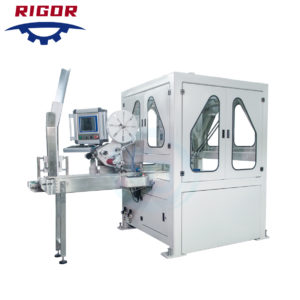
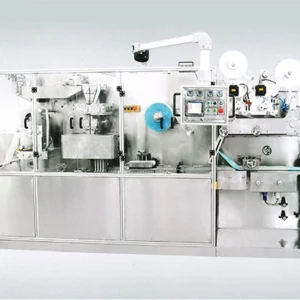
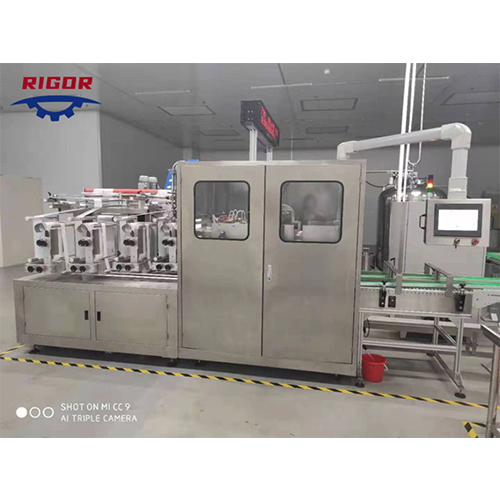
The initial capital outlay is, of course, a significant hurdle. Wet wipes machines exist on a wide spectrum, from small, manually operated units to fully automated, high-speed production lines. A manual machine might seem attractive for a small startup due to its low entry cost, but its limited output and high labor dependency can cripple profitability at scale. Conversely, a top-of-the-line, fully automatic system from a manufacturer like ANDRITZ or Fameccanica may require a substantial seven-figure investment but promises unparalleled efficiency and low per-unit production costs (Nonwovens Industry, 2025).
Your choice will depend on your business model, available capital, and market goals. Are you aiming to be a low-volume, niche player or a high-volume competitor? The key is to see the purchase price not as a cost, but as an investment in a specific level of capacity and automation. The table below provides a framework for comparing these initial options, not just on price, but on their broader implications for your business.
| Machine Type | Typical Price Range (USD, Approx.) | Production Capacity | Labor Requirement | Ideal for | TCO Implications |
|---|---|---|---|---|---|
| Manual | $20,000 – $50,000 | Low (Up to 50 packs/min) | High (Multiple operators) | R&D, small local markets | Low initial cost, high long-term labor cost, inconsistent quality. |
| Semi-Automatic | $80,000 – $250,000 | Medium (50 – 200 packs/min) | Moderate (Operator for loading/unloading) | Growing businesses, regional supply | Balanced initial cost, moderate labor, good scalability. |
| Fully Automatic | $300,000 – $1,500,000+ | High (200 – 1000+ packs/min) | Low (Supervisory roles) | Large-scale manufacturing, export | High initial cost, lowest per-unit labor cost, highest efficiency. |
Installation, Shipping, and Site Preparation
The machine’s journey from the manufacturer's factory to yours is laden with costs that are often overlooked in preliminary budgets. International shipping, import duties, and inland transportation can add a substantial percentage to the initial price, especially for buyers in regions like South America or Africa.
Once the machine arrives, it doesn't simply plug into the wall. Your factory must be prepared. As outlined by industry experts, this involves several critical considerations (Diapermachines.com, 2023). The factory layout must be designed for a logical flow of materials, from raw goods intake to finished product output, with the wet wipes machine at its heart. You will need adequate floor space not just for the machine itself, but for raw material storage, finished goods warehousing, and personnel workstations.
Furthermore, a high-capacity machine has significant power requirements, necessitating robust electrical infrastructure, including dedicated circuits, transformers, and proper grounding. The production process also generates heat and may release fumes from cleaning solutions, making a well-designed ventilation system essential for both worker safety and equipment longevity. These site preparation costs are not optional; they are fundamental to creating a safe and efficient production environment and must be factored into your TCO.
Long-Term Operational Costs: The Hidden Variables
This is where the true cost of ownership reveals itself over years of operation. These recurring expenses have a profound and continuous impact on your profitability.
- Energy Consumption: A large, fully automated line running 24/7 is a significant energy consumer. When evaluating different machines, ask for their power consumption ratings (in kWh). A more energy-efficient machine may have a higher purchase price but could save you tens of thousands of dollars in electricity bills annually, directly boosting your ROI.
- Maintenance and Spare Parts: Like any complex piece of machinery, a wet wipes line requires regular maintenance to perform optimally. This includes scheduled servicing, lubrication, and the eventual replacement of wear-and-tear parts like cutting blades, conveyor belts, and sensors. Reputable manufacturers provide a recommended maintenance schedule and a list of critical spare parts. Budgeting for a maintenance contract and keeping a stock of essential spares can prevent costly, unplanned downtime.
- Labor: While automation reduces the number of operators, you will still require skilled technicians to oversee the line, perform quality checks, manage changeovers, and conduct maintenance. The cost of this skilled labor, including salaries, benefits, and ongoing training, is a major operational expense.
By meticulously mapping out every component of the Total Cost of Ownership, you move from a speculative guess to an informed projection. This comprehensive understanding of costs is the bedrock upon which a credible wet wipes machine investment ROI is built.
Factor 2: Production Capacity and Efficiency: The Engine of Your ROI
If TCO represents the fuel your business consumes, then production capacity and efficiency represent the power and speed of its engine. A machine's ability to consistently produce a high volume of quality products is the primary driver of revenue and, consequently, the most significant variable in your wet wipes machine investment ROI. A machine sitting idle or producing a high percentage of defective products is not just failing to make money; it is actively losing it through fixed costs like rent, energy, and salaried labor. Therefore, a deep understanding of production metrics is not just for engineers; it is essential for any investor.
Understanding Machine Speed and Output
Manufacturers often advertise machine speed in pieces per minute (pcs/min) or meters per minute (m/min). For example, ANDRITZ offers its eXcelle pro line capable of up to 1,000 pcs/min (ANDRITZ, 2025). While impressive, this "nameplate capacity" is a theoretical maximum. To translate this into a realistic revenue projection, you must think in terms of actual output over time.
Let’s perform a simple mental exercise. Consider a machine with a rated speed of 800 pieces per minute.
- In one hour, that is 800 x 60 = 48,000 pieces.
- Assuming an 80-count pack, that's 48,000 / 80 = 600 packs per hour.
- In an 8-hour shift, that's 600 x 8 = 4,800 packs.
- Operating one shift per day, 25 days a month, yields 4,800 x 25 = 120,000 packs per month.
This calculation provides a baseline, but it assumes the machine runs perfectly without stopping. The reality is far different. The gap between theoretical maximum and actual output is where profitability is won or lost.
OEE (Overall Equipment Effectiveness): The True Measure of Performance
The gold standard for measuring manufacturing productivity is Overall Equipment Effectiveness (OEE). OEE is not just one metric but a composite of three, which together provide a holistic picture of your production efficiency. OEE = Availability x Performance x Quality
- Availability: This measures the time the machine is actually running compared to the time it is scheduled to run. Downtime for any reason—material changes, mechanical adjustments, cleaning, or breakdowns—reduces availability. If a machine is scheduled for an 8-hour (480-minute) shift but is down for 60 minutes for a roll change and a minor jam, its availability is (480-60) / 480 = 87.5%.
- Performance: This accounts for any time the machine runs slower than its ideal speed. Minor stoppages or a deliberate reduction in speed to handle a difficult material can lower performance. If the machine from our example, while running, produced 38,000 pieces instead of the ideal 42,000 pieces (for the 420 minutes it was available), its performance is 38,000 / 42,000 = 90.5%.
- Quality: This is the percentage of good, sellable products out of the total products made. Any defective wipes—those that are improperly folded, cut, or packaged—are considered waste. If the machine produced 38,000 pieces in total, but 760 had to be rejected, the quality rate is (38,000 – 760) / 38,000 = 98%.
Now, let's calculate the OEE: 0.875 (Availability) x 0.905 (Performance) x 0.98 (Quality) = 77.6%. A world-class OEE is typically considered to be 85% or higher. Your actual output of good products is your theoretical output multiplied by your OEE. This is the number you should use for revenue projections.
The Role of Automation in Maximizing Uptime
Achieving a high OEE is directly linked to the level of automation in your wet wipes production lines. Fully automatic systems are designed to minimize the sources of downtime and inefficiency. For instance, features like automatic splicing allow the machine to seamlessly join the end of a finished raw material roll to the beginning of a new one without stopping. This drastically reduces changeover time, directly boosting Availability.
Similarly, advanced servo motors and control systems ensure precise, repeatable actions, from cutting to folding, which enhances Performance and Quality. A machine that can automatically detect a misaligned wipe and reject it without stopping the entire line prevents a small error from causing a major stoppage. While the initial investment in a highly automated machine is greater, its ability to consistently achieve a higher OEE often leads to a much faster and more substantial wet wipes machine investment ROI over the long term.
Factor 3: Raw Material Sourcing and Cost Management
A wet wipes machine, no matter how advanced, is inert without a steady flow of high-quality raw materials. The cost and availability of these materials form the lifeblood of your operation, directly influencing your cost of goods sold (COGS) and, therefore, your profit margins. A robust raw material strategy is not simply about finding the cheapest supplier; it is about building a resilient, cost-effective, and quality-assured supply chain. This is particularly salient for investors in South America, Russia, Southeast Asia, the Middle East, and South Africa, where logistics can be complex and local supply options may vary.
Key Materials in Wet Wipes Production
The anatomy of a wet wipe is elegantly simple, yet each component plays a critical role in the final product's quality and cost (Diapermachines.com, 2023).
- Non-woven Fabric: This is the substrate, the fabric of the wipe itself. It accounts for a significant portion of the material cost. Non-wovens come in various blends (polyester, viscose, cotton, bamboo) and manufacturing processes (spunlace, airlaid), each with different properties of softness, strength, and absorbency. Your choice will impact both the perceived quality of your product and its cost.
- Cleaning Solution (Lotion): This is the liquid that gives the wipe its function. The formulation can range from simple purified water with mild preservatives to complex lotions with moisturizers, fragrances, and active ingredients. The cost varies accordingly. Developing a stable and effective formula that meets regulatory standards is a key R&D activity.
- Packaging Film: This includes the flexible flow-wrap for the pack and the rigid plastic lid for resealing. The film must be durable enough to protect the product and provide a sufficient moisture barrier, while also being suitable for high-speed printing and sealing on your machine.
Supply Chain Dynamics in Emerging Markets
For investors in the target regions, sourcing these materials presents unique challenges and opportunities. While major international suppliers of non-wovens and chemicals exist, relying solely on imports can expose your business to currency fluctuations, shipping delays, and high transportation costs.
A prudent strategy involves a dual approach. Initially, you may need to import materials to ensure quality and consistency. Simultaneously, you should actively research and cultivate relationships with local or regional suppliers. Is there a non-woven manufacturer in Turkey that can efficiently supply your plant in the Middle East? Can you partner with a chemical blender in Brazil to produce your lotion locally?
Developing local sources can dramatically reduce shipping costs and lead times, making your operation more agile. However, it requires rigorous quality control. You must ensure that local materials can run efficiently on your machine without causing jams or increasing waste. Sending samples of local materials to your machine manufacturer for testing before committing to a large purchase is a wise and necessary step. This proactive management of the supply chain is a cornerstone of a successful wet wipes machine investment ROI.
The Impact of Material Quality on Waste and ROI
The adage "you get what you pay for" is profoundly true in raw materials. A cheaper non-woven fabric might seem like a smart way to cut costs, but if its tensile strength is inconsistent, it could lead to frequent tears and web breaks on the production line. Each web break means downtime for re-threading the machine, which demolishes your OEE. Machinery suppliers like ANDRITZ state that their lines are designed for a waste rate of 1-3% with quality materials (ANDRITZ, 2025). Using substandard materials could easily push this figure into the double digits.
Think of it this way: every percentage point of waste is a direct deduction from your revenue. If you produce one million packs a month and your waste rate increases from 2% to 5% due to poor materials, that’s an extra 30,000 packs’ worth of material, labor, and energy thrown away. The initial savings from the cheaper material are quickly erased. Investing in consistent, high-quality raw materials is not an expense; it is an investment in efficiency, uptime, and a healthier bottom line.
Factor 4: Labor Costs and Skill Requirements
The human element in manufacturing remains an indispensable, albeit evolving, component of the production ecosystem. The cost, availability, and skill level of your workforce are critical inputs in the wet wipes machine investment ROI equation. The relationship between machinery automation and labor is not one of simple replacement but of transformation. As machines become more sophisticated, the nature of the human role shifts from manual operation to technical supervision, a distinction with profound financial and operational consequences.
Manual vs. Automated: A Labor Cost Analysis
The level of automation you choose for your wet wipes machine directly dictates the size and structure of your production team. Let's imagine a comparative scenario.
A semi-automatic line might require three to four operators per shift. One person might be responsible for loading the large rolls of non-woven fabric, another for ensuring the lotion tanks are full, a third for overseeing the folding and cutting process, and a fourth for manually packing the finished wipes into shipping cartons. While the individual wage for these roles may be relatively low, the aggregate labor cost per pack of wipes is significant due to the number of personnel involved.
In stark contrast, a fully automatic, high-speed line might be managed by a single, highly skilled technician per shift. This individual's role is not to manually handle the product but to supervise the entire automated process from a central control panel. They monitor production data, respond to system alerts, and manage product changeovers via a human-machine interface (HMI). While this technician's salary will be considerably higher than that of a manual operator, the labor cost per unit is drastically lower because their oversight covers the production of thousands of packs per hour.
When calculating your ROI, you must project these labor costs over the life of the machine. The initial savings of a less-automated machine can be completely eroded by higher long-term labor expenses, especially in regions where wages are projected to rise.
The Need for Skilled Technicians
The transition to automated manufacturing brings with it a demand for a new kind of worker. The most valuable employee in a modern wet wipes factory is not the one with the quickest hands, but the one with the sharpest mind. Operating a complex, servo-driven, computer-controlled production line requires a blend of mechanical aptitude and digital literacy.
These technicians must be able to:
- Understand the Machine's Logic: They need to interpret data from the HMI, understand what the sensors are reporting, and diagnose problems based on system feedback.
- Perform Complex Changeovers: Switching production from a 60-count baby wipe to a 20-count cosmetic wipe involves adjusting multiple parameters on the control system, not just changing a mechanical part.
- Conduct Preventive Maintenance: They must be trained to follow the manufacturer's maintenance schedule, identifying potential issues before they lead to catastrophic failure.
Finding and retaining such talent is a strategic challenge. Your investment plan must include a budget for comprehensive training, often provided by the machine manufacturer. Sending your key personnel to the manufacturer's facility for hands-on training before the machine is even delivered is a crucial investment. This ensures that your team is ready to operate the line efficiently from day one, minimizing the initial learning curve and accelerating your path to profitability. A skilled team is not a cost center; it is a critical asset that protects your machinery investment and maximizes its output.
Factor 5: Market Demand and Product Pricing Strategy
You can have the most efficient factory in the world, but if no one buys your product, or if you sell it at the wrong price, your wet wipes machine investment ROI will never materialize. The "soft" sciences of marketing and economics are just as critical to your success as the "hard" sciences of engineering and finance. A successful venture is built at the intersection of what you can efficiently produce and what the market desires and is willing to pay for.
Analyzing Target Market Segments
The term "wet wipes" is a broad category encompassing a diverse range of products, each with its own customer base, quality expectations, and price sensitivity. Your first strategic decision is to identify which segment(s) you will target.
- Baby Wipes: This is often the largest segment, driven by population growth. Parents prioritize softness, hypoallergenic properties, and safety. Brand trust is a major factor.
- Personal Care Wipes: This includes cosmetic and facial cleansing wipes, feminine hygiene wipes, and adult washcloths. Consumers in this segment often value specialized lotion formulas, high-quality fabrics, and convenient packaging.
- Household Cleaning Wipes: These are functional products designed for disinfecting surfaces, cleaning glass, or polishing furniture. Performance and the effectiveness of the cleaning solution are paramount.
- Industrial Wipes: These are heavy-duty wipes used in manufacturing, automotive, or healthcare settings for cleaning machinery, hands, or medical surfaces. Durability and specific chemical compatibility are key.
Your choice of machinery should align with your target segment. A machine designed for simple baby wipes may not have the capability to handle the thicker, more robust non-wovens required for industrial wipes. A flexible machine that can handle various materials and product sizes offers the strategic advantage of being able to pivot or expand your product line as market demands evolve (Nonwovens Industry, 2025).
Establishing a Competitive Price Point
Pricing is a delicate balancing act. Set your price too high, and you risk being uncompetitive. Set it too low, and you may not cover your costs and achieve your desired ROI. Your pricing strategy must be informed by three main pillars:
- Cost-Plus Pricing: This is your starting point. You must calculate your total cost per pack, including raw materials, labor, energy, machine depreciation (part of your TCO), and overheads. Your selling price must be higher than this figure.
- Competitor-Based Pricing: You must research the prices of competing products in your target market. What are the leading local and international brands selling for? Understanding this landscape helps you position your product. You don't necessarily have to be the cheapest, but you need to justify your price point through quality, branding, or features.
- Value-Based Pricing: What is the perceived value of your product to the consumer? If you have a unique lotion formula, use a sustainably sourced fabric, or offer a superior re-sealing lid, you may be able to command a premium price.
The table below offers a simplified model for how these factors come together in a preliminary ROI calculation.
| Metric | Example Calculation | Notes |
|---|---|---|
| A. Total Annual Production | 1,200,000 packs | Based on OEE-adjusted capacity. |
| B. Cost Per Pack | $0.45 | Includes all materials, labor, energy, and overhead. |
| C. Total Annual Production Cost | $540,000 (A x B) | Your total operational expense for the year. |
| D. Average Wholesale Price Per Pack | $0.65 | Your selling price to distributors/retailers. |
| E. Total Annual Revenue | $780,000 (A x D) | Your total income for the year. |
| F. Annual Gross Profit | $240,000 (E – C) | Your profit before accounting for the initial investment. |
| G. Initial Machine Investment (TCO) | $800,000 | Includes machine price, shipping, installation, etc. |
| Simple Payback Period | 3.33 Years (G / F) | Time taken for gross profit to cover the initial investment. |
| Simple ROI (Annual) | 30% (F / G) | The annual gross profit as a percentage of the initial investment. |
This table is a simplified illustration. A real analysis would involve more detailed cash flow projections, factoring in taxes, depreciation, and the time value of money. However, it clearly demonstrates how production volume, cost control, and pricing strategy are the fundamental levers of your wet wipes machine investment ROI.
Factor 6: Technology, Innovation, and Future-Proofing
In the dynamic landscape of manufacturing, standing still is equivalent to moving backward. The machinery and processes that are cutting-edge today may become standard tomorrow and obsolete the day after. Therefore, investing in a wet wipes machine is not just about meeting your current production needs; it is about acquiring a platform that is capable of adapting to future trends in technology, consumer preferences, and environmental stewardship. A forward-looking approach to technology is essential for ensuring the long-term health and profitability of your wet wipes machine investment ROI.
Embracing Industry 4.0: AI and IoT
The Fourth Industrial Revolution, or Industry 4.0, is characterized by the fusion of the physical and digital worlds. In wet wipes manufacturing, this translates into "smart machines" that can monitor themselves, predict failures, and communicate with operators in real time. Leading machinery manufacturers are integrating these capabilities into their platforms.
- Internet of Things (IoT) Sensors: Modern machines are equipped with hundreds of sensors that continuously collect data on temperature, pressure, speed, vibration, and material tension. This data is no longer locked inside the machine but is transmitted to a central system or the cloud.
- Artificial Intelligence (AI) and Machine Learning: AI algorithms analyze this stream of data to identify patterns that a human operator might miss. For example, a subtle increase in the vibration of a specific motor could be an early indicator of bearing wear. The system can then generate a predictive maintenance alert, allowing technicians to schedule a repair during planned downtime rather than suffering a catastrophic failure mid-production. Platforms like GDM's PerforMate and ANDRITZ's Metris CoPilot are prime examples of this technology in action, offering dashboards for monitoring OEE and analyzing root causes of inefficiency (Nonwovens Industry, 2025). This digital oversight transforms maintenance from a reactive to a proactive discipline, significantly boosting machine availability and protecting your investment.
Sustainability as a Value Proposition
Across the globe, both consumers and regulators are placing an increasing emphasis on environmental responsibility. This trend is not a fleeting fad; it is a fundamental shift in market expectations. Your ability to produce sustainable products can become a powerful competitive advantage.
- Material Innovation: There is growing demand for wipes made from biodegradable or compostable materials like bamboo, cotton, or wood-pulp-based non-wovens. Your machine must be flexible enough to handle these materials, which may have different properties than traditional synthetics.
- Process Efficiency: Sustainability also means reducing waste in the production process itself. Innovations like glue-free ultrasonic bonding for waistbands or chassis construction, as pioneered by companies like Fameccanica, reduce the consumption of adhesives (Nonwovens Industry, 2025). Similarly, energy-efficient motors and optimized drying processes lower the carbon footprint of each pack you produce. Investing in a machine with proven capabilities in processing eco-friendly materials and operating with minimal waste is a way to future-proof your business against upcoming regulations and appeal to the growing segment of environmentally-conscious consumers.
Product Diversification and Machine Flexibility
Consumer tastes change. New market niches emerge. A machine that can only produce one specific size and type of wet wipe is a rigid and risky investment. The most valuable machines are those designed with modularity and flexibility in mind.
A flexible machine might allow you to:
- Quickly change the cut length and fold pattern to produce different wipe sizes.
- Handle a wide range of non-woven fabric thicknesses and types.
- Easily integrate new modules, such as a unit for applying a plastic lid or a digital printing system for customized packaging graphics.
This flexibility allows you to be agile in the marketplace. If you spot a growing demand for extra-large adult washcloths, a flexible machine enables you to enter that market without needing to purchase an entirely new production line. This adaptability not only opens up new revenue streams but also enhances the long-term value and relevance of your initial capital investment, making your wet wipes machine investment ROI more resilient to market shifts.
Factor 7: Regulatory Compliance and Quality Control
In the sphere of hygiene products, trust is the ultimate currency. Consumers take for granted that the wipes they use on their babies or their own skin are safe, clean, and consistent. This trust is not built by marketing alone; it is forged in a manufacturing environment governed by strict regulations and upheld by rigorous quality control. Adherence to these standards is not a bureaucratic burden; it is a non-negotiable prerequisite for market access and a fundamental safeguard for your brand's reputation. A failure in this domain can have consequences far more damaging than a simple financial loss.
Navigating Hygiene Product Standards
Different regions and countries have their own specific regulatory frameworks for personal care products. These are often based on Good Manufacturing Practices (GMP), a system of principles designed to ensure that products are consistently produced and controlled according to quality standards.
Compliance with GMP affects nearly every aspect of your factory design and operation:
- Facility Design: GMP may dictate requirements for air quality, pest control, and the separation of raw material, production, and finished goods areas to prevent cross-contamination. Surfaces must be smooth and easy to clean.
- Water Purity: The water used to make the cleaning solution must typically meet pharmaceutical-grade standards for purity, requiring investment in a sophisticated water purification system (e.g., reverse osmosis).
- Traceability: You must be able to trace every batch of finished product back to the specific lots of raw materials used to make it. This requires a robust system for documentation and record-keeping. In the event of a product recall, this traceability is invaluable.
Before making your investment, it is imperative to research the specific regulatory requirements in your target sales markets. Designing your factory and processes for compliance from the outset is far more cost-effective than attempting to retrofit them later.
Integrated Quality Control Systems
Ensuring every single wipe meets your quality standard is an impossible task for human inspectors on a high-speed line. Modern fully automatic wet wipes machines rely on a suite of automated quality control technologies to act as tireless, vigilant guardians of quality. As detailed in the production process, these systems are integrated directly into the line (Insights.made-in-china.com, 2024).
- Vision Systems: High-resolution cameras combined with image recognition software inspect the wipes at incredible speeds. They can detect defects such as stains, tears, incorrect folding, or improperly printed packaging.
- Metal Detectors: Placed strategically along the line, these systems ensure that no microscopic metal contaminants from the machinery find their way into the final product.
- Weight Checkers: An in-line scale weighs each finished pack to ensure it contains the correct number of wipes and the proper amount of lotion.
- Automatic Rejection: When any of these systems detect a non-conforming product, they trigger an automatic rejection mechanism, such as a puff of air or a robotic arm, that removes the defective item from the production flow without stopping the line.
This level of automated quality control is not a luxury; it is essential for high-speed manufacturing. It minimizes waste, ensures product consistency, and protects your brand from the reputational damage of a quality failure. The investment in these systems is a critical component of a secure and profitable wet wipes machine investment ROI.
A Practical Walkthrough: Calculating Your Wet Wipes Machine Investment ROI
Having explored the seven critical factors, let us now synthesize them into a practical, step-by-step process for calculating a preliminary wet wipes machine investment ROI. This exercise will help demystify the calculation and provide a tangible framework for your own business case. We will use a hypothetical example of "Alpha Wipes," a startup considering an investment in a mid-range, fully automatic wet wipes machine.
Step 1: Determine the Total Initial Investment (TCO – Year 0) Alpha Wipes gets a quote for a machine with a capacity of 400 packs/minute.
- Machine Purchase Price: $600,000
- Shipping, Insurance & Tariffs: $90,000
- Installation & Commissioning (including manufacturer technician fees): $50,000
- Site Preparation (electrical, ventilation, plumbing): $40,000
- Initial Spare Parts Inventory: $20,000
- Total Initial Investment (G): $800,000
Step 2: Calculate Annual Production Costs Alpha Wipes plans to run one 8-hour shift, 25 days a month.
- Raw Material Cost: After extensive supplier negotiations, they determine the cost of non-woven, lotion, and packaging film is $0.30 per pack.
- Labor Cost: One skilled technician at $30/hour and two support staff at $15/hour. Total labor is $60/hour. For a full year (8 hours/day * 25 days/month * 12 months = 2400 hours), the annual labor cost is 2400 * $60 = $144,000.
- Energy Cost: The machine is rated at 150 kW. Assuming an electricity cost of $0.12/kWh, the annual energy cost is 150 kW * 2400 hours * $0.12/kWh = $43,200.
- Maintenance & Overhead: They budget 5% of the machine's price for annual maintenance ($30,000) and an additional $50,000 for factory rent, insurance, and other overheads.
- Total Annual Operating Cost (C_op): $144,000 (Labor) + $43,200 (Energy) + $30,000 (Maint.) + $50,000 (Overhead) = $267,200. This is the fixed operating cost. The variable material cost depends on production volume.
Step 3: Project Realistic Annual Production Volume The machine's nameplate capacity is 400 packs/min.
- Scheduled Production Time: 2400 hours/year = 144,000 minutes.
- Theoretical Max Production: 144,000 min * 400 packs/min = 57,600,000 packs.
- Alpha Wipes conservatively estimates an OEE of 75% for their first year of operation.
- Realistic Annual Production (A): 57,600,000 packs * 75% OEE = 43,200,000 wipes. Assuming 80 wipes per pack, this is 540,000 packs per year.
Step 4: Project Annual Revenue
- Total Annual Production Cost (C_total): ($0.30/pack * 540,000 packs) + $267,200 = $162,000 + $267,200 = $429,200.
- Alpha Wipes plans a wholesale price of $0.60 per pack.
- Total Annual Revenue (E): 540,000 packs * $0.60/pack = $324,000. Wait, there's a problem. The revenue is less than the cost. This is a crucial finding. Let's adjust.
Step 5: Re-evaluate and Iterate The initial projection shows a loss. This is the power of the ROI exercise. Alpha Wipes must adjust its assumptions. They decide they can achieve a wholesale price of $0.90/pack.
- New Total Annual Revenue (E): 540,000 packs * $0.90/pack = $486,000.
Step 6: Calculate Profit and ROI
- Annual Gross Profit (F): $486,000 (Revenue) – $429,200 (Total Cost) = $56,800.
- Simple Payback Period: $800,000 (Investment) / $56,800 (Annual Profit) = 14.1 years. This is too long.
Step 7: Further Iteration for Viability A 14-year payback is not viable. Alpha Wipes must rethink its strategy.
- Option 1: Run More Shifts. Running two shifts doubles production volume and revenue while only incrementally increasing labor and energy costs (fixed overheads remain the same). This would dramatically improve the numbers.
- Option 2: Improve OEE. Could they push OEE to 85% with better training?
- Option 3: Negotiate Harder. Can they get the material cost down to $0.28 per pack?
Let's assume they decide to run two shifts and get the material cost down to $0.28.
- New Production: 1,080,000 packs/year.
- New Material Cost: 1,080,000 * $0.28 = $302,400.
- New Labor (doubled): $288,000.
- New Energy (doubled): $86,400.
- New Total Cost: $302,400 + $288,000 + $86,400 + $30,000 + $50,000 = $756,800.
- New Revenue: 1,080,000 * $0.90 = $972,000.
- New Annual Gross Profit: $972,000 – $756,800 = $215,200.
- New Payback Period: $800,000 / $215,200 = 3.7 years.
- New Simple ROI (Annual): $215,200 / $800,000 = 26.9%.
This outcome is far more attractive to an investor. This iterative process demonstrates that calculating ROI is not a one-time event but a strategic planning tool to test assumptions and build a viable business model before a single dollar is spent.
Frequently Asked Questions (FAQ)
What is a realistic ROI for a wet wipes machine? A realistic annual ROI can range widely from 15% to over 40%, depending heavily on the factors discussed, such as machine efficiency, operational scale, raw material costs, and market pricing. A payback period of 3 to 5 years is often considered an attractive target for this type of industrial investment.
How long does it take to break even on the investment? The break-even point, or payback period, is the time it takes for your cumulative profits to equal your initial investment. As shown in the practical example, this can vary from under 4 years for an efficient, multi-shift operation to over 10 years for a less optimized one. A thorough calculation is needed to get an accurate estimate for your specific business case.
Should I buy a new or used wet wipes machine? A new machine offers the latest technology, a full manufacturer's warranty, training, and peak efficiency, but at a higher initial cost. A used machine can significantly lower the initial investment but may come with risks like lower efficiency, no warranty, and potential difficulty in sourcing spare parts. For long-term reliability and a more predictable ROI, a new machine from a reputable manufacturer is generally the recommended path.
What are the biggest hidden costs when investing in a wet wipes machine? The most significant hidden costs are often related to site preparation (electrical and ventilation upgrades), international shipping and import duties, the cost of training skilled technicians, and the initial working capital required for raw material inventory before you generate revenue. These should all be included in your Total Cost of Ownership (TCO) calculation.
How does the level of automation affect my wet wipes machine investment ROI? Higher automation leads to a higher initial investment but typically yields a better long-term ROI. It does this by increasing production speed and uptime (improving OEE), reducing the number of operators required (lowering long-term labor costs), and improving product consistency (minimizing waste).
What kind of support can I expect from the machine manufacturer? A reputable manufacturer should provide comprehensive support, including assistance with factory layout planning, professional installation and commissioning, extensive operator and maintenance training (both on-site and at their facility), a warranty, and reliable long-term access to technical support and spare parts. This support is a crucial part of your investment.
Final Thoughts on Your Investment Journey
The decision to invest in a wet wipes production line is a commitment to building a tangible enterprise, one that transforms raw materials into products that serve a fundamental human need for cleanliness and care. As we have explored, the path to a profitable return on this investment is not paved with shortcuts but with diligent planning, rigorous analysis, and strategic foresight. The concept of wet wipes machine investment ROI, when properly understood, ceases to be an abstract financial term and becomes a compass, guiding your decisions on everything from machinery selection to market entry.
The seven factors—Total Cost of Ownership, Production Efficiency, Raw Materials, Labor, Market Demand, Technology, and Compliance—are not independent variables but an interconnected system. A decision in one area ripples through all the others. Choosing a machine with higher automation impacts your TCO, your labor needs, and your production capacity simultaneously. Your pricing strategy is constrained by your production costs, which are in turn influenced by your raw material sourcing and OEE.
Your role as an investor is to act as the conductor of this complex orchestra, ensuring each section plays in harmony to create a symphony of profitability. Embrace the complexity. Ask the difficult questions early. Use the framework of ROI not as a final exam, but as a continuous study guide to build a business that is not only profitable in its first year but also resilient, adaptable, and valuable for many years to come.
References
ANDRITZ. (2025). Production platforms for baby diaper production. ANDRITZ AG. Retrieved from
Data Insights Market. (2025). Unlocking the future of diaper and sanitary napkin converting machine: Growth and trends 2025-2033. Retrieved from https://www.datainsightsmarket.com/reports/diaper-and-sanitary-napkin-converting-machine-643915
Diapermachines.com. (2023, April 2). How to build the factory and install the machine to build a wet wipes machine. Retrieved from https://www.diapermachines.com/2023/04/02/how-to-build-the-factory-and-install-the-machine-to-build-a-wet-wipes-machine/
Nonwovens Industry. (2025, January 2). Hygiene machinery report. Retrieved from https://www.nonwovens-industry.com/issues/2025-01-01/view_features/hygiene-machinery-report-912612/
Quanzhou Womeng Intelligent Equipment Co., Ltd. (2024, December 23). Unveiling the diaper production line: The wonderful journey from raw materials to finished products. Made-in-China.com. Retrieved from https://insights.made-in-china.com/Unveiling-the-Diaper-Production-Line-The-Wonderful-Journey-from-Raw-Materials-to-Finished-Products_WGYtHRClIxIg.html