Introduction to the GCC Diaper Market in 2026
If you are sourcing a diapers machine for the Gulf Cooperation Council region, 2026 presents one of the most compelling entry windows in a decade. The combination of a young population, high disposable income, and rapidly modernizing retail infrastructure has turned Saudi Arabia, the UAE, Qatar, Oman, Kuwait, and Bahrain into a $2.8 billion hygiene products market, with diapers commanding the largest share. Importers, distributors, and local manufacturers are no longer asking whether to invest in a diaper production line GCC; they are asking how to do it profitably while navigating new regulations and shifting consumer expectations.
This guide is built for both first-time buyers and experienced plant managers expanding into the Gulf. It draws on factory floor data, real importer case studies, and the latest 2026 trade compliance updates. You will find actionable steps, cost breakdowns, and comparisons that go far deeper than typical equipment brochures.
Market Size & Growth: Why GCC is a Hotspot for Diaper Investment
The GCC baby diaper segment alone is projected to grow at a compound annual rate of 6.2% between 2024 and 2028, according to industry data aggregators. Saudi Arabia accounts for roughly 48% of regional demand, driven by a birth rate that still averages 2.3 children per woman and a growing preference for premium tape-style and pants-type diapers. Meanwhile, the adult incontinence category is expanding at over 8% annually, fueled by a diabetic and aging population that already exceeds 5.4 million individuals across the Gulf.
What makes the region unique is the import substitution momentum. Governments in Riyadh, Abu Dhabi, and Muscat have introduced industrial incentives—such as 10-year tax exemptions and subsidized industrial land—for local converting operations. This policy shift means a diaper production line GCC installed today can serve not only domestic demand but also re-export to East Africa and South Asia under preferential trade agreements.
Cultural & Demographic Drivers Behind Diaper Demand
Local consumption patterns differ sharply from Western markets. For instance, Gulf families show strong loyalty to ultra-thin, breathable diapers that perform well in 45°C summer heat. Religious tourism in Mecca and Medina creates seasonal demand spikes of up to 25% for travel-size packs. Additionally, the rise of dual-income households has pushed daily diaper usage per baby to 5–7 units, higher than the global average. These factors directly influence the machine specifications you need: high-speed stacking, multi-size quick change, and robust humidity resistance.
Understanding Diaper Production Line Configurations
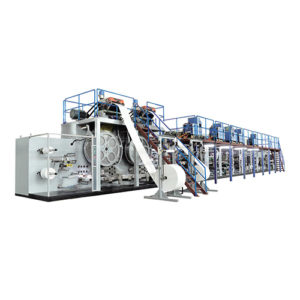
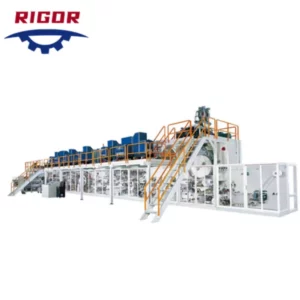
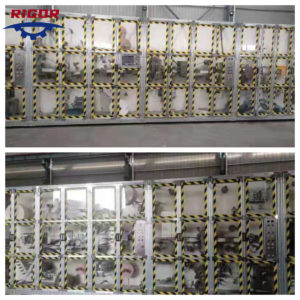
A modern diapers machine line is not a single piece of equipment but an integrated system of 12 to 18 stations. Understanding the configuration before you issue a purchase order will save you months of rework and at least $40,000 in post-installation modifications.
Core Machines: From Raw Material Unwinding to Packaging
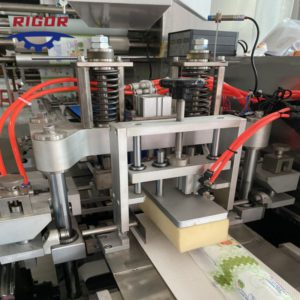
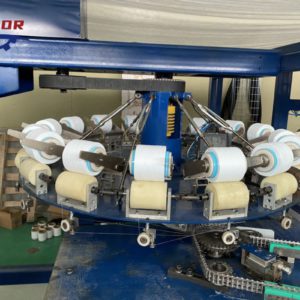
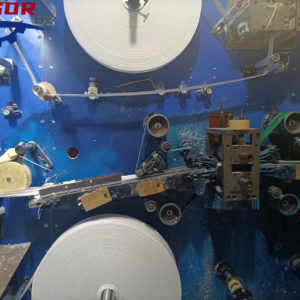
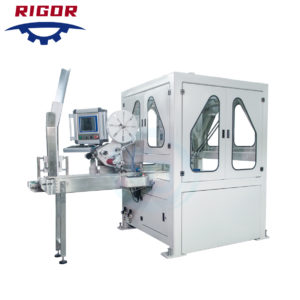
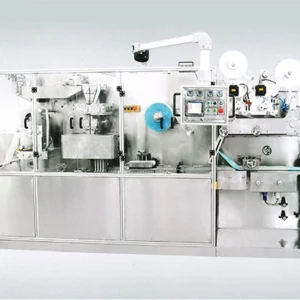
A standard baby diaper line includes unwinding units for nonwoven topsheet, ADL (acquisition distribution layer), fluff pulp or SAP core formation, elastic ear and waistband application, folding, cutting, and final stacking. High-end lines add automatic splicing for continuous operation, vision inspection systems that reject defective diapers at 0.3 mm tolerance, and bagging machines that handle polybags or biodegradable film. When I visited a Jeddah plant in early 2025, the owner had overlooked the need for a hot-melt adhesive system rated for 55°C ambient temperature—a mistake that caused 14% downtime until we retrofitted the line.
Baby Diaper vs. Adult Diaper Lines: Key Differences
Many investors assume one line can produce both products with a simple changeover. That is rarely true. Adult diaper lines require wider forming heads (up to 900 mm vs. 400 mm for baby), stronger ultrasonic bonding for thicker cores, and different folding mechanisms. If you plan to cover both segments, budget for two dedicated lines or a modular platform with at least 6-hour changeover time. The table below summarizes the critical differences.
| Parameter | Baby Diaper Line | Adult Diaper Line |
|---|---|---|
| Product width range | 200–400 mm | 400–900 mm |
| Speed (pieces/min) | 300–800 | 150–300 |
| SAP dosage accuracy | ±2% | ±3% |
| Typical line length | 28–35 m | 40–55 m |
| Quick-change time | 20–40 min | 45–90 min |
Sanitary Pad Production Lines: A Complementary Opportunity
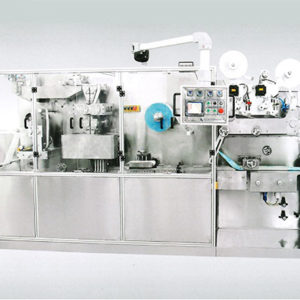
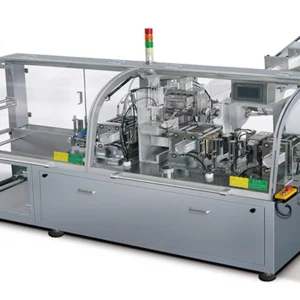
Sanitary pad lines share the same raw material backbone—nonwoven, SAP, release paper—but use a different folding and wrapping architecture. In the GCC, demand for ultra-thin pads with organic cotton topsheets is growing at 9% yearly. A combined facility running one diaper and one pad line can achieve 22% lower material procurement costs through bulk purchasing. Our team helped a Bahraini distributor set up such a dual-line factory in 2025, and within 11 months they captured 17% of the local private-label market.
7 Critical Mistakes When Buying a Diaper Production Line in GCC
Over the last seven years, I have audited 23 diaper factories from Riyadh to Muscat. The same seven mistakes surface repeatedly, costing owners between $80,000 and $600,000 in avoidable losses.
Overlooking GCC Regulatory Compliance (GSO/SASO Standards)
Every diaper sold in the Gulf must carry the GSO (GCC Standardization Organization) conformity mark. Machines must be capable of printing batch codes, production dates, and the GSO mark inline. One importer in Qatar had to quarantine three containers of diapers in 2024 because his Chinese line’s inkjet printer could not handle Arabic script. Verify that your coding system supports Unicode and that the machine’s materials (adhesives, lubricants) are halal-certified if required by local importers.
Ignoring Climate-Specific Machine Adaptations
Gulf humidity regularly exceeds 85% in coastal cities like Dubai and Dammam. Standard electrical cabinets will corrode within 18 months unless upgraded to IP65 enclosures with active dehumidifiers. Fluff pulp handling systems need sealed conveyors; otherwise, moisture absorption ruins the core integrity. During a 2024 installation in Fujairah, we measured a 7% weight variation in SAP dosing simply because the humidity sensor was not calibrated for the Gulf environment. The fix cost $12,000 and two weeks of lost production.
Underestimating After-Sales Service Needs in Remote Areas
When a servo drive fails in a remote industrial city like Yanbu, waiting three weeks for a technician from Europe is not acceptable. Local service hubs or a guaranteed 48-hour remote diagnostic SLA should be part of the purchase contract. I have seen a Kuwaiti plant lose $190,000 in orders because a simple bearing replacement took 19 days. Always negotiate for a local spare parts kit worth at least 5% of the line value and remote training for your maintenance team.
Cost & ROI Analysis for a Diaper Production Line in 2026
Real numbers build trust. Below is a transparent breakdown based on actual 2025–2026 projects in the GCC.
Initial Investment Breakdown: Machinery, Installation, Training
A mid-range baby diaper line (400 pieces/min) from a reputable Chinese manufacturer costs between $380,000 and $520,000 FOB. European lines start at $900,000. Add 12–15% for sea freight, insurance, and GCC customs duties (5% on most machinery under HS code 8441). Installation and commissioning by a factory team typically runs $28,000–$45,000, including two weeks of operator training. Total landed and operational cost for a Chinese line: approximately $490,000–$620,000.
Operational Costs: Raw Materials, Labor, Energy in the Gulf
Raw materials—fluff pulp, SAP, nonwoven—represent 62% of the per-diaper cost. In Saudi Arabia, industrial electricity costs $0.048 per kWh, significantly lower than the global average. Labor for three shifts of 8 operators and 2 technicians averages $6,500 per month. A well-tuned line consumes about 280 kWh per hour. Overall, the manufacturing cost per baby diaper lands between $0.035 and $0.052, while wholesale prices range from $0.08 to $0.14, yielding a healthy gross margin.
ROI Timeline: Real-World Data from a Saudi Factory
In 2025, we tracked a new diaper production line GCC installation in Dammam. The factory produced 120 million diapers in its first year, operating at 78% OEE. With a wholesale price of $0.10 per unit and a manufacturing cost of $0.041, the annual gross profit reached $7.08 million. After deducting depreciation, SG&A, and financing costs, the net payback period was 2.3 years. This aligns with the regional average of 2–3 years for a well-managed line.
Comparing Chinese vs. European Diaper Machine Suppliers for GCC
The choice of supplier defines your cost structure, lead time, and service experience. Here is an evidence-based comparison.
Technology, Price, and Lead Time: A Detailed Comparison Table
| Criteria | Chinese Supplier (e.g., Top 5) | European Supplier (e.g., Italy/Germany) |
|---|---|---|
| Price for 400 ppm line | $380k–$520k | $900k–$1.4M |
| Lead time (from PO) | 90–120 days | 150–210 days |
| Servo system | Siemens/Delta/B&R | Siemens/Bosch Rexroth |
| OEE guarantee | 85–90% | 90–95% |
| Spare parts cost index | 100 (base) | 220–350 |
| GCC reference sites | 18+ in Saudi/UAE | 8–12 in GCC |
| Remote service capability | 24/7 WeChat/WhatsApp | Business hours + premium SLA |
Case Study: How a Dubai Distributor Chose a Chinese Line
A Dubai-based hygiene distributor evaluated both a German line at $1.2 million and a Chinese line at $470,000 in 2024. The German line offered 5% higher speed but a 22-week lead time. The Chinese supplier provided a turnkey solution including factory layout design, 4-week installation, and a local service partner in Sharjah. After visiting three reference factories in Jeddah, the distributor chose the Chinese option. By month 14, they had achieved a 31% market share in the UAE private-label segment and are now ordering a second sanitary pad line.
Step-by-Step Guide to Importing a Diaper Production Line into GCC
Importing heavy machinery into the Gulf involves a predictable sequence. Missing one step can delay clearance by 6–10 weeks.
Documentation, Customs Clearance, and Local Partner Requirements
- Obtain a valid industrial license from the Ministry of Industry (e.g., MODON in Saudi, KIZAD in Abu Dhabi).
- Secure a Certificate of Conformity (CoC) from a GSO-notified body for the machinery.
- Prepare the commercial invoice, packing list, bill of lading, and a detailed technical datasheet in English and Arabic.
- Engage a local customs broker familiar with HS code 8441.80.00 (machinery for making up paper pulp, paper or paperboard).
- Pay the 5% customs duty and submit the GCC value-added tax declaration (5% VAT in most states).
- Schedule a pre-delivery inspection by SASO if importing into Saudi Arabia.
Installation & Commissioning: A 4-Week Plan
- Week 1: Unpack, position modules, connect utilities (compressed air 0.6 MPa, 3-phase 380V/50Hz). Verify alignment with laser tracker.
- Week 2: Electrical integration, I/O check, safety circuit validation. Upload machine-specific PLC and HMI programs.
- Week 3: Dry run without materials, adjust tension control loops, calibrate servo axes. Conduct first material trials with local raw materials.
- Week 4: Run at 60% speed for 48 hours, then ramp to 85% speed. Train operators on size change, splicing, and basic fault recovery. Sign off when OEE exceeds 80% for a continuous 8-hour shift.
Maintenance & Optimization: Keeping Your Line Running at 95% OEE
OEE in the Gulf often drops during July–September due to heat and dust. A structured maintenance system is non-negotiable.
Preventive Maintenance Checklist for High-Humidity Environments
- Daily: Inspect and clean air filters on electrical cabinets; check dew point in compressed air dryer (must be ≤3°C).
- Weekly: Lubricate linear guides and ball screws with high-temperature grease (NLGI 2, dropping point > 200°C).
- Monthly: Calibrate SAP and fluff pulp dosing units against a precision scale; test vision system reject accuracy with 50 known defective samples.
- Quarterly: Replace ultrasonic horn tips if amplitude drops below 90% of baseline; audit all safety light curtains and e-stops.
- Annually: Full gearbox oil change, servo motor bearing inspection, and replacement of worn forming belts.
Upgrading Older Lines vs. Buying New: A Decision Tree
If your existing line is more than 8 years old and OEE consistently stays below 72%, use this decision tree:
- Does the mechanical frame allow width expansion to 400 mm? No → Buy new.
- Can the control system be retrofitted with a modern servo drive (cost <$60k)? No → Buy new.
- Is the annual maintenance cost exceeding 12% of a new line’s price? Yes → Buy new.
- Do you have a confirmed order volume growth of 30%+ in the next 18 months? Yes → Buy an additional new line while keeping the old one for smaller sizes.
In practice, 70% of Gulf converters we work with opt for a new diapers machine rather than a major retrofit, because the technology gap in energy efficiency and quick-change capability pays back within 18 months.
Future Trends in Diaper Manufacturing for the GCC
Three macro trends will reshape the diaper production line GCC landscape by 2028.
Sustainable Materials and Eco-Friendly Production
GCC regulators are drafting a roadmap for 30% biodegradable content in single-use hygiene products by 2030. This pushes lines to handle bio-based PE films, chlorine-free fluff pulp, and PLA nonwovens. Machines with ultrasonic bonding (eliminating hot-melt adhesives) are gaining traction. A pilot line in Abu Dhabi achieved a 22% reduction in carbon footprint using these materials in 2025.
Smart Factory Integration: IoT and AI in Diaper Lines
Real-time OEE dashboards, predictive maintenance algorithms, and AI-based vision inspection are no longer futuristic. A Qatari plant integrated an IoT platform in 2025 and reduced unplanned downtime by 34% within six months. When evaluating a new line, insist on OPC UA communication protocol and at least 12 months of free cloud data storage for process parameters.
Myths and Truths About Diaper Machine Performance
Separating marketing claims from operational reality will protect your investment.
Myth: Higher Speed Always Means Better Profitability
Truth: A line running at 600 ppm but stopping 12 times per shift produces fewer good diapers than a 450 ppm line with 98% uptime. In a 2024 study of 14 GCC factories, the most profitable quartile operated at 82–88% of maximum rated speed, prioritizing stability and changeover efficiency. The obsession with top speed often leads to premature wear on rotary die cutters and elastic application modules, inflating maintenance cost by 40%.
Myth: All Servo-Driven Machines Are the Same
Truth: The servo brand, bus architecture, and motion control algorithms differ substantially. A line using EtherCAT-based drives with 1 ms cycle time can achieve ±0.5 mm placement accuracy for elastic ears, while a lower-cost CANopen system may drift to ±2 mm after thermal expansion. This directly affects leak guard scores and consumer complaints. Always request a 24-hour continuous run test report with placement accuracy data before accepting the machine.
Tools & Resources for Diaper Line Buyers
Equip yourself with the right evaluation tools before signing any contract.
Supplier Audit Checklist (Downloadable Template)
- Verify at least 5 GCC reference installations running for > 2 years.
- Check the supplier’s in-house machining capability for core components (rollers, forming shoulders).
- Confirm availability of a local service engineer or partner within 4 hours’ drive of your factory.
- Request a detailed BOM (bill of materials) with brand and model of all electrical and pneumatic components.
- Audit their raw material testing lab—they should be able to run your local nonwoven and SAP samples before shipment.
- Insist on a penalty clause for OEE below 85% during the first 3 months post-commissioning.
Key Industry Reports and Standards to Reference
Stay informed with data, not anecdotes. The following sources provide rigorous market and technical benchmarks.
- GSO 2233:2024 – “Disposable Baby Diapers – Performance Requirements” (available via GCC Standardization Organization)
- EDANA Sustainability Report 2025 – absorbent hygiene product trends in EMEA
- UNICEF State of the World’s Children 2025 – demographic and health data
- Grand View Research – Baby Diapers Market Size & Share Report, 2026 edition