How to Choose the Right Diaper Production Line in Southeast Asia?
Key Specifications to Evaluate: Speed, Size, and Automation Level
Selecting a diaper production line in Southeast Asia demands a granular understanding of three technical pillars: speed, physical footprint, and automation depth. Production speed is measured in pieces per minute (ppm) and directly dictates your daily output ceiling. A standard baby diaper line might run at 300–500 ppm, while high-end servo-driven models can exceed 800 ppm. However, raw speed without synchronization in stacking and packaging creates bottlenecks. Always request a complete line efficiency guarantee, not just the theoretical unit speed.
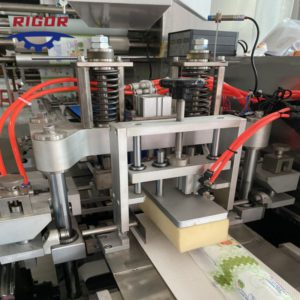
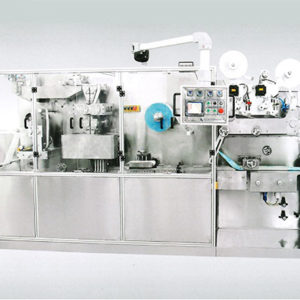
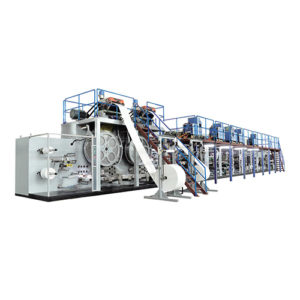
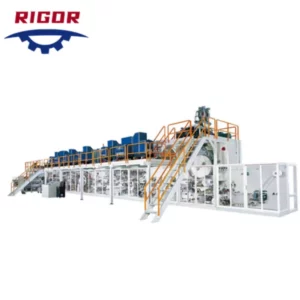
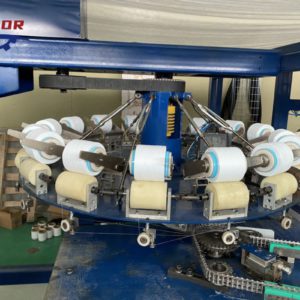
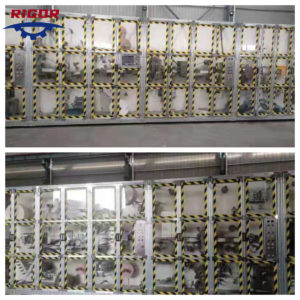
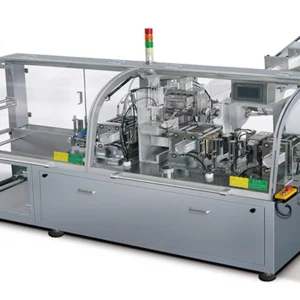
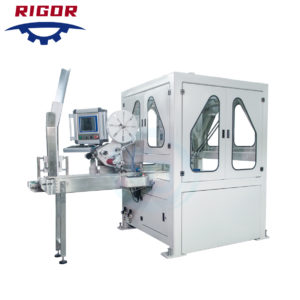
Machine size matters more in markets like Vietnam or Indonesia where industrial land in special economic zones can cost $60–$120 per square meter. A full turnkey line that includes a automatic baby diaper machine , stacker, and bagger typically needs 30–50 meters in length and 8–12 meters in width. Confirm ceiling height requirements too, especially if you plan to install overhead raw material feeding systems.
Automation level is the third lever. Entry-level machines rely on manual splicing and frequent operator adjustments. Mid-range lines offer automatic splicing, web tension control, and recipe management. Top-tier Industry 4.0 lines integrate real-time OEE dashboards, predictive maintenance alerts, and robotic palletizing. In my experience, a semi-automatic line can work for start-ups targeting local markets, but if you plan to export to Australia or the Middle East, you need CE or ISO-certified automation to pass buyer audits.
Understanding Different Types of Diaper Machines: Baby, Adult, and Pull-Up
The term diapering machine covers a broad spectrum, and buying the wrong variant is a costly error. Baby diaper machines are the most common, producing open-style diapers with tape tabs. They are typically configured for sizes NB to XL. Adult diaper machines handle larger dimensions, higher SAP core weights, and often incorporate elastic ear systems for pull-up styles. Adult incontinence demand is surging across Southeast Asia's aging populations, making adult lines a strategic alternative to the saturated baby segment.
Pull-up pant machines require specialized forming drums, ultrasonic bonding units, and side-seam cutting modules. They are more complex mechanically and can cost 30–50% more than a comparable baby diaper line. If your market research shows strong demand for training pants or adult pull-ups, investing in a convertible line that can switch between tape and pant styles with reasonable changeover time is a smart move. I've seen factories in Thailand that started with baby diapers and later added adult pull-up modules without replacing the entire line, simply by upgrading the forming section.
Step-by-Step Guide to Assessing a Supplier's Credibility
Supplier credibility in Southeast Asia is not a binary yes/no; it requires layered verification. First, request at least five references from customers in your target region who have been running the equipment for over two years. Call them directly, ask about downtime frequency, spare parts delivery time, and whether the supplier honored warranty claims. Second, verify certifications like ISO 9001, CE, or SASO if you export to Saudi Arabia. Third, check their R&D investment. A supplier with in-house servo programming and mechanical design teams will support you when you need custom size changes.
Fourth, examine their installed base. A credible supplier should have at least 100 lines operating globally, with a service hub in Southeast Asia. Fifth, conduct a live video audit of their manufacturing floor. Look for organized assembly lines, in-house machining centers, and testing rigs. During one sourcing trip for a client in Nigeria, I discovered a "manufacturer" was actually a trading company assembling parts from three different workshops. Only an on-site inspection revealed the truth.
The Importance of After-Sales Service and Technical Support
After-sales support is the single biggest differentiator when sourcing from Southeast Asia. Many Chinese suppliers offer competitive prices but lack regional service teams, leaving buyers stranded with long email response times. In contrast, suppliers with a dedicated ASEAN service center in Bangkok or Ho Chi Minh City can deploy engineers within 48 hours. Negotiate a service level agreement that specifies response time, remote diagnostic capabilities, and annual preventive maintenance visits.
Training is another pillar. Your operators and maintenance crew need hands-on training during installation and commissioning. I always recommend a 10-day on-site training program covering mechanical setup, PLC troubleshooting, and safety protocols. Some suppliers offer virtual reality training modules now, which accelerate the learning curve. Also, secure a guaranteed spare parts catalog with lead times clearly stated. A missing ultrasonic horn can halt your line for two weeks if it must be shipped from China by sea.
What is the Cost of a Diaper Production Line in Southeast Asia in 2026?
Price Breakdown by Machine Type and Production Capacity
In 2026, the FOB price for a baby diaper production line from Southeast Asian or Chinese suppliers ranges from $180,000 to $1.2 million, depending on speed and automation. A basic 250 ppm baby line with semi-automatic stacking and manual bagging starts around $180,000–$250,000. A mid-tier 450 ppm full servo line with automatic stacker and bagger typically costs $400,000–$600,000. High-speed 800 ppm lines with robotic case packing and Industry 4.0 integration can exceed $1 million.
Adult diaper lines command a premium. A 200 ppm adult open diaper line runs $300,000–$500,000, while a fully automated adult pull-up line can reach $800,000–$1.5 million. The price gap reflects the larger forming drums, stronger motors, and more complex elastic application systems. Pull-up pant machines for both baby and adult sit at the top of the cost curve due to side-seam technology. Always request a detailed bill of materials to compare motor brands, PLC controllers, and sensor quality across quotes.
Hidden Costs: Shipping, Installation, Training, and Maintenance
The invoice price is only 70% of your total landed cost. Ocean freight for a 40-foot container from Shanghai to Jakarta runs $3,500–$5,500 in 2026, but port handling, customs bonds, and inland trucking can add another $2,000–$4,000. Import duties vary wildly: Vietnam applies 0–5% on machinery under certain FTAs, while Indonesia can charge 10–15% plus VAT. You must engage a local customs broker early to avoid warehouse demurrage fees.
Installation and commissioning typically cost $15,000–$30,000 for a standard line, including engineer travel, per diem, and local helper wages. Training is sometimes bundled, but extended programs may cost extra. Maintenance costs average 3–5% of the machine value annually, covering consumables like ultrasonic horns, cutting blades, and belts. In one project in the Philippines, the buyer overlooked the need for a voltage stabilizer and air dryer, adding $8,000 in unplanned infrastructure upgrades before the line could start.
ROI Analysis: How Long to Recoup Your Investment?
With a well-run baby diaper line producing 10 million pieces per month at a gross margin of $0.02 per piece, monthly gross profit reaches $200,000. A $500,000 line can theoretically pay back in 2.5 months of production, but realistic timelines factor in ramp-up, market penetration, and working capital. Most factories I work with achieve full ROI in 14–20 months. Adult diapers offer higher margins—$0.05–$0.08 per piece—but lower volumes initially, stretching payback to 18–24 months.
Location matters. A factory in Thailand exporting to Cambodia and Myanmar under ASEAN trade agreements can reach break-even faster than one in South Africa serving a smaller local market. Your business plan should model three scenarios: optimistic, baseline, and pessimistic, each with different utilization rates and selling prices. I always advise clients to secure off-take agreements with distributors before ordering the machine, reducing the risk of idle capacity.
Financing and Leasing Options for Diaper Production Lines
Outright purchase is not the only path. Several Chinese machinery exporters now offer supplier credit with 30% down and 70% payable over 12–18 months, often backed by Sinosure. This reduces initial capital outlay but ties you to the supplier for spares and upgrades. Equipment leasing is emerging in Southeast Asia through specialized industrial finance firms in Singapore and Malaysia. Leasing can preserve bank credit lines for raw materials and working capital.
Government SME support programs in Vietnam and Indonesia sometimes subsidize machinery purchases for local manufacturing, offering interest rate buy-downs or tax holidays. For larger projects, development finance institutions like IFC or ADB may provide long-term loans for hygiene product manufacturing that serves low-income communities. Prepare a solid business plan and a feasibility study; financiers want to see demand projections, cost breakdowns, and management team experience.
Which Southeast Asian Country is Best for Diaper Production?
Comparing China, Vietnam, Thailand, and Indonesia for Diaper Manufacturing
Each country presents a distinct value proposition. China remains the machinery manufacturing hub, but for production base location, Vietnam, Thailand, and Indonesia compete fiercely. The table below summarizes key differences for a diaper factory setup in 2026.
| Factor | China (Guangdong) | Vietnam (Binh Duong) | Thailand (Rayong) | Indonesia (West Java) |
|---|---|---|---|---|
| Labor Cost (monthly, skilled operator) | $600–$800 | $350–$500 | $450–$600 | $300–$450 |
| Industrial Electricity (per kWh) | $0.08–$0.10 | $0.07–$0.09 | $0.10–$0.12 | $0.08–$0.11 |
| Corporate Income Tax | 25% (15% for high-tech) | 20% (10% for incentivized sectors) | 20% (BOI incentives possible) | 22% (tax holidays in SEZs) |
| Import Duty on Machinery | 0–5% (domestic) | 0% under ASEAN-China FTA | 0–5% under various FTAs | 0–5% (some exemptions) |
| Infrastructure Quality | Excellent | Good and improving | Very good | Moderate, logistics challenges |
| Key Advantage | Supply chain depth, machinery proximity | Low labor cost, stable politics, FTAs | Strong logistics, ASEAN hub | Huge domestic market, low wages |
Labor Costs, Infrastructure, and Government Incentives
Vietnam has become a darling for diaper manufacturers targeting North Asia and ASEAN. The minimum wage in industrial zones like Binh Duong is around $180–$220 per month, and the workforce is young and trainable. However, skilled PLC technicians are scarcer than in Thailand, so you may need to bring in foreign trainers. Thailand offers superior logistics infrastructure with deep-sea ports at Laem Chabang and a mature automotive and electronics supply chain that benefits precision machine maintenance.
Indonesia's large population of 280 million creates a massive domestic market, reducing reliance on exports. Government incentives under the Omnibus Law include tax holidays for pioneer industries, which can include hygiene product manufacturing. However, inter-island logistics and customs bureaucracy can increase lead times. When I helped set up a line in Surabaya, we faced a three-week delay in clearing a critical spare part because of port congestion. Plan buffer stock accordingly.
Case Study: Successful Diaper Factories in Southeast Asia
A notable example is a Vietnamese factory that started in 2022 with a single 400 ppm baby diaper line. By 2025, they had expanded to three lines, including an adult pull-up line, exporting 60% of output to the Philippines and Cambodia. They leveraged the ASEAN Free Trade Area to ship duty-free, giving them a 12% price advantage over Chinese imports. Their secret was partnering with a supplier that provided a resident engineer for the first six months, drastically reducing downtime.
In Thailand, a joint venture with a Japanese trading house set up a high-speed 800 ppm line in Rayong, targeting premium private label diapers for Australia. They invested heavily in an automatic baby diaper machine with AI vision inspection, achieving a defect rate below 0.1%. This factory now serves as a benchmark for quality in the region, proving that technology investment pays off in export markets.
Export Advantages and Trade Agreements in the Region
Southeast Asia's web of trade agreements is a strategic asset. The Regional Comprehensive Economic Partnership (RCEP) links ASEAN with China, Japan, South Korea, Australia, and New Zealand, slashing tariffs on most goods. A diaper factory in Vietnam can export to Japan under RCEP with preferential rates, while a Thai factory can serve the Middle East under the Thailand-GCC FTA negotiations. The African Continental Free Trade Area also opens opportunities for Southeast Asian-made diapers heading to South Africa and beyond.
Rules of origin are critical. To qualify for tariff preferences, you typically need 40% regional value content. This means sourcing fluff pulp from Thailand, SAP from Japan, and nonwoven from China can still qualify if assembly happens in Vietnam. Work with a trade lawyer to structure your supply chain for maximum FTA utilization. In my experience, factories that actively manage their origin certificates enjoy 5–15% cost advantages over competitors who simply pay full duties.
What are the Common Mistakes When Sourcing Diaper Machines from Southeast Asia?
Overlooking Quality Certifications and International Standards
One of the most frequent and costly mistakes is ignoring certifications until a shipment arrives at the destination port. Many buyers focus solely on price and production speed, only to discover their machine lacks CE marking, preventing customs clearance in markets like Egypt or South Africa. Similarly, if you plan to export to Saudi Arabia, SASO certification is mandatory. Always request valid certificates for the exact model you are purchasing, not a generic company certificate.
Electrical standards also trip up first-time buyers. A machine wired for 380V 50Hz may need modifications for countries using 220V 60Hz or 480V systems. I recall a project in Russia where the buyer assumed the Chinese supplier would handle the voltage conversion, but the transformer and control panel modifications cost an extra $12,000 and delayed startup by six weeks. Spell out every electrical and safety standard requirement in the purchase contract.
Ignoring Local Regulations and Import Duties
Each Southeast Asian country has its own labyrinth of import regulations. Indonesia requires an SNI mark for finished diapers, and the machinery used may need to comply with local safety regulations. Vietnam's Decree 38/2021 on machinery import requires specific documentation for used equipment. If you buy a refurbished line without proper paperwork, it could be rejected at customs. Always hire a local consultant or lawyer to review your import plan.
Import duties can also erode your budget if not properly classified under the Harmonized System code. A complete diaper production line might be classified as individual components to reduce duty, but this requires careful invoicing and customs valuation. I have seen buyers pay 15% duty on the entire line because the supplier shipped it as a single unit without itemizing the parts. Work with a freight forwarder experienced in industrial machinery to optimize your tariff exposure.
Choosing Price Over Quality: The Long-Term Consequences
The allure of a $120,000 baby diaper line from an unverified supplier is strong, but the hidden costs quickly multiply. Low-cost machines often use generic PLCs that lack remote diagnostic capability, forcing you to fly in a technician for every fault. Inferior steel in forming drums can wear out within 18 months, causing inconsistent product dimensions and high scrap rates. In one case, a buyer in Bangladesh saved $80,000 upfront but spent over $200,000 in the first two years on emergency repairs, lost production, and customer returns due to quality issues.
Quality components like Siemens or Mitsubishi servos, Omron sensors, and hardened steel cutting tools have a higher initial cost but deliver longer service intervals and better product consistency. When evaluating quotes, ask for the brand and model of every major component. A transparent supplier will provide a detailed configuration list. If they refuse, walk away.
Not Visiting the Factory or Conducting Proper Due Diligence
Virtual communication has improved, but nothing replaces an on-site factory audit. During a visit, you can assess assembly quality, worker skill levels, and whether the supplier actually manufactures critical parts or merely assembles outsourced modules. I always check the machining workshop for CNC centers, the testing area for running lines, and the spare parts warehouse for organization. A supplier that runs its own machines in a test bay before shipping is far more reliable than one that ships directly from the assembly floor.
Due diligence also extends to financial health. Request audited financial statements or at least a credit report. A supplier on the verge of bankruptcy may deliver a machine but disappear when you need warranty support. In Southeast Asia, local agents can help verify a supplier's reputation through industry networks. Spending $2,000 on a factory visit and background check can save you from a $500,000 disaster.
What are the Latest Trends in Diaper Production Line Technology?
Industry 4.0 and Smart Manufacturing in Diaper Lines
By 2026, Industry 4.0 is no longer a buzzword but a operational necessity for competitive diaper factories. Smart manufacturing integrates IoT sensors, edge computing, and cloud-based MES platforms to provide real-time visibility into OEE, energy consumption, and predictive maintenance alerts. A modern diapering machine can automatically adjust tension, temperature, and adhesive application based on ambient conditions, reducing operator intervention and material waste.
Digital twins are gaining traction. Before commissioning, engineers can simulate line behavior under different product specifications, identifying bottlenecks and optimizing changeover sequences. This reduces commissioning time by up to 30%. In a recent project in Thailand, we used a digital twin to pre-configure a line for three different diaper sizes, cutting physical trial runs from two weeks to three days. The investment in smart sensors and connectivity adds 8–12% to the machine cost but typically pays back within a year through efficiency gains.
Eco-Friendly and Sustainable Diaper Production
Sustainability pressures are reshaping machine design. Consumers and regulators in Europe and Australia are demanding thinner cores, plant-based materials, and reduced plastic packaging. New diaper lines now incorporate ultrasonic bonding to replace hot-melt adhesives, reducing chemical content and energy use. Biodegradable film unwinding units with precise tension control are essential for handling delicate bio-based backsheets that tear easily on older machines.
Energy recovery systems capture heat from the drying section to pre-heat combustion air for the thermal oxidizer, cutting natural gas consumption by 15–20%. Some suppliers offer closed-loop water cooling for hydraulic units, reducing water waste. If you aim to export to EU markets under the new EU Deforestation Regulation or future eco-label criteria, your machinery must be capable of processing certified sustainable fluff pulp and maintaining chain-of-custody documentation. I advise buyers to include "future-proofing for sustainable materials" in their technical specifications.
The Rise of Adult Incontinence Products and Its Impact on Machinery
The adult diaper market in Southeast Asia is growing at 8–10% annually, driven by aging demographics in Thailand, Vietnam, and China. This shift is pushing machinery suppliers to develop flexible platforms that can switch between baby and adult products with minimal downtime. Quick-change forming drums, adjustable SAP dosing systems, and modular side-panel applicators allow a single line to produce both baby diapers and adult briefs.
Adult pull-up pants require specialized side-seam bonding technology. Ultrasonic seaming has become the preferred method over thermal bonding because it produces softer, more garment-like seams that appeal to adult users concerned with discretion. The latest adult lines also incorporate wetness indicator printing and discrete packaging modules. Investing in adult-capable machinery diversifies your revenue and insulates your business from declining birth rates in some ASEAN countries.
Automation and AI in Quality Control
AI-powered vision inspection is revolutionizing quality control. High-resolution cameras with machine learning algorithms detect defects like missing tapes, skewed elastic, or contaminated SAP at full production speed. Unlike traditional sensor-based systems, AI vision can learn new defect patterns and reduce false reject rates. One factory I visited in Ho Chi Minh City installed an AI system that reduced customer complaints by 40% within three months, paying back the $25,000 investment in under a quarter.
Robotics are moving beyond palletizing. Collaborative robots now handle raw material splicing, reducing operator strain and splice-related downtime. Automated guided vehicles transport finished rolls from the line to the warehouse, integrating with WMS software. These technologies address labor shortages and rising wages in Southeast Asia, making 24/7 operation more feasible with fewer staff. When specifying a new line, ensure the control architecture supports future integration of AI cameras and cobots.
How to Operate and Maintain a Diaper Production Line for Maximum Efficiency?
Daily, Weekly, and Monthly Maintenance Checklists
Disciplined maintenance is the foundation of high OEE. Daily checks should include visual inspection of forming drum surfaces for adhesive build-up, verification of SAP and fluff core weights, and cleaning of photo-eye sensors. Operators must log any unusual vibration or noise from gearboxes and servo motors. A 10-minute daily checklist prevents small issues from escalating into line stoppages.
Weekly tasks involve greasing linear bearings, checking belt tensions, and inspecting ultrasonic horn tips for wear. Monthly maintenance should cover oil changes in gearboxes, calibration of load cells and temperature controllers, and thorough cleaning of electrical cabinets to prevent dust accumulation. I recommend using a computerized maintenance management system to schedule and track these tasks. In a factory I consulted for in Indonesia, implementing a CMMS reduced unplanned downtime by 22% in the first year.
Training Your Workforce: Best Practices for Diaper Machine Operation
A well-trained operator is worth more than any sensor. Develop a structured training program that combines classroom theory with hands-on practice. Operators should understand the function of each station: core forming, tissue application, elastic gluing, and folding. They must be able to read basic PLC error codes and perform safe emergency stops. Cross-training operators on multiple stations creates flexibility and reduces dependency on single individuals.
Use video standard operating procedures (SOPs) accessible via tablets on the shop floor. These videos demonstrate correct threading paths, splice sequences, and cleaning methods. In my experience, visual SOPs reduce training time by 30% compared to text manuals. Also, conduct monthly skill assessments and tie performance bonuses to quality metrics and waste reduction. Empowered operators who take ownership of their stations will catch problems before the quality control system does.
Troubleshooting Common Issues in Diaper Production
Elastic detachment is a frequent headache. Root causes include insufficient glue temperature, worn glue nozzles, or incorrect tension settings. A systematic troubleshooting flow—check temperature, then nozzle pattern, then tension—resolves 90% of cases. Core weight variation often stems from inconsistent fluff pulp feeding or SAP dosing calibration. Regularly calibrate the SAP feeder and hammer mill to maintain ±5% tolerance.
Web breaks can be caused by poor splice quality, tension spikes, or damaged rollers. Installing automatic splice detectors and web break sensors can stop the line instantly, minimizing waste. I recall a case where a factory struggled with intermittent web breaks for weeks. The culprit was a worn anvil roller on the ultrasonic unit that created micro-tears in the nonwoven. Only a detailed roller inspection revealed the issue. Never overlook mechanical wear when troubleshooting.
Spare Parts Management and Inventory Optimization
Spare parts inventory is a balancing act between cash flow and uptime. Critical spares like forming drums, ultrasonic stacks, and servo drives have lead times of 4–12 weeks and should be kept in stock. Classify parts using ABC analysis: A items are high-cost, long-lead-time parts; B items are medium cost and lead time; C items are low-cost consumables. Keep at least one unit of each A item, a few B items, and a larger stock of C items like belts, blades, and filters.
Negotiate a consignment stock agreement with your machinery supplier. They place a set of critical spares at your site, and you pay only when you use them. This reduces upfront inventory cost while ensuring availability. For factories in remote areas of Myanmar or Laos, I recommend holding an extra two months of consumables due to logistics uncertainties. Use a simple inventory tracking system, even a spreadsheet, to avoid stock-outs of essential items.
Where to Find Reliable Diaper Production Line Suppliers in Southeast Asia?
Top Trade Shows and Exhibitions for Diaper Machinery
Attending industry trade shows is the fastest way to compare multiple suppliers and see machines in operation. In Southeast Asia, the leading events include ProPak Asia in Bangkok (June), VietPlas in Ho Chi Minh City, and the ASEAN Nonwovens and Hygiene Technology Symposium. In China, the CIDPEX exhibition in Nanjing or Wuhan is the world's largest hygiene machinery show, attracting over 800 exhibitors. Plan your visit with a clear checklist: target suppliers, technical questions, and samples of your desired product.
Trade shows also offer the chance to meet component suppliers like glue system manufacturers, SAP producers, and packaging material vendors. Building these relationships can lead to better pricing and technical support. I always advise buyers to attend at least one major show before finalizing a purchase. The face-to-face interaction and ability to see live demos provide insights that no brochure or video call can replicate.
Online B2B Platforms and How to Use Them Effectively
Alibaba, Made-in-China, and Global Sources are the dominant online platforms for sourcing diaper machinery. However, they require careful navigation. Verify supplier badges like "Assessed Supplier" or "Trade Assurance," but do not rely on them alone. Request a video tour of the factory floor, not just the showroom. Use the platform's messaging system to ask detailed technical questions and gauge the supplier's responsiveness and expertise.
When posting a buying lead, be specific about your required speed, product type, and budget range. Vague inquiries attract generic responses. Filter suppliers by those who have exported to your region and ask for local reference contacts. Be aware that many listings are from trading companies rather than manufacturers. A genuine manufacturer will have detailed machine specifications, CAD drawings, and installation photos on their profile. I have successfully sourced several lines through B2B platforms by conducting rigorous virtual due diligence before any payment.
Recommended Industry Associations and Directories
Industry associations provide vetted supplier directories and market intelligence. The Asia Nonwoven Fabrics Association (ANFA) and the European Disposables and Nonwovens Association (EDANA) maintain member lists that include reputable machinery manufacturers. The Thai Diaper Manufacturers Association and the Vietnam Hygiene Paper Association are regional resources worth joining. These associations often host technical seminars where you can learn about the latest technologies and meet suppliers in a neutral setting.
Consultants specializing in hygiene manufacturing can also provide pre-screened supplier shortlists. They typically charge a success fee or a fixed project fee, but their knowledge can prevent costly mistakes. In my practice, I maintain a database of over 50 global suppliers with performance ratings based on client feedback. Leveraging such expertise accelerates your sourcing process and reduces risk.
How to Leverage Local Agents and Consultants for Sourcing
Local agents based in China, Vietnam, or Thailand act as your eyes and ears on the ground. They can conduct preliminary factory audits, negotiate pricing in the local language, and handle logistics. A good agent will have technical knowledge of diaper machinery, not just general sourcing experience. Ask for their track record in hygiene equipment specifically. Their fee (typically 3–8% of the contract value) is often offset by the discounts and better terms they can negotiate.
When engaging an agent, sign a clear agreement that defines their scope: supplier identification, factory audit, price negotiation, quality inspection during manufacturing, and shipment coordination. Maintain direct communication with the supplier as well, to avoid information asymmetry. I recall a situation where an agent in China helped a South African buyer uncover that the quoted machine used a refurbished main motor, saving the buyer $15,000 in future repairs. A trustworthy agent is an investment, not an expense.
Finding the right diaper production line in Southeast Asia is a multidimensional decision that blends engineering, finance, and regional strategy. Whether you settle on a high-speed automatic baby diaper machine in Thailand or a flexible adult line in Vietnam, the principles remain the same: validate the supplier, calculate total cost of ownership, and build a skilled team to run the equipment. The region's dynamic trade landscape and growing demand for hygiene products make now an opportune time to invest. Start by mapping your market, visiting a trade show, and talking to factory owners who have already walked the path. Their insights, combined with the technical and financial frameworks outlined here, will guide you to a profitable and sustainable diaper manufacturing operation.
References and Further Reading
- EDANA Nonwovens and Hygiene Industry Statistics
- Asia Nonwoven Fabrics Association Market Reports
- World Bank East Asia and Pacific Economic Data
- ASEAN Economic Community Trade Agreements
- CIDPEX China International Disposable Paper Expo
- ProPak Asia Processing and Packaging Exhibition