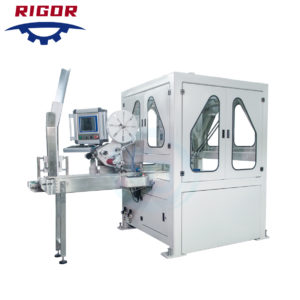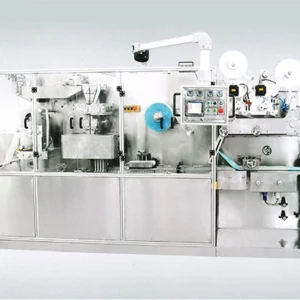
The global sanitary napkin market is projected to reach $30 billion by 2028, with emerging economies in South America, Africa, and Southeast Asia driving demand. For entrepreneurs entering this space, selecting the right machinery is critical. This comprehensive guide explains how sanitary napkin machines work, compares Indian and Chinese manufacturers, reveals common purchasing mistakes, and breaks down the true cost in 2026. Whether you're in Brazil, Kenya, or Vietnam, you'll find actionable insights to make an informed investment.
How Does a Sanitary Napkin Machine Work?
Understanding the mechanics behind a sanitary napkin machine is the first step toward efficient production. Modern machines integrate multiple processes into a seamless flow, transforming raw materials into finished pads within seconds. Let's break down the core components and operation.
Overview of the Production Process
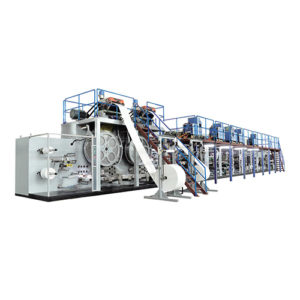
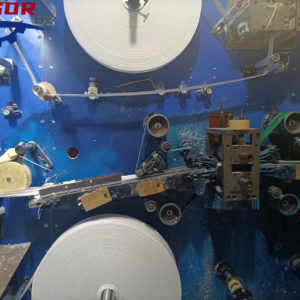
The production line typically starts with wood pulp or fluff pulp being fed into a hammer mill. The mill defibrates the pulp into a fluffy, absorbent core. Simultaneously, a superabsorbent polymer (SAP) is mixed in to enhance fluid retention. The core is then wrapped in a non-woven fabric and sealed with a polyethylene backsheet. A release paper strip is applied for adhesive protection, and the continuous web is cut into individual pads, folded, and packed. The entire process is synchronized by a PLC control system, ensuring consistency and speed.
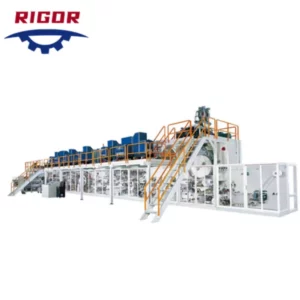
For high-capacity operations, a sanitary napkin production line can reach speeds of up to 800 pieces per minute. Smaller semi-automatic lines are better suited for startups, with outputs around 100–200 pieces per minute. The choice depends on your target market and budget.
Key Components and Their Functions
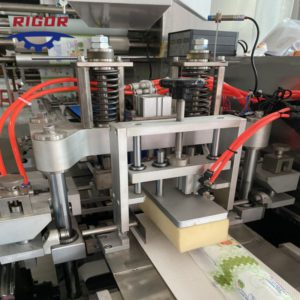
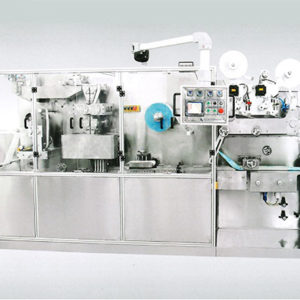
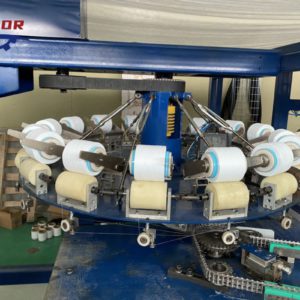
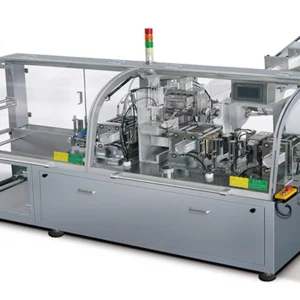
Every sanitary napkin machine consists of several critical modules. The pulp defibration unit breaks down raw pulp sheets. The core forming drum shapes the absorbent pad using vacuum suction. The embossing station presses patterns to improve fluid distribution. The cutting unit slices the continuous pad into precise lengths. Finally, the packaging unit wraps the pads individually or in bundles. A central PLC touchscreen allows operators to adjust speed, length, and temperature parameters in real time.
Maintaining these components is essential for longevity. Regular lubrication of the cutting blades and cleaning of the forming drum prevent downtime. I've seen many factories in Southeast Asia neglect this, leading to costly repairs within the first year.
Types of Sanitary Napkin Machines (Full-Automatic, Semi-Automatic)
Broadly, machines fall into two categories. Full-automatic models handle everything from raw material feeding to final packaging with minimal human intervention. They are ideal for large-scale manufacturers targeting national distribution. Semi-automatic machines require manual feeding of certain materials or manual packaging, but they cost significantly less and are easier to operate for small businesses. When choosing a sanitary napkin machinery , consider your production volume and labor costs.
In my experience working with a startup in Peru, a semi-automatic machine was the perfect entry point. They later upgraded to a full-automatic line once their brand gained traction in local supermarkets.
Step-by-Step Operation Guide
Operating a sanitary napkin machine involves a standard sequence. First, load the raw materials: fluff pulp, non-woven rolls, PE film, and adhesive. Second, power up the PLC panel and set parameters like pad length and speed. Third, run a test batch to check for alignment and absorbency. Fourth, monitor the production run, periodically inspecting pad quality. Finally, shut down the machine and perform daily cleaning. Always follow lockout-tagout procedures during maintenance to ensure operator safety.
New operators should undergo at least 40 hours of training. Many manufacturers provide video tutorials or on-site support, which is crucial for avoiding early-stage errors.
Indian vs. Chinese Sanitary Napkin Machines: Which Should You Choose?
The debate between Indian and Chinese machinery is common among buyers in Africa and the Middle East. Both countries offer distinct advantages, but your decision should hinge on technology, price, and after-sales support.
Quality and Technology Comparison
Chinese manufacturers, particularly those based in Guangdong and Fujian, have invested heavily in automation and precision engineering. Their machines often feature servo-driven systems, IoT connectivity, and higher production speeds. Indian machines, while robust, tend to use simpler mechanical designs and are more labor-intensive. For instance, a Chinese full-automatic line can integrate real-time defect detection, whereas most Indian models rely on manual quality checks.
However, Indian machines are known for their durability in harsh environments. If your facility lacks climate control, an Indian machine with fewer electronic components might be more reliable. It's a trade-off between high-tech efficiency and rugged simplicity.
Price Comparison: India vs. China
Below is a quick comparison of average costs and features. Note that these prices are indicative for 2026 and vary by model.
| Aspect | Indian Machines | Chinese Machines |
|---|---|---|
| Entry-Level Price | $7,000 – $12,000 | $10,000 – $18,000 |
| High-Capacity Price | $25,000 – $40,000 | $30,000 – $70,000 |
| Automation Level | Semi-automatic common | Full-automatic standard |
| Speed (pads/min) | 100 – 300 | 200 – 800 |
| Warranty | 1 year typical | 1–2 years |
While Chinese machines may have a higher upfront cost, they often deliver lower per-unit production costs due to speed and efficiency. Indian machines appeal to budget-conscious buyers, but hidden costs can emerge later.
After-Sales Service and Support
This is where the two countries diverge sharply. Chinese suppliers frequently offer comprehensive after-sales packages, including remote troubleshooting, on-site installation by engineers, and readily available spare parts through global logistics networks. Indian manufacturers excel in domestic support but often lack a robust international service infrastructure. If you're based in South Africa or Brazil, getting an Indian technician on-site may take weeks, whereas major Chinese firms maintain regional service hubs.
I recall a case where a buyer from Kenya initially opted for a cheaper Indian machine but later faced issues with spare parts availability. He waited two months for a replacement gearbox, halting production entirely. He eventually switched to a Chinese full-automatic line and valued the responsive support.
Case Study: A Buyer’s Experience
Last year, a client from Dubai contacted me after purchasing an Indian semi-automatic machine that failed to meet his production targets. The advertised speed was 250 pads per minute, but in reality, it consistently ran at 160 due to frequent jams. We analyzed the specs and realized the machine's feeding mechanism was underpowered for the chosen materials. He sold the machine at a loss and invested in a Chinese full-automatic line with servo control. Within three months, his output increased by 40%, and the payback period shortened dramatically. This experience underscores the importance of verifying performance claims through factory visits or third-party inspections.
What Are the Top Mistakes to Avoid When Buying a Sanitary Napkin Machine in India?
India is a major hub for affordable sanitary napkin machinery, but first-time buyers often stumble into traps that inflate costs and delay production. Here are the most critical errors to avoid.
Not Checking Manufacturer Credentials
Many small workshops in India sell machines without proper certifications or quality control. Always verify the manufacturer's export history, ISO certifications, and client references. A legitimate supplier should have a verifiable track record and be willing to share video of their factory floor. In my experience, a simple Google search and a call to past customers can save you from purchasing a lemon. I once helped a buyer in Nigeria who almost wired funds to a company that had no physical address—only a virtual office.
Overlooking Hidden Costs (Shipping, Installation, Training)
The sticker price is just the beginning. Shipping a machine from India to South America can cost $2,000 to $5,000 depending on size. Customs duties may add another 10–30%. Then there's installation: unless you have an in-house engineer, you'll need to fly in a technician or pay for remote guidance. Training your staff can take a week or more. I recall a buyer in Brazil who paid $3,000 for a machine but ended up spending an additional $2,500 on freight and import duties, nearly doubling his investment. Always request a detailed CIF (Cost, Insurance, Freight) quote upfront.
Ignoring After-Sales Support and Spare Parts Availability
Spare parts for Indian machines can be challenging to source internationally. Common wear items like cutting blades, heating elements, and belts should be stocked from day one. Ask the manufacturer for a recommended spare parts list and their average dispatch time. A colleague in South Africa learned this the hard way when his machine's PLC failed. The Indian supplier took three weeks to ship a replacement, causing significant order backlogs.
Choosing Based on Price Alone
Price shopping is natural, but the cheapest machine often becomes the most expensive in the long run. Low-cost machines may use inferior steel, outdated electronics, or lack safety features. Consider total cost of ownership (TCO) rather than just the purchase price. A machine that costs $5,000 less but requires $10,000 in repairs over two years is a poor investment. Balance your budget with quality and support.
What is the True Cost of a Sanitary Napkin Machine in India in 2026?
Calculating the real cost involves more than the invoice amount. From freight to financing, every variable affects your bottom line. Let's dissect the numbers.
Price Breakdown by Machine Type and Capacity
As of 2026, a basic semi-automatic machine producing 100–150 pads per minute ranges from $7,000 to $12,000. A mid-range full-automatic model with 300–400 pads per minute costs between $20,000 and $35,000. High-speed lines exceeding 600 pads per minute can reach $50,000 to $80,000, especially if they include servo drives and automatic packaging. These prices are ex-works (EXW) and do not include shipping or taxes.
Additional Costs: Shipping, Customs, Installation
For a typical 20-foot container from India to Mombasa, Kenya, freight charges run about $3,500. Customs duties in East Africa often hover around 25% of CIF value. Installation by a factory engineer may cost $1,500 plus travel expenses. Training and initial raw material inventory can add another $2,000. Thus, a $15,000 machine can easily require a total outlay of $25,000 before the first pad is produced. Always budget for these extras to avoid cash flow shocks.
ROI Analysis: How Quickly Can You Recoup Your Investment?
I recently helped a women's cooperative in Kenya calculate their ROI. They invested $18,000 in a semi-automatic machine (including all ancillary costs). With local raw material sourcing, their production cost per pad was $0.04. Selling at $0.12 per pad to local retailers, they generated a gross margin of $0.08 per pad. At a modest output of 40,000 pads per month, monthly gross profit reached $3,200. They broke even in less than six months. This rapid payback is common in underserved markets where demand outstrips supply.
For larger operations, a $50,000 machine producing 500,000 pads monthly can achieve break-even in 12–18 months, depending on marketing and distribution efficiency. The key is to secure reliable raw material suppliers and understand your local competitive landscape.
Financing Options and Government Subsidies
In India, the government's "Stand-Up India" scheme offers loans to women entrepreneurs for manufacturing units, which can cover sanitary napkin production. Similarly, several African nations provide grants for feminine hygiene projects. In South America, development banks like BNDES in Brazil offer low-interest industrial loans. Explore these avenues before committing your own capital. Some Chinese and Indian manufacturers also offer deferred payment terms for repeat buyers.
What Are the Latest Trends in the Sanitary Napkin Machine Industry?
The industry is evolving rapidly, shaped by technology, sustainability, and shifting consumer preferences. Staying ahead of these trends can give your business a competitive edge.
Automation and IoT in Manufacturing
Industry 4.0 is making its way into sanitary napkin production. Modern machines now feature IoT sensors that monitor vibration, temperature, and output in real time. This data feeds into cloud dashboards, enabling predictive maintenance and reducing unplanned downtime. For example, a Chinese manufacturer recently launched a line that automatically adjusts pad thickness based on real-time absorbency tests. Such automation minimizes waste and ensures consistent quality. If you're planning a high-volume plant, investing in IoT-enabled machinery can lower long-term operational costs.
Eco-Friendly and Biodegradable Materials
Consumer demand for sustainable products is pushing manufacturers to adapt machines for biodegradable materials. Bamboo fiber, organic cotton, and cornstarch-based backsheets require specific handling to avoid tearing. Newer machines feature adjustable tension controls and temperature settings to process these delicate materials. In 2026, we see a surge in "green" sanitary napkin lines in Europe and North America, with emerging markets following suit. A machine that can handle both traditional and eco-friendly materials offers greater flexibility as regulations tighten.
Market Growth in South America, Africa, and Southeast Asia
According to a 2025 report by Euromonitor, the sanitary protection market in Africa is growing at 8% CAGR, while Southeast Asia sees 6% growth. Rising disposable incomes and government initiatives to promote menstrual hygiene are key drivers. In Brazil, the government's distribution of free pads in public schools has spurred local production. This creates a massive opportunity for small and medium manufacturers. By setting up a local sanitary napkin production line, you can tap into these expanding markets with shorter supply chains and lower logistics costs.
Impact of Government Policies in India
India's "Make in India" campaign and the imposition of import duties on finished sanitary pads have boosted domestic machine manufacturing. However, recent quality control orders require manufacturers to meet BIS standards, which has raised the bar for machinery precision. If you're buying an Indian machine for export, ensure it complies with the destination country's regulations as well. Some Indian states also offer capital subsidies for setting up sanitary pad units, making it an attractive sourcing destination.
What Tools and Resources Can Help You Source Sanitary Napkin Machines?
Finding the right supplier requires a mix of online research, industry networking, and due diligence. Here are the most effective tools and resources for 2026.
Top B2B Platforms for Machinery (Alibaba, IndiaMART, etc.)
Alibaba remains the largest global platform for sourcing a sanitary napkin production line , with hundreds of verified Chinese suppliers. IndiaMART is the go-to for Indian manufacturers. When using these platforms, filter by "Trade Assurance" or "Verified Supplier" to reduce risk. Always request a video call to see the machine in operation and ask for recent buyer references. I've found that suppliers who hesitate to provide live demonstrations often have something to hide.
Industry Trade Shows and Exhibitions in 2026
Attending trade shows gives you hands-on experience with machines. In 2026, key events include: Sino-Female Hygiene Products Expo (Shanghai, April), Africa Hygiene Expo (Nairobi, June), and INDEX (Geneva, October). These shows attract global manufacturers and offer opportunities to negotiate directly. Plan your visit by pre-registering and scheduling meetings with target suppliers. I always advise clients to bring raw material samples to test on the spot.
Free Download: Sanitary Napkin Machine Buyer’s Checklist
To simplify your sourcing process, we've compiled a comprehensive checklist covering 20 critical points—from verifying CE certifications to assessing PLC brand. Download the free PDF here to ensure you don't miss any detail during supplier evaluation.
How to Use Google Trends and Market Reports
Before committing to a market, use Google Trends to analyze search interest for "sanitary pads" in your target country. Combine this with free reports from UN Comtrade or paid reports from Euromonitor to understand import volumes and local competition. For instance, a spike in imports in Nigeria might indicate unmet demand. This data-driven approach helps you size the opportunity and tailor your machine capacity accordingly. I've seen clients avoid saturated markets by simply checking these free tools.
Ready to Launch Your Sanitary Napkin Production?
Investing in a sanitary napkin machine is a significant step toward building a profitable, socially impactful business. Whether you choose an Indian semi-automatic model or a Chinese high-speed line, the key is thorough research and realistic budgeting. At Diaper Machine Manufacturer, we specialize in connecting global buyers with reliable machinery and providing end-to-end support. Contact our team today for a personalized consultation, or download our buyer's checklist to start your sourcing journey with confidence. Your market is waiting—take the first step now.
References
- Euromonitor International, Sanitary Protection Market Report 2025
- Alibaba.com – Global B2B Platform for Machinery
- IndiaMART – Indian Manufacturers Directory
- Make in India Initiative, Government of India
- International Trade Administration, Market Research
- ISO Standards for Manufacturing Equipment