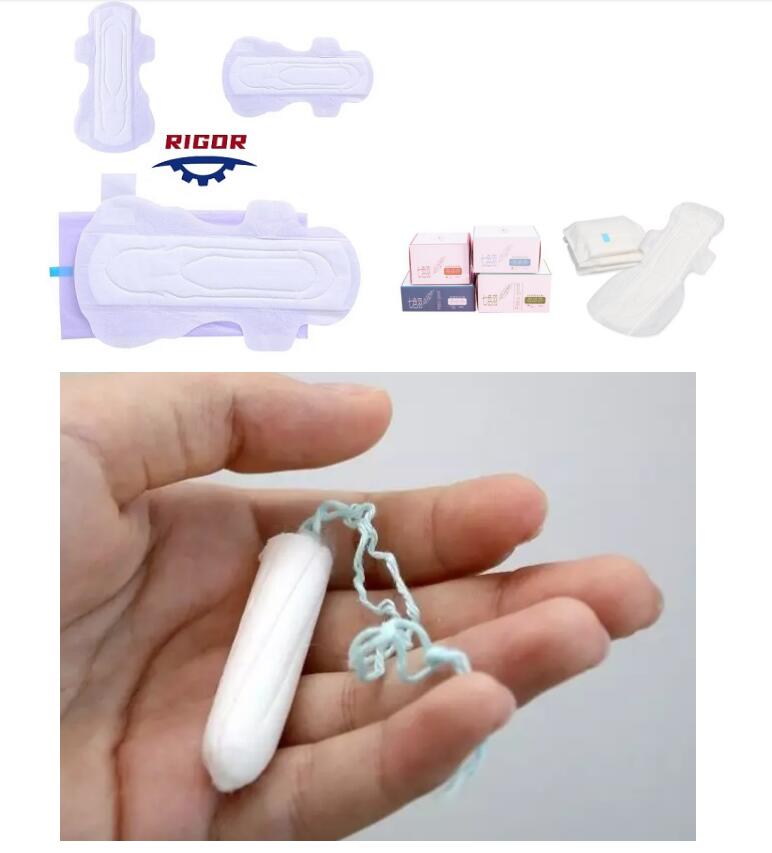
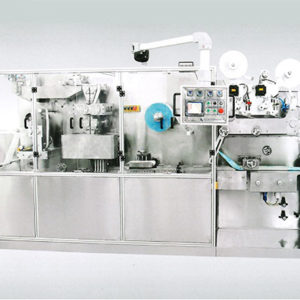
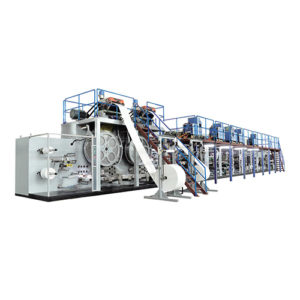
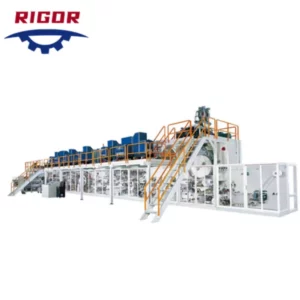
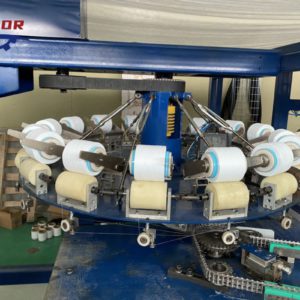
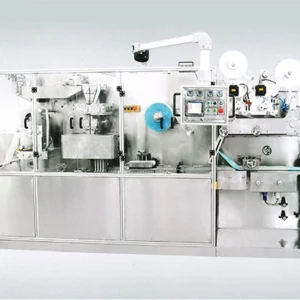
The huge potential development market of sanitary napkins is self-evident. First, because the number of women of suitable age for female sanitary products extends to both ends, and the user group expands. Second, because of the popularization of women’s private health knowledge, women change sanitary napkins more often in a day. The increase in frequency has also led to an increase in the demand for female sanitary products. According to relevant surveys, in the past ten years, the growth rate of the sanitary napkin market has been increasing every year. The most important thing is that sanitary napkins are a necessity, and women need to replace sanitary napkins. The frequency of sanitary napkins is about 4 to 6 times per day. Even if there is a recession or problems in the economic cycle, the demand for sanitary napkins will continue to benefit manufacturers and related industries. This shows that the consumption of sanitary napkins is huge. of. Relevant experts expect the global feminine sanitary napkins market to grow at a considerable rate during the forecast period from 2023 to 2030. The market will grow at a steady pace through 2022 and with increasing adoption of strategies by major players, the market growth is expected to rise above the projected horizon.
So next step, let us discuss the key factors for profitability in the sanitary napkin market.
Sanitary napkins are a must-have product for women of all ages around the world. In terms of reach, sanitary napkin manufacturers have been able to expand their market reach by employing various marketing strategies.
First, you must understand the entire market, identify your market, and find out the types of products that your audience likes. Don’t underestimate sanitary napkins. In fact, there are many types of sanitary napkins. The most popular types of sanitary napkins on the market include quick and easy sanitary napkins, tampon sanitary napkins, straight sanitary napkins, panty liners, menstrual pants, etc.
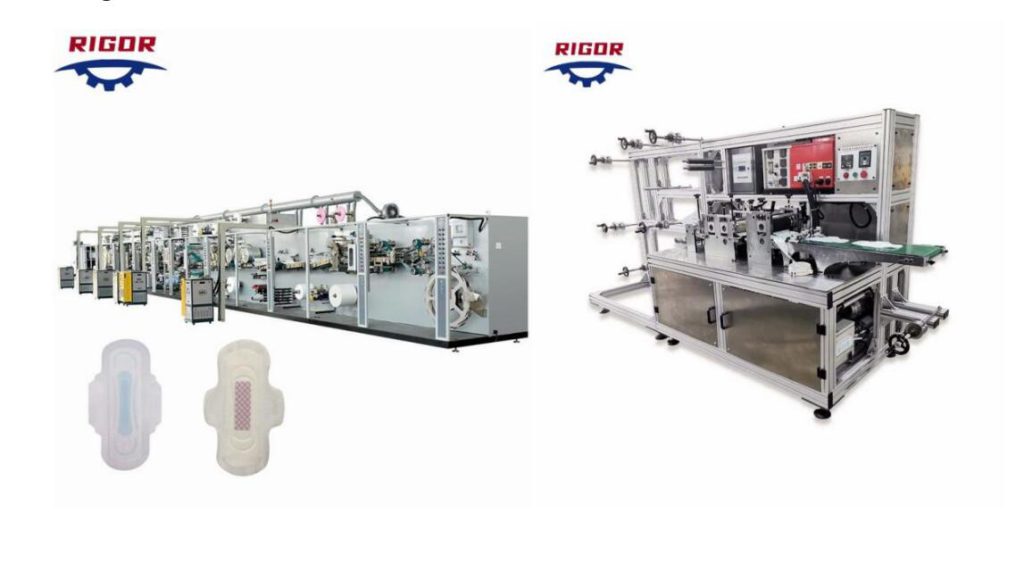
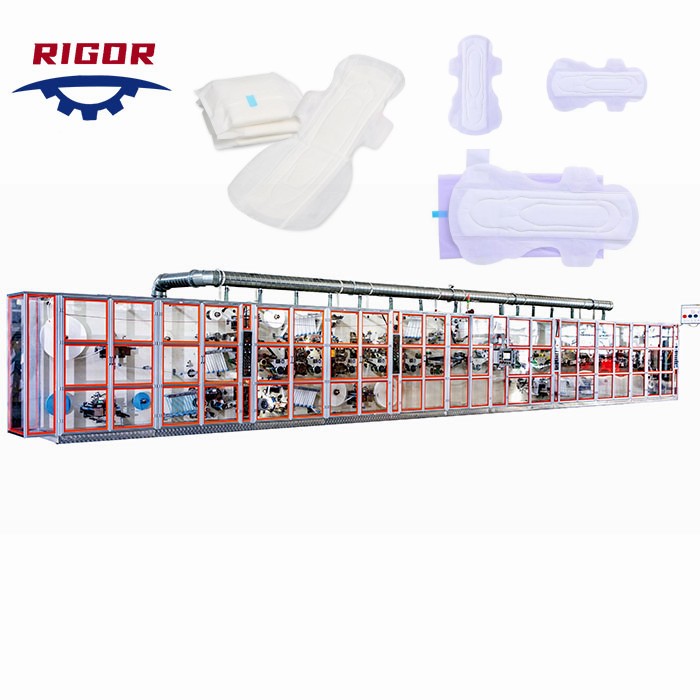
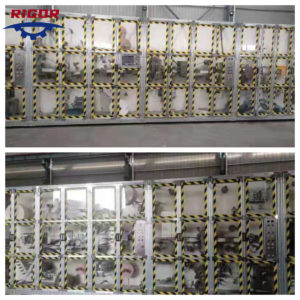
Different types of sanitary napkins require different types of production machines. So choosing the right sanitary napkin production machine is also an important factor that you should pay attention to when starting a successful business. In order to better produce sanitary napkins, you must choose the right machines to set up a good production facility. As your business grows with quality sanitary napkins, it will attract more and more customers, generating recurring orders. You have to ensure you have repeat customers by focusing on your sales and marketing strategies.
But when choosing a machine, we need to pay attention to the following factors:
First, the production capacity and scale of the machine should be considered from two aspects: your income target and business scope. If the income target is high and the sales volume is large, then you should choose a machine with high production capacity and fast speed. On the contrary, choose a small-scale, low-speed machine.
Second, whether the machine is automated or not. The benefits of automation include increased efficiency and productivity, reduced labor costs, improved and consistent product quality, and improved safety. Automation can also help improve working conditions by reducing noise levels, eliminating hazardous or repetitive tasks, and providing a more controlled environment. All these factors contribute to the economic cost of production.
Third, product waste rate (i.e. product qualification rate): The production speed of a sanitary napkin machine is determined by several factors, including the type of machine, the number of workers required to operate the machine, and the efficiency of the production process.
Fourth, overall equipment and efficiency: Many factors affect equipment efficiency, such as the design of the equipment, the quality of the components, how the equipment is operated, and maintenance schedules.
Fifth, whether the machine can be customized, each customer’s needs are different. If the machine can be customized, the manufacturer can provide its customers with a wider range of choices.
Sixth, the longevity of the machine: it refers to the longevity of an individual’s life. The machine should have a good longevity as it should have the ability to last for a long time. The longer a machine lasts, the greater its reputation as a reliable machine and the higher its performance. Reliability and durability should therefore be prioritized during design. To this end, machines should be designed for minimal maintenance requirements and long service life.
Seventh, is the structure of the machine compact: The working space is expensive and limited. As rent increases, space savings should become an important factor in machine selection. The machine should have compact dimensions and all the factors that make the machine work better in a limited space and consume less energy. It is easy to operate when the machine is small.
Eighth, working principle and adopted technology: The machine is easy to operate, the operator’s fatigue level is low, and the required effect is good. Operators can be effectively trained at less cost. Machines should be designed to facilitate production work. Design, technology and principles should be related to the size, height and functionality of the machine. It should be attractive. Maintenance of standardized machines also becomes easier. Careful consideration should be given to design and standardization when selecting a machine.
Ninth, services provided by the manufacturer and its warranty:
Quick repairs and proper maintenance are critical to the continued performance of your machine. Service facilities are important.
In the end, safety is paramount. While the technician/operator is running the machine, there should not be any malfunction that could lead to an emergency. The safety modules and emergency braking features in the machine manual are good to have.
In addition to the machine factor, there is also the production cost. Production costs should include material costs, labor costs, and any marketing and promotional costs required to sell the product. Once these factors are taken into account, unit economics should be calculated to provide a target cost per unit of sanitary napkin. This target cost should be compared to production costs and price mark-ups to determine whether the product is being sold profitably. If target costs are lower than production costs, companies should consider adjusting pricing or production processes to maintain profit margins. For any business selling sanitary napkins, having a sound unit economics plan is crucial. This will ensure that the company can generate profits while delivering products that meet customer needs. Therefore, from the above information we can conclude that sanitary napkin manufacturing can be a profitable business if you plan your business accordingly from day one and maintain the scale of production as per the cost.
If someone wanna invest in the sanitary napkin business, mostly welcome to ask more details from us! We are very glad to provide you with a one-stop service from machine selection to production costs!
Access to affordable and hygienic sanitary napkins is a significant challenge for women worldwide. However, lady sanitary napkin machine provide a solution by enabling small-scale production of sanitary pads at the local level. In this article, we will explore how these machines are improving women’s health, creating employment opportunities, and supporting community development.
Breaking Down Barriers to Women’s Health
One of the main barriers to accessing sanitary products for women and girls is the cost. Store-bought napkins may be unaffordable for lower-income families in developing regions. Reusable cloth napkins require access to water and soap for washing, which many lack. As a result, women resort to unsanitary and unsafe alternatives during menstruation, putting their health at risk.
Cultural taboos surrounding menstruation also present obstacles. In many traditional societies, periods are considered dirty or impure, leading to stigma and preventing open discussion and solutions. Women may be isolated in menstrual huts or taken out of school during their periods. The lack of proper sanitary hygiene due to secrecy, shame, and misinformation further increases health risks.
Lady sanitary napkin machines installed in villages address these barriers directly. Local production makes the sanitary pads affordable and accessible. Running the machines creates employment opportunities for women. The sale and distribution of the pads by local women help break taboos through education and open dialogue about menstrual health. This integrated approach uplifts women economically while improving community health.
How Lady Napkin Machines Work
Lady napkin machines are designed to be operated with minimal training by women’s self-help groups in rural villages. The manufacturing process is simple and utilizes readily available raw materials.
The process involves the following steps:
•Loading raw materials like cotton, pine wood pulp, and absorbent polymers into the machine. •Moving the raw materials through an integrated sequence of processes, including mixing, grinding, compressing, and shaping. •Using a conveyor belt to carry the material through pressure rollers to densify and shape it into napkins. •Manual folding and packaging of the napkins by operators. •Distributing and selling the sanitary pads locally at affordable prices.
These machines are available in various production capacities, ranging from 1,000 to 10,000 napkins per day. The entire process can be managed from start to finish by 3-4 women operating the machine. Maintenance requirements are minimal due to the machines’ simple mechanical design.
Benefits to Women and Communities
Lady napkin machines have a significant impact on women’s health, employment, and community development:
•Improved access to affordable and hygienic sanitary napkins. •Increased school attendance by teenage girls who can effectively manage their periods. •Greater awareness and education about menstrual health. •Reduced risk of reproductive infections from the use of unsanitary pads. •Job opportunities and supplementary income for women operating the machines. •Support for female entrepreneurs involved in selling and distributing the pads. •Boosted local economy through production and sales.
By facilitating small-scale decentralized production, lady napkin machines empower women to take control of their menstrual health. The local availability of sanitary pads helps overcome cultural taboos and enables women to manage their periods with safety and dignity. This small innovation is making a significant difference worldwide.
Wet wipes have become an integral part of our daily lives, serving a multitude of purposes such as cleaning hands and faces, sanitizing surfaces, and handling spills. But have you ever wondered how these convenient and disposable wipes are made? The manufacturing process of wet wipes entails several steps that transform raw materials into the final product we use.
Selection and Unwinding of Raw Materials
The first stage of wet wipes manufacturing involves carefully selecting the appropriate raw materials. Two essential components are required: the substrate and the liquid solution. The substrate typically consists of a nonwoven textile made from fibers like pulp, polyester, polypropylene, or rayon. High-quality substrates ensure that the wipes are both durable and soft. The substrate is then saturated with a liquid solution, which can include water, antiseptic liquids, or moisturizing lotions. The raw material fibers and substrates are unwound from large rolls and prepared for further processing.
Converting and Slitting
Next, the nonwoven fabric substrates undergo conversion and slitting to achieve the desired dimensions of the wipes. Slitting machines are employed to cut the fabric into the desired width. During the converting process, the fabric may also undergo calendaring or embossing using rollers to provide it with texture. Embossing helps control the liquid absorption properties of the wipes and enhances their strength. Finally, the fabric is slit or cut into the appropriate wipe size, typically ranging from 6 to 9 inches.
Liquid Addition
Once the fabric substrates have been cut to size, the liquid solution is added. Different types of wipes, such as those for cleaning, baby care, or cosmetics, require specific liquid formulations. Various techniques are employed to add the liquid to the substrate:
Spraying: The liquid is sprayed over the substrate using nozzles, which evenly distribute it.
Gravity Feeding: The liquid is poured onto one end of the moving substrate, allowing it to be absorbed as it progresses along the line.
Roller Coating: Rollers coated in liquid transfer it onto the substrate.
Impregnation: The substrates are immersed and saturated in a liquid bath to ensure complete absorption.
Folding and Packaging
After the liquid has been added, the wet wipes undergo folding to fit into the packaging. Different fold patterns, such as C-fold, Z-fold, and Accordion fold, are utilized depending on the desired presentation. The folded wipes are then introduced to high-speed packaging lines, where they are placed into tubs, canisters, or stand-up pouches. Automatic machinery precisely counts and loads the packaging with the appropriate number of wipes, which are then sealed. Finally, labels with product details are applied.
Quality Control and Testing
Quality control plays a vital role throughout the entire production process of wet wipes. Various tests are conducted on the raw materials and finished products to ensure they meet performance and safety standards. These tests assess factors such as liquid absorbency, wipe strength and durability, bacterial counts, and residual chemical levels. Only wipes that pass all the rigorous tests are deemed suitable for the market.
In summary, the manufacturing process of wet wipes encompasses the selection of raw materials, the conversion of nonwoven fabric substrates, the addition of liquid formulations, folding, packaging, and rigorous quality control and testing. Advanced automation, strict quality control measures, and the utilization of specialized coating, folding, and packaging machinery enable companies to efficiently mass-produce wet wipes on a large scale. Wet wipe manufacturers continuously innovate substrates, liquid formulations, and packaging to enhance wipe performance and cater to the evolving needs of consumers.
Wet wipes are a convenient and hygienic solution for personal care, household cleaning, and more. If you’ve ever wondered how to make wet wipes from tissue paper, this guide will walk you through the steps. Whether you are experimenting at home or looking to scale up production with a wet wipe paper machine, the process is simple and efficient. Let’s dive in!
What Are Wet Wipes?
Wet wipes are pre-moistened tissues made from non-woven fabric or tissue paper, soaked with a cleaning or sanitizing solution. They are commonly used for cleaning surfaces, hands, or even sensitive areas like a baby’s skin.
Materials You’ll Need
To make wet wipes at home or in bulk, gather the following materials:
Soft tissue paper: Choose high-quality tissue paper for durability.
Liquid solution: Water mixed with mild soap, baby oil, or disinfectant (depending on the intended use).
Container: A resealable plastic container or pouch to keep the wipes moist.
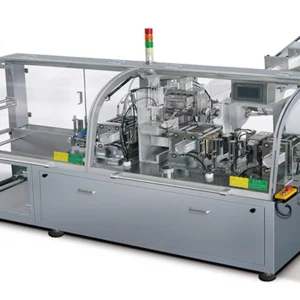
Wet wipe paper machine (for industrial production): Automates cutting, folding, and moistening processes.
Step-by-Step Process
1. Prepare the Solution
Mix water with your preferred ingredients:
For cleaning wipes: Use water and a small amount of dish soap or disinfectant.
For baby wipes: Add a teaspoon of baby oil and gentle soap.
Stir the mixture thoroughly until it’s well blended.
2. Cut and Stack Tissue Paper
If you’re working at home, cut the tissue paper into the desired size.
Stack them neatly to ensure uniform moistening.
In an industrial setup, a wet wipe paper machine automatically cuts and folds the tissue paper.
3. Moisten the Tissues
Slowly pour the prepared liquid over the tissue paper.
Ensure the tissues are evenly saturated but not dripping.
For homemade wipes: Place the moistened tissue paper into a resealable container or plastic bag.
For large-scale production: A wet wipe paper machine can package the wipes in sealed pouches or tubs to maintain moisture.
5. Seal and Store
Seal the container tightly to prevent the wipes from drying out.
Store the wipes in a cool, dry place.
Benefits of Using a Wet Wipe Paper Machine
If you’re planning to produce wet wipes on a larger scale, a wet wipe paper machine is essential. Here’s why:
Efficiency: Automates the cutting, folding, moistening, and packaging processes.
Precision: Ensures consistent quality with accurate liquid application.
Hygiene: Maintains sanitary conditions throughout production.
Customization: Many machines offer adjustable settings to produce different sizes and types of wipes.
Finding the Right Wet Wipe Paper Machine Manufacturer
When scaling up production, choosing the right wet wipe paper machine manufacturer is crucial. Look for manufacturers that offer:
High-quality machines with advanced features.
Customizable options for different types of wet wipes.
Reliable after-sales service and technical support.
Making wet wipes from tissue paper is a straightforward process, whether done at home or on an industrial scale. By following the steps outlined above and utilizing a wet wipe paper machine for larger quantities, you can produce efficient and cost-effective wipes. For businesses, partnering with a reputable wet wipe paper machine manufacturer ensures quality and scalability in production.
Start creating your own wet wipes today and enjoy their convenience for a variety of purposes!
Fully automatic baby diaper making machine represent a technological marvel that has revolutionized the baby care industry. By automating the entire diaper production process, these machines ensure consistent quality, hygiene, and efficiency, meeting the demands of modern parents and manufacturers alike. As the market continues to evolve, fully automatic baby diaper making machines will play a pivotal role in shaping the future of diaper manufacturing, driving innovation and sustainability in the industry.
Unveiling Fully Automatic Baby Diaper Making Machines
Fully automatic baby diaper making machines are state-of-the-art systems that automate the entire process of diaper manufacturing, from raw material preparation to finished product packaging. These machines incorporate advanced technologies and precision engineering to ensure consistent quality, hygiene, and efficiency in diaper production.
Components of Fully Automatic Baby Diaper Making Machines
The key components of fully automatic baby diaper making machines include:
Raw Material Feeding System: This system ensures a continuous supply of raw materials, such as non-woven fabrics, fluff pulp, and adhesive tapes, to the machine.
Diaper Forming Unit: The diaper forming unit shapes the diaper by folding and assembling the various components, including the absorbent core, back sheet, and frontal tape.
Ultrasonic Welding System: Ultrasonic welding technology is employed to securely bond the different diaper components, ensuring leak-proof and durable diapers.
Cutting and Packaging System: The machine precisely cuts the formed diapers into individual pieces and packages them hygienically, ready for distribution.
Working Principles of Fully Automatic Baby Diaper Making Machines
Fully automatic baby diaper making machines operate on a continuous production line, with each component working in harmony to produce finished diapers:
Raw Material Preparation: The machine unwinds rolls of non-woven fabrics, fluff pulp, and adhesive tapes, preparing them for the diaper-forming process.
Diaper Forming: The prepared materials are fed into the forming unit, where they are folded, shaped, and assembled into the desired diaper structure.
Ultrasonic Welding: Ultrasonic welding technology is used to bond the various diaper components, creating leak-proof seals and ensuring the integrity of the diaper.
Cutting and Packaging: The formed diapers are precisely cut into individual pieces and hygienically packaged, ready for distribution.
Advantages of Fully Automatic Baby Diaper Making Machines
Fully automatic baby diaper making machines offer numerous advantages that enhance productivity, quality, and hygiene in diaper manufacturing:
High Efficiency: These machines operate at high speeds, producing a large number of diapers in a short time, significantly increasing production efficiency.
Consistent Quality: Automation ensures consistent quality control, minimizing defects and maintaining high standards throughout the production process.
Reduced Labor Costs: The automation of the entire diaper-making process reduces the need for manual labor, leading to cost savings for manufacturers.
Improved Hygiene: Fully automatic machines eliminate the risk of human contact with the diapers, ensuring a hygienic production environment.
Flexibility: These machines can be easily adjusted to produce different types and sizes of diapers, catering to diverse market demands.
Market Trends in Fully Automatic Baby Diaper Making Machines
The market for fully automatic baby diaper making machines is witnessing several key trends:
Increasing Demand for Disposable Diapers: The growing popularity of disposable diapers, driven by convenience and hygiene factors, is fueling the demand for fully automatic diaper-making machines.
Focus on Sustainability: Manufacturers are incorporating eco-friendly materials and technologies into their machines to reduce environmental impact and meet consumer demand for sustainable products.
Smart Manufacturing Integration: Industry 4.0 technologies, such as IoT and data analytics, are being integrated into diaper-making machines to optimize production processes and enhance efficiency.