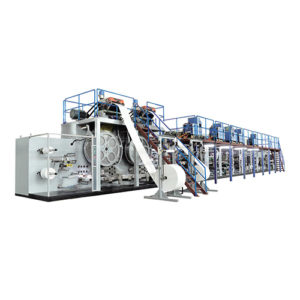
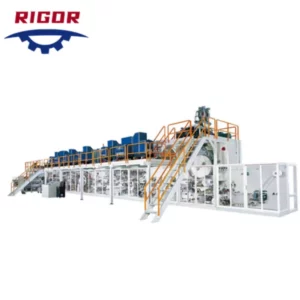
Pampers is one of the most famous baby diaper brands in the world. It is known for its high quality and reliable products. And has been a trusted name in the industry for many years. However, what many people don’t know is that Pampers is made using a special machine called a Pampers making machine. For more information about Pamper, firstly, let us know about baby nappy machine and automatic baby diaper machine.
What Is baby nappy machine?
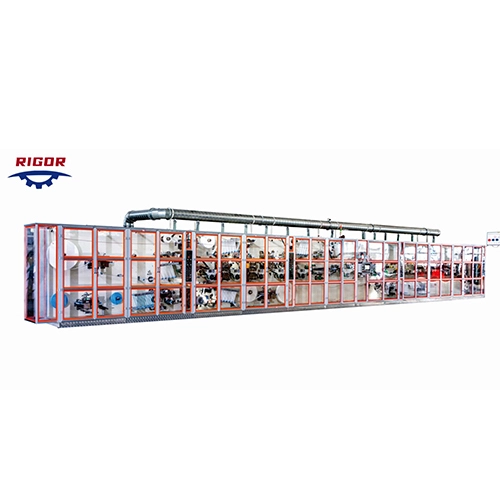
A baby nappy machine, also known as a diaper machine or a baby diaper manufacturing machine, is an industrial machine used to produce disposable baby diapers or nappies. The machine is designed to automate the process of making nappies, from the feeding of raw materials to the packaging of the finished product.
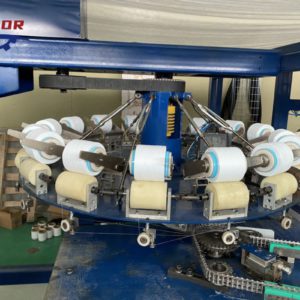
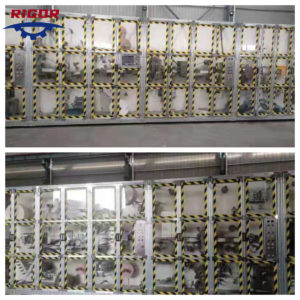
The machine typically consists of several components. Meanwhile, it includes a raw material feeding system, a core forming unit, an absorption pad machine, a backsheet and front waist tape applicator, a side tape applicator, and also a cutting and packaging system.
What Is automatic baby diaper machine?
An automatic baby diaper machine, also known as a diaper manufacturing machine, is a type of industrial equipment used to produce disposable baby diapers. The machine automates the process of making diapers, from feeding the raw materials to packaging the finished product.
The raw materials used to make baby diapers include absorbent materials. Such as fluff pulp and superabsorbent polymer (SAP), as well as nonwoven fabrics, films, elastic materials, and adhesives. The machine processes these materials into the various components of a diaper. It includes the core, backsheet, and front and side tabs.
Introduce About Pampers Making Machine From USA
Firstly, the Pampers making machine is a unique machine that is used to make the popular baby diaper. It is a highly specialized machine that is capable of producing a wide variety of different Pampers styles and sizes. The machine is designed to be as efficient and cost-effective as possible, and is able to produce diapers that are of the highest quality.
Secondly, the Pampers maker is made up of several different components. The first component is the fabric feeder, which is used to feed the fabric into the machine. The fabric is then cut into the desired shape and size. The next component is the stitching machine, which is used to stitch the pieces together. Finally, the machine is equipped with a finishing machine, which is used to add the finishing touches to the diaper.
Finally, the Pampers making machines are an integral part of the production process for Pampers diapers. It is responsible for ensuring that the diapers are of the highest quality. And that they are produced in a cost-effective manner. Thanks to the Pampers making machine, Pampers diapers can be enjoyed by babies and parents worldwide.
Wet wipes have become an essential item in our daily lives, from personal hygiene to cleaning surfaces. With their convenience and ease of use, the demand for wet wipes has increased significantly in recent years. However, have you ever wondered how these wet wipes are manufactured? In this post, we will discuss how wet wipes are manufactured using a wet wipes packaging machine.
Top 5 Methods How to Produce The Baby Wet Wipes?
The first step in manufacturing wet wipes is to formulate the solution. Subsequently, this solution will be used to make the wipes. The solution typically contains water, cleansing agents, and preservatives. The formulation can be adjusted depending on the intended use of the wet wipes. Such as baby wipes or cleaning wipes made by baby wet wipes machine.
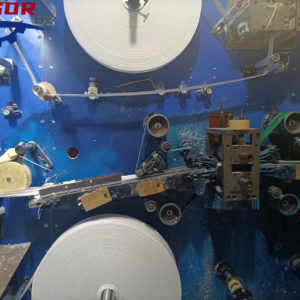
Once the solution is formulated, the next step is to cut the fabric that will be used to make the wet wipes. The fabric used for wet wipes is typically made from a blend of natural and synthetic fibers to provide durability and absorbency.
After the fabric is cut, it is then folded into the desired size and shape for the wet wipes. The folded fabric is then placed in a stack, ready for the next step.
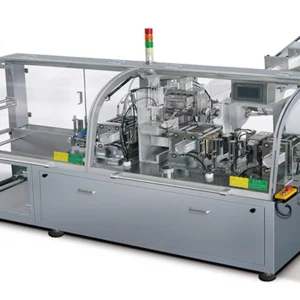
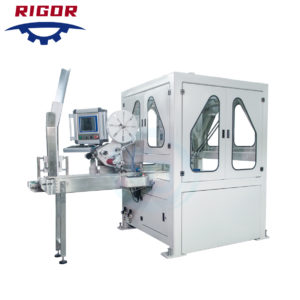
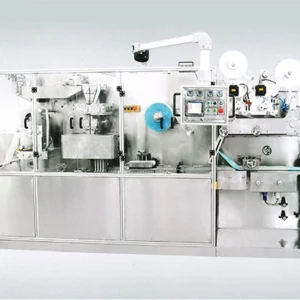
The folded fabric is then placed on a wet wipes packaging machine. The baby wet wipes machine adds the formulated solution to the fabric. It ensures that each wipe is saturated evenly. The wet wipes packaging machine can adjust the amount of solution added depending on the desired level of moisture for the wipes.
The last step is to pack the wipes. The wet wipes packaging machine cuts the fabric into individual wipes and packs them in airtight containers or pouches. Packaging ensures wipes stay moist and hygienic until use.
Detail About Wet Wipes Packaging Machine Use
The wet wipes market is expected to grow at a CAGR of over 7% from 2020 to 2025, driven by growing hygiene concerns. With this rapid growth comes increased concern about packaging waste, as the standard laminates used are not suitable for recycling.
After 5 methods, the baby wet wipes by baby wet wipes machine already produced. Then in this section, we will discuss how wet wipes are packaged using a wet wipes packaging machine.
Step 1: Preparation of Wipes
Before the packaging process begins, the wipes need to be prepared. The wipes are typically manufactured in large rolls. And are then cut and folded to the desired size and shape. Once the wipes are prepared, they are loaded onto the wet wipes packaging machine through wet wipes machine manufacturer.
Step 2: Loading Wipes
The wet wipes packaging machine is designed to handle a variety of wipes. It includes folded, unfolded, and nonwoven. The machine uses a feeder system to pull the wipes from the roll. And place them in the packaging material.
Step 3: Sealing the Package
The packaging material is fed through the wet wipes packaging machine. Especially, the wipes are placed in the package. The machine by wet wipes machine manufacturer then seals the package. This ensures that the wipes remain moist until they are opened.
Step 4: Cutting the Package
Once the package is sealed, the wet wipes packaging machine cuts the package to the desired size. The size of the package can vary depending on the intended use of the wipes.
Step 5: Labeling and coding
After the package is cut, the wipe packaging machine applies any necessary labeling and coding. This information can include product name, expiration date and batch number. All above information offered by us, a leading wet wipes machine manufacturer. If you consider to purchase in bulk, please contact us.
Babies are a bundle of joy, but they also come with a bundle of responsibilities. One of the biggest challenges of parenting a newborn is managing their diaper needs. Diapers have evolved over the years. And today’s parents have a wide variety of options to choose from. It includes disposable diapers, cloth diapers, and diaper pants by fully automatic baby diaper making machine.
Introducing the baby diaper making machine, a revolutionary advancement in the production of diapers for babies. This machine has made the process of making diapers easier and faster than ever before. It is capable of producing a large number of diapers with great efficiency, and helps reduce the cost of diaper production. In this article, we will discuss how a baby diaper making machine works. And the benefits it can offer.
What are diaper pants?
First, let’s understand what diaper pants are. Diaper pants are a type of disposable diaper that is designed to look and feel like underwear. They are easy to put on and take off, making them a popular choice for active babies and toddlers. Diaper pants consist of several layers of materials, including an absorbent core, a waterproof outer layer, and an elastic waistband.
So, how diapers are manufactured? A diaper making machine by diaper machine manufacturer, is a sophisticated piece of equipment. It can produce thousands of diapers in an hour. The process starts with the production of the absorbent core. This is usually made from a combination of wood pulp, SAP (super absorbent polymer), and other materials. The absorbent core is then cut to the desired shape and size.
Next, the outer layer of the diaper pants is produced. This layer is made of waterproof material such as polypropylene or polyethylene. The outer layer is cut to the desired shape and size and then combined with the absorbent core.
The elastic waistband is then added to the diaper pants. The waistband is made from a combination of elastic and non-woven materials. The waistband is cut into the desired length and width. And then attached to the diaper pants. However, human operators are still needed to oversee the process and ensure that everything runs smoothly. Following the technology development, now the most popular machine is fully automatic baby diaper making machines from diaper machine manufacturer.
Advantages Of Fully Automatic Baby Diaper Making Machine
The demand for baby diapers has been increasing steadily over the years, which has led to the development of new and advanced diaper manufacturing machines. Fully automatic baby diaper making machine is one such innovation that is revolutionizing the diaper manufacturing industry. In this article, we will discuss the advantages of using a fully automatic baby diaper making machine.
Increased Efficiency: Fully automatic baby diaper making machine is highly efficient and can produce a large number of diapers in a short amount of time. These machines are equipped with advanced features that allow for precise control of each process, resulting in consistent product quality and minimal wastage.
Reduced downtime: Fully automatic baby diaper making machines from diaper machine manufacturer, designed to run continuously with minimal downtime. This reduces the need for maintenance and repairs, which can further reduce production costs.
Better Traceability: Fully automatic baby diaper making machine is able to track and record data at every stage of the production process. This provides manufacturers with better traceability and helps them identify any problems that may have arisen in the production process.
A diaper machine is a type of industrial machine that is used to manufacture disposable diapers. These machines are designed to produce diapers in a high volume and at a fast pace. The process typically involves feeding raw materials into the machine, which are then transformed into a finished diaper product. Diaper machines can vary in complexity and can include features such as automatic cutting and folding, as well as computerized controls for monitoring and adjusting production parameters. These machines are widely used in the diaper manufacturing industry, which is an important sector of the consumer goods industry.
diaper machine type
There are various types of diaper machines used in the manufacturing of disposable diapers. Some of the common types include:
Full-servo baby diaper machine: This type of machine is equipped with a full-servo control system that controls the whole production process, including materials feeding, waistband and leg cuff cutting, and elastic application. It can produce high-quality baby diapers at a fast speed.
Semi-servo baby diaper machine: This machine has a combination of both mechanical and servo systems for controlling the production process. It is less expensive than a full-servo machine but still has good efficiency.
Economic baby diaper machine: This type of machine is less automated than full-servo and semi-servo machines and is more affordable. It has limited features and may require more manual labor.
Adult diaper machine: This machine is specifically designed to produce adult diapers, which have different specifications than baby diapers.
Pull-up diaper machine: This type of machine produces pull-up diapers, which are similar to regular underwear and are designed for older children or adults who are potty trained but may need some protection.
Sanitary napkin machine: This machine is used to produce feminine sanitary napkins, which are similar to disposable diapers in design and construction.
diaper machine work process
The exact work process of a diaper machine may vary depending on the type and model of the machine, but generally, the process involves the following steps:
Raw material feeding: The machine is fed with raw materials such as fluff pulp, SAP (superabsorbent polymer), and other components that make up the diaper.
Forming: The raw materials are then formed into the shape of the diaper through various processes such as embossing, cutting, and folding. This is typically done through the use of specialized rollers and blades.
Absorbent core placement: The absorbent core, which is made up of fluff pulp and SAP, is then placed in the center of the diaper.
Elastic placement: Elastic materials are then added to the diaper to provide a snug and comfortable fit. This may involve the use of leg cuffs and waistbands.
Sealing: The diaper is then sealed using adhesives or other methods to ensure that it stays together and does not leak.
Cutting: The finished diaper is then cut to the desired size and shape.
Packaging: The diapers are then packaged in bulk and prepared for distribution.
When choosing a diaper machine company, it is important to consider factors such as the machine’s quality, technology, price, and customer support.
Quanzhou Rigor Machine Manufactory Co.,Ltd is founded by a group of professional machinery engineers who have creative minds and rich experience. It is a forward-looking and cutting-edge factory which focuses on various hygiene product machines that are needed for new century.
The factory is located in Quanzhou, Fujian, China. As a professional and creative factory which has experience of more than 15 years, we are privileged to connect with customers from many countries about equipments and have business with them.
Designing a factory with a wet wipes machine requires careful planning to ensure optimal efficiency, safety, and productivity. Here are some key parameters to consider when designing a factory with a wet wipes machine:
Layout: The layout of the factory should be designed to accommodate the wet wipes machine and ensure a smooth flow of materials and personnel. The machine should be positioned in a central location to allow for easy access and maintenance.
Space requirements: The wet wipes machine will require a certain amount of floor space, depending on its size and capacity. The factory design should accommodate this space requirement, as well as additional space for raw material storage, finished product storage, and personnel workstations.
Electrical requirements: The wet wipes machine will require a certain amount of power to operate, and the factory design should include adequate electrical infrastructure to support the machine’s needs. This includes power supply, electrical outlets, and grounding.
Ventilation: The wet wipes machine will release fumes and heat during operation, and the factory design should include adequate ventilation to maintain a safe and comfortable working environment.
Material handling: The factory design should include a material handling system to transport raw materials and finished products to and from the wet wipes machine. This includes conveyors, carts, and other handling equipment.
Safety measures: The factory design should include appropriate safety measures to protect personnel and equipment. This includes fire suppression systems, emergency exits, and personal protective equipment.
Environmental considerations: The factory design should consider environmental factors such as noise levels, air quality, and waste disposal to minimize the impact of the factory on the surrounding community.
Overall, designing a factory with a wet wipes machine requires a comprehensive approach that considers all aspects of the production process. By carefully planning the layout, space requirements, electrical infrastructure, ventilation, material handling, safety measures, and environmental considerations, manufacturers can create an efficient and safe production environment that maximizes productivity and ensures the production of high-quality wet wipes.
What is a wet wipes machine
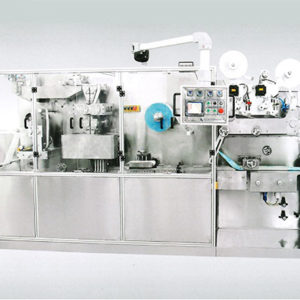
A wet wipes machine is a type of machine used to produce wet wipes, which are disposable cloths that are moistened with a cleaning solution. Wet wipes machines are used in a variety of industries, including personal care, household cleaning, and industrial applications.
A wet wipes machine typically consists of several components, including a roll of non-woven fabric, a liquid reservoir, and a cutting mechanism. The non-woven fabric is fed through the machine, where it is moistened with the cleaning solution from the liquid reservoir. The wet fabric is then cut into individual wipes of the desired size and shape.
There are different types of wet wipes machines available, ranging from small tabletop models for producing small quantities of wipes to large, fully automated machines capable of producing thousands of wipes per minute. Some machines are designed to produce specific types of wipes, such as baby wipes or industrial cleaning wipes, while others can produce a variety of wipe types.
Wet wipes machine type
There are several types of wet wipes machines available, each designed for different production capacities, product specifications, and industry needs. Here are some of the common types of wet wipes machines:
Manual wet wipes machines: These machines are small and manually operated, typically used for producing small quantities of wipes. They are often used by small businesses or for research and development purposes.
Semi-automatic wet wipes machines: These machines are partially automated and are used for medium-sized production runs. They require some manual labor for loading raw materials and unloading finished products, but the process is mostly automated.
Fully automatic wet wipes machines: These machines are fully automated and are used for large-scale production runs. They are capable of producing thousands of wipes per minute and require minimal manual labor.
Single sachet wet wipes machines: These machines are designed for producing individual sachets of wet wipes, often used in the personal care industry.
Flow pack wet wipes machines: These machines are used for producing wet wipes in a continuous flow pack format, commonly used for household and industrial cleaning wipes.
Multi-pack wet wipes machines: These machines are designed for producing wet wipes in bulk, packaged in a multi-pack format for retail sale.
Customized wet wipes machines: Some wet wipes machines are designed and customized to meet specific production needs and product specifications, such as the size, shape, and type of material used.
Wet wipes machine markting
Marketing a wet wipes machine requires a targeted approach to reach potential customers in the personal care, household cleaning, and industrial industries. Here are some marketing strategies that can be effective:
Identify the target audience: The first step in marketing a wet wipes machine is to identify the target audience. This may include manufacturers, distributors, or retailers in the personal care, household cleaning, or industrial industries.
Showcase the features and benefits: Highlight the features and benefits of the wet wipes machine, such as its speed, accuracy, and reliability. Emphasize the convenience and efficiency of the machine in producing high-quality wipes.
Demonstrate the machine: Demonstrate the wet wipes machine in action to showcase its capabilities and build confidence in potential customers. This can be done through product demos, video demonstrations, or webinars.
Create marketing materials: Develop marketing materials such as brochures, videos, and social media content that showcase the wet wipes machine and its benefits.
Attend trade shows and exhibitions: Attend industry trade shows and exhibitions to showcase the wet wipes machine and connect with potential customers. This can also provide an opportunity to learn about industry trends and competitor products.
Provide excellent customer service: Provide excellent customer service to build trust and maintain strong relationships with customers. This includes providing support and training for the wet wipes machine and addressing any issues promptly.
wet wipes machine metiral
The materials used in wet wipes machines depend on the type of machine and the specific needs of the industry. Here are some of the common materials used in wet wipes machines:
Non-woven fabric: This is the main material used in wet wipes production. Non-woven fabric is made from fibers that are bonded together without weaving, creating a soft, strong material that is perfect for wet wipes.
Cleaning solution: A cleaning solution is used to moisten the non-woven fabric and provide cleaning properties to the wipes. The cleaning solution can be water-based or oil-based, depending on the specific needs of the product.
Reservoir tanks: Wet wipes machines require a reservoir tank to hold the cleaning solution. The tank can be made of stainless steel or plastic, depending on the machine’s capacity and the industry needs.
Cutting blades: Cutting blades are used to cut the non-woven fabric into the desired shape and size of the wet wipes. The blades can be made of stainless steel or other durable materials.
Conveyor belts: Conveyor belts are used to transport the non-woven fabric through the machine and to the cutting blades. The belts can be made of rubber or other durable materials.
Control panels: Control panels are used to operate the wet wipes machine and monitor its performance. The panels can be made of plastic or other durable materials.
How to manufacture wet wipes with wet wipes machine
Manufacturing wet wipes with a wet wipes machine involves automating the process and can greatly increase productivity and efficiency. Here are the general steps involved in manufacturing wet wipes using a wet wipes machine:
Preparing the cleaning solution: The first step is to prepare the cleaning solution according to the desired formula. The solution is typically mixed in a large tank or vessel and is then pumped to the machine.
Feeding the non-woven fabric: The non-woven fabric is fed from a roll into the wet wipes machine. The machine automatically cuts the fabric to the desired length and width.
Moistening the fabric: The machine then applies the cleaning solution to the non-woven fabric using a series of rollers. The fabric is typically moisturized with a predetermined amount of solution to ensure consistent quality.
Folding the wet wipes: The wet wipes machine then folds the non-woven fabric into the desired shape and size. The machine can fold the wipes into a variety of shapes and sizes, depending on the requirements of the product.
Cutting the wet wipes: Once the wet wipes are folded, the machine then cuts them to the desired length using a high-speed cutting mechanism.
Packaging the wet wipes: The wet wipes are then packaged into individual packets using a packaging machine. The packets are typically sealed to ensure that the wipes remain moist until they are used.
Quality control: Throughout the manufacturing process, quality control measures are taken to ensure that the wet wipes are of high quality and meet the required specifications. This includes testing the cleaning solution, monitoring the size and shape of the wipes, and checking the packaging process.