Şub 6, 2026 | Haberler
Özet
The global market for adult incontinence products is undergoing a profound expansion, a phenomenon driven by significant demographic shifts toward an aging population and a corresponding evolution in cultural attitudes regarding personal care and dignity. This burgeoning demand presents a substantial opportunity for manufacturers and investors, particularly in high-growth regions like South America, Russia, Southeast Asia, the Middle East, and South Africa. Capitalizing on this trend, however, is contingent upon a strategic and well-informed investment in sophisticated production technology. This analysis offers a comprehensive framework for selecting high-return-on-investment adult incontinence diaper machine solutions in the current 2026 landscape. It systematically examines seven pivotal factors that determine the long-term viability and profitability of such an investment: production capacity, automation levels, design versatility, raw material efficiency, integrated quality control, supplier reliability, and the total cost of ownership. By dissecting the interplay between advanced servo motor technology, automated defect detection systems, and long-term operational expenditures, this guide provides the necessary tools for making a judicious investment decision that balances initial capital outlay with sustained profitability and market agility.
Önemli Çıkarımlar
- Evaluate the total cost of ownership, not just the initial price of the machine.
- Prioritize full-servo systems for superior precision, speed, and reduced material waste.
- Select versatile adult incontinence diaper machine solutions to adapt to future market demands.
- Insist on integrated, real-time quality control systems to protect brand reputation.
- Analyze a machine's raw material efficiency to control ongoing production costs.
- Choose a supplier who offers robust, long-term technical support and partnership.
- Ensure the machine's production speed and scalability align with your business growth plan.
İçindekiler
Navigating the Investment: An Introduction to the Adult Care Market
Embarking on the production of adult incontinence products is not merely a manufacturing venture; it is an entry into a market deeply connected to human dignity, demographic inevitability, and evolving social norms. The decision to invest in this sector, particularly in the machinery that forms its operational heart, carries a weight that extends far beyond simple financial calculation. As of 2026, we are witnessing a global demographic realignment. The World Health Organization (2022) projects that by 2030, one in six people in the world will be aged 60 years or over. This trend is not confined to Western nations; it is a powerful force in Russia, parts of South America, and is increasingly relevant in Southeast Asia and the Middle East as healthcare improves and life expectancy increases.
This demographic shift creates a sustained and growing demand for adult care products. What was once a niche market, spoken of in hushed tones, is now a mainstream consumer goods category. The cultural stigma surrounding incontinence is gradually eroding, replaced by a pragmatic focus on quality of life, activity, and independence. For an entrepreneur or an established company in regions like South Africa or the Russian Federation, this translates into a tangible and expanding customer base. According to market analysis, the Russian diaper market alone is on a significant upward trajectory, with a growing appetite for higher-quality products in its major urban centers diaperrawmaterial.com.
Therefore, the choice of adult incontinence diaper machine solutions becomes a foundational strategic decision. It is the central pillar upon which your entire business will be built. A machine is not just a collection of steel, wires, and motors; it is the engine of your production, the guarantor of your quality, and the key to your cost control. A poorly chosen machine can lead to crippling material waste, inconsistent product quality that damages your brand, and operational downtimes that bleed profitability. Conversely, the right machine—one chosen with foresight and a deep understanding of its capabilities—becomes a powerful competitive advantage. It allows you to produce high-quality products efficiently, adapt to changing consumer preferences, and scale your operations as your market share grows. This guide is structured as a thoughtful, step-by-step examination of the seven most salient considerations in this process, designed to empower you to make a decision that is not just financially sound for today, but strategically brilliant for the decade to come.
Point 1: Evaluating Production Capacity and Speed for Market Dominance
The first and perhaps most intuitive question when considering a production line is, "How fast can it run?" This question of speed, or production capacity, is fundamental to your business model. It dictates your potential market share, your ability to meet large orders, and ultimately, your revenue ceiling. A machine's capacity is typically measured in pieces per minute (PPM). For adult diapers, this can range from a modest 150-200 PPM for entry-level machines to upwards of 400-600 PPM for high-output, state-of-the-art systems. Choosing the right capacity is a delicate balancing act between your current market assessment and your future ambitions.
Defining Your Target Production Volume
Your initial step is to perform a realistic market analysis. Are you a new entrant aiming to capture a small, local niche, or are you an established player looking to expand and compete with national brands? A startup in a developing market might find that a machine with a stable output of 250 PPM is more than sufficient to meet initial demand and allows for a more manageable initial investment. An established enterprise in a competitive market like Russia or Brazil, however, might require a high-output adult diaper line running at 450 PPM or more to achieve the necessary economies of scale to be price-competitive.
Think about it in terms of shifts. A machine running at 300 PPM produces 18,000 pieces per hour. Over a single eight-hour shift, that's 144,000 diapers. Running two shifts a day, five days a week, you are looking at over 1.4 million diapers weekly. Can your sales and distribution channels handle this volume? Conversely, if your market projections show a demand for two million units a week, a 300 PPM machine running two shifts will fall short, potentially costing you valuable contracts and market momentum. It is about aligning the physical capabilities of your hardware with the commercial realities of your business plan. The selection of adult incontinence diaper machine solutions must begin with this honest appraisal of your target volume.
The Role of Servo Motors in Achieving High-Speed Stability
High speed is meaningless without stability. A machine that runs at 500 PPM but produces a 10% defect rate is less efficient than a machine running stably at 400 PPM with a defect rate below 1%. The key to achieving high-speed stability in modern machinery is the extensive use of servo motors.
Imagine trying to coordinate a complex dance with a hundred dancers. In an older, mechanically driven machine (often called an inverter-drive or main-shaft drive machine), all the dancers are physically linked to a single crankshaft. Everyone moves in relation to one central rhythm. If one part needs to slow down or speed up slightly, it's a complex mechanical adjustment. Now, imagine each dancer has their own choreographer giving them precise, independent instructions that are perfectly synchronized with everyone else. That is the principle of a full-servo system.
Each critical function—the pulp feeding, the SAP application, the cutting of the leg cuffs, the placement of the frontal tape—is controlled by its own dedicated servo motor and drive. These are all orchestrated by a central Programmable Logic Controller (PLC). This digital control allows for micro-second adjustments, ensuring that even at breathtaking speeds, every component is placed with sub-millimeter precision. This precision drastically reduces material waste and ensures a consistent, high-quality final product. When you see a machine advertised as "full servo," it is a signal of precision, stability, and efficiency at high speeds (Womeng, 2025).
Scalability: Planning for Future Growth
Your business today is not your business in five years. A wise investment in adult incontinence diaper machine solutions accounts for future growth. Scalability in this context has two dimensions. The first is the inherent capacity of the machine itself. A well-designed machine might have a "design speed" that is higher than its "stable production speed." For example, a machine might be sold to run stably at 350 PPM but is mechanically and electronically designed to be capable of 450 PPM. This buffer allows you to increase output in the future through process optimization, operator training, and perhaps minor upgrades, without needing to purchase an entirely new line.
The second dimension is modularity. Can the production line be expanded or upgraded later? For instance, could you add an automated packaging system at the end of the line? Could you upgrade the core-forming unit to accommodate a new, more advanced absorbent material? When discussing options with a manufacturer, ask about the machine's upgrade path. A machine that can grow with your business is a far more valuable asset than one that locks you into a specific technology or production level. This foresight prevents you from being cornered by your own success, ensuring your initial investment continues to pay dividends as your company expands.
Case Study: A Mid-Sized Enterprise in Brazil's Success Story
Consider the hypothetical case of "Cuidado Bem," a mid-sized company in São Paulo. In 2023, they were producing adult diapers on an older, semi-automated line at around 150 PPM. Their product quality was inconsistent, and material waste was high, making it difficult to compete with larger national brands and imported products. They faced a strategic choice: a modest upgrade or a significant investment in a new, high-speed line.
After careful analysis, they chose to invest in a 400 PPM full-servo adult diaper production line. The initial capital outlay was significant, nearly double what a simple upgrade would have cost. However, the results were transformative. Within six months of commissioning the new line, their effective output had more than doubled due to the higher speed and drastically lower defect rate (from 8% down to 1.5%). The precision of the servo system reduced their raw material consumption per diaper by nearly 5%. This cost saving, combined with the higher volume, allowed them to lower their unit price while improving quality.
By 2026, Cuidado Bem has captured a significant share of the regional market. They are now able to compete for large tenders from healthcare institutions and retail chains, something that was impossible with their old machinery. Their story is a powerful illustration of how viewing production capacity not just as a number, but as a strategic tool for achieving economies of scale and market competitiveness, can redefine a company's trajectory.
Point 2: The Criticality of Automation and Control Systems
If production speed sets your revenue potential, the level of automation and the sophistication of the control system determine your operational efficiency, labor costs, and product consistency. In the 21st century, manufacturing is a story of automation. The brain and nervous system of any modern adult incontinence diaper machine solution is its combination of drive technology and control software. Understanding these systems is not just for engineers; it is essential for any business owner who wants to grasp the true capability and long-term operating cost of their investment.
Full-Servo vs. Semi-Servo vs. Inverter Drive: A Comparative Analysis
The drive system is the heart of the machine's movement. As we touched on earlier, this is one of the most significant differentiators in machine performance and price. Let's break down the options in a more structured way. Imagine you are conducting an orchestra.
- Inverter Drive (Main Shaft): This is the oldest system. You have one large motor (the conductor) driving a main shaft with a series of gears, cams, and belts. Every instrument (machine part) is mechanically linked. It's robust and relatively simple to maintain, but it's noisy, inefficient, and inflexible. Changing a product size or timing requires extensive mechanical adjustments, leading to long downtimes.
- Semi-Servo (Hybrid): Here, you still have a main mechanical shaft, but some critical, high-precision sections (like the knife cutters or elastic applicators) are replaced with independent servo motors. The conductor is still there, but you've given your lead violin and percussionist their own sheet music. It's a good compromise, offering better precision and faster changeovers than a full mechanical system, but it lacks the ultimate speed and flexibility of a full-servo setup.
- Full-Servo: This is the philharmonic orchestra where every musician is a master with their own instructions, all perfectly synchronized by the PLC (the ultimate conductor). There is no main mechanical shaft. Power transmission is purely digital and electrical. This results in the highest speed, lowest noise, best energy efficiency, and fastest product size changes (which can often be done simply by selecting a new recipe on the control screen). womengmachines.com highlights that full-servo systems are the top choice for high-output lines due to their precision and reduction in material waste.
Here is a table to clarify the comparison:
| Özellik |
Inverter Drive (Mechanical) |
Semi-Servo (Hybrid) |
Full-Servo (Digital) |
| Production Speed |
Low to Medium (e.g., 150-250 PPM) |
Medium to High (e.g., 250-400 PPM) |
High to Very High (e.g., 400-600+ PPM) |
| Precision & Quality |
Lower, higher defect rates |
Good, improved consistency |
Excellent, lowest defect rates |
| Changeover Time |
Very Long (hours, mechanical) |
Medium (some mechanical) |
Very Fast (minutes, software-based) |
| Enerji Tüketimi |
High |
Medium |
Low |
| Maintenance |
High (many mechanical parts) |
Medium |
Low (fewer wearing parts) |
| Initial Cost |
Low |
Medium |
High |
| Overall TCO |
High (due to waste, downtime) |
Medium |
Low (due to efficiency, low waste) |
While the initial investment for a full-servo machine is higher, the total cost of ownership (TCO) is often significantly lower over the machine's lifespan due to savings in materials, energy, and labor, and increased uptime.
The Brain of the Operation: Understanding PLC Systems
The Programmable Logic Controller (PLC) is the industrial computer that serves as the machine's brain. It's a rugged, reliable device that executes the program controlling every servo motor, sensor, valve, and heater on the line. The quality and reputation of the PLC brand matter. Top-tier brands like Siemens, Allen-Bradley (Rockwell Automation), or Mitsubishi Electric are industry standards for a reason. They offer exceptional reliability, global support, and a wide availability of spare parts and trained technicians.
When evaluating adult incontinence diaper machine solutions, ask the manufacturer which PLC brand they use. A machine built with a reputable PLC is a sign of a quality-oriented manufacturer. The PLC is responsible for the perfect synchronization of dozens of processes happening in milliseconds. Its reliability is paramount; a PLC failure means a complete and immediate stop to all production.
User Interface (HMI): Simplicity and Operator Training
The PLC may be the brain, but the Human-Machine Interface (HMI) is the face. This is the touchscreen panel where your operators will interact with the machine. A well-designed HMI is intuitive, graphical, and multilingual. It should allow operators to:
- Start and stop the machine.
- Monitor production data in real-time (speed, count, waste).
- Adjust key parameters (like glue temperature or elastic tension).
- Receive and acknowledge alarms and error messages.
- Select different product recipes for quick size changes.
A complex, poorly translated, or text-heavy HMI can be a major source of operator error and frustration. During a machine inspection, spend time with the HMI. Is it easy to navigate? Are the graphics clear? Does it provide helpful diagnostic information when a fault occurs? A good HMI can significantly reduce the training time for new operators and minimize mistakes during production, directly impacting your bottom line.
Remote Diagnostics and Industry 4.0 Integration
In 2026, a production machine should be connected. Modern adult incontinence diaper machine solutions are increasingly equipped with capabilities for remote diagnostics. This means that if you have a problem you can't solve, you can grant the machine manufacturer's engineers secure access to your machine's PLC over the internet. They can diagnose faults, analyze performance data, and even help you update software without ever setting foot in your factory. This capability is invaluable, especially for businesses in regions that may be geographically distant from the machine manufacturer. It can turn days or weeks of downtime into a matter of hours.
This connectivity is also the gateway to Industry 4.0, the concept of the "smart factory." A connected machine can feed production data into your company's Enterprise Resource Planning (ERP) system, allowing for real-time inventory management, production scheduling, and efficiency analysis. While you may not need this full integration on day one, choosing a machine that is Industry 4.0-ready is another way of future-proofing your investment.
Point 3: Prioritizing Design Versatility and Product Range
The adult incontinence market is not monolithic. It comprises a diverse range of products catering to different levels of incontinence, body shapes, user mobility, and price points. A machine that can only produce one specific type and size of diaper is a risky investment. Consumer preferences change, new product innovations emerge, and your business may need to pivot to capture new market segments. Therefore, the versatility of your chosen adult incontinence diaper machine solution is a direct measure of its long-term strategic value.
Adapting to Market Needs: From Pads to Pull-Ups
The spectrum of adult incontinence products is broad. It includes:
- Light Incontinence Pads/Liners: Smaller, simpler products for minor leaks.
- Shaped Pads (I-Shape/T-Shape Diapers): The classic "open" style diaper with adhesive tabs, available in various absorbency levels (e.g., day, night, super).
- Protective Underwear (Pull-Ups/Pants): A pant-like product that offers more discretion and is easier for mobile users to manage. These are typically more complex and costly to produce.
- Underpads (Bed Pads): Large, flat absorbent sheets for protecting bedding and furniture.
Ideally, you want a machine that offers the flexibility to produce multiple product types or can be reconfigured to do so. While a single machine that can produce both tab-style diapers and pull-up pants is rare and extremely complex, many machines are designed with a modular base that allows for significant variation. For example, a high-quality machine should be able to produce I-shape diapers in multiple sizes (e.g., Medium, Large, Extra-Large) and with different core compositions (e.g., a thinner day diaper vs. a thicker night diaper). A range of customizable I-shape adult diaper lines demonstrates this principle, allowing manufacturers to tailor their output to specific market niches.
The Mechanics of Quick Size-Change Parts
The ability to switch between producing a medium-sized diaper and a large-sized diaper quickly and efficiently is a major competitive advantage. It allows you to produce smaller batches to match demand, reducing inventory costs and minimizing the risk of overproduction. The time it takes to perform this changeover is a critical metric to investigate.
On older, mechanically driven machines, a size change could be an all-day affair, involving the painstaking replacement of gears, cams, and cutting dies. On a modern full-servo machine, the process is dramatically streamlined. Many adjustments, like the cut-off length or the position of the elastic strands, are purely software-based—the operator simply selects the "Large" recipe on the HMI. The physical changes are limited to a few key "size-change parts," such as the cutting drum for the chassis shape and the forming wheel for the absorbent core.
When evaluating a machine, ask the manufacturer for a demonstration or a detailed breakdown of the size-change procedure. How long does it take? How many operators are required? Are special tools needed? A machine that boasts a sub-one-hour size change can give you an agility in the marketplace that your competitors with older equipment simply cannot match.
Future-Proofing: Accommodating New Materials and Designs
The world of absorbent hygiene products is one of constant innovation. New superabsorbent polymers (SAPs) are developed that can hold more fluid. Softer, more breathable nonwoven fabrics become available. New elastic materials that are gentler on the skin are introduced. Your machine must be able to handle these future developments.
This is where the quality of the engineering and the design of the raw material handling systems come into play. For example, can the tension control systems handle a wider range of material elasticities and thicknesses? Is the SAP application system precise enough to handle different polymer granule sizes and application patterns? Can the gluing system be adjusted for adhesives with different viscosities?
A machine with a rigid, inflexible design might force you to stick with older, less effective materials, putting you at a disadvantage. A well-designed, adaptable machine, however, allows you to be an industry leader, incorporating the latest and greatest materials to create a superior product that commands a premium price and earns customer loyalty. This adaptability is a core component of a future-proof investment in adult incontinence diaper machine solutions.
A Look at Regional Preferences: What Sells in Russia vs. South Africa?
Versatility is also about responding to distinct regional market preferences. Your target markets are not a homogenous block.
- In Russia: There is a growing middle class in major cities like Moscow and St. Petersburg that is increasingly demanding higher-quality, more comfortable products, mirroring trends in Western Europe. This might mean a greater demand for softer nonwovens, breathable backsheets, and more discreet pull-up style products (Diaper Raw Material, 2025).
- In South America: While there is a premium market, price sensitivity is often a major factor across large segments of the population. A successful strategy might involve producing a high-volume, cost-effective tab-style diaper as your primary product, while also having the capability to produce a premium version for a smaller market segment.
- In the Middle East: Climate is a significant factor. High temperatures and humidity mean that breathability is a highly valued product feature. Your machine should be capable of handling breathable (non-woven/film composite) backsheet materials, not just the standard polyethylene film.
- In Southeast Asia: A mix of rapidly developing economies and more established ones creates a fragmented market. In countries like Vietnam or the Philippines, affordability is key, while in markets like Singapore or Malaysia, consumers may demand advanced features like wetness indicators and ultra-thin core technology.
The ability of your machine to produce this variety—to be cost-effective for one market and feature-rich for another—is the essence of true manufacturing agility. It allows your business to be resilient and responsive to the unique cultural and economic landscapes of your chosen regions.
Point 4: Analyzing Raw Material Efficiency and Waste Reduction
If the initial machine cost is the ticket to the game, raw material cost is what you pay for every play. Raw materials typically account for 50-70% of the total manufacturing cost of a disposable diaper womengmachines.com. Even a small percentage improvement in material efficiency can translate into enormous savings over the lifetime of the machine. Therefore, a forensic examination of how a machine handles and processes raw materials is not just a technical exercise; it is a direct investigation into your future profitability. A superior adult incontinence diaper machine solution is, by definition, a material-efficient one.
The Cost of Materials: Fluff Pulp, SAP, and Nonwovens
First, let's understand the primary ingredients. A modern adult diaper is a layered composite of highly engineered materials:
- Fluff Pulp: Typically derived from wood, this forms the bulky, fibrous matrix of the absorbent core. It wicks and distributes fluid.
- Superabsorbent Polymer (SAP): These are tiny, salt-like crystals that can absorb and lock away many times their weight in liquid. The ratio of pulp to SAP is a key determinant of a diaper's performance and cost.
- Nonwoven Fabrics: These are used for multiple layers. The topsheet (against the skin) must be soft and allow fluid to pass through quickly. The acquisition-distribution layer (ADL) sits below the topsheet and helps spread fluid rapidly across the core. The backsheet (outer layer) is often a composite of a nonwoven fabric laminated to a waterproof film.
- Polyethylene (PE) Film: This is the waterproof barrier that prevents leaks.
- Adhesives: Hot melt glues are used for construction (holding the layers together) and for positioning (holding the elastics in place).
- Elastics: Spandex or Lycra strands are used to create the leg cuffs (leakage barriers) and elastic waistbands for a snug fit.
The cost of these materials fluctuates with global commodity markets. Your ability to control how much of each material goes into every single diaper is your primary defense against this volatility.
Here is a simplified breakdown of how these materials might contribute to the cost of a single diaper:
| Material Component |
Approximate Contribution to Unit Cost |
Key Machine-Related Efficiency Factor |
| Superabsorbent Polymer (SAP) |
30-40% |
Precision of the SAP applicator; ability to create zoned applications. |
| Fluff Pulp |
15-20% |
Consistency of the hammermill and core forming drum; low dust generation. |
| Nonwoven Fabrics |
15-20% |
Accurate tension control; precise cutting to minimize edge trim waste. |
| Adhesives & Elastics |
10-15% |
Intermittent application systems; precise tension and placement. |
| PE Backsheet Film |
5-10% |
Accurate web guiding and tension control. |
| Other (Tapes, Packaging) |
5% |
Reliable application and handling systems. |
Intelligent Splicing and Tension Control Systems
A diaper machine runs continuously, fed by massive rolls of nonwovens, films, and elastics. What happens when a roll runs out? On a basic machine, this might require stopping the line, manually loading a new roll, and threading it through the system, creating significant downtime and wasted material during the restart.
A modern, high-speed line uses an automatic splicer. This device holds a new roll at the ready. As the current roll is about to run out, sensors detect the end of the material, and the machine automatically, at full production speed, splices (tapes) the start of the new roll to the end of the old one. There is no stop, no slowdown, and minimal waste (just a couple of spliced products that are automatically rejected). The presence and reliability of automatic splicers for all major materials is a hallmark of a high-efficiency machine.
Equally important is tension control. As these huge rolls of material unwind, their diameter changes, which can alter the tension on the material web. Incorrect tension can cause the material to stretch, tear, or misalign, leading to defective products. Advanced adult incontinence diaper machine solutions use closed-loop tension control systems with load cells and servo-driven unwind stands. These systems constantly measure the material tension and make real-time adjustments to the unwind speed, ensuring the material flows through the machine perfectly, regardless of the roll size or production speed.
Minimizing Waste: Start-up Rejection and Defect Handling
Waste is generated in three main scenarios: start-up/shutdown, splices, and random defects. A well-designed machine minimizes all three.
- Start-up/Shutdown Waste: How many products must be made before the machine reaches a stable, good-quality state? An advanced machine with precise servo control can "ramp up" to full speed and quality much faster, wasting fewer products in the process.
- Splicing Waste: As mentioned, an auto-splicer creates a join. The machine's control system should be programmed to track this splice through the entire line and automatically reject only the one or two products that contain the taped join, rather than a whole batch.
- Defect Handling: When the quality control system (which we'll discuss next) detects a fault—like a missing elastic or a misplaced tape—the machine should not stop. Instead, it should flag that specific diaper in its memory and automatically reject it at the end of the line. This "reject-on-the-fly" capability is essential for maintaining high overall equipment effectiveness (OEE). Stopping the entire line for a single minor defect is the definition of inefficiency.
How Machine Design Impacts Material Consumption
The very design of the product and the machine that makes it can be a source of savings. For example, some advanced machines can create a "contoured" or "zoned" absorbent core. This means they can place more fluff pulp and SAP in the central target area where it's most needed, and less on the peripheries. This creates a more effective and comfortable product while using less total absorbent material compared to a simple, uniform rectangular core.
Similarly, the use of intermittent glue application systems instead of continuous ones can save vast amounts of adhesive. These systems apply glue only where it is needed to bond layers, rather than coating the entire surface. The precision of the cutting tools also matters. Sharper, more durable rotary cutters create cleaner edges and less dust, and their precise design can minimize the amount of "edge trim"—the sliver of nonwoven material that is cut away and discarded. When you are running millions of diapers, these seemingly small savings accumulate into a significant financial impact.
Point 5: Integrating Comprehensive Quality Control Systems
In the consumer goods market, brand reputation is your most valuable asset. A single, well-publicized quality failure—a faulty diaper that leaks, causes skin irritation, or contains a foreign object—can undo years of marketing and brand-building. In the sensitive category of adult incontinence, the stakes are even higher, involving user health and dignity. Therefore, the quality control systems integrated into your adult incontinence diaper machine solution are not an optional extra; they are a fundamental requirement for responsible and sustainable manufacturing.
The Non-Negotiable Role of Vision Inspection Systems
The human eye, even a trained one, cannot keep up with a machine producing hundreds of products per minute. This is the domain of high-speed camera-based vision inspection systems. These systems are the tireless digital inspectors of your production line. They are strategically placed at critical points to monitor the assembly process in real time.
Common inspection points include:
- Core Formation: Checking the shape, position, and integrity of the absorbent pulp/SAP core.
- Elastic Application: Verifying the presence, position, and tension of all elastic strands in the leg cuffs and waistband.
- Tape and Fastener Placement: Ensuring the landing zone (frontal tape) and the mechanical hook tapes are correctly positioned.
- Overall Assembly: A final check to ensure all layers are aligned and there are no tears, holes, or gross defects.
When a vision system detects a deviation from the pre-set quality standard (e.g., an elastic strand is 2mm out of position), it sends a signal to the PLC. As discussed previously, a modern system will not stop the line. Instead, it will flag the defective product and ensure it is automatically removed by a reject gate before the packaging stage. When evaluating a machine, ask for a detailed list of all the inspection points covered by the vision system. A more comprehensive system provides greater protection for your brand.
Beyond component placement, product safety is paramount. Every production line must be equipped with a metal detector. This device is typically placed just before the final folding and stacking unit. It creates an electromagnetic field, and if any ferrous or non-ferrous metal contaminant (even a tiny fragment from a broken machine part or a staple from a raw material box) passes through, it triggers an alarm and an immediate rejection of the contaminated product. This is a non-negotiable safety feature that protects the end-user and mitigates your liability risk.
Other safety and quality protocols can be built into the machine's design. For example, sensors can monitor glue temperature to ensure it is within the optimal range for proper adhesion. Web break detectors can immediately sense if a roll of nonwoven or film tears, preventing a major material jam. These interlocking systems work together to create a production environment that is not just fast, but also safe and reliable.
Real-Time Monitoring and Data Logging for Traceability
A modern quality control system does more than just reject bad products; it provides data. The HMI should display a real-time count of good products, total rejected products, and even categorize the reasons for rejection (e.g., "15 rejects for left elastic position," "8 rejects for core integrity"). This data is invaluable for process optimization. If you see a sudden spike in rejections for a specific fault, it alerts your maintenance team to a developing problem before it becomes a major failure.
Furthermore, advanced systems can log this quality data against production batches. This creates traceability. If a customer complaint arises months later, you can potentially trace the specific product back to the exact date, time, and machine parameters under which it was produced. This level of data logging is becoming a standard expectation for suppliers to large retail chains and healthcare institutions. It demonstrates a professional commitment to quality management and can be a significant competitive differentiator. Investing in a robust system from the outset prepares you for these increasingly stringent market requirements.
The Link Between Quality Control and Brand Reputation
Imagine two new brands of adult diapers launching in the South African market. Brand A is produced on a low-cost machine with minimal quality control. Their products are cheap, but inconsistent. Some packages are perfect, others contain diapers with misplaced tapes or weak leg elastics that lead to leakage. Brand B is produced on a machine with a comprehensive vision inspection system. Their price is slightly higher, but every diaper in every package performs exactly as expected.
Initially, Brand A might gain some market share due to its low price. But over time, consumers and caregivers will experience the unreliability. Negative word-of-mouth will spread. Retailers may become hesitant to stock the product due to customer complaints. Brand B, meanwhile, builds a reputation for dependability and trust. Users know they can rely on the product, giving them the confidence to live their lives more freely. In the long run, Brand B's commitment to quality, enabled by its superior production technology, will build a loyal customer base and a sustainable, profitable business. This thought experiment underscores a simple truth: you cannot inspect quality into a product; you must build it in. And the integrated quality control systems of your machine are the primary tool for achieving this.
Point 6: Assessing Supplier Reliability and After-Sales Support
Purchasing a multi-million-dollar production line is not a transaction; it is the beginning of a long-term relationship. The machine itself is only part of the equation. The expertise, responsiveness, and reliability of the supplier you choose to partner with can be just as important to your success as the hardware they provide. A fantastic machine from an unreliable supplier can quickly become a liability, while a good machine from a great supplier can be a cornerstone of your growth. When evaluating potential suppliers of adult incontinence diaper machine solutions, you must look beyond the brochure and assess the substance of their support.
Beyond the Machine: The Importance of a Partnership
Think of the supplier not as a vendor, but as a technology partner. Their success is intertwined with yours. A good supplier wants you to be successful because a successful customer buys more machines, provides positive referrals, and validates the quality of their technology. This partnership mentality should be evident from your very first interactions.
Are they asking probing questions to understand your specific market, your business goals, and your technical requirements? Or are they just trying to sell you a standard, off-the-shelf model? A true partner will work with you to configure a solution that is optimized for your needs. They will be transparent about the machine's capabilities and limitations. This collaborative approach during the sales process is often a strong indicator of the kind of support you can expect after the sale is complete.
Evaluating Technical Support, Spare Parts Availability, and Training
After-sales support is where a supplier truly proves their worth. Here are the key areas to investigate rigorously:
- Technical Support: What happens when your machine goes down at 2 AM on a Saturday? Do they have a 24/7 support line? Do they have technicians who speak your language? As we discussed, remote diagnostic capability is a huge advantage, allowing for rapid troubleshooting without the need for a site visit. Ask for their standard response time for technical queries.
- Spare Parts Availability: Machines have wearing parts—knives, bearings, belts—that need regular replacement. How quickly can the supplier get these parts to you? Do they maintain a stock of critical components? A machine that is down for two weeks waiting for a small part to be shipped from overseas can cost you hundreds of thousands of dollars in lost production. A reliable supplier will provide you with a recommended list of critical spares to keep on-site and will have a streamlined logistics process for delivering other parts quickly.
- Operator and Maintenance Training: The best machine in the world will underperform if your team doesn't know how to operate and maintain it correctly. What level of training does the supplier provide? Is it just a brief overview during installation, or is it a comprehensive, hands-on program for both operators and your maintenance staff? The training should cover not just normal operation, but also troubleshooting common faults, performing size changes, and conducting preventative maintenance. Quality training is a direct investment in your machine's uptime and longevity.
Installation and Commissioning: What to Expect
The process of receiving, installing, and commissioning a production line that can be over 30 meters long is a major project. A professional supplier will manage this process meticulously. They should provide detailed layout drawings and utility requirements (power, compressed air) well in advance so you can prepare your factory.
Their team of engineers will come to your site to supervise the mechanical and electrical installation. The commissioning phase is where they bring the machine to life—running materials, fine-tuning all the parameters, and testing every function. This process should culminate in an "acceptance test," where the machine must run for a specified period at the agreed-upon speed and efficiency level, producing sellable-quality products. Do not sign off on the project until the machine has successfully passed this test to your satisfaction. A clear, mutually agreed-upon acceptance test protocol is a crucial part of the purchase contract.
Reading Between the Lines: Verifying Supplier Credentials and References
Any salesperson can make promises. Your job is to verify them. Do your due diligence on any potential supplier.
- Ask for a Reference List: Request a list of other customers, preferably in your region or a similar market, who have purchased a similar machine.
- Contact the References: Don't just accept the list. Call them. Ask them about their experience with the machine and, more importantly, with the supplier's after-sales support. Were there any unexpected problems during installation? How responsive is the technical support team? Would they buy from this supplier again? A candid conversation with an existing customer is one of the most powerful research tools you have.
- Visit the Factory (If Possible): A visit to the supplier's manufacturing facility can be very revealing. Do they have a clean, organized, professional operation? Do they have a dedicated R&D department? Seeing their engineering and manufacturing capabilities firsthand can give you confidence in the quality of their products.
- Evaluate Their Documentation: Ask to see samples of their machine manuals, electrical diagrams, and training materials. Are they clear, comprehensive, and professionally produced in English or your local language? Poor documentation can make maintenance and troubleshooting a nightmare.
Choosing a supplier is a high-stakes decision. By treating it with the same rigor you apply to the technical evaluation of the machine itself, you build a safety net for your investment and lay the foundation for a successful, long-term manufacturing operation.
Point 7: Calculating the Total Cost of Ownership (TCO) for a Realistic ROI
The price tag on a machine is just the tip of the iceberg. A savvy investor looks beneath the surface to understand the Total Cost of Ownership (TCO). TCO is a financial estimate intended to help buyers and owners determine the direct and indirect costs of a product or system. It is a far more accurate measure of a machine's true financial impact than its initial purchase price alone. Focusing solely on the lowest initial cost is a common and often disastrous mistake. A cheaper machine can end up costing you far more in the long run through inefficiency, waste, and downtime. Calculating a realistic Return on Investment (ROI) requires a comprehensive TCO analysis.
Beyond the Sticker Price: Initial Investment vs. Long-Term Cost
The TCO of an adult incontinence diaper machine solution can be broken down into two main categories:
-
Capital Expenditure (CAPEX): This is the upfront cost.
- The machine's purchase price.
- Shipping, insurance, and import duties.
- Installation and commissioning costs.
- Factory preparation costs (e.g., reinforcing the floor, running power and air lines).
- Cost of initial spare parts inventory.
-
Operational Expenditure (OPEX): These are the ongoing costs to run the machine over its lifespan (typically 10-15 years).
- Raw material costs (the largest component).
- Energy consumption (electricity and compressed air).
- Labor costs (operators and technicians).
- Routine maintenance and replacement of wearing parts.
- Cost of downtime (lost production).
- Cost of material waste (start-up waste, rejected products).
A higher-quality, full-servo machine will have a higher CAPEX. However, it is designed to minimize OPEX. It uses less energy, wastes less material, requires less maintenance, and suffers from less downtime. A cheaper, mechanically-driven machine has a lower CAPEX but typically incurs a much higher OPEX. Over a decade of operation, the "cheaper" machine often turns out to be the more expensive one.
Factoring in Energy Consumption, Maintenance, and Labor
Let's delve into the key OPEX components:
- Energy Consumption: A full-servo machine, by eliminating the mechanical transmission losses of a main shaft, gears, and cams, is significantly more energy-efficient. A difference of 50-100 kW in power consumption between two machines can translate into tens of thousands of dollars in electricity costs annually, especially in regions with high energy prices. Ask for the machine's total power rating and compressed air consumption.
- Maintenance: A full-servo machine has far fewer mechanical wearing parts. There are no gearboxes to change oil in, no timing belts to replace, and no complex cam systems to lubricate and adjust. This means fewer scheduled maintenance tasks, lower costs for replacement parts, and less downtime dedicated to maintenance.
- Labor: While a modern machine still requires skilled operators, a higher level of automation can reduce the total labor required per unit of output. A machine with reliable auto-splicers, automated quality control, and an intuitive HMI can often be run with a smaller, more efficient crew than an older, more manual machine. Furthermore, a machine that is constantly breaking down requires significant attention from your most skilled (and expensive) maintenance technicians.
Calculating ROI: A Step-by-Step Framework
Return on Investment (ROI) measures the profitability of an investment. The basic formula is:
ROI (%) = (Net Profit / Total Investment) x 100
To calculate this for a diaper machine, you need to project your finances over a period of time, for example, five years.
- Calculate Total Investment (CAPEX): Sum up all the upfront costs as detailed above.
- Calculate Annual Revenue: (Production Speed in PPM x 60 minutes x Operating Hours per Year x Machine Efficiency %) x Average Selling Price per Diaper.
- Calculate Annual Operating Costs (OPEX): Sum up all annual costs: raw materials, energy, labor, maintenance, etc.
- Calculate Annual Gross Profit: Annual Revenue – Annual Operating Costs.
- Calculate Total Net Profit over Period: (Annual Gross Profit x Number of Years) – Depreciation and Taxes.
- Calculate ROI: (Total Net Profit / Total Investment) x 100.
The power of this analysis comes from comparison. Run this calculation for two different machines: a lower-cost, semi-automatic machine and a higher-cost, full-servo machine. You will likely find that while the full-servo machine has a higher denominator (Total Investment), its higher efficiency, lower waste, and greater output lead to a much larger numerator (Net Profit), resulting in a faster and higher overall ROI.
The Hidden Costs of Choosing a Cheaper, Less Efficient Machine
The TCO and ROI calculations quantify the financial impact, but there are also less tangible, "hidden" costs to a poor machine choice.
- Reputational Cost: As discussed, inconsistent quality damages your brand and customer loyalty.
- Opportunity Cost: While your inefficient machine is down for a lengthy size change or unplanned maintenance, your competitor with a modern machine is running production, capturing market share, and fulfilling orders that could have been yours.
- Employee Morale Cost: A constantly breaking, frustrating-to-operate machine can lead to high turnover among operators and technicians, increasing your training costs and reducing the overall skill level of your team.
- Scalability Cost: A machine that cannot be upgraded or adapted to new products can become obsolete, forcing a premature and costly replacement as the market evolves.
The decision to invest in a specific piece of adult diaper production equipment is one of the most consequential choices a business leader in this industry will make. By adopting a comprehensive TCO perspective, you move beyond the allure of a low sticker price and make a truly strategic decision based on long-term value, efficiency, and sustainable profitability.
Sıkça Sorulan Sorular (SSS)
What is the primary difference between a full-servo and a semi-servo diaper machine?
A full-servo machine uses individual, synchronized servo motors to control every major moving part, offering the highest precision, speed, and efficiency. A semi-servo machine is a hybrid, using servo motors for critical functions but still relying on a mechanical main shaft for other movements. Full-servo machines have faster changeover times and lower long-term operating costs, while semi-servo machines offer a lower initial investment.
How much factory space is required for a complete adult diaper production line?
A complete adult incontinence diaper machine solution, including the main machine, raw material unwind stands, and end-of-line packaging systems, is quite large. A typical high-speed line can be 30-40 meters long and 8-10 meters wide, including space for operator access and raw material staging. A ceiling height of at least 5-6 meters is also required to accommodate the material handling and dust collection systems.
What are the main raw materials, and how do they impact the final product cost?
The main raw materials are fluff pulp, superabsorbent polymer (SAP), nonwoven fabrics, a waterproof backsheet film, adhesives, and elastics. SAP and fluff pulp, which form the absorbent core, are the most significant cost drivers, often accounting for over 50% of the material cost per diaper. The efficiency of the machine in using these materials without waste is a critical factor in overall profitability.
How long does it typically take to train operators for these advanced machines?
For a modern machine with an intuitive Human-Machine Interface (HMI), basic operator training can take one to two weeks. This covers starting and stopping the machine, loading materials, and handling minor alarms. Training a skilled technician to handle more complex troubleshooting, maintenance, and size-change procedures is a more involved process that can take several weeks of hands-on experience, guided by the manufacturer's engineers.
Can a single machine produce both tab-style adult diapers and pull-up pants?
It is highly uncommon and generally not recommended. The fundamental construction process for tab-style (open) diapers and pant-style (closed) pull-ups is very different. Tab-style diapers are assembled flat, while pull-ups require a chassis-welding stage to create the pant shape. While some modular concepts exist, most manufacturers opt for dedicated machines for each product type to optimize speed and reliability.
What is the typical operational lifespan of an adult incontinence diaper machine?
With proper preventative maintenance and periodic upgrades, a high-quality adult incontinence diaper machine can have an operational lifespan of 15 to 20 years. The mechanical frame and heavy components are built to last, while control systems, motors, and software may be upgraded every 7-10 years to keep the machine technologically current.
How does the machine handle the production of different product sizes (e.g., M, L, XL)?
Modern full-servo machines handle size changes through a combination of software adjustments and the replacement of a few physical "size-change parts." The operator selects the desired size from a recipe on the control screen, which automatically adjusts parameters like cut lengths and component placement. The physical change involves swapping out parts like the cutting die and the core-forming unit, a process that can take from 30 minutes to a few hours on an efficient machine.
Sonuç
The journey toward establishing a successful adult incontinence product manufacturing operation is complex, but it is paved with immense opportunity. The global demographic tide is undeniable, creating a market that is not only growing but also becoming more sophisticated in its demands. For enterprises in South America, Russia, Southeast Asia, the Middle East, and South Africa, this presents a chance to build a lasting and profitable business that serves a genuine human need.
However, this opportunity can only be seized with strategic foresight. As we have explored through this seven-point framework, the selection of your production machinery is the single most important decision you will make. It is an act that defines your company's potential for quality, efficiency, and growth for years to come. Moving beyond a simplistic focus on initial price to embrace a holistic view of Total Cost of Ownership is the first step toward making a wise investment.
By carefully evaluating production capacity, embracing the precision of full-servo automation, demanding versatility, scrutinizing material efficiency, insisting on integrated quality control, and forging a true partnership with a reliable supplier, you are not just buying a machine. You are investing in a competitive advantage. You are building a foundation of technological excellence that will allow your business to navigate the challenges of the market and emerge as a leader, trusted by consumers and respected by competitors. The right adult incontinence diaper machine solution is your engine for growth, your guarantor of quality, and your key to long-term success in this vital and expanding industry.
Referanslar
Diaper Raw Material. (2025, August 8). Russia's baby care market upscaling: Diaper sector on track to hit $2.3 billion. Diaperrawmaterial.com. https://www.diaperrawmaterial.com/diaper_non_woven_fabric_blog/1629.html
Sanitarypadmachine. (2025, January 8). Cutting-edge technology for superior quality diapers production line. Sanitarypadmachine.com.
Womeng. (2025, April 14). Detailed explanation of diaper production process. Womengmachines.com. https://www.womengmachines.com/detailed-explanation-of-diaper-production-process/
Womeng. (2025, August 5). What is the cost of manufacturing diapers? Womengmachines.com. https://www.womengmachines.com/what-is-the-cost-of-manufacturing-diapers-2/
Womeng. (2025, September 19). A practical buyer's guide: 7 key factors for investing in a high-output adult diaper line in 2025. Womengmachines.com. https://www.womengmachines.com/a-practical-buyers-guide-7-key-factors-for-investing-in-a-high-output-adult-diaper-line-in-2025/
Womeng. (2025, December 3). A step-by-step guide: How do diaper machines work in factories? 5 key stages explained. Womengmachines.com. https://www.womengmachines.com/a-step-by-step-guide-how-do-diaper-machines-work-in-factories-5-key-stages-explained/
Womeng. (2025, December 26). A 7-step expert guide: How are nappies made in 2025? Womengmachines.com. https://www.womengmachines.com/a-7-step-expert-guide-how-are-nappies-made-in-2025/
World Health Organization. (2022, October 1). Ageing and health. WHO.int.
Şub 4, 2026 | Haberler
Özet
The global disposable diaper market in 2026 presents a landscape of intense competition and escalating raw material costs, particularly for manufacturers in emerging economies across South America, Russia, Southeast Asia, the Middle East, and South Africa. In this environment, achieving operational excellence is not merely an advantage but a requisite for survival and growth. This document examines a holistic framework for baby diaper production line optimization. It moves beyond rudimentary adjustments to explore a multi-faceted strategy encompassing technological adoption, process refinement, and human capital development. The analysis focuses on seven key pillars: the transition to full-servo automation, rigorous raw material management, the integration of predictive maintenance through IoT, optimization of the absorbent core formation process, implementation of Manufacturing Execution Systems (MES) for data-driven decisions, comprehensive operator training, and the adoption of sustainable manufacturing practices. The objective is to provide a detailed, actionable guide for producers seeking to enhance Overall Equipment Effectiveness (OEE), minimize waste, reduce operational expenditures, and secure a competitive edge in a demanding marketplace.
Önemli Çıkarımlar
- Transition to full-servo machines for superior precision, speed, and reduced material waste.
- Implement stringent incoming quality control for raw materials to prevent downstream defects.
- Use IoT sensors for predictive maintenance, shifting from reactive repairs to proactive upkeep.
- Focus on perfecting the absorbent core formation for consistent product quality and performance.
- Employ a Manufacturing Execution System (MES) to track OEE and enable real-time decisions.
- Invest in continuous operator training to empower your team for effective production line optimization.
- Adopt sustainable practices like energy reduction and scrap recycling to lower costs.
İçindekiler
Step 1: Embracing Full-Servo Automation for Precision and Speed
The mechanical heart of any diaper manufacturing facility is its production line. As we navigate the economic currents of 2026, the distinction between surviving and thriving often comes down to the technology driving this heart. For years, semi-automatic or mechanically driven lines were the standard. They were the workhorses of the industry. I remember walking through factories a decade ago where the rhythmic clatter of cams and gears was the soundtrack of production. Yet, that sound, once a symbol of productivity, now often signifies inefficiency, waste, and a ceiling on potential. The conversation has decisively shifted towards full-servo automation, a technological leap that redefines the very possibilities of production.
A full-servo system replaces traditional mechanical transmissions—like gears, chains, and shafts—with independent servo motors controlling each major process station. Imagine a symphony orchestra where each musician (the servo motor) is a virtuoso, playing their part with perfect timing and precision, all guided by a central conductor (the main controller or PLC). This is in stark contrast to a mechanical line, which is more like a player piano, where every action is rigidly linked to a single main shaft. If one key is out of tune or a hammer is stuck, the entire melody is compromised. This fundamental difference in control architecture is the source of a profound transformation in manufacturing efficiency.
The Philosophical Shift: From Mechanical Rigidity to Digital Fluidity
Adopting a full-servo line is more than a hardware upgrade; it represents a philosophical shift in how we approach manufacturing. It is a move from a world of fixed, mechanical causality to one of digital, programmable fluidity. On a mechanical line, changing a product specification—say, adjusting the diaper size or the position of the elastic waistband—is a labor-intensive process. It requires physically changing gears, adjusting cams, and extensive downtime. It is a testament to mechanical ingenuity, but it is rigid.
A full-servo line, however, treats such changes as a matter of software. The parameters are stored as a recipe in the machine's Human-Machine Interface (HMI). An operator can switch from producing a medium-sized diaper to a large one with a few taps on a screen. The PLC sends new instructions to each servo motor, and they adjust their speed, timing, and position in perfect synchrony. This capability, known as "digital size changeover," drastically reduces downtime between production runs, allowing manufacturers to be more agile and responsive to market demands. This agility is paramount in regions like Southeast Asia or South America, where diverse consumer preferences and purchasing powers necessitate a wider variety of product offerings. Modern machinery suppliers like ANDRITZ highlight that their lines are characterized by "full-servo technology with high automation levels," which facilitates this very flexibility and efficiency .
A Comparative Analysis: Semi-Servo vs. Full-Servo Technology
To truly grasp the impact of this shift, a direct comparison is helpful. Let's consider the core operational differences between a traditional semi-servo or mechanical line and a modern full-servo line. The following table breaks down these distinctions across key performance indicators.
| Özellik |
Semi-Servo / Mechanical Line |
Full-Servo Line |
| Control System |
Main motor drives a mechanical transmission (shafts, gears, belts). Limited independent control. |
Independent servo motors at each station, controlled by a central PLC. |
| Production Speed |
Typically lower (e.g., 300-500 pieces per minute). Limited by mechanical vibration and stress. |
Significantly higher (e.g., 600-1,200 pieces per minute). Smooth, electronically controlled motion. |
| Size Changeover |
Manual and time-consuming (hours). Requires mechanical adjustments and skilled technicians. |
Automated and fast (minutes). Recipe-based changes via HMI screen. |
| Material Waste |
Higher waste during start-up, ramp-down, and splicing, as all parts run in a fixed ratio. |
Lower waste. "Flying splice" capabilities allow for automatic material roll changes at full speed. |
| Precision & Quality |
Lower placement accuracy due to mechanical wear and backlash. Product consistency can drift over time. |
Extremely high precision (sub-millimeter). Consistent quality as servo positions are constantly monitored. |
| Maintenance |
High. Many mechanical wear parts (gears, bearings, chains) require regular lubrication and replacement. |
Lower. Fewer mechanical wear parts. Maintenance is often predictive, based on servo feedback. |
| Enerji Tüketimi |
Higher. The main motor must overcome the inertia and friction of the entire mechanical drivetrain. |
Lower. Motors only draw power when needed. Regenerative braking can capture and reuse energy. |
The Tangible Benefits: Speed, Waste Reduction, and OEE
The theoretical advantages outlined in the table translate into concrete financial gains. The most obvious benefit is speed. A high-speed baby diaper machine with full-servo technology might produce 800 diapers per minute, while a comparable mechanical line tops out at 450. Over a year, that difference amounts to hundreds of millions of additional units, fundamentally altering a factory's output capacity without requiring a larger physical footprint.
Waste reduction is another profound benefit. On a mechanical line, when a material roll runs out and needs to be spliced to a new one, the entire line often has to slow down or stop. During this ramp-down and ramp-up, the products being made are often out of specification and must be discarded. Full-servo lines employ "zero-speed" or "flying" splicers. Sensors detect the end of a roll, and the servo motors controlling the unwind stands can perfectly match the speed of the new material to the expiring web, executing a seamless splice without ever slowing the main production process. This feature alone can reduce raw material waste by 1-2%, a figure that translates to millions of dollars in savings annually for a large-scale producer.
These factors culminate in a higher Overall Equipment Effectiveness (OEE). OEE is the gold standard for measuring manufacturing productivity, and it is a product of three factors: Availability (run time vs. planned time), Performance (actual speed vs. theoretical speed), and Quality (good units vs. total units). Full-servo lines attack all three variables. Availability is increased through reduced changeover times and less frequent maintenance. Performance is higher due to the sheer speed of the motors. Quality is improved through the precision that eliminates defects and the waste reduction features that prevent the creation of non-conforming products. Achieving a high OEE is a cornerstone of any effective baby diaper production line optimization strategy.
Step 2: Mastering Raw Material Management and Sourcing
A diaper, in its essence, is an assembly of specialized materials, each chosen for a specific function: softness, absorption, containment, and fit. The most advanced production line in the world cannot compensate for substandard or inconsistent raw materials. I have seen firsthand how a seemingly minor deviation in the properties of a nonwoven fabric or a batch of superabsorbent polymer (SAP) can bring a multi-million-dollar production line to its knees, creating mountains of waste and hours of frustrating downtime. Therefore, any serious effort at baby diaper production line optimization must begin before the materials even reach the machine. It starts with a rigorous, almost obsessive, focus on sourcing, qualification, and incoming quality control (IQC).
The primary materials in a modern disposable diaper include nonwoven fabrics for the topsheet and backsheet, fluff pulp (typically from wood) and SAP for the absorbent core, polyethylene (PE) film as a waterproof barrier, and various elastics and adhesives sanitarypadmachine.com. Each of these components has a detailed technical specification sheet with dozens of parameters, from the grams per square meter (GSM) of the nonwoven to the absorption capacity of the SAP under load. A deviation in any one of these can cause a cascade of problems.
The Domino Effect of Poor Material Quality
Let's trace a hypothetical scenario. A manufacturer in Russia receives a shipment of fluff pulp that has a slightly higher moisture content than specified. The purchasing department, focused on cost, secured a good price, and the shipment is accepted. What happens next?
- Core Formation Issues: The mill that defibrates the pulp into a fluffy mat has to work harder, consuming more energy. The resulting fluff may have clumps, leading to an uneven absorbent core.
- SAP Application Problems: The uneven fluff density means the SAP is not distributed uniformly. Some areas of the core will have too much SAP, others too little.
- Product Performance Failure: The finished diapers will have inconsistent absorption. Some may leak prematurely because the channels for liquid distribution are compromised by the clumpy pulp. This leads to customer complaints and damages brand reputation.
- Machine Downtime: The clumps in the pulp can clog the drum-forming system or cause web breaks, forcing operators to stop the line for cleaning. This directly impacts OEE.
This entire chain of failure began with a single, seemingly small deviation in a raw material specification. This illustrates why robust IQC is not a cost center; it is a profit protection mechanism.
Building a Fortress of Quality: The IQC Process
A world-class IQC program for a diaper manufacturer involves more than just a cursory visual inspection. It requires a dedicated laboratory and a disciplined process. When a new batch of material arrives, samples should be taken and tested against the golden standard defined in the technical specification.
| Material |
Key Parameter to Test |
Potential Defect |
Impact on Production |
| Nonwoven Kumaş |
Grams per Square Meter (GSM), Tensile Strength, Hydrophilicity (for topsheet) |
Low GSM, weak points, poor liquid strike-through time |
Web breaks, poor product feel, diaper leakage, customer discomfort. |
| Fluff Pulp |
Moisture Content, Brightness, Fiber Length |
High moisture, yellowing, short fibers |
Clogging in mills, uneven core, poor absorption, requires more energy. |
| SAP |
Absorption Under Load (AUL), Centrifuge Retention Capacity (CRC), Particle Size |
Low AUL, slow absorption rate, fine dust |
Gel blocking (prevents liquid distribution), leakage, SAP dust contaminating machine parts. |
| Elastic Strands |
Decitex (dtex), Elongation, Tension |
Inconsistent tension, weak spots |
Poor fit, leg cuff leakage, "snap-back" issues during application causing downtime. |
| Hot Melt Adhesive |
Viscosity, Open Time, Tack |
Incorrect viscosity, charring, poor bonding |
Weak seals, delamination of layers, clogged nozzles, frequent line stops for cleaning. |
This testing process creates a firewall. It prevents defective materials from ever entering the production environment, saving untold costs in waste and downtime. It also creates a powerful feedback loop with suppliers. When a supplier knows their materials will be rigorously tested, they are incentivized to maintain their own quality control. For manufacturers in markets like South Africa or the Middle East, where supply chains can be long and complex, establishing these strong, quality-focused supplier partnerships is a significant competitive advantage.
Beyond IQC: Strategic Sourcing and Inventory Management
Mastering raw materials extends beyond the laboratory. It involves strategic sourcing. Instead of simply choosing the cheapest supplier, savvy manufacturers cultivate relationships with a few high-quality, reliable vendors. They work collaboratively, sharing production data to help the supplier understand how their material behaves in a real-world setting. Some even engage in joint development projects to create custom materials that provide a competitive edge.
Inventory management is the final piece of the puzzle. The "Just-in-Time" (JIT) philosophy, while efficient, can be risky in regions with volatile logistics. A more resilient approach is a "Safety Stock" strategy, where a calculated buffer of key materials is kept on hand to guard against supply chain disruptions. The cost of warehousing this extra stock is often far less than the cost of shutting down the entire production line for a week while waiting for a delayed shipment of SAP or elastic. The goal of a sophisticated material management strategy in a baby diaper production line optimization plan is to ensure a consistent, uninterrupted flow of perfectly specified materials to the machine, laying the foundation upon which all other optimizations can be built.
Step 3: Implementing Advanced Sensor Technology and IoT for Predictive Maintenance
For decades, the approach to machine maintenance in many factories was brutally simple: run it until it breaks, then fix it. This reactive model is incredibly costly. Unplanned downtime is the single largest contributor to lost production in most manufacturing plants. It not only stops output but also often leads to significant material waste and requires expensive emergency repairs. The next evolution was preventive maintenance, where tasks are performed on a fixed schedule, regardless of the machine's actual condition. This is better, but it can lead to its own inefficiencies, such as replacing parts that are still perfectly functional.
Today, in 2026, we are in the era of predictive maintenance (PdM), a far more intelligent and efficient approach. Enabled by the proliferation of affordable sensors and the Industrial Internet of Things (IoT), PdM is about listening to the machine. It is about using data to predict when a component is likely to fail and intervening just before it does. This proactive stance is a cornerstone of modern baby diaper production line optimization. Imagine driving your car. Reactive maintenance is waiting for the engine to seize on the highway. Preventive maintenance is changing the oil every 5,000 kilometers, as the manual says. Predictive maintenance is having a sensor that analyzes the oil's viscosity in real-time and tells you, "Based on your driving habits and current oil degradation, you should change the oil in the next 450 kilometers for optimal engine health." The difference in efficiency and peace of mind is monumental.
The Nervous System of the Machine: Sensors and Data Acquisition
A modern diaper machine is a high-speed, complex ecosystem. To implement PdM, we must first give it a nervous system—an array of sensors that can monitor its vital signs. These are not just simple on/off switches; they are sophisticated devices measuring temperature, vibration, power consumption, tension, and more.
Here are some key areas where sensors are deployed for PdM on a diaper line:
- Rotary Cutters and Anvils: These components are subject to immense stress and wear. Vibration sensors can detect minute changes in the vibration signature of the bearing housings. As a bearing begins to wear, its vibration pattern changes. Sophisticated algorithms can analyze these changes and predict a failure weeks or even months in advance, allowing maintenance to be scheduled during a planned shutdown. Thermal imaging cameras can also monitor for hot spots that indicate friction and impending failure.
- Servo Motors: The servo motors that form the backbone of a modern line are themselves rich sources of data. The motor's own controller constantly monitors parameters like current draw, torque, and position error. A gradual increase in the current required to perform a specific task can indicate growing mechanical resistance somewhere in the system, perhaps due to a misaligned part or a failing gearbox. This data can be logged and trended to flag anomalies.
- Glue Application Systems: Hot melt adhesive systems are a frequent source of downtime. Temperature sensors in the hoses and nozzles can detect blockages or failing heaters. Flow meters can ensure the precise amount of glue is being dispensed. A drop in flow, when the pump is working correctly, can indicate a partial clog that can be addressed before it becomes a full blockage.
- Web Tension Control: Maintaining the correct tension on the webs of nonwoven fabric, PE film, and tissue as they fly through the machine at hundreds of meters per minute is vital. Load cells (tension sensors) provide real-time feedback to the servo motors controlling the unwind stands. By analyzing the tension data, it is possible to detect issues like a dragging roller or a bad bearing in the web path long before it causes a material break.
From Data to Decisions: The Role of IoT and Analytics
Collecting this data is only the first step. The true power of PdM comes from transmitting, storing, and analyzing it. This is the domain of the Industrial Internet of Things (IoT). Each sensor and motor controller is a "thing" on the network. They send their data to a central gateway, which then pushes it to either an on-premise server or a cloud-based platform.
Once the data is centralized, analytics software takes over. This is where the magic happens. Machine learning algorithms are trained on historical data to recognize the "healthy" signature of the machine. They then watch the incoming real-time data for any deviations from this baseline. When the algorithm detects a pattern that has previously led to a failure—for instance, a specific combination of rising vibration and temperature in a cutter bearing—it automatically generates a work order in the company's Computerized Maintenance Management System (CMMS). The alert doesn't just say "Problem with Cutter #3." It says, "Vibration signature on Cutter #3 bearing indicates a 90% probability of failure within the next 150 operating hours. Recommended action: Replace bearing P/N 54321 during the next planned stop."
This level of insight transforms the maintenance department from a reactive fire brigade into a proactive team of surgical specialists. It allows them to order parts in advance, schedule repairs for times that do not disrupt production, and avoid catastrophic failures that can damage other parts of the machine. The impact on machine Availability, a key component of OEE, is dramatic. Factories that have successfully implemented PdM programs often report a 25-50% reduction in unplanned downtime and a 10-20% reduction in overall maintenance costs. For a manufacturer in a competitive market, these numbers can be the difference between profitability and loss. The journey towards a truly optimized production line is a journey towards a smarter, self-aware machine.
At the very heart of a disposable diaper lies its purpose: absorption. The absorbent core is the technical centerpiece of the product, the engine that drives its performance. All other components—the soft topsheet, the elastic waistbands, the leak guards—are there to support the core's function. It follows, then, that the core formation process is one of the most consequential stages in the entire production line. I have often told factory managers that if they can achieve perfection in core formation, they have won half the battle for product quality. Optimizing this single station provides a disproportionately large return on investment in any baby diaper production line optimization initiative.
The modern absorbent core is a sophisticated composite, typically a blend of cellulose fluff pulp and superabsorbent polymer (SAP). The fluff pulp acts like a sponge, rapidly acquiring liquid and creating a matrix to hold the structure together. The SAP, a marvel of polymer chemistry, consists of tiny granules that can absorb and lock away many times their own weight in liquid, turning it into a stable gel. The goal of the core formation process is to create a perfectly homogenous blend of these two materials, shaped into a precise pad, at incredibly high speeds.
The most common method for creating this absorbent core is called drum forming. Imagine a large, rotating drum, its surface covered with a fine screen. This drum is enclosed in a housing that is under a strong vacuum. At the top of the housing, a "hammermill" or "defibrator" grinds bales of compressed fluff pulp into a fine, cotton-like fiber. This fluff is then air-laid—blown into the forming chamber—where the vacuum pulls it onto the surface of the rotating drum. The screen on the drum is shaped like the desired absorbent core, so as the drum rotates, it picks up a continuous, shaped mat of fluff.
Simultaneously, a precise metering system sprinkles the SAP granules into the fluff as it is being formed. The placement and concentration of the SAP can be varied, allowing for the creation of profiled cores that have more absorbent material in the target zone. Once formed, this composite mat is transferred from the forming drum onto the nonwoven topsheet web, and it continues its journey down the line. This process, as described by industry suppliers, is a high-precision operation that must be perfectly controlled womengmachines.com.
The Pitfalls of an Un-Optimized Core
While the concept is straightforward, the potential for error is immense. An improperly optimized core formation process can lead to a host of product defects:
- Inconsistent Core Weight: If the vacuum is unstable or the fluff feed is inconsistent, the weight of the absorbent core will vary from one diaper to the next. A lighter core will fail to meet absorption specifications, leading to leaks. A heavier core wastes expensive raw materials (pulp and SAP), directly impacting the cost per piece.
- Poor Pulp/SAP Distribution: If the SAP and pulp are not blended homogenously, the core will have "hot spots" of high SAP concentration and areas with none at all. When liquid hits a hot spot, it can cause "gel blocking"—the SAP swells so rapidly that it forms an impermeable barrier, preventing liquid from distributing to the rest of the core. This is a primary cause of leakage, even in diapers that feel thick and absorbent.
- Core Integrity Issues: The formed fluff mat must have a certain level of structural integrity to withstand the stresses of the rest of the production process and the movements of a baby. A poorly formed core can break apart, leading to clumping and discomfort for the wearer.
I once worked with a plant in South America that was struggling with customer complaints about leakage. Their advanced diaper production equipment was new and top-of-the-line, yet the problem persisted. After careful analysis, we traced the issue to the air handling system in their factory. Fluctuations in ambient air pressure and humidity were subtly affecting the vacuum in their drum formers, leading to inconsistent core density. Once they installed a dedicated, climate-controlled air system for the core formers, the problem vanished. It was a powerful lesson in how sensitive this process is to its environment.
A Multi-Pronged Optimization Strategy
Optimizing the core formation station requires a systematic approach that addresses the machine, the materials, and the process parameters.
- Mechanical and Pneumatic Stability: The foundation of a good core is a stable process. This means ensuring the vacuum system provides a consistent, non-fluctuating negative pressure. All seals on the forming chamber must be perfectly intact. The hammermill must have sharp, well-maintained blades to ensure a consistent fiber length from the pulp. The entire system should be isolated from factory-wide air pressure variations.
- Precision Dosing and Blending: The systems that meter the fluff and SAP must be calibrated with extreme precision. Modern lines use loss-in-weight feeders that constantly measure the amount of material being dispensed and adjust on the fly to maintain the target recipe. The distribution systems must be designed to ensure a "salt and pepper" blend, not layers or clumps. Some advanced systems even use multiple SAP feeders to create complex, layered core structures for enhanced performance.
- Real-Time Quality Control: The most advanced production lines no longer rely solely on periodic manual checks of core weight. They incorporate in-line scanning systems. Immediately after the core is formed, it passes under a sensor (often using microwaves or X-rays) that scans its entire area, creating a real-time map of its weight and density. This system can detect any deviation from the target specification instantly. If a problem is detected, it can trigger an alarm for the operator or even automatically reject the affected diapers, preventing a single out-of-spec product from reaching the customer.
By focusing intense engineering effort on this single, critical stage of production, manufacturers can ensure their product's core performance is second to none. This commitment to quality at the heart of the diaper is a powerful differentiator in a crowded market.
Step 5: Leveraging Manufacturing Execution Systems (MES) for Real-Time Control
In a traditional factory, information flows slowly. An operator on the production floor might notice an increase in defects, but it could be hours or even an entire shift before a manager sees the report. By the time a decision is made, thousands of dollars in waste and lost productivity may have already been incurred. This information lag is a massive barrier to effective optimization. In the data-rich environment of 2026, running a factory without a real-time information system is like trying to navigate a ship in a storm with a map that is a day old.
A Manufacturing Execution System (MES) is the central nervous system for a modern production facility. It is a software layer that bridges the gap between the enterprise-level planning systems (like ERP) and the machine-level control systems (the PLCs). The MES connects directly to the production line, collecting, processing, and visualizing data in real-time. It provides a single source of truth for what is happening on the factory floor, moment by moment. Implementing a robust MES is not just a useful tool; it is a fundamental requirement for any data-driven baby diaper production line optimization program.
The Power of Visibility: From Raw Data to Actionable Intelligence
A diaper production line generates a staggering amount of data. Every servo motor, every sensor, every operator action can be logged. An MES harnesses this torrent of data and transforms it into actionable intelligence. Here’s how it works:
- Data Collection: The MES communicates directly with the PLC of the diaper machine. It automatically records every machine stop, every speed change, every fault code, and every reject signal from the quality inspection cameras. It also tracks the consumption of raw materials and the number of finished products coming off the line.
- Contextualization: Raw data is not very useful. An MES puts it into context. It knows which product is running, which shift is working, and what the target production rate is. It can categorize machine stops, for example, distinguishing between a planned stop for a size change, an unplanned stop for a material splice, and a fault-related stop due to a specific component failure.
- Visualization: The MES presents this information through intuitive dashboards. A large screen on the factory floor might show the line's current OEE, its production speed versus the target, and the top five causes of downtime for the last hour. A plant manager can view these dashboards from their office computer or even a tablet while walking the floor. This immediate visibility allows everyone, from the operator to the CEO, to understand the line's performance at a glance.
Driving OEE Improvement with MES
The primary goal of an MES is often to track and improve Overall Equipment Effectiveness (OEE). As we've discussed, OEE is a composite metric of Availability, Performance, and Quality. An MES provides the granular data needed to attack each of these components systematically.
- Improving Availability: The MES automatically logs every second of downtime and forces operators to assign a reason code for each stop. Over time, this creates a Pareto chart of downtime causes. I once consulted for a factory in the Middle East that believed their biggest downtime problem was their packaging equipment. After implementing an MES, the data revealed that their number one cause of lost time was actually short, frequent stops at the core formation unit, which were never being properly logged. The MES made the invisible problem visible. By focusing their engineering efforts on the true root cause, they increased their line's Availability by over 12% in three months.
- Improving Performance: The MES tracks the actual production speed against the machine's ideal or nameplate speed. It can highlight "slow running" as a form of lost productivity. Often, operators will run a machine slightly below its maximum rated speed to avoid web breaks or other issues. The MES data can help engineers identify the specific process constraints that are preventing the line from running at its full potential. Perhaps the tension control in one section is not stable at high speeds, or the glue system cannot keep up. The data points the way to the bottleneck.
- Improving Quality: An MES integrates with the automated vision inspection systems that check every diaper for defects. It logs every rejected product and categorizes the reason for rejection (e.g., "missing leg cuff," "tab misplaced," "core defect"). This allows quality teams to identify trends in defects and correlate them with other process variables. For example, they might discover that a specific batch of raw material is associated with a spike in a particular defect, allowing them to provide concrete feedback to their supplier.
Beyond OEE: Traceability and Process Control
The benefits of an MES extend beyond OEE. In the hygiene products industry, traceability is becoming increasingly important. An MES can create a complete "birth certificate" for every single pack of diapers. It can link the finished product to the exact time it was made, the machine parameters at that moment, the operators who were on duty, and the specific lot numbers of every raw material that went into it. If a quality issue is ever discovered in the market, the manufacturer can use this data to rapidly trace the problem back to its source and isolate any other affected products, minimizing the scope and cost of a potential recall.
Furthermore, an MES enables advanced process control. By analyzing the relationship between process parameters and quality outcomes, it can help define the optimal "operating window" for each product. It can even alert operators in real-time if a key process variable, like the temperature of the glue or the vacuum in the drum former, drifts outside of this optimal window, allowing them to correct the issue before it starts producing defects. The MES transforms manufacturing from an art based on operator experience into a science based on empirical data.
Step 6: Prioritizing Operator Training and Skill Development
In our rush to embrace automation, IoT, and advanced analytics, it is easy to overlook the most crucial and adaptable component on the factory floor: the human operator. We can install the most sophisticated, multi-million-dollar diaper machine, but its ultimate performance will always be constrained by the skill and engagement of the people who run it. I have seen factories with older, less automated equipment outperform those with brand-new lines, simply because their operators were better trained, more motivated, and more empowered. A comprehensive baby diaper production line optimization strategy that neglects the human element is destined for mediocrity.
Investing in operator training is not a "soft" initiative; it delivers hard, measurable returns. A well-trained operator can reduce changeover times, troubleshoot minor issues before they become major downtime events, and provide invaluable feedback for continuous improvement. They are the frontline sensors, capable of detecting subtle changes in the sound of a machine or the feel of a material that a sensor might miss. To treat them as mere button-pushers is to waste an immense resource.
From Operator to Process Technician: A New Paradigm
The role of the machine operator is evolving. On a simple, manual line, the operator's job was primarily physical labor. On a modern, highly automated line, the job is becoming more cognitive. The operator is less of a laborer and more of a process technician. Their primary task is not to run the machine, but to ensure the machine runs itself perfectly. This requires a new and more sophisticated skill set.
A world-class training program for a modern diaper line operator should cover several key areas:
- Machine Theory and Operation: Operators need to understand not just what buttons to press, but why they are pressing them. They should be taught the function of each station on the line—the unwind stands, the mills, the cutters, the stackers. They should understand how the different materials interact and what the critical quality parameters are for each component. This foundational knowledge allows them to understand the consequences of their actions.
- Troubleshooting and Root Cause Analysis: Operators should be the first line of defense against downtime. They need to be trained in basic troubleshooting methodologies. When the machine stops, they should be able to quickly identify the location of the fault, diagnose the immediate cause, and resolve it. More importantly, they should be trained to think about the root cause. Why did that web break? Was it a bad splice, incorrect tension, or a sharp edge on a guide roller? Encouraging this deeper level of thinking prevents the same problems from recurring.
- Quality Control and Inspection: Operators are the first inspectors of the product. They need to be trained to recognize all potential defects, from a misplaced tab to a subtle inconsistency in the core. They should be proficient in using measurement tools like calipers and scales to perform routine quality checks. When they find a non-conforming product, they should understand the potential process variables that could have caused it.
- HMI and MES Usage: In a modern factory, the operator's primary interface with the machine is the HMI screen, and their primary source of performance information is the MES dashboard. They need to be completely fluent in navigating these systems. They should know how to perform a size changeover from the HMI, how to interpret fault messages, and how to read the OEE dashboard to understand how their line is performing against its targets.
Building a Culture of Ownership and Continuous Improvement
Effective training goes beyond the classroom. It must be embedded in the daily work of the factory and supported by a culture that values the operator's contribution.
- Standardized Work and SOPs: Every key task, from starting the machine to performing a size change, should have a clear, well-documented Standard Operating Procedure (SOP). These SOPs, often enhanced with pictures or videos, ensure that tasks are performed consistently and correctly by every operator on every shift. This is the foundation of a stable process.
- Skills Matrix and Career Progression: A skills matrix can be used to track the competency of each operator across different machines and tasks. This allows managers to identify skills gaps and provide targeted training. It can also form the basis of a career progression path, where operators can earn higher pay and more responsibility as they master new skills. This creates motivation and reduces employee turnover.
- Empowerment and Engagement: The best ideas for improvement often come from the people closest to the process. Manufacturers should create formal systems for operators to submit suggestions for improvement. When an operator's idea to, say, re-route an air hose to make a task easier is implemented, it sends a powerful message that their expertise is valued. This fosters a sense of ownership and engagement.
I once visited a factory in Turkey that had a "Kaizen corner" next to each production line. It was a simple whiteboard where operators could post problems they were facing or ideas they had. Every morning, the shift supervisor, an engineer, and an operator would have a 15-minute meeting at the board to review the items. This simple ritual created a powerful engine for continuous, operator-driven improvement. The results were clear in their steadily climbing OEE numbers. Ultimately, optimizing a production line is a team sport, and the operators are the star players. Investing in their skills is the surest way to win.
Step 7: Adopting Sustainable Practices for Cost Savings and Market Appeal
For a long time, manufacturing and environmental sustainability were often seen as being in opposition. The conventional wisdom was that being "green" was an expensive luxury, a matter of public relations rather than a sound business strategy. That view is now profoundly outdated. In 2026, sustainable manufacturing is no longer a niche concern; it is a powerful driver of both operational efficiency and market competitiveness. For a diaper manufacturer, adopting sustainable practices is a dual-purpose strategy. It directly reduces operating costs by minimizing waste and energy consumption, and it enhances brand reputation in a world of increasingly environmentally conscious consumers. A truly holistic baby diaper production line optimization plan must include a strong sustainability component.
The production of disposable diapers is an energy and resource-intensive process. It consumes large amounts of electricity to power motors, heaters, and air systems. It uses raw materials derived from trees (fluff pulp) and fossil fuels (polymers for nonwovens, SAP, and PE film). It also generates a significant amount of production waste. Each of these areas represents an opportunity for improvement.
The Financial Case for Going Green: Reducing Waste and Energy
The most immediate benefit of sustainability initiatives is cost reduction. Let's examine the key areas:
- Energy Consumption: A diaper line is a major consumer of electricity. The drive motors, pulp mills, vacuum pumps, and hot melt adhesive systems all draw significant power. Modern, eco-friendly production lines incorporate numerous energy-saving features. Full-servo drives are inherently more efficient than mechanical drives, as they only draw power on demand. High-efficiency motors can reduce consumption by several percentage points. Regenerative braking systems on unwind stands can capture the energy from the decelerating roll and feed it back into the system. Even simple things, like properly insulating glue hoses and optimizing the compressed air system to eliminate leaks, can yield substantial savings. Some forward-thinking manufacturers are even installing solar panels on their factory roofs to generate their own clean electricity, hedging against volatile energy prices.
- Raw Material Waste: Production waste is a direct financial loss. It is the cost of raw materials that you paid for but could not sell as a finished product. As we have discussed, modern machines with features like flying splicers dramatically reduce waste during roll changes. Vision inspection systems that reject single diapers rather than entire sections of the web also contribute. The biggest opportunity, however, often lies in recycling the trim waste. The process of cutting the leg holes and shaping the diaper creates a continuous stream of high-quality nonwoven and pulp scrap. Instead of sending this to a landfill (which also incurs disposal costs), it can be collected by a pneumatic system, re-processed, and reintroduced into certain non-critical components of the product or sold to other industries. Some advanced systems can even separate the different components of the scrap for higher-value recycling.
- Adhesive Reduction: Hot melt adhesive is an expensive consumable. Optimizing its use can lead to significant savings. This can be achieved through more precise application technologies, like spray nozzles instead of slot coaters, which can provide the required bond strength with less glue. It also involves careful process control to ensure the adhesive is applied at the optimal temperature and pattern, avoiding wasteful "over-application."
The Market Case: Building a Brand for the Future
Beyond the direct cost savings, sustainability has become a powerful marketing tool. Consumers, particularly the millennial and Gen Z parents who are the core demographic for baby products, are increasingly making purchasing decisions based on a brand's environmental and social credentials. This is true across the globe, from Brazil to Russia to South Africa.
A brand that can credibly tell a story about its commitment to sustainability can build a deeper connection with these consumers. This story can be told in many ways:
- On-Pack Communication: Highlighting the use of sustainably sourced materials (like fluff pulp from certified forests), the reduction in plastic used in the packaging, or the fact that the factory is powered by renewable energy can influence a consumer's choice at the point of sale.
- Corporate Social Responsibility (CSR) Reporting: Transparently reporting on the company's progress in reducing its carbon footprint, water usage, and waste-to-landfill rates builds trust and enhances corporate reputation.
- Product Innovation: The ultimate goal for many in the industry is the development of more biodegradable or compostable diapers. While the technical challenges remain significant, companies that are seen to be investing in this research and development are positioning themselves as leaders for the future.
Manufacturers like SQ Machine acknowledge this trend by highlighting that their equipment "incorporates energy-saving features, helping you reduce environmental impact while optimizing production costs" . This shows that sustainability is no longer an afterthought but a core design consideration for modern machinery.
By integrating sustainability into the core of their operations, diaper manufacturers can create a virtuous cycle. Reducing waste and energy lowers their cost base, making them more competitive. This financial strength allows them to invest further in green technologies and marketing, which in turn attracts more customers and builds a brand that is resilient and well-positioned for the future.
Sıkça Sorulan Sorular (SSS)
1. What is a realistic Overall Equipment Effectiveness (OEE) for a modern baby diaper production line?
For a new, well-maintained full-servo baby diaper line, a world-class OEE target is typically between 80% and 85%. However, many factories operate in the 50-60% range. Achieving world-class OEE requires a holistic approach that includes high-quality machinery, skilled operators, robust maintenance practices, and a stable supply of good raw materials. The optimization strategies discussed here are all aimed at closing the gap between typical and world-class performance.
2. How long does it take to install and commission a new diaper production line?
The timeline can vary depending on the complexity of the machine and the readiness of the factory site. Generally, you should plan for a period of 4 to 6 months from the time the machinery arrives at your facility. This includes mechanical and electrical installation (approx. 4-6 weeks), commissioning and testing (approx. 4-8 weeks), and operator training and ramp-up to full production speed (approx. 4-6 weeks). A detailed project plan shared between you and the machine manufacturer is essential for a smooth process .
3. Can I upgrade my existing semi-servo or mechanical line to improve performance?
While a full conversion to a servo system is often impractical, targeted upgrades can yield significant improvements. Common upgrades include adding modern vision inspection systems to improve quality control, installing new high-speed splicers to reduce material change downtime, or retrofitting specific stations (like the elastic application unit) with servo motors for better precision. It is best to conduct a thorough audit of your current line to identify the biggest bottlenecks and focus your investment there for the highest return.
4. What is the single biggest cause of waste on a diaper production line?
While it varies by factory, the most common major sources of waste are machine stops/restarts and raw material splices on older machines. Every time a line stops and restarts, a certain length of product is created that is out of specification and must be discarded. Unplanned stops are the worst culprits. Production of off-spec products due to poor raw material quality or incorrect machine settings is another significant contributor. A robust process control and quality assurance program is the best defense.
5. How important is the factory environment (humidity, temperature) for diaper production?
The factory environment is extremely important. Many of the raw materials, particularly fluff pulp and nonwovens, are sensitive to humidity. High humidity can cause pulp to clump and elastics to lose tension. Temperature fluctuations can affect the performance of hot melt adhesives. For this reason, maintaining a stable, climate-controlled environment (typically around 22-25°C and 50-60% relative humidity) in the production hall is considered a best practice for ensuring a stable and repeatable process.
6. What are the key differences in producing taped diapers versus diaper pants?
The core production process (absorbent core formation, layering) is similar. The main difference lies in the final chassis construction and sealing. Taped diapers have a flat chassis with adhesive tabs applied. Diaper pants (or pull-ups) require a more complex process to create a 360-degree elastic waistband and are sealed at the sides to form a pant-like shape. This generally requires a more specialized and often more expensive machine with dedicated stations for elastic lamination and side seam welding .
7. How much technical support should I expect from a machine manufacturer after installation?
Reputable manufacturers view installation as the beginning of a long-term partnership. Comprehensive support should include on-site training for your operators and maintenance staff, a warranty period, and ongoing access to technical support via phone or email. Many also offer remote diagnostics, where their engineers can log into your machine's PLC to help troubleshoot problems. A robust after-sales service and spare parts supply program is a critical factor to consider when choosing a machinery supplier.
A Final Thought on Continuous Improvement
The journey of baby diaper production line optimization is not a project with a defined end date. It is a continuous process, a relentless pursuit of perfection. The strategies outlined here—embracing automation, mastering materials, leveraging data, and empowering people—are not independent solutions but interconnected elements of a dynamic system. The market will continue to evolve, new technologies will emerge, and consumer expectations will rise. The manufacturers who will lead the industry in the years to come will be those who embrace a culture of continuous improvement, who see every challenge as an opportunity to learn, and who understand that excellence is built one diaper, one shift, and one small improvement at a time.
Referanslar
ANDRITZ AG. (2025). Nonwoven converting hygiene. Andritz.com. Retrieved from
Gorecky, D., Schmitt, M., & Zühlke, D. (2014). Human-machine-interaction in the Industry 4.0 era. 2014 12th IEEE International Conference on Industrial Informatics (INDIN), 289-294.
Nakajima, S. (1988). Introduction to TPM: Total Productive Maintenance. Productivity Press.
SQ Machine. (2025a). How diapers are made: Materials, machines, and process explained. Sanitarypadmachine.com. Retrieved from https://sanitarypadmachine.com/how-diapers-are-made/
SQ Machine. (2025b). One stop diapers production line solution. Sanitarypadmachine.com. Retrieved from
Stamatis, D. H. (2016). The OEE primer: Understanding Overall Equipment Effectiveness, reliability, and maintainability. CRC Press.
Sunree Hygiene. (2025). Manufacturing machines. Sunreehygiene.com. Retrieved from
Womeng Machines. (2025). Detailed explanation of diaper production process. Womengmachines.com. Retrieved from https://www.womengmachines.com/detailed-explanation-of-diaper-production-process/
Oca 30, 2026 | Haberler
Özet
The acquisition of high-speed diaper making machinery represents a significant capital investment for manufacturers in the disposable hygiene sector. This analysis examines the multifaceted considerations integral to selecting the appropriate equipment in 2026, focusing on balancing technological sophistication with operational viability and economic return. The discourse navigates the technical landscape of modern production lines, contrasting full-servo and semi-servo systems, and evaluates the impact of production speed, efficiency rates, and integrated quality control mechanisms on overall output and product integrity. It further explores the necessity of machine flexibility for adapting to diverse market demands, such as those in South America, Russia, and Southeast Asia. The study also investigates the nuanced economics of raw material consumption and the total cost of ownership, which extends beyond the initial purchase price to include maintenance, energy usage, and after-sales support. The objective is to provide a comprehensive framework that empowers prospective buyers to make an informed, strategic decision that aligns with long-term production goals and market competitiveness.
Önemli Çıkarımlar
- Prioritize full-servo systems for superior precision, reduced waste, and long-term reliability.
- Assess production speed in tandem with stable operation efficiency for realistic output figures.
- Demand robust, automated quality control systems to ensure product safety and brand reputation.
- Select a high-speed diaper making machinery solution that offers product and size flexibility.
- Evaluate the total cost of ownership, not just the initial machine price, for accurate ROI.
- Verify the manufacturer’s after-sales support, especially for installation and remote diagnostics.
- Ensure the machinery efficiently handles raw materials to control per-diaper production costs.
İçindekiler
A Practical Buyer’s Guide: 7 Factors for Selecting High-Speed Diaper Making Machinery in 2026
Entering the disposable hygiene market or expanding an existing operation is a venture filled with profound potential, particularly in high-growth regions across the globe. The cornerstone of such an enterprise is the production line itself. The choice of a high-speed diaper making machinery is not merely a procurement decision; it is a foundational act that will shape your company’s capacity, quality standards, and ultimate profitability for years to come. In 2026, the technology available is more advanced than ever, offering incredible speeds and precision. However, this technological prowess brings with it a complexity that demands careful, empathetic, and deeply analytical consideration from the buyer. This guide is structured to walk you, the potential investor and manufacturer, through the seven most critical factors to evaluate. It is designed not as a simple checklist, but as a framework for thinking, questioning, and ultimately selecting a machine that becomes a true partner in your success. We will move from the most visible metrics, like speed, to the more nuanced, yet equally vital, aspects like after-sales support and total cost of ownership, building a complete picture for a sound investment.
Factor 1: Deconstructing Production Speed and Operational Efficiency
When one begins to explore the world of high-speed diaper making machinery, the first number that often captures attention is the design speed, typically quoted in pieces per minute (PPM). Manufacturers might advertise speeds of 800 PPM, 1000 PPM, or even higher. It is natural to be drawn to the highest number, as it seems to promise the greatest output and, by extension, the fastest return on investment. However, a nuanced understanding requires us to look beyond this single metric and consider the interrelated concepts of design speed, stable working speed, and overall operational efficiency. Think of it as the difference between a car’s top speed and the actual average speed you can maintain on a long journey through varied traffic and road conditions.
Design Speed vs. Stable Working Speed
The design speed is the theoretical maximum output the machine is engineered to achieve under ideal conditions. It is a benchmark of the machine’s mechanical and electronic capabilities. The stable working speed, on the other hand, is the realistic, sustainable speed at which the machine can consistently produce high-quality diapers over an extended production shift. This speed accounts for the realities of production, such as the specific types of raw materials being used, the complexity of the diaper design, and ambient factory conditions.
For instance, a machine with a design speed of 800 PPM might have a stable working speed of 700-750 PPM when producing a standard T-shape baby diaper. This gap is not a sign of a faulty machine; rather, it is a practical reality of manufacturing. A prudent buyer will always inquire about both figures and, if possible, seek references from other customers who are running similar products on the same machine model. The crucial question to ask a potential supplier is not just “How fast can it go?” but “At what speed can it run for an eight-hour shift producing my specific diaper design with an efficiency rate of over 90%?”
The Critical Role of Efficiency and Uptime
Operational efficiency is arguably more important than raw speed. A machine running at 600 PPM with 95% efficiency is far more productive than a machine running at 800 PPM with only 70% efficiency. Let’s break down the numbers to see why.
- Machine A (Slower but more efficient): 600 PPM x 60 minutes x 8 hours x 0.95 efficiency = 273,600 diapers per shift.
- Machine B (Faster but less efficient): 800 PPM x 60 minutes x 8 hours x 0.70 efficiency = 268,800 diapers per shift.
Suddenly, the “slower” machine is the more productive one. Efficiency is affected by several factors, including the frequency of raw material roll changes, the reliability of the auto-splicing systems, the time it takes to clear jams, and the effectiveness of the quality control rejection system. A high-quality high-speed diaper making machinery is designed for maximum uptime. This includes features like high-speed auto-splicers that can change rolls of non-woven fabric or PE film at full operational speed, minimizing slowdowns. It also involves robust construction and the use of high-quality components that reduce the likelihood of mechanical failures. When evaluating a machine, you should investigate the typical causes of downtime and how the machine’s design mitigates them.
Calculating True Production Output
To truly understand the potential of a diaper production line, one must calculate the true output based on stable speed and a realistic efficiency percentage. A reputable manufacturer will be transparent about these figures and can often provide data to back up their claims. Consider the following table as a tool for your own analysis when comparing different machines:
| Metric |
Machine Option A |
Machine Option B |
Machine Option C |
| Design Speed (PPM) |
1000 |
800 |
800 |
| Quoted Stable Speed (PPM) |
850 |
700 |
750 |
| Quoted Efficiency Rate |
85% |
95% |
90% |
| Calculated Stable Output (PPM) |
850 * 0.85 = 722.5 |
700 * 0.95 = 665 |
750 * 0.90 = 675 |
| Diapers per 8-Hour Shift |
346,800 |
319,200 |
324,000 |
| Diapers per 24-Hour Day |
1,040,400 |
957,600 |
972,000 |
As the table illustrates, the machine with the highest design speed does not automatically guarantee the highest daily output. Machine A’s lower efficiency rate, a common issue with machines pushed to their absolute limits, makes it less productive in a real-world 24-hour scenario than one might initially assume. Machine C, despite having the same design speed as B, pulls ahead due to a slightly higher stable speed and solid efficiency. This kind of analysis moves you from being a passive recipient of specifications to an active, critical evaluator of a machine’s true potential for your business.
Factor 2: The Core of Precision—Analyzing Motor and Drive Systems
At the heart of any modern high-speed diaper making machinery lies its drive system. This system is the “nervous system” and “musculature” of the machine, responsible for synchronizing dozens of complex, high-speed processes with microscopic precision. The choice of drive system—primarily between a full-servo and a semi-servo or main-shaft-driven system—is one of the most consequential decisions a buyer will make. It directly impacts production quality, waste levels, product flexibility, and long-term maintenance costs. To understand this, we must first appreciate the task at hand. A diaper machine is not performing one action, but a symphony of them: unwinding multiple materials at different tensions, cutting elastic strands to precise lengths, forming the absorbent core, applying adhesives, and sealing the final product, all in a fraction of a second.
The Mechanical Era: Main Shaft Drive
Historically, diaper machines were driven by a single, large main motor connected to a long driveshaft running the length of the machine. A complex system of gears, belts, and cams would branch off this main shaft to power each individual process. While robust, this system had significant limitations. Changing the size of the diaper required extensive mechanical adjustments—physically changing gears and cams, a process that could take an entire shift or longer. The mechanical linkages had inherent slack and wear, leading to slight inaccuracies that could increase over time, affecting product quality and consistency. They were also mechanically noisy and less energy-efficient.
The Hybrid Approach: Semi-Servo Systems
A semi-servo or hybrid machine represents an evolution from the main-shaft design. In this configuration, the main drive shaft still powers the bulk of the machine’s functions, but critical, high-precision processes are isolated and given their own independent servo motors. For example, the knife that cuts the diaper’s leg elastics or the applicator for the frontal tape might be servo-driven. This allows for digital adjustment of these specific processes without major mechanical changes, offering a degree of improved flexibility and precision over the purely mechanical design. While it is an improvement and can be a cost-effective solution for certain applications, it still retains many of the limitations of the main shaft, including mechanical complexity and wear in the non-servo sections.
The Gold Standard: Full-Servo Drive Systems
A full-servo high-speed diaper making machinery represents the current state-of-the-art in the industry. In this architecture, the mechanical main shaft is eliminated entirely. Instead, each individual process station—from the pulp former to the final cutting unit—is powered by its own dedicated, high-performance servo motor. All these motors are synchronized and controlled by a central computerized motion controller, typically a Programmable Logic Controller (PLC).
The advantages of this approach are profound.
- Unmatched Precision and Consistency: Servo motors can control position, velocity, and torque with extreme accuracy. This means that every cut is exactly the right length, every application of glue is in the right place, and every component is perfectly aligned, diaper after diaper, million after million. This consistency is the foundation of a high-quality product that builds consumer trust.
- Drastic Reduction in Waste: The precision of a full-servo system minimizes material waste during startup, speed changes, and normal operation. If a sensor detects a flaw, the system can instantly adjust or reject only the single faulty product rather than a whole section of production, saving significant costs on raw materials.
- Effortless Size and Product Changes: With a full-servo system, changing from a medium-sized diaper to a large-sized one is no longer a day-long mechanical ordeal. The operator simply selects the new size from a touchscreen menu. The PLC automatically sends new parameters (cutting lengths, component positions, etc.) to each servo motor, and the changeover can often be completed in under 30 minutes. This agility allows a manufacturer to respond quickly to market demand for different sizes or even different product types.
- Simplified Maintenance and Troubleshooting: By eliminating thousands of mechanical parts like gears, chains, and gearboxes, full-servo machines have fewer points of wear and failure. Troubleshooting becomes easier; if a specific process is failing, the PLC can pinpoint the exact motor or drive that is having an issue. Many systems even allow for remote diagnostics by the machine manufacturer, enabling engineers to log in from anywhere in the world to help solve a problem, a feature of immense value for factories in regions like South Africa or parts of Russia.
The following table provides a clear comparison to aid in this critical decision:
| Özellik |
Main Shaft Drive |
Semi-Servo Drive |
Full-Servo Drive |
| Primary Power Source |
Single large motor with mechanical drivetrain |
Main shaft with some independent servo motors |
Independent servo motor for each function |
| Precision & Consistency |
Low to Medium (degrades with wear) |
Medium to High (in servo-controlled areas) |
Very High and Consistent |
| Size Changeover Time |
Very Long (8-12 hours) |
Medium (2-4 hours) |
Very Short (15-30 minutes) |
| Raw Material Waste |
High |
Medium |
Low |
| Mechanical Complexity |
Very High |
High |
Low |
| Maintenance |
Frequent, complex mechanical adjustments |
Reduced, but still significant mechanical parts |
Simplified, focused on electronics and software |
| Initial Cost |
Low |
Medium |
High |
While the initial investment for a full-servo machine is higher, the long-term return on investment, realized through lower waste, higher efficiency, greater flexibility, and reduced downtime, makes it the superior choice for any serious manufacturer aiming for high-volume, high-quality production in 2026.
Factor 3: Upholding Excellence with Advanced Quality Control Systems
In the conscience of any responsible diaper manufacturer lies a profound understanding: the end user of their product is a vulnerable infant. This places a moral and commercial imperative on ensuring every single diaper that leaves the factory is safe, comfortable, and effective. A single faulty diaper—one with a clump of absorbent material, a misplaced adhesive tab, or, in the worst case, a foreign contaminant—can not only cause discomfort or harm to a child but can also trigger a public relations crisis, product recalls, and irreparable damage to a brand’s reputation. In a world connected by social media, news of poor quality travels instantly. Therefore, the quality control (QC) systems integrated into a high-speed diaper making machinery are not optional extras; they are the guardians of your brand and your business.
From Manual Inspection to Automated Vigilance
In the early days of diaper manufacturing, quality control was a largely manual process. Workers would visually inspect finished products, pulling suspicious ones from the line. This method was slow, subject to human error and fatigue, and simply impossible at the speeds of modern machinery. Today, advanced high-speed diaper making machinery employs a multi-layered, automated QC system that acts as a set of tireless, microscopic eyes and senses, inspecting every diaper as it is being made.
The Role of High-Speed Vision Systems
The cornerstone of modern QC is the high-speed vision system. This involves one or more industrial cameras paired with powerful image processing software, strategically placed along the production line. These systems are capable of “seeing” and analyzing products moving at speeds of over 10 meters per second. What are they looking for?
- Component Presence and Position: Is the frontal tape present and correctly centered? Are the leg elastics properly placed? Is the absorbent core formed correctly and in the right location? The vision system compares the image of each diaper against a “golden template” of a perfect product.
- Glue Application Integrity: Adhesives are used to bond the layers of the diaper together and to hold the elastics in place. The vision system can check that the glue has been applied in the correct pattern and quantity. Too little glue can cause the diaper to delaminate, while too much can create hard spots that are uncomfortable for the baby.
- Print and Pattern Registration: For diapers with printed backsheets, the vision system ensures the patterns are correctly aligned and not skewed, which is important for brand aesthetics.
- Defect Detection: The system can spot a wide range of defects, such as tears in the non-woven fabric, contamination (dark spots), or clumping of the super absorbent polymer (SAP).
When the vision system detects a diaper that falls outside the pre-set tolerance parameters, it sends a signal to an automated rejection unit.
The Automatic Rejection System
An effective QC system is only as good as its ability to act on the information it gathers. The automatic rejection system is the physical component that removes faulty products from the line. On a high-speed diaper machine, this is typically a precisely timed blast of compressed air that ejects the single defective diaper into a rejection bin without stopping or slowing down the production line. This ensures that the flow of good products is uninterrupted, maintaining high efficiency. Advanced systems even log the type and frequency of defects, providing valuable data for process optimization. For example, if the system is rejecting many diapers for misplaced frontal tape, it alerts the operator to a potential issue with that specific application module that needs calibration.
Essential Ancillary QC Systems
Beyond the vision system, a comprehensive QC solution includes other critical components:
- Metal Detectors: Placed at one or more points along the line, these are essential for detecting any minute ferrous or non-ferrous metal contamination. This could originate from a broken machine part or from the raw materials themselves. A detection automatically triggers a line stop and alarm, preventing a potentially dangerous product from ever being completed.
- Splice Detection: Auto-splicing systems use a special tape to join the end of an expiring raw material roll to the beginning of a new one. While this process happens at high speed to ensure continuous operation, the spliced section of the material is not suitable for a finished product. The control system tracks the location of this splice as it moves through the machine and automatically rejects the one or two diapers that contain the spliced material.
- SAP and Pulp Weight Checking: Some of the most advanced diaper production lines incorporate in-line weight checking systems for the absorbent core. They ensure that each core has the correct amount of fluff pulp and super absorbent polymer. This is vital for the diaper’s absorbency performance.
When you are evaluating a manufacturer, you must inquire deeply about the sophistication and reliability of their QC systems. Ask for demonstrations. Ask about the resolution of their cameras, the processing speed of their software, and the reliability of their rejection mechanism. A manufacturer who has invested heavily in their QC technology is a manufacturer who understands the true meaning of quality and partnership. They are not just selling you a machine; they are offering you peace of mind.
Factor 4: The Imperative of Flexibility and Customization in a Dynamic Market
The global market for disposable hygiene products is not monolithic. Consumer preferences, purchasing power, and competitive landscapes vary dramatically from region to region. A product that is successful in the Middle East may not be the right fit for the Russian market, and the demands of urban consumers in Southeast Asia may differ from those in rural South America. A wise investor in 2026 understands that the ability to adapt is not just an advantage; it is a prerequisite for long-term survival and growth. This makes the flexibility and customization capabilities of a high-speed diaper making machinery a factor of paramount strategic importance.
Adapting to Product Sizes and Types
The most fundamental form of flexibility is the ability to produce a range of diaper sizes (e.g., Newborn, Small, Medium, Large, Extra Large). As noted earlier, a full-servo diaper machine excels at this, allowing for rapid size changes via a simple software selection on the Human-Machine Interface (HMI) touchscreen. This agility allows a manufacturer to fine-tune their production schedule to match real-time sales data, preventing over-production of slow-moving sizes and shortages of popular ones.
Beyond standard sizes, market trends may demand different product structures. Consider the two primary types of baby diapers:
- Taped Diapers (or Open Diapers): This is the traditional design with adhesive tabs on the side that fasten onto a frontal tape. They are often preferred for newborns and are dominant in many markets.
- Pant-Style Diapers (or Pull-Ups): These diapers have a 360-degree elastic waistband and are pulled on like underwear. They are increasingly popular for active toddlers and in markets where convenience is a key selling point, such as Japan and parts of Southeast Asia.
A truly flexible high-speed diaper making machinery might be a “dual-function” line, capable of producing both taped and pant-style diapers. While this represents a higher initial investment, it provides an extraordinary level of market adaptability, future-proofing the investment against shifting consumer preferences. Alternatively, a manufacturer might choose a dedicated line, like one of the versatile big waistband baby diaper production lines, that is optimized for one specific, high-demand product type.
Customizing Features for Market Differentiation
Flexibility also extends to the specific features of the diaper itself. A sophisticated machine allows for the customization of numerous elements, enabling a brand to differentiate itself from competitors. These customizable features include:
- Absorbent Core Options: The machine should be able to produce different core designs. This could be a traditional core of mixed fluff pulp and SAP, or a more modern “ultra-thin” core that uses a higher concentration of SAP and minimal or no pulp. The ability to adjust the SAP-to-pulp ratio is also important for creating products at different absorbency levels and price points.
- Elastic Options: Different markets may prefer different types of elastics. This could include the number of strands of lycra in the leg cuffs, the type of material used for the waistband (e.g., a wide, soft elastic band for premium products), or the inclusion of elastic “ears” for a more comfortable and secure fit.
- Edinim Dağıtım Katmanı (ADL): This is a sub-layer beneath the topsheet that rapidly draws liquid away from the baby’s skin and distributes it across the core. The machine should be able to handle and apply different types, colors, and sizes of ADL material.
- Backsheet and Topsheet Choices: The ability to run different types of backsheet (the outer layer) and topsheet (the layer against the skin) is key. This could mean switching between a basic plastic-like PE film backsheet for economy diapers and a soft, breathable, cloth-like non-woven backsheet for premium products.
- Adding Value-Added Features: A modern diaper production line should have the modular capability to add features like a wetness indicator (a strip that changes color when the diaper is wet), lotion or aloe vera applicators for the topsheet, and disposal tapes for pant-style diapers.
When discussing customization with a machine manufacturer, it is not enough to ask “Can the machine do this?” You must ask “How is this feature implemented?” Is it a standard, proven module? How much time does it take to enable or disable the feature? What is the impact on the stable running speed and efficiency? A manufacturer who can provide clear, detailed answers and show you modules that are already running successfully in the field is one who truly understands the engineering of flexibility. This capability empowers you to not just enter a market, but to become a leader in it, by creating a product that perfectly meets the needs and desires of your target customers.
Factor 5: The Economics of Raw Material Handling and Consumption
The initial purchase price of a high-speed diaper making machinery is a significant one-time expense. However, the cost of raw materials is a continuous, recurring expense that will represent the single largest portion of your production cost over the machine’s lifetime. A diaper is a composite product, an assembly of multiple materials, each with its own cost and handling characteristics (Womeng, 2025). Therefore, the efficiency with which a machine handles and consumes these materials has a direct and profound impact on the cost per diaper and, consequently, your overall profitability. An advanced diaper machine is not just a product assembler; it is a sophisticated material management system.
The Importance of Precision in Material Consumption
Let’s consider the main components of a typical baby diaper: non-woven fabrics (for the topsheet, backsheet, and cuffs), PE film, fluff pulp, super absorbent polymer (SAP), elastics (lycra strands), and hot-melt adhesives. The cost of these materials can fluctuate based on global commodity prices, but their efficient use is always under the manufacturer’s control.
A superior high-speed diaper making machinery minimizes waste in several key ways:
- Optimized Cutting and Forming: A full-servo system allows for extremely precise cutting of all components. This means the machine can be programmed to use the absolute minimum amount of material required for each diaper’s design, reducing trim waste. For example, the shape of the absorbent core and the non-woven layers can be optimized to produce less off-cut material, which is often vacuumed away as waste.
- Accurate SAP and Pulp Application: The absorbent core is the functional heart of the diaper and its most expensive component. Modern machines use precise volumetric or gravimetric dosing systems to apply the exact specified amount of SAP and fluff pulp for each diaper size. Over-dosing, even by a small percentage, can add up to enormous costs over millions of diapers. Under-dosing compromises product performance and leads to customer complaints. A machine with a reliable and consistent core-forming system is essential for cost control and quality assurance.
- Controlled Adhesive Usage: Hot-melt adhesives are used for construction (bonding layers) and for the elastics. Advanced machines use high-precision non-contact spray or slot-coating nozzles that apply the exact amount of glue required. Older systems could be prone to “over-spraying” or dripping, which not only wastes expensive adhesive but can also lead to quality issues.
High-Speed Splicing and Tension Control
A diaper machine is fed by large rolls of raw materials—some weighing several hundred kilograms. When a roll is about to run out, the machine must seamlessly join the end of the old roll to the start of a new one. This process is called splicing.
- Zero-Speed vs. High-Speed Splicing: Basic machines may require the operator to slow down or even stop the line to perform a manual splice. This results in significant downtime and wasted product. A high-speed diaper making machinery, however, is equipped with automatic “zero-speed” or “high-speed” splicers. A zero-speed splicer includes an accumulator (a festival of rollers) that stores a buffer of material. When a splice is needed, the machine continues to feed from the accumulator while the new roll is joined to the old one at a standstill, and then the accumulator is refilled at high speed. A true high-speed splicer can perform the splice while the material webs are still moving at or near full production speed. These systems are critical for achieving the high efficiency rates discussed in Factor 1.
- Automatic Tension Control: Each of the different materials (non-wovens, films, elastics) needs to be unwound and fed into the machine at a specific, constant tension. If the tension is too high, the material can stretch or break. If it is too low, it can sag and become misaligned. Modern machines use closed-loop automatic tension control systems. Sensors continuously measure the tension of each material web, and the control system automatically adjusts the speed of the unwind motors to maintain the setpoint. This is vital for preventing web breaks (a major cause of downtime) and ensuring all layers of the diaper are assembled without wrinkles or skewing.
When evaluating a machine, pay close attention to the design and reputation of its material handling systems. Ask to see videos of the auto-splicers in action. Inquire about the type of tension control systems used. A small percentage point improvement in material efficiency, multiplied by millions of diapers per year, translates directly to a healthier bottom line.
Factor 6: The Unseen Value of After-Sales Support, Training, and Partnership
The relationship with a high-speed diaper making machinery manufacturer does not end when the final payment is made and the machine is shipped. In many ways, that is when the most important phase of the relationship begins. A complex piece of industrial equipment, operating 24/7 and producing thousands of products per hour, will inevitably require maintenance, spare parts, and occasional troubleshooting. For a factory located in Johannesburg, South Africa; Kazan, Russia; or a province in Indonesia, the quality, speed, and accessibility of the manufacturer’s after-sales support can be the difference between a profitable operation and a frustrating, idle investment. This support network is an intangible but invaluable feature of the machine you are buying.
Installation, Commissioning, and Training
The journey begins with the machine’s arrival at your factory. A reputable manufacturer will provide a team of skilled engineers for on-site installation and commissioning. This is not simply about assembling the machine. It is a meticulous process of leveling the equipment, connecting all electrical and pneumatic systems, and fine-tuning every single module to ensure it runs smoothly with your specific raw materials and in your factory’s ambient conditions.
Crucially, this period is also for training. The manufacturer’s engineers should provide comprehensive training for your machine operators and maintenance staff. This should cover:
- Operator Training: How to start and stop the machine safely, how to perform size changes, how to load raw materials, how to interpret messages and alarms on the HMI, and how to perform basic cleaning and first-line maintenance.
- Maintenance Training: In-depth training for your technical team on the machine’s mechanical, electrical, and pneumatic systems. This includes preventative maintenance schedules, lubrication procedures, how to diagnose common faults, and how to safely replace wear-and-tear parts.
A good training program empowers your team to take ownership of the machine, making them self-sufficient for most day-to-day operational issues and reducing your reliance on outside help.
The Lifeline of Remote Support and Spare Parts
In 2026, geographical distance should not be a barrier to expert support. Modern full-servo diaper production lines are equipped with an industrial internet connection that allows for remote diagnostics. If your team encounters a problem they cannot solve, a manufacturer’s engineer in China or Europe can securely log into your machine’s PLC system. They can see the same diagnostics your operator sees, analyze the machine’s operational history, identify software glitches or sensor failures, and guide your local team through the solution step-by-step. This capability can resolve issues in hours that might have previously taken days or weeks waiting for an engineer to travel.
Equally important is the availability of spare parts. Every machine has consumable and wear-and-tear parts (e.g., cutting blades, bearings, belts, nozzles). Before purchasing, you must have a clear understanding of the manufacturer’s spare parts policy.
- Do they provide a recommended list of critical spare parts to keep in your own stock?
- How quickly can they ship parts from their central warehouse in an emergency?
- Do they use standard, globally available components (like motors from Siemens or servo drives from Mitsubishi) that can potentially be sourced locally, or are all parts proprietary? Using industry-standard components can be a significant advantage.
Choosing a Partner, Not Just a Supplier
Ultimately, when you evaluate a manufacturer’s after-sales support, you are evaluating their company culture and their long-term commitment to their customers. Look for a manufacturer with a proven track record and positive testimonials from customers in your region or in similar operating environments. A company like Sunree China, which emphasizes their 16+ years of experience and a collaborative approach, demonstrates an understanding that success is mutual (Sunree China, 2024). A supplier who sees the sale as the start of a long-term partnership is one who will be there for you when you need them most. They will provide not just a machine, but ongoing process optimization advice, information about new upgrades or modules, and a genuine interest in helping your business grow. This partnership is a powerful asset that will pay dividends long after the machine has been paid for.
Factor 7: Beyond the Price Tag—Calculating Total Cost of Ownership and ROI
The final and most encompassing factor in your decision-making process is the calculation of the Total Cost of Ownership (TCO) and the resulting Return on Investment (ROI). It is a common mistake for new investors to focus too heavily on the initial purchase price—the number on the invoice. While this is a significant figure, it is only one piece of a much larger financial puzzle. A cheaper machine with high operational costs can quickly become far more expensive over its lifespan than a pricier but more efficient alternative. A TCO analysis provides a holistic view of the investment, allowing for a true “apples-to-apples” comparison between different high-speed diaper making machinery options.
Components of Total Cost of Ownership (TCO)
TCO can be broken down into several key areas. When evaluating a machine, you should seek to quantify each of these for a projected period, such as five or ten years.
- 1. Capital Expenditure (CAPEX): This is the most straightforward cost. It includes the purchase price of the machine itself, as well as shipping, insurance, import duties, and the cost of installation and commissioning. You should also factor in the cost of any necessary factory infrastructure upgrades, such as reinforced flooring, high-capacity electrical supply, or compressed air systems.
- 2. Operational Expenditures (OPEX): These are the ongoing costs of running the machine.
- Raw Materials: As discussed in Factor 5, this is the largest component. The machine’s efficiency and waste rate directly impact this cost. A 1% reduction in material waste can save tens or even hundreds of thousands of dollars per year.
- Energy Consumption: A high-speed diaper making machinery consumes a significant amount of electricity to power its motors, heaters (for adhesives), and pneumatic systems. Full-servo machines, by eliminating the mechanical drag of a main shaft, are often more energy-efficient than older designs. Ask manufacturers for the machine’s total power rating (in kW) and its estimated consumption per hour of operation.
- Labor: This includes the salaries of the operators and maintenance technicians required to run the production line. A highly automated and reliable machine may require fewer operators per shift.
- 3. Maintenance and Spare Parts: This includes the cost of the recommended spare parts package you purchase with the machine, as well as the projected annual cost of replacing wear-and-tear parts. A machine built with high-quality, durable components will have lower long-term maintenance costs.
- 4. Downtime Costs: This is an often-underestimated cost. Every hour the machine is not running is an hour of lost production and lost revenue. A machine with higher reliability and faster troubleshooting (thanks to remote support) will have lower downtime costs.
The table below provides a simplified framework for comparing the TCO of two hypothetical machines over a 5-year period.
| Maliyet Bileşeni |
Machine X (Lower CAPEX) |
Machine Y (Higher CAPEX, Full-Servo) |
| Initial Purchase Price |
$1,200,000 |
$1,800,000 |
| Annual Material Waste Cost |
$250,000 |
$150,000 |
| Annual Energy Cost |
$80,000 |
$60,000 |
| Annual Maintenance & Spares |
$50,000 |
$30,000 |
| Total 5-Year Operating Cost |
($250k+$80k+$50k) * 5 = $1,900,000 |
($150k+$60k+$30k) * 5 = $1,200,000 |
| 5-Year Total Cost of Ownership |
$1,200,000 + $1,900,000 = $3,100,000 |
$1,800,000 + $1,200,000 = $3,000,000 |
In this scenario, Machine Y, despite being 50% more expensive to purchase, actually becomes the cheaper option over a five-year period due to its superior efficiency in materials, energy, and maintenance.
Calculating Return on Investment (ROI)
Once you have a clear picture of the TCO, you can calculate the ROI. The basic formula is:
ROI (%) = [(Net Profit from Investment – Cost of Investment) / Cost of Investment] x 100
To calculate the net profit, you will need to project your revenue based on the machine’s true production output (from Factor 1), the estimated selling price per diaper in your target market, and your TCO. A machine that produces more high-quality diapers with lower costs will generate a higher net profit and, therefore, a faster and more substantial ROI. A detailed business plan with projected cash flows is essential. This analysis will ultimately be the foundation of your decision, transforming it from a guess into a data-driven strategy. By investing the time to thoroughly analyze all seven of these factors, you are investing in the long-term health and success of your manufacturing enterprise. The right high-speed automatic baby diaper machine is not an expense; it is a powerful engine for growth.
Sıkça Sorulan Sorular (SSS)
What is the typical lifespan of a high-speed diaper making machinery? A well-maintained, high-quality high-speed diaper making machinery from a reputable manufacturer can have a productive lifespan of 15 to 20 years or even longer. The key to longevity is adherence to the manufacturer’s preventative maintenance schedule, the use of high-quality spare parts, and periodic upgrades to control systems or key modules as technology evolves.
How much space do I need to install a diaper production line? A complete diaper production line is a large piece of equipment. A typical line can be 25-30 meters long, 4-5 meters wide, and requires a ceiling height of at least 4-5 meters. You will also need additional space around the machine for operator access, maintenance, raw material storage (at least for the rolls currently in use), and for the finished product packaging and palletizing area. A safe estimate is a dedicated factory space of at least 40 meters in length by 10 meters in width.
Can one machine produce both baby diapers and adult diapers? Generally, no. While the basic principles of construction are similar, the size difference between baby and adult diapers is too significant for a single machine to handle efficiently. The forming drums, cutting dies, and material widths are all fundamentally different. Manufacturers produce dedicated lines for baby diapers, adult diapers, and sanitary napkins to optimize speed and quality for each specific product category.
What are the main raw materials required, and can the machine manufacturer help source them? The primary raw materials are non-woven fabrics, fluff pulp, super absorbent polymer (SAP), PE or cloth-like backsheet film, lycra/spandex strands for elastics, and hot-melt adhesives. Many established machinery manufacturers, particularly those offering “turnkey” solutions, have strong relationships with raw material suppliers and can provide you with a list of qualified vendors or even assist in sourcing the initial batches of materials needed for machine commissioning and trials.
How many operators are needed to run a modern diaper machine? Thanks to a high degree of automation, a modern, fully automatic high-speed diaper making machinery typically requires only 2 to 3 operators per shift. One primary operator is responsible for monitoring the HMI, overseeing the machine’s performance, and managing quality control alerts. The other one or two operators are responsible for loading new rolls of raw materials, keeping the machine area clean, and assisting with packaging.
What is the difference between a T-shape diaper and a Q-shape diaper? T-shape and Q-shape refer to the shape of the absorbent core and the overall chassis of the diaper. A T-shape diaper has a traditional rectangular core and side panels. A Q-shape diaper, often associated with premium pant-style products, has a more contoured, form-fitting core and a fully elasticated waistband, resembling the letter ‘Q’ in its layout. Q-shape machines are generally more complex but produce a more comfortable and ergonomic final product.
Is it better to buy a new machine or a second-hand one? While a second-hand machine may have a lower initial price, it comes with significant risks. These include a lack of warranty, potential difficulty in sourcing spare parts, outdated technology leading to lower efficiency and quality, and no after-sales support or training from the original manufacturer. For a serious, long-term investment in 2026, purchasing a new high-speed diaper making machinery with full-servo technology and comprehensive support is almost always the more prudent and profitable choice.
Sonuç
The selection of a high-speed diaper making machinery is a decision that resonates through every facet of a manufacturing business. As we have explored, the process demands a perspective that extends far beyond the allure of top-line speed or a low initial price. It requires a deep, analytical engagement with the interplay between technology, efficiency, quality, and long-term cost. The superiority of full-servo systems in delivering precision and flexibility, the critical importance of integrated and automated quality control, and the often-underestimated value of a manufacturer’s after-sales partnership are not just technical details; they are the pillars upon which a successful and sustainable enterprise is built.
By approaching this investment with a framework that prioritizes stable working speed, total cost of ownership, and adaptability to evolving market needs, a prospective buyer moves from a position of uncertainty to one of empowered, strategic clarity. The goal is not merely to acquire a machine, but to forge a partnership with a technology and a supplier that will enable the consistent production of safe, high-quality products, build a trusted brand, and ultimately generate a robust return on investment in the competitive global hygiene market.
Referanslar
Haina. (2025a). Automatic diaper manufacturing machine. Fjhaina.com. Retrieved from
Haina. (2025b). Baby diaper machine, sanitary napkin machine, adult diaper production line manufacturer. Fjhaina.com. Retrieved from
Sanitary Pad Machine. (2020). Professional sanitary pad machine manufacturer in China. Sanitarypadmachine.com. Retrieved from
Sanitary Pad Machine. (2025). One stop diapers production line solution. Sanitarypadmachine.com. Retrieved from
Sunree. (2024). Baby diaper machine, adult diaper machine, sanitary napkin machine, underpads machine manufacturer. Sunreechina.com. Retrieved from
Sunree. (2025). Baby diaper making machine, sanitary napkins machine, adult diaper production line, underpads machine manufacturer. Sunreehygiene.com. Retrieved from
Womeng. (2025, April 14). Bebek bezi üretim sürecinin detaylı açıklaması. Womengmachines.com. Retrieved from https://www.womengmachines.com/detailed-explanation-of-diaper-production-process/
Oca 28, 2026 | Haberler
Özet
An examination of the global hygiene market in 2026 reveals a landscape transformed by significant technological evolution, particularly within the domain of diaper manufacturing. This analysis centers on the critical advancements in diaper manufacturing equipment technology that are shaping the industry for producers in emerging economies across South America, Russia, Southeast Asia, the Middle East, and South Africa. The discourse systematically explores six pivotal areas of innovation: the exponential increase in production speed through advanced automation, the integration of sustainable practices via sophisticated material handling and waste reduction, and the paradigm shift introduced by Industry 4.0, which enables smart factories and predictive maintenance. Further exploration covers the move towards enhanced modularity for greater market agility, innovations in absorbent core formation for superior product performance, and the implementation of sophisticated vision inspection systems for uncompromising quality control. The objective is to provide prospective investors and established manufacturers with a comprehensive understanding of the current technological frontier, thereby facilitating informed capital investment decisions that ensure competitiveness and long-term viability.
Önemli Çıkarımlar
- Embrace high-speed automation to significantly boost production output and market share.
- Invest in systems that handle sustainable materials to lower costs and meet consumer demand.
- Adopt Industry 4.0 principles for predictive maintenance, minimizing costly operational downtime.
- Prioritize modular diaper manufacturing equipment technology for flexible, future-proof production.
- Focus on advanced core formation to create higher-quality, more competitive diaper products.
- Implement real-time vision inspection systems to guarantee superior product quality.
- Select customizable machinery to adapt swiftly to diverse and evolving market needs.
İçindekiler
The Leap in High-Speed Automation and Throughput
Entering the world of disposable hygiene products in 2026 demands a profound appreciation for one defining factor: speed. The rate at which a production line can convert raw materials into finished, packaged diapers is not merely a performance metric; it is a foundational element of a business's capacity to compete, to scale, and ultimately, to thrive. For manufacturers in burgeoning markets from the southern tip of Africa to the expansive territories of Russia, the ability to meet rapidly growing consumer demand is paramount. This is where the leap in high-speed automation becomes a central character in our story. It represents a move away from the mechanical limitations of the past and into an era of digitally controlled precision and staggering output.
Let us think for a moment about the very concept of "pieces per minute" (ppm). A decade ago, a production line running at 300-400 ppm was considered respectable. Today, leading-edge diaper manufacturing equipment technology routinely operates at speeds of 600, 800, or even exceeding 1,000 ppm for standard products (ANDRITZ, 2025). What does this leap truly signify? It means that in a single eight-hour shift, a modern line can produce over half a million diapers. This is not just an incremental improvement; it is a fundamental transformation of production capacity. It allows a single facility to serve a larger geographic region, to respond to market fluctuations with agility, and to achieve economies of scale that directly impact the final cost per unit, making the product more accessible to a wider consumer base.
The Heart of Speed: Servo Motors and Digital Control
To understand this acceleration, we must look inside the machine itself, into its very nervous system. The revolution has been driven by the widespread replacement of older, mechanically complex systems—replete with gears, chains, and pneumatic actuators—with advanced, fully servo-driven technology. Imagine trying to conduct a symphony orchestra with a series of disconnected hand cranks and levers. The result would be chaotic and slow. This is analogous to older mechanical systems. Now, picture a single conductor guiding every musician with precise, instantaneous gestures. This is the role of the integrated digital control system governing an array of servo motors.
A servo motor is a rotary actuator that allows for precise control of angular position, velocity, and acceleration. In a diaper machine, dozens, sometimes hundreds, of these motors work in perfect synchrony. One servo might be responsible for the precise cutting of the backsheet film, another for the exact placement of the elastic leg cuffs, and another for the tensioning of the nonwoven topsheet. Because each of these actions is controlled by its own dedicated motor and managed by a central processing unit, the machine can perform multiple complex operations simultaneously and with flawless repetition. There is no longer a single, monolithic "main shaft" dictating the pace for the entire machine. Instead, we have a decentralized yet perfectly harmonized digital ecosystem. This architecture not only enables higher speeds but also dramatically reduces changeover times. Adjusting a product size from 'Medium' to 'Large' is no longer a painstaking mechanical overhaul; it is a matter of loading a new set of parameters into the control system, a process that can often be completed in a fraction of the time.
Comparing Production Eras: A Leap in Efficiency
The practical implications of this technological shift are best understood through a direct comparison. The following table illustrates the evolution from older, mechanically-driven systems to the modern, servo-controlled diaper manufacturing equipment technology of 2026. This is not just a story of numbers, but a narrative of reduced complexity, enhanced reliability, and unlocked potential.
| Özellik |
Traditional Mechanical Systems (c. 2010) |
Modern Servo-Driven Systems (2026) |
Impact on Manufacturing |
| Production Speed |
200-400 pieces/minute |
600-1,000+ pieces/minute |
More than doubles output, enabling market saturation and economies of scale. |
| Drive System |
Main motor with mechanical transmission (gears, belts, shafts) |
Multiple independent servo motors with digital synchronization |
Eliminates mechanical wear points, offers precise control over each process. |
| Changeover Time |
4-8 hours |
30-90 minutes |
Dramatically increases production flexibility and machine uptime. |
| Waste Rate |
5-8% |
1.5-3% |
Reduces raw material costs and improves overall profitability. |
| Maintenance |
Frequent mechanical adjustments and parts replacement |
Primarily software diagnostics and modular component replacement |
Lowers maintenance costs and reduces reliance on highly specialized mechanics. |
| Flexibility |
Limited to a narrow range of product designs and sizes |
Highly adaptable to new materials, product features, and sizes |
Allows manufacturers to innovate and respond quickly to consumer trends. |
The Unseen Benefit: Process Stability at High Speed
One might intuitively worry that as production speeds increase, quality and consistency would suffer. It is a reasonable concern. If you try to write faster, your handwriting often becomes sloppier. However, in the realm of modern diaper machines, the opposite is often true. The precision of servo control ensures that even at 1,000 ppm, the placement of an acquisition distribution layer (ADL) is accurate to within a fraction of a millimeter. The tension of the elastic waistband is perfectly consistent from one diaper to the next.
This is because digital systems can monitor and self-correct in real-time. Sensors throughout the machine provide constant feedback to the central controller, which can make micro-adjustments to servo motor speeds and positions thousands of times per second. If a sensor detects that the nonwoven material is drifting slightly to the left, the system can instantly adjust the guide rollers to bring it back into perfect alignment. This level of active process control was simply impossible with older mechanical systems, which would often continue producing defective products until an operator manually intervened. Consequently, high-speed automation, when properly implemented, leads not just to higher throughput but to a higher percentage of 'A-grade' products, directly enhancing brand reputation and profitability.
Sustainable Material Handling and Waste Reduction Systems
The conversation around manufacturing in 2026 is inextricably linked with the question of sustainability. Consumers, particularly the growing middle class in markets across Southeast Asia and South America, are increasingly aware of the environmental impact of the products they purchase. For a producer of disposable goods, this is not a peripheral concern; it is a central strategic challenge. Addressing it requires more than just marketing; it demands tangible technological solutions built into the very fabric of the production line. Modern diaper manufacturing equipment technology rises to this challenge by focusing on two key areas: the ability to process eco-friendly materials and the intelligent minimization of production waste.
This shift represents a maturation of the industry. It moves from a singular focus on cost and performance to a more holistic view that incorporates environmental stewardship as a pillar of operational excellence. The belief that "going green" must come at the expense of profitability is an outdated notion. In fact, the most advanced systems demonstrate that sustainability and efficiency are two sides of the same coin. Reducing waste, for example, directly translates to lower raw material expenditure. Optimizing energy usage cuts down on operational costs. The ability to utilize next-generation biodegradable materials opens up new premium market segments and builds brand loyalty.
Designing for a Greener Future: Material Compatibility
The traditional diaper is a complex composite of plastics, polymers, and wood pulp, many of which are not readily biodegradable. However, the materials science landscape is changing rapidly. We are seeing the emergence of bio-based backsheet films, nonwovens derived from plant sources like PLA (polylactic acid), and even more sustainable absorbent core components. The critical question for a manufacturer is: can my machine handle these new materials?
Older equipment, designed for the specific properties of petroleum-based polymers, often struggles. A bio-based film might have different tensile strength or require a different temperature for sealing. A new type of nonwoven might be more delicate and prone to tearing under the high tension of a standard machine. This is where the adaptability of modern equipment becomes vital. Advanced diaper machines are designed with a wider processing window. They feature more sophisticated tension control systems that can be finely tuned for delicate materials. Their sealing units, whether ultrasonic or heat-based, offer precise temperature and pressure modulation to create strong, reliable bonds without damaging sensitive bio-polymers. Manufacturers like SUNREE Hygiene Machinery explicitly note that their engineering process considers future product requirements, ensuring a degree of forward compatibility (). This means an investment in a 2026 machine is not just an investment for today's materials, but a preparation for the materials of 2030 and beyond.
The War on Waste: Intelligent Scrap and Dust Management
In a high-speed manufacturing environment, even a small percentage of waste can accumulate into a significant financial loss and environmental burden. Think about the process: shapes are cut from continuous webs of material, creating off-cuts. Start-ups and splices generate scrap. Defective products are rejected. Modern diaper manufacturing equipment technology addresses this with a multi-pronged strategy.
First is scrap minimization at the source. Advanced pattern-cutting algorithms and die-cutter designs are optimized to maximize the use of the raw material web, much like a skilled tailor arranges pattern pieces on a bolt of fabric to minimize leftover cloth. For example, the contoured shape of the diaper's chassis can be "nested" in a way that the off-cut from one diaper becomes part of the next, drastically reducing trim waste.
Second is the intelligent handling of unavoidable scrap. Instead of simply collecting all waste in a single bin, modern systems can segregate it. For instance, the fluff pulp dust generated during core formation is a major consideration. Advanced dust collection systems with multiple filtration stages not only keep the factory environment clean and safe but also capture this valuable pulp. In some advanced setups, this captured pulp can be re-processed and reintroduced into the production stream, a process known as "re-pulping." This circular approach turns a waste stream into a resource, trimming raw material costs.
Finally, there is the reduction of rejected products. As we will discuss later in the context of quality control, vision systems that detect defects early mean the machine wastes less material creating a complete but faulty diaper. If a flaw in the backsheet is detected, the system can reject only that small segment before more valuable components like elastics and SAP are added to it. This surgical approach to rejection, compared to the old method of simply discarding the entire finished product, represents a significant saving. Companies like ANDRITZ emphasize process optimization to minimize scrap as a core benefit of their platforms (ANDRITZ, 2025).
Energy Efficiency: The Hidden Green Advantage
A less obvious but equally important aspect of sustainable manufacturing is energy consumption. A full diaper production line is an energy-intensive operation, with numerous motors, heaters, and pneumatic systems. Modern machine design tackles this through several clever engineering choices.
The shift to all-servo motor designs is a prime example. Servo motors are significantly more energy-efficient than the older AC motors paired with mechanical transmissions or pneumatic systems they replaced. They consume power in direct proportion to the work being done, rather than running continuously at full power. Furthermore, some advanced drive systems incorporate regenerative braking. When a servo motor decelerates a heavy roller, it acts like a generator, converting the kinetic energy back into electrical energy that can be fed back into the machine's power grid. Think of it like a hybrid car recharging its battery when you brake. Over the course of a year, these small efficiencies add up to a substantial reduction in the factory's overall electricity bill and carbon footprint. This focus on energy-saving features is a key selling point for forward-thinking suppliers ().
The Integration of Industry 4.0: Smart Factories and Predictive Maintenance
Perhaps the most profound transformation in manufacturing over the last decade has been the arrival of what is known as Industry 4.0, or the "Fourth Industrial Revolution." If the first revolution was steam power, the second was mass production, and the third was computing and basic automation, the fourth is about intelligence and connectivity. It is about creating "smart factories" where machines not only perform tasks but also communicate with each other, analyze their own performance, and even predict their own failures. In the context of diaper manufacturing equipment technology, Industry 4.0 is not a futuristic fantasy; it is a present-day reality that is fundamentally changing the relationship between the operator, the machine, and the entire production process.
For a business owner in a market like the Middle East or Southeast Asia, where skilled technical labor can sometimes be scarce or expensive, the promise of a smarter, more self-sufficient machine is incredibly compelling. It represents a pathway to higher efficiency, less downtime, and greater control over the entire manufacturing operation, even from a distance. It turns the production line from a passive tool into an active partner in the business's success.
The Digital Nervous System: IoT and Data Collection
At the core of the smart factory is the Internet of Things (IoT). This refers to the vast network of sensors embedded throughout the diaper machine. These are not the simple on/off sensors of old. These are sophisticated devices measuring hundreds of parameters in real-time: the temperature of a glue nozzle, the vibration signature of a bearing, the tension of a material web, the power consumption of a servo motor, the humidity inside the forming chamber.
Every one of these data points is a word in a continuous conversation the machine is having about its own health and performance. In a traditional factory, this conversation goes unheard. In an Industry 4.0 factory, this data is collected, timestamped, and transmitted to a central control system or a cloud-based platform. Suddenly, the invisible becomes visible. An operator can see not just that the machine is running, but exactly how it is running. They can see a gradual increase in a motor's temperature over several weeks, a subtle change in the vibration pattern of a cutting unit, or a slow drift in the application weight of the super absorbent polymer. This is the raw material for intelligence.
From Reactive to Predictive: The Power of Maintenance
Historically, maintenance has fallen into two categories. The first is reactive maintenance: you wait for a part to break, and then you fix it. This is disastrous in a high-speed production environment, as a single bearing failure can bring the entire multi-million dollar line to a halt for hours, resulting in massive losses in production and revenue. The second, slightly better, approach is preventative maintenance: you replace parts on a fixed schedule, whether they are worn out or not. This is less risky but can be wasteful, as you might discard perfectly good components.
Industry 4.0 enables a far more intelligent approach: predictive maintenance. By applying machine learning algorithms to the vast streams of sensor data, the system can learn the "normal" operating signature of a healthy machine. It can then identify subtle deviations from that signature that are precursors to a failure. For example, the algorithm might detect a specific high-frequency vibration pattern that, based on historical data, indicates a 95% probability of a bearing failure within the next 72 hours.
The system can then automatically generate a work order for the maintenance team, specifying the exact component that needs attention and even suggesting the optimal time to perform the replacement (e.g., during a planned product changeover) to avoid any unscheduled downtime. This changes the entire dynamic of factory maintenance. It moves from a state of crisis management to one of proactive, data-driven optimization. It maximizes machine uptime, which is the single most important factor in achieving a high return on investment (ROI).
The Smart Factory Ecosystem
The benefits of Industry 4.0 extend beyond a single machine. It enables a connected ecosystem that provides unprecedented levels of control and insight. The table below outlines some of the key features that define a modern, "smart" diaper production line.
| Industry 4.0 Feature |
Açıklama |
Benefit to the Manufacturer |
| Remote Monitoring |
Secure access to the machine's control panel and performance data from any internet-connected device (PC, tablet, smartphone). |
Allows managers to check production status from anywhere. Enables remote diagnostics by the equipment supplier, reducing the need for costly on-site technician visits. |
| Predictive Maintenance |
AI algorithms analyze sensor data to forecast component failures before they occur. |
Virtually eliminates unscheduled downtime, maximizes production output, and lowers maintenance costs. |
| Digital Twin |
A virtual, real-time simulation of the physical machine. New product recipes or process adjustments can be tested virtually before being implemented on the real line. |
Speeds up product development and reduces the risk of errors or waste during physical trials. |
| OEE Dashboards |
Real-time calculation and visualization of Overall Equipment Effectiveness (OEE), a key metric combining availability, performance, and quality. |
Provides a clear, data-driven view of production efficiency, highlighting areas for improvement. |
| Supply Chain Integration |
The machine can automatically communicate with the factory's Enterprise Resource Planning (ERP) system. |
Can trigger automatic re-ordering of raw materials when stock runs low or provide precise data on finished goods inventory for logistics planning. |
This level of integration empowers manufacturers to run leaner, more responsive operations. Imagine a scenario where your full-servo diaper production line not only produces diapers but also informs you that you will run out of SAP in three days, alerts you to a developing issue with a vacuum pump, and provides your sales team with an exact count of 'Large' size diapers ready for shipment. This is the power of the smart factory.
Enhanced Modularity and Customization for Market Agility
The global market for hygiene products is not a monolith. The ideal diaper for a consumer in a tropical, high-humidity climate like Indonesia may be very different from the one preferred in the colder regions of Russia. Some markets may demand premium, feature-rich baby pants, while others prioritize the affordability of basic taped diapers. Adult incontinence products are a rapidly growing segment, but the product specifications vary enormously. For a manufacturer, navigating this diversity requires a production asset that is not rigid and singular in its purpose, but flexible and adaptable. This is the principle behind modular design in diaper manufacturing equipment technology.
Think of it like building with LEGO bricks instead of carving from a single block of stone. A modular machine is constructed from a series of distinct, interchangeable units, or "modules." There might be a module for forming the absorbent core, a module for applying the elastic waistband, a module for creating the side-tape closure system, and so on. This architectural philosophy provides a level of flexibility and future-proofing that is simply unattainable with older, integrated machine designs. It empowers manufacturers to become more agile, responding to shifting market demands without requiring a complete replacement of their production line.
The Building Blocks of a Flexible Factory
Let's explore what these modules look like in practice. A typical modular diaper line might be configured from a menu of available options provided by the equipment supplier.
- Chassis Formation: The line begins with modules for unwinding and splicing the core raw materials: the nonwoven topsheet, the backsheet film, and the acquisition layer.
- Core Forming Module: This is a critical unit where fluff pulp and SAP are combined to create the absorbent pad. A manufacturer might choose a standard core-former or a more advanced one capable of producing channeled or multi-layered cores for premium products.
- Elastic Application Modules: A series of modules would be responsible for applying the various elastics. This could include a module for leg cuffs, one for standing gathers, and a more complex one for creating the 360-degree stretchable waistband of a diaper pant.
- Closure System Module: Here, the manufacturer makes a key choice. They could install a module for applying traditional adhesive side tapes. Or, they could opt for a module that ultrasonically bonds the sides to create a pull-up style diaper pant. The beauty of modularity is that a company could potentially start with a taped diaper module and add a pant module later as their market evolves.
- Feature Modules: Additional modules can be added to incorporate value-added features. This might include a lotion application unit, a wetness indicator printing system, or a cartoon-graphic positioning system.
- Packaging Module: The end of the line is also modular. A manufacturer could connect the line to a simple stacker and manual bagging station initially, and later upgrade to a fully automated counting, stacking, and bagging system that can handle different package sizes.
This modular approach, as highlighted by suppliers like ANDRITZ with their portfolio of lines for different capacities and product types (ANDRITZ, 2025), allows a business to tailor its investment precisely to its immediate needs and budget, while retaining a clear upgrade path for the future.
Customization: From Machine to Market
Modularity is the enabler of deep customization. Because each function is contained within its own module, it is easier for equipment manufacturers to offer tailored solutions. A client in South Africa might need a machine that can produce both baby diapers and a basic adult incontinence pad. A modular design allows the supplier to combine the necessary units to create a "combi-machine" that can switch between these two very different products. This ability to customize is a recurring theme among modern suppliers ().
This customization extends to the product itself. A modular line provides the tools to innovate. A marketing team might identify a demand for diapers with a special embossed topsheet for softness. A new embossing module can be developed and integrated. They might want to launch a diaper with a novel "pocketed" waistband to prevent back-leaks. An existing module can be modified or a new one added to create this feature. This turns the production line from a fixed asset into a dynamic platform for product development. It allows manufacturers in local markets to create products that are specifically designed for their consumers, rather than simply producing a generic, one-size-fits-all product. This is a powerful competitive advantage against larger, less agile multinational corporations.
Future-Proofing Your Investment
Perhaps the most compelling argument for modularity is its role in protecting a significant capital investment. A diaper production line can cost anywhere from a few hundred thousand to several million US dollars (). In a rapidly changing technological landscape, the fear is that a machine bought today could be obsolete in five years. Modularity mitigates this risk.
If a revolutionary new type of absorbent material is developed, a manufacturer with a modular line doesn't need to scrap their entire machine. They only need to upgrade or replace the core-forming module. If a new style of elastic waistband becomes a must-have feature, they can integrate a new application module. This ability to incrementally upgrade and evolve the machine over its lifespan extends its economic viability and ensures that the manufacturer can keep pace with both technological advancements and consumer trends. It transforms the purchase of a machine from a single, high-stakes decision into a long-term, adaptable manufacturing strategy.
At the very center of every diaper, both literally and figuratively, lies the absorbent core. This is the functional heart of the product, the component responsible for capturing and locking away moisture to keep a baby's skin dry and healthy. The most beautiful design and softest materials are meaningless if the core fails to perform. Consequently, the technology behind forming this core has been an area of intense innovation. Modern diaper manufacturing equipment technology has moved far beyond the simple "fluff and stuff" methods of the past, employing sophisticated processes to create cores that are thinner, more comfortable, and significantly more absorbent.
To appreciate these advancements, we must first understand the basic ingredients. The core is primarily a mixture of two materials: fluff pulp and super absorbent polymer (SAP). Fluff pulp, which is made from soft wood fibers, acts like a sponge. It quickly absorbs liquid and provides a structure to the pad. SAP, on the other hand, is a marvel of material science. It is a polymer that can absorb and retain extremely large amounts of liquid relative to its own mass, turning the liquid into a gel. The magic lies in how these two materials are combined, distributed, and shaped within the core.
The Evolution from Thick to Thin
If you were to compare a diaper from the late 20th century with one from 2026, the most striking difference would be the thickness of the absorbent pad. Older diapers were bulky and thick, filled with a large amount of fluff pulp. Modern diapers are remarkably thin and flexible, yet offer superior leakage protection. This "thin-novation" has been driven by a shift in the philosophy of core design.
The key was realizing that SAP is a far more efficient absorbent than fluff pulp on a weight-for-weight basis. The challenge, however, was that a core made mostly of SAP would be prone to "gel blocking." This occurs when the SAP granules on the surface swell up so quickly that they form an impermeable barrier, preventing liquid from reaching the SAP in the rest of the core. The solution was to create structures within the core that could maintain porosity even when wet.
Modern core-forming units achieve this in several ways. They can create a homogenous blend of pulp and SAP, ensuring that there are always pulp fibers creating channels for liquid to travel between the SAP particles. More advanced systems can create layered cores, perhaps with a higher concentration of pulp on top for quick acquisition and a higher concentration of SAP below for maximum storage. This level of precision, detailed in process explanations from industry experts (womengmachines.com), results in a core that uses less material, is more comfortable for the wearer, and performs better under pressure.
The Rise of Channel Technology
A significant recent advancement in core technology is the creation of absorbent channels. You may have seen these advertised on premium diaper packages. These are not just a marketing gimmick; they are a functional innovation enabled by advanced core-forming equipment.
During the formation process, the machine can be programmed to create specific zones within the core that are free of pulp and SAP, or have a much lower density. When the diaper becomes wet, these channels remain open and serve as conduits to distribute liquid rapidly from the front to the back of the core. This has two major benefits. Firstly, it utilizes the entire absorbent capacity of the diaper, not just the area directly under the point of insult. Secondly, it helps the diaper maintain its shape when wet, preventing the dreaded "soggy sag" that occurs when the wet absorbent material clumps together in the middle. This results in a more comfortable fit and better leakage protection, especially for active babies. The ability of a machine to produce these sophisticated, branded features is a major selling point and a way for manufacturers to differentiate their products in a crowded market.
Precision in Every Pad: SAP Dosing and Distribution
The performance of an absorbent core is critically dependent on the exact amount and placement of the SAP. Too little SAP, and the diaper will leak. Too much, and the cost increases unnecessarily. This is where the precision of modern diaper manufacturing equipment technology truly shines.
The SAP is typically applied using a volumetric or gravimetric dosing system. Gravimetric systems are the more advanced option. They use a highly sensitive load cell to continuously weigh the amount of SAP being dispensed, providing a closed-loop feedback system that ensures extreme accuracy. The system can automatically adjust for variations in SAP density or flowability to ensure that every single diaper receives the precise, pre-programmed amount of polymer, often with a tolerance of just a fraction of a gram.
Furthermore, the placement of the SAP is just as important as the amount. Advanced core-formers can create a "profiled" SAP distribution. For example, in a diaper designed for girls, the machine might be programmed to place a higher concentration of SAP in the center of the core. For a boys' diaper, the concentration might be higher towards the front. This targeted application puts the absorbency exactly where it is needed most, optimizing performance and material usage. This level of control allows manufacturers to engineer their products for specific user needs, creating tangible value for the consumer.
Sophisticated Quality Control and Vision Inspection Systems
In a manufacturing process running at speeds of 15 diapers per second, the human eye is simply incapable of providing effective quality control. A single misplaced tab, a gap in the glue line, or a clump of SAP can go unnoticed, leading to a defective product reaching the consumer. A faulty diaper is more than just an inconvenience; it can lead to leakage, skin irritation, and significant damage to a brand's reputation. This is why the integration of automated, high-speed quality control systems is not an optional extra on modern diaper machines; it is a fundamental necessity.
These systems act as the tireless, vigilant eyes of the production line. They use a combination of high-resolution cameras, specialized lighting, and powerful image-processing software to inspect every single diaper at multiple stages of its creation. They don't get tired, they don't get distracted, and they can spot microscopic flaws that would be invisible to an operator. This ensures that the high qualified rates of 97% or more cited by equipment manufacturers are not just a target, but a consistently achievable reality ().
A Camera at Every Corner: Multi-Point Inspection
A modern vision inspection system is not a single camera at the end of the line. It is a distributed network of inspection points, each tasked with a specific quality control mission.
- Raw Material Inspection: Even before the diaper is assembled, cameras can inspect the incoming webs of nonwoven and backsheet material for defects like holes, stains, or inconsistencies in color.
- Glue Application: Specialized cameras, often using UV light to make clear adhesives visible, inspect the glue patterns. They can verify that the glue for constructing the core and attaching the elastics is present, in the correct position, and applied in the right quantity.
- Core Integrity: A key inspection point is after the absorbent core is formed. The vision system checks the core's position, shape, and dimensions. It can also detect clumps or voids in the pulp/SAP mixture, which would compromise absorbency.
- Feature Placement: The system verifies the precise placement of every component. Is the front tape centered? Are the leg cuffs properly folded and sealed? Is the wetness indicator straight? Is the cute cartoon bear graphic positioned correctly and not upside down?
- Final Assembly: A final inspection checks the overall finished product for any visible defects, ensuring the diaper is properly folded and sealed.
When a camera detects a defect, the system's response is instantaneous. The image-processing software compares the captured image to a "golden template" of a perfect product. If a deviation outside the acceptable tolerance is found, the system flags that specific diaper. A signal is sent to a rejection device further down the line—often a precise puff of air—which removes the single faulty product from the production stream without ever slowing it down.
Beyond the Visible: The Power of Data
The role of a modern vision system extends far beyond simply rejecting bad products. Like the other Industry 4.0 sensors on the machine, the vision system is a rich source of data. It doesn't just tell you that a defect occurred; it tells you what the defect was, where it happened, and when.
This data is logged and can be analyzed to identify trends. For example, if the system suddenly starts rejecting a high number of diapers for a misaligned left-side tape, it provides a clear diagnostic clue to the operator. They know immediately to check the specific tape application unit, rather than having to guess at the source of the problem. This dramatically speeds up troubleshooting and reduces the overall number of defects produced.
Over time, this data can also be used for process improvement. If the data shows a slow, gradual drift in the position of the absorbent core over a period of weeks, it might indicate wear in a specific guide roller. This allows the maintenance team to address the root cause of the problem proactively. In essence, the vision system becomes a critical feedback loop, constantly providing the insights needed to fine-tune the machine for optimal performance and minimal waste. This is an essential tool for any manufacturer looking to purchase reliable and efficient diaper production machinery.
Ensuring Brand Trust, One Diaper at a Time
Ultimately, the investment in a sophisticated quality control system is an investment in brand trust. For a new manufacturer entering a competitive market, delivering a consistently high-quality product from day one is essential for building a loyal customer base. A single bad batch of diapers can create a storm of negative reviews on social media, causing irreparable damage to a young brand.
By guaranteeing that virtually every product that leaves the factory meets the highest quality standards, an automated vision inspection system provides peace of mind. It allows the business owner to focus on marketing, distribution, and growing the business, confident in the knowledge that the product itself is consistently excellent. It is the final, critical step in the technological chain that transforms raw materials into a safe, reliable, and effective product for the end consumer.
Sıkça Sorulan Sorular (SSS)
What is the typical return on investment (ROI) for a new diaper machine?
The ROI for diaper manufacturing equipment technology depends heavily on factors like the machine's speed, efficiency, local market price for diapers, and the cost of raw materials and labor. However, with modern high-speed lines (600-1000 ppm), the high output and low waste rates (typically under 3%) mean that many manufacturers can expect a full return on their capital investment within 2 to 4 years, provided they secure a stable market for their product.
How much factory space is required for a complete diaper production line?
A complete production line, including the main machine, raw material staging area, and end-of-line packaging equipment, requires a significant amount of space. A typical high-speed baby diaper line might be 25-30 meters long and 4-5 meters wide. A general guideline is to allocate a space of at least 40 meters in length, 15 meters in width, and 6 meters in height to comfortably accommodate the machine, material flow, and maintenance access.
What kind of training and support do manufacturers provide after installation?
Reputable equipment suppliers provide comprehensive support. This typically includes on-site installation and commissioning by their engineers, extensive training for your operators and maintenance staff on machine operation and troubleshooting, and a warranty period (usually 12 months). Many suppliers now also offer ongoing remote support via Industry 4.0 connectivity, allowing their technicians to diagnose issues and guide your team from a distance.
Can modern diaper machines produce different types of products, like both baby diapers and adult pants?
Yes, flexibility is a key feature of modern design. Many suppliers offer "combi-machines" that are engineered to produce different product types. More commonly, modular machines can be reconfigured or have modules swapped out to change production from, for example, taped baby diapers to pull-up style baby pants or even light adult incontinence products. This allows manufacturers to adapt to changing market demands.
How do these machines handle the new generation of eco-friendly and biodegradable materials?
Advanced machines are designed with a wider processing window to handle the unique properties of sustainable materials. This includes more sensitive tension control systems for delicate bio-nonwovens, adjustable temperature and pressure settings for sealing bio-based films (like PLA), and the ability to process fluff pulp from alternative, certified sources. It is crucial to discuss your specific material plans with the equipment supplier.
What are the main differences between a semi-automatic and a fully automatic production line?
A fully automatic line handles the entire process from raw material splicing to final product packaging without manual intervention. A semi-automatic line, often a more budget-friendly option, may require operators to manually perform certain tasks, such as loading raw material rolls, packing finished products into bags, or handling rejected items. While lower in initial cost, semi-automatic lines have lower output and higher labor requirements.
The quality of raw materials is absolutely critical. Even the most advanced diaper manufacturing equipment technology cannot produce a high-quality product from substandard materials. Poor quality fluff pulp, inconsistent SAP, or nonwovens with defects will lead to higher waste rates, potential machine jams, and a final product that fails to perform. Establishing a reliable supply chain for quality materials is just as important as selecting the right machine.
A Final Thought on Future-Proofing Your Investment
Choosing to invest in a diaper production line is a significant undertaking, one that lays the foundation for your business for years to come. As we have explored, the technology available in 2026 offers capabilities that were unimaginable just a decade ago. The decision is no longer simply about finding a machine that makes diapers; it is about selecting a strategic manufacturing partner in the form of a technological platform. The right platform will be fast, efficient, sustainable, intelligent, and flexible. It will empower you not just to produce for today's market, but to innovate and adapt for the markets of tomorrow. By carefully considering these technological advancements, you position your enterprise not just to compete, but to lead.
Referanslar
ANDRITZ AG. (2025). Production platforms for baby diaper production. ANDRITZ Group. Retrieved from
Fujian Xingyuan Supply Chain Management Co., Ltd. (n.d.). Baby adult diaper production lines for disposable diaper making. Made-in-China.com. Retrieved from
Quanzhou Rigor Machinery Co., Ltd. (2021). Disposable hygiene products machinery. Diapermachines.com. Retrieved from
Quanzhou Shengquan Machinery Co., Ltd. (n.d.). Fully automatic sanitary napkin making machine production line. Made-in-China.com. Retrieved from
SQ Machine. (2025). One stop diapers production line solution. Sanitarypadmachine.com. Retrieved from
SUNREE. (2025). Manufacturing machines. Sunree Hygiene Machinery. Retrieved from
Womeng W.T.(Shanghai) Co.,Ltd. (2025, April 14). Detailed explanation of diaper production process. Womeng Machines. Retrieved from https://www.womengmachines.com/detailed-explanation-of-diaper-production-process/
Ara 26, 2025 | Haberler
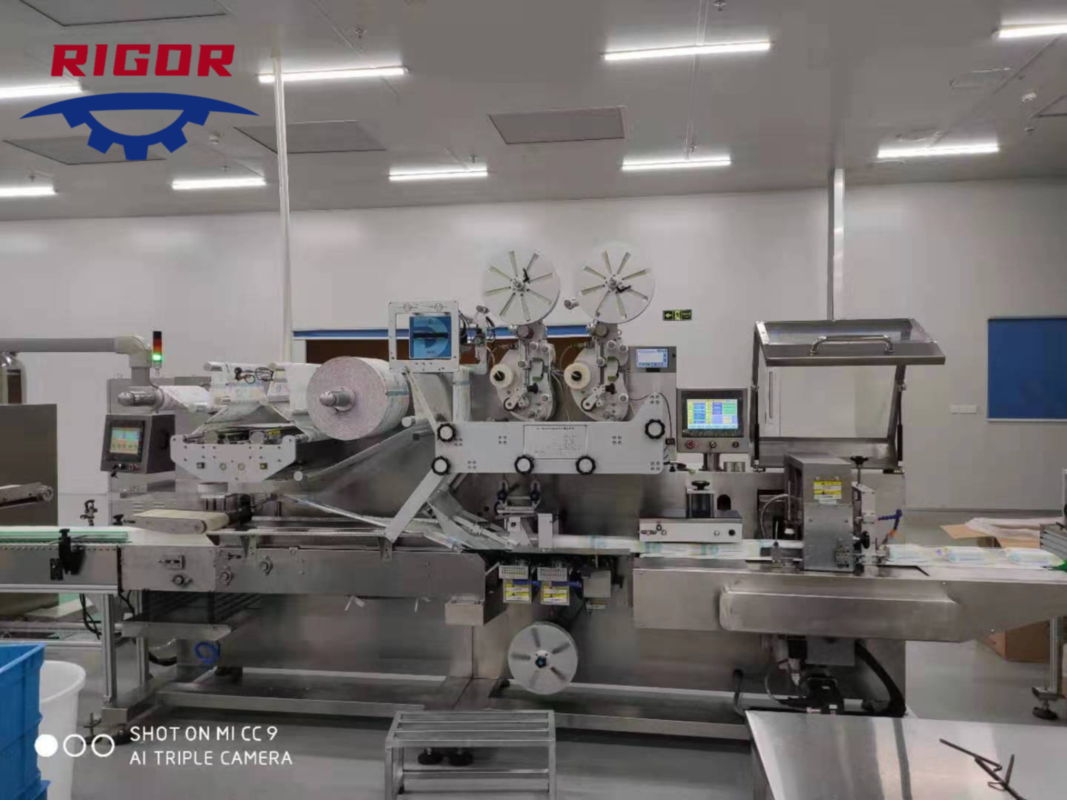
Özet
An examination of wet wipes manufacturing reveals that the final product's quality, safety, and market viability are inextricably linked to the selection of its constituent ingredients. This analysis focuses on the five primary categories of wipes ingredients: the non-woven substrate, the liquid formulation, preservatives, functional additives, and their collective impact on production machinery. It posits that a manufacturer's success, particularly in emerging markets like South America, Southeast Asia, and the Middle East, depends not merely on the cost of raw materials but on a sophisticated understanding of how these components interact with each other, with the production equipment, and with diverse consumer expectations. The document explores the material science of substrates, the chemistry of lotions and preservatives, and the mechanical engineering challenges that arise during production. It argues for a holistic approach where ingredient choice is a foundational strategic decision, influencing everything from regulatory compliance to brand perception and operational efficiency in the year 2025.
Önemli Çıkarımlar
- Substrate choice directly impacts both consumer feel and machine performance.
- Water purity is a non-negotiable cornerstone of a stable liquid formulation.
- Effective preservation is essential for safety, preventing microbial growth.
- Thoughtful selection of wipes ingredients is a key pillar of your business strategy.
- Functional ingredients differentiate your product in a crowded marketplace.
- Lotion viscosity affects the design of your production line's dosing system.
- Material compatibility prevents corrosion and extends machinery lifespan.
İçindekiler
The Foundation: Understanding the Non-Woven Substrate
When we begin the conversation about creating a wet wipe, our minds often jump to the liquid, the scent, or the cleaning power. Yet, the very soul of the wipe—the fabric that holds it all together—is the non-woven substrate. As a manufacturer of the machinery that handles these materials, I have seen firsthand how this foundational choice dictates not only the user's experience but the entire efficiency of a production line. To choose a substrate is to make a decision about softness, strength, cost, and even the environmental conscience of your brand. It is far more than just "the cloth"; it is the canvas upon which you will create your product.
Imagine you are building a house. Would you begin without a deep understanding of the foundation's materials? Concrete, wood, steel—each has its own properties, costs, and structural implications. The non-woven substrate is that foundation for your wet wipe.
The Distinction Between Natural and Synthetic Fibers
The fibers that compose your substrate fall broadly into two families: natural and synthetic. Each brings a unique set of characteristics to the table, and the blend you choose will define the wipe's core identity.
Natural fibers, such as cotton and viscose (which is derived from wood pulp), are celebrated for their exceptional softness and absorbency. They are hydrophilic, meaning they love water. When a consumer in a humid climate like Southeast Asia or a hot region like the Middle East reaches for a wipe, the cooling sensation and gentle touch of a cotton or viscose blend can feel incredibly luxurious. Cotton offers a classic, premium feel, while viscose provides a silky texture and excellent fluid management. Their primary drawback, however, is cost. These premium fibers demand a higher price, which must be factored into your final product's market position.
On the other side of the spectrum are synthetic fibers like polyester (PET) and polypropylene (PP). These materials are hydrophobic—they naturally repel water. While this might seem counterintuitive for a wet wipe, their value lies in strength and cost-effectiveness. Polyester provides exceptional structural integrity, preventing the wipe from tearing or falling apart during vigorous use. Polypropylene is lightweight and very inexpensive. Manufacturers often create a blend, combining the strength of synthetics with the softness and absorbency of natural fibers. A 70% viscose and 30% polyester blend, for example, is a common recipe that balances performance with cost, making it a viable option for the price-sensitive South American market.
Manufacturing Methods: Spunlace vs. Airlaid
Once the fibers are chosen, they must be bonded together to form a coherent fabric. This is where the non-woven manufacturing process comes in, and the most common method for wipes is "spunlace."
Think of the spunlace process as a form of high-tech weaving, but without the loom. A web of loose fibers is blasted with extremely high-pressure jets of water. These water jets entangle the fibers, knotting them together on a microscopic level to form a strong, soft, and pliable sheet. There are no binders or adhesives involved, which is why spunlaced fabrics are prized for their purity and cloth-like feel. The pattern of the water jets can even be controlled to create different textures, from smooth to apertured (with little holes) for better cleaning.
Another method you might encounter is "airlaid." In this process, fibers are mixed with a binder and carried by air to form a web, which is then heated to bond it together. Airlaid materials are often fluffier and more absorbent than spunlaced fabrics, almost like a paper towel, but they can lack the strength and softness. They are sometimes used for industrial or specialty wipes but are less common for personal care. The choice of manufacturing method has a direct impact on the wipes ingredients you can use and how they are absorbed.
| Özellik |
Spunlace Non-woven |
Airlaid Non-woven |
| Manufacturing Process |
Fibers entangled by high-pressure water jets |
Fibers mixed with binders, formed by air, then heated |
| Feel & Texture |
Soft, cloth-like, excellent drape |
Fluffier, paper-like, can be stiffer |
| Emicilik |
Good, depends on fiber blend |
Very high, excellent absorption capacity |
| Strength (Tensile) |
High, especially with synthetic blends |
Lower, can be prone to tearing when wet |
| Purity |
High (no chemical binders) |
Contains binders, which may be a concern for some applications |
| Typical Cost |
Moderate to High |
Low to Moderate |
| Yaygın Uygulamalar |
Baby wipes, cosmetic wipes, medical wipes |
Spills, industrial cleaning, some food service wipes |
Substrate Considerations for Target Markets
The beauty of a global market is its diversity, but this also presents a challenge. A substrate that succeeds in Russia may not be optimal for South Africa. You must think like an anthropologist, considering the climate, culture, and economic realities of your target consumer.
In hot and humid regions like Brazil or the Philippines, a wipe's breathability and softness are paramount. A high-viscose content spunlace fabric will feel cool and gentle against sweaty skin. Consumers here may be willing to pay a little more for that comfort.
In contrast, for a market focused on value and utility, such as in certain parts of Russia or Africa, a durable, cost-effective blend with a higher percentage of polyester might be more strategic. The wipe needs to be strong enough for multiple uses, and the price point must be accessible.
Furthermore, the rise of environmental consciousness is a global trend, but it manifests differently. In some markets, a "biodegradable" claim, supported by a 100% viscose or cotton substrate, can be a powerful marketing tool. In others, this concern is secondary to price and performance. Your choice of substrate is, therefore, a strategic calculation, balancing the material science of fibers with the socioeconomic fabric of your market.
If the substrate is the body of the wipe, the liquid formulation is its lifeblood. This aqueous solution is responsible for cleaning, moisturizing, and delivering the functional wipes ingredients to the skin. Creating a stable, safe, and effective lotion is a delicate act of chemistry. It’s like being a chef; having the right ingredients is only half the battle. You must understand how they interact, in what proportions, and the role each one plays in the final dish. A poorly designed formulation can not only be ineffective but can also cause skin irritation or compromise the product's shelf life.
The Role of Water: Purity and Its Impact on Product Stability
The single largest ingredient in any wet wipe lotion, often comprising over 90% of the formula, is water. But it is crucial to understand that not all water is created equal. You cannot simply connect a hose from the local water supply to your mixing tank. Tap water contains a host of minerals, salts, and trace microorganisms.
These impurities can wreak havoc on your formulation. Minerals can react with other ingredients, causing them to separate or precipitate out of the solution. Imagine making a clear, beautiful soup, only to find it cloudy and gritty the next day because you used hard water. More dangerously, the microorganisms present in untreated water provide a breeding ground for bacteria and mold, which will quickly spoil your product.
For this reason, manufacturers must use purified water, typically produced through processes like deionization (DI) or reverse osmosis (RO). This removes all the unwanted "noise," providing a clean, stable, and predictable base for your formulation. This is a non-negotiable step for product safety and quality.
Surfactants: The Cleansing Agents
How does a wet wipe actually clean? The magic lies in a class of molecules called surfactants. Think of a surfactant molecule as having a dual personality. One end of it is hydrophilic (it loves water), and the other end is lipophilic (it loves oil and grease).
When you use a wipe on your skin, the lipophilic tails of the surfactant molecules grab onto the oils and dirt. The hydrophilic heads remain in the water of the lotion. They form tiny spheres called micelles, trapping the dirt and oil in the center, which are then lifted from the skin and whisked away by the wipe.
Surfactants come in different types, with non-ionic surfactants being the most common in personal care wipes. They are very gentle and effective cleansers. Polysorbate 20 and various PEG (polyethylene glycol) compounds are common examples. The choice and concentration of surfactants determine the wipe's cleansing power. A makeup remover wipe will require a more robust surfactant system than a gentle baby wipe.
Humectants and Emollients: The Moisturizing Duo
Cleansing can sometimes strip the skin of its natural moisture. To counteract this, and to give the wipe a pleasant, soothing feel, formulations include humectants and emollients.
Humectants are like tiny water magnets. Ingredients like glycerin, propylene glycol, and sorbitol draw moisture from the air and from the lotion itself, binding it to the skin to keep it hydrated. When a consumer reports that a wipe left their skin feeling "soft and supple," it is often the work of a humectant.
Emollients, on the other hand, work by forming a thin, protective layer on the skin's surface. This layer helps to lock in moisture and gives the skin a smooth, non-greasy feel. Natural emollients like aloe vera, shea butter, and various plant-derived oils are popular for their marketing appeal and skin-soothing properties. The balance between humectants and emollients is key to achieving the desired after-feel of the product.
pH Adjusters: Balancing for Skin Safety
Our skin has a naturally acidic protective layer called the acid mantle, which typically has a pH between 4.5 and 5.5. This acidity helps to ward off harmful bacteria. A wet wipe formulation that is too alkaline (high pH) or too acidic (low pH) can disrupt this delicate balance, leading to dryness, irritation, and sensitivity.
To ensure the final product is skin-compatible, small amounts of pH adjusters are added to the lotion. Citric acid (derived from citrus fruits) and its salt, sodium citrate, are commonly used to lower the pH and buffer the solution, keeping it within that safe, skin-friendly range. This is a small but vital step in creating a product that is not just effective but also demonstrably safe for repeated use, especially on the sensitive skin of a baby.
The Guardian: The Necessary Role of Preservatives
There is, perhaps, no category of wipes ingredients more scrutinized or misunderstood than preservatives. In the consumer's mind, the word can sometimes conjure images of harsh, unnatural chemicals. As a manufacturer, it is your responsibility to understand and communicate the profoundly important role these ingredients play. A wet wipe is a water-rich environment, packaged and stored at room temperature—it is the perfect incubator for bacteria, yeast, and mold. Without an effective preservative system, a package of wipes could become a dangerous cocktail of microbes within weeks.
Preservatives are not an optional extra; they are the guardians of your product's safety and integrity. The choice to use them is a fundamental act of consumer protection.
Why Preservatives Are Non-Negotiable in Water-Based Products
Let’s perform a simple thought experiment. Take a slice of bread, dampen it with water, and seal it in a plastic bag. What happens after a few days? You will see mold growth. The same principle applies to a wet wipe. The substrate provides the surface, the water provides the moisture, and any trace organic matter from other ingredients provides the food.
Microbial contamination can lead to unpleasant odors, discoloration of the product, and, most alarmingly, skin infections or allergic reactions. A contaminated batch of wipes would not only harm consumers but would also trigger a costly product recall and do irreparable damage to your brand's reputation. Therefore, the question is not if you should use preservatives, but which preservative system is most appropriate, effective, and safe for your specific product and market.
A Look at Common Preservative Systems
No single preservative is effective against all types of microorganisms. That is why manufacturers typically use a "broad-spectrum" system, which is a combination of ingredients that work together to provide comprehensive protection.
- Phenoxyethanol: This is one of the most widely used preservatives in personal care today. It is effective against a broad range of bacteria and is often combined with other ingredients like ethylhexylglycerin to boost its efficacy. It is considered very safe at the low concentrations used in cosmetics (typically below 1%).
- Sodium Benzoate: This is a food-grade preservative that is very effective against fungi and some bacteria, particularly in acidic formulations (low pH). It is often seen in "natural" or "gentle" wipe formulations.
- Parabens (e.g., Methylparaben, Propylparaben): For many years, parabens were the gold standard of preservation due to their effectiveness and low cost. However, due to controversial and largely disputed studies linking them to health concerns, they have fallen out of favor with consumers. While many regulatory bodies worldwide still consider them safe for use in cosmetics, the market has spoken. As of 2025, producing a wipe with a "paraben-free" claim is a significant marketing advantage.
- Isothiazolinones (e.g., MIT, CMIT): This class of preservatives is extremely effective but has been associated with a higher rate of skin sensitization and contact allergies. Their use in leave-on products like wet wipes has been heavily restricted in many regions, including the European Union.
| Preservative System |
Spectrum of Activity |
Optimal pH Range |
Regulatory/Market Status (2025) |
Relative Cost |
| Phenoxyethanol |
Broad (Bacteria > Fungi) |
4.0 – 9.0 |
Widely accepted, globally approved |
Orta düzeyde |
| Sodium Benzoate |
Good (Fungi > Bacteria) |
< 4.5 (acidic) |
Popular in 'natural' formulas, food-grade |
Low |
| Parabens |
Broad Spectrum |
4.0 – 8.0 |
Regulatory bodies deem safe, but major consumer avoidance |
Very Low |
| Potassium Sorbate |
Primarily Fungi & Mold |
< 6.0 (acidic) |
Often used with other preservatives |
Low |
| Caprylyl Glycol |
Bacteria (Preservative Booster) |
4.0 – 8.0 |
Popular in 'preservative-free' marketing |
High |
Navigating Regulatory Landscapes
The world of preservatives is heavily regulated, and the rules can vary significantly from one country to another. The European Union's Cosmetic Regulation 1223/2009, for instance, maintains a positive list (Annex V) of approved preservatives and their maximum allowed concentrations. The US FDA has a different approach, holding manufacturers responsible for ensuring their products are safe without providing a pre-approved list.
For a manufacturer targeting diverse markets like Russia, South Africa, and Brazil, navigating this complex web is a major challenge. What is permissible in one country may be restricted in another. This is why it is essential to work with formulation chemists and regulatory experts who are familiar with the specific rules of your target regions. Choosing a preservative system that is globally or widely accepted, like phenoxyethanol, can simplify this process. Attempting to formulate on the edge of regulations is a risky strategy that can lead to your product being denied entry at the border.
The Specialist: Incorporating Functional and Marketing Ingredients
Once you have established the foundational structure (substrate), the core function (lotion), and the essential protection (preservatives), you can begin to imbue your product with a unique personality. This is achieved through functional and marketing ingredients. These are the wipes ingredients that often appear prominently on the front of the package—the "Aloe Vera," the "Chamomile Extract," the "Vitamin E." They are specialists, hired to perform a specific job, whether it is to provide a tangible skin benefit or to create a powerful marketing story that resonates with your target consumer.
Botanical Extracts and Natural Additives
In an era where consumers are increasingly drawn to "natural" and "plant-based" products, the inclusion of botanical extracts can be a powerful differentiator. These ingredients carry with them a perception of gentleness, safety, and time-tested efficacy.
- Aloe Vera (Aloe Barbadensis Leaf Juice): Perhaps the most famous botanical in personal care, aloe is renowned for its soothing and moisturizing properties. It is an easy and effective addition to a baby wipe or a post-sun wipe.
- Chamomile (Chamomilla Recutita Flower Extract): Known for its calming and anti-inflammatory properties, chamomile is another excellent choice for products aimed at sensitive skin.
- Tea Tree Oil (Melaleuca Alternifolia Leaf Oil): With its natural antibacterial and antifungal properties, tea tree oil can be a functional ingredient in facial cleansing wipes or wipes for acne-prone skin. However, it has a strong scent and must be used at very low, carefully controlled concentrations to avoid irritation.
- Green Tea Extract (Camellia Sinensis Leaf Extract): Rich in antioxidants, green tea extract is a popular addition to anti-aging or "detoxifying" facial wipes.
When selecting these extracts, it is vital to source them from reputable suppliers who can provide data on their purity, concentration, and any potential allergens. The marketing claim is only as good as the ingredient itself.
The Power of Fragrance: Navigating Preferences and Allergens
Scent is one of the most powerful and immediate drivers of consumer preference. The right fragrance can evoke feelings of cleanliness, freshness, or luxury. However, it is also one of the most common causes of skin sensitivity and allergic reactions. This presents a delicate balancing act for the manufacturer.
The choice is threefold:
- Unscented: This is the safest option, especially for baby wipes and products for sensitive skin. A "fragrance-free" claim is a strong selling point for a growing segment of the population.
- Naturally Scented: Using essential oils or botanical extracts to provide a subtle scent. This aligns well with a "natural" brand identity but requires careful formulation, as many essential oils can be sensitizing.
- Fragranced: Using a specially designed cosmetic fragrance. If you choose this route, it is imperative to use "hypoallergenic" or "phthalate-free" fragrances that have been specifically tested for use in skin-contact products.
Cultural preferences for scent also vary dramatically. What is perceived as a fresh, clean scent in South America might be considered overly strong or medicinal in Southeast Asia. Extensive market research and consumer testing are vital before committing to a fragrance for a global product.
Vitamins and Skin-Conditioning Agents
To further bolster claims of skin health and nourishment, many formulations include vitamins and other conditioning agents. These ingredients work in concert with the humectants and emollients to improve the skin's overall condition.
- Panthenol (Pro-Vitamin B5): An excellent humectant that also has soothing and repairing properties. It helps to improve skin hydration, elasticity, and smooth appearance.
- Tocopherol (Vitamin E): A powerful antioxidant that helps to protect the skin from environmental damage. It also has moisturizing benefits.
- Allantoin: A compound known for its ability to soothe irritation and promote cell regeneration. It is a fantastic ingredient for wipes intended to calm red or chapped skin.
These ingredients are not just for show. They are functional components that add real value and performance to your product, justifying a premium price and building consumer trust. They transform the wipe from a simple cleaning tool into a genuine skincare treatment.
The Unseen Partner: How Wipes Ingredients Influence Your Production Line
As an engineer and supplier of hygiene product machinery, this is where the theoretical chemistry of formulation meets the practical reality of manufacturing. The wipes ingredients you choose are not passive passengers; they are active participants in the production process. They interact with every gear, pump, and blade of your machinery. A failure to appreciate this relationship can lead to chronic production headaches, reduced efficiency, and even damage to your expensive equipment. A truly optimized product is one where the ingredients and the machine are designed to work in harmony.
Substrate Compatibility with Your Wet Wipes Converting Machine
The physical properties of your non-woven substrate have a profound impact on the mechanical operations of a wet wipes manufacturing line.
- Kesiyorum: The thickness (measured in grams per square meter, or GSM) and fiber blend of the substrate determine the type of cutting blades required. A thick, high-cotton substrate is tougher to cut than a lightweight polypropylene one. Using the wrong blades can lead to frayed edges, incomplete cuts, and rapid dulling, which means more downtime for blade changes.
- Folding: The substrate's stiffness and drape affect how it behaves in the folding unit. A very flimsy material might not hold a clean fold, while an overly stiff one could cause jams. The machine's folding plates and vacuum systems must be calibrated to the specific characteristics of your chosen fabric.
- Strength: The tensile strength of the substrate, both in the machine direction (MD) and cross direction (CD), is critical. As the fabric is pulled through the machine at high speed, a low-tensile-strength material is prone to stretching or tearing, causing an immediate line stoppage. This is a common and frustrating issue that can decimate your output targets.
Lotion Viscosity and Dosing Systems
The liquid formulation is not just "water." Its viscosity—or thickness—is a key parameter. A lotion rich in certain gums or emollients will be thicker than a simple water-and-surfactant solution. This directly influences the design of your lotion dosing system.
A low-viscosity (thin) lotion can be applied using a simple spray nozzle system. However, a high-viscosity (thick) lotion will require a more robust system, such as a cascade or slot-coating method, along with powerful pumps to move the fluid from the mixing tanks to the application point. Attempting to run a thick lotion through a system designed for a thin one will result in uneven wetting, clogged nozzles, and an inconsistent final product. This is a detail that must be discussed when specifying your wet wipes machine. The principles are similar to those seen in the adhesive application systems on a diaper machine or sanitary pad machine, where viscosity is king.
The Corrosive Nature of Certain Ingredients and Machine Longevity
Some wipes ingredients can be aggressive towards metal. For example, formulations with a very low pH (highly acidic) or those containing certain salts can be corrosive over time. If parts of your machine that are in constant contact with the lotion—such as tanks, pipes, pumps, and nozzles—are made from a low-grade metal, they will eventually rust and degrade.
This is why high-quality production lines are constructed using 304 or even 316L stainless steel for all fluid-contact parts. This material is highly resistant to corrosion, ensuring the longevity of your investment and preventing contamination of your product with rust particles. It is a higher upfront cost that pays for itself many times over in reduced maintenance and improved safety.
Optimizing for Speed: How Ingredient Choices Affect Production Efficiency
Every minute your production line is stopped is a minute you are losing money. Many of those stoppages can be traced back to a mismatch between ingredients and machinery. A substrate that tears easily, a lotion that clogs nozzles, or packaging film that fails to seal properly because of ingredient residue—all these issues reduce your Overall Equipment Effectiveness (OEE).
A successful manufacturer thinks holistically. They do not develop a formulation in an isolated lab and then simply "hand it over" to the production team. Instead, they co-develop the product and the process. They test different substrates on the actual machine to see how they run at speed. They fine-tune lotion viscosity for optimal wetting without oversaturation. This synergy between chemistry and mechanical engineering is the secret to a smooth, efficient, and profitable manufacturing operation.
Sıkça Sorulan Sorular (SSS)
Can I use tap water for my wet wipes?
No, using untreated tap water is highly inadvisable and unsafe. Tap water contains minerals, salts, and microorganisms that can destabilize your formulation, cause skin irritation, and lead to rapid bacterial and fungal contamination of the product. You must use purified water, such as deionized (DI) or reverse osmosis (RO) water, to ensure product stability, safety, and a consistent shelf life.
What is the most cost-effective substrate for a startup?
For a startup focused on entering the market with a competitive price point, a blended spunlace non-woven is often the best choice. A blend of polypropylene (PP) for cost-effectiveness and strength, combined with viscose for softness and absorbency (e.g., a 50/50 or 30/70 Viscose/PP blend), offers a good balance of performance and price. This provides a better user experience than 100% synthetic materials without the high cost of 100% natural fibers.
Are "natural" preservatives effective enough?
While the demand for "natural" products is high, preservation is a matter of safety science. Some "natural" preservatives, like certain essential oils or plant extracts, can have antimicrobial properties, but they often have a narrow spectrum of activity (e.g., they might inhibit mold but not bacteria) and can require very high, potentially irritating concentrations to be effective. Most reliable "natural" formulations use nature-identical or food-grade synthetic preservatives like sodium benzoate and potassium sorbate, which have a proven track record of safety and broad-spectrum efficacy.
How do wipes ingredients impact the product's shelf life?
The ingredients are the primary determinant of shelf life. The preservative system is the most direct factor, as its job is to prevent microbial growth over time. The purity of the water, the quality of the raw materials, and the pH of the formulation also play crucial roles. Furthermore, the packaging must be impermeable to prevent the lotion from drying out and to protect it from external contaminants. A typical shelf life for a well-formulated wet wipe is 2 to 3 years.
Do I need a different machine for baby wipes versus disinfecting wipes?
While the core functions of cutting, folding, and wetting are similar, there can be significant differences. Disinfecting wipes often use more aggressive chemical formulations, which may require machines with higher-grade, corrosion-resistant stainless steel (like 316L) for all liquid-contact parts. Additionally, the substrates may be thicker and require more robust cutting systems. While some flexible machines can be adapted, for high-volume, optimized production, it is often better to have a dedicated wet wipes machine configured for the specific product type.
How much fragrance should I add to my wipes?
Less is almost always more. Fragrance is typically added at very low concentrations, often between 0.1% and 0.3% of the total formulation. The goal is a pleasant, subtle scent, not an overpowering perfume. It is essential to use a hypoallergenic fragrance designed for leave-on cosmetic products and to ensure the final concentration does not cause skin sensitization. For baby products, the safest and most preferred option is to have no fragrance at all.
Can your equipment handle biodegradable materials?
Yes, modern, high-quality wet wipe machines are designed to be versatile. They can effectively handle a wide range of substrates, including 100% natural and biodegradable materials like cotton, viscose, and bamboo. However, it is important to communicate your intention to use these materials during the machine specification process. Adjustments to the tension controls, cutting blades, and folding mechanisms may be needed to optimize the machine's performance for the specific properties of these eco-friendly fabrics.
Sonuç
The journey of a wet wipe from a collection of raw materials to a finished product in a consumer's hand is a complex interplay of science, engineering, and market insight. It becomes clear that the term "wipes ingredients" extends far beyond a simple list on the back of a package. It represents a series of strategic decisions that form the very bedrock of the manufacturing enterprise. The choice of substrate dictates the product's tactile identity and the rhythm of the production line. The liquid formulation, a careful chemical balancing act, delivers the promise of cleansing and care. The preservative system, an unsung hero, stands as the silent guardian of consumer safety.
To embark on this manufacturing journey, especially in the dynamic and diverse markets of 2025, requires more than just capital for a machine. It demands a holistic perspective. It requires seeing the non-woven fiber not just as a cost per kilogram, but as a component that will interact with a high-speed cutting blade. It requires seeing a pH adjuster not just as a chemical, but as an agent that will flow through stainless steel pipes day after day. A thoughtful and informed approach to ingredient selection is not a preliminary step to be rushed; it is the most fundamental investment a manufacturer can make in the quality of their product, the efficiency of their operation, and the enduring trust of their customers.
Referanslar
Childsea. (2025, April 16). Customized sanitary napkins for every need. Childsea.
Haina. (2025, January 23). Baby diaper machine, sanitary napkin machine, adult diaper production line manufacturer. Haina.
SGS. (2022). Microbiological quality of wet wipes. SGS.
SQ Machine. (2025, May 22). How diapers are made: Materials, machines, and process explained. SQ Machine.
Sunree. (2025, March 1). Manufacturing machines ingenious technologies unrivaled efficiency. Sunree.
Womeng. (2025, March 27). Professional diaper making machine and diaper production line manufacturers. Womeng.
Womeng. (2025, April 14). Detailed explanation of diaper production process. Womeng. https://www.womengmachines.com/detailed-explanation-of-diaper-production-process/