Dec 18, 2025 | News
Abstract
An examination of the constituent elements of the cost of wipes reveals a complex interplay between material science, mechanical engineering, global logistics, and market-specific economic factors. For enterprises considering entry into the disposable hygiene market in 2025, particularly within emerging economies like South America, Russia, Southeast Asia, the Middle East, and South Africa, a granular understanding of these cost drivers is a prerequisite for sustainable profitability. This analysis deconstructs the total cost of wipes into seven principal domains: raw material inputs, capital expenditure on manufacturing machinery, operational and labor overheads, packaging and branding investments, supply chain and logistical hurdles, regulatory compliance expenditures, and the economic efficiencies gained through production scale and automation. By systematically evaluating each variable, from the price of nonwoven substrates and chemical formulations to the impact of import tariffs and machine production speed, a comprehensive financial model emerges. This framework enables prospective manufacturers to forecast expenses with greater accuracy, optimize their investment strategy, and strategically position their products within a competitive global landscape.
Key Takeaways
- Raw material selection, especially nonwoven fabric, is the largest variable in the overall cost of wipes.
- The initial investment in a wet wipes manufacturing line dictates long-term efficiency and per-unit costs.
- Operational expenses, including labor and energy, vary significantly across emerging markets and must be factored in.
- Packaging choices directly influence both production cost and consumer perception of product value.
- Logistics and import tariffs can drastically alter the final landed cost of materials and finished goods.
- Investing in quality control and meeting regulatory standards prevents costly recalls and builds brand trust.
- Achieving a lower cost of wipes per unit is directly proportional to production volume and automation levels.
Table of Contents
The Anatomy of Wipe Costs: Deconstructing Raw Material Expenses
To truly grasp the financial architecture of a single wet wipe, we must first act as both chemist and economist, dismantling it into its core components. The journey from raw inputs to a finished, packaged product is a story of accumulated cost, and the first chapter is always about the materials. These are not merely commodities; they are carefully engineered components whose properties dictate the final product's performance, feel, and, most pressingly, its price. The raw material portion frequently accounts for the most significant percentage of the total manufacturing cost of wipes, making every decision in this domain profoundly impactful on the bottom line.
The Foundation: Selecting Nonwoven Substrates
The heart of any wipe is the nonwoven fabric, or substrate. It is the canvas upon which the entire product is built. It delivers the cleaning solution, provides the mechanical action for wiping, and creates the tactile experience for the end-user. The choice of substrate is therefore a balancing act between desired performance characteristics and budgetary constraints. Have you ever wondered why one baby wipe feels luxuriously soft while another feels coarse and papery? The answer lies in the fibers used and the way they are bonded together.
Spunlace nonwovens represent the industry standard for many applications, from baby wipes to cosmetic removers. This technology uses high-pressure water jets to entangle fibers, creating a soft, strong, and cloth-like material without the use of binders or chemicals. The composition of these fibers is a primary cost lever. A blend of polyester (PET) and viscose is common; polyester provides strength and durability, while viscose, a regenerated cellulose fiber, offers superior absorbency and a softer feel. A higher percentage of viscose will increase the material cost but yield a more premium-feeling wipe, a feature highly valued in the competitive baby care markets of the Middle East and parts of Southeast Asia. The basis weight, measured in grams per square meter (gsm), is another direct cost driver. A 45 gsm fabric will be substantially less expensive than a 60 gsm fabric, but it will also be thinner and less absorbent. Calculating the optimal gsm is a calculation of the minimum material required to provide a satisfactory consumer experience without over-engineering the product.
For the ultra-premium segment, air-through bonded nonwovens offer an even softer, bulkier, and more cushioned feel. This process uses heated air to bond bicomponent fibers, resulting in a fabric that is exceptionally gentle on the skin. While this technology produces a superior product, the machinery and energy required for its production make it a more expensive option. Its adoption often makes sense for brands targeting high-income consumers who are willing to pay a premium for perceived gentleness and quality.
A growing and technically demanding niche is the market for flushable or dispersible wipes. The engineering challenge here is immense: the wipe must be strong enough to function during use but break down rapidly into small pieces when agitated in water, preventing blockages in sewer systems. These substrates are typically made from specialized short-cut cellulose fibers. The research, development, and specialized production processes inherent in creating these materials mean their cost is significantly higher than standard spunlace. However, for markets with advanced wastewater infrastructure and environmentally conscious consumers, they represent a significant value-added opportunity that can command a higher retail price, offsetting the initial increase in the cost of wipes.
| Substrate Type |
Key Characteristics |
Relative Cost |
Target Markets & Applications |
| Spunlace |
Soft, strong, absorbent, versatile fiber blends (PET/Viscose). |
Medium |
Baby Wipes, Personal Care, Household Cleaning |
| Air-Through Bonded |
Exceptionally soft, bulky, premium feel. |
High |
Premium Baby Wipes, Sensitive Skin Wipes |
| Flushable/Dispersible |
Breaks down in water, environmentally marketed. |
Very High |
Flushable Moist Toilet Tissue, Toddler Wipes |
| Spunbond |
Strong, lightweight, cost-effective. |
Low |
Industrial Wipes, Dry Wipes, Carrier for other materials |
If the nonwoven substrate is the body of the wipe, the wetting solution, or lotion, is its lifeblood. This liquid component is responsible for the product's primary function, whether it be cleansing, moisturizing, disinfecting, or polishing. The complexity and cost of this formulation can vary dramatically.
At its core, the solution is predominantly water—but not just any water. It must be highly purified, typically through a multi-stage process involving reverse osmosis (RO), deionization (DI), and ultraviolet (UV) sterilization. This is non-negotiable. Using untreated tap water would introduce minerals that can destabilize the formula and, more dangerously, microbes that would lead to product spoilage and potential health risks. The capital investment and operational cost of a water purification system are a fundamental part of the cost of wipes production.
The functional ingredients are where the formulation's cost truly begins to diverge. Surfactants are cleansing agents that lift dirt and oils from a surface. For a baby wipe, formulators will choose extremely mild, plant-derived surfactants like coco-glucoside or decyl glucoside to avoid skin irritation. For a hard-surface disinfecting wipe, a more powerful and less expensive surfactant might be used in combination with a disinfecting agent like a quaternary ammonium compound.
Preservatives are another unavoidable cost. Because wet wipes are a water-based product, they are an ideal breeding ground for bacteria, mold, and yeast. A robust preservative system is required to ensure the product remains safe and stable throughout its shelf life. The choice of preservatives is heavily influenced by regional regulations. For instance, certain preservatives that are acceptable in some parts of Asia may be restricted in markets that follow European Union regulations. Navigating this regulatory patchwork is a task for a skilled cosmetic chemist, and using newer, globally-compliant preservative systems can sometimes add to the formulation cost.
Finally, we have the value-added ingredients. These are the components highlighted in marketing: aloe vera for soothing, chamomile extract for calming, glycerin for moisturizing, or vitamin E as an antioxidant. Each ingredient adds a small amount to the per-liter cost of the solution, but when producing millions of wipes, these costs accumulate. The decision to include them is a strategic one, weighed against the brand's positioning and the price sensitivity of the target consumer. For example, in the sun-drenched markets of South Africa or Brazil, a wipe with added soothing aloe vera might have a distinct marketing advantage.
The Final Enclosure: Packaging Material Choices
The final piece of the raw material puzzle is the packaging. It serves multiple purposes: it protects the product from contamination and drying out, it provides a convenient dispensing mechanism, and it is the primary vehicle for branding and communicating with the consumer on the retail shelf.
The most common packaging format is the flexible flow-pack, made from a multi-layer plastic film. These films are sophisticated structures, often composed of an outer layer of polyester (PET) for stiffness and print quality, a middle barrier layer, and an inner layer of polyethylene (PE) for heat-sealing. The thickness of this film, measured in microns, and the complexity of its layers are direct cost factors.
A critical component of the flow-pack is the dispensing mechanism. The simplest and cheapest option is a resealable label. This label must be designed to be opened and closed dozens of time without losing its adhesion, lest the wipes inside dry out. A more premium and convenient option is a rigid plastic flip-top lid. These lids are typically produced through injection molding and are applied to the packaging film by a specialized machine. While they significantly increase the packaging cost, they also enhance the consumer experience and can be a key differentiator, justifying a higher retail price.
For certain product types, like heavy-duty disinfecting wipes or industrial wipes, rigid canisters are the preferred format. These are usually made from high-density polyethylene (HDPE) and offer excellent durability and a superior moisture barrier. The cost of the canister itself, plus the separate lid and the additional machinery required to fill and seal them, makes this a more expensive packaging solution reserved for products where its robustness is a key selling point.
The Engine of Production: Analyzing Wet Wipe Machine Investment
Having deconstructed the material components, we now turn our attention to the machine that brings them all together. The wet wipes machine is the heart of the manufacturing operation. It is a significant capital expenditure that will largely determine your production capacity, efficiency, labor requirements, and, ultimately, your long-term cost of wipes on a per-unit basis. Think of it not as a single purchase, but as an investment in your factory's future capabilities.
The market for this machinery is diverse, with options ranging from basic, semi-automatic models to highly sophisticated, fully automatic production lines. The price can vary accordingly, from as little as USD $10,000 for a very simple machine to well over USD $100,000 for a high-speed, fully-featured line (diapermachines.com, 2025). The choice depends entirely on your business plan, projected sales volume, and labor market.
Semi-Automatic vs. Fully Automatic Lines
The most fundamental distinction in wet wipe machinery is the level of automation.
A semi-automatic machine will perform the core functions of folding, wetting, and cutting the nonwoven fabric. However, it will typically require manual intervention for downstream processes. For example, an operator might need to manually place the stacks of wipes into pre-made packaging bags, which are then sealed by a separate machine. These systems have a much lower initial purchase price, making them an attractive entry point for startups or for businesses in regions with very low labor costs. The downside is a significantly lower production speed, higher reliance on manual labor (which can introduce variability), and a higher per-unit labor cost.
A fully automatic production line, in contrast, integrates all processes into a seamless flow. The machine automatically unwinds the nonwoven parent roll, slits it into lanes, folds it, adds the solution, cuts the wipes to length, stacks them into packs of a predetermined count, inserts the stack into packaging film that it forms into a bag, seals the bag, applies a resealable label or a plastic lid, and discharges a finished, retail-ready product. Some advanced lines even integrate case-packing robots at the end.
The benefits of a full-automation approach are immense. Production speeds are dramatically higher, often reaching hundreds of packs per minute. The consistency of the finished product is superior, as the element of human error is removed from most steps. Labor requirements are drastically reduced, often requiring only one or two operators to oversee the entire line and replenish raw materials. While the initial investment is substantial, the reduction in labor costs and the sheer volume of output lead to a much lower manufacturing cost of wipes per unit when the machine is run at or near its capacity. For businesses aiming for significant market share in competitive regions like Russia or Southeast Asia, a fully automatic line is often a necessity.
| Feature |
Semi-Automatic Machine |
Fully Automatic Machine |
| Initial Investment |
Low (e.g., $10,000 – $30,000) |
High (e.g., $50,000 – $100,000+) |
| Production Speed |
Low (e.g., 20-50 packs/min) |
High (e.g., 80-200+ packs/min) |
| Labor Requirement |
High (Multiple operators for production & packing) |
Low (1-2 operators for monitoring) |
| Per-Unit Cost |
Higher (at scale, due to labor & inefficiency) |
Lower (at scale, due to speed & efficiency) |
| Flexibility |
Often higher for very small, custom runs. |
Less flexible for frequent, small-batch changes. |
| Ideal For |
Startups, niche products, markets with low labor costs. |
Medium to large-scale producers, mass-market products. |
Key Machine Specifications and Their Cost Implications
When evaluating a wet wipe machine, several key specifications beyond the level of automation will influence its price and performance.
- Production Speed: This is often quoted in pieces per minute or packs per minute. Higher speed requires more robust mechanical components, more powerful servo motors, and more sophisticated control systems, all of which increase the machine's price.
- Number of Lanes: A parent roll of nonwoven fabric can be slit into multiple lanes, with each lane producing a stream of wipes. A 10-lane machine will have a much higher output than a 2-lane machine, but will also be larger and more expensive.
- Folding Type: Common folding types include 'Z' fold, 'C' fold, and 'interfold' (pop-up). Machines that can handle multiple folding types or more complex folds are generally more expensive.
- Applicable Product Size: A machine must be able to handle the desired range of wipe dimensions (length and width) and pack counts (e.g., from a 10-count travel pack to an 80-count nursery pack). Machines with a wider range of adjustability, especially those with servo-driven controls that allow for quick, recipe-based changeovers, carry a premium price but offer valuable production flexibility.
- Control System: Modern machines utilize a Programmable Logic Controller (PLC) and a Human-Machine Interface (HMI), which is typically a color touchscreen. The sophistication of this system, the quality of its components (e.g., using brands like Siemens or Allen-Bradley), and the user-friendliness of its software all impact the cost. A good PLC/HMI system simplifies operation, speeds up troubleshooting, and reduces downtime.
Beyond the Machine: Quantifying Operational and Labor Overheads
The purchase price of the machinery is a one-time capital expense, but the costs to run that machine are ongoing and continuous. These operational overheads are a vital component of the total cost of wipes and can make or break a business's profitability. A manufacturer in a region with high energy costs but low labor costs will have a different cost structure than one in the opposite scenario. A careful analysis of these factors is just as important as negotiating the price of raw materials.
The Human Element: Labor Costs and Skill Requirements
Labor is often one of the most significant operational expenses. The cost of labor varies enormously across the target markets. For example, hourly manufacturing wages in parts of Southeast Asia can be a fraction of those in Russia or certain areas of the Middle East. This differential is a major reason why semi-automatic machinery might remain a viable option in some countries, whereas it would be economically unfeasible in others.
However, it's not simply a matter of hourly wages. One must also consider the skill level required. Operating a simple, semi-automatic line may require a larger number of low-skilled workers. In contrast, running a high-speed, fully automatic production line requires fewer operators, but these individuals need to be more highly skilled. They must be technicians capable of monitoring the HMI, understanding the machine's processes, performing basic troubleshooting, and conducting routine maintenance. The training and retention of these skilled technicians are an indirect labor cost that must be accounted for.
Furthermore, one must factor in overheads associated with labor, such as payroll taxes, benefits, insurance, and the administrative costs of human resources management. These can add a significant percentage on top of the base wage.
Powering Production: Energy and Utility Consumption
A wet wipe production line is a thirsty consumer of utilities. The primary driver of energy consumption is electricity. Servo motors, heaters for sealing jaws, air compressors, pumps for the wetting solution, and the factory's lighting and HVAC systems all contribute to the electricity bill. The cost of industrial electricity varies widely from country to country. Manufacturers in nations with subsidized energy may have a distinct advantage over those in countries with high electricity tariffs. When selecting a machine, it is wise to inquire about its power consumption rating (typically in kW). Modern, well-engineered machines often incorporate energy-saving features, such as more efficient servo motors or better-insulated heating elements, which can lead to substantial long-term savings.
Water is another key utility, not just as a primary raw material in the solution but also for cleaning and sanitation of the machinery and production environment. The cost of water, along with the cost of treating the wastewater generated from cleaning processes, should be included in the operational budget.
Finally, compressed air is the unsung hero of many automated systems, used to power pneumatic cylinders, actuators, and air jets. A large, industrial air compressor is itself a significant consumer of electricity, and any leaks in the compressed air lines are literally leaks of money.
Keeping the Wheels Turning: Maintenance and Spare Parts
No machine runs forever without care. A proactive maintenance schedule is not an expense; it is an investment in preventing costly, unplanned downtime. The operational budget must include provisions for routine maintenance tasks, such as lubrication, inspection, and cleaning.
It must also account for the cost of spare and consumable parts. Consumable parts are those that wear out through normal operation and need regular replacement, such as the blades for cutting the wipes, the heat-sealing jaws, suction cups, and conveyor belts. Spare parts are components kept on hand to quickly replace a part that fails unexpectedly, such as a motor, a sensor, or a PLC module.
When purchasing a machine from a manufacturer, it is prudent to inquire about the cost and availability of their spare parts. A machine with a low initial purchase price may become a liability if its spare parts are expensive or have long lead times, leading to extended periods of lost production. Reputable manufacturers provide a recommended spare parts list with their machines and offer support for installation and maintenance, which can be a valuable service for new producers (Yugong Machinery, 2024).
First Impressions Matter: The Economic Impact of Packaging and Branding
In the crowded aisles of a supermarket, a product has only a few seconds to capture a consumer's attention. In this fleeting moment, the packaging does all the talking. It is the product's face, its handshake, and its sales pitch, all rolled into one. While we have already discussed the raw material cost of packaging films and lids, the economic impact of packaging extends far beyond the price of plastic. It encompasses the design, the branding, and the machinery required to create a package that is not only functional but also desirable. These elements add layers to the cost of wipes, but they are investments in building a brand and commanding a better position in the market.
The Cost of Shelf Appeal: Design, Printing, and Plates
Before a single package is produced, there is the cost of design. This involves graphic design work to create the brand's logo, color scheme, and on-pack imagery. For a new product launch, this can be a significant upfront cost, requiring the services of a professional design agency.
Once the design is finalized, it must be transferred onto the packaging film. The most common method for high-volume flexible packaging printing is rotogravure printing. This process involves etching the design onto massive metal cylinders, known as gravure plates. Each color in the design requires its own separate plate. The creation of a set of these plates can cost thousands of dollars. This is a one-time cost per design, but it means that changing the design is an expensive proposition. This high setup cost is why rotogravure printing is best suited for long production runs where the cost of the plates can be amortized over millions of packages. For smaller, niche brands or for test marketing, digital printing is becoming a more viable, albeit higher per-unit cost, alternative that does not require plates.
The inks used in the printing process also contribute to the cost. High-quality, vibrant, and food-safe inks are more expensive than lower-grade alternatives. Special finishes, such as a matte varnish or metallic inks, can further enhance shelf appeal but also add to the final packaging cost.
Machinery for Packaging: Lid Applicators and More
The complexity of your chosen package design directly impacts your machinery requirements. As discussed, a simple resealable label is the most economical option. This label is typically applied by a module integrated directly into the main wet wipe production line.
However, if you opt for the more premium rigid plastic flip-top lid, you will need an additional piece of equipment: a lid applicator machine. This machine takes the sealed packs of wipes from the main line, uses a vision system or mechanical guides to find the correct position, applies a hot-melt adhesive, and precisely places the plastic lid onto the pack. A reliable, high-speed lid applicator is a significant investment on its own, adding to the total capital expenditure for the production line. However, the perceived increase in quality and convenience can allow the product to compete in a higher market segment.
Other specialized packaging formats require even more machinery. For example, producing wipes in a rigid canister involves a line that includes a canister unscrambler, a filling station (which may involve "stuffing" a perforated roll of wipes into the canister), a station for feeding and sealing the canister lid, and a labeling machine to apply a wrap-around label. Each of these machines adds to the initial investment and the factory's footprint.
From Factory to Shelf: Navigating Logistics, Tariffs, and Supply Chain Complexities
The process of calculating the cost of wipes does not end when a finished pack rolls off the production line. A significant portion of the final cost to the business is incurred in the journey from the factory door to the retailer's warehouse. This is the world of logistics and supply chain management, a complex web of transportation, storage, and cross-border trade. For manufacturers in South America, Russia, Southeast Asia, the Middle East, and South Africa, who often rely on imported raw materials and machinery, and may even export finished goods, this is a particularly challenging and cost-intensive part of the business.
The Cost of Movement: Transportation and Warehousing
Transportation costs are incurred at multiple stages. First, there is the inbound logistics: the cost of shipping raw materials from your suppliers to your factory. Nonwoven parent rolls are large and heavy; liquid chemicals may need to be shipped in drums or intermediate bulk containers (IBCs). The cost of this freight, whether by sea, rail, or truck, must be factored into the landed cost of your raw materials.
Once the wipes are produced and packed into shipping cartons, there is the cost of warehousing. You will need a clean, dry, and secure space to store your finished goods before they are shipped to customers. This involves the cost of renting or owning a warehouse, the labor for managing inventory, and the material handling equipment like forklifts and pallet jacks.
Finally, there is the outbound logistics: the cost of shipping the finished products to your distributors or retail partners. This cost is highly dependent on distance, volume, and the level of service required. The further your customers are from your factory, the higher your distribution costs will be, which will either eat into your profit margin or need to be passed on to the consumer.
Crossing Borders: Import Duties and Tariffs
For any business involved in international trade, tariffs and duties are a major financial consideration. When you import your or raw materials like specialized nonwovens or chemicals, the government of your country will likely levy an import tax. This tax is usually calculated as a percentage of the declared value of the goods. These tariffs can add a substantial amount to your initial investment and ongoing material costs. For example, a 15% tariff on a $100,000 machine adds an immediate $15,000 to its cost.
It is absolutely vital to work with a knowledgeable customs broker who understands the specific tariff codes (HS Codes) for your machinery and raw materials. Sometimes, small differences in classification can lead to large differences in the duty rate. Trade agreements between countries can also play a huge role. For instance, a country within a trade bloc like ASEAN or Mercosur may have lower or zero tariffs on goods imported from other member countries.
Similarly, if you plan to export your finished wipes to neighboring countries, you must understand the import duties they will charge. This will affect the final price of your product on the foreign shelf and your competitiveness in that market. This complex matrix of international trade regulations requires careful study and expert guidance.
The Price of Trust: Integrating Quality Control and Regulatory Compliance Costs
In the hygiene products industry, trust is not a marketing buzzword; it is the fundamental currency of your business. Consumers trust that the wipe they use on their baby's skin is safe, gentle, and free from harmful contaminants. They trust that a disinfecting wipe will actually kill the germs it claims to. Earning and maintaining this trust has a cost, an investment in robust quality control systems and adherence to a web of national and international regulations. While these activities add to the cost of wipes, they are not optional. They are the bedrock of a sustainable business, protecting both the consumer and the brand from the catastrophic consequences of a quality failure.
Building a Quality Assurance Framework
Quality Control (QC) is not something that happens at the end of the line; it is a philosophy that must be embedded in every step of the manufacturing process. A comprehensive Quality Assurance (QA) framework includes:
- Incoming Material Inspection: Raw materials should not be accepted into the warehouse without first being inspected and tested. This means checking nonwoven fabrics for defects, correct gsm, and strength. It means taking samples of the wetting solution to test its pH, viscosity, and preservative levels. It may even involve microbiological testing of incoming raw materials.
- In-Process Quality Checks (IPQC): Operators and QC technicians must constantly monitor the production line. This includes visually inspecting the folding of the wipes, checking the cut-off length, verifying the weight of the finished packs to ensure the correct amount of solution has been added, and testing the seal strength of the packaging. These checks help to catch any deviations from the standard before a large number of defective products are made.
- Finished Goods Testing: Before a batch of products can be released for sale, a final round of testing is required. This always includes microbiological testing, where samples are incubated to ensure they are free from bacteria, yeast, and mold. It also includes stability testing, where packs are kept at elevated temperatures and humidity to simulate aging and ensure the product will remain stable throughout its intended shelf life.
The cost of this framework includes the salaries of QC personnel, the investment in laboratory equipment (such as a pH meter, viscometer, incubator, and microbial testing supplies), and the cost of the materials that are used up in testing.
The Cost of Compliance: Certifications and Standards
Operating in the global market means complying with a variety of standards. Achieving certifications like ISO 9001 (for quality management systems) or Good Manufacturing Practices (GMP) is often a prerequisite for selling to major retailers or for exporting to developed markets.
The process of becoming certified involves developing extensive documentation of your processes, training your staff, and often, making upgrades to your facility and equipment to meet the required standards. Then, you must pay for an audit by an accredited third-party certification body. These certifications are not a one-time event; they require periodic surveillance audits to maintain, all of which have associated costs.
While these certifications add to the overhead, they provide a powerful signal of quality and reliability to potential customers. They demonstrate a commitment to excellence that can be a strong competitive advantage. They also provide a robust framework that helps to minimize errors, reduce waste, and improve overall efficiency, which can lead to long-term cost savings that offset the initial investment. A manufacturer with GMP certification is making a clear statement about the integrity of their production process (Chuangda Machinery, 2022).
Economies of Scale: How Production Volume and Automation Dictate Final Costs
We arrive now at a principle that lies at the heart of modern manufacturing: the economy of scale. In simple terms, the more of something you produce, the cheaper it becomes to produce each individual unit. For a prospective wet wipes manufacturer, understanding and leveraging this principle is the key to transitioning from a small-scale operation to a profitable, mass-market player. The relationship between production volume, automation, and the per-unit cost of wipes is direct and powerful.
The Amortization Effect: Spreading Fixed Costs
Every manufacturing business has two types of costs: variable costs and fixed costs.
- Variable Costs are costs that change in direct proportion to your production volume. The cost of nonwoven fabric is a perfect example. If you produce twice as many wipes, you will use twice as much fabric, and your total fabric cost will double. The variable cost per wipe remains constant.
- Fixed Costs are costs that remain the same regardless of your production volume (within a certain range). The rent for your factory, the salaries of your administrative staff, the depreciation of your machinery, and the setup cost for printing plates are all fixed costs.
The magic of economies of scale happens when you spread these fixed costs over a larger number of units. Imagine your factory's fixed costs are $10,000 per month. If you only produce 100,000 packs of wipes that month, the fixed cost allocated to each pack is $0.10. But if you can ramp up production and produce 1,000,000 packs, the fixed cost allocated to each pack plummets to just $0.01. This ten-fold increase in production has slashed the fixed cost portion of your per-unit cost by 90%.
This is why high production volume is so critical to achieving a low manufacturing cost of wipes. It allows you to dilute the impact of your most significant fixed costs, most notably the initial investment in your machinery. A high-speed, fully automatic production line that costs $100,000 may seem expensive, but if it allows you to produce tens of millions of packs per year, the depreciation cost per pack becomes almost negligible.
Automation as the Enabler of Scale
High production volume is not achievable without a high degree of automation. A semi-automatic line that relies on manual packing simply cannot reach the output levels needed to truly benefit from economies of scale. A fully automatic line that can run 24 hours a day with minimal staffing is the engine that drives high volume.
Automation also contributes to economies of scale by reducing waste. An automated system performs each task with a precision and consistency that humans cannot match. It will cut each wipe to the exact same length, apply the exact same amount of solution, and place the lid in the exact same spot every single time. This reduces the amount of raw material that is wasted due to errors and minimizes the number of rejected, unsaleable products.
Furthermore, automation allows a business to scale its output without proportionally scaling its labor force. Doubling the production on a manual line might require doubling the number of workers. Doubling the production of an automated factory might simply mean running a second shift with a small additional crew. This decoupling of production volume from labor costs is one of the most powerful financial benefits of automation and a key driver in reducing the overall cost of wipes. For any enterprise with ambitions to serve a large market, investing in a reliable and efficient is not just an option; it is a strategic imperative.
Frequently Asked Questions (FAQ)
What is the minimum startup investment to begin manufacturing wet wipes?
The minimum investment can vary dramatically based on your business model. For a very small-scale, semi-automatic operation in a low-cost labor market, it might be possible to start with an initial capital outlay of around $30,000 to $50,000 USD, covering a basic machine and initial raw material stock. However, for a more robust, fully automatic line capable of competitive mass production, the investment in machinery alone can range from $50,000 to over $100,000 USD, with total startup capital, including facility setup and working capital, likely exceeding $200,000 to $300,000 USD.
How much does a typical wet wipes machine cost in 2025?
The price of a wet wipes machine depends on its speed, level of automation, and features. According to industry suppliers, a basic semi-automatic machine may cost between $10,000 and $30,000 USD. A fully automatic, high-speed production line with features like auto-splicing and lid application will typically cost between $50,000 and $100,000 USD, with some highly advanced, multi-lane systems exceeding this range.
Which raw material has the biggest impact on the final cost of wipes?
The nonwoven substrate is consistently the single most expensive raw material component, often accounting for 50-70% of the total material cost. The specific type of fiber blend (e.g., polyester vs. viscose), the basis weight (gsm), and the manufacturing technology (e.g., spunlace vs. air-through bonded) are the primary drivers of the substrate's price.
How can I reduce my manufacturing costs?
The most effective long-term strategy to reduce the per-unit cost of wipes is to increase production volume through automation. Investing in a high-speed, fully automatic machine lowers labor costs and allows you to spread fixed costs over more units. Other strategies include negotiating bulk discounts on raw materials, optimizing your wetting solution formula to use more cost-effective ingredients, and implementing a rigorous maintenance program to minimize costly downtime.
Are fully automatic machines better than semi-automatic ones?
"Better" depends on your specific goals. For large-scale production targeting mass markets, fully automatic machines are superior due to their high speed, low per-unit labor cost, and consistency. For small startups, niche product manufacturing, or operations in regions with extremely low labor costs, a semi-automatic machine can be a more financially accessible entry point, despite its lower efficiency.
How do import tariffs affect the cost of starting a wipe business?
Import tariffs can significantly increase your startup costs. Machinery, specialized nonwoven fabrics, and certain chemical ingredients are often imported. A tariff, which is a tax on these imports, is added to the purchase price. For example, a 20% tariff on an $80,000 machine adds $16,000 to your initial investment. It is vital to research the specific tariff rates for your country and factor them into your business plan.
Does the choice of packaging significantly alter the cost?
Yes, significantly. A simple flow-pack with a resealable sticker is the most economical option. Upgrading to a pack with a rigid plastic flip-top lid increases the material cost and requires an additional investment in a lid applicator machine. While this raises the production cost, it also improves consumer convenience and perceived value, which can support a higher retail price.
A Final Contemplation on Value
As we conclude this detailed examination, it becomes clear that the "cost of wipes" is not a single number but a dynamic equation with numerous variables. It is an intricate dance of material science, mechanical precision, labor economics, and global trade. For the entrepreneur standing at the threshold of this industry in 2025, the path to profitability is paved not with shortcuts, but with knowledge. It requires a deep appreciation for how the choice of a viscose fiber in a nonwoven can translate to a mother's perception of softness, how the investment in a servo motor can reduce waste and increase output, and how adherence to a quality standard can build a brand that endures. The figures and factors discussed here are not merely line items on a spreadsheet; they are the building blocks of a tangible product that will become a part of people's daily lives. The true challenge, and indeed the opportunity, lies in skillfully managing these costs to create a product that delivers not just function, but genuine value to the consumer and sustainable returns to the enterprise.
References
diapermachines.com. (2025). Wet wipes machine. Retrieved from https://www.diapermachines.com/product-category/wet-wipes-machine/
dnwmachines.com. (2025). Category: Sanitary Napkin Machine. Retrieved from
en.chuangdamachine.com. (2022). Company Profile. Retrieved from https://en.chuangdamachine.com/about.html
Michał, C., & Prochon, M. (2018). Spunlace nonwovens–the fabric of the future. AUTEX Research Journal, 18(4), 364-370. https://doi.org/10.1515/aut-2018-0004
Saat, N. C., Tahir, M. F. M., & Anuar, N. (2021). Preservatives in personal care and cosmetic products: A review on the new alternative preservatives. Journal of Cosmetic Science, 72(4), 395-416.
sanitarypadmachine.com. (2024). Sanitary Napkin Production Line. Retrieved from
Smith, P. (2020). An introduction to nonwovens technology. John Wiley & Sons.
World Trade Organization. (2024). Tariff data. WTO.org. Retrieved from
yugongmachinery.com. (2024). Diaper Manufacturing Machine | Baby/Adult Diaper Making Machine Price. Retrieved from https://www.yugongmachinery.com/diaper-manufacturing-machine/
Zhang, D. (2017). Advanced nonwoven technologies. Woodhead Publishing.
Dec 12, 2025 | News
Abstract
The acquisition of a wet wipes machine represents a significant capital investment, demanding a meticulous evaluation process to ensure alignment with production goals and long-term profitability. This document presents a comprehensive wet wipes machine buying checklist, articulating a systematic framework for prospective buyers in emerging markets such as South America, Russia, Southeast Asia, the Middle East, and South Africa. It examines nine pivotal domains of consideration, commencing with the foundational definition of production requirements and market objectives. The analysis extends into the granular details of machine specifications, including production velocity, automation levels, and system integration capabilities, particularly the role of servo-driven systems and PLC controls. Further scrutiny is applied to raw material compatibility, manufacturer credibility, the scope of after-sales support, and the total cost of ownership. The objective is to equip investors with the analytical tools to navigate the complexities of procurement, moving beyond initial price points to a holistic assessment of value, operational efficiency, and return on investment.
Key Takeaways
- Define your target product, output volume, and packaging format before contacting any manufacturer.
- Analyze technical specifications like stable production speed, folding type, and liquid dosing accuracy.
- Evaluate the level of automation; full-servo systems reduce labor costs and improve consistency.
- Verify the manufacturer's reputation through case studies, certifications, and direct customer references.
- Use this wet wipes machine buying checklist to calculate the total cost of ownership, not just the purchase price.
- Prioritize manufacturers who offer comprehensive after-sales support, training, and readily available spare parts.
- Ensure the machine complies with international standards like CE and ISO for safety and quality assurance.
Table of Contents
Define Your Production Needs: The Foundational First Step
Embarking on the journey to acquire a wet wipes production line is not merely a purchasing decision; it is the physical manifestation of a business strategy. The success of this venture is contingent not on the machine alone, but on how precisely that machine aligns with a well-defined operational and market vision. Before you even begin to browse manufacturer catalogs or request a quotation, a period of deep introspection and rigorous market analysis is paramount. This initial phase is the bedrock upon which your entire project will be built. Getting this right prevents costly missteps later, such as investing in a machine that is either insufficient for your demand or over-engineered for your needs. Think of it as drawing the architectural blueprint before laying the foundation of a house.
I have spoken with countless entrepreneurs over the years, and a common thread among the most successful is the clarity of their vision from day one. They don't just say, "I want to make wet wipes." They can articulate exactly what kind of wipes, for whom, at what volume, and in what packaging. This level of detail is the first item on any serious wet wipes machine buying checklist.
Determining Your Product Type and Market Niche
The term "wet wipe" is incredibly broad. The machine required to produce disinfectant wipes for hospital use is functionally different from one designed for gentle baby wipes or oil-based makeup remover wipes. Your first task is to define your product with surgical precision.
- Baby Wipes: These require materials that are exceptionally soft and a liquid formula that is hypoallergenic and gentle. The machine's liquid-adding system must be precise to ensure consistent moisture without oversaturation, and the folding must be perfect for easy one-hand dispensing by a parent.
- Cosmetic/Personal Care Wipes: These may involve more complex, sometimes viscous or oil-based lotions. The machine must have a liquid system capable of handling these formulations without clogging. The packaging is often smaller, more premium, and may require specific lid applicators.
- Disinfectant/Antibacterial Wipes: These use alcohol-based or other chemical solutions. The machine's components, especially pumps, tubes, and nozzles, must be made of corrosion-resistant materials (like 316L stainless steel) to withstand the aggressive nature of the liquids.
- Industrial or Household Cleaning Wipes: These are often larger, use stronger nonwoven fabrics, and are packaged in larger counts or canisters. The machine needs to handle wider raw materials and have a robust cutting system.
Your choice of niche will directly influence the required machine specifications. A machine optimized for high-speed baby wipe production might not be suitable for the slower, more specialized production of cosmetic wipes.
Projecting Production Volume and Speed
Once you know what you are making, you must determine how much. This is not a guess; it should be a projection based on market research, distribution channels, and business goals.
- Entry-Level Production: If you are a new entrant in a smaller market or are focused on a niche product, a machine producing 200-400 pieces per minute (ppm) might be sufficient. This allows for a lower initial investment while you build your brand.
- Mid-Range Production: For established businesses or those entering larger, more competitive markets like those in parts of Southeast Asia, a machine in the 400-800 ppm range offers a balance of output and cost.
- High-Volume Production: For major players aiming for mass-market penetration, high-speed lines producing over 1,000 ppm, and sometimes up to 2,400 ppm (for 30-lane machines), are necessary. These are complex, fully automated systems requiring significant capital.
It is vital to distinguish between "design speed" and "stable working speed." A manufacturer might advertise a design speed of 800 ppm, but the machine may only run consistently and reliably at 650-700 ppm. Always ask for the stable working speed under real-world conditions with your specified materials. This is the number that truly impacts your output and profitability.
The final piece of this foundational puzzle is packaging. The consumer's experience is heavily influenced by the package, and your machine must be equipped to create it flawlessly.
- Flow-Pack (Pillow Pack): This is the most common format, ranging from small travel packs (5-10 wipes) to standard home packs (60-120 wipes). You must decide on the range of wipe counts you want to produce. Will the machine have an auto-stacker that can be adjusted for different counts? Will it have a single lid applicator or a dual system for flexibility?
- Canisters/Tubs: These are popular for disinfectant and cleaning wipes. This requires a completely different packaging module that involves rolling the wipes, inserting them into the canister, and then sealing and lidding. Some lines are dedicated solely to canister production.
- Sachets: Single-wipe sachets are common for restaurant hand wipes or lens cleaners. This involves a four-side sealing process and is typically handled by a different type of machine altogether.
Your decisions here—product type, volume, and packaging—form the core criteria you will present to a manufacturer. A reputable supplier will not just sell you a machine; they will engage in a consultative process, using your detailed requirements to recommend the most suitable wet wipes production line for your specific business case. Without this clarity, you are navigating without a compass.
Scrutinize Machine Specifications and Technical Parameters
With a clear blueprint of your production needs, you can now transition from strategic planning to technical evaluation. This is where you delve into the heart of the machinery, examining the components and systems that will define your production efficiency, product quality, and operational reliability. A wet wipes machine is not a single entity but a complex assembly of interconnected modules, each performing a critical function. A weakness in one area can bottleneck the entire production line. A thorough wet wipes machine buying checklist must dissect the machine into its core functional units and assess each one against your predefined requirements.
I often compare this stage to a detailed medical examination. You wouldn't accept a doctor's vague assurance of "good health"; you'd want to see the numbers—blood pressure, cholesterol levels, and so on. Similarly, you must demand precise technical data from your potential manufacturer. Below is a table outlining the key parameters to investigate.
| Technical Parameter |
Key Considerations |
Impact on Production |
| Production Speed |
Design Speed vs. Stable Speed (pcs/min). Speed variation for different product sizes. |
Directly determines output, revenue potential, and ROI calculation. |
| Folding Type |
"Z" fold, "C" fold, "W" fold, Non-Pop-up vs. Pop-up. |
Affects end-user convenience (dispensing one wipe at a time) and material consumption. |
| Liquid Dosing System |
Dosing range (ml), accuracy (e.g., ±5%), number of nozzles, material (SS316L). |
Ensures consistent wipe moisture, product quality, and prevents costly liquid wastage. |
| Cutting System |
Rotary cutter, blade material and lifespan, cut length accuracy (e.g., ±1mm). |
Determines wipe dimensions, edge quality, and maintenance frequency. |
| Applicable Raw Materials |
Nonwoven types (Spunlace, Airlaid), GSM range (g/m²), roll width (mm). |
Defines the machine's flexibility to adapt to market trends and material availability. |
| Packaging Unit |
Sealing type (heat/ultrasonic), film compatibility, lid applicator type and speed. |
Critical for product integrity, shelf appeal, and preventing leaks or contamination. |
| Power & Air |
Voltage/Frequency (e.g., 380V/50Hz), total power (kW), compressed air pressure (MPa). |
Essential for factory planning, utility setup, and calculating operational energy costs. |
The Engine of Production: Folding, Cutting, and Stacking
The core of the machine is where the nonwoven fabric is transformed into individual wipes.
- Folding Unit: The folding mechanism dictates how the wipes are presented to the consumer. The "pop-up" feature (achieved by an interfolding "Z" fold) is standard for most baby and personal care wipes, as it presents the next wipe automatically. The precision of the folding head is paramount. Poor folding leads to dispensing issues and customer complaints. Ask the manufacturer about the durability of the folding components and the ease of adjustment.
- Cutting Unit: A high-speed rotary cutter must be robust and precise. The blades are wear parts, so you need to understand their expected lifespan and replacement cost. A clean, straight cut is a mark of a quality product, while frayed edges suggest a dull blade or a misaligned cutter.
- Stacking Unit: For flow-packs, an automatic counting and stacking unit is essential. This servo-driven system must be able to accurately count and stack the desired number of wipes (e.g., 10, 20, 80) and transfer the stack to the packaging unit. Its flexibility is key if you plan to offer multiple product SKUs with different wipe counts.
The Heartbeat: The Liquid Dosing System
This system is arguably where product quality is won or lost. Inconsistent wetting is a major quality failure.
- Precision and Control: The system should allow you to program the exact amount of liquid to be added per wipe or per stack. Look for a system with a high-precision dosing pump and a feedback loop that ensures accuracy. An accuracy of ±5% or better is a good benchmark.
- Coverage: The liquid should be distributed evenly across the entire wipe. This is achieved through a manifold with multiple nozzles. Ask the manufacturer how they ensure uniform coverage and prevent dry spots, especially on wider wipes.
- Material Integrity: As mentioned, if you are using corrosive liquids, the entire liquid path—from the tank to the pump, pipes, and nozzles—must be constructed from a resistant material like food-grade or medical-grade stainless steel (SS 304 is standard, SS 316L is superior for corrosive agents).
The Final Touch: The Packaging Unit
The packaging unit protects the product and serves as your brand's ambassador on the shelf. A failure here renders all previous steps worthless.
- Sealing Integrity: The main function is to create airtight seals to prevent the wipes from drying out. The machine will use heated sealing jaws or ultrasonic technology. The temperature and pressure must be precisely controlled to create a strong seal without damaging the packaging film. Ask to see sample packages and test their seals.
- Lid Applicator: For packs with a resealable plastic lid, the lid application module is critical. It must accurately place and adhere the lid to every pack at high speed. A misaligned or poorly adhered lid will lead to product failure and customer dissatisfaction.
- Date Coding: A reliable date coder (e.g., an inkjet or thermal transfer printer) must be integrated to print production dates, batch numbers, and expiry dates, which are legal requirements in most markets.
A detailed review of these technical parameters, cross-referenced with your production goals, forms the core of an effective evaluation. Do not be swayed by a low price if the underlying specifications do not meet the demands of quality and reliability.
Evaluate Automation Level and System Integration
In the modern manufacturing landscape, particularly in the production of high-volume consumer goods like wet wipes, the level of automation is not a luxury—it is a critical determinant of efficiency, consistency, and long-term operational cost. As you progress through your wet wipes machine buying checklist, a deep dive into the machine's control systems and automation features is essential. This is the "brain and nervous system" of your production line. A higher degree of automation translates to lower labor requirements, reduced human error, higher stable speeds, and more consistent product quality. This is a particularly salient point for businesses in regions like Russia or South Africa, where skilled labor costs can be significant, or in the competitive markets of Southeast Asia, where efficiency is paramount.
When I walk clients through a factory floor, I point out the difference between a machine that needs constant operator intervention and one that runs almost autonomously. The latter is a picture of smooth, rhythmic efficiency, while the former often involves frequent stops and starts, leading to wasted material and lost production time.
| Automation Level |
Key Features |
Advantages |
Disadvantages |
| Semi-Automatic |
Manual raw material loading/splicing. Manual adjustment of some parameters. Basic PLC control. |
Lower initial investment. Simpler to operate and maintain for basic functions. |
Higher labor cost. Lower production speed. Inconsistent quality due to human error. More downtime. |
| Fully Automatic |
Automatic raw material splicing (auto-splicer). Servo-driven motors for all key processes. Advanced PLC with HMI touchscreen. Automatic rejection of defects. |
High production speed and efficiency. Superior product consistency. Lower labor cost per unit. Reduced material waste. |
Higher initial capital investment. Requires more skilled technicians for maintenance and troubleshooting. |
The Power of Servo Motors
The distinction between a semi-automatic and a fully automatic machine often comes down to the drive system. Older or more basic machines may use a single main motor with a complex system of mechanical gears, chains, and shafts to drive all the components. Modern, high-performance machines, however, utilize multiple independent servo motors.
A servo motor is a special type of motor that allows for precise control of angular position, velocity, and acceleration. In a fully automated wet tissue machine, you will find separate servo motors controlling:
- The unwinding of the nonwoven fabric.
- The folding rollers.
- The cutting blade.
- The stacking mechanism.
- The conveyor that moves the stack.
- The film feeding in the packaging unit.
The advantage of this is immense. All these motors are synchronized electronically through the PLC. This allows for:
- Digital Size Changeover: If you want to change the length of the wipe or the number of wipes in a stack, it can often be done simply by inputting new values on the HMI touchscreen. A mechanical machine would require a time-consuming manual change of gears or other parts.
- Extreme Precision: Servo motors can start, stop, and position with incredible accuracy, which is vital for high-speed folding, cutting, and packaging.
- Reduced Maintenance: Eliminating complex mechanical transmissions means fewer moving parts to wear out, lubricate, and replace.
The Brain: PLC and HMI
The Programmable Logic Controller (PLC) is the industrial computer that controls and synchronizes all the machine's functions. The Human-Machine Interface (HMI) is the touchscreen panel that allows the operator to interact with the PLC.
- PLC Brand and Reputation: Look for PLCs from globally recognized brands like Siemens, Mitsubishi, Allen-Bradley, or Omron. These brands are known for their reliability and support. A machine using an obscure or unknown PLC brand can become a major liability if support or spare parts are hard to find.
- HMI User-Friendliness: The HMI should be intuitive and easy to navigate. It should display critical information in real-time, such as production speed, output count, and error messages. A well-designed HMI, available in the operator's native language (e.g., Russian, Spanish, or English), can significantly reduce the learning curve and minimize operational errors. It should provide clear diagnostics when a fault occurs, telling the operator exactly where the problem is (e.g., "Lid sensor blocked" or "Safety door open").
Essential Automation Features to Look For
Beyond servo drives, several other features are hallmarks of a modern, efficient machine:
- Automatic Splicing Unit: This feature automatically joins the end of an expiring raw material roll to the beginning of a new one without stopping the machine. On a high-speed line, manual roll changes can be a major source of downtime. An auto-splicer can increase overall equipment effectiveness (OEE) by 10-15%.
- Web Guiding System: This system uses sensors to monitor the position of the nonwoven fabric as it unwinds and automatically adjusts the roll to ensure it runs perfectly straight. This prevents skewed folding and cutting and reduces waste. Look for reputable brands like BST or Fife.
- Automatic Rejection System: Using vision systems or sensors, the machine can detect defects such as missing wipes, incorrect stacks, or faulty seals. It then automatically ejects the defective product from the line, ensuring that only perfect products reach the end consumer.
Investing in a higher level of automation is an investment in future efficiency. While the initial cost is higher, the long-term savings in labor, the reduction in material waste, and the increase in output and quality will almost always provide a superior return on investment.
Assess Raw Material Compatibility and Flexibility
A wet wipes machine, no matter how technologically advanced, is only as good as the raw materials it can process. The ability of a machine to handle a diverse range of nonwoven fabrics and packaging films is a critical aspect of its long-term value. Markets evolve, consumer preferences change, and supply chains can be disrupted. A machine that locks you into a single type of raw material is a rigid and risky investment. A flexible machine, on the other hand, empowers you to adapt, innovate, and optimize costs. This assessment is a non-negotiable part of any comprehensive wet wipes machine buying checklist.
Imagine you have secured a large contract, but your usual supplier of 45 gsm spunlace nonwoven is unable to deliver. Another supplier can offer a 50 gsm spunlace or a different blend, but your machine struggles to handle the change in thickness or texture, leading to jams and poor cutting. This is a scenario that can cripple a business. A flexible machine is your insurance against such vulnerabilities.
Understanding Nonwoven Fabrics
The primary raw material is the nonwoven fabric, which forms the wipe itself. These fabrics come in various types, weights, and compositions.
- Spunlace: This is the most common material for baby and cosmetic wipes due to its softness, strength, and good absorption. It is created by entangling fibers with high-pressure water jets. It can be a blend of polyester (for strength) and viscose (for softness and absorbency).
- Airlaid: This material is known for its excellent absorbency and is often used in cleaning or industrial wipes. It has a more paper-like feel than spunlace.
- Other Types: Other materials like needlepunch or meltblown nonwovens are used for more specialized applications.
When evaluating a machine, you must ask the manufacturer about its compatibility with:
- Material Type: Can it run both spunlace and airlaid fabrics?
- GSM Range (Grams per Square Meter): This is the weight or thickness of the fabric. A good machine should be able to handle a range, for example, from 35 gsm to 80 gsm. This allows you to produce both lightweight, economical wipes and thicker, premium wipes.
- Roll Width: The machine will be designed for a maximum raw material roll width. A machine that can handle wider rolls can sometimes be more efficient, potentially allowing for more lanes of production.
- Blend Composition: Different fiber blends (e.g., 70% viscose / 30% polyester vs. 50/50) can behave differently. The machine's tension control and cutting systems must be robust enough to handle these variations.
The Importance of Tension Control
The key to handling different materials is a sophisticated tension control system. As the large parent roll of nonwoven fabric unwinds, the system must maintain a constant, even tension. If the tension is too high, the material can stretch and narrow. If it's too low, it can sag and drift. A top-tier machine will have a closed-loop tension control system with sensors and a servo-driven unwinder that automatically adjusts to maintain the pre-set tension, regardless of the roll diameter or material type. This is what allows the machine to be truly flexible.
Compatibility with Packaging Films
The packaging film is another critical raw material. These films are typically multi-layered laminates, often including layers of PET, PE, or CPP, to provide a barrier against moisture loss and a surface for high-quality printing.
Your machine's packaging unit must be compatible with:
- Film Thickness: The sealing system must be adjustable to handle different film thicknesses (measured in microns).
- Material Composition: Different laminate structures require different sealing temperatures and pressures. The machine's HMI should allow the operator to save "recipes" for different films, making changeovers quick and repeatable.
- Print Registration: If you are using pre-printed film, the machine must have a print registration sensor (a photocell or "eye mark" sensor) that reads marks on the film to ensure the cutter and sealer operate in the correct position relative to the printed design. An inaccurate registration system will lead to misaligned packaging and significant waste.
Before finalizing a purchase, it is a wise and common practice to send samples of your intended raw materials—both the nonwoven fabric and the packaging film—to the machine manufacturer. They should then conduct a trial run on the machine you intend to buy, or a very similar model. Request a video of this trial and ask for the finished product samples to be sent back to you for inspection. This provides tangible proof of the machine's capabilities and flexibility, moving beyond mere promises to demonstrated performance.
Investigate Manufacturer Reputation and Reliability
In the high-stakes world of industrial machinery procurement, the machine itself is only one part of the equation. The other, equally important part, is the manufacturer behind it. A state-of-the-art machine from an unreliable or unsupportive manufacturer can quickly become a million-dollar paperweight. Conversely, a solid, reliable machine backed by a reputable and responsive manufacturer becomes a true asset and a partner in your growth. Therefore, a rigorous due diligence process to investigate the manufacturer's reputation, history, and customer satisfaction record is an indispensable step in the wet wipes machine buying checklist.
I have witnessed firsthand the stark contrast between dealing with a top-tier manufacturer and a less scrupulous one. A reputable company sees the sale as the beginning of a long-term relationship. They are invested in your success because your success becomes a testament to their quality. A "sell and forget" manufacturer disappears the moment the final payment is made, leaving you to fend for yourself.
Hallmarks of a Reputable Manufacturer
How do you distinguish the partners from the predators? Look for tangible evidence and consistent patterns of behavior.
- Experience and Specialization: How long has the company been in business? More importantly, how long have they specialized in manufacturing hygiene product machinery like diaper and wet wipe lines ()? A company with decades of focused experience, like many found in China's established manufacturing hubs, will have encountered and solved a vast range of engineering challenges. They will have a deeper understanding of the nuances of the production process.
- Global Footprint and Market Presence: A manufacturer that has successfully installed machines in various regions—South America, Russia, the Middle East—demonstrates an ability to navigate complex logistics, understand different market requirements, and support clients across different cultures and time zones. Ask for a list of countries they have exported to. Their experience in your region is a significant plus.
- Transparency and Professionalism: Pay close attention to your interactions with their sales and technical teams. Are they knowledgeable? Do they answer your questions directly and thoroughly, or are their answers vague? Do they provide detailed technical documentation, drawings, and component lists? A professional organization will be open and transparent.
- In-House Manufacturing vs. Assembly: Does the company manufacture key components in-house using their own CNC machining centers, or do they simply assemble parts sourced from various unknown suppliers? A manufacturer with strong in-house capabilities has better control over quality and can produce custom parts or replacements more quickly ().
Conducting Your Due Diligence
Do not rely solely on the manufacturer's own marketing materials. You must become a detective.
- Request Customer References: This is the single most important step. Ask the manufacturer for contact information of 2-3 existing customers, preferably in your region or a similar market. Speak to these references directly. Ask them about their experience with the machine's reliability, the quality of the after-sales support, and whether they would buy from this manufacturer again. A manufacturer who is hesitant to provide references should be viewed with extreme caution.
- Examine Case Studies and Videos: Reputable manufacturers will have a portfolio of successful installations. Review these case studies on their website. Watch videos of their machines in operation at customer sites (not just in their own showroom). This provides a real-world glimpse of the machine's performance.
- Factory Visit (Virtual or Physical): The best way to assess a manufacturer is to see their operations for yourself. If a physical visit is feasible, it is highly recommended. You can inspect their manufacturing processes, meet the engineering team, and see a machine being built or tested. If a physical visit is not possible, request a detailed live virtual tour via video conference.
- Check Certifications: As we will discuss later, certifications like ISO 9001 (for quality management systems) and CE (for compliance with European safety standards) are indicators of a commitment to quality and safety.
The Red Flags of an Unreliable Supplier
Be alert for warning signs during the sales process:
- An unusually low price that is significantly cheaper than all other quotes. This often indicates compromises in component quality, materials, or after-sales support.
- Evasive or inconsistent answers to technical questions.
- A reluctance to provide customer references or a complete list of key component suppliers.
- High-pressure sales tactics that rush you into making a decision.
- A poorly maintained website or unprofessional communication.
Choosing a manufacturer is like choosing a business partner. Your success will be intertwined for years to come. The time and effort you invest in thoroughly vetting their reputation and reliability will pay dividends through the entire lifecycle of your machine.
Analyze After-Sales Service and Technical Support
The relationship with your machine manufacturer does not end when the equipment is delivered to your factory. In many ways, it is just beginning. A wet wipes machine is a complex piece of equipment that will require maintenance, occasional troubleshooting, and replacement of wear parts over its 10-to-20-year lifespan. The quality, speed, and accessibility of the manufacturer's after-sales service and technical support are, therefore, of paramount importance. For businesses located in regions like South America, Russia, or South Africa—geographically distant from the primary manufacturing centers in Asia and Europe—this factor can be the single most critical element in the long-term success of the investment. A robust support system is a lifeline; a poor one is a recipe for extended downtime and massive financial losses.
I always tell my clients to think about a scenario: It’s a peak production day, you have a major order to fulfill, and your machine stops due to a critical sensor failure. How quickly can you get help? If your manufacturer can diagnose the problem remotely within an hour and ship a replacement part overnight, you might lose a shift. If it takes them three days to respond to your email and two weeks to ship the part, you could lose a customer. The difference is the quality of their after-sales support. This must be a central focus of your wet wipes machine buying checklist.
Deconstructing the After-Sales Support Package
Do not accept vague promises of "good service." You need to get specific commitments from the manufacturer, preferably in writing as part of your purchase contract.
- Warranty Period and Coverage: What is the standard warranty period? One year is typical, but some manufacturers may offer two. What exactly does the warranty cover? It usually covers defects in materials and workmanship but excludes normal wear parts (like blades, belts, and heaters) and damage from operator error. Clarify these details.
- Availability of Spare Parts: This is a major concern. A manufacturer should provide a recommended spare parts list with the machine, including critical components that are prone to wear or failure. Ask them:
- Do they keep a stock of these parts?
- What is their guaranteed lead time for shipping spare parts?
- Are some components from third-party suppliers (e.g., a Siemens PLC)? If so, can you source them locally, or must you buy them through the manufacturer?
- Technical Support Channels: How can you reach their technical team? They should offer multiple channels: phone, email, and instant messaging apps (like WhatsApp or Telegram), which are very effective for quick communication and sharing photos/videos of a problem.
- Support Hours and Language: Do they offer support that aligns with your time zone? Is their technical team proficient in English or another language you are comfortable with? A language barrier can be a huge obstacle during a technical crisis.
The Power of Remote Diagnostics
Modern, PLC-controlled machines offer a powerful tool for after-sales support: remote diagnostics. If the machine is connected to the internet, the manufacturer's engineers can often log into your machine's PLC from their office. This allows them to:
- See the machine's operational status in real-time.
- Review error logs and alarms.
- Diagnose software or sensor issues.
- Sometimes even guide your local technician through a fix or make software adjustments remotely.
This capability can resolve a huge percentage of issues without the need for an expensive and time-consuming on-site visit. Insist that your machine be equipped with a remote access module.
On-Site Service: The Last Resort
For complex mechanical problems or major breakdowns, an on-site visit from the manufacturer's technician may be necessary. You need to clarify the terms of these visits in advance:
- Response Time: How quickly can they dispatch a technician to your location?
- Costs: During the warranty period, the manufacturer typically covers the technician's labor, but who pays for their travel expenses (flights, visas, accommodation)? After the warranty, you will likely bear all costs. Get a clear schedule of their daily service rates and travel cost policies.
A manufacturer with a global presence may have regional service agents or partners who can provide faster and more cost-effective on-site support. This is a significant advantage for buyers in markets far from the manufacturer's home base. When you check references, be sure to ask other customers about their experience with both remote and on-site service. Their real-world experience is the most reliable indicator of the service you can expect to receive.
Your evaluation of after-sales support should be as rigorous as your evaluation of the machine's hardware. A strong support package is not an optional extra; it is an integral part of the value proposition and a critical safety net for your investment.
Understand Installation, Training, and Operational Requirements
The arrival of several large crates containing your new wet wipes machine is a moment of excitement, but it also marks the beginning of a complex and critical phase: installation, commissioning, and training. A flawless installation and a well-trained operating team are essential to unlocking the machine's full potential and ensuring its long-term health. Mishandling this stage can lead to immediate performance issues, chronic reliability problems, and even safety hazards. A prudent buyer will use their wet wipes machine buying checklist to clarify every detail of this process long before the machine is shipped. You need a clear and mutually agreed-upon plan that defines responsibilities, timelines, and costs.
From my experience, the smoothness of the installation and training process is a strong indicator of the manufacturer's overall professionalism. A well-organized manufacturer will provide a detailed pre-installation guide and work collaboratively with you to ensure everything is prepared for their technicians' arrival.
Preparing Your Facility: The Pre-Installation Checklist
The manufacturer should provide you with a comprehensive layout drawing and a list of utility requirements. Your responsibility is to prepare the factory space accordingly. This includes:
- Foundation and Flooring: The factory floor must be a solid, level concrete slab capable of supporting the weight of the machine (which can be many tons).
- Space and Layout: Ensure there is adequate space not only for the machine itself but also for operator movement, maintenance access, and storage of raw materials and finished goods. The ceiling must be high enough to accommodate the machine's full height.
- Utilities: You must arrange for the required electrical power supply (correct voltage, phase, and capacity), a compressed air line with the specified pressure and volume (and an air dryer/filter to ensure clean, dry air), and a water supply if needed for cleaning or liquid mixing.
- Logistics: Plan for the logistics of receiving the machine, including having a forklift or crane with sufficient capacity to unload the crates and move the machine components into position.
Having all this prepared before the technicians arrive will save a significant amount of time and money.
The Installation and Commissioning Process
This is typically performed by one or two technicians dispatched by the manufacturer. The scope of their work needs to be clearly defined in your contract.
- Mechanical Assembly: The technicians will assemble the various modules of the machine, level it, and connect all the mechanical components.
- Electrical and Pneumatic Connections: They will wire the control cabinets and connect all the pneumatic lines.
- Commissioning (Trial Run): This is the most important part. The technicians will power up the machine and conduct a series of tests. They will run it with your raw materials, fine-tuning all the parameters (tension, temperature, speed, etc.) to achieve stable production of a quality product at the agreed-upon speed. The commissioning phase is not complete until the machine can run stably for a predetermined period (e.g., several hours) and produce an acceptable quantity of sellable product.
Clarify who pays for what. Typically, the buyer is responsible for the technicians' round-trip airfare, visa fees, local transportation, accommodation, and a daily allowance. The seller covers their salary.
Operator and Maintenance Training: An Investment in Your Team
The best machine in the world will underperform if operated or maintained by an untrained team. The manufacturer's technicians have a dual role: to install the machine and to train your staff. This training is not a brief overview; it should be a comprehensive, hands-on program.
- Operator Training: Your operators need to learn:
- The function of every button, switch, and screen on the HMI.
- The correct startup and shutdown procedures.
- How to load raw materials and perform splices (if manual).
- How to make routine adjustments during production.
- How to identify and resolve common minor faults.
- Basic cleaning and safety procedures.
- Maintenance Training: Your mechanical and electrical maintenance staff need deeper training on:
- The machine's mechanical, electrical, and pneumatic systems.
- The routine lubrication and preventive maintenance schedule.
- How to diagnose and troubleshoot more complex faults.
- How to safely replace common wear parts like blades, belts, and sensors.
The training should be conducted on your own machine, in your factory. Ensure that the manufacturer provides a complete set of documentation—including a detailed user manual, electrical schematics, and pneumatic diagrams—in English or another language your team understands. These documents are invaluable for future troubleshooting.
Do not rush this phase. The time invested in thorough training will prevent countless hours of downtime and costly mistakes in the future. It empowers your team to take ownership of the machine and become self-sufficient in its day-to-day operation.
Calculate Total Cost of Ownership (TCO) and Return on Investment (ROI)
One of the most common mistakes a first-time buyer of industrial machinery can make is to focus solely on the initial purchase price. The figure on the quotation is just one piece of a much larger financial puzzle. A savvy investor understands that the true cost of a machine is its Total Cost of Ownership (TCO) over its entire operational life. Similarly, the true value of the machine is measured by its Return on Investment (ROI). A comprehensive wet wipes machine buying checklist must include a framework for calculating these two critical financial metrics. A machine with a lower sticker price might end up being far more expensive in the long run due to higher energy consumption, greater material waste, or frequent downtime.
When I discuss financing with clients, I encourage them to think like a chief financial officer, not just a procurement manager. We build a model that looks beyond the initial capital outlay to project all the costs and revenues associated with the machine over a five-to-ten-year period. This holistic view is what separates a speculative purchase from a strategic investment.
Deconstructing the Total Cost of Ownership (TCO)
TCO encompasses every cost associated with acquiring, installing, and running the machine.
-
Initial Capital Expenditure (CapEx):
- Machine Price: The negotiated FOB (Free on Board) or CIF (Cost, Insurance, and Freight) price.
- Shipping and Insurance: The cost to transport the machine from the manufacturer's port to yours.
- Import Duties and Taxes: These can be substantial and vary significantly by country. Research your local tariffs (e.g., within Mercosur for South American buyers).
- Installation and Commissioning Costs: The travel and living expenses for the manufacturer's technicians.
-
Facility and Setup Costs:
- Factory Preparation: Costs for floor reinforcement, electrical upgrades, and compressed air systems.
- Ancillary Equipment: You may need a liquid mixing tank, a water purification system (RO), and material handling equipment (forklifts).
-
Ongoing Operational Expenditures (OpEx):
- Raw Materials: The cost of nonwoven fabric, packaging film, lids, and the liquid formula. This is often the largest single component of your cost per pack.
- Labor: The salaries of operators, technicians, and quality control staff. A more automated machine requires fewer operators, directly reducing this cost.
- Energy: The electricity consumption of the machine (measured in kW) and the energy needed for the compressed air system. A machine with energy-efficient servo motors will have a lower TCO.
- Maintenance and Spare Parts: The annual budget for routine maintenance and the replacement of wear parts.
- Waste: The cost of material wasted during production ramp-up, size changes, and due to defects. A high-performance machine with a low rejection rate minimizes this cost.
Summing these costs over a set period (e.g., 5 years) gives you the TCO. Comparing the TCO of two different machines, not just their initial prices, provides a much more accurate financial comparison.
Projecting Your Return on Investment (ROI)
ROI measures the profitability of your investment. The basic formula is:
ROI (%) = (Net Profit / Total Investment) x 100
To calculate this, you need to project your revenues and subtract your costs.
-
Calculate Total Production Output:
- Stable Working Speed (pcs/min) x 60 (min/hr) x Operating Hours per Day x Operating Days per Year = Total Wipes per Year.
- (Total Wipes per Year) / (Wipes per Pack) = Total Packs per Year.
- Remember to factor in an Overall Equipment Effectiveness (OEE) rate (typically 80-85% for a good line) to account for downtime for cleaning, maintenance, and changeovers.
-
Calculate Total Annual Revenue:
- Total Packs per Year x Wholesale Price per Pack = Total Annual Revenue.
-
Calculate Annual Net Profit:
- Total Annual Revenue – Annual Operational Expenditures (OpEx) = Annual Net Profit.
-
Calculate ROI and Payback Period:
- Using the net profit and your total initial investment (CapEx + Setup Costs), you can calculate the ROI.
- The Payback Period is the time it takes for the net profit to equal the initial investment (Total Investment / Annual Net Profit). A shorter payback period is generally better.
Running this analysis for different machine options will illuminate the financial implications of your choice. A more expensive, faster, and more automated machine might have a higher initial investment, but it could offer a much faster payback period and a higher long-term ROI due to increased output and lower labor costs. This data-driven approach removes emotion and speculation from the decision, allowing you to make an investment that is financially sound and strategically aligned with your business objectives.
Verify Compliance with Quality Standards and Certifications
In a globalized marketplace, adherence to internationally recognized quality and safety standards is not merely a bureaucratic formality; it is a fundamental indicator of a manufacturer's commitment to excellence and a crucial assurance for the buyer. When you are investing a significant amount of capital in a complex piece of machinery, you need confidence that it is well-engineered, safe to operate, and built to last. Certifications from reputable bodies provide a third-party validation of a manufacturer's processes and products. For this reason, verifying compliance with key standards should be a final, critical checkpoint on your wet wipes machine buying checklist.
Think of these certifications as a passport. A machine with CE and ISO certification can "travel" more easily into regulated markets and gives you, the owner, peace of mind regarding its safety and the quality management system behind its production. It demonstrates that the manufacturer is not cutting corners and is willing to subject themselves to the scrutiny of external auditors.
The "CE" Mark: A Declaration of Safety
The CE mark is a mandatory conformity marking for products sold within the European Economic Area (EEA). While you may be operating in Russia, South Africa, or South America, the CE mark has become a globally recognized benchmark for product safety.
-
What it Means: When a manufacturer affixes the CE mark to their machine, they are declaring that the product meets the essential requirements of the applicable European health, safety, and environmental protection directives. For industrial machinery, this primarily involves the Machinery Directive (2006/42/EC).
-
Key Safety Aspects Covered: A CE-compliant machine will have undergone a thorough risk assessment and will incorporate specific safety features, such as:
- Safety Guards: Physical barriers (often with interlocking doors) that prevent operators from reaching moving parts during operation.
- Emergency Stop Buttons: Prominently placed, easily accessible buttons that can immediately halt all machine functions in an emergency.
- Safety Circuits: Electrical circuits designed to ensure the machine fails in a safe state (e.g., if a safety door is opened, the machine stops and cannot be restarted until the door is closed).
- Clear Labeling: Warning labels indicating potential hazards.
-
Why it Matters to You: Even outside of Europe, a CE mark gives you a higher level of confidence that the machine has been designed with operator safety as a priority. This can help reduce workplace accidents, lower insurance premiums, and ensure compliance with your own local factory safety regulations. Ask the manufacturer to provide the Declaration of Conformity and the technical file that supports their CE marking.
ISO 9001: A Commitment to Quality Management
ISO 9001 is the international standard for a Quality Management System (QMS). Unlike the CE mark, which applies to the product, ISO 9001 applies to the manufacturer's entire organization and processes.
-
What it Means: A manufacturer with ISO 9001 certification has established and follows a systematic approach to managing quality across their entire operation. This includes everything from how they handle customer orders and design products to how they select suppliers, control production processes, and manage non-conforming products.
-
Key Principles of ISO 9001: The standard is based on several quality management principles, including:
- Customer Focus: Understanding and meeting customer requirements.
- Process Approach: Managing activities and resources as a series of interconnected processes.
- Continual Improvement: Constantly seeking to improve processes and outcomes.
- Evidence-Based Decision Making: Making decisions based on the analysis of data and information.
-
Why it Matters to You: When you buy from an ISO 9001-certified manufacturer (), you have greater assurance that you will receive a consistent and reliable product. It means the company has documented procedures for quality control, component inspection, and final machine testing. It suggests a culture of quality and a lower likelihood of receiving a machine with defects. Ask for a copy of their current ISO 9001 certificate and check its validity.
While other certifications may be relevant depending on the specific application (e.g., GMP for pharmaceutical-grade products), CE and ISO 9001 are the two most important and widely recognized standards for industrial machinery. Do not take them for granted. Their presence is a strong positive signal about the manufacturer's professionalism and their commitment to delivering a safe, reliable, and high-quality product.
Frequently Asked Questions (FAQ)
What is the typical lead time for a wet wipes machine? The manufacturing lead time for a wet wipes machine can vary significantly based on its complexity and the manufacturer's production schedule. For a standard, fully automatic machine, a typical lead time is between 120 to 180 days from the signing of the contract and receipt of the down payment. Highly customized or exceptionally large lines may take longer.
Can one machine produce different sizes of wet wipes? Yes, most modern wet wipes machines are designed with a degree of flexibility. By adjusting settings on the HMI and sometimes changing minor mechanical parts, you can typically alter the wipe's length and width within a certain range. The number of wipes per pack is also easily adjustable through the servo-driven stacking system. However, drastic changes, like switching from a small 10-count pack to a large 120-count pack, might require more significant changeover time.
How much space do I need to install a wet wipes production line? A complete production line, including the main machine, raw material loading area, and finished product conveyor, can be quite long. A typical high-speed flow-pack line can range from 25 to 45 meters in length. The width required is usually around 8 to 12 meters to allow for maintenance access and movement. You should always request a detailed layout drawing from the manufacturer to plan your factory space accurately.
What are the main raw materials needed to make wet wipes? The primary raw materials are the nonwoven fabric (typically spunlace), the purified water and liquid formula, the laminated packaging film, and the plastic resealable lid. The specific grade and specification of each material will depend on the type of wipe you intend to produce (e.g., baby wipes, disinfectant wipes).
How many operators are required to run a fully automatic line? A key benefit of a fully automatic wet wipes line is the reduced labor requirement. Typically, one skilled operator can oversee the machine's operation via the HMI, while one or two additional workers can manage raw material loading and the packing of finished goods into cartons at the end of the line. Therefore, a single line can often be run with a team of 2-3 people per shift.
Do I need a separate water purification system? Yes, this is highly recommended. The water used in the liquid formula must be free from impurities, minerals, and microorganisms to ensure product safety and stability. A Reverse Osmosis (RO) water purification system is a standard and necessary piece of ancillary equipment for any serious wet wipes manufacturing operation.
What is the difference between a "pop-up" and "non-pop-up" wipe? A "pop-up" feature means that when you pull one wipe out of the package, the next wipe is automatically pulled up and presented for easy dispensing. This is achieved by an interfolding pattern (like a "Z" fold). "Non-pop-up" wipes are simply stacked on top of each other (a "C" fold) and do not present the next sheet. The pop-up style is standard for most consumer applications due to its convenience.
Conclusion
The acquisition of a wet wipes machine is a foundational decision that will shape the trajectory of your manufacturing enterprise for years to come. The process, while complex, can be navigated with confidence through a systematic and disciplined approach. Moving beyond a superficial focus on price, this guide has illuminated the critical checkpoints that constitute a robust evaluation. From the initial, introspective task of defining your precise production needs to the technical scrutiny of machine specifications, automation levels, and material flexibility, each step builds upon the last.
The investigation of a manufacturer's reputation, the deep analysis of their after-sales support structure, and a clear understanding of the installation and training process are not peripheral concerns; they are central to mitigating risk and ensuring a successful long-term partnership. Likewise, a diligent calculation of the Total Cost of Ownership and projected Return on Investment provides the financial clarity needed to make a truly strategic, rather than merely transactional, decision. Finally, the verification of compliance with international standards like CE and ISO 9001 serves as a vital assurance of safety and quality. By methodically addressing each point on this comprehensive checklist, you transform the act of buying a machine from a daunting challenge into a structured, informed process, positioning your business for efficient, profitable, and sustainable production.
References
- Haina Machinery. (2024). CLK350 full servo adult & menstrual pants production line. Haina Machinery Factory. Retrieved from https://www.fjhaina.com/automatic_adult_diaper_making_machine_for_sale/4.html
- Haina Machinery. (n.d.). Machines. Haina Machinery Factory. Retrieved January 1, 2025, from
- Kar, P. (2020). Selection of manufacturing systems: A multi-criteria decision-making approach. Journal of Industrial and Production Engineering, 37(7), 351–367.
- Longo, F., Nicoletti, L., & Padovano, A. (2017). Smart operators in industry 4.0: A human-centered approach to enhance operators’ capabilities and competencies within the new smart factory context. Computers & Industrial Engineering, 113, 144–159.
- SQ Machine. (2025). How diapers are made: Materials, machines, and process explained. Retrieved from https://sanitarypadmachine.com/how-diapers-are-made/
- Sunree Hygiene. (n.d.). Manufacturing machines. Sunree China Diaper Machine. Retrieved March 1, 2025, from
- Tupa, J., Simota, J., & Steiner, F. (2017). Aspects of risk management implementation for industry 4.0. Procedia Manufacturing, 11, 1223–1230.
- Womeng Machines. (2025a). Detailed explanation of diaper production process. Womeng Intelligent Equipment Co., Ltd. Retrieved from detailed-explanation-of-diaper-production-process/
- Womeng Machines. (n.d.). Your premium diaper machine supplier. Womeng Intelligent Equipment Co., Ltd. Retrieved March 27, 2025, from https://www.womengmachines.com/
- Zhou, K., Liu, T., & Zhou, L. (2015). Industry 4.0: Towards future industrial opportunities and challenges. 2015 12th International Conference on Fuzzy Systems and Knowledge Discovery (FSKD), 2147-2152.
Dec 10, 2025 | News
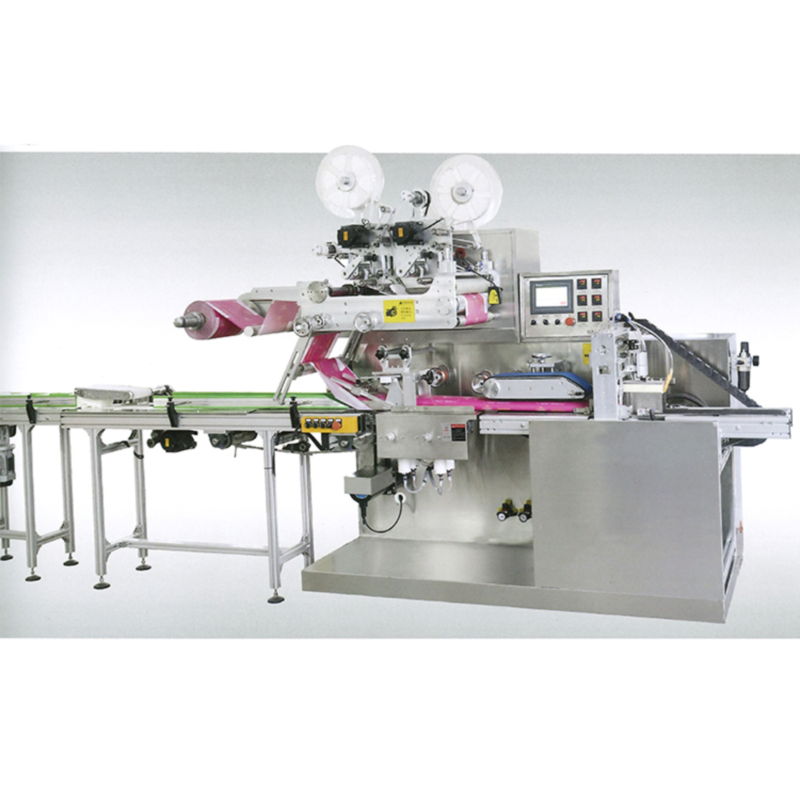
Abstract
The selection of a wet wipes production line represents a pivotal capital investment for manufacturers, particularly within the dynamic markets of South America, Russia, Southeast Asia, the Middle East, and South Africa. This document offers a comprehensive analytical framework for evaluating and choosing the best wet wipes machine in 2025. It moves beyond a superficial feature comparison to a deeper examination of five core pillars: production capacity and speed, the integration of automation and Industry 4.0 technologies, flexibility in handling diverse materials and product types, integrated packaging solutions, and the critical nature of supplier reliability and after-sales support. By methodically dissecting each of these domains, the analysis aims to equip decision-makers with the necessary conceptual tools to assess machine capabilities not merely as technical specifications but as strategic assets that directly influence operational efficiency, market responsiveness, long-term profitability, and return on investment. The objective is to foster a nuanced understanding that aligns machinery acquisition with specific regional demands and future growth trajectories.
Key Takeaways
- Calculate your required production speed based on market analysis, not just machine specifications.
- Prioritize full automation with servo motors to reduce long-term operational costs and waste.
- Choose a machine with material flexibility to accommodate sustainable and eco-friendly substrates.
- Evaluate the best wet wipes machine 2025 based on its integrated, end-to-end packaging solutions.
- Verify supplier reliability through certifications, after-sales support, and spare parts availability.
- Seek a machine that offers scalability to adapt to future product and market expansion.
- Understand that the initial investment in technology yields significant returns in efficiency and quality.
Table of Contents
Production Capacity and Speed: Aligning Output with Market Demand
The deliberation over a new piece of industrial machinery often begins with numbers, and in the context of wet wipe production, the most prominent figure is speed, typically measured in pieces per minute (PPM). Yet, a purely quantitative approach to this metric can be misleading. The pursuit of the highest possible PPM without a corresponding analysis of market realities and operational capacities can lead to an investment that is either underutilized or, conversely, incapable of meeting growth. A more reasoned approach, one grounded in the principles of economic prudence and strategic foresight, requires a qualitative understanding of what production speed truly represents. It is not merely a measure of output but a reflection of a machine's ability to serve a specific market at a specific time, with the built-in potential to adapt as that market evolves. For manufacturers in regions like Southeast Asia or South America, where consumer demand for hygiene products is expanding rapidly, the question is not simply "how fast can it go?" but rather "what speed provides the optimal balance of current fulfillment, future scalability, and operational stability?"
Defining Production Speed in a Real-World Context
The term "pieces per minute" (PPM) appears straightforward, yet its practical meaning is layered. Manufacturers often quote a "design speed," which represents the theoretical maximum output under ideal conditions with specific materials. However, the more meaningful figure is the "stable running speed," which is the consistent, reliable output that can be maintained over long production shifts without compromising product quality or causing excessive machine wear. The gap between these two figures can be substantial. A machine with a design speed of 1200 PPM might only run stably at 1000 PPM when using certain non-woven fabrics or complex packaging formats.
Understanding this distinction is the first step toward making an informed choice. Imagine you are a composer. The design speed is like a virtuosic passage written to be played at a blistering tempo. The stable speed is the tempo at which an orchestra can actually perform that passage flawlessly, night after night. Pushing for the absolute maximum tempo might result in missed notes and exhausted musicians. Similarly, operating a wet wipes machine constantly at its design limit can lead to increased product defects, frequent downtime for adjustments, and accelerated component failure. Therefore, when evaluating the best wet wipes machine 2025, your inquiry should focus on the proven stable running speed with materials and product formats similar to your own. Ask for references, case studies, or even live demonstrations to verify these claims.
How to Calculate Your Required Capacity
Determining the right production capacity is an exercise in market analysis and business forecasting, not a simple technical query. Before you can decide on a machine, you must first develop a robust understanding of the demand landscape you intend to serve. This involves several layers of investigation.
First, conduct a thorough market size assessment. How many units of wet wipes are currently sold in your target region per year? What is the projected growth rate? Market research reports, such as those analyzing the diaper and sanitary napkin converting machine market, often provide valuable data on regional consumption patterns and growth drivers, like rising disposable incomes and hygiene awareness in developing economies (Data Insights Market, 2025).
Second, define your target market share. Are you aiming to be a niche player focusing on a premium segment, or do you intend to compete on volume in the mass market? Your ambition here directly translates into the number of units you need to produce. For example, if the annual market demand in your country is 100 million packs and you are targeting a 10% market share in your first three years, your initial annual production target is 10 million packs.
Finally, translate this annual target into an operational requirement. Consider your factory's working schedule. Will you operate one 8-hour shift per day, five days a week, or run a 24/7 operation?
Let's walk through a hypothetical calculation. Target: 10,000,000 packs per year. Assume each pack contains 80 wipes. Total wipes needed: 800,000,000 per year. Operational Schedule: Two 8-hour shifts per day, 250 working days per year. Total operating hours: 2 shifts * 8 hours/shift * 250 days = 4,000 hours/year. Total operating minutes: 4,000 hours * 60 minutes/hour = 240,000 minutes/year. Required stable speed: 800,000,000 wipes / 240,000 minutes = 3,333 PPM.
This calculation reveals that a very high-speed machine is needed. However, it assumes 100% efficiency. A more realistic calculation would factor in an efficiency rate of around 85% to account for material changes, maintenance, and other stoppages. Adjusted required speed: 3,333 PPM / 0.85 = ~3,921 PPM. This indicates the need for a production line capable of extremely high output, possibly involving multiple machines. This analytical process ensures your investment is sized correctly from the outset.
| Machine Speed Tier |
Stable Production Speed (PPM) |
Typical Application |
Target Markets |
Key Considerations |
| Entry-Level |
200 – 400 |
Start-ups, small local brands, NGOs |
Niche segments, rural areas |
Lower initial investment, manual or semi-automatic, higher labor cost per unit. |
| Mid-Range |
400 – 800 |
Established regional players, private label manufacturing |
Growing urban centers, national distribution |
Balanced investment, often fully automatic, good scalability. |
| High-Speed |
800 – 1200+ |
Large multinational corporations, high-volume exporters |
Mass-market retail, competitive international markets |
High initial investment, requires skilled operators, optimized for long production runs. |
The Trade-off: Speed Versus Stability and Maintenance
There exists an intrinsic tension between raw production speed and the long-term operational health of a machine. A system engineered for exceptionally high speeds often incorporates more complex mechanics, finer tolerances, and a greater number of moving parts. This complexity, while enabling high output, can also introduce more potential points of failure. The pursuit of speed must be tempered by a deep appreciation for machine stability and ease of maintenance.
Stability refers to the machine's ability to perform its functions—cutting, folding, wetting, and packaging—consistently and without deviation over extended periods. A high-speed machine that frequently requires minor adjustments to maintain fold accuracy or seal integrity is not truly efficient. The downtime and material waste associated with these adjustments can quickly erode the benefits of the higher PPM. Look for machines built on a robust, heavy-duty frame to minimize vibrations at high speeds. Inquire about the quality of the core components, such as bearings, cutters, and servo motors. Reputable manufacturers do not compromise on component quality, as they understand that reliability is the foundation of true productivity.
Maintenance is the other side of this coin. A complex machine that is difficult to service becomes a liability. When evaluating a potential machine, consider the accessibility of key components. Are lubrication points clearly marked and easy to reach? Can cutting blades be replaced quickly and safely? A well-designed machine prioritizes the experience of the maintenance technician. Modular design, where major sections of the machine can be serviced independently, is a significant advantage. It allows for faster repairs and reduces the overall downtime of the production line.
Future-Proofing: Choosing a Machine with Scalable Speed
Your investment in a wet wipes machine today should serve your business for the next decade or more. During that time, your market will change, and your production needs will likely grow. Therefore, selecting a machine with inherent scalability is a profoundly strategic decision. Scalability in this context does not necessarily mean buying a machine that is oversized for your current needs. Rather, it means choosing a platform that can be upgraded or enhanced as your demand increases.
One aspect of scalability is the machine's underlying control system. A machine built with a powerful and flexible PLC (Programmable Logic Controller) and a modern HMI (Human-Machine Interface) can often have its speed parameters adjusted or its software upgraded to unlock higher performance.
Another aspect is modularity. Some manufacturers design their production lines as a series of interconnected modules. You might start with a core converting machine that produces wipes at 600 PPM. As your business grows, you could add a second converting module that feeds into the same packaging system, effectively doubling your output without replacing the entire line. This approach allows your capital expenditure to be phased in line with your revenue growth. When discussing options with a supplier, frame your questions around a five or ten-year growth plan. Ask them to propose a solution that not only meets your immediate needs but also provides a clear, cost-effective upgrade path for the future. This forward-looking dialogue is a hallmark of selecting the truly best wet wipes machine 2025.
Automation and Technological Integration: The Role of Industry 4.0
The evolution of manufacturing machinery is a story of increasing intelligence. The wet wipes machine of 2025 is not just a mechanical apparatus; it is a sophisticated, cyber-physical system, a node in the larger network of the smart factory. The integration of advanced automation, driven by the principles of Industry 4.0, has fundamentally transformed what is possible in terms of efficiency, quality, and flexibility. For a manufacturer in Russia or the Middle East, where skilled labor may be a constraint or operational costs are under scrutiny, leveraging automation is not a luxury but a competitive necessity. It represents a shift from a labor-intensive process, prone to human error and inconsistency, to a data-driven operation characterized by precision and predictability. Understanding the different facets of this technological leap is fundamental to selecting a machine that will deliver a strong return on investment.
Levels of Automation: From Semi-Automatic to Fully Automatic
Wet wipes machines exist on a spectrum of automation. At one end, you have semi-automatic machines, which require significant operator intervention. For instance, an operator might need to manually load parent rolls of non-woven fabric, splice new rolls to old ones, or manually transfer stacks of finished wipes to a separate packaging machine. These machines have a lower initial purchase price, making them attractive to start-ups or businesses in markets with very low labor costs. However, their reliance on manual labor introduces variability in output and quality, and their overall production speed is inherently limited.
At the other end of the spectrum are fully automatic wet wipes machines. These systems are designed for "lights-out" operation, minimizing human contact with the product from raw material to finished case. Key features of a fully automatic line include:
- Automatic Splicing: The machine detects when a parent roll is about to run out and automatically splices the end of the old roll to the beginning of a new one at full production speed, eliminating downtime.
- Integrated Converting and Packaging: The entire process, from cutting and folding the wipes to placing them in a flow-wrap package, applying a lid, and grouping them into multi-packs, is handled by a single, synchronized line.
- Robotic Case Packing: At the end of the line, a robotic arm picks the finished packs and places them into shipping cartons, which are then automatically sealed and labeled.
The decision between semi-automatic and fully automatic is a critical financial calculation. While a fully automatic line requires a much higher initial capital outlay, the long-term savings in labor costs, reduced material waste, and higher, more consistent output often result in a lower total cost of ownership and a faster payback period.
| Feature Comparison |
Semi-Automatic Machine |
Fully Automatic Machine |
| Initial Investment |
Low to Medium |
High |
| Labor Requirement |
High (2-4 operators per line) |
Low (1 operator to supervise) |
| Production Speed |
Limited (Typically < 400 PPM) |
High (Can exceed 1200 PPM) |
| Material Splicing |
Manual (Requires machine stop) |
Automatic (Zero-speed or full-speed splicing) |
| Quality Consistency |
Operator-dependent |
High, controlled by sensors and servos |
| Material Waste |
Higher due to manual adjustments and stops |
Minimized through precise control |
| Flexibility |
Lower, changes can be time-consuming |
High, parameters changed via HMI |
| Suitability |
Small-scale start-ups, niche products |
Medium to large-scale, mass-market production |
The Impact of Servo Motor Technology
The heart of the modern automatic wet wipes machine is the servo motor. Unlike traditional mechanical systems that use a single main motor with a complex web of gears, cams, and belts to drive all functions, a full-servo machine uses multiple independent servo motors, each dedicated to a specific task. For example, one servo motor controls the feed roller, another controls the cutting blade, and a third controls the folding mechanism. All these motors are synchronized electronically through the PLC.
This architecture has profound implications. First, it offers unparalleled precision. A servo motor can control position, speed, and torque with incredible accuracy. This means that every wipe is cut to the exact same length and folded with perfect consistency, dramatically improving product quality.
Second, it provides immense flexibility. If you want to change the length of the wipe or the folding pattern, you do not need to perform a time-consuming mechanical changeover of gears and cams. Instead, the operator simply enters the new parameters into the HMI, and the PLC adjusts the profiles of the relevant servo motors. This "push-button" changeover capability is invaluable for manufacturers who need to produce a variety of SKUs on a single line.
Third, servo technology reduces maintenance. By eliminating a vast number of mechanical transmission parts, it simplifies the machine's design and reduces the number of components that can wear out or break. This leads to higher uptime and lower maintenance costs over the life of the machine. The shift to full-servo designs is a key trend noted in analyses of the hygiene converting machine market (diapermachines.com, 2024).
Smart Features: PLC Control, HMI, and Remote Diagnostics
The "brain" of an automated machine is its Programmable Logic Controller (PLC). This industrial computer executes the program that coordinates all the machine's actions. The quality and sophistication of the PLC and its programming determine the machine's overall performance and reliability. Leading machine manufacturers use PLCs from globally recognized brands like Siemens, Allen-Bradley, or Mitsubishi, which ensures robust performance and worldwide availability of support and spare parts.
The "face" of the machine is the Human-Machine Interface (HMI), typically a large, color touchscreen panel. A well-designed HMI is intuitive and user-friendly. It should provide a clear graphical representation of the entire production line, displaying real-time operational data such as running speed, output count, and efficiency. It should also provide access to all machine settings, alarm logs, and maintenance schedules. An HMI that is available in multiple languages, including the local language of your operators, is a significant asset.
One of the most powerful "smart" features of modern machines is the capability for remote diagnostics. Through a secure internet connection, the machine manufacturer's engineers can log into your machine's PLC from their own office, thousands of miles away. They can diagnose problems, troubleshoot alarms, analyze performance data, and even make software modifications, often resolving issues without the need for a costly and time-consuming on-site visit. This feature is particularly valuable for manufacturers in geographically remote locations.
AI and IoT Integration for Predictive Maintenance
The frontier of machine automation is the integration of Artificial Intelligence (AI) and the Internet of Things (IoT). This is where the machine transitions from being merely automatic to being truly intelligent. IoT sensors placed at critical points on the machine—such as on bearings, motors, and cutting units—continuously collect data on parameters like temperature, vibration, and power consumption. This data is streamed to the cloud for analysis.
AI and machine learning algorithms then analyze these vast datasets to identify patterns that precede a component failure. For example, the algorithm might learn that a specific increase in the vibration frequency of a bearing is a reliable predictor that the bearing will fail within the next 200 operating hours. This allows the system to generate a "predictive maintenance" alert, advising the maintenance team to schedule a replacement during the next planned downtime.
This shift from reactive maintenance (fixing things after they break) or preventive maintenance (replacing parts on a fixed schedule) to predictive maintenance offers enormous benefits. It maximizes the life of each component, prevents unexpected and catastrophic failures, and minimizes unplanned downtime. As noted in recent industry analyses, the adoption of AI-powered diagnostics is a key trend driving growth and efficiency in the sector (Market Research Intellect, 2024). When selecting the best wet wipes machine 2025, inquiring about the manufacturer's roadmap for AI and IoT integration is a way to gauge their commitment to future-focused technology.
Material and Product Flexibility: Adapting to Consumer and Eco-Trends
A manufacturing asset's value is not solely determined by its efficiency in performing a single, repetitive task. In a world of rapidly shifting consumer preferences and mounting environmental pressures, its true, long-term worth is measured by its adaptability. The best wet wipes machine 2025 is not a rigid monolith but a versatile platform, capable of responding to the market's evolving demands. For a producer looking to capture market share in diverse regions—from the eco-conscious consumers in parts of Europe to the price-sensitive mass markets in Africa—the ability to switch between different raw materials, product dimensions, and liquid formulations is paramount. This flexibility is the bedrock of a resilient and future-proof manufacturing operation, allowing a business to innovate and pivot without requiring a complete overhaul of its capital equipment.
Handling Various Non-Woven Fabrics
The substrate, or non-woven fabric, is the primary component of a wet wipe and largely defines its physical characteristics—its softness, strength, and texture. The market offers a wide array of non-woven types, each with its own properties and cost structure. A truly flexible converting machine must be able to handle this diversity.
- Spunlace: This is the most common material for baby wipes and cosmetic wipes. It is produced by entangling fibers using high-pressure water jets, resulting in a soft, strong, and highly absorbent fabric. However, different blends of fibers (polyester, viscose, cotton) and different basis weights (measured in grams per square meter, or gsm) can affect how the material behaves in a machine. A well-designed machine will have adjustable tension control systems to handle everything from lightweight, highly elastic spunlace to heavier, more rigid variants.
- Air-through Bonded (ATB): This material is known for its exceptional softness and bulkiness, giving it a premium, cloth-like feel. It is often used in high-end baby wipes. Its bulky nature requires the machine to have wider tolerances in its folding and stacking mechanisms.
- Spunbond: This is a more cost-effective material, often used for general-purpose cleaning wipes. It is stronger but less soft than spunlace.
When evaluating a machine, you should discuss its tested capabilities with a range of substrates. Can it maintain precise folding and cutting accuracy with a 35 gsm spunlace as well as a 60 gsm ATB fabric? The machine's web guiding system, which ensures the fabric remains perfectly aligned as it travels through the machine, is a critical component for material flexibility. Advanced systems use optical sensors to detect the edge of the fabric and make micro-adjustments to the rollers, ensuring consistent processing regardless of the material type.
The Shift to Sustainable Materials
Perhaps the most significant trend shaping the hygiene industry is the push for sustainability. Consumers, particularly in more developed markets but increasingly everywhere, are demanding products that are kinder to the planet. This has led to a surge in a new generation of non-woven substrates. These include:
- Bamboo Fiber: A rapidly renewable resource that can be processed into a soft and absorbent fabric.
- Organic Cotton: Grown without synthetic pesticides, offering a natural and hypoallergenic option.
- Viscose from certified sources: A cellulosic fiber derived from sustainably managed forests.
- Biodegradable and Compostable Polymers: Materials like PLA (polylactic acid) are being used to create fabrics that can break down in industrial composting facilities.
These eco-friendly materials often have different physical properties than their traditional synthetic counterparts. They can be more prone to stretching or tearing under tension. A machine designed only for standard polyester/viscose spunlace may struggle to process them efficiently, leading to frequent web breaks and high levels of waste. The best wet wipes machine 2025 is one that has been specifically engineered with these materials in mind. This involves features like highly sensitive, low-tension web handling systems and cutting tools designed to handle natural fibers without fraying. Investing in a machine with proven capabilities for sustainable substrates is a direct investment in your brand's future relevance. As discussed in industry reports, machine vendors are actively developing high-speed wet wipes converting lines that can handle these special materials without compromising efficiency (insights.made-in-china.com, 2024).
Versatility in Wipe Dimensions and Folding Types
The wet wipes market is not one-size-fits-all. A baby wipe has different dimensions than a floor cleaning wipe or a cosmetic face wipe. Furthermore, the way a wipe is folded affects how it is dispensed from the pack and the overall user experience. A flexible machine must allow for easy adjustment of these parameters.
- Wipe Dimensions: The ability to change both the cut-off length and the width of the wipe is essential. On a full-servo machine, changing the length is a simple matter of entering a new value into the HMI. Changing the width might involve adjusting the slitting knives that cut the parent roll into narrower lanes or, for more significant changes, swapping out a forming unit. The ease and speed of this changeover process is a key performance indicator.
- Folding Types: The most common folds are the "Z-fold" and the "C-fold." In a Z-folded pack, pulling out one wipe helps to pop up the next one, allowing for easy one-handed dispensing. This is the standard for baby wipes. A C-folded wipe is simply folded in half, and each wipe must be picked out individually. This is more common for industrial or cleaning wipes. Some advanced machines offer the capability to switch between different folding patterns, or even to produce more complex, non-standard folds, opening up possibilities for product innovation.
The liquid lotion is what gives a wet wipe its function. The formulation for a baby wipe is very different from that of an antibacterial surface wipe or a makeup remover wipe. The machine's liquid application system must be able to handle this variety with precision.
Modern systems typically use a series of spray nozzles or a cascade system to apply the lotion to the non-woven web. The key is precise control over the amount of liquid applied. Too little liquid, and the wipe will be ineffective. Too much, and the pack will leak, and costs will increase. A sophisticated system allows the operator to set the "add-on" percentage—the weight of the liquid as a percentage of the dry substrate's weight—and the machine's control system will automatically adjust the flow rate based on the running speed to maintain that exact percentage.
The system must also be designed for easy cleaning and changeover. When switching from one formulation to another, the entire liquid path, including the tank, pumps, pipes, and nozzles, must be thoroughly flushed to prevent cross-contamination. A system with a "Clean-in-Place" (CIP) feature, which automates this flushing process, can save hours of downtime during a product changeover.
Packaging Solutions: From Wipes to Shelf-Ready Products
The journey of a wet wipe does not end when it is cut and folded. Its transformation into a marketable product is completed in the packaging stage. The package does more than just contain the wipes; it preserves their moisture, ensures their hygiene, communicates the brand's identity, and provides the end-user with a convenient dispensing experience. In the modern manufacturing environment, packaging is not an afterthought or a separate process. The best wet wipes machine 2025 incorporates packaging as an integral, synchronized part of the production line. This integration is a cornerstone of efficiency, reducing labor, minimizing handling, and ensuring a seamless flow from raw material to a product ready for the retail shelf. For a manufacturer, the capabilities and flexibility of the machine's packaging unit are as important as its converting section.
Integrated Packaging Units: Flow-Wrapping and Lid Application
A fully integrated production line combines the "wet part" (converting) and the "dry part" (packaging) into a single, continuous system. Once a stack of wipes is cut and folded, it is automatically transferred to the packaging unit.
The most common primary packaging method is flow-wrapping. The stack of wipes is placed on a film of flexible packaging material, which is then formed into a tube around the stack and sealed at both ends and along its length to create an airtight "flow-pack." The quality of these seals is of utmost importance. A poor seal will allow moisture to escape, drying out the wipes, and can permit microbial contamination. Advanced flow-wrappers use precise temperature and pressure controls, often with multiple sealing jaws, to ensure the integrity of every single pack.
Many products, especially baby wipes, also feature a rigid plastic lid to improve dispensing and re-sealing. In an integrated line, a lid applicator machine is placed immediately after the flow-wrapper. It automatically applies a self-adhesive label to the pack (creating the resealable opening) and then uses a robotic arm with hot-melt glue to place and affix the plastic lid over the opening. The synchronization of the converting unit, the flow-wrapper, and the lid applicator is a complex engineering feat, and its flawless execution is a hallmark of a high-quality machine.
Types of Packaging: Soft Packs vs. Canisters
While the flexible soft pack is the dominant format, some market segments utilize rigid canisters. This is particularly common for disinfecting wipes or surface cleaning wipes. Wipes destined for canisters are not cut into individual stacks. Instead, they are perforated and wound into a large "master roll." This master roll is then slit into smaller rolls, which are inserted into the plastic canisters. The end-user threads the first wipe from the center of the roll through a dispensing nozzle in the canister lid.
Some machine manufacturers offer versatile systems that can be configured to produce either stacked wipes for soft packs or perforated rolls for canisters. However, it is more common for these to be distinct machine types. Your choice will be dictated by the product category you are targeting. For most consumer applications, such as baby, cosmetic, and personal care wipes, the soft pack produced by an integrated flow-wrapping line is the industry standard.
The Importance of Airtight Sealing for Product Longevity
The primary function of the package is to act as a barrier, protecting the product within from the environment outside. For wet wipes, the most critical aspect of this barrier function is preventing moisture loss. The liquid lotion is susceptible to evaporation, and a dried-out wet wipe is useless. The integrity of the package seals is therefore non-negotiable.
High-quality packaging units employ advanced sealing technologies. Ultrasonic sealing, for example, uses high-frequency vibrations to generate localized heat, creating a strong, clean seal without excessive heat that could damage the film or the product. "Long-dwell" sealing systems increase the time the sealing jaws are in contact with the film, allowing for lower temperatures to be used while still achieving a perfect seal, which is especially useful for thicker or more challenging packaging films.
Furthermore, quality control systems are often integrated into the packaging section. Vision systems can inspect the position of the lid, while in-line pressure-decay leak detectors can test the integrity of the seals on a statistical basis, automatically rejecting any packs that fail the test. This ensures that only perfectly sealed products leave the factory, protecting your brand's reputation for quality.
Customization in Packaging and Sustainable Trends
The package is a key marketing tool. It is the "face" of your product on the store shelf. An advanced packaging unit offers the flexibility to create a variety of pack sizes and formats to meet different consumer needs and retail environments. This includes standard 80-count baby wipe packs, smaller 20-count travel packs, or large 200-count bulk packs. The ability to quickly change over the machine to produce these different formats is a major competitive advantage.
In recent years, sustainability has become a major driver of innovation in packaging, just as it has in raw materials. There is a strong market push to reduce plastic consumption. This has led to several key trends that affect machinery choices:
- Recyclable Monomaterial Films: Manufacturers are moving away from multi-layer laminate films (which are difficult to recycle) toward monomaterial films (e.g., all-polyethylene) that are designed for recycling. These new films may have different sealing properties, and the packaging machine must be able to handle them effectively.
- Reduced Film Thickness: "Downgauging," or using thinner packaging films, reduces the total amount of plastic used. This requires a packaging machine with very precise tension control to handle the more delicate film without stretching or tearing it.
- Lidless Designs: Some brands are opting for innovative, high-barrier resealable labels that eliminate the need for a separate rigid plastic lid, further reducing the pack's plastic content.
When selecting a machine, it is wise to discuss these trends with the supplier. A forward-thinking manufacturer will be able to demonstrate their machine's capabilities with the latest generation of sustainable packaging materials, ensuring your operation is aligned with the future of the market. Exploring options for advanced wet wipes packaging machines can provide significant advantages in both efficiency and market appeal.
Supplier Reliability and After-Sales Support: A Partnership for Success
The acquisition of a major piece of industrial equipment like a wet wipes machine is not a simple transaction; it is the beginning of a long-term relationship. The machine itself is only one part of the equation for success. The other, equally important part, is the manufacturer that stands behind it. The expertise, reliability, and responsiveness of your supplier will have a direct and lasting impact on your operational efficiency, your ability to solve problems, and your overall return on investment. In regions that may be geographically distant from the machine's origin, such as South Africa or parts of Russia, the quality of the supplier's after-sales support infrastructure becomes an even more pronounced factor. Choosing a supplier is, in essence, choosing a technical partner for the next decade or more. This choice demands the same level of rigorous evaluation as the machine's technical specifications.
Vetting the Manufacturer: A Deep Dive Beyond the Brochure
Your due diligence on a potential supplier should extend far beyond their marketing materials and website. A thorough vetting process involves investigating their history, reputation, and technical credentials.
- Experience and Specialization: How long has the company been manufacturing hygiene converting machinery? Do they specialize in wet wipes machines, or is it just one small part of a much broader portfolio? A company with decades of focused experience, like those found in established manufacturing hubs, is likely to have a deeper well of engineering knowledge and has probably encountered and solved a wider range of technical challenges (Sunree Hygiene, 2025).
- Certifications and Standards: Does the manufacturer adhere to international quality and safety standards? Look for certifications like ISO 9001 (for quality management systems) and CE marking (indicating compliance with European health, safety, and environmental protection standards). These are not just formalities; they are external validation of a company's commitment to professional manufacturing processes.
- Global Presence and References: A supplier with a significant installed base of machines around the world, including in your region, has proven experience in handling international logistics, installation, and support. Ask for a list of customer references, preferably from companies of a similar size and in a similar market to your own. Speaking directly with other users of their machines can provide invaluable, unvarnished insights into the machine's real-world performance and the supplier's responsiveness.
The Critical Importance of Technical Documentation and Training
When the new machine arrives at your factory, it is accompanied by a wealth of technical documentation. The quality and clarity of this documentation are a direct reflection of the supplier's professionalism. A comprehensive documentation package should include:
- Detailed mechanical and electrical drawings.
- A complete bill of materials with part numbers for all components.
- An operator's manual explaining all functions and procedures.
- A maintenance manual outlining all required preventive maintenance tasks and schedules.
- Troubleshooting guides for common alarms and issues.
This documentation should be provided in a language your team can understand. However, documentation alone is not enough. The supplier must provide thorough training for your operators and maintenance staff. This training should be hands-on and take place on your actual machine, either at the supplier's factory before shipment (Factory Acceptance Test) or at your facility during installation. Well-trained operators will run the machine more efficiently and safely, and a well-trained maintenance team will be able to resolve most issues quickly, minimizing reliance on the supplier for basic support.
Spare Parts Availability and Lead Times
Even the most reliable machine will eventually require spare parts due to normal wear and tear. The supplier's ability to provide these parts quickly and efficiently is absolutely vital to minimizing downtime. Before signing a contract, you should have a clear understanding of the supplier's spare parts system.
- Recommended Spare Parts List: The supplier should provide a list of recommended spare parts to keep in stock at your factory. This list is typically divided into "wear parts" (which need regular replacement, like blades and belts) and "critical parts" (which have a long life but would cause a major shutdown if they failed, like a main motor or PLC).
- Pricing and Lead Times: Request a price list for common spare parts. What is the standard lead time for parts that are not in your local stock? A supplier with a well-organized logistics department and regional service centers can often ship parts much faster.
- Component Standardization: Inquire about the brands of the major components used on the machine (e.g., PLCs, servo motors, pneumatic valves). If the supplier uses components from globally recognized brands, it may be possible to source some standard parts locally, providing an additional layer of security.
Installation, Commissioning, and Ongoing Technical Support
The final phase of the acquisition process is the installation and commissioning of the machine in your factory. This is where the supplier's technicians come to your site to assemble the machine, connect it to your utilities, and get it running to the agreed-upon performance specifications. The professionalism and expertise of this installation team are crucial for a smooth start-up.
Once the machine is running, the nature of the relationship shifts to ongoing technical support. What happens when you encounter a problem you cannot solve on your own? The supplier should have a clear and responsive system for technical support. This often involves a tiered approach:
- Level 1: 24/7 telephone or email support for immediate questions.
- Level 2: Remote diagnostics, where a technician can log into your machine to troubleshoot.
- Level 3: On-site support, where a field service engineer is dispatched to your factory for complex issues.
Understanding the terms of this support, including response times and any associated costs (especially after the warranty period), is a key part of the purchasing decision. A supplier who views support as a cost center is a red flag. A true partner views it as an investment in your mutual success.
Frequently Asked Questions (FAQ)
What is the typical return on investment (ROI) for a fully automatic wet wipes machine?
The ROI for a fully automatic machine is highly variable and depends on factors specific to your market, such as labor costs, raw material prices, and the selling price of your finished product. However, the calculation generally involves comparing the high initial capital investment against long-term operational savings. Fully automatic lines significantly reduce labor requirements, minimize material waste through precise servo control and automatic splicing, and achieve higher, more consistent output. In markets with high labor costs, the payback period can be as short as two to three years. In regions with lower labor costs, the payback period might be longer, in the range of four to five years, but the benefits of superior product quality and production stability still provide a strong financial justification.
How much factory space is required to install a complete wet wipes production line?
The footprint of a wet wipes line varies with its speed and complexity. A complete, high-speed, fully automatic line—including the converting machine, flow-wrapper, lid applicator, and end-of-line case packing—can be quite long. A typical line might require a clear, linear space of approximately 25 to 30 meters in length and 6 to 8 meters in width. This allows for the machine itself, as well as necessary access space for operators and maintenance personnel, and staging areas for raw materials (like parent rolls of non-woven fabric and packaging film) and finished goods. It is also important to consider vertical clearance, as some machines have components that extend 3 to 4 meters in height.
Can one machine produce different types of wet wipes, such as baby wipes and cosmetic wipes?
Yes, one of the primary advantages of modern, full-servo wet wipes machines is their flexibility. A single machine can typically be configured to produce a wide variety of products. This is achieved by adjusting parameters in the HMI. For example, you can change the wipe's cut-off length, the folding pattern, the number of wipes per stack, and the amount of liquid applied. Switching between product types like baby wipes and cosmetic wipes is therefore entirely feasible. The changeover might also involve a physical change of the cutting mold if the wipe shapes are different, but on a well-designed machine, this process is engineered to be as quick as possible, often taking less than an hour.
What are the main differences between a Chinese-made and a European-made wet wipes machine?
Historically, European machines (particularly from Germany and Italy) have been considered the benchmark for high-end technology, precision engineering, and reliability, often commanding a premium price. Chinese manufacturers, on the other hand, have traditionally competed on price, offering more cost-effective solutions. However, in recent years, this gap has narrowed significantly. Leading Chinese manufacturers have heavily invested in R&D, adopting full-servo technology, high-quality international components (like Siemens or Allen-Bradley PLCs), and sophisticated automation features. Today, top-tier Chinese machines can offer performance and reliability comparable to their European counterparts but often at a more competitive price point, providing a strong value proposition for many global markets.
The raw materials, particularly the non-woven substrate, have a profound impact on machine performance. Different fabrics have different characteristics of strength, elasticity, and texture. A machine optimized for a standard spunlace fabric might struggle to run at high speed with a more delicate, natural fiber like bamboo or a thicker, bulkier air-through bonded fabric. This can lead to web breaks, poor folding quality, and increased waste. Therefore, it is vital to select a machine with a robust and highly adjustable web tension control system. When evaluating a machine, you should provide the supplier with samples of all the substrates you intend to use and request a demonstration or trial to confirm the machine can process them efficiently and reliably.
Conclusion
The process of selecting the best wet wipes machine in 2025 transcends a simple comparison of technical data sheets. It is an act of strategic deliberation, requiring a holistic perspective that weaves together an understanding of market dynamics, technological capabilities, operational realities, and the importance of a strong supplier partnership. The framework presented—focusing on the five pillars of capacity, automation, flexibility, packaging, and support—is intended to guide this deliberation. An investment decision grounded in this comprehensive analysis will lead not just to the acquisition of a machine, but to the establishment of a robust, efficient, and adaptable manufacturing system. This system becomes a foundational asset, empowering a business to produce high-quality products that meet the specific needs of its customers while retaining the agility to innovate and grow in the ever-evolving global hygiene market. The right machine is a catalyst, enabling a manufacturer to translate vision into tangible, profitable, and sustainable reality.
References
Data Insights Market. (2025). Unlocking the future of diaper and sanitary napkin converting machine: Growth and trends 2025-2033. Retrieved from https://www.datainsightsmarket.com/reports/diaper-and-sanitary-napkin-converting-machine-643915
Diapermachines.com. (2024, January 8). Innovations in diaper manufacturing: Exploring the baby diaper machine revolution. Retrieved from https://www.diapermachines.com/2024/01/08/innovations-in-diaper-manufacturing-exploring-the-baby-diaper-machine-revolution/
Market Research Intellect. (2024, December 9). Innovating comfort – The rise of automatic baby diaper making machines in the manufacturing sector. Retrieved from https://www.marketresearchintellect.com/blog/innovating-comfort-the-rise-of-automatic-baby-diaper-making-machines-in-the-manufacturing-sector/
Sunree Hygiene. (2025). Manufacturing machines. Retrieved from
Tucker, R. (2024, September 8). Advancements in disposable diaper machine technology and user-centric innovations. Made-in-China.com. Retrieved from https://insights.made-in-china.com/Advancements-in-Disposable-Diaper-Machine-Technology-and-User-Centric-Innovations_PATGmMdOYElC.html
WELLDONE MACHINE CO.,LIMITED. (2024, November 21). From raw materials to hygiene solutions: How sanitary napkin-making machines work. Retrieved from https://www.cnwelldone.com/from-raw-materials-to-hygiene-solutions-how-sanitary-napkin-making-machines-work
Dec 5, 2025 | News
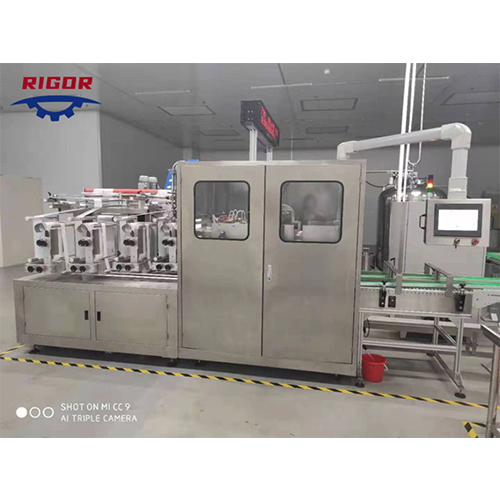
Abstract
Investing in a wet wipes production line represents a significant capital outlay, demanding a thorough analysis of its potential return on investment (ROI). This examination explores the multifaceted nature of calculating a wet wipes machine investment ROI, moving beyond a simple comparison of initial cost versus projected revenue. The analysis is structured around seven pivotal factors that collectively determine profitability. These include the total cost of ownership, which encompasses not only the purchase price but also installation, operational, and maintenance expenditures. Production capacity and operational efficiency are scrutinized as the primary engines of revenue generation, with an emphasis on metrics like Overall Equipment Effectiveness (OEE). The guide also investigates the critical role of raw material sourcing, labor costs, and market dynamics, particularly within the context of emerging markets in South America, Southeast Asia, and the Middle East. Furthermore, the impact of technological innovation, sustainability trends, and stringent regulatory compliance on long-term financial viability is assessed, providing a holistic framework for prospective investors in the 2025 hygiene market.
Key Takeaways
- Calculate Total Cost of Ownership (TCO), not just the initial machine price.
- Maximize Overall Equipment Effectiveness (OEE) to boost production output.
- Develop a resilient raw material supply chain for cost stability.
- A strong wet wipes machine investment ROI depends on balancing automation and labor.
- Align product pricing with market demand and production costs.
- Choose flexible machinery that can adapt to future product innovations.
- Ensure your facility meets all regional hygiene and safety regulations.
Table of Contents
Introduction: Framing the Wet Wipes Opportunity in 2025
Embarking on the path of manufacturing is an exercise in foresight, a careful weighing of risk against reward. When the object of this consideration is a wet wipes production line, the stakes are particularly high, as is the potential for success. The global consciousness around hygiene, amplified over the past several years, has solidified the wet wipe not as a luxury, but as a daily necessity. From the nurseries of São Paulo to the hospitals of Dubai and the households of Johannesburg, the demand for these products is robust and growing. A market report from Data Insights Market (2025) projects a compound annual growth rate (CAGR) of 6% for the related hygiene converting machine market through 2033, a testament to this sustained demand.
Yet, enthusiasm for market opportunity must be tempered with a rigorous financial examination. The central question for any prospective investor is not simply "Can I make wet wipes?" but rather, "Can I build a profitable and sustainable business making wet wipes?" The answer to this lies in a deep and honest appraisal of the wet wipes machine investment ROI. This concept, ROI, is far more than a simple percentage calculated on a spreadsheet. It is a narrative of your future business—a story told through capital costs, operational efficiencies, market positioning, and technological choices.
This guide is designed to be your partner in that appraisal. We will move beyond the surface, exploring the intricate web of variables that influence your financial return. Think of this not as a rigid set of instructions, but as a Socratic dialogue, prompting you to ask the right questions of yourself, your suppliers, and your market. We will dissect the investment into seven fundamental factors, each a crucial chapter in your ROI story. Our goal is to cultivate a form of practical wisdom, enabling you to navigate the complexities of this investment with clarity and confidence, transforming a daunting decision into a well-reasoned strategic plan.
Factor 1: Deconstructing the Total Cost of Ownership (TCO)
The most common and perhaps most perilous error in assessing a major equipment purchase is focusing narrowly on the initial price tag. The sticker price of a wet wipes machine is merely the prologue to a much longer financial story. A more truthful and useful metric is the Total Cost of Ownership (TCO), which encompasses every expense associated with the machine over its entire operational lifespan. Understanding TCO is the first step toward building a realistic and resilient wet wipes machine investment ROI calculation. It requires a shift in perspective from that of a buyer to that of a long-term owner and operator.
The Initial Purchase Price: Beyond the Sticker Shock
The initial capital outlay is, of course, a significant hurdle. Wet wipes machines exist on a wide spectrum, from small, manually operated units to fully automated, high-speed production lines. A manual machine might seem attractive for a small startup due to its low entry cost, but its limited output and high labor dependency can cripple profitability at scale. Conversely, a top-of-the-line, fully automatic system from a manufacturer like ANDRITZ or Fameccanica may require a substantial seven-figure investment but promises unparalleled efficiency and low per-unit production costs (Nonwovens Industry, 2025).
Your choice will depend on your business model, available capital, and market goals. Are you aiming to be a low-volume, niche player or a high-volume competitor? The key is to see the purchase price not as a cost, but as an investment in a specific level of capacity and automation. The table below provides a framework for comparing these initial options, not just on price, but on their broader implications for your business.
| Machine Type |
Typical Price Range (USD, Approx.) |
Production Capacity |
Labor Requirement |
Ideal for |
TCO Implications |
| Manual |
$20,000 – $50,000 |
Low (Up to 50 packs/min) |
High (Multiple operators) |
R&D, small local markets |
Low initial cost, high long-term labor cost, inconsistent quality. |
| Semi-Automatic |
$80,000 – $250,000 |
Medium (50 – 200 packs/min) |
Moderate (Operator for loading/unloading) |
Growing businesses, regional supply |
Balanced initial cost, moderate labor, good scalability. |
| Fully Automatic |
$300,000 – $1,500,000+ |
High (200 – 1000+ packs/min) |
Low (Supervisory roles) |
Large-scale manufacturing, export |
High initial cost, lowest per-unit labor cost, highest efficiency. |
Installation, Shipping, and Site Preparation
The machine’s journey from the manufacturer's factory to yours is laden with costs that are often overlooked in preliminary budgets. International shipping, import duties, and inland transportation can add a substantial percentage to the initial price, especially for buyers in regions like South America or Africa.
Once the machine arrives, it doesn't simply plug into the wall. Your factory must be prepared. As outlined by industry experts, this involves several critical considerations (Diapermachines.com, 2023). The factory layout must be designed for a logical flow of materials, from raw goods intake to finished product output, with the wet wipes machine at its heart. You will need adequate floor space not just for the machine itself, but for raw material storage, finished goods warehousing, and personnel workstations.
Furthermore, a high-capacity machine has significant power requirements, necessitating robust electrical infrastructure, including dedicated circuits, transformers, and proper grounding. The production process also generates heat and may release fumes from cleaning solutions, making a well-designed ventilation system essential for both worker safety and equipment longevity. These site preparation costs are not optional; they are fundamental to creating a safe and efficient production environment and must be factored into your TCO.
Long-Term Operational Costs: The Hidden Variables
This is where the true cost of ownership reveals itself over years of operation. These recurring expenses have a profound and continuous impact on your profitability.
- Energy Consumption: A large, fully automated line running 24/7 is a significant energy consumer. When evaluating different machines, ask for their power consumption ratings (in kWh). A more energy-efficient machine may have a higher purchase price but could save you tens of thousands of dollars in electricity bills annually, directly boosting your ROI.
- Maintenance and Spare Parts: Like any complex piece of machinery, a wet wipes line requires regular maintenance to perform optimally. This includes scheduled servicing, lubrication, and the eventual replacement of wear-and-tear parts like cutting blades, conveyor belts, and sensors. Reputable manufacturers provide a recommended maintenance schedule and a list of critical spare parts. Budgeting for a maintenance contract and keeping a stock of essential spares can prevent costly, unplanned downtime.
- Labor: While automation reduces the number of operators, you will still require skilled technicians to oversee the line, perform quality checks, manage changeovers, and conduct maintenance. The cost of this skilled labor, including salaries, benefits, and ongoing training, is a major operational expense.
By meticulously mapping out every component of the Total Cost of Ownership, you move from a speculative guess to an informed projection. This comprehensive understanding of costs is the bedrock upon which a credible wet wipes machine investment ROI is built.
Factor 2: Production Capacity and Efficiency: The Engine of Your ROI
If TCO represents the fuel your business consumes, then production capacity and efficiency represent the power and speed of its engine. A machine's ability to consistently produce a high volume of quality products is the primary driver of revenue and, consequently, the most significant variable in your wet wipes machine investment ROI. A machine sitting idle or producing a high percentage of defective products is not just failing to make money; it is actively losing it through fixed costs like rent, energy, and salaried labor. Therefore, a deep understanding of production metrics is not just for engineers; it is essential for any investor.
Understanding Machine Speed and Output
Manufacturers often advertise machine speed in pieces per minute (pcs/min) or meters per minute (m/min). For example, ANDRITZ offers its eXcelle pro line capable of up to 1,000 pcs/min (ANDRITZ, 2025). While impressive, this "nameplate capacity" is a theoretical maximum. To translate this into a realistic revenue projection, you must think in terms of actual output over time.
Let’s perform a simple mental exercise. Consider a machine with a rated speed of 800 pieces per minute.
- In one hour, that is 800 x 60 = 48,000 pieces.
- Assuming an 80-count pack, that's 48,000 / 80 = 600 packs per hour.
- In an 8-hour shift, that's 600 x 8 = 4,800 packs.
- Operating one shift per day, 25 days a month, yields 4,800 x 25 = 120,000 packs per month.
This calculation provides a baseline, but it assumes the machine runs perfectly without stopping. The reality is far different. The gap between theoretical maximum and actual output is where profitability is won or lost.
The gold standard for measuring manufacturing productivity is Overall Equipment Effectiveness (OEE). OEE is not just one metric but a composite of three, which together provide a holistic picture of your production efficiency. OEE = Availability x Performance x Quality
- Availability: This measures the time the machine is actually running compared to the time it is scheduled to run. Downtime for any reason—material changes, mechanical adjustments, cleaning, or breakdowns—reduces availability. If a machine is scheduled for an 8-hour (480-minute) shift but is down for 60 minutes for a roll change and a minor jam, its availability is (480-60) / 480 = 87.5%.
- Performance: This accounts for any time the machine runs slower than its ideal speed. Minor stoppages or a deliberate reduction in speed to handle a difficult material can lower performance. If the machine from our example, while running, produced 38,000 pieces instead of the ideal 42,000 pieces (for the 420 minutes it was available), its performance is 38,000 / 42,000 = 90.5%.
- Quality: This is the percentage of good, sellable products out of the total products made. Any defective wipes—those that are improperly folded, cut, or packaged—are considered waste. If the machine produced 38,000 pieces in total, but 760 had to be rejected, the quality rate is (38,000 – 760) / 38,000 = 98%.
Now, let's calculate the OEE: 0.875 (Availability) x 0.905 (Performance) x 0.98 (Quality) = 77.6%. A world-class OEE is typically considered to be 85% or higher. Your actual output of good products is your theoretical output multiplied by your OEE. This is the number you should use for revenue projections.
The Role of Automation in Maximizing Uptime
Achieving a high OEE is directly linked to the level of automation in your wet wipes production lines. Fully automatic systems are designed to minimize the sources of downtime and inefficiency. For instance, features like automatic splicing allow the machine to seamlessly join the end of a finished raw material roll to the beginning of a new one without stopping. This drastically reduces changeover time, directly boosting Availability.
Similarly, advanced servo motors and control systems ensure precise, repeatable actions, from cutting to folding, which enhances Performance and Quality. A machine that can automatically detect a misaligned wipe and reject it without stopping the entire line prevents a small error from causing a major stoppage. While the initial investment in a highly automated machine is greater, its ability to consistently achieve a higher OEE often leads to a much faster and more substantial wet wipes machine investment ROI over the long term.
Factor 3: Raw Material Sourcing and Cost Management
A wet wipes machine, no matter how advanced, is inert without a steady flow of high-quality raw materials. The cost and availability of these materials form the lifeblood of your operation, directly influencing your cost of goods sold (COGS) and, therefore, your profit margins. A robust raw material strategy is not simply about finding the cheapest supplier; it is about building a resilient, cost-effective, and quality-assured supply chain. This is particularly salient for investors in South America, Russia, Southeast Asia, the Middle East, and South Africa, where logistics can be complex and local supply options may vary.
Key Materials in Wet Wipes Production
The anatomy of a wet wipe is elegantly simple, yet each component plays a critical role in the final product's quality and cost (Diapermachines.com, 2023).
- Non-woven Fabric: This is the substrate, the fabric of the wipe itself. It accounts for a significant portion of the material cost. Non-wovens come in various blends (polyester, viscose, cotton, bamboo) and manufacturing processes (spunlace, airlaid), each with different properties of softness, strength, and absorbency. Your choice will impact both the perceived quality of your product and its cost.
- Cleaning Solution (Lotion): This is the liquid that gives the wipe its function. The formulation can range from simple purified water with mild preservatives to complex lotions with moisturizers, fragrances, and active ingredients. The cost varies accordingly. Developing a stable and effective formula that meets regulatory standards is a key R&D activity.
- Packaging Film: This includes the flexible flow-wrap for the pack and the rigid plastic lid for resealing. The film must be durable enough to protect the product and provide a sufficient moisture barrier, while also being suitable for high-speed printing and sealing on your machine.
Supply Chain Dynamics in Emerging Markets
For investors in the target regions, sourcing these materials presents unique challenges and opportunities. While major international suppliers of non-wovens and chemicals exist, relying solely on imports can expose your business to currency fluctuations, shipping delays, and high transportation costs.
A prudent strategy involves a dual approach. Initially, you may need to import materials to ensure quality and consistency. Simultaneously, you should actively research and cultivate relationships with local or regional suppliers. Is there a non-woven manufacturer in Turkey that can efficiently supply your plant in the Middle East? Can you partner with a chemical blender in Brazil to produce your lotion locally?
Developing local sources can dramatically reduce shipping costs and lead times, making your operation more agile. However, it requires rigorous quality control. You must ensure that local materials can run efficiently on your machine without causing jams or increasing waste. Sending samples of local materials to your machine manufacturer for testing before committing to a large purchase is a wise and necessary step. This proactive management of the supply chain is a cornerstone of a successful wet wipes machine investment ROI.
The Impact of Material Quality on Waste and ROI
The adage "you get what you pay for" is profoundly true in raw materials. A cheaper non-woven fabric might seem like a smart way to cut costs, but if its tensile strength is inconsistent, it could lead to frequent tears and web breaks on the production line. Each web break means downtime for re-threading the machine, which demolishes your OEE. Machinery suppliers like ANDRITZ state that their lines are designed for a waste rate of 1-3% with quality materials (ANDRITZ, 2025). Using substandard materials could easily push this figure into the double digits.
Think of it this way: every percentage point of waste is a direct deduction from your revenue. If you produce one million packs a month and your waste rate increases from 2% to 5% due to poor materials, that’s an extra 30,000 packs’ worth of material, labor, and energy thrown away. The initial savings from the cheaper material are quickly erased. Investing in consistent, high-quality raw materials is not an expense; it is an investment in efficiency, uptime, and a healthier bottom line.
Factor 4: Labor Costs and Skill Requirements
The human element in manufacturing remains an indispensable, albeit evolving, component of the production ecosystem. The cost, availability, and skill level of your workforce are critical inputs in the wet wipes machine investment ROI equation. The relationship between machinery automation and labor is not one of simple replacement but of transformation. As machines become more sophisticated, the nature of the human role shifts from manual operation to technical supervision, a distinction with profound financial and operational consequences.
Manual vs. Automated: A Labor Cost Analysis
The level of automation you choose for your wet wipes machine directly dictates the size and structure of your production team. Let's imagine a comparative scenario.
A semi-automatic line might require three to four operators per shift. One person might be responsible for loading the large rolls of non-woven fabric, another for ensuring the lotion tanks are full, a third for overseeing the folding and cutting process, and a fourth for manually packing the finished wipes into shipping cartons. While the individual wage for these roles may be relatively low, the aggregate labor cost per pack of wipes is significant due to the number of personnel involved.
In stark contrast, a fully automatic, high-speed line might be managed by a single, highly skilled technician per shift. This individual's role is not to manually handle the product but to supervise the entire automated process from a central control panel. They monitor production data, respond to system alerts, and manage product changeovers via a human-machine interface (HMI). While this technician's salary will be considerably higher than that of a manual operator, the labor cost per unit is drastically lower because their oversight covers the production of thousands of packs per hour.
When calculating your ROI, you must project these labor costs over the life of the machine. The initial savings of a less-automated machine can be completely eroded by higher long-term labor expenses, especially in regions where wages are projected to rise.
The Need for Skilled Technicians
The transition to automated manufacturing brings with it a demand for a new kind of worker. The most valuable employee in a modern wet wipes factory is not the one with the quickest hands, but the one with the sharpest mind. Operating a complex, servo-driven, computer-controlled production line requires a blend of mechanical aptitude and digital literacy.
These technicians must be able to:
- Understand the Machine's Logic: They need to interpret data from the HMI, understand what the sensors are reporting, and diagnose problems based on system feedback.
- Perform Complex Changeovers: Switching production from a 60-count baby wipe to a 20-count cosmetic wipe involves adjusting multiple parameters on the control system, not just changing a mechanical part.
- Conduct Preventive Maintenance: They must be trained to follow the manufacturer's maintenance schedule, identifying potential issues before they lead to catastrophic failure.
Finding and retaining such talent is a strategic challenge. Your investment plan must include a budget for comprehensive training, often provided by the machine manufacturer. Sending your key personnel to the manufacturer's facility for hands-on training before the machine is even delivered is a crucial investment. This ensures that your team is ready to operate the line efficiently from day one, minimizing the initial learning curve and accelerating your path to profitability. A skilled team is not a cost center; it is a critical asset that protects your machinery investment and maximizes its output.
Factor 5: Market Demand and Product Pricing Strategy
You can have the most efficient factory in the world, but if no one buys your product, or if you sell it at the wrong price, your wet wipes machine investment ROI will never materialize. The "soft" sciences of marketing and economics are just as critical to your success as the "hard" sciences of engineering and finance. A successful venture is built at the intersection of what you can efficiently produce and what the market desires and is willing to pay for.
Analyzing Target Market Segments
The term "wet wipes" is a broad category encompassing a diverse range of products, each with its own customer base, quality expectations, and price sensitivity. Your first strategic decision is to identify which segment(s) you will target.
- Baby Wipes: This is often the largest segment, driven by population growth. Parents prioritize softness, hypoallergenic properties, and safety. Brand trust is a major factor.
- Personal Care Wipes: This includes cosmetic and facial cleansing wipes, feminine hygiene wipes, and adult washcloths. Consumers in this segment often value specialized lotion formulas, high-quality fabrics, and convenient packaging.
- Household Cleaning Wipes: These are functional products designed for disinfecting surfaces, cleaning glass, or polishing furniture. Performance and the effectiveness of the cleaning solution are paramount.
- Industrial Wipes: These are heavy-duty wipes used in manufacturing, automotive, or healthcare settings for cleaning machinery, hands, or medical surfaces. Durability and specific chemical compatibility are key.
Your choice of machinery should align with your target segment. A machine designed for simple baby wipes may not have the capability to handle the thicker, more robust non-wovens required for industrial wipes. A flexible machine that can handle various materials and product sizes offers the strategic advantage of being able to pivot or expand your product line as market demands evolve (Nonwovens Industry, 2025).
Establishing a Competitive Price Point
Pricing is a delicate balancing act. Set your price too high, and you risk being uncompetitive. Set it too low, and you may not cover your costs and achieve your desired ROI. Your pricing strategy must be informed by three main pillars:
- Cost-Plus Pricing: This is your starting point. You must calculate your total cost per pack, including raw materials, labor, energy, machine depreciation (part of your TCO), and overheads. Your selling price must be higher than this figure.
- Competitor-Based Pricing: You must research the prices of competing products in your target market. What are the leading local and international brands selling for? Understanding this landscape helps you position your product. You don't necessarily have to be the cheapest, but you need to justify your price point through quality, branding, or features.
- Value-Based Pricing: What is the perceived value of your product to the consumer? If you have a unique lotion formula, use a sustainably sourced fabric, or offer a superior re-sealing lid, you may be able to command a premium price.
The table below offers a simplified model for how these factors come together in a preliminary ROI calculation.
| Metric |
Example Calculation |
Notes |
| A. Total Annual Production |
1,200,000 packs |
Based on OEE-adjusted capacity. |
| B. Cost Per Pack |
$0.45 |
Includes all materials, labor, energy, and overhead. |
| C. Total Annual Production Cost |
$540,000 (A x B) |
Your total operational expense for the year. |
| D. Average Wholesale Price Per Pack |
$0.65 |
Your selling price to distributors/retailers. |
| E. Total Annual Revenue |
$780,000 (A x D) |
Your total income for the year. |
| F. Annual Gross Profit |
$240,000 (E – C) |
Your profit before accounting for the initial investment. |
| G. Initial Machine Investment (TCO) |
$800,000 |
Includes machine price, shipping, installation, etc. |
| Simple Payback Period |
3.33 Years (G / F) |
Time taken for gross profit to cover the initial investment. |
| Simple ROI (Annual) |
30% (F / G) |
The annual gross profit as a percentage of the initial investment. |
This table is a simplified illustration. A real analysis would involve more detailed cash flow projections, factoring in taxes, depreciation, and the time value of money. However, it clearly demonstrates how production volume, cost control, and pricing strategy are the fundamental levers of your wet wipes machine investment ROI.
Factor 6: Technology, Innovation, and Future-Proofing
In the dynamic landscape of manufacturing, standing still is equivalent to moving backward. The machinery and processes that are cutting-edge today may become standard tomorrow and obsolete the day after. Therefore, investing in a wet wipes machine is not just about meeting your current production needs; it is about acquiring a platform that is capable of adapting to future trends in technology, consumer preferences, and environmental stewardship. A forward-looking approach to technology is essential for ensuring the long-term health and profitability of your wet wipes machine investment ROI.
Embracing Industry 4.0: AI and IoT
The Fourth Industrial Revolution, or Industry 4.0, is characterized by the fusion of the physical and digital worlds. In wet wipes manufacturing, this translates into "smart machines" that can monitor themselves, predict failures, and communicate with operators in real time. Leading machinery manufacturers are integrating these capabilities into their platforms.
- Internet of Things (IoT) Sensors: Modern machines are equipped with hundreds of sensors that continuously collect data on temperature, pressure, speed, vibration, and material tension. This data is no longer locked inside the machine but is transmitted to a central system or the cloud.
- Artificial Intelligence (AI) and Machine Learning: AI algorithms analyze this stream of data to identify patterns that a human operator might miss. For example, a subtle increase in the vibration of a specific motor could be an early indicator of bearing wear. The system can then generate a predictive maintenance alert, allowing technicians to schedule a repair during planned downtime rather than suffering a catastrophic failure mid-production. Platforms like GDM's PerforMate and ANDRITZ's Metris CoPilot are prime examples of this technology in action, offering dashboards for monitoring OEE and analyzing root causes of inefficiency (Nonwovens Industry, 2025). This digital oversight transforms maintenance from a reactive to a proactive discipline, significantly boosting machine availability and protecting your investment.
Sustainability as a Value Proposition
Across the globe, both consumers and regulators are placing an increasing emphasis on environmental responsibility. This trend is not a fleeting fad; it is a fundamental shift in market expectations. Your ability to produce sustainable products can become a powerful competitive advantage.
- Material Innovation: There is growing demand for wipes made from biodegradable or compostable materials like bamboo, cotton, or wood-pulp-based non-wovens. Your machine must be flexible enough to handle these materials, which may have different properties than traditional synthetics.
- Process Efficiency: Sustainability also means reducing waste in the production process itself. Innovations like glue-free ultrasonic bonding for waistbands or chassis construction, as pioneered by companies like Fameccanica, reduce the consumption of adhesives (Nonwovens Industry, 2025). Similarly, energy-efficient motors and optimized drying processes lower the carbon footprint of each pack you produce. Investing in a machine with proven capabilities in processing eco-friendly materials and operating with minimal waste is a way to future-proof your business against upcoming regulations and appeal to the growing segment of environmentally-conscious consumers.
Product Diversification and Machine Flexibility
Consumer tastes change. New market niches emerge. A machine that can only produce one specific size and type of wet wipe is a rigid and risky investment. The most valuable machines are those designed with modularity and flexibility in mind.
A flexible machine might allow you to:
- Quickly change the cut length and fold pattern to produce different wipe sizes.
- Handle a wide range of non-woven fabric thicknesses and types.
- Easily integrate new modules, such as a unit for applying a plastic lid or a digital printing system for customized packaging graphics.
This flexibility allows you to be agile in the marketplace. If you spot a growing demand for extra-large adult washcloths, a flexible machine enables you to enter that market without needing to purchase an entirely new production line. This adaptability not only opens up new revenue streams but also enhances the long-term value and relevance of your initial capital investment, making your wet wipes machine investment ROI more resilient to market shifts.
Factor 7: Regulatory Compliance and Quality Control
In the sphere of hygiene products, trust is the ultimate currency. Consumers take for granted that the wipes they use on their babies or their own skin are safe, clean, and consistent. This trust is not built by marketing alone; it is forged in a manufacturing environment governed by strict regulations and upheld by rigorous quality control. Adherence to these standards is not a bureaucratic burden; it is a non-negotiable prerequisite for market access and a fundamental safeguard for your brand's reputation. A failure in this domain can have consequences far more damaging than a simple financial loss.
Navigating Hygiene Product Standards
Different regions and countries have their own specific regulatory frameworks for personal care products. These are often based on Good Manufacturing Practices (GMP), a system of principles designed to ensure that products are consistently produced and controlled according to quality standards.
Compliance with GMP affects nearly every aspect of your factory design and operation:
- Facility Design: GMP may dictate requirements for air quality, pest control, and the separation of raw material, production, and finished goods areas to prevent cross-contamination. Surfaces must be smooth and easy to clean.
- Water Purity: The water used to make the cleaning solution must typically meet pharmaceutical-grade standards for purity, requiring investment in a sophisticated water purification system (e.g., reverse osmosis).
- Traceability: You must be able to trace every batch of finished product back to the specific lots of raw materials used to make it. This requires a robust system for documentation and record-keeping. In the event of a product recall, this traceability is invaluable.
Before making your investment, it is imperative to research the specific regulatory requirements in your target sales markets. Designing your factory and processes for compliance from the outset is far more cost-effective than attempting to retrofit them later.
Integrated Quality Control Systems
Ensuring every single wipe meets your quality standard is an impossible task for human inspectors on a high-speed line. Modern fully automatic wet wipes machines rely on a suite of automated quality control technologies to act as tireless, vigilant guardians of quality. As detailed in the production process, these systems are integrated directly into the line (Insights.made-in-china.com, 2024).
- Vision Systems: High-resolution cameras combined with image recognition software inspect the wipes at incredible speeds. They can detect defects such as stains, tears, incorrect folding, or improperly printed packaging.
- Metal Detectors: Placed strategically along the line, these systems ensure that no microscopic metal contaminants from the machinery find their way into the final product.
- Weight Checkers: An in-line scale weighs each finished pack to ensure it contains the correct number of wipes and the proper amount of lotion.
- Automatic Rejection: When any of these systems detect a non-conforming product, they trigger an automatic rejection mechanism, such as a puff of air or a robotic arm, that removes the defective item from the production flow without stopping the line.
This level of automated quality control is not a luxury; it is essential for high-speed manufacturing. It minimizes waste, ensures product consistency, and protects your brand from the reputational damage of a quality failure. The investment in these systems is a critical component of a secure and profitable wet wipes machine investment ROI.
A Practical Walkthrough: Calculating Your Wet Wipes Machine Investment ROI
Having explored the seven critical factors, let us now synthesize them into a practical, step-by-step process for calculating a preliminary wet wipes machine investment ROI. This exercise will help demystify the calculation and provide a tangible framework for your own business case. We will use a hypothetical example of "Alpha Wipes," a startup considering an investment in a mid-range, fully automatic wet wipes machine.
Step 1: Determine the Total Initial Investment (TCO – Year 0) Alpha Wipes gets a quote for a machine with a capacity of 400 packs/minute.
- Machine Purchase Price: $600,000
- Shipping, Insurance & Tariffs: $90,000
- Installation & Commissioning (including manufacturer technician fees): $50,000
- Site Preparation (electrical, ventilation, plumbing): $40,000
- Initial Spare Parts Inventory: $20,000
- Total Initial Investment (G): $800,000
Step 2: Calculate Annual Production Costs Alpha Wipes plans to run one 8-hour shift, 25 days a month.
- Raw Material Cost: After extensive supplier negotiations, they determine the cost of non-woven, lotion, and packaging film is $0.30 per pack.
- Labor Cost: One skilled technician at $30/hour and two support staff at $15/hour. Total labor is $60/hour. For a full year (8 hours/day * 25 days/month * 12 months = 2400 hours), the annual labor cost is 2400 * $60 = $144,000.
- Energy Cost: The machine is rated at 150 kW. Assuming an electricity cost of $0.12/kWh, the annual energy cost is 150 kW * 2400 hours * $0.12/kWh = $43,200.
- Maintenance & Overhead: They budget 5% of the machine's price for annual maintenance ($30,000) and an additional $50,000 for factory rent, insurance, and other overheads.
- Total Annual Operating Cost (C_op): $144,000 (Labor) + $43,200 (Energy) + $30,000 (Maint.) + $50,000 (Overhead) = $267,200. This is the fixed operating cost. The variable material cost depends on production volume.
Step 3: Project Realistic Annual Production Volume The machine's nameplate capacity is 400 packs/min.
- Scheduled Production Time: 2400 hours/year = 144,000 minutes.
- Theoretical Max Production: 144,000 min * 400 packs/min = 57,600,000 packs.
- Alpha Wipes conservatively estimates an OEE of 75% for their first year of operation.
- Realistic Annual Production (A): 57,600,000 packs * 75% OEE = 43,200,000 wipes. Assuming 80 wipes per pack, this is 540,000 packs per year.
Step 4: Project Annual Revenue
- Total Annual Production Cost (C_total): ($0.30/pack * 540,000 packs) + $267,200 = $162,000 + $267,200 = $429,200.
- Alpha Wipes plans a wholesale price of $0.60 per pack.
- Total Annual Revenue (E): 540,000 packs * $0.60/pack = $324,000. Wait, there's a problem. The revenue is less than the cost. This is a crucial finding. Let's adjust.
Step 5: Re-evaluate and Iterate The initial projection shows a loss. This is the power of the ROI exercise. Alpha Wipes must adjust its assumptions. They decide they can achieve a wholesale price of $0.90/pack.
- New Total Annual Revenue (E): 540,000 packs * $0.90/pack = $486,000.
Step 6: Calculate Profit and ROI
- Annual Gross Profit (F): $486,000 (Revenue) – $429,200 (Total Cost) = $56,800.
- Simple Payback Period: $800,000 (Investment) / $56,800 (Annual Profit) = 14.1 years. This is too long.
Step 7: Further Iteration for Viability A 14-year payback is not viable. Alpha Wipes must rethink its strategy.
- Option 1: Run More Shifts. Running two shifts doubles production volume and revenue while only incrementally increasing labor and energy costs (fixed overheads remain the same). This would dramatically improve the numbers.
- Option 2: Improve OEE. Could they push OEE to 85% with better training?
- Option 3: Negotiate Harder. Can they get the material cost down to $0.28 per pack?
Let's assume they decide to run two shifts and get the material cost down to $0.28.
- New Production: 1,080,000 packs/year.
- New Material Cost: 1,080,000 * $0.28 = $302,400.
- New Labor (doubled): $288,000.
- New Energy (doubled): $86,400.
- New Total Cost: $302,400 + $288,000 + $86,400 + $30,000 + $50,000 = $756,800.
- New Revenue: 1,080,000 * $0.90 = $972,000.
- New Annual Gross Profit: $972,000 – $756,800 = $215,200.
- New Payback Period: $800,000 / $215,200 = 3.7 years.
- New Simple ROI (Annual): $215,200 / $800,000 = 26.9%.
This outcome is far more attractive to an investor. This iterative process demonstrates that calculating ROI is not a one-time event but a strategic planning tool to test assumptions and build a viable business model before a single dollar is spent.
Frequently Asked Questions (FAQ)
What is a realistic ROI for a wet wipes machine? A realistic annual ROI can range widely from 15% to over 40%, depending heavily on the factors discussed, such as machine efficiency, operational scale, raw material costs, and market pricing. A payback period of 3 to 5 years is often considered an attractive target for this type of industrial investment.
How long does it take to break even on the investment? The break-even point, or payback period, is the time it takes for your cumulative profits to equal your initial investment. As shown in the practical example, this can vary from under 4 years for an efficient, multi-shift operation to over 10 years for a less optimized one. A thorough calculation is needed to get an accurate estimate for your specific business case.
Should I buy a new or used wet wipes machine? A new machine offers the latest technology, a full manufacturer's warranty, training, and peak efficiency, but at a higher initial cost. A used machine can significantly lower the initial investment but may come with risks like lower efficiency, no warranty, and potential difficulty in sourcing spare parts. For long-term reliability and a more predictable ROI, a new machine from a reputable manufacturer is generally the recommended path.
What are the biggest hidden costs when investing in a wet wipes machine? The most significant hidden costs are often related to site preparation (electrical and ventilation upgrades), international shipping and import duties, the cost of training skilled technicians, and the initial working capital required for raw material inventory before you generate revenue. These should all be included in your Total Cost of Ownership (TCO) calculation.
How does the level of automation affect my wet wipes machine investment ROI? Higher automation leads to a higher initial investment but typically yields a better long-term ROI. It does this by increasing production speed and uptime (improving OEE), reducing the number of operators required (lowering long-term labor costs), and improving product consistency (minimizing waste).
What kind of support can I expect from the machine manufacturer? A reputable manufacturer should provide comprehensive support, including assistance with factory layout planning, professional installation and commissioning, extensive operator and maintenance training (both on-site and at their facility), a warranty, and reliable long-term access to technical support and spare parts. This support is a crucial part of your investment.
Final Thoughts on Your Investment Journey
The decision to invest in a wet wipes production line is a commitment to building a tangible enterprise, one that transforms raw materials into products that serve a fundamental human need for cleanliness and care. As we have explored, the path to a profitable return on this investment is not paved with shortcuts but with diligent planning, rigorous analysis, and strategic foresight. The concept of wet wipes machine investment ROI, when properly understood, ceases to be an abstract financial term and becomes a compass, guiding your decisions on everything from machinery selection to market entry.
The seven factors—Total Cost of Ownership, Production Efficiency, Raw Materials, Labor, Market Demand, Technology, and Compliance—are not independent variables but an interconnected system. A decision in one area ripples through all the others. Choosing a machine with higher automation impacts your TCO, your labor needs, and your production capacity simultaneously. Your pricing strategy is constrained by your production costs, which are in turn influenced by your raw material sourcing and OEE.
Your role as an investor is to act as the conductor of this complex orchestra, ensuring each section plays in harmony to create a symphony of profitability. Embrace the complexity. Ask the difficult questions early. Use the framework of ROI not as a final exam, but as a continuous study guide to build a business that is not only profitable in its first year but also resilient, adaptable, and valuable for many years to come.
References
ANDRITZ. (2025). Production platforms for baby diaper production. ANDRITZ AG. Retrieved from
Data Insights Market. (2025). Unlocking the future of diaper and sanitary napkin converting machine: Growth and trends 2025-2033. Retrieved from https://www.datainsightsmarket.com/reports/diaper-and-sanitary-napkin-converting-machine-643915
Diapermachines.com. (2023, April 2). How to build the factory and install the machine to build a wet wipes machine. Retrieved from https://www.diapermachines.com/2023/04/02/how-to-build-the-factory-and-install-the-machine-to-build-a-wet-wipes-machine/
Nonwovens Industry. (2025, January 2). Hygiene machinery report. Retrieved from https://www.nonwovens-industry.com/issues/2025-01-01/view_features/hygiene-machinery-report-912612/
Quanzhou Womeng Intelligent Equipment Co., Ltd. (2024, December 23). Unveiling the diaper production line: The wonderful journey from raw materials to finished products. Made-in-China.com. Retrieved from https://insights.made-in-china.com/Unveiling-the-Diaper-Production-Line-The-Wonderful-Journey-from-Raw-Materials-to-Finished-Products_WGYtHRClIxIg.html
Dec 3, 2025 | News
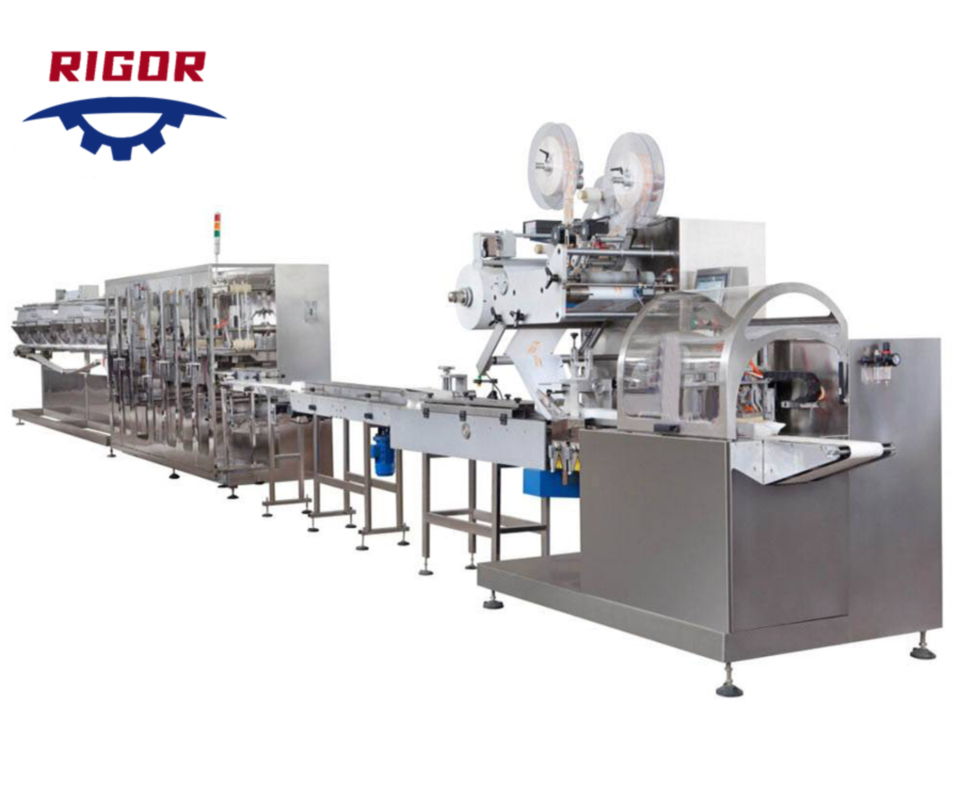
Abstract
The global market for wet wipes demonstrates significant expansion in 2025, propelled by heightened hygiene consciousness and rising disposable incomes, particularly within emerging economies across South America, Southeast Asia, and Africa. This expansion presents a considerable opportunity for entrepreneurs seeking to enter the disposable hygiene products sector. Launching a wet wipes manufacturing business necessitates a multifaceted approach, integrating meticulous market analysis, strategic business planning, and a deep understanding of the production process. Key considerations involve the selection of appropriate manufacturing machinery, the establishment of a resilient supply chain for raw materials like non-woven fabrics and liquid formulations, and strict adherence to regional and international regulatory standards, such as Good Manufacturing Practices (GMP). A successful venture is contingent upon not only capital investment but also on developing a strong brand identity and an effective go-to-market strategy. This guide provides a systematic framework for navigating these complexities, offering a practical pathway from initial concept to a fully operational and profitable manufacturing enterprise.
Key Takeaways
- Conduct exhaustive market research to identify a profitable niche and understand your target customers.
- Develop a comprehensive business plan that includes detailed financial projections and startup cost analysis.
- Select the appropriate wet wipes production machinery based on your desired scale and automation level.
- Establish a reliable supply chain by vetting suppliers for non-woven fabrics and lotion ingredients.
- Learn how to start a wet wipes manufacturing business by prioritizing quality control and regulatory compliance.
- Create a compelling brand identity and a multi-channel strategy for marketing and distribution.
- Ensure legal compliance by registering your business and obtaining all necessary manufacturing licenses.
Table of Contents
Step 1: Conducting Comprehensive Market Research and Niche Identification
Embarking on the journey of establishing a manufacturing business requires a foundational understanding of the terrain. Before a single dollar is spent on machinery or raw materials, the most critical investment is in knowledge. Think of this initial phase as drawing the map for a long expedition. Without a clear map, even the most well-equipped explorer is likely to get lost. Your map, in this context, is a deep and nuanced understanding of the market you wish to enter. For a prospective wet wipes manufacturer in 2025, this involves looking beyond general trends and drilling down into the specific needs and desires of your future customers.
Understanding the Global and Local Wet Wipes Market in 2025
The global appetite for convenience and hygiene has made wet wipes a ubiquitous product. The market is not monolithic; it is a dynamic ecosystem with distinct regional characteristics. In developed markets like North America and Western Europe, the market is mature, characterized by high penetration rates and intense brand competition. However, for an entrepreneur in regions like South America, the Middle East, Russia, or Southeast Asia, the story is one of growth and opportunity.
Population growth, urbanization, an expanding middle class with greater purchasing power, and a heightened post-pandemic focus on sanitation are powerful drivers fueling demand (Nonwovens Industry, 2025). Consider the mother in a growing city like São Paulo, Brazil, or Jakarta, Indonesia. Her access to information about infant health is greater than ever before, and her desire for safe, convenient products for her baby is a powerful motivator. Similarly, the young professional in Dubai or Moscow seeks products that fit a fast-paced lifestyle, from makeup removal wipes to antibacterial hand wipes.
Your first task is to quantify this opportunity. Research market reports that provide data on the compound annual growth rate (CAGR) for wet wipes in your specific country or region. Look for statistics on per capita consumption. If the average person in your country uses five wipes a year while the average in a more developed market is fifty, that gap represents your potential for growth. Local government trade portals and industry associations are often valuable sources for this kind of localized data.
Identifying Your Niche: Baby Wipes, Cosmetic Wipes, or Disinfectant Wipes?
Once you have a sense of the overall market size, you must decide where you want to play. Trying to be everything to everyone is a common mistake for new businesses. A more strategic approach is to identify a specific niche, dominate it, and then expand from there. The wet wipes market can be segmented into several key categories, each with its own set of rules, customers, and requirements.
| Niche Category |
Target Audience |
Key Product Features |
Price Sensitivity |
| Baby Wipes |
Parents, childcare facilities |
Hypoallergenic, fragrance-free, gentle, thick, soft |
Moderate to High |
| Cosmetic Wipes |
Women, makeup artists |
Makeup removal, moisturizing, exfoliating, specific skin types |
Low to Moderate |
| Disinfectant Wipes |
Households, offices, hospitals |
Antibacterial/antiviral efficacy, kill claims, durability |
Moderate |
| Personal Care Wipes |
Adults, travelers |
Flushable, intimate hygiene, deodorant, body cleansing |
Moderate |
| General Purpose Wipes |
Households, businesses |
Surface cleaning, multi-purpose, durability, low cost |
High |
Let us explore this further.
Baby Wipes: This is often the largest and most competitive segment. Trust is the most important currency here. Parents are extremely cautious about what they put on their baby's skin. Success in this niche requires a focus on safety and quality above all else. Your formulation must be gentle, hypoallergenic, and free from harsh chemicals. Your marketing will need to communicate a message of care, safety, and reliability.
Cosmetic Wipes: This niche allows for more creativity and higher profit margins. You can develop wipes for different skin types (oily, dry, sensitive), for specific purposes (anti-aging, brightening), or with trendy ingredients (like charcoal, tea tree oil, or hyaluronic acid). Packaging and branding play a huge role here. The product needs to look and feel premium.
Disinfectant Wipes: This segment saw explosive growth in recent years and demand remains strong. The key to success is efficacy. Your product must have proven effectiveness against bacteria and viruses, which often requires laboratory testing and specific regulatory approvals. The customer here is buying a promise of safety and a germ-free environment.
A useful mental exercise: Imagine you are walking through a supermarket in your target city. What wet wipes are on the shelf? Who is buying them? What claims are they making on their packaging? Are there any obvious gaps? Perhaps there are many options for baby wipes, but no locally produced, affordable cosmetic wipes. Or maybe all the disinfectant wipes are imported and expensive. This is where your opportunity lies.
Analyzing the Competitive Landscape in Emerging Markets
You are not entering a vacuum. Even in growing markets, there will be competitors. These may be large multinational corporations (like Procter & Gamble or Kimberly-Clark) or established local players. Your job is to analyze them with the dispassionate eye of a strategist.
Create a simple competitor profile for each major brand in your chosen niche. Note their product range, pricing, packaging style, and distribution channels (where are their products sold?). Try to understand their perceived strengths and weaknesses. Is a major brand seen as reliable but expensive? Is a local brand affordable but of inconsistent quality?
This analysis will help you define your unique value proposition (UVP). Your UVP is the simple, clear answer to the question: "Why should a customer buy from you instead of someone else?" Your UVP could be based on:
- Superior Quality: Perhaps you use a softer non-woven fabric or a more beneficial lotion formula.
- Better Price: By manufacturing locally, you might be able to offer a similar quality product at a more competitive price point.
- Niche Specialization: You could be the only brand focusing specifically on wipes for sensitive skin or eco-friendly, biodegradable wipes.
- Stronger Connection to the Local Culture: Your branding, marketing, and even scent profiles could be tailored to local tastes in a way that a global corporation cannot replicate.
This initial phase of research is not a one-time task. It is an ongoing process. Markets change, consumer preferences evolve, and new competitors emerge. By building a strong foundation of market knowledge from the outset, you equip your business with the agility to navigate the challenges and seize the opportunities that lie ahead.
After mapping the market terrain, the next logical progression is to draft the architectural blueprint for your enterprise. This blueprint is your business plan. It is a formal, written document that articulates your business goals and the specific strategies you will employ to achieve them. For many aspiring entrepreneurs, this step can feel daunting, filled with spreadsheets and projections. However, it is better to view it not as a chore, but as an act of strategic imagination. You are creating a coherent narrative that connects your vision to the practical realities of finance and operations. This document will be your guide for decision-making and your primary tool for persuading potential investors, partners, and lenders to join you on your venture.
Crafting Your Business Plan: The Foundational Blueprint
A business plan serves multiple functions. Internally, it forces you to think through every aspect of your business, revealing potential weaknesses in your strategy before they become costly mistakes. Externally, it is the professional face of your company, demonstrating to financiers that you have a clear and viable plan for generating a return on their investment.
A comprehensive business plan for your wet wipes manufacturing business should include the following sections:
- Executive Summary: This is a concise overview of your entire plan. Although it appears first, you should write it last. It needs to be compelling enough to make the reader want to learn more. It should briefly touch upon your mission, your product, the market opportunity, and your key financial highlights.
- Company Description: Detail the legal structure of your business (e.g., sole proprietorship, partnership, corporation), your business location, and your mission and vision. What is the core purpose of your company beyond making a profit? Perhaps it is to provide affordable hygiene products to your community or to create a sustainable manufacturing business.
- Market Analysis: This is where you present the findings from Step 1. Detail the size of the market, the growth trends, your target demographic, and your in-depth competitor analysis. Show that you understand the industry and have identified a clear, defensible position within it.
- Organization and Management: Outline your company's organizational structure. Who is on your management team? What are their backgrounds and areas of expertise? Even if you are starting alone, describe the key roles you will need to fill as the business grows (e.g., production manager, sales manager, quality control technician).
- Product Line: Describe your wet wipes in detail. What niche are you targeting? What are the specifications of your product (e.g., wipe size, material, lotion ingredients, package count)? What makes your product unique (your UVP)?
- Marketing and Sales Strategy: How will you reach your target customers? Outline your plans for branding, pricing, promotion, and distribution. Will you sell to wholesalers, directly to retailers, or online?
- Financial Projections: This is the quantitative heart of your plan. It should include a startup cost analysis, a break-even analysis, and projected income statements, cash flow statements, and balance sheets for the first three to five years of operation. Be realistic and base your numbers on your research.
Calculating Startup Costs: From Machinery to Marketing
A common reason for business failure is under-capitalization. It is vital to have a clear-eyed view of all the costs required to launch and sustain your business until it becomes profitable. Your startup costs can be divided into one-time capital expenditures and ongoing operational expenses.
Here is a sample breakdown of potential startup costs. The actual figures will vary significantly based on your location, the scale of your operation, and the machinery you choose.
| Cost Category |
Description |
Estimated Cost Range (USD) |
Notes |
| Capital Expenditures |
|
|
|
| Wet Wipes Machine |
The core production equipment. Cost varies by speed, automation, and features. |
$50,000 – $500,000+ |
Includes folding, wetting, cutting, and packaging units. |
| Water Purification System |
Essential for producing high-quality, safe lotion (e.g., Reverse Osmosis). |
$5,000 – $25,000 |
Quality of water is non-negotiable for product safety. |
| Lab Equipment |
For quality control testing (e.g., pH meter, viscometer, microbial testing). |
$2,000 – $15,000 |
Basic equipment is necessary for in-house QA. |
| Facility Renovation |
Modifying the factory space to meet hygiene standards (e.g., epoxy flooring). |
$10,000 – $100,000+ |
Depends on the initial state of the building. |
| Initial Operational Expenses |
|
|
|
| Raw Material Inventory |
First batch of non-woven fabric, packaging film, lotion chemicals. |
$20,000 – $100,000 |
Enough for at least 1-2 months of production. |
| Business Registration & Licenses |
Legal fees and government permits. |
$500 – $5,000 |
Varies greatly by country and municipality. |
| Initial Marketing & Branding |
Logo design, packaging design, website development, initial ad campaigns. |
$3,000 – $20,000 |
Crucial for a successful launch. |
| Working Capital |
|
|
|
| Employee Salaries |
Salaries for operators, technicians, and administrative staff for 3-6 months. |
$15,000 – $75,000 |
Plan for a buffer before revenue stabilizes. |
| Rent & Utilities |
Rent, electricity, water for the first few months. |
$5,000 – $30,000 |
Secure the facility and utilities well in advance. |
| Contingency Fund |
An emergency fund for unexpected costs (recommended 15-20% of total). |
$20,000 – $100,000 |
"Expect the unexpected" is a wise business mantra. |
This table should serve as a starting point for your own detailed budget. Obtain actual quotes from machinery suppliers and raw material vendors to make your projections as accurate as possible.
Securing Funding and Projecting Your Return on Investment (ROI)
With a detailed budget in hand, you can determine how much capital you need to raise. Common funding sources include:
- Personal Savings: Using your own money demonstrates your commitment to the venture, but be careful not to risk your personal financial security.
- Friends and Family: A common source for early-stage funding, but be sure to treat it as a formal business transaction with a clear loan agreement to avoid straining personal relationships.
- Bank Loans: Traditional banks may be willing to fund your venture, especially if you have a strong business plan, good credit, and can offer some form of collateral.
- Government Grants and Loans: Many governments, particularly in emerging economies, offer programs to support local manufacturing and small businesses. Research the opportunities available in your country.
- Angel Investors or Venture Capitalists: These investors provide capital in exchange for an equity stake in your company. They are typically looking for high-growth potential and a clear exit strategy.
When you approach potential funders, they will want to know when they can expect a return on their investment. Calculating your projected Return on Investment (ROI) is essential. A simplified way to think about ROI is:
ROI (%) = (Net Profit / Total Investment) x 100
To project your net profit, you will need to forecast your sales revenue and subtract all your costs (cost of goods sold, operational expenses, taxes, etc.). For example, if your total investment is $300,000 and you project a net profit of $90,000 in your third year of operation, your ROI for that year would be 30%.
Your financial plan is not just about securing funding. It is a management tool that helps you set goals, measure performance, and make informed decisions. By meticulously planning your finances, you transform your entrepreneurial dream into a tangible and achievable objective.
Step 3: Navigating Legal Requirements and Regulatory Compliance
Once you have a solid business plan and a clear financial strategy, it is time to build the legal and regulatory framework for your operation. This stage is less about creative vision and more about meticulous diligence. For an enterprise involved in producing items that come into direct contact with human skin, especially that of infants, the margin for error is zero. Adherence to legal and quality standards is not a bureaucratic obstacle to be overcome; it is the very foundation of your company's reputation and long-term viability. Building trust with consumers, retailers, and regulators begins here. A failure in this domain can lead not only to financial penalties but to the complete collapse of your business.
Registering Your Business and Obtaining Necessary Licenses
The first formal step is to give your business a legal identity. The process for this varies considerably from one country to another, so it is imperative to consult with a local business lawyer or a corporate services firm. They can provide guidance on the most suitable legal structure for your venture. Common options include:
- Sole Proprietorship: Simple to set up, but it offers no legal separation between you and the business, meaning your personal assets are at risk.
- Partnership: Involves two or more owners. A detailed partnership agreement is vital to outline responsibilities, contributions, and profit distribution.
- Limited Liability Company (LLC) or Private Limited Company (Pvt. Ltd.): A very common structure for small to medium-sized enterprises. It provides limited liability protection, meaning your personal assets are generally protected from business debts.
- Corporation: A more complex structure, often suited for larger businesses or those planning to seek significant outside investment.
Once your business is registered, you will need a portfolio of licenses and permits to operate a manufacturing facility. These might include:
- A general business operating license from your local municipality.
- A specific manufacturing or industrial license from a national or regional authority.
- A fire safety certificate for your facility.
- An environmental clearance certificate, confirming your operations will not violate pollution norms.
- Tax registration numbers (e.g., VAT, GST).
Again, the specific requirements are highly localized. What is needed in South Africa will differ from the requirements in Russia or Vietnam. Do not rely on generic information from the internet. Invest in professional local advice to ensure you are fully compliant from day one.
Adhering to Health, Safety, and Quality Standards (ISO, GMP)
For a wet wipes manufacturer, compliance with quality standards is paramount. Two of the most important frameworks to understand are Good Manufacturing Practices (GMP) and ISO standards.
Good Manufacturing Practices (GMP): GMP is a system for ensuring that products are consistently produced and controlled according to quality standards. It is designed to minimize the risks involved in any pharmaceutical or cosmetic production that cannot be eliminated through testing the final product. The core idea of GMP is that quality must be built into the product at every stage of the process. For a wet wipes facility, GMP compliance would involve:
- Facility and Environment: The production area must be designed and maintained to prevent cross-contamination. This means having smooth, easy-to-clean surfaces, proper ventilation, pest control, and separate areas for raw materials, production, and finished goods.
- Personnel: All employees must receive training on hygiene protocols, their specific job functions, and the principles of GMP. They should wear appropriate protective clothing.
- Equipment: All machinery, especially the high-quality wet wipes production lines, must be designed for easy cleaning and sanitation. A regular maintenance and calibration schedule must be documented and followed.
- Raw Materials: There must be a system for receiving, testing, and approving all incoming raw materials. Materials should be stored in appropriate conditions to prevent degradation.
- Production Process: Every step of the manufacturing process must be clearly defined and documented in Standard Operating Procedures (SOPs).
- Documentation and Record-Keeping: This is a cornerstone of GMP. You must keep detailed records of everything: raw material batches, production logs, quality control test results, equipment maintenance, and employee training. If a problem arises with a product batch, you need to be able to trace it back through the records to identify the root cause.
ISO Standards: The International Organization for Standardization (ISO) develops and publishes a wide range of proprietary, industrial, and commercial standards. For a manufacturer, the most relevant is often ISO 9001:2015, which sets out the criteria for a quality management system. Achieving ISO 9001 certification is not always a legal requirement, but it is a powerful signal to the market that your company is committed to quality and customer satisfaction. It can be a significant competitive advantage, especially when trying to sell to large retailers or export your products. Another relevant standard could be ISO 22716:2007, which provides specific GMP guidelines for the cosmetic industry.
Understanding Import/Export Regulations for Raw Materials and Finished Goods
As a manufacturer in an emerging market, it is very likely that some of your key inputs will need to be imported. Your primary production machine will almost certainly be imported from a specialized manufacturer in a country like China or Italy. Certain high-performance raw materials, like specific types of non-woven fabric or specialized preservatives, may also need to be sourced internationally.
This introduces the complexity of customs and international trade. You must understand:
- Import Tariffs and Duties: What taxes will you have to pay on your imported machinery and raw materials? These can significantly impact your startup costs and cost of goods sold.
- Customs Clearance Procedures: What documentation is required to clear goods through customs in your country? This often includes a bill of lading, commercial invoice, packing list, and certificate of origin. Delays in customs can be costly, so having all your paperwork in order is critical.
- Restricted Chemicals: Are any of the chemicals in your lotion formulation restricted or controlled by your country's chemical import laws? You may need special permits to import them.
- Export Regulations: If your long-term plan includes exporting your finished wet wipes to neighboring countries, you will need to understand their import regulations as well. What are their labeling requirements? What quality standards do they recognize?
Navigating this web of regulations requires careful planning and often the assistance of a customs broker or a freight forwarder who specializes in your region. They can handle the logistics and paperwork, ensuring a smoother flow of goods across borders. By treating legal and regulatory compliance as a core business function, you build a resilient enterprise that can withstand scrutiny and earn the lasting trust of the market.
Step 4: Selecting the Right Machinery and Setting Up Your Facility
With the legal and financial blueprints in place, we now move to the tangible heart of your operation: the physical production facility and the machinery within it. The decisions made at this stage will directly define your production capacity, your operational efficiency, your labor costs, and the ultimate quality of your product. This is where your capital investment transforms into the capability to create. Choosing the right equipment is not merely a purchasing decision; it is a long-term strategic partnership with a technology provider. The layout of your factory is not just about placing machines; it is about designing a safe, hygienic, and efficient workflow.
Choosing Your Wet Wipes Machine: Semi-Automatic vs. Fully Automatic
The single most significant investment you will make is in your wet wipes production machine. These sophisticated machines are engineered to perform a sequence of tasks with precision and speed: unwinding large rolls of non-woven fabric, folding the fabric into the desired format, cutting it to size, adding the liquid solution, and then stacking and packaging the finished wipes. The primary choice you will face is the level of automation.
Semi-Automatic Wet Wipes Machines: These machines are an excellent entry point for startups, smaller-scale operations, or businesses targeting a niche market.
- Process: They typically automate the core functions of folding, wetting, and cutting. However, the processes of transferring the stack of wipes to the packaging machine and the final packaging itself often require manual intervention by an operator.
- Production Speed: Speeds are generally lower, perhaps in the range of 2,000-4,000 wipes per minute, depending on the model.
- Initial Cost: The capital investment is significantly lower than for a fully automatic line.
- Labor Requirement: They require more operators per line to handle the manual transfer and packaging stages.
- Flexibility: They can be quite flexible for smaller batch sizes and more frequent product changeovers.
Fully Automatic Wet Wipes Machines: These are the workhorses of high-volume manufacturing, designed for maximum efficiency and minimal labor.
- Process: The entire process, from the raw fabric roll to the sealed, ready-to-ship package, is integrated and automated. This includes automatic splicing (joining a new raw material roll without stopping the machine), automatic transfer of wipe stacks, and integrated high-speed packaging. Many feature advanced PLC (Programmable Logic Controller) touch screens for easy operation and monitoring.
- Production Speed: These are high-speed lines, capable of producing anywhere from 5,000 to over 10,000 wipes per minute.
- Initial Cost: The initial investment is substantially higher.
- Labor Requirement: They require very few operators, primarily for oversight, quality checks, and loading raw materials. This leads to lower long-term operational costs.
- Efficiency: Features like auto-splicing dramatically reduce downtime and material waste, leading to a higher Overall Equipment Effectiveness (OEE).
How to Choose? Your decision should be based on a careful analysis of your business plan.
- If your strategy is to start small, test the market, and keep initial capital costs low, a semi-automatic line is a logical choice.
- If your market research indicates strong demand and your financial plan supports a larger investment for lower long-term costs per unit, a fully automatic line is the superior option. It provides scalability and a lower cost of goods sold at high volumes.
When evaluating suppliers, look beyond the price tag. Consider the manufacturer's reputation, the quality of the components used (e.g., servo motors from reputable brands), the warranty, and, most importantly, the level of after-sales support they provide for installation, training, and spare parts. A reliable supplier offers more than just a machine; they offer a partnership in your success.
Designing an Efficient Production Floor Layout
Your factory is more than just a building that houses your machine. It is an integral part of your quality control system. The layout must be designed to facilitate a logical and hygienic flow of materials and people, preventing cross-contamination and maximizing efficiency. A typical layout, guided by GMP principles, would include:
- Raw Material Receiving and Quarantine Area: A designated area where incoming raw materials are received and held until they are tested and approved by your quality control team.
- Raw Material Storage: A clean, dry, and well-ventilated area for storing approved non-woven fabrics, packaging films, and chemicals. Different types of chemicals may require separate storage.
- Water Treatment and Lotion Preparation Room: A separate, enclosed, and highly sanitized room where your purified water system is located and where the liquid formulation is mixed in stainless steel tanks. This area should have restricted access.
- Main Production Hall: The heart of your factory where the wet wipes machine is located. This area should have the highest standards of cleanliness, with epoxy-coated floors, smooth walls, and controlled air quality. There should be ample space around the machine for operators to work safely and for maintenance access.
- Finished Product Packaging and Quarantine: After the wipes are packaged, they are moved to another area where they are held for final quality assurance checks (like microbiological testing) before being released for sale.
- Finished Goods Warehouse: A dedicated area for storing released products, ready for dispatch.
- Ancillary Areas: This includes a quality control laboratory, changing rooms for employees, administrative offices, and a maintenance workshop.
The key principle is to create a one-way flow: raw materials come in one end, move progressively through the production process, and finished goods leave from the other end. This minimizes the risk of finished products being contaminated by raw materials or personnel traffic.
Installation, Training, and Maintenance Protocols
The arrival of your new wet wipes machine is an exciting milestone, but the work is just beginning.
- Installation: The machinery supplier should provide experienced technicians to oversee the installation and commissioning of the equipment. They will ensure the machine is set up correctly, connected to utilities, and running according to its specified parameters.
- Training: This is a critical investment. The supplier's technicians should provide comprehensive training to your machine operators and maintenance staff. Operators need to learn how to run the machine efficiently, perform product changeovers, and conduct basic troubleshooting. Your maintenance team needs to understand the mechanical and electrical systems, the preventive maintenance schedule, and how to replace common wear-and-tear parts. Proper training reduces downtime, minimizes operator error, and extends the life of your machine.
- Maintenance Protocols: Your machine is a complex piece of engineering that requires regular care. Work with the supplier to develop a preventive maintenance schedule. This involves routine tasks like cleaning, lubrication, and inspection of key components. Keeping a logbook of all maintenance activities is a core part of GMP and helps in predicting and preventing breakdowns. You should also maintain a stock of critical spare parts to ensure that a minor component failure does not lead to a prolonged shutdown.
By carefully selecting your technology and thoughtfully designing your production environment, you create a robust manufacturing capability that can consistently produce high-quality products for years to come.
Step 5: Sourcing High-Quality Raw Materials
Your state-of-the-art wet wipes machine is only as good as the materials you feed into it. The final product that your customer holds in their hand is a composite of several key components. The tactile feel, the cleaning performance, the gentleness on the skin, and the shelf stability are all determined by the quality of your raw materials. Establishing a reliable and resilient supply chain is therefore not an administrative task but a strategic imperative. It involves understanding the science behind each component, identifying and building relationships with trustworthy suppliers, and implementing rigorous quality control for everything that enters your factory.
The Anatomy of a Wet Wipe: Non-woven Fabric, Lotion, and Packaging
A wet wipe seems simple, but it is a carefully engineered product. Let's dissect its three main parts.
1. The Non-woven Fabric (The Substrate): This is the fabric sheet that carries the lotion and does the physical work of wiping. It is not woven or knitted like traditional textiles. The most common type of non-woven used for wipes is spunlace.
- How Spunlace is Made: A web of staple fibers (like polyester, viscose/rayon, cotton, or a blend) is entangled and bonded together using high-pressure jets of water. This process creates a fabric that is soft, strong, and highly absorbent without the use of chemical binders.
- Key Properties to Specify:
- Fiber Blend: The ratio of different fibers determines the fabric's properties. Viscose provides softness and absorbency. Polyester provides strength and durability. Cotton adds a natural feel. A common blend for baby wipes might be 70% viscose and 30% polyester.
- Basis Weight: Measured in grams per square meter (gsm). A higher gsm (e.g., 45-60 gsm) results in a thicker, plusher, and more durable wipe, often perceived as higher quality. A lower gsm (e.g., 35-40 gsm) is more economical.
- Texture: The fabric can be plain (smooth) or apertured/embossed with a pattern. Embossing can improve cleaning performance and aesthetic appeal.
2. The Liquid Formulation (The Lotion): This is the active component of the wipe. The formulation can be simple or complex, depending on the wipe's intended purpose.
- Core Component – Purified Water: Water makes up over 90% of the lotion. It cannot be simple tap water. It must be highly purified, typically through a process like reverse osmosis (RO) and ultraviolet (UV) sterilization, to remove minerals, chemicals, and microbes. This is critical for product safety and stability.
- Surfactants (Cleansing Agents): These are mild, soap-like ingredients that help to lift dirt and oils from the skin.
- Humectants (Moisturizers): Ingredients like glycerin or propylene glycol help to keep the skin from drying out.
- Emollients: These ingredients, like aloe vera or chamomile extract, soothe and soften the skin.
- Preservative System: This is arguably the most critical part of the formulation. Because the wipes are wet and packaged, they are a perfect breeding ground for bacteria, mold, and yeast. A carefully selected and tested system of preservatives (e.g., phenoxyethanol, sodium benzoate) is essential to ensure the product remains safe to use throughout its shelf life. The choice of preservatives must comply with the regulations in your target market.
- Active Ingredients: For specialized wipes, this could include salicylic acid for acne wipes, antibacterial agents for disinfectant wipes, or specific plant extracts for cosmetic wipes.
- pH Adjusters: Ingredients like citric acid are used to ensure the final product's pH is compatible with the skin (typically in the range of 4.5-5.5).
3. The Packaging: The packaging must protect the product from contamination and drying out, while also being user-friendly and serving as a marketing tool.
- Primary Packaging Film: This is typically a multi-layered laminate film (e.g., PET/PE/Aluminum). It needs to provide a strong barrier against moisture loss and oxygen. The quality of the film and the integrity of the heat seal are crucial for maintaining the product's shelf life.
- Resealable Label or Plastic Lid: This allows the user to open and close the pack multiple times without the remaining wipes drying out. The quality of the adhesive on the resealable label is very important for customer satisfaction. Plastic lids offer a more premium feel and better seal.
Building a Resilient Supply Chain: Finding and Vetting Suppliers
Once you know what you need, you have to find reliable sources. Your goal is to build long-term partnerships, not just conduct one-off transactions.
It is also wise to identify and qualify at least two suppliers for each of your critical raw materials. This builds resilience in your supply chain. If one supplier has a production issue, a price increase, or a shipping delay, you have a backup option and your production does not have to stop.
Quality Control for Incoming Raw Materials
Your quality assurance program begins the moment a truck arrives at your facility with a delivery. You must have a documented procedure for inspecting and testing all incoming materials before they are accepted into your inventory. This process, known as incoming quality control (IQC), might include:
- Visual Inspection: Checking for any damage to the packaging, verifying that the labels match your purchase order, and ensuring the quantity is correct.
- Non-woven Fabric Testing: Checking the gsm, thickness, and tensile strength. A simple visual check for holes, stains, or other defects is also necessary.
- Packaging Film Testing: Verifying the thickness and checking for any visual imperfections.
- Lotion Chemical Verification: Checking the supplier's Certificate of Analysis (COA) for each drum of chemicals. You might also perform a simple in-house test, like checking the pH or specific gravity of a sample, to confirm its identity.
Any material that does not meet your predefined specifications should be rejected and returned to the supplier. Allowing a sub-standard material into your production line is a recipe for disaster, leading to product defects, machine downtime, and wasted resources. By being rigorous at the sourcing and receiving stage, you lay the groundwork for a smooth and efficient manufacturing process.
Step 6: Mastering the Wet Wipes Manufacturing Process
You have designed your facility, installed your machinery, and sourced your raw materials. Now, you must become a master of the process itself. Manufacturing is a symphony of moving parts, chemical reactions, and human oversight. Achieving consistent quality and efficiency requires a deep understanding of the production workflow, a fanatical commitment to quality assurance at every step, and a forward-thinking approach to managing waste and sustainability. This is where your operational excellence will truly shine, transforming raw inputs into a product that you can be proud to put your brand name on.
The Production Workflow: From Non-woven to Packaged Wipe
Let's walk through the journey of a single wet wipe as it travels through your production line. While the specific configuration of versatile wet wipes machine options can vary, the fundamental stages are consistent.
- Non-woven Unwinding and Splicing: A large parent roll of spunlace fabric, which can weigh several hundred kilograms, is mounted onto the machine. As the machine runs, it unwinds the fabric at a precise speed and tension. On fully automatic lines, an auto-splicing unit will automatically join the end of a depleting roll to the start of a new one, allowing for continuous operation without stopping the machine.
- Folding: The flat sheet of fabric is then guided through a series of specially designed plates and rollers that fold it into the desired format. The two most common folds are the "Z-fold" and "C-fold." The goal is to create an interfolded stack, where pulling out one wipe partially pulls out the next one, making it ready for the user.
- Wetting System: The folded continuous web of fabric passes through a wetting station. Here, the liquid lotion, which has been prepared in your mixing tanks, is applied uniformly. This can be done through a spray system or by passing the fabric through a bath. The amount of liquid applied is precisely controlled to ensure each wipe has the correct level of moisture.
- Cutting: A high-speed cutting unit, often a rotary blade, cuts the continuous, folded, and wetted fabric into individual stacks of a predetermined length (which corresponds to the number of wipes per pack, e.g., 80 pieces).
- Stacking and Transfer: The cut stacks are then automatically counted and transferred to the infeed conveyor of the packaging machine. This is a critical point of automation that separates semi-automatic from fully automatic lines.
- Packaging: The packaging machine takes the stack of wipes and wraps it in the printed laminate film. It performs several actions in quick succession:
- It forms the film into a pouch around the wipe stack.
- It creates a die-cut opening on the top of the pouch.
- It applies the resealable sticker or plastic lid over the opening.
- It heat-seals the pouch on all sides to make it airtight.
- It may also print a manufacturing date and batch code onto the finished pack using an inkjet printer.
- Final Quality Check and Case Packing: The finished packs exit the machine and are visually inspected by an operator for any defects. They are then packed into larger cartons or cases, ready to be moved to the warehouse.
Understanding each of these stages is crucial for your operators and maintenance team so they can quickly diagnose and resolve any issues that may arise.
Implementing a Rigorous Quality Assurance (QA) System
Quality is not something you inspect for at the end of the line; it is something you build into the process from the very beginning. A robust QA system involves a series of checks and tests at different stages.
- Incoming Quality Control (IQC): As discussed in Step 5, this involves testing all raw materials before they are used.
- In-Process Quality Control (IPQC): These are checks performed by operators and QA technicians during the production run.
- Lotion Checks: Before a batch of lotion is released to the production line, its pH, viscosity, and appearance should be tested.
- First-Piece Inspection: At the start of every new production run or after any major adjustment, the first few finished packs should be thoroughly inspected to ensure all parameters are correct (e.g., wipe size, fold quality, package seal integrity, label placement).
- Hourly Checks: Throughout the shift, operators should regularly pull samples from the line to check key parameters like wipe weight (to verify moisture content), dimensions, and the strength of the package seal. All results should be recorded in a log.
- Final Quality Assurance (FQA): This is the final gate before your product is cleared for sale.
- Finished Product Testing: A random sample of packs from each batch is taken to the laboratory for more comprehensive testing.
- Microbiological Testing: This is the most important final test. Samples are tested for the presence of bacteria, yeast, and mold to ensure the preservative system is effective and the product is safe. The batch should not be released until the micro results are clear.
- Stability Testing: When you first develop a product, you must conduct stability tests. This involves keeping samples at various temperatures and humidity levels for several months to ensure the product does not change in color, odor, or texture, and that the packaging does not leak over time. This data is what validates your product's shelf life.
Waste Management and Sustainable Practices
Modern manufacturing is not just about efficiency; it is also about responsibility. A focus on sustainability can reduce costs, improve your brand image, and meet the growing consumer demand for eco-friendly products.
- Waste Reduction:
- Material Scrap: Inevitably, there will be some waste from the non-woven fabric and packaging film during machine start-up, splicing, and changeovers. A well-trained operator and a well-maintained machine will minimize this waste. Track your scrap rate as a key performance indicator (KPI).
- Water Usage: Your water purification system will produce some reject water. Explore ways to reuse this water for non-critical applications like cleaning floors.
- Defective Products: A strong IPQC system will catch defects early, reducing the number of finished products that have to be scrapped.
- Exploring Sustainable Materials: The environmental impact of single-use wipes is a growing concern for consumers. As a new manufacturer, you have the opportunity to build sustainability into your brand from the start.
- Biodegradable Fabrics: Explore using non-woven fabrics made from 100% viscose or other plant-based fibers like bamboo or wood pulp. These materials are biodegradable under the right conditions.
- Flushable Wipes: Manufacturing a "flushable" wipe is technically complex and requires special fabric that breaks down in water. It also involves significant testing to meet industry standards (like the INDA/EDANA GD4 guidelines) to ensure it does not cause problems for municipal sewer systems. This can be a lucrative but challenging niche.
- Eco-friendly Formulations: Use plant-derived ingredients and avoid chemicals that are known to be harmful to the environment.
- Recyclable Packaging: Work with your packaging supplier to use recyclable films.
By embedding quality and sustainability into the very fabric of your manufacturing process, you create an operation that is not only profitable but also respectable and prepared for the future.
Step 7: Developing a Go-to-Market Strategy: Branding, Marketing, and Distribution
Creating a high-quality product is a monumental achievement, but it is only half the battle. The world's best wet wipe is commercially worthless if it sits unknown in your warehouse. The final step in our journey is to build a bridge between your factory and your customers. This bridge is your go-to-market strategy. It encompasses how you shape the perception of your product (branding), how you communicate its value (marketing), and how you make it physically available for purchase (distribution). For an entrepreneur in an emerging market, a clever and culturally attuned strategy can allow you to outmaneuver larger, less agile competitors.
Creating a Memorable Brand Identity and Packaging Design
Your brand is much more than your logo or company name. It is the collective feeling and perception that people have about your product. It is a promise of quality, safety, and value. A strong brand builds trust and fosters loyalty, encouraging repeat purchases.
- Define Your Brand Essence: What is the core personality of your brand? Is it nurturing and gentle (for baby wipes)? Is it clinical and effective (for disinfectant wipes)? Is it chic and modern (for cosmetic wipes)? This essence should guide all your creative decisions.
- Choose a Name and Logo: Your brand name should be easy to pronounce, remember, and legally available to trademark. Your logo should be a simple, visually appealing symbol of your brand essence.
- Packaging Design is Your Silent Salesperson: On a crowded retail shelf, your packaging may have only a few seconds to grab a customer's attention.
- Visual Appeal: Use colors, fonts, and imagery that align with your brand essence and appeal to your target audience. For a baby wipe in the Middle East, you might use soft pastel colors and imagery of a happy, healthy baby. For a cosmetic wipe in a fashion-conscious market like Moscow, you might opt for a sleek, minimalist black-and-white design.
- Clarity of Information: The front of the pack should clearly state what the product is, the key benefit (e.g., "For Sensitive Skin," "Kills 99.9% of Germs"), and the wipe count.
- Local Language and Cultural Nuances: All text should be in the primary local language. Be mindful of cultural symbols and colors. What is considered a positive color in one culture might have a negative connotation in another.
Invest in professional design. A skilled graphic designer can translate your brand strategy into a compelling visual identity that will make your product stand out.
Digital and Traditional Marketing Tactics for Emerging Markets
Your marketing plan should use a mix of channels to reach your target customers where they are most active.
Establishing Your Distribution Channels: Retail, Wholesale, or Direct-to-Consumer
How will you get your product from your factory to the end user? You have several options, and you may use a combination of them.
-
Wholesale/Distribution Model:
- How it Works: You sell your product in large quantities to distributors or wholesalers. They then sell it to a network of retailers.
- Pros: This is the fastest way to achieve broad market penetration. Distributors have existing relationships with retailers and handle the logistics of delivering to hundreds or thousands of stores. It simplifies your sales process, as you are dealing with a small number of large customers.
- Cons: Your profit margins will be lower, as the distributor needs to take their cut. You also have less control over how your product is priced and merchandised at the retail level.
-
Direct-to-Retail Model:
- How it Works: Your sales team sells directly to retail chains, such as supermarkets, pharmacies, and convenience stores.
- Pros: You earn a higher profit margin compared to the wholesale model. You have more control over your brand's presence in the store.
- Cons: This requires building a dedicated sales and logistics team to manage relationships and deliveries with numerous individual stores or retail headquarters. It is a more resource-intensive approach.
-
Direct-to-Consumer (D2C) Model:
- How it Works: You sell directly to the end customer, typically through your own e-commerce website or a factory outlet store.
- Pros: This offers the highest possible profit margin. It gives you a direct relationship with your customers, allowing you to gather valuable feedback.
- Cons: It requires significant investment in marketing to drive traffic to your website and in logistics to handle picking, packing, and shipping individual orders. This is often a more viable strategy once the brand is already established through other channels.
For most startups, a phased approach is advisable. Start by working with a few local wholesalers to get your product into the market quickly. As your business grows and your brand gains recognition, you can begin to build a direct-to-retail sales team to target major supermarket chains. Developing a D2C channel can be a long-term goal.
By thoughtfully crafting your brand, communicating its value through targeted marketing, and building an efficient distribution network, you complete the final and crucial step in your journey of how to start a wet wipes manufacturing business.
Frequently Asked Questions (FAQ)
How much capital is needed to start a wet wipes manufacturing business? The required capital varies significantly based on scale, location, and choice of machinery. A small-scale operation with a semi-automatic machine might require an initial investment of $100,000 to $250,000 USD. A large-scale, fully automated facility could require $500,000 to over $1,000,000 USD. These figures should cover machinery, facility setup, initial raw materials, and working capital for the first few months.
How profitable is a wet wipes business? The profitability depends on production efficiency, raw material costs, pricing strategy, and market penetration. Gross profit margins on wet wipes can range from 20% to over 50%. Niche products, like specialized cosmetic or medical wipes, often yield higher margins than general-purpose wipes. A well-run operation that achieves high volume and controls costs can be very profitable.
Can I use one machine for different types of wipes? Yes, to an extent. Most modern wet wipes machines are designed with some flexibility. You can typically produce different wipe sizes, counts per pack, and use different lotion formulations on the same machine. However, switching between vastly different products, such as a thin baby wipe and a very thick disinfectant wipe, may require significant adjustments or different machine modules. For high-volume production of distinct product lines, using dedicated machines is often more efficient.
What are the biggest challenges for a new wet wipes manufacturer? The primary challenges include securing sufficient startup capital, establishing a reliable supply chain for consistent quality raw materials, navigating complex local regulations and quality standards (like GMP), and building a brand that can compete with established players. Overcoming these requires meticulous planning, a focus on quality, and a smart go-to-market strategy.
How do I ensure my wet wipes are safe for skin, especially for babies? Ensuring product safety is paramount. This involves several key steps: using highly purified water, selecting gentle, hypoallergenic ingredients for your lotion, avoiding harsh chemicals and allergens, implementing a robust preservative system to prevent microbial growth, and maintaining a hygienic production environment according to GMP standards. Finally, conducting dermatological testing and microbiological analysis on your final product provides the ultimate verification of its safety.
What is the typical shelf life of wet wipes? The typical shelf life for wet wipes is between 18 to 36 months. The exact duration is determined by the stability of the liquid formulation and the effectiveness of both the preservative system and the packaging barrier. You must conduct real-time and accelerated stability testing on your product to scientifically validate and print a reliable expiration date on your packaging.
How long does it take to set up the production line? From placing an order for a machine to starting commercial production, the timeline is typically between 4 to 8 months. This includes machine manufacturing time (2-4 months), sea freight (1-2 months), facility preparation, machine installation and commissioning (2-4 weeks), and operator training and trial production runs (1-2 weeks).
Conclusion
The path to establishing a successful wet wipes manufacturing business in 2025 is both challenging and filled with immense potential. It is a venture that extends beyond mere commerce, touching upon the fundamental human needs for health, hygiene, and well-being. As we have explored, the process is a systematic one, demanding diligence at every turn—from the initial spark of an idea born from market research to the final act of placing your branded product into the hands of a consumer. Success is not contingent on a single factor but on the harmonious integration of a well-conceived business plan, a deep respect for regulatory and quality standards, strategic investments in technology and people, and an agile, culturally aware marketing approach. The journey requires capital, but more importantly, it requires courage, persistence, and an unwavering commitment to quality. For the entrepreneur ready to embark on this path, the reward is not just the creation of a profitable enterprise, but the satisfaction of building a business that provides a tangible, useful, and valuable product to your community and beyond.
References
Andritz. (2025). Andritz Diatec. Retrieved from https://www.andritz.com/diatec
cnwelldone.com. (2024). From raw materials to hygiene solutions: How sanitary napkin-making machines work. Retrieved from https://www.cnwelldone.com/from-raw-materials-to-hygiene-solutions-how-sanitary-napkin-making-machines-work
diapermachines.com. (2024). Innovations in diaper manufacturing: Exploring the baby diaper machine revolution. Retrieved from https://www.diapermachines.com/2024/01/08/innovations-in-diaper-manufacturing-exploring-the-baby-diaper-machine-revolution/
Nonwovens Industry. (2025). Hygiene machinery report. Retrieved from https://www.nonwovens-industry.com/issues/2025-01-01/view_features/hygiene-machinery-report-912612/
qzniso.com. (2025). Diaper raw materials, feminine raw materials, diaper making machine manufacturer. Retrieved from
sanitarypadmachine.com. (2025). How diapers are made: Materials, machines, and process explained. Retrieved from https://sanitarypadmachine.com/how-diapers-are-made/
sunreehygiene.com. (2025). Manufacturing machines ingenious technologies unrivaled efficiency. Retrieved from
womengmachines.com. (2025). Detailed explanation of diaper production process. Retrieved from https://www.womengmachines.com/detailed-explanation-of-diaper-production-process/