Sanitary pads are essential for menstrual hygiene—but their disposal remains a growing environmental and health concern. With billions of pads thrown away each year, many ending up in landfills or clogging sewage systems, both consumers and manufacturers are looking for better solutions. So, what is the best way to dispose of sanitary pads responsibly?
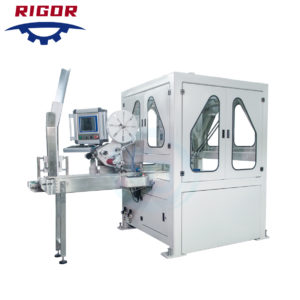
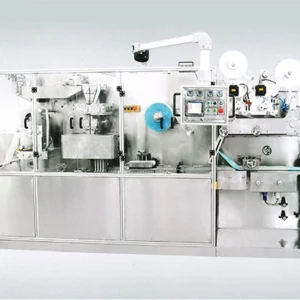
As a leading supplier of diaper making machines and hygiene product systems, Rigor believes that addressing the disposal issue begins at the production stage. By improving pad design, optimizing materials, and enhancing machine precision, companies can reduce the long-term environmental impact of their products.

The Real Problem Behind Sanitary Pad Waste
The majority of the usual hygiene pads consist of the layers that are plastic-based and the absorbent synthetics. The included materials do definitely have the product’s performance other than being non-biodegradable and not eco-recyclable. Normally, a sanitary stick can reach the cumulative total of one hundred up to eight hundred years in terms of decomposition.
No matter that those pads are disposed of, for example, any behavior like throwing them to bins should be observed, that still contributes to the full landfills. Moreover, in case of open combustion and water flushing, which are used in several areas in the world, they make even more impact on the environment.
What Role Do Manufacturers Play?
Rigor has focused on upstream innovation. As a trusted manufacturer of Baby Diaper Machine lines and diaper-making machines, the company recognizes that sustainable disposal options depend heavily on the materials and structure used in production.
By combining innovative technology with new eco-friendly materials, Rigor is helping hygiene product producers make pads that are:
- Thinner and lighter, reducing plastic volume per unit
- Biodegradable, using compostable top sheets and back layers
- Optimized for safe incineration, minimizing toxic emissions
- Compatible with modern sanitary pad incinerators, used in public spaces or institutions
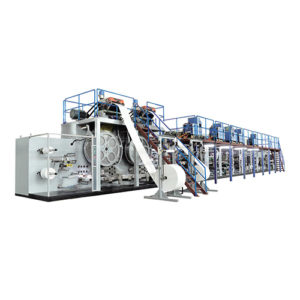
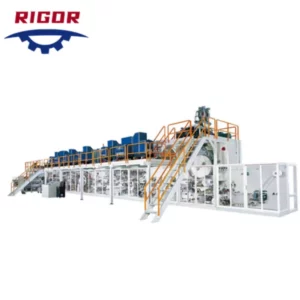
- Efficiently produced using high-speed diaper making machines, reducing energy waste
Supporting Sustainability Through Equipment and Raw Materials
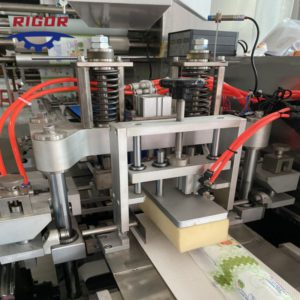
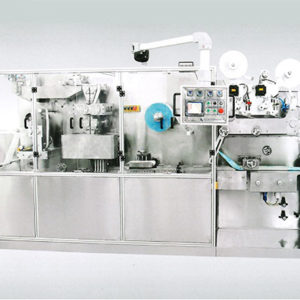
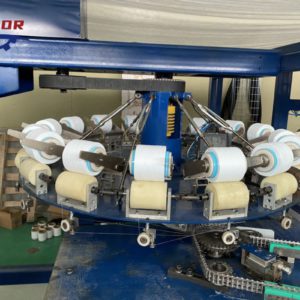
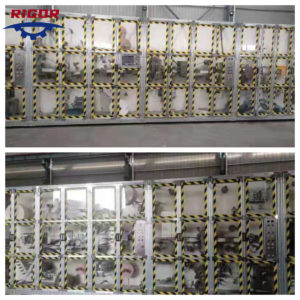
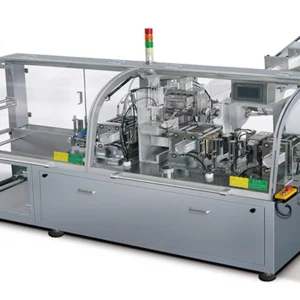
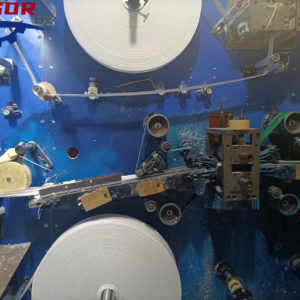
The Rigor Baby Diaper Machine of sanitary pad production lines is conceptualized with 2 very essential goals in mind, keeping the subject productivity, and environmental safety are the forefront of the process. The machines not only help to slice and seal materials into final products that are less likely to end up as waste, but they are also convertible for the greener material production of the diaper—namely bamboo fiber, corn starch polymers, and recycled pulp. In addition to this, these materials make both disposals more eco-friendly and make the users feel comfortable and safe.
The text also says that the promoted substances are used that not only decrease the garbage to be cleared, but they are also more user-friendly and safer for skin.
What Can Consumers Do?
While innovation at the factory level is essential, proper disposal habits are just as important. Here are a few recommended practices for safe and eco-conscious pad disposal:
- Wrap used pads in paper or compostable bags
- Use designated sanitary bins rather than flushing
- Install incinerators in schools and public restrooms
- Choose products made from biodegradable or organic materials
- Stay informed about community-level waste segregation policies
Leading the Shift Toward Responsible Hygiene Solutions
As global attention turns to sustainable hygiene, manufacturers like Rigor are evolving from simply making machines to enabling responsible production ecosystems. From offering precision diaper making machines to sourcing reliable diaper raw materials, Rigor helps companies lower their environmental footprint without sacrificing product performance.
With a strong reputation for quality and innovation in Baby Diaper Machine design, Rigor is leading a shift that prioritizes long-term health—not just for users, but for the planet as well.