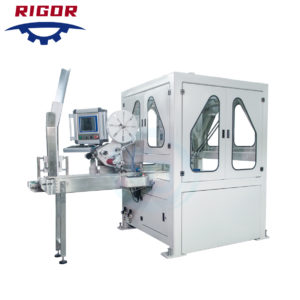
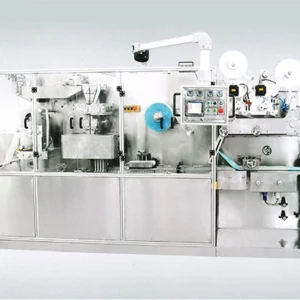
Rigor Supports Global Hygiene Access Through Advanced Manufacturing Solutions
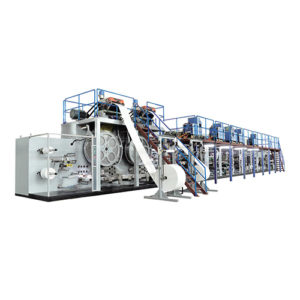
As global awareness of menstrual health increases, so does the demand for reliable, affordable, and high-quality sanitary products. The key to meeting that demand lies not only in policy or education—but in scalable manufacturing capacity. With a rapidly growing need across developing and developed nations alike, the sanitary napkin production line has become a critical link in the global health supply chain.
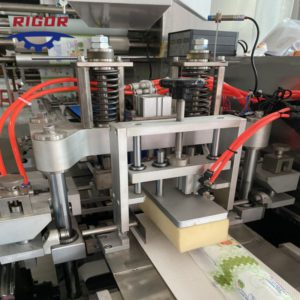
Rigor, a trusted manufacturer of high-speed hygiene machinery, is helping both new entrants and established producers expand their reach with efficient, adaptable systems. Known for its technical precision and commitment to service, Rigor is also a long-term partner to the diaper manufacturer sector and a global supplier of core diaper raw materials.
A Global Shift in Menstrual Health Access
From East Africa to Southeast Asia, governments and NGOs are investing in menstrual health as a public health priority. Yet product availability often lags behind demand, particularly in rural areas or low-income communities. For private brands, public agencies, and contract manufacturers, the challenge is clear: how to scale production without sacrificing quality or cost-efficiency.
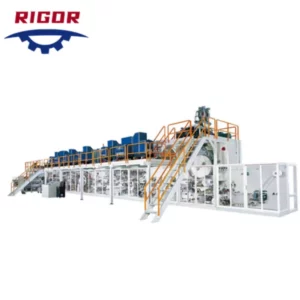
That’s where Rigor’s modular sanitary napkin production line comes in.
The Core of Scalable Hygiene Manufacturing
A modern production line must do more than simply produce volume—it must meet international standards for safety, comfort, and adaptability. Rigor’s machinery enables this through fully automated systems that combine:
Multilayer material handling (topsheet, absorbent core, backsheet)
Precision SAP dosing and fluff pulp forming
Adhesive spraying and positioning for winged or non-winged formats
Inline folding, embossing, and sealing
High-speed counting and packaging modules
Each machine is customizable by pad size, absorbency, packaging style, and production volume—supporting both emerging and large-scale producers.
Why Rigor Stands Out
Rigor is not just a machine builder—it’s a production systems partner. The company’s approach is based on long-term scalability and cross-category experience in the hygiene sector, including:
Partnerships with global diaper manufacturers seeking to expand into feminine care
Expertise in sourcing diaper raw materials, many of which overlap with napkin production (such as nonwovens, SAP, and release film)
Full-cycle project support, including layout planning, utilities design, staff training, and post-installation diagnostics
This integration gives Rigor clients a head start—especially those transitioning from diaper manufacturing into the menstrual care segment.
Production Lines That Grow With You
From a local cooperative with one production line to a multinational company planning ten, Rigor designs systems that scale. The company’s lines are available in:
Entry-level configurations for startups and pilot plants
Mid-speed models for regional distribution
High-speed, high-output systems for national or export-level capacity
Each configuration supports upgrades, modular expansion, and digital integration (including PLC control, remote monitoring, and production analytics).
More Than Machines: A Global Support Network
Rigor delivers not only machinery but also a full service ecosystem:
Multilingual technical support and on-site installation teams
Operator and maintenance training tailored to local workforces
Spare parts inventory management and predictive maintenance programs
Export documentation, CE/ISO certification, and compliance consulting
Whether in Bangladesh, Brazil, or Benin, Rigor’s global service ensures that production doesn’t stop when challenges arise.
Responding to a Social and Commercial Imperative
Today’s sanitary napkin production line is not just a piece of equipment—it’s a tool for empowerment. Access to menstrual products improves girls’ education, women’s workplace participation, and long-term public health outcomes. At the same time, it represents a major growth opportunity for the hygiene industry.
By working with organizations focused on impact and brands focused on scale, Rigor helps bridge the gap between social need and industrial supply.
Rigor Delivers High-Performance Hygiene Machinery for a Growing Global Market
As global demographics shift, one trend is unmistakably clear: the world is aging. By 2030, over 1 in 6 people will be aged 60 or older. With this growing population segment comes an urgent demand for personal care solutions that offer dignity, comfort, and efficiency. At the heart of this transformation is the adult diaper machine—a critical tool in modern hygiene manufacturing.
Rigor, a trusted name in high-precision hygiene equipment, is helping manufacturers worldwide meet this challenge head-on with advanced machinery solutions for adult incontinence products, baby wet wipes machines, and complete wet wipes production lines.
Meeting the Needs of a Growing Demographic
The rising demand for adult incontinence products is driven by several global trends. Life expectancy has increased, awareness of aging-related health needs is growing, and more people are choosing at-home care over institutional options. These developments are shaping a new market standard: higher output, more comfort-focused products, and greater manufacturing efficiency.
Rigor’s adult diaper machines are at the forefront of this shift, helping producers meet both volume and performance expectations through integrated engineering and automation.
Modern Adult Diaper Machines: Technology with Purpose
Unlike older machines focused only on speed, today’s adult diaper machines must balance speed with precision, hygiene, and adaptability. Rigor’s systems achieve this through:
Advanced sensor feedback mechanisms allow for real-time quality control, while servo-driven modules provide precise placement of SAP cores, elastic, and side panels. The end result is a product that’s both high-performing and skin-friendly.
A Broader Portfolio to Support Hygiene Manufacturing
Beyond adult care products, Rigor also supports global manufacturers with:
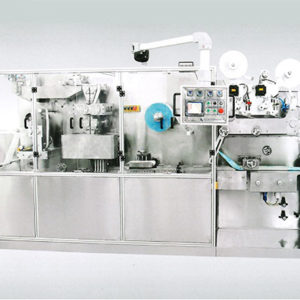
Baby Wet Wipes Machines – Ideal for brands producing infant and toddler skincare wipes. These machines handle folding, moisturizing, and packing with high consistency. With inline UV sterilization and auto-counting, they help reduce contamination risk and labor cost.
Wet Wipes Production Lines – Rigor’s fully integrated systems can be tailored to a range of applications—from cosmetic wipes to antibacterial or medical-grade formulations. Liquid dosing systems are PLC-controlled to ensure accuracy for every type of formulation.
With optional modules for flow wrapping, labeling, and automatic boxing, these lines meet a wide range of packaging and distribution needs.
Global Support and Scalable Manufacturing
Rigor’s commitment to clients goes beyond machinery. The company provides comprehensive support for:
Installation and commissioning, with layout guidance for factories of all sizes
Operator training in multiple languages
Spare parts management and digital troubleshooting
CE, ISO, and region-specific regulatory documentation
Whether you’re a private label startup or a multinational hygiene brand, Rigor builds systems to scale with your business.
Looking Ahead: Personalization and Sustainability
The future of hygiene manufacturing lies in personalized, sustainable care. Rigor’s R&D efforts focus on eco-friendly packaging, softer nonwovens, and intelligent automation that adapts to product variation in real time.
As the aging population demands more tailored hygiene solutions, manufacturers must evolve. With Rigor’s adult diaper machines, baby wet wipes machines, and wet wipes production lines, producers can confidently deliver comfort, quality, and capacity—all in one line.
Every parent will have to change the child’s dirty nappies at least a few times; by shifting the wet baby diapers effectively, they can ensure the child’s cleanliness, convenience, and the elimination of the odours. While there will be different routines for each parent, there are some super clean, green, and convenient ways to get rid of the diaper.
We are specialized in many of the newest diapering concepts such as diaper machines, as well as some of the most common methods like diapers, paper napkins feeding and packing, and others, so that modern, definitive products can also be created apart from the traditional ones. As rewarding as it is to do your bit to produce the environment-friendly, sustainable, and comfortable baby-care products, nothing beats the combination of fun and an eco-friendly attitude. This article will guide you on how to properly dispose of wet diapers.
Step-by-Step: Best Way to Dispose of a Wet Baby Diaper
1. Wrap the Diaper Securely
After removing the wet diaper, roll it tightly and fasten the tabs to keep it compact. This not only minimizes space in the trash but also contains any residual moisture and odor.
2. Use a Diaper Disposal Bag or Wrapper
Place the rolled diaper into a scented diaper bag or biodegradable wrapper. This added layer helps trap odor and makes disposal more sanitary—especially important if you’re out in public or don’t have immediate access to a sealed bin.
3. Throw It in a Sealed Trash Bin
Always dispose of used diapers in a bin with a lid. Diaper pails with odor-blocking lids or hands-free operation are ideal. Never flush diapers—even wet ones—as this can damage plumbing and sewage systems.
Optional but Helpful: Use a Wipe for Cleanup
Before rediapering, always clean your baby’s skin thoroughly using a wet wipe. Choosing a soft, chemical-free wipe helps prevent diaper rash and keeps your baby comfortable. And while we’re on the topic—ever wondered how wipes are made?
At Rigor Diaper Machine, our clients frequently ask about the wet wipes machine price when expanding into hygiene product manufacturing. The cost depends on automation level, capacity, and whether it includes integration with a wet wipes packing machine. For brands entering the hygiene market, combining diaper production with wipes manufacturing offers a smart, scalable business opportunity.
Eco-Friendly Tips for Diaper Disposal
If sustainability is important to your family, here are some additional steps you can take:
Choose biodegradable diaper liners
Opt for eco-conscious diaper brands
Avoid excessive plastic packaging when buying disposal bags
Buy in bulk to reduce packaging waste—something more accessible when sourcing directly from manufacturers using high-speed wipe machines or wet wipes packing machines
What Not to Do
Don’t flush diapers or wipes – even if labeled “flushable,” they can clog drains
Don’t throw loose diapers into public trash bins – always wrap them to reduce health risks
Don’t mix with recyclables – used diapers must go in the general waste stream
A Note for Manufacturers & Suppliers
If you’re in the diaper or baby care industry, offering a complete hygiene solution—diapers, wipes, and safe disposal recommendations—adds value to your brand. At Rigor Diaper Machine, we offer:
Investigating Absorption Capability and How Modern Diapers Are Made
Absorption, Protection, and Comfort – The Shared Purpose
In terms of hygiene, both baby and adult diapers serve a threefold purpose: to absorb liquid, protect the skin, and provide comfort. But one question continues to surface: which one absorbs better?
The answer depends not only on context—baby versus adult needs—but also on the materials, layering, and the technology used in the manufacturing process.
At Quanzhou Rigor Machine Manufactory Co., Ltd., we specialize in designing and manufacturing advanced diapers machinery. With strong capabilities in R&D, custom engineering, and global support, we help clients create high-performance baby and adult incontinence products from concept to commercialization.
Different Absorbing Requirements: Adults vs. Babies
While both types are designed for urine management, they address different use cases:
Baby diapers: High frequency, low volume urination
Adult diapers: Require handling of:
Larger liquid volumes
Longer wear times
More sensitive, aging skin
This means that adult diapers generally feature:
Multi-layered cores
Thicker absorbent pads
Higher SAP (super absorbent polymer) ratios
Anti-leak barriers and odor control zones
The Technology Behind Absorption Efficiency
Modern diaper making machines are engineered to handle diverse designs and specifications for both product types. Key features include:
Precise SAP and fluff pulp placement
Homogeneous and stable core formation
Ultrasonic sealing for leak-proof protection
Customizable size and absorption zones
At Rigor Machine, our flexible diaper production machine designs allow manufacturers to optimize machine settings based on absorption targets, user type, and market demands.
The Role of Diapers Machinery in Product Effectiveness
Whether producing for pediatric care or senior care, diaper performance is only as good as the machine that makes it. Our advanceddiaper making machines deliver:
High-speed continuous production
Integrated quality control systems
Compatibility with premium raw materials
Easy product changeovers for different diaper types
These technological advantages empower manufacturers to create diapers that are both absorbent and comfortable, tailored for each user segment.
Conclusion: Adult Diapers Generally Hold More
In terms of raw absorption capacity, adult diapers tend to absorb more than baby diapers—thanks to their larger size, thicker core, and longer-use design.
That said, baby diapers are optimized for fit, flexibility, and frequent changes, and utilize their own specialized technologies to remain effective.
Thanks to modern diaper machineryand smart engineering, both types have significantly improved in performance over the last decade—making today’s products more reliable and comfortable than ever before.
Why Choose Rigor Machine?
Over 15 years of experience in hygiene product machinery
Complete range of baby and adult diaper production machines
Custom project design and global after-sales service
Continuous innovation in diaper machine technology
👉 Visit www.diapermachines.com to see how our diapers machinery empowers your brand to produce high-performance diapers for all age groups.
The global baby diaper market is expected to be worth over $98 billion by 2030. The increasing birth rates and the demand for high – quality hygiene products are driving this growth. For manufacturers, buying a reliable baby diaper machine is very important if they want to meet quality standards and increase production. This guide will explain the most important things to think about when choosing equipment that is safe, fast, and cost – effective.
1. High – Speed Automation for Maximum Output
Modern baby diaper making machines can make 800 – 1,200 diapers every minute because of advanced automation. Here are some key new features:
Servo – driven systems help control cutting and sealing accurately.
AI – powered defect detection can reduce waste. It can make sure that less than 0.5% of the products are rejected.
Quick – change tooling lets you change the size or style of the diapers in less than 15 minutes.
Useful Tip: Look for machines with IoT connectivity. This way, you can check the real – time production output and how much energy the machine uses.
2. Material Compatibility & Flexibility
Parents like diapers made of breathable and eco – friendly materials. Make sure your machine can work with these:
Nonwoven topsheets, such as spunlace or SMS fabrics.
Absorbent cores made from plants, like bamboo, cotton, or biodegradable SAP.
Hypoallergenic adhesives for babies with sensitive skin.
Machines with adjustable tension controls can handle delicate materials without tearing them.
3. Hygiene & Safety Standards
Diapers need to meet strict certifications:
ISO 13485 for medical – grade manufacturing.
CE Marking if you want to sell in the EU market.
GMP protocols to stop the diapers from getting contaminated.
Choose machines that have closed – loop production areas and automatic sterilization cycles.
4. Energy Efficiency & Sustainability
You can lower operating costs and help the environment in these ways:
Heat recovery systems can reuse 30% of the thermal energy.
Solar – compatible motors can make the machine less dependent on the power grid.
Waterless bonding methods, like ultrasonic or adhesive sprays.
Interesting Fact: According to a UNIDO report, eco – optimized machines can cut carbon footprints by up to 40%.
5. User – Friendly Maintenance
You can reduce the time the machine is not working with these features:
Self – lubricating components that only need to be checked once a month.
Modular designs make it easy to replace parts.
Touchscreen HMIs that have troubleshooting guides.
How to Choose the Right Baby Diaper Machine
Figure Out Your Production Needs:
Startups: You can choose compact machines that make 200 – 500 diapers per minute.
Large manufacturers: You may need fully integrated lines that can make 1,000+ diapers per minute.
Check the Supplier’s Credentials:
The supplier should have at least 5 years of experience in the industry.
They should offer on – site installation support.
Ask for Samples:
Test the diapers made by the machine for softness, absorbency, and how well they prevent leaks.
Maintenance Best Practices
Daily: Clean the adhesive nozzles and check the sensors.
Weekly: Replace cutting blades that are worn out.
Annually: Overhaul the servo motors and update the software.
Future Trends in Diaper Machinery
AI – driven predictive maintenance can stop breakdowns before they happen.
3D – printed custom cores can make diapers fit better.
Blockchain integration can help track the materials used.
Conclusion: A Smart Investment for Growing Demand
A high – performance baby diaper machine is very important for making money and producing diapers in a sustainable way. Focus on speed, the ability to use different materials, and energy efficiency to stay competitive. Work with suppliers who offer training and warranties to get the most out of your investment. As more parents care about the environment, machines that can use green materials will be very popular in the market. We are a professional baby diaper machine supplier, if you have any questions, please feel free to contact us!