As the demand for incontinence care continues to rise with aging populations and evolving healthcare standards, understanding proper adult diaper usage has never been more important. One of the most frequently asked questions by caregivers and individuals alike is: How often do I need to change adult diapers?
The answer depends on several factors, including the individual’s health condition, fluid intake, and the absorbency level of the diaper. On average, adult diapers should be changed every 4 to 6 hours to maintain hygiene, comfort, and skin health.
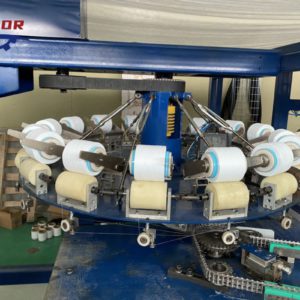
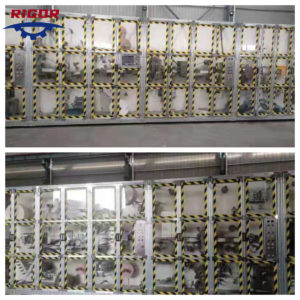
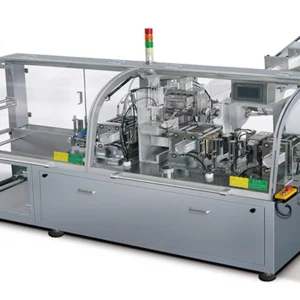
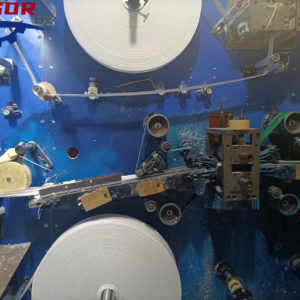
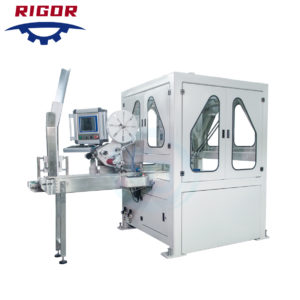
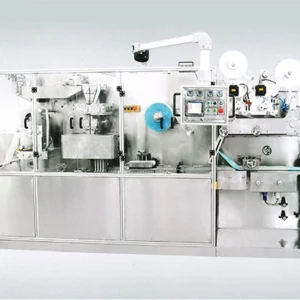
But behind every reliable product is the technology that makes it possible. With advancements in adult diaper machines and high-performance diaper making machines from leading Chinese manufacturers, the adult diaper industry is delivering products that not only offer superior protection but also greater comfort and dignity.
The Science Behind Adult Diaper Use
Adult diapers are a critical component of daily living for individuals dealing with incontinence due to aging, illness, or disability. Whether in hospitals, nursing homes, or home care environments, timely changing is essential to prevent:
Skin irritation or rashes
Urinary tract infections
Embarrassment or odor
Pressure sores
Generally, caregivers are advised to check for wetness or soiling every 2 to 4 hours and to perform a full change every 4 to 6 hours. Overnight use may vary depending on the absorbency level of the product.
Technology Driving Better Adult Diapers
The growing reliability and comfort of modern adult diapers are largely due to cutting-edge diaper making machines. Manufacturers like those in China have invested heavily in fully automated systems that produce high-quality diapers with advanced features such as:
Super absorbent cores
Odor control layers
Breathable back sheets
Elastic leg cuffs and waistbands
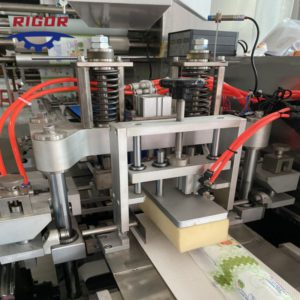
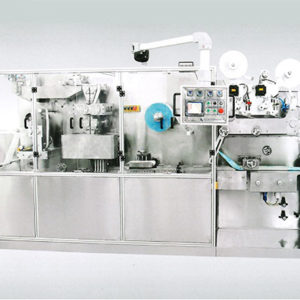
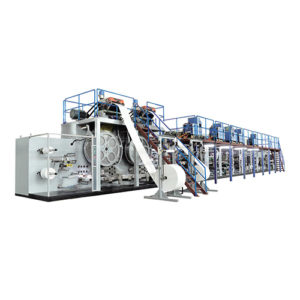
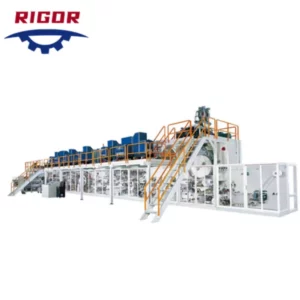
At the heart of this innovation is the adult diaper machine—a precision-engineered system that ensures consistent production of leak-proof, skin-friendly diapers. These machines can produce thousands of units per hour while maintaining rigorous hygiene and quality standards.
A Global Leader in Adult Diaper Manufacturing
China is recognized as one of the world’s top suppliers of adult diapers and the equipment that makes them. Thanks to its sophisticated China adult diaper production capabilities, global brands source both their products and machinery from Chinese factories known for high output, cost-efficiency, and reliable after-sales service.
The advantages of sourcing adult diaper machines from China include:
Cutting-edge automation
Customizable machine configurations
Competitive pricing
Global export expertise
This manufacturing strength translates directly to better, more affordable products for end-users worldwide.
Meeting the Needs of a Growing Market
As global life expectancy increases, the demand for adult diapers is projected to grow significantly. Hospitals, elder care facilities, and private caregivers are turning to modern solutions that offer both efficiency and dignity.
By changing adult diapers regularly and using high-quality, technologically advanced products, individuals can experience improved comfort and reduced risk of complications. Equally important is the manufacturing backbone that supports this ecosystem: reliable, high-speed diaper making machines designed for performance and consistency.
Final Thoughts
So, how often should adult diapers be changed? Ideally every 4 to 6 hours, or sooner if needed. Proper care and timely changing are essential for maintaining skin health, comfort, and quality of life. Behind this care is a supply chain powered by advanced adult diaper machines and reliable diaper making machines—many of which are manufactured in China and shipped to facilities around the world.
With the right equipment and care routines, adult incontinence can be managed with dignity and ease.
The last few years have seen a great increase in the number of people using adult diapers, and the rise can be attributed to an aging population, increased awareness of incontinence care, and the desire for a more comfortable lifestyle. This increasing demand has brought about a great improvement in technology and today’s adult diapers are much more absorbent, discreet, and reliable than before. But how do they compare to baby diapers in terms of absorbency? We delve more deeply into this.
The Principle of Design and Function That Are Different
The primary function of both adult and baby diapers is the same – absorb and hold liquid. The differences in design, structure, and technology are stark between the two, although they both perform the same duty. A usual diaper’s core material is usually made of a blend of fluff pulp and superabsorbent polymer (SAP). Nonetheless, the amount, layering, and placement of these materials can differ between the two because of the variance in anatomy, liquid output, and usage patterns of adult and baby diapers.
Modern adult diapers, produced by advanced adult diaper machine systems, are specifically engineered to handle larger volumes of liquid over extended periods. They feature wider coverage areas, highly elastic waistbands, and multi-layered absorption cores designed to quickly draw moisture away from the skin, minimizing the risk of irritation and leakage.
Absorption Capacity: Adult Diaper vs Baby Diaper
On average, an adult’s bladder can hold between 400 to 600 ml of urine, while a baby’s bladder capacity is much smaller, around 60 to 150 ml. This stark difference means that an adult diaper must be designed to manage not only greater volumes of liquid but also longer wear times, as adults may use a single diaper for several hours or even overnight.
Thanks to innovations in the diaper production line, today’s adult diapers incorporate advanced SAP cores capable of absorbing and locking away up to 3000 ml of liquid in some high-capacity products. By comparison, most baby diapers hold up to 500 ml before becoming saturated.
The Role of Diaper Machinery Technology
The improvements in adult diaper absorbency are largely attributed to the precision and efficiency of modern adult diaper machine equipment. These machines are capable of producing complex diaper designs featuring multiple absorption layers, wetness indicators, breathable side panels, and odor control systems. The ability to manufacture these high-performance diapers with consistent quality has raised the standard for incontinence care worldwide.
At the same time, the diaper production line for baby products continues to evolve, focusing on softness, skin-friendliness, and lightweight construction suitable for an infant’s sensitive skin. While baby diapers are highly absorbent relative to their size and intended usage, they don’t require the same maximum capacity as adult diapers.
Is One Better Than the Other?
In terms of absorbency alone, adult diapers generally outperform baby diapers by a wide margin, simply because they’re designed to. An adult diaper can typically absorb and retain five to six times more liquid than a baby diaper.
However, this doesn’t necessarily mean one is better than the other—they’re built for entirely different needs and body types. Adult diapers require higher absorbency, odor control, and long-wear comfort. Baby diapers, on the other hand, need to focus on fit, softness, quick changes, and breathability.
Choosing the Right Diaper
For families, healthcare providers, and caregivers, understanding the specific features and capabilities of both products is crucial when making a choice. If you’re looking to enter the hygiene product manufacturing market, investing in a high-quality adult diaper machine or diaper production line can offer a competitive advantage, thanks to rising global demand.
China has emerged as a leading supplier in this sector, providing reliable and efficient China adult diaper production equipment that caters to both local and international brands. With cutting-edge manufacturing lines, Chinese factories are capable of producing millions of high-performance adult diapers monthly.
Conclusion
When comparing absorbency levels, adult diapers are undeniably superior to baby diapers due to the difference in intended use, capacity, and wearer requirements. Behind these products lies an industry driven by advanced adult diaper machine and diaper production line technology, ensuring comfort, hygiene, and dignity for users of all ages.
With the global need for personal care products skyrocketing, particularly in emerging markets, the disposable diaper industry growth is exploding in a big way. If you are an entrepreneur who is pondering over a new market entry or an already established brand who thinks of expanding operations, the most important question always arises: What is the cost of manufacturing diapers?
This article is aimed at the major cost factors in diaper production and explains in detail everything from raw materials and labor to the possibility of making investments in an automatic baby diaper machine, choosing a reliable diaper machine manufacturer, and fixing a complete diaper production line.
Before analyzing costs, it’s essential to understand how diapers are made. The process includes:
Feeding raw materials like nonwoven fabric, SAP (Super Absorbent Polymer), fluff pulp, and PE film
Shaping and forming absorbent cores
Cutting and sealing elastic waistbands and leg cuffs
Wrapping and packaging the finished products
All these steps are efficiently automated by modern automatic baby diaper machines, significantly reducing labor and time while increasing accuracy and hygiene standards.
Core Cost Factors in Diaper Manufacturing
1. Raw Materials
Raw materials represent the largest share of diaper production costs—typically 60% to 70% of total expenses.
Key materials include:
Fluff pulp: provides absorbency
SAP: absorbs and locks away moisture
Nonwoven fabric: used for topsheet and backsheet
Elastic bands: for waist and leg comfort
Adhesives & tapes: for fastening systems
Prices can fluctuate based on global supply chains, quality standards, and sourcing regions.
2. Machinery Investment
Choosing the right equipment is critical for efficient and scalable production. A reliable diaper machine manufacturer offers machines designed for long-term performance, minimal downtime, and adaptability for various sizes and features.
Entry-level automatic baby diaper machine: starting around $200,000–$300,000
High-speed diaper production line: can range from $500,000 to $1 million+, depending on customization and output requirements
While this is a significant investment, automation leads to lower production costs per unit in the long run.
Explore a top-rated diaper production line to see how large-scale efficiency is achieved through advanced technology and user-friendly design.
3. Labor Costs
Automation reduces labor requirements to about 5–10 operators per shift for a standard line. Labor costs will vary by region but are significantly lower when using an automatic baby diaper machine compared to semi-automatic alternatives.
4. Utilities and Overhead
Electricity for running machinery
Water and air compressors for certain processes
Maintenance costs and spare parts
Factory space and leasing
While these costs are secondary, they still contribute to the total cost per diaper, especially in smaller facilities.
Estimated Production Cost Per Diaper
Here’s a rough estimate of per-unit cost in a mid-scale operation:
Optimize logistics: Reduce shipping and warehousing expenses
Innovate: Offer eco-friendly or ultra-soft variants to attract higher margins
Is Diaper Manufacturing Worth It?
With the right infrastructure and partnerships, diaper manufacturing can be a highly profitable venture. While the upfront investment—especially in a quality automatic baby diaper machine—is significant, the long-term savings in labor, waste reduction, and operational efficiency more than justify the cost.
Working with a trusted diaper machine manufacturer ensures technical support, quality assurance, and scalability, enabling you to meet growing market demands and stay competitive in the hygiene sector.
Whether you’re entering the industry or upgrading your current setup, understanding cost structure is the first step toward smart investment.
Wet wipes are now used globally. Hygiene awareness and easy use are the main reasons. They are used in personal care, health care, and cleaning. Manufacturers of wet wipes machines work hard to make their machines better. This press release talks about new tech in wet wipes machines, wet wipes machine manufacturer and wipes machine prices.
Growth of Wet Wipes and Machines Needed
Wet wipes like baby wipes and disinfectants are now part of daily life. They help keep things clean. Their use went up due to health scares. So, the need for wet wipes increased. There’s a big demand for efficient machines that make wet wipes. That’s why manufacturers make machines that produce high-quality wet wipes. The new wet wipes machines do much more than fold and dampen fabric anymore. Now, these machines have advanced features such as: Machines for wet wipes now have complete assembly lines that perform numerous tasks like feeding the fabric, folding it, humidifying it, wrapping it, and labeling it, without the involvement of people. This makes production much bigger and costs less in labor. To save energy, wet wipes machines have devices that use less electricity, monitor consumption smartly, and utilize less water, which helps the company to spend less and be kind to the earth. The wet wipes machines can be made to suit the specific types of wipes that different businesses need, such as varying in size and thickness, or using specific materials for production, thus allowing for flexibility and accommodating special needs. Wet wipes machines are equipped with the latest quality assurance mechanisms like cameras for inspecting visually, checking humidity levels automatically, and systems to identify any defects found on the wipes, assuring quality in sectors such as healthcare where it is of utmost importance. New machines that smartly connect to the internet are making it easy to produce wipes. They let makers see how well the machines work and how to fix them before they break.
The Key Jobs Wet Wipes Machine Makers Do
Wipe machine makers like ABC Wipes, XYT Equipment, and Global WipeTech drive progress. They give special machines that fit the needs of companies big and small. These makers keep coming up with new ideas to make wipes; they do research and adjust machines to make better wipes from small quantities to large scales.
The Prices of Wet Wipes Machines
For businesses, price is a big deal when getting wipe machines. Low-budget machines range from $10,000 to $50,000, while expensive lines can cost hundreds of thousands. Prices for wet wipes machines depend on many things. Here is what matters: Bigger machines mean more cost because they can make more wipes. Automated machines have higher prices upfront but save money later because fewer workers are needed. Customized wipes need special machines which cost more money. High-tech machines with IoT, energy savings, and better quality control features increase costs.Even with these high costs, wet wipes machines pay off quickly because they are in big demand.
Wet Wipes Machine Manufacturing Future
Wet wipes machine makers will change with the times. Green machines that make wipes from biodegradable stuff will be popular as people care more about the earth. Automation, smart tech, and data analysis will help keep costs low while making more wipes. Companies that make wet wipes must buy new machines to meet the huge demand and cope with future market changes.
Conclusion
The machine that makes wet wipes will really change the industry. It is fast, low-cost and of high quality. Mistakes in production are reduced with it. So, getting the wipes is easy. In future, manufacturers will continuing producing machines for this need.
As sustainability becomes a priority for modern households, reusable cloth diapers are gaining traction worldwide. Meanwhile, advancements in manufacturing technologies are reshaping the disposable diaper and sanitary napkin industries. This article explores efficient cloth diaper cleaning methods while unveiling the science behind hygiene product production.
Four-Step Cloth Diaper Cleaning Guide
Cleaning cloth diapers need not be daunting. Follow these simplified steps:
Pre-treatment: Remove solid waste immediately using a sprayer or biodegradable liner.
Soak: Submerge diapers in cold water with oxygen-based bleach for 30 minutes to prevent staining.
Wash: Use a 60°C cycle with plant-based detergent, avoiding fabric softeners that reduce absorbency.
Dry: Air-dry in sunlight (natural disinfectant) or tumble-dry on low heat. “Monthly stripping with vinegar solution eliminates detergent buildup,” advises Maria Chen, a certified eco-parenting consultant. “Rotate between two diaper sets to extend fabric lifespan.”
Modern disposable diapers combine precision engineering and advanced materials:
Top sheet: Breathable non-woven polypropylene
Core: Superabsorbent polymer (SAP) mixed with fluff pulp
Back sheet: Microporous polyethylene film
Elastic components: Lycra or spandex for leak-proof fit
Automated production lines integrate thermal bonding and laser cutting, achieving speeds of 1,000 units/minute. A breakthrough comes from Swedish brand EcoBaby, which recently launched diapers with wood pulp-SAP cores and compostable PLA backing, reducing landfill waste by 70%.
Sanitary Napkin Production: Safety First
According to the feature of the diaper raw materials ,the feminine hygiene sector prioritizes safety through rigorous processes:
Absorbent layer formation: Organic cotton or bamboo fibers fused via air-laid technology
Core assembly: SAP blended with cellulose pulp under sterile conditions
Sealing: Leak-proof barriers bonded with medical-grade adhesives
Sterilization: Gamma ray treatment eliminates 99.9% microorganisms
A technical director at a leading Chinese manufacturer shares: “Our new plant employs AI-powered quality control cameras that detect defects at 200 frames/second, surpassing manual inspection accuracy.”
Material Innovations Driving Change
Sustainability is reshaping raw material choices across the industry:
Disposable products: Algae-based films and starch-derived SAP entering mainstream use
Sanitary pads: Charcoal-infused layers for odor control, pH-balancing topsheets
The global biodegradable diaper market is projected to grow at 12.4% CAGR through 2030, per GreenTech Analytics. In Southeast Asia, over 30% of new mothers now opt for hybrid systems—reusable cloth diapers paired with compostable inserts.
Conclusion: The Future of Hygiene Products
From laundry routines to factory floors, the hygiene sector is undergoing a green transformation. As consumers demand transparency, manufacturers respond with cleaner production methods and circular design principles. Whether choosing washable cloth diapers or eco-conscious disposables, today’s parents and consumers wield unprecedented power to drive sustainable innovation—one diaper, one pad, and one material breakthrough at a time.
Industry Insight: The 2023 Global Hygiene Report reveals 68% of millennials willingly pay 15-20% premiums for plant-based hygiene products, signaling lasting market shifts toward ecological responsibility.