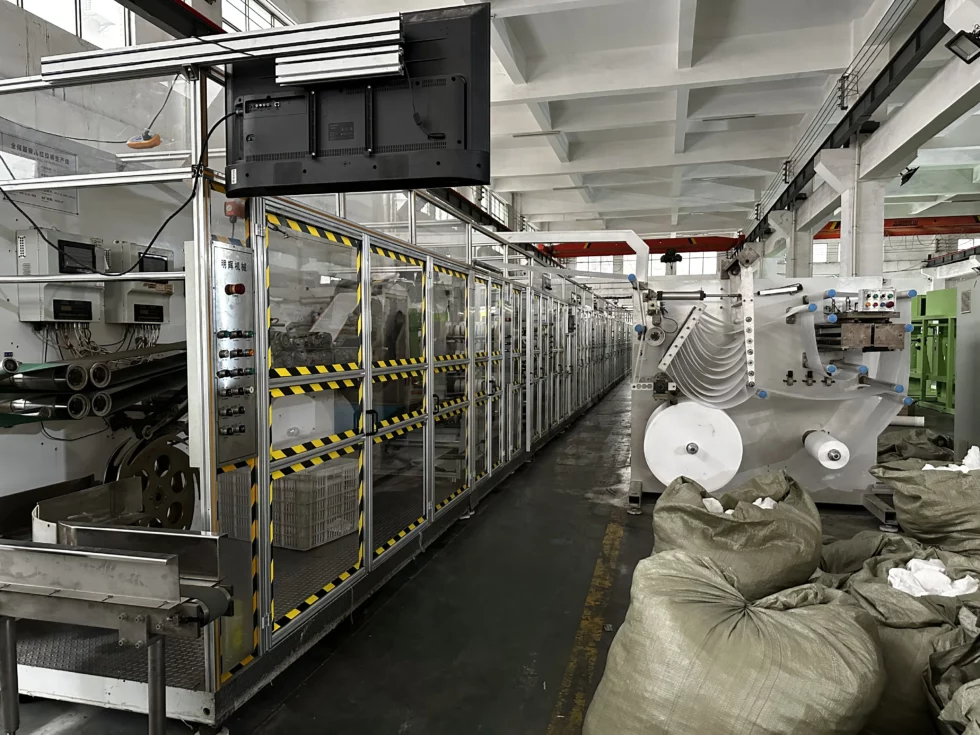
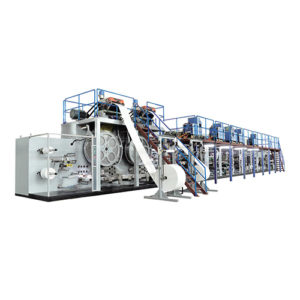
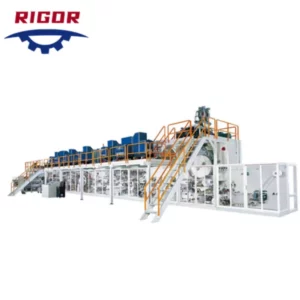
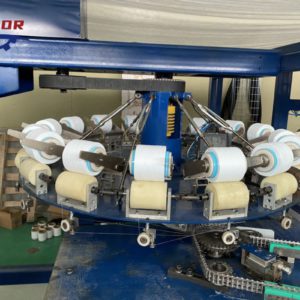
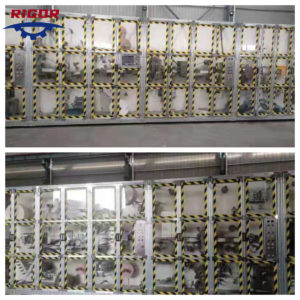
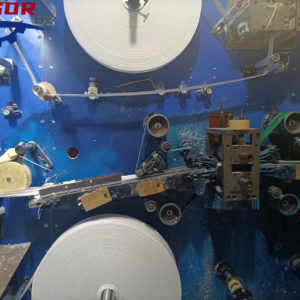
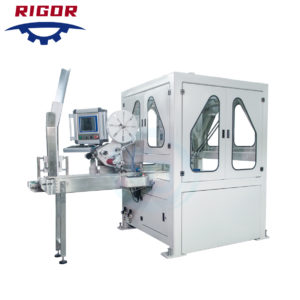
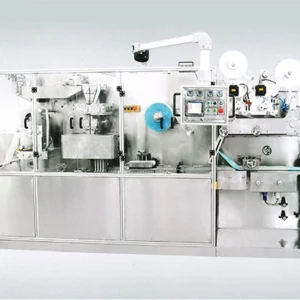
One of the most common questions we hear when it comes to setting up a production line for sanitary pads is, “Can a sanitary pad machine be installed in a relatively small production facility?”. The answer is a resounding yes! We specialize in designing and manufacturing compact, efficient, and high-quality sanitary pad machines that cater to businesses of all sizes, including smaller production facilities.
Why Choose Our Sanitary Pad Machines for Small Facilities?
Our sanitary napkin pad making machine is engineered with precision and innovation to fit seamlessly into smaller spaces without compromising on performance. Whether you’re a startup or an established business looking to expand, our machines offer the perfect balance of functionality and space efficiency.
Here’s why our machines are ideal for small production facilities:
Compact Design: We understand that space is a premium in smaller facilities. Our sanitary pad production machines are designed to occupy minimal floor space while delivering maximum output.
Easy Installation: Our machines are user-friendly and can be installed quickly, even in limited spaces. We provide comprehensive support to ensure a smooth setup process.
High Efficiency: Despite their compact size, our machines are capable of producing high-quality sanitary pads at impressive speeds, ensuring optimal productivity.
Customizable Options: We offer tailored solutions to meet the specific needs of your facility, ensuring that our machines align perfectly with your production goals.
Our Expertise in Sanitary Pad Machine Manufacturing
With over 15 years of experience in producing advanced hygiene product machinery, we have established ourselves as a trusted name in the industry. Additionally, our team of professional engineers combines cutting-edge technology, creative design, and extensive industry knowledge to deliver sanitary napkins production machines that meet the highest standards of quality and reliability. Moreover, we continuously innovate to ensure our machines not only meet but exceed customer expectations, making us a preferred partner for businesses worldwide.
We pride ourselves on being a trusted partner for businesses worldwide, providing not only machines but also exceptional customer service and technical support. Our mission is to empower businesses with the tools they need to succeed in the competitive hygiene products market.
Explore Our Range of Sanitary Pad Machines
We offer a variety of sanitary pad machines to suit different production needs:
Easy Pack Sanitary Pad Machine: Perfect for small-scale production, this machine combines simplicity with efficiency.
Full Servo Sanitary Napkin Machine: Designed for high-speed production, this machine is ideal for businesses looking to scale up.
High-Quality Sanitary Pad Production Line: A complete solution for businesses aiming for large-scale production with minimal downtime.
Each machine is crafted with precision to ensure durability, ease of operation, and consistent output.
Why Partner with Us?
Advanced Technology: We leverage the latest advancements in machinery to deliver state-of-the-art sanitary pad machines.
Global Reach: With customers from around the world, we have a proven track record of delivering reliable and efficient machines.
Customer-Centric Approach: We prioritize your needs and work closely with you to provide customized solutions that drive your business forward.
Quality Assurance: Our machines undergo rigorous testing to ensure they meet international standards, giving you peace of mind and confidence in your investment.
Contact Us Today!
If you’re considering setting up a sanitary napkins production machine in a small facility, we’re here to help. Our team will guide you through the process, from selecting the right machine to installation and beyond.
Email us at [email protected] to learn more about our sanitary pad machines and how we can support your business growth.
We’re committed to delivering excellence in every machine we produce. Let us help you take your hygiene product production to the next level!
Do you think that a wet wipes machine is a good investment for your business in 2025? Along with the demand for disposable hygiene products, the choice of the correct equipment is important for your success.
Dealing with various types of machines, specifications as well as technical capabilities is extremely tough. Thus, we have created an inclusive guide for all those who want to invest in the business of clean commodities, highlighting 12 most important factors that you need to check before making your decision, before purchasing.
Single sachet and cross-fold machines as well as flow pack and canister are some of the products we will explore. This will be done by checking the production capacities, the various levels of automation and the brands of machines. Whether you are a person who just started a small business or an industry professional, this guide will be of great use to you::
Technical specifications and manufacturing processes
Quality standards and certifications
Cost analysis and ROI considerations
Raw material requirements
Supplier selection criteria
Let’s dive deep into everything you need to know about wet wipes machines, ensuring you make an informed decision that aligns with your business goals and budget.
Overview of Wet Wipes Machines
The wet wipes machine has dramatically changed the way we manufacture an essential product used every day – starting from baby care to personal hygiene.
Think of the last time you picked a wet wipe. From cleaning hands in a restaurant to a baby’s diaper change, this small but useful piece of fabric does go through a complex manufacturing process.
In the recent past, the increased necessity for proper sanitation has turned wet wipes into a disposable hygiene product that is essential more than ever.
These machines are available in various models, each one addressed to satisfy different sectors’ needs. From small-scale producing highly specialized medical wipes to mega-factories with whole child-care wipes chains that count millions on a daily basis all over the world.
In the local market, we see a real boom, especially the current American market, thus the business of wet wipes manufacturing looks very promising.
In example, one machine can yield thousands of wipes per hour thus being an optimal solution for today’s more established factories but also a start-up way of doing things by newcomers.
Types of Wet Wipes Machines
When you explore different types of wet wipes machines, you will find several different kinds of specialized machines, which are specifically designed for various productions and endproducts. Think of these machines like different kitchen appliances, each of them serves an individual purpose but they put together their efforts to achieve a same purpose. The number of options today can be overwhelming, at the first sight. yet, if one can comprehend its unique elements he or she would be better positioned to select one.
Each type of wet wipes machine comes with its own set of advantages and capabilities:
Diapers are an essential product for millions of families, yet their price can often feel overwhelming, especially for households with young children. Many parents wonder why such a basic necessity comes with such a hefty price tag. To understand the reasons behind the cost, let’s explore the factors that contribute to the pricing of diapers, from the diaper factory to the shelves at your local store.
1. The Cost of Diaper Manufacturing
The journey of a diaper begins in a diaper factory, where raw materials are turned into the final product. Diaper manufacturing is a complex process that requires advanced technology, high-quality materials, and skilled labor. Here are some main cost factors:
High-Quality Materials: Diapers are made with specialized materials like superabsorbent polymers (SAP) to ensure they can hold moisture effectively. These materials are not cheap, and their cost directly impacts the final product price.
Production Technology: Modern diapers are engineered to be lightweight, leak-proof, and comfortable for babies. The machinery used in a diaper factory is highly sophisticated, requiring regular maintenance and upgrades. The investment in such technology adds to manufacturing costs.
Labor Costs: Skilled workers are needed to operate the machinery, ensure quality control, and oversee the manufacturing process. Labor costs, particularly in countries with higher wages, contribute significantly to the price.
2. Research and Development (R&D)
Diaper manufacturers spend millions of dollars on R&D to improve their products. Parents expect diapers to be more absorbent, softer, and environmentally friendly with each new version. This continuous innovation comes at a cost:
Comfort and Fit: Manufacturers invest in designing diapers that fit snugly without causing discomfort for babies.
Eco-Friendly Options: With rising consumer demand for sustainable products, diaper manufacturers are developing biodegradable or reusable options, which require additional research and testing.
Safety Standards: Diapers must meet strict safety and quality standards to ensure they are safe for babies’ delicate skin, adding to production expenses.
3. Supply Chain and Distribution
The journey from the diaper factory to the consumer is another factor that drives up costs. This process involves:
Transportation: Shipping diapers across the country or even globally increases expenses due to fuel costs and logistics.
Packaging: Diapers require durable and attractive packaging to protect the product and appeal to customers.
Retail Markup: Retailers add their own markup to cover storage, advertising, and profit margins, further increasing the price parents pay at checkout.
4. Marketing and Brand Competition
Diaper manufacturing is a competitive industry with major players like Pampers, Huggies, and Luvs spending heavily on advertising to capture market share. Marketing costs, including TV ads, online campaigns, and in-store promotions, are factored into the price of each diaper. Additionally, premium brands may charge higher prices due to their reputation and perceived quality.
5. Demand and Limited Alternatives
Diapers are a non-negotiable item for parents with young children, creating constant demand. Because most families rely on disposable diapers, there are limited alternatives available in the market, giving manufacturers more control over pricing.
How to Save on Diapers
While diapers can be expensive, there are ways to reduce costs:
Buy in Bulk: Purchasing larger packs often lowers the cost per diaper.
Look for Sales and Coupons: Many retailers and brands offer discounts or loyalty programs.
Consider Store Brands: Generic or store-brand diapers are often more affordable and still effective.
Explore Reusable Options: Cloth diapers may have a higher upfront cost but can save money in the long run.
The high price of diapers can be traced back to the intricate process of diaper manufacturing, from the raw materials used in a diaper factory to the costs of research, distribution, and marketing. While these expenses ensure a high-quality product, they also make diapers a significant expense for families. By understanding the factors behind the cost, parents can make informed decisions and find ways to save without compromising on their baby’s comfort and safety.
Wet tissue, also referred to as wet wipes, is now a necessary item in many homes, workplaces, and medical facilities. Many surfaces and body parts can be cleaned, sanitized, and refreshed with these handy, moist, disposable towels. However, what is the purpose of wet tissues and why are they so widely used? Let’s examine their uses and advantages, as well as how wet tissue machines are essential to their production.
The Function of Wet Tissue
Wet tissue serves multiple purposes depending on its formulation and intended use. Some common functions include:
Cleaning Surfaces Wet wipes are often used to wipe down surfaces in homes and workplaces. Whether it’s your kitchen counter or office desk, wet tissues provide an easy and quick way to clean dust, spills, or stains.
Personal Hygiene One of the most common uses of wet wipes is for personal hygiene. They are perfect for refreshing yourself on the go, especially when there’s no access to soap and water. Wet wipes are widely used for baby care, removing makeup, or cleaning your hands when traveling.
Sanitizing Wet wipes are often infused with antibacterial or antiseptic solutions, making them effective at killing germs and bacteria. This makes them ideal for cleaning and sanitizing, especially in public spaces like airports, hospitals, and public transport.
Skin Care and Comfort Many wet tissues are designed with added skin care ingredients like aloe vera, vitamin E, or chamomile. These wipes are soothing and moisturizing, helping keep the skin soft and hydrated while also offering protection from harsh environmental factors.
Convenience One of the main reasons wet tissues are so popular is their convenience. Compact, portable, and ready to use, they eliminate the need for carrying soap, water, or towels. This makes them indispensable for parents with babies, travelers, and those with busy lifestyles.
Wet Tissue Machines: How They Are Made
The manufacturing of wet wipes requires specialized equipment to ensure that each wipe is uniform, hygienic, and high-quality. This is where the wet tissue machine comes in. These machines are designed to produce wet wipes in bulk, providing both efficiency and consistency. Here’s how they work:
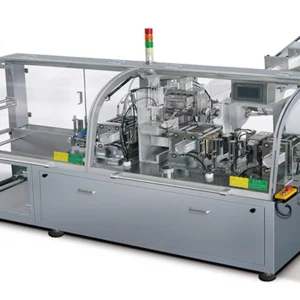
Wet Wipes Making Machine A wet wipes making machine automates the entire process of converting raw materials into finished wet wipes. It takes nonwoven fabric, cuts it into the right size, and impregnates it with a liquid solution. This solution may include water, alcohol, or any special ingredients like skin care additives.
Cutting and Folding After the nonwoven fabric is soaked in the solution, the wet wipes machine cuts the fabric into the correct size and folds it into a stack. The folding system ensures the wipes are ready for packaging, making the entire process faster and more organized.
Sealing and Packaging The wet wipes machine also seals each pack, ensuring that the wipes stay moist and hygienic until use. Automated packaging systems then wrap the wipes into convenient packs, ranging from small pouches for personal use to larger dispensers for commercial settings.
Quality Control Wet tissue machines often include a quality control system that checks for consistency in the size, moisture content, and cleanliness of the wipes. This ensures that every wipe produced meets safety and hygiene standards.
Advantages of Wet Tissue Machines
Increased Production Capacity Wet tissue machines can produce thousands of wipes per hour, significantly improving production efficiency and meeting the high demand for wet wipes.
Consistency and Quality Automated systems ensure that each wet tissue is of the same size, shape, and moisture level, offering consistent quality across all products.
Cost-Effective While the initial investment in a wet wipes machine may be significant, it reduces the labor required in the production process and ensures that materials are used efficiently, resulting in long-term cost savings.
Customization Wet wipes machines can be adjusted to produce wipes with different ingredients or for specific uses, such as baby wipes, sanitizing wipes, or beauty wipes.
Wet tissues are essential in today’s world since they are used for everyday cleaning, skin care, and hygiene. We may now enjoy high-quality wet wipes in big quantities because of the invention of wet wipes producing machines and wet tissue machines. Wet tissues meet a variety of needs by being convenient, hygienic, and comfortable for everything from surface cleaning to personal hygiene. Wet wipes make life a little bit easier whether you’re at home, at work, or on the go.
Cloth diapers for adults offer a sustainable and often more cost-effective alternative to disposable ones. If you’re looking into making cloth diapers for adult use, whether for personal or commercial reasons, this guide will provide you with the necessary steps to start your project.
Understanding the Basics of Adult Cloth Diapers
Before diving into the process of creating adult cloth diapers, it’s important to understand what they are and why they might be preferred. Adult cloth diapers are reusable garments designed to manage incontinence or other conditions that require absorbent wear. They can be washed and reused multiple times, reducing waste and potentially saving money over time.
Materials You Will Need
To make cloth diapers, you’ll need a selection of materials:
Absorbent Fabric: Such as cotton, bamboo, or microfiber.
Waterproof Layer: PUL (polyurethane laminate) fabric is commonly used.
Fastenings: Velcro or snaps for secure closures.
Elastic: For leg and waist openings to contain leaks.
Pattern: To guide the cutting and sewing of the diaper.
Steps to Create Cloth Diapers
1. Design and Pattern Making
Design your diaper considering comfort, fit, and functionality. Use an existing pattern or create your own by measuring an adult who needs the diaper or using average measurements.
2. Cutting the Fabric
Lay out your fabric according to the pattern pieces and cut carefully. Ensure each piece matches its counterpart for symmetry.
3. Sewing the Diaper
Sew the layers together, starting with the inner absorbent layer and then attaching the waterproof outer layer. Incorporate elastic around the legs and waist for a snug fit.
4. Adding Fastenings
Attach Velcro or snaps on the sides of the diaper for easy fastening and adjustment.
5. Finishing Touches
Inspect the diaper for any loose threads or imperfections and trim accordingly. Reinforce areas if needed for durability.
Utilizing Machinery for Efficient Production
For those interested in scaling up production, investing in a diaper making machine or a machine for diapers can significantly enhance efficiency. These machines are part of diaper manufacturing processes designed to automate several steps of the creation process, from cutting to assembling the various layers of the diaper. They allow for consistent quality and faster output, which is especially beneficial for businesses looking to enter the market of adult cloth diapers.
Making cloth diapers for adults can be a rewarding endeavor, offering a product that benefits both the user and the environment. Whether you choose to handcraft each item or employ diaper manufacturing equipment to meet higher demands, understanding the process and selecting the right materials are key to success. Remember, each step—from design to the final touches—contributes to the effectiveness and comfort of the finished product.