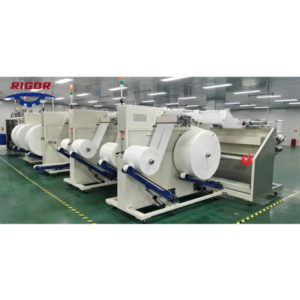
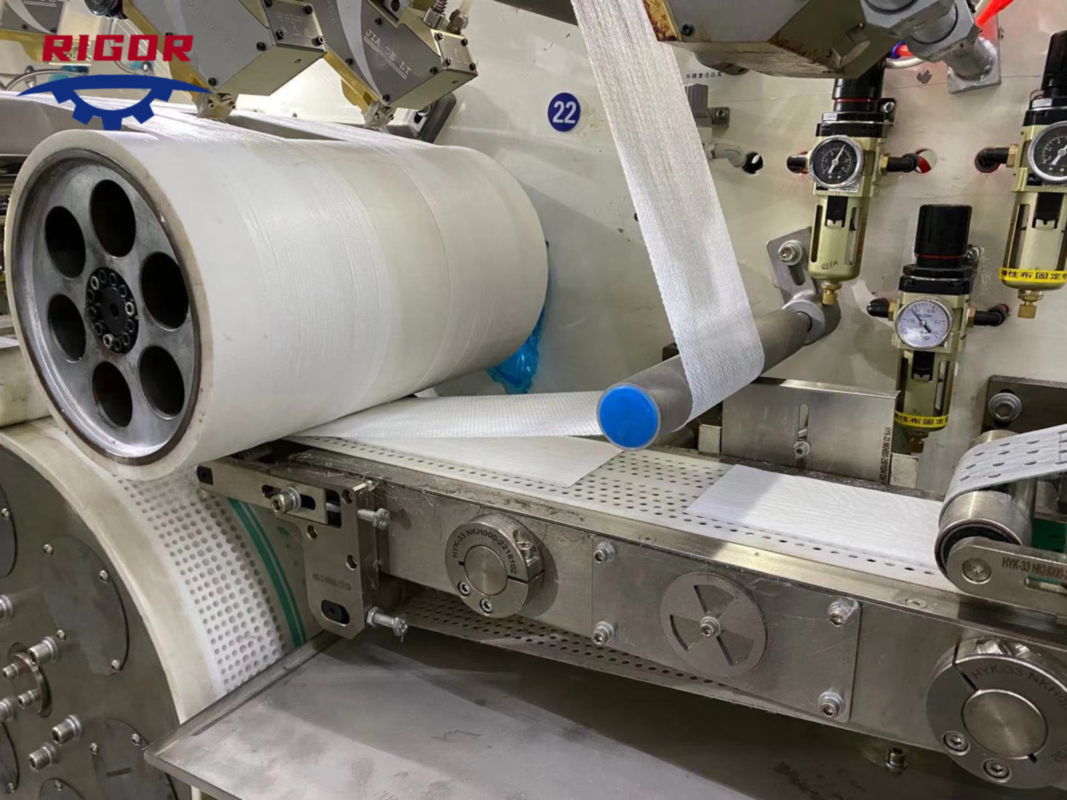
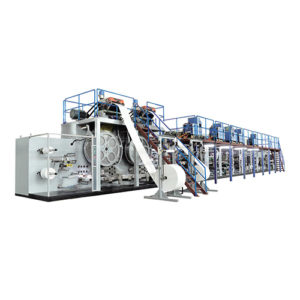
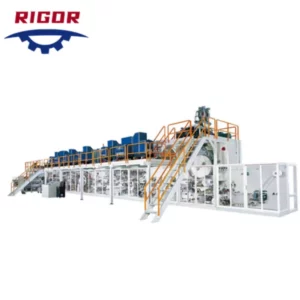
Diapers are a necessity in every newborn, and automatic baby diaper manufacturing machines play a vital role in the mass production of baby diapers. No matter what equipment is assembled, it needs regular maintenance and repair in order to ensure efficient production, without stopping progress and preventing losses.
The machine should be maintained regularly
Regular maintenance and repair of automatic baby diapers can help prevent production disruptions. By proactively addressing potential issues, operators can ensure continued and efficient production to meet the growing demand for baby diapers. Neglect of maintenance will lead to unexpected failure, which will cause great economic losses to engineering enterprises.
The main feature of the mechanical maintenance field is the standardization, intelligence, networking, visualization and virtual reality technology of the interface bus of the maintenance means. Under the promotion of artificial intelligence theory and Internet technology, the remote monitoring and diagnostic control of automatic baby diaper machine has been initially realized, and it is developing in the direction of open, integrated, high-speed, mobile, intelligent and distributed
Training staff responsibilities
Operators lack awareness and responsibility when maintaining and repairing machinery and equipment. This lack of awareness can lead to equipment being left in an unsafe state for extended periods of time, increasing the risk of failure and loss. Implementing responsible maintenance practices can significantly reduce these risks and improve the overall performance of your equipment.
In order to make the mechanical design and modeling of automatic baby diapers more accurate and convenient, shorten the design cycle, and improve work efficiency, the = dimensional CAD system has incomparable advantages over the two-dimensional CAD system, which can be very convenient to design parts. For the designed parts, assembly design can be done and interference inspection can be carried out, which is intuitive and convenient. At the same time, the designed parts and assemblies can also be automatically generated by the computer, which greatly improves the speed of quotation and design
Explain the knowledge and requirements of responsible equipment
Automatic baby diaper manufacturing machines are becoming more and more complex, which requires maintenance personnel to have higher quality and up-to-date maintenance technology knowledge. As technology advances, operators must keep up with the latest maintenance techniques to ensure optimal function of these machines. This includes understanding the intricacies of various machine types, such as pant type and belt type, to suit different parental preferences.
The automatic diaper machine market has emerged new trends such as eco-friendly, customized, and intelligent diaper machines. Manufacturers are increasingly focusing on producing eco-friendly nappies to meet the demand for sustainable products. In addition, customization options allow parents to choose specific features and designs for their baby diapers. The adoption of the smart diaper machine integrates technology to provide advanced features that enhance convenience and ease of use. The maintenance and repair of the automatic baby diaper machine is the key to prevent production interruption and ensure production efficiency. Neglect of maintenance can lead to financial losses and unsafe working conditions. In addition, the growing market for fully automated baby nappies offers manufacturers the opportunity to meet the growing demand while also combining emerging trends in eco-friendly, customized and smart technologies.
The sanitary napkin making process encompasses a series of intricate steps that contribute to the production of high-quality and reliable feminine hygiene products. From the selection of materials to the final packaging, manufacturers prioritize comfort, absorbency, and leakage protection.
The Components and Materials Of Sanitary Napkin
Sanitary napkins are composed of several layers, each serving a specific purpose in providing comfort, absorbency, and leakage protection. The key components of a typical sanitary napkin include:
a) Top Sheet: The top layer is designed to be soft, non-irritating, and moisture-wicking. It allows for quick absorption and keeps the surface dry, enhancing comfort during use.
b) Absorbent Core: The absorbent core is responsible for trapping and retaining menstrual fluid. It is typically made of wood pulp, super-absorbent polymers, and fluff pulp, which have excellent absorbent properties.
c) Back Sheet: The back sheet is a waterproof layer that prevents leakage and ensures that the user remains dry and comfortable throughout the day.
d) Adhesive Strips: Adhesive strips are used to secure the sanitary napkin in place, adhering to the wearer’s underwear.
In addition to these primary components, manufacturers may incorporate side barriers or wings for additional protection against leakage.
The Sanitary Napkin Manufacturing Process
The sanitary napkin manufacturing process involves several stages, each contributing to the final product’s quality and effectiveness. These stages include:
a) Design and Prototyping: The process begins with designing the sanitary napkin, taking into consideration the desired shape, size, absorbency, and comfort. Prototypes are created and tested to ensure optimal performance.
b) Material Preparation: The materials used in sanitary napkins, such as the absorbent core, top sheet, back sheet, and adhesive strips, are prepared and cut into appropriate sizes. Automated machines are often employed to ensure precision and efficiency.
c) Assembly: The various components are assembled using automated machinery. The top sheet, absorbent core, and back sheet are layered and joined together. Adhesive strips and side barriers or wings are added as required.
d) Cutting and Shaping: Once assembled, the continuous sheet of layered materials is cut into individual sanitary napkins of the desired shape and size. Sophisticated cutting machines ensure accuracy and consistency.
e) Folding and Packaging: The cut sanitary napkins are folded and packaged, typically in individual wrappers or in bulk packaging. This process ensures hygiene and convenience for distribution and use.
f) Quality Control: Throughout the manufacturing process, strict quality control measures are implemented. This includes regular inspections, testing for absorbency, leakage prevention, adhesive strength, and overall product integrity.
Innovations in Sanitary Napkin Manufacturing
The sanitary napkin manufacturing process has witnessed significant innovations over time, aimed at enhancing comfort, absorbency, and sustainability. Some notable advancements include:
a) Ultra-Thin Designs: Manufacturers have developed ultra-thin sanitary napkins that provide enhanced comfort and discretion without compromising on absorbency and leakage protection. These thinner designs offer a more natural and comfortable feel during use.
b) Sustainable Materials: There has been a growing emphasis on incorporating sustainable materials in sanitary napkins. This includes the use of biodegradable and compostable materials for the absorbent core, top sheet, and packaging, reducing environmental impact.
c) Advanced Absorbent Technology: Innovations in absorbent core technology have led to the development of high-performance materials, such as super-absorbent polymers, that can hold larger volumes of menstrual fluid and distribute it evenly for improved comfort and leakage protection.
d) Odor Control: Manufacturers have introduced odor-controlling technologies that help neutralize or minimize menstrual odor, providing a more pleasant and confident experience for users.
Ensuring Access and Education
While the sanitary napkin manufacturing process is crucial, it is equally important to focus on ensuring access to affordable and quality feminine hygiene products. Additionally, promoting menstrual health education and awareness plays a vital role in breaking taboos, reducing stigma, and empowering women to make informed choices about their menstrual hygiene needs.
In the world of baby care products, the demand for high-quality diapers continues to grow. Meeting this demand efficiently and effectively is made possible through the use of fully automatic baby diaper making machines. These innovative machines have revolutionized the diaper manufacturing process, offering increased productivity, improved quality, and cost-effective production. In this blog post, we will explore the features, benefits, and impact of fully automatic baby diaper making machines on the diaper industry.
Section 1: Understanding Fully Automatic Baby Diaper Making Machines
A fully automatic baby diaper making machine is a state-of-the-art device designed to automate the entire diaper manufacturing process. These machines integrate various functions, from raw material feeding to the final packaging, eliminating the need for manual intervention and streamlining production. Here are some key features and components of these machines:
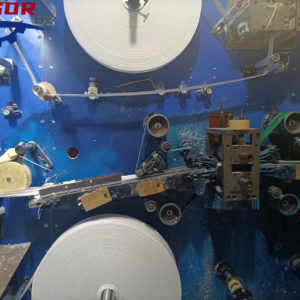
Material Handling Systems: Automatic diaper making machines are equipped with advanced material handling systems that efficiently handle different components of the diaper production process. These systems include unwinding units for the raw materials, cutting and shaping mechanisms, and automated stacking units.
Control Systems: These machines incorporate sophisticated control systems that regulate and monitor the entire manufacturing process. These systems ensure precise material feeding, accurate cutting, proper folding, and consistent quality control, resulting in high-quality diapers.
Production Speed and Capacity: Fully automatic baby diaper making machines are designed for high-speed production, capable of manufacturing a large number of diapers per minute. They offer increased production capacity, allowing manufacturers to meet the rising demand effectively.
Customization Options: These machines provide flexibility in terms of diaper design and size. Manufacturers can easily adjust the machine settings to produce various diaper sizes, styles, and absorbency levels, catering to different market preferences.
Section 2: Benefits of Fully Automatic Baby Diaper Making Machines
The adoption of fully automatic baby diaper making machines brings numerous advantages to diaper manufacturers. Here are some notable benefits:
Increased Productivity: These machines significantly enhance productivity by automating various labor-intensive tasks. With faster production cycles and reduced downtime, manufacturers can meet market demands efficiently, resulting in higher output and profitability.
Improved Quality Control: Automatic diaper making machines ensure consistent quality through precise control and monitoring systems. They minimize human error and variations, leading to uniform product quality in terms of fit, absorbency, and overall performance.
Cost-Effective Production: By automating the manufacturing process, these machines reduce labor costs and improve operational efficiency. The elimination of manual labor and increased production speed result in lower production costs per diaper, contributing to overall cost-effectiveness.
Enhanced Hygiene and Sanitation: Automatic machines minimize human contact with the diapers during the manufacturing process, ensuring higher levels of hygiene and sanitation. This is particularly crucial for baby care products, where cleanliness and safety are paramount.
Section 3: Impact and Future of Fully Automatic Baby Diaper Making Machines
The introduction of fully automatic baby diaper making machines has had a significant impact on the diaper industry. These machines have transformed the manufacturing process, enabling manufacturers to produce high-quality diapers in large quantities, efficiently meeting market demands. Furthermore, the automation of the production process has improved overall product consistency, hygiene, and cost-effectiveness. As technology continues to advance, we can expect further enhancements in machine capabilities, including increased production speeds, improved energy efficiency, and enhanced customization options.
Wet wipes are a convenient and versatile product that can be used for a variety of purposes, from cleaning hands to removing makeup. However, not all wet wipes are created equal. Some wet wipes are made with harsh chemicals that can irritate the skin, while others are made with flimsy materials that tear easily.
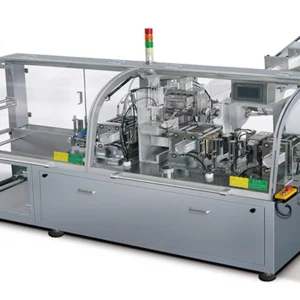
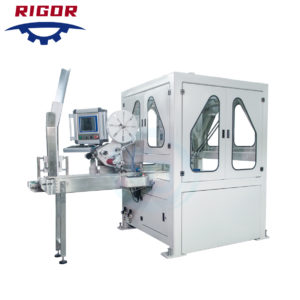
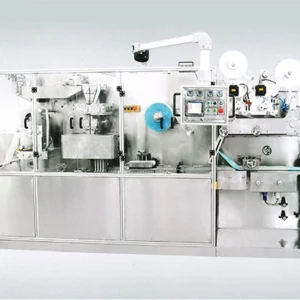
If you are looking for a high-quality wet wipe that is both gentle and durable, then you need to choose a wet wipe that is made on a RIGOR wet wipes machine. RIGOR as leading China manufacturer and supplier of wet wipes products, always supplies kinds of wipes, diapers and diaper pants to oversea.
The Reasons Why RIGOR Wet Wipes Machines Produce Quality Wipes:
High-quality raw materials:
The wet wipes machines by wet wipes machine manufacturer RIGOR, use only the highest quality materials such as stainless steel, aluminum, glass or even plastic as components of wet wipes machines.
1. Stainless steel is a durable and corrosion-resistant material that is often used in food and beverage processing equipment.
2. Aluminum is a lightweight and strong material that is often used in the construction of wet wipes machines.
3. Glass is a transparent material that is often used to make windows and doors in wet wipes machines.
Advanced manufacturing technology:
RIGOR wet wipes machines use advanced technology to produce their wet wipes. This technology ensures that the wet wipes are evenly saturated with the desired amount of liquid and that they are properly sealed to prevent leaks.
Strict quality control from RIGOR:
RIGOR wet wipes machines are subject to strict quality control standards. This ensures that only the highest quality wet wipes are produced by its machines.
If you are looking for a wet wipe that is both gentle and durable, then you need to choose a wet wipe that is made on a RIGOR wet wipes machine. RIGOR wet wipes machines are designed to produce high-quality wet wipes that are soft, absorbent, and durable.
In addition to producing high-quality wet wipes, RIGOR wet wipes machines are also designed to be efficient and easy to operate. This makes them a great choice for businesses that need to produce large quantities of wet wipes.
If you are in the market for a wet wipes machine, then you should consider a RIGOR wet wipes machine. The wet wipes machines from RIGOR are the best choice for businesses that need to produce high-quality wet wipes efficiently and easily.
When Using RIGOR Machine, You May Find Benefits Of Wet Wipes:
High-quality wet wipes: RIGOR wet wipes machines produce high-quality wet wipes that are soft, absorbent, and durable.
Efficient production: RIGOR wet wipes machines are designed to produce large quantities of wet wipes efficiently.
Easy to operate: RIGOR wet wipes machines are easy to operate, making them a great choice for businesses of all sizes.
Versatile: RIGOR wet wipes machines can be used to produce a variety of different types of wet wipes, including baby wipes, makeup remover wipes, and antibacterial wipes.
The manufacturing of baby diapers has evolved significantly over the years, driven by technological advancements and a growing demand for high-quality and comfortable products. Central to this evolution are the machines used in the manufacturing process. In this blog post, we will explore the innovations and advancements in machines for manufacturing baby diapers. We will delve into the various types of machines involved, their functionalities, and the benefits they bring to the production process. By understanding the role of these machines, we can appreciate how they contribute to the efficient production of baby diapers, ensuring comfort, hygiene, and convenience for infants and parents alike.
The Importance of Machines in Diaper Manufacturing
Machines play a critical role in the manufacturing of baby diapers, enabling efficient and consistent production at a large scale. These machines automate various stages of the manufacturing process, ensuring precision, speed, and quality control. Some of the key reasons why machines are essential in diaper manufacturing include:
Increased Production Efficiency: Machines enable high-speed production, significantly increasing the output of baby diapers compared to manual production methods. Automated machines can handle multiple processes simultaneously, ensuring a smooth and efficient production flow.
Consistency and Quality Control: Machines ensure uniformity and consistency in the production of baby diapers. They can accurately control factors such as size, shape, absorbency, and placement of features like elastic bands and fastening tapes. This consistency ensures that every diaper meets the required quality standards.
Enhanced Hygiene and Safety: Machines used in diaper manufacturing are designed to meet stringent hygiene and safety standards. They minimize human contact with the product, reducing the risk of contamination. Additionally, advanced machines incorporate features like ultrasonic sealing to ensure secure and hygienic bonding of diaper components.
Cost-effectiveness: Automated machines optimize production processes, reducing labor costs and material waste. They minimize human error, enhancing productivity and eliminating the need for manual rework. The cost savings achieved through machine automation contribute to the overall affordability of baby diapers.
Types of Machines for Manufacturing Baby Diapers
Core Forming Machines: Core forming machines produce the absorbent core of baby diapers. They combine layers of fluff pulp, superabsorbent polymer (SAP), and other materials to create the core structure. These machines ensure precise placement of materials and control the core’s thickness and absorbency.
Elastic Waistband Machines: Elastic waistband machines automate the process of attaching elastic bands to the waist area of baby diapers. They ensure accurate tension control and consistent placement of elastic bands, providing a comfortable fit for babies.
Leg Cuff Machines: Leg cuff machines apply elastic cuffs around the leg openings of diapers, providing a secure barrier against leakage. They automate the process of cutting, shaping, and attaching the cuffs, ensuring uniformity and proper fit.
Frontal Tape and Side Tape Machines: These machines apply adhesive tapes to the front and side panels of baby diapers, allowing for easy fastening. They ensure precise tape placement and secure bonding, enabling convenient and adjustable diaper closure.
Packaging Machines: Packaging machines automate the final stage of the diaper manufacturing process. They efficiently package individual diapers into bags or boxes, ready for distribution. These machines handle tasks such as counting, stacking, and sealing, ensuring product integrity and optimizing packaging speed.
Benefits of Advanced Diaper Manufacturing Machines