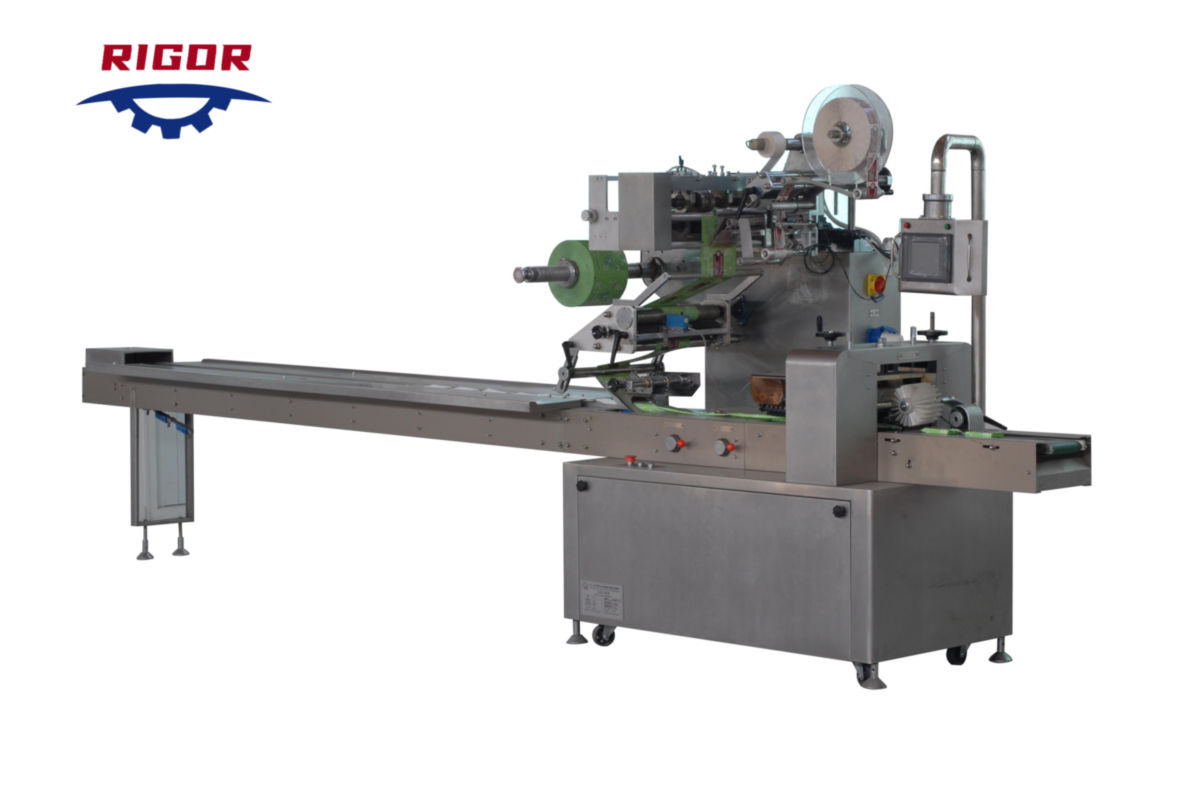
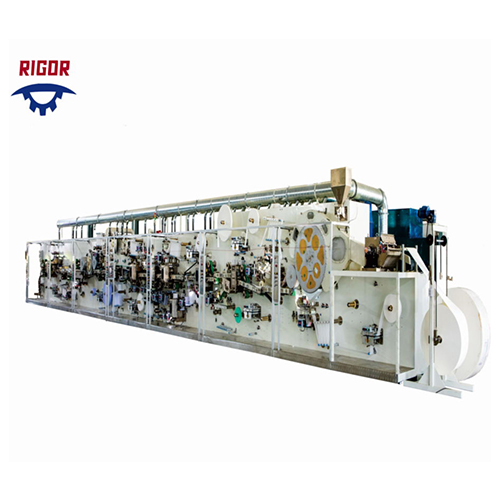
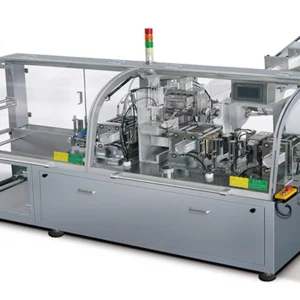
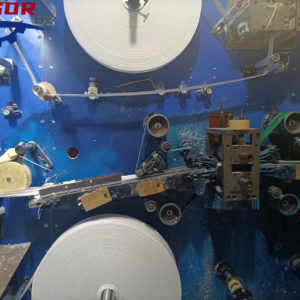
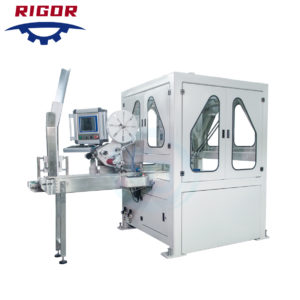
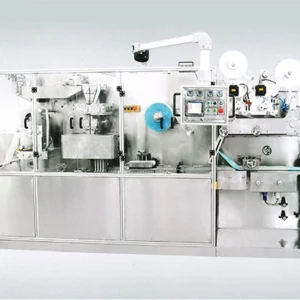
The demand for hygienic products, such as wet wipes, has seen a significant surge in recent years. To meet this demand efficiently and effectively, manufacturers rely on advanced packaging machinery. In this blog post, we will explore the benefits of wet wipes packing machines and how they streamline the manufacturing process. These specialized machines offer automated and high-speed packaging solutions, ensuring product quality, improving productivity, and reducing labor costs. We will delve into the functionalities, advantages, and significance of wet wipes packing machines in meeting the growing consumer demand for hygienic products.
Enhanced Efficiency and Productivity
Wet wipes packing machines are designed to optimize the packaging process, significantly enhancing efficiency and productivity in hygienic product manufacturing. These machines automate the packaging workflow, eliminating the need for manual labor and reducing human error.
With wet wipes packing machines, the entire packaging process, including folding, stacking, and sealing, is performed seamlessly and rapidly. These machines can handle a high volume of wet wipes, ensuring quick and efficient packaging, even in large-scale production environments. By automating the packaging process, manufacturers can achieve higher output rates, reducing bottlenecks and maximizing productivity.
Consistent and Accurate Packaging
Maintaining consistent and accurate packaging is crucial for ensuring product quality and meeting consumer expectations. Wet wipes packing machines are equipped with advanced sensors and precision controls, ensuring precise measurements and consistent packaging results.
These machines are capable of folding the wet wipes uniformly, aligning them accurately in the packaging material, and sealing them securely. This level of precision ensures that each package contains the correct number of wet wipes, preventing product shortages or excesses. Additionally, the consistent packaging appearance enhances the overall brand image, instilling confidence in consumers.
Improved Hygiene and Product Safety
Hygiene is of utmost importance when it comes to wet wipes. Wet wipes packing machines are designed to maintain a clean and hygienic packaging environment throughout the manufacturing process.
These machines are equipped with features such as UV sterilization, air filtration systems, and dust removal mechanisms. These measures help to prevent contamination and maintain the integrity of the wet wipes. By minimizing the risk of bacterial or environmental contamination, wet wipes packing machines contribute to the overall safety and quality of the products.
Cost Efficiency and ROI
Investing in wet wipes packing machines provides long-term cost efficiency and a significant return on investment (ROI) for manufacturers. These machines streamline the packaging process, reducing labor costs and increasing production output.
By automating the packaging process, manufacturers can reduce the number of labor hours required for manual packaging. This not only saves costs but also allows personnel to focus on other critical tasks, such as quality control and maintenance.
Furthermore, wet wipes packing machines minimize material waste by optimizing the use of packaging materials. These machines ensure precise measurements and minimize excess material, reducing costs associated with packaging waste.
Wet Wipes Packing Machines Play a Crucial Role
Wet wipes packing machines play a crucial role in streamlining the manufacturing process of hygienic products. With their ability to enhance efficiency, productivity, and packaging accuracy, these machines are essential for meeting the growing consumer demand. By investing in wet wipes packing machines, manufacturers can achieve consistent and hygienic packaging, improve product safety, and realize long-term cost savings. As the demand for hygienic products continues to rise, these machines provide a reliable and efficient solution for manufacturers, ensuring the timely delivery of high-quality wet wipes to consumers worldwide.
Sanitary napkins are a concept that most people are familiar with.Sanitary napkins are necessary sanitary products for women. Every woman cannot do without them during her menstrual period. Since sanitary napkins directly contact women’s private parts, the skin in this area is very delicate and the flora is also very fragile, so the material requirements of sanitary napkins are very high,ans production safety standards are also very high.Safety and health of sanitary napkin is related to the safety and health of women and the future of the country.
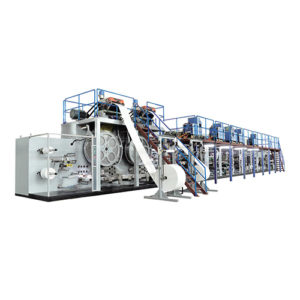
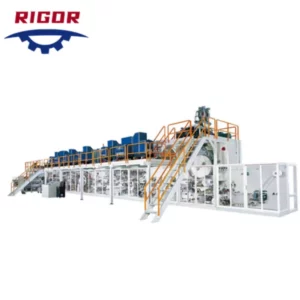
Now we want to introduce you to the process for producing sanitary napkins,and get you acquainted to lady sanitary napkin machine.
Further information of sanitary napkins
the main material of sanitary napkin includes cotton, non-woven, pulp or the above material compound formed by polymer and polymer composite paper, the side of the design is mainly used to prevent side leakage, from the inside to the outside is divided into the surface layer, absorbent core, the bottom layer of three layers.
When using it, first tear off the middle paper tape, glue one side to the middle of the underwear, and stick the two “ears” to the narrowest part of the crotch. When choosing sanitary napkins, you should pay attention to material composition, hygienic standards and your own actual situation.
Sanitary napkin production process
In the production process of sanitary napkins, the raw materials need to be loaded into the machine for mixing, carding, wheel molding, and then transferred through the machine, creasing and trimming, pressing the inner layer and other processes, and finally compressing and sealing, separating and closing, and folding. Packaging, heat sealing, and a sanitary napkin was born.
During the production process of sanitary napkins, they must undergo multiple inspections such as stain detection, calibration and positioning, and metal detection. In addition, there are many performance index tests for sanitary napkins before, during and after delivery, before they can finally leave the machine and go to the market.
Different types of sanitary napkin
Normal thick type product: top sheet non-woven(or PE perforated film), elastic ribbon of Stereo-Protection ,top tissue, absorbent paper(cotton core with SAP), down tissue,PE film, back release paper, wing release paper, packaging film, easy tape.
Ultra thin:double layer anti-leakage non-woven, top sheet (non woven or PE perforated film), absorbent core(air laid, SAP paper), down tissue, back sheet(PE film), wing release paper, packaging film, easy tape.
1. It can produce ultra-thin sanitary napkins or fluff pulp cotton core sanitary napkins and quick and easy packaging.
2.PLC+touch screen+inverter control system.
3. The 90-degree rotation of the sanitary napkin production equipment adopts a planetary gear steering mechanism, and the air valve controls the suction size, making the rotation fast and reliable.
4. The small packaging adopts soft wrapping method, which is heat-sealed, pressed and cut into one piece. The shape of the product is smooth and beautiful.
5. The whole machine adopts variable frequency motor drive, gear box, cardan shaft and synchronous belt drive.
6. The main materials such as toilet paper, non-woven fabrics, and cast films can automatically change and splice materials, automatically control the tension, automatically correct deviations, and change splicing materials. Secondary and scrap products are automatically removed, and production faults are automatically shut down.
7. The pulverizer is of toothed type and can be used for unprocessed pulp and processed pulp.
These reasons make Rigor machines the first choice:
1.High speed: 550 pieces/minute
2. Professional manufacturer
3. Top quality
4. High performance
5. Full servo automatic control
6.Easy to operate
7.Quality assurance
8. Hygiene product processing solutions
9.Customized services
10. The main supporting components are from world-renowned brands.
Roger is a professional manufacturer from China. We care about women’s health and are committed to protecting human health. We provide reliable products and thoughtful after-sales service.We look forward to your call!
As one of the most essential baby care products, diapers require advanced machinery to keep up with demand while maintaining quality standards. Key machines for manufacturing baby diapers maximize every step of diaper production from material handling to packaging.
Material Preparation And Forming
Material unwinders extract rolls of nonwoven fabric, leg elastics, tape, and other components. High-speed slitters and shears cut these materials into specified widths for forming. Layers of material enter folding units which shape them into the basic diaper core prior to adding features.
Core Assembly Systems
Core forming machines lay nonwoven fabric over absorbent cores then seal the layers together. Elastic applicators stretch and bond leg elastic strips around the core perimeter. Tape applicators precisely apply fastening tape strips in designated areas. Quality checks verify components are accurately assembled.
Feature Application
Specialized machines handle added design elements. Glue printers apply graphic designs, characters or images onto outer materials. Softening units thermoform absorbent gelling materials into three-dimensional shapes to better match body contours. Pad printers deposit lot numbers, sizes, and other text.
Absorbent Core Manufacturing
Airlaid and other advanced processes form absorbent cores from cellulose, wood pulp or other materials. Systems layer and bond nonwoven tops and backs around highly absorbent middles. Densified models better wick away fluids while fluffier varieties feel softer against skin.
Folding, Cutting and Inspection
Multi-point folding machines quickly format assembled cores into recognizable diaper shapes for packaging. Programmable cutters trim edges cleanly and uniformly. Optical inspection systems detect defects before diapers exit the assembly line. Quality is rigorously maintained through strict automation.
Packaging and Palletizing
Packaging lines bunch folded diapers together, wrap them in film, and seal air-tight. Carton erecting machines quickly assemble boxes and load complete diaper bundles for easy transport and storage. Robotic palletizers stack full cartons on pallets in optimal configurations to maximize load stability and efficiency of distribution center storage and transport.
Automating diaper manufacturing maximizes output while safeguarding quality through precise, high-speed machinery. State-of-the-art systems efficiently transform raw materials into modern baby diapers, reliably meeting worldwide demand. Automation ensures consistency for trusting parents worldwide
Mass clothing production demands versatile, precise machinery handling complex seams. Leading the industry, Juki established its J71 line revolutionizing pant construction automation. Streamlined yet customizable J71 AP machines excel at mid-to-high volume jeans, slacks and more – sewing up to 200 units per hour with minimal labor. Their programming flexibility suits evolving fashion trends while heightening quality control.
Threading System: Automated multipurpose threaders reduce setup times between styles.
Robotic Arms: Precisely maneuver and position fabric via synchronized articulating joints.
Ultrasonic Technology: Non-piercing ultrasonic sealing bars finish hems and seams.
Laser Guidance: Positioning lasers ensure accurate replication of digitized patterns.
Touchscreens: Intuitive controls enable complete programming and operation by one operator.
Operation Process
Fully digital pattern chains optimize sewing cycles down to individual stitch pitches:
Robotic arms lay fabric panels perfectly aligned via laser guidance.
A servo feed system tensions fabric for even feeding through processes.
An electronic sewing head precisely stitches programmed seam designs at high speeds.
Additional seaming operations progress fabric around the machine.
Cameras inspect for defects allowing early quality intervention.
Finished pants exit on a Conveyor for pressing, finishing and packaging.
Production Flexibility
Juki AP machines deftly manufacture styles from basic jeans to technical fits with four-way stretch fabrics. Customizable sewing patterns adapt designs seasonally via online database updates without machine modifications. Changing between fabrics takes only minutes, minimizing costly setup adjustments.
Overall, Juki excels wherever consistent, high-volume production streamlines operations.
Maintenance Best Practices
Proper servicing safeguards decades of productivity:
Regularly clean/replace sewing machine components like needles and hooks.
Calibrate seam tracking cameras; update lighting as needed.
Check robotic arm, feed system and belt tensions; replace worn parts.
Keep touchscreen and computer systems updated to current software versions.
Routinely deep clean interior while inspecting for material shavings.
Thoughtful preventative maintenance leverages Juki machines’ longevity and resale values.
Comparing To J71 AP machines, RIGOR Also Provide Quality Diaper Pants Machines
Quanzhou Rigor is located in China. As leading wet wipes and diaper machines manufacturer and supplier, we produce and supply to worldwide about RIGOR high quality machines for manufacturing related wipes products. Comparing to JOA machines produced J71 AP Series, our machines with benefits such as higher efficient, lower cost and durable machine structure, etc. please contact us for more information of products.
For women around the world, access to affordable and hygienic sanitary napkins can be a challenge. Lady sanitary napkin machines offer a solution, allowing small scale production of sanitary pads at the local level. Read on to learn how these machines are improving women’s health, creating employment opportunities, and supporting community development.
Breaking Down Barriers To Women’s Health
One factor limiting access to sanitary products for girls and women is cost. Store-bought napkins may simply be unaffordable to lower-income families in developing regions. Reusable cloth napkins require adequate water and soap for washing, which many lack access to. As a result, women turn to unsanitary and unsafe alternatives during menstruation, risking health problems like reproductive infections.
Cultural taboos around menstruation present another barrier. In many traditional societies, periods are seen as dirty or impure. This stigma prevents open discussion and solutions. Women may be isolated in menstrual huts or taken out of school during their periods. Lack of proper sanitary hygiene caused by secrecy, shame, and misinformation creates health risks.
Lady sanitary napkin machines installed in villages tackle these barriers head-on. Producing pads locally makes them affordable and accessible. Running the machines creates employment for women. Sale and distribution of the pads by local women helps break taboos through education and open dialogue about menstrual health. It’s an integrated approach that uplifts women economically while improving community health.
How Lady Napkin Machines Work
Lady napkin machines are designed to be operated with minimal training by women’s self-help groups in rural villages. The manufacturing process is simple and uses readily available raw materials.
Here is the step-by-step process:
Raw materials like cotton, pine wood pulp, and absorbent polymers are loaded into the machine.
The raw materials move through an integrated sequence of processes including mixing, grinding, compressing and shaping.
A conveyor belt carries the material through pressure rollers to densify and shape it into napkins.
Napkins are manually folded and packaged by operators.
Sanitary pads are distributed and sold locally at affordable pricing.
Machines are available in various production capacities ranging from 1,000 to 10,000 napkins per day. The entire process can be managed start-to-finish by 3-4 women operating the machine. Maintenance is minimal due to the simple mechanical design.
Benefits to Women and Communities
Lady napkin machines deliver immense impact for women’s health, employment, and community development:
Improved access to affordable, hygienic sanitary napkins
Greater school attendance by teenage girls who can manage periods
Increased awareness and education about menstrual health
Reduced reproductive infections from use of unsanitary pads
Jobs and supplementary income for women running the machines
Support for female entrepreneurs selling and distributing pads
Boosted local economy around production and sales
By facilitating small-scale decentralized production, lady napkin machines empower women to take menstrual health into their own hands. The local availability of sanitary pads is helping overcome cultural taboos and letting women manage periods with safety and dignity. It’s a small innovation making a huge difference worldwide.