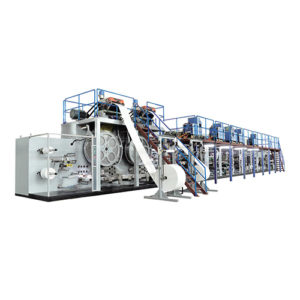
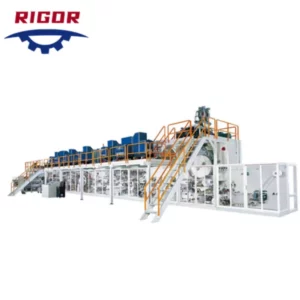
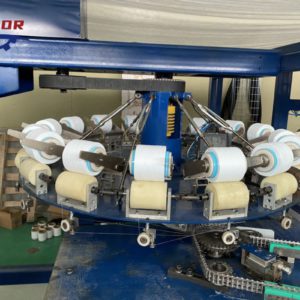
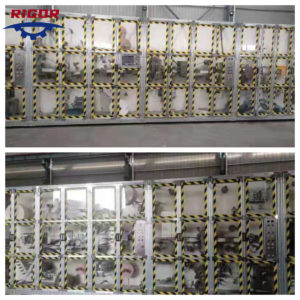
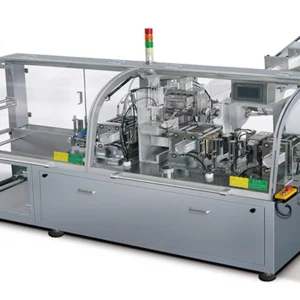
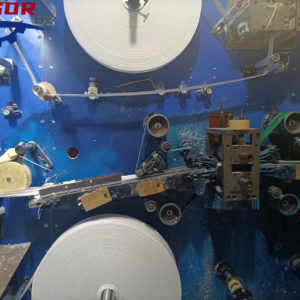
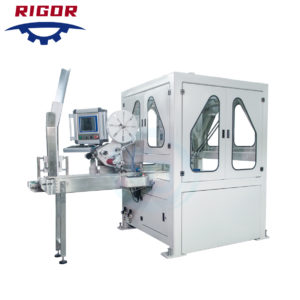
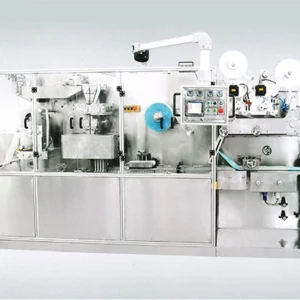
Paper is an incredibly versatile material that forms the basis for a vast array of essential products we use every day. To turn raw paper into useful finished products, a variety of specialized paper converting equipment and machines are used. In this guide, we’ll explore the world of paper converting and the machinery that enables paper products like tissues, paper bags, envelopes, and more to be produced efficiently at scale.
What is Paper Converting?
Paper converting is the process of transforming basic paper materials into usable paper products. It involves modifying, enhancing, and combining paper in different ways to create products customized for different applications. The paper goes through converting machines for cutting, folding, gluing, printing, packaging and more. Some examples of converted paper products include paper napkins, paper towels, greeting cards, envelopes, paper bags, and facial tissues.
Common Types of Paper Converting Equipment:
Here are some of the most common types of equipment used in paper converting:
Cutting machines – Perform precise cutting of paper and paperboard using rotary, reciprocating, or flatbed cutting. This allows paper to be cut to specific shapes and sizes.
Folding machines – Fold paper into box sections, contours, and various folded configurations. Common folding styles include zig-zag, gate, envelope, and cross-folds.
Rewinding machines – Rewind large paper rolls into smaller rolls in a continuous process. Allows for improved handling and use in other converting processes.
Printing presses – Apply images, text, and designs onto paper using offset, flexographic, gravure, or digital printing. Adds aesthetic qualities and communication to products.
Bagmakers – Transform flat paper into bags and pouches of different sizes. This expands paper usage into the packaging sector.
Tissue converters – Create finished tissue products like napkins, towels, facial tissue, and toilet paper from tissue paper through embossing, folding, packaging and slitting.
Envelope making machines – Fold and glue paper to produce mailing and packaging envelopes at high speeds.
Key Considerations for Paper Converting Machinery:
When investing in paper converting equipment, here are some key factors to consider:
Speed – Faster machines enable higher throughput and productivity.
Precision – Components that allow accurate folding, cutting, printing, etc. lead to quality finished products.
Flexibility – Look for convertors that can handle multiple formats and paper types. Quick changeovers help.
Automation – Automated feeders, stackers, and other features boost efficiency and reduce labor.
Reliability – Durable components that can operate with minimal downtime are ideal for 24/7 production environments.
Customer support – Manufacturers who provide technical support and service help maintain productivity.
Summary Of Paper Converting Equipment
Paper converting machinery empowers paper products manufacturers to take basic paper materials and transform them into specialized paper products used by consumers and businesses every day. With high performance converting equipment like cutters, folders, rewinders, printers, and more, paper can attain new properties and capabilities. Companies looking to be at the forefront of paper product manufacturing would benefit greatly from investing in modern and efficient paper converting equipment.
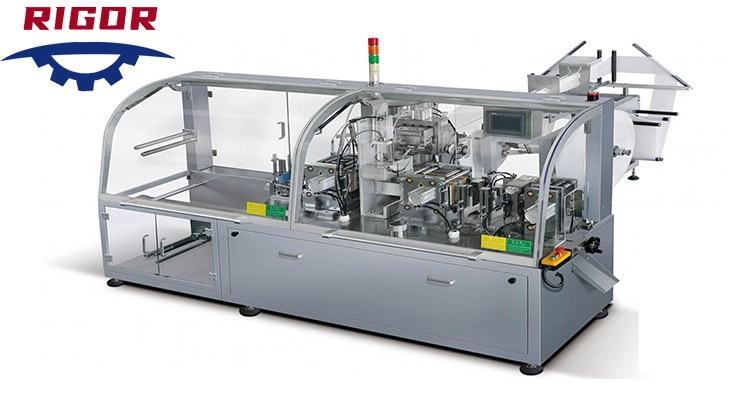
Wet wipes have become an essential product found in homes, schools, hospitals, and businesses worldwide. Producing quality wet wipes requires highly engineered machinery to fold, saturate, and package the wipes efficiently. Choosing the right wet wipes machine manufacturers are crucial to creating successful wipes tailored to your exact product specifications and production needs.
In this blog, we’ll delve into key considerations when selecting a wet wipes machine manufacturer and partner for your wet wipes production business or operations.
Understanding Wet Wipes Machine Processes
Modern wet wipes machines integrate various processes into one automated production line:
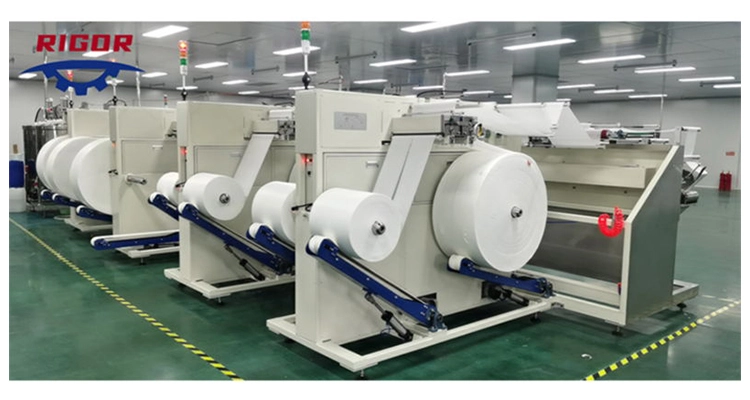
Unwinding – Large jumbo rolls of dry wipe material are held on unwind stands.
Cutting – The base material is cut into individual sheets by razor blades or lasers.
Folding – Fold plates manipulate the material into the desired wipe size and fold pattern.
Saturation – Liquid solution is applied to the stack of folded wipes via spray, bath immersion or pressure flooding.
Sealing – Individual wet wipes are sealed in plastic film packaging on high-speed packaging machines.
Counting & Collating – Wipes packages are grouped together into cases or bundles.
Product Transfer – Conveyors move product between processes efficiently.
The best manufacturers offer machines that integrate these entire wet production processes from raw material to packaged wipes.
Key Capabilities in a Wet Wipes Machine Manufacturer
When evaluating manufacturers, look for the following:
Proven experience building wet wipes machines specifically
Flexibility to handle different wipe materials, liquids, and folding
Machines that produce wipes at your required speeds and volumes
Custom engineering capabilities to meet your product goals
Intelligent automation and controls for efficiency
Sanitary design principles and materials
Options for integrated packaging equipment
Ability to validate and document process performance
Select a manufacturer well-versed in the intricacies of high-volume wet wipes production. They should understand and accommodate your product designs.
After-Sales Support Services
Once you purchase wet wipes machines, excellent after-sales service ensures smooth startup and ongoing operation:
Installation services to assemble the system properly onsite
Training for your staff on machine operations and maintenance
Telephone and online troubleshooting assistance
Availability of spare parts and consumables
Preventative maintenance service contracts
Control system upgrades and machine retrofits for capability expansion
Choose a manufacturer that provides responsive, thorough support over the full lifecycle of your wet wipes production line.
Achieving Wet Wipes Success
Creating quality wet wipes requires an automated production line tailored to your product and business goals. Partnering with the right wet wipes machine manufacturer provides you both the specialized equipment and responsive support needed to produce wipes efficiently. Taking time to evaluate manufacturers will ensure you select the ideal long-term wet wipes production partner.
Wet wipes are ubiquitous in our everyday lives, used for everything from cleaning hands and faces to sanitizing surfaces and tackle spillages. But how exactly are these convenient and disposable wipes made? The manufacturing process of wet wipes involves multiple steps to transform raw materials into the finished product.
Raw Material Selection And Unwinding
The first step in the wet wipes manufacturing process is selecting the proper raw materials. Two key components go into wet wipes – the substrate and liquid solution. The substrate is typically a nonwoven textile made from fibers like pulp, polyester, polypropylene, or rayon. High-quality substrates ensure the wipes are durable yet soft. Next, liquid solutions like water, antiseptic liquids, moisturizing lotions are added to saturate the substrate. The raw material fibers and substrates are unwound from large rolls and prepared for converting.
Converting And Slitting
The nonwoven fabric substrates are then converted and slit into the desired wipe dimensions using slitting machines. During converting, the fabric may be calendared or embossed using rollers to give it texture. Embossing helps control the liquid absorption properties and increases strength. The fabric is then slit or cut into the required wipe size, typically between 6 to 9 inches.
Liquid Addition
After the fabric substrates are cut to size, the liquid solution is added. Liquids like water, cleaning solutions, baby wipes, and cosmetic wipes require different formulations. Liquids are added based on the type and application of the wipe using various techniques:
Spraying – The most common method where liquid is sprayed over the substrate using nozzles.
Gravity Feeding – Liquid is poured onto one end of the moving substrate, which absorbs it as it moves along.
Roller Coating – Rollers coated in liquid transfer it onto the substrate.
Impregnation – Substrates are soaked and saturated in a liquid bath.
Folding And Packaging
After liquid addition, the wet wipes undergo folding to fit into packaging. Different fold patterns like C-fold, Z-fold, and Accordion fold are used. The folded wipes then enter high-speed packaging lines where they are placed into tubs, canisters, or stand-up pouches. Automatic machinery loads the packaging with a precise count of wipes and seals them. Finally, labels with product details are applied.
Quality Control And Testing
Quality control is critical in every stage of wet wipe production. Various tests are conducted on raw materials and finished products to ensure performance and safety standards are met. Tests measure liquid absorbency, wipe strength and durability, bacterial counts, and residual chemical levels. Only wipes passing all tests make it to the market.
Conclusion Of Manufacturing Process For Wet Wipes
In summary, the wet wipes manufacturing process involves selecting raw materials, converting nonwoven fabric substrates, adding liquid formulations, folding, packaging, and testing to deliver the finished products consumers use every day. Advanced automation, stringent quality control, and use of specialized coating, folding and packaging machinery enable companies to mass-produce wet wipes at large scales efficiently. Wet wipe manufacturers continuously innovate substrates, liquid formulations, and packaging to improve wipe performance for evolving consumer needs.
Making your own reusable or disposable diapers can be more sustainable and cost-effective than buying commercial brands. However, manufacturing diapers at any scale requires specialized machines to ensure consistent quality and productivity.
While reusing fabrics and materials can make for more sustainable diapers, specialized machines play a critical role in manufacturing diapers at any scale. They help process raw materials into components like absorbent cores and leg/waist elastic consistently and precisely. This article covers the main types of machines needed to produce various components of baby diapers.
Materials For Manufacturing Baby Diapers
Before getting into thebaby diaper machine machinery, you first need to decide on the main materials for your diaper design. The options include:
Nonwoven fabrics – The most common material used as the outer covering and absorbent core of disposable diapers. Nonwoven fabrics can be made from various fibers.
Cotton – A natural fabric often used for the outer covering and absorbing layer of reusable cloth diapers. Breathable and skin-friendly.
Fluff pulp – A highly absorbent material derived from wood or cotton fibers. Used as the absorbent core in diapers.
Plastic backsheets – Made of polyethylene or polypropylene films. Acts as the waterproof outer lining in disposable diapers.
Tapes and Elastic – Elements that secure the diaper on the baby. Can be made from various materials.
Different machines are needed to process these raw materials into the components of a finished diaper.
Machines For Making Diaper Components
The main types of machines required for baby diaper manufacturing are:
Nonwoven Fabric Making Machines These produce the outer covering and absorbent core layers of diapers from fibers using techniques like spunbonding, meltblown and airlay. They are essential for producing multilayered nonwoven composite fabrics.
Cutting and Punching Machines Used to cut nonwoven fabrics, backsheets, elastic tapes and other diaper components into specific shapes and patterns at high speed. Cutters are often designed for specific materials.
Ultrasonic Welding Machines Used to join diaper parts like the outer covering and absorbent core layer together using high frequency vibrations that melt thermoplastic materials. Gives a seamless bond.
Elastic Attaching Machines Attach elastic tapes to diaper parts to secure the diaper on the baby. Done by stitching, ultrasonic or heat bonding methods using appropriate machines.
Fluff Pulp Spreading Machines Spread fluff pulp into an even layer of desired thickness and density for use as absorbent cores. Pad former machines are commonly used for this process.
Packaging and Quality Testing Equipment Also required to seal finished diapers in bags or wrap while conducting quality checks like leak tests. Helps ensure consistent product quality.
The scale of operation ofmachines for manufacturing baby diapers– from small home-based to large commercial – determines the type and complexity of machinery needed. Automated machines that handle multiple steps can improve productivity but cost more initially. Simple handheld tools may suffice for making small batches.
Automatic baby diaper machine utilizes automation, computerization and integration to improve nearly every aspect of diaper production.
Manufacturing baby diapers at large scales requires specialized machinery to ensure consistent quality, efficiency and profitability. Automatic diaper machines help diaper producers reduce costs, improve outputs and meet strict standards through automation. Here are the main types and functions of automated diaper making systems.
Types of Automatic Diaper Machines
There are several key automatic machines used in diaper production lines:
Nonwoven Cutting Machines: These machines are as used to cut rolls of nonwoven fabric. So that to the desired sizes and shapes for the topsheet, backsheet, and leg cuffs of the diaper.
Absorbent Core Making Machines: These machines are responsible for laying absorbent fibers into the desired shape and wrapping them with nonwoven fabric to create the absorbent core of the diaper.
Elastic Attachment Systems: This system uses cylinders, guides, and pressing equipment to apply stretchable elastics to the leg and waist areas of the diaper.
Tape Affixers: These machines automatically attach adhesive tapes to the sides of the diaper, replacing traditional tabs for adjustable closures.
Leg Cuff Folding Machines: These automated systems fold the diaper side panels to form the leg openings and seal them in place with hot melt adhesives.
Finishing Lines: This machinery performs final operations such as quality checks, packaging, and stacking of finished diapers in preparation for distribution.
Presses and Ovens: These systems apply heat and pressure to activate adhesives, bond layers, and shape components during the production of diapers.
Leak Proofness Testers: Automatic machines are used to check for any holes or weaknesses in the outer diaper layers that could result in leaks.
Key Functions Of Diaper Machinery
Regardless of type, automated baby diaper equipment aims to:
Reduce labor – Minimizing the amount of manual labor needed helps lower production costs.
Increase output – Higher speeds, throughputs and runtimes maximize the number of diapers produced per hour.
Improve consistency – Computer controls and precision parts produce diapers that meet tight spec ifications for sizing, materials and performance.
Minimize errors – Automated processes reduce human errors that can cause product defects or line downtime.
Optimize material usage – Precisely cut components and regulated filling of absorbent cores saves materials and reduces waste.
Integrate processes – Combined steps into single machines streamline production and reduce changeover times between operations.
Enhance reliability – Robotic mechanisms, sensors and IOT capabilities maximize uptimes and minimize downtimes.
Enable traceability – Data tracking and machine ID codes facilitate full traceability from diaper to component for quality assurance.